
Custom Cargo Shorts Made for Your Brand
Launch custom cargo shorts from 100 units per style and color, with fit-focused XS–3XL development, private labeling, and scalable global production.
Featured Products for custom cargo shorts Development
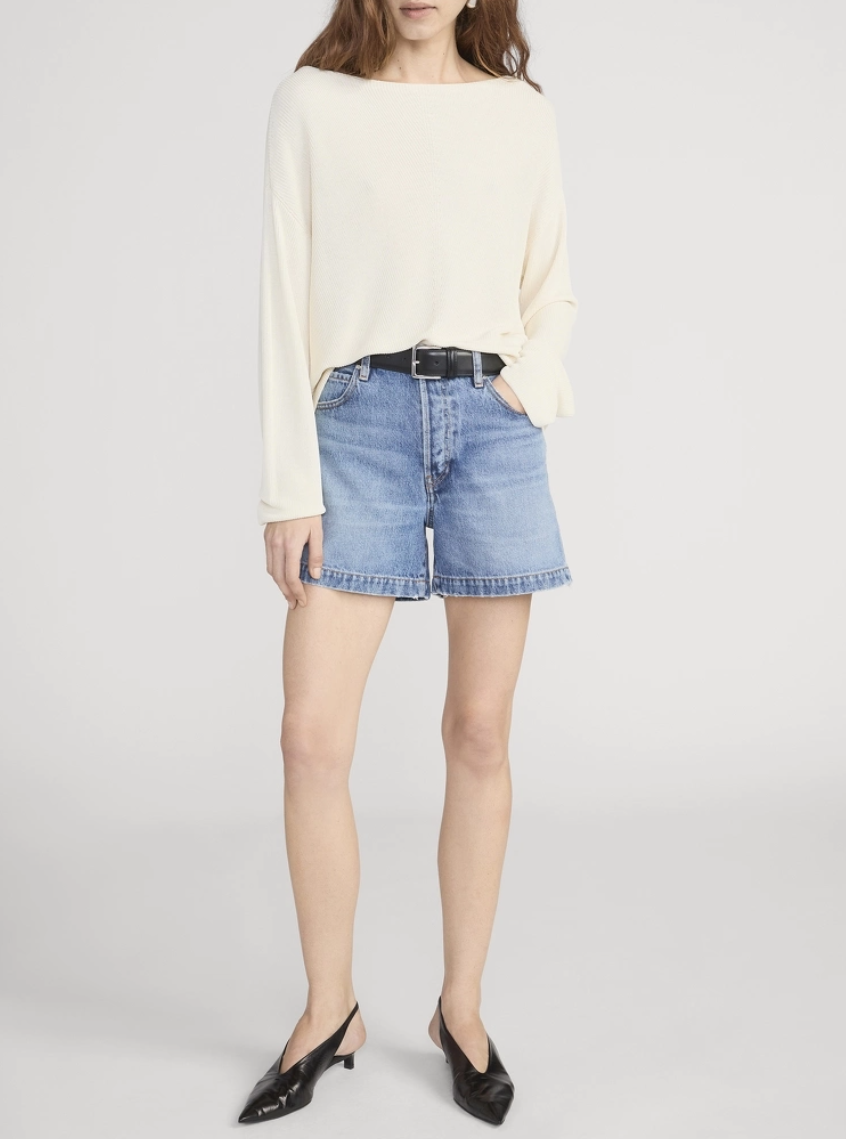
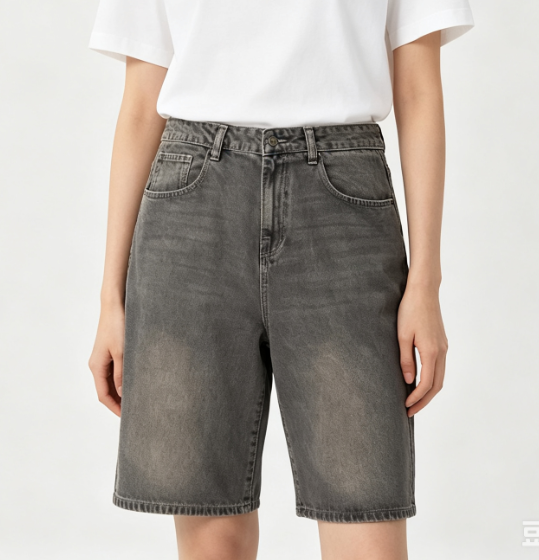


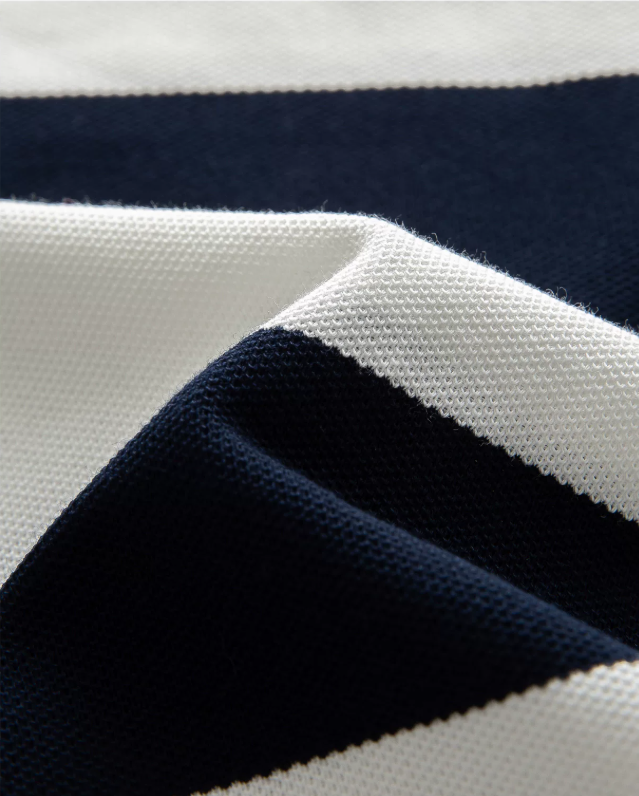
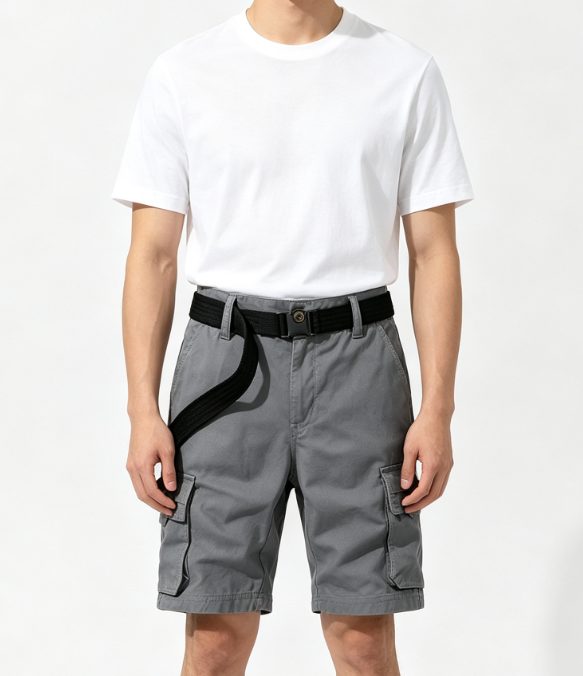




Related Custom Cargo Shorts Catalogue and Quotation


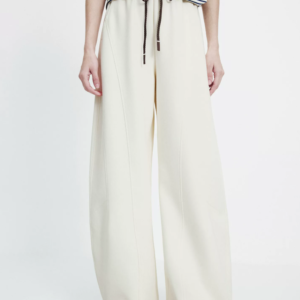

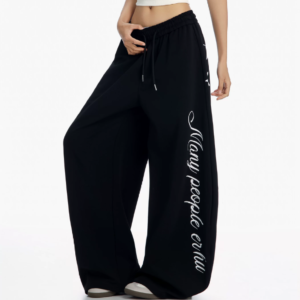

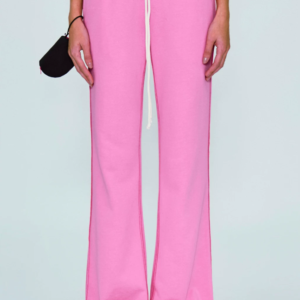

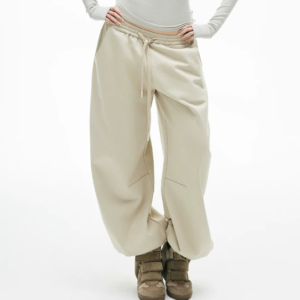
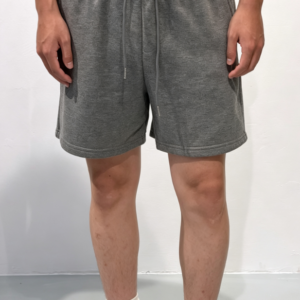
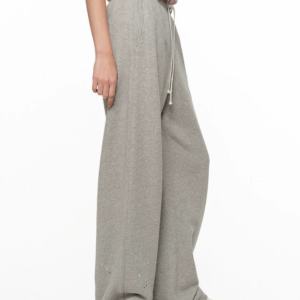
Custom Cargo Shorts Built for Brand-Ready Production
From first sample to global delivery, JUNSHEEN combines flexible order entry with technical development and controlled in-house execution.
100-Unit Starting MOQ
Launch a capsule with orders from 100 units per style and color, then scale proven custom cargo shorts programs confidently.
Fit-Focused Size Development
Pattern makers refine rise, leg balance, pocket placement and grading from XS to 3XL for consistent wearability across your size range.
OEM to Private Label
Bring a tech pack, sketch or reference sample; our team supports development, sourcing, patterns, samples and production-ready specifications.
Integrated Decoration Options
Add logo embroidery, screen printing, patches, garment washing, custom labels, trims and branded packaging through one coordinated manufacturing workflow.
Export-Ready Quality Control
Incoming materials, in-line construction, measurements, decoration and final packing are checked before global shipment for dependable bulk-order consistency.
Scalable Production Capacity
Backed by 200+ skilled workers and 80,000+ monthly units, JUNSHEEN supports repeat orders as your cargo short demand grows.
Cargo Shorts and OEM Development
Develop coordinated casualwear programs with fit-focused patterns, low-MOQ sampling, and scalable production from a single apparel manufacturing partner.
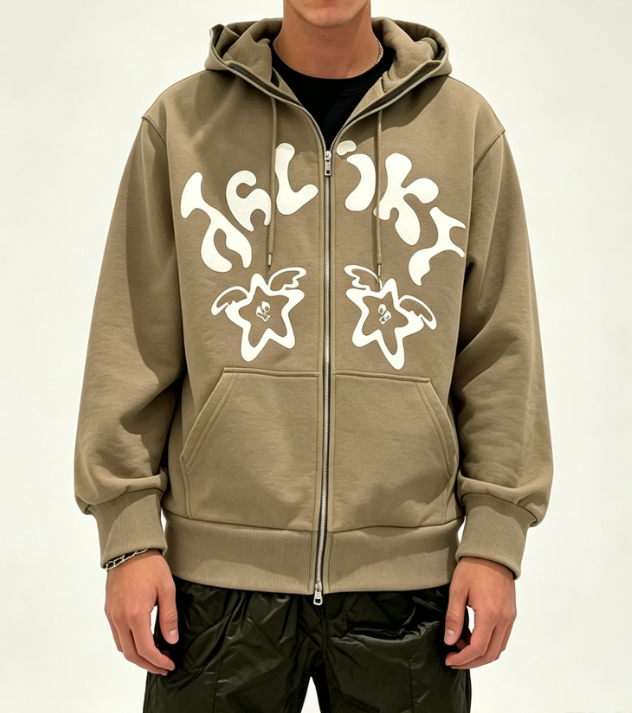
Custom Hoodies
Develop custom hoodies from heavyweight fleece, French terry, or brushed cotton blends, with fit grading from XS–3XL. Junsheen manages pattern development, rib specifications, pockets, embroidery, printing, labels, and washes for capsule drops or repeat bulk programs.
Request a Quote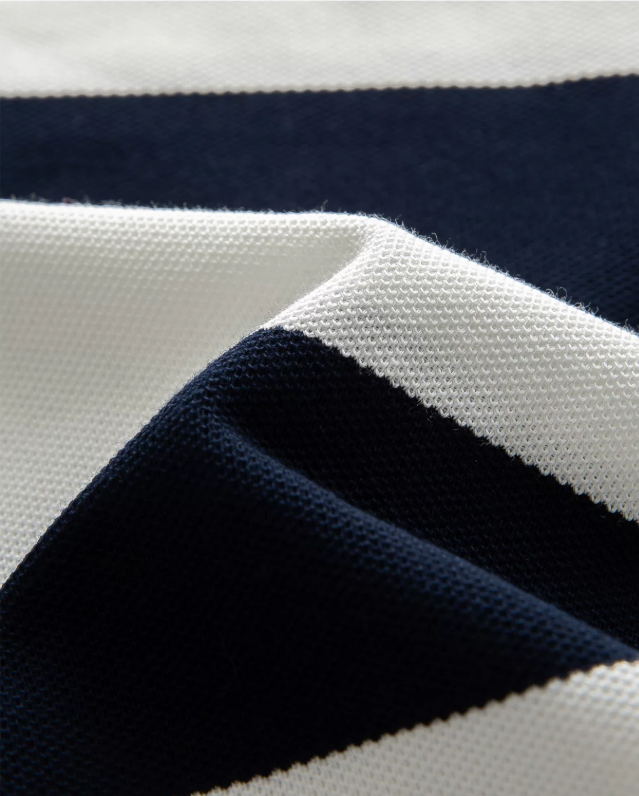
Custom T-Shirts
Produce custom T-shirts with controlled fabric weight, neck shape, body length, and grading across standard, oversized, and extended sizes. Options include combed jersey, Pima cotton, screen printing, DTG, DTF, embroidery, garment dye, and private-label finishing.
Request a Quote
Custom Jeans
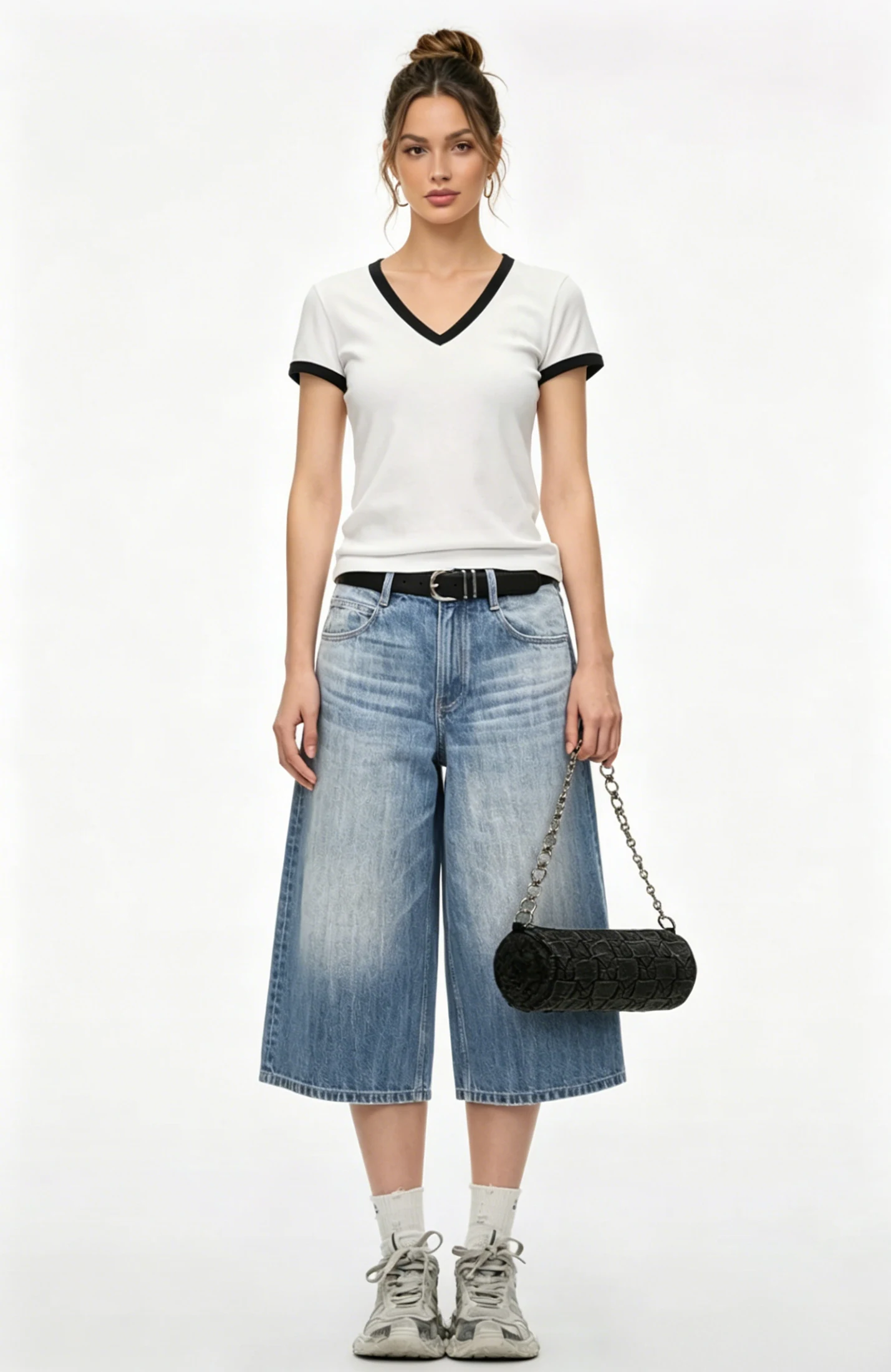
Build custom jeans with fit, rise, leg shape, stretch, and wash performance defined for your target customer. Junsheen develops denim patterns, graded size sets, pocket details, hardware, distressing, enzyme washes, and branded labels from sampling through bulk production.
Request a Quote
Custom Sweaters
Source turtle neck sweater bulk programs with yarn, gauge, silhouette, and finishing matched to target price and hand feel. Junsheen supports sweater construction, size grading, rib development, labels, and scalable knitwear production for wholesale or branded collections.
Request a Quote
Custom Jackets
Create custom jean jackets with specified denim weight, fit balance, seam construction, washes, distressing, buttons, patches, and embroidery. Development includes prototype sampling and size-set review so the finished jacket maintains consistent proportions from XS through 3XL.
Request a Quote
Custom Sweatshirts & Crewnecks
Develop custom crewneck hoodie and sweatshirt programs with refined neckline, shoulder, cuff, hem, and body proportions. Choose fleece or French terry, then add embroidery, screen printing, puff effects, garment dye, washes, labels, and packaging for retail-ready delivery.
Request a Quote
Custom Cardigans
Produce custom cardigans with yarn selection, knit gauge, button placement, placket stability, and size grading tailored to the collection. Junsheen supports lightweight through heavier sweater constructions, branded trims, embroidery, labels, and repeatable bulk specifications.
Request a Quote
Custom Puffer & Down Jackets
Develop custom puffer jackets with shell fabric, insulation, quilting layout, collar shape, zipper, pocket, and lining requirements engineered into the sample. Junsheen coordinates trims, labels, reflective details, fit grading, quality control, and export-ready packing.
Request a Quote
Custom Denim Shorts
Create custom jean shorts with controlled rise, inseam, leg opening, pocket placement, and wash appearance for men’s, women’s, or unisex ranges. Junsheen handles denim sourcing, stretch options, distressing, hardware, grading, labels, and low-MOQ development.
Request a Quote
Custom Sweater Dresses
Produce custom sweater dresses with knit structure, neckline, sleeve shape, body length, and stretch recovery developed for the intended silhouette. Junsheen supports regular, extended-size, and oversized grading, with yarn recommendations, trims, labels, and production quality checks.
Request a Quote
Custom Denim Sets
Build men’s denim suits wholesale programs with coordinated jackets and trousers or shorts that share wash, color, hardware, and fit standards. Junsheen develops matching patterns, denim constructions, branded details, size grading, and scalable production for wholesale assortments.
Request a Quote
Custom Polo Shirts
Develop custom polo shirts with piqué, jersey, or performance-knit fabric selected for hand feel, durability, and target cost. Junsheen controls collar construction, plackets, sleeve ribs, embroidery, printing, grading, private labels, and packaging for uniform or retail programs.
Request a Quote
Custom Sweatpants
Produce custom sweatpants with defined rise, taper, inseam, waistband, pocket placement, and cuff construction. Fleece and French terry options can be paired with embroidery, printing, washes, drawstrings, labels, and fit-focused grading for XS–3XL collections.
Request a Quote
Custom Shorts
Develop custom shorts, including cargo, jersey, fleece, twill, and denim styles, around the required inseam, pocket function, waist fit, and mobility. Junsheen supports cargo pocket engineering, trims, decoration, washes, size grading, and production from 100 units per style and color.
Request a Quote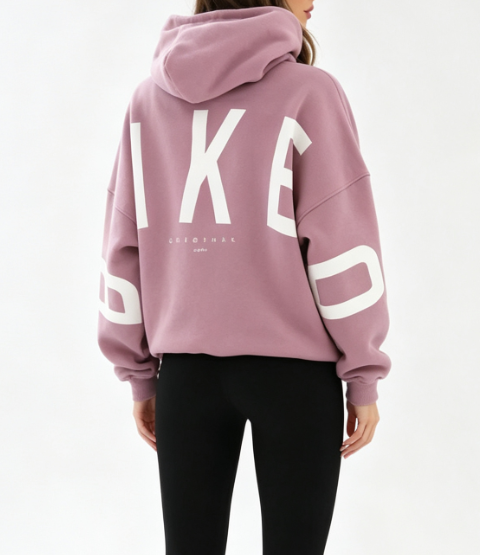
Custom Pullovers
Create custom pullovers with fabric, neckline, fit, and finishing selected for your casualwear range. Junsheen develops hooded, quarter-zip, mock-neck, and crew styles in jersey, fleece, French terry, or knit constructions, with branded trims, decoration, and repeat-order records.
Request a QuoteCustom Cargo Shorts Materials for Durable, Comfortable Wear

Cotton Cargo Twill
A crisp yet comfortable woven fabric for everyday cargo shorts, offering dependable abrasion resistance and clean pocket structure. Available in varied weights, it holds its shape well for utility, workwear, and casual programs.

Stretch Cotton Twill
Cotton twill blended with elastane for a soft, flexible hand and improved mobility. Ideal for fitted or active-inspired custom cargo shorts, its controlled stretch supports comfort through the seat, thigh, and knee.

Rigid Cotton Denim
A durable, substantial fabric with an authentic workwear hand, suited to denim cargo shorts and washed utility styles. Its heavier construction supports stone washing, enzyme treatments, fading, and structured oversized silhouettes.

Stretch Denim Blend
Denim blended with stretch fibers for a softer feel and easier movement than rigid denim. A practical choice for slim, tapered, or extended-size cargo shorts, with reliable recovery after regular wear.

Recycled Poly Cotton
A durable woven blend that balances a smooth, resilient surface with reduced material impact. Well suited to performance-influenced cargo shorts, it offers quick-drying behavior, color retention, and dependable everyday wear resistance.
Custom Cargo Shorts Decoration and Finishing

Logo Embroidery
Flat, 3D puff and chain-stitch embroidery add dimensional logos to pockets, hems and panels. Carefully matched backing and thread selection help preserve clean detail, secure stitching and reliable wear performance.

Screen Printing
Plastisol, water-based, puff, silicone and high-density screen prints create bold branded graphics on cargo short panels. Process selection is matched to fabric weight and artwork for strong opacity, flexible hand feel and wash durability.

Custom Patch Application
Woven, embroidered, leather-look and appliqué patches give custom cargo shorts a tactile private-label signature. We position and secure each patch for balanced placement, defined edges and dependable attachment through repeated wear.

Garment Dyeing
Garment dyeing delivers rich, lived-in color after construction, helping cargo shorts achieve a softer character and nuanced tonal variation. Trial samples confirm shade, shrinkage and pocket-panel consistency before bulk production.

Wash Finishing
Enzyme, stone, acid and softening washes refine hand feel and create the intended worn or vintage appearance. Junsheen tests treatments against fabric strength, trim compatibility and measurement stability for consistent production results.
Custom Cargo Shorts Trims and Accessories

Drawcords and Tipping
Specify cotton, flat, round, elastic, or reflective drawcords with metal, silicone, or dipped tips. These details secure adjustable waists while reinforcing the intended price point and brand character of custom cargo shorts.

Snap Button Closures
Add custom snaps to cargo pockets, fly fronts, cuffs, or utility tabs for dependable closure and a clean technical finish. We can match hardware color, finish, logo treatment, and strength to the garment’s construction.

Custom Zipper Hardware
Choose nylon coil, metal, waterproof, or branded zippers for fly fronts and secure cargo pockets. JUNSHEEN sources zipper options suited to fabric weight, wash requirements, pocket function, and your approved design direction.

Woven Brand Labels
Apply woven main labels, size labels, and wash-care labels with precise placement inside the waistband, pocket, or side seam. Private-label label sets help turn production-ready cargo shorts into a cohesive retail product.

Custom Logo Patches
Use embroidered, woven, rubber, leather, or silicone patches to create a recognizable branded accent. Patches can be positioned on cargo pockets, back waistbands, hems, or utility panels for elevated identity.
Branded Packaging Sets
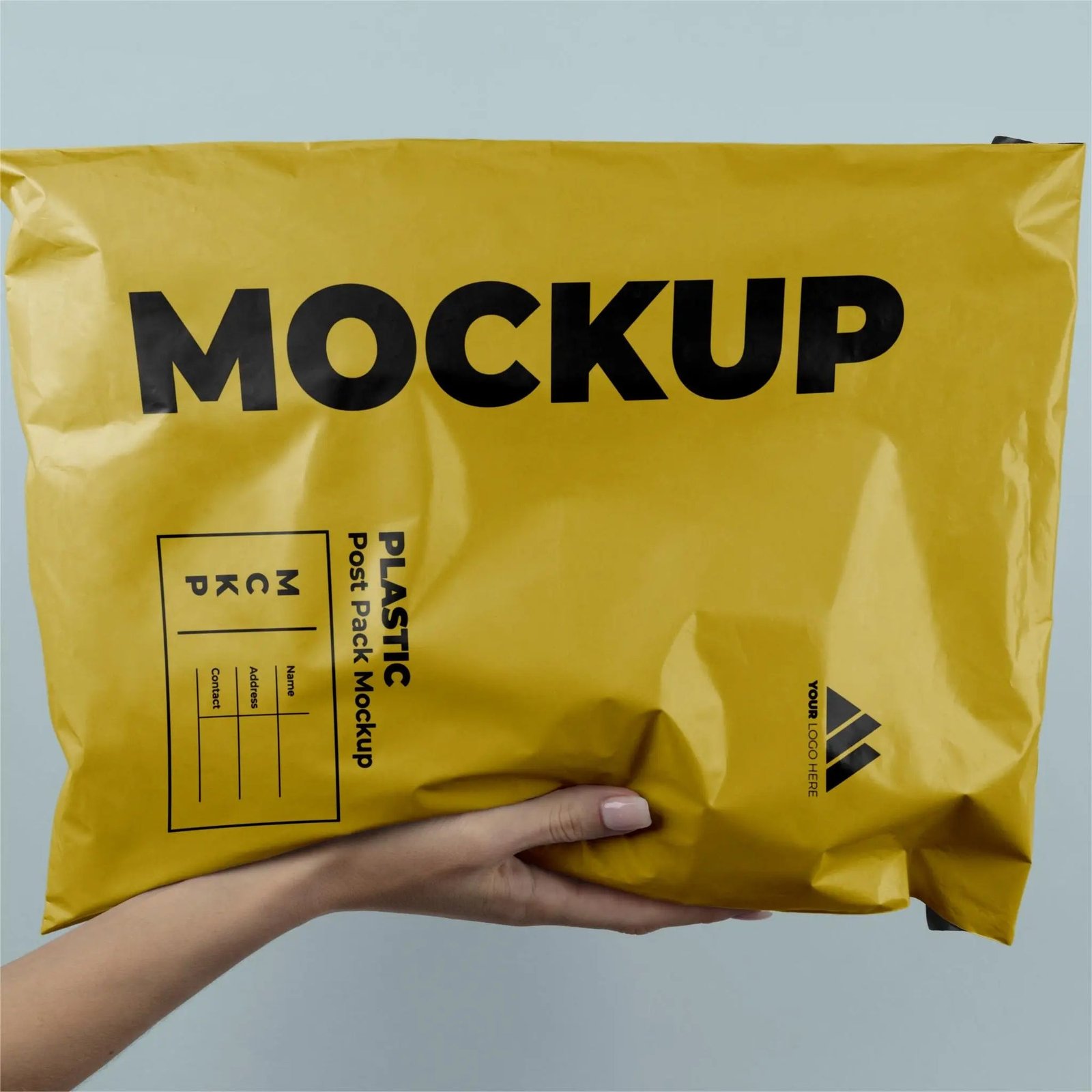
Complete each order with custom hangtags, polybags, barcode stickers, tissue, and export-ready cartons. JUNSHEEN coordinates packaging specifications so your custom cargo shorts arrive prepared for wholesale, retail, or direct fulfillment.
Custom Cargo Shorts, Made in Humen
Founded in 2010 in Humen Town, Dongguan, JUNSHEEN helps fashion brands turn custom cargo shorts concepts into production-ready collections. From a tech pack, sketch or reference sample, our team coordinates development, fabric sourcing, pattern making, sampling and export support through one responsive manufacturing partner.
More than 200 skilled workers support monthly capacity above 80,000 units across cut-and-sew casualwear, denim, knitwear and outerwear. For cargo short programs, we manage durable fabric options, fit-focused grading from XS to 3XL, decoration, washes, labels, trims and branded packaging within an integrated supply chain.
Our difference is fit-first development paired with accessible scale. Brands can begin from 100 units per style and color, then grow into repeat bulk programs with retained patterns, material records and quality controls that help maintain consistency for global launches.

Custom Cargo Shorts Capabilities for Consistent Programs
Fit-First Pattern Engineering
JUNSHEEN develops custom cargo shorts from XS to 3XL with cargo-pocket placement, rise, leg balance, and mobility considered at pattern stage. Our team refines graded proportions instead of simply enlarging a base size, helping protect fit consistency across your collection.
- XS–3XL, extended-size, plus-size, and oversized grading
- Pattern development from tech packs, sketches, or reference samples
- Cargo-pocket scale and placement reviewed by size
- Prototype, size-set, and pre-production fit approvals

Fabric and Trim Control
Source performance-minded twill, cotton blends, stretch fabrics, denim, and recycled options through one coordinated supply chain. We align weight, hand feel, durability, wash performance, and target cost with your cargo short design, then pair materials with brand-specific functional trims.
- Fabric swatches and sample-garment review available
- Zippers, snaps, drawcords, labels, and custom buttons
- Recommendations based on wear use and target price
- Material records retained for reliable repeat orders
In-House Decoration and Finishing
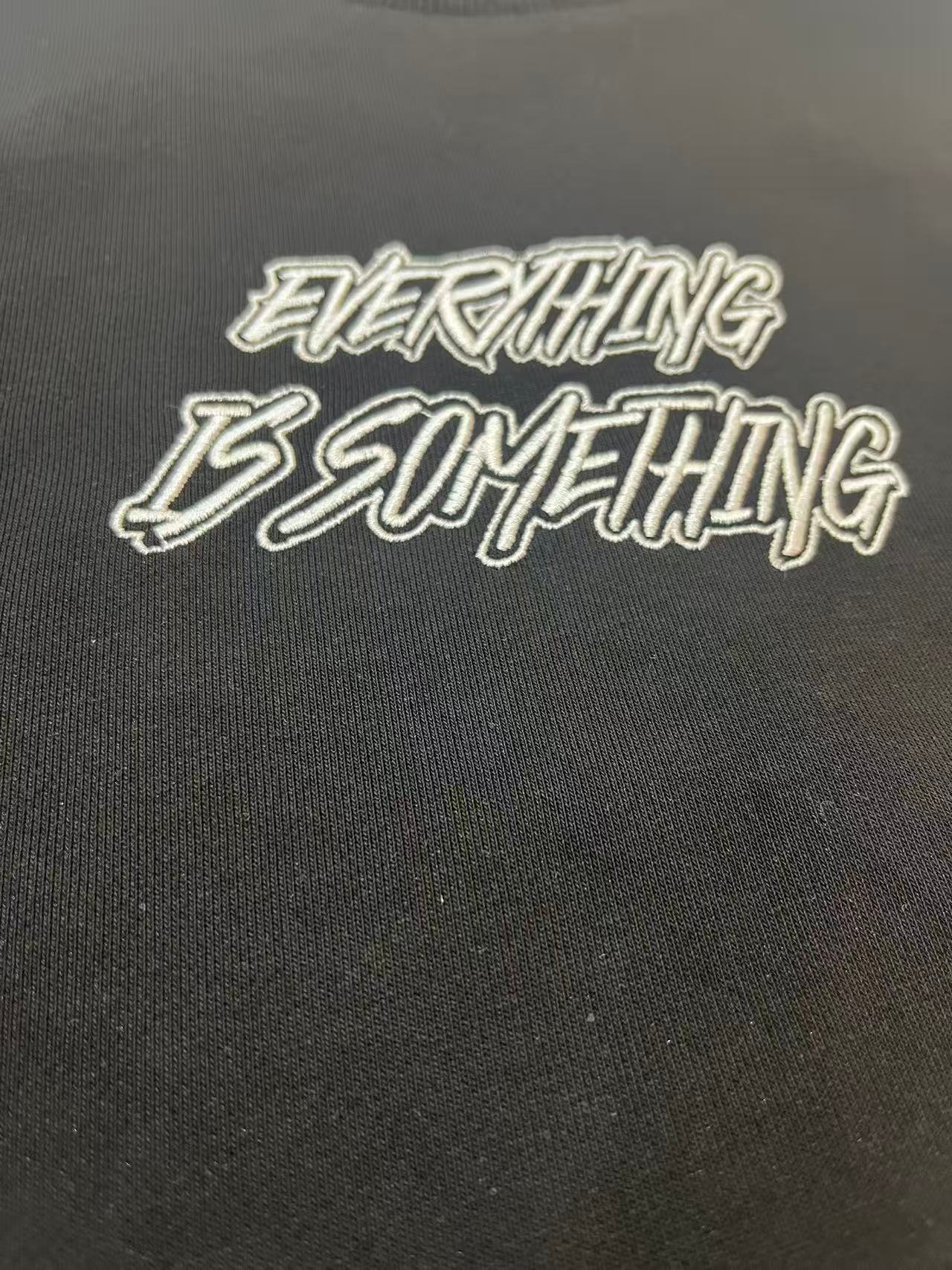
Turn a functional short into a recognizable private-label product with controlled decoration and finishing. JUNSHEEN manages logo embroidery, screen printing, patches, labels, and garment washes in-house, enabling clearer execution across visual details without fragmenting your production workflow.
- Flat, 3D, puff, chain-stitch, and applique embroidery
- Screen print, DTF, DTG, heat-transfer, and specialty effects
- Garment dye, acid wash, enzyme wash, and softening
- Woven labels, care labels, hang tags, and branded packaging

Scalable Quality-Controlled Production
Launch from 100 units per style and color, then scale into dependable bulk cargo short programs with the same documented standards. More than 200 skilled workers and monthly capacity above 80,000 units support in-line checks, final inspection, export coordination, and repeat-order continuity.
- Low MOQ from 100 units per style/color
- Incoming, in-line, measurement, decoration, and final checks
- 80,000+ units monthly capacity for growing programs
- Global shipping support for established and emerging brands
Why Brands Choose JUNSHEEN for Custom Cargo Shorts
Evidence-led manufacturing support from first sample through repeat global production.
← 左右滑动查看 →
Custom Cargo Shorts Production Process
A controlled OEM workflow that moves your cargo shorts from feasibility review to export-ready delivery with clear technical checkpoints.
Review Feasibility and Specs
We assess your tech pack, sketch or reference garment, confirming construction, pocket details, target fit, MOQ, timeline and manufacturability before development begins.
Source Fabrics and Trims
Our team recommends twill, cotton blends, stretch fabrics, hardware and labels based on weight, durability, hand feel, wash performance, target cost and brand direction.
Pattern, Grade and Sample
Pattern makers develop fit-focused XS–3XL grading, refine rise and pocket placement, then produce samples for measurements, mobility, styling and pre-production approval.
Cut, Sew and Decorate
Approved custom cargo shorts move into bulk cutting and sewing, with in-house embroidery, printing, washing, patches and private-label trims applied to specification.
Inspect, Pack and Ship
Quality teams inspect materials, construction, measurements, decoration and packed goods before branded packaging, export documentation and global shipment support are arranged.
How to Work With Our Custom Cargo Shorts OEM Team
From concept review to shipment, JUNSHEEN provides a clear, fit-focused development path for private-label cargo short programs.
Send Your Design Brief
Share a tech pack, sketch, reference garment, mood board, or target specifications for your custom cargo shorts, including quantities, sizes, fabrics, and branding requirements.
Review Feasibility and Sampling
Our development team assesses construction, fabric, pocket details, fit grading, decorations, and trims, then prepares patterns and samples for your review and refinement.
Approve Your Quotation
Confirm the sample direction, materials, size range, packaging, production quantity, and pricing. Programs can begin from 100 units per style and color.
Launch Bulk Production
After pre-production approval, we manage fabric sourcing, cut-and-sew manufacturing, in-line quality control, finishing, packing, and global export support for your order.
Custom Clothing Manufacturer Credentials and Compliance Documents




Custom Cargo Shorts Results From Global Apparel Programs
JUNSHEEN turned our cargo-short sketches into approved samples in 18 days. Their team corrected the pocket placement and graded our XS–3XL range without losing the intended silhouette, which saved us two planned revision rounds.
We started with 120 units per color and returned for three repeat runs. Measurements, washes, woven labels, and embroidery stayed consistent across every delivery, helping us maintain a 96% sell-through rate on the original program.
Our launch order grew from 300 to 2,400 cargo shorts after retailer demand increased. JUNSHEEN scaled production while keeping our delivery window intact, and their final inspection reports gave our sourcing team confidence before shipment.
Custom Cargo Shorts FAQ
Clear answers on MOQ, development, fit, payment, shipping, and private-label production with JUNSHEEN.
What is the MOQ for custom cargo shorts?
How long does a custom cargo shorts sample take?
How much does a custom cargo shorts sample cost?
Can you develop cargo shorts from a sketch or reference garment?
Can you grade custom cargo shorts from XS to 3XL?
What payment terms do you offer for cargo short orders?
Do you ship custom cargo shorts internationally?
How do you protect my custom cargo shorts designs and brand information?
The Complete Buyer’s Guide to custom cargo shorts
Use this decision framework to specify, source, and launch custom cargo shorts, compare supplier capabilities and production criteria, and avoid costly fabric, fit, sampling, pricing, and quality-control mistakes.
1. What Are custom cargo shorts?
100-unit programs are often the practical entry point for custom cargo shorts: made-to-order utility shorts specified around a brand’s silhouette, fabric weight, rise, inseam, cargo-pocket layout, trims, colors, and artwork. Unlike a generic ready-made short, the production specification controls how the garment fits, functions, and repeats in later runs. 3 buying levels matter. Blank wholesale means selecting an existing factory style with limited color or logo additions; private-label customization keeps that base pattern but adds branded labels, hang tags, packaging, embroidery, print, or selected trims; full OEM/ODM development creates or materially revises the pattern, graded size set, pocket geometry, fabric, and construction from a tech pack, sketch, reference, or concept. 2 factors decide the right level: differentiation and development risk. Choose blanks for speed-tested retail basics, private label when branding matters more than a new silhouette, and OEM/ODM when fit, utility details, or a distinctive product identity justify sampling; for example, a 240–320 GSM cotton twill short with reinforced bellows pockets, a custom webbing belt, and Pantone-matched trim needs development control rather than a stock blank.
2. The Evolution of custom cargo shorts
1940s military field uniforms established the cargo pocket as a load-bearing feature: large bellows pockets sat on the thigh for maps, rations, and small equipment. When translating that reference into custom cargo shorts, specify whether pockets must genuinely carry weight, then reinforce stress points with bar tacks and avoid a placement that restricts walking or makes the thigh look wider. 1970s workwear and outdoor adaptations shifted the garment toward hard-wearing cotton twill, roomier cuts, and practical access. A straight or relaxed leg, 8–11 inch inseam, and clean flap pockets signal utility; a slimmer leg, angled pocket, or concealed closure better suits a retail customer who wants the reference without a bulky silhouette. 1990s skate and streetwear made exaggerated volume, longer lengths, oversized pockets, and washed surfaces commercially recognizable. For a youth-focused collection, enzyme, garment-dye, stone-wash, or pigment-wash direction can support that history, while a premium contemporary line may use a crisp twill, restrained pocket scale, and tonal hardware. 2020s collections treat cargo shorts as a positioning tool rather than a single uniform product. Choose the heritage cue first—military function, workwear durability, skate proportion, outdoor mobility, or fashion minimalism—because it determines pocket capacity, fabric hand, wash character, silhouette, and the customer most likely to buy it.
3. Types of custom cargo shorts
Six commercial directions cover most custom cargo shorts briefs, from streetwear volume drivers to technical capsules. Select the silhouette first, because fit, inseam, and pocket engineering determine fabric, trims, grading, and sample priorities.
| Type | Fit And Inseam | Pocket Layout | Best Use |
|---|---|---|---|
| Relaxed utility | Loose, 8–10 in. | Bellows flap cargos | Streetwear drops |
| Tactical | Straight, 7–9 in. | Secure utility pockets | Technical lifestyle |
| Workwear | Roomy, 9–11 in. | Reinforced cargo pockets | Heritage and skate |
| Tailored chino | Tapered, 7–9 in. | Flat side cargos | Smart-casual retail |
| Denim cargo | Relaxed, 8–10 in. | Panelled cargo pockets | Denim statements |
| Lightweight outdoor | Mobile, 5–8 in. | Zip or gusset pockets | Travel and active capsules |
Relaxed Utility And Tactical

8–10 inch inseams give relaxed utility shorts a loose thigh and large bellows cargo pockets. They suit streetwear labels and graphic-led seasonal drops. 7–9 inch tactical versions use a straighter fit, flap pockets, utility loops, and secure closures. They fit outdoor-inspired, motorcycle, and performance-lifestyle capsules.
Workwear And Tailored Chino

9–11 inch workwear cargo shorts favor a roomier rise, reinforced pocket edges, and hammer-loop details. They serve heritage, skate, and durable everyday collections. 7–9 inch tailored chino cargos use a cleaner tapered leg and flatter side pockets. They give contemporary retailers a smart-casual cargo option.
Denim And Lightweight Outdoor

8–10 inch denim cargos combine five-pocket denim cues with panelled cargo pockets. They work for fashion denim programs and statement wash stories. 5–8 inch lightweight outdoor styles prioritize easy movement, zip or gusseted pockets, and packability. They suit travel, resort, running-adjacent, and summer active capsules.
4. Fabrics for custom cargo shorts
Fabric choice sets the structure, comfort and wash risk of custom cargo shorts. Start with intended season and pocket load, then validate shrinkage and colorfastness on a sewn sample before bulk approval.
| Fabric | Typical GSM | Best Application | Key Trade-Off |
|---|---|---|---|
| Cotton twill | 200–260 | All-season casual | May shrink 3–5% |
| Cotton ripstop | 220–300 | Utility, travel | Firmer hand |
| Canvas | 280–360 | Workwear cargo | Warm, needs softening |
| Denim | 10–12 oz | Heritage styles | Bleeding, wash variation |
| Nylon | 120–180 | Summer technical | Lower natural breathability |
| Polyester blend | 160–240 | Active, uniform | Less cotton-like hand |
| Stretch woven | 180–260 | Mobility-focused | Check recovery |
Woven Workwear Options

200–260 GSM cotton twill has a smooth, familiar hand, good breathability and dependable abrasion resistance for everyday cargo programs. 220–300 GSM cotton ripstop adds a reinforced grid that limits tear spread; it is firmer and better suited to utility or travel shorts.
Heavyweight And Denim

280–360 GSM canvas provides a dry, structured hand and high abrasion resistance, but feels warmer and needs a softened wash for lifestyle wear. 10–12 oz denim delivers durable, heritage character; enzyme or stone washing can soften it, while indigo bleeding and 3–8% shrinkage require testing.
Performance And Stretch

120–180 GSM nylon is lightweight, quick-drying and highly abrasion resistant, making it practical for warm-weather technical shorts. Polyester blends improve color retention and drying speed but can feel less breathable than cotton. 2–5% elastane in twill or nylon improves mobility; use recovery testing because excessive stretch can distort cargo-pocket edges after washing.
Sampling Checks
3 wash cycles at the intended care temperature should confirm shrinkage, skew, pilling and pocket shape before production. Ask the mill for fiber content, finished GSM, colorfastness and any water-repellent finish documentation.
5. Customization and Decoration Options
Custom cargo shorts become recognizably branded through silhouette-led choices before decoration is added. At JUNSHEEN, pocket engineering, contrast materials, washes, labels and hardware should be reviewed together so sampling reflects the intended retail product.
| Option | Best Placement | Effect And Durability | Production Constraint |
|---|---|---|---|
| Bellows pocket | Side thigh | Utility profile; high durability | Early pattern decision |
| Garment dye or wash | Whole garment | Tonal character; test shade fastness | Fabric and trim compatibility |
| Screen print | Flat thigh panel | Crisp graphic; abrasion dependent | Artwork can follow development |
| Embroidery or patch | Thigh or rear pocket | Textured, durable branding | Avoid bulky seam zones |
| Woven label and hardware | Waistband, pocket flap | Premium identification; long wear | Custom components need early approval |
Pocket And Hardware Design

Two cargo pockets can use bellows, angled patch, or gusseted utility shapes; flap depth, snap position and pocket volume affect both appearance and sewing time. Pantone-matched drawcords, molded tips, metal snaps and custom zipper pulls require early specification because they affect sourcing, pattern pieces and bulk lead time.
- Specify flap overlap and closure type in the tech pack.
- Confirm hardware finish against approved swatches.
- Allow extra sampling time for custom metal molds.
Wash And Panel Effects

180–260 GSM cotton twill can take garment dye, enzyme wash, stone wash or acid wash, producing tonal depth that a clean reactive dye will not. Contrast panels must be fixed before pattern development: seam placement changes fabric yield, color matching and wash behavior. Request a washed sample before approving a bulk color.
Artwork And Brand Marks

Screen print, embroidery, chenille-style patches and woven labels can usually be finalized after the base sample is approved, provided placement and maximum artwork dimensions are reserved in the tech pack. 6–8 cm embroidery and small leg prints suit utility shorts; dense stitches or oversized prints can stiffen lightweight pocket areas. Approve strike-offs for ink color, thread color and patch edge quality.
- Use screen print on flat thigh or back-yoke areas.
- Avoid embroidery through pocket bags and heavy seam intersections.
- Place woven labels where wash abrasion is limited.
6. Construction Quality That Matters
Construction details, not pocket count, determine whether custom cargo shorts withstand repeated loading, laundering, and movement. Lock these specifications before bulk approval, then inspect the same points at prototype, pre-production, and final-goods stages.
Seams And Stress Points

8–10 stitches per inch is a practical target for most woven-twill seams; use durable lockstitch construction and secure thread tails. Specify double-needle topstitching where appearance or seam stability requires it. 4–6 bartacks should secure cargo-pocket corners, pocket-entry ends, fly bases, and belt-loop stress points. Check that bartacks are dense, straight, and fully caught in the seam allowance.
- Pull each cargo pocket corner by hand
- Inspect skipped stitches and seam puckering
- Confirm bartacks match on left and right
Hardware And Waistband

YKK or equivalently approved zippers reduce avoidable fly failures; test smooth travel, top-stop security, and zipper-tape capture. Metal snaps should close firmly without cracking fabric or loosening after repeated operation. 5–7 belt loops, depending on waist size, should be evenly spaced and anchored into the waistband seam where possible. Inspect waistband alignment, drawcord exits, fly overlap, and inside clean finishing on the pre-production sample.
- Cycle zipper and snaps 20 times
- Check waistband twist after washing
- Verify fly does not gape when seated
Testing And Measurement Control

3–5 wash cycles on the approved fabric and finished garment reveal shrinkage, color loss, seam torque, and hardware issues before bulk cutting. Record the wash method and acceptability standard, especially for garment-dyed or enzyme-washed styles. ±1 cm is a common tolerance for key adult short measurements, while critical points such as waistband and inseam may need tighter control. Measure graded samples flat after conditioning, then audit final packed goods against the approved spec.
- Waist and hip circumference
- Front rise and inseam
- Cargo-pocket placement and symmetry
- Hem width and stitch consistency
7. Choosing a custom cargo shorts Manufacturer
A capable custom cargo shorts supplier proves more than sewing capacity: it can control fit, materials, sampling, and delivery. Compare evidence before comparing quotations, because the lowest unit price can conceal revision risk.
| Request | Evidence | Decision Use |
|---|---|---|
| Category capability | Past samples and factory photos | Confirms relevant construction experience |
| Material control | Swatches and test reports | Validates performance before bulk |
| Sample standard | Approved measurements and PPS | Locks fit and workmanship |
| Export readiness | Packing specification and documents | Prevents shipment delays |
Category And Fit Evidence
Three approved cargo-short samples should show pocket placement, bartacks, fly construction, and consistent leg balance across sizes. Ask for dated factory photos, past work, graded measurement charts, and evidence that patterns were revised after fit review.
Fabric And Sample Control
200–300 GSM cotton twill is a common cargo-short range; confirm composition, shrinkage, colorfastness, abrasion needs, and available stock before sampling. One proto sample, a size set, and a sealed pre-production sample create practical approval gates before bulk cutting.
MOQ And Communication
100 units per style and color can suit a capsule launch, but verify whether the MOQ applies separately to fabric colors, washes, and decorations. 24-hour response expectations and one named technical contact reduce errors when approving Pantone shades, trims, labels, and revisions.
Controls, Packing, And Export
Four inspection stages—fabric receipt, in-line sewing, measurements, and final packed goods—are stronger than a final-only check. Request applicable test reports and compliance records, then confirm carton marks, polybag rules, shipping documents, Incoterms, and destination support.
8. Common Buyer Mistakes to Avoid
Most cargo-short sourcing losses start before the purchase order: an attractive reference, a rushed sample sign-off, or a quote compared out of context. Convert visual intent into measurable specifications before Junsheen develops patterns, sources materials, and confirms bulk work.
Specify The Reference
1 reference photo rarely defines inseam, rise, leg opening, pocket volume, stitch density, or trim quality. Copying it without a tech pack invites interpretation gaps and repeat sampling. 1 specification sheet should state measurements, Pantone colors, fabric composition, GSM, construction, artwork size, and approved trims. Attach annotated reference images rather than relying on a mood board.
Test Fabric And Pockets

220 GSM twill can resemble a heavier fabric online yet drape, shrink, and abrasion-test differently after washing. Request swatches and a wash-tested sample; appearance alone does not confirm performance. 6 pockets can require multiple panels, flap layers, bartacks, zippers, and precise placement. Count each pocket component and specify closure, dimensions, reinforcement, and stitch details before quoting.
Approve Fit Before Bulk
XS–3XL grading cannot be created by simply enlarging one base size. Review a size chart and fit sample on intended body types, including rise, thigh ease, and pocket placement. 1 signed pre-production sample is the control standard for bulk. Check measurements, fabric, wash, decoration, labels, and packing; changes after confirmation can add cost, delay, or unusable components.
Compare Like For Like
100-unit quotations only compare fairly when fabric, GSM, pocket count, decoration, labels, packaging, and delivery terms match. A lower price may omit the construction or trims that made the original product viable. 1 quote checklist prevents false savings. Ask each supplier to itemize assumptions and flag substitutions before placing the order.
- Fabric composition, GSM, and wash treatment
- Pocket components, closures, and bartacks
- Artwork method, size, and color count
- Labels, packaging, sampling, and shipping terms
9. Launching Your Cargo Shorts Collection
A first 100-unit cargo-shorts launch needs locked positioning before sampling begins. Plan 10–14 weeks from approved brief to delivery, with extra time for custom fabric, washes, or hardware.
Define the Brief
Week 1: the brand owns the customer, price target, competitive references, color count, and required retail date. Submit annotated photos or a reference garment plus intended fit, inseam, pocket function, and target landed-cost range. Day 3–5: Junsheen reviews feasibility, construction risks, MOQ allocation, and development path. Do not approve a quote until the silhouette, decoration, and fabric direction are clear.
- Brand: target wearer, reference set, price architecture
- Manufacturer: feasibility review and initial specification feedback
- Decision gate: approve development brief
Build And Sample

Weeks 2–4: convert the approved brief into a tech pack with measurements, Pantone colors, pocket dimensions, artwork files, labels, and packing requirements. Junsheen can refine patterns, grade XS–3XL, source twill or stretch fabric, and produce the first prototype. Week 5: review fit on the intended body or fit model, not only on a hanger. Record every revision in one consolidated comment sheet; split approvals create preventable delays.
- Decision gate: prototype fit and construction approval
- Decision gate: fabric, trim, wash, and artwork approval
Approve Production
Weeks 6–7: request a size set when the grade, rise, and leg opening matter across the range. Approve a pre-production sample only after measurements, pocket placement, labeling, and final color are signed off. Weeks 8–11: Junsheen manages bulk cutting, sewing, decoration, in-line checks, and final packed-goods inspection. The brand should prepare e-commerce photography, SKU data, size charts, and launch messaging while production runs.
- Manufacturer: retain approved pattern, grade, and material records
- Brand: approve pre-production sample before bulk cutting
- Decision gate: final inspection and shipment release
Schedule The First Order
A 100-unit MOQ works best with one style and limited colors, so each color receives a practical production allocation. Confirm freight method before final balance: air supports urgency, while sea freight usually needs more calendar buffer.
| Stage | Typical Timing | Primary Owner |
|---|---|---|
| Brief and feasibility | Week 1 | Brand + Junsheen |
| Tech pack and prototype | Weeks 2–4 | Junsheen + brand approval |
| Revisions and size set | Weeks 5–7 | Brand + Junsheen |
| Bulk and delivery | Weeks 8–14 | Junsheen + freight partner |
10. custom cargo shorts Pricing and Costs
100 units is JUNSHEEN’s practical starting point for a single custom cargo shorts style and color, making sampling accuracy and specification control more important than chasing a headline unit price. A 240–320 GSM cotton twill, elasticated waistband, two cargo pockets, standard labels, and one-color screen print normally cost less to develop than stretch fabric, garment dye, multiple pockets, or detailed hardware. 300–500 units generally spread pattern, marker, fabric testing, and decoration setup across more garments, so the unit-price structure becomes more efficient. Lead time should be quoted after fabric availability and sample approval; custom-dyed fabric, stone or acid washing, embroidered patches, YKK zippers, and Pantone-matched trims add sourcing and approval steps. 1,000+ units provide the strongest basis for fabric booking and repeatable bulk workflows, but only when colorways and size ratios are confirmed early. Final pricing must reflect the approved tech pack, graded sizes, packaging, shipping destination, duty treatment, material availability, and total order complexity.
| Quantity tier | Indicative unit-price drivers | Expected production timing | Setup-cost considerations |
|---|---|---|---|
| 100–299 units | Fabric weight, pocket count, print locations | Quoted after sample approval | Patterns, labels, wash tests, screens |
| 300–999 units | Better material yield and setup allocation | Fabric booking plus bulk schedule | Embroidery digitizing, custom hardware, packaging |
| 1,000+ units | Volume purchasing and consolidated production | Confirmed against capacity and materials | Lower setup cost per unit; colorway complexity remains relevant |
Start Your Custom Cargo Shorts Project
Send your tech pack, sketch or product idea for a tailored OEM quotation, fit-focused development and scalable production from 100 units.