
240gsm T Shirt Manufacturer for Fit-Focused OEM
JUNSHEEN delivers 100-unit MOQ 240gsm T-shirt development, OEM, ODM, and private-label production with XS–3XL grading.
Featured Products for 240gsm t shirt manufacturer Development




Related 240gsm T-Shirt Catalogue & Quotation





Why Brands Choose Our 240gsm T Shirt Manufacturer
JUNSHEEN combines low-MOQ development, fit-led grading, integrated customization, and export-ready capacity for heavyweight custom T-shirt programs.
100-Unit MOQ
Launch heavyweight tee capsules from 100 units per style and color, with practical support for emerging labels and test orders.
Fit-Focused XS–3XL
Patterns are refined for regular, oversized, and extended-size fits, improving shoulder balance, body proportion, and grading consistency.
Integrated Decoration
Add screen prints, DTG, DTF, puff effects, embroidery, labels, patches, and branded packaging through one coordinated production team.
240gsm Fabric Sourcing
Choose cotton and blended heavyweight jersey options based on hand feel, shrinkage, durability, target cost, and wash performance.
Scalable Global Production
Work with 200+ skilled workers and 80,000+ monthly capacity, supported by quality control and export coordination for growing orders.
240gsm T-Shirt OEM Categories We Produce
From low-MOQ launch styles to retail-ready bulk programs, Junsheen develops fit-focused casualwear, denim, knitwear and outerwear from XS through 3XL.

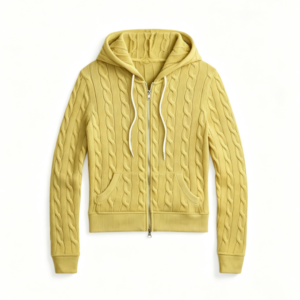
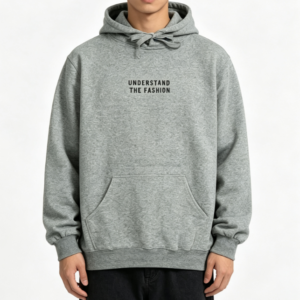
Custom Hoodies
Develop custom hoodies in fleece, French terry or heavyweight cotton, with tailored oversized, standard or extended-size grading. Choose cut-and-sew specifications, embroidery or print placement, washed finishes, custom labels and branded packaging from 100 units per style and color.
Request a Quote
Custom T-Shirts
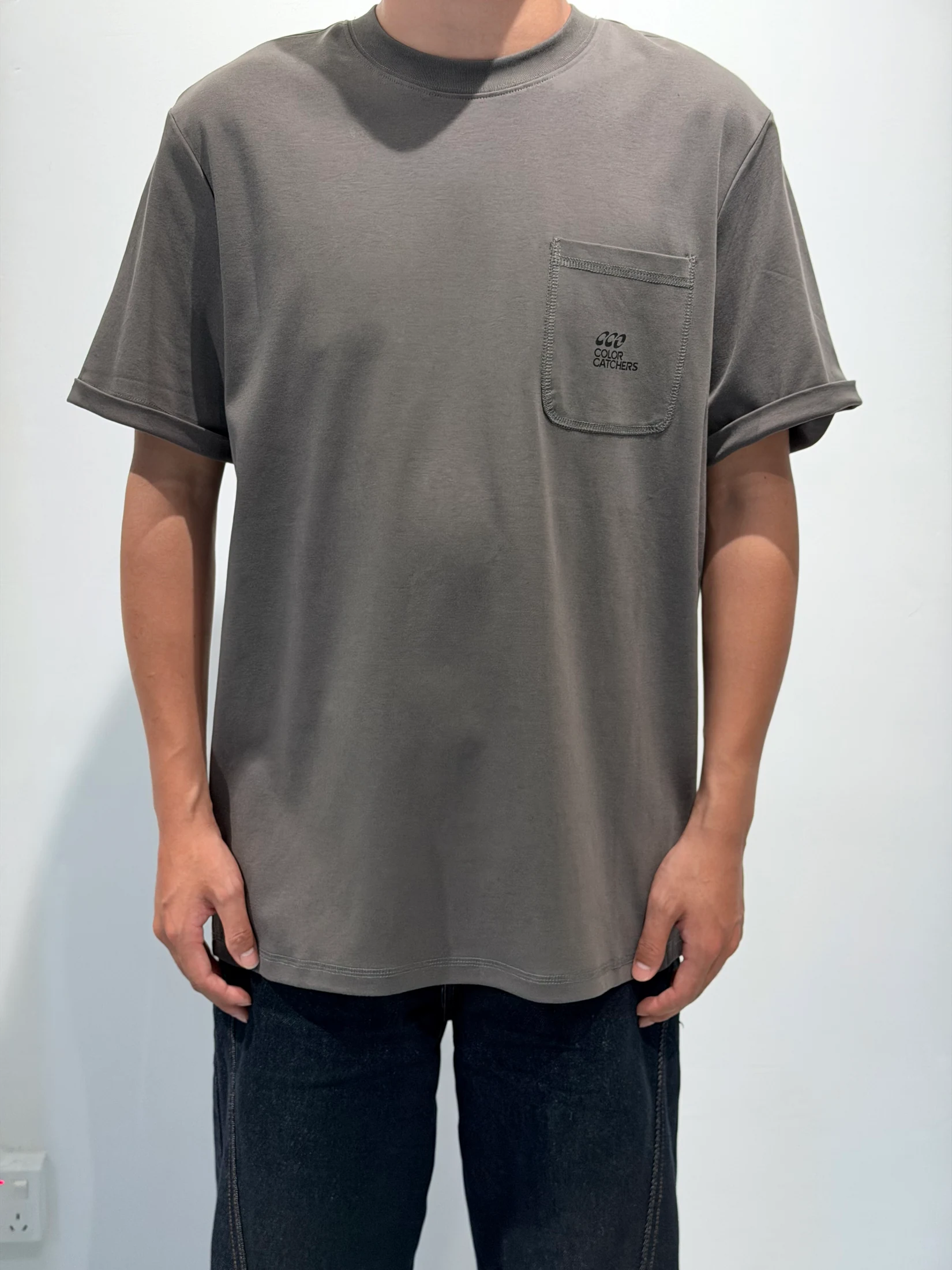
Create custom T-shirts in 240gsm cotton jersey and other target weights, with fit development for XS–3XL. Junsheen supports neck construction, shoulder balance, screen printing, DTG, embroidery, garment dye, labels and pack-ready private-label finishing.
Request a Quote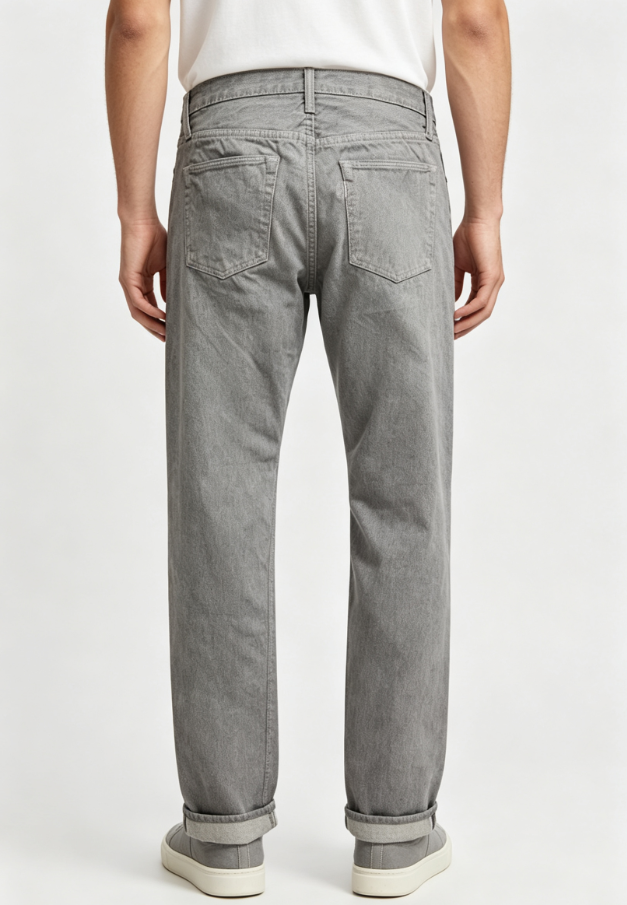
Custom Jeans
Produce custom jeans in rigid or stretch denim with brand-specific rises, leg shapes, washes and grading. Our team develops patterns, pocket details, hardware, denim treatments, labels and measurements for consistent samples and scalable bulk production.
Request a Quote
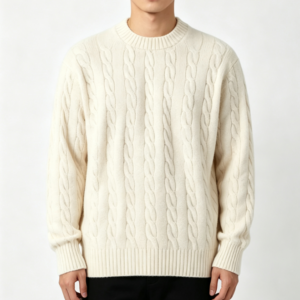
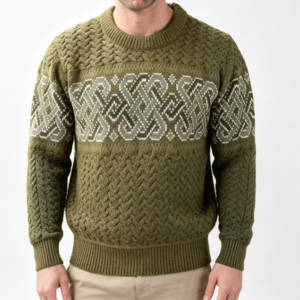
Custom Sweaters
Source turtle neck sweaters in bulk through a knitwear development process that defines yarn, gauge, stitch structure, ribbing and fit. Develop regular, oversized or extended-size silhouettes with branded labels, color approvals and repeatable production specifications.
Request a Quote
Custom Jackets
Build custom jean jackets in denim or stretch denim with tailored body length, shoulder balance, pocket construction and hardware. Select washes, distressing, embroidery, patches, custom buttons, labels and packaging for wholesale or direct-to-retail programs.
Request a Quote
Custom Sweatshirts & Crewnecks
Develop custom crewneck hoodies, sweatshirts and crewnecks in fleece or French terry, with fit, rib, neckline and weight specified for your market. Add screen print, puff print, embroidery, wash treatments, woven labels and size-set approvals before bulk production.
Request a Quote
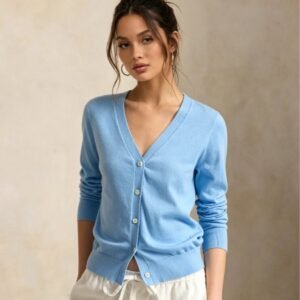
Custom Cardigans
Manufacture custom cardigans with yarn selection, gauge, stitch detail, placket construction and branded trims defined during development. Junsheen supports classic, oversized and extended-size fits, custom buttons, labels, color matching and low-MOQ capsule production.
Request a Quote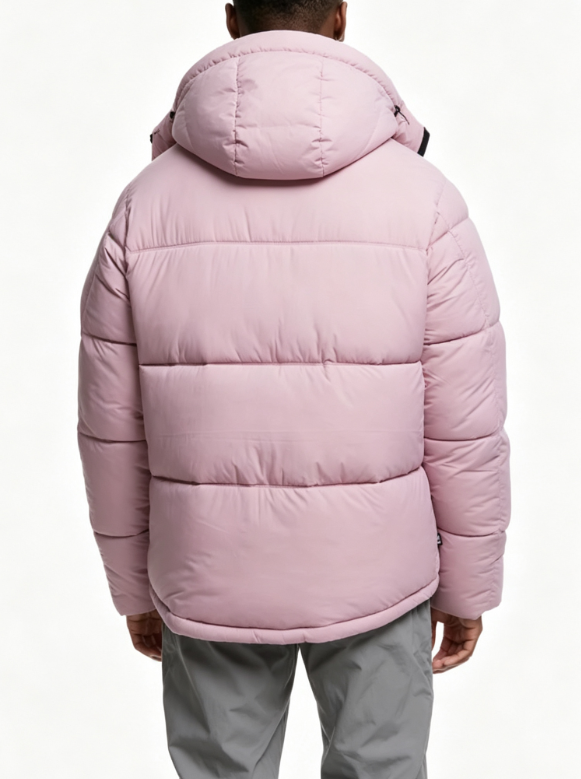
Custom Puffer & Down Jackets
Produce custom puffer jackets with shell fabric, fill type, quilting layout, insulation weight and functional trims selected for the intended climate. Development includes fit, pocket construction, zippers, reflective details, labels, packaging and production quality checks.
Request a Quote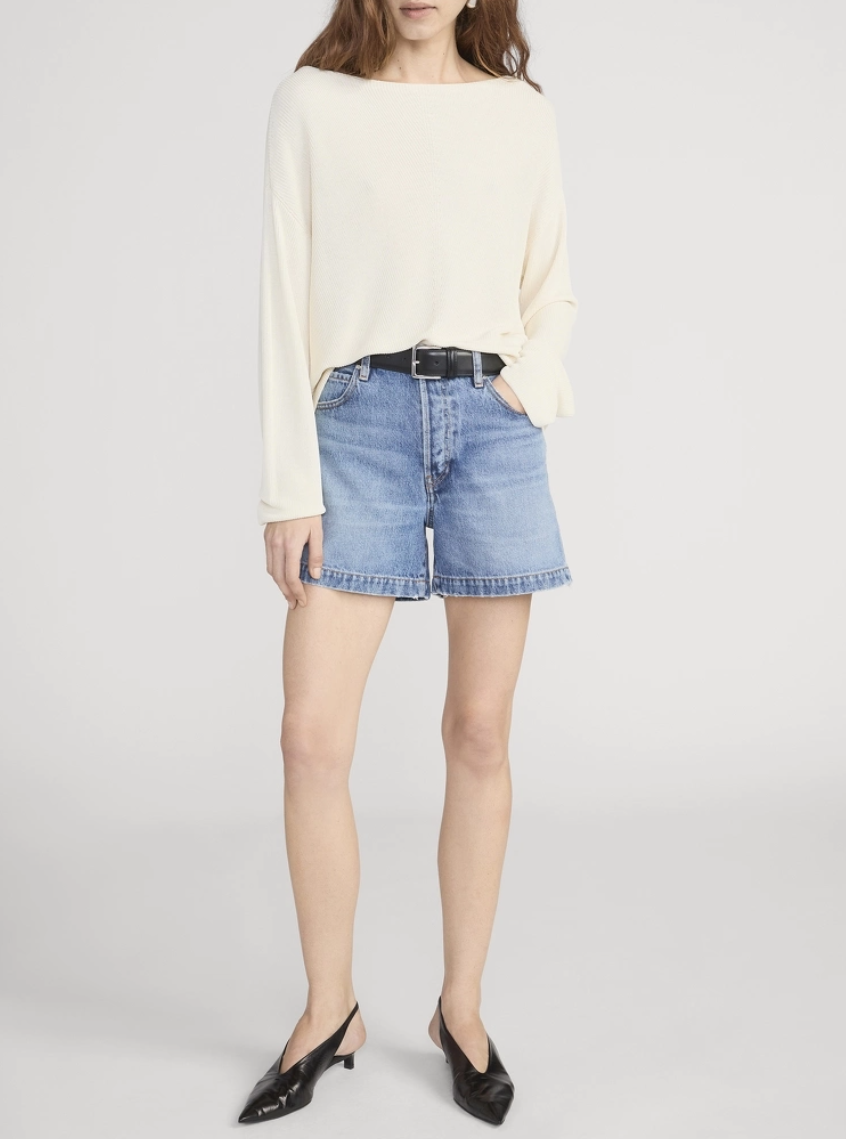
Custom Denim Shorts
Create custom jean shorts in rigid or stretch denim with brand-specific inseams, rises, leg openings and wash effects. Junsheen manages pattern making, grading, pocket construction, raw hems, distressing, hardware, labels and bulk production from 100 units.
Request a Quote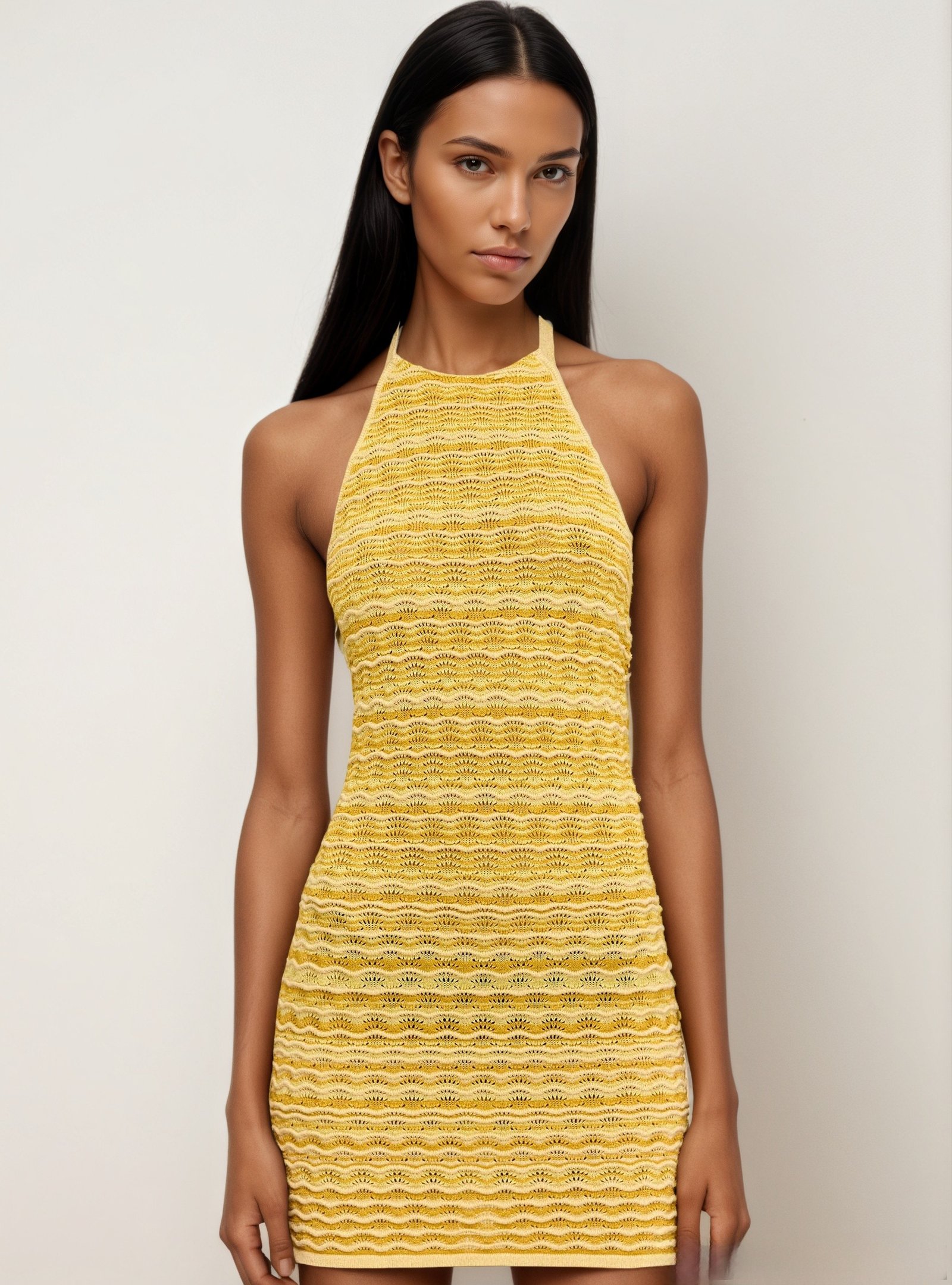
Custom Sweater Dresses
Develop custom sweater dresses with knit structure, yarn blend, gauge, neckline and hem proportions suited to your collection. Fit-focused grading supports regular, plus-size and oversized programs, while labels, trims and packaging prepare styles for retail delivery.
Request a Quote
Custom Denim Sets
Produce men’s denim suits for wholesale programs, including coordinated denim jackets and jeans with consistent fabric, wash and color matching. Junsheen develops silhouettes, hardware, pocket details, size grading, labels and packing standards for scalable assortments.
Request a Quote
Custom Polo Shirts
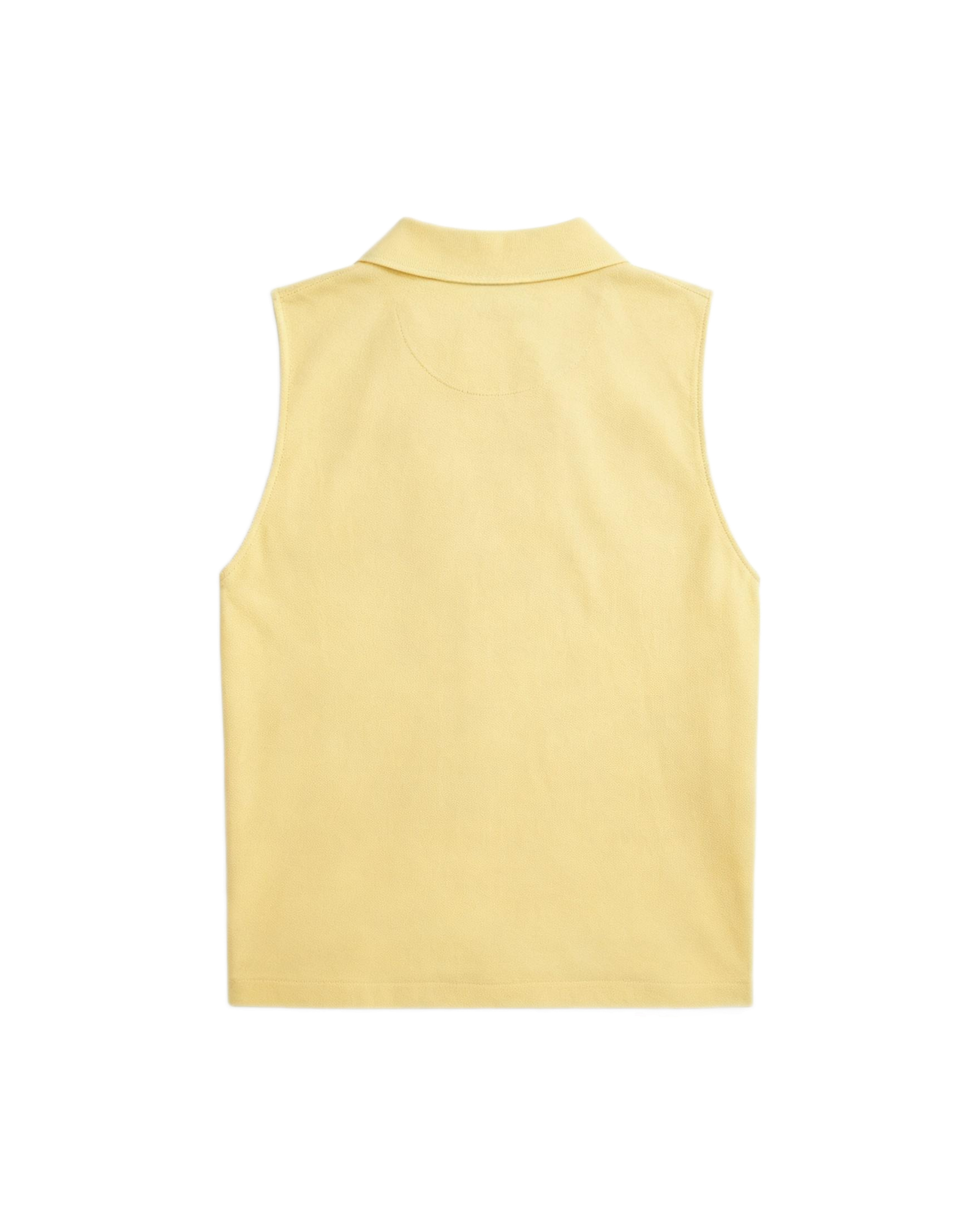
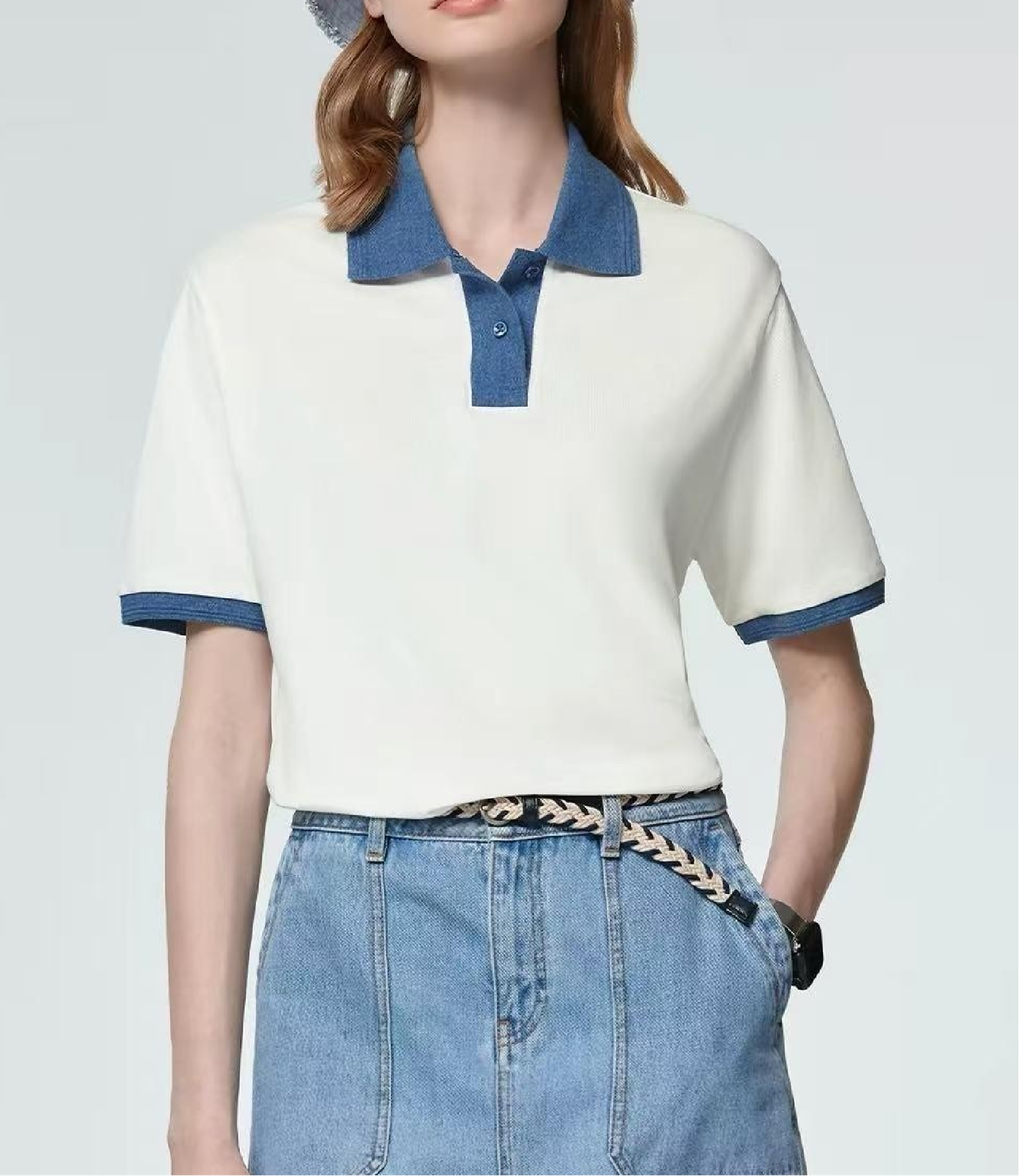
Manufacture custom polo shirts in piqué, jersey or performance knits with specified collars, plackets, sleeve ribs and fit. Add logo embroidery, printed details, custom buttons, labels and packaging for uniforms, retail collections or branded merchandise.
Request a Quote
Custom Sweatpants
Develop custom sweatpants in fleece, French terry or performance knits with defined rise, inseam, cuff and waistband proportions. Fit development covers XS–3XL, including oversized and extended-size options, plus embroidery, printing, wash effects and private-label trims.
Request a Quote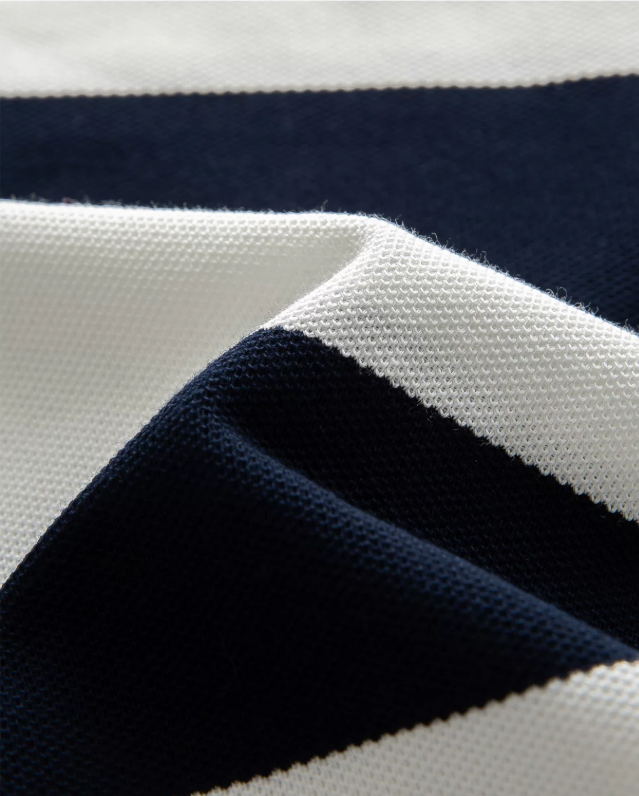
Custom Shorts
Produce custom shorts in jersey, fleece, twill, woven or performance fabrics with target inseam, rise, pockets and waistband construction. Junsheen supports size grading, embroidery, prints, garment washing, labels, packaging and low-MOQ sampling through bulk production.
Request a Quote
Custom Pullovers
Manufacture custom pullovers in knit, fleece or jersey constructions with defined necklines, weights and fit profiles. From quarter-zip and mock-neck styles to oversized layers, development includes patterns, fabric sourcing, decoration, labels, trims and production-ready samples.
Request a QuoteMaterials for 240gsm T-Shirt Manufacturing

Combed Cotton Jersey
A clean, soft 100% cotton jersey suited to premium everyday heavyweight tees. At 240gsm, it delivers a substantial hand feel, reliable breathability, and a smooth surface for screen printing and embroidery.

Compact Cotton Jersey
Tightly spun compact cotton creates a smoother, denser face with reduced surface fuzz. Ideal for elevated oversized tees, its 240gsm construction holds shape well and supports crisp graphics with a refined drape.

Ring-Spun Cotton Jersey
Ring-spun cotton offers a softer hand feel than standard open-end yarn while retaining the body needed for streetwear tees. It is a versatile 240gsm choice for garment dye, enzyme washes, and daily wear.

Cotton Spandex Jersey
A cotton-rich jersey with controlled elastane stretch for fitted or athletic heavyweight T-shirts. Around 240gsm, it improves recovery at the neckline and body while maintaining a substantial, comfortable hand feel.

Cotton Polyester Jersey
A durable cotton-polyester blend designed for repeat wear and dependable color retention. The 240gsm weight provides structure with less shrinkage than pure cotton, making it practical for uniforms, retail programs, and bulk orders.

Organic Cotton Jersey
Organic cotton jersey supports brands seeking a heavyweight natural-fiber option with a premium, breathable hand. At 240gsm, it creates a relaxed structured silhouette; pre-shrinking can improve dimensional stability after washing.
240gsm T Shirt Manufacturer Decoration Processes

Screen Print
Plastisol and water-based screen printing deliver strong color coverage and repeatable logo detail on heavyweight cotton tees, with durable adhesion engineered to hold up through regular washing.

Puff Effects
Puff, high-density, silicone, foil, and flocking prints add raised texture and visual dimension to custom graphics, giving 240gsm T-shirts a premium tactile finish with clear brand presence.

Logo Embroidery
Flat, 3D puff, chain-stitch, applique, and patch embroidery create a refined, long-lasting logo treatment. Our team reviews stitch density and placement for stable results on heavyweight jersey.

DTF Printing
DTF transfers reproduce detailed multicolor artwork, gradients, and small-run graphics with flexible application. It is a practical option for branded 240gsm T-shirt programs needing crisp visual detail.

DTG Printing
Direct-to-garment printing applies detailed full-color designs directly to suitable cotton fabrics, producing a soft hand feel and allowing flexible artwork placement for samples, capsules, and selected production runs.

Garment Dyeing
Garment dye, acid wash, enzyme wash, and softening treatments create lived-in color, depth, and character. We align shrinkage control and wash testing with your approved heavyweight tee specification.
Private-Label Trims and Accessories

Woven Neck Labels
Custom woven main labels establish your brand at the neckline, with coordinated size and wash-care labels available for clear garment identification, compliance information, and a more finished retail presentation.

Custom Hang Tags
Branded hang tags can carry your logo, product story, sizing, barcodes, care messaging, or collection details. Choose paper stock, shape, printing, string, and attachment methods to match your heavyweight tee positioning.

Neck Rib Trims
Specify rib width, stretch recovery, color, and contrast tipping for a neckline that supports the weight and silhouette of a 240gsm T-shirt while reinforcing your intended fit and visual identity.

Logo Neck Tapes
Printed or woven neck tape creates a clean internal finish across the shoulder seam. It can include repeating logos, custom colors, or messaging while helping stabilize this high-wear area.

Custom Patches
Add embroidered, woven, leather-look, silicone, or printed patches for a distinct branded accent. Patches work well on chest areas, hems, sleeves, or back neck positions for elevated streetwear programs.
Branded Packaging
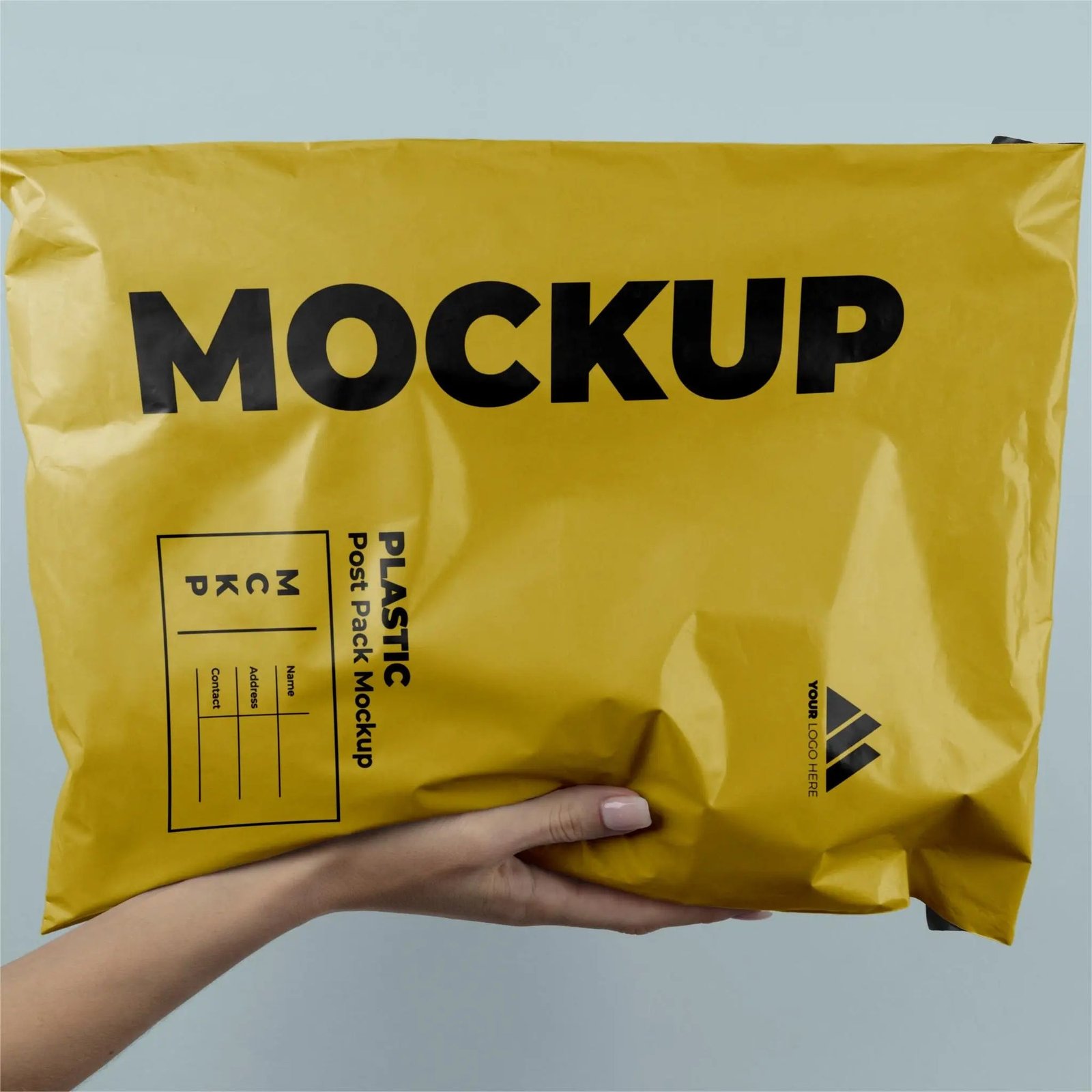
Complete each order with custom polybags, stickers, tissue, cartons, and inserts sized for your folding standard. JUNSHEEN coordinates packaging details to protect garments and support a consistent unboxing experience.
Your 240gsm T Shirt Manufacturer
Founded in 2010 in Humen Town, Dongguan, JUNSHEEN helps fashion brands turn heavyweight T-shirt concepts into dependable private-label production. As a 240gsm t shirt manufacturer, we combine responsive product development with the technical discipline needed for a consistent, premium casualwear program.
Our integrated supply chain covers fabric sourcing, pattern making, fit-focused XS–3XL grading, cut-and-sew production, printing, embroidery, washing, labeling, packaging and export support. Start from 100 units per style and color, then scale with a team of 200+ skilled workers and monthly capacity above 80,000 units.
JUNSHEEN serves emerging labels, independent designers, retailers, wholesalers and established brands worldwide. We retain patterns, graded size sets and material records for more consistent repeat orders, while our Humen-based team supports clear sampling, quality control and production decisions from first concept through shipment.

240gsm T Shirt Manufacturer Capabilities That Scale
Fit-First XS–3XL Grading
Our pattern team develops heavyweight tees around balanced shoulders, body length, sleeve proportion, and mobility from XS through 3XL. Extended-size, plus-size, and oversized fits receive purposeful grading adjustments rather than a simply enlarged base pattern.
- Normal, oversized, extended-size, and plus-size development
- Fit samples and graded size sets before bulk approval
- Measurement standards aligned to your target market

From Concept to Sample
Bring a complete tech pack, sketch, reference tee, mood board, or early product idea. JUNSHEEN reviews construction feasibility, refines specifications, sources fabrics and trims, creates patterns, and produces prototypes that make heavyweight T-shirt production easier to approve.
- OEM, ODM, and private-label development support
- Pattern making and specification refinement
- Low MOQ from 100 units per style and color

Integrated Fabric and Decoration
As a 240gsm t shirt manufacturer, we coordinate fabric selection, decoration, washing, labels, trims, and packaging in one workflow. This helps protect the intended hand feel, print result, garment stability, and branded presentation through sampling and bulk production.
- Cotton, combed jersey, organic, and blended options
- Screen printing, DTG, DTF, embroidery, and specialty effects
- Custom labels, hang tags, and branded packaging

Controlled Repeat-Order Consistency
JUNSHEEN retains approved patterns, graded size sets, material records, and production specifications to support faster repeat orders. Incoming fabric checks, in-line inspections, measurement reviews, decoration checks, and final packed-goods inspection help maintain consistency as your volume grows.
- 200+ skilled workers and 80,000+ monthly units
- Quality checks from fabric receipt to final packing
- Global export support for growing brand programs

Why Choose JUNSHEEN as Your 240gsm T Shirt Manufacturer
Compare a fit-first, integrated heavyweight tee partner with a typical apparel supplier.
← 左右滑动查看 →
240gsm T Shirt Manufacturer Production Process
A controlled six-phase workflow for heavyweight tees, from feasibility and fit development to final inspection, branded packing, and export-ready shipment.
Review Your Product Brief
Our team reviews your tech pack, reference sample, artwork, target market, size range, construction details, and 100-unit-per-style-and-color feasibility before development begins.
Source Fabric and Trims
We recommend 240gsm cotton or blended jersey, then confirm hand feel, shrinkage, color, durability, labels, neck rib, packaging, and target cost with swatches.
Develop Patterns and Samples
Pattern makers create fit-focused XS–3XL graded patterns, refine proportions and measurements, and produce prototype or size-set samples for your approval before bulk production.
Cut, Sew, and Decorate
Approved materials move into controlled cutting and sewing, followed by your selected screen print, embroidery, wash, finishing, or private-label application under production specifications.
Inspect Every Production Stage
Quality teams check incoming fabric, in-line construction, measurements, fit, decoration placement, color consistency, and final packed goods to reduce preventable bulk-order issues.
Pack and Ship Globally
We complete branded packing, finalize export documentation, settle the remaining balance before shipment, and coordinate worldwide delivery support for your approved heavyweight T-shirt order.
Work With a 240gsm T Shirt Manufacturer
Move from concept to delivered heavyweight tees with a structured, fit-focused process built for global brands.
Send Your Brief
Share a tech pack, sketch, reference garment, mood board, or product idea. Our team reviews construction, fit, fabric weight, decoration, and 100-unit MOQ feasibility.
Review Quote and Samples
Confirm specifications, pricing, and material options, then evaluate prototype samples. We refine XS–3XL grading, oversized proportions, measurements, and finishing before bulk approval.
Approve Production Details
Approve the pre-production sample, labels, trims, packaging, and final color standards. Junsheen retains approved specifications to keep repeat orders consistent and production-ready.
Receive Quality-Controlled Shipment
Our team monitors in-line construction, measurements, decoration, and packed goods, then coordinates export documentation and global shipping support for your finished heavyweight T-shirts.
Custom Clothing Manufacturer Credentials and Compliance Documents




Customer Results With Our 240gsm T Shirt Manufacturer
JUNSHEEN helped us launch 320 heavyweight tees across four sizes with only one fit revision. The 240gsm fabric held its shape after wash testing, and our second colorway reordered within six weeks.
Their pattern team corrected shoulder balance and body length across XS–3XL before bulk approval. We reduced sample rounds from four to two and received our 600-piece private-label order on schedule.
We needed a reliable 240gsm T-shirt manufacturer for a 100-unit capsule without sacrificing finishing quality. The embroidery, neck labels, and packaging arrived production-ready, helping us sell through 78% in the first month.
240gsm T Shirt Manufacturer FAQ
Clear answers on MOQs, samples, production, payment, shipping, and confidentiality for custom heavyweight T-shirt programs.
What is the MOQ for a 240gsm t shirt manufacturer order?
Can a 240gsm t shirt manufacturer make samples before bulk production?
How long does production take for custom 240gsm heavyweight T-shirts?
Can you develop oversized and extended-size 240gsm T-shirts?
What decoration options can a 240gsm t shirt manufacturer provide?
What payment terms does JUNSHEEN offer for first orders?
Do you ship custom heavyweight T-shirts internationally?
How does JUNSHEEN protect our designs and private-label details?
Complete Guide to a 240gsm t shirt manufacturer
Use this practical framework to evaluate heavyweight T-shirt specifications, supplier capabilities, sampling, pricing, and quality controls—so you can select the right production partner and avoid costly sourcing mistakes before launch.
1. What Is a 240gsm t shirt manufacturer?
240 GSM means one square meter of finished T-shirt fabric weighs 240 grams. Compared with typical 160–180 GSM jersey, it delivers a denser hand, greater opacity, stronger drape control, and the structured silhouette associated with premium heavyweight streetwear, boxy tees, and modern oversized fits. A 240gsm t shirt manufacturer turns that fabric specification into a production-ready garment: reviewing the tech pack, sourcing or approving jersey, making patterns, grading sizes, sewing samples, managing decoration, inspecting bulk goods, and packing for export. A fabric mill makes knit fabric; a printer applies artwork to supplied garments; a trading company may coordinate suppliers but often does not control the cut-and-sew workflow directly. 100 units per style and color can be a practical entry point for a capsule when the supplier supports low-MOQ development. Brands source this category to achieve a substantial hand feel, reduced show-through, reliable print ground, and a fit that holds its shape; they should expect fabric swatches, prototype and size-set sampling, Pantone and trim coordination, measurement control, wash testing where required, and final quality inspection before shipment.
2. Evolution of Heavyweight T-Shirts
1900s workwear treated the cotton T-shirt as an inexpensive undershirt: lightweight jersey, simple tubular construction, and replacement-friendly pricing mattered more than shape. As tees moved into military surplus, sportswear, and everyday wardrobes, buyers began to value a fabric that resisted show-through, twisting, and rapid loss of body. 1990s streetwear and skate culture made the deliberately oversized tee a visible style code, while workwear-inspired brands used denser cotton jerseys to create a straighter, more substantial drape. Heavyweight blanks also gave screen printers a steadier ground for plastisol, puff, high-density, and large chest or back graphics, helping a basic garment read as a branded product rather than a giveaway. 240 GSM now sits in the premium heavyweight range for many fashion programs: it has enough mass to hold a relaxed shoulder line and boxier body without feeling like fleece. Buyers increasingly expect ring-spun or combed cotton options, controlled shrinkage, neck rib recovery, and room for garment dye, enzyme wash, acid wash, or vintage fading. 100-unit style-and-color starting quantities make this category accessible for capsule launches, but a 240gsm t shirt manufacturer should still align fabric weight with fit, finish, decoration, and target retail price before sampling. The strongest programs use the heavier blank as a platform for consistent sizing, private labels, custom trims, and a perceived-value story customers can feel immediately.
3. Types of 240gsm t shirt manufacturer
Five supplier models dominate heavyweight tee sourcing, and each shifts control, speed, and exposure differently. A 240gsm t shirt manufacturer should be selected for the program’s repeatability requirements—not only its quoted unit price.
| Model | Fabric Control | MOQ Flexibility | Best Fit | Risk |
|---|---|---|---|---|
| Integrated factory | High | Medium | Established brands | Lower handoff risk |
| Cut-and-sew specialist | High | Medium | Custom labels | Supplier coordination |
| Blank stock | Low | High | Fast tests | Limited differentiation |
| Private-label partner | Medium | Medium | Wholesale programs | Less direct control |
| Sourcing agent | Variable | Variable | New importers | Extra communication layer |
Integrated Factories
2010-founded factories such as JUNSHEEN combine fabric sourcing, patterns, cut-and-sew, decoration, QC, and export coordination. This model suits established brands needing repeatable 240 GSM specifications, custom grading, and accountable communication. 100-unit style-and-color starting quantities can support emerging-label capsules, while bulk programs gain from retained patterns and material records.
Specialists And Stock Suppliers
Cut-and-sew specialists offer deep construction control but may outsource knitting or dyeing, making fabric booking critical. They suit brands with tech packs and distinctive fits. Blank-stock suppliers can move fastest from ready inventory, but customization usually stops at print, embroidery, labels, and packaging. They fit rapid tests rather than proprietary silhouettes.
Private Label Partners And Agents
Private-label partners coordinate labels, trims, packaging, and finished-garment production under one brief. They suit wholesalers and retailers needing a branded, lower-management workflow. Sourcing agents can compare factories and negotiate locally, but add a communication layer and require clear ownership of samples, payments, and inspection standards.
4. Materials for 240 GSM T-Shirts
At 240 GSM, fiber quality and knit structure determine whether a tee feels premium, overly rigid, or uncomfortably warm. A capable 240gsm t shirt manufacturer should specify yarn, single-jersey construction, finishing, and expected wash shrinkage before sampling.
| Composition And Finish | Hand Feel | Best Positioning | Climate |
|---|---|---|---|
| 100% carded cotton, single jersey | Dry, structured | Value streetwear | Mild to cool |
| 100% combed compact cotton, enzyme wash | Smooth, dense, soft | Premium blanks | Mild to warm |
| Organic cotton, compact jersey | Natural, refined | Certified-focused brands | Mild to warm |
| Recycled cotton blend, enzyme wash | Textured, matte | Circular capsule | Mild |
| 80/20 cotton-polyester jersey | Stable, quicker-drying | Active casualwear | Warm to humid |
Cotton Yarn Choices
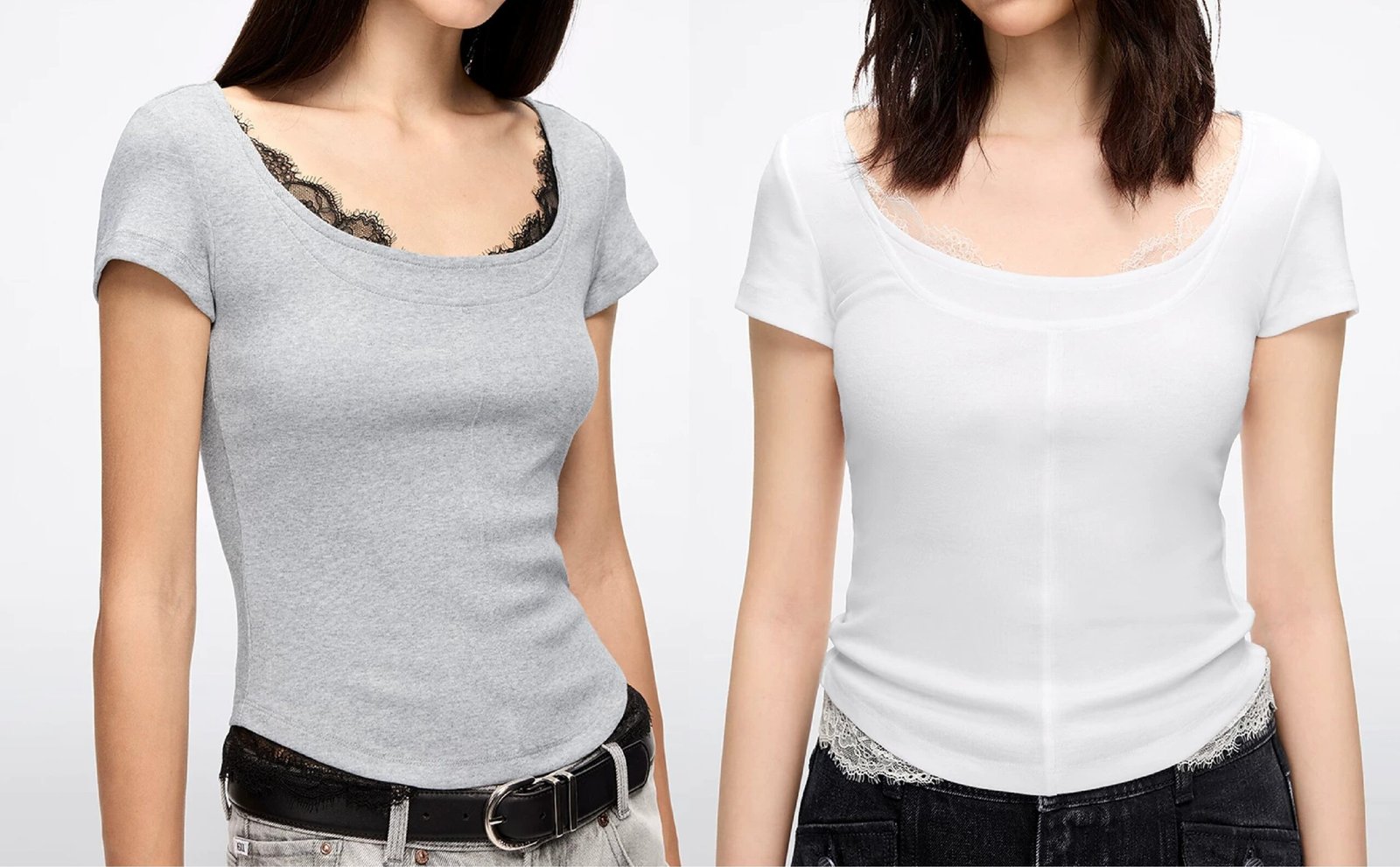
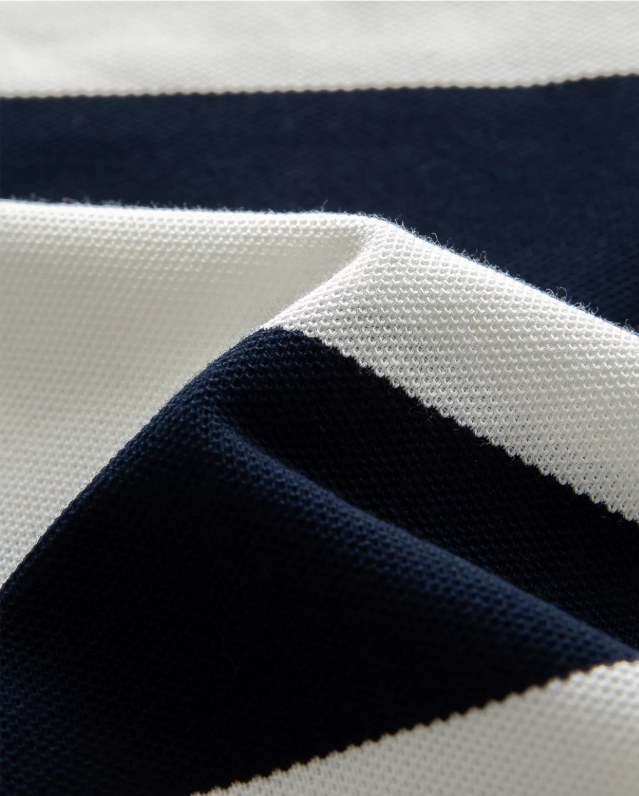
Carded cotton at 240 GSM gives a dry, substantial hand and value-led streetwear character, but its shorter fibers can pill sooner. Combed ring-spun cotton removes more short fibers, producing a smoother face, cleaner print surface, and softer next-to-skin feel. Compact-spun cotton reduces hairiness further and suits elevated blanks, embroidery, and dense graphics. Common 20/1 to 24/1 yarns balance opacity and drape; confirm whether yarn count is Ne or metric before comparing quotations.
Responsible And Blended Options
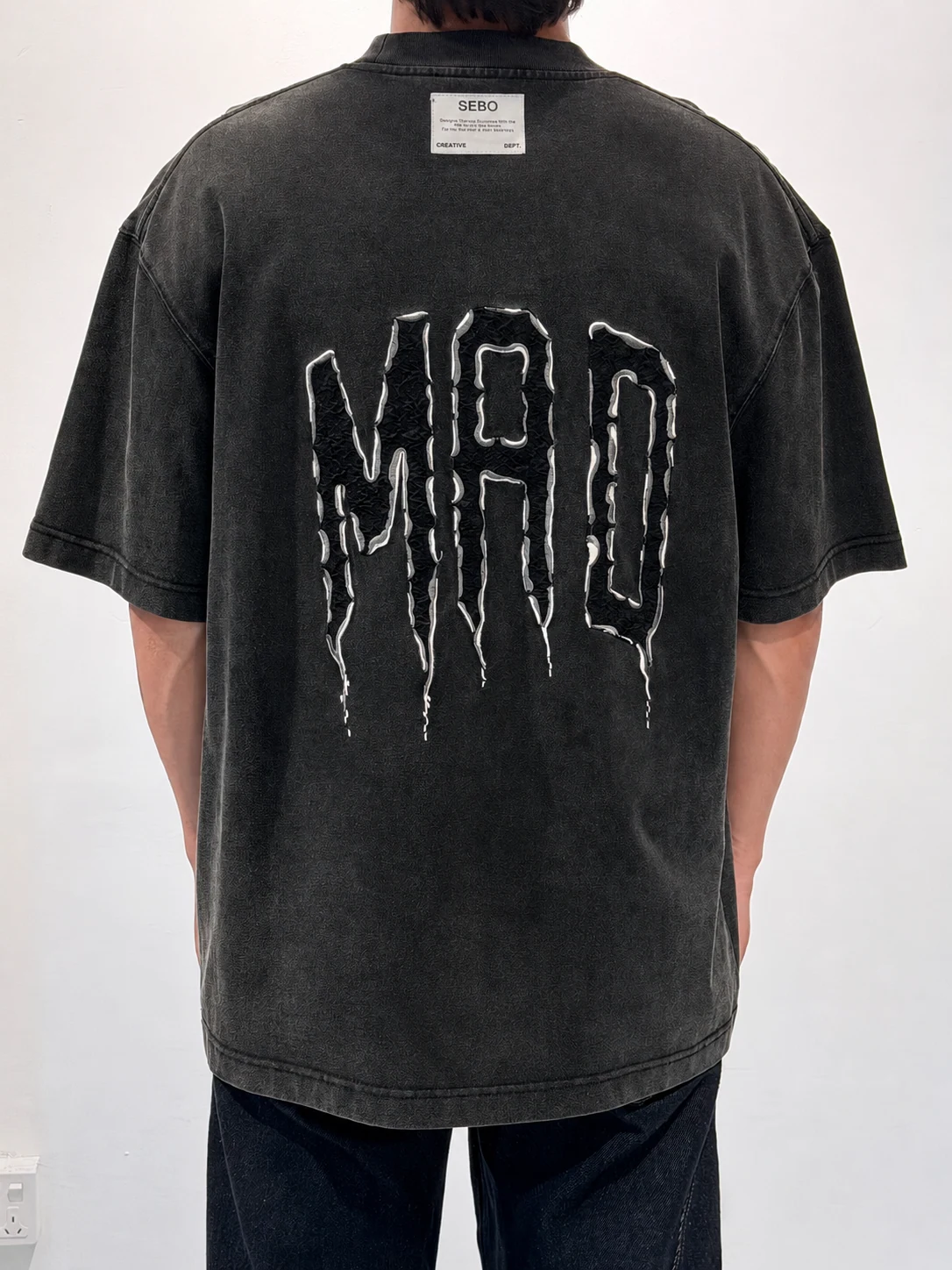
Organic cotton can retain the same 240 GSM weight and soft hand when certified fiber is available, while transaction documents should match any GOTS claim. Recycled cotton usually needs virgin cotton or polyester support because recovered fibers are shorter. Cotton-polyester blends, often 80/20 or 85/15, improve shape retention, drying speed, and abrasion resistance. Higher polyester content lowers breathability and can change the natural, matte hand expected from a heavyweight cotton tee.
Knit Structure And Finish

Single jersey is the standard 240 GSM structure because it delivers a smooth face, natural stretch, and easier printing. A tighter gauge or compact finish increases density without necessarily increasing yarn weight. Three to five percent residual shrinkage after wash is a practical target to agree during development, measured by a defined wash method. Enzyme softening can improve hand feel, whereas aggressive brushing may raise surface fuzz and pilling risk.
5. Customization and Decoration Options
A 240 GSM cotton tee has enough body for structured decoration, but every finish should be tested on the approved fabric and wash standard. A capable 240gsm t shirt manufacturer should align fit, labels, artwork, and packing before bulk approval.
| Method | Best Branding Use | Artwork Constraint | Expected Durability |
|---|---|---|---|
| Screen print | Bold logos, large runs | Separate colors; fine detail limited | High with correct cure |
| DTG | Photorealistic or tonal art | Best on smooth cotton; slower for volume | Good; wash-test first |
| DTF | Small multicolor runs | Film feel can reduce breathability | Good; avoid oversized solids |
| Puff print | Raised simple logos | Fine lines and tight gaps fail | High when properly cured |
| Embroidery | Premium chest or sleeve marks | Dense fills need backing | Very high |
| Appliqué | Varsity or heritage branding | Requires clean cut shapes | Very high with secure stitching |
Fit, Labels, And Packaging

XS–3XL programs need graded patterns, not a simple enlarged base size; confirm shoulder width, body length, sleeve balance, and shrinkage through a size set. 100-unit capsule orders can still carry printed neck labels, woven main labels, wash-care labels, hangtags, polybags, and branded cartons when artwork and specifications are locked early.
Washes And Surface Effects

240 GSM ring-spun cotton accepts garment dye, enzyme softening, and vintage washes well, although dye lots and wash shrinkage must be approved against a sealed sample. 1–2 wash tests should assess color rub, seam torque, pilling, and print adhesion before production; acid or stone effects suit heritage graphics but create intentional variation.
Choose Decoration By Artwork

12–16 needle embroidery and appliqué add dimensional, premium branding on heavyweight cotton, but dense stitching can pucker broad chest areas without stabilizer and proper backing. 1-color screen prints suit durable bold logos, while DTG handles detailed tonal art, DTF supports small multicolor runs, and puff print works best for simple shapes with generous spacing.
6. Construction Quality for Heavyweight Tees
At 240 GSM, premium perception depends as much on construction as fabric weight. Approve a physical sample after laundering, because collar recovery, seam shape and balanced proportions reveal problems that a flat, unwashed garment can hide.
Collar And Neck Stabilization

A 1×1 or 2×1 cotton-elastane rib collar should feel substantially firmer than the body jersey and return cleanly after stretching. Check that the rib is evenly joined, without rippling or exposed overlock. A shoulder-to-shoulder tape and clean neck binding reduce stretch at the highest-stress seam. Inspect the back-neck join for smooth tape ends, centered labels and no bulky overlap.
- Stretch the collar three times; it should recover without a permanent wave.
- Check tape reaches both shoulder seams.
- Look for even collar width around the neckline.
Seams, Hems And Reinforcement

Eight to 10 stitches per inch is a practical starting point for secure jersey seaming, subject to thread and machine selection. Review shoulder seams, armholes and side seams for skipped stitches, puckering and uneven seam allowance. A twin-needle sleeve and bottom hem should remain flat after washing, with consistent coverstitch spacing. Reinforced shoulder seams and properly aligned side seams prevent twisting during repeated wear.
- Compare left and right sleeve openings.
- Confirm side seams hang straight from underarm to hem.
- Pull hem stitches lightly to check elasticity.
Pattern Balance And Wash Approval
A 240 GSM sample should sit level at the shoulders, with matching sleeve pitch, balanced neck opening and a straight hem. For oversized fits, review body width, shoulder drop and sleeve length together rather than approving one measurement alone. One wash-and-dry test before pre-production approval should record chest, body length, collar opening and seam twist. Set acceptable dimensional change in the approved specification, then compare bulk garments against the retained sample.
- Measure before and after the agreed wash method.
- Check spirality by laying side seams flat.
- Approve graded measurements, not only the sample size.
7. Choosing a 240gsm t shirt manufacturer
A capable 240gsm t shirt manufacturer should prove heavyweight-jersey control before discussing deposits. Evaluate its previous work, fabric traceability, fit-development process, inspection records, realistic capacity, and shipment handling against your launch calendar.
| Evaluation Area | Request Before Deposit | Strong Evidence |
|---|---|---|
| Fabric sourcing | Composition and GSM sheet | Swatch, mill details, test report |
| Quality assurance | Inspection plan and tolerances | Measured sample and QC photos |
| Export support | Incoterm and document list | Packing list and shipment workflow |
Verify Heavyweight Experience

Request 3-5 recent heavyweight tee photos showing inside seams, collar rib, shoulder tape, hem, and measurement points. Ask for garment weight, fabric composition, shrinkage target, and wash photos rather than relying on a front-view image. Review one production sample in your chosen color and finish before approval. Compare chest, body length, neck opening, twist, hand feel, and post-wash dimensions to the approved specification.
- Dated factory-floor and packed-carton photos
- 240 GSM fabric specification sheet
- Pre-wash and post-wash measurements
- Reference-brand or buyer case details
Check Development And Commercial Fit
A 100-unit-per-style-and-color starting point can suit a capsule, but confirm whether MOQ changes by fabric, color, print, or size ratio. Request a written sample schedule, revision cost, bulk lead-time range, and capacity allocation. Pattern development should include graded measurements from XS through 3XL when relevant. For oversized or extended-size tees, ask how shoulder balance, sleeve length, and grading increments are adjusted rather than simply scaled.
Release Deposits After Evidence
Before a first-order deposit, obtain the proforma invoice, approved tech pack, Pantone or color standard, material swatch, labeling layout, and packing specification. Confirm the final balance is due before shipment and that change approvals are recorded in writing. Ask for incoming-fabric, in-line, measurement, decoration, and final-packing inspection checkpoints. Request applicable OEKO-TEX, GOTS, WRAP, or BSCI documents only where the claimed material, factory, or buyer program requires them.
- Inspection report with tolerance results
- Fabric test report for shrinkage and colorfastness
- Pre-production sample approval record
- Export carton marks and shipping documents
8. Common 240 GSM Sourcing Mistakes
A 240 GSM specification sets weight, not the yarn quality, knit structure, shrinkage, or print result. Lock those variables during development; corrections after bulk cutting can add weeks and leave unsaleable inventory.
Specify More Than GSM

240 GSM can be ring-spun single jersey, open-end jersey, or an unstable knit; each feels and wears differently. State fiber blend, yarn type, knit, finished width, hand feel, color, and target shrinkage. A 5% wash shrinkage can turn a 74 cm body length into 70.3 cm. Approve a washed, measured sample and define allowable measurement tolerances, commonly ±1–2 cm by point.
Control Decoration And Trims

3D puff, plastisol, water-based ink, DTG, and DTF perform differently on dark 240 GSM cotton. Test the intended artwork at production size; an unsuitable method can crack, bleed, feel stiff, or lose fine detail. 5 trim details can change both cost and delivery: neck rib, main label, wash-care label, hangtag, and bag. Specify Pantone references, dimensions, material, placement, and approval samples instead of leaving them to assumption.
Protect The Bulk Approval
100-unit orders still need a pre-production sample in confirmed fabric, color, print, labels, and wash. Skipping it risks discovering collar twist, shade variation, or incorrect placement only after the full run is packed. A lowest quote may omit fabric testing, consistent grading, inspection, or export packaging. Compare quotations line by line, confirm wash testing and QC checkpoints, and retain the approved sample as the bulk standard.
9. Steps to Launch a 240 GSM T-Shirt
A 100-unit pilot order works best when the brand limits variables before sampling. A 240gsm t shirt manufacturer can move faster when fit, fabric, colorway, decoration, and delivery destination are decided in sequence.
| Stage | Buyer Decision | 100-Unit Pilot Control |
|---|---|---|
| Positioning | Price, customer, silhouette | One style; one or two colors |
| Sampling | Fabric, fit, grading | Approve before bulk |
| Pre-Production | Artwork, trims, packing | Approve one complete sample |
| Bulk And Freight | Inspection, shipping method | Book against launch date |
| Reorder | Size and color demand | Use retained production records |
Define The Pilot
100 units is a practical pilot when split across one style and one or two colorways. Lock the target customer, retail price, silhouette, and size curve before requesting a quotation. 2–3 weeks for development is typical after specifications are complete. Supply a tech pack with garment measurements, construction callouts, Pantone references, artwork placement, and packaging requirements.
Confirm Fabric And Fit

240 GSM single jersey should be approved by swatch and fit sample, not by weight alone. Confirm fiber blend, ring-spun or open-end yarn, shrinkage tolerance, hand feel, color, neck rib, and wash treatment. XS–3XL grading requires approved measurement increments rather than enlarged base patterns. Review shoulder balance, body length, sleeve opening, and chest ease on the intended wearer.
Approve Production Details
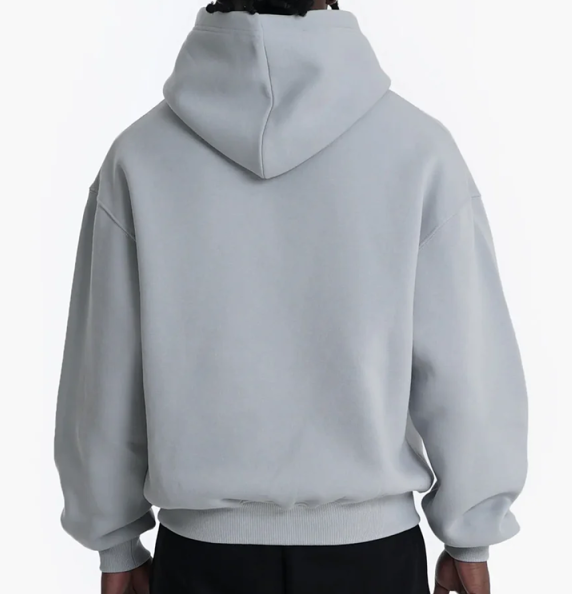
1 pre-production sample should match the approved fabric, trims, artwork, labels, and packaging before bulk cutting. Lock print method, Pantone inks, print dimensions, neck label, wash-care label, hangtag, folding, and carton marks. 7–14 days of bulk production planning should include an inspection checkpoint. Measure packed goods, inspect sewing and decoration, and confirm carton count before the final balance and freight booking.
Plan Delivery And Reorder
2–6 weeks of freight time can follow final inspection, depending on air, express, or ocean service and destination. Build launch dates around the approved production calendar, not an initial inquiry date. 30 days after launch, review sell-through by size and color. Retain the approved sample, graded specs, fabric record, and artwork files so a reorder can preserve the same fit and finish.
10. 240gsm T-Shirt Pricing and Costs
100 units per style and color is a practical starting point for a 240gsm t shirt manufacturer, but it carries the highest unit cost because fabric booking, cutting setup, labels and inspection are spread across fewer garments. At 300-500 units, marker efficiency and bulk material purchasing usually improve; at 1,000+ units, repeatable colorways and shared components can reduce cost further. 25-45 calendar days is a common bulk-production planning range after sample and material approval, while custom knit development, Pantone lab dips, garment dye or acid wash can extend it. Ring-spun or combed cotton, organic certification, elastane content, enzyme finishing and heavier rib all change fabric and processing cost. 1-color screen printing is generally less costly at volume than multi-location artwork, whereas DTG, DTF, puff ink, embroidery, custom neck tape, woven labels and individual polybags add labor or setup. Sampling, size sets, export cartons, freight mode, duties and destination charges must be included when comparing landed cost. 2 approved specifications—not generic online price estimates—should govern a usable quote: confirm fabric composition, finished GSM tolerance, measurements, decoration placements, trims, packaging, quantities and delivery terms. JUNSHEEN can price the approved specification and retain material and pattern records to support more consistent repeat orders.
| Quantity tier | Indicative unit-cost driver | Typical planning lead time |
|---|---|---|
| 100-299 units | Highest setup allocation; suited to capsules | 30-45 days |
| 300-999 units | Better fabric yield and setup absorption | 25-40 days |
| 1,000+ units | Bulk purchasing and repeat-component savings | 25-35 days |
Start Your Custom 240gsm T-Shirt Project
Send your tech pack, reference sample, or product idea for feasibility review, fit-focused sampling, and a clear production quote.