
Custom Clothing Manufacturer for Low-MOQ OEM/ODM Production
JUNSHEEN is a custom clothing manufacturer developing apparel from concept and sampling to controlled bulk production, with MOQ from 100 units per style and color.
Featured Products for Custom Clothing Manufacturer Development







Explore Custom Clothing Products
Browse JUNSHEEN’s first-level clothing categories and published development references. Select a product and request specifications, customization options, sampling guidance, or a program quotation.





Why Brands Choose JUNSHEEN as Their Custom Clothing Manufacturer
Develop casualwear, denim, knitwear and outerwear through one responsive supply chain built for precise fits, flexible volumes and dependable execution.
Low-MOQ Scalability
Start from 100 units per style and color, subject to materials and craftsmanship, then scale into ongoing bulk programs.
Fit-First Development
Pattern makers refine proportions, mobility and grading from XS through 3XL for normal, extended, plus and oversized fits.
Integrated OEM/ODM Support
Move from sketches, tech packs or reference garments through development, sampling, private labeling, packaging and export support.
Purposeful Fabric Sourcing
Compare materials by cost, weight, drape, stretch, durability, wash performance and sustainability before approving bulk production.
Controlled Quality Checks
Inspections cover incoming fabrics, in-line construction, measurements, fit, decoration and final packed goods before global shipment.
Capacity for Growth
More than 200 skilled workers and monthly capacity above 80,000 units support repeat orders as your brand expands.
Custom Clothing Categories We Manufacture
Develop coordinated casualwear, denim, knitwear, outerwear and bottoms through one OEM/ODM supply chain, with MOQs from 100 units per style and color.

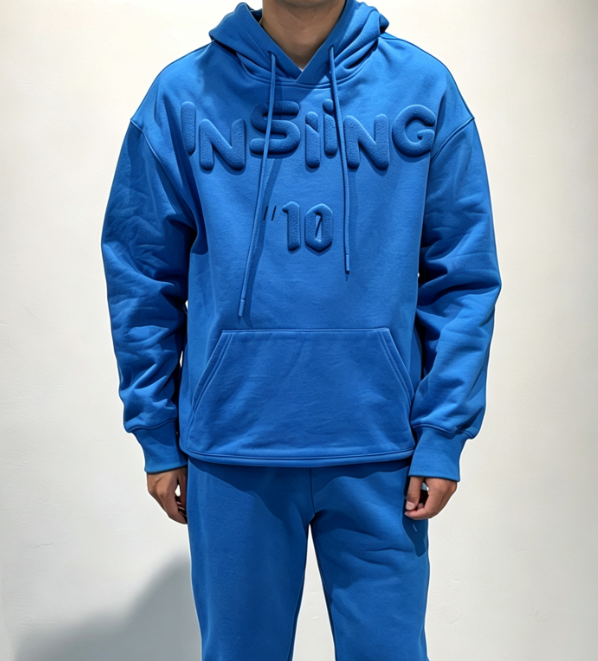
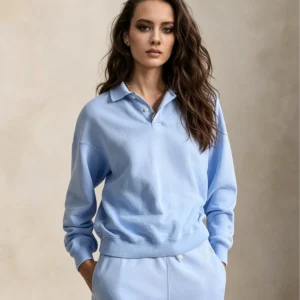
Custom Hoodies Manufacturer
Develop custom hoodies in jersey, French terry or fleece with specified fits, weights, trims, labels, prints, embroidery and garment finishes. Junsheen supports pattern development, size grading and sampling before controlled production from 100 units per style and color, subject to material and craft complexity.
Request a Quote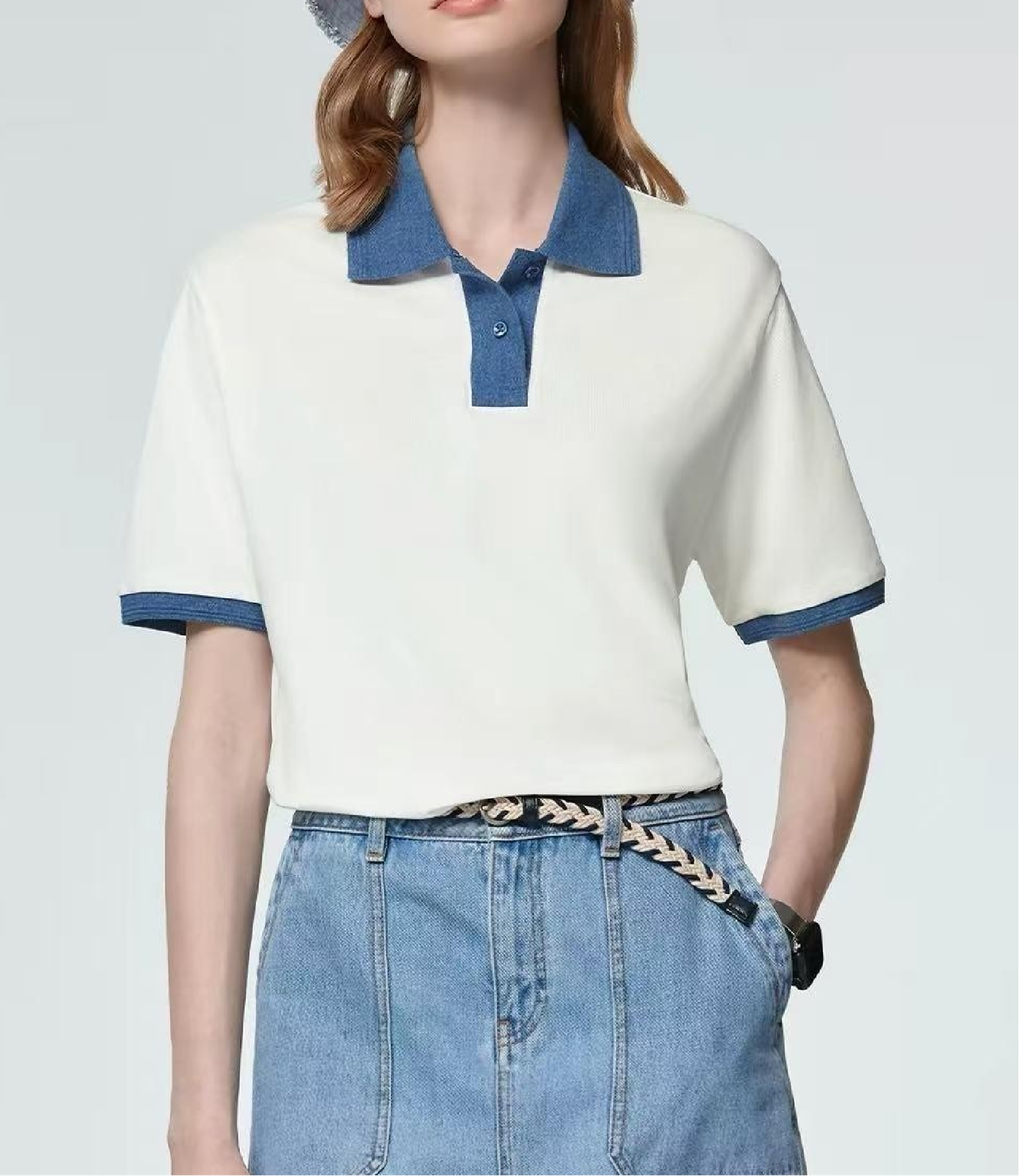
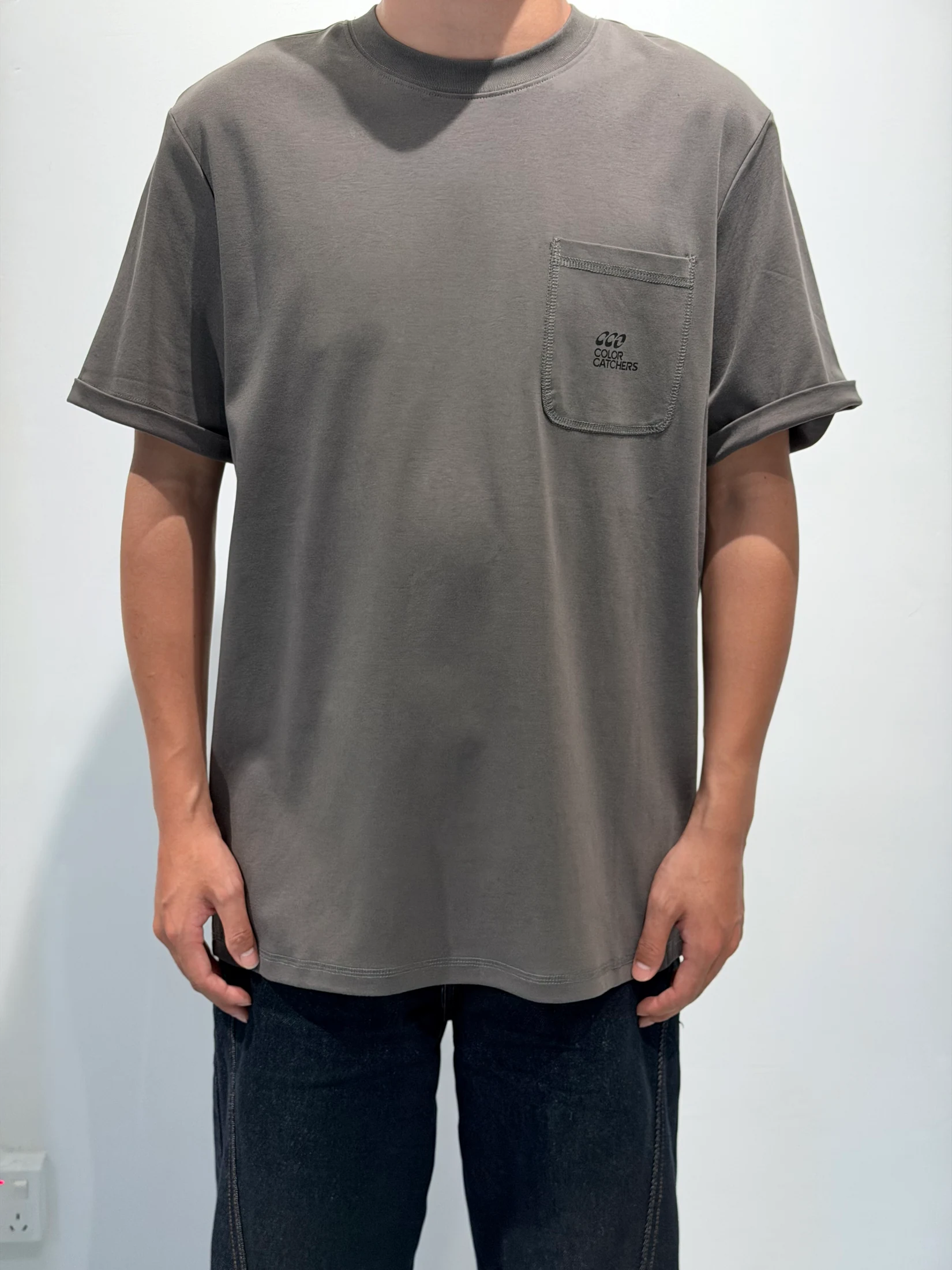
Custom T-Shirts Manufacturer
Produce custom T-shirts from a tech pack, reference garment, sketch or initial concept. Options include cotton and blended jerseys, multiple weights, standard through oversized fits, XS–3XL grading, private labels, screen printing, DTG, DTF, embroidery and branded packaging.
Request a Quote
Custom Jeans Manufacturer
Build custom jeans in rigid or stretch denim with brand-specific rises, leg shapes, washes, hardware and labeling. Development covers fabric sourcing, pattern making, fit correction, size grading, pocket construction, sample approval and repeatable measurement control for bulk production.
Request a Quote
Custom Sweaters Manufacturer
Source and manufacture custom sweaters, including turtle neck sweater bulk programs, using suitable yarns and knit constructions. Junsheen develops silhouettes, stitch structures, rib details, sizing and labels, then confirms hand feel, measurements and workmanship through samples before production.
Request a Quote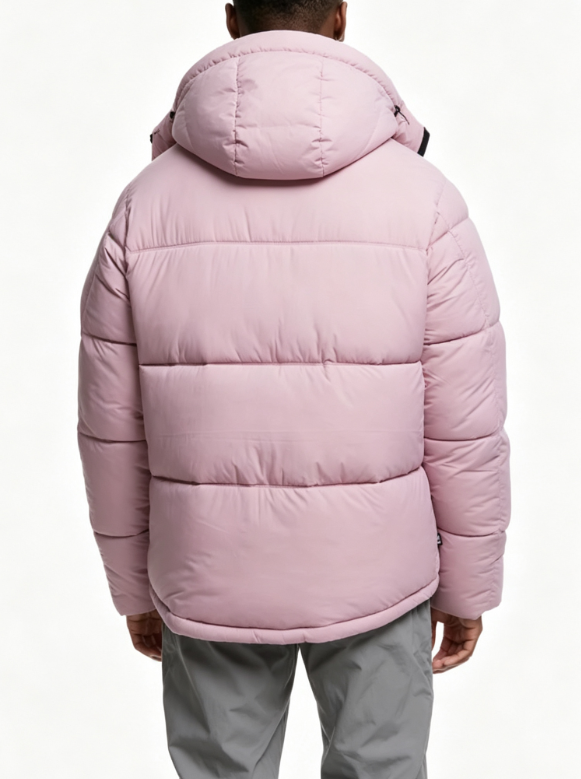
Custom Jackets Manufacturer
Develop custom jackets, including custom jean jacket programs, with coordinated fabric, lining, hardware, pockets, trims and decoration. Pattern makers refine proportion, mobility and layered fit across the size range, while inspections monitor construction, measurements and finishing through bulk production.
Request a Quote
Custom Sweatshirts & Crewnecks Manufacturer
Manufacture custom sweatshirts and crewnecks in fleece, French terry and related knits. Custom crewneck hoodie development can include rib specifications, oversized or standard fits, embroidery, screen printing, appliqué, washes, labels and size grading from XS through 3XL.
Request a Quote
Custom Cardigans Manufacturer
Create custom cardigans with selected yarns, knit structures, gauges, closures, pockets, rib finishes and branded labels. Development includes specification review, pattern and measurement refinement, prototype sampling and graded sizing for coordinated collections or ongoing wholesale and retail programs.
Request a Quote
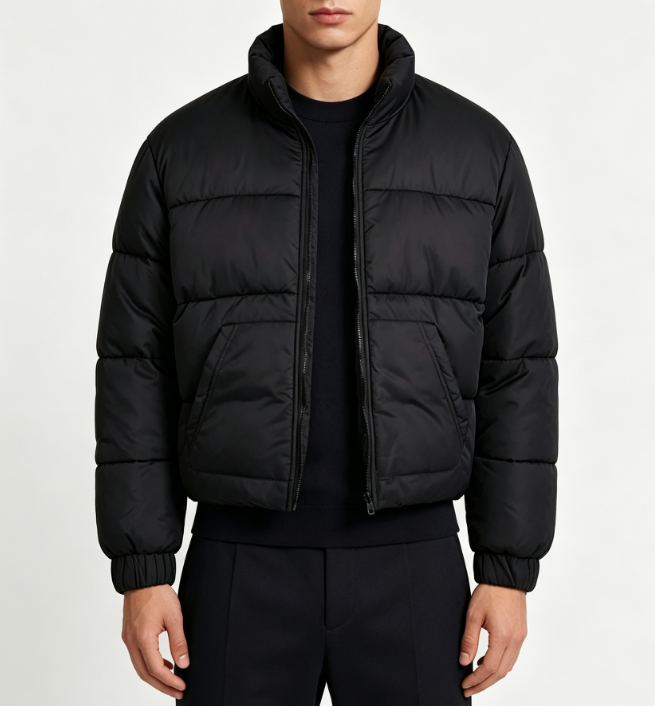
Custom Puffer & Down Jackets Manufacturer
Produce custom puffer jackets and down-style outerwear with specified shell fabrics, insulation, quilting, linings, closures, hoods and trims. Sampling verifies volume, mobility, warmth-related construction and fit before bulk production, with material choices reviewed against performance, appearance and target cost.
Request a Quote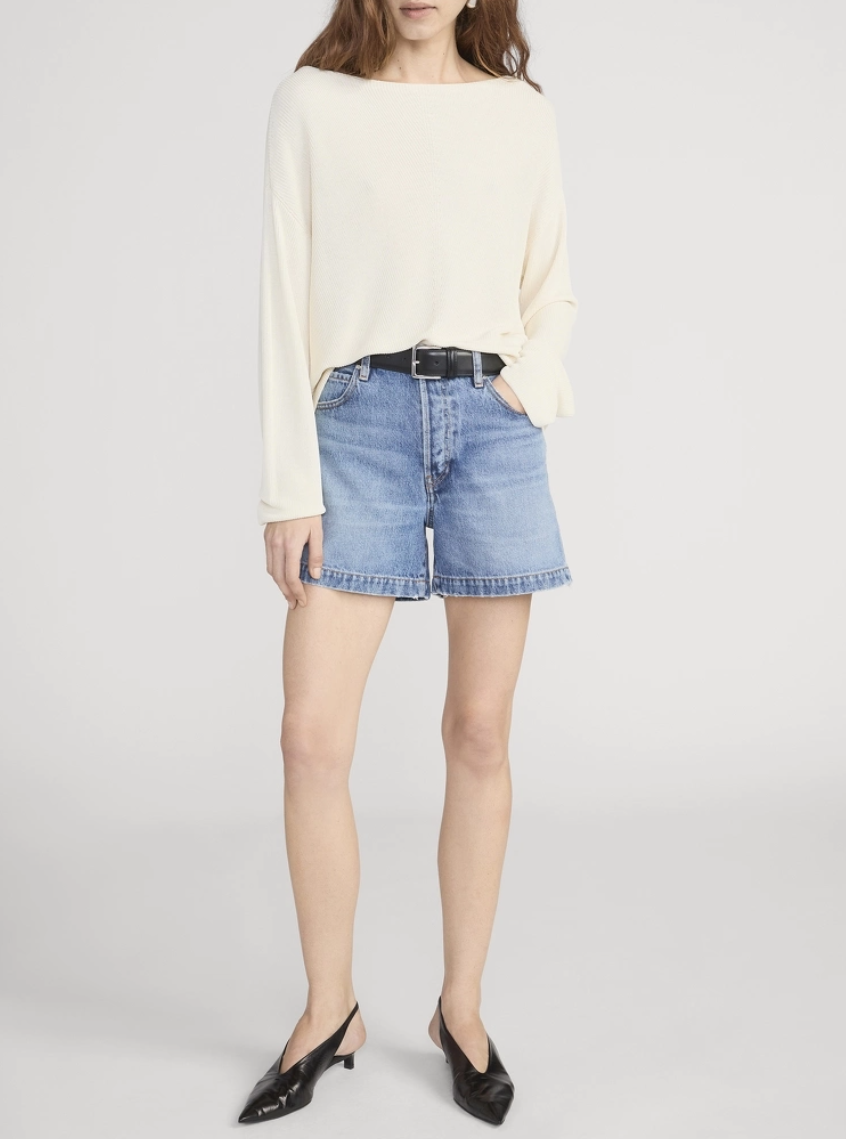
Custom Denim Shorts Manufacturer
Manufacture custom jean shorts in rigid or stretch denim with defined rises, inseams, hems, pockets, washes, hardware and labels. Junsheen supports fit development and grading across standard, extended and oversized size ranges, followed by measurement and finishing checks during production.
Request a Quote
Custom Sweater Dresses Manufacturer
Develop custom sweater dresses with controlled length, silhouette, stretch, stitch construction, neckline and rib details. Yarn selection considers hand feel, drape, garment weight and durability, while sampling and graded measurements help maintain the intended fit across the approved size range.
Request a Quote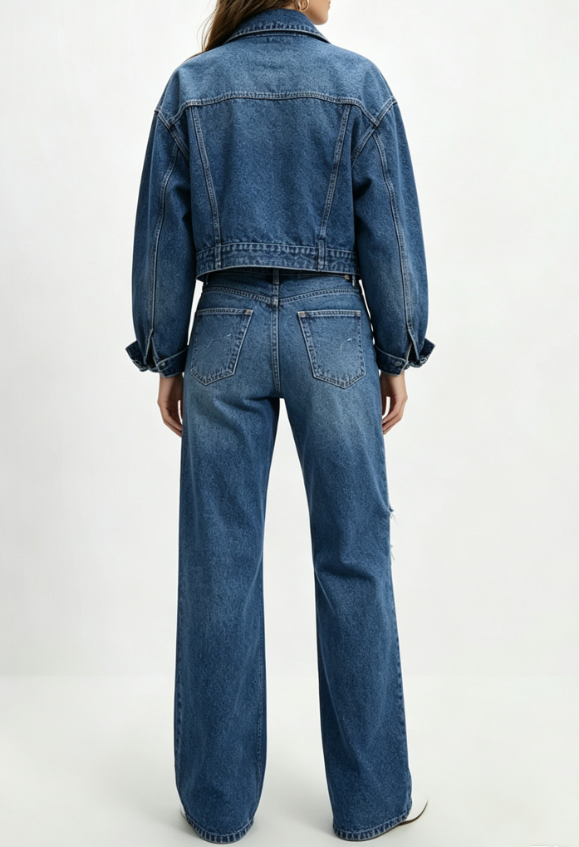
Custom Denim Sets Manufacturer
Produce coordinated custom denim sets for fashion collections and mens denim suits wholesale programs. Junsheen aligns denim shade, wash, trims and branding across jackets and bottoms, while separate fit development ensures each garment performs correctly as part of the complete set.
Request a Quote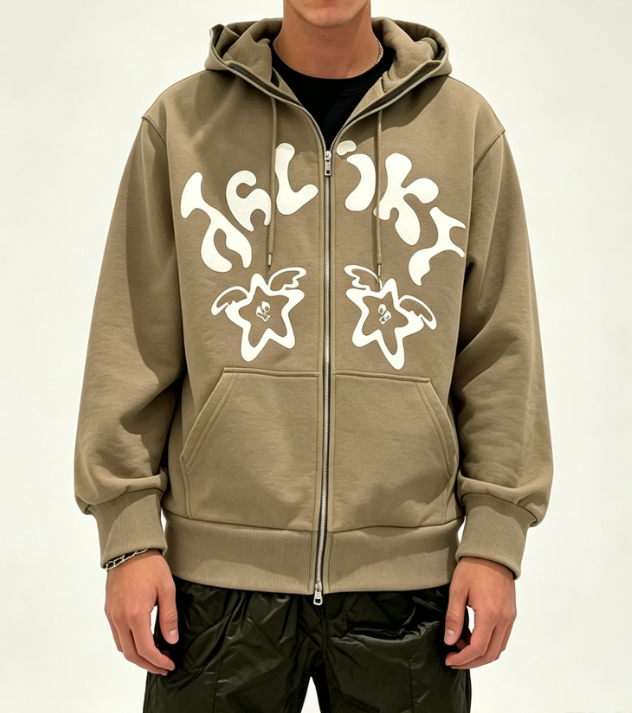
Custom Decoration, Print & Finishing Capabilities
Apply custom apparel decoration through flat or 3D embroidery, chain stitch, appliqué, sequins, patches, screen printing, DTG, DTF, heat transfer and specialty effects. Available finishing includes garment dye, enzyme wash, acid wash, stone wash, brushing and softening.
Request a Quote
Custom Polo Shirts Manufacturer
Manufacture custom polo shirts with specified collars, plackets, sleeve finishes, fabric weights, fits and branding. Programs can use jersey or performance knits and include embroidery, printing, custom buttons, labels, size grading and sample approval before controlled bulk production.
Request a Quote
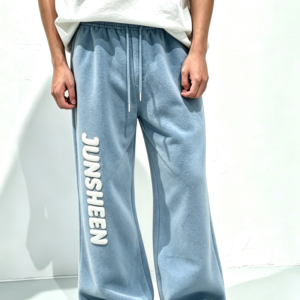
Custom Sweatpants Manufacturer
Develop custom sweatpants in French terry, fleece or performance knits with defined rises, leg shapes, waistbands, cuffs, pockets and drawstrings. Junsheen supports standard, oversized and extended-size fits, plus custom labels, embroidery, printing, washes and coordinated hoodie sets.
Request a Quote
Custom Shorts Manufacturer
Produce custom shorts in jersey, fleece, twill, performance knits and other suitable fabrics. Buyers can specify inseam, rise, pocket construction, waistband, trims, decoration and finish, with pattern making, grading, sampling and measurement inspections supporting consistent production outcomes.
Request a Quote
Custom Pullovers Manufacturer
Manufacture custom pullovers across cut-and-sew sweat styles and sweater constructions, depending on the required design. Development can cover yarn or fabric selection, neckline, ribbing, fit, decoration, labeling and size grading, with prototypes approved before materials and bulk production are confirmed.
Request a QuoteCustom Clothing Manufacturer Fabrics Selected for Feel, Performance, and Cost

French Terry
Loop-backed French terry delivers a smooth outer face and comfortable midweight feel for hoodies, sweatshirts, sweatpants, and shorts. Cotton-rich constructions balance breathability, structure, absorbency, and everyday durability.


Decoration and Garment-Finishing Options


DTG and DTF
DTG supports detailed, full-color artwork with a soft result on suitable cotton garments, while DTF transfers deliver vivid, flexible graphics across broader fabric types and work well for complex designs and smaller runs.


Garment Dyeing
Garment dye, tie-dye and related color treatments create rich, lived-in tones or controlled variations after construction. Process testing helps manage shrinkage, shade consistency, hand feel and the visual character of finished apparel.
Custom Trims, Labels, and Packaging


Zippers and Snaps
Choose functional closures for denim, jackets, outerwear, hoodies, and bottoms based on garment construction, appearance, durability, and target cost, including custom pullers where project requirements allow.

Drawcords and Ribbing
Customize drawstrings, cord tips, eyelets, and rib trims for hoodies, sweatshirts, jackets, and sweatpants to align color, stretch recovery, hand feel, and finishing with the approved design.

Branded Packaging
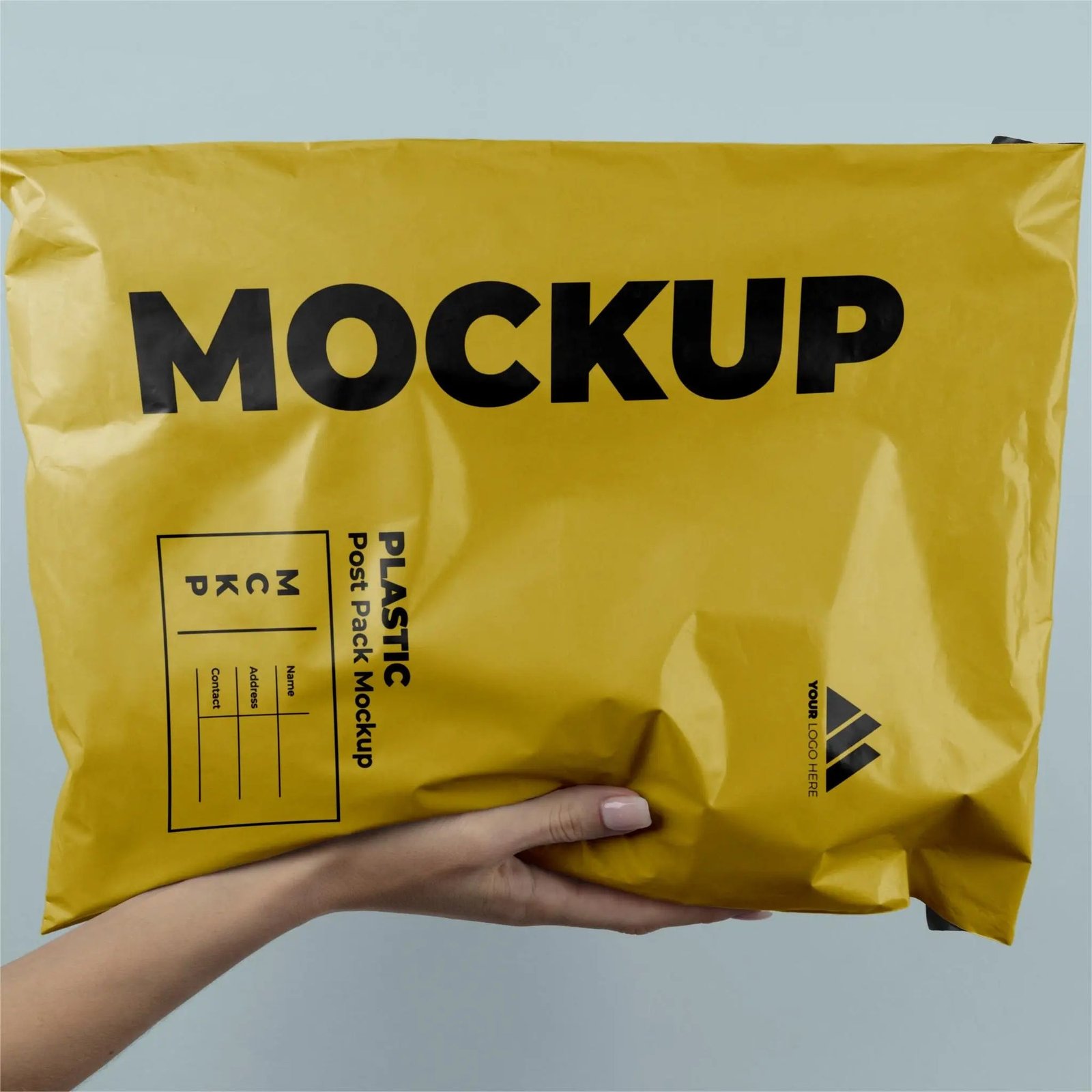
Complete production with coordinated polybags, size stickers, carton markings, inserts, and other branded packaging elements designed to support organized fulfillment, wholesale presentation, and a consistent customer unboxing experience.
About Your Custom Clothing Manufacturer
Founded in 2010 in Humen Town, Dongguan, JUNSHEEN brings 16+ years of apparel manufacturing experience to fashion brands worldwide. As a custom clothing manufacturer, private label clothing manufacturer, OEM clothing manufacturer and ODM clothing manufacturer, we combine wholesale, product development and low-MOQ production in one responsive supply chain—from tech-pack review and fabric sourcing through sampling, bulk production, packaging and export.
Our team of more than 200 skilled workers supports monthly capacity above 80,000 units for clients worldwide. Cut-and-sew production and dedicated knitting capability cover casualwear, denim, knitwear and outerwear, including hoodies, sweatshirts, jackets, T-shirts, polos and bottoms. Orders start from 100 units per style and color, subject to material and craft complexity.
What sets JUNSHEEN apart is a fit-first approach. Our pattern makers refine proportion, mobility and grading from XS through 3XL for standard, extended, plus-size and oversized apparel. Combined with controlled inspections and retained production records, this approach helps brands reduce avoidable revisions and maintain consistency as their programs grow.

Custom Clothing Manufacturer Capabilities Built for Production
Fit and Grading Precision
JUNSHEEN develops normal, extended, plus-size and modern oversized fits from XS through 3XL. Pattern makers refine proportions and grading across the complete size set, helping brands achieve consistent fit while reducing avoidable sampling revisions before bulk production.
- Pattern development from tech packs, sketches, reference garments or product ideas
- Shoulder, sleeve, rise, mobility and body proportions refined by size
- Prototype, size-set and pre-production samples available for approval
- Patterns and graded size records retained for consistent repeat orders

OEM and ODM Development
Whether your specifications are complete or still evolving, our development team turns the concept into a manufacturable garment. Support covers specification review, pattern creation, material selection and sampling for casualwear, denim, knitwear, outerwear and coordinated collections.
- OEM production for established designs and detailed tech packs
- ODM support for early concepts, mood boards and reference samples
- Manufacturability recommendations aligned with fit, finish and target cost
- MOQ from 100 units per style and color, subject to materials and craft
Integrated Materials and Decoration
Fabric sourcing, trims, branding and garment effects are coordinated through one supply chain. Recommendations balance hand feel, weight, drape, stretch, durability, wash performance and budget, with swatches and samples available before bulk materials are confirmed.
- Jersey, fleece, French terry, denim, twill, performance knits and sweater yarns
- Embroidery, patches, screen printing, DTG, DTF and specialty print effects
- Garment dye, enzyme, acid, stone, softening and anti-pilling finishes
- Custom labels, hardware, drawstrings, rib trims, hang tags and packaging

Controlled, Scalable Production
As a custom clothing manufacturer with more than 200 skilled workers and monthly capacity above 80,000 units, JUNSHEEN supports capsule launches and ongoing programs. Structured inspections help maintain approved construction, measurements, decoration and presentation as order volumes increase.
- Incoming fabric, in-line construction and measurement inspections
- Fit and decoration checks against approved production references
- Final inspection of finished and packed goods before shipment
- Export support for brands, retailers, wholesalers and sourcing teams worldwide

Why Choose JUNSHEEN as Your Custom Clothing Manufacturer
Compare the practical capabilities that move apparel from an early concept to consistent bulk and repeat production.
← 左右滑动查看 →
Your Custom Clothing Manufacturer Workflow
JUNSHEEN manages each stage from feasibility review and material sourcing to fit approval, controlled production, packing, and export shipping.
Review and Source
We assess your tech pack, sketch, reference garment, or concept, confirm feasibility, and source suitable fabrics, trims, decorations, and finishing options.
Pattern and Prototype
Pattern makers translate approved specifications into production-ready patterns, refine construction and fit, and create a prototype for your review and feedback.
Approve Size Set
We revise samples as needed, grade approved patterns from XS through 3XL, and confirm measurements, materials, colors, trims, and workmanship before production.
Control Bulk Production
After order confirmation, bulk manufacturing begins from 100 units per style and color, subject to material availability and the complexity of selected crafts.
Inspect and Deliver
Incoming, in-line, measurement, decoration, and final packed-goods inspections support quality control before branded packaging and coordinated global export shipping.
Start Your Project With a Custom Clothing Manufacturer
Submit Your Product Direction
Send your tech pack, sketch, reference garment, mood board, or product idea with target quantities, sizes, materials, decoration, and delivery requirements.
Review Feasibility and Samples
Our development team evaluates construction, fit, fabrics, trims, costs, and manufacturability before creating prototypes, size sets, or pre-production samples for review.
Approve Your Final Quote
Confirm the sample, specifications, materials, quantities, timeline, and quotation. MOQ starts at 100 units per style and color, subject to complexity.
Begin Controlled Bulk Production
Your custom clothing manufacturer manages material inspection, cutting, sewing, decoration, measurements, quality control, packaging, and export preparation against approved production standards.
Custom Clothing Manufacturer Credentials and Compliance Documents



What Apparel Buyers Value About Working With JUNSHEEN
The development team understood the silhouette we wanted and translated our references into a much cleaner sample. Communication around fabric, fit, and trims was clear, which made approvals easier for our first private-label launch.
We needed an oversized size range without losing proportion. JUNSHEEN worked through the measurements carefully and gave practical recommendations before production, helping our collection feel consistent across sizes.
What we appreciated most was the organized follow-up from sampling through packing. The team kept decoration details, labels, and garment finishing aligned with the approved reference for our repeat program.
Manufacturing Proof Points Available for Buyer Review
What is the minimum order quantity for a custom clothing manufacturer?
How does sampling work with your custom clothing manufacturer?
What are your sampling and bulk production lead times?
What payment terms does JUNSHEEN offer?
Can I choose custom fabrics, trims, labels and packaging?
Does your custom clothing manufacturer ship internationally?
Can you develop plus-size and oversized clothing?
How does a custom clothing manufacturer protect my designs and product information?
The Complete Guide to Choosing a Custom Clothing Manufacturer
Use this practical decision framework to compare production capabilities, materials, quality controls, pricing, and supplier criteria while avoiding costly sourcing mistakes before selecting a manufacturing partner for your clothing brand.
1. What Is a Custom Clothing Manufacturer?
5 service models define the sourcing landscape. A full-package custom clothing manufacturer manages product development, specification review, fabric and trim sourcing, pattern making, grading, sampling, cutting, sewing, decoration, quality control, packing, and bulk delivery; cut-make-trim suppliers execute production from buyer-provided materials and approved patterns, while private-label programs customize existing or adapted products with the buyer’s branding.
3 important distinctions remain: white-label goods are standardized products sold to multiple buyers, print-on-demand applies artwork after an individual sale, and true custom manufacturing creates buyer-specific patterns, materials, construction, fit, finishes, and packaging. Unlike standard wholesale sourcing, the buyer generally owns the design direction and approvals, while the factory controls production execution and retains technical records for repeat orders; ownership of patterns, molds, and artwork should still be stated in the manufacturing agreement.
100 units per style and color is Junsheen’s starting point for suitable programs, compared with single-unit print-on-demand and the often higher thresholds required for fully custom fabric or hardware. Its integrated model serves emerging labels, independent designers, wholesalers, retailers, influencers, established brands, and sourcing teams that need more control than off-the-shelf purchasing provides, including XS–3XL grading, oversized fits, custom washes, labels, trims, and branded packaging.
2010 marks Junsheen’s entry into apparel manufacturing in Humen Town, Dongguan. With OEM, ODM, private-label, wholesale, and low-MOQ capabilities under one supply chain, the company can develop from a tech pack, sketch, reference garment, mood board, or product idea and carry the approved style through sampling, bulk production, inspection, export packing, and shipment support.
2. How Custom Clothing Manufacturing Evolved
Before the 19th century, most clothing was made locally by tailors, dressmakers, and household workers to individual measurements. Industrial sewing machines, standardized sizing, and factory cutting later shifted the market toward mass production, where long runs lowered unit costs but limited design flexibility and made inventory commitments comparatively high.
By the late 20th century, global sourcing networks connected brands with specialized fabric mills, trim suppliers, dye houses, and garment factories across multiple countries. The model expanded material and price options, but it also made buyers more attentive to traceability, labor standards, shipping risk, and certifications such as OEKO-TEX, GOTS, WRAP, and BSCI.
In the 2010s, digital pattern systems, 3D sampling, cloud-based tech packs, and faster communication shortened the distance between designers and production teams. Buyers increasingly began seeking a custom clothing manufacturer capable of developing smaller batches, revising specifications quickly, and collaborating directly on fabrics, fit, decoration, packaging, and production planning.
At 100 units per style and color, Junsheen’s starting MOQ reflects the industry’s move toward capsule launches, demand testing, and replenishment based on actual sales rather than speculative volume. Modern priorities now include faster development, transparent material records, recycled or certified options, and properly engineered XS–3XL grading—especially for extended-size and oversized garments, where simply enlarging a base pattern does not preserve shoulder balance, rise, mobility, or proportion.
3. Types of Custom Clothing Manufacturers
Manufacturer labels describe who controls development, sourcing, and production—not simply factory size. Compare responsibility, minimums, and technical depth before matching a custom clothing manufacturer to casualwear, denim, knitwear, outerwear, or extended-size programs.
| Type | Inputs And Customization | Scale, Advantage, Limitation | Best Fit |
|---|---|---|---|
| Full-package | Buyer supplies concept or tech pack; factory sources and develops. | 100 units upward; broad control, but longer development. | Casualwear and extended-size collections |
| CMT | Buyer supplies patterns, materials, and trims; factory assembles. | Usually medium to bulk; transparent execution, high buyer workload. | Experienced sourcing teams |
| Private-label | Supplier provides base styles; buyer changes labels, colors, and decoration. | Low to medium; fast launch, limited originality. | Retailers and emerging labels |
| Small-batch | Buyer or factory develops; flexible fabrics and branding. | About 50–300 units; accessible testing, higher unit cost. | Capsules and market validation |
| Specialist | Responsibilities vary; deep category processes and equipment. | Category-dependent; technical expertise, narrower assortment. | Denim, knitwear, or outerwear |
| Vertically integrated | Buyer supplies direction; group manages fabric through finishing. | Often larger programs; strong coordination, less low-volume flexibility. | Repeat wholesale and bulk programs |
Development-Led Models
Full-package factories convert buyer-supplied concepts or tech packs into sourced, sampled, graded, and packed garments. Private-label suppliers start with proven blocks, so customization is faster but silhouette and construction choices are narrower.
Production-Led Models
CMT factories cut, sew, and finish buyer-supplied patterns, graded markers, fabrics, and trims. Vertically integrated groups control more upstream processes, improving coordination and scale, although their minimums and overhead may exceed capsule-program needs.
Scale And Category Fit
Small-batch partners suit launches around 100 units per style and color, while specialists bring category-specific machinery and fit knowledge. Denim laundries, sweater technicians, outerwear lines, and extended-size pattern teams reduce execution risk on technically demanding products.
4. Materials Your Custom Clothing Manufacturer Should Offer
100–450 GSM covers most casualwear, but weight alone does not predict quality. A capable custom clothing manufacturer should balance fiber, construction, hand feel, durability, shrinkage, colorfastness, recovery, seasonality, price, and intended use.
| Fabric Type | Typical Weight | Benefits | Limitations | Recommended Garments |
|---|---|---|---|---|
| Cotton jersey | 140–240 GSM | Breathable; soft | May shrink or twist | T-shirts, polos |
| French terry or fleece | 280–450 GSM | Warm; substantial hand | Higher freight cost | Hoodies, sweatshirts |
| Viscose, modal, lyocell | 120–220 GSM | Fluid drape; softness | Can distort when wet | Dresses, relaxed tops |
| Polyester performance knit | 120–220 GSM | Quick-drying; durable | May retain odor | Active tops, shorts |
| Stretch blends | 180–350 GSM | Mobility; shape recovery | Heat can weaken elastane | Jeans, fitted pants |
| Denim or twill | 250–450 GSM | Structured; abrasion-resistant | Wash variation | Jeans, jackets, shorts |
| Wool or recycled blends | 180–400 GSM | Warmth; premium texture | Higher price; care needs | Sweaters, coats, trousers |
Fiber Families and Blends

Natural cotton and wool offer breathability and familiar hand feel; polyester and nylon add durability, faster drying, and price stability. Regenerated viscose, modal, and lyocell improve drape, while recycled polyester and certified organic cotton support lower-impact specifications.
Blends combine properties: cotton-polyester improves wash durability, and 2–5% elastane adds stretch. Ask for GOTS, OEKO-TEX, or recycled-content documentation when certification matters.
Weight, Structure, and Season

120–180 GSM jersey suits lightweight T-shirts, while 280–450 GSM French terry or fleece supports substantial hoodies. Knits provide stretch and softness; woven twill, shirting, suiting, and denim deliver sharper structure and abrasion resistance.
Performance Before Bulk Approval
3–5 wash cycles can expose shrinkage, spirality, pilling, dye migration, and weak stretch recovery before production. Approve measured wash tests, Pantone color standards, rubbing colorfastness, hand feel, and seasonal wear performance on the actual bulk-quality fabric.
5. Customization, Decoration, and Branding Options
One approved sample should lock the pattern, grade, fabric color, decoration placement, trims, and pack-out before bulk cutting. A capable custom clothing manufacturer coordinates these variables so fit and branding remain consistent across production.
| Method | Setup and Volume | Durability | Cost and Timing |
|---|---|---|---|
| Screen print | Screens per color; efficient at volume | High when properly cured | Low unit cost; moderate setup |
| DTG or DTF | Low setup; good for small runs | Medium to high | Higher unit cost; fast sampling |
| Embroidery or appliqué | Digitizing; stitch-count driven | High | Higher cost; longer execution |
| Custom dye or wash | Lab dip or wash test required | Process dependent | Adds testing and lead time |
| Labels and trims | Artwork, molds, or supplier minimums | High | Low to high; sourcing dependent |
Pattern, Fit, and Color Development

XS–3XL programs require deliberate grading of shoulder balance, sleeve length, rise, mobility, and body proportion—not uniform enlargement. Junsheen can develop patterns from tech packs, sketches, reference garments, mood boards, or product ideas.
Pantone references guide custom colors, while lab dips or strike-offs confirm shade before bulk approval. Garment dye, tie-dye, acid, stone, enzyme, and softening washes require testing because shrinkage and hand feel can change measurements.
Decoration Method Selection

100-piece launches favor methods whose setup cost and minimums match the artwork. Screen printing suits repeat graphics; DTG and DTF handle detailed, multicolor artwork; embroidery, appliqué, chain stitch, sequins, and patches create dimensional branding.
One pre-production strike-off should confirm color, scale, placement, edge quality, and wash resistance. Puff, flocking, silicone, foil, discharge, heat transfer, and sublimation add effects but may extend sampling or require compatible fabrics.
Trims, Labels, and Pack-Out

Three label components—main, size, and wash-care—usually form the compliance-ready branding set. Programs can add woven or leather labels, hang tags, custom buttons, snaps, zippers, drawstrings, rib trims, reflective details, and branded packaging.
One approved trim card should record supplier, color, dimensions, finish, and placement. Custom hardware and printed packaging generally add tooling, minimums, and lead time, so reserve them for repeatable styles or premium positioning.
6. Construction and Quality Elements That Matter
Three inspection gates—approved sample, inline production, and final audit—should control construction quality. A capable custom clothing manufacturer records specifications, tolerances, test results, defects, and approvals so bulk goods remain traceable to the approved standard.
Seams, Stitches, and Reinforcement
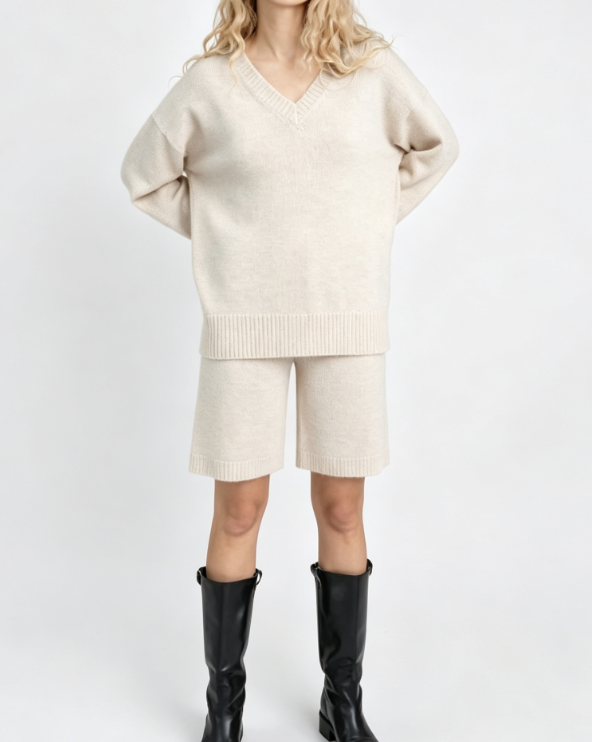
SPI targets should match fabric and stress level; buyers should verify seam type, stitch density, tension, skipped stitches, puckering, and thread consistency. Flatlock, overlock, coverstitch, and lockstitch must be specified rather than left to operator judgment.
Stress points require bar tacks, back-tacking, or reinforcement tape. Inspect pocket openings, crotch seams, armholes, belt loops, drawstring exits, hems, and side-seam joins against the sealed sample.
Trims, Linings, and Visual Alignment
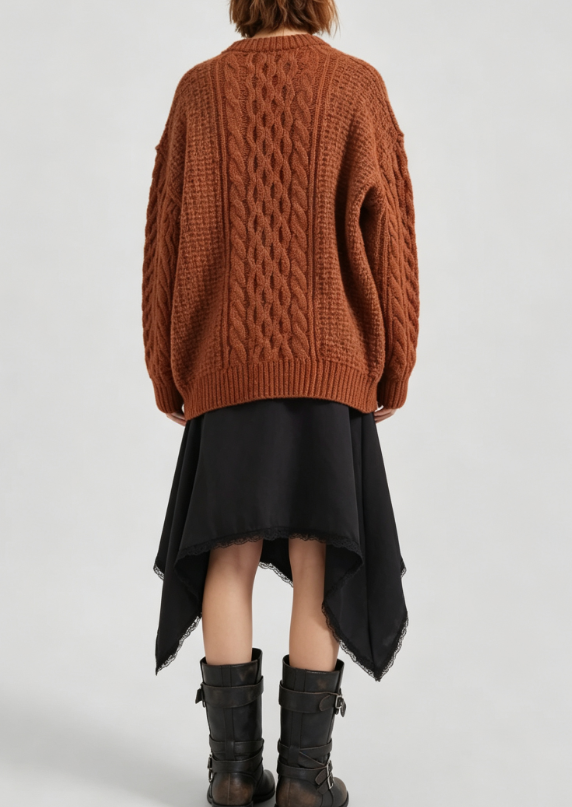
Collars and rib trims need consistent recovery, attachment tension, symmetry, and finished width. Zippers must run smoothly; buttons, snaps, linings, facings, and labels should be securely attached without distortion or exposed raw edges.
Patterned fabrics require documented stripe, plaid, or print-matching points. Compare center fronts, pockets, side seams, yokes, and paired panels, while also checking shade continuity and finishing consistency.
Measurements, Grading, and Shrinkage
Approved measurement charts should state points of measure and tolerances, commonly tighter at neck openings and wider on full-body lengths. Measure garments relaxed, using one method across prototype, size set, pre-production sample, and bulk audits.
XS–3XL grading must preserve shoulder balance, rise, sleeve length, mobility, and proportion—not merely add equal increments everywhere. Wash tests should confirm dimensional change, spirality, colorfastness, pilling, and finish performance before bulk cutting.
Inspection Gates and Defect Control
Inline checks should begin after early production units reveal repeatable sewing, measurement, or decoration problems. Corrective actions must identify the defect, affected quantity, responsible operation, rework decision, and signed approval.
Final inspection should use an agreed sampling plan and classify critical, major, and minor defects. Packed-goods checks cover assortment, labeling, folding, packaging, carton marks, metal detection where required, and retained reports for repeat orders.
7. How to Choose a Custom Clothing Manufacturer
A 100-unit MOQ means little unless the factory can reproduce approved fit, materials, decoration and delivery timing. Evaluate every custom clothing manufacturer against documented evidence before authorizing bulk production.
| Evaluation Area | Ask | Verify |
|---|---|---|
| Capability | Can you make this construction and size range? | Comparable samples; patterns; equipment |
| Materials | Which mills and substitutions are approved? | Swatches; composition; test reports |
| Quality | What are tolerances and defect limits? | QC checklist; inspection records |
| Commercial | What changes MOQ, price or schedule? | Quotation; payment terms; production plan |
| Logistics | Who controls freight and export paperwork? | Incoterms; packing list; shipment references |
Confirm Category and Technical Fit
Three recent products in your category reveal more than a general factory profile. Request tech-pack reviews, pattern and grading examples, machinery lists, monthly capacity, MOQ by style and color, and current production loading.
Audit Compliance and Quality Systems
Four checkpoints matter: incoming materials, in-line sewing, measurement inspection and final packed-goods review. Verify business licenses, inspection records, defect standards, test reports and any claimed OEKO-TEX, GOTS, WRAP or BSCI documentation directly with the issuer.
Test Sampling and Communication
One approved pre-production sample should lock specifications, Pantone colors, trims, tolerances and packaging. Ask who owns patterns, how revisions are recorded, how designs remain confidential, and whether updates include dated photos and written corrective actions.
Validate Commercial and Delivery Terms
100 units per style and color can suit capsule testing, while capacity above 80,000 units monthly supports scaling. Confirm sample and bulk lead times, material traceability, payment milestones, references, Incoterms, carton specifications, freight options and responsibility for customs documents.
Three warning signs justify pausing: unverifiable certificates, pressure to skip approval samples, or bank details that change without formal confirmation. Also investigate vague subcontracting, inconsistent quotations, missing inspection reports and refusal to provide recent references.
8. Common Manufacturer Sourcing Mistakes
Ten preventable sourcing errors cause most avoidable revisions, delays, and landed-cost surprises. A disciplined control record turns every approval into a measurable instruction for the custom clothing manufacturer.
Lock Specifications Before Quotation
One vague tech pack can produce conflicting interpretations of fit, stitching, trims, and decoration. Issue revision-controlled drawings, graded measurements, BOM details, artwork dimensions, construction notes, and allowable tolerances before requesting a final quote.
One late specification change can invalidate patterns, material orders, samples, and pricing. Require a written change order showing cost and schedule effects before implementation.
Validate Samples, Color, and Performance
One approved prototype should precede bulk production; skipping fit samples, size sets, or wash tests transfers unresolved risk to finished goods. Check measurements, mobility, shrinkage, colorfastness, pilling, seam strength, and decoration durability against signed standards.
One monitor cannot reliably represent fabric color. Approve physical lab dips or strike-offs under D65 lighting against a named Pantone reference, then retain a signed approval sample.
Clarify MOQ, Materials, and Compliance
A 100-unit MOQ may apply per style and color, not across an entire order. Confirm size ratios, color minimums, fabric mill minimums, surcharge thresholds, and replenishment rules in writing.
One unavailable fabric can stop sampling or force substitutions. Reserve approved materials before production and verify required OEKO-TEX, GOTS, WRAP, BSCI, labeling, fiber-content, flammability, and market-specific test documentation.
Compare Total Cost and Shipping Terms
One low unit price can conceal weaker materials, extra testing, packaging charges, rejects, or expensive freight. Compare suppliers on approved specifications, quality controls, capacity, lead time, payment exposure, and total landed cost—not quotation price alone.
Three-letter Incoterms must include a named place and version, such as FOB Shenzhen, Incoterms 2020. Confirm freight mode, customs responsibility, duties, insurance, carton limits, shipping documents, and delay ownership before paying.
9. Steps to Launch Production With Confidence
A disciplined launch uses written gates between concept, sampling, production, and shipment. Each approval should identify the responsible party, controlled document, deadline, and conditions that would trigger revision rather than release.
Define the Collection Brief
One collection brief should define the target customer, retail price, silhouettes, color count, size range, delivery window, and forecast quantities. For Junsheen, the production floor begins at 100 units per style and color.
A complete tech pack assigns responsibility for measurements, tolerances, construction, Pantone colors, artwork, labels, packaging, and testing. Shortlist factories only after confirming category capability, capacity, MOQ, compliance needs, and communication ownership.
Quote and Develop Prototypes
One quotation request should use identical specifications across shortlisted factories and separate garment, decoration, labels, packaging, sampling, testing, and freight costs. Record material assumptions because substitutions can invalidate comparisons.
A first prototype tests construction and design feasibility, not merely appearance. Fit it on the intended body or form, issue a dated comment sheet with photographs and revised measurements, then authorize the next sample only after closing each discrepancy.
Lock Materials and Pre-Production
Bulk fabric, trims, Pantone colors, labels, wash effects, and packaging require physical or documented approval before cutting. Retain signed swatches, trim cards, artwork files, and test results as controlled references.
A pre-production sample should represent final materials, construction, decoration, labeling, and finishing. Sign the approved sample, graded specification sheet, bill of materials, purchase order, tolerance chart, packing instructions, and delivery schedule before releasing bulk production.
Control Production and Shipment
Bulk monitoring should cover incoming materials, cutting, sewing, measurements, decoration, washing, finishing, and packed goods. Require milestone reports and escalate recurring defects before they spread across the order.
A final inspection should verify quantity, workmanship, measurements, labeling, assortment, cartons, and shipping marks against signed specifications. Release the balance and arrange freight only after inspection acceptance, export documents, commercial invoice, packing list, and booking details align.
10. Custom Clothing Manufacturer Pricing and Costs
100 units per style and color is Junsheen’s entry point for capsule production, but MOQ alone does not determine price. Garment complexity, fabric consumption, labor minutes, cutting waste, specialty trims, decoration colors or placements, and finishing processes all affect unit cost; pattern development, samples, testing, and branded packaging may appear as separate charges.
3 illustrative quantity tiers show why scale changes costing: fixed pattern, digitizing, screen, and sampling expenses are distributed across more garments, while larger material commitments may improve purchasing efficiency. Lead time can still increase when bulk quantities require additional fabric production, multiple dye lots, or more inspection capacity.
1 like-for-like quotation sheet should specify fabric composition, GSM or denim ounce weight, usable width, color standard, construction, measurements, size ratio, trims, decoration method, wash, packaging, testing, defect allowance, and Incoterm. Compare freight, insurance, duties, taxes, sample credits, and revision charges separately; an EXW quote is not directly comparable with FOB, CIF, or DDP.
3 payment stages may apply as a relationship develops: Junsheen’s source profile specifies full prepayment for a first order, 70/30 for a second, and 50/50 for a third order within the first year. After more than one year and over three stable orders, a 30% deposit may be considered case by case, with final balances settled before shipment.
| Illustrative quantity tier | Relative unit cost | Setup implications | Typical lead-time effect |
|---|---|---|---|
| 100–299 units per style/color | Highest | Fixed development and decoration setup spread narrowly | Shorter bulk run; material sourcing may dominate |
| 300–999 units per style/color | Moderate | Better setup absorption and material utilization | Balanced production window; depends on fabric availability |
| 1,000+ units per style/color | Lower potential | Strongest setup absorption; confirm testing and inspection scope | Longer cutting, sewing, finishing, and QC allocation |
Start With a Custom Clothing Manufacturer Built to Scale
Send JUNSHEEN your tech pack, reference garment, or product idea for sampling, pricing, and controlled bulk production from 100 units.