
Custom Apparel Decoration for Fashion Brands
One-stop OEM, ODM and private-label production with custom apparel decoration, fit-focused XS–3XL development, and 100-unit MOQs for global buyers.
Featured Products for custom apparel decoration Development






Related Product Catalogue and Quotation


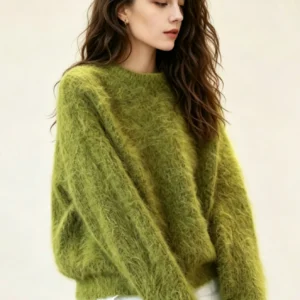
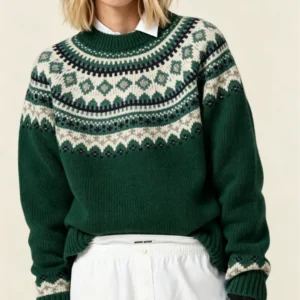
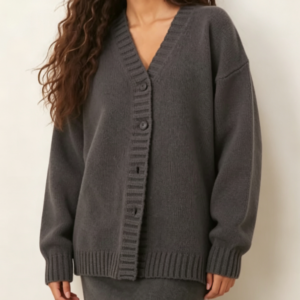
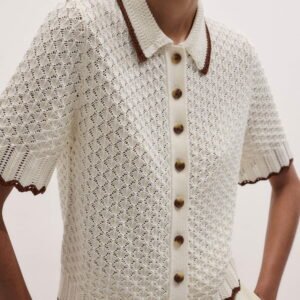
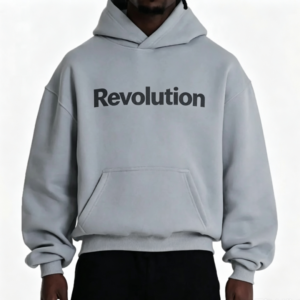

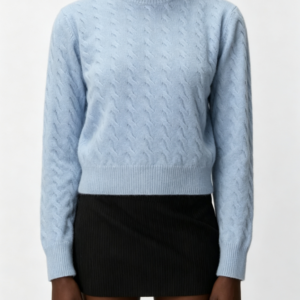
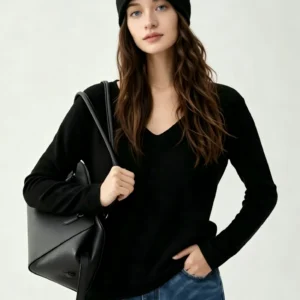
Custom Apparel Decoration, Controlled in One Supply Chain
From low-MOQ development to export-ready delivery, JUNSHEEN keeps the technical and brand details aligned.
100-Unit Starting MOQ
Launch capsule collections from 100 units per style and color while retaining dependable development and production support.
In-House Decoration
Coordinate embroidery, specialty printing, washing and finishing with garment construction for sharper execution and consistent results.
Fit-Focused XS–3XL Grading
Refine proportions across standard, extended-size, plus-size and oversized fits instead of simply enlarging a base pattern.
Scalable Production Capacity
Work with 200+ skilled workers and 80,000+ monthly units as your seasonal programs and replenishment needs grow.
Integrated Private Labeling
Complete each piece with custom labels, trims, hang tags, branded packaging and hardware through one accountable production team.
Global Export Support
Move approved orders from quality control to international shipping with documentation and coordination for fashion brands worldwide.
Custom Decoration for Every Collection
Apply production-ready decoration, finishing, trims and materials that support distinct brand identities from sample approval through scalable bulk manufacturing.

Custom Embroidery Services
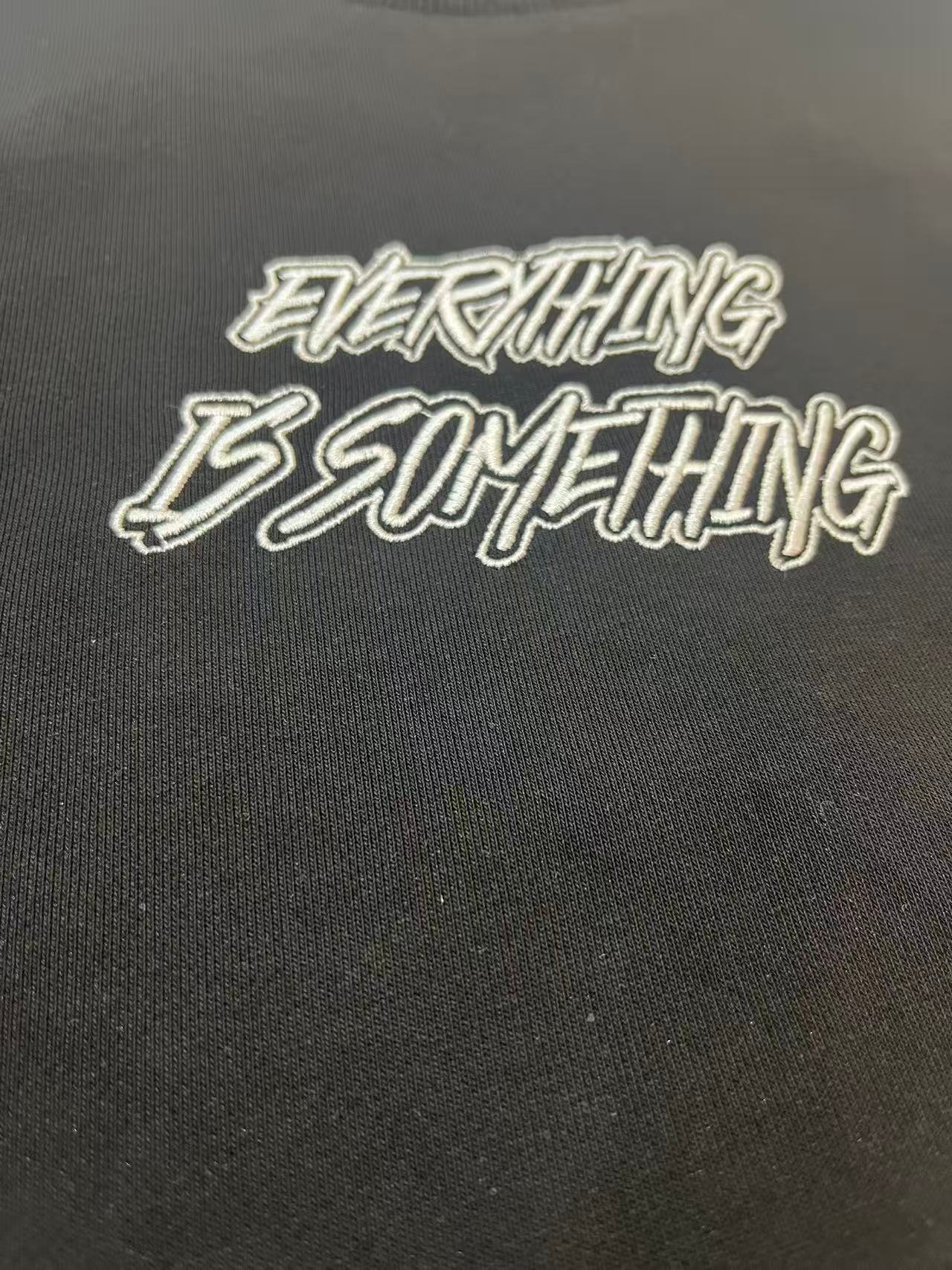
Build durable custom embroidery into hoodies, denim, outerwear and knitwear with flat, 3D puff, chain stitch, appliqué, sequin and logo options. We review placement, backing, stitch density and fabric compatibility before sampling and bulk production.
Request a Quote
Custom Screen Printing
Develop custom screen printing for graphic T-shirts, fleece, jerseys and casualwear using plastisol, water-based, high-density, silicone, foil, flocking, discharge and puff effects. Artwork and print specifications are assessed for coverage, hand feel, wash performance and repeatability.
Request a Quote
Custom DTG & DTF Printing
Use DTG and DTF printing when your collection needs detailed artwork, color variation or flexible graphic placement. Junsheen tests print behavior against the selected garment fabric, then aligns sample output with bulk-production specifications and quality checks.
Request a Quote
Custom Dye Sublimation Printing
Produce dye sublimation printing for polyester-based performance knits and all-over graphic programs where color clarity and lightweight hand feel matter. We confirm fabric composition, print layout, seam placement and color expectations during development before production approval.
Request a Quote
Custom Puff & 3D Print
Add dimension to brand graphics with custom puff print and 3D print effects for sweatshirts, hoodies, T-shirts and selected outerwear. Our team evaluates artwork line weight, ink build, placement and wash durability to create a consistent raised finish.
Request a Quote
Custom Patches, Appliqué & Patchwork
Specify custom patches, appliqué and patchwork details for denim, varsity-inspired styles, outerwear and contemporary casualwear. Options include embroidered patches, woven labels, fabric appliqué and custom constructions, developed with secure attachment methods and production-ready placement guides.
Request a Quote
Custom Denim Wash & Garment Finishing
Create distinct denim wash and garment finishing programs through enzyme, stone, acid and garment-dye washes, plus softening, brushing, napping and anti-pilling treatments. Sampling helps confirm shade, hand feel, shrinkage, distressing and wash consistency before bulk approval.
Request a Quote
Custom Trims & Accessories
Complete private-label garments with custom apparel trims and accessories, including woven or leather labels, hang tags, buttons, snaps, zippers, drawstrings, rib trims, reflective details and branded packaging. Components are selected for function, cost, appearance and reliable bulk supply.
Request a Quote
Custom Fabrics & Materials
Source apparel fabrics and materials around your target fit, price point and end use, from cotton jersey, French terry and fleece to denim, twill, performance knits, wool and recycled options. Swatches and samples support informed material approval.
Request a QuoteCustom Apparel Decoration Materials Selected for Feel, Performance & Fit

Cotton Jersey
Soft, breathable cotton jersey suits premium T-shirts, polos, and lightweight layers. Available in combed, Pima, organic, and blended options, its smooth surface supports crisp screen printing, DTG artwork, and comfortable everyday wear.

French Terry
French terry combines a clean face with soft loopback texture, making it ideal for hoodies, sweatshirts, shorts, and coordinated sets. Midweight constructions provide breathable warmth, stable structure, and a reliable base for embroidery or printing.

Brushed Fleece
Brushed fleece delivers a warm, plush interior for heavyweight hoodies, joggers, and cold-weather casualwear. Its substantial hand feel and insulating brushed back create comfort while maintaining the body needed for premium silhouette development.

Stretch Denim
Stretch denim gives jeans, denim jackets, and sets authentic character with improved mobility. Cotton-rich constructions can be selected by weight and recovery, then paired with enzyme, stone, acid, or garment washes for distinctive branded finishes.

Performance Knits
Performance knits offer controlled stretch, moisture management, and durable recovery for active-inspired casualwear and fitted styles. Available in lightweight to substantial weights, they help maintain shape through wear, washing, and repeated movement.

Recycled Blends
Recycled cotton and polyester blends support sustainability-led collections without losing practical performance. Fabric composition, weight, drape, and surface texture are matched to your garment and decoration requirements, with swatches available before bulk approval.
Custom Apparel Decoration Techniques Built for Brand Distinction

Embroidery Details
Flat, 3D puff, chain-stitch and applique embroidery add dimensional logos and tactile branding to hoodies, denim, outerwear and knitwear, delivering durable decoration with a premium, structured finish.

Screen Print Effects
Plastisol, water-based, puff, flocking, silicone, high-density, foil and discharge screen printing create bold graphics, specialty texture and dependable wash performance for branded casualwear and promotional collections.

DTG and DTF
DTG and DTF printing support detailed artwork, color-rich illustrations and flexible low-volume applications, making them practical options for intricate graphics, sample approvals and 100-unit custom apparel decoration programs.

Heat Transfer Prints
Heat transfer applies crisp logos, numbers and multicolor graphics with controlled placement, ideal for performance knits, teamwear-inspired pieces and designs where clean edges and production consistency matter.

Sublimation Printing
Dye sublimation bonds vivid all-over artwork into compatible polyester fabrics, producing breathable, lightweight graphics that resist cracking and peeling for performance apparel, activewear and statement-print collections.

Wash and Finishing
Enzyme, softening, anti-pilling, garment dye, acid wash, stone wash, brushing and napping treatments refine hand feel, color depth and worn-in character while helping each garment match its intended brand aesthetic.
Custom Apparel Decoration Accessories That Complete the Product

Woven Brand Labels
Custom woven main, size and wash-care labels give hoodies, denim, knitwear and outerwear a consistent private-label identity while supporting clear garment care and size communication.

Custom Hang Tags
Branded hang tags can carry your logo, product story, sizing and care information, creating a retail-ready presentation for wholesale orders, direct-to-consumer launches and showroom samples.

Zippers And Snaps
Select custom zippers, snap buttons and metal hardware for jackets, denim, polos and utility styles. Options help align closure performance, finish and branding with your collection direction.

Drawcords And Tips
Custom drawcords, aglets and tipped ends add a finished branded touch to hoodies, sweatpants and shorts, with material and color choices matched to your fabric and decoration plan.

Patches And Reflectives
Add embroidered, woven, leather-look or silicone patches, plus reflective details, to build dimensional branding and functional visibility across outerwear, sportswear, denim and statement casualwear.
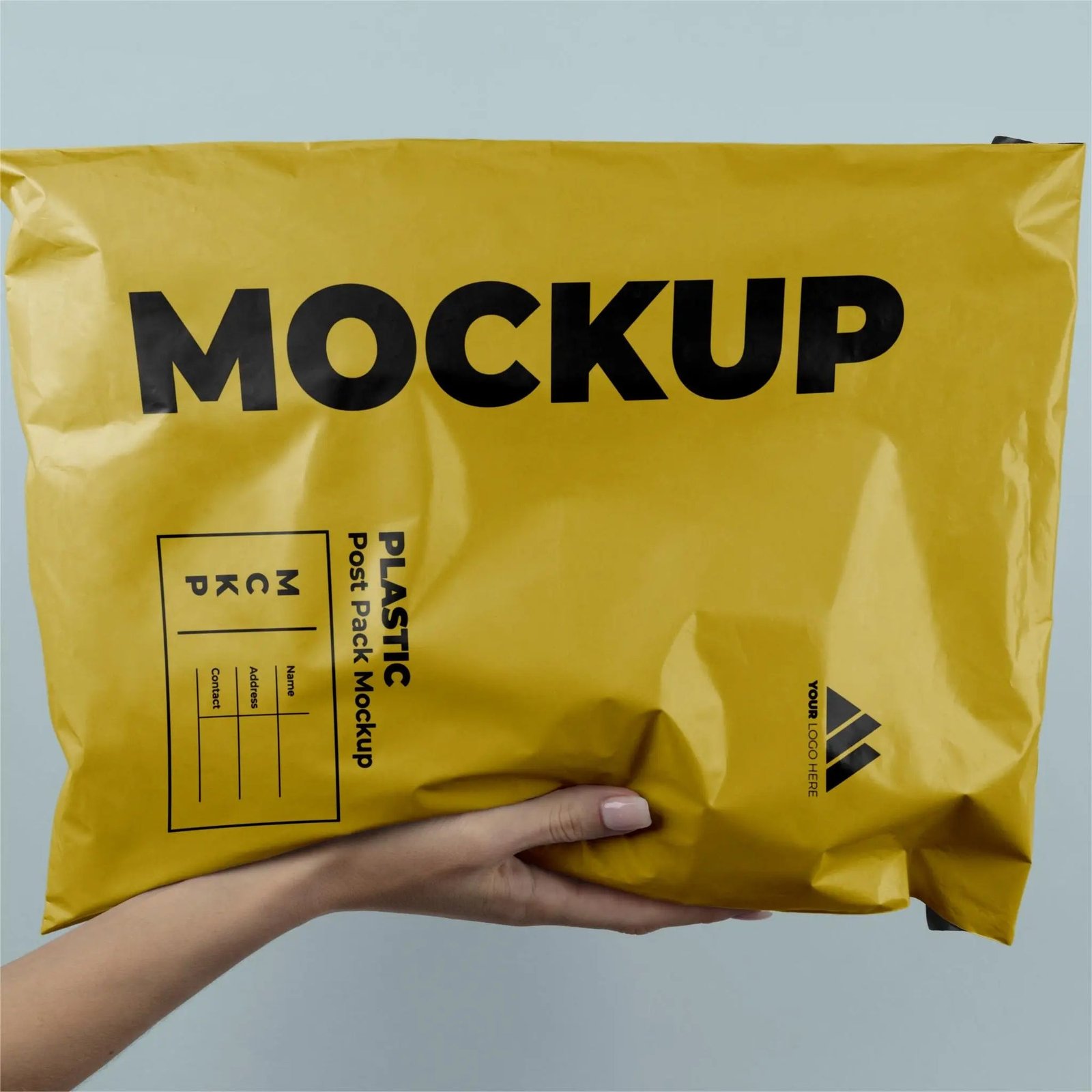
Branded Packaging
Complete custom apparel decoration with branded polybags, tissue, stickers and packaging inserts that protect finished goods and deliver a coherent unboxing experience for global retail and e-commerce fulfillment.
About JUNSHEEN: Custom Apparel Decoration
Founded in 2010 in Humen Town, Dongguan, JUNSHEEN helps fashion brands turn concepts into production-ready casualwear, denim, knitwear and outerwear. Our mission is to provide responsive, fit-first manufacturing that supports emerging labels and established programs from the first specification review through global export.
With 200+ skilled workers and monthly capacity above 80,000 units, we combine cut-and-sew, knitting, fabric sourcing, custom apparel decoration, washing, labeling, packaging and quality control in one supply chain. Programs can begin at 100 units per style and color, then scale with dependable production support.
What distinguishes JUNSHEEN is development built around real fit, not simple size enlargement. We refine patterns and grading from XS through 3XL, including extended-size, plus-size and oversized silhouettes, while managing samples, bulk production and export details for more than 2,000 fashion-brand clients worldwide.

Custom Apparel Decoration Capabilities, Built for Production
Fit-Led Pattern Development
JUNSHEEN turns sketches, tech packs, reference garments, and mood boards into production-ready patterns with fit prioritized from the start. Our team develops normal, extended, plus-size, and oversized silhouettes from XS through 3XL without simply scaling a base pattern.
- Pattern making, size grading, prototypes, and size sets
- Refined shoulder balance, sleeve length, rise, and mobility
- Manufacturability review before sampling and bulk approval
- Low MOQ from 100 units per style and color

Materials and Brand Details
Fabric, trims, and private-label components are selected around your target price, hand feel, garment weight, durability, and wash performance. Through established supplier networks, JUNSHEEN coordinates the materials and branded details needed to make each collection feel commercially complete.
- Cotton, fleece, French terry, denim, twill, wool, and recycled options
- Swatches and sample garments for material confirmation
- Custom labels, hang tags, buttons, zippers, and drawstrings
- Branded packaging and coordinated trim specifications

In-House Decoration Control
Custom apparel decoration is integrated with garment construction, allowing artwork, placement, fabric behavior, and finishing to be reviewed together. JUNSHEEN manages embroidery, print applications, washes, and specialty effects in-house to help brands achieve distinctive, repeatable results.
- Flat, 3D puff, chain-stitch, applique, patch, and sequin embroidery
- Screen print, DTG, DTF, heat transfer, sublimation, foil, and silicone
- Puff, flocking, discharge, high-density, and water-based effects
- Garment dye, acid wash, stone wash, brushing, and anti-pilling finishes

Scalable Quality-Controlled Production
From a 100-unit capsule to repeat bulk programs, JUNSHEEN combines more than 200 skilled workers with monthly capacity above 80,000 units. Quality checks cover incoming materials, in-line construction, measurements, fit, decoration, and final packed goods before global shipment.
- Cut-and-sew and knitting capability for casualwear, denim, outerwear, and knitwear
- Quality control at fabric, production, finishing, and packing stages
- Retained patterns, graded size sets, and material records for reorders
- Global export support for brands in key international markets

Why Brands Choose JUNSHEEN for Custom Apparel Decoration
Evidence-led manufacturing support from first sample through export-ready bulk production.
← 左右滑动查看 →
Custom Apparel Decoration, From Approval to Global Delivery
A controlled production path that aligns decoration, fit, quality and export readiness from the first review through shipment.
Feasibility and Material Review
We review approved designs, decoration requirements, target quantities and cost goals, then confirm suitable fabrics, trims and production methods for your program.
Patterning and Sample Development
Pattern makers build and grade fit-focused XS–3XL specifications while our team produces prototypes, decoration tests and size-set samples for approval.
Bulk Production Setup
After pre-production approval, we lock materials, artwork, measurements and packaging details, then schedule cut-and-sew, knitting and decoration workflows.
In-Line Quality Control
Our team checks fabric, construction, measurements, fit and custom apparel decoration throughout production to catch issues before finishing and packing.
Final Inspection and Shipping
Finished goods receive final quality checks, branded packing and export preparation before coordinated global shipping, with production records retained for repeat orders.
Start Your Custom Apparel Decoration Program
Move from concept to scalable production with clear feasibility review, sample approval, and fit-focused execution from 100 units per style and color.
Send Your Design Brief
Share a tech pack, sketch, reference garment, or mood board with target fabrics, sizing, decoration details, quantities, and delivery expectations.
Review Feasibility and Pricing
Our team evaluates construction, custom apparel decoration methods, fit requirements, materials, and trims, then confirms manufacturability, MOQ, lead time, and quotation.
Approve Samples and Fit
Review prototype samples, fabric swatches, decoration placement, and XS–3XL grading. Refine measurements, proportions, washes, or branding details before production approval.
Launch Bulk Production
After approval, JUNSHEEN manages bulk cutting, sewing, decoration, quality control, packing, and global export support for a consistent, production-ready collection.
Custom Clothing Manufacturer Credentials and Compliance Documents



Custom Apparel Decoration Results From Fashion Brand Production Programs
JUNSHEEN helped us launch our first decorated hoodie capsule at the 100-unit MOQ. The embroidery samples were approved after two focused revisions, and the finished pieces arrived with consistent placement across all three colorways.
Our oversized denim program needed a better fit from XS through 3XL. Their pattern team reduced our sample revision cycle from five rounds to two, while keeping the screen print and wash effect aligned with our reference.
We reordered a 1,200-unit fleece program after the first delivery performed well at retail. Measurements, puff-print texture, labels, and packing were consistent with the approved sample, which made our second production run much easier to manage.
Custom Apparel Decoration FAQs for OEM Buyers
Clear answers on MOQ, samples, payment, production, fit and global delivery for fashion brands sourcing with JUNSHEEN.
What is the MOQ for custom apparel decoration?
How long do custom apparel decoration samples take?
How much does a custom apparel decoration sample cost?
What payment terms does JUNSHEEN offer for first orders?
What is the lead time for OEM apparel production?
Can you ship custom apparel decoration orders internationally?
Can you develop plus-size and oversized fit grading from XS to 3XL?
What artwork files do you need for embroidery or printing?
How does JUNSHEEN protect my designs and brand information?
Complete Buyer’s Guide to custom apparel decoration
Use this decision framework to compare decoration methods, fabric compatibility, quality controls, supplier capabilities, and pricing—while avoiding sourcing mistakes that compromise durability, margins, brand consistency, or launch timing.
1. What Is custom apparel decoration?
100 units per style and color is enough for a capsule to treat custom apparel decoration as a product specification, not merely a logo placement. It is the planned application of brand marks, artwork, text, patches, trims, or surface effects to a finished garment or to components during cut-and-sew production. 2010 is the year Dongguan Junsheen Clothing Co., Ltd. began serving apparel programs from Humen, Dongguan, where decoration must work with the garment’s fabric, construction, fit, and wash plan. On casualwear, denim, knitwear, and outerwear, embroidery, print, appliqué, custom labels, reflective details, and washes can establish a recognizable product identity beyond silhouette alone. XS through 3XL is a practical reminder that decoration affects the whole size run: artwork scale, placement, seam clearance, stretch recovery, and wearer comfort should be graded deliberately. Decoration becomes strategic when it changes perceived value, supports a collection story, requires specific production sequencing, or creates a repeatable brand code; it remains a simple add-on when it can be applied without changing materials, construction, fit, testing, or costing.
2. Evolution of custom apparel decoration
Before the 1960s, decoration was largely hand-led: chain stitch, applique, beading and hand screen work created distinctive garments but made color consistency, repeatability and scaling difficult. Screen printing industrialized logo placement by using separated artwork and mesh screens, making it economical for larger runs, although each color added setup time and cost. By the 1970s and 1980s, multihead embroidery and heat-applied graphics gave buyers more standardized production routes. Embroidery delivered durable, dimensional branding on polos, caps and outerwear, while heat transfers enabled detailed artwork without a screen per color; both require early checks for stitch density, backing, press temperature and fabric distortion. Since the 1990s, DTG, DTF and improved transfer systems have shortened artwork-to-sample cycles and made 100-unit color-and-style programs more practical. They also support personalization, but the decoration choice must match fiber content, garment color, hand feel and wash target—for example, dye migration testing on polyester and stretch testing on performance knits. In 2026, buyers commonly combine embroidery, silicone, high-density screen print, patches, puff effects and garment washes in one collection. Source partners should control Pantone approval, test decoration after repeated laundering, document restricted-substance requirements such as OEKO-TEX or GOTS where applicable, and confirm that the selected finish remains durable through bulk production rather than only on a showroom sample.
3. Types of custom apparel decoration
Six decoration families cover most casualwear programs, but artwork, fabric, and order volume determine the practical choice. Compare the intended hand feel and wash life before approving production samples.
| Technique | Best Use | Detail Limitation | Ideal Order Profile |
|---|---|---|---|
| Screen print | Bold graphics | Fine halftones | Medium to bulk |
| DTG or DTF | Full-color art | Tiny type | Samples to small runs |
| Embroidery | Premium logos | Small lettering | Small to bulk |
| Wash or dye | Vintage character | Color consistency | Fashion capsules |
Screen Printing

Pantone-matched plastisol or water-based ink suits bold logos and large runs. Fine halftones require controlled screens; properly cured prints withstand repeated laundering.
DTG, DTF And Transfers
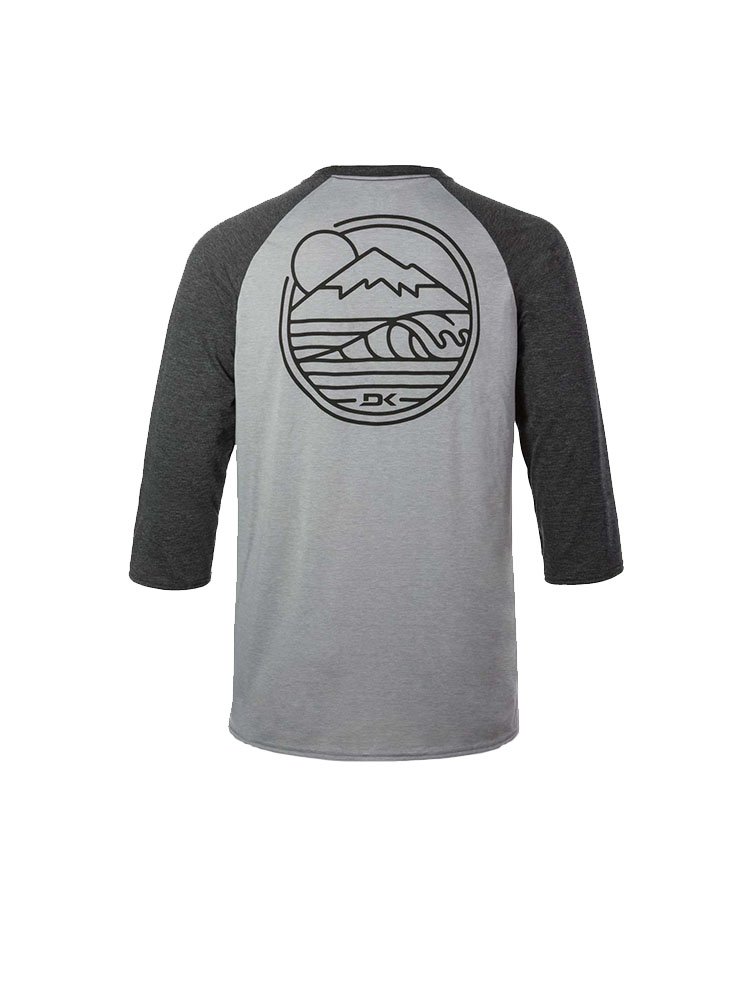
DTG suits multicolor cotton artwork, while DTF and heat transfers handle small runs and variable placements. Tiny type can fill in, and transfer edges may feel heavier than direct print.
Embroidery And Chenille

3D puff embroidery and chenille create dimensional, premium logos for caps, fleece, and varsity pieces. Stitches cannot reproduce very small lettering; dense fills need stable backing.
Patches And Appliqué
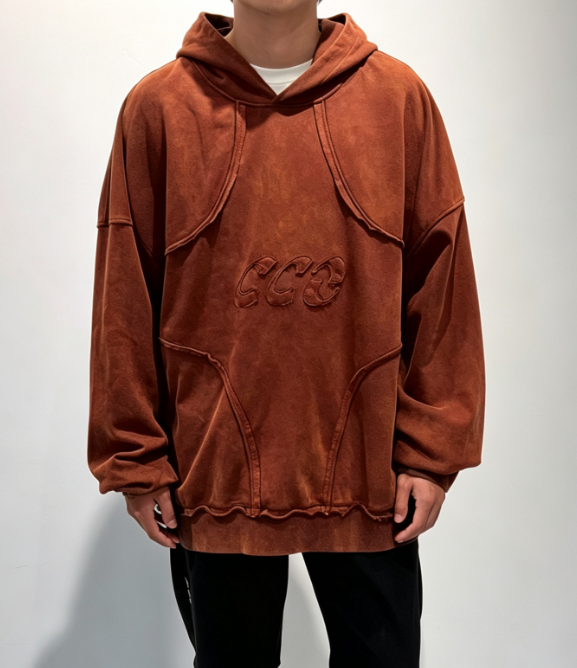
Woven, leather, or embroidered patches add texture and simplify repeat branding. Edge stitching improves durability, but patch scale must suit the garment’s drape.
Washing And Dye Effects
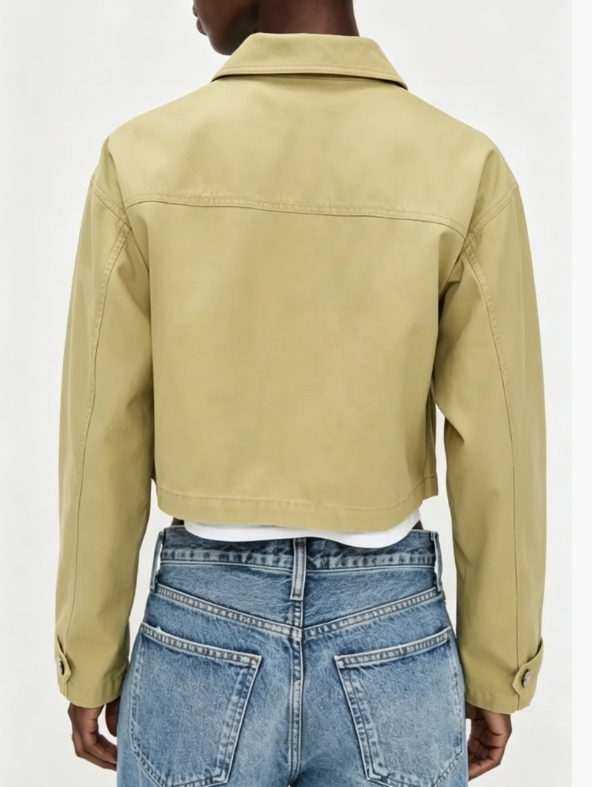
Acid wash, garment dye, tie-dye, and enzyme washing produce individual character on compatible fabrics. Color variation is expected, so approvals should define the acceptable range.
Specialty Finishes
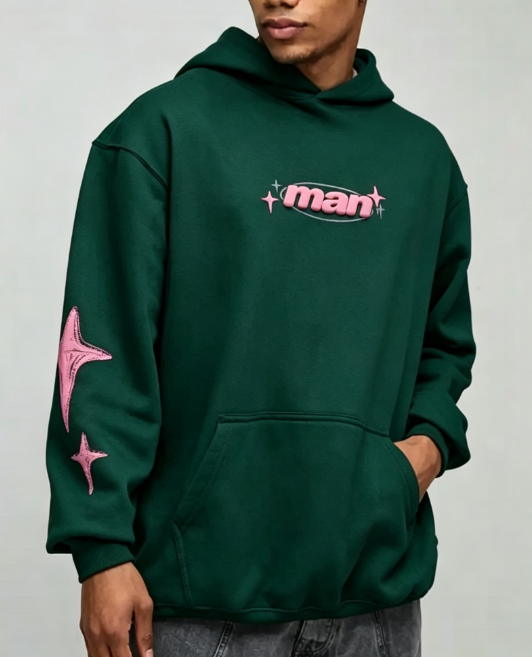
Puff, foil, reflective, silicone, rhinestone, and discharge effects create high contrast or tactile accents. Small details and wash durability vary by effect, making strike-offs essential.
4. Fabrics for custom apparel decoration
Fabric is the first decoration decision because weight, surface texture, stretch, color, and laundering determine adhesion, registration, and appearance. Junsheen can review swatches and test a sample before bulk approval.
| Fabric family | Compatible methods | Risk point | Best use |
|---|---|---|---|
| Cotton, organic cotton | Screen print, DTG, embroidery | Shrinkage, dye variation | Tees, fleece programs |
| Polyester, blends | Low-bleed print, DTF, embroidery | Dye migration, heat | Activewear, uniforms |
| Denim, fleece | Embroidery, patches, screen print | Texture, fiber show-through | Jeans, hoodies |
| Jersey, rib knits | Stretch transfer, stretch ink | Recovery, distortion | Fitted tops |
| Nylon, coated outerwear | Low-temperature transfer, patches | Scorching, coating damage | Jackets, puffers |
Weight And Surface

160–220 GSM jersey gives screen print and DTG a smooth, stable face; brushed fleece needs heavier ink deposits to avoid fiber show-through. 10–14 oz denim accepts embroidery, patches, and screen print, while pronounced twill or slub texture can break fine lines.
Stretch, Heat, And Color

5–10% elastane requires stretch inks, flexible transfers, or embroidery with suitable backing; rigid decoration can crack or pucker after recovery. 280–320°F transfer heat can mark nylon and coated outerwear, while dark polyester may release dye into white or pale prints during curing.
Wash Behavior Matters
Organic cotton and conventional cotton both suit water-based print, embroidery, and DTG, but pre-wash shrinkage and garment-dye variation should be approved on samples. 3–5 wash-cycle trials expose dye migration, crocking, puckering, cracking, and wash-down changes before production.
5. Custom apparel decoration options for branding
A decoration brief should specify each logo’s position, finished size, color callout, and technique before sampling. For JUNSHEEN programs starting at 100 units per style and color, that clarity keeps artwork, trims, and garment construction aligned.
| Branding Route | Best For | Typical Execution |
|---|---|---|
| Subtle premium | Essentials, elevated retail | Tonal embroidery, woven badge, neck print |
| Balanced identity | Core casualwear | Chest logo plus sleeve detail and labels |
| High-impact graphic | Streetwear, campaigns | Large print, puff effect, appliqué |
Map Every Brand Touchpoint
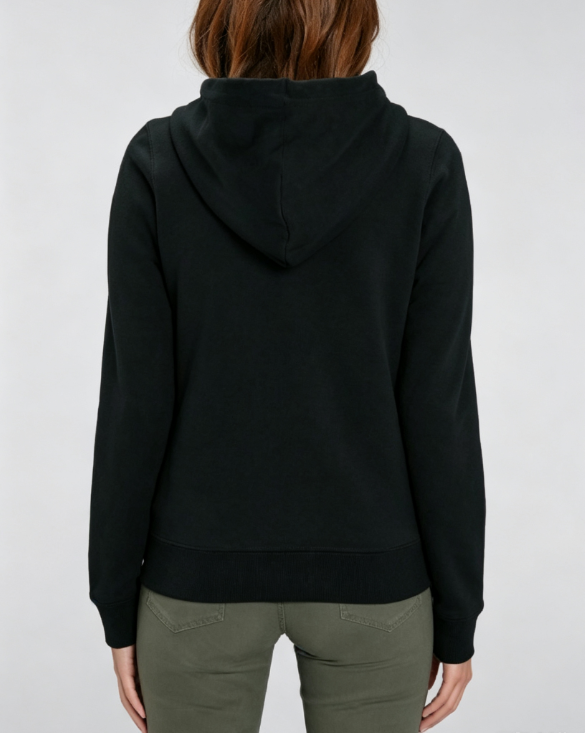
Three placements usually create a complete system: chest or hem logo, sleeve or back-neck detail, and an internal identity layer. State measurements from seams, placement tolerances, Pantone references, and whether an all-over repeat must align across panels.
- Chest print or embroidery size
- Sleeve hit and cuff clearance
- Back-neck print or woven loop
- Repeat scale and panel matching
Choose Branding Intensity

2–3 cm tonal embroidery, debossed leather labels, and color-matched woven badges support premium essentials and mature customers. Large screen prints, puff ink, foil, or contrasting appliqué give streetwear drops and influencer capsules stronger first-view impact.
Prepare Production-Ready Files
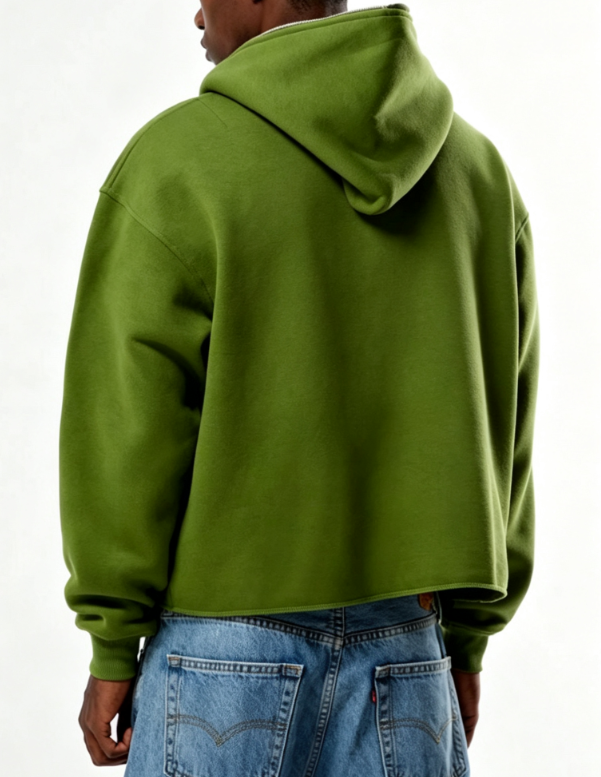
300 dpi raster art suits DTG or DTF, while vector AI, PDF, or EPS files preserve clean separations for screen printing and embroidery digitizing. Supply print dimensions, spot colors, thread colors, transparent-background artwork, and approved mockups; combine techniques only after confirming wash performance.
- Vector logo with outlined fonts
- Pantone or thread-color callouts
- Front, back, sleeve placement map
- Label, badge, and hangtag artwork
6. Quality controls for decorated garments
100-unit capsule orders still need a signed bulk standard before production begins. For custom apparel decoration, approve artwork, placement measurements, color targets, and a finished strike-off or sewn sample against the actual garment fabric.
Artwork And Placement Approval

One signed approval sheet should specify artwork size, Pantone targets, placement from fixed landmarks, and allowed tolerance; ±5 mm is practical for most chest prints and embroidery. Pantone matching must be judged under agreed lighting, while registration is checked at the same scale as production. Seams, pockets, zippers, and stretch panels require repositioning or a smaller design because they distort prints and needlework.
Embroidery And Print Build

Eight to 12 stitches per millimeter is a common embroidery-density range, but the approved sample must show no puckering, thread gaps, or visible backing through lightweight knits. Heat-applied graphics need full edge adhesion after curing, with no lifting at corners or across rib and stretch areas. Screen prints should cure to the ink supplier’s time-and-temperature specification, then resist cracking and abrasion during handling.
Wash-Test Bulk Acceptance
Three wash-and-dry cycles on the approved garment can reveal cracking, color bleeding, shrinkage, and decoration loss before bulk release. Garment-dyed pieces require a post-dye strike-off because dye and wash processes can shift ink color, hand feel, and placement appearance. AQL 2.5 is a commonly used final-inspection benchmark for major defects, but buyers should define critical defects as zero tolerance. Acceptable goods should retain legible artwork, secure stitches, aligned registration, intact adhesion, and approved measurement tolerances after testing.
7. Choosing a custom apparel decoration manufacturer
A 100-unit MOQ can suit a capsule launch, but it does not prove a supplier can repeat custom apparel decoration in bulk. Evaluate evidence from comparable garments, controlled samples, documented color standards, and inspection records before approving production.
Verify Relevant Experience
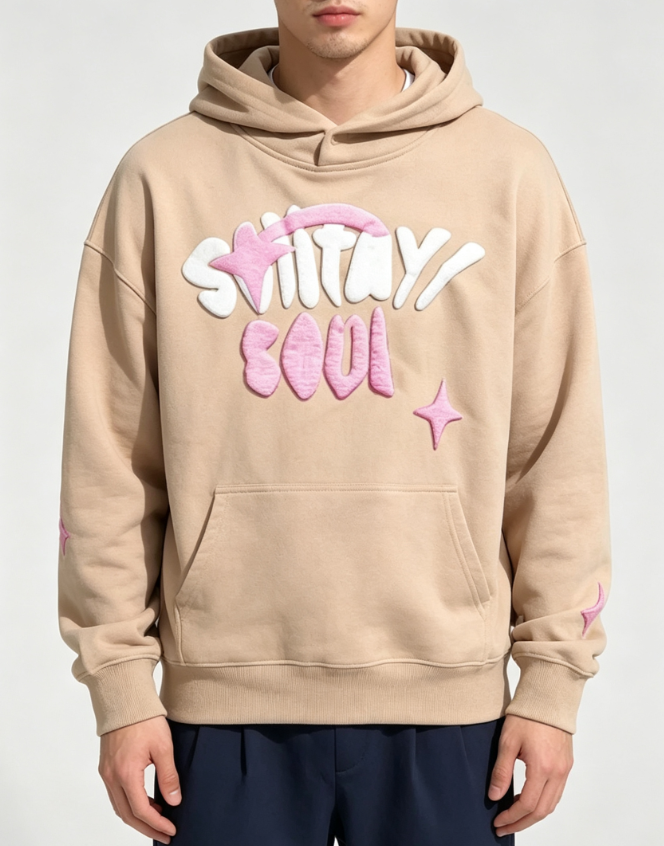
Three recent, comparable projects reveal more than a general capability list. Ask for close-up photos and physical strike-offs matching your fabric weight, ink coverage, embroidery density, wash process, and placement tolerance. Two questions matter: which steps are in-house, and which are subcontracted? Outsourced embroidery, printing, or washes require named process ownership, approved standards, and a clear rework path.
- Request fabric-matched decoration samples
- Confirm subcontractor quality responsibility
- Review post-wash finish photos
Test Sampling And Scale
A pre-production sample should use bulk-intent fabric, thread, ink, backing, and placement files. Compare it after 3 to 5 wash cycles for cracking, dye migration, puckering, shrinkage, and color loss. JUNSHEEN can begin at 100 units per style and color, while monthly capacity exceeds 80,000 units. Confirm the production calendar, sample revision limit, and realistic lead time rather than relying on a verbal delivery promise.
Audit Controls And Communication
Pantone references, lab dips, and approved print strike-offs should define color before cutting. Ask how the factory controls lot variation, records ink formulas, checks fabric shade bands, and retains approved samples. OEKO-TEX, GOTS, WRAP, or BSCI documentation may be required by your market or retailer, so request current scope-specific records. Confirm incoming-fabric, in-line, measurement, decoration, and final packed-goods inspection checkpoints, plus one accountable production contact.
- Request current compliance documents
- Approve Pantone and lab-dip standards
- Define inspection report format
8. Common custom apparel decoration mistakes
Most decoration failures are specified before production begins, then become costly at the sample or bulk stage. A sourcing team should lock fabric, artwork, placement, testing, and quote assumptions into one approved specification.
Match Method To Fabric
150–180 GSM jersey, brushed fleece, and stretch denim react differently to ink, embroidery, and heat. Choosing a method first can cause puckering, poor adhesion, or distorted drape. Pantone-approved fabric swatches should be reviewed before selecting screen print, DTF, embroidery, or transfer. Confirm stretch, pile, fiber content, and finish with the factory.
Supply Production-Ready Artwork
300 DPI raster files and vector AI, EPS, or PDF artwork preserve edges and separations. Low-resolution logos force redrawing, soften detail, and can delay sampling. 1 mm lines and tiny negative spaces may close during screen printing or embroidery. Provide final dimensions, Pantone references, and a simplified small-format version.
Control Placement And Scale
10–15 mm placement tolerance can be visible on chest logos, pocket prints, and sleeve embroidery. Overdesigning a small area creates clogged ink, thread breaks, or unreadable branding. 2 reference points, such as high-point shoulder and center front, should define every location. Approve an annotated placement sheet and a physical sample before bulk.
Test Color And Heat Risks
Polyester blends and dark garment dyes can migrate into light transfers or plastisol ink. Excessive transfer heat can scorch fleece, flatten pile, or leave press marks. 3–5 wash cycles should test adhesion, cracking, bleeding, shrinkage, and hand feel. Request a decorated fabric strike-off or wash-tested sample using the final colorway.
Compare Like-For-Like Quotes
100-unit quotations can differ because one supplier prices one print color while another includes six, special ink, labels, and individual packaging. Assuming an approved sample automatically matches bulk ignores approved tolerances and production variables. 1 specification sheet should accompany every quote and pre-production approval. Match fabric GSM, decoration size and colors, placement, wash standard, quantities, packaging, and inspection requirements.
9. Steps to launch decorated apparel
A 100-unit style-and-color launch moves fastest when every approval is locked before bulk cutting. For custom apparel decoration, treat each handoff—specification, artwork, sample, and pre-production approval—as a decision gate with a dated sign-off.
Define The Production Brief
One tech pack should identify style, colorways, size range, bill of materials, measurements, Pantone references, label placement, packing method, and requested delivery date. 100 units per style and color can support a capsule, but confirm quantities by size before sampling. Send a sketch, reference garment, or mood board when a finished tech pack is unavailable.
- Target customer and intended fit
- Fabric weight, composition, and color
- Decoration placement and finished dimensions
Prepare Artwork And Materials

Vector AI, PDF, or EPS artwork prevents avoidable redraws; include spot-color separations, print dimensions, and embroidery stitch guidance. Approve cleaned production artwork before screens, transfers, or embroidery files are made. 180–320 GSM jersey or French terry may behave differently under ink, heat, and washing. Review fabric swatches and test the chosen decoration on the actual production fabric.
Approve Samples And Size Runs
One prototype confirms construction, fit, fabric hand, and decoration placement before grading. Record changes in a single revision list rather than approving corrections by scattered messages. XS–3XL programs require an approved graded measurement chart and planned size ratio. Confirm a pre-production sample after all bulk fabric, trims, artwork, and wash effects are finalized.
- Prototype approval: silhouette and decoration
- Size-set approval: measurements and grading
- Pre-production approval: bulk-ready standard
Control Bulk And Delivery
During bulk production, approve no substitutions to fabric, trims, colors, or placement without written confirmation. Inspection should cover incoming materials, in-line construction, measurements, decoration, and packed goods. Final balance is settled before shipment under Junsheen’s stated terms. Provide consignee details, carton marks, shipping method, and required export documents early enough to prevent dispatch delays.
10. custom apparel decoration pricing and costs
100 units per style and color is a practical starting tier: the garment base, fabric weight, and decoration method set most of the unit cost before margin. A 280–360 GSM fleece hoodie, for example, carries a different cost base from a 160–220 GSM ring-spun jersey T-shirt; extra placements, large print coverage, or high stitch counts add labor and consumables. 1 artwork file can still create several charges when it needs Pantone separation, digitizing, screens, test prints, or multiple placements. Screen-print cost rises with color count and coverage, embroidery with stitch count and backing, while puff, silicone, foil, discharge, applique, and custom patches require additional setup, handling, or yield allowance. 3 landed-cost checks prevent misleading comparisons: include branded packaging, labels, inspection level, wash or colorfastness testing where required, export cartons, freight, duty, and the likely cost of rejects or rework. For JUNSHEEN programs, compare a quoted specification and approved sample across suppliers—not a headline unit price with different fabric, decoration, or packing assumptions.
| Quantity tier | Indicative unit-cost direction | Setup-cost impact | Typical lead-time implication |
|---|---|---|---|
| 100–299 units | Highest | Digitizing/screens spread over fewer pieces | More sampling coordination; allow 3–5 weeks after approval |
| 300–999 units | Lower | Setup spread more efficiently | Materials and decoration scheduling improve |
| 1,000+ units | Lowest, subject to specification | Setup becomes a minor unit-cost share | Bulk capacity and freight planning become critical |
Start Your Custom Apparel Decoration Program
Send your tech pack, design reference, or product idea for feasibility review, sampling guidance, and a tailored production quotation.