
Denim Wash & Garment Finishing for OEM Brands
One-stop OEM, ODM and private-label denim wash & garment finishing from 100 units per style and color, with global export support.
Featured Products for denim wash & garment finishing Development
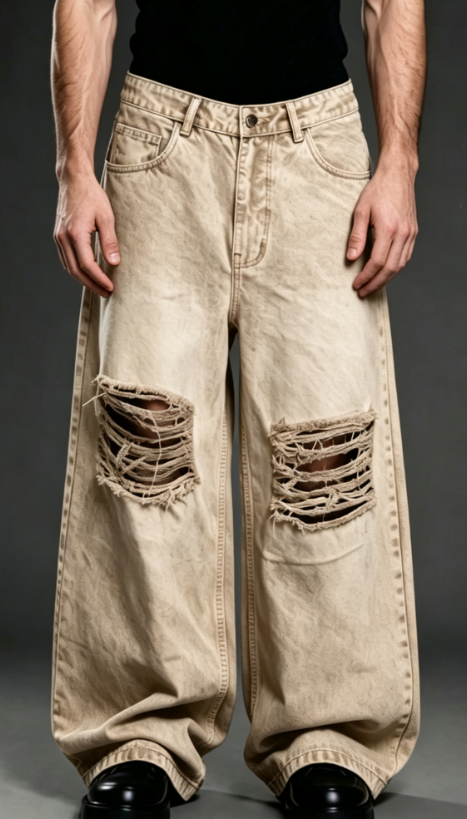

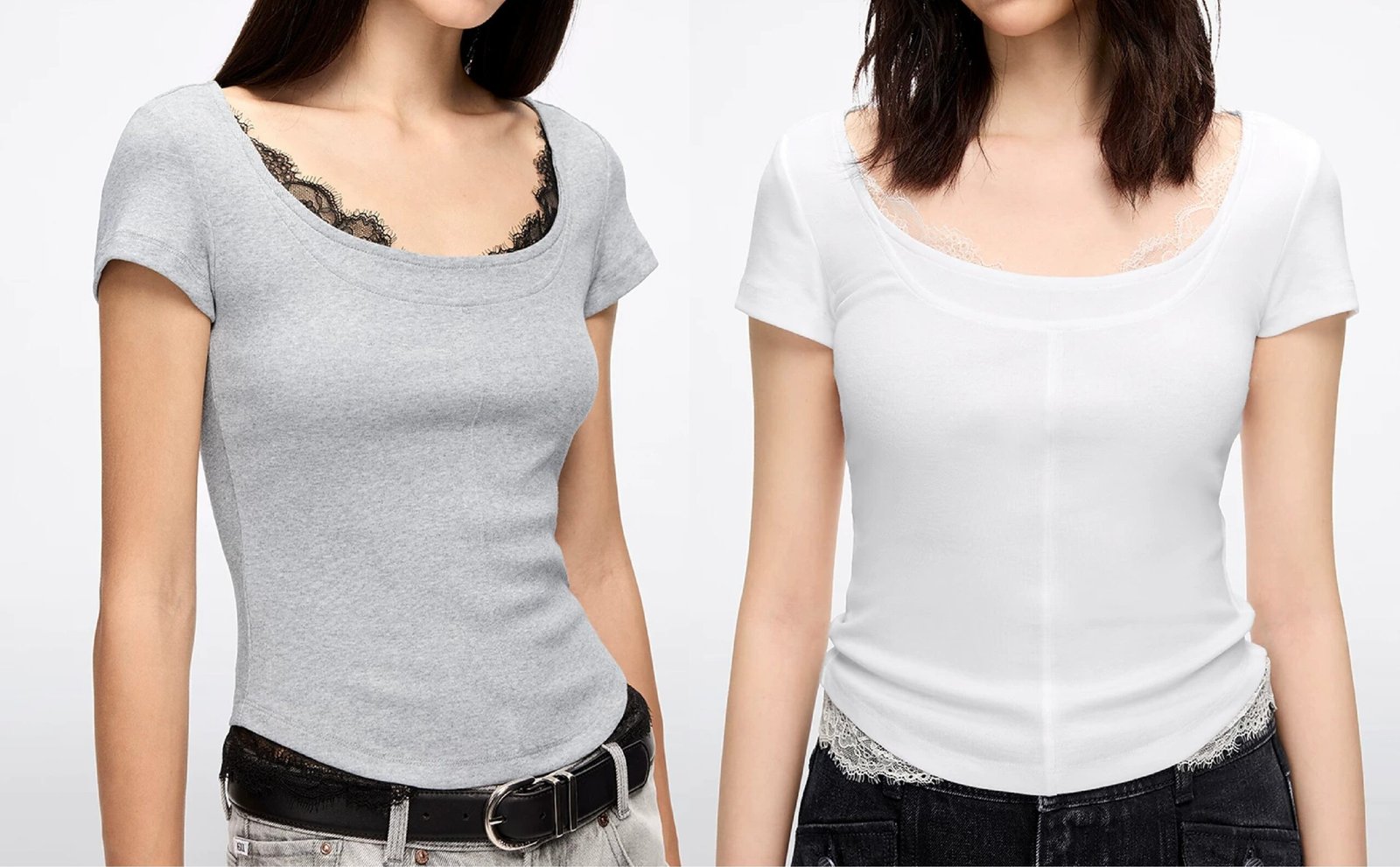


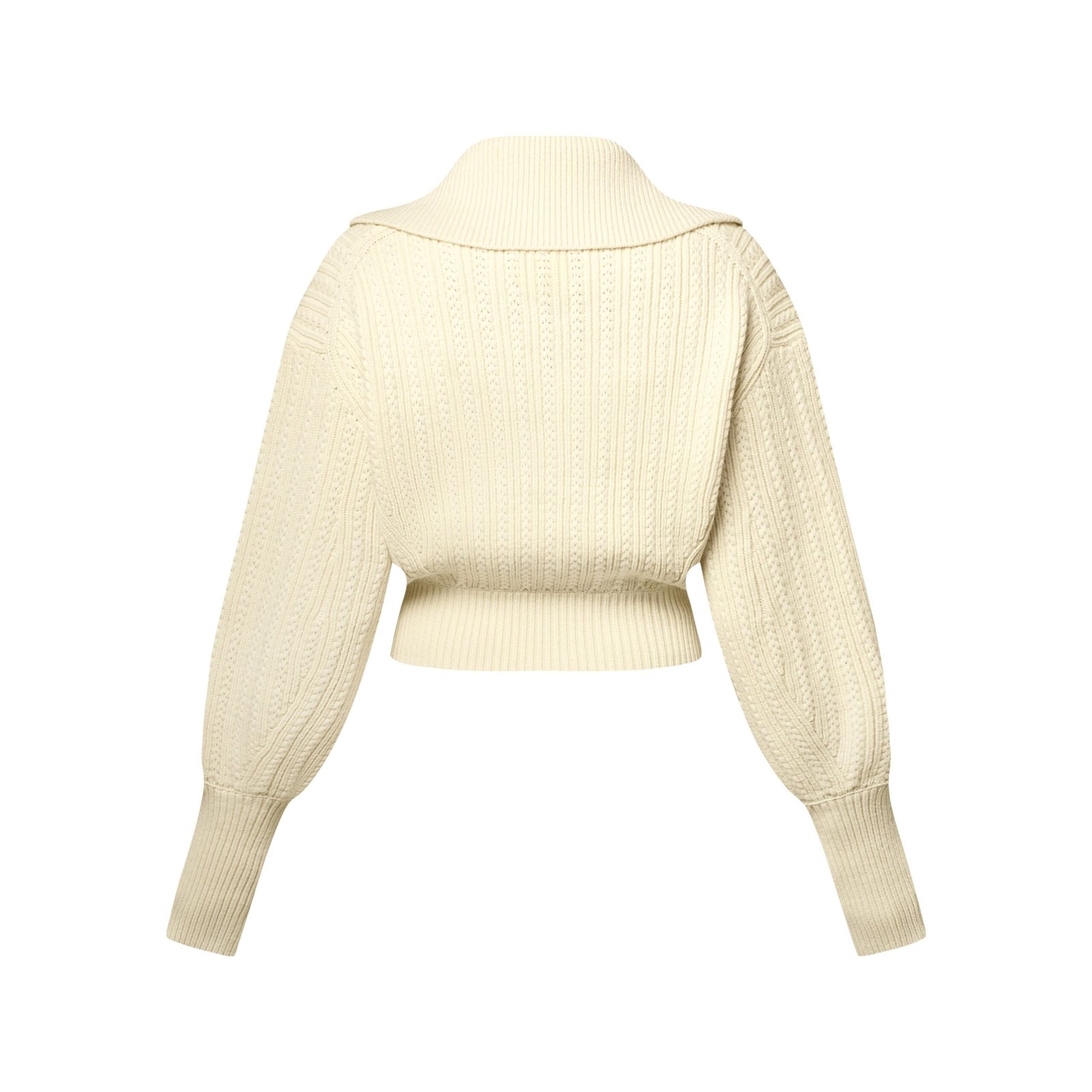


Related Product Catalogue and Quotation



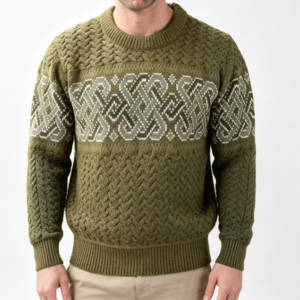
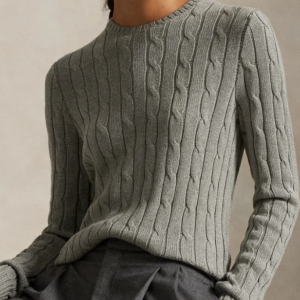



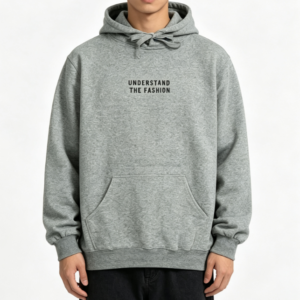
Why Choose Our Denim Wash & Garment Finishing
One integrated OEM partner for controlled wash effects, fit-ready development, and scalable global delivery.
Integrated Production
Coordinate denim washing, cut-and-sew, decoration, labels, trims, packaging, and quality control through one accountable apparel manufacturing team.
100-Unit MOQ
Launch capsule programs from 100 units per style and color, with practical support for sampling, fabric selection, and production planning.
Fit-First Development
Develop XS–3XL, plus-size, and oversized fits with refined patterns, grading, and size-set review before bulk approval.
Controlled Wash Effects
Specify stone wash, acid wash, enzyme softening, garment dye, brushing, or napping with consistent hand feel and appearance targets.
Scalable Capacity
Move from small launches to ongoing bulk orders with 200+ skilled workers and monthly capacity exceeding 80,000 units.
Export-Ready Support
Keep sourcing streamlined with responsive OEM communication, final inspections, retained production records, and global shipping coordination.
OEM Denim Washes, Built to Spec
Develop signature denim finishes with controlled wash recipes, repeatable color targets and production-ready quality checks for scalable global programs.

Stone Wash
Create stone wash denim with controlled abrasion, softened hand feel and consistent fading. Junsheen aligns wash intensity, fabric weight and trim durability during sampling, then documents approved results for reliable bulk production from 100 units per style and color.
Request a Quote
Acid & Bleach Wash
Develop acid wash denim with defined contrast, color removal and placement suited to your reference or tech pack. Sampling confirms the visual effect, hand feel and construction compatibility before Junsheen carries the approved wash standard into bulk production.
Request a Quote
Enzyme & Rinse Wash
Use enzyme wash denim for a softer hand feel, cleaner surface character and reduced abrasive treatment. Junsheen evaluates denim composition, wash time and desired shade during development to help maintain consistent appearance and measurements across graded XS–3XL size runs.
Request a Quote
Distressing, Ripping & Whiskering
Specify distressed denim finishing with controlled ripping, abrasion and whiskering placements that match your design intent. The team reviews reinforcement needs, wash sequence and wear points so finished jeans retain their intended look while remaining suitable for repeatable production.
Request a Quote
Garment Dye & Tie-Dye
Create custom tie-dye and garment dyeing programs for denim and casualwear with approved color direction and wash performance targets. Junsheen samples dye effects, evaluates fabric response and coordinates labels, trims and finishing so the final garment is ready for private-label delivery.
Request a Quote
Laser & Ozone Eco Wash
Apply laser ozone denim wash techniques to develop targeted fading, whiskers and vintage character with less reliance on conventional chemical-heavy processes. Junsheen validates artwork placement, shade results and fabric response through sampling before production approval.
Request a QuoteMaterials for Denim Wash & Garment Finishing

Rigid Denim
A durable cotton denim with a structured hand and authentic character for jeans, jackets and denim sets. Its stable woven construction responds well to stone, enzyme and acid washes that create visible texture and fading.

Stretch Denim
Cotton-rich denim blended with elastane for controlled comfort and recovery in fitted jeans, skirts and denim shorts. Available in varied weights, it maintains mobility while supporting wash effects, abrasion and reliable shape retention.

Cotton Jersey
A soft, breathable knit for washed T-shirts, lightweight tops and casual sets. Its smooth hand feel and flexible stretch suit garment dye, enzyme softening and vintage-inspired finishes while preserving everyday comfort.

French Terry
A midweight knit with a smooth face and loopback interior, ideal for hoodies, sweatshirts and shorts. It offers breathable warmth and absorbs garment dye well, supporting soft washes and a relaxed premium hand feel.

Brushed Fleece
A warm, plush knit with a brushed inner surface for hoodies, joggers and cold-weather layers. Its substantial weight and soft hand support anti-pilling treatment, enzyme washing and durable comfort through repeat wear.

Cotton Twill
A tightly woven fabric with a clean diagonal texture for workwear, overshirts, chinos and utility jackets. Its firm hand and abrasion resistance make it suitable for garment dye, stone washing and softened vintage finishes.
Denim Wash & Garment Finishing Techniques

Enzyme Wash
Enzyme wash uses controlled bio-polishing to soften denim and cotton garments, reduce surface fuzz and create a cleaner worn-in hand feel while helping preserve fabric strength and consistent appearance.

Stone Wash
Stone washing creates authentic abrasion, faded highs and lows, and a relaxed vintage character. Junsheen calibrates wash intensity to achieve the intended look while protecting construction, fit and repeatability.

Acid Wash
Acid wash produces bold, high-contrast marbling and irregular faded effects for statement denim, fleece and casualwear. Development samples help brands approve the exact contrast, placement and garment-to-garment variation.

Garment Dye
Garment dye applies color after construction for rich depth, subtle tonal variation and a softened lived-in appearance. It supports distinctive seasonal shades across cut-and-sew casualwear with controlled wash performance.


Specialty Printing
Screen printing, DTF, DTG, silicone, puff, foil and high-density effects deliver graphics with the right color impact and texture. We test artwork and curing requirements to support durable production results.
Custom Trims, Labels & Packaging for Denim Wash & Garment Finishing

Woven Brand Labels
Custom woven main labels, size labels and wash-care labels give denim and garment-dyed styles a consistent private-label identity. Materials and attachment methods are selected to remain legible and secure through the specified wash process.

Leather Logo Patches
Embossed leather or leather-look patches add a premium signature to jeans, denim shorts and jackets. Junsheen can position, color-match and apply branded patches after finishing for a refined, retail-ready back-waist detail.

Custom Zipper Hardware
Branded zippers, pulls and metal hardware can be specified for washed jackets, jeans and outerwear. We align finish, pull shape and durability requirements with your garment design and intended wash effects.

Snap Button Sets
Custom snaps, buttons and rivets provide functional closure while reinforcing your brand aesthetic. Available for denim, workwear and outerwear programs, with finishes chosen to complement acid wash, stone wash or garment-dye treatments.

Drawcords And Tipping
Custom drawcords, aglets and contrast tipping elevate washed hoodies, sweatpants and casual sets. Choose color, texture, length and logo details that coordinate with fabric, decoration and garment finishing for a deliberate final look.
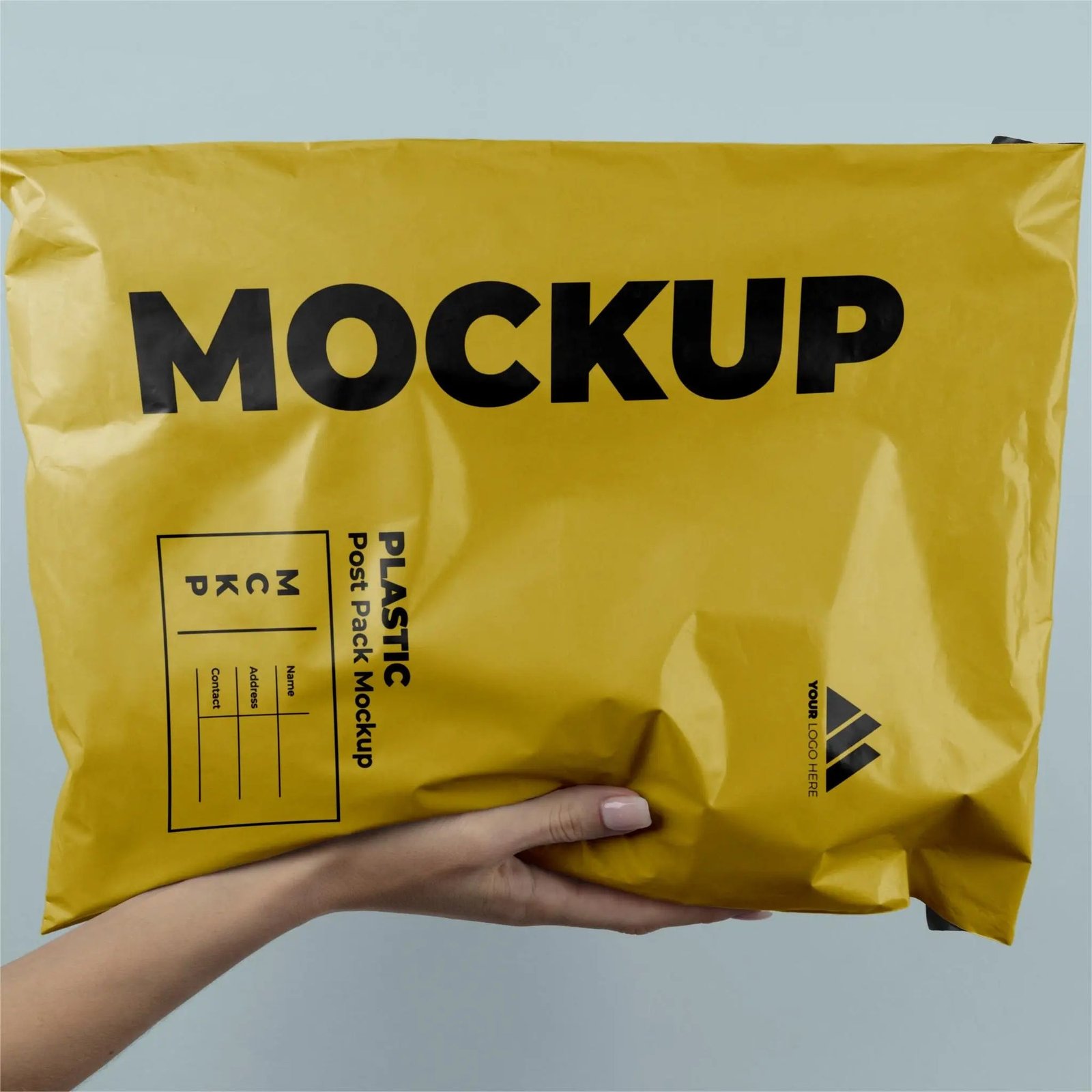
Branded Retail Packaging
Complete each order with custom hang tags, polybags, tissue, stickers and export-ready cartons. Branded packaging helps your washed apparel arrive protected, organized and ready for wholesale, retail fulfillment or direct-to-consumer presentation.
About JUNSHEEN Denim Wash & Garment Finishing
Founded in 2010 in Humen Town, Dongguan, JUNSHEEN helps fashion brands turn concepts into dependable custom apparel. Our integrated OEM, ODM and private-label supply chain brings product development, fabric sourcing, cut-and-sew production, decoration, denim wash & garment finishing, quality control and export support together under one experienced team.
With more than 200 skilled workers and monthly capacity exceeding 80,000 units, we support capsule launches from 100 units per style and color through scalable repeat programs. Brands can develop denim, casualwear, knitwear and outerwear with coordinated washing, softening, enzyme, stone, acid-wash and garment-dye effects.
What distinguishes JUNSHEEN is a fit-first approach from XS through 3XL. Our pattern makers refine proportion, mobility and grading instead of simply enlarging a base size, while retained patterns and material records improve repeat-order consistency. More than 2,000 global fashion-brand clients rely on our responsive development and production support.

Denim Wash & Garment Finishing, Managed End to End
Wash Development With Control
JUNSHEEN develops wash recipes and sample garments around the intended color, hand feel, texture and wear effect before bulk approval. From enzyme and stone washes to acid wash, softening and brushing, each finish is reviewed for consistency and garment performance.
- Wash sample development before bulk release
- Enzyme, stone, acid and garment-dye options
- Hand feel, shade and wash-performance checks
- Suitable for denim and casualwear programs

Fit That Grades Properly
Washed garments need patterns that retain proportion and mobility after finishing. Our team develops and grades styles from XS to 3XL, refining shoulder balance, rise, sleeve length and body measurements instead of simply scaling a base size.
- Fit-focused grading from XS through 3XL
- Extended-size, plus-size and oversized development
- Patterns adjusted for shrinkage and wash behavior
- Size sets reviewed before production

Decoration Kept In House
Bring embroidery, print and denim wash & garment finishing together within one coordinated production flow. This helps align decoration placement, wash effects, fabric behavior and branding details while reducing handoffs between separate suppliers.
- Flat, 3D, puff and chain-stitch embroidery
- Screen print, DTG, DTF and heat transfer
- Patches, labels, trims and branded packaging
- Decoration placement checked through sampling

Production Built To Scale
From a 100-unit capsule to recurring bulk orders, JUNSHEEN combines 200+ skilled workers with 80,000+ units of monthly capacity. Incoming materials, in-line construction, measurements, finishing and packed goods are inspected throughout the production cycle.
- Low MOQ from 100 units per style and color
- Quality checks from fabric receipt to packing
- OEM, ODM and private-label support
- Global export coordination for growing brands

Why Brands Choose JUNSHEEN for Denim Wash & Garment Finishing
A production partner built for controlled approvals, inclusive fit development, and scalable apparel programs.
← 左右滑动查看 →
Denim Wash & Garment Finishing Production Process
A controlled OEM workflow that moves your washed apparel from technical review to export-ready delivery.
Review Specs and Feasibility
Our team reviews your tech pack, reference garment, target wash, fit requirements, MOQ, construction details, cost target, and production timeline before development begins.
Source Materials and Develop
We recommend denim, stretch denim, trims, and wash-ready components, then refine patterns, size grading, samples, and finishing recipes for approval.
Cut Sew and Decorate
Approved bulk materials are cut and sewn, with embroidery, printing, patches, labels, and other private-label details applied according to confirmed specifications.
Wash Finish and Inspect
Garments receive approved enzyme, stone, acid, garment-dye, softening, or other finishes, followed by checks for appearance, measurements, construction, and wash consistency.
Pack and Ship Globally
Final approved goods are folded, labeled, packed in branded packaging when required, and prepared with export support for reliable global shipment.
Start Your Denim Wash & Garment Finishing Project
From your initial concept to approved bulk goods, JUNSHEEN coordinates development, fit, wash execution and export-ready production in one workflow.
Send Your Product Brief
Share a tech pack, sketch, reference garment, mood board, target quantity, size range and desired denim wash or finishing effects with our OEM team.
Review Specifications Together
We assess construction, fabric, fit grading, decoration, wash feasibility and trims, then recommend manufacturable options aligned with your target cost and launch requirements.
Confirm Quote And Sample
Receive a clear quotation and development plan, then review prototype samples, wash appearance, measurements and hand feel before refining details for approval.
Approve Pre-Production Details
Confirm the final sample, graded XS–3XL size set, materials, labels, packaging and bulk specifications so production standards are documented before cutting begins.
Launch Controlled Bulk Production
JUNSHEEN manages cut-and-sew production, garment finishing, in-line inspection, final quality control and global shipping from low 100-unit MOQ orders to scalable programs.
Custom Clothing Manufacturer Credentials and Compliance Documents




Denim Wash & Garment Finishing Results From Our Clients
JUNSHEEN matched our approved enzyme-wash hand feel on the first bulk run and held measurements across XS–3XL. Our fit approval took one revision instead of the usual three, allowing us to launch 1,200 jeans on schedule.
For our acid-wash capsule, the team gave fast strike-off feedback and kept color variation within our agreed range across 2,400 units. The denim wash & garment finishing looked consistent from the first carton to the last.
We reordered three washed denim styles six months later and received the same fit, wash character, labels, and packing standard. Their responsiveness helped us confirm production in 9 days and deliver before our retail floor-set date.
Denim Wash & Garment Finishing FAQ
Clear answers on minimums, samples, approvals, payment, shipping and confidential OEM development.
What is the MOQ for denim wash & garment finishing orders?
How long do denim wash & garment finishing samples take?
How much does a denim wash & garment finishing sample cost?
How do you approve a wash effect before bulk production?
Can you match a reference garment or wash inspiration photo?
What payment terms do you offer for OEM apparel orders?
Do you arrange international shipping and export documents?
How do you protect our designs, patterns and private-label details?
The Complete Buyer’s Guide to denim wash & garment finishing
Use this decision framework to compare finishing methods, fabric compatibility, quality controls, supplier capabilities, and cost drivers—while avoiding development, compliance, and production mistakes that can compromise your denim program.
1. What Is Denim Wash & Garment Finishing?
8–14 oz denim is commonly selected by weight before a factory cuts a single panel, but its final character depends on finishing. Fabric finishing happens at the mill before cutting: sanforization controls residual shrinkage, while brushing, coating, or softeners can alter surface feel, stretch recovery, and dye behavior across the roll. 100-unit OEM programs can then use garment washing after sewing to create the market-facing result. Enzyme, stone, acid, garment-dye, softening, or anti-pilling processes change indigo depth, seam contrast, abrasion placement, hand feel, and dimensional stability; the same base denim can therefore support clean dark rinse, faded vintage, or visibly distressed brand directions. 3–5% residual shrinkage can materially affect inseam, waist, and rise tolerances, especially in stretch denim and extended-size grading. Buyers should specify target wash, wash standard, approved shade, desired contrast, measurement tolerances, and post-wash hand feel during development—not after bulk fabric is booked—because finishing affects pattern allowances, thread and trim selection, decoration durability, costing, and the approved sample used to control production. JUNSHEEN can review these requirements from a tech pack, reference garment, or product concept, then coordinate fabric sourcing, pattern development, sampling, and QC. Early definition makes denim wash & garment finishing a controlled product specification rather than a late-stage visual adjustment.
2. Evolution of Denim Washing and Finishing
1873 marked denim’s shift from durable riveted workwear into a fabric whose rigid indigo surface became part of its appeal. Early finishing was largely wear-driven: raw denim faded through abrasion, washing, sunlight and repairs, so irregular contrast and softened seams read as evidence of use rather than a controlled factory effect. 1970s stone washing made that broken-in character reproducible at commercial scale by tumbling garments with pumice. It gave buyers faster vintage contrast, but stone loss, fabric damage, dust and inconsistent abrasion made process control, worker safety and yield more important in scalable OEM programs. 1990s enzyme washing replaced much of the mechanical abrasion with cellulase action, improving softness and reducing pumice residue when time, temperature, pH and dosage are controlled. Laser marking, ozone fading and targeted lower-liquor processes now let factories place whiskers and wear zones more consistently while supporting water stewardship and reducing reliance on manual scraping; buyers should still require wash standards, approved reference samples, restricted-substance controls and repeatable bulk testing for denim wash & garment finishing.
3. Types of Denim Wash & Garment Finishing
Choose finishing by the desired fade, hand and repeatability—not by a reference photo alone. For 100-unit denim capsules, request a wash panel on the approved base fabric before locking bulk color.
| Family | Visual And Hand | Best Use | Sourcing Trade-Off |
|---|---|---|---|
| Rinse/raw | Dark, firm, clean | Jeans, jackets | Lowest effect cost; manage shrinkage |
| Stone/enzyme | Faded, softened | Jeans, shorts | Abrasion versus repeatability |
| Bleach/acid | High contrast, mottled | Statement denim | Strength and shade risk |
| Tint/overdye | Cast or color shift | Sets, fashion jeans | Rub-off and lot matching |
| Laser/ozone | Controlled fade, cleaner process | Jeans, jackets | Equipment and trial cost |
Rinse And Raw Looks

1 rinse cycle preserves a dark, clean indigo surface and relatively firm hand. It suits rigid jeans, trucker jackets and workwear sets; raw looks need clear shrinkage and crocking expectations.
Stone And Enzyme Washes

Pumice creates strong abrasion and uneven highs; cellulase enzyme gives a cleaner, softer fade with less stone damage. Both suit jeans, shorts and denim overshirts, but enzyme control is more repeatable for replenishment programs.
Bleach And Acid Effects
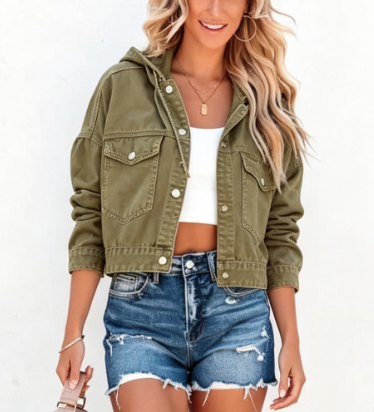
Bleach wash produces pale contrast, while acid wash creates mottled, high-low markings. These fashion-led effects work on jackets and statement denim, but require thorough neutralization to protect strength, stitching and shade consistency.
Tinting And Overdyes

Pigment tinting adds a dusty cast; overdyeing shifts the whole garment toward black, ecru or fashion color. Both suit denim sets and colored jeans, though seam contrast, rub-off and lot matching need approval after laundering.
Laser And Ozone Alternatives

Laser etches whiskers, fades and placement graphics with high positional control; ozone fades indigo with reduced water and chemical use. They fit scalable jeans and jackets, but require equipment access and wash trials to avoid harsh hand or weak-looking contrast.
4. Denim Wash & Garment Finishing by Fabric
Fabric specification should set the finish plan before a wash recipe is approved. At Junsheen, development reviews fiber blend, GSM, weave, stretch, dye system and coatings against the intended look and wear test.
| Fabric | Typical Build | Suitable Direction | Main Risk |
|---|---|---|---|
| Rigid cotton denim | 12–14 oz, 100% cotton twill | Stone, enzyme, bleach effects | Abrasion damage; seam torque |
| Stretch denim | 9–12 oz, 1–3% elastane | Soft enzyme, restrained fading | Elastic recovery loss |
| Colored denim | Sulfur or reactive dyed | Gentle wash, controlled fade | Shade variation |
| Chambray | 7–9 oz plain weave | Softening, light garment dye | Seam distortion |
| Denim-look knit | Jersey or French terry print | Softening, low abrasion | Surface pilling or print loss |
Read The Fabric First

12–14 oz ring-spun rigid denim tolerates stronger abrasion than a 7–9 oz plain-weave chambray. Twill direction, yarn twist and sanforization also influence seam torque and dimensional change. 1–3% elastane requires gentler mechanical action and controlled drying. Excessive stones, enzyme time or heat can reduce elastic recovery, especially at knees and seat.
Match Finish To Construction

Indigo denim can produce high-low contrast, but pocket edges, waistband seams and yarn slubs may lighten first. Sulfur black and colored denim need small-lot trials because reduction chemistry and abrasion can shift cast or expose a lighter core. Coated denim needs low-abrasion handling to preserve the surface film. Ask for before-and-after swatches under daylight and cool LED light to assess shade variation.
Control Sample Risks
100-unit capsule programs benefit from a sealed wash standard and a measured control garment. Record garment weight, measurements, color approval and wash recipe so repeat orders can target the same appearance. 2–3 wash trials are often safer than approving a single distressed sample. This is particularly important when a style combines stretch panels, contrasting thread or laser artwork.
5. Customization for Denim Wash & Garment Finishing
A 100-unit-per-style/color starting point lets buyers test a distinctive denim finish without committing to a broad wash program. For denim wash & garment finishing, the controlled variables must be documented as production instructions, not left to a mood-board impression.
| Control Layer | Buyer Instruction | Bulk Checkpoint |
|---|---|---|
| Wash recipe | Tint, enzyme effect, softener | Approved shade and hand feel |
| Contrast placement | Whiskers, sanding, grinding map | Matched locations on sample |
| Damage details | Hole size, yarn exposure, backing | Consistent distress level |
| Brand presentation | Labels, trims, packaging | Final packed-goods approval |
Define The Wash Recipe

One approved wash standard should identify base denim, wash sequence, liquor ratio targets, stone or enzyme effect, tint, overdye, and softener level. A retained sealed sample gives the factory and buyer one physical benchmark for bulk comparison.
- Specify shade before and after wash
- Mark contrast on seams and pocket edges
- State desired hand feel: dry, peach, or soft
- List acceptable shade variation by lot
Map Placement And Damage

Three placement references—front, back, and side views—make whiskers, hand sanding, grinding, and destroyed details repeatable. Use dimensioned artwork or photos to define thigh fade, knee break, pocket abrasion, hem distressing, and exposed-yarn limits.
- Measure whisker start and end points
- Identify sanding zones by panel
- Set hole size and backing requirements
- Approve damage on the correct size sample
Lock Brand Components
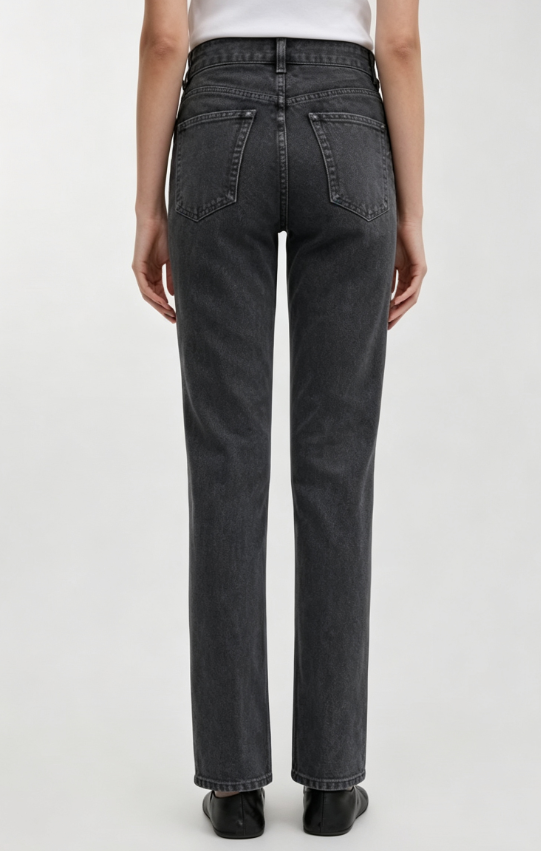
Two trim stages should be approved: components before wash and the finished garment afterward. Leather or woven labels, buttons, rivets, zipper pulls, hang tags, polybags, carton marks, and folding methods can change appearance after processing.
- Confirm label shrinkage and colorfastness
- Protect hardware during wash
- Specify individual bag and barcode placement
- Approve packaging against the purchase order
Control The Approval Loop
Four records turn an aesthetic concept into reproducible bulk work: a tech pack, reference sample, wash standard, and dated approval comments. Junsheen can review these with pattern, fabric, trim, and wash teams before a pre-production sample is released.
- Version-control every revised wash comment
- Photograph samples under consistent lighting
- Approve size, shade, hand feel, and damage
- Keep the signed standard for repeat orders
6. Construction Quality After Washing
Finishing can expose weak construction that looked acceptable before a wash. For denim wash & garment finishing, approve the sewn sample first, then inspect the washed sample against tolerances and functional requirements.
Seams And Stress Points
100% polyester core-spun thread is commonly specified for denim because it retains tensile strength through enzyme, stone, and bleach processes. Match stitch density and seam type to the panel: felled inseams, overlocked outseams, and clean topstitching should remain flat without skipped stitches or puckering. 8–12 stitch bartacks should reinforce pocket corners, fly bases, belt loops, and other load points. Pocket bags and back-pocket attachments need pull testing after finishing, since abrasion can weaken thread or expose poor stitch balance.
- Check seam puckering after drying
- Verify bartacks at every stress point
- Compare topstitch tension across panels
Hardware And Trim Durability

YKK or an equivalent approved zipper should run smoothly after the complete wash and dry cycle, with no tape distortion, tooth damage, or fly-wave. Rivets, buttons, snaps, and metal labels require corrosion and edge checks because oxidizing or acidic treatments can stain adjacent fabric. 24-hour damp-contact checks are useful for metal trims intended for aggressive washes. Confirm that hardware remains secure, plating is intact, and no sharp edges emerge after abrasion.
- Cycle zipper open and closed repeatedly
- Inspect rivet backs against pocket bags
- Check trims for rust and color bleed
Post-Wash Inspection
A production inspection should measure waist, rise, inseam, leg opening, and hem shape after the garment reaches its final dry condition. Compare results with the approved size specification and stated tolerances; waistband recovery and leg twist must be assessed on a relaxed garment. Each wash lot should also be checked for pocket alignment, hem roping, abrasion placement, puckering, and color transfer. Rub tests on light companion fabric help identify loose dye before packing.
- Measure finished garments, not raw sewn pieces
- Check left-to-right abrasion consistency
- Test buttons, zippers, and waistband recovery
7. Choosing a Denim Finishing Manufacturer
A 100-unit style-and-color starting point can suit a capsule, but it does not prove a supplier can control repeatable washes. Select the partner by process visibility, sample discipline, and documented quality gates.
| Supplier Check | Evidence To Request | Buyer Risk |
|---|---|---|
| MOQ flexibility | Style-color minimum and surcharge | Unworkable launch quantities |
| Integrated wash control | Process map and lot records | Untraceable shade variation |
| Quality system | Inspection plan and test reports | Late rework or claims |
Verify Process Ownership
One production map should identify every cut, sew, wash, dry, laser, hand-sanding, and finishing step. Ask which operations are in-house, which are subcontracted, and who approves shade bands before packing.
- Request wash-house location and capacity
- Confirm subcontractor audit responsibility
- Review daily lot traceability records
Evaluate Samples And Testing
Two sample rounds are often insufficient for a complex vintage effect; require an approved wash standard and retained control sample. Ask for shrinkage, torque, colorfastness, crocking, and dimensional-stability results using the applicable buyer protocol.
- Compare pre-wash and post-wash measurements
- Approve shade-band limits by lot
- Define rewash and rejection authority
Plan Capacity And Communication
Eight-week capacity forecasts expose whether a wash house can protect your delivery window during peak season. Require a named technical contact, revision log, Pantone or standard reference, compliance file, and written escalation path for failed tests.
- What is the sample lead time?
- How are wash recipes version-controlled?
- Which OEKO-TEX, BSCI, WRAP, or customer documents are current?
8. Denim Wash & Garment Finishing Mistakes
A 100-unit denim program can fail before bulk cutting when approvals document appearance but not repeatable process conditions. In denim wash & garment finishing, each missed control converts into shade claims, fit drift, delayed delivery, or unusable trims.
Photo-Only Wash Approval
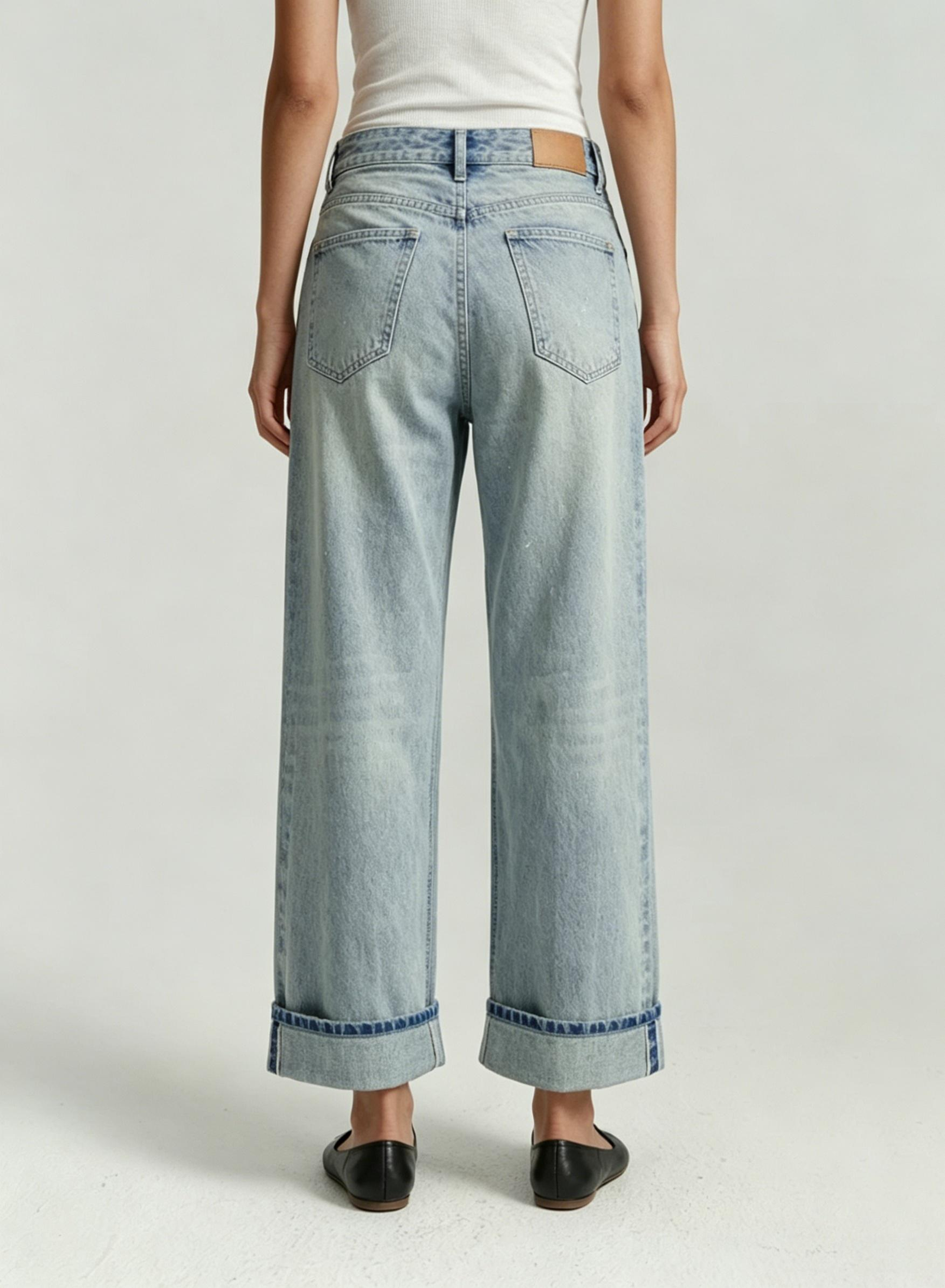
A single retouched photo cannot establish cast, abrasion placement, hand feel, or back-panel contrast. Approve a physical sealed wash standard and retain it with the production order. Three reference garments should show the target, acceptable light, and acceptable dark limits. Review them under agreed lighting before bulk washing.
Fabric And Shrinkage Mismatch
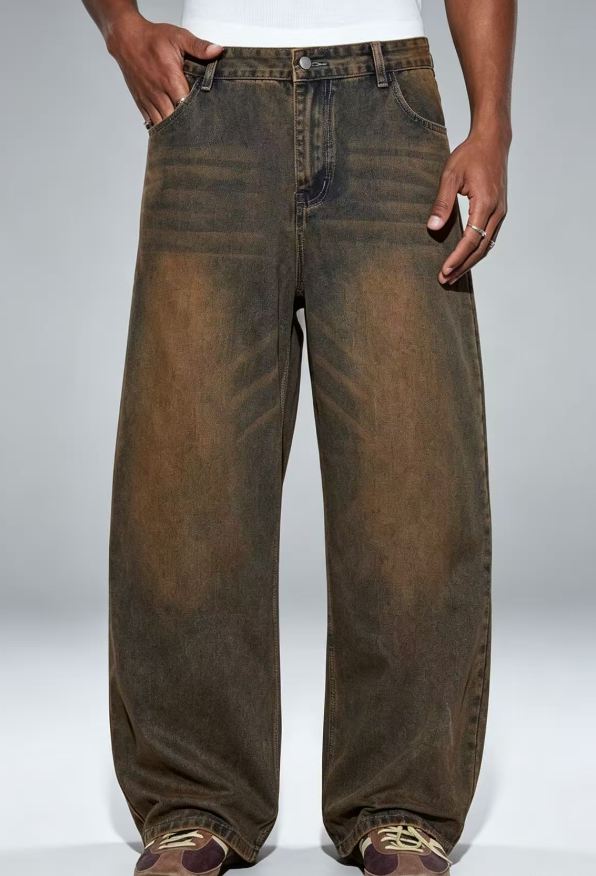
10–13 oz rigid denim and stretch denim react differently to enzyme, stone, bleaching, and drying. Select fabric only after a trial wash confirms strength, recovery, and the intended effect. 3–8% lengthwise shrinkage can alter inseam, rise, and waistband measurements. Build wash shrinkage into patterns, then approve post-wash measurements on the size set.
Shade, Trim, And Compliance Controls
Three shade bands are common in garment-washed bulk runs, especially across lots or wash loads. Define acceptable shade bands, lot segregation, and packing rules before production. Metal hardware, coated patches, and weak bonding can corrode, crack, or detach during washing. Test trims with the intended process and complete required chemical, labeling, and market compliance checks before bulk.
Late Effect Changes
One change to bleaching, whiskers, or distressing after size-set approval can change shrinkage and grading results. Reissue the wash recipe, pattern allowance, and approval sample whenever the effect changes. A controlled approval file should link the fabric lot, wash formula, trim test, measurement chart, and sealed standard. This prevents production teams from interpreting outdated comments differently.
9. Launching a Finished Denim Program
A 100-unit denim launch succeeds when commercial targets and technical approvals move together. Lock the target retail price, margin, delivery date, fit block, and finish standard before bulk fabric or wash capacity is booked.
Brief And Cost Gate
Week 1 starts with the brand’s mood board, reference garment, target landed cost, size range, color count, and required delivery date. Junsheen reviews construction, denim weight, stretch, trims, wash feasibility, and the 100-unit-per-style-and-color MOQ. The brand owns aesthetic direction and retail economics; the manufacturer owns manufacturability, yield assumptions, and a quotation based on approved specifications.
Fabric And Wash Trials
Weeks 1–3 require mill availability confirmation before fabric booking, because shade, shrinkage, and wash response cannot be separated. Book enough allowance for wash loss, test panels, fit samples, and a retained standard. Junsheen can submit wash panels for enzyme, stone, acid, garment-dye, or softening effects. The brand signs off against a labeled control panel, including front and back photos under consistent lighting.
Fit And Pre-Production Approval
Weeks 3–5 cover a fit sample, then a graded size set from XS through 3XL when applicable. Measurements after washing—not only cut-panel measurements—must pass the approved tolerance sheet. Before cutting bulk, approve the PP sample, Pantone or shade standard, trim card, artwork, wash recipe, measurement spec, and packing instructions. Any change after this gate should trigger a revised cost or delivery confirmation.
Bulk Control And Reorder File
Weeks 5–9 typically cover cutting, sewing, washing, finishing, inspection, packing, and export preparation; fabric arrival, specialized washes, and revisions can extend that sequence. Junsheen should inspect incoming fabric, in-line construction, finished measurements, decoration, and packed goods. Retain the approved pattern, graded rules, fabric and trim codes, wash recipe, control swatch, QC report, carton marks, and final sample. That file is the practical baseline for consistent repeat orders.
10. Denim Wash & Garment Finishing Pricing
100-unit denim programs are feasible, but the unit quote rises when wash-house setup, test garments, and manual placement must be spread across a small run. Compare quotes on the same fabric weight, shade target, trim list, packing standard, and Incoterm; otherwise a lower ex-factory figure can exclude washing, inspection, or export-ready packaging. 3 finishing bands make supplier proposals easier to normalize: clean rinse/enzyme, standard stone or garment-dye effects, and labor-intensive vintage treatments. Fabric cost, wash labor, chemicals, pumice or enzymes, hand sanding, whiskering, destruction, repairs, hardware, testing, packing, and order volume should be stated separately or clearly included. 7-14 days is a practical allowance for wash-development sampling after a fit sample is approved, with repeat testing needed when shade, crocking, shrinkage, or stretch recovery misses the agreed standard. At Junsheen, a production-ready tech pack, approved swatch, and clearly defined wash reference reduce revision cycles before bulk approval. 80,000+ monthly unit capacity does not remove wash-house bottlenecks: complex finishes require reserved capacity and may add time even on higher-volume orders. Ask each supplier to identify the base garment price, per-unit finish adder, sample charges, testing scope, and rewash or rejection responsibility.
| Order tier | Finishing complexity | Estimated unit-price impact | Sampling need | Typical lead-time effect |
|---|---|---|---|---|
| 100-299 units | Rinse, softener, enzyme | Base quote + low adder | 1 wash sample | 0-3 days |
| 300-999 units | Stone wash, garment dye, light distress | Moderate adder | 1-2 wash samples | 3-7 days |
| 1,000+ units | Whiskers, sanding, destruction, repairs | Higher adder; volume offsets setup | 2-3 wash samples | 7-14 days |
Start Your Denim Wash & Garment Finishing Project
Send your tech pack or product idea for sampling, fit-focused development, and scalable OEM production from 100 units per style and color.