
Acid Wash Denim OEM Manufacturing From 100 Units
Develop fit-focused XS–3XL acid wash denim with one-stop OEM, ODM and private-label support for global fashion brands.
Featured Products for acid wash denim Development

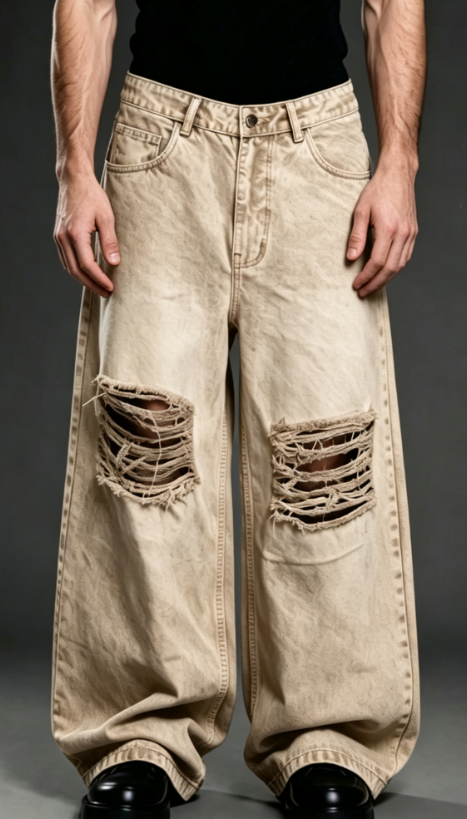
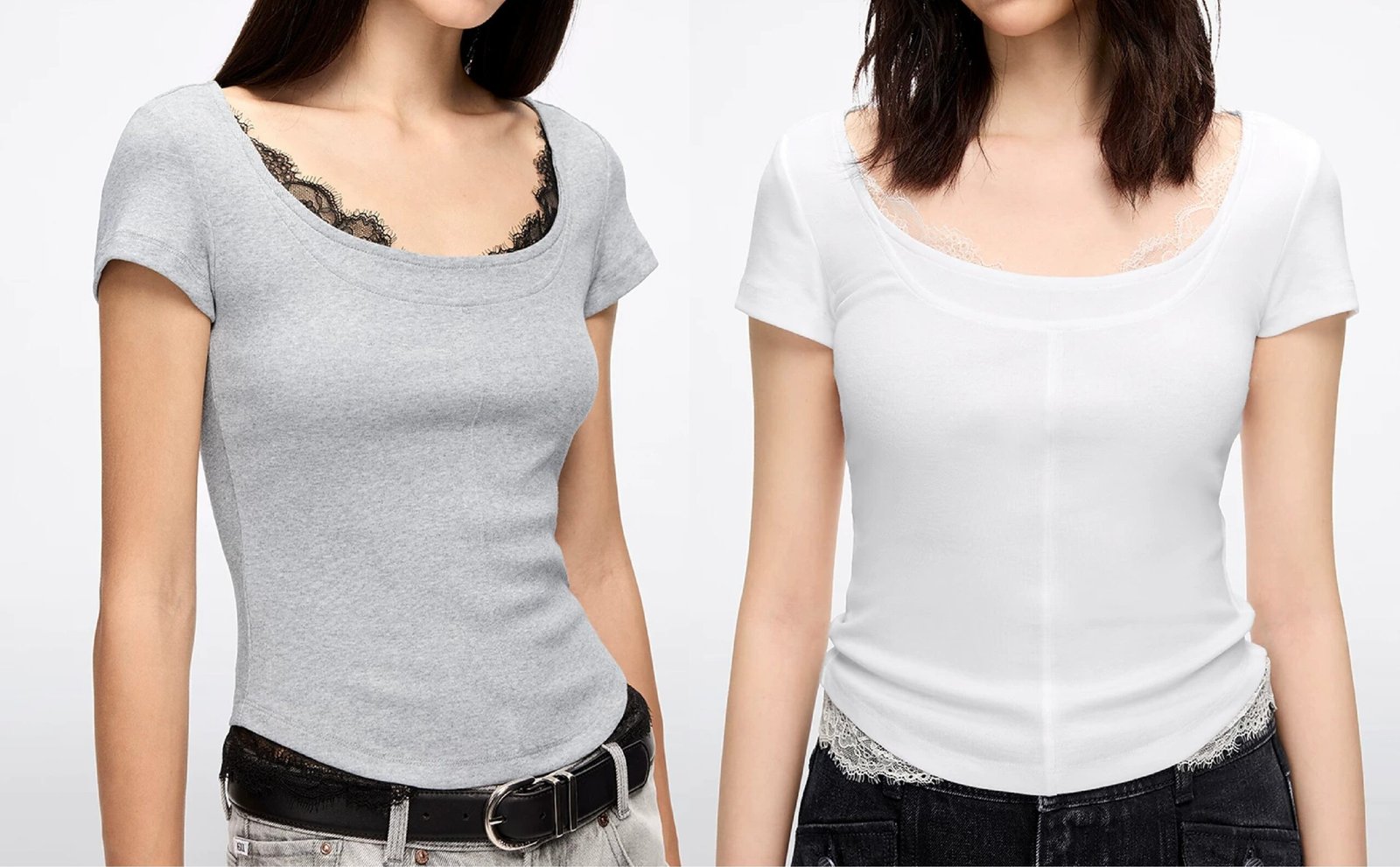


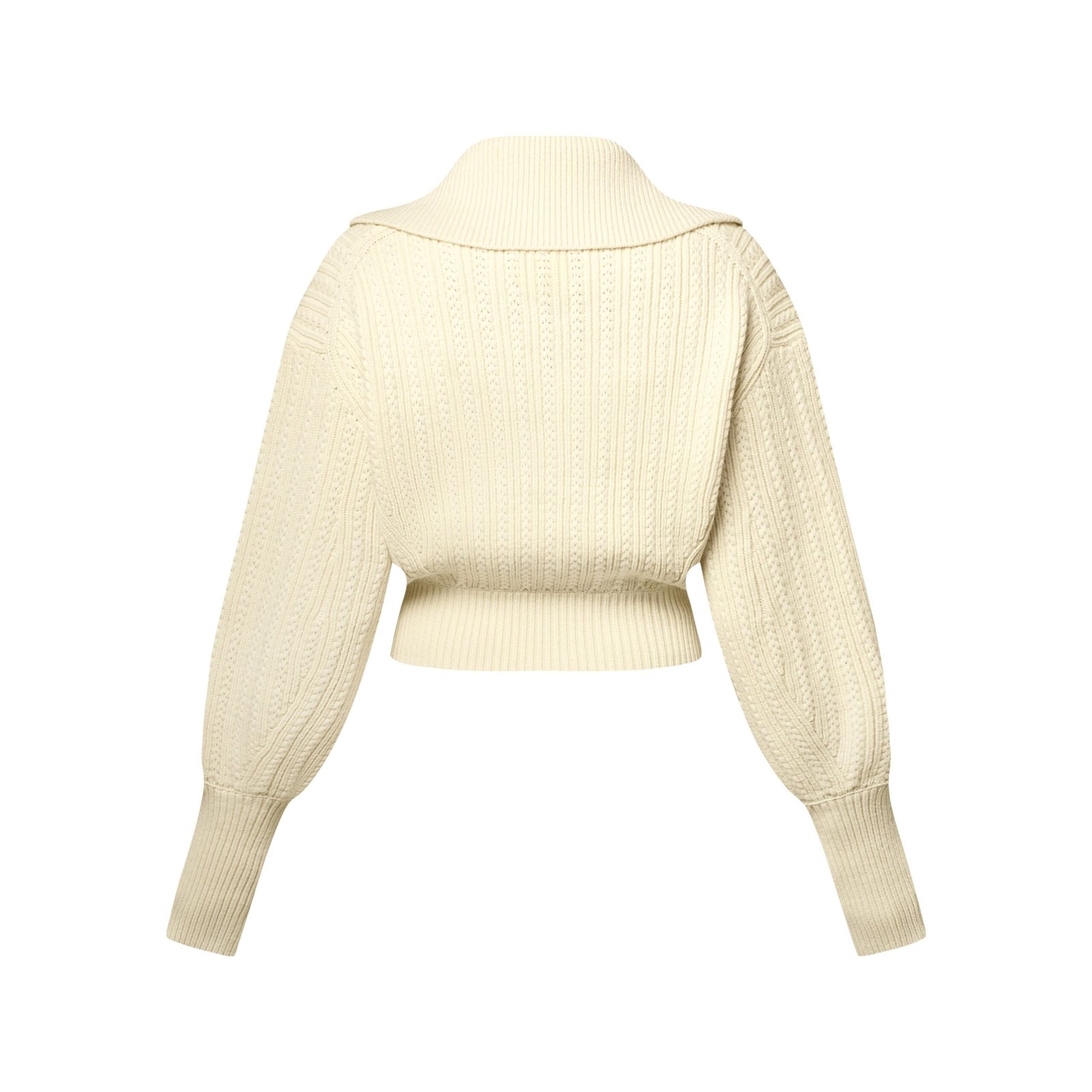


Related Acid Wash Denim Catalogue and Quotation
Why Brands Source Acid Wash Denim From JUNSHEEN
Built for capsule launches, repeat programs, and globally scalable private-label denim production.
100-Unit Starting MOQ
Launch acid wash denim styles from 100 units per style and color, giving emerging labels a practical route to test demand.
One-Stop Development
Move from sketch, reference, or tech pack through fabric sourcing, pattern making, sampling, labels, packaging, and bulk production with one team.
Fit-Focused XS–3XL Grading
Develop consistent normal, extended, plus-size, and oversized denim fits with proportion-led grading that refines rise, mobility, and silhouette.
Custom Wash Control
Specify acid wash intensity, placement, hand feel, softening, and finishing details to create a distinctive denim program aligned with your brand.
In-House Decoration
Add embroidery, screen prints, patches, heat transfers, branded trims, and private labels without splitting production across multiple suppliers.
Scalable Global Production
Access 200+ skilled workers, 80,000+ monthly units of capacity, quality control, and export support as your denim orders grow.
Acid-Wash Denim and OEM Apparel Categories
From capsule launches to repeat bulk programs, JUNSHEEN develops fit-focused casualwear, denim, knitwear and outerwear from 100 units per style and color.

Custom Hoodies
Develop custom hoodies in fleece, French terry or jersey with fit specifications from XS to 3XL. We manage patterns, size grading, embroidery, screen printing, washes, labels and packaging for branded launches and scalable repeat orders.
Request a Quote
Custom T-Shirts
Produce custom T-shirts from combed cotton, Pima cotton, organic options or blended jersey. Development covers neckline, weight, silhouette, oversized proportions, grading, print method and wash performance, helping brands approve production-ready basics before bulk manufacture.
Request a Quote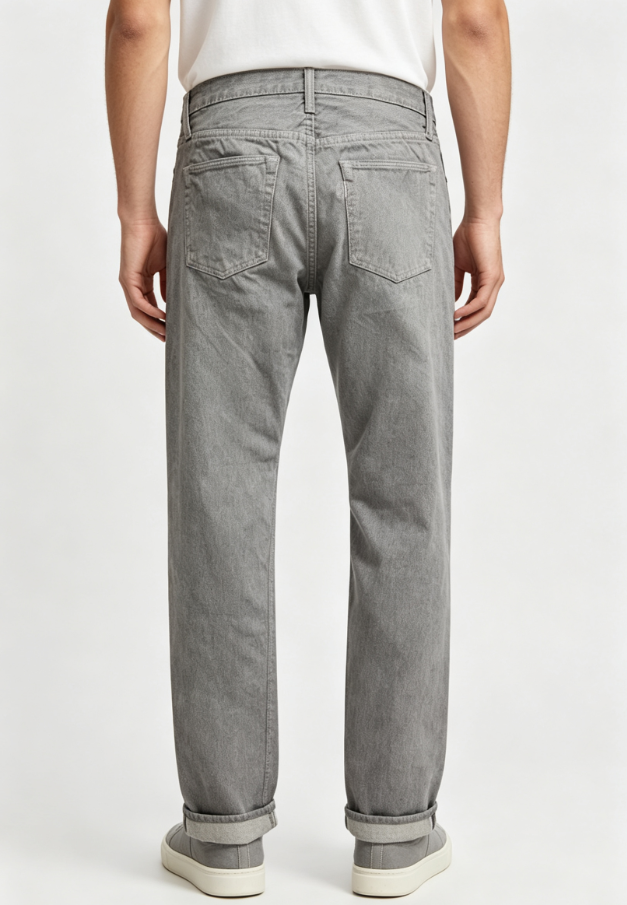
Custom Jeans
Develop custom jeans in rigid, stretch or recycled denim with buyer-defined rises, leg shapes, washes and hardware. Pattern makers refine hip, thigh, inseam and grading proportions across XS–3XL, reducing fit revisions before bulk production.
Request a Quote
Custom Sweaters
Source turtle neck sweater bulk programs in knit constructions selected for gauge, hand feel, warmth and durability. JUNSHEEN develops neck shape, body balance, cuffs, hem ribs and graded sizing for consistent wholesale or private-label production.
Request a Quote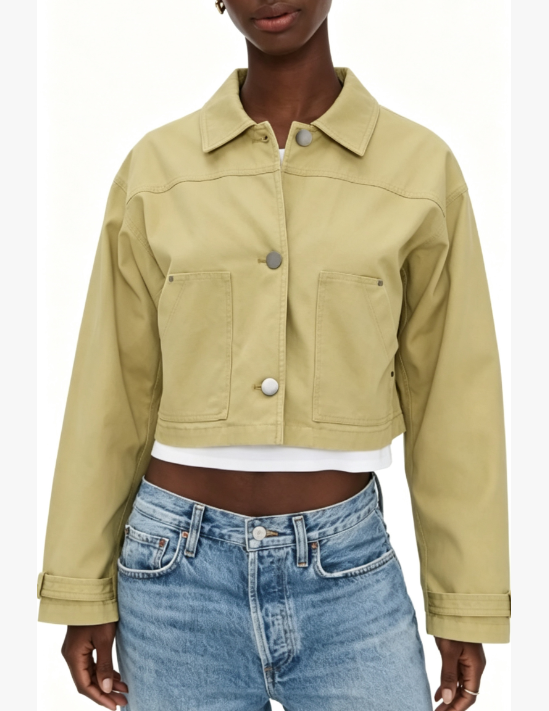
Custom Jackets
Manufacture custom jean jackets in denim weights and washes matched to your collection. We develop collars, plackets, pockets, seams, buttons, embroidery, patches and acid-wash or stone-wash finishes, from sample approval through bulk export.
Request a Quote
Custom Sweatshirts & Crewnecks
Build custom crewneck hoodie and sweatshirt programs with fleece or French terry construction, branded rib trims and decoration options. Development addresses neck opening, shoulder shape, body length and oversized or standard grading across the complete size range.
Request a Quote
Custom Cardigans
Create custom cardigans in sweater constructions suited to your target price, weight and season. Our team develops gauge, stitch detail, button or zipper closures, rib trims and size grading for private-label collections and replenishment programs.
Request a Quote
Custom Puffer & Down Jackets
Produce custom puffer jackets with shell fabric, insulation, lining and hardware specified for intended climate and price point. We review fill distribution, quilting, pocket construction, fit and branding details before moving into controlled bulk production.
Request a Quote
Custom Denim Shorts
Develop custom jean shorts with rigid or stretch denim, selected rises, inseams and leg openings. Buyers can specify whiskering, fading, distressing, acid wash, hardware, labels and size grading to create consistent warm-weather denim programs.
Request a Quote
Custom Sweater Dresses
Manufacture custom sweater dresses in knit constructions that balance shape retention, comfort and drape. Development includes neckline, sleeve length, body proportion, gauge, stitch details and XS–3XL grading for standard, extended-size or oversized assortments.
Request a Quote
Custom Denim Sets
Produce mens denim suits wholesale programs with coordinated jackets and jeans in matched denim, washes and trims. We align fit blocks, color consistency, pocket details, branding and bulk quality checks for retailers, wholesalers and fashion labels.
Request a Quote
Custom Polo Shirts
Develop custom polo shirts in piqué, jersey or performance knit fabrics with collars, plackets and trims tailored to your brand. We support embroidery, printing, color matching, fit development and size grading for uniform, retail and wholesale programs.
Request a Quote
Custom Sweatpants
Manufacture custom sweatpants in fleece, French terry or jersey with selected rises, tapered or relaxed legs, cuffs and waistband construction. Add embroidery, prints, washes and branded drawcords while maintaining fit consistency across XS–3XL.
Request a Quote
Custom Shorts
Develop custom shorts for casualwear, active-inspired and resort collections in jersey, twill, denim or woven fabrics. We refine inseam, rise, pocket layout, waistband and grading, then apply requested decoration, labels and packaging.
Request a Quote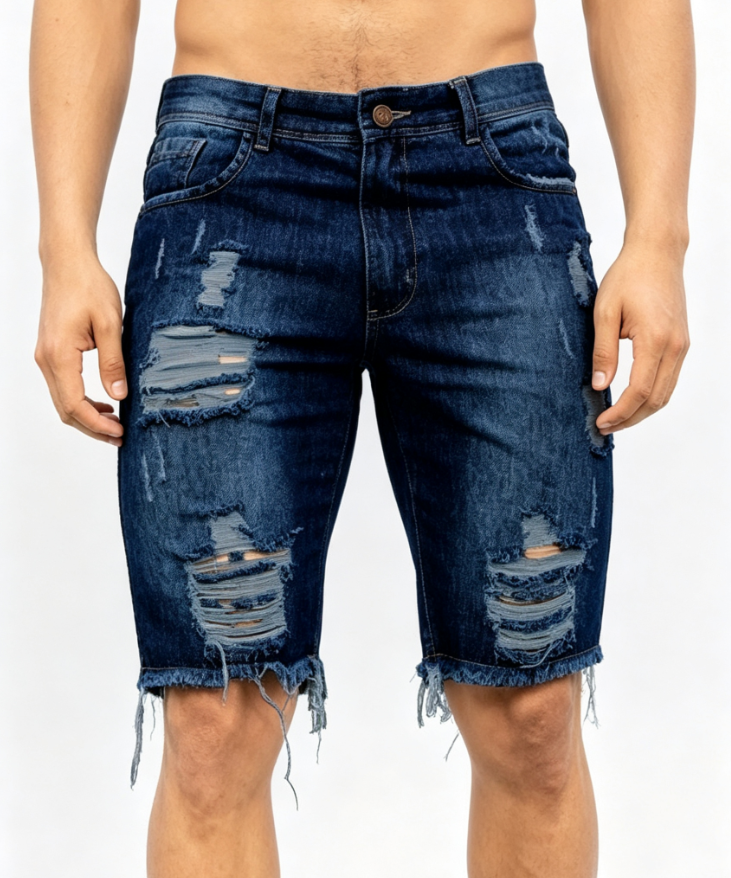
Custom Pullovers
Produce custom pullovers in knit, fleece or jersey constructions for layered casualwear programs. Our development team reviews neckline, silhouette, rib details, fabric weight, print or embroidery placement and fit grading before bulk production.
Request a QuoteAcid Wash Denim Fabrics and Materials We Support


Stretch Denim
Cotton-rich denim blended with elastane for recovery and easier movement, suited to fitted jeans, denim skirts, and curve-conscious styles. Commonly 9–12 oz, it requires controlled wash testing to protect stretch retention and color effects.

Comfort Stretch Denim
A balanced denim with modest mechanical or elastane stretch, designed for relaxed jeans, shorts, and oversized silhouettes. Its 10–13 oz construction maintains a substantial hand while improving mobility and supporting consistent acid-wash finishing.

Lightweight Denim Chambray
A lighter, breathable cotton fabric with a smooth hand, often used for shirts, dresses, linings, and layered denim capsules. Usually 4–7 oz, it offers softer drape and needs gentler wash parameters than heavyweight acid wash denim.

Denim Twill Blends
Cotton, polyester, or recycled-fiber twill blends provide dependable durability for workwear-inspired jackets, cargos, and coordinated apparel. Weight and fiber ratio can be sourced to manage cost, abrasion resistance, color retention, and the desired washed hand feel.
Acid Wash Denim Finishing and Decoration Techniques

Acid Wash
Acid wash denim uses targeted bleaching and wash control to create high-contrast, worn-in marbling. Junsheen tests the effect on your selected fabric weight and construction to maintain a distinctive appearance with dependable garment performance.

Stone Wash
Stone washing softens denim while building natural abrasion and tonal variation across the garment. It delivers a relaxed, broken-in character and can be calibrated from subtle vintage depth to more pronounced faded highlights.

Garment Dye
Garment dyeing applies color after construction for rich, dimensional shades and a softer casual feel. It supports custom color direction while retaining the seams, panels and details that give each denim style visual definition.

Logo Embroidery
Flat, puff and chain-stitch embroidery add tactile, long-wearing brand identification to pockets, yokes, jackets and denim sets. Placement, backing and stitch density are reviewed to preserve clean decoration through washing and daily wear.

Denim Printing
Screen print, DTF, heat transfer and specialty effects place bold graphics on selected denim panels. Junsheen matches the method to your artwork, fabric texture and wash plan for clear visual impact and reliable adhesion.

Softening Finishes
Enzyme washing, softening, brushing and napping refine hand feel, texture and vintage character after construction. These finishing options help acid wash denim feel more comfortable while supporting the intended drape, appearance and market positioning.
Acid Wash Denim Trims, Labels and Hardware

Leather Logo Patches
Custom debossed, embossed or printed leather patches give jeans, jackets and denim sets a durable signature finish. We position them at waistbands, pockets or hem details to match your brand’s design and wash direction.

Woven Brand Labels
Woven main labels, size labels and wash-care labels provide a polished private-label identity inside every garment. JUNSHEEN coordinates label materials, artwork, placement and secure sewing for consistent production across acid wash denim size runs.

Custom Metal Hardware
Branded buttons, rivets, snaps and zipper pulls add functional durability and recognizable detail to denim bottoms and outerwear. Select finishes, engraved logos and color treatments that complement the garment’s acid wash character.

Printed Hang Tags
Custom hang tags communicate sizing, material information and your brand story at retail. Choose cardstock, shapes, finishes, strings and barcode-ready layouts, with coordinated attachment during final acid wash denim packing.

Branded Packaging
Complete your order with custom polybags, tissue, stickers, cartons and inserts designed for wholesale, retail or direct-to-consumer fulfillment. Packaging specifications are checked before export to help protect finished acid wash denim garments in transit.
About JUNSHEEN Acid Wash Denim
Based in Humen Town, Dongguan, JUNSHEEN has supported fashion brands with OEM, ODM and private-label apparel manufacturing since 2010. Our mission is to turn denim concepts into dependable, production-ready acid wash denim programs, from initial development through export-ready delivery.
With 200+ skilled workers and monthly capacity above 80,000 units, we combine cut-and-sew denim production with in-house washing, finishing, decoration, labels, trims and packaging. Brands can launch from 100 units per style and color, then scale into repeat wholesale and retail programs.
What sets JUNSHEEN apart is fit-focused development across XS–3XL, including extended-size, plus-size and oversized grading. We refine patterns, wash results and quality controls for each program, giving 2,000+ global fashion-brand clients a clear, responsive manufacturing partner.

Acid Wash Denim Capabilities Built for Consistency
Fit-First Pattern Development
JUNSHEEN develops acid wash denim patterns from XS through 3XL with proportion-specific grading, not simple size enlargement. Our team refines rise, hip balance, leg shape, mobility and oversized proportions before bulk production, helping brands achieve a consistent fit across their intended size range.
- Pattern making from tech packs, references or original concepts
- XS–3XL, extended-size, plus-size and oversized grading
- Prototype, size-set and pre-production fit approval
- Manufacturability review before bulk commitment
Controlled Wash and Finish
Acid wash denim requires controlled chemistry, abrasion and wash timing to preserve the intended visual character without undermining garment strength. JUNSHEEN aligns fabric selection, wash trials and finishing specifications so each approved sample provides a practical benchmark for repeatable bulk results.
- Acid wash, stone wash, enzyme wash and softening options
- Wash trials matched to approved color and contrast targets
- Fabric-weight and stretch recommendations for wash performance
- Brushing, napping and garment-dye finishing support

Private Label Details Integrated
Keep your acid wash denim program coordinated through one production partner. JUNSHEEN integrates labels, hardware, decoration and packaging during development, so brand details are reviewed alongside the garment rather than added as disconnected sourcing tasks after the fit and wash are approved.
- Woven, leather, main, size and wash-care labels
- Custom buttons, snaps, zippers, patches and hang tags
- Embroidery, screen printing, DTF and heat-transfer options
- Branded packaging and trim coordination

Quality Control That Scales
From a 100-unit capsule to ongoing volume programs, JUNSHEEN manages denim production through incoming-material checks, in-line inspection, measurement review and final packed-goods control. Retained patterns, graded size sets and material records help improve consistency when brands reorder or expand proven styles.
- Low MOQ from 100 units per style and color
- Incoming fabric, construction, fit and decoration checks
- 200+ skilled workers and 80,000+ monthly-unit capacity
- Export-ready packing and global shipping support

Why Choose JUNSHEEN for Acid Wash Denim Production
A fit-focused, production-ready partner for custom denim programs from development through global delivery.
← 左右滑动查看 →
Our Acid Wash Denim Production Process
A controlled development path for custom acid wash denim, from feasibility review and wash testing to quality-checked export delivery.
Review Brief and Feasibility
We assess your tech pack, reference garment, target fit, decoration, wash direction, quantity, and cost objectives before confirming a production-ready development plan.
Source Denim and Trims
Our team recommends denim weight, stretch, hand feel, hardware, labels, and trims based on your target price, intended wear, and wash performance.
Build Patterns and Samples
Pattern makers develop and grade fit-focused XS–3XL patterns, then produce prototype samples to verify construction, proportions, measurements, and approval details.
Develop Acid Wash Finish
We test acid wash denim recipes, contrast levels, softening, distressing, and finishing effects on sample garments to achieve the approved visual character.
Run Bulk Quality Control
During production, inspections cover fabric, stitching, measurements, wash consistency, decoration, and packed goods to maintain approved standards across your order.
Pack and Ship Globally
We apply branded labels and packaging, complete final checks, and coordinate export-ready shipping for reliable delivery to your warehouse, retailer, or fulfillment partner.
Start Your Custom Acid Wash Denim Project
Move from concept to production with a clear, approval-led workflow built for emerging labels and scalable denim programs.
Send Your Design Brief
Share a tech pack, sketch, reference garment, or mood board. Our team reviews construction, target fit, wash direction, fabric, trims, and sizing requirements.
Review Quote and Sample
Confirm the proposed materials, MOQ, pricing, and timeline, then review a development sample. We refine measurements, acid wash character, hardware, and branding details.
Approve Pre-Production Details
Approve the final sample, graded XS–3XL size set where needed, production specifications, and packaging. Retained records help keep repeat acid wash denim orders consistent.
Launch Bulk Production
JUNSHEEN begins bulk production from 100 units per style and color, managing in-line quality checks, final inspection, packing, and global export coordination.
Custom Clothing Manufacturer Credentials and Compliance Documents



What Fashion Brands Say About Our Acid Wash Denim Production
JUNSHEEN turned our reference wash into a production-ready acid wash denim capsule in two sample rounds. Their team corrected the rise and grading through 3XL, which cut our fit revisions by 40% before bulk approval.
The wash consistency was the deciding factor for us. Across our 1,200-piece order, the finish, embroidery placement, and measurements stayed within our approved tolerances. We received final QC updates before shipment and launched on schedule.
We started with 100 units per color to test the market, then reordered 3,600 units after sell-through exceeded plan. JUNSHEEN retained our patterns and material records, so the repeat acid wash denim order moved much faster.
Acid Wash Denim OEM FAQ
Clear answers on MOQ, development, fit, production, payment, and worldwide delivery for custom denim programs.
What is the minimum order quantity for custom acid wash denim?
Can you develop acid wash denim from a sketch or reference garment?
How do you match the acid wash denim effect I want?
Can you grade acid wash denim from XS to 3XL?
How long do acid wash denim samples and bulk orders take?
What payment terms do you offer for a first denim order?
Do you ship custom denim internationally?
How do you protect my denim designs and brand details?
The Complete Buyer’s Guide to acid wash denim
Use this decision framework to specify acid wash denim, evaluate supplier capabilities, compare materials and finishing options, control costs, and avoid production mistakes before committing to samples or bulk orders.
1. What Is acid wash denim?
1980s acid wash denim is a finishing effect, not a separate fabric: indigo denim is exposed to a controlled oxidizing process, commonly with pumice stones treated with bleaching agents, to remove dye unevenly. The result is a mottled, high-contrast surface with pale blue or near-white highlights around darker indigo areas. 4 related washes produce different visual language. Stone wash relies mainly on abrasion for a softer, worn appearance; enzyme wash uses cellulase to reduce surface fuzz and soften color; bleach wash lightens more broadly; vintage fading is usually placed at stress zones such as thighs, knees, seat, and hems rather than dispersed across the garment. 100% repeatability is unrealistic because denim yarn shade, fabric weight, stone action, load ratio, water chemistry, and wash time all affect dye removal. A production-ready request should state the base denim color and weight, target contrast, approved reference sample, acceptable shade range, placement preferences, garment construction, and whether trims must remain dark or be washed with the garment.
2. The Evolution of acid wash denim
1980 saw acid wash move from experimental bleach-and-pumice treatments into a defining denim look of the decade, valued for its high-contrast, marbled surface. It travelled from rock and youth culture into commercial jeans, jackets and coordinated sets, making wash variation part of the garment’s visual identity rather than a minor finishing step. 1990s and 2000s styling cycles alternated between cleaner dark denim, distressed workwear and deliberately faded vintage references, but acid wash repeatedly returned when fashion favored texture and attitude. The current revival reaches premium vintage-inspired capsules, streetwear, relaxed casualwear and gender-inclusive oversized silhouettes, where a washed 12–14 oz denim can make familiar cuts feel more directional. 2026 buyers should treat that history as a sourcing requirement: the target effect must be translated into a controlled wash recipe, approved reference standard and repeatable batch sequence. Modern programs increasingly compare traditional chemical washes with lower-impact options such as ozone, enzyme-supported fading and reduced-liquor processes, while confirming shade range, contrast level and hand feel on bulk-representative samples before production.
3. Types of acid wash denim
Six commercially distinct acid wash denim directions give buyers control over contrast, color, placement, and perceived price point. Select the wash after confirming the silhouette, because seams, pocket geometry, and panel size alter how the finish reads.
All-Over Contrast Wash
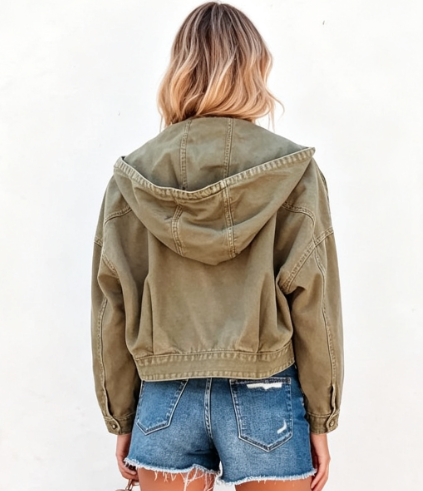
1 high-contrast all-over wash creates sharp pale streaks against an indigo ground. It suits relaxed jeans, trucker jackets, and denim sets aimed at trend-led streetwear; approve a sealed reference because contrast varies by fabric lot.
Mineral And Ice Washes

2 lower-contrast options serve different price and customer positions: mineral wash gives a dusty, worn surface, while ice wash drives a much paler blue cast. Mineral works on premium everyday straight legs; ice wash is strongest on oversized jackets and youth-oriented baggy fits.
Black And Colored Washes

3 black, charcoal, or colored grounds make acid wash feel less retro and easier to merchandise with monochrome capsules. Black denim needs pre-production testing for dye loss and seam abrasion, while colored washes require approved Pantone targets and wash-down tolerance.
Localized And Garment Effects

4 localized treatments concentrate contrast on panels, knees, pockets, hems, or sleeves rather than the whole garment. They suit cargo jeans, patchwork styles, denim shorts, and panelled outerwear; larger cut pieces need placement markers so paired garments remain visually balanced.
4. Materials for acid wash denim
Fabric choice controls both contrast and garment stability in acid wash denim. Indigo depth, yarn construction and base color determine whether the finish reads sharply marbled, softly weathered or uneven after washing.
| Fabric | Weight | Wash Response | Recommended Products |
|---|---|---|---|
| 100% cotton rigid | 12–14 oz | Sharp marbling; firm hand | Jeans, jackets, sets |
| Cotton-elastane | 10–12 oz | Softer contrast; test recovery | Skinny jeans, fitted skirts |
| Recycled cotton blend | 11–13 oz | Variable fading; approve strike-off | Relaxed jeans, overshirts |
| Lightweight cotton denim | 7–9 oz | Fast, soft fade | Shirts, dresses, shorts |
Fiber And Stretch

100% cotton rigid denim gives the clearest abrasion and strongest high-low contrast because the indigo surface breaks irregularly. Use ring-spun warp yarns when a denser, more premium face is required. 1–3% elastane improves recovery for skinny jeans, fitted jackets and extended-size fits, but excessive stretch can mute contrast and distort after aggressive washing.
Weight, Weave And Color

10–14 oz denim suits jeans, truckers and structured sets; heavier twill generally withstands processing with less seam torque. Lightweight 7–9 oz denim creates a softer, faster-fading result for shirts, dresses and warm-weather shorts. Dark indigo produces the most visible acid wash contrast, while black, grey and sulfur-dyed colors need strike-offs because color loss and undertone exposure vary by dye system.
5. Custom acid wash denim options
Three decisions—base shade, wash map, and contrast—determine whether custom acid wash denim reads vintage, streetwear, or premium. Junsheen can develop these variables from a tech pack, garment reference, or annotated image before sampling.
| Option | Visual Result | Sample Control |
|---|---|---|
| Light wash | Subtle cloudy fade | Limit bright-area coverage |
| Medium wash | Balanced contrast | Approve sanding zones |
| Heavy wash | High-contrast vintage effect | Test strength and decoration order |
Build The Wash Map

Three base directions are black, indigo, and mid-blue denim; each produces a different acid-wash contrast. Specify light, medium, or heavy intensity and identify where bright areas must land. Five placement controls are whiskers, thigh sanding, seat fading, knee abrasions, and hem distressing. Mark left and right sides separately because hand processing is never perfectly mirrored.
- State base color and target Pantone tint
- Mark fade boundaries in centimeters
- Approve distressing count and locations
Select Decoration Order
Two production sequences require different artwork choices: decorate before washing or after washing. Embroidery, patches, screen print, and labels may shift in color, adhesion, or appearance when exposed to abrasion and wash chemistry. One practical rule is to place fragile prints and heat-applied patches after the acid wash. Use a wash test for embroidery thread, leather labels, coated patches, and screen-print inks before bulk approval.
Turn Images Into Comments
One reference image is insufficient without measurable targets. Add arrows, circled zones, and comments such as ‘30 cm whiskers,’ ‘two knee holes,’ ‘20% lighter thigh,’ or ‘laser logo 6 cm wide.’ Three approvals reduce rework: submit the reference, confirm a marked wash map, then compare the sample under consistent lighting. Record approved wash, trim, and grading details for repeat orders.
6. acid wash denim quality checkpoints
Acid wash denim requires controls before, during, and after finishing because the process deliberately removes indigo unevenly. Approve measurable standards on the wash sample, then apply them to every size, shade lot, and packed carton.
Construction Before Washing

10–13 oz denim should be checked for tensile and tear strength before washing, especially at pocket corners, belt loops, crotch seams, and knee panels. Use consistent seam allowances and reinforced stress points. 8–10 stitches per inch is a practical baseline for most jeans seams; bartacks and lockstitches must remain intact after wash processing. Measure shrinkage on a finished sample, not greige fabric alone.
- Check inseam, outseam, rise, waist, and leg opening after wash
- Confirm stretch denim recovers without bagging at knees or seat
- Test zipper, button, rivet, and snap attachment strength
Wash Appearance And Hand
3 approved reference points—light areas, dark ground, and seam contrast—make shade review more objective. Compare bulk pieces under consistent daylight-equivalent lighting against the sealed approval sample. Intentional variation includes irregular marbling, localized highs and lows, and slight panel-to-panel character. Defects include large unapproved dark patches, repeated streaks, chemical spotting, abrasion holes, harsh creases, or excessive back-staining.
- Rub the garment for chemical odor or loose surface residue
- Assess softness, drape, and stiffness after drying
- Verify wash uniformity across size runs and production lots
Sample And Shipment Tests
1 pre-production sample should establish measurements, shade range, hand feel, hardware, and acceptable wash character. A size set is essential when grading XS–3XL because washing can change fit differently across sizes. AQL-based final inspection should include packed-goods measurements, appearance, odor, labels, and random wash/rub checks. Request dry and wet crocking, laundering colorfastness, shrinkage, and stretch-recovery results for the confirmed fabric and finish.
- Inspect approved sample against bulk before carton sealing
- Separate or document shade lots when variation exceeds approval
- Retain swatches, measurements, and wash recipes for repeat orders
7. Choosing an acid wash denim manufacturer
A 100-unit capsule order tests a manufacturer’s development discipline before it tests bulk capacity. For acid wash denim, evaluate the mill, laundry, sample room, QC system, and export team as one connected production chain.
Verify Denim And Laundry Control
10–14 oz denim is common for jeans and jackets, but fiber content, indigo depth, stretch recovery, and fabric origin must be recorded before washing. Ask: ‘Is the laundry in-house or a qualified partner, and who controls each approval?’ 3 approved wash swatches should show the target shade, abrasion placement, hand feel, and acceptable variation. Request mill specifications, shrinkage results, and a past acid-wash sample in comparable fabric weight.
Audit Sampling And Documentation
2 sample rounds are often needed to lock fit and wash behavior; a dependable supplier identifies risks before bulk cutting. Ask: ‘Will you retain the wash recipe, garment measurement chart, and approved sealed sample for reorders?’ 1 recipe should record garment weight, pumice or process inputs, wash time, temperature, neutralization, softener, and drying method. Evidence includes dated swatches, lab test reports, graded patterns, and buyer-signed approvals.
Confirm Scale, QC, And Export
100 units per style and color is a practical low-MOQ starting point when fabric and laundry minimums permit. Ask: ‘What capacity is reserved, what in-line inspections occur, and how are shade lots segregated?’ A credible partner can explain incoming-fabric checks, measurement tolerances, wash-lot tracking, final AQL inspection, carton marking, and destination shipping documents. Ask for compliance certificates applicable to your market, traceability records, production photos, and references from comparable export orders.
- Confirm response times and one accountable technical contact.
- Ask whether failed wash lots are reworked, downgraded, or remade.
- Check experience with customs documents and export packing requirements.
8. Common acid wash denim buying mistakes
A 100-unit launch can fail expensively when the wash brief is treated as a visual preference rather than a controlled production standard. Acid wash denim needs approvals that connect fabric, process sequence, fit, and bulk inspection.
Approving Images Instead Of Standards
Two photos can display different contrast because of lighting, camera exposure, and post-production. The consequence is a bulk wash that appears acceptable to the factory but misses the buyer’s intended character. One signed physical wash standard, retained by both parties, should define ground shade, marble contrast, abrasion zones, and hand feel. Approve it under agreed lighting alongside an unwashed control.
Ignoring Fabric And Process Variables
10-ounce and 13-ounce denim absorb bleach, soften, and shrink differently; cotton content, indigo depth, construction, and elastane level also change the result. Ignoring these variables makes a repeat wash recipe unreliable. Two fabric swatches per candidate quality should be trial-washed before a final fabric booking. Record mill lot, fabric weight, composition, wash formula, time, and neutralization steps.
Adding Decoration Too Early

Three decoration types—screen print, embroidery, and heat transfer—can react differently to bleach, pumice, and softener. Applying them before wash risks cracking, staining, distortion, or damaged thread. One process map should specify whether decoration follows washing, with sample testing for any exception. Use placement templates after shrinkage is confirmed, especially on pockets and side seams.
Skipping Fit And Bulk Gates
3% to 8% wash shrinkage can alter inseam, rise, and leg opening enough to break a graded size set. Choosing only the lowest quote or skipping pre-production approval transfers that risk into saleable inventory. One pre-production sample and a bulk wash panel from the actual fabric lot should be signed before sewing proceeds. Inspect measurements, shade range, trim function, and packed goods against agreed tolerances.
9. Launching an acid wash denim collection
A 100-unit-per-style-and-color starting point lets emerging brands test acid wash denim without building an unfocused range. Define the target customer, retail price, margin target, and launch channel before selecting silhouettes.
Build A Focused Capsule
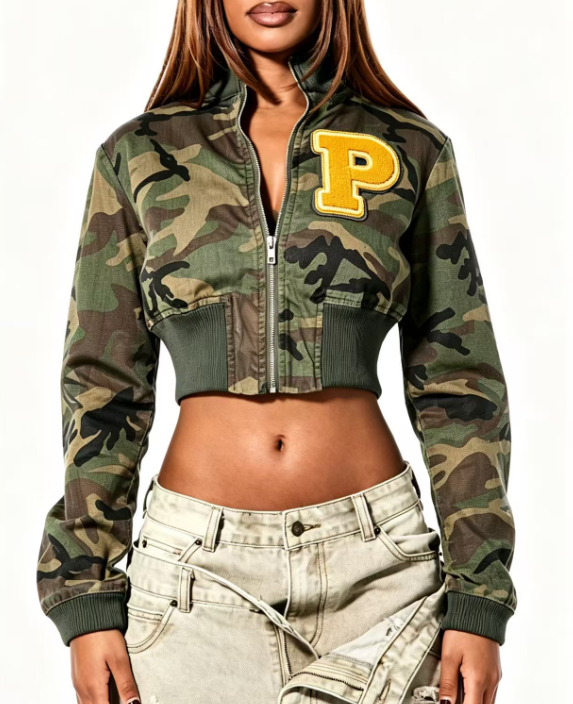
Three styles are usually enough for a first capsule: straight jeans, denim shorts, and a trucker jacket. Limit the first drop to one or two wash directions so photography, merchandising, and replenishment stay coherent.
- Set a target retail price and landed-cost ceiling
- Choose core sizes before adding extended sizes
- Match silhouettes to the intended sales channel
Lock Technical Standards
One complete tech pack per style should specify measurements, construction, Pantone thread, trim, labels, packaging, and artwork placement. Fabric weight, stretch percentage, base shade, wash recipe reference, abrasion zones, and acceptable color variation must be approved on physical samples.
- Approved fit sample and graded measurement chart
- Approved denim swatch and wash standard
- Approved trims, labels, artwork, and packaging
Sample, Book, And Launch
Two sampling rounds commonly resolve fit, wash contrast, and decoration issues; do not book bulk from photos alone. After pre-production approval, confirm size grading, production dates, in-line inspections, final AQL checks, carton marks, freight method, and launch delivery window.
- Review fit on intended body types
- Approve a sealed pre-production sample
- Schedule content photography before goods arrive
10. acid wash denim pricing and costs
100 units per style and color is a practical starting point for a capsule acid wash denim program, but it carries the highest unit cost because development, wash setup, and cutting loss are spread over fewer garments. The ranges below are planning figures in USD for a midweight denim garment with standard construction; final pricing requires approved specifications, wash standard, size breakdown, and destination. 12–16 oz denim, fiber blend, and width directly influence fabric consumption and cost, while multi-stage acid wash, enzyme softening, hand sanding, whiskering, holes, repairs, and laser effects add labor and reject risk. YKK hardware, custom rivets, leather labels, embroidery or screen print, individual polybags, hang tags, cartons, inspection level, and freight terms should be quoted as separate decisions where possible. 25–45 days is a typical bulk-planning window after sample and material approval, with wash development often determining the critical path. Request a pre-production sample and landed-cost comparison: a lower ex-factory quote can be outweighed by heavier freight, duty exposure, premium packaging, or an inefficient size-color assortment.
| Order quantity | Indicative unit price | Sample charge | Bulk lead time |
|---|---|---|---|
| 100–299 units | US$18–32 | US$120–250 | 30–45 days |
| 300–999 units | US$14–25 | US$100–220 | 25–40 days |
| 1,000+ units | US$11–20 | Creditable by agreement | 25–35 days |
Ready to Develop Your Acid Wash Denim Line?
Send your tech pack, concept, or reference garment for feasibility review, fit planning, sampling, and a production quote from 100 units.