
Enzyme Wash Denim OEM From 100 Units
Develop fit-focused XS–3XL enzyme wash denim with one-stop OEM, ODM, and private-label production from sampling through global delivery.
Featured Products for enzyme wash denim Development





Related Product Catalogue and Quotation





Why Brands Source Enzyme Wash Denim From Junsheen
Controlled finishing, fit-led development and production support for denim programs from first sample through global delivery.
Controlled Enzyme Finishing
We develop enzyme wash denim for a softer hand feel, refined surface character and repeatable wash results across approved production lots.
100-Unit MOQ Launches
Start capsule denim programs from 100 units per style and color, with sampling and development support built for emerging labels.
Scalable Denim Capacity
With 200+ skilled workers and 80,000+ monthly units of capacity, we scale proven styles into dependable ongoing bulk production.
Fit-Graded XS–3XL
Pattern makers refine proportions, mobility and grading increments from XS through 3XL for normal, extended-size and oversized denim fits.
Integrated Branding Details
Coordinate embroidery, printing, labels, hardware, trims and packaging through one production partner for a cohesive private-label denim collection.
Export-Ready Order Support
From material approval and quality control to packed-goods inspection and global shipping, our team keeps international denim orders moving clearly.
Denim and Casualwear Styles We Develop
From low-MOQ capsule launches to scalable programs, Junsheen develops fit-focused apparel with integrated sourcing, sampling, decoration, finishing and private-label support.
Custom Hoodies
Custom hoodies developed in fleece, French terry or jersey with fit refinement from XS to 3XL. Choose oversized, standard or extended-size blocks, then specify weights, rib trims, drawcords, pockets, embroidery, printing, washes and branded labels.
Request a Quote
Custom T-Shirts
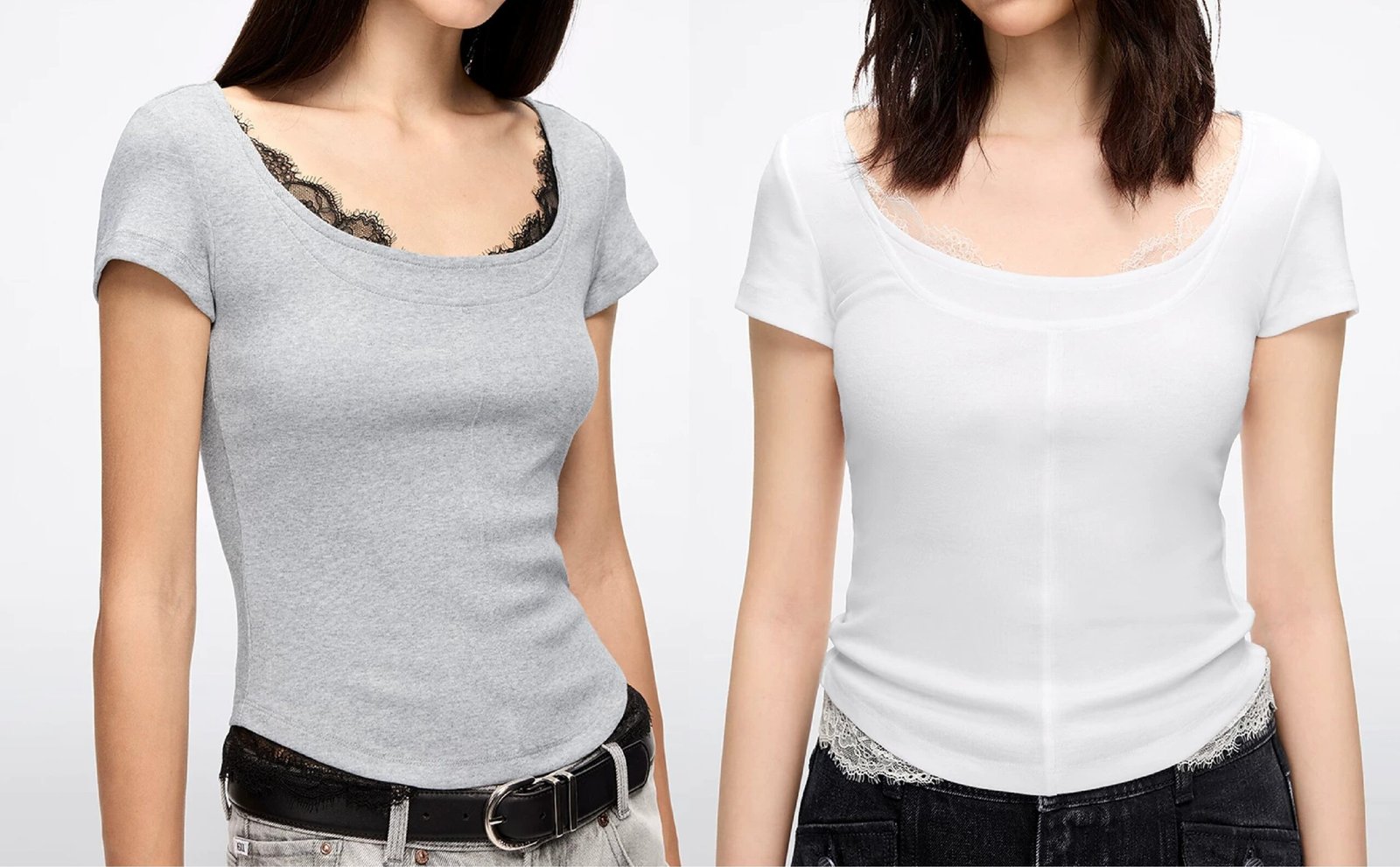
Custom T-shirts produced in combed cotton, Pima cotton, organic cotton and blended jersey. Junsheen supports neck construction, garment weight, oversized or regular fits, graded size sets, screen printing, DTG, DTF, embroidery, garment dye and private-label finishing.
Request a Quote
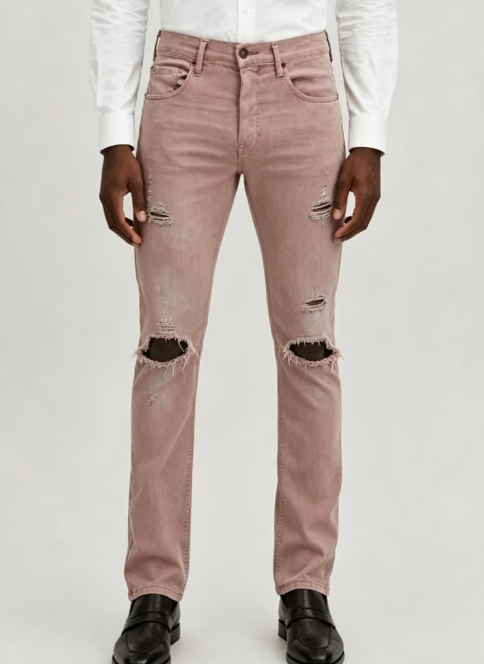
Custom Jeans
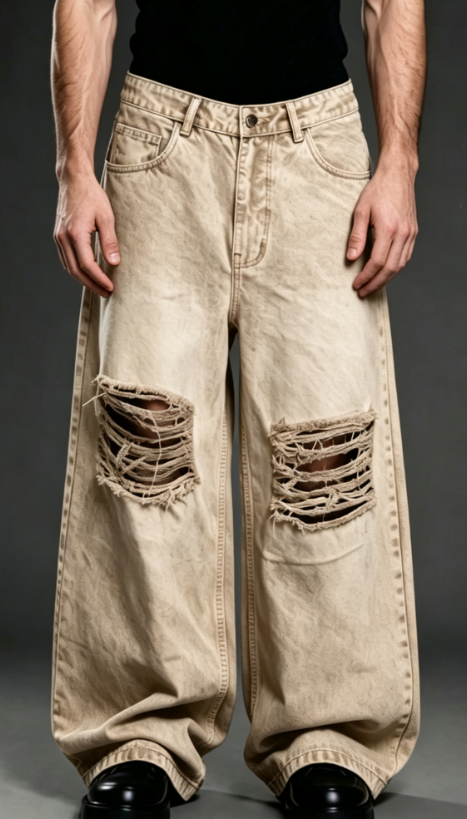
Custom jeans developed with denim or stretch denim selected for weight, recovery, wash performance and target cost. Pattern makers refine rise, hip balance, leg shape and grading, while production supports washes, distressing, hardware, patches, labels and size sets.
Request a Quote
Custom Sweaters
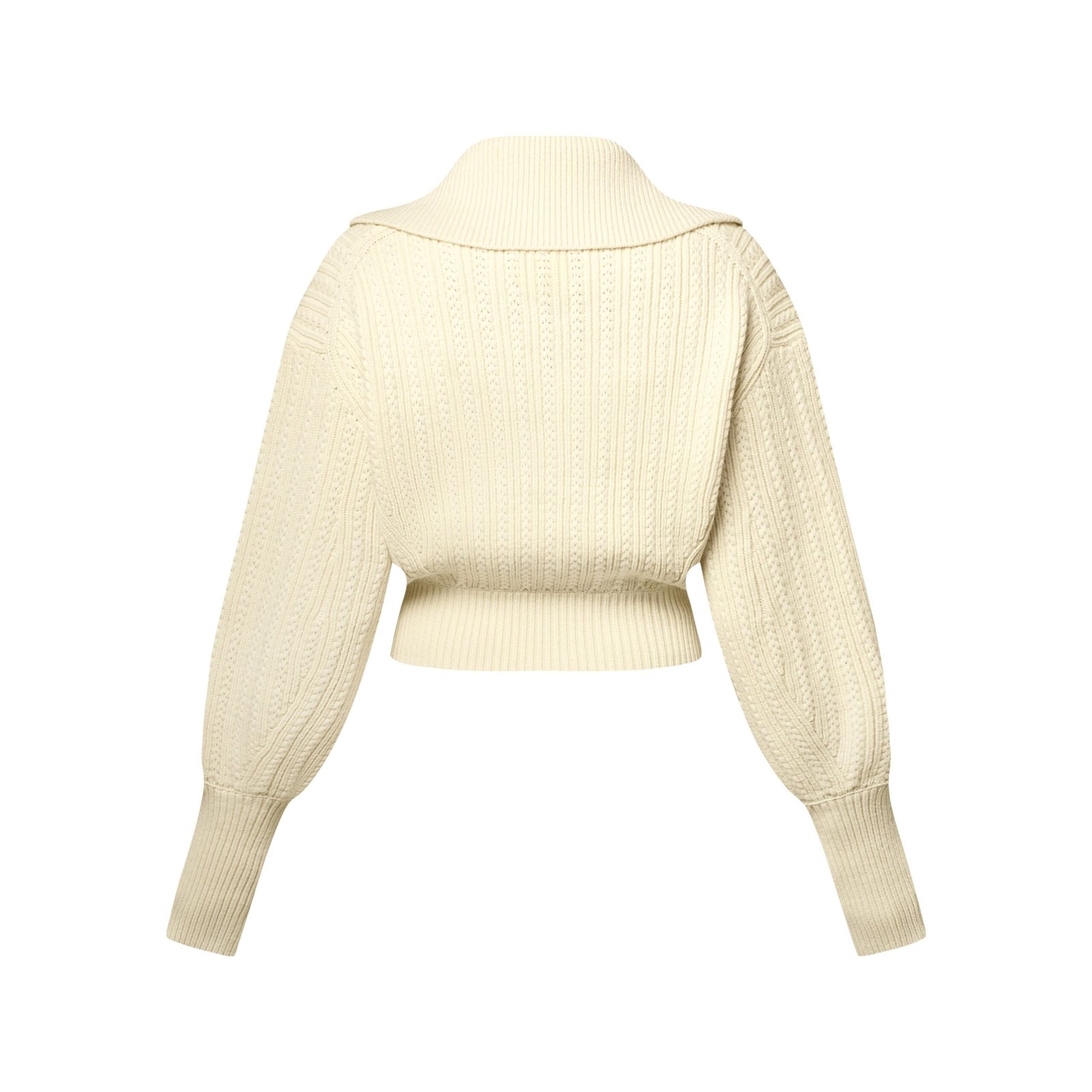
Turtleneck sweaters for bulk programs developed in cotton, wool, blended yarns or performance knits. Junsheen manages gauge, stitch structure, collar height, body proportion, sleeve balance, grading and branded trims for consistent retail-ready knitwear production.
Request a Quote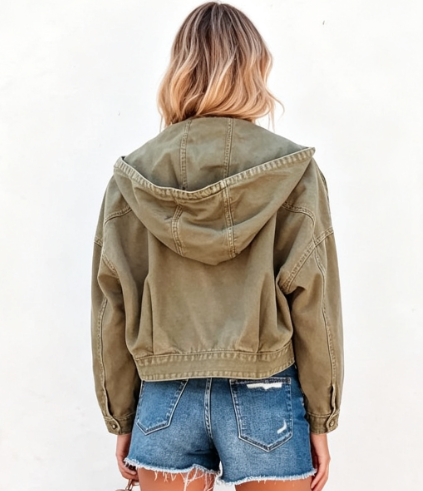
Custom Jackets
Custom jean jackets developed in rigid or stretch denim with specification support for silhouette, seam construction, pocket placement and hardware. Enzyme, stone, acid and garment washes, distressing, embroidery, patches and private labels can be integrated before bulk approval.
Request a Quote
Custom Sweatshirts & Crewnecks
Custom crewneck hoodies and sweatshirts developed in fleece, French terry or brushed jersey. Specify crewneck or hooded construction, fit block, rib quality, fabric weight, print or embroidery placement, wash effects, grading and branded packaging.
Request a Quote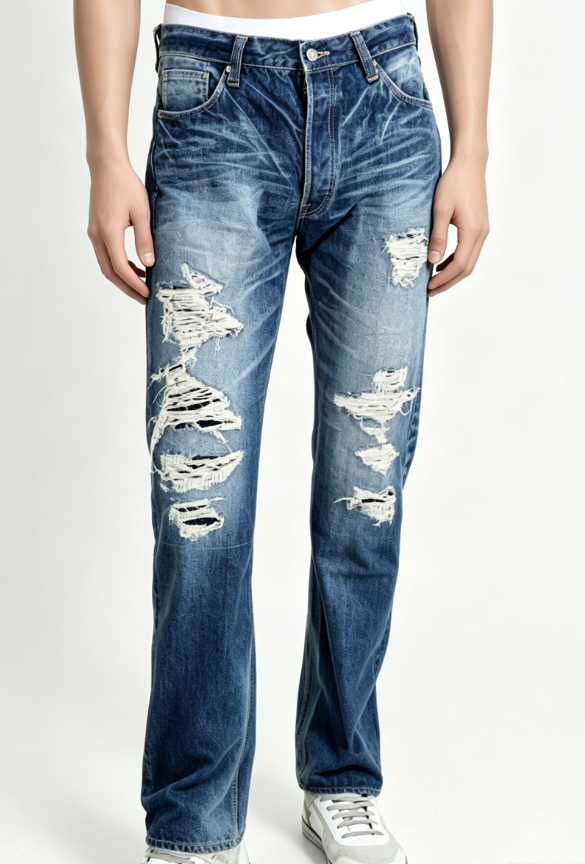
Custom Cardigans
Custom cardigans developed across fine-gauge and heavier sweater constructions, with support for yarn selection, stitch patterns, button or zip closures, placket stability, fit grading and private-label trims. Sampling confirms hand feel, drape and measurements before bulk production.
Request a Quote
Custom Puffer & Down Jackets
Custom puffer jackets developed around intended climate, fill choice, shell fabric, quilting layout and insulation performance. Junsheen supports down or alternative-fill programs, fit development, zippers, pockets, reflective details, labels and quality checks through packed-goods inspection.
Request a Quote
Custom Denim Shorts
Custom jean shorts developed in denim or stretch denim with controlled rise, inseam, leg opening and grading across XS–3XL. Production options include raw or finished hems, distressing, enzyme or stone washes, pockets, hardware, labels and branded packaging.
Request a Quote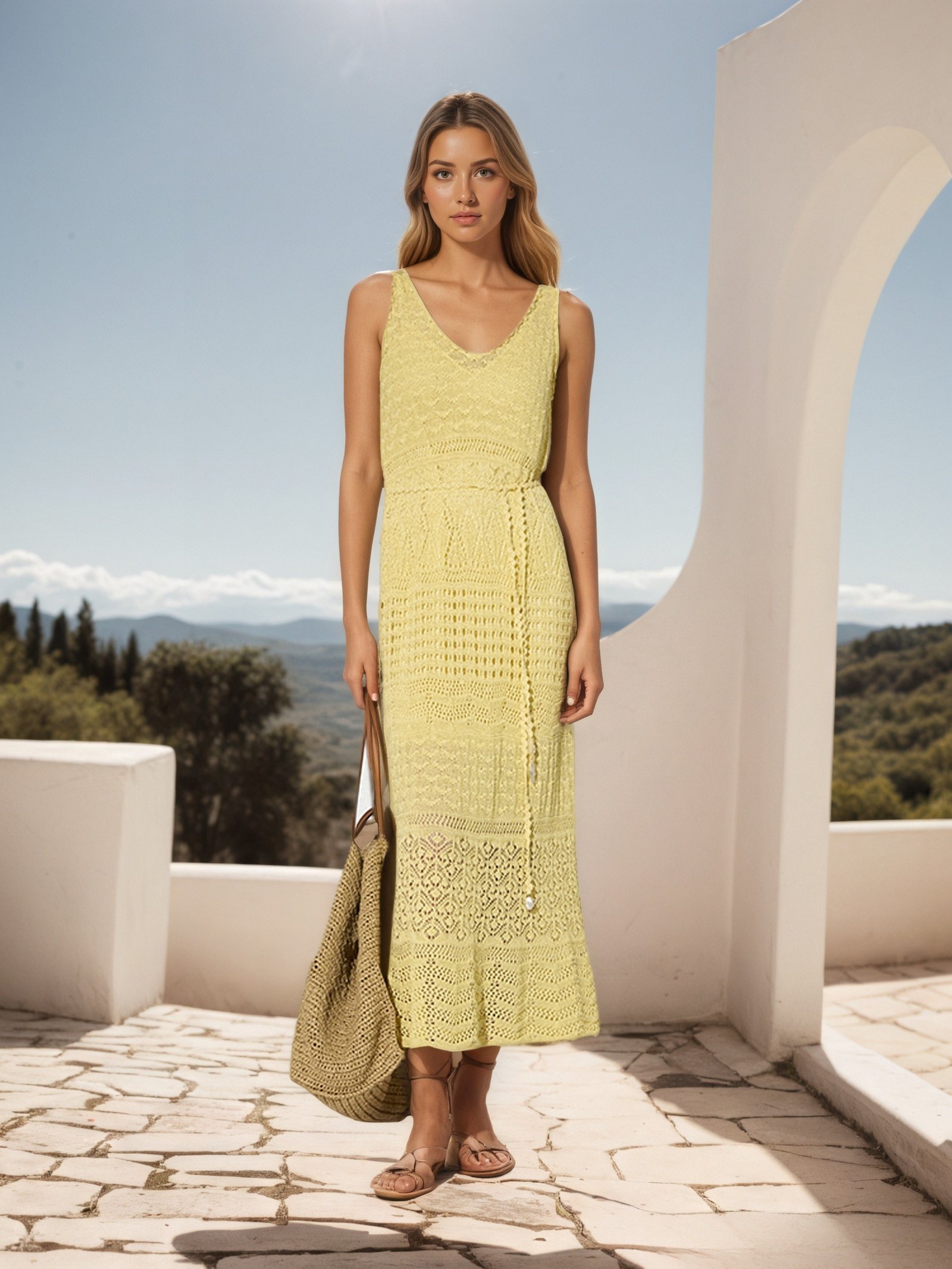
Custom Sweater Dresses
Custom sweater dresses developed with yarn, gauge and stitch construction matched to the required drape and coverage. Pattern development addresses shoulder balance, waist shaping, length, sleeve proportion and extended-size grading, with trims and labels prepared for private-label sale.
Request a Quote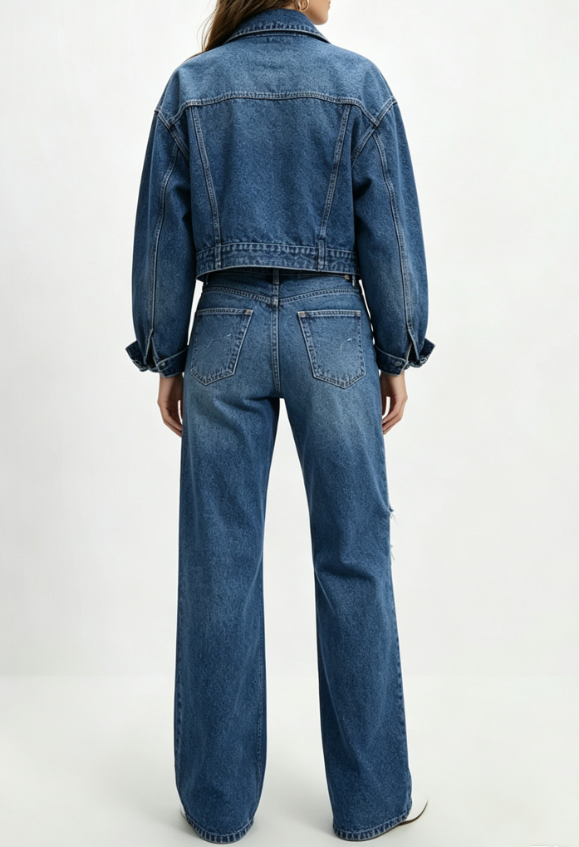
Custom Denim Sets
Men’s denim suits for wholesale programs developed as coordinated denim jackets and jeans with consistent fabric lots, wash recipes and sizing. Junsheen manages pattern alignment, hardware, finishing, labels and scalable bulk production for matching-set assortments.
Request a Quote
Custom Polo Shirts
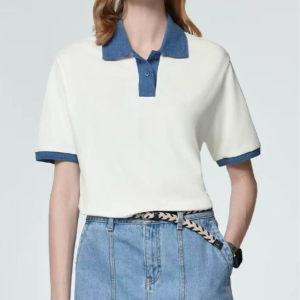
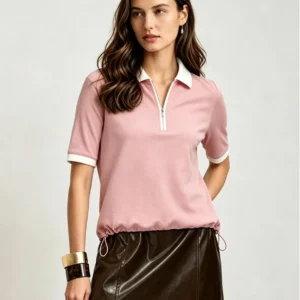
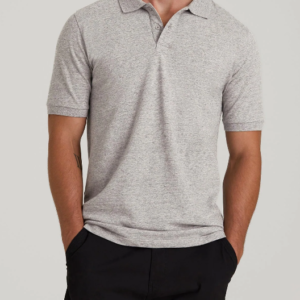
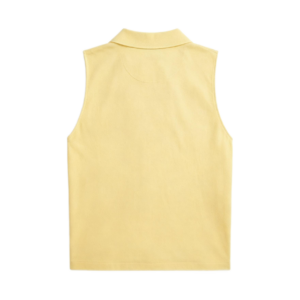
Custom polo shirts produced in piqué, jersey or performance knit fabrics for retail, uniform and promotional programs. Specify collar construction, placket depth, fit, sleeve ribbing, color blocking, embroidery, printing, grading and private-label packaging.
Request a Quote
Custom Sweatpants
Custom sweatpants developed in fleece, French terry or jersey with standard, oversized or extended-size fit blocks. Junsheen supports elastic or drawstring waists, cuff or open hems, pocket construction, print and embroidery placement, washes, labels and coordinated sets.
Request a Quote
Custom Shorts
Custom shorts developed in jersey, fleece, twill, denim or performance fabrics according to use and target price. Development covers inseam, rise, pocket layout, waistband construction, fit grading, decoration, washing, labels and bulk quality control.
Request a Quote
Custom Pullovers
Custom pullovers developed in knit, fleece, French terry or jersey constructions for layered casualwear programs. Junsheen supports neckline and closure options, fabric and yarn selection, fit grading, embroidery, printing, finishing, branded trims and repeat-order consistency.
Request a QuoteEnzyme Wash Denim Fabrics Built for Finishing


Stretch Denim
Cotton-rich stretch denim combines familiar denim texture with added recovery for fitted jeans, shorts, and body-conscious styles. Typically 1–3% elastane, it supports mobility while retaining enzyme-washed softness.

Rigid Denim
Rigid denim delivers an authentic, structured hand for straight-leg jeans, workwear silhouettes, and vintage-inspired jackets. With no added stretch, its 12–14 oz construction creates defined seams and wash character.

Recycled Denim Blends
Recycled cotton denim blends help brands add lower-impact material options to jeans and casualwear programs. Fiber ratios can be tailored for strength and hand feel, while enzyme finishing softens the more textured surface.

Cotton Twill
Cotton twill provides a cleaner diagonal weave for overshirts, utility pants, and lightweight denim-inspired sets. Its stable structure and smoother hand take enzyme finishing well, especially in 8–10 oz qualities.

Heavyweight Woven Denim
Heavyweight woven denim is suited to workwear jackets, carpenter jeans, and durable overshirts needing a firm premium feel. Available around 14 oz and above, it maintains structure while enzyme washing reduces initial stiffness.
Enzyme Wash Denim Finishing & Decoration Processes

Softening Wash
Enzyme-based softening improves hand feel while preserving denim structure. Junsheen calibrates wash time and chemistry to create a worn-in, comfortable finish that remains suitable for repeatable bulk production.

Garment Dye
Garment dye adds rich, lived-in color after construction, allowing tonal variation and distinctive depth. We review fabric response, shrinkage and wash performance during sampling for a controlled, brand-consistent result.

Stone Wash
Stone washing creates softened texture, faded highs and an authentic broken-in character. Wash development can be adjusted for subtle vintage contrast or a more pronounced distressed denim appearance across approved bulk runs.

Acid Wash
Acid wash produces high-contrast, irregular fading for statement denim pieces. Our team develops the effect against your selected fabric and fit, helping retain a deliberate visual balance from sample approval through production.

Logo Embroidery
Flat, 3D puff, chain-stitch and patch embroidery add durable branded dimension to washed denim. Placement, backing and thread color are tested to complement the garment’s texture without compromising comfort or construction.

Anti-Pilling Finish
Anti-pilling finishing helps denim and blended components maintain a cleaner surface through wear and laundering. It is especially useful for brushed details, knit inserts and garments requiring a more polished long-term appearance.
Custom Trims for Enzyme Wash Denim

Branded Metal Buttons
Custom shank buttons and rivets add durable brand identity to enzyme wash denim jeans, jackets and shorts. Choose finishes, logo embossing and corrosion-resistant plating that complement the garment’s washed character.

Custom Snap Fasteners
Branded snaps provide secure, easy closures for denim overshirts, jackets and utility details. Junsheen can source logo-stamped finishes matched to your hardware color, wash tone and intended wear performance.

Logo Zipper Pulls
Custom zipper pulls and zipper tapes create a refined branded touch on denim jackets, cargo styles and pockets. Select metal finishes, pull shapes and logo treatments aligned with your collection’s functional aesthetic.

Leather Logo Patches
Genuine leather or alternative material patches give enzyme wash denim a signature back-waist or hem detail. We can develop debossed logos, patch dimensions and stitch placement for durable private-label presentation.

Woven Brand Labels
Custom woven main, size and care labels keep branding clear across your denim size range. Labels can be specified for soft hand feel, colorfastness and placement that stays consistent through garment finishing.
Branded Hang Tags
Custom hang tags, barcode stickers and branded packaging complete retail-ready enzyme wash denim deliveries. Choose paper stocks, finishes, strings and compliance information that support wholesale presentation and global fulfillment.
About JUNSHEEN Enzyme Wash Denim
Founded in 2010 in Humen Town, Dongguan, JUNSHEEN helps fashion brands turn enzyme wash denim concepts into production-ready collections. Our integrated OEM, ODM and private-label supply chain combines denim sourcing, pattern development, cut-and-sew manufacturing, washing, finishing, trims, labeling and export support under one experienced team.
With more than 200 skilled workers and monthly capacity above 80,000 units, we support launches from 100 units per style and color through scalable repeat programs. Our team serves global labels, wholesalers, retailers and sourcing teams with clear development coordination and dependable quality control.
What sets JUNSHEEN apart is fit-focused development alongside controlled wash execution. We refine patterns and grading from XS to 3XL, including extended-size, plus-size and oversized fits, then align enzyme wash results with approved samples for consistent bulk denim production.

Enzyme Wash Denim Development Built for Repeat Orders
Controlled Wash Development
JUNSHEEN develops enzyme wash denim samples around your target shade, softness, contrast and vintage character. Our team reviews fabric weight, construction and trim compatibility before sampling, then refines wash recipes to support a repeatable approved bulk standard.
- Enzyme wash trials matched to target hand feel and color
- Fabric and trim checks before finishing approval
- Sample revisions documented before bulk production

Fit That Grades Correctly
Denim fit begins with purposeful pattern work, not simple size enlargement. We refine rise, hip balance, thigh ease, inseam and leg shape across XS–3XL, extended-size, plus-size and oversized programs to help your collection maintain proportion and mobility.
- Fit-focused patterns for jeans, jackets and denim sets
- XS–3XL grading with adjusted proportional increments
- Size-set sampling before production sign-off

Private Labels, Fully Integrated
Keep your denim program coordinated through one manufacturing partner. JUNSHEEN manages custom woven or leather labels, wash-care labels, hang tags, buttons, rivets, zippers, patches and branded packaging alongside garment production, reducing handoffs and preserving presentation details.
- Woven, leather, main and size-label options
- Custom hardware, patches and branded trims
- Packing specifications prepared for retail or wholesale

Records Ready for Reorders
Approved patterns, graded size sets, material details and wash references are retained to make repeat enzyme wash denim orders more consistent. With 100-unit MOQs and scalable capacity, brands can replenish proven styles or extend them into new colors and seasonal programs.
- Retained specifications for faster repeat development
- Consistent references for materials, fit and wash effects
- Scalable production from capsule launches to bulk programs

Why Choose JUNSHEEN for Enzyme Wash Denim Production
One coordinated manufacturing partner for fit-focused development, controlled finishing, scalable production and global delivery.
← 左右滑动查看 →
Our Enzyme Wash Denim Production Process
A controlled OEM workflow that moves your washed-denim concept from feasibility review to export-ready bulk production.
Review Feasibility and Source
We assess your tech pack or reference, confirm MOQ, target cost, fabric weight, stretch, wash direction, trims, and production requirements.
Develop Patterns and Samples
Pattern makers build and grade fit-focused XS–3XL specifications, then develop prototypes and wash samples for your approval before bulk commitment.
Cut, Sew and Finish
Approved denim is cut and sewn, then processed through controlled enzyme washing, decoration, softening, and finishing to achieve the intended character.
Inspect Bulk Production Quality
Our team checks incoming materials, in-line construction, measurements, wash consistency, decoration, and fit against approved samples throughout production.
Pack and Ship Globally
Final enzyme wash denim goods receive packed-garment inspection, private-label packaging, export documentation, and coordinated shipping support for your destination market.
How to Start Your Custom Enzyme Wash Denim Program
Move from concept to export-ready bulk production with a clear, fit-focused development process.
Submit Your Design Brief
Send a tech pack, sketch, reference garment, mood board, or product idea. Include target quantities, sizing, wash direction, fabric preferences, and branding requirements.
Review Feasibility and Pricing
Our team reviews construction, enzyme wash denim effects, fit grading, materials, trims, and decoration, then confirms manufacturability, MOQ, sampling scope, lead time, and quotation.
Approve Development Samples
Review prototype samples, fabric swatches, wash results, measurements, and branded details. Refine fit, color, finishing, and specifications before approving the production-ready sample.
Confirm Bulk Production
Approve the final sample and order details, then Junsheen manages material sourcing, cutting, sewing, washing, quality control, packing, and export coordination for your confirmed program.
Receive Shipment and Reorder
Final packed goods are inspected before shipment. We retain patterns, graded size sets, and material records to support consistent repeat orders as your denim collection scales.
Custom Clothing Manufacturer Credentials and Compliance Documents




Enzyme Wash Denim Results From Custom Apparel Programs
JUNSHEEN helped us launch 300 enzyme wash denim pieces across two fits. Their sample feedback improved our grading before bulk, which cut our planned revision round from two samples to one.
We reordered the same enzyme-washed jean six months later at 1,200 units. The retained pattern and wash references made the fit and finish consistent with our approved first run, saving our team valuable development time.
Our capsule needed inclusive sizing without a large opening commitment. JUNSHEEN produced 100 units per color from XS to 3XL and resolved rise and thigh measurements during sampling before our retail launch.
Enzyme Wash Denim FAQ for OEM Buyers
Clear answers on MOQ, sampling, wash consistency, fit development, payments and global delivery.
What is the MOQ for custom enzyme wash denim?
Can I order an enzyme wash denim sample before bulk production?
How do you keep enzyme wash denim color and hand feel consistent in bulk?
How long does custom denim sampling and production take?
Can you develop XS–3XL and plus-size denim fits?
What payment terms do you offer for an OEM denim order?
Do you ship enzyme wash denim orders internationally?
How do you protect my designs and support future bulk reorders?
The Complete Buyer’s Guide to enzyme wash denim
Use this decision framework to compare enzyme wash denim options, evaluate supplier capabilities, control quality and costs, and avoid development mistakes before placing an OEM production order.
1. What Is Enzyme Wash Denim?
Cellulase enzymes are bio-polishing agents that selectively break down exposed cotton fibrils on denim’s surface. In a controlled aqueous wash, they reduce stiffness and surface fuzz while producing a naturally worn, less uniform appearance without relying on abrasive stones. 100% cotton and cotton-rich stretch denim respond most predictably because the enzyme acts on cellulose rather than polyester or elastane. Buyers should approve wash standards early: enzyme action can slightly reduce fabric strength, alter shade, and create panel-to-panel variation if denim lot, wash time, temperature, pH, or loading changes. Chlorine or oxygen bleaching removes or lightens indigo through chemical oxidation, usually delivering a cleaner, brighter fade than enzyme washing. Stone washing creates abrasion through pumice, often yielding stronger high-low contrast but adding seam wear, machine damage risk, and stone residue; pigment washing affects a dyed or coated surface, not the indigo yarn in the same way. 8–14 oz denim jeans, trucker jackets, denim shirts, shorts, skirts, and matching sets are strong candidates when a brand wants a softer hand and lived-in character. For JUNSHEEN OEM development, a reference swatch and approved wash sample are essential because enzyme wash denim is a finish range, not a single repeatable color code.
2. Evolution of Enzyme Wash Denim
1970s stone-washed denim established the commercial blueprint for a faded, broken-in look: pumice stones mechanically abraded indigo during garment washing. The method could create convincing highs and lows, but stones damaged seams and pocket edges, trapped residue in machines, and produced variable results as stone size and load changed. Cellulase enzymes shifted much of that abrasion from a blunt mechanical action to controlled removal of surface cellulose fibers. For enzyme wash denim, factories can tune dosage, temperature, pH, liquor ratio, time, and agitation to obtain a softer handfeel and cleaner color release with less pumice-related fabric damage, machine wear, and solid waste. pH control remains decisive because enzyme activity, backstaining risk, strength retention, and shade development are interdependent. Responsible production also needs defined chemical recipes, neutralization and rinse controls, wastewater treatment, and approved discharge procedures; enzymes reduce some burdens but do not make a wash process impact-free. Vintage authenticity still depends on skilled wash development, not an enzyme label alone. A brand should approve a sealed reference sample and repeatable wash standard covering shade, cast, abrasion placement, handfeel, shrinkage, measurements, and allowable variation before bulk production.
3. Types of Enzyme Wash Denim
Five commonly specified enzyme wash denim routes differ mainly in abrasion control, color contrast, and strength retention. Buyers should approve a washed-panel standard before bulk because enzyme activity changes with pH, temperature, time, and denim construction.
| Method | Visual Result | Handfeel And Risk | Best Application / Select When |
|---|---|---|---|
| Bio-polish | Clean surface; minimal fade | Softer; low abrasion | Dark denim, shirts; choose refinement |
| Bio-stone | Natural worn contrast | Soft; moderate strength loss | Rigid jeans, jackets; choose vintage character |
| Neutral enzyme | Even controlled fading | Soft; lower fiber risk | Stretch or dark denim; choose repeatability |
| Acid cellulase | High-contrast abrasion | Soft; higher fiber-loss risk | Fashion denim; choose bold fading |
| Enzyme plus bleach/tint | Bleached cast or colored over-dye | Variable; requires lab approval | Statement capsules; choose custom shade effects |
Bio-Polish And Bio-Stone

Bio-polish removes surface fuzz and loose fibers, producing a cleaner face and softer hand with limited shade change. Select it for dark rinses, lightweight shirts, or premium jeans where abrasion must stay restrained. Bio-stone uses cellulase to simulate pumice abrasion, giving worn seams and more authentic highs and lows. Select it for rigid denim jackets and vintage jeans, but test tensile strength and seam areas first.
Neutral, Acid, And Combined Effects
Neutral enzymes generally deliver controlled fading with a lower damage profile than aggressive acid-cellulase processes. Choose them for stretch denim, darker indigo, and programs requiring steadier repeatability. Acid cellulase creates faster, stronger contrast but raises fiber-loss risk; bleach or tint additions expand the effect range. Specify these routes for fashion washes only after approving shade bands, back-staining limits, and garment strength.
4. Enzyme Wash Denim Materials
Fiber blend, weave density, weight, and indigo chemistry determine how quickly cellulase exposes yarn and how much strength remains. Specify the intended enzyme wash denim appearance before approving fabric, because identical wash recipes can produce different cast, abrasion, and shrinkage.
| Material | Construction | Typical Weight | Enzyme-Wash Outcome |
|---|---|---|---|
| 100% cotton | Rigid | 12–14 oz | Strong contrast; vintage hand |
| Cotton-elastane | Comfort stretch | 10–13 oz | Softer; manage recovery |
| Cotton-poly blend | Stretch or rigid | 9–12 oz | Durable; less natural fading |
Fiber Blend And Stretch

100% cotton, preferably ring-spun, gives the clearest high-low fading and a rigid vintage hand; residual shrinkage must be controlled before bulk cutting. 1–3% elastane creates comfort stretch but can cause seam grin, uneven abrasion, or recovery loss when wash intensity is excessive.
Weight, Weave, And Dye

10–12 oz denim suits shirts, skirts, and light jeans, while 12–14 oz supports core five-pocket programs and deeper abrasion. Rope-dyed indigo usually produces stronger white-core contrast than sulfur or pigment dye; confirm shade after the planned wash, not only in greige.
Swatches And Wash Evidence
3 fabric swatches per candidate should show unwashed, target-washed, and repeat-washed states under consistent daylight. 5 wash cycles should be documented with shrinkage, torque, color change, stretch recovery, crocking, and tensile results; review the actual garment construction too.
- Request fiber percentages, GSM or ounce weight, weave, and yarn type.
- Ask for indigo method, dye lot, and chemical-restriction documentation.
- Approve a signed wash standard with front, back, and seam photos.
5. Custom Enzyme Wash Denim Options
A 100-unit style-and-color starting point lets brands test enzyme wash denim without committing to a broad wash program. Lock a sealed wash standard, approved shade band, and placement map before bulk cutting because each added effect changes control requirements.
| Custom Option | Repeatability | Labor And Lead-Time Effect |
|---|---|---|
| Light enzyme wash | High with approved control | Lowest; fastest approval |
| Laser whiskers or graphics | High after file approval | Setup required; limited manual labor |
| Hand sanding and distressing | Moderate; operator-dependent | Higher labor; allow added sampling |
| Tinting or overdyeing | Moderate; shade-sensitive | Extra dye step and shade review |
Wash Depth And Color

Three wash levels—light, medium, and heavy—should be approved against a control garment. Longer processing increases fade and softness, while darker retention needs tighter time, temperature, and enzyme controls. Two options, tinting and overdyeing, add cast or depth after washing. They extend development and require shade approval under agreed lighting; overdyeing can reduce cross-lot repeatability.
Surface Effects

Four high-contrast effects—whiskers, hand sanding, laser patterns, and distressing—create a more individual finish. Hand work and distressing raise labor and variation, while laser artwork is more repeatable once the file and placement are locked. 100-unit launches are practical for simpler wash recipes. Multi-position sanding, tears, repairs, and several laser zones may require a higher minimum or longer sampling window to stabilize output.
Silhouettes And Trim Placement
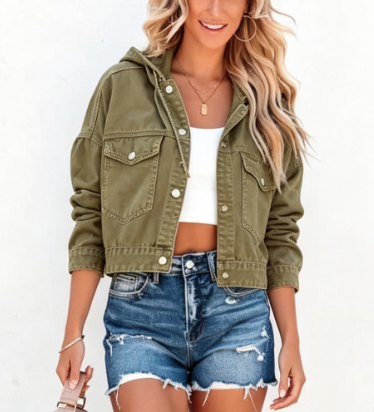
Five common silhouettes—straight jeans, wide-leg jeans, denim shorts, trucker jackets, and denim overshirts—need separate wash maps. Seams, pockets, hems, and panel overlaps alter abrasion exposure and visual fade. After-wash placement protects decoration: embroider, patch, print, label, and hardware zones should avoid heavy sanding, tears, and concentrated bleach areas. Use backing for embroidery, durable patch stitching, and corrosion-resistant hardware where wet processing is specified.
6. Construction Quality for Washed Denim
A washed jean is only as reliable as the construction left after enzymatic abrasion and rinse shrinkage. Buyers should approve measurements after the intended wash, not from a raw-garment specification.
Wash Allowance And Seams
3–8% lengthwise shrinkage is a practical pre-production risk range, varying by denim weight, weave, and wash recipe. Set finished-garment tolerances after a pilot wash and lock the approved measurement chart. 2-needle felled inseams and reinforced seat seams generally withstand laundering better than lightly secured open seams. Specify seam allowances, stitch density, and high-tenacity polyester core-spun thread before the size-set sample.
- Wash-test fabric before bulk cutting
- Measure inseam, rise, waist, and leg opening
- Inspect seam puckering after enzyme processing
Stress Points And Hardware

5–7 bartacks at pocket corners, fly ends, belt loops, and crotch stress points help prevent early failures. Confirm their placement on the approved sample because heavy enzyme action can expose weak stitching. YKK-grade zippers, properly clinched rivets, and secure tack buttons should be checked after wash and tumble testing. Hardware must neither corrode nor damage adjacent fabric during finishing.
- Pull-test zipper and button attachment
- Check rivet backs for sharp edges
- Verify pocket alignment on both sides
Bulk And Final Controls
95% recovery is a common target reference for stretch-denim waistbands after controlled extension, but the agreed test method matters. Evaluate waistband recovery and knee-bagging on washed samples, not only on fabric swatches. 100% of packed units should receive a final visual check for shade grouping, measurement compliance, loose threads, and wash damage. During bulk, compare panels and finished garments against the sealed shade band and approved wash standard.
- Pre-production: approve wash, fit, and trim sample
- Bulk: inspect shade, seams, and measurements in-line
- Final: audit hardware, labeling, packing, and dimensions
7. Choosing an Enzyme Wash Denim Manufacturer
A 100-unit enzyme wash denim program is only viable when the factory controls technical development as closely as sewing. Approve suppliers on evidence from their laundry, sample room, records, and production schedule—not a wash swatch alone.
Verify Laundry Ownership
One direct question matters first: is the denim laundry in-house, contract-operated, or fully subcontracted? Ask who owns wash approvals, rework liability, and daily production scheduling. Two documents reveal process control: the wash flow chart and wastewater-treatment records. Request current permits, effluent-testing scope, chemical-management procedures, and the subcontractor’s name if applicable.
- Where is each wash step performed?
- Who authorizes shade corrections?
- How are rejected lots contained?
Review Development Evidence
Three approval references should match before bulk: the sealed wash standard, recipe sheet, and measurement report. The recipe should identify enzyme type, dosage range, time, temperature, liquor ratio, pumice use, neutralization, and drying method. Five garments per size set are more useful than a single showroom sample. Ask for pre- and post-wash measurements, shrinkage tolerance, tensile-risk notes, and photographs under consistent lighting.
Confirm Scale And Communication
100 units per style and color can suit a capsule, but confirm the minimum applies after fabric, dye, and laundry batching requirements. Ask whether color lots are split, how Pantone-adjacent shade standards are retained, and who signs lab-dip or wash-bulk comparisons. 7–14 days is a common development window after materials arrive; bulk timing depends on fabric availability, wash capacity, and approvals. Require a written critical path with sample, PP approval, cutting, washing, QC, and shipment dates.
- Can you run 100 units without mixing orders?
- What is the shade-control method?
- Which compliance records are available?
- Who responds to fit and wash comments?
8. Enzyme Wash Denim Buyer Mistakes
Small approval gaps become expensive once an enzyme wash denim program moves to bulk. Lock the visual standard, measurements, fabric behavior, distressing map, and quote scope before releasing a 100-unit or larger order.
Approve Washes Under Controlled Light

D65 daylight and warm retail lighting can show noticeably different cast, contrast, and back-stain on the same wash. Approve a labeled physical standard under agreed lighting, with front, back, and seam photos. Three wash panels from the same lot are more useful than one hero sample. Record enzyme level, rinse, softener, pumice use, and target shade beside the approved panel.
Specify Tolerances And Shrinkage
A measurement chart without tolerances invites avoidable disputes after washing. Set point-of-measure allowances, such as ±1 cm where suitable, and identify critical dimensions including inseam, waist, rise, and leg opening. A 3% shrinkage result can change a fit even when the cut pattern was correct. Require wash-test results and approve post-wash measurements rather than relying on greige-fabric dimensions.
Match Stretch To The Silhouette

1% elastane and 2% elastane can behave very differently in recovery, bagging, and abrasion response. Select fabric by intended silhouette and test a washed garment through sitting, knee recovery, and repeated wear. Rigid denim suits sharper vintage character, while stretch denim needs a stable recovery specification. Confirm fabric weight, fiber blend, stretch direction, and wash performance before size grading.
Control Complexity And Quote Scope
Five distinct hand-sanding zones, repairs, and random destroy effects are difficult to reproduce economically at low MOQ. Use a marked distressing map, limit variable effects, and approve a production-feasible sample before committing. One wash name is not a complete specification, and the lowest quote may exclude inspection, branded trims, packing, or rewash risk. Compare like-for-like quotations against the approved fabric, construction, wash recipe, defect standard, and packing scope.
9. Launching an Enzyme Wash Denim Line
A 100-unit-per-style-and-color starting point can make a focused enzyme wash denim capsule viable. Lock market price, target customer, silhouette, and wash direction before a factory quotes or samples.
Define The Production Brief
Three reference garments, a flat sketch, or a complete tech pack give development a usable starting point. Specify fabric weight, stretch, Pantone, measurements, stitch details, hardware, label placement, and target ex-factory cost.
Approve Fabric And Wash

10–14 oz rigid denim and 11–13 oz stretch denim suit many jeans programs, but mill test results must guide selection. Approve a wash panel or prototype for shade, hand feel, abrasion, shrinkage, and seam contrast before cutting a fit sample.
Control Fit Before Bulk
XS–3XL grading requires more than scaling a base pattern; rise, thigh, knee, inseam, and waistband balance need size-specific review. Sign off a fit sample, graded measurement chart, and approved wash standard before pre-production.
Set Repeatable Approval Gates
Four records protect repeatability: approved fabric swatch, wash standard, sealed sample, and packing specification. Junsheen can retain patterns, graded size sets, and material records so reorders reference signed standards rather than memory.
- Confirm in-line measurements and wash appearance.
- Inspect final packed goods by approved tolerance.
- Record supplier, lot, hardware, and carton details.
10. Enzyme Wash Denim Pricing
100 units per style and color is a practical starting point for many enzyme wash denim capsule programs, but it is not a universal price point. A specification-based quotation should separate garment cost, wash development, sampling, packaging, testing, freight, and any applicable duties. 10–14 oz denim generally costs less to cut and sew than heavier 14–16 oz fabric, while stretch blends add material and recovery-performance variables. Enzyme dosage, pumice use, rinse sequence, hand sanding, whiskering, tears, repairs, contrast stitching, branded hardware, and individual packaging can each change the unit cost. 2 sample rounds are often more economical than rushing directly into bulk: the first validates fit, shrinkage, shade, and wash hand, while the second locks the approved standard. Ask JUNSHEEN for a quote against a tech pack or reference garment stating fabric composition, weight, wash target, size range, trim list, packaging, and required testing.
| Order quantity | Indicative unit-price drivers | Sample or setup costs | Typical lead time |
|---|---|---|---|
| 100–299 units | Higher cutting, wash, and material allocation per piece | Prototype and wash-lab development quoted separately | Sample: 7–15 days; bulk: 25–40 days after approval |
| 300–999 units | Better fabric utilization; wash complexity remains decisive | Per-style pattern, grading, and wash setup may apply | Bulk: 30–45 days |
| 1,000+ units | Improved purchasing leverage; custom trims and testing may still add cost | Tooling or test fees depend on specification | Bulk: 35–55 days |
Develop Your Enzyme Wash Denim Collection
Send your tech pack, sketch, reference garment, or idea for feasibility review, sampling guidance, and a tailored OEM quotation.