Denim Fabric Wholesale for Fit-Focused Apparel Brands
Source denim fabric wholesale with 100-unit MOQs, XS–3XL development, private-label finishing, and scalable OEM production from JUNSHEEN.
Featured Products for denim fabric wholesale Development




Related Product Catalogue and Quotation
Why Source Denim Fabric Wholesale Through Junsheen
From first swatch to export-ready bulk delivery, Junsheen brings development, fit, finishing and quality control into one dependable denim supply chain.
100-Unit Starting MOQ
Launch denim capsules from 100 units per style and color, then scale proven designs into repeat wholesale programs.
Denim Development Support
Turn tech packs, sketches or reference garments into production-ready denim with fabric selection, patterns, samples and clear feasibility guidance.
Custom Wash Capability
Create distinctive denim character with enzyme, stone, acid and garment washes, plus softening and finishing matched to your brand direction.
Fit Grading XS–3XL
Build consistent normal, oversized and extended-size denim fits through refined grading for rise, proportions, mobility and wash shrinkage.
Export-Ready Quality Control
Protect every shipment with fabric, in-line, measurement, fit, decoration and final packed-goods inspections supported by global export coordination.
Private-Label Completion
Finish wholesale denim programs with custom labels, hang tags, hardware, patches, packaging and coordinated trims from one manufacturing partner.
Custom Denim & Casualwear Development
Develop fit-focused casualwear, denim, outerwear and knitwear from fabric selection through sampling, private labeling and scalable bulk production.

Custom Hoodies
Develop custom hoodies in fleece, French terry or jersey with tailored weights, oversized or standard fits, XS–3XL grading, embroidered or printed branding, custom drawcords, labels and packaging. Programs can begin at 100 units per style and color.
Request a Quote
Custom T-Shirts
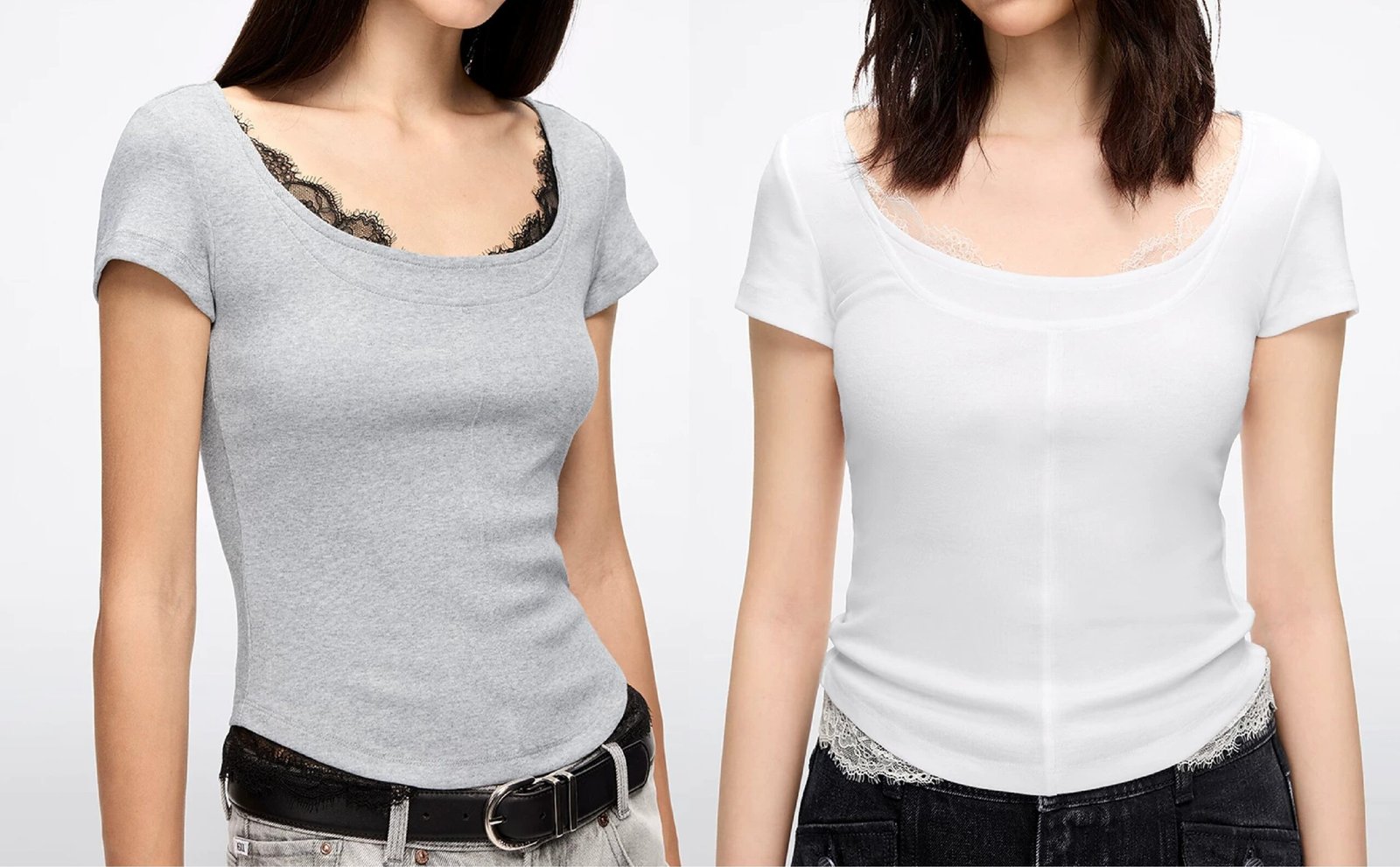
Produce custom T-shirts in cotton, Pima cotton, organic cotton or blended jersey. Junsheen supports fit specifications, fabric weight selection, size grading, screen printing, DTG, DTF, embroidery and private-label trims for launch-ready branded tees.
Request a Quote
Custom Jeans
Build custom jeans from denim or stretch-denim fabric selection through pattern development, wash testing and bulk production. The team supports straight, relaxed, slim, wide-leg and oversized fits, with graded XS–3XL sizing, custom hardware, labels and finishing.
Request a Quote
Custom Sweaters
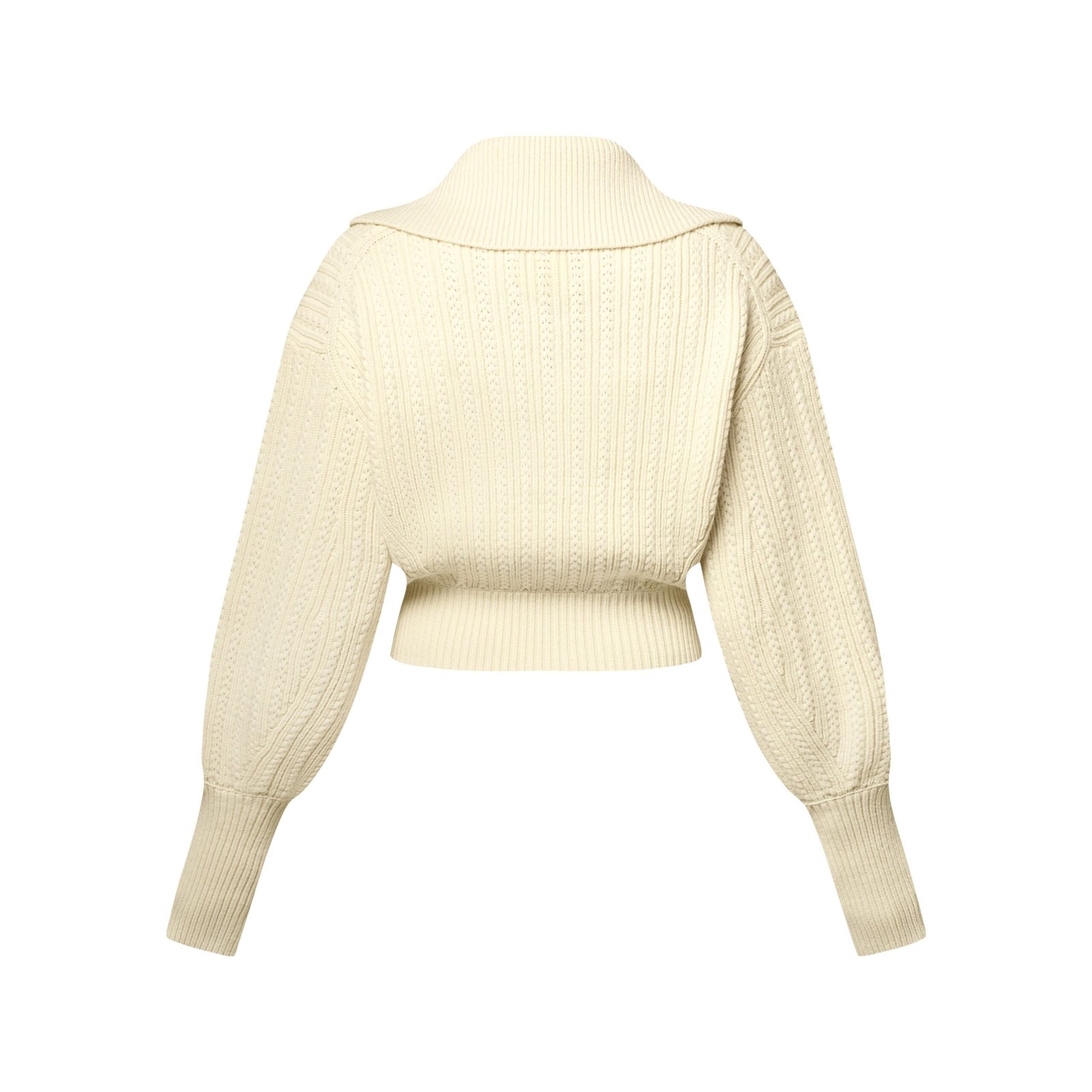
Source turtle neck sweaters in bulk with knit structures and yarn blends matched to intended warmth, hand feel and price point. Junsheen develops ribbed, fine-gauge and heavier sweater options, with fit grading, labels, trims and repeat-order specifications retained.
Request a Quote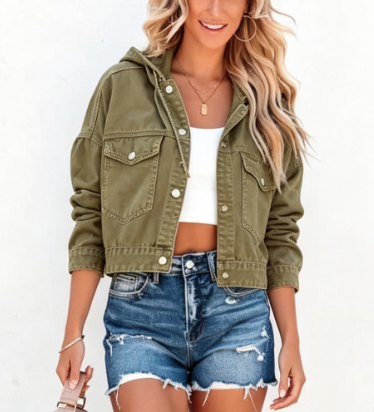
Custom Jackets
Develop custom jean jackets in rigid or stretch denim, including trucker, cropped, oversized and lined constructions. Fabric weight, wash effects, hardware, pockets, embroidery, patches and branded labels are reviewed during sampling before bulk approval.
Request a Quote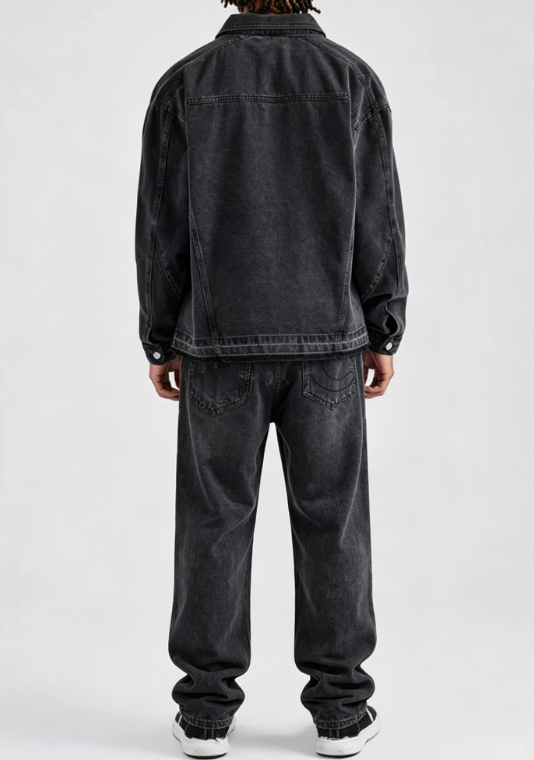
Custom Sweatshirts & Crewnecks
Produce custom crewneck hoodies and sweatshirts in fleece or French terry with crewneck, drop-shoulder, oversized or standard blocks. Support includes rib selection, grading, screen printing, embroidery, wash finishing, private labels and low-MOQ production.
Request a Quote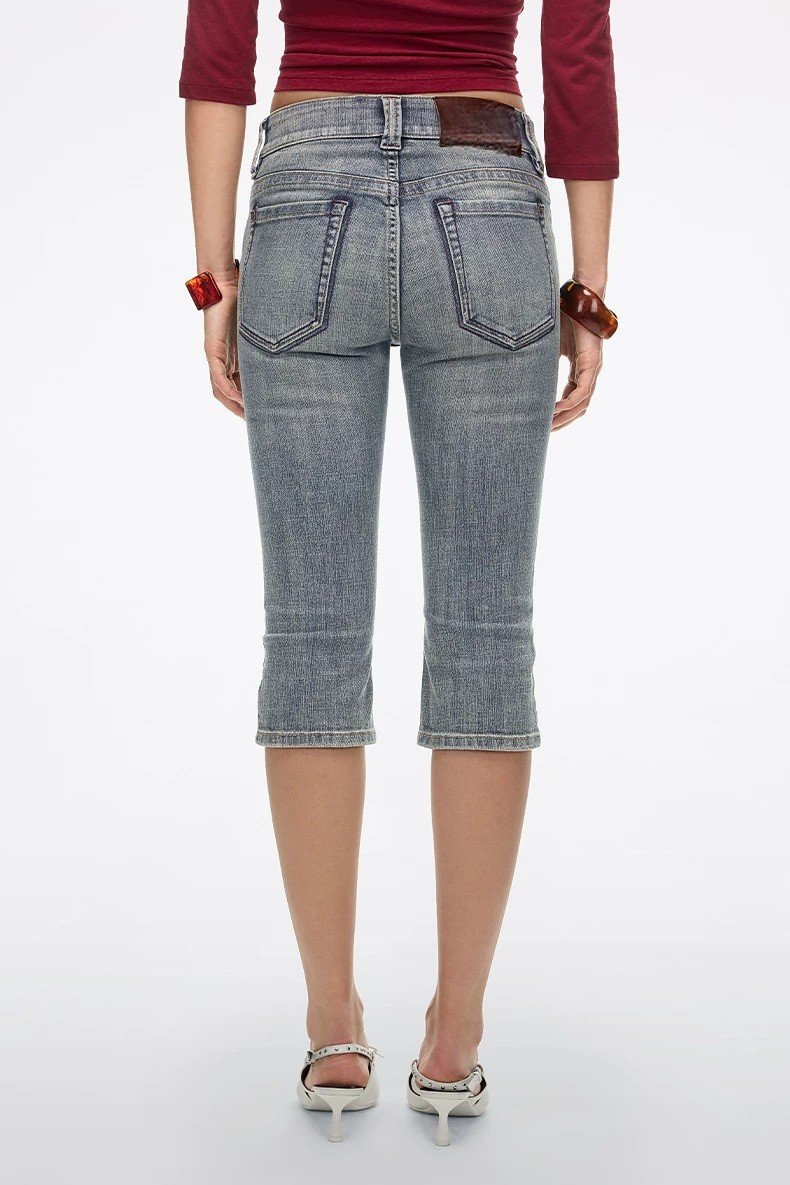
Custom Cardigans
Create custom cardigans with knit gauge, yarn blend, button or zipper options, rib details and branded trims selected for the target collection. Pattern and grading work supports regular, oversized and extended-size fits from XS through 3XL.
Request a Quote
Custom Puffer & Down Jackets
Develop custom puffer jackets with shell fabric, insulation, lining, quilting layout and hardware specified for the intended market. Junsheen supports cropped, longline and oversized silhouettes, logo decoration, reflective details, labels and packed-goods inspection.
Request a Quote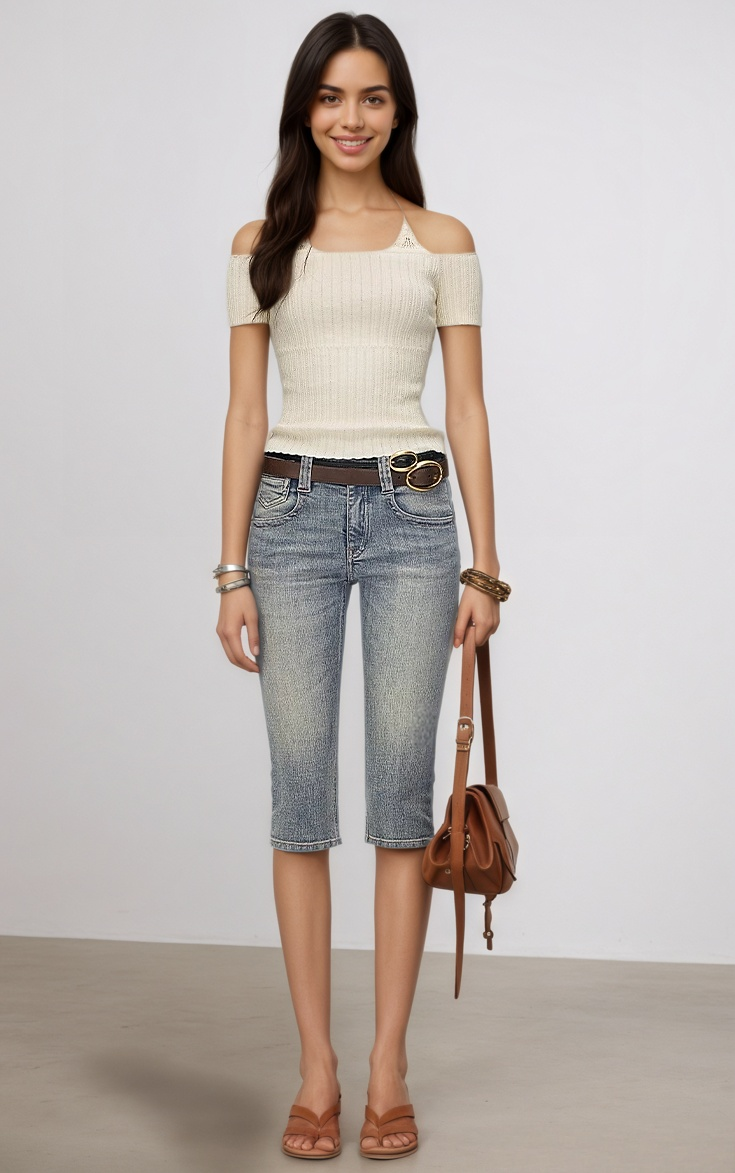
Custom Denim Shorts
Produce custom jean shorts in rigid or stretch denim with inseam, rise and leg opening refined during sampling. Available finishes include garment dye, stone wash, acid wash, distressing and softening, plus custom rivets, buttons, labels and packaging.
Request a Quote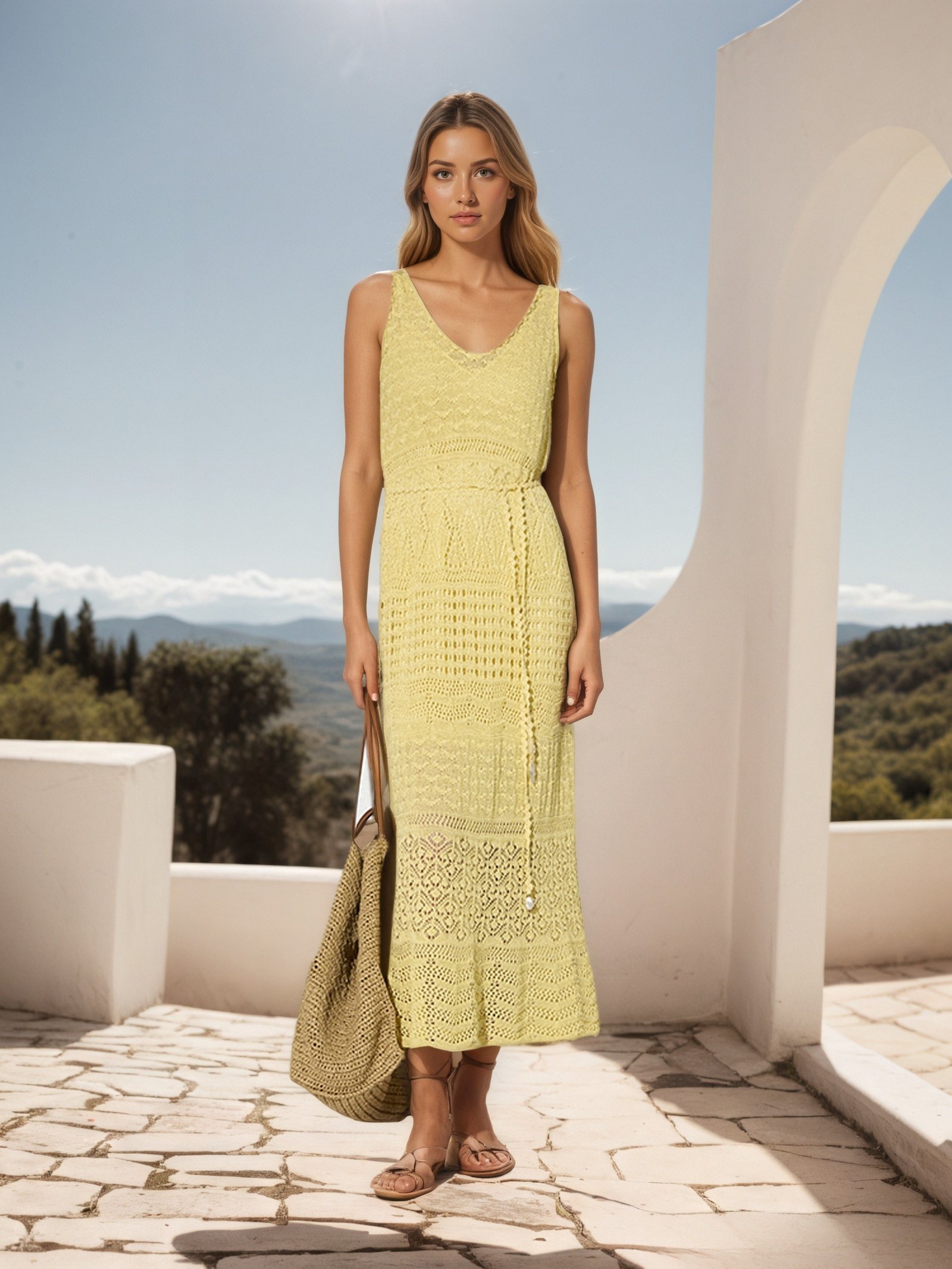
Custom Sweater Dresses
Develop custom sweater dresses in appropriate yarns and knit constructions for fitted, relaxed or oversized silhouettes. The team refines body length, shoulder balance, sleeve proportion and grading across XS–3XL, with custom labels, buttons and finishing details.
Request a Quote
Custom Denim Sets
Produce men’s denim suits for wholesale programs, including coordinated denim jackets and jeans in matched fabric, wash and trim combinations. Junsheen supports specification development, size sets, custom branding and scalable bulk replenishment after pre-production approval.
Request a Quote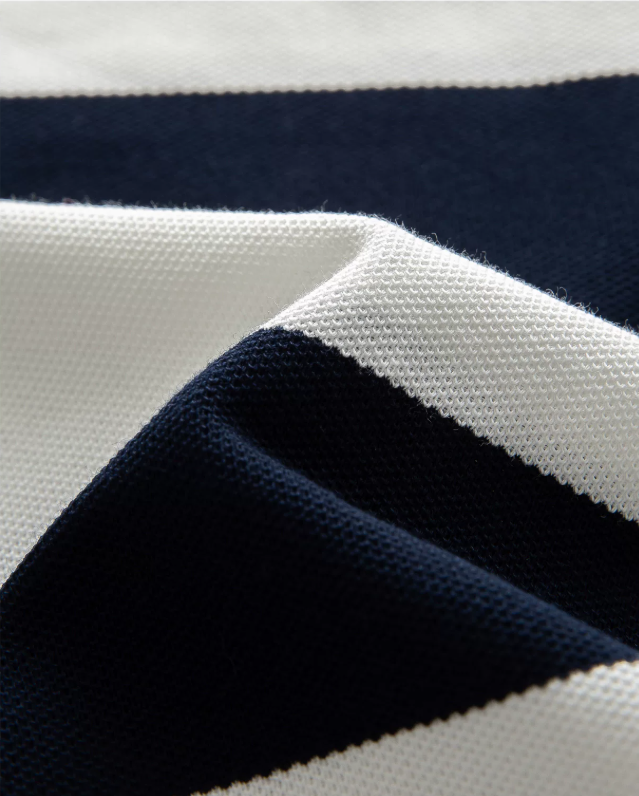
Custom Polo Shirts
Create custom polo shirts in pique, jersey or performance-knit fabrics with collar construction, plackets, buttons and fit specifications matched to your market. Add embroidered logos, printed details, contrast trims, private labels and graded XS–3XL size ranges.
Request a Quote
Custom Sweatpants
Develop custom sweatpants in fleece, French terry or performance knits with jogger, straight-leg, wide-leg or relaxed blocks. Production includes waistband and cuff specifications, pockets, drawcords, printing or embroidery, wash finishing and branded labeling.
Request a Quote
Custom Shorts
Produce custom shorts in jersey, fleece, twill, denim or woven fabrics for casual, athletic or lifestyle collections. Junsheen supports inseam and fit development, pocket layouts, elastic or fixed waistbands, decoration, wash testing and low-MOQ production.
Request a Quote
Custom Pullovers
Develop custom pullovers in knit, fleece, French terry or jersey constructions, with quarter-zip, mock-neck, hooded or standard neckline options. Fit-focused pattern work, fabric selection, decoration, labels and packaging are managed within one production workflow.
Request a QuoteDenim Fabric Wholesale Materials for Every Program

Rigid Denim
A structured, authentic cotton denim with a firm hand and minimal give, ideal for classic jeans, trucker jackets, and denim sets. Available in varied weights for durable silhouettes and wash-led character.

Stretch Denim
Cotton-rich denim blended with elastane for comfortable recovery and easier movement. Well suited to fitted jeans, denim shorts, and curve-focused styles, with controlled stretch that helps maintain shape through wear.

Cotton Twill
A smooth, diagonally woven cotton fabric with a clean hand and dependable durability. Common for workwear-inspired pants, overshirts, and lightweight jackets, with weight options that balance structure and drape.

French Terry
Soft-faced knit fabric with absorbent loopback texture, used for relaxed sweatshirts, shorts, and layered casualwear. Its midweight body delivers breathable comfort while retaining enough structure for polished silhouettes.

Recycled Blends
Responsibly sourced recycled cotton or polyester blends developed for denim, fleece, and casual separates. Material selection considers hand feel, durability, and wash performance, helping brands meet sustainability goals without compromising production consistency.
Denim Fabric Wholesale: Washing, Printing & Decoration Processes

Denim Washing
Enzyme, stone, acid, and softening washes shape color, hand feel, and vintage character while preserving the construction standards needed for repeatable bulk denim production.

Logo Embroidery
Flat, 3D puff, chain-stitch, and applique embroidery add dimensional branding with clean stitch definition and dependable wear resistance for jeans, jackets, caps, and denim sets.

Screen Printing
Plastisol, water-based, puff, flocking, silicone, foil, and high-density screen prints create bold graphics with strong opacity, texture, and wash durability on compatible denim and garment panels.

DTF Printing
DTF transfers reproduce detailed logos, multicolor artwork, and small-run graphics with vivid color and flexible adhesion, making them practical for targeted placements and low-MOQ branded programs.

Heat Transfer
Heat-transfer decoration applies precise logos, labels, and graphic elements with controlled placement, delivering sharp edges and consistent results across coordinated denim apparel and casualwear collections.

Garment Finishing
Brushing, napping, garment dyeing, anti-pilling treatment, and distressing refine texture and visual depth, helping each finished piece achieve the intended premium, worn-in, or contemporary look.
Denim Fabric Wholesale Trims and Accessories

Custom Metal Hardware
Branded snap buttons, rivets and jean buttons add durable closure and signature detail to denim jeans, jackets and skirts. Finishes can be selected to complement your wash, color palette and intended retail positioning.

Premium Zippers
Choose dependable metal, nylon or molded zippers for denim fly fronts, jackets, pockets and outerwear. Junsheen coordinates zipper size, puller style, tape color and branded hardware for consistent production-ready functionality.

Drawcord and Tipping
Custom drawcords, aglets and contrast tipping bring a finished private-label look to denim joggers, hoodies, shorts and casual sets. Options are matched to garment weight, wash treatment, color and active-use requirements.

Woven Brand Labels
Woven main labels, size labels and wash-care labels communicate brand identity and garment information clearly. They can be developed for denim waistbands, necklines and side seams with materials suited to comfort and repeated laundering.

Custom Leather Patches
Leather, faux leather and woven patches create a recognizable signature on denim waistbands, jackets and bags. Junsheen can develop embossed logos, stitch placement and patch dimensions to support your private-label denim fabric wholesale collection.
Branded Packaging Sets
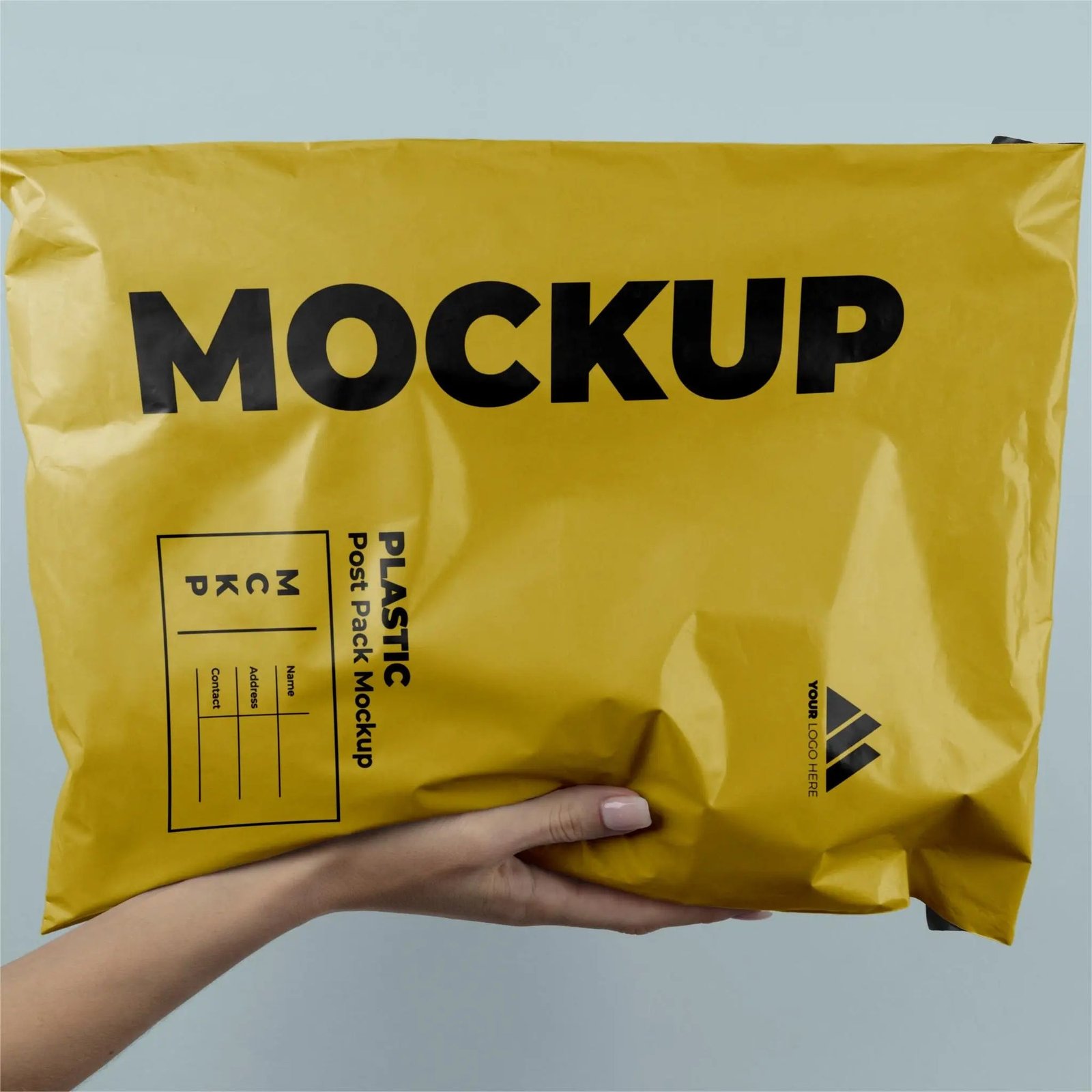
Complete each order with custom hangtags, polybags, tissue paper, stickers and cartons designed for wholesale fulfillment or direct retail. Packaging specifications are coordinated with labeling, folding and export requirements before bulk production.
About Junsheen Denim Manufacturing
Founded in 2010 in Humen Town, Dongguan, JUNSHEEN helps fashion brands turn denim concepts into production-ready apparel. Our mission is to provide dependable OEM, ODM, private-label and denim fabric wholesale support through one responsive manufacturing partner.
Our integrated supply chain combines fabric sourcing, pattern making, size grading, cut-and-sew production, washing, decoration, labels, packaging, quality control and export coordination. With more than 200 skilled workers and capacity exceeding 80,000 units monthly, we support capsule launches from 100 units per style and color through scalable bulk programs.
What distinguishes JUNSHEEN is fit-focused development from XS to 3XL, including extended-size, plus-size and oversized grading. We have served 2,000+ fashion-brand clients worldwide, pairing technical denim expertise with clear communication and consistent repeat-order records.

Deep Denim Fabric Wholesale Manufacturing Capability
Fit-First Denim Development
JUNSHEEN develops denim garments from XS to 3XL with pattern adjustments for shoulder balance, rise, leg shape, mobility, and proportion. This fit-focused approach supports standard, plus-size, and modern oversized programs before bulk approval.
- XS–3XL grading for inclusive size ranges
- Pattern development from tech packs or references
- Size-set sampling before bulk production
- 100-unit MOQ per style and color

Fabric and Wash Development
Our denim fabric wholesale support pairs suitable weights, stretch levels, hand feel, and durability targets with wash development for your intended look. Review swatches and sample garments before confirming bulk materials, finishing, and production specifications.
- Stretch and rigid denim sourcing options
- Stone, enzyme, acid, and garment washes
- Wash performance reviewed through sampling
- Material choices aligned to cost and wear goals
Decoration and Finishing In-House
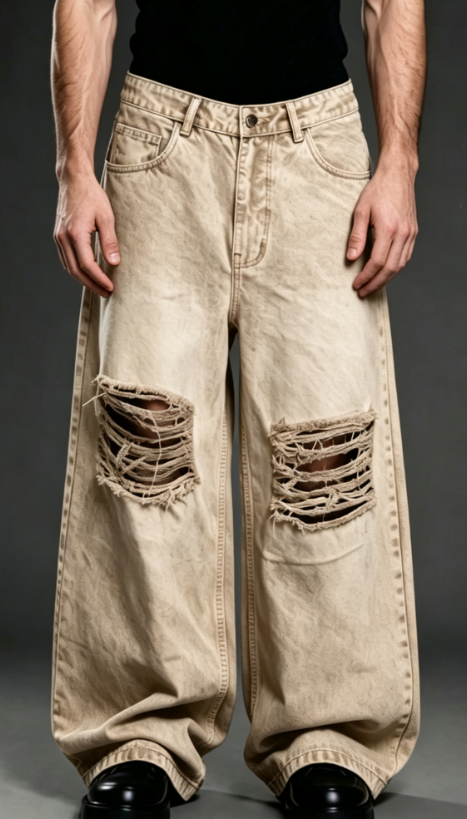
Bring branding and surface detail into one coordinated production flow. JUNSHEEN manages embroidery, printing, patches, labels, trims, and denim finishing with construction requirements in view, helping your team maintain visual consistency across a collection.
- Embroidery, patches, and logo applications
- Screen print, DTF, heat transfer, and more
- Custom labels, buttons, zippers, and packaging
- Finishing coordinated with garment construction

Repeat Orders Stay Consistent
For approved denim fabric wholesale programs, JUNSHEEN retains patterns, graded size sets, and material records to support reliable repeat production. Documented specifications help accelerate reorder preparation while maintaining fit, wash, trim, and construction consistency as volumes scale.
- Retained patterns and grading records
- Approved material and trim specifications
- Faster preparation for repeat programs
- Quality checks from incoming fabric to packed goods

Why Buyers Choose Junsheen for Denim Fabric Wholesale
A connected production partner for denim development, private labeling, quality control, and global delivery.
← 左右滑动查看 →
Denim Fabric Wholesale Production Process
A controlled, buyer-facing workflow that turns approved denim concepts into export-ready private-label apparel.
Source Denim Materials
We review target weight, stretch, shade, hand feel, wash performance, cost, and end use, then source denim swatches for your approval.
Develop Patterns and Samples
Our team converts your tech pack, sketch, or reference into fit-focused patterns, graded XS–3XL size sets, construction specifications, and prototype samples.
Cut and Construct
After sample and bulk-material approval, skilled production teams cut approved markers and assemble each garment to confirmed measurements, seams, and workmanship standards.
Apply Washes and Decoration
We complete approved embroidery, printing, patches, and denim finishes such as enzyme, stone, acid, or garment washes while monitoring color and effect consistency.
Inspect, Pack, and Ship
Quality teams check fabric, measurements, fit, decoration, and packed goods before adding private-label trims and packaging for coordinated global export shipment.
Start Your Denim Fabric Wholesale Program
Move from concept to export-ready denim apparel with a clear, fit-focused development process.
Submit Your Concept
Send a tech pack, sketch, reference garment, mood board, or product idea. Our team reviews construction, fit requirements, fabric direction, and commercial feasibility.
Confirm Samples and Quote
Select denim, washes, trims, decoration, and private-label details. We develop samples, refine XS–3XL grading where needed, and provide a clear quotation from 100 units per style and color.
Approve Production Details
Review and approve the sample, measurements, materials, color, wash effect, labels, and packaging. We retain approved specifications to support consistent bulk production and repeat orders.
Receive Quality-Controlled Exports
Junsheen manages in-line inspections, final measurement and finishing checks, packed-goods review, and global export support so your denim program ships production-ready.
Custom Clothing Manufacturer Credentials and Compliance Documents



Denim Fabric Wholesale Results From Global Fashion Brand Partnerships
JUNSHEEN refined the grading on our women’s denim set from XS to 3XL, and we approved the second size set without another fit round. That shortened our launch schedule by three weeks.
For our first 300-piece jean program, the denim fabric options, wash samples, and production updates were unusually clear. Sell-through supported a repeat order within 60 days, with matching wash consistency across both runs.
We moved from a 120-unit capsule to 1,200 units across four colorways without changing factories. JUNSHEEN kept measurements, embroidery placement, labels, and packing consistent, which made our wholesale delivery far easier to manage.
Denim Fabric Wholesale FAQ
Clear answers on minimums, sampling, washes, quality control, payment, shipping, and confidential development.
What is your minimum order quantity for denim fabric wholesale?
Can I order denim fabric wholesale samples before placing a bulk order?
Which fabrics and washes are available through your denim fabric wholesale program?
Can you make custom jeans and denim sets from my design?
How do you control quality for wholesale denim orders?
What payment terms do you offer for denim fabric wholesale orders?
Do you arrange international shipping for denim and finished garments?
How do you protect my designs, tech packs, and private-label details?
The Complete Buyer’s Guide to denim fabric wholesale
Use this practical framework to compare denim constructions, supplier capabilities, customization routes, MOQs, quality controls, and landed-cost factors—while avoiding sourcing mistakes that delay launches or weaken product margins.
1. What Is Denim Fabric Wholesale?
100 yards is a common reference quantity in denim fabric wholesale, but the term simply means buying denim in production quantities rather than by retail meter. Mills usually quote by yard or meter, with fabric width, ounces per square yard or GSM, fiber blend, color, finish, and roll length specified; MOQ may apply per fabric, color, wash, or dye lot. 2 buying routes dominate raw-material sourcing. Mill-direct purchasing gives a brand repeatable specifications and made-to-order production, while stock-lot buying provides immediately available surplus or cancelled inventory at lower commitment but with limited repeatability; available stock is already warehoused, whereas made-to-order denim is woven, dyed, or finished after approval. 3 sourcing models should not be confused. A fabric wholesaler sells rolls for a buyer’s own factory, while an OEM partner sources denim and delivers finished jeans, jackets, or sets against a tech pack; this route is practical when the buyer needs pattern making, grading, wash development, trims, quality control, and export coordination alongside fabric selection. 100 units per style and color can make OEM denim appropriate for capsule brands testing fit or washes, while retailers and sourcing teams may buy rolls for established in-house production. Before committing, confirm the sellable width, roll-to-roll shade tolerance, available yardage, replenishment status, and whether the stated MOQ covers fabric only or the completed garment.
2. The Evolution of Wholesale Denim
1850s workwear denim was valued for its tightly woven cotton twill construction: the diagonal rib resisted abrasion better than many plain weaves. Indigo-dyed warp yarns, paired with undyed weft yarns, created the blue face and fade potential that made jeans visually distinctive as miners, railroad workers, and ranch hands adopted them. 1950s jeanswear moved from utility clothing into youth culture, then into a global fashion category spanning five-pocket jeans, jackets, skirts, dresses, and coordinated denim sets. Buyers consequently began specifying more than shade: they needed repeatable wash recipes, shrinkage control, skew tolerance, pocket placement, and fit consistency across graded size ranges. 1970s stretch denim introduced elastane for closer fits and recovery, while lighter 6–10 oz denim expanded denim into shirts, dresses, warm-weather shorts, and layered looks; traditional rigid jeans commonly sit around 11–14 oz. Modern denim fabric wholesale also responds to lower-impact dyeing and washing, recycled cotton, traceable fibers, and chemical-compliance requests such as OEKO-TEX; a sourcing brief should now define weight, stretch percentage, fiber blend, wash target, color standard, and intended end use rather than simply request rigid blue denim.
3. Types of Denim Fabric Wholesale
Denim fabric wholesale begins with construction, not just shade: yarn type, weave density, stretch content, and finishing determine fit and wash response. Specify the category before requesting swatches or costing.
| Category | Typical Weight | Best Use | Key Sourcing Check |
|---|---|---|---|
| Rigid | 10–14 oz | Jeans, jackets | Shrinkage and hand |
| Stretch | 8–12 oz | Fitted jeans, shorts | Recovery after wash |
| Selvedge/raw | 12–16 oz | Premium jeans | Width, crocking |
| Lightweight/fashion | 4–14 oz | Shirts, dresses, fashion sets | Finished-garment testing |
Rigid And Stretch Denim
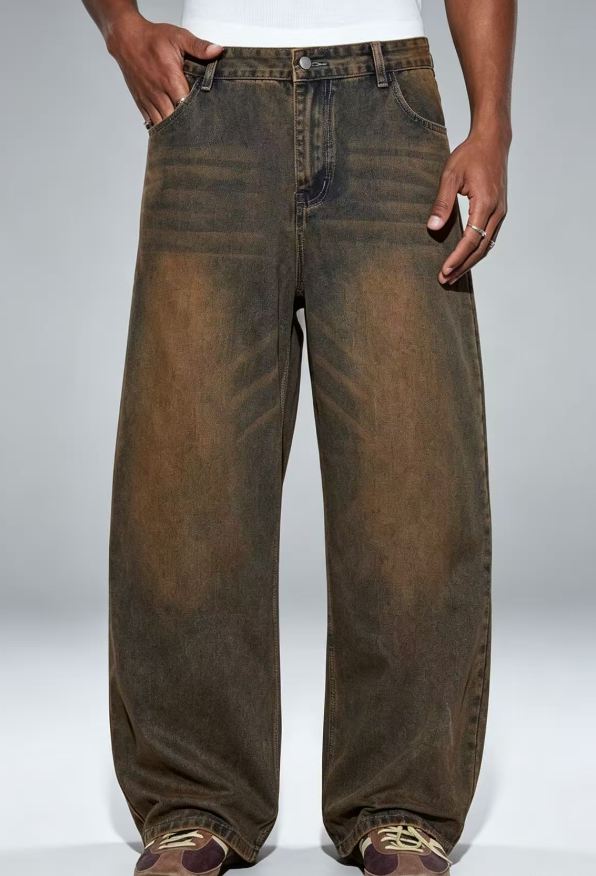
10–14 oz rigid denim uses 100% cotton, typically a 3×1 twill, for jeans, trucker jackets, and structured skirts. It delivers authentic fade potential and durability, but needs accurate fit allowance because it has little recovery. 8–12 oz stretch denim combines cotton with roughly 1–3% elastane for fitted jeans, shorts, and extended-size programs. Confirm recovery after washing; excessive stretch can bag out or create seam grin.
Selvedge And Raw Denim

12–16 oz selvedge denim is narrow shuttle-loom cloth with a finished self-edge, usually selected for premium jeans and visible outseams. Ask for usable width, because narrow goods increase marker waste and fabric consumption. 12–16 oz raw denim is unwashed, often indigo-dyed fabric that develops wearer-specific fading. Test shrinkage, crocking, and dye transfer before approving labels, linings, or light-colored trims.
Lightweight And Fashion Denim
4–8 oz chambray-like denim uses a plain weave or softer lightweight construction for shirts, dresses, and warm-weather sets. It drapes better than jeans denim, but requires seam reinforcement where stress is high. 6–14 oz specialty denim includes coated, printed, colored, slub, Tencel-blend, acid-wash-ready, and metallic options. Request a finished-garment trial, since coatings, pigments, and blends can change shrinkage and wash behavior.
4. Denim Fabric Wholesale Materials and Weights
10–16 oz denim (340–540 GSM) covers most apparel programs, but weight alone does not predict performance. For denim fabric wholesale, specify fiber blend, construction, finish, and test targets before approving a bulk roll.
| Material | Typical Weight | Key Performance | Recommended Use |
|---|---|---|---|
| 100% cotton | 11–14 oz | Rigid hand; durable; may shrink | Jeans, trucker jackets |
| Cotton/elastane | 10–12 oz | Comfort stretch; confirm recovery | Slim jeans, denim shorts |
| Cotton/polyester | 9–12 oz | Better stability and drying | Uniforms, everyday denim |
| Cotton/lyocell | 7–10 oz | Soft drape; lower rigid structure | Shirts, dresses, wide legs |
| Recycled or organic cotton | 10–13 oz | Verify strength, shade, shrinkage | Sustainability-led collections |
Fiber Blend Tradeoffs
100% ring-spun cotton gives authentic abrasion and break-in, while recycled or organic cotton can require tighter shade and strength controls. Polyester improves dimensional stability; Tencel or lyocell softens hand feel and drape in shirts, dresses, and lightweight denim.
- Recycled cotton: verify fiber length and tensile results
- Organic cotton: request transaction documentation when required
- Polyester: improves durability and drying speed
- Lyocell: adds softness without a synthetic hand
Weight And Construction

8–10 oz denim suits shirts, shorts, and summer dresses; 11–13 oz is the versatile jeans range. 14–16 oz rigid constructions suit workwear and structured jackets, while a tighter twill weave generally improves opacity and abrasion resistance.
Stretch And Wash Performance
1–3% elastane is common for comfort stretch, but recovery must be tested after repeated wash-and-dry cycles. Target controlled shrinkage, stable skew, and colorfastness appropriate to the intended wash; confirm results on the finished garment, not only greige fabric.
- Measure shrinkage in warp and weft directions
- Check stretch recovery after laundering
- Test crocking on dark indigo finishes
5. Customization for Denim Fabric Wholesale
Customization starts before weaving: shade, yarn, construction and dye route set the fabric’s long-term character. Garment-stage treatments then create the final visual effect, but cannot fully correct a poorly approved base fabric.
| Customization Route | Typical MOQ | Indicative Surcharge | Sample Lead Time |
|---|---|---|---|
| Stock denim plus wash | 100 units/style/color | US$1–4/unit | 7–14 days |
| Custom dye or black sulfur | Mill-dependent | US$0.50–2/yard | 14–21 days |
| Laser or coating finish | 100 units/style/color | US$1–5/unit | 7–14 days |
| Branded selvage development | Mill-dependent | Quoted by mill | 21–30 days |
Fabric-Stage Decisions

8–14 oz denim can be developed with custom indigo, sulfur or black dye systems, branded selvage, stretch content and weave density. Approve lab dips under agreed light conditions before bulk dyeing. 100 units per style and color is Junsheen’s capsule-production starting point; bespoke mill developments may require higher fabric commitments. Retain the approved swatch, Pantone reference and wash standard with the purchase order.
- Indigo shade and cast
- Sulfur black depth
- Selvage wording and color
- Stretch recovery target
Garment-Stage Finishing

1 approved wash standard should define enzyme or stone wash, laser placement, coating level, print ground and embroidery backing. Run a finished-garment sample because abrasion changes shade, hand feel and dimensional stability. 10–20 wash cycles are a practical durability check for coated, printed or dark-dyed programs. Laser finishing reduces manual sanding exposure; enzyme washes can reduce reliance on harsher abrasion when the target look allows.
- Laser whiskers and fading
- Resin or wax coatings
- Screen print placement
- Embroidery stabilizer choice
Approval And Repeatability
3 references—fabric swatch, wash standard and sealed size sample—give production teams a usable approval set. Confirm colorfastness, crocking, shrinkage, embroidery puckering and coating cracking before releasing bulk. 2 production runs should not be assumed identical when dye lots or wash loads change. Keep approved trims, patterns and material records so repeat orders can be matched and exceptions documented.
6. Denim Construction and Quality Checks
For denim fabric wholesale, approval should rest on a signed specification and lot-level test evidence, not a mill swatch. Junsheen can review those records against the intended pattern, wash recipe, fit and production tolerances before bulk cutting.
Lock the Construction Specification
3/1 right-hand twill, left-hand twill, broken twill, yarn count, fiber blend and weave density should be named on the purchase specification. Also state nominal GSM, allowable tolerance, finished usable width and fabric direction. 150 cm usable width may differ from the roll’s full width because selvage, edge damage and bow reduce cutting yield. Confirm warp and weft shrinkage, skew and bow after the intended wash, especially for jeans with aligned side seams.
- Request yarn count and warp/weft density
- Set GSM and usable-width tolerances
- Specify twill direction and finished face
- Approve shrinkage, skew and bow limits
Verify Strength And Stretch

ISO 13934-2 tensile and ISO 13937 tear reports help determine whether a denim can withstand sewing, pocket stress and repeated wear. Request results by warp and weft, not a single unlabelled strength value. 2% elastane denim requires extension and recovery results after cyclic loading; high initial stretch alone is insufficient. Review recovery after the proposed garment wash, because heat, abrasion and finishing can change growth and fit.
- Warp and weft tensile strength
- Warp and weft tear strength
- Stretch percentage and recovery
- Test method, date and lot number
Control Color And Wash Behavior

AATCC 8 or ISO 105-X12 dry and wet crocking results indicate how readily indigo or sulfur dye transfers by rubbing. Ask for wash-fastness results relevant to the intended finish and approve a washed garment sample from the actual bulk lot. One approved wash recipe should define enzyme, bleach, stone, resin or softener use, processing time and expected shade range. Compare before-and-after measurements so pocket placement, inseam and rise remain within garment tolerance.
- Dry and wet rubbing fastness
- Shade-band standard and lot continuity
- Wash shrinkage and dimensional change
- Bulk-lot wash sample approval
Inspect Every Roll Before Cutting
4-point inspection is commonly used to record holes, slubs, stains, barre, broken ends, missing picks and width variation before spreading. Require a roll map, defect score, roll length and shade grouping so cutting teams can place defects outside critical panels. 100% bulk fabric approval should include mill composition records, inspection data and test reports tied to the lot number. Hold a clearly labeled retained swatch for shade, hand feel and construction reference during production.
- 4-point inspection report
- Roll-by-roll shade grouping
- Lot-linked composition certificate
- Retained approved bulk swatch
7. Choosing a Denim Fabric Wholesale Supplier
Start with the supplier type that matches your buying role: a mill controls fabric development, a trader broadens ready-stock access, and an OEM can carry approved denim into finished garments. For denim fabric wholesale, assess the evidence behind capability before comparing the lowest quoted meter price.
Match Capability To Program
100-unit capsule programs need an OEM that can source denim, make patterns, grade sizes, wash samples, and manage cut-and-sew production. Bulk fabric buyers may prioritize mill consistency, shade continuity, and repeatable indigo lots.
- Ask who owns fabric development and wash approval
- Confirm support from fabric through packed garments
- Review comparable denim styles and construction
Verify Compliance And Traceability
OEKO-TEX Standard 100 can support chemical-safety screening, while GOTS applies only when certified organic textile processing is relevant. Request current scope documents, fiber-content records, mill identity, lot numbers, and testing reports rather than relying on logo claims.
- Fiber composition and country of origin
- Dye, wash, and finishing records
- Third-party certification scope and validity
Test Samples And Delivery Control
1 approved sample is more useful than a polished swatch: check weight, skew, shrinkage, colorfastness, seam performance, and wash outcome against the specification. Confirm a written sampling calendar and bulk lead time, including fabric booking, lab dips, pre-production approval, and export handoff.
- Measure after the intended wash process
- Compare approved sample to bulk inspection standard
- Set escalation contacts and response times
Review Commercial Fit
100 units per style and color can be practical for a development-led OEM such as Junsheen, while fabric mills often require higher per-color commitments. Clarify MOQ by fabric, color, wash, trim, and size range before approving a quote.
- Payment milestones and balance-before-shipment terms
- Export documentation and destination-market experience
- In-house or accredited testing responsibility
8. Common Denim Wholesale Buying Mistakes
A 2-inch swatch cannot predict a washed jean’s drape, shrinkage, or shade behavior. Lock these variables before placing denim fabric wholesale orders, because each one changes consumption, fit approval, and final margin.
Swatches Are Not Garments

2-inch swatches show color and hand feel, but not seam torque, pocket distortion, or post-wash shrinkage. Approve a sewn, washed sample in the intended construction before committing bulk fabric. 3 wash tests should record length, width, skew, and appearance after the planned finish. This protects the fit specification and prevents a bulk size-set revision.
Weight And Width Drive Yield
10–12 oz denim can suit structured jeans, while lighter denim behaves differently in shirts or loose silhouettes. Select weight alongside pattern, desired drape, and wash plan—not by ounce alone. Usable width excludes damaged selvage, roll-edge loss, and direction-sensitive cutting allowances. Confirm the supplier’s usable width and marker yield before approving fabric consumption or retail margin.
Shade And Stretch Need Testing

1 bulk lot can vary slightly from an approved shade, especially after stone, enzyme, or bleach washing. Set an approved wash standard and require lot-to-lot shade review before cutting. 2-way stretch does not guarantee recovery after wear. Test elongation and recovery on washed fabric, then decide whether the style needs elastane content, relaxed measurements, or a firmer base cloth.
Lowest Quote Can Cost More
5–10% lower fabric pricing can disappear through short usable width, inconsistent weight, weak recovery, or rework. Compare quotes on composition, finished GSM or oz, usable width, shrinkage allowance, test requirements, and delivery terms. 100-unit capsule orders benefit from a supplier that can retain approved material records and repeat the specification. The buying decision should prioritize repeatability and total landed cost over the lowest roll price.
9. Launching with Denim Fabric Wholesale
A 100-unit launch can work when the product brief fixes customer, price point, fit block, colors, and delivery date before fabric buying. Build approval gates into the calendar because denim shrinkage, wash character, and grading can change yield and timing.
Build The Product File
Week 1 should produce a specification sheet with silhouette, construction, measurements, graded size chart, Pantone colors, trim list, artwork, wash reference, and target ex-factory cost. One reference garment or annotated sketch is useful, but a tech pack must state denim weight, fiber blend, stretch direction, seam allowance, stitch count, and label placement.
Qualify Fabric And Washes

Three to five supplier options give a new brand comparison leverage; request mill composition, width, weight tolerance, minimums, lead time, and compliance documents. Two to three meter swatches should be tested before approval for shade, skew, shrinkage, crocking, tensile strength, and stretch recovery. Run wash trials on the chosen fabric, not only a similar denim.
Calculate Yield And Approvals
1.5 to 2.5 meters per jean is a common planning range, but actual yield depends on width, size curve, rise, flare, pockets, and marker efficiency. One approved fit sample, wash standard, lab result, bill of materials, and pre-production sample should be signed before bulk booking. Allow extra fabric for wash loss, shade bands, and replacement units.
Book, Inspect, And Deliver
Six to twelve weeks is a practical new-brand buffer from approved pre-production sample to delivery, excluding material development and shipping. Confirm the critical path in writing: fabric arrival, cutting, sewing, wash, finishing, inspection, packing, and freight handoff. AQL inspection should verify measurements, wash consistency, hardware, labels, carton counts, and packed-goods condition. Retain approved swatches, patterns, graded files, and inspection records for repeat denim fabric wholesale orders.
10. Denim Fabric Wholesale Pricing and MOQ
100 units per style and color is a practical starting point for a capsule program, but quoted fabric cost should be separated from cut-and-sew, trims, washes, packaging and freight. Request a priced sample or development sample before bulk approval; pattern, wash testing and custom dye development are normally quoted separately. 12–14 oz rigid cotton denim, 10–12 oz stretch denim, recycled fiber content, enzyme or stone washing, OEKO-TEX or GOTS documentation, usable fabric width and Pantone dye-lot tolerance can all change the landed figure. Compare ex-factory and delivered quotes using the same Incoterm, shipment mode, duty assumptions and inspection standard.
| Order tier | Typical MOQ | Indicative cost position | Sampling or development | Bulk lead time |
|---|---|---|---|---|
| Capsule launch | 100–299 units/style-color | Highest unit cost; limited fabric yield | Sample and pattern quoted separately | 30–45 days after approval |
| Small repeat | 300–499 units/style-color | Better cutting and fabric utilization | Size-set or wash test may apply | 25–40 days |
| Core program | 500–999 units/style-color | Lower unit cost; more finish options | Development amortized across repeat orders | 25–35 days |
| Volume program | 1,000+ units/style-color | Best leverage on fabric, trims and freight | Custom dye or wash trials as needed | 30–45 days |
Request Your Denim Fabric Wholesale Quote
Send your tech pack, reference garment, or sourcing requirements to start sampling and receive a tailored quote from JUNSHEEN.