
Custom Apparel Packaging for Private-Label Brands
Build a polished retail presentation with custom apparel packaging, branded labels and trims from 100 units per style or color.
Featured Products for custom apparel packaging Development
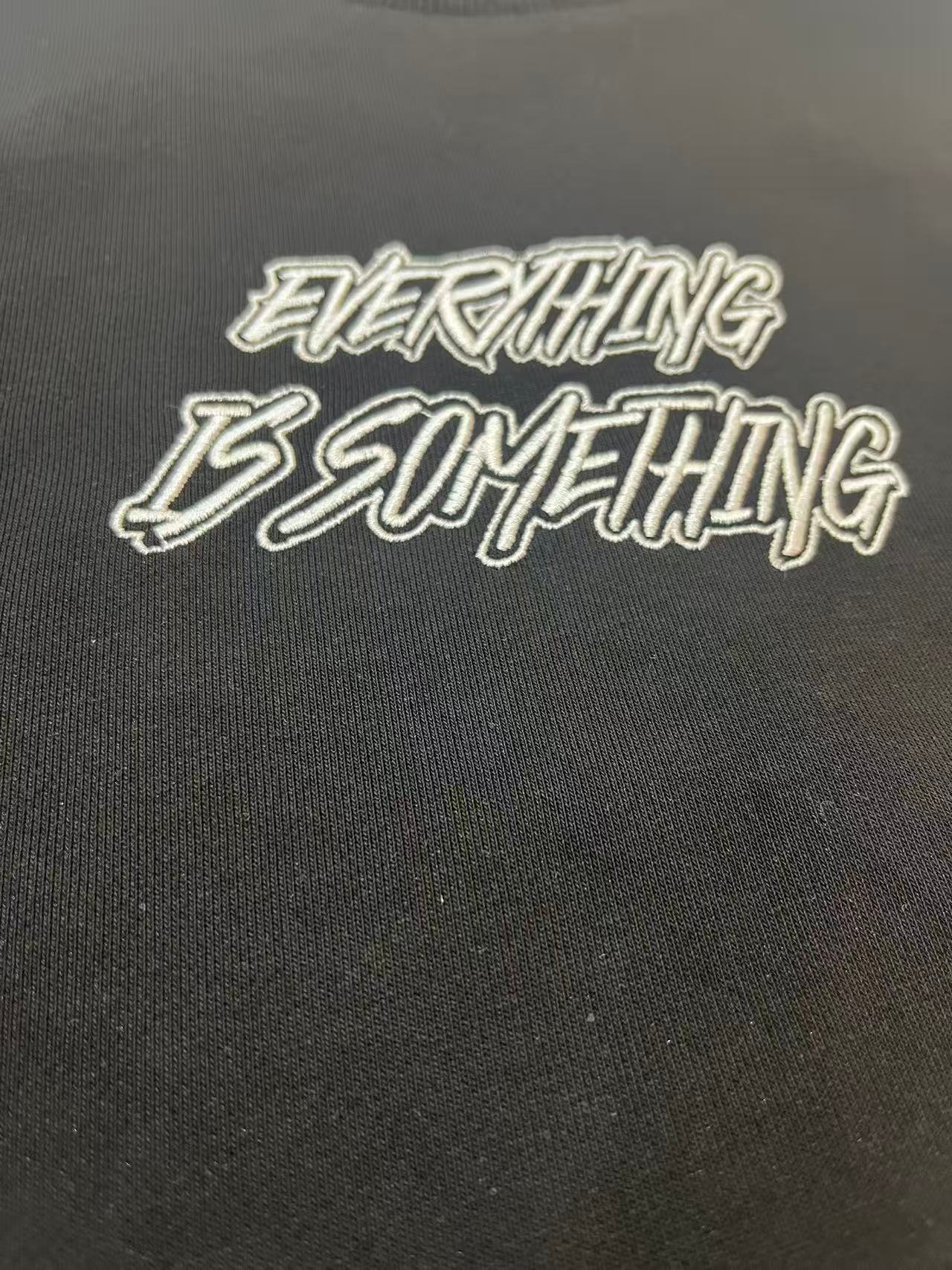


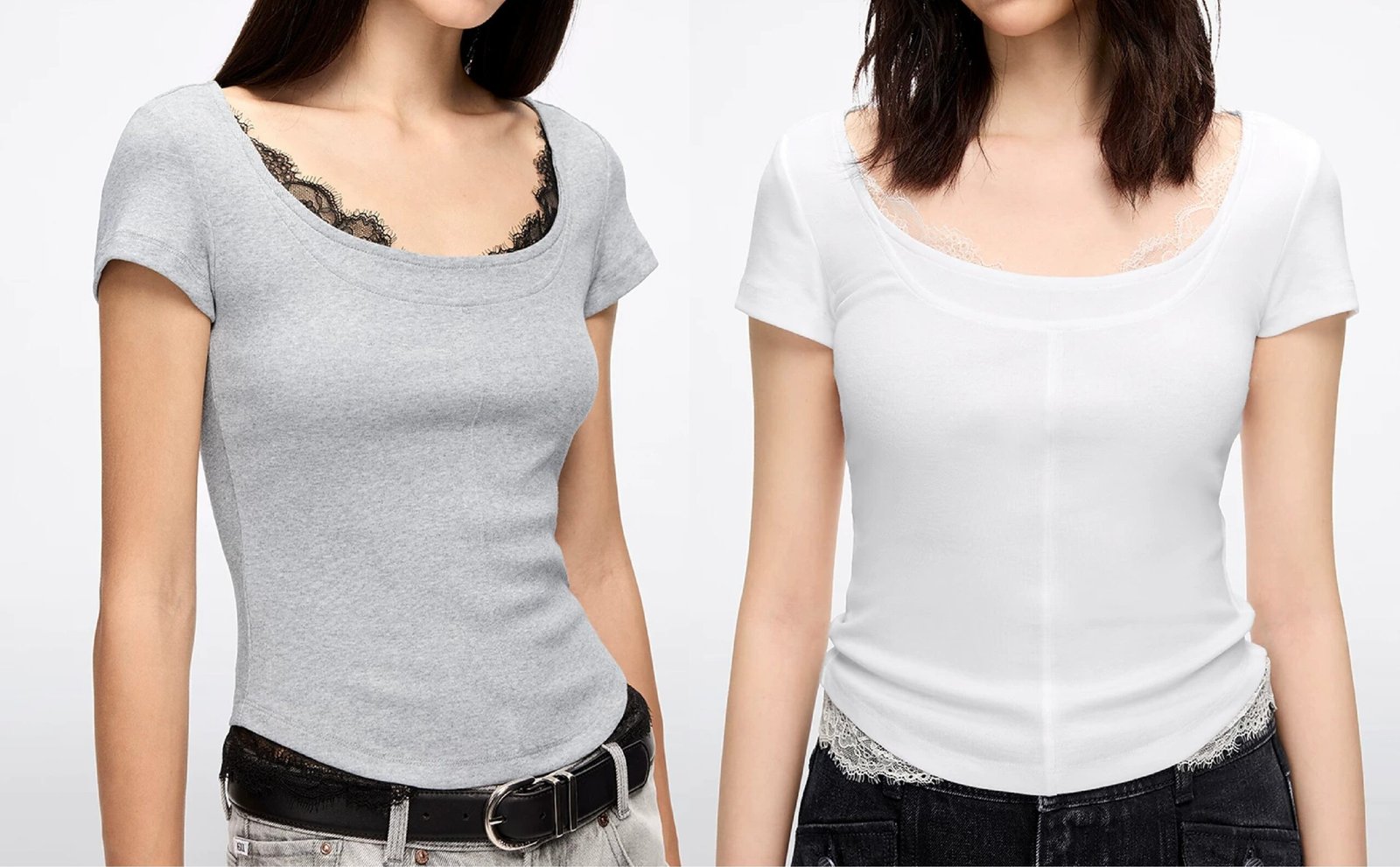


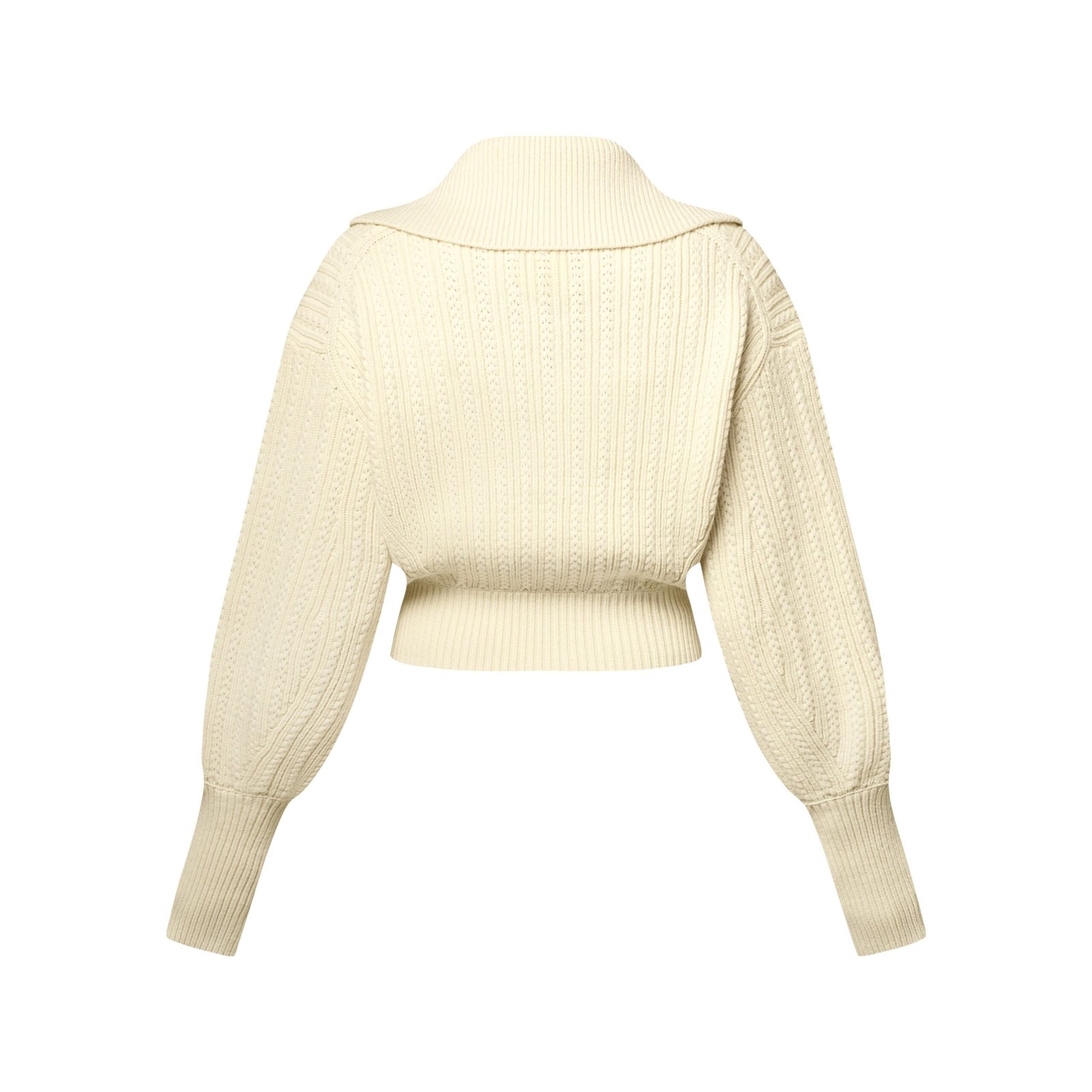


Custom Apparel Packaging Catalogue & Quotation







Why Brands Choose Custom Apparel Packaging Through JUNSHEEN
Coordinate branded packaging with fit-focused apparel development, decoration, quality control, and global delivery through one accountable manufacturing team.
100-Unit Launch MOQs
Start capsule programs from 100 units per style and color, with branded packaging scaled alongside your production plan.
Coordinated Brand Details
Align woven labels, hang tags, wash-care labels, trims, and packaging so every garment arrives retail-ready and consistently branded.
Fit-Aware Development
Develop XS–3XL, plus-size, and oversized garments with refined grading before packaging specifications are finalized for your approved product.
In-House Decoration
Combine embroidery, printing, washing, finishing, labels, and packing under one production workflow for clearer execution and fewer handoffs.
Checked and Export-Ready
Verify garments, decoration, measurements, and packed goods before shipment, with export support for fashion brands worldwide.
Custom Apparel, Built for Your Label
Develop fit-focused, brand-ready casualwear and denim programs with low-MOQ production, private-label details, and scalable export support.

Custom Hoodies
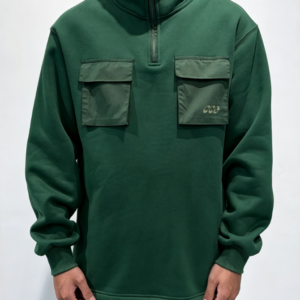
Develop custom hoodies in fleece or French terry with your preferred weight, fit, hood construction, pockets, rib trims, embroidery, printing, washes, labels, and packaging. Fit-focused grading from XS to 3XL supports consistent capsule and repeat-order programs.
Request a Quote
Custom T-Shirts
Produce custom T-shirts in cotton, Pima cotton, organic cotton, combed jersey, or blends. Junsheen supports silhouette development, necklines, fabric weight, screen printing, DTG, DTF, embroidery, garment dye, branded labels, and packaging from 100 units per style and color.
Request a Quote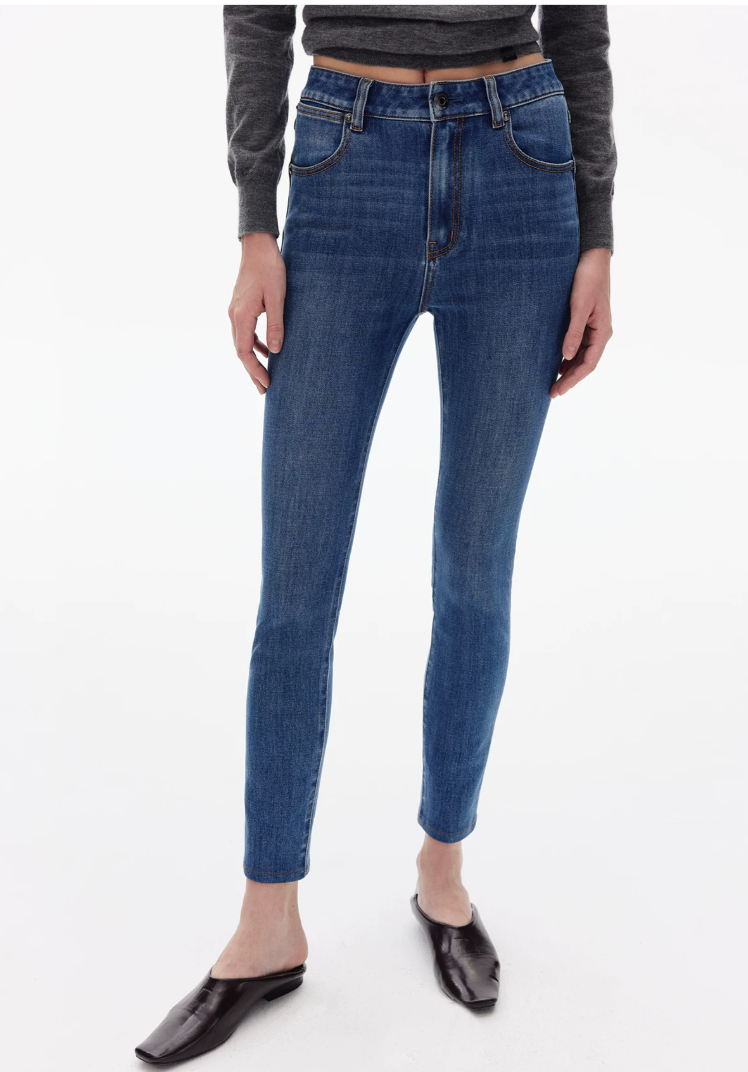
Custom Jeans
Build custom jeans with denim or stretch-denim fabric selection, fit development, rise and leg-shape refinement, grading, washes, distressing, hardware, patches, labels, and packaging. Pattern makers adjust proportions across XS–3XL instead of simply enlarging a base size.
Request a Quote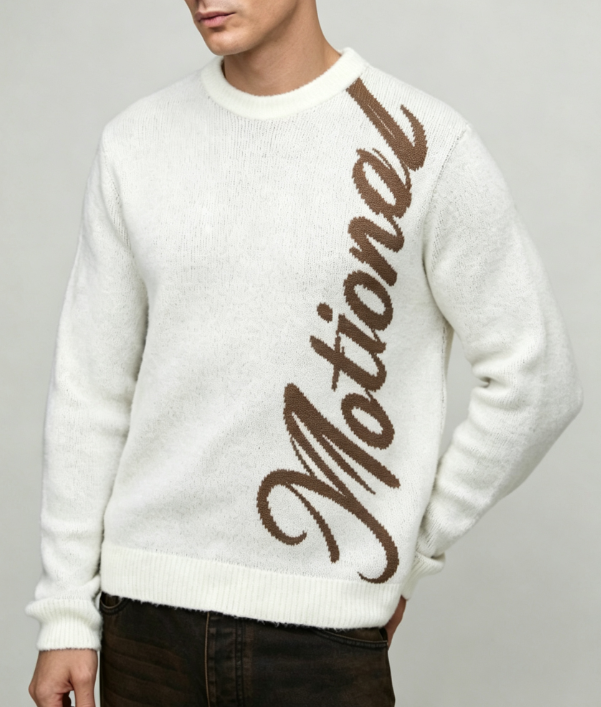
Custom Sweaters
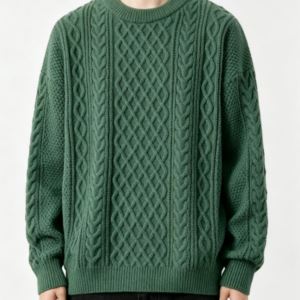
Source turtle neck sweater bulk programs with yarn, gauge, stitch, collar height, body length, and trim specifications aligned to your target market. Junsheen supports knitwear development, size grading, samples, private labels, and production for boutique launches or continuing wholesale programs.
Request a Quote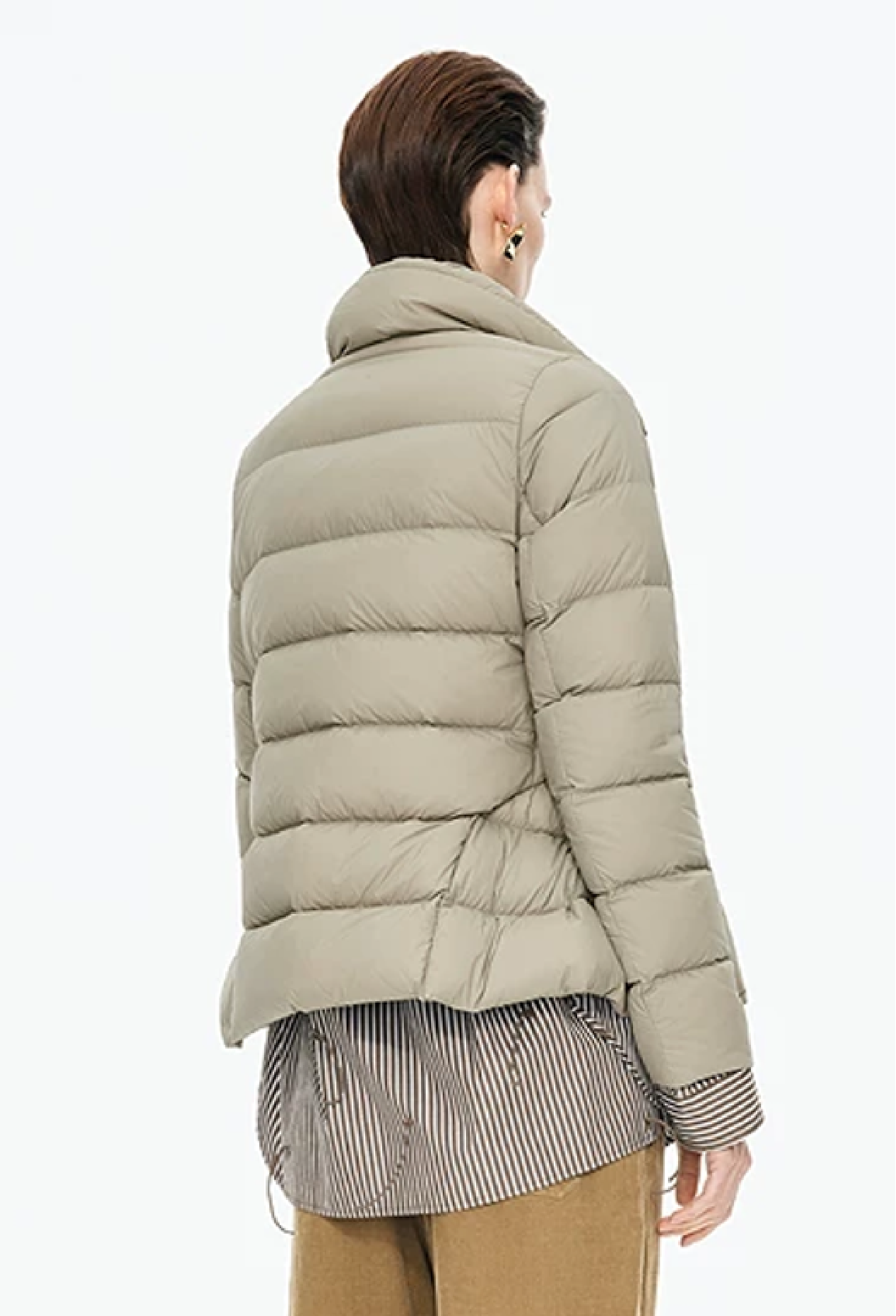
Custom Jackets
Create custom jean jackets with denim-weight selection, collar and pocket construction, washes, hardware, embroidery, patches, printing, and branded trims. Development support helps resolve fit, sleeve balance, and manufacturability before bulk production, including extended-size and oversized ranges.
Request a Quote
Custom Sweatshirts & Crewnecks
Produce custom crewneck hoodie and sweatshirt programs with fleece or French terry, tailored neckline and hood options, rib specifications, pockets, decoration, washes, labels, and packaging. Fit and grading can be developed for regular, oversized, plus-size, and extended-size assortments.
Request a Quote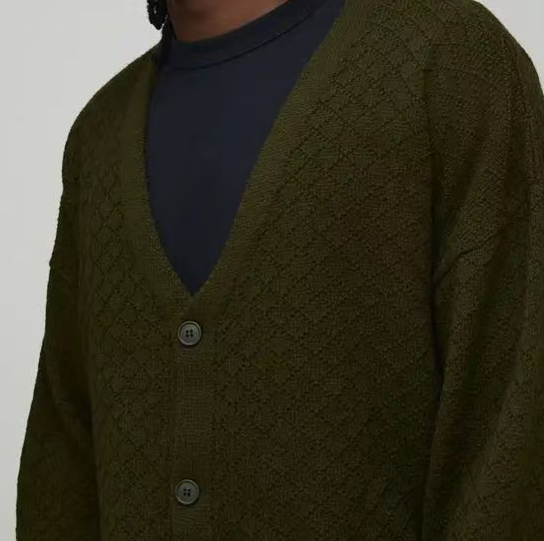
Custom Cardigans
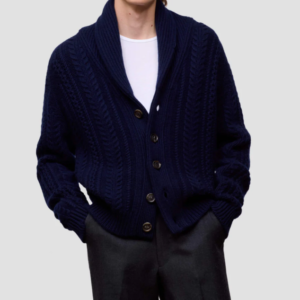
Develop custom cardigans with appropriate yarns, knit gauges, button or zipper closures, plackets, pockets, and branded trims. Sampling verifies drape, stretch recovery, sizing, and finishing before bulk production, helping labels create consistent knitwear across XS–3XL.
Request a Quote
Custom Puffer & Down Jackets
Manufacture custom puffer jackets with shell, lining, insulation, quilting layout, collar, hood, pocket, zipper, and reflective-detail options. Junsheen supports prototype sampling, private-label components, measurement control, and scalable production for outerwear programs requiring dependable construction.
Request a Quote
Custom Denim Shorts
Build custom jean shorts with denim or stretch-denim sourcing, inseam and rise development, pocket placement, hem treatments, washes, distressing, hardware, labels, and packaging. Graded patterns help preserve mobility and proportion across normal, extended, and plus-size runs.
Request a Quote
Custom Sweater Dresses
Produce custom sweater dresses with yarn and gauge selection, neckline, silhouette, length, stitch details, and trim development. Junsheen reviews stretch, drape, opacity, and size grading during sampling so brands can approve a wearable, production-ready knit dress.
Request a Quote
Custom Denim Sets
Develop mens denim suits wholesale programs with coordinated denim jackets and trousers, consistent wash matching, fit specifications, hardware, labels, and packing. Junsheen supports wholesale-ready size sets, bulk quality control, and export documentation for repeatable two-piece denim collections.
Request a Quote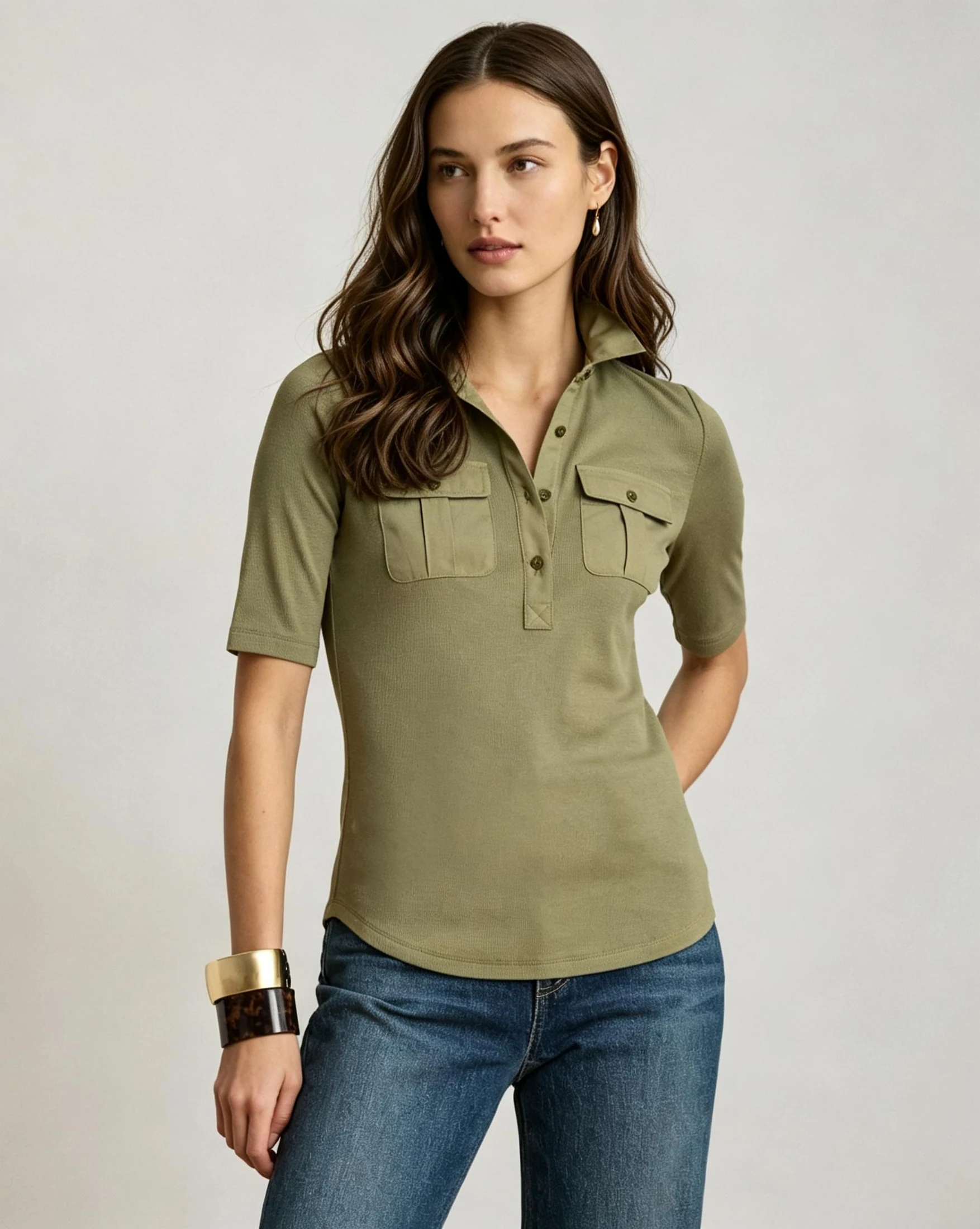
Custom Polo Shirts
Manufacture custom polo shirts in pique, jersey, performance knits, or blended fabrics with collar, placket, button, cuff, and logo specifications. Embroidery, printing, labels, and packaging can be integrated for uniforms, retail collections, promotional programs, and private-label assortments.
Request a Quote
Custom Sweatpants
Produce custom sweatpants in fleece, French terry, or performance-knit fabrics with your chosen rise, leg shape, waistband, drawstring, pockets, cuffs, decoration, and wash. Fit-focused grading supports matching sets and inclusive XS–3XL size assortments.
Request a Quote
Custom Shorts
Develop custom shorts in jersey, fleece, twill, woven, denim, or performance fabrics for your intended use and price point. Junsheen supports inseam, waistband, pocket, liner, trim, decoration, labels, and packaging specifications from prototype through bulk production.
Request a Quote
Custom Pullovers
Manufacture custom pullovers in jersey, fleece, French terry, woven, or knit constructions, with neckline, closure, pocket, rib, and fit options. Printing, embroidery, washes, labels, and branded packaging create a complete private-label product ready for retail or wholesale distribution.
Request a QuoteCustom Apparel Packaging Materials

Recycled Kraft Paper
A natural, tactile paper option for mailers, tissue, hang tags and folding boxes. Its uncoated hand feel supports understated branding, while recycled fiber content and dependable tear resistance suit eco-minded apparel orders.

Coated Paperboard
A smooth, premium board for rigid gift boxes, folding cartons and branded inserts. It prints sharply in color or foil applications, offers reliable crush resistance, and can be specified in weights suited to retail presentation.

Recycled Poly Mailers
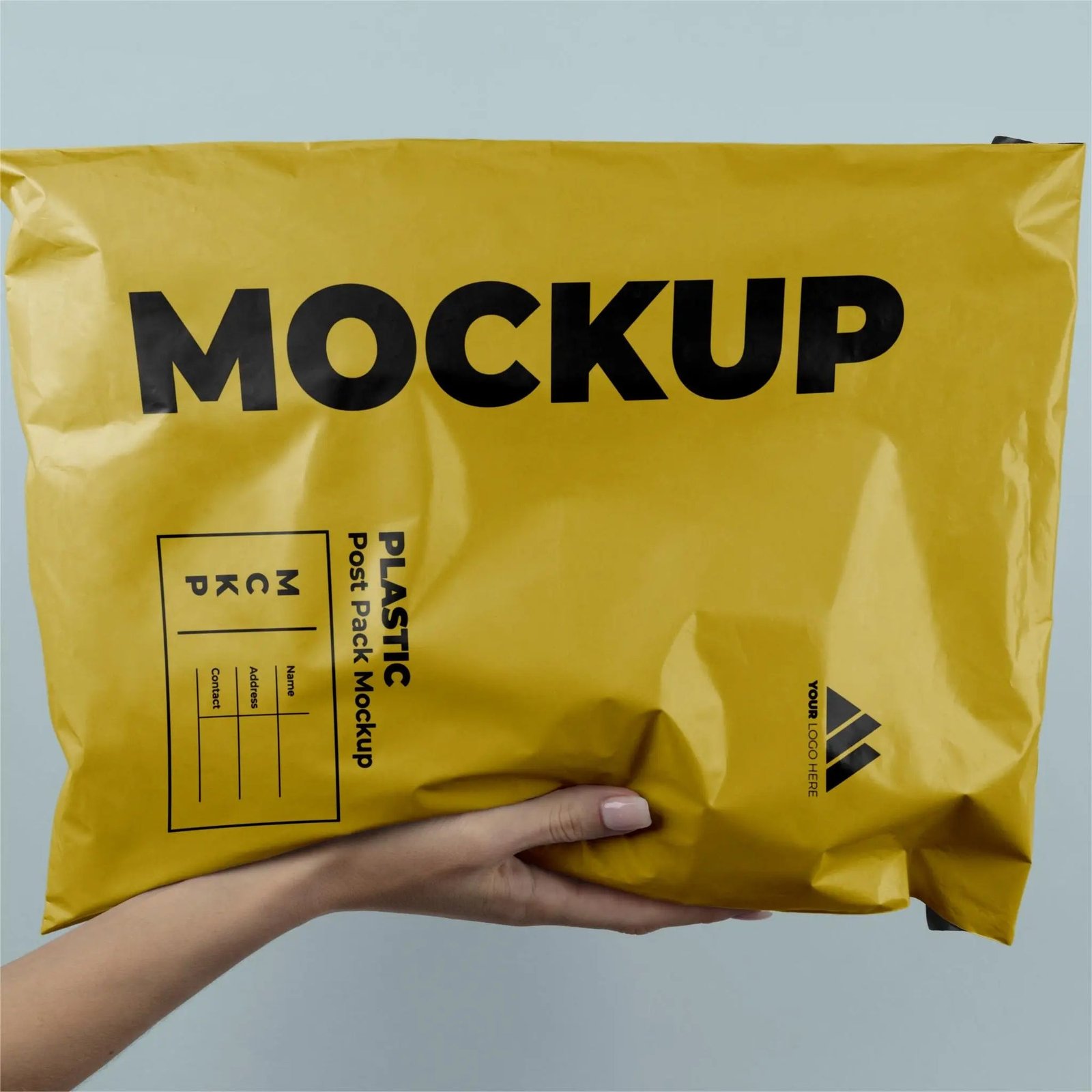
A lightweight, flexible option for direct-to-consumer shipping of folded apparel. The smooth surface accepts bold logos and labels, while moisture resistance and recycled-content options help protect garments through transit.

Cotton Drawstring Bags
A soft reusable packaging choice for knitwear, denim, accessories and elevated capsule collections. Cotton provides a natural hand feel and breathable storage, while drawstring construction creates a durable branded keepsake.

Nonwoven Fabric Bags
A practical reusable bag material for retail carry bags, garment covers and promotional packaging. Its textile-like feel is lightweight yet tear resistant, and it can support clear logo printing for repeat brand visibility.

EVA Garment Bags
A translucent, flexible option for individual garment protection, especially for outerwear, denim and premium sets. EVA has a soft hand feel, resists moisture and scuffing, and can be customized with zipper closures and logos.
Custom Apparel Packaging Branding and Finishing Processes

Screen Printing
Plastisol, water-based, puff, flocking, silicone and high-density screen prints create bold logo placement and durable graphic detail. We align print colors and artwork with your branded packaging for a consistent retail presentation.

Logo Embroidery
Flat, 3D puff, chain-stitch and applique embroidery add textured, premium brand recognition to garments. Thread colors, patch details and logo positioning can be coordinated with hang tags, labels and custom apparel packaging.

Heat Transfer
DTF, DTG and heat-transfer applications reproduce detailed artwork, gradients and small-run graphics with flexible placement. They are ideal for matching campaign visuals across apparel, folded inserts, labels and branded packing materials.

Garment Washing
Enzyme, acid, stone and garment-dye washes develop a worn-in, vintage or softened finish while retaining controlled character. Junsheen can help match packaging tones and printed collateral to the final washed garment appearance.

Specialty Finishing
Softening, anti-pilling, brushing and napping improve hand feel, surface texture and long-term wear performance. These finishing choices help brands build a cohesive unboxing experience from the garment touch through custom packaging details.
Custom Apparel Packaging Labels, Trims and Accessories

Woven Labels
Custom woven main, size and wash-care labels give every garment a consistent brand identity. JUNSHEEN applies them at approved placements during production, helping private-label collections look finished, compliant and ready for retail.

Branded Hang Tags
Custom hang tags communicate your logo, sizing, product story and care information at the point of sale. Choose paper stock, shape, finish and attachment method to match the positioning of your collection.


Drawcord Tipping
Customize drawcord material, color, length and tipped ends for hoodies, sweatpants and outerwear. Branded aglets and coordinated cords create a more intentional finish while supporting everyday wear and repeat washing.

Snaps and Buttons
Specify custom buttons, snaps and rivets for denim, jackets, polos and woven styles. Options can carry your logo or align with your collection’s metal finish, color palette and durability requirements.
Reflective Details
Reflective piping, prints, tapes and trims add visibility and a technical design accent to performance-inspired apparel and outerwear. The team can position these details to complement seams, logos and functional garment panels.
About JUNSHEEN Custom Apparel Packaging
Founded in 2010 in Humen Town, Dongguan, JUNSHEEN helps fashion brands turn product ideas into finished, retail-ready apparel. Our mission is straightforward: combine dependable OEM, ODM and private-label manufacturing with custom apparel packaging and export support, so every brand detail is managed with clarity from development through delivery.
With 200+ skilled workers, monthly capacity above 80,000 units and more than 2,000 fashion-brand clients served, JUNSHEEN supports launches from 100 units per style and color to scalable ongoing programs. We produce casualwear, denim, knitwear and outerwear while coordinating labels, hang tags, trims, branded bags, cartons and final packing.
What sets JUNSHEEN apart is one connected team for fit-focused XS–3XL development, cut-and-sew or knitting production, decoration, finishing and packaging. Instead of handing off components among separate suppliers, global brands receive a practical manufacturing partner that protects consistency, checks packed goods and prepares orders for export.

Custom Apparel Packaging, From Brand Detail to Packed Goods
Packaging Development That Fits
JUNSHEEN turns your logo files, references, garment specifications, and launch requirements into production-ready custom apparel packaging. Our team aligns dimensions, pack methods, label placement, and branded details with the garment program before bulk production begins.
- OEM, ODM, and private-label development support
- Packaging specifications reviewed with garment requirements
- Low MOQ from 100 units per style and color
- Sampling support before bulk confirmation

Materials, Labels, and Trims
Source coordinated packaging materials, woven labels, wash-care labels, hang tags, bags, tissue, stickers, and hardware through one apparel supply chain. Recommendations account for target cost, material feel, durability, branding goals, and the practical demands of international shipping.
- Material and trim options matched to your budget
- Woven, leather, main, size, and care labels
- Custom hang tags, bags, tissue, and stickers
- Export-ready sourcing for global brand programs

In-House Brand Decoration
Keep garment branding and packaging details aligned with in-house embroidery, printing, washing, finishing, and label application capabilities. This integrated workflow helps preserve color, logo, and placement consistency across casualwear, denim, outerwear, knitwear, and their finished presentation.
- Screen printing, DTG, DTF, transfers, and specialty effects
- Flat, puff, 3D, chain-stitch, and patch embroidery
- Garment washes and finishing coordinated with packaging
- Branded details checked across the complete product set

Controlled Final Packing
Before dispatch, JUNSHEEN checks garments, decoration, measurements, labels, and final packed goods against approved requirements. With 200+ skilled workers, 80,000+ monthly units of capacity, and global export support, we help brands scale presentation without losing control of packing consistency.
- Incoming, in-line, and final quality inspections
- Fit-focused XS–3XL and extended-size order checks
- Packed-goods verification before shipment
- Global shipping support for repeat and bulk orders

Why Choose JUNSHEEN for Custom Apparel Packaging
Integrated development, production, packing, and export support built for brands scaling from a 100-unit launch to repeat global orders.
← 左右滑动查看 →
Custom Apparel Packaging Production and Packing Process
A controlled workflow that connects branded packaging development with garment production, final inspection and shipment readiness.
Review Requirements and Feasibility
We review your artwork, packaging specifications, order quantity, target cost, garment dimensions and delivery needs before recommending a production-ready approach.
Source Materials and Samples
Our team sources suitable bags, boxes, tissue, labels, hang tags and trims, then prepares samples for artwork, material and fit-to-garment approval.
Produce and Apply Branding
Approved custom apparel packaging moves into production alongside garment labels, printing, embroidery or finishing, keeping brand details aligned across the full order.
Conduct In-Line Quality Checks
Inspectors check material quality, print clarity, color consistency, dimensions, construction and application during production to identify issues before final packing.
Pack, Inspect and Ship
Finished garments are folded, branded, counted and final-inspected before cartons are marked for export and prepared for reliable global shipment.
How to Start Your Custom Apparel Packaging Project
Move from packaging concept to approved bulk production with one responsive manufacturing partner.
Send Your Packaging Brief
Share a tech pack, dieline, artwork, reference sample, or concept with required quantities, materials, garment details, and branding requirements.
Review Feasibility and Options
JUNSHEEN evaluates construction, decoration, labels, packing methods, target cost, and MOQ, then recommends practical materials and production-ready solutions.
Approve Samples and Quote
Review samples, specifications, and pricing before confirming details. Our team refines branded packaging requirements and prepares the order for production approval.
Launch Bulk Production
After confirmation, JUNSHEEN manages production, in-line quality checks, final packed-goods inspection, and export coordination for consistent delivery at scale.
Custom Clothing Manufacturer Credentials and Compliance Documents




Custom Apparel Packaging Results for Fashion Brands
JUNSHEEN coordinated our woven labels, hang tags, polybags and folded hoodies in one production flow. Our first 300-piece capsule arrived retail-ready, and we avoided the separate packing delays that had pushed back our previous launch.
For our second denim drop, the team matched the packaging specifications from our first order and scaled to 1,200 units without changing the label placement or carton breakdown. Reordering was much faster because the approved details were already on file.
We needed extended-size grading and branded packaging for a 100-unit test launch. JUNSHEEN helped us refine the fit from XS to 3XL, then packed every garment with our custom labels and hang tags. The launch sold through in six weeks.
Custom Apparel Packaging FAQ
Clear answers on MOQs, samples, specifications, payment, shipping and brand protection.
What is the MOQ for custom apparel packaging?
Can I order custom apparel packaging with my logo and labels?
How long do custom apparel packaging samples take?
How much does a packaging sample cost?
What packaging specifications should I provide for a quote?
What payment terms does JUNSHEEN offer?
Can you ship branded packaging and garments internationally?
How do you protect my packaging artwork and brand IP?
The Complete Buyer’s Guide to custom apparel packaging
A practical framework for selecting packaging formats, materials, branding options, and reliable suppliers—while avoiding costly quality, compliance, minimum-order, and shipping mistakes before production.
1. What Is Custom Apparel Packaging?
1 finished garment needs more than a courier mailer: custom apparel packaging is the coordinated set of branded, production-specified materials that protect, present and prepare an item for its intended sales channel. It can include a folded-garment polybag or tissue, size sticker, hang tag, insert card, box or mailer, sealing method and shipping carton—specified by dimensions, material, print artwork and packing instructions. 2 packaging layers separate it from generic shipping supplies and from garment labels. A generic carton only moves goods, while main, size and wash-care labels identify the garment itself; custom apparel packaging manages the customer-facing presentation and the handling unit around it, helping prevent moisture, abrasion, transfer staining and fold damage before delivery. 3 delivery models require different component sets. Direct-to-consumer orders commonly use a branded mailer or box, tissue, seal, thank-you or care insert and a protective inner bag; wholesale shipments need SKU- and size-marked inner packs, carton labels and accurate pack ratios; store deliveries may add hang tags, barcodes, price tickets, reusable polybags and retailer-required carton markings. For a manufacturer such as JUNSHEEN, packaging should be confirmed with garment folding, decoration protection, export carton packing and fulfillment workflow before bulk production begins.
2. Evolution of Apparel Packaging
Before the 1990s, apparel packaging was chiefly a production-control tool: folded garments in clear polyethylene bags, size stickers, tissue, and corrugated export cartons. For wholesale programs, the priority was efficient counting, moisture and abrasion control, and carton strength through long multi-country transit—not consumer-facing presentation. By 2000, global sourcing and barcode-driven retail made packaging part of the supply-chain specification. Polybag warnings, SKU labels, carton marks, EAN or UPC barcodes, and retailer routing requirements reduced receiving errors, while brand owners began using Pantone-matched hang tags, printed mailers, and reusable boxes to make custom apparel packaging recognizable at delivery. Since 2010, e-commerce has shifted the decision from shelf display to the unboxing and returns cycle. Buyers now need a packaging system that protects a fleece hoodie or denim garment from moisture and scuffing, survives carrier handling, limits dimensional-weight cost, and avoids unnecessary mixed materials; recycled-content bags, FSC-certified paper, right-sized cartons, and clear disposal guidance can help meet rising consumer and regulatory expectations. The practical choice is rarely the most decorative option: test packed-garment protection, pack-out speed, freight cube, and waste stream before approving bulk packaging.
3. Types of Custom Apparel Packaging
Three layers usually solve the apparel journey: primary packaging touches the garment, secondary packaging presents the order, and transit packaging protects it in distribution. Select each layer by fold bulk, channel, moisture exposure, and whether customers will reuse it.
| Format | Best Use | Usually Necessary? |
|---|---|---|
| Poly mailer | Folded casualwear, wholesale units | Yes for moisture protection |
| Paper mailer | Lightweight DTC orders | Channel-dependent |
| Rigid box | Premium gifts or sets | Only when presentation warrants it |
| Shipping carton | Export and wholesale transit | Yes beyond local handoff |
Primary Garment Protection

1 folded T-shirt, hoodie, sweatshirt, or denim piece typically needs a clear polybag or branded garment bag before carton packing. Use a resealable adhesive flap for e-commerce picks and a warning label where destination regulations require it. 30–40 micron polybags suit most folded casualwear; heavier puffers, washed denim, and knitwear benefit from stronger film or a roomy bag that avoids compression.
- Polybag: wholesale and moisture-prone routes
- Garment bag: premium outerwear or suits
- Tissue paper: separates dark, light, or decorated garments
Customer-Facing Presentation
1 paper mailer is practical for direct-to-consumer T-shirts, leggings, and lightweight fleece when a box adds no protection value. Choose a rigid box for giftable knitwear, coordinated denim sets, or launches where unboxing supports the retail proposition. 2 low-cost identifiers complete most branded packs: a hangtag carries product information, while a sticker seals tissue or identifies a size/color pick. Add a care, return, or campaign insert only when it serves a clear customer action.
- Paper mailer: lightweight DTC orders
- Box: premium sets and retail-ready gifts
- Hangtag: price, SKU, fiber, and care details
Transit Packaging Decisions
1 corrugated shipping carton is the transit layer for wholesale cartons, mixed-size replenishment, and long export journeys. Carton strength, internal void fill, and accurate carton marks matter more than decorative outer printing. 5-layer corrugate is commonly chosen for heavier denim, outerwear, or multi-piece shipments; a 3-layer carton can suit lighter single-SKU loads. Keep primary packaging clean and scannable so warehouse handling does not require opening each unit.
- Use carton labels for PO, style, color, size, quantity
- Avoid oversized cartons that allow garments to shift
- Confirm carrier dimensional-weight limits before boxing
4. Custom Apparel Packaging Materials Compared
Eight material families cover most custom apparel packaging decisions, but their shipping and end-of-life performance is not interchangeable. A 100-unit capsule often needs a different balance of protection, print impact, and credibility than an e-commerce replenishment program.
| Material | Best Use | Moisture Resistance | Print And Limitation |
|---|---|---|---|
| LDPE | E-commerce mailers | High | Excellent print; film recycling varies |
| Recycled PE | Mailers and polybags | High | Good print; disclose recycled content |
| Compostable film | Short local programs | Medium | Limited disposal infrastructure |
| Kraft paper | Retail bags | Low | Strong brand feel; weak when wet |
| Cardboard | Protective mailers | Medium | Good print; bulkier freight |
| Rigid board | Premium gift boxes | Medium | High value; highest cost |
| Tissue | Inner wrap | Low | Fine print; no shipping protection |
| Cotton or nonwoven | Reusable retail bags | Low | Reusable; higher material footprint |
Films And Mailers
LDPE gives the strongest low-cost moisture barrier and reliable tear resistance for folded apparel. It accepts sharp flexographic printing, but recycling depends on local film collection. Recycled PE reduces virgin-plastic demand when the post-consumer percentage is disclosed. Compostable films need verified disposal access and can underperform in wet or long transit conditions.
Paper And Board
Kraft paper signals a natural, low-ink presentation and prints well with one- or two-color branding. It loses strength when saturated, so use it inside a moisture-resistant outer shipper. Cardboard mailers protect folded denim and knitwear better than paper bags. Rigid board boxes create premium unboxing value, but raise freight volume and storage cost.
Reusable Bag Options
Cotton bags offer the highest reuse potential for retail, gifting, and premium sets. Their water and energy footprint is meaningful, so durable construction and repeated use matter. Nonwoven polypropylene bags are light, economical, and suitable for short retail reuse. They are not a substitute for curbside-recyclable paper without local recovery guidance.
5. Custom Apparel Packaging Branding Options
A packaging mark should reproduce reliably across mailers, boxes and inserts, not merely look good on a screen. For custom apparel packaging, match the decoration method to artwork, order volume and the unboxing moment.
| Method | Color Accuracy | Setup And MOQ | Finish And Budget |
|---|---|---|---|
| Flexographic | Strong for spot colors | Plates; best for repeat volume | Clean, durable; lower unit cost at scale |
| Digital | Excellent for detailed CMYK | No plates; low-MOQ friendly | Smooth; higher unit cost |
| Screen Print | Strong opaque spot colors | Screens; moderate setup | Textured, durable; mid-range |
| Foil/Emboss/Deboss | Not for photographic color | Dies; moderate to high MOQ | Premium tactile effect; added cost |
| Labels/Stickers/Inserts | Depends on print method | Flexible for small programs | Informational, easily updated; low to mid cost |
Choose The Print Process
Flexographic printing uses flexible plates and is efficient for repeat runs on poly mailers or cartons; setup makes it better for higher quantities. Digital printing needs no plates and handles short runs, variable data and detailed artwork, although unit cost is usually higher at scale.
Add Tactile Brand Cues
Foil stamping creates a reflective metallic mark, while embossing raises paperboard and debossing presses it inward; all work best with simple vector logos. Screen printing lays down opaque ink and suits bold spot colors on fabric bags or heavier stocks. Request a physical strike-off before approving a premium finish.
Make Information Useful
One printed insert can carry a welcome message, garment-care reminder, return direction and campaign QR code without crowding the exterior. Two label fields—style or size and barcode/SKU—help warehouses and customers identify the packed item. Keep QR codes high contrast and test them after printing.
- Use Pantone references for brand-critical spot colors.
- Place care reminders where customers will see them.
- Link QR codes to mobile-ready landing pages.
6. Quality Elements That Protect Garments
100% of packaging specifications should be approved against the garment’s weight, finish, and shipping route before bulk packing begins. A visually polished pack still fails if it scuffs denim, compresses knitwear, or opens during transit.
Film, Board, And Seams
40–60 micron poly mailers suit folded T-shirts and sweatshirts, while heavier denim, jackets, and puffer outerwear need stronger film or corrugated protection. Specify sealed side seams without pinholes or sharp edges that can snag jersey, fleece, or delicate sweater yarns. 32 ECT corrugated cartons are a practical starting point for many export shipments; heavier assortments may require stronger board after drop and compression testing. Check carton corners, tape coverage, and internal void fill so extended-size packs do not shift or crush.
Closures And Surface Finish
1.0–1.5 kg/25 mm peel strength is a useful adhesive benchmark for resealable garment bags, subject to material testing. Test adhesive strips after warehouse heat and cold exposure, and cycle zippers, snaps, or tuck closures repeatedly before approving production. 0 visible glue strings, loose fibers, burrs, or exposed staples should be accepted on finished packs. Odor checks matter for enclosed cotton fleece, knitwear, and coated outerwear because volatile smells can transfer during long storage.
Print And Color Verification
Pantone-approved artwork and a signed production standard reduce avoidable logo variation across cartons, mailers, labels, and hang tags. Inspect registration at small text, fine lines, and fold edges; misalignment is most noticeable on high-contrast branding. 3 samples from each print run or packing batch can reveal rub-off, color drift, and inconsistent varnish before goods are sealed. Rub tests should confirm that ink does not mark light garments or transfer onto branded tissue.
7. Choosing a Custom Apparel Packaging Supplier
A supplier decision should start with the production calendar, not a logo mockup. Confirm that custom apparel packaging quantities, approvals, packing methods, and delivery dates align with garment release and export milestones.
Match MOQ To Launch Volume
100-unit capsule orders need suppliers willing to quote small runs without forcing excess inventory. Ask whether the MOQ applies per size, color, artwork, material, or total order, and whether reorders use lower minimums.
- Request a written MOQ matrix.
- Confirm carton and overage allowances.
- Ask about repeat-order minimums.
Approve Samples And Artwork
1 physical pre-production sample reveals folding fit, color accuracy, seal strength, and scuff resistance better than a digital proof. Supply Pantone references, dielines, logo files, and garment dimensions; request final artwork approval before bulk printing.
- Ask for dieline and print proof.
- Request material and color swatches.
- Keep signed approval records.
Verify Materials And Compliance
OEKO-TEX, GOTS, FSC, recycled-content, or compostability claims require current certificates tied to the proposed material. Request substrate specifications, thickness or GSM, ink details, test reports, and chain-of-custody documentation where relevant.
- Check certificate scope and expiry.
- Match claims to the exact substrate.
- Ask for recycled-content evidence.
Control Packing And Delivery
2 inspection points—before packing and before shipment—reduce surprises. Confirm export-carton dimensions, moisture protection, barcode placement, carton marks, transit tests, lead time from artwork approval, and the named contact handling revisions.
- Share garment packing instructions.
- Confirm production-calendar handoffs.
- Request inspection photos before dispatch.
8. Common Custom Apparel Packaging Mistakes
Eight recurring decisions create most avoidable packaging failures: protection, artwork, sustainability claims, freight geometry, fit, testing, timing, and market compliance. Resolve them against approved garments and destination requirements before bulk materials are ordered.
Protection Before Shelf Appeal
30-micron polybags, rigid mailers, and tissue serve different risks; a visually impressive pack that scuffs denim hardware or crushes puff-print hoodies creates returns and rework. 100-unit pilot packs should be matched to folded garment dimensions, trim profile, and shipping method before approval. Specify internal clearance, closure strength, and moisture protection in the packaging specification.
- Measure folded length, width, and thickness
- Test zippers, snaps, and embroidery contact
- Approve protection with the actual garment
Files, Claims, And Freight
Pantone references, dielines, bleed, barcode placement, and print-ready vector artwork prevent blurred logos, color disputes, and delayed production. A screenshot or vague logo file leaves the supplier to interpret critical details. 10% larger cartons can trigger higher dimensional-weight charges even when product weight is unchanged. Verify recycled-content, FSC, GRS, OEKO-TEX, or compostability claims with current certificates and the exact material scope.
- Provide AI, PDF, or SVG artwork
- Confirm carton dimensions and chargeable weight
- Request claim certificates before purchase orders
Timing, Testing, And Destination Rules
2–3 weeks of packaging development can outlast garment sampling when decisions start after bulk fabric approval. Late changes cause separate packing work, missed ship windows, or stock that cannot be used. 3 trial shipments should check seal integrity, color rub, transit compression, label scanning, and retail presentation. Confirm destination-market labeling, recycling marks, language, plastics restrictions, and importer requirements before production.
- Pack a representative size range
- Test courier and palletized transit
- Approve destination-specific label copy
9. Launching Your Branded Packaging Program
A 6–10 week packaging plan should start when apparel sampling is approved, not after bulk sewing begins. Map each sales channel’s packing, labeling, and fulfillment requirements before committing budget or formats.
Set Channel And Budget Rules
Three inputs—DTC, wholesale, and marketplace—drive the brief: pack size, barcode placement, return needs, and damage tolerance. Set a per-unit landed packaging ceiling, including inserts, labor, and freight.
- Forecast launch units by style and size
- Reserve 5–10% for replacements and samples
- Separate one-time tooling from recurring unit cost
Lock Formats And Artwork
One approved folded garment establishes the usable bag or box dimensions; measure it after finishing, not from the pattern. Supply printer-ready dielines with bleed, Pantone references, barcode quiet zones, and version-controlled artwork.
Sample, Test, And Approve
Two to five packaging samples are usually enough to compare color, seal strength, folding, and transit presentation. Pack finished garments, scan labels, run a practical drop or compression check, then retain one signed golden sample.
Synchronize Production And Fulfillment
Four milestones should stay linked: pre-production apparel approval, packaging artwork release, bulk packing start, and shipment booking. At Junsheen, packaging specifications can be coordinated with garment production so labels and packed-goods checks happen before export.
- Release packaging after final size and fold confirmation
- Deliver packaging before bulk finishing completes
- Reorder from sales velocity, not a single optimistic forecast
10. Custom Apparel Packaging Pricing and Costs
100 units is a practical low-MOQ starting point, but format drives cost first: a one-color poly mailer is usually cheaper than a rigid box, while dimensions, paperboard grade, 40–80 gsm tissue, 250–400 gsm card, and protective inserts add material and packing labor. Two-sided printing, Pantone matching, foil, embossing, spot UV, matte lamination, hang tags, stickers, and custom die-cuts each raise the delivered cost. 500 units usually improves the unit rate because artwork preparation, plates, molds, and die-cut tooling are spread across more packs. Request separate quotations for packaging-only production, garment packing, and export freight; carton utilization, volumetric weight, destination, and whether boxes ship flat can outweigh a small unit-price saving. 3 landed-cost figures should be compared before approval: packaging unit price, setup charges amortized across the order, and freight plus duties to the final destination. JUNSHEEN can align branded packaging specifications with garment folding, labels, and final inspection so buyers can assess the complete packed-garment cost rather than selecting on the lowest quoted component price.
| Order quantity | Indicative unit-cost direction | Setup-cost consideration | Typical lead time |
|---|---|---|---|
| 100–299 | Highest per unit | Digital print or shared tooling limits exposure | 10–20 days after approval |
| 500–999 | Moderate; better material utilization | Plates and dies amortize more effectively | 15–25 days after approval |
| 1,000+ | Lowest per unit for the same specification | Dedicated tooling and special finishes become more viable | 20–35 days after approval |
Start Your Custom Apparel Packaging Project
Send your tech pack, artwork, packaging requirements, or product idea for a practical feasibility review and tailored quote.