
Custom Drawcords & Aglets, From 100 Units
Build branded custom drawcords & aglets with one OEM partner for sourcing, private labels, quality control, and scalable global production.
Featured Products for custom drawcords & aglets Development
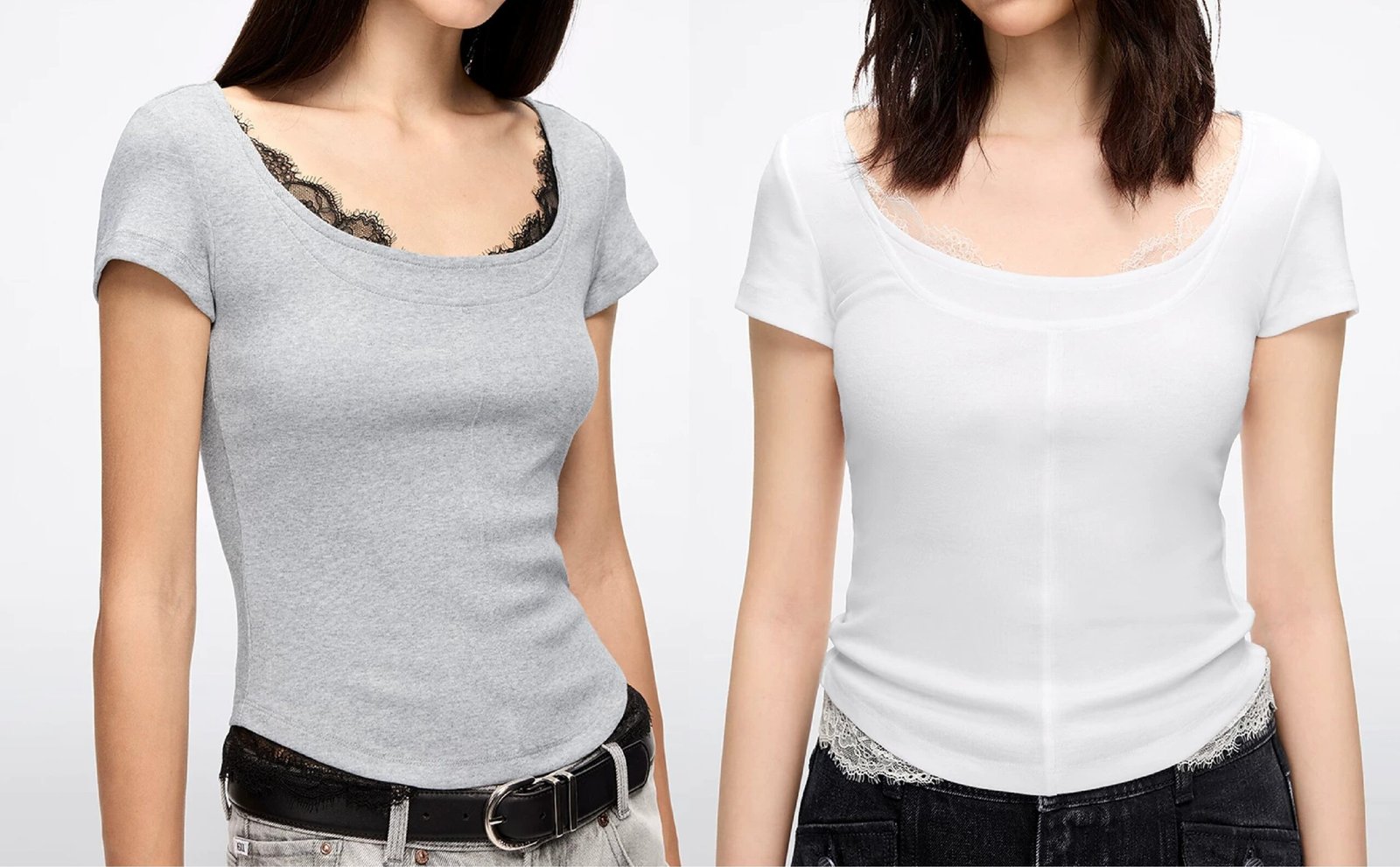


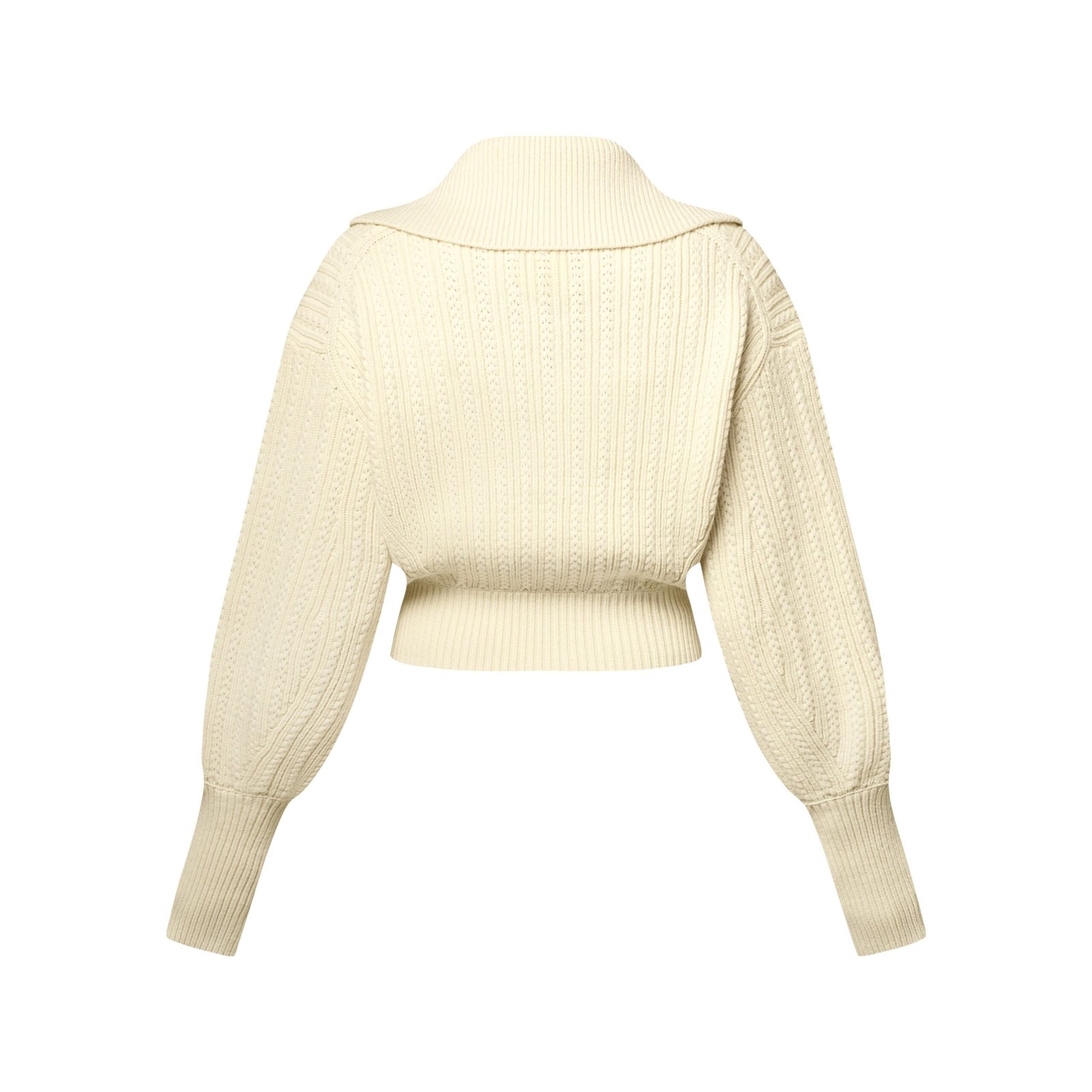


Related Product Catalogue and Quotation



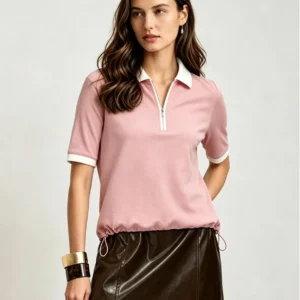
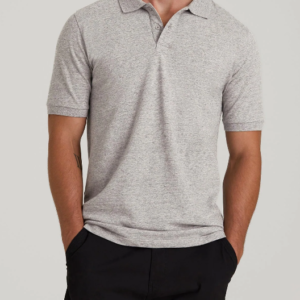


Custom Drawcords & Aglets Built to Last
Coordinated development and production details that keep your branded apparel trims consistent from sample approval through bulk delivery.
Coordinated OEM Development
Align drawcord length, channel fit, garment construction, and aglet specifications with your hoodie, sweatpant, jacket, or knitwear program.
Branded Finishing Options
Add custom colors, logo-embossed tips, woven cord details, labels, and packaging for a polished private-label presentation.
Material-Matched Selection
Choose cotton, polyester, elastic, braided, reflective, metal, or plastic components based on hand feel, durability, cost, and wash performance.
Secure Tip Attachment
Specify attachment methods and finishing standards that help aglets stay secure through regular wear, laundering, sampling, and bulk production.
Flexible 100-Unit MOQ
Develop custom drawcords and aglets from 100 units per style and color, then scale proven details into larger global production programs.
Custom Apparel for Every Collection
From first samples to scalable bulk orders, Junsheen develops fit-focused casualwear, denim, knitwear, outerwear and private-label programs from 100 units per style and color.
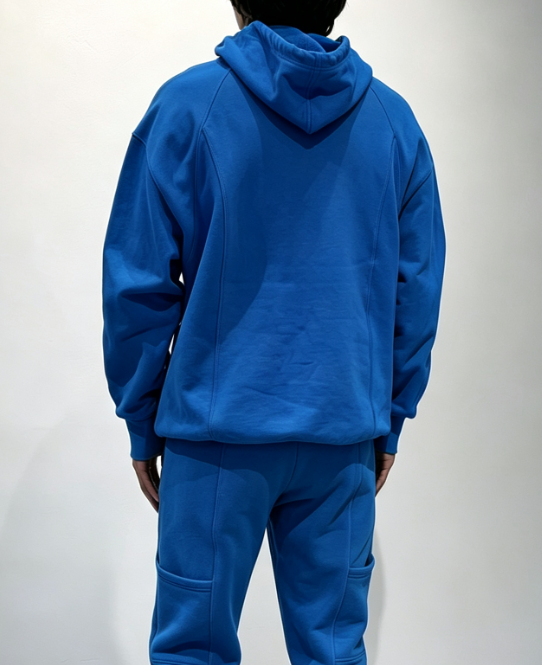
Custom Hoodies
Develop custom hoodies in fleece, French terry or jersey with fit development from XS to 3XL. Choose pullover or zip styles, custom drawcords, rib trims, embroidery, screen printing, washes, labels and retail-ready packaging.
Request a Quote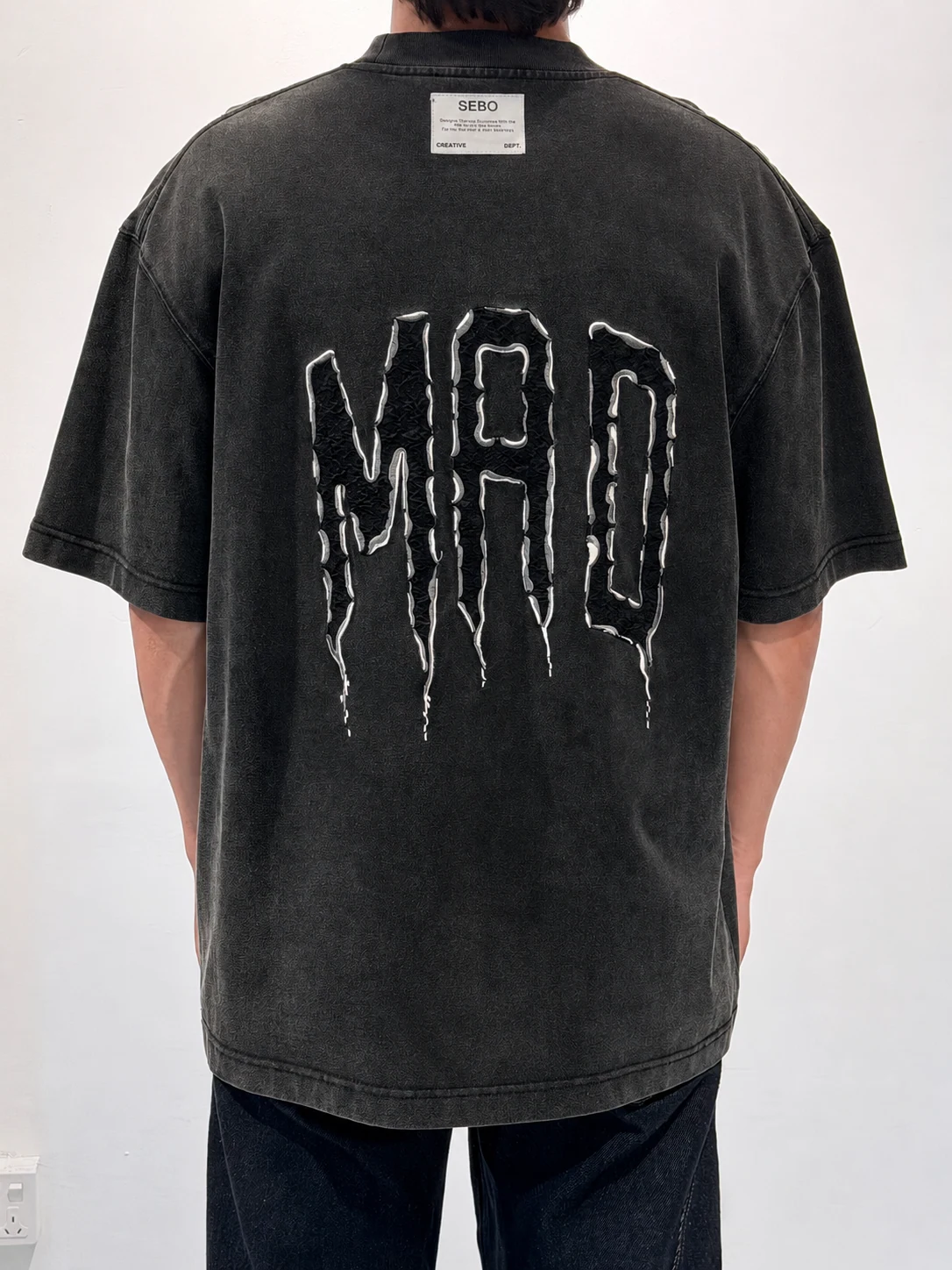
Custom T-Shirts
Produce custom T-shirts in combed cotton, Pima cotton, organic cotton or blended jersey. Junsheen supports neckline, weight, silhouette and graded-size development, with screen printing, DTG, DTF, embroidery, garment dye and private-label finishing.
Request a Quote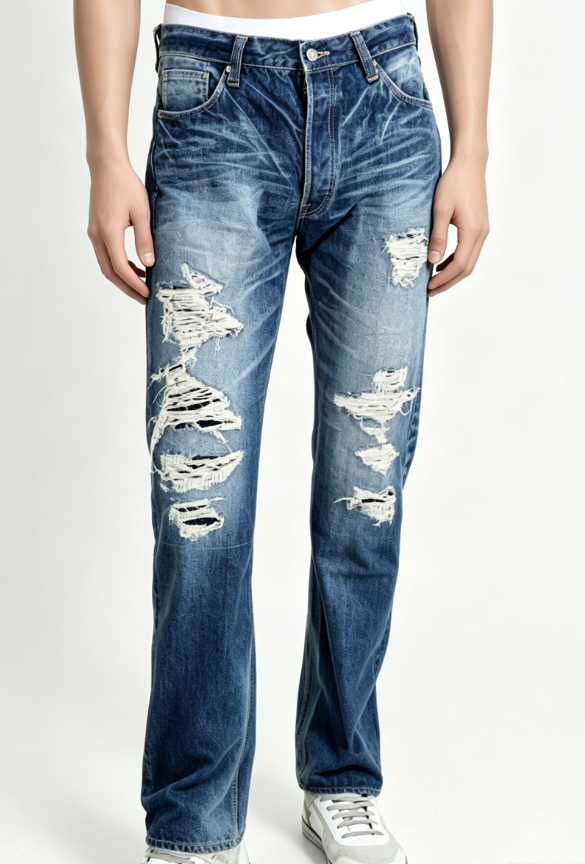
Custom Jeans
Develop custom jeans in rigid or stretch denim with fit, rise, leg shape and wash performance reviewed before bulk production. Programs can include custom hardware, pocket details, patches, embroidery, distressing, stone wash and branded labels.
Request a Quote
Custom Sweaters
Source turtle neck sweater bulk programs with yarn, gauge, hand feel and silhouette aligned to your collection. Junsheen develops fitted, relaxed, oversized and extended-size sweater patterns, then manages knit construction, trims, labeling and bulk quality control.
Request a Quote
Custom Jackets
Produce custom jean jackets in denim, stretch denim or twill with refined shoulder balance and sleeve proportions. Add custom washes, contrast stitching, branded buttons, patches, embroidery, print effects, lining and private-label packaging.
Request a Quote
Custom Sweatshirts & Crewnecks
Build custom crewneck hoodie and sweatshirt programs with fleece, French terry or jersey options. Junsheen develops crewneck, oversized and hooded silhouettes, then applies size grading, rib details, printing, embroidery, washes and branded trims.
Request a Quote
Custom Cardigans
Develop custom cardigans in appropriate yarn blends and knit gauges for your target price and hand feel. The team supports button or zip closures, cropped or longline proportions, extended-size grading, custom labels and bulk consistency checks.
Request a Quote
Custom Puffer & Down Jackets
Produce custom puffer jackets with shell fabric, insulation, lining and construction selected for the intended market. Programs can include quilting layouts, hoods, pockets, zippers, reflective details, logo decoration, branded trims and export-ready packaging.
Request a Quote
Custom Denim Shorts
Develop custom jean shorts in rigid or stretch denim with inseam, rise and leg opening specified for the target fit. Add raw hems, cuff details, washes, distressing, embroidery, hardware, patches and private-label components.
Request a Quote
Custom Sweater Dresses
Create custom sweater dresses with knit construction and proportion developed for fitted, relaxed or oversized silhouettes. Junsheen supports yarn selection, neckline and sleeve details, XS–3XL grading, labels, trims and quality checks before shipment.
Request a Quote
Custom Denim Sets
Produce mens denim suits wholesale programs with coordinated denim jackets and jeans built to consistent color, wash and fit standards. Junsheen manages fabric sourcing, pattern development, matching hardware, decoration, labeling and scalable bulk production.
Request a Quote
Custom Polo Shirts
Develop custom polo shirts in pique, jersey or performance knit fabrics with collar structure, placket construction and fit tailored to your brand. Add embroidery, prints, contrast trims, custom buttons, size grading and private-label packaging.
Request a Quote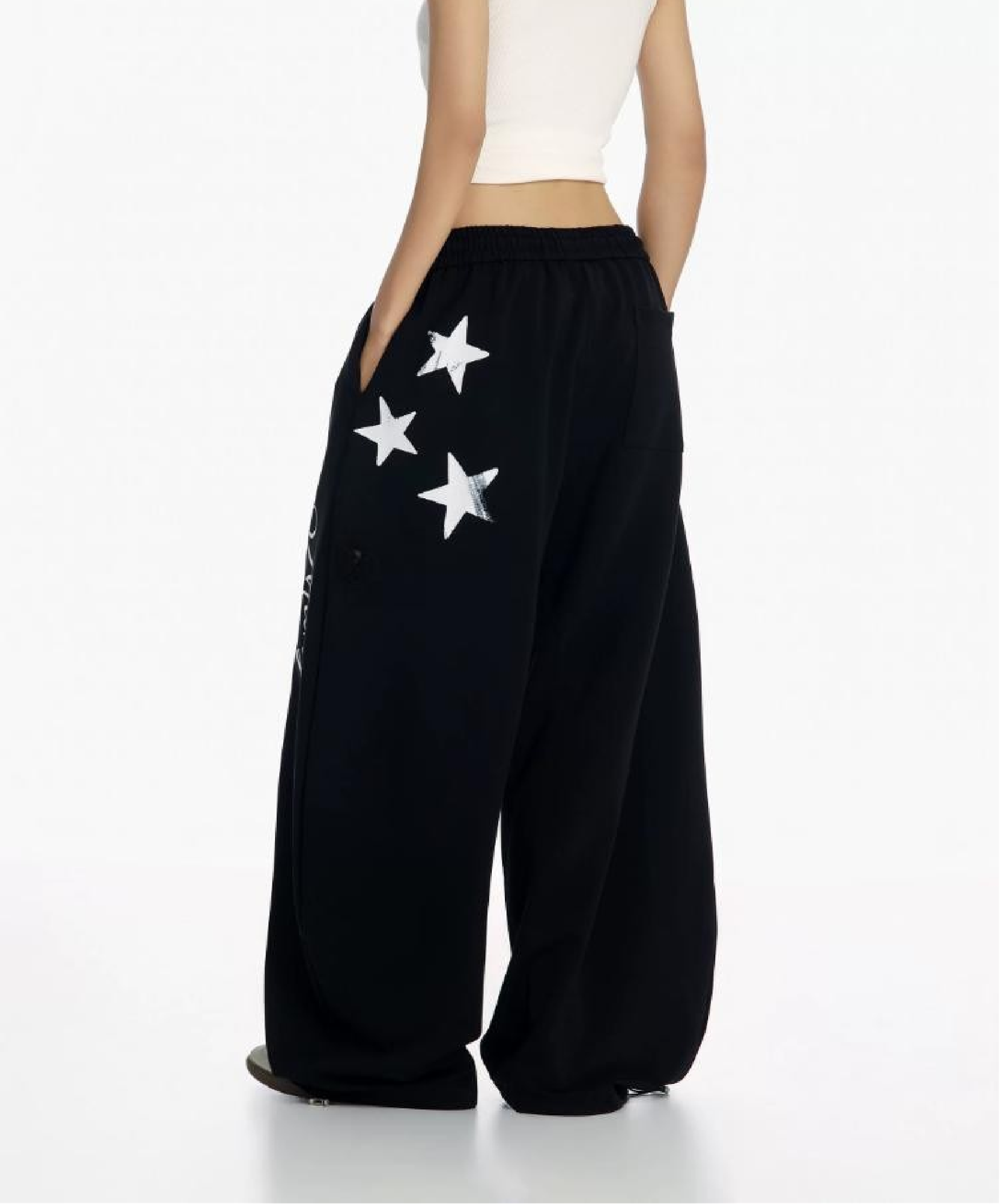
Custom Sweatpants
Produce custom sweatpants in fleece, French terry or jersey with tapered, straight-leg, wide-leg or oversized fits. Junsheen supports waistband, pocket and cuff specifications, XS–3XL grading, printing, embroidery, washes and custom trims.
Request a Quote
Custom Shorts
Develop custom shorts for casualwear, athleisure or coordinated sets using jersey, fleece, twill, denim or performance fabrics. Specify inseam, rise, pocket construction and fit, then add logos, labels, washes, trims and branded packaging.
Request a Quote
Custom Pullovers
Produce custom pullovers in knit, fleece, French terry or jersey constructions for seasonal collections. Junsheen develops necklines, proportions and graded fits, then manages embroidery, printing, washing, labels, trims and repeat-order production records.
Request a QuoteMaterials for Custom Drawcords & Aglets

Cotton Braided Cord
Soft, natural-hand braided cotton delivers a matte, premium feel for hoodies, joggers, and casual shorts. Its stable construction resists flattening through repeated wear, with diameter and braid density tailored to garment weight.

Polyester Woven Cord
Durable polyester cord offers smooth color consistency and strong abrasion resistance for activewear, outerwear, and high-use casual pieces. Low moisture absorption helps it dry quickly, while tightly woven options maintain a clean, structured profile.

Waxed Cotton Cord
Waxed cotton gives drawcords a richer hand feel and subtly polished appearance for denim, utility jackets, and elevated streetwear. The protective wax finish improves surface durability and helps the cord retain its shape around hardware.

Metal Aglet Alloy
Zinc-alloy and aluminum aglets create a weighty, premium finish for branded hoodies, jackets, and trousers. Available with plating, engraving, or color coatings, these tips provide dependable edge protection and secure cord-end finishing.

Silicone Rubber Tips
Flexible silicone tips suit performance apparel, children’s wear, and modern casual collections needing a softer finish. Their non-slip surface and impact-resistant construction add comfort while protecting cord ends from fraying during regular use.
Custom Drawcords & Aglets: Branding and Finishing Processes

Logo Embroidery
Stitched logos add tactile depth and a premium branded finish to drawcord channels, garment panels, and matching accessories. Our embroidery options maintain clear detail and dependable color retention through repeated wear and washing.

Screen Print
Screen printing applies crisp logos, graphics, and specialty effects across hoodies, sweatpants, and coordinated apparel. Choose plastisol, water-based, puff, silicone, high-density, foil, or discharge finishes for the intended hand feel and visual impact.

Metal Finishing
Custom metal aglets can be plated, painted, engraved, or finished with raised logo details to create a refined endpoint. Material and coating selections are reviewed for appearance, corrosion resistance, and alignment with the garment’s intended use.

Silicone Molding
Molded silicone logos and cord ends create flexible, dimensional branding with a modern technical look. This process supports clean color matching, soft-touch contrast, and reliable attachment for performance-inspired or contemporary casualwear collections.

Patch Application
Woven, embroidered, leather, and rubber patches add layered brand identity to garments paired with custom drawcords and aglets. JUNSHEEN matches placement, attachment method, and material character to your fabric, wash treatment, and production requirements.

Garment Washing
Enzyme, garment-dye, acid-wash, and softening treatments establish the final character of apparel carrying branded trims. Sample review helps confirm how drawcord color, aglet finish, print, and embroidery perform after the specified wash process.
Custom Drawcords & Aglets, Trims and Accessories

Drawcords and Aglets
Custom drawcords with metal, silicone, plastic, or wrapped aglets add a polished identity to hoodies, sweatpants, jackets, and shorts. Match cord diameter, color, tip finish, and logo treatment to your garment specification.

Branded Woven Labels
Woven main labels, size labels, and wash-care labels give each garment a consistent private-label finish. JUNSHEEN coordinates label materials, folds, colors, and placement for casualwear, denim, knitwear, and outerwear programs.


YKK Zippers
Specify dependable YKK zippers or suitable alternatives for hoodies, denim, outerwear, and pockets. Our team coordinates zipper type, puller style, tape color, length, and branded pull details during sampling and bulk production.

Rib Trim Details
Custom rib cuffs, collars, waistbands, and neck trims help garments retain shape while reinforcing your collection’s color story. We match rib composition, stretch recovery, stripe layouts, and weights to the approved garment construction.
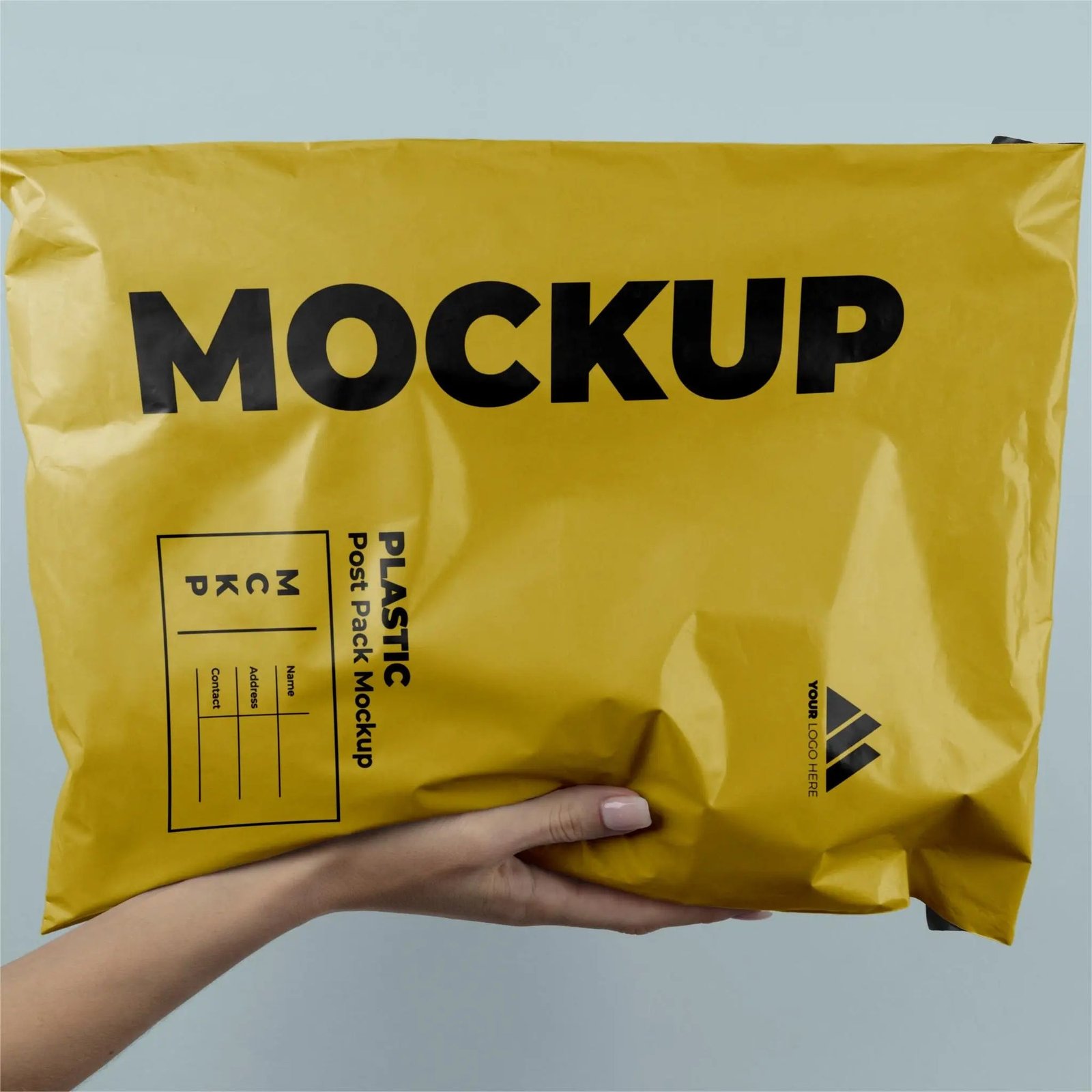
Branded Packaging Sets
Complete your delivery with custom hangtags, polybags, tissue, stickers, carton marks, and other branded packaging. JUNSHEEN coordinates practical pack-out details that support retail presentation, wholesale handling, and global shipment requirements.
About JUNSHEEN Custom Drawcords & Aglets
Founded in 2010 in Humen Town, Dongguan, JUNSHEEN helps fashion brands turn custom drawcords & aglets and complete apparel concepts into production-ready products. Our one-stop OEM, ODM and private-label team connects trim development with cut-and-sew, knitwear, sourcing, sampling, decoration, quality control and export support.
With 200+ skilled workers and monthly capacity above 80,000 units, we support capsule launches from 100 units per style and color through scalable bulk programs. More than 2,000 fashion-brand clients across global markets rely on JUNSHEEN for responsive development, consistent production and branded finishing details.
What sets us apart is a fit-first, detail-led manufacturing approach. We refine XS–3XL, extended-size, plus-size and oversized patterns while coordinating materials, drawcords, aglets, labels, printing, embroidery, washing and packaging through one accountable supply chain.

Custom Drawcords & Aglets, Developed for Production
Development From Brief
JUNSHEEN translates sketches, reference garments, tech packs, and branding ideas into production-ready custom drawcords and aglets. Our development team reviews proportions, cord diameter, tip attachment, color, and compatibility with your hoodie, sweatpant, denim, or outerwear construction before sampling.
- Tech-pack and reference-sample review
- Cord, tip, color, and length recommendations
- Prototype and approval sampling support
- Low MOQ from 100 units per style/color

Coordinated Trim Sourcing
Source drawcords, aglets, eyelets, labels, zippers, and other garment details through one apparel manufacturing partner. We match materials and finishes to your target cost, hand feel, durability, wash performance, and collection direction, reducing the risk of mismatched components across bulk production.
- Cotton, polyester, elastic, and specialty cord options
- Metal, silicone, plastic, and branded aglet finishes
- Color matching across fabrics and trims
- Material options aligned to target cost

Private-Label Integration
Custom drawcords & aglets become more valuable when they work as part of a complete branded garment. JUNSHEEN integrates logo trims with custom labels, hang tags, embroidery, printing, packaging, and cut-and-sew production for a cohesive private-label result from sample through shipment.
- Logo-embossed and branded trim options
- Woven, leather, main, and care labels
- In-house decoration and garment finishing
- One supply chain for apparel and packaging

Production-Level Quality Control
Our quality team checks trims and finished garments throughout production, from incoming materials to final packed goods. We confirm attachment security, appearance, color consistency, measurements, and overall compatibility so custom details remain dependable through handling, wear, and repeat orders.
- Incoming-material inspection
- In-line construction and attachment checks
- Final appearance and packed-goods inspection
- Retained production records for repeatability

Why Brands Choose JUNSHEEN for Custom Drawcords & Aglets
A fit-focused apparel manufacturing partner with integrated trim development, dependable QC, and export-ready production.
← 左右滑动查看 →
From Custom Drawcords & Aglets Brief to Global Shipment
A clear, production-ready workflow for branded drawcords, aglets, and coordinated apparel trims.
Review Brief and Feasibility
Our team reviews artwork, cord construction, aglet requirements, target garment, quantities, cost expectations, and production feasibility before recommending the right trim specification.
Source Materials and Components
We source drawcord fibers, metal or molded tips, colors, finishes, and branding components through qualified suppliers, balancing hand feel, durability, compliance, and budget.
Develop Samples and Approvals
Prototype custom drawcords & aglets are produced for review, including color, logo detail, length, attachment, and finish checks before bulk specifications are confirmed.
Run Bulk Production
After approval, we coordinate trim production with apparel manufacturing, labels, packaging, and decoration requirements, supporting orders from 100 units per style and color.
Inspect Pack and Ship
Final checks verify appearance, dimensions, attachment quality, branding, and packed quantities before export-ready packing and global shipping support are arranged.
How to Work With Our Custom Drawcords & Aglets OEM Team
Move from a trim brief to approved bulk delivery with clear technical review, sampling, quality control, and export support.
Send Your Trim Brief
Share a tech pack, sketch, reference sample, logo artwork, or garment concept. Specify drawcord material, aglet finish, colors, quantities, and target delivery needs.
Review Specifications Together
Our OEM team checks feasibility, recommends materials and construction, confirms branding details, and prepares a clear quotation for your custom drawcords & aglets program.
Approve Development Samples
Review samples for cord feel, aglet attachment, color, logo execution, and compatibility with your garment. Refine details before approving production-ready specifications.
Launch Controlled Production
After approval, we coordinate bulk manufacturing, in-line inspections, and finishing checks. Low MOQs start at 100 units per style and color, with scalable capacity.
Receive Export-Ready Orders
Final checks confirm appearance, attachment quality, quantities, and packing. JUNSHEEN manages branded packaging and global shipment support for dependable delivery to your destination.
Custom Clothing Manufacturer Credentials and Compliance Documents



What Fashion Brands Say About JUNSHEEN Custom Drawcords & Aglets
JUNSHEEN matched our silicone-dipped drawcord and engraved metal aglet brief in the first sample round. The approved trim held up through 20 wash tests, and we moved into a 600-unit hoodie launch without delaying our campaign.
Our oversized fleece program needed consistent cord lengths across XS–3XL. JUNSHEEN refined the specifications during sampling and delivered 1,200 sets with zero trim-related measurement rejections in final inspection. We have since reordered for two seasonal drops.
For our first private-label run, the team coordinated branded drawcords, aglets, woven labels, and packaging from one brief. Their export support kept our 100-unit capsule on schedule, and the finished product helped us secure a repeat wholesale order within 60 days.
Custom Drawcords & Aglets FAQ
Clear answers on minimums, sampling, customization, payment, shipping, and confidential OEM development.
What is the MOQ for custom drawcords & aglets?
Can I order custom drawcords & aglets with my logo?
How long does a custom drawcords & aglets sample take?
How much do samples cost?
Which drawcord and aglet materials can you customize?
What payment terms do you offer for trim and apparel orders?
Do you ship custom trims internationally?
How do you protect my designs and brand information?
Complete Buyer’s Guide to custom drawcords & aglets
Use this decision framework to select materials, finishes, construction standards, and supplier capabilities for branded drawcord components—while avoiding specification gaps, weak quality controls, and costly sampling mistakes.
1. What Are custom drawcords & aglets?
1 drawcord is the cord threaded through a channel to adjust an opening or shape: a hood on a sweatshirt, a jogger waistband, a jacket hem, a denim waist, a knitwear neckline, or a bag closure. It has both a working role—tightening, retaining and balancing the garment—and a visible role, because cord diameter, texture and color sit prominently at the face of the product. 2 end components are often confused. The end treatment is the complete finishing method at each cord tip; an aglet is the specific cap, sleeve or molded tip that prevents fraying and can carry a logo; an eyelet is the reinforced hole through which the cord passes; and a stopper is the separate sliding device that locks the cord at a chosen position. A heat-sealed tip, wrapped thread end or knotted end can therefore be an end treatment without being an aglet. 100-unit capsule programs should specify these trims during tech-pack development, alongside cord length, finished diameter, placement, Pantone color and wash requirements. Drawcord channels, eyelet diameter, aglet size and stopper bore must work as one system; late substitutions can affect threading, abrasion, hand feel and sample approval. 3 custom drawcords & aglets differ from stock trims when their construction or appearance is developed for the style: branded metal or silicone tips, custom molds, woven or braided colors, logo engraving, matched hardware finishes, defined lengths and approved pull tests. For JUNSHEEN clients, documenting those details early lets the development team align fabric, pattern, private-label trims and bulk sourcing before production.
2. Evolution of custom drawcords & aglets
19th-century workwear and military garments used laces and cord ends chiefly to control fit, keep openings closed, and stop yarns from fraying. Metal tips, waxed thread wraps, and later molded caps turned a vulnerable cut end into a durable component suited to repeated pulling, laundering, and field use. 1930s-1970s sportswear made drawcords a functional standard in hooded sweatshirts, track pants, windbreakers, and waist-adjustable jackets. Braided cotton cords, polyester cords, and simple plastic aglets supported quick adjustment, while workwear favored abrasion resistance and secure knots over decorative finishes. 1980s streetwear recast the cord end as visible branding, and luxury casualwear followed with engraved metal aglets, tonal dipped tips, contrast cords, and logo hardware. For current custom drawcords & aglets, buyers should first match cord diameter and pull strength to the garment’s eyelets and fabric weight, then select finishes that survive washing, meet target cost, and express the label; recycled polyester, organic cotton, and recyclable metal options now make trim sourcing part of the product’s sustainability brief.
3. Types of custom drawcords & aglets
Two specifications determine whether a drawcord reads athletic, premium, or technical: construction and end finish. For custom drawcords & aglets, match cord bulk to the channel opening before approving the sample.
| Type | Best Use | Visual Effect | Practical Trade-Off |
|---|---|---|---|
| Flat | Hoodies, sweatpants | Clean, graphic | May bunch in narrow eyelets |
| Round braided | Outerwear, bags | Dense, premium | More bulk in channels |
| Elastic | Waistbands | Flexible, functional | Recovery can decline |
| Waxed | Denim, outerwear | Dark, polished | May transfer on light fabric |
| Reflective | Technical jackets | High-visibility highlight | Firmer hand |
Flat And Woven Cords
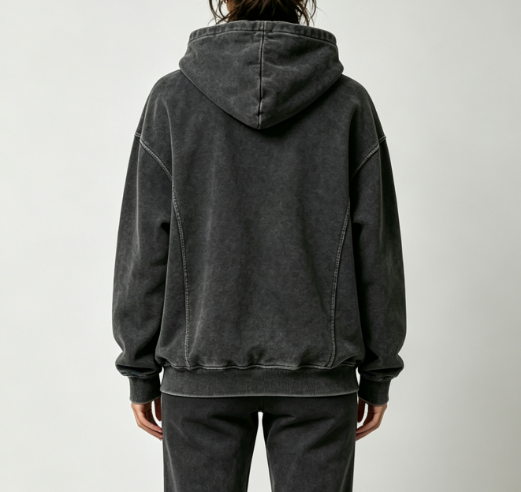
Flat cotton or polyester tapes sit cleanly in hoodie and sweatpant channels, giving a graphic, streetwear-led face. Woven cords hold jacquard text or stripes more crisply than printed round cords. 6–12 mm flat widths can twist less visibly than round cords, but wide tape can bunch in narrow eyelets. Specify the finished width and channel clearance together.
Round, Braided And Tubular Cords

Round braided cords create a dense, footwear-inspired texture for hoodies, jackets, and bags. Tubular cords feel fuller at the same apparent diameter and can accept a softer hand. 3–6 mm diameters suit most casualwear channels; braided construction resists flattening better than a loose tubular cord. Elastic versions suit waist channels but can lose recovery after repeated wash cycles.
Special-Effect Cord Finishes
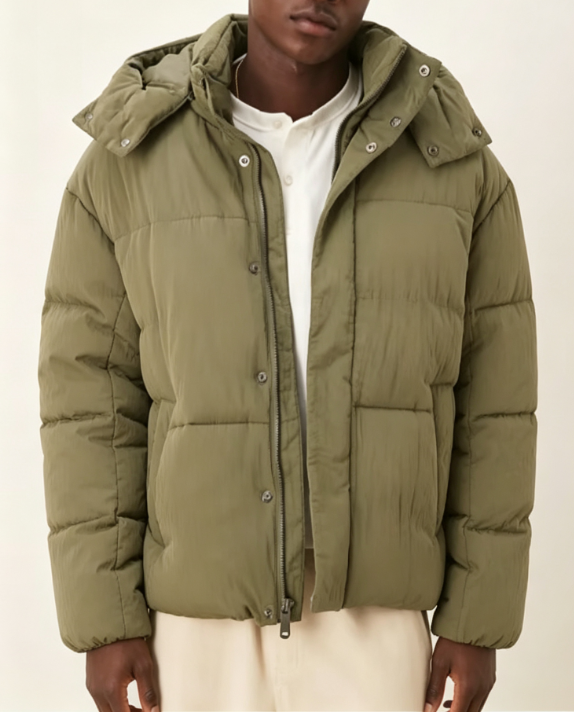
Waxed cords add a darker, leather-like sheen to outerwear and denim, while reflective yarn gives technical jackets a visible highlight under direct light. Both should be wash-tested with the garment fabric. Reflective filaments can feel firmer, and wax transfer may mark light fabrics or require a compatible wash process. Ask for a production-length sample, not only a swatch.
Aglet Formats And Trade-Offs
Plastic and heat-sealed aglets are light, economical options for jersey and fleece programs. Metal aglets deliver weight and polish, but their edge profile and corrosion resistance require closer review. Silicone, wrapped, and dipped ends create softer branded color effects. Wrapped ends can fray if poorly secured; dipped coatings can crack when the cord bends sharply.
4. Materials for custom drawcords & aglets
Material choice determines whether a drawcord survives repeated laundering, accepts brand color, and matches the garment’s price point. Specify cord and aglet materials together because weight, abrasion, and dye behavior interact at the cord end.
| Material | Hand And Strength | Wash Or Corrosion | Best Fit |
|---|---|---|---|
| Cotton | Soft; medium strength | Good; dye-friendly | Fleece, jersey |
| Recycled polyester | Smooth; high abrasion | Excellent; colorfast | Sportswear, hoodies |
| Nylon | Firm; high strength | Excellent; limited dye matching | Outerwear |
| Rayon | Lustrous; lower wet strength | Moderate | Fashion casualwear |
| Zinc alloy | Weighted metal finish | Moderate corrosion resistance | Streetwear |
| Aluminum, brass, stainless | Light, premium, or durable | Good, good, or excellent | Outerwear, premium lines |
| TPU, silicone, recycled plastic | Flexible; light to medium strength | Excellent; verify recycled content | Activewear, kidswear |
Cord Fiber Selection
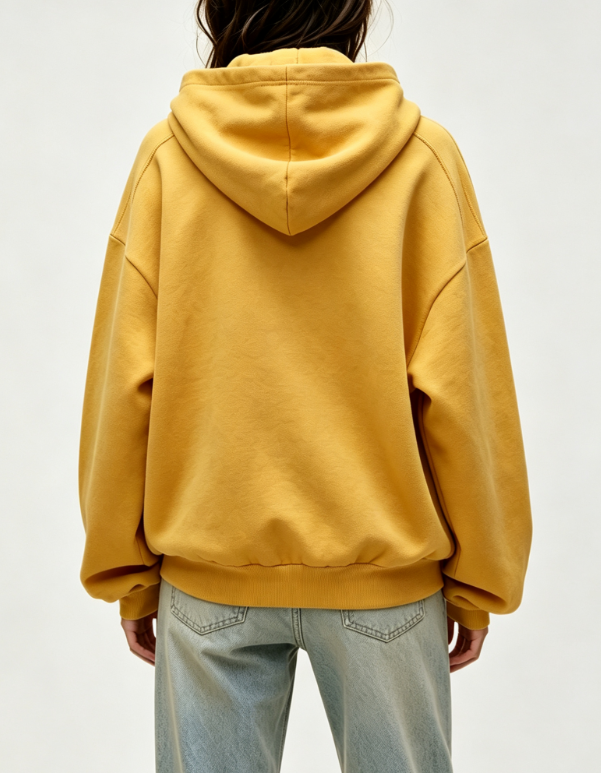
100% cotton gives a soft, matte hand and strong dye compatibility; ring-spun cotton suits fleece hoodies and premium jersey. Recycled polyester dries quickly, resists abrasion, and supports verified recycled-content claims only when supplier documentation is retained. Nylon provides high tensile strength for outerwear, while rayon creates a smooth, lustrous fashion cord with lower wet strength. Elastic-blend cords recover stretch for waistbands, but require wash testing to prevent loss of recovery.
Aglet Material Tradeoffs
Zinc alloy is economical and accepts plating, but exposed finishes need corrosion testing after wash cycles. Aluminum is light, brass offers premium weight and aging character, and stainless steel provides the best corrosion resistance for performance and outerwear programs. TPU and silicone are flexible, quiet alternatives for activewear; recycled plastic lowers virgin-resin use when traceable. Leather alternatives suit fashion joggers, but specify hydrolysis and color-transfer tests.
Specify By Product Category

Pantone-matched cords should be lab-dipped against the final garment fabric, especially with cotton and rayon. For 100-unit capsule orders, choose readily available bases before requesting custom molded hardware to control development risk.
5. Customization Options for Drawcords & Aglets
100-unit capsule programs benefit from locking color, logo method and hardware finish before sampling. Custom drawcords & aglets should be specified as a matched trim system, because abrasion, washing and visual contrast affect every choice.
| Option | Best Use | Durability Consideration |
|---|---|---|
| Yarn dye | Exact cord color | Approve lab dip before bulk |
| Jacquard weave | Bold repeat logo | Avoid fine lettering |
| Laser engraving | Metal aglet logo | Maintain 0.3 mm lines |
| Plated finish | Premium metal look | Specify gloss or satin |
| Shaped hardware | Distinctive identity | Check snag and wash performance |
Color And Cord Pattern

Pantone TCX or TPX references give suppliers a target for yarn dyeing, tip coating and plated-color approval. 2-color woven patterns and jacquard logos read cleanly on wider flat cords; densely detailed artwork can blur at cord scale.
- Use physical lab dips for critical brand colors
- Allow for fiber and finish color variation
- Reserve jacquard for bold, repeatable marks
Logo Marks And Placement
0.3 mm is a practical minimum positive line weight for laser marks or metal engraving; finer lines may fill during plating or coating. 1 logo location usually outperforms several small marks: use an end-cap face, barrel circumference, or a repeating cord pattern. Keep marks away from friction points and knot zones.
- Engrave recessed metal for long wear
- Deboss molded tips for tactile branding
- Print only on low-abrasion cord areas
Hardware Finish Selection

3 finish families—plated metal, matte coating and gloss coating—produce distinctly different durability and visibility results. JUNSHEEN can review artwork, swatches and sample garments so brands can approve the cord-to-garment contrast before bulk production.
6. Construction Quality for custom drawcords & aglets
A 4–6 mm cord that varies by even 0.5 mm can feed unevenly through eyelets and look visibly inconsistent. For custom drawcords & aglets, construction controls durability more than surface styling.
Cord Structure And Recovery

A 4–6 mm finished diameter should be checked at multiple points on each sample, not only at the cut end. Dense, even braiding prevents flat spots, core show-through, and irregular feeding. A practical pull test should confirm tensile strength and that elastic or stretch cords recover without permanent elongation. Request before-and-after measurements following repeated extension and laundering.
- Measure diameter at three or more locations
- Inspect braid density under tension
- Record stretch recovery after repeated pulls
Aglet Security And Finish
Two aglet failure modes are common: adhesive release and a loose metal crimp. Pull-test completed cord ends and inspect whether the cord fibers remain captured after force is applied. A burr-free rim matters because sharp edges can abrade fabric, scratch skin, or damage finishing equipment. Metal aglets should also show even plating with no exposed base metal at the lip or seam.
- Check crimp closure around the full cord
- Feel rims for sharp burrs
- Inspect plating at seams and edges
Wash And Approval Evidence
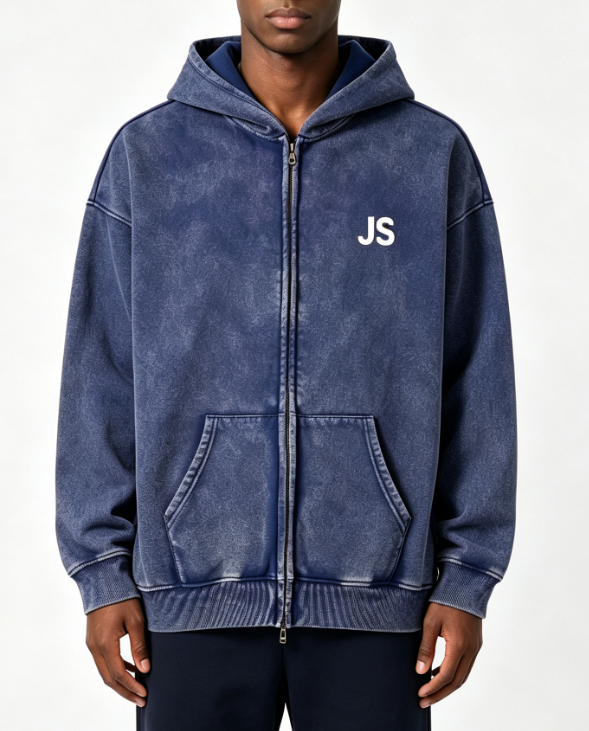
One approved sample is insufficient when color transfer, corrosion, or aglet movement can emerge after washing. Ask for wash-test results covering cord colorfastness, plating stability, and drying performance on the intended garment fabric. Before bulk release, approve a pre-production sample with the exact cord, aglet, eyelet, wash, and colorway. JUNSHEEN can retain material and approval records so repeat programs can be checked against the signed standard.
- Washed sample beside an unwashed control
- Pull-test record for cord-end retention
- Close-up photos of aglet rims and plating
7. How to Choose a Drawcord Manufacturer
A 100-unit threshold can be useful only when the supplier can repeat color, construction, and timing at bulk scale. Evaluate custom drawcords & aglets as part of the finished garment system, not as an isolated trim purchase.
Verify Relevant Product Experience

Three recent hoodie, sweatpant, or outerwear programs reveal more than a generic trim catalog. Ask for cord diameter, end finishing, tunnel compatibility, wash testing, and defect examples. Two production routes should be mapped: which operations are in-house and which are subcontracted. Confirm who controls incoming materials, final assembly, and corrective action when a lot fails.
- Which garment categories use this cord?
- Which processes are outsourced?
- Who approves bulk trim samples?
Control Color And Materials

One approved Pantone reference is insufficient for heather, melange, and dyed cord materials. Request lab dips or physical color swatches under agreed lighting before bulk approval. Every bulk lot should have a traceable material record linking fiber content, dye lot, supplier, and test result. Ask whether OEKO-TEX, GOTS, BSCI, or other requested documentation can be supplied when applicable.
- Can dye lots be tracked?
- Are lab dips retained?
- What compliance documents are available?
Protect Development And Tooling
One prototype plus a sealed approval sample reduces disagreement over aglet plating, logo position, cord length, and pull strength. Define sample lead time, revision limits, and the approved production specification. Custom logo aglets may require dies, molds, or stamping tools. Establish in writing who owns tooling, whether it is reusable, its storage term, and replacement responsibility.
- Who owns dies and molds?
- How long is prototype lead time?
- What becomes the sealed standard?
Test Operational Compatibility
Five working days without reply is a sourcing risk, especially when a garment line is awaiting trim release. Require a named contact, written critical-path dates, and escalation rules. Two checkpoints—pre-production and final inspection—should document measurement, color, attachment, surface defects, packing, and quantity. Confirm drawcord delivery aligns with cut-and-sew scheduling, since late trims can delay finishing and shipment.
- What is the bulk lead time?
- Which QC records are shared?
- Can trim delivery match garment production?
8. Common Custom Drawcords & Aglets Mistakes
A trim that photographs well can still fail during production, washing, or retail review. For custom drawcords & aglets, preventable specification gaps usually cost more than the trim itself.
Function Before Appearance
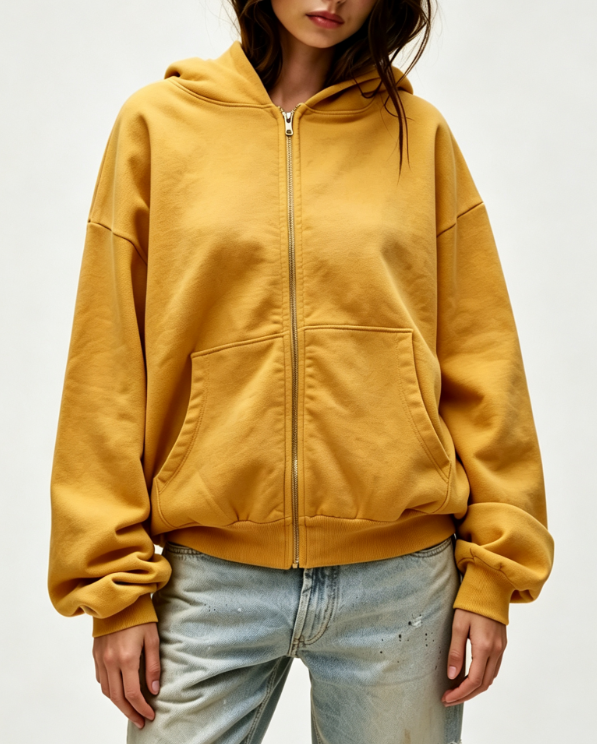
1 use case should govern cord construction before logo treatment: a heavy hoodie needs reliable draw-through and knot strength, not merely a premium metal look. 100-unit capsule orders should approve a pull test and a wear sample first. Specify intended adjustment frequency, garment weight, and whether the cord is decorative or functional.
Lock Dimensions And Tolerances
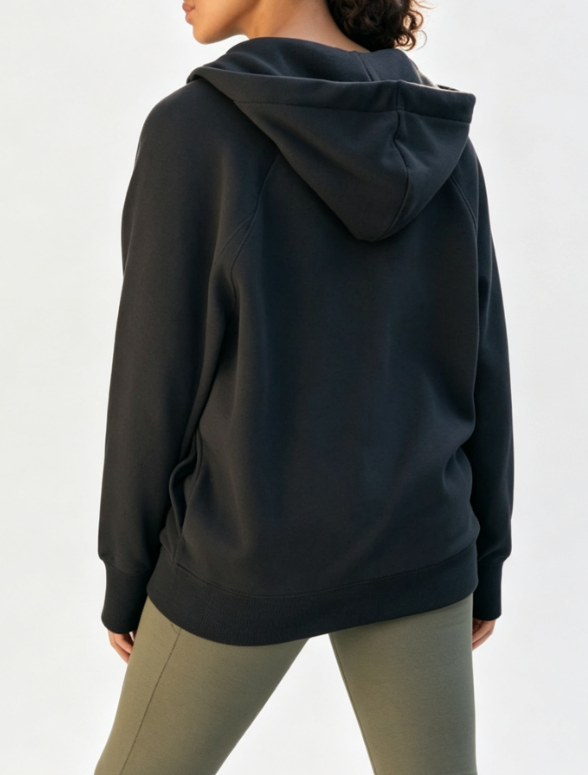
2 measurements prevent common assembly failures: state finished cord diameter and eyelet inside diameter, then set a tolerance such as ±0.5 mm where appropriate. 3 checkpoints should appear on the tech pack: exposed length, aglet length, and end-to-end finished length. Confirm the cord passes through eyelets after seams and ribbing are installed.
Test Wash And Color

5 wash cycles can expose plating loss, cracked silicone, dye bleed, or aglet loosening before bulk approval. Test the actual garment wash, including enzyme, acid-wash, or softener processes. Pantone codes and physical lab dips replace vague requests such as ‘warm cream.’ Record approved cord, aglet, and eyelet colors separately because metal and yarn reflect color differently.
Plan Tooling And Compliance
2 to 4 weeks may be needed for a custom molded aglet or logo tooling, excluding sampling revisions. Ask for tooling drawings, ownership terms, and a dated critical path before setting launch dates. 16 CFR Part 1120 requirements can affect neck and hood drawstrings in U.S. children’s upper outerwear. Align trim choices with destination-market safety rules, age grading, and any retailer testing protocol before production.
9. Launching a Branded Drawcord Program
A 100-unit program can move reliably when drawcord decisions enter the garment calendar before bulk fabric is locked. Build approval gates around the hoodie or sweatpant sample, so cord length, aglet finish, and color are confirmed before cutting.
Brief And Reference Intake

Week 1 starts with a reference garment, target market, style count, colorways, estimated quantity, and required delivery date. Supply a sketch or tech pack showing the drawcord route, eyelet size, finished length, knot or tip requirement, and intended garment weight. Pantone codes, logo artwork, brand-label standards, and packaging expectations prevent quotation assumptions. Send physical references when a particular braid density, sheen, or metal aglet weight matters.
Specification And Quotation
Week 2 converts the brief into a trim specification: fiber content, diameter, braid construction, color, aglet material, logo method, tolerance, and pull-test expectation. Junsheen can review whether the trim works with the chosen fabric, eyelets, and production method. One quotation should separate prototype cost, MOQ, unit trim cost, sampling, packaging, and freight assumptions. Confirm whether quantities are per color or combined across a style before approval.
Approval And Testing

Weeks 3–4 require material swatches and logo artwork approval before a prototype is made. Review color under consistent lighting, aglet edge finish, insertion through the channel, cord recovery, and wash behavior on the actual garment fabric. One approved prototype should be followed by documented revisions and, where needed, wash, abrasion, and pull testing. Freeze the approved sample, Pantone reference, and measurement sheet as production controls.
Production Calendar Controls
Weeks 5–8 typically cover pre-production sample approval, bulk trim production, garment assembly, and final packing. Reserve time for trim delivery before sewing starts; a late aglet can hold an otherwise finished garment. At receiving, inspect carton counts, color, length tolerance, aglet attachment, logo legibility, and damage against the approved sample. Retain a sealed reference set and inspection record for repeat orders.
10. Custom Drawcords & Aglets Pricing
100-unit programs usually carry the highest per-set cost because sampling, color matching, aglet tooling, and handling are spread across fewer garments. Treat the ranges below as planning figures in USD per completed drawcord-and-aglet set, not a production offer. 2-color polyester cords with standard metal or plastic tips are generally less costly than cotton herringbone, silicone-dipped, or plated-logo options. Price rises with material, diameter, aglet finish, logo detail, custom molds, Pantone color count, required pull or wash testing, and tighter tolerances. 10 business days is a practical allowance for a first approval sample after specifications and trim artwork are confirmed; complex molded aglets can take longer. JUNSHEEN should issue a formal quote only after approved cord length, diameter, material, colors, tip construction, logo file, test requirements, packaging, and order quantity are supplied.
| Order quantity | Illustrative unit range | Setup or tooling | Sample time | Bulk lead time |
|---|---|---|---|---|
| 100–299 sets | US$1.80–4.50 | US$50–250 | 7–12 business days | 18–30 days |
| 300–999 sets | US$1.10–3.20 | US$50–250 | 7–12 business days | 15–25 days |
| 1,000–4,999 sets | US$0.65–2.10 | US$0–400 | 5–10 business days | 12–22 days |
| 5,000+ sets | US$0.45–1.50 | US$0–800 for custom molds | 5–10 business days | 15–30 days |
Start Your Custom Drawcords & Aglets Development
Send your tech pack, sketch, or reference to request a sampling or bulk-production quote from JUNSHEEN’s OEM trim team.