Men’s Denim Clothing Manufacturer for Better-Fitting Private Label
JUNSHEEN is a men’s denim clothing manufacturer offering 100-unit MOQs, fit-focused XS–3XL development, and one-stop OEM, ODM, and private-label production worldwide.
Featured Products for men’s denim clothing manufacturer Development
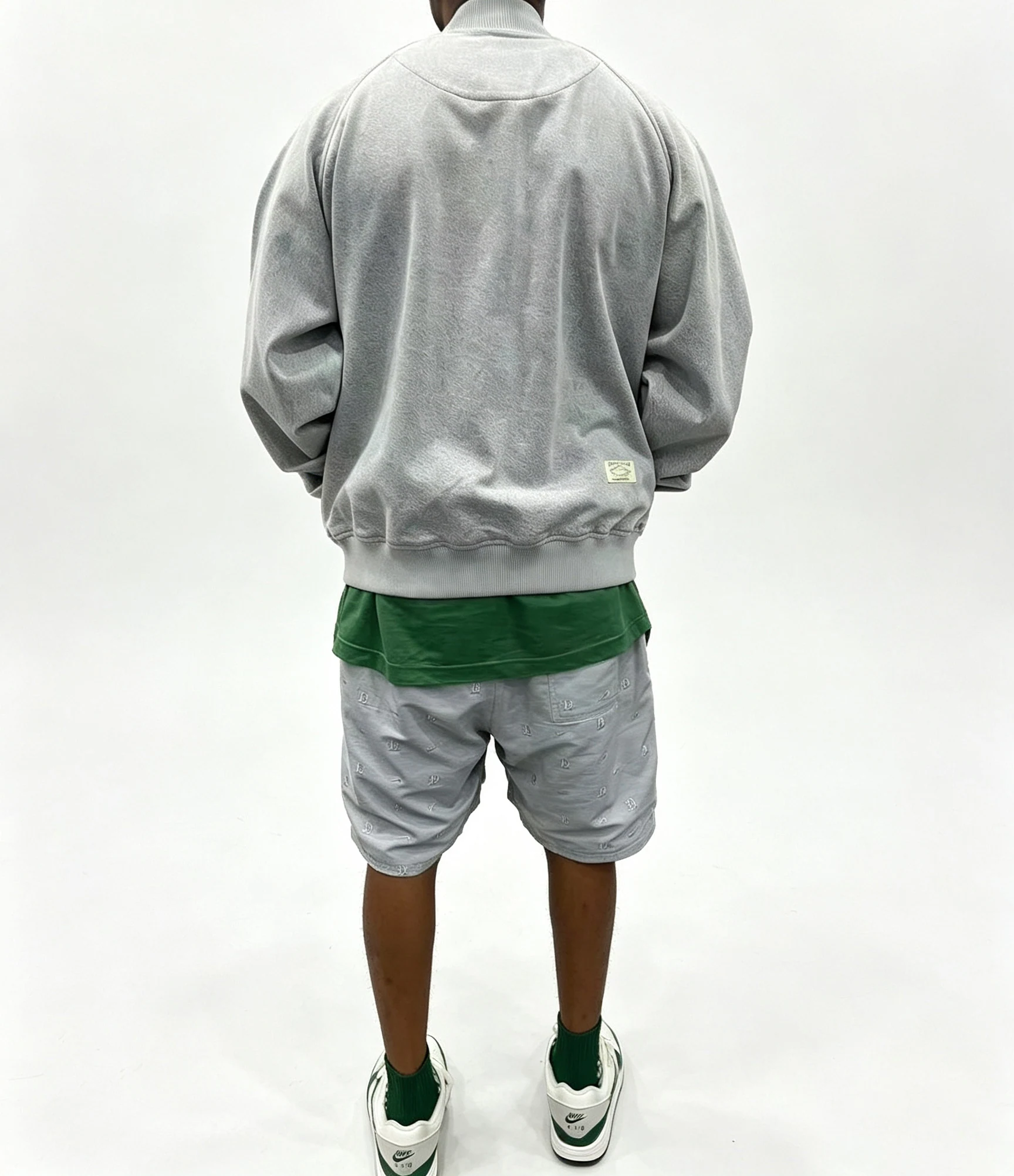

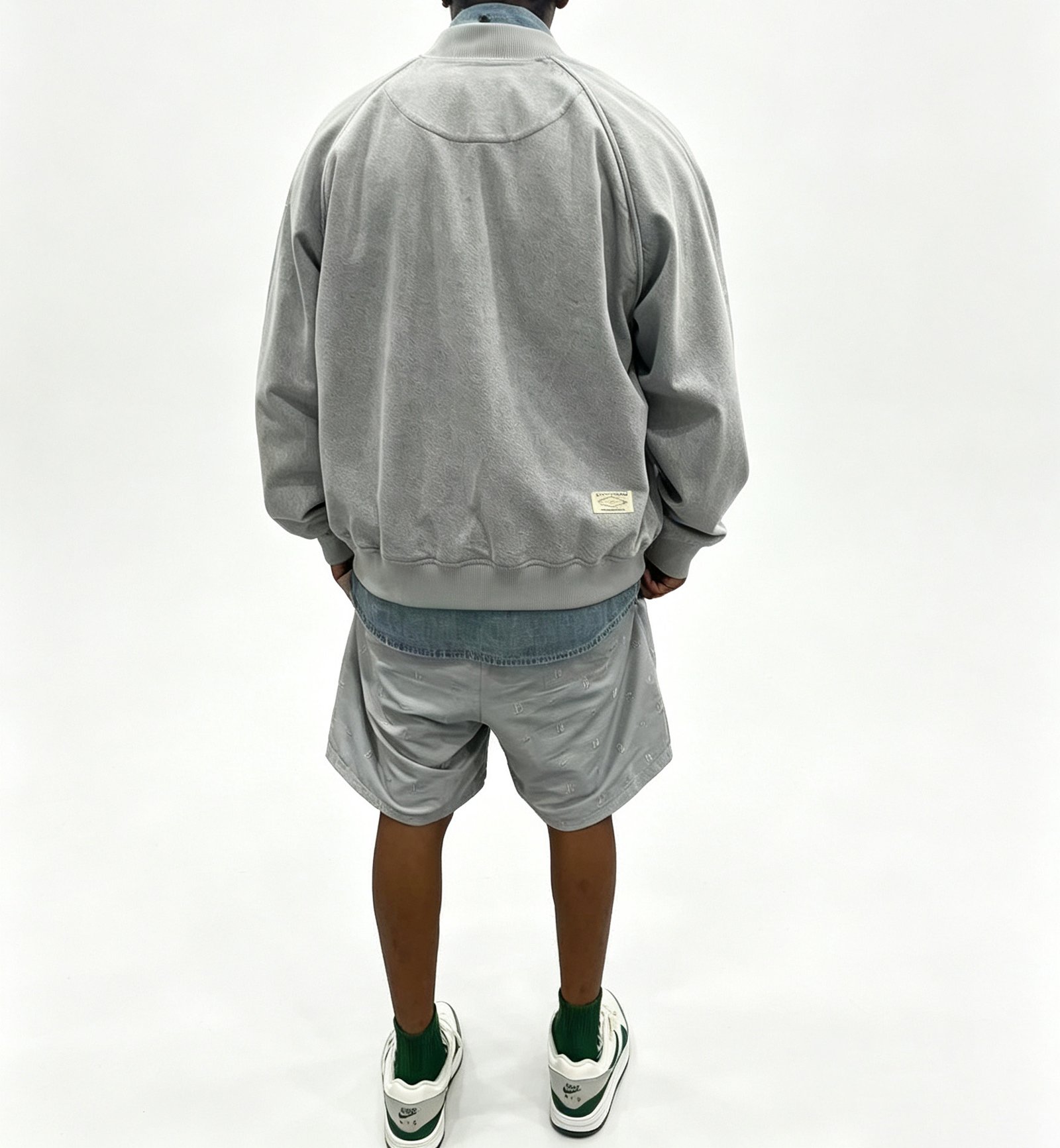


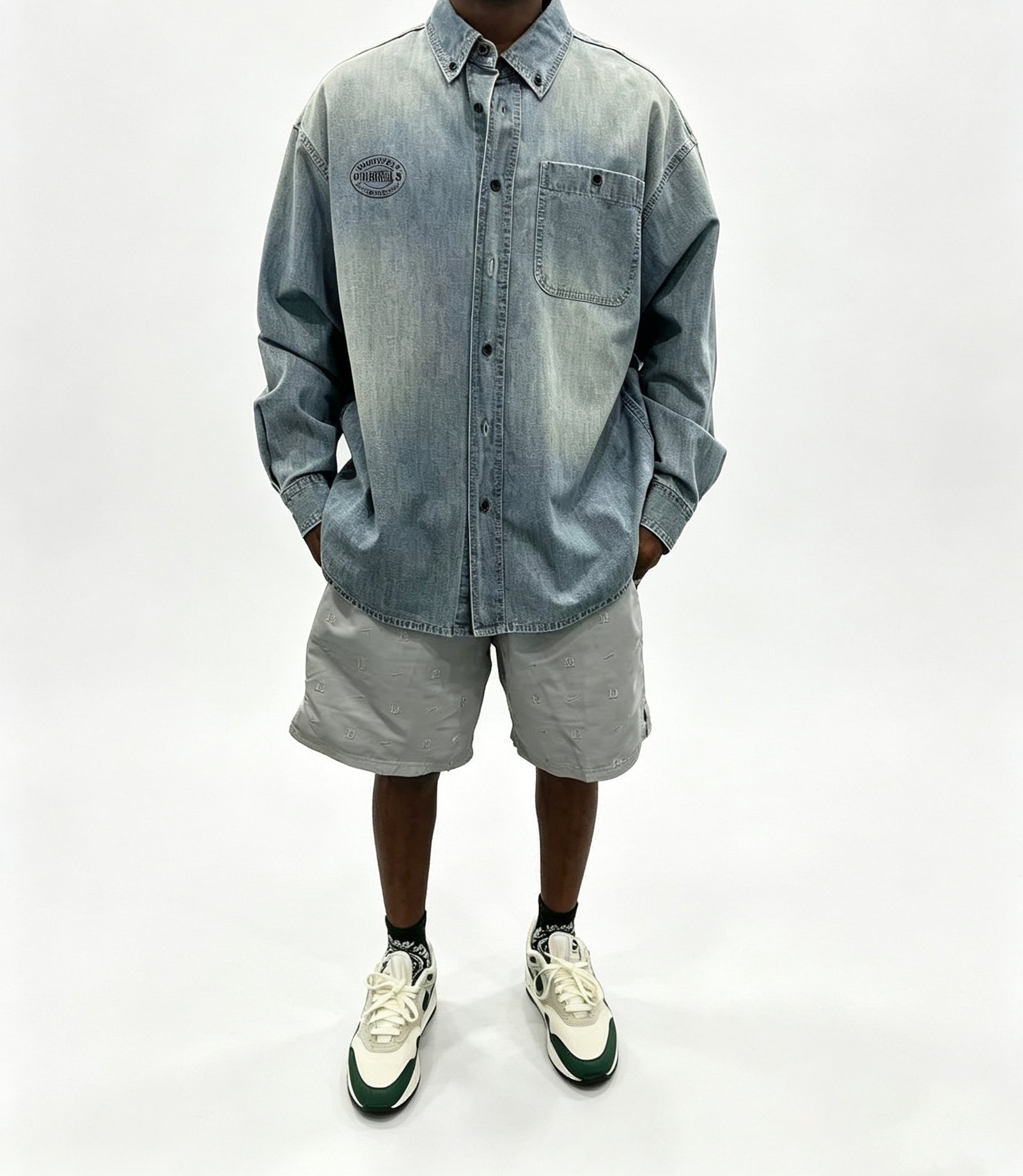

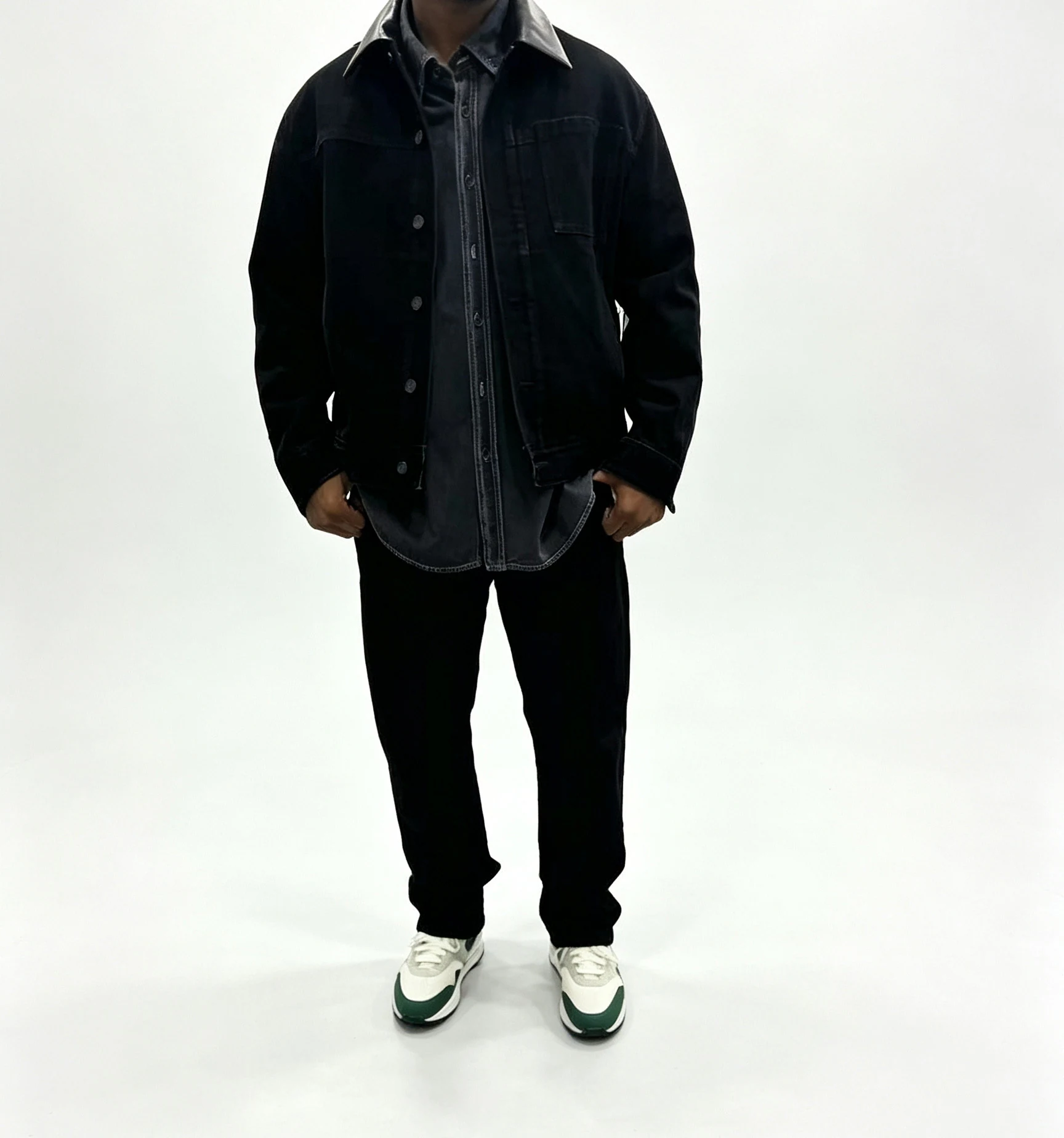

Related Product Catalogue and Quotation
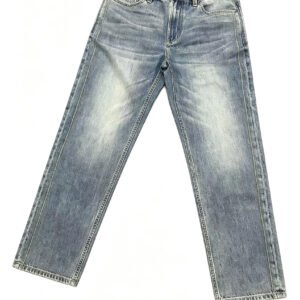
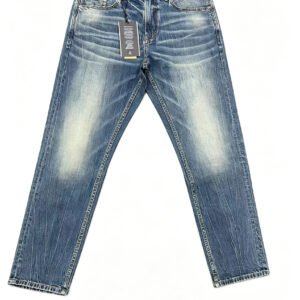
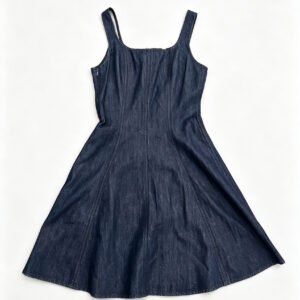


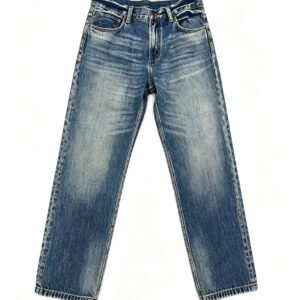


Men’s Denim Clothing Manufacturer Built for Fit & Scale
Integrated development, flexible production and brand-ready finishing for men’s denim programs.
100-Unit MOQ
Launch denim programs from 100 units per style and color, giving new labels room to test demand before scaling.
Fit-Focused XS–3XL
Refined patterns and grading support standard, extended, plus-size and oversized fits with balanced proportions across your full size range.
Development to Bulk
Move from sketch, reference garment or tech pack through fabric selection, pattern making, sampling and production with one coordinated team.
Custom Washes & Details
Build distinct denim with embroidery, printing, garment dye, acid wash, stone wash, softening, labels, hardware and branded packaging.
Quality at Every Stage
Incoming materials, in-line construction, measurements, fit, decoration and final packed goods receive focused checks before shipment.
Global Export Support
JUNSHEEN coordinates production and export support for fashion brands, wholesalers and retailers serving markets worldwide.
Men’s Denim & Casualwear We Manufacture
From first samples to repeat bulk orders, Junsheen develops fit-led men’s denim programs with low MOQs, coordinated finishes, and export-ready production.

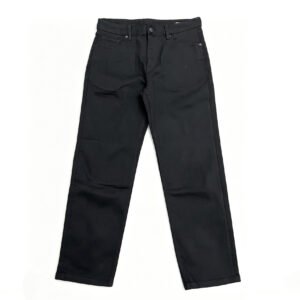
Custom Men's Jeans Manufacturer
As a custom men’s jeans manufacturer, Junsheen develops straight, relaxed, slim, tapered, and oversized fits from 100 units per style and color. Pattern development, grading, fabric sourcing, washes, trims, and private labels are managed in one production workflow.
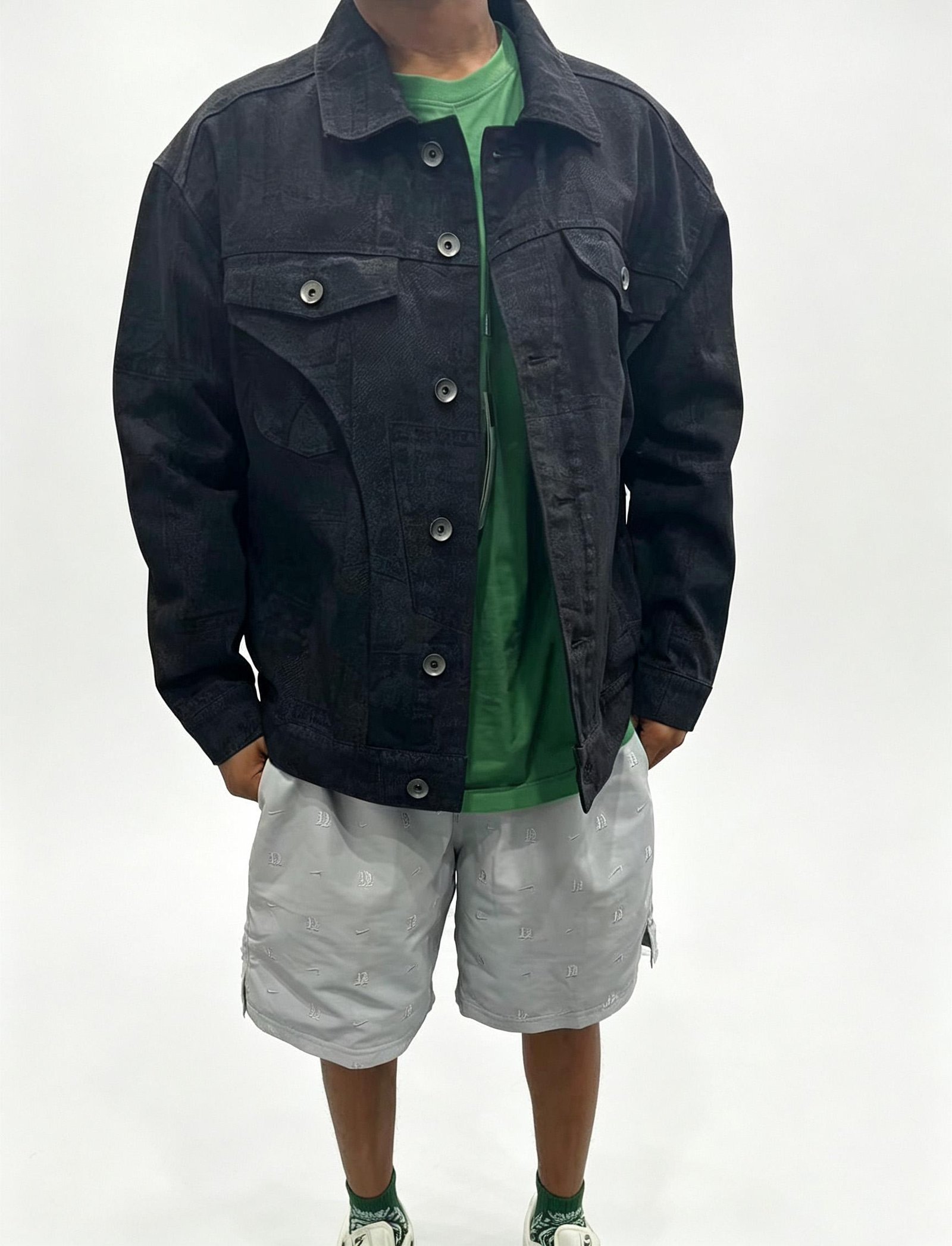
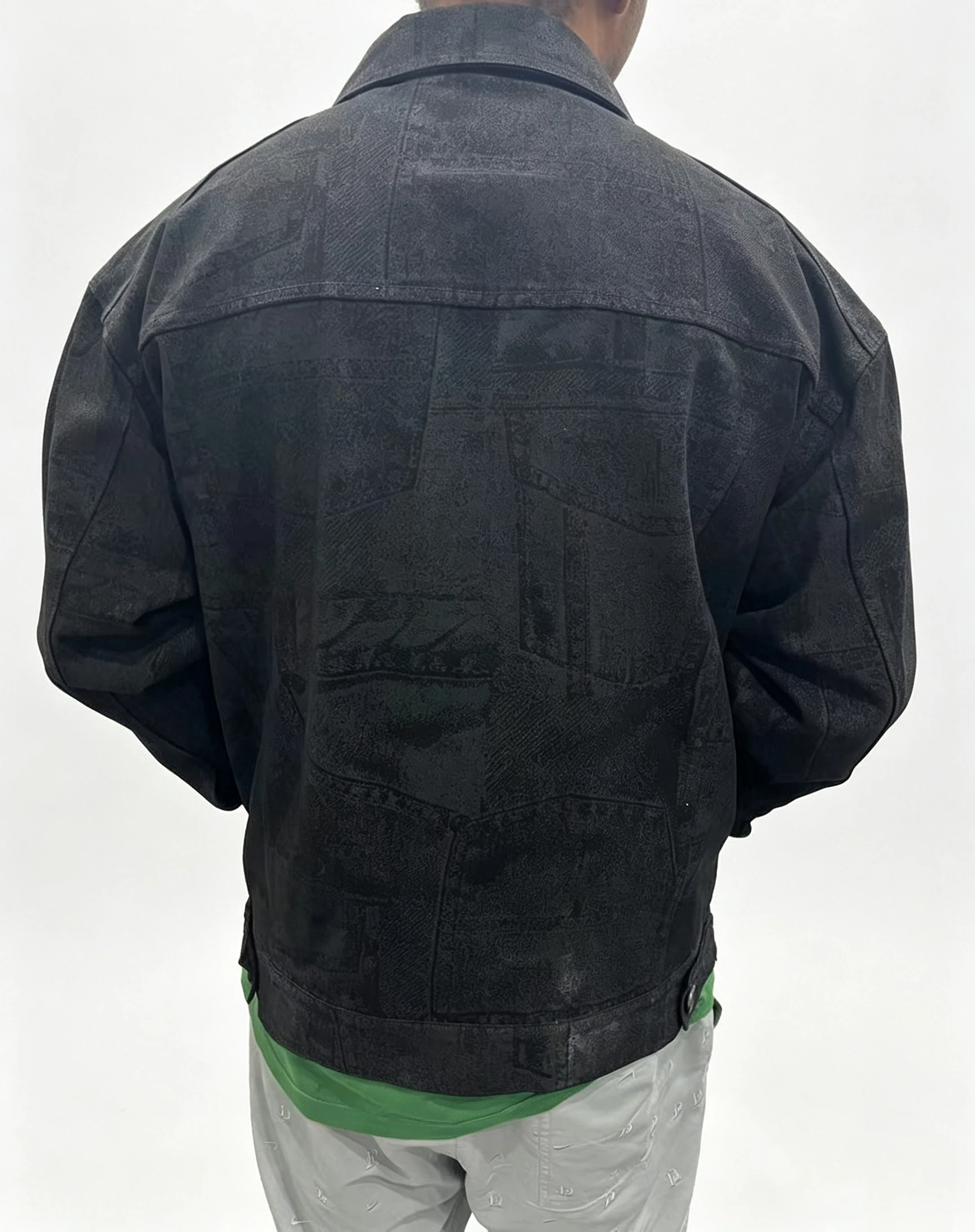
Request a QuoteCustom Men's Denim Jackets Manufacturer
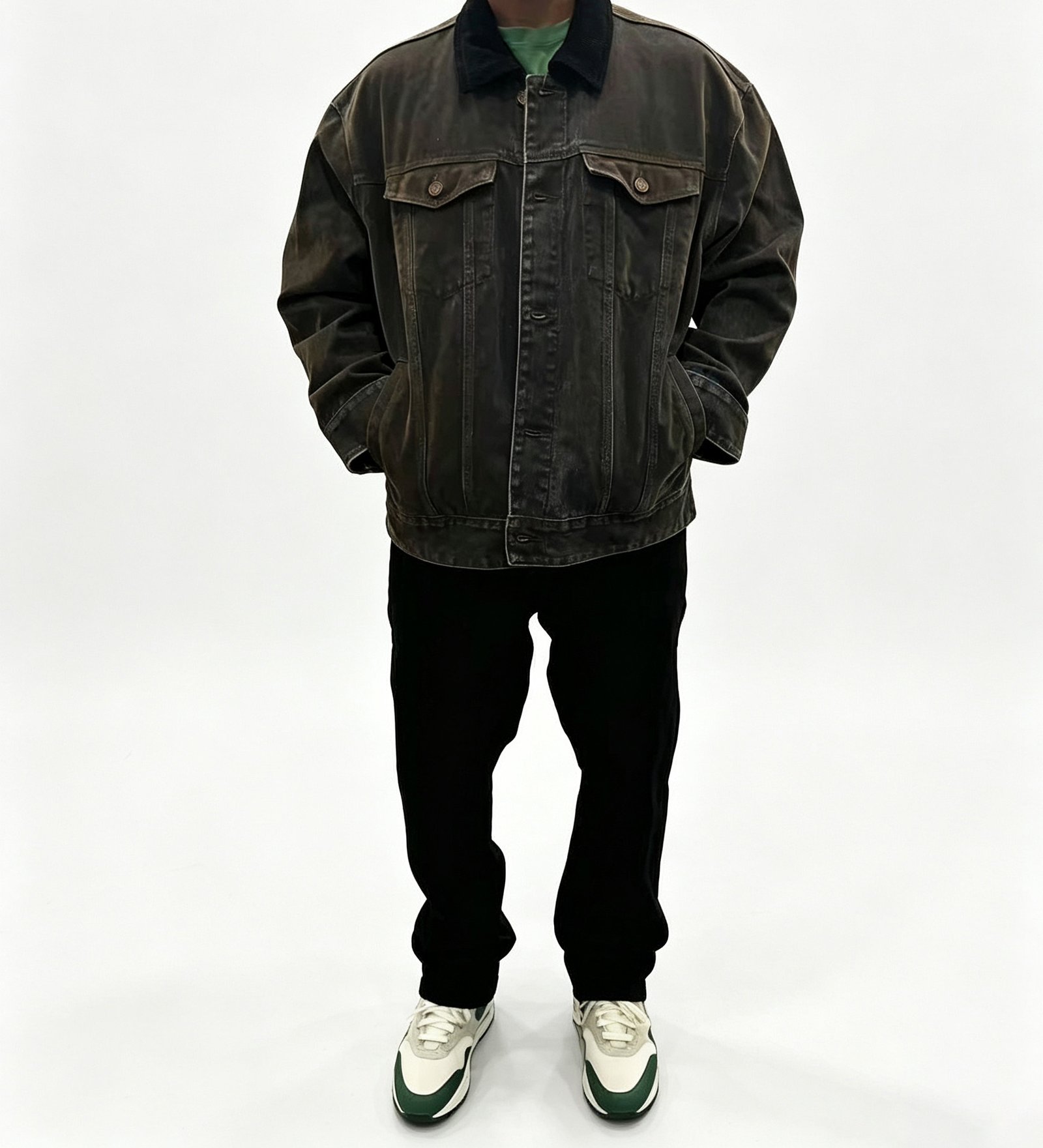
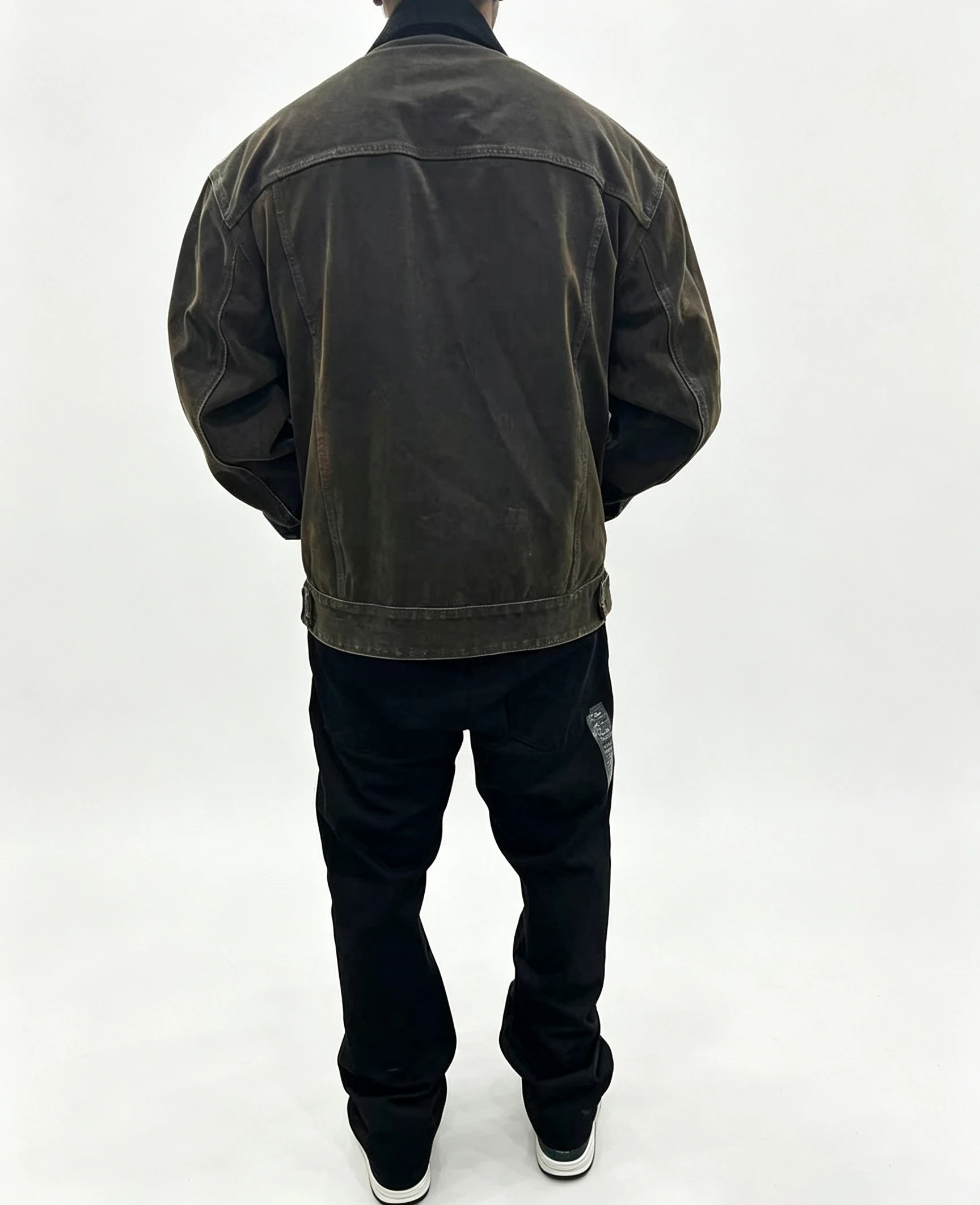
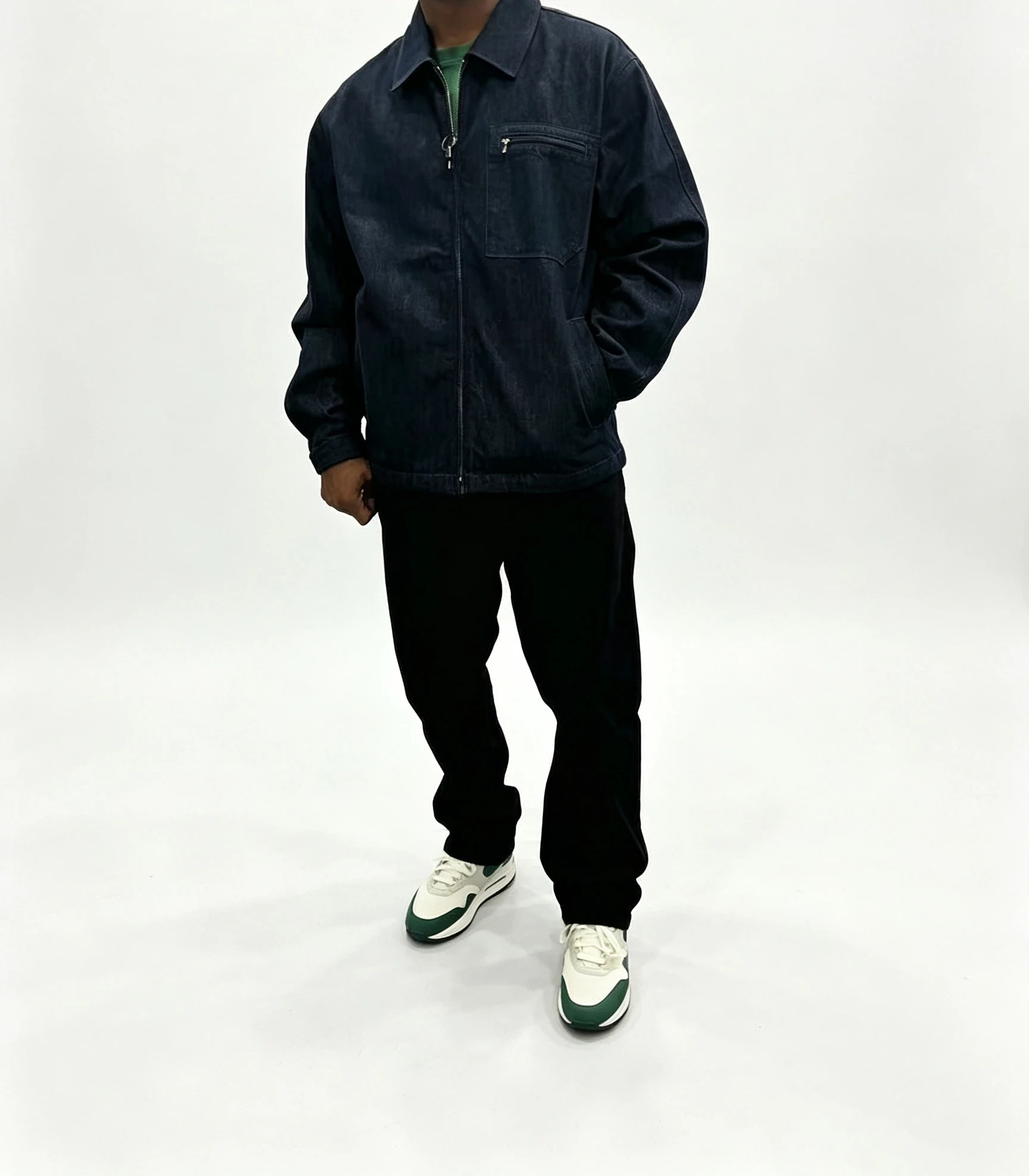
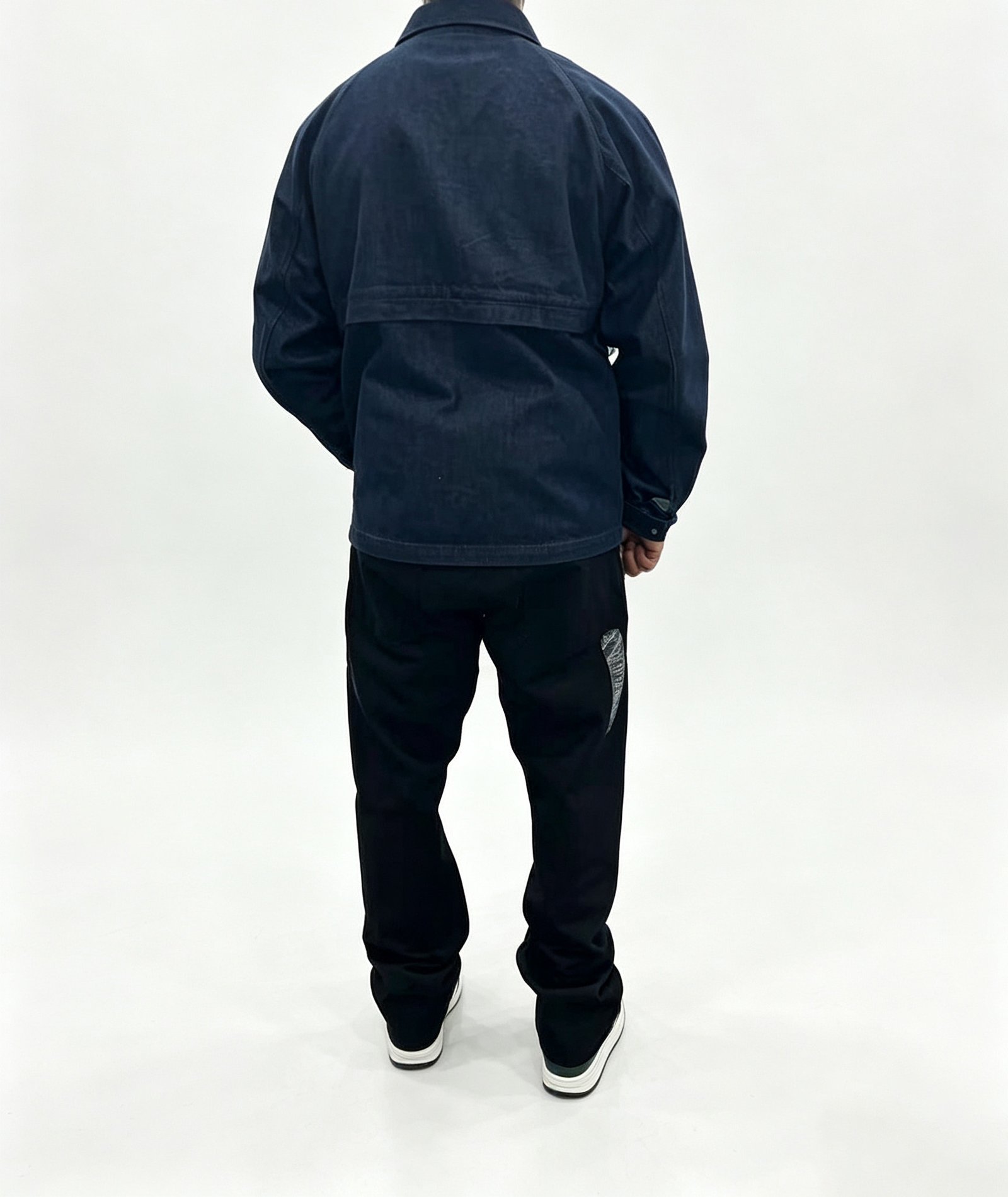
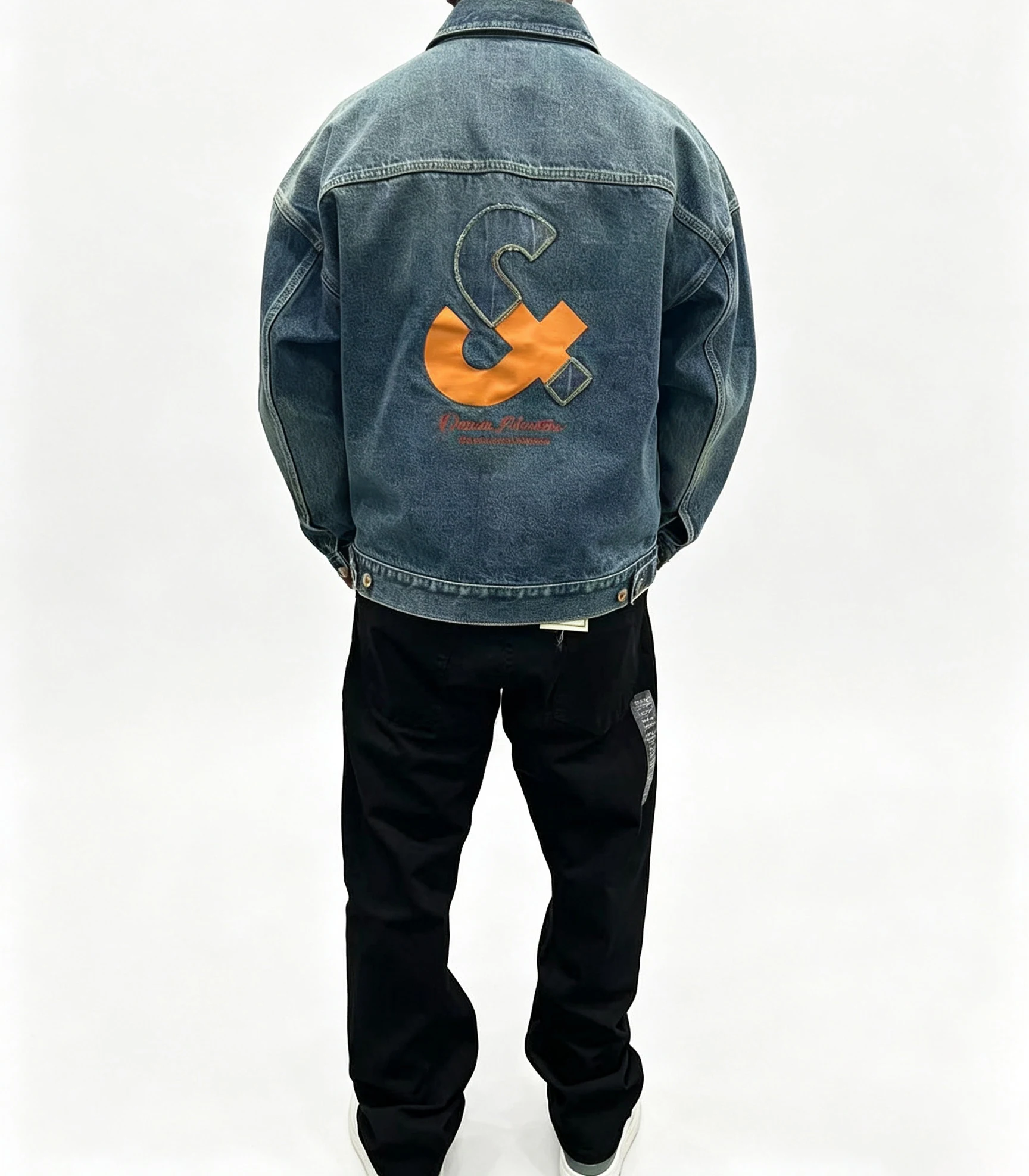
Junsheen produces custom men’s denim jackets in classic trucker, workwear, oversized, lined, and fashion-led constructions. Teams can specify denim weight, wash treatment, hardware, pockets, embroidery, patches, and branded labels while approving samples before bulk production.
Request a Quote
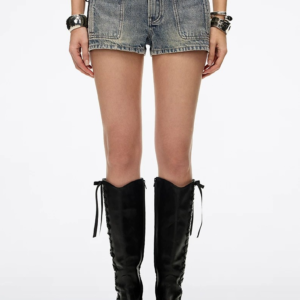
Custom Men's Denim Shorts Manufacturer
As a custom men’s denim shorts manufacturer, Junsheen develops tailored, relaxed, cargo, distressed, and raw-hem styles with considered rise, inseam, leg opening, and grading. Denim sourcing, garment washing, decoration, trims, and packaging support complete private-label programs.
Request a Quote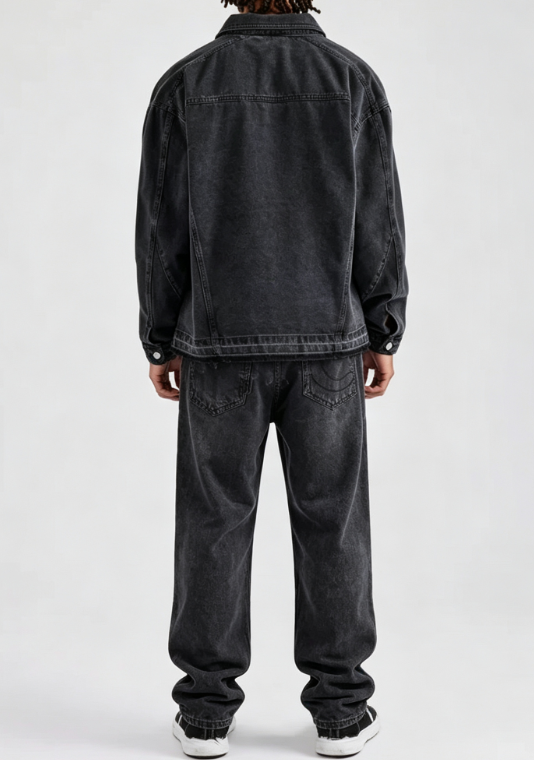
Men's Denim Sets Wholesale Manufacturer
Junsheen serves as a men’s denim sets wholesale manufacturer for coordinated jackets, jeans, shirts, and shorts. Shared fabric lots, wash recipes, color matching, and fit specifications help brands maintain visual consistency across capsule releases and ongoing wholesale assortments.
Request a Quote
Washed Men's Denim Shirts Manufacturer
Junsheen manufactures washed men’s denim shirts in western, overshirt, utility, relaxed, and oversized silhouettes. The team coordinates fabric weight, enzyme, stone, acid, or garment-dye treatments, then controls shrinkage, measurements, construction, and finishing through pre-production approval.
Request a QuoteMen’s Denim Clothing Manufacturer Materials for Every Fit


Stretch Denim
Cotton-rich denim blended with stretch fibers for easier movement and recovery. A strong choice for slim, tapered and comfort-fit jeans, balancing classic denim character with flexible wear and controlled stretch performance.

Cotton Jersey
Soft, breathable knit fabric suited to denim-adjacent T-shirts, layering pieces and casual tops. Available in varied weights, cotton jersey offers a smooth hand feel and natural stretch for everyday comfort.

French Terry
A midweight knit with a smooth face and looped inner texture. French terry works well for premium sweatshirts, hoodies and matching casualwear, providing breathable warmth and a substantial yet comfortable hand.

Durable Cotton Twill
A tightly woven fabric with a clean surface, crisp structure and reliable abrasion resistance. Use cotton twill for workwear-inspired overshirts, chinos, utility jackets and cargo styles requiring dependable shape and durability.

Recycled Fabric Blends
Recycled-content options can be considered for denim and casualwear programs where material goals matter. Junsheen reviews blend composition, hand feel, weight, stretch and wash performance against the product’s target requirements.
Men’s Denim Clothing Manufacturer: Decoration, Washing & Finishing

Logo Embroidery
Flat, 3D puff, chain-stitch, applique, and patch embroidery add tactile dimension to denim jackets, overshirts, and casualwear. Placement, thread color, and backing are reviewed for a clean appearance and dependable wear performance.

Screen Printing
Plastisol, water-based, puff, flocking, silicone, high-density, foil, and discharge printing create branded graphics with the intended texture and visual impact. Suitable for denim accents, tees, fleece, and coordinated men’s casualwear collections.

DTG and DTF
DTG and DTF decoration support detailed multicolor artwork, smaller graphic placements, and flexible design development. These options help brands test expressive visuals across compatible casualwear fabrics while maintaining clear logo and artwork reproduction.

Enzyme Washing
Enzyme washing softens denim and casualwear while developing a naturally worn character. The process can improve hand feel and reduce surface harshness, helping a men’s denim clothing manufacturer deliver comfortable garments with a refined lived-in finish.

Acid Stone Wash
Acid and stone wash treatments create contrast, fading, and vintage-inspired surface variation for jeans, denim shorts, and jackets. Sampling helps align the desired wash intensity, placement, and overall character before bulk production begins.

Dye and Finishing
Garment dye, softening, brushing, napping, and anti-pilling finishing help tailor color depth, touch, and surface performance. JUNSHEEN can combine suitable treatments with fabric selection to support the intended durability and collection aesthetic.
Private-Label Details From a Men’s Denim Clothing Manufacturer

Woven Brand Labels
Add custom woven main labels, size labels and wash-care labels to jeans, denim jackets and overshirts for clear brand identification, consistent sizing communication and a more complete private-label presentation.

Leather Back Patches
Use embossed or debossed leather-style back patches on jeans and denim shorts to create a recognizable waistband signature while reinforcing the premium, durable character of your collection.

Custom Metal Hardware
Specify branded buttons, rivets, snaps and buckles for denim closures, pocket reinforcements and jacket details. Hardware selections can support your target finish, from clean minimal styling to heritage-inspired workwear.

Branded Zipper Pulls
Customize zippers and zipper pulls for jeans, denim jackets and outerwear, pairing functional closure performance with a discreet branded detail that keeps the product identity visible in everyday use.

Drawcords And Ribbing
Coordinate custom drawcords, tipped ends and rib trims across denim-casual hybrid styles, hooded jackets and sweat pieces to bring color, texture and fit retention into line with your brand direction.
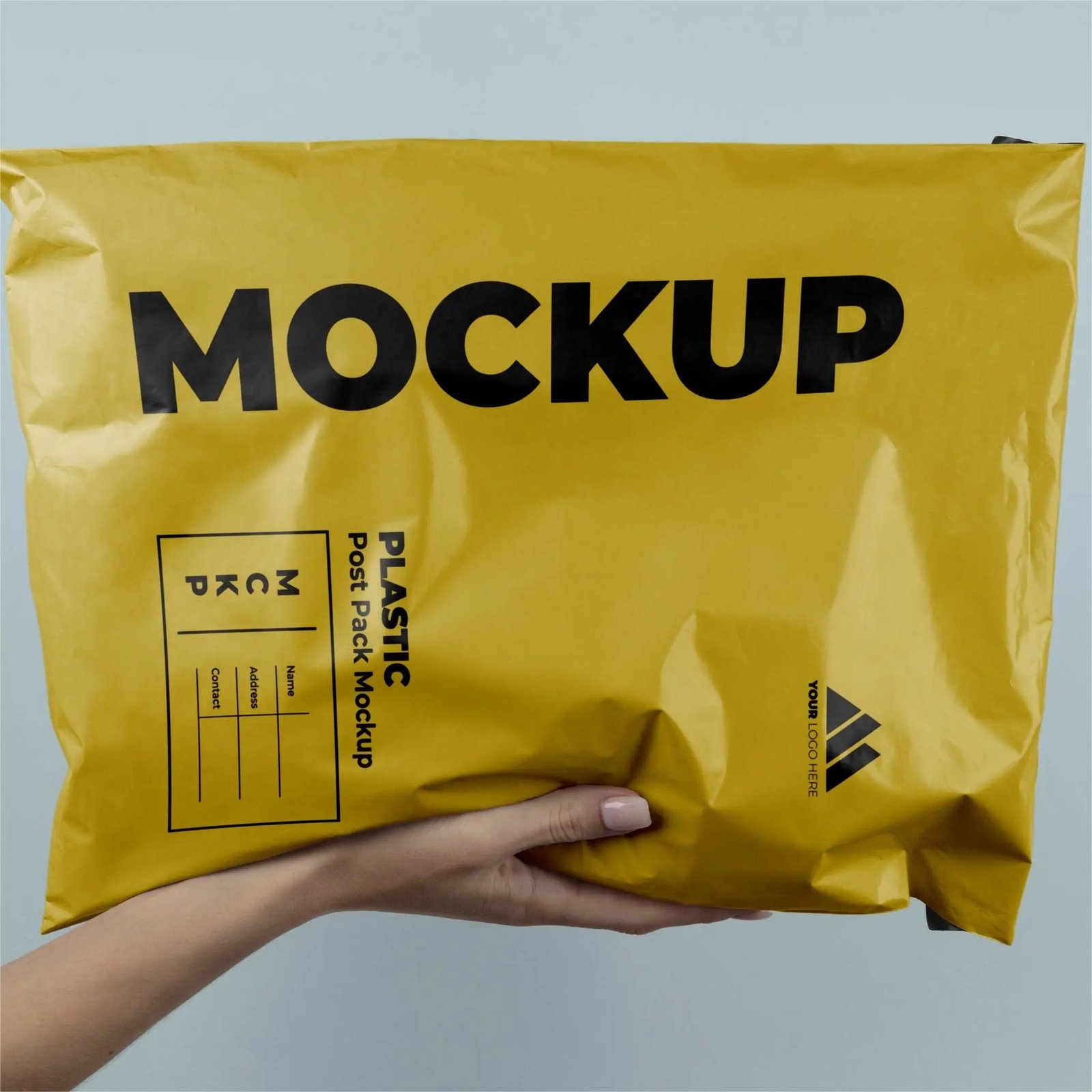
Hangtags And Packaging
Finish each order with custom hang tags, branded packaging and presentation details that support retail handling, communicate garment information and give buyers a cohesive unboxing experience from factory to customer.
About JUNSHEEN, Your Men's Denim Clothing Manufacturer
Founded in 2010 in Humen Town, Dongguan, JUNSHEEN helps fashion brands turn denim concepts into production-ready collections. As a men’s denim clothing manufacturer, we bring OEM, ODM and private-label development together with responsive, practical support for launches, repeat orders and long-term growth.
Our 200+ skilled workers and monthly capacity above 80,000 units support programs from 100 units per style and color to ongoing bulk production. Having served 2,000+ fashion-brand clients, we manage cut-and-sew, knitwear, fabric sourcing, pattern development, decoration, washing, labels, packaging and export coordination through one connected supply chain.
Fit comes first at JUNSHEEN. We develop XS–3XL, extended-size, plus-size and oversized denim with grading that refines proportions, mobility and key measurements across the size range. That technical attention helps brands create consistent products, reduce avoidable sample revisions and scale with greater confidence.

Men’s Denim Clothing Manufacturer Capabilities That Protect Fit
Fit Engineering Across XS–3XL
JUNSHEEN develops men’s denim with proportional pattern adjustments rather than simple size enlargement. Our team refines shoulder balance, sleeve length, rise, body shape, mobility and grading increments to support normal, extended, plus-size and modern oversized fits from XS through 3XL.
- Production-ready patterns for each approved style
- Size grading aligned to intended fit and silhouette
- Fit samples and size-set review before bulk approval
- Jeans, denim sets, jackets and denim shorts

Development From Brief to Bulk
As a men’s denim clothing manufacturer, JUNSHEEN can start with a tech pack, sketch, reference garment, mood board or early product idea. We bring fabric sourcing, specification review, pattern making, sampling and manufacturability guidance into one coordinated development path.
- Fabric, stretch, weight and hand-feel recommendations
- Tech-pack review and construction clarification
- Prototype sampling and pre-production approval
- Low MOQ from 100 units per style and color
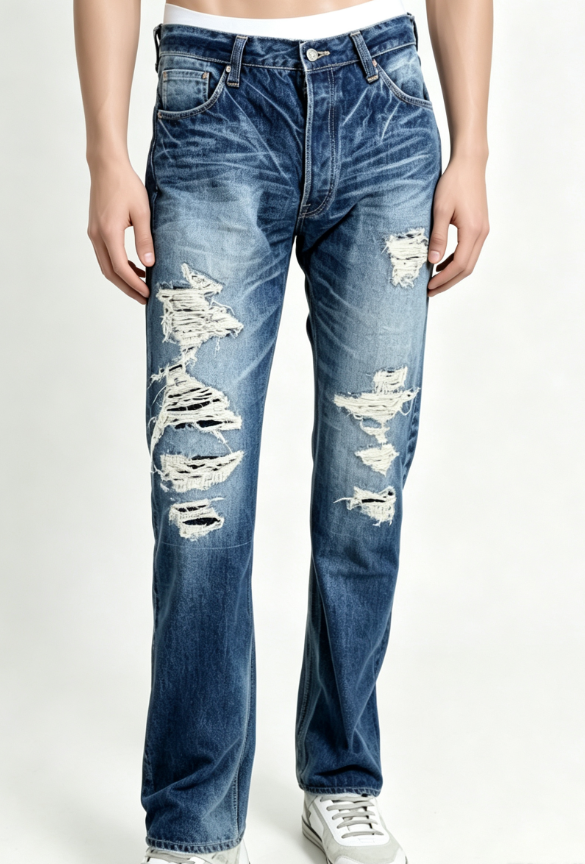
Branded Denim Finishing Control
Build a recognizable denim program with coordinated decoration, washing, trims and packaging. JUNSHEEN supports embroidery, screen-print effects, patches, garment dye, acid wash, stone wash and softening treatments alongside custom labels, hardware and branded presentation details.
- Embroidery, patches and print applications
- Enzyme, acid, stone and garment-dye washes
- Custom labels, hang tags, buttons and zippers
- Branded packaging for private-label orders

Consistency for Repeat Orders
Repeat programs benefit from retained patterns, graded size sets and material records. These production references help JUNSHEEN maintain approved fit, construction and component choices as orders move from a first capsule launch to recurring bulk production and global shipment.
- Retained fit, grading and material references
- Incoming, in-line and final packed-goods checks
- 200+ skilled workers and 80,000+ monthly units
- Export support for global fashion brands
Why Brands Choose JUNSHEEN as Their Men’s Denim Clothing Manufacturer
One accountable team for fit-focused development, denim production, quality control and export-ready delivery.
← Swipe left or right to view →
Men’s Denim Clothing Manufacturer: From Fabric Sourcing to Global Shipment
A controlled development and production workflow for custom men’s denim programs, from initial feasibility through export-ready delivery.
Review Requirements and Feasibility
We review your tech pack, reference garment, target price, size range, and order goals, then confirm construction, wash feasibility, MOQ, and development priorities.
Source Fabrics and Trims
Our team recommends denim weight, stretch, hand feel, wash performance, labels, hardware, and packaging options aligned with your product brief and target market.
Develop Patterns and Samples
Pattern makers build and grade fit-focused patterns from XS through 3XL, then produce prototypes and size sets for measurement, mobility, construction, and wash approval.
Confirm Specifications and Materials
After sample approval, we finalize measurements, approved fabrics, trims, decoration details, wash standards, color references, and production records before bulk order confirmation.
Produce With In-Line Checks
Skilled teams manage cutting, sewing, embroidery, printing, washing, finishing, and assembly while in-line inspections monitor construction, measurements, appearance, and consistency across production.
Inspect Pack and Export
Final quality control verifies finished garments and packed goods before branded packing, export documentation, and global shipping support for your approved denim order.
Start Your Project With a Men’s Denim Clothing Manufacturer
Move from concept to shipment through a clear, managed development process built for custom denim programs.
Submit Your Concept
Send a tech pack, sketch, reference garment, mood board, or product idea. Share target fit, washes, branding details, quantities, and preferred delivery requirements.
Review Feasibility and Quote
Our team reviews construction, fabric, wash, trim, grading, and decoration requirements, then recommends practical options and prepares a clear quotation for your denim program.
Approve Samples and Materials
Review fabric swatches, prototype samples, fit adjustments, size grading, washes, and branded components before confirming materials and production-ready specifications for bulk manufacturing.
Confirm Your Order
Approve final samples and quotation, confirm color and size quantities, and place your order. Programs can start from 100 units per style and color.
Track Production to Shipment
JUNSHEEN manages bulk cutting, sewing, washing, finishing, quality inspections, packing, and export coordination, keeping your team informed until finished goods are ready to ship.
Custom Clothing Manufacturer Credentials and Compliance Documents



Why Brands Choose Our Men’s Denim Clothing Manufacturer
JUNSHEEN helped us refine the rise, leg balance, and grading across our XS–3XL denim program. After two sample rounds, we approved the full size set and placed a 1,200-unit bulk order with far fewer fit revisions than expected.
We launched our first men’s denim capsule at a 100-unit MOQ per style and color. The team coordinated stretch-denim sourcing, custom rivets, leather labels, and wash approvals in one workflow, which made sample-to-bulk communication much easier for our small team.
For our repeat program, JUNSHEEN retained the patterns and material details, so reordering was straightforward. Our second production run grew from 600 to 2,400 units, and the measurements, branding details, and packed presentation stayed consistent across the order.
Men’s Denim Clothing Manufacturer FAQs
Clear answers on MOQ, sampling, fit development, private labeling, quality control and global delivery for custom men’s denim programs.
What is Junsheen’s minimum order quantity for custom men’s denim?
Can a men’s denim clothing manufacturer develop jeans from a sketch or reference garment?
How does JUNSHEEN handle men’s denim fit grading from XS to 3XL?
Can I order private-label men’s jeans, denim jackets or denim shorts?
What happens during denim sampling before bulk production?
What denim washes, decoration and finishing options are available?
How long does a custom men’s denim clothing manufacturer order take?
What payment and global shipping support does JUNSHEEN offer?
The Complete Buyer’s Guide to Men’s Denim Manufacturing
Use this decision framework to evaluate denim supplier capabilities, materials, development processes, quality controls, costs, and communication—so you can compare partners confidently, avoid expensive sampling and production mistakes, and build a commercially viable men’s denim range.
1. What Is a Men’s Denim Clothing Manufacturer?
A men’s denim clothing manufacturer can operate at several service levels: full-package manufacturing manages development, fabric and trim sourcing, patterns, samples, cutting, sewing, washes, quality control, packaging and export; CMT only cuts, makes and trims buyer-supplied materials. Ownership models also matter. OEM follows the buyer’s finished tech pack and specifications; ODM adapts or develops a supplier-led design; private label applies a buyer’s branding to an agreed product, while stock or white-label supply uses ready-made styles with limited changes. Junsheen’s stated starting scale for custom programs is 100 units per style and color. Choose full-package or ODM when your team needs development support, OEM when it owns the design and can approve technical details, CMT when it already controls materials and patterns, and white label when speed and lower development spend outweigh exclusivity.
2. Evolution of Men’s Denim Manufacturing
1873 marked the patenting of riveted work trousers by Jacob Davis and Levi Strauss, turning hard-wearing cotton duck and denim construction into recognizable industrial workwear (https://www.uspto.gov/about-us/news-updates/american-innovation-jacob-davis-and-levistrauss). For buyers, that legacy still makes yarn quality, twill weight, seam reinforcement and hardware performance more important than a wash recipe alone. 1950s youth culture moved jeans from utility clothing into a fashion signal; subsequent slim, relaxed, oversized and streetwear-led silhouettes made fit blocks and grading commercial decisions, not merely technical ones. A men’s denim clothing manufacturer now needs to validate rise, thigh, knee, leg opening and stretch recovery on wearers before approving a size set. 1990s–2020s advances expanded denim beyond rigid 100% cotton: stretch fibers, softer finishes, laser marking and automated cutting enable different comfort, repeatability and design outcomes. Buyers should specify fabric composition, target weight, wash standard, shade tolerance and traceable processing early, then compare samples after laundering—especially when recycled fibers or lower-impact wash claims are involved.
3. Types of Men’s Denim Clothing Manufacturer
Six operating models dominate the men’s denim clothing manufacturer market, and each shifts control between development, laundry, inventory, and scale. Shortlist by your launch quantity, wash complexity, and need for original patterns before comparing quotes.
| Model | Best-Fit Order | Customization | Lead-Time Trade-Off |
|---|---|---|---|
| Vertically integrated | Recurring programs | High | Fewer handoffs; less flexible |
| Cut-and-sew specialist | Original styles | High | Separate wash sourcing may add time |
| Wash house partners | Finish-led denim | Very high | Extra coordination |
| Private-label supplier | Fast branded launch | Limited | Stock options accelerate delivery |
| Low-MOQ developer | 100-unit capsules | High | Sampling drives timeline |
| High-volume producer | Large repeat orders | Moderate | Efficient after approval |
Development And Full Package
100-unit capsule orders usually suit low-MOQ development partners or full-package factories. They offer patterns, grading, sourcing, and labels, but sampling and approvals can lengthen the calendar.
Production And Wash Specialists
A wash-house partnership can unlock specialist fades, enzyme effects and distressing through a garment maker. It increases finish latitude, yet creates another handoff and requires tighter wash-to-bulk approval.
Stock And Scale Models
A private-label supplier starts from existing fits, while high-volume producers prioritize repeatable programs. The first reduces development time; the second improves unit economics but typically limits small-run experimentation.
4. Men’s Denim Clothing Manufacturer Fabric Options
12–14 oz denim is a reliable starting point for durable five-pocket jeans and trucker jackets. A men’s denim clothing manufacturer should specify fabric before pattern approval, including fiber, weave, dye, stretch, recovery, and end use.
| Fabric Type | Weight | Feel And Durability | Best Use |
|---|---|---|---|
| Lightweight denim | 4–8 oz / 135–270 GSM | Soft, lower structure | Shirts, overshirts |
| Rigid cotton | 12–16 oz / 405–540 GSM | Firm, highly durable | Jeans, jackets |
| Comfort-stretch | 10–13 oz / 340–440 GSM | Easier movement, stable | Jeans, jackets |
| Stretch denim | 8–12 oz / 270–405 GSM | Flexible; test recovery | Slim jeans |
| Recycled-content denim | 10–14 oz / 340–475 GSM | Specify blend strength | Jeans, outerwear |
Composition And Weave
100% ring-spun cotton, usually woven in 3/1 right-hand twill, gives rigid jeans their firm hand and authentic fade potential. 1–3% elastane creates comfort-stretch; higher stretch needs recovery testing after wash and wear.
- Rigid cotton: jeans and structured jackets
- Comfort-stretch: everyday jeans and overshirts
- Recycled cotton blends: specify percentage and strength target
Color And Selvedge
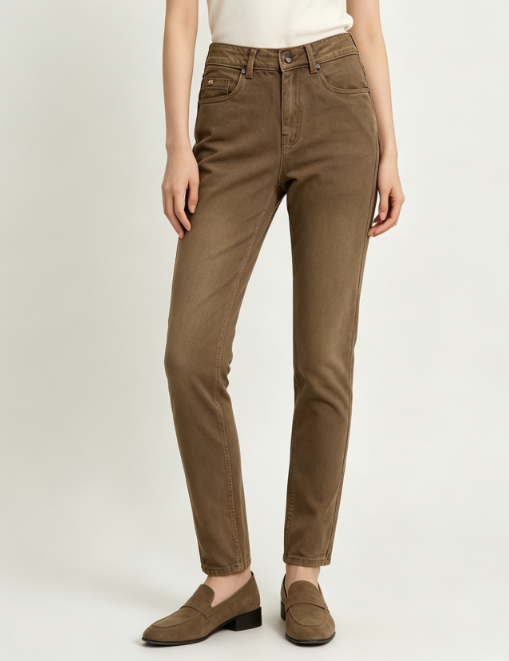
Indigo-dyed warp and undyed weft create traditional blue denim; sulfur dye supports black, grey, and colored denim programs. Selvedge identifies shuttle-loom fabric edges, not automatically better garment quality; reserve it for premium rigid styles.
Weight Selection

4–8 oz lightweight denim suits shirts and soft overshirts, while 12–16 oz fabrics suit hard-wearing jeans. 80,000-unit monthly capacity does not replace swatch, wash, and shrinkage approval before bulk commitment.
5. Customization and Denim Decoration Options
At Junsheen, a men’s denim clothing manufacturer can begin at 100 units per style and color, but custom processes should be locked before bulk. Fit, wash, and branding decisions belong in development—not after quotation.
| Customization | Sampling Impact | Bulk Control |
|---|---|---|
| Custom fit block | Size-set approval | Grade rules and tolerances |
| Laser distressing | Full-garment sample | Placement reference photos |
| Branded hardware | Wash-tested sample | Trim specification card |
Fit Blocks And Patterns

XS–3XL fit blocks need approved body measurements, ease, rise, inseam, leg opening, and grading rules. Custom patterns and extended-size blocks add sampling work but protect repeat consistency. 100-unit launches should limit blocks and colors until the size set is approved. Record the approved sample size, tolerances, and construction measurements in the tech pack.
Washes And Surface Effects

Stone wash, enzyme wash, distressing, acid wash, and laser effects must be approved on the exact denim and color. Wash recipes, placement photos, abrasion level, and post-wash measurements determine repeatability and durability. 1 approved wash panel is not enough for complex effects; review a full garment sample. Heavy distressing and multi-step washes increase cost, sampling time, and shade variation risk.
Branding And Packout
Embroidery, screen printing, patches, labels, hardware, hangtags, and packaging require artwork, Pantone references, dimensions, placements, and attachment methods. Metal hardware and leather patches should be tested through the approved wash. 1 sealed pre-production sample should match the tech pack, trim card, wash standard, and packing specification. It becomes the factory reference for bulk inspection.
6. Key Denim Construction Quality Elements
A denim sample is production-ready only when its approved measurements, construction sheet, and wash reference agree. For a men’s denim clothing manufacturer, measurable checkpoints prevent subjective bulk-quality disputes.
Fit And Pattern Balance
At sample review, check front and back rise, inseam, outseam, thigh, knee, hem, and waistband against the approved spec. Record a tolerance for every point of measure and assess leg twist, crotch comfort, and left-to-right pocket symmetry. Across XS–3XL, inspect graded rises and inseams rather than assuming a scaled base pattern preserves proportion.
Seams And Hardware

On each sample, inspect seam type, stitch density, thread shade, skipped stitches, and secure bartacks at stress points. Verify zipper operation, button or tack attachment, belt-loop anchoring, and waistband alignment after washing.
- Check coin-pocket and back-pocket placement from fixed reference points.
- Pull-test hardware and examine bartacks at pocket corners.
- Compare thread color and topstitch spacing with the approved sample.
Wash And Final Control
Before bulk release, retain an approved wash standard showing shade, abrasion placement, hand feel, and shrinkage result. Measure washed garments against the signed size chart, then compare random packed units with that reference before shipment.
7. Choosing a Men’s Denim Clothing Manufacturer
A capable men’s denim clothing manufacturer should prove control of the details that change fit, wash appearance, delivery, and reorder consistency. Compare documented evidence, not capability lists or a low initial quote.
| Evaluation Area | Question | Evidence |
|---|---|---|
| Fabric and trims | Can every component be traced? | Mill, lot, and trim specification |
| Wash capability | How is shade approved? | Wash standard and approval sample |
| Capacity and logistics | What dates are assumed? | Written critical path and shipping plan |
Match Product Experience
3 recent comparable styles reveal more than a general portfolio. Ask for samples showing the target silhouette, stretch level, wash, hardware, and size range.
- Request approved tech packs and measurement specs
- Review size-set and wash-approval records
- Confirm MOQ by style, color, and wash
Verify Production Controls
4 control points should be defined: incoming fabric, in-line sewing, wash approval, and final inspection. Request the inspection checklist, defect policy, and measurement tolerances before placing bulk production.
- Trace fabric mill, composition, and lot
- Specify trims, finishes, and color standards
- Ask who approves the production sample
Confirm Commercial Readiness
100-unit programs can suit a capsule, but capacity must match the supplier’s confirmed schedule. Get a written critical path from material booking through inspection, balance payment, and shipping handoff.
- Confirm sample, bulk, and freight assumptions
- Document Incoterms and destination responsibilities
- Name one accountable communication contact
8. Common Men’s Denim Sourcing Mistakes
A 100-unit launch can still fail when approvals precede documented production controls. For a men’s denim clothing manufacturer, pre-bulk discipline protects fit, wash consistency, timing, and accountability.
Price And Specification Shortcuts
Three quotes should be normalized for fabric weight, wash process, hardware, labels, packing, freight terms, and defect allowance before choosing the lowest unit price. One signed tech pack should state measurements, tolerances, stitch details, trim codes, Pantone references, artwork size, and wash targets; photographs alone are insufficient.
Unproven Fit And Wash
Two wear trials across intended sizes should test comfort, recovery, pocket placement, chafing, and movement before bulk approval. Five wash-and-dry cycles should be compared against the approved sample; denim shade, abrasion, shrinkage, and hand feel vary by lot and laundry process.
MOQ, Timing, And Claims
XS through 3XL requires a reviewed graded size set, while fabric mill minimums must be confirmed by color and construction before sales quantities are promised. Four written controls—inspection level, measurement tolerances, defect definition, and remedy timetable—should accompany the purchase order; reserve time for fabric, sampling, laundry, and final inspection.
9. Steps to Launch a Men’s Denim Brand
100 units per style and color can be a practical first production gate with a men’s denim clothing manufacturer. Start by defining the target customer, retail price, and landed-margin target before choosing two or three hero styles.
Build A Production Brief
2–3 launch styles keep development spend focused: for example, a straight jean, denim jacket, and denim short. Specify fit block, size range, Pantone color, fabric weight, stretch, wash reference, stitching, hardware, labels, and packaging. 1 approved tech pack per style prevents quote comparisons from becoming misleading. Ask suppliers to flag construction or wash details that threaten cost, yield, or repeatability.
Validate Samples And Economics
1 prototype should test silhouette, comfort, measurements, and wash character before bulk fabric is committed. Revise the sample until the approved fit, shade, distress placement, and measurement tolerances are documented. XS–3XL grading requires a size set or at least representative sizes when extended sizing is planned. Approve the final quote only after unit cost, freight assumptions, duties, and intended retail margin work together.
Release Bulk With Controls
1 pre-production sample is the final decision gate: it must match the approved fabric, trims, wash, labels, and packaging. Keep it as the physical reference for bulk inspection. 100% packed-goods checks should include measurements, construction, decoration, wash consistency, labeling, carton counts, and export marks. Confirm delivery terms, ship date, carton dimensions, and destination documentation before goods leave the factory.
10. Men’s Denim Manufacturing Pricing and Costs
100 units per style and color is Junsheen’s stated starting scale, but no universal denim price is credible. Fabric weight, stretch fiber, wash recipe, pattern development, hardware, embroidery or printing, and packed-garment testing all change the quote. 2 quote formats prevent false comparisons: request both ex-works and delivered, duty-paid landed cost for the same tech pack. Specify fabric composition and ounces, wash standard, Pantone, trims, packaging, size-color ratio, test requirements, destination, Incoterm, freight mode, and duty assumption. 3 quantity tiers usually change unit economics through cutting efficiency, fabric utilization, wash-lot setup, and freight allocation. Junsheen can quote development, sampling, bulk production, quality control, packaging, and export support as defined line items; compare supplier quotes only when every assumption matches.
| Quote-dependent tier | Cost emphasis | Lead-time driver |
|---|---|---|
| 100–299 units | Development and setup | Fabric, wash, approvals |
| 300–999 units | Trims and wash lots | Material booking, size mix |
| 1,000+ units | Fabric yield and logistics | Bulk capacity, freight booking |
Partner With a Men’s Denim Clothing Manufacturer
Send your tech pack, sketch, reference garment, or product idea for feasibility review, sampling guidance, and a tailored quote.