#rankmath
Title: DTG vs Screen Printing for Custom T-Shirts
Description: Compare DTG and screen printing for custom T-shirts, from artwork and fabric choices to sampling controls, repeatability, and RFQ questions.
Keyword: DTG vs screen printing for custom T-shirts
#rankmath
DTG vs Screen Printing for Custom T-Shirts: A Production-Ready Decision Guide
Choosing between DTG and screen printing is not simply a choice between two decoration methods. It affects artwork preparation, blank selection, color expectations, sample review, bulk-production controls, and how confidently a brand can repeat the program later.
For fashion brands, streetwear labels, and wholesale buyers, the right process starts with the intended artwork and garment—not a universal preference for one print method. DTG can suit detailed, full-color artwork and flexible small-run development. Screen printing is often a stronger fit when the design is built around defined spot colors, intentional ink effects, and a repeatable production specification.
JUNSHEEN supports OEM, ODM, and private-label apparel development, including custom T-shirts, DTG, and screen-print applications. Brands can pair decoration planning with fabric sourcing, fit development, size grading, sampling, and bulk production. Explore JUNSHEEN or review Custom DTG Printed T-Shirts when planning a printed tee program.
The practical difference between DTG and screen printing

DTG printing applies artwork digitally to the garment. It is typically considered when the artwork contains photographic elements, tonal transitions, many colors, or small details that would be difficult to separate into a restrained spot-color design.
Screen printing transfers ink through prepared screens. It is commonly selected for artwork with deliberate spot colors, bold shapes, type, logos, and print effects that are specified as part of the collection’s visual language. A screen-print program needs clear color separations and agreed print-placement instructions before bulk approval.
Neither method automatically produces a better T-shirt. The better method is the one that matches the artwork, intended hand feel, fabric color, garment construction, and reorder requirements.
| Production question | DTG printing | Screen printing |
|---|---|---|
| Artwork structure | Often suitable for detailed, full-color, or tonal artwork | Often suitable for spot-color graphics, bold type, and separated art |
| Setup approach | Digital artwork preparation and print testing | Color separations, screen preparation, and print setup |
| Color planning | Requires approved digital artwork and garment-specific testing | Requires named ink colors and approved separations |
| Hand feel | Depends on artwork coverage, pretreatment, garment, and print settings | Depends on ink system, coverage, mesh selection, and print effect |
| Bulk control focus | File version, pretreatment, placement, curing, and approved sample | Screen setup, ink colors, registration, coverage, placement, and approved sample |
| Reorder control | Retain the approved art file, garment, and sample standard | Retain approved separations, ink references, garment, and sample standard |
Compare artwork behavior before choosing a print method

Artwork behavior should drive the first decision. Send production-ready files rather than relying only on a mood-board image or a social-media reference. The factory needs to know what elements are essential and what may vary within an acceptable production tolerance.
Artwork that may favor DTG printing
DTG is worth evaluating when the graphic includes:
- Fine tonal shifts or painterly textures.
- Full-color illustration with many visible shades.
- Small, multicolored details that would create a complex screen-separation plan.
- Artwork intended to retain a digital-image character rather than a flat spot-color appearance.
This does not mean every complex illustration should be printed by DTG. Some designs can be simplified into spot colors, while others may need a different print application entirely. Ask the manufacturer to review the actual artwork at intended print size on the intended garment.
Artwork that may favor screen printing
Screen printing is often a natural fit for:
- One-color or limited-color logos.
- Large graphic type and high-contrast line work.
- Brand graphics designed around a consistent ink palette.
- Streetwear artwork where opacity, texture, puff, high-density, flock, foil, discharge, or water-based ink character is part of the concept.
A screen-print file should make color intent unmistakable. Name each spot color, identify whether an underbase is intended, and identify which parts of the graphic must remain sharp at production size. If the design is distressed, define whether the distress is part of the artwork or an acceptable result of the print process.
Fabric, garment color, and construction change the result
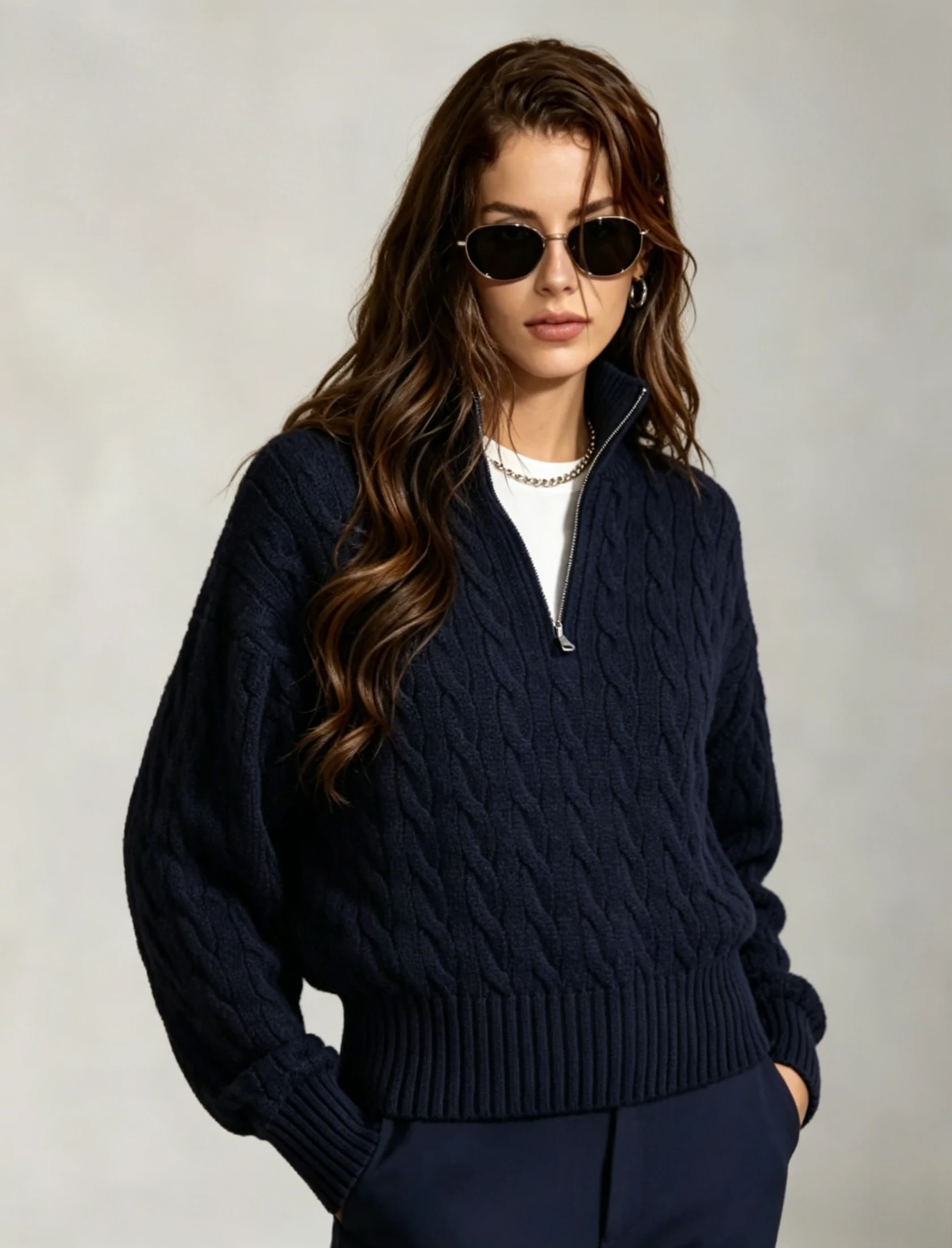
The fabric is not a neutral canvas. Jersey composition, surface character, color, garment wash, and stretch can affect how artwork appears and feels. A print that looks appropriate on a smooth, light-colored cotton jersey may require different treatment on a dark garment, a cotton-poly blend, a heavily washed tee, or a textured knit.
For either method, provide the intended fabric composition, weight target, color, wash treatment, and fit specification early. If the T-shirt is cut and sewn rather than sourced as a standard blank, coordinate print placement with the final pattern block. A chest graphic can appear differently across a boxy oversized fit, a drop shoulder, a slim body, or an extended-size graded set.
For dark garments, ask the supplier to explain the planned color-building approach and show it on the actual garment color. For washed garments, review whether the print is applied before or after the wash treatment, and ensure the sample reflects the intended production route. Do not approve a print on one blank and assume it will match after a garment, fabric, or wash change.
Color handling: specify intent, then approve the sample

Color discussions often fail because the buyer and factory are reviewing different references. A monitor image, a digital mockup, and a printed garment are not interchangeable approval standards.
Use a controlled approval package:
- Final artwork file with a clear version name.
- Print dimensions and placement measurements from garment landmarks.
- Garment color and fabric reference.
- Named spot colors for screen printing, where applicable.
- Written note identifying critical colors, gradients, fine lines, and intentional distressing.
- Physical or photographed sample review instructions, including the viewing conditions your team will use.
For DTG, identify whether the artwork contains transparency, soft edges, near-black shades, or fine texture that may behave differently against the garment color. For screen printing, confirm the color-separation file, screen-print sequence, and whether the artwork relies on opaque ink, transparent overprints, or specialty applications.
A buyer should approve the production sample for the total visual result, not merely the logo position. Review edge definition, color relationships, coverage, artwork scale, placement, and how the print sits on the garment.
Hand feel is a design requirement, not an afterthought

Hand feel is influenced by many variables: the print method, graphic coverage, ink choice, garment surface, base treatment, and curing process. A small chest logo and a large front graphic will not feel the same even when they use the same decoration method.
Describe the intended hand feel in practical terms. For example: soft and low-profile; smooth with strong opacity; raised as a deliberate effect; or substantial because the graphic is meant to be bold. Avoid approving a sample solely from a flat product photo. Handle the sample, flex the printed area, and compare it with the intended wearing experience.
For screen printing, discuss the desired ink system and any special effect during development. For DTG, ask for a sample on the selected garment and judge the finished print rather than assuming a digital preview represents the final hand.
Sampling controls for a production-ready approval

A sample is where a decorative concept becomes a manufacturing specification. Approving too early can leave important variables open to interpretation during bulk production.
Sample-approval checklist
Before approving a pre-production sample, confirm:
- The garment style, fabric, color, and wash treatment match the intended bulk specification.
- The approved artwork file is identified by version and linked to the sample.
- Print size is measured, not described only as “large” or “centered.”
- Placement is measured from stable garment landmarks, such as high-point shoulder, center front, neck rib, or side seam.
- Color intent is documented, including required spot colors or critical tonal areas.
- Fine details, distressed elements, and small type are reviewed at normal viewing distance.
- The print has been assessed on the actual fabric surface and garment color.
- The team has reviewed hand feel, stretch behavior where relevant, and appearance after the agreed finishing route.
- The approved sample is retained as the physical reference for bulk production.
If the garment will be offered across XS–3XL, review placement and scale across representative sizes. The same print dimension may not look balanced on every body size or silhouette. Establish whether placement is fixed, proportionally adjusted, or controlled by a separate graded placement specification.
Repeatability depends on retained standards
Repeatability is not created by naming a print method. It comes from retaining the approved inputs and making them available when the program is reordered.
For a DTG program, retain the final art file, intended print dimensions, garment specification, color reference, placement instructions, sample images, and physical approval sample. For a screen-print program, retain the approved separation file, ink-color references, print sequence, artwork dimensions, placement instructions, and physical approval sample.
A reorder review should also confirm whether anything has changed: fabric source, garment color, dye lot, pattern revision, wash treatment, art revision, print location, or pack-out requirement. Treat any change as a new approval question rather than assuming the prior sample remains fully representative.
Buyer guide: choose a method through sourcing criteria
The decision is easier when the buyer evaluates the whole production system.
Decision criteria for fashion brands and wholesale programs
Choose DTG for evaluation when the art depends on photographic detail, many visible tones, or complex color transitions, and when a garment-specific print sample can be approved before bulk production.
Choose screen printing for evaluation when the art is intentionally structured around spot colors, graphic opacity, bold marks, or an ink effect that belongs to the product design. It is particularly useful to evaluate for collections where consistent artwork separations and a documented print standard will support later reorders.
For either route, decide after seeing the proposed application on the selected tee—not before. The same graphic can call for different decisions if the fabric, garment color, wash, fit, or desired hand feel changes.
Questions to include in an RFQ
Ask these questions when requesting a quotation or development review:
- Which method do you recommend for this exact artwork and garment, and why?
- What artwork file format, size, and color information do you need before sampling?
- Which parts of the design require special attention: gradients, small type, distressed texture, underbase, or specialty ink?
- Can the sample use the intended fabric, garment color, wash treatment, and final print placement?
- How will print placement be controlled across the graded size range?
- What physical sample or written specification will serve as the bulk-production standard?
- Which elements will be retained for a reorder: art version, separations, color references, garment specification, placement measurements, and approved sample?
- If a fabric, dye, wash, or artwork revision is needed, what must be re-approved?
Red flags during development
Pause the approval process if the supplier cannot identify the artwork version, garment color, print dimensions, or placement reference used for the sample. Also investigate vague language such as “same as photo” when no physical or technical standard is identified.
Other warning signs include approving a print on a substitute garment without documenting the substitution, relying on a mockup for color approval, leaving specialty effects undefined, or failing to review how the print looks across the intended size range.
Working with JUNSHEEN on custom printed T-shirts
JUNSHEEN can coordinate custom T-shirt development with fabric and trim sourcing, fit-focused XS–3XL development, sampling, decoration, private-label details, and bulk production. Its stated MOQ begins at 100 units per style and color, subject to fabric and craft complexity. The practical starting point is an inquiry containing the art file, garment reference or tech pack, size range, colorway plan, quantity, target hand feel, print placements, and packaging requirements.
For a program that may reorder, ask for a documented pre-production approval package and retain the approved sample internally. This gives the brand and manufacturing team a shared standard when scaling from a capsule to an ongoing wholesale or retail program.
Ready to evaluate your artwork and T-shirt specification? Send JUNSHEEN an inquiry with your tech pack, design files, intended quantity, and sample requirements through JUNSHEEN.
FAQ
Is DTG always better for full-color T-shirt artwork?
Not automatically. DTG is worth evaluating for detailed and tonal artwork, but the right choice still depends on the selected garment, fabric color, desired hand feel, and approved sample.
Can screen printing reproduce detailed artwork?
It can be appropriate for detailed artwork when the design is prepared as a workable color-separation plan. Review fine lines, small type, tonal areas, and intended effects on a production-representative sample.
What should a brand approve before bulk printing?
Approve the correct garment, fabric, color, artwork version, print size, placement, color intent, hand feel, and the finished appearance after the agreed manufacturing route. Retain that sample as the bulk reference.
How should print placement be managed across extended sizing?
Specify the placement approach in the tech pack and review representative sizes. A fixed placement may not create the same visual balance across different sizes and fits, so the brand should decide whether placement or artwork scale requires graded control.
Can a print method change after sampling?
Yes, but treat the change as a new development decision. A new method can change color behavior, artwork detail, hand feel, and the relevant bulk-production controls, so a revised sample should be reviewed before release.
Sources
No external research sources were used. This article is based on the supplied JUNSHEEN brand profile and production-oriented editorial guidance.