
Company Hoodies Built for Your Brand
Develop fit-focused company hoodies from XS to 3XL with 100-unit MOQs, custom fabrics, decoration, labels, and scalable global production.
Featured Products for company hoodies Development




Related Product Catalogue and Quotation



Why Brands Source Company Hoodies from JUNSHEEN
Built for branded programs that need flexible minimums, reliable fit development, integrated customization, and production that can scale globally.
100-Unit Starting MOQ
Launch company hoodies from 100 units per style and color, giving new collections and teamwear programs a practical starting point.
Scalable Factory Capacity
More than 200 skilled workers and 80,000-plus monthly units support repeat orders, seasonal launches, and growing multi-market demand.
Fit-Focused XS–3XL Development
Pattern makers refine proportions, mobility, and grading for standard, extended-size, plus-size, and modern oversized hoodie fits.
Integrated Logo Decoration
Coordinate embroidery, screen printing, puff effects, patches, labels, trims, washing, and branded packaging through one production partner.
Global Export Support
From sampling through final inspection and shipment, JUNSHEEN helps worldwide brands manage company hoodie production with clear, dependable coordination.
Custom Casualwear, Denim and Knitwear
Coordinated OEM programs developed with fit, fabric, decoration and scalable production requirements aligned from sampling through bulk delivery.
Custom Hoodies
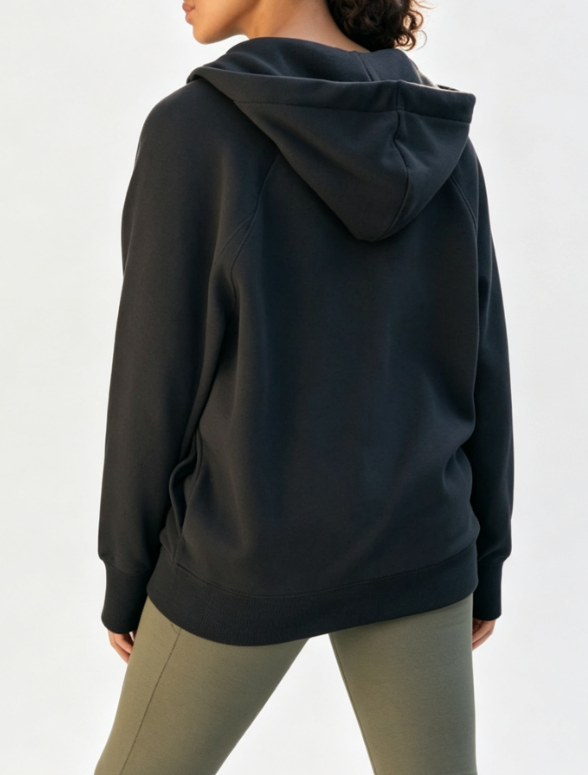
Develop custom hoodies in fleece, French terry or heavyweight jersey, with pattern development, XS–3XL grading, rib specifications, drawstrings, pockets, embroidery, printing and private-label finishing. Start from a tech pack, reference garment or concept and scale from 100 units per style and color.
Request a Quote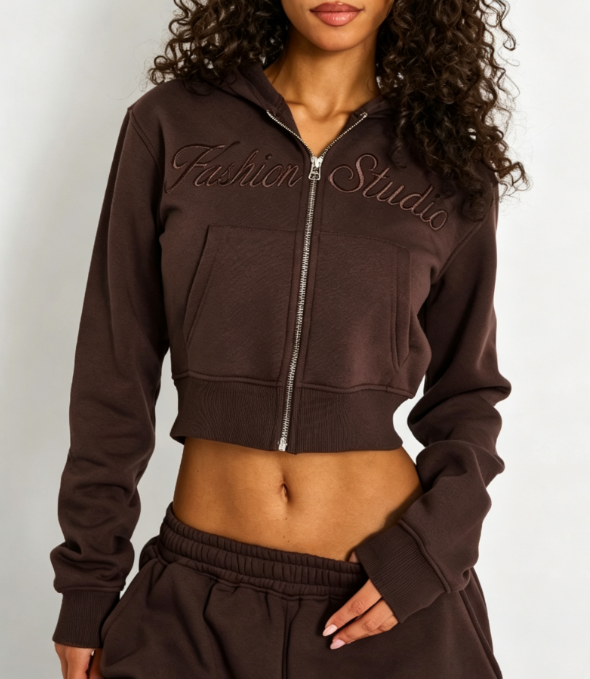
Custom T-Shirts
Produce custom T-shirts across combed cotton, Pima cotton, blends and performance jersey, with control over weight, neck shape, sleeve balance, fit and wash performance. Screen printing, DTG, DTF, embroidery, labels and branded packaging can be specified for retail-ready programs.
Request a Quote
Custom Jeans
Develop custom jeans in rigid or stretch denim with fit refinement across rise, hip, thigh, leg and inseam measurements. Junsheen supports washes, distressing, hardware, pockets, labels and consistent XS–3XL grading for denim programs that require repeatable bulk production.
Request a Quote
Custom Sweaters
Source and manufacture turtleneck sweaters in bulk using suitable yarns, gauges and knit constructions for the intended hand feel, warmth and price point. Development covers neckline shape, body proportion, sleeve length, rib trims, size grading, labels and coordinated knitwear production.
Request a Quote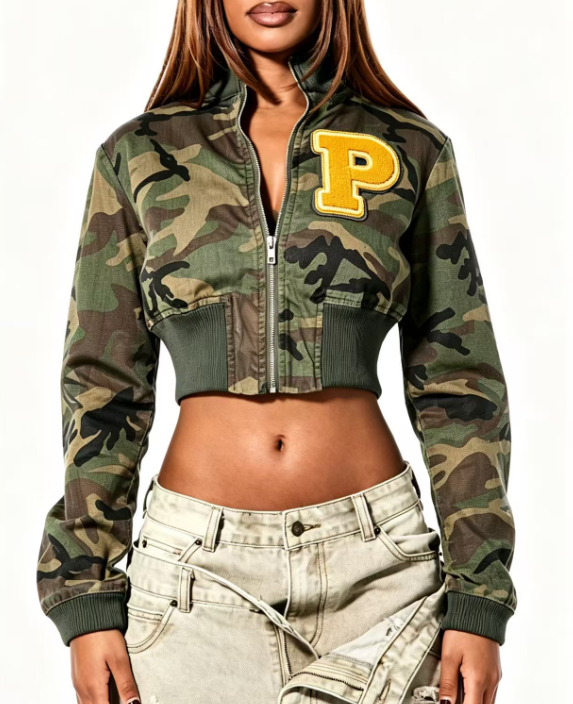
Custom Jackets
Build custom jean jackets with denim weight, wash, silhouette and hardware matched to your collection. The team develops collars, pockets, plackets, seams, fit and decoration details, then manages sampling, size sets and bulk quality control for retail or wholesale programs.
Request a Quote
Custom Sweatshirts & Crewnecks
Manufacture custom crewneck hoodies, sweatshirts and crewnecks in fleece, French terry or jersey, with attention to collar recovery, rib proportions, shoulder balance and garment weight. Add screen prints, puff effects, embroidery, washes, labels and packaging for complete private-label delivery.
Request a Quote
Custom Cardigans
Create custom cardigans in knit constructions selected for drape, warmth, durability and target cost. Junsheen develops button or zipper closures, plackets, pockets, rib trims, oversized or fitted proportions, and graded sizing for coordinated seasonal collections.
Request a Quote
Custom Puffer & Down Jackets
Produce custom puffer jackets with specified shell fabrics, insulation, quilting layouts, linings, zippers, snaps and reflective or branded details. Development addresses warmth, mobility, bulk distribution and fit, while sampling verifies construction and finishing before production approval.
Request a Quote
Custom Denim Shorts
Manufacture custom jean shorts in rigid or stretch denim with controlled rise, inseam, leg opening, pocket placement and wash treatment. Options include distressing, raw hems, garment dye, embroidery, custom hardware and private labels for men’s, women’s or unisex programs.
Request a Quote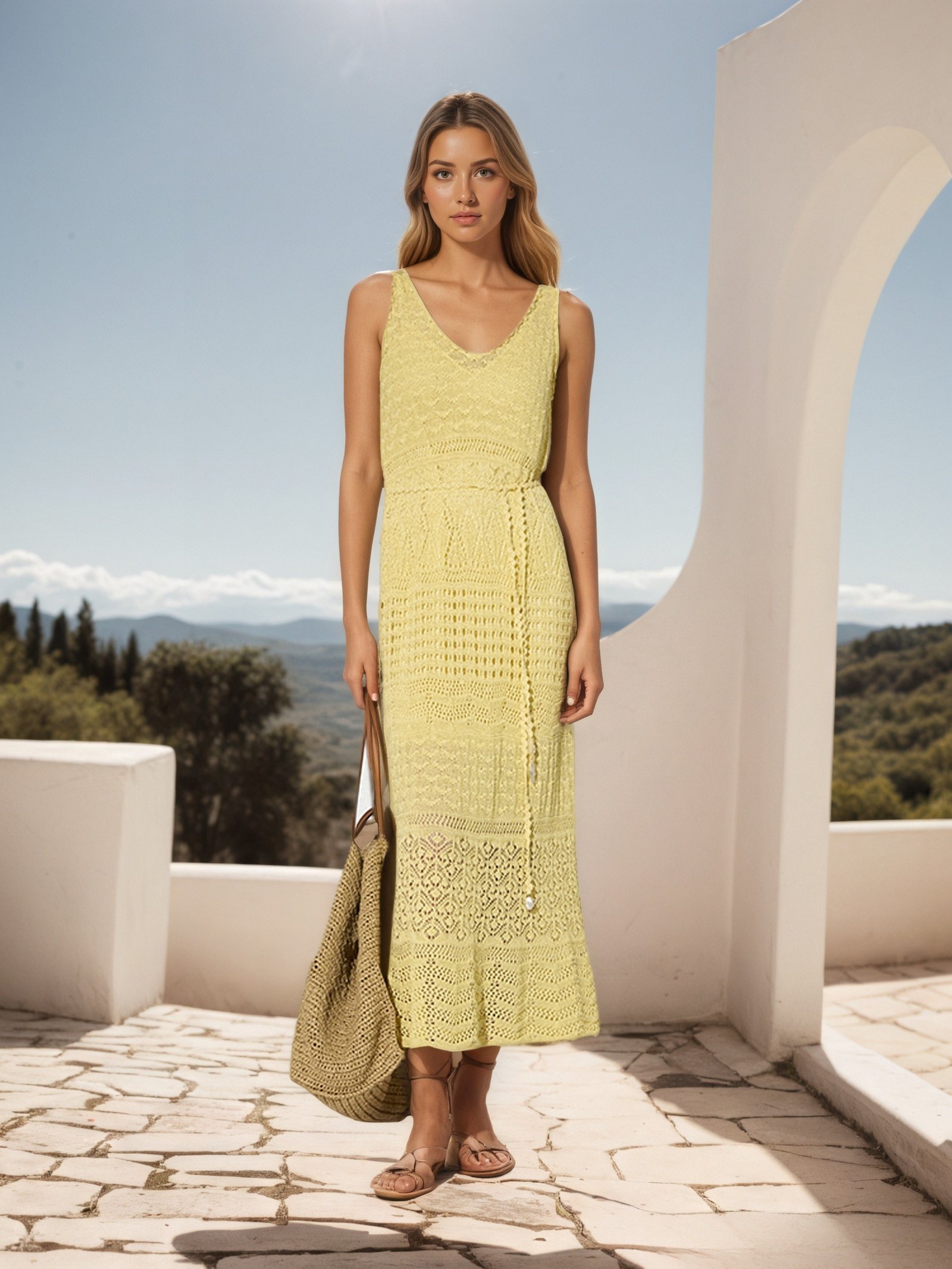
Custom Sweater Dresses
Develop custom sweater dresses with yarn, gauge and knit structure chosen for coverage, stretch, recovery and drape. Pattern and grading work addresses body length, shoulder balance, sleeve proportion and comfort from XS through 3XL, with trims and branding prepared for bulk production.
Request a Quote
Custom Denim Sets
Produce men’s denim suits wholesale programs as coordinated denim sets, matching jackets and jeans across fabric, wash, shade, hardware and fit. Junsheen retains approved patterns and material records to support consistent reorders, while low MOQs make capsule testing practical.
Request a Quote
Custom Polo Shirts
Manufacture custom polo shirts in piqué, jersey or performance knits with specified collars, plackets, buttons, cuffs and fit. Embroidered logos, printed details, color blocking, labels and packaging can be integrated for uniforms, retail collections or branded merchandise.
Request a Quote
Custom Sweatpants
Develop custom sweatpants in fleece, French terry or jersey with fit control through waist, rise, thigh, inseam and cuff dimensions. Choose elastic or drawcord waists, pockets, panels, washes, prints and embroidery, then approve samples before scalable bulk production.
Request a Quote
Custom Shorts
Produce custom shorts in woven, jersey, fleece, twill or performance fabrics for casual, active or coordinated seasonal ranges. Development covers inseam, rise, leg opening, pockets, waist construction, decoration and grading, with production available from 100 units per style and color.
Request a Quote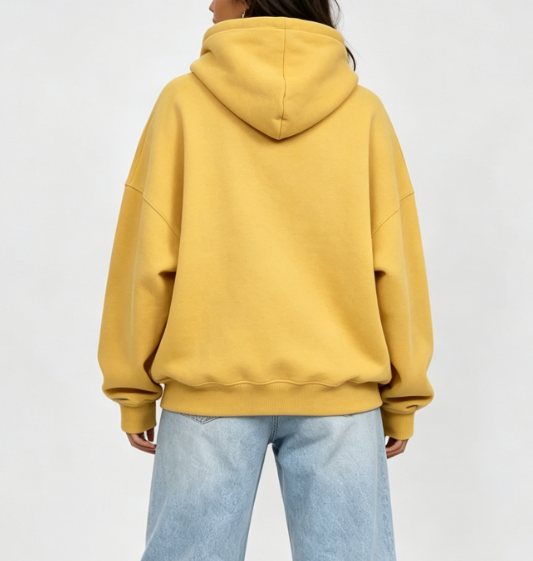
Custom Pullovers
Manufacture custom pullovers in jersey, fleece, French terry or knit constructions according to required warmth, drape and silhouette. The team develops necklines, sleeves, rib trims, oversized or standard fits, plus embroidery, printing, wash effects and private-label components.
Request a QuoteCompany Hoodies: Fabrics Built for Comfort and Performance

Cotton French Terry
A breathable loopback knit with a soft cotton face and moderate structure. Ideal for year-round company hoodies, it typically runs 280–360 GSM and takes screen printing, embroidery, and garment dye well.

Brushed Cotton Fleece
Warm, plush, and dependable, brushed fleece suits autumn and winter staff uniforms, promotional hoodies, and retail collections. Commonly 320–460 GSM, its napped inner face improves insulation while maintaining a substantial exterior.

Cotton Polyester Fleece
This durable blend balances cotton comfort with polyester strength and shape retention. A practical choice for repeat-wear company hoodies, it resists shrinkage better than pure cotton and is available from midweight to heavyweight constructions.

Organic Cotton Terry
Organic cotton French terry gives premium branded hoodies a naturally soft, breathable hand feel. Usually produced around 300–400 GSM, it supports responsible-material positioning while providing stable surfaces for embroidery and print decoration.

Recycled Performance Knit
Recycled polyester blends offer quick-drying performance, color consistency, and strong abrasion resistance for active teams and event apparel. With added elastane when needed, this technical knit provides controlled stretch and easy-care durability.
Company Hoodies Decoration and Finishing Options

Logo Embroidery
Flat, 3D puff, chain-stitch, applique, and patch embroidery create dimensional logos with a premium hand feel. Stitch density, backing, and placement are reviewed to help company hoodies retain crisp branding through regular wear and washing.

Screen Printing
Plastisol, water-based, puff, flocking, silicone, high-density, foil, and discharge screen prints deliver bold artwork across fleece and French terry. JUNSHEEN matches ink effects to fabric weight and logo requirements for strong coverage and lasting adhesion.

Digital Print Methods
DTG, DTF, heat transfer, and dye sublimation support detailed artwork, color-rich graphics, and flexible placement options. These methods help brands reproduce complex campaign visuals and smaller-run company hoodie designs with clean, consistent results.

Garment Dyeing
Garment dye, tie-dye, acid wash, and stone wash give hoodies distinctive depth and a lived-in character. Development samples help align shade variation, shrinkage, and wash behavior before bulk production is approved.

Softening Finishes
Enzyme washing, anti-pilling treatment, brushing, and napping refine surface texture and comfort. These finishing processes improve hand feel while helping fleece-based hoodies maintain a polished appearance across repeated wear and laundering.
Custom Trims and Accessories for Company Hoodies

Branded Drawcords
Choose cotton, flat, round, reflective, or tipped drawcords to match your brand palette and hoodie weight. Custom aglets and cord lengths help create a finished hood that performs well through wear and washing.

Custom Zippers
Add branded zipper pulls, metal or nylon coil zippers, and color-matched tape for zip hoodies. Junsheen sources options suited to your target price, hand feel, durability requirements, and garment design.

Woven Labels
Specify woven main labels, size labels, and wash-care labels with your logo, fiber details, and country information. Accurate label placement supports a polished retail presentation and smoother production consistency across repeat orders.

Logo Patches
Use embroidered, woven, leather, silicone, or applique patches to add a tactile brand signature. Patches can be positioned on the chest, sleeve, pocket, hood, or hem to support a distinctive company hoodie identity.

Rib Trim Sets
Coordinate cuffs, waistbands, and neck ribbing in custom colors, stripe patterns, or knit densities. Properly specified rib trims help company hoodies retain shape while maintaining comfort and proportion across XS–3XL sizing.
Hangtags Packaging
Finish private-label orders with custom hangtags, barcode stickers, polybags, tissue, branded cartons, and packing instructions. These details help your team receive, merchandise, and ship hoodies with a consistent brand experience.
Company Hoodies, Built Fit First
Founded in 2010 in Humen Town, Dongguan, JUNSHEEN helps fashion brands turn company hoodies and casualwear concepts into production-ready collections. Our one-stop OEM, ODM and private-label team supports development from tech packs, references and fabric selection through sampling, bulk production and global export.
With 200+ skilled workers and monthly capacity exceeding 80,000 units, we serve emerging labels, retailers, wholesalers and established brands worldwide. Production starts from 100 units per style and color, giving capsule launches and growing programs access to dependable cut-and-sew, knitwear, decoration, finishing and packaging capability.
Our difference is a fit-first manufacturing approach. Rather than simply scaling a base pattern, we refine proportions, mobility and grading across XS–3XL, including extended-size, plus-size and modern oversized fits. Retained patterns and material records also help repeat company hoodie orders move faster with consistent quality.

Company Hoodies Built for Consistent Production
Fit and Grading Control
JUNSHEEN develops company hoodies from XS through 3XL with fit-focused grading for regular, oversized, extended-size, and plus-size ranges. Our pattern team refines proportions, mobility, sleeve balance, and body measurements instead of simply scaling one base pattern.
- XS–3XL and extended-size pattern development
- Oversized and plus-size proportions refined by fit
- Prototype, size-set, and pre-production approvals
- Graded specifications retained for repeat styles

Development and Fabric Sourcing
Bring a tech pack, sketch, reference garment, mood board, or product idea. Our OEM and ODM team reviews manufacturability, recommends suitable fleece or French terry, coordinates trims, and turns your concept into a production-ready hoodie specification.
- Tech-pack review and pattern-making support
- Fleece, French terry, jersey, and recycled options
- Fabric weight, hand feel, durability, and cost guidance
- Swatches and samples approved before bulk production

In-House Branding Execution
Keep hoodie decoration and private-label details coordinated within one supply chain. JUNSHEEN supports logo embroidery, screen printing, DTF, DTG, puff effects, washes, custom labels, drawstrings, patches, hang tags, and branded packaging for a unified finished product.
- Flat, 3D, puff, chain-stitch, and applique embroidery
- Screen print, silicone, high-density, foil, DTF, and DTG
- Garment dye, acid wash, softening, and anti-pilling finishes
- Custom labels, trims, patches, and packaging

Repeat-Order Production Control
From 100 units per style and color to scalable bulk programs, JUNSHEEN maintains production records to support reliable reorders. Incoming materials, in-line construction, measurements, decoration, and packed goods receive quality checks before global export shipment.
- Low MOQ from 100 units per style/color
- 200+ skilled workers and 80,000+ monthly units
- Retained patterns, size sets, and material records
- Quality checks from fabric inspection through packing

Why Choose JUNSHEEN for Company Hoodies
Evidence-led manufacturing support from first pattern through scalable global delivery.
← 左右滑动查看 →
Our Company Hoodie Production Process
A controlled OEM workflow that takes branded hoodie programs from feasibility review to export-ready delivery.
Review Brief and Feasibility
We assess your tech pack, reference garment, artwork, target cost, quantities, and fit requirements, then confirm practical construction options and a production path.
Source Fabrics and Trims
Our team recommends fleece, French terry, jersey, and compatible trims based on weight, hand feel, durability, decoration method, budget, and approved brand direction.
Build Patterns and Samples
Pattern makers develop and grade company hoodies from XS to 3XL, followed by prototype samples, fit review, revisions, and pre-production approval.
Approve Details and Production
After confirming fabric, color, logo placement, labels, packaging, and size sets, we schedule bulk cutting, sewing, decoration, washing, and finishing.
Inspect, Pack, and Ship
Quality teams check materials, measurements, construction, decoration, and packed goods before branded packing and coordinated worldwide export shipment.
How to Work with Our Company Hoodies OEM Team
Move from a tech pack, sketch, reference garment, mood board, or early product idea to approved samples and scalable production with one manufacturing partner.
Share Your Hoodie Brief
Send your tech pack, sketch, reference garment, mood board, or idea. Our team reviews construction, fit, decoration, materials, target quantity, and manufacturing feasibility.
Confirm Specifications and Quote
Align fabric weight, colors, trims, private labels, size range, logo treatment, MOQ, and delivery needs. We recommend practical options and provide a clear quotation.
Develop and Review Samples
We create patterns and prototype samples for fit, measurements, hand feel, and decoration review. Refine details before approving the final sample and bulk specifications.
Approve Production Details
Confirm the approved sample, graded XS–3XL size set, materials, labels, packaging, and production schedule. Retained records support consistency across repeat company hoodies orders.
Produce, Inspect, and Ship
Our team manages bulk cutting, sewing, decoration, finishing, and quality inspections, then prepares export-ready packing and global shipping support for your completed order.
Custom Clothing Manufacturer Credentials and Compliance Documents



Company Hoodies: Client Results and Production Stories
JUNSHEEN corrected the shoulder and sleeve proportions across our XS–3XL size set during sampling. We approved the second sample round and launched a 480-unit company hoodie program with far fewer fit comments from our retail team.
We started with 120 hoodies in two colors and needed embroidery, custom neck labels, and branded packaging managed together. The production files were clear, the first bulk order passed our inspection, and we have since reordered three additional colorways.
Our sourcing team needed a dependable partner for repeat corporate merchandise orders. JUNSHEEN retained our patterns and material specifications, helping us reduce sample revisions by 40% and scale our next company hoodies order to 1,200 units.
Company Hoodies FAQ for B2B Buyers
Clear answers on minimums, sampling, timelines, private labeling, fit development, payments, shipping, and production confidentiality.
What is the minimum order quantity for custom company hoodies?
Can I order a sample before producing company hoodies in bulk?
How long does it take to manufacture company hoodies?
Can you add private labels and custom packaging to hoodies?
Do you offer extended sizing and oversized hoodie fits?
What payment terms do you offer for hoodie orders?
Do you ship company hoodies internationally?
How do you protect our hoodie designs and brand information?
The Complete Buyer’s Guide to company hoodies
Use this practical framework to define product requirements, compare supplier capabilities, control cost, and avoid sourcing mistakes when developing company hoodies for branded merchandise, uniforms, retail collections, or promotional programs.
1. What Are company hoodies?
100-unit runs are a practical starting point for company hoodies: branded hooded sweatshirts commissioned for employee uniforms, corporate merchandise, events, teamwear, promotional campaigns, or retail collaborations. Unlike an off-the-shelf blank, the garment is specified around a business identity—logo placement, approved Pantone colors, labeling, packaging, and a repeatable fit standard. 280–360 GSM French terry or brushed fleece is common for a substantial corporate hoodie, but fabric choice should follow the intended wear environment, budget, and wash expectations. Screen print, embroidery, appliqué, DTF, or silicone branding must suit the fabric weight and artwork; a chest logo that works on fleece can look or feel different on lightweight jersey. XS–3XL grading matters because company hoodies are issued to real teams, not photographed on one fit model. A well-managed program controls body length, shoulder balance, sleeve proportions, decoration position, and color across replenishment orders, helping employers create belonging, marketers extend campaign visibility, and retailers turn a collaboration into sellable merchandise. 2010-founded JUNSHEEN develops custom hoodies from tech packs, references, or early concepts, supporting brands that need both small capsule quantities and repeatable bulk production. The objective is not simply to add a logo to a sweatshirt; it is to make a recognizable product that employees and customers will wear repeatedly.
2. The Evolution of company hoodies
1930s workwear introduced the hooded sweatshirt as practical cold-weather gear; athletic programs then made it a training staple. By the late 20th century, skate, hip-hop and streetwear communities turned the hoodie into a visible identity piece, so a logo, silhouette and fabric hand began to matter as much as warmth. 280- to 360-GSM French terry and brushed fleece now sit comfortably in corporate merchandise, staff uniforms and retail collections because buyers expect garments people will wear off-duty. A premium result depends on ring-spun yarns, stable rib, clean hood shaping and decoration that survives laundering—not simply adding a chest print to a basic blank. XS through 3XL is increasingly a baseline planning range for company hoodies, particularly where teams, customers and wholesale accounts need consistent fit across body types. Responsible sourcing also enters the brief early: buyers may request recycled fibers, organic cotton documentation, OEKO-TEX-tested materials, or audited production practices alongside target cost and delivery requirements. 100-unit-per-style-and-color programs make this category accessible to capsule launches, while established brands need repeatable bulk quality and retained specifications. Flexible customization—from Pantone color matching and woven labels to embroidery, screen print, custom drawcords and packaging—lets one proven silhouette serve an event, employee program or retail brand without losing its identity.
3. Types of company hoodies
Eight core formats cover most company hoodies programs, but silhouette should follow wear occasion before decoration. A 100-unit-per-style-and-color starting point makes disciplined format selection especially important for capsule launches.
| Format | Best Program | Branding Value | Buyer Trade-Off |
|---|---|---|---|
| Pullover | Merchandise | Large chest canvas | Less layering |
| Zip-up | Uniforms | Back and sleeve logos | Higher construction cost |
| Oversized | Streetwear | Premium silhouette | Broader fit tolerance |
| Heavyweight | Cold climate | Substantial hand feel | Higher freight cost |
| Lightweight | Warm climate | Layering versatility | Lower warmth |
Pullover And Zip-Up
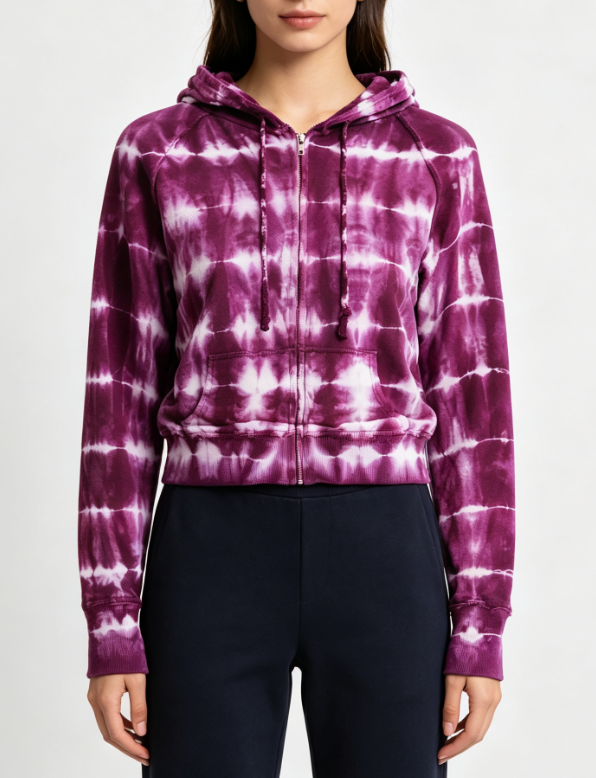
Pullover hoodies suit teams, merchandise, and streetwear because the uninterrupted chest gives screen print or embroidery maximum impact. Zip-ups add layering and retail versatility, but zippers, tape, and extra sewing raise cost and split front artwork.
- Choose pullovers for bold front graphics
- Choose zip-ups for transit and layering
- Use back prints on zip fronts
Oversized And Fitted
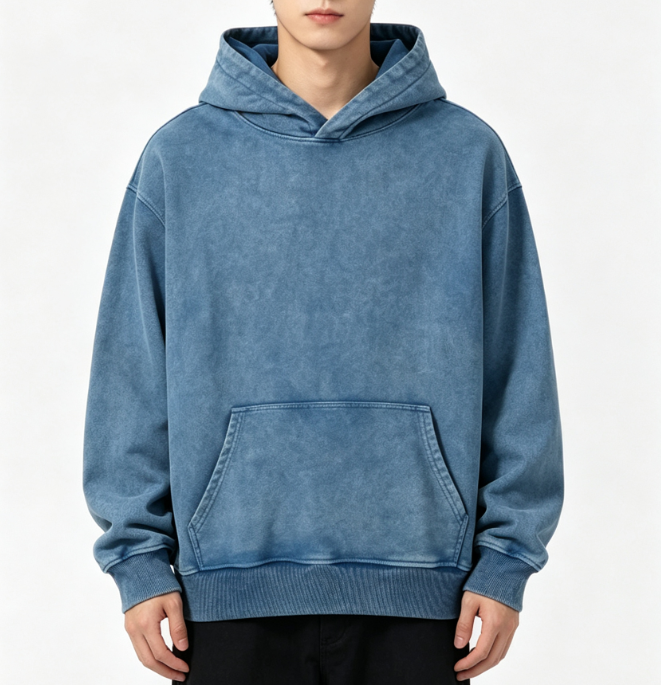
Oversized hoodies fit fashion-led, unisex, and younger audiences, with dropped shoulders creating a premium casual silhouette. Fitted styles serve uniforms and active programs, yet narrower tolerance makes size-set approval more important.
- Oversized: relaxed, trend-forward presentation
- Fitted: cleaner uniform appearance
- Approve graded samples before bulk
Weight For Climate
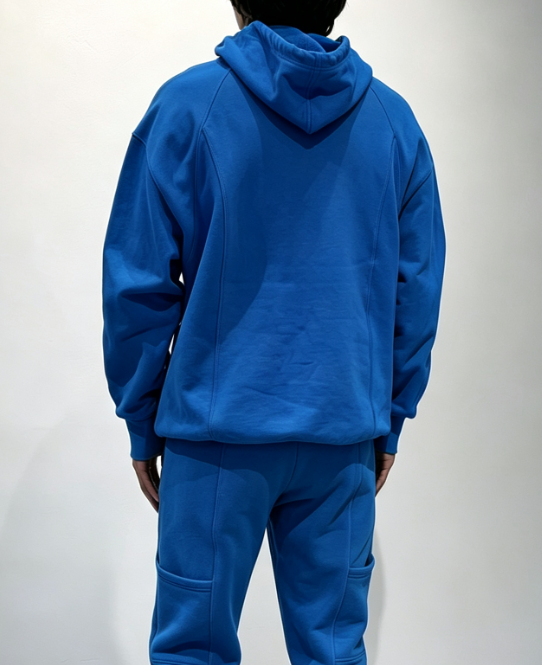
280–360 GSM heavyweight fleece signals warmth and substance for cold-weather drops, though freight weight and material use increase. Lightweight 220–280 GSM French terry works for layering, spring launches, and warmer regions, but feels less protective.
- Heavyweight supports premium positioning
- Lightweight improves year-round versatility
Cropped And Extended Sizes

Cropped hoodies suit fashion capsules and women’s assortments, where proportion and waistband placement matter more than simply shortening length. XS–3XL extended-size programs need revised shoulders, sleeves, body balance, and grading to preserve comfort and perceived quality.
- Cropped: editorial, limited-drop appeal
- Extended sizes: broader customer access
- Fit-test across the complete size range
4. Materials for company hoodies
280–360 GSM determines much of a hoodie’s drape, warmth, and perceived value. For company hoodies, approve washed swatches: fiber blend and finishing affect shrinkage, pilling, and shade retention as much as weight.
| Material | Typical GSM | Benefits | Limitations | Best Application |
|---|---|---|---|---|
| Cotton | 280–340 | Breathable, soft | May shrink, fade | Year-round retail |
| Organic cotton | 280–340 | Natural hand, traceable | Higher cost | Premium programs |
| Recycled polyester | 240–320 | Colorfast, durable | Less breathable | Active layers |
| Cotton-poly fleece | 280–360 | Warm, lower pilling | Less natural hand | Team uniforms |
| French terry | 280–320 | Breathable loops | Less winter warmth | Spring/fall |
| Brushed fleece | 320–400 | Soft, insulating | Can pill | Winter hoodies |
| Heavy loopback | 350–450 | Structured, durable | Heavier wear | Oversized premium |
Natural Fiber Choices
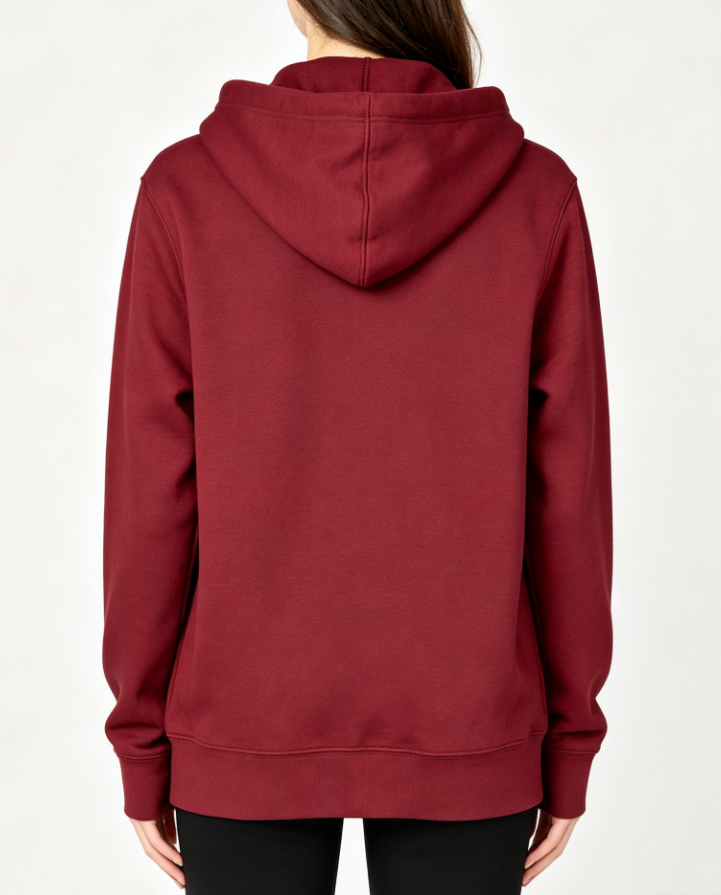
100% ring-spun cotton feels breathable and soft, but typically needs 3–5% shrinkage allowance after washing. GOTS organic cotton follows the same performance logic; request transaction certificates, not only a fabric claim.
Fleece And Terry Structure
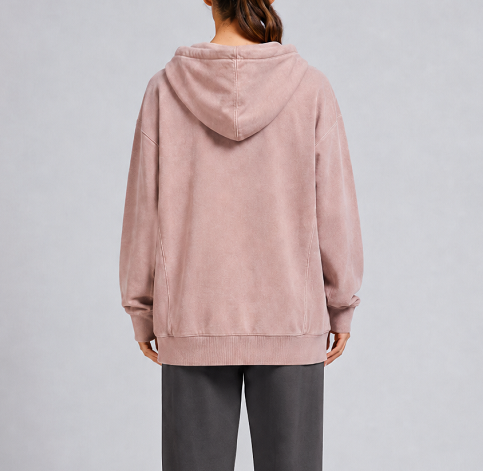
280–320 GSM French terry has unbrushed loops, giving moderate warmth, airflow, and a cleaner three-season hand. 320–400 GSM brushed fleece traps more air for winter, while heavy loopback offers structured weight with less fuzz.
Blend Performance Checks

20–40% polyester improves abrasion resistance, faster drying, and color retention; recycled polyester should carry GRS documentation. 1,000-cycle pilling tests and wash tests reveal whether a soft brushed face will remain presentable after repeated wear.
5. company hoodies Customization Options
At Junsheen, company hoodies can start at 100 units per style and color, so decoration should match both launch volume and expected reorders. A decoration map and approved trim list prevent costly changes after sampling.
| Option | Best Artwork Or Volume | Texture And Durability | Typical Placement |
|---|---|---|---|
| Screen print | Bold artwork; medium-to-high volume | Smooth; durable when cured correctly | Front, back, sleeves |
| Embroidery | Simple logos; premium programs | Raised; highly durable | Chest, sleeve, hood |
| DTG | Detailed multicolor; small runs | Soft hand; fabric-dependent | Front or back panels |
| Heat transfer | Variable graphics; small runs | Smooth; test for cracking | Names, numbers, small logos |
| Chenille or patch | Statement branding; limited placements | Tactile; edge stitching matters | Chest, sleeves, back |
Choose The Decoration Method

Screen printing suits bold spot-color artwork and repeat bulk runs; embroidery adds raised texture for chest, sleeve, and hood logos. DTG handles detailed multicolor artwork, while heat transfer suits small runs, names, and variable data. Chenille, applique, and custom patches create tactile, collegiate, or premium streetwear positioning, but require strike-off approval for edge quality and wash performance.
Compare Branding Options
Pantone-matched artwork and a defined placement tolerance should be approved before bulk production. Durability depends on ink, stitch density, backing, garment fabric, and the specified wash test.
Specify Labels And Hardware

Woven main labels, printed neck labels, size labels, and wash-care labels establish the private-label system without changing the hoodie silhouette. Custom drawcords, zipper pulls, hang tags, and branded packaging should be sampled together for color and finish consistency. Production-ready logo files should be supplied as AI, EPS, or vector PDF, with Pantone references, exact dimensions, and placement measured from seams. Approve a decorated sample or placement photo before final bulk release.
- State artwork width and height in millimeters.
- Mark placement from neck seam, center front, or pocket edge.
- Confirm label fold, stitch method, and orientation.
- Approve trim color against the actual fabric swatch.
6. Construction Quality for company hoodies
320–400 GSM fleece or French terry gives most company hoodies a substantial hand; lighter promotional blanks often lose shape sooner. Construction review should begin with the approved sample, then repeat at in-line and final inspection.
Seams, Panels, And Pockets
8–10 stitches per inch is a practical benchmark for stable seams; inspect shoulder joins, armholes, side seams, and coverstitch consistency for skipped stitches or seam grin. 2 pocket corners carry repeated stress, so kangaroo pockets need even topstitching, secure bartacks, and matched placement. Check that center fronts, side seams, stripes, and appliqué panels align within the agreed tolerance.
- Check seam allowance is fully caught
- Pull pocket corners by hand
- Compare left and right panel symmetry
Ribs, Hoods, And Hardware
1×1 or 2×2 rib cuffs and hems should recover after a firm stretch; loose recovery creates the baggy openings associated with low-grade garments. Test the rib after laundering, not only when new. 2-ply hoods generally hold a cleaner profile than single-layer hoods, while the hood opening, neckline, and drawcord exits must be symmetrical. For zip styles, run the zipper repeatedly and specify a reliable supplier such as YKK when performance warrants it.
- Inspect clean eyelets or buttonholes
- Confirm capped or knotted drawcord ends
- Check zipper tape lies flat
Neck Finish And Wash Testing
12–24 hour sample wash testing should check shrinkage, twisting, pilling, color loss, rib recovery, and print or embroidery adhesion. Set acceptable measurement tolerances before bulk cutting. 100% of final packed goods need visual and measurement checks against the approved sample, including neck tape coverage and label attachment. Junsheen can retain patterns, graded size sets, and material records to make repeat production more consistent.
- Measure body length after wash
- Inspect neck tape for exposed seam edges
- Record defects by color and size
7. Choosing a company hoodies Manufacturer
A 100-unit MOQ can suit a capsule, but it does not prove a factory can repeat fit, color, and decoration at scale. Evaluate company hoodies suppliers through documented development, transparent costing, and a sample that matches the approved specification.
Confirm Development Ownership
1 complete tech pack should identify fabric, GSM, Pantone, measurements, construction, trims, artwork, and packing. Ask whether the supplier develops patterns in-house and can revise shoulder balance, sleeve length, and grading rather than merely enlarging a base size.
- Request a graded measurement chart from XS through 3XL
- Ask for prototype, fit sample, and pre-production sample stages
- Confirm OEM execution versus ODM design support
Test Materials And Decoration

280–420 GSM fleece and French terry behave differently after washing, so approve swatches and a finished sample before bulk booking. Ask for fiber content, shrinkage target, colorfastness approach, print method, embroidery backing, and trim specifications.
- Compare wash-tested sample against the approved Pantone
- Specify screen print, DTF, puff, embroidery, or applique
- Confirm substitute-material approval requirements
Audit Production Controls
3 checkpoints—incoming materials, in-line sewing, and final packed-goods inspection—should be visible in the supplier’s QC plan. Request factory photos or video, sample inspection records, relevant compliance documentation, and a written defect-resolution process.
- Verify measurement tolerances and AQL inspection method
- Ask who approves bulk color and pre-production samples
- Confirm labeling, carton marks, and export documentation
Compare Commercial Readiness
2 quotations can look identical while excluding development, testing, packaging, or freight. Require line-item pricing, MOQ by color, sampling fees, production lead time, payment milestones, and shipping terms; verify communication speed with one controlled revision request.
- Ask for EXW, FOB, and delivered shipping options
- Confirm bulk lead time after approval and deposit
- Document the named production and export contact
8. Common company hoodies Buying Mistakes
A 100-unit launch can lose margin or miss a retail date when a sourcing shortcut reaches bulk production. Treat each approval as a control point: define what must be verified, who signs it off, and when evidence is due.
Buying Only On Price
A 10% lower quote can conceal lighter fabric, fewer inspection steps, or excluded labels and packaging. Compare like-for-like quotations with fabric, decoration, trims, packing, freight terms, and defect allowance listed separately.
Fabric And Wash Assumptions
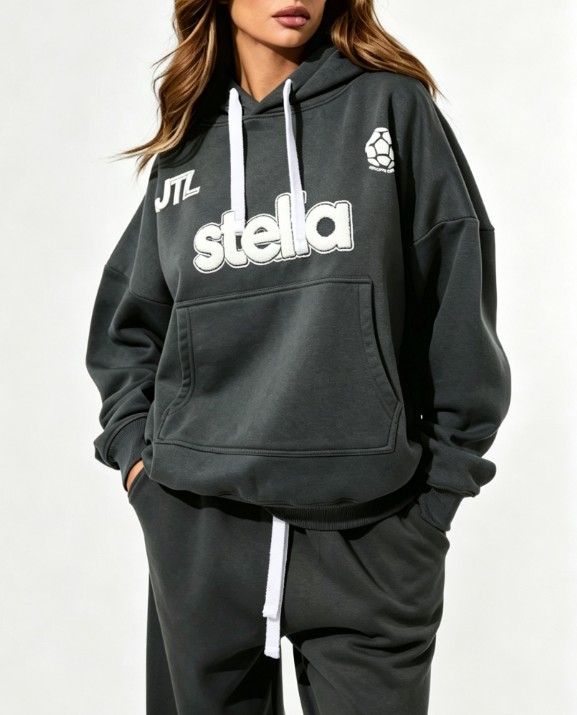
280 GSM French terry and 280 GSM brushed fleece share a weight but deliver different warmth, surface, and shrinkage behavior. Confirm composition, GSM tolerance, color standard, and a washed sample before bulk fabric approval. Three wash cycles can reveal twisting, pilling, cracking prints, and dimension loss before inventory is committed. Set an acceptable shrinkage range and test the intended care method.
Incomplete Specifications And Decoration
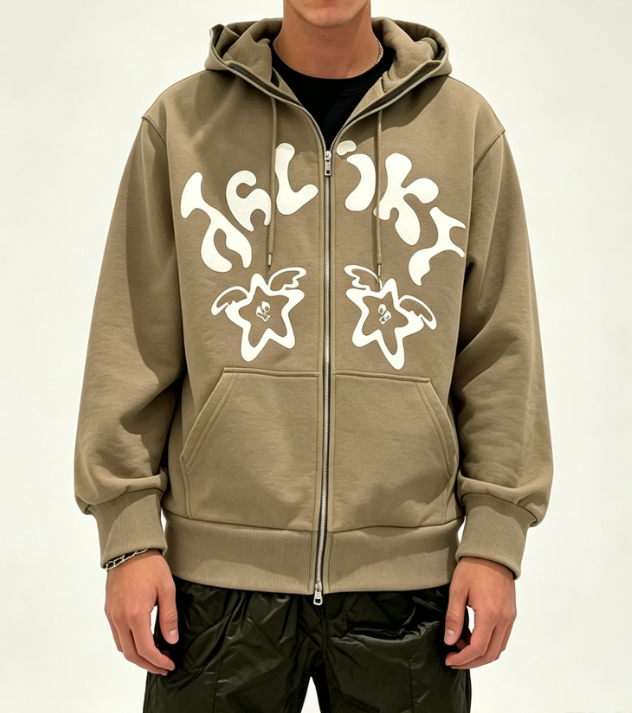
One missing measurement, Pantone reference, or placement distance can produce a costly interpretation change. Release a complete tech pack with graded measurements, construction, artwork size, placement, labels, and approved sample photos. 12-color artwork, puff ink, embroidery density, and fleece pile each affect readability and hand feel. Request strike-offs or sew-outs at final scale, then approve decoration against the actual garment color.
Sizing, Yield, And Schedule
XS through 3XL needs deliberate grading; simply enlarging a medium can distort shoulder balance, sleeve length, and body proportion. Approve a size set on representative wearers and set a size-ratio plan before purchase orders. 2% to 5% extra units can protect launches against approved defect tolerance, returns, or replacement needs. Require a dated critical path covering fabric booking, sampling, bulk cutting, inspection, final balance, and shipment pickup rather than accepting a vague lead-time promise.
9. Steps to Launch Branded Hoodies
A 100-unit MOQ can support a focused launch, but it does not replace a production brief. Freeze each approval gate before releasing the next stage so the factory can quote, sample, and schedule efficiently.
Build The Development Brief
1 target customer, intended retail price, quantity by color and size, delivery country, and launch date establish the commercial boundary. State whether the fit is regular, oversized, or extended-size from XS through 3XL. 2 reference images are useful, but add measurable requirements: silhouette, pocket type, hood construction, decoration placement, and packaging. This lets an OEM team identify feasibility risks before quoting.
- Target quantity by style, color, and size
- Target fabric weight and hand feel
- Required labels, hang tags, and packaging
Approve Materials And Artwork

280–360 GSM French terry and 320–450 GSM brushed fleece are common starting ranges; confirm swatches, shrinkage expectations, and Pantone color standards before bulk booking. 1 print-ready vector file, placement dimensions, ink colors, and technique specification are required for screen print, embroidery, or transfers. Approve strike-offs when color accuracy or special effects matter.
Sample, Revise, And Release
1 prototype should validate pattern, construction, fabric, trims, and artwork together. Record every correction on a dated sample comment sheet rather than relying on informal messages. 1 approved pre-production sample is the decision gate for bulk cutting. Allow calendar time for sourcing, sample shipment, revision, production, final inspection, and freight; do not promise retail delivery from an unapproved sample.
- Confirm point-of-measure tolerances
- Approve graded size set when needed
- Lock bill of materials and artwork files
Plan Inspection And Delivery
3 inspection points—incoming materials, in-line sewing, and final packed goods—help catch defects before export. Provide carton marks, shipping method, destination, and required arrival date at order confirmation. 100 units per style and color is a practical launch threshold at JUNSHEEN, while repeat programs can scale after fit and material records are retained. Set the final balance and freight handoff milestones before shipment.
10. company hoodies Pricing and Cost
100 units per style and color is a practical starting tier for custom company hoodies, but a low-volume program spreads pattern, sample, screen, embroidery-digitizing and trim setup over fewer garments. Fabric type and weight matter immediately: a 280–320 GSM French terry body generally costs less than a 400–500 GSM brushed fleece, while oversized panels, lined hoods, zipper pockets, garment dye and multiple Pantone placements add cutting, sewing or finishing time. $12–$32 per unit is a useful factory-price planning range before freight, insurance, import duty and destination taxes; it is not a landed-cost promise. Request a quote only after confirming fabric composition, GSM, color count, decoration files and placements, labels, packaging, size breakdown and approved artwork; sampling, courier charges and any applicable duty should be listed separately.
| Quantity tier | Indicative factory price per unit | Typical bulk lead time |
|---|---|---|
| 100–299 units | US$22–$32 | 30–45 days after approvals |
| 300–499 units | US$18–$27 | 30–40 days after approvals |
| 500–999 units | US$15–$23 | 25–35 days after approvals |
| 1,000+ units | US$12–$20 | 25–35 days after approvals |
Ready to Develop Your Company Hoodies?
Send your tech pack or product idea for fit-focused sampling, 100-unit MOQ production, and scalable private-label manufacturing support.