
Custom Embroidery Hoodies for Private-Label Brands
Launch custom embroidery hoodies from 100 units with fit-focused XS–3XL development, OEM/ODM support, and scalable production.
Featured Products for custom embroidery hoodies Development


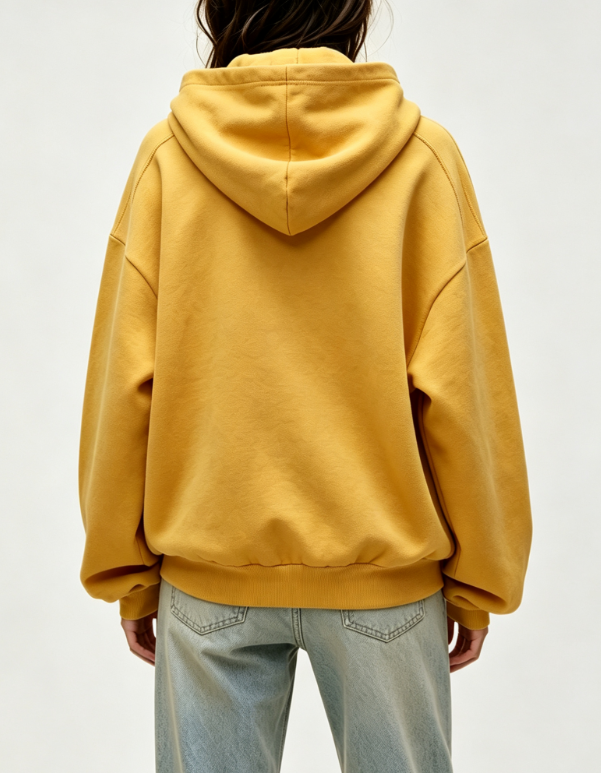
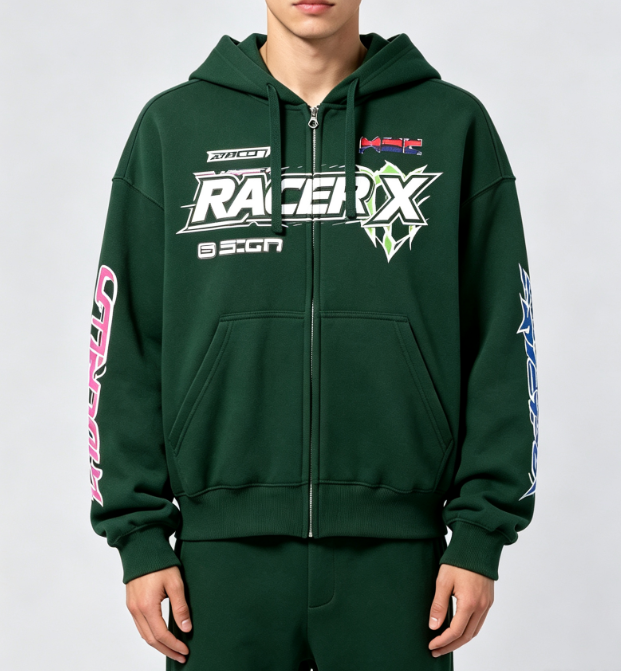


Custom Embroidery Hoodies Built for Brand-Ready Production
From capsule launches to repeat bulk programs, JUNSHEEN combines technical development, in-house decoration and dependable export-ready manufacturing.
100-Unit Starting MOQ
Launch custom embroidery hoodies from 100 units per style and color, giving emerging labels a practical route to test demand.
In-House Embroidery
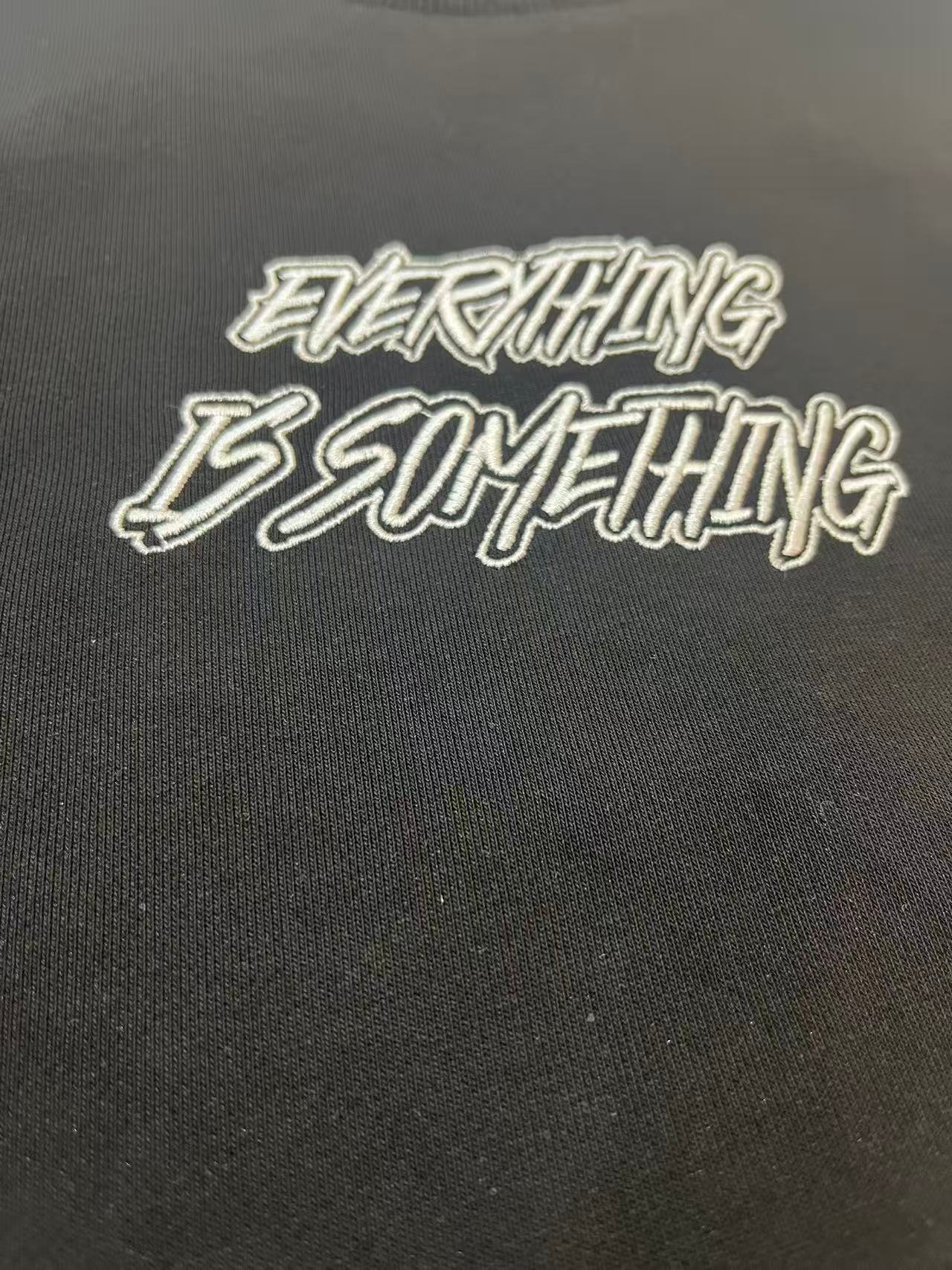
Choose flat, 3D puff, chain stitch, applique, patches and logo embroidery with hands-on control of placement, texture and finish.
Fit-Focused XS–3XL
Pattern makers refine proportions, mobility and grading across regular, oversized and extended sizes instead of simply enlarging one base pattern.
Scalable Factory Capacity
More than 200 skilled workers and monthly capacity above 80,000 units support growth from initial capsules to ongoing global programs.
Complete Private Labeling
Add custom labels, hang tags, drawstrings, rib trims, packaging and branded details through one coordinated apparel manufacturing supply chain.
Custom Hoodies and OEM Casualwear
Develop coordinated casualwear ranges with fit-focused sampling, low 100-unit MOQs, and scalable OEM, ODM, and private-label production.
Custom Hoodies
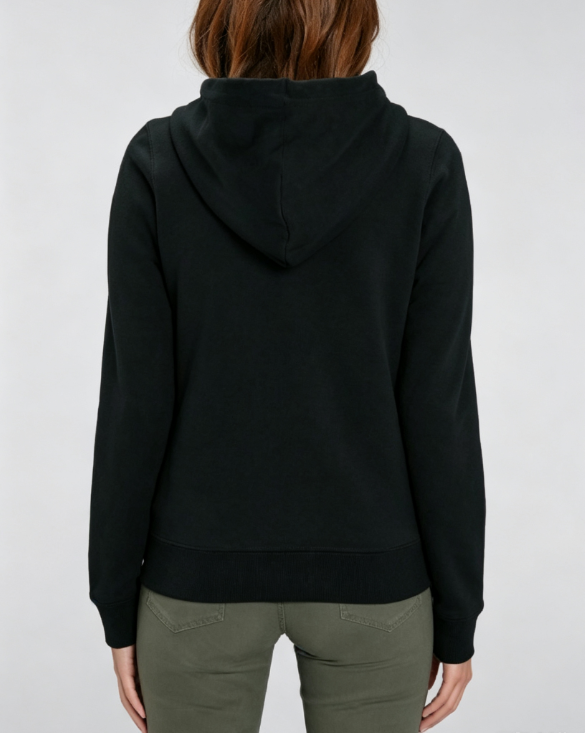
Develop custom hoodies in fleece or French terry for capsule drops, retail programs, and brand uniforms. Junsheen supports pattern development, XS–3XL grading, embroidery, screen printing, washes, custom labels, and packaging from 100 units per style and color.
Request a Quote
Custom T-Shirts
Produce custom T-shirts in combed cotton, heavyweight jersey, blended fabrics, or performance knits. From fitted basics to oversized silhouettes, the team manages specifications, size grading, print methods, neck labels, and repeatable bulk production for branded collections.
Request a Quote
Custom Jeans
Manufacture custom jeans with denim sourcing, pattern development, stretch and fit evaluation, washes, distressing, hardware, labels, and graded sizing. Junsheen supports men’s, women’s, oversized, and extended-size denim programs from initial sample through bulk delivery.
Request a Quote
Custom Sweaters
Source turtle neck sweaters in bulk through a knitwear production process built around yarn selection, gauge, hand feel, shape retention, and grading. Develop fitted, relaxed, cropped, or oversized styles with private-label trims and coordinated color programs.
Request a Quote
Custom Jackets
Build custom jean jackets with denim fabric selection, fit development, panel construction, branded buttons, patches, embroidery, printing, and garment washes. Suitable for standalone outerwear, denim capsules, and coordinated ranges requiring consistent sizing and finishing.
Request a Quote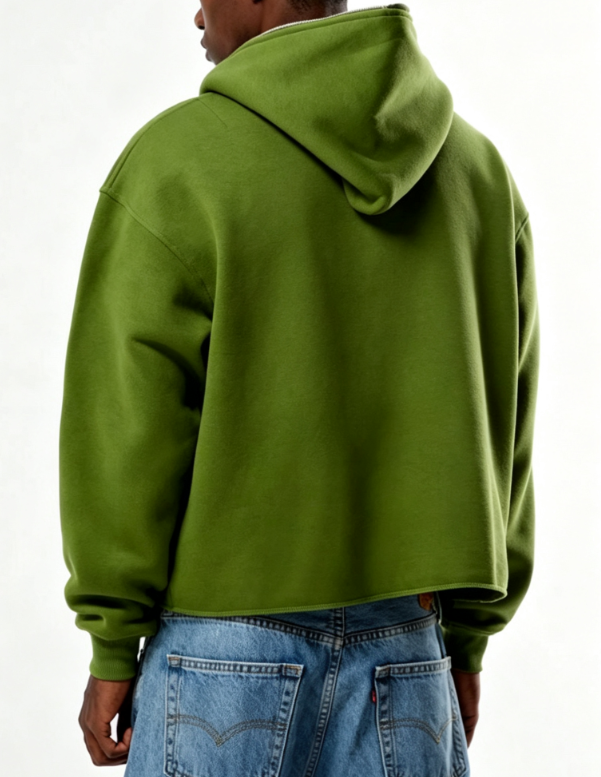
Custom Sweatshirts & Crewnecks
Produce custom crewneck hoodies, sweatshirts, and crewnecks in fleece or French terry with defined weights, rib trims, fit specifications, and logo applications. Junsheen supports matching sets, seasonal colorways, and XS–3XL grading for retail-ready collections.
Request a Quote
Custom Cardigans
Develop custom cardigans in knit constructions selected for weight, texture, drape, and durability. The team supports button and zipper options, jacquard or embroidered branding, relaxed and fitted silhouettes, size grading, and private-label finishing for layered apparel programs.
Request a Quote
Custom Puffer & Down Jackets
Manufacture custom puffer jackets with shell, lining, insulation, quilting, zippers, snaps, pockets, and branded trims specified for your market. Sampling reviews balance warmth, mobility, proportion, and packability before scalable outerwear production begins.
Request a Quote
Custom Denim Shorts
Produce custom jean shorts with denim fabric options, inseam and rise development, stretch requirements, washes, distressing, hems, and hardware. Build men’s, women’s, unisex, extended-size, or coordinated denim programs with retained production records for repeat orders.
Request a Quote
Custom Sweater Dresses
Develop custom sweater dresses across knit gauges and yarn blends suited to fitted, relaxed, ribbed, or oversized shapes. Junsheen manages pattern proportion, length, neckline, grading, labels, and quality checks to help brands maintain consistent fit across size ranges.
Request a Quote
Custom Denim Sets
Produce men’s denim suits for wholesale and private-label programs, including coordinated denim jackets and jeans. Match fabric shade, wash, hardware, fit blocks, and branding across both pieces to create cohesive sets ready for retail or distribution.
Request a Quote
Custom Polo Shirts
Manufacture custom polo shirts in piqué, jersey, performance knit, or blended fabrics for fashion, retail, hospitality, and promotional programs. Specify collars, plackets, embroidery, printing, contrast details, size grading, labels, and packaging for your brand requirements.
Request a Quote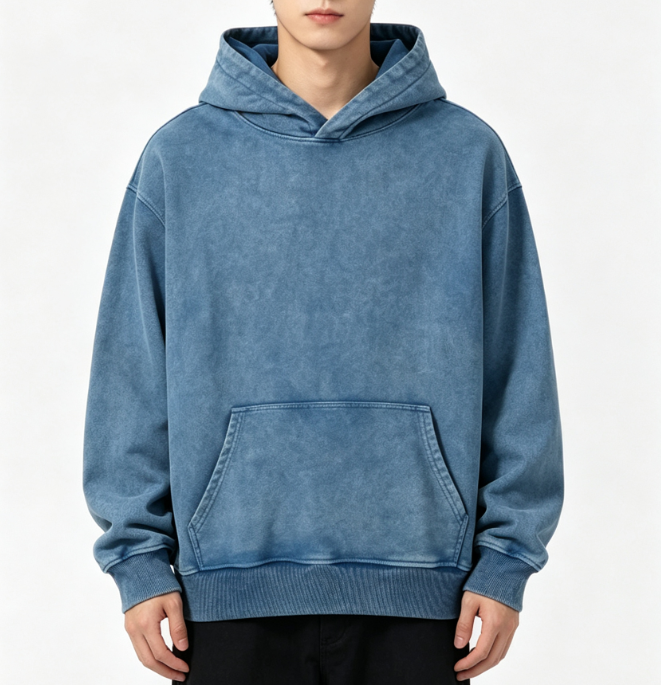
Custom Sweatpants
Produce custom sweatpants in fleece, French terry, jersey, or performance fabrics with tapered, straight-leg, wide-leg, or oversized fits. Coordinate fabrics, colors, logo decoration, pockets, drawcords, and grading with matching hoodies or crewnecks.
Request a Quote
Custom Shorts
Develop custom shorts for casualwear, active-inspired styles, uniform programs, and seasonal capsules. Junsheen supports woven, jersey, fleece, twill, and denim options with defined inseams, pockets, waist treatments, decoration, custom trims, and fit-focused XS–3XL grading.
Request a Quote
Custom Pullovers
Manufacture custom pullovers in knit, fleece, French terry, and jersey constructions for layered casualwear collections. Develop quarter-zip, half-zip, mock-neck, and standard styles with controlled fit, logo decoration, labels, trims, and scalable bulk production.
Request a QuoteCustom Embroidery Hoodies: Materials for Comfort, Structure and Stitch Quality

Cotton Fleece
Brushed cotton fleece delivers a warm, plush interior and substantial outer face for premium cold-weather hoodies. Its stable, medium-to-heavyweight construction supports dense logo embroidery while maintaining a soft, relaxed feel.

French Terry
French terry has smooth loops on the inside, offering breathable comfort with less bulk than fleece. It suits year-round custom embroidery hoodies and provides a firm surface for patches, flat embroidery and puff embroidery.

Organic Cotton
Organic cotton offers a clean, natural hand feel for brands prioritizing responsibly sourced material options. Available in jersey, terry and fleece constructions, it supports soft everyday hoodies with dependable embroidery placement and wash comfort.

Recycled Blends
Recycled cotton and recycled polyester blends combine durability, shape retention and sustainability-focused positioning. They work well for structured fleece hoodies, helping embroidery remain stable while offering reliable recovery and repeat-wash performance.

Heavyweight Jersey
Heavyweight cotton jersey creates a smooth, dense hand with a more refined, less bulky profile than fleece. It is ideal for lightweight hoodies, layering styles and detailed embroidery where a clean garment face matters.

Performance Knits
Performance knit blends add stretch, moisture management or abrasion resistance for active-inspired hoodie programs. Their engineered recovery helps preserve shape, while fabric selection and backing are matched to achieve secure, distortion-free embroidery.
Custom Embroidery Hoodies: Decoration Techniques We Support

Flat Embroidery
Clean, precise stitching for logos, lettering and detailed artwork. Flat embroidery creates a polished, durable surface with strong color definition, making it ideal for chest logos, sleeves, hoods and subtle premium branding.

3D Puff Embroidery
Raised foam-backed stitching adds bold dimension to simple logos, monograms and graphic shapes. This high-impact technique gives custom embroidery hoodies a tactile, structured finish that stands out while maintaining dependable wear performance.

Chain Stitch
Looped thread construction delivers an expressive, heritage-inspired texture for script lettering, varsity graphics and decorative outlines. Chain stitch brings depth and movement to hoodie artwork, especially for fashion-forward collections and vintage-style branding.

Appliqué Work
Cut fabric panels are stitched onto the hoodie to create layered letters, numbers and graphic motifs. Appliqué combines color blocking with embroidery detail for a dimensional, durable result suited to collegiate, streetwear and teamwear programs.

Custom Patches
Woven, embroidered, chenille or specialty patches can be developed and securely applied for a distinctive branded element. They add contrast, texture and flexible placement options across chest, sleeve, hem and hood applications.

Complementary Printing
Screen print, puff print, silicone, DTF and heat-transfer details can complement embroidery on the same garment. Combining processes helps balance artwork complexity, texture and target cost while creating layered hoodie graphics with lasting visual impact.
Private-Label Trims for Custom Embroidery Hoodies

Woven Brand Labels
Custom woven main, size and care labels give custom embroidery hoodies a polished private-label identity while providing clear sizing, fiber-content and wash-care information for retail and wholesale programs.

Custom Drawcords
Select cotton, flat or round drawcords with dyed tips, metal aglets or branded tipping to complement your hoodie colorway, logo placement and target price point.

Zippers and Snaps
Add dependable front zippers, custom zipper pulls or snap closures for zip hoodies and layered styles. Hardware options can reinforce your branding while supporting daily wear and repeated washing.

Branded Hang Tags
Custom hang tags communicate your collection story, product details and retail positioning at first touch. Junsheen can coordinate tag stock, shape, string and attachment for packed garments.

Rib Trim Details
Specify cuff, hem and collar rib trims for recovery, structure and a consistent hand feel. Color-matched or contrast ribbing helps define oversized, fitted and premium hoodie silhouettes.
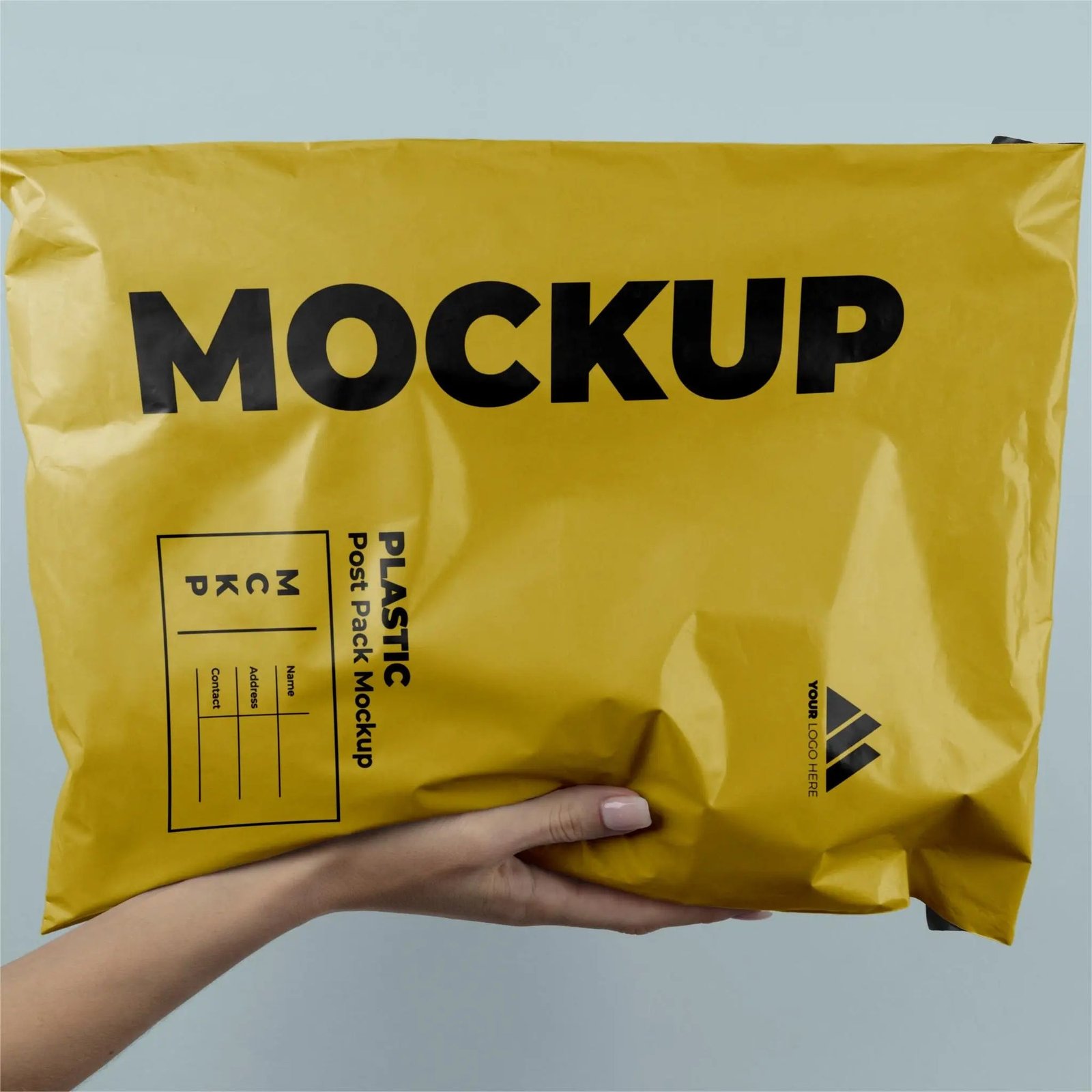
Custom Packaging
Finish orders with branded polybags, size stickers, tissue, cartons and packing inserts. Packaging is planned around your fulfillment requirements to protect custom embroidery hoodies through global shipping.
About JUNSHEEN Custom Embroidery Hoodies
Founded in 2010 in Humen Town, Dongguan, JUNSHEEN helps fashion brands turn embroidered hoodie concepts into production-ready private-label collections. Our one-stop team supports OEM, ODM, wholesale and product development from a tech pack, sketch, reference garment or early-stage idea.
With 200+ skilled workers and monthly capacity exceeding 80,000 units, we combine cut-and-sew manufacturing, knitting, fabric sourcing, embroidery, printing, washing, labels, trims, packaging and export coordination in one integrated supply chain. Programs can begin at 100 units per style and color, then scale with demand.
What differentiates JUNSHEEN is fit-focused development alongside dependable decoration execution. We refine patterns and grading from XS through 3XL, including extended-size, plus-size and oversized fits, while serving 2,000+ fashion-brand clients worldwide with clear technical support and consistent production control.

Core Capabilities Behind Custom Embroidery Hoodies
Fit-First Pattern Development
JUNSHEEN develops hoodie patterns from XS to 3XL with balanced shoulders, sleeves, body proportions and grading increments. We refine fit for standard, extended-size, plus-size and oversized silhouettes before bulk production, helping brands avoid costly revisions later.
- Pattern making from tech packs, references or sketches
- Size grading for XS–3XL and oversized fits
- Prototype, size-set and pre-production approvals
- Manufacturability review before sampling
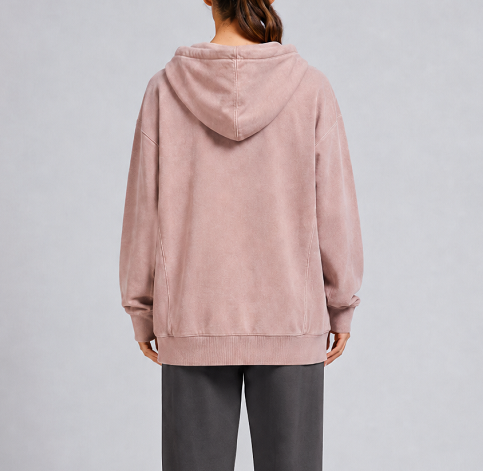
In-House Embroidery Control
Your artwork is managed alongside garment development, so embroidery placement, stitch density and backing are considered with the hoodie fabric and construction. From flat logos to puff, chain stitch and applique, our team builds decoration that supports a premium finished garment.
- Flat, 3D/puff and logo embroidery
- Chain stitch, applique and custom patches
- Placement testing for fleece and French terry
- Decoration checks during sampling and production

Private Label, Fully Integrated
JUNSHEEN brings apparel production, decoration, trims and packaging into one coordinated program. Add branded woven labels, wash-care labels, hang tags, drawstrings, zippers and packaging without managing separate suppliers or losing control of your finished presentation.
- OEM, ODM and private-label support
- Custom labels, tags and branded packaging
- Logo trims, drawstrings, zippers and patches
- Low MOQ from 100 units per style/color
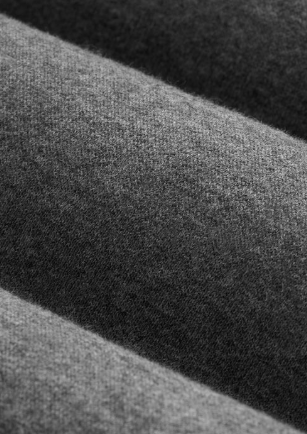
Repeat Orders Stay Consistent
For scalable custom embroidery hoodies, we retain approved patterns, graded size sets and material records to support smoother repeat production. In-line and final checks cover measurements, construction, embroidery and packed goods, helping maintain consistency as your program grows.
- Retained patterns and approved specifications
- Incoming, in-line and final quality checks
- 200+ skilled workers and 80,000+ monthly capacity
- Global export support for growing programs

Why Choose JUNSHEEN for Custom Embroidery Hoodies
A single fit-focused manufacturing partner versus fragmented hoodie sourcing.
← 左右滑动查看 →
Custom Embroidery Hoodies Production Process
A clear, fit-focused workflow from feasibility review to inspected, packed goods ready for worldwide shipment.
Feasibility and Material Sourcing
Review your tech pack, sketch, or reference; confirm construction, embroidery placement, target cost, fleece or French terry, trims, and 100-unit MOQ feasibility.
Patterning and Fit Development
Create production patterns and XS–3XL grading, refining shoulder balance, body proportions, sleeves, and mobility for regular, oversized, or extended-size hoodie fits.
Sampling and Approval
Produce prototype and size-set samples with selected logo embroidery, washes, labels, and packaging details; revise specifications before approving bulk-ready production standards.
Bulk Production and Decoration
Cut, sew, embroider, finish, and assemble approved hoodies through coordinated OEM production, with capacity to support capsule launches and scalable repeat programs.
Multi-Stage QC and Shipping
Inspect fabric, construction, measurements, fit, embroidery, and packed goods; complete branded packing and coordinate export documentation and worldwide shipment before final delivery.
Work With Our Custom Embroidery Hoodies OEM Team
Move from concept to production with clear development checkpoints, fit-focused sampling, and managed bulk manufacturing.
Submit Your Concept
Send a tech pack, sketch, reference garment, or mood board with target quantities, sizing, embroidery placement, fabric preferences, and private-label requirements.
Review Feasibility and Quote
Our OEM team evaluates construction, fit grading, materials, decoration methods, lead time, and 100-unit MOQ requirements before providing a production-focused quotation.
Approve Development Samples
Review prototype and size-set samples for fit, hand feel, embroidery quality, measurements, trims, and wash performance; refine details before pre-production approval.
Launch Managed Bulk Production
JUNSHEEN manages fabric sourcing, cut-and-sew, embroidery, quality inspections, labeling, packaging, and export coordination for consistent scalable hoodie delivery.
Custom Clothing Manufacturer Credentials and Compliance Documents




Custom Embroidery Hoodies That Earn Repeat Orders
JUNSHEEN corrected the shoulder balance and sleeve grading across our XS–3XL size set during sampling. We approved bulk after two revisions instead of our usual four, and the embroidered capsule sold through 1,200 units in its first launch.
Their team matched our puff-embroidery placement and heavyweight fleece target without compromising the oversized fit. Our 100-unit test order arrived production-ready, and we placed a 600-unit repeat order within eight weeks of launch.
We needed branded labels, custom drawcords, and clean chain-stitch embroidery for a retailer presentation. JUNSHEEN consolidated the details into one production program, cutting our supplier coordination from five vendors to one and helping secure a 12-store rollout.
Custom Embroidery Hoodies FAQ
Clear answers on MOQ, sampling, fit, decoration, payment, shipping, and confidentiality for private-label hoodie programs.
What is the MOQ for custom embroidery hoodies?
How long does a custom embroidery hoodie sample take, and what does it cost?
What embroidery options are available for custom embroidery hoodies?
Can you develop oversized and extended-size hoodie fits?
Can I order custom embroidery hoodies from a sketch or reference garment?
What payment terms do you offer for hoodie production?
Do you provide global shipping and export support?
How do you protect my custom hoodie designs and artwork?
Complete Buyer’s Guide to custom embroidery hoodies
Use this practical framework to select fabrics, embroidery methods, construction details, and a reliable supplier for custom embroidery hoodies—while avoiding costly sampling, pricing, quality-control, and production-planning mistakes.
1. What Are Custom Embroidery Hoodies?
100-unit programs can turn a custom embroidery hoodie from a brand concept into a specified garment: the buyer controls the hoodie block, fabric, weight, color, logo artwork, stitch treatment, placement, labels, trims, packaging, and graded size range. Unlike an off-the-shelf blank with a stock logo, it is developed as a private-label product with approved materials and construction details. 3D puff, flat embroidery, chain stitch, applique, patches, and sequins build raised texture by locking thread into the garment, whereas screen print deposits ink on the surface. Embroidery usually reads as more permanent and premium on chest logos, sleeve marks, hood details, and small back-neck branding, but artwork must be digitized for the stitch method rather than copied directly from a print file. JUNSHEEN produces custom embroidery hoodies for fashion-label collections, limited retail capsules, staff uniforms, artist merchandise, promotional programs, and wholesale assortments. A buyer can specify French terry or fleece, a 280–420 GSM target, oversized or standard fit, Pantone color direction, rib quality, drawcords, zipper type, embroidery scale, backing, and woven care labels before sampling.
2. History of Embroidered Hoodies
1930s athletic suppliers, notably Champion, popularized the hooded sweatshirt for workers training in cold conditions; collegiate programs then made chenille letters, mascot crests, and stitched team identifiers familiar visual codes. That origin still informs sourcing: a compact embroidered chest mark reads as a physically applied emblem rather than a surface-only graphic, reinforcing a garment’s perceived durability and workmanship. 1970s and 1980s skate, hip-hop, and streetwear communities moved the hoodie from practice fields into everyday uniform, favoring roomier bodies, dropped shoulders, and bolder back or sleeve branding. Workwear contributed hard-wearing fleece, utility colors, and small left-chest identifiers, while collegiate heritage kept rib cuffs, kangaroo pockets, and contrast applique relevant. 1990s through the 2020s premium labels expanded these references into heavyweight 320–500 GSM fleece, oversized fits, tonal monograms, chain stitch, and restrained logo placements. For custom embroidery hoodies, brands should decide which lineage fits the collection before sampling: classic athletic proportions suit clean crest embroidery, while modern oversized or workwear-led silhouettes need embroidery scale, placement, and backing selected to preserve drape and avoid puckering.
3. Types of Custom Embroidery Hoodies
100-unit runs let brands test a silhouette without committing to a full seasonal buy. Six core custom embroidery hoodies categories cover entry staples, fashion-led drops, cold-weather premiums, and active layering.
| Type | Best Position | Embroidery Placement | Sourcing Check |
|---|---|---|---|
| Pullover | Core volume staple | Chest, sleeve, hood | Pocket alignment |
| Zip-Up | Layering premium | Chest, sleeve | Zipper specification |
| Oversized | Fashion statement | Back, chest, sleeve | Graded proportions |
| Cropped | Trend capsule | Chest, sleeve | Rib recovery |
| Heavyweight | Winter premium | Chest, back | 400–500 GSM bulk |
| Performance/Lined | Active outer layer | Compact chest | Lining and mobility |
Pullover And Zip-Up Staples

280–340 GSM pullovers are the dependable core style for collegiate, streetwear, and wholesale programs; left-chest, center-chest, sleeve, and hood embroidery all merchandise cleanly. YKK or equivalent zippers matter on zip-ups because a failing zipper undermines a premium program; specify zipper tape color, puller finish, and whether the kangaroo pocket becomes two separate pockets.
Oversized And Cropped Fashion

340–460 GSM oversized hoodies suit fashion labels selling higher-AOV statement layers, with broad backs and dropped shoulders providing generous embroidery real estate. 18–22 inch cropped body lengths target women’s and youth-fashion capsules; confirm hem rib recovery and exact chest-to-length ratio before approving samples.
Heavyweight And Performance Layers
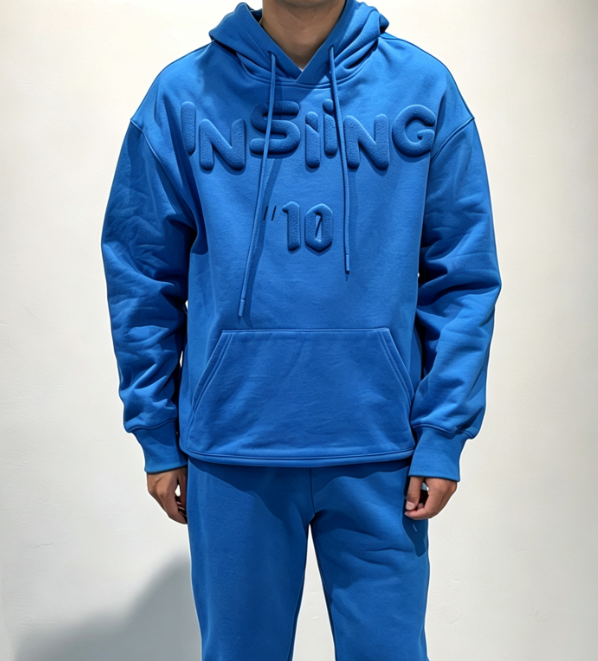
400–500 GSM heavyweight fleece supports premium winter positioning and dense embroidery, but buyers should test needle marks and backing visibility on lighter colorways. 250–320 GSM performance or fleece-lined styles serve travel, training, and outdoor customers; use compact chest logos and confirm moisture management, lining bulk, and seam mobility.
4. Fabrics for Custom Embroidery Hoodies
Fabric choice controls how custom embroidery hoodies carry stitch density, retain shape after washing, and feel at retail. Request pre-shrunk fabric testing and an embroidery strike-off before approving bulk materials.
| Fabric | Typical GSM | Ideal Use | Embroidery Behavior | Program Trade-Off |
|---|---|---|---|---|
| 100% cotton fleece | 300–420 | Premium everyday hoodies | Clean face; pre-shrink first | Soft hand, higher shrinkage risk |
| Cotton-poly blend | 280–360 | Value and team programs | Stable, low distortion | Lower cost, less natural feel |
| French terry | 280–380 | Spring or layering | Good with proper backing | Breathable, less warmth |
| Brushed fleece | 280–360 | Cold-weather basics | Stable; manage pile and pilling | Soft warmth, may pill |
| Recycled blend | 300–400 | Sustainability-led ranges | Test yarn consistency | Credentials and quality vary |
| Heavyweight loopback | 400–500 | Premium oversized styles | Excellent support for dense work | Higher cost and slower drying |
Fabric Selection Priorities
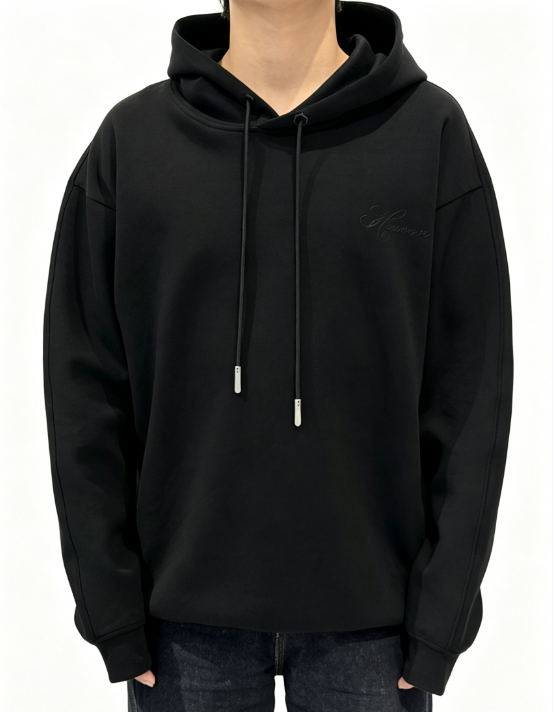
280–400 GSM is the practical range for most embroidered hoodies. Tighter, ring-spun faces hold clean outlines better than loose open-end yarns, while unstable knits can tunnel or ripple around dense logos. 3–5% residual shrinkage is common without pre-shrinking, especially in cotton-rich goods. Wash care should specify cold washing inside out and low tumble drying; excessive heat can tighten embroidery and accelerate surface pilling.
- Use cut-away backing for dense chest embroidery
- Test wash one decorated sample before bulk approval
- Match needle, backing, and stabilizer to fabric weight
Seasonal Weight And Value

320 GSM French terry suits transitional collections because its unbrushed loops breathe and provide moderate structure. Brushed fleece at 280–360 GSM gives a warmer, softer interior but needs anti-pilling control for repeat wear. 400–500 GSM loopback creates a premium, oversized silhouette and strong embroidery platform. Its higher yarn consumption and slower drying increase cost, so it fits elevated programs more readily than entry-price promotions.
Recycled Blend Considerations

20–50% recycled polyester blends can improve durability and reduce cost volatility, but fiber quality and yarn twist still determine pilling performance. Ask for composition certification documentation when sustainability claims will appear on labels or marketing. 60/40 cotton-poly remains a dependable value option: it shrinks less than 100% cotton and supports stable embroidery, though it has less natural hand feel than cotton-rich premium fleece.
5. Custom Embroidery Hoodies: Decoration Options
Three variables—artwork geometry, pile height, and garment weight—determine whether custom embroidery hoodies look refined or distorted. Specify the decoration method before approving digitizing, because each method needs different stitch paths, backing, and practical size limits.
| Method | Visual Effect | Cost | Durability | Artwork Limits |
|---|---|---|---|---|
| Flat embroidery | Crisp, dimensional | Medium | High | Fine detail possible; small text still needs testing |
| 3D puff | Raised, sculptural | Medium-high | High | Avoid tiny type, thin lines, and tight gaps |
| Appliqué or chenille | Tactile, varsity | High | High with secure edges | Best for broad, simplified shapes |
| Patch or woven label | Badge-like, branded | Low-medium | High | Restricted by patch size and edge finish |
Choose The Embroidery Method
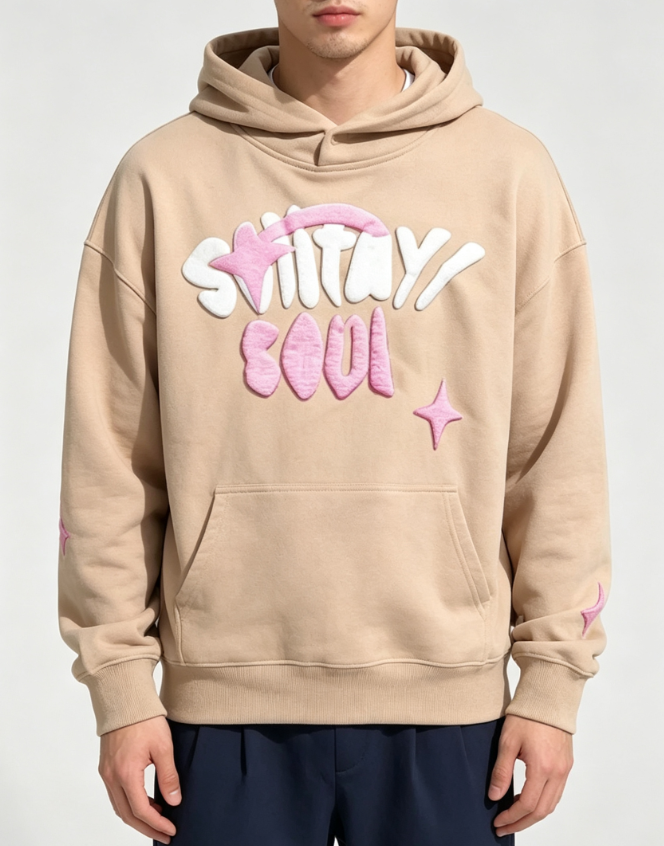
Flat embroidery suits small-to-medium logos, fine lettering, and multi-color artwork; 3D puff adds raised dimension but cannot carry tiny type or tight internal detail. Appliqué uses a cut fabric panel with securing stitches, while chenille creates a varsity-style pile. Both work best on broad chest or back artwork rather than narrow seams.
- Flat: clean detail and strong wash durability
- 3D puff: bold raised logos, higher setup sensitivity
- Appliqué or chenille: tactile statement graphics
- Patches: removable-looking branding with flexible placement
Control Digitizing And Backing
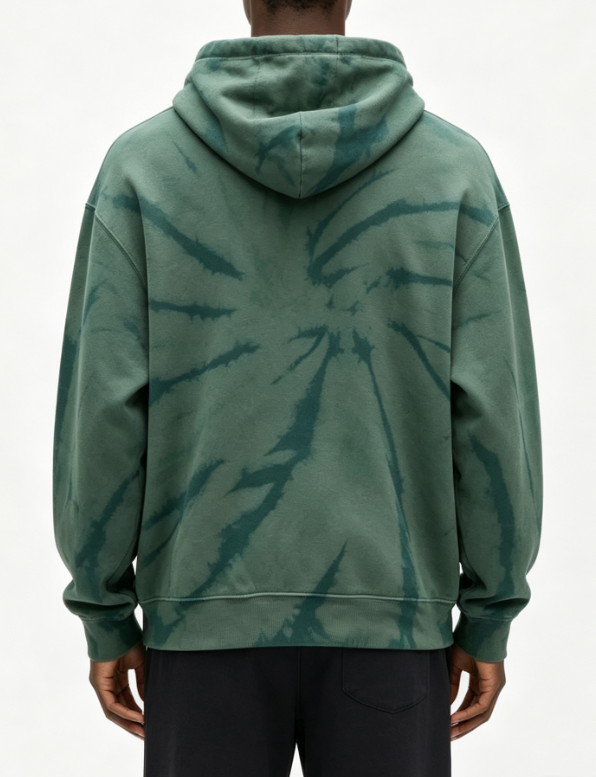
0.35–0.45 mm is a common satin-stitch density range, but dense fills on fleece can cause puckering or a stiff hand. A competent digitizer adjusts underlay, pull compensation, stitch direction, and thread trims for the actual fabric. 40-weight polyester thread offers colorfast, abrasion-resistant production performance; rayon gives a softer sheen but needs more cautious wash testing. Cut-away backing stabilizes stretchy fleece, while tear-away can suit stable appliqué areas.
Plan Scale And Mixed Media

8–12 cm is a practical left-chest embroidery width, while large full-back fills quickly become heavy, costly, and less comfortable. Confirm placement from seams, pocket openings, drawcord paths, and zipper tape on a physical sample. 2 techniques often produce the clearest result: embroider the premium focal logo and screen print large gradients, photographs, or very fine lines. Woven labels identify the garment or neck branding; patches can carry separate badge artwork.
6. Construction Quality for Embroidered Hoodies
320–420 GSM fleece or French terry gives custom embroidery hoodies the body needed to support decoration without feeling board-stiff. Approve construction as a system: fabric recovery, stress points, hardware, wash behavior, and clean embroidery interiors all affect retail durability.
Fabric And Rib Recovery

10% stretch-and-recovery checks on cuffs and hems reveal whether 1×1 or 2×2 rib will bag out after wear. Inspect the sample after stretching, then after one wash; rib should return evenly, and body fabric should show no torque, pilling, or excessive shrinkage.
Hood Shape And Seams
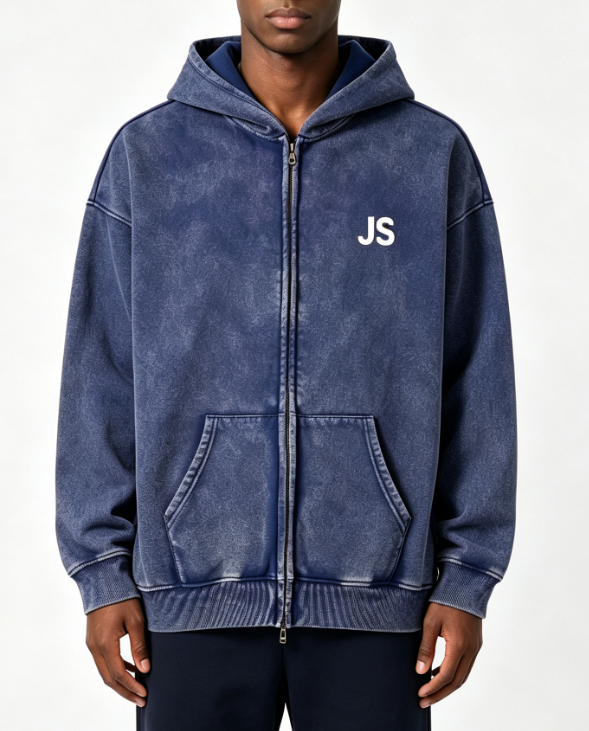
Three-panel hoods generally create a more rounded crown than two-panel versions, while a self-fabric or jersey lining improves comfort and hides seam allowances. Check center-hood alignment, neck binding, flat seam margins, and shoulder tape or reinforcement so the neckline does not distort under the hood’s weight.
Pockets And Hardware
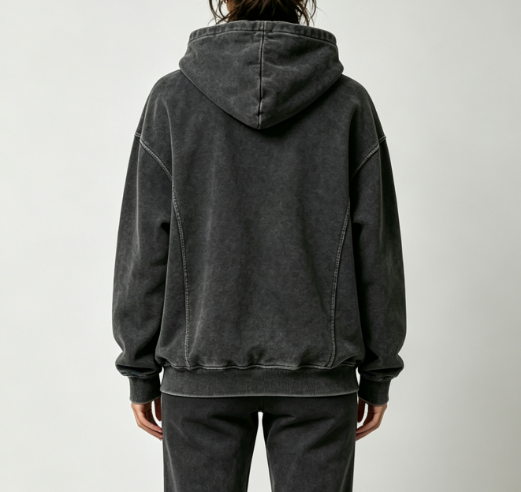
6–8 stitches per inch is a practical checkpoint for pocket edges, zipper tape, and high-stress seam execution. Confirm bartacks at kangaroo-pocket corners, matched pocket placement, securely set eyelets, smooth drawcord ends, and zipper operation through repeated opening cycles.
Pre-Production Approval

One washed size-set sample should be measured against the approved spec before bulk cutting, including chest, body length, sleeve length, hood opening, and pocket position. Turn the garment inside out to verify trimmed embroidery backing, no exposed thread tails, and soft stabilizer edges that will not irritate skin.
7. Choosing a Custom Embroidery Hoodies Manufacturer
A 100-unit launch can work only when the factory controls development, decoration, and repeat-order records. Vet custom embroidery hoodies suppliers against evidence, not a quotation or a factory-tour video.
Verify Hoodie And Embroidery Capability
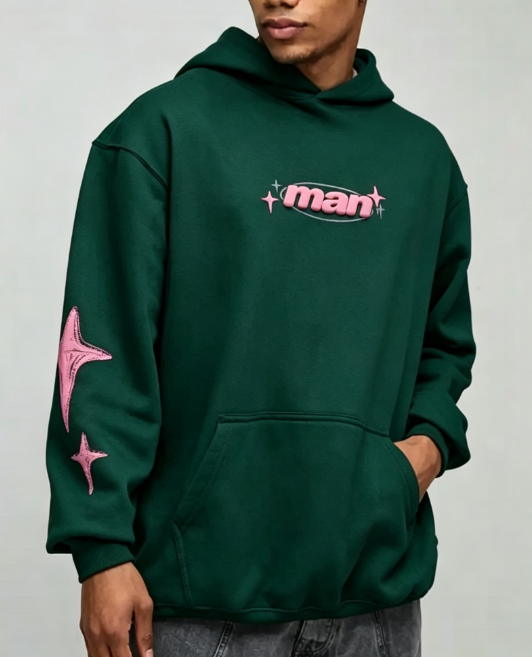
Request 3 recent hoodie samples showing flat, 3D/puff, and applique embroidery. Confirm whether stitching is in-house or managed by a controlled partner, then compare thread density, backing, placement tolerance, and wash results. Ask who approves artwork, digitizing, and first-off embroidery. A supplier should identify fabric limits and propose stitch-count adjustments before bulk approval.
- Ask for embroidery close-up photos
- Request stitch-count and backing specifications
- Confirm replacement handling for decoration defects
Test Development And Fit Controls
Review the sample path from tech pack through prototype, size set, and pre-production sample. Factories should quote sample timing, revision limits, Pantone controls, and measurement tolerances in writing. Confirm grading from XS through 3XL when extended sizing matters. Pattern adjustments should address shoulder balance, sleeve length, body proportion, and mobility rather than merely enlarging a base size.
- Request graded measurement charts
- Request sample and approval calendar
- Approve fabric swatches before bulk
Audit Repeat-Order Readiness
Request QC checklists, inspection reports, material records, compliance certificates relevant to your market, and export documents. Ask for realistic fabric lead time, production window, payment milestones, and shipping terms. Warning signs include vague MOQ answers, no pre-production sample, changing contacts, undocumented substitutions, or refusal to share defect handling. Reliable partners retain patterns, approved trims, and packed-goods inspection records for repeat programs.
- Ask about incoming, in-line, and final inspection
- Verify export experience for your destination
- Confirm communication response times and escalation contact
8. Common Custom Embroidery Hoodies Mistakes
Most embroidery failures are specified upstream, then discovered after fabric is cut or inventory reaches customers. A disciplined pre-production check prevents costly remakes, rejected units, and avoidable margin loss.
Test Fabric Before Committing
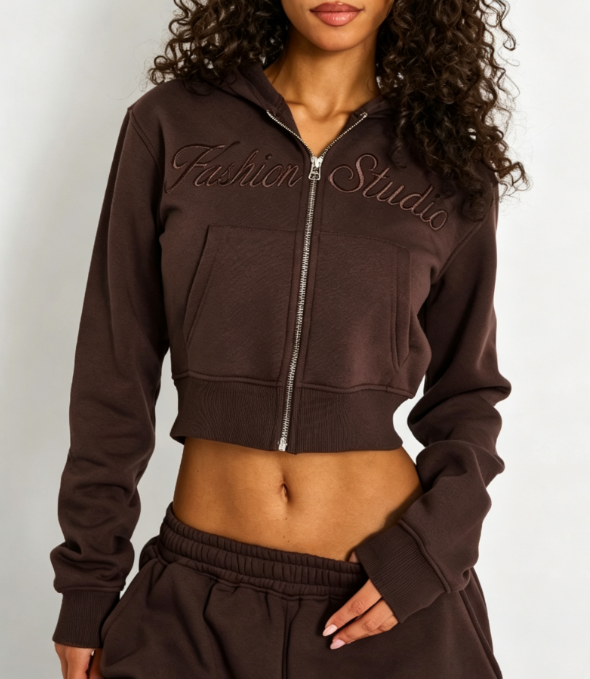
280–400 GSM fleece and French terry react differently to dense stitches; puckering, tunneling, and show-through can appear on the finished panel. Run the intended backing, thread, and design on actual bulk fabric before approval.
Prepare Production-Ready Artwork
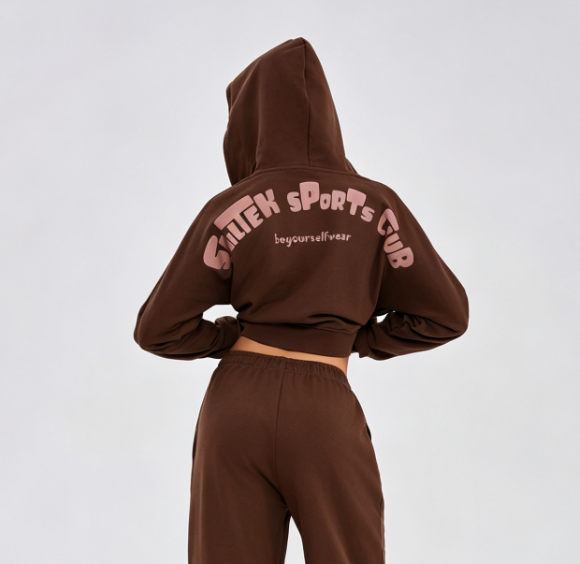
Vector artwork or a clean high-resolution file lets the digitizer control underlay, pull compensation, and small-detail simplification. Thin lines, tiny type, and gradients should be revised before digitizing, or the logo may become unreadable and require repeat sampling.
Control Density And Placement
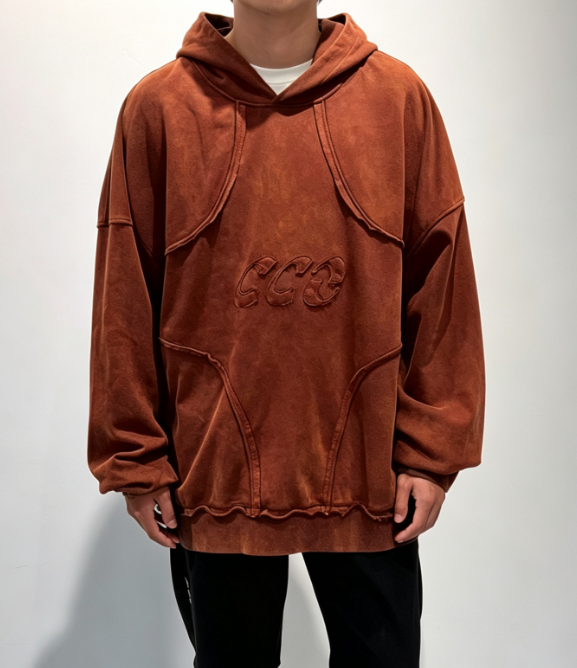
8,000–12,000 stitches can be appropriate for a compact chest logo, but stitch count alone does not define quality or cost. Confirm design size, thread colors, backing, and placement from seams, plackets, and pockets on a marked sample.
Approve Wash And Fit Tests
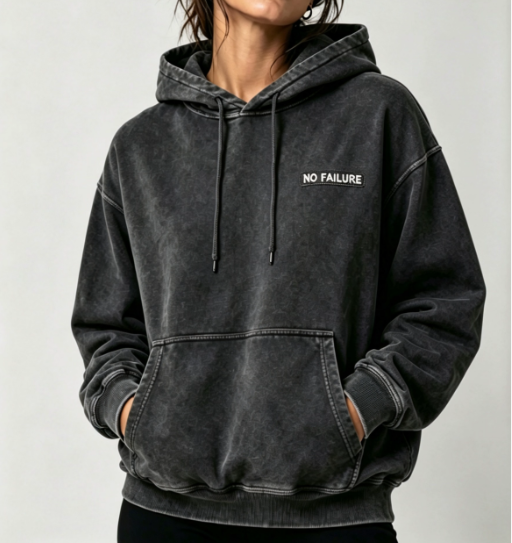
1 wash test can reveal shrinkage, thread distortion, color bleeding, or backing discomfort that a new sample hides. Approve measurements and embroidery after the agreed care cycle, then check graded sizes rather than enlarging one base pattern unchanged.
Align Timelines And Quotes
2–3 sampling rounds plus fabric booking, production, inspection, and export planning require a calendar with approval deadlines. Compare quotations only when GSM, fabric composition, stitch count, thread colors, trims, packing, quantities, and shipping terms match exactly.
9. Launching Your Embroidered Hoodie Collection
A 100-unit-per-style-and-color starting point lets a capsule prove demand without locking a brand into an oversized assortment. Assign one approval owner before development begins; fragmented feedback is the fastest route to missed sample dates.
Lock The Development Brief

Week 1 should close the tech pack: silhouette, measurements, Pantone colors, size range, embroidery placements, artwork scale, labels, packaging, and target cost. The brand owns signed specifications; the factory should flag manufacturability before sampling. Order decisions as fit, fabric weight and color, then decoration and trims. A 320–400 GSM brushed fleece or 300–360 GSM French terry choice affects shrinkage, embroidery backing, hand feel, and freight weight.
Build Samples In Sequence
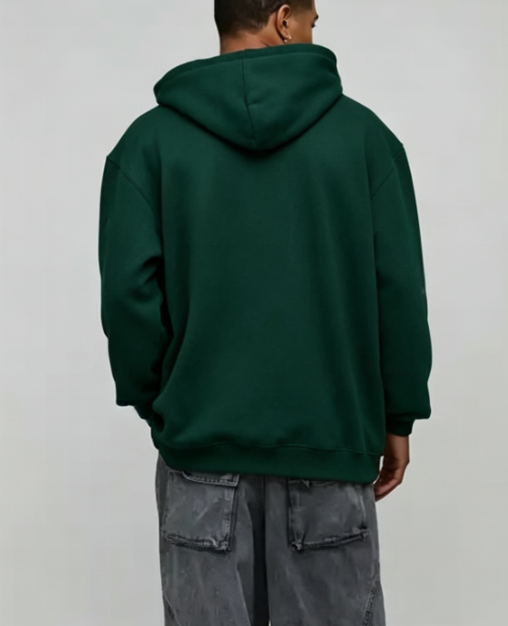
Weeks 2–4 typically cover logo digitizing and a prototype, followed by a fit sample when measurements or construction change. Approve stitch count, thread colors, placement coordinates, backing, and puckering on the actual garment—not only a digital proof. One consolidated revision sheet should return within 2–3 business days of sample receipt. The pre-production sample is the bulk standard, so the nominated approver must sign it before cutting begins.
Approve Bulk And Quality
Weeks 5–8 are commonly reserved for material confirmation, bulk sewing, in-line checks, final measurement review, decoration inspection, packing, and balance clearance. Junsheen can retain approved patterns, graded size sets, and material records for repeat programs. AQL expectations, tolerances, carton marks, and shipment split must be confirmed before production. Review embroidery density, loose threads, shade consistency, label placement, and packed quantities against the approved sample.
Plan A Scalable Assortment
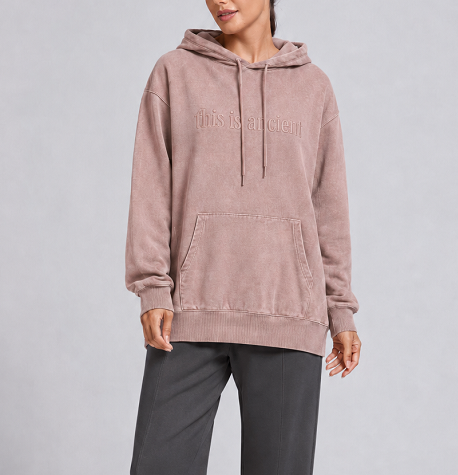
Start with 2–3 core colors, XS–3XL when the customer base warrants it, and one primary chest placement; this keeps early inventory readable. Add a back placement, sleeve emblem, or limited color only after the base style has a clear sales signal. Reserve 2–4 weeks between freight arrival and launch for content, ecommerce photography, size-chart checks, merchandising, and customer-service preparation. Reorder best sellers using the retained specifications rather than rebuilding the style.
10. Custom Embroidery Hoodies Pricing and MOQ
100 units per style and color is JUNSHEEN’s practical starting point for a capsule run; the ranges below are planning estimates in USD for a standard cotton-blend fleece hoodie with one moderate-density chest embroidery. A final quote requires approved specifications, including tech pack, graded size range, Pantone references, artwork, embroidery file or stitch estimate, labels, packaging and destination. 280–400 GSM fabric, zip-front construction, contrast panels, lining, multiple embroidery placements and higher stitch counts raise unit cost fastest. Thread-color changes usually affect digitizing and production efficiency less than a large stitch increase, while custom labels, individual bags, cartons and air or sea freight should be quoted separately from ex-factory garment cost.
| Quantity tier | Estimated USD/unit | Typical setup cost | Expected lead time |
|---|---|---|---|
| 100–299 units | $18–$30 | Sample $80–$180; digitizing $25–$80 | Sample 10–15 days; bulk 25–35 days |
| 300–999 units | $14–$24 | Sample $80–$180; digitizing $25–$80 | Bulk 25–35 days after approval |
| 1,000–2,999 units | $11–$19 | Sample $80–$180; digitizing $25–$80 | Bulk 30–40 days after approval |
| 3,000+ units | $9–$16 | Setup may be amortized by order | Bulk 35–45 days after approval |
Start Your Custom Embroidery Hoodies Project
Send your tech pack, reference garment, sketch, or product idea for fit-focused development and a clear production quote from 100 units.