
Custom Hoodie Embroidery for Private-Label Brands
Launch embroidered hoodies from 100 units per style and color with OEM development, custom labels, fit-focused XS–3XL grading, and global export support.
Featured Products for custom hoodie embroidery Development


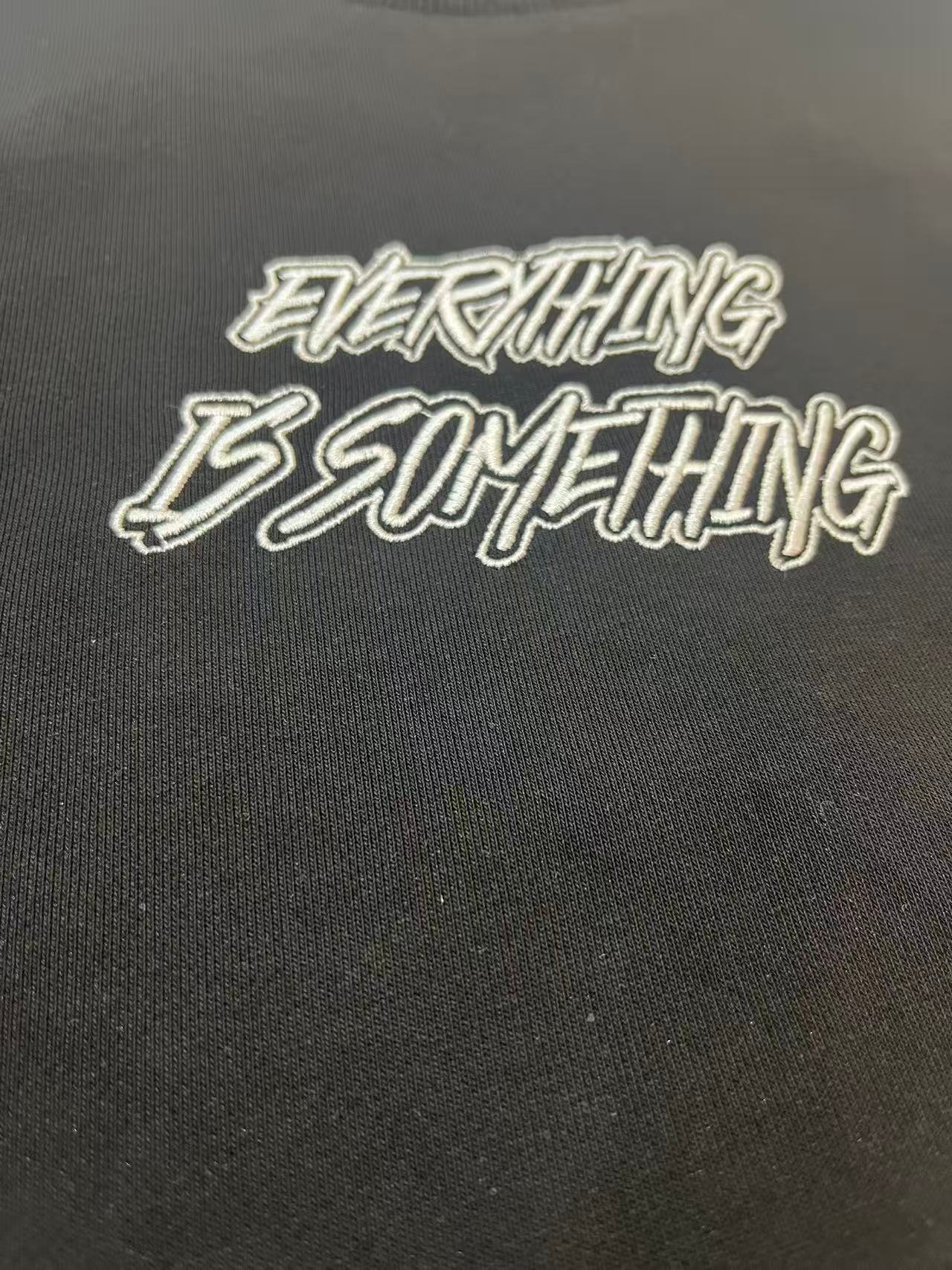


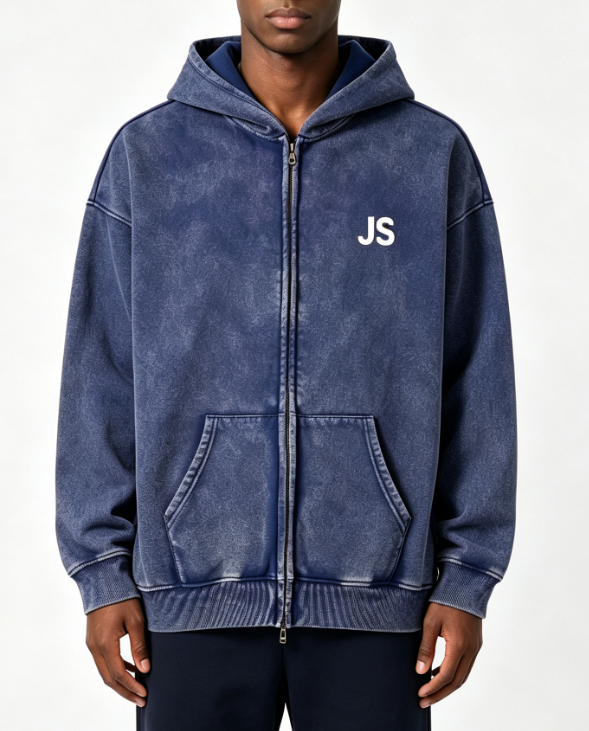

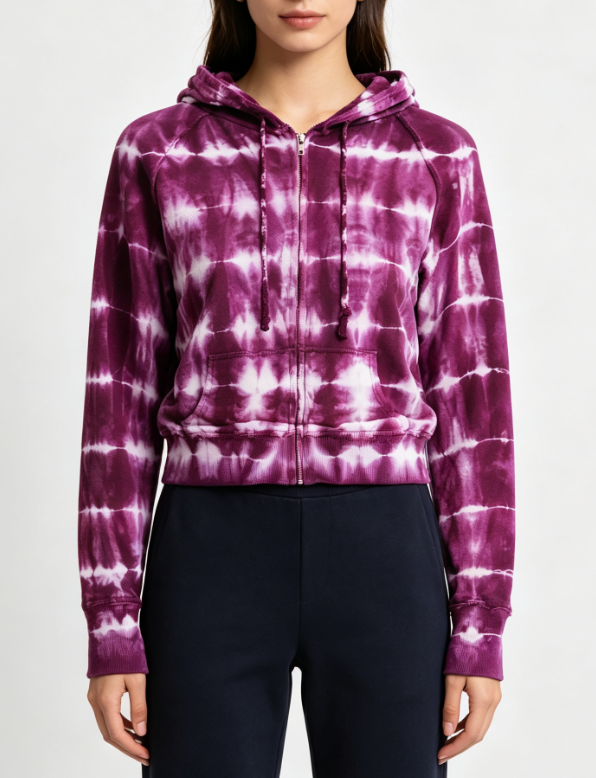

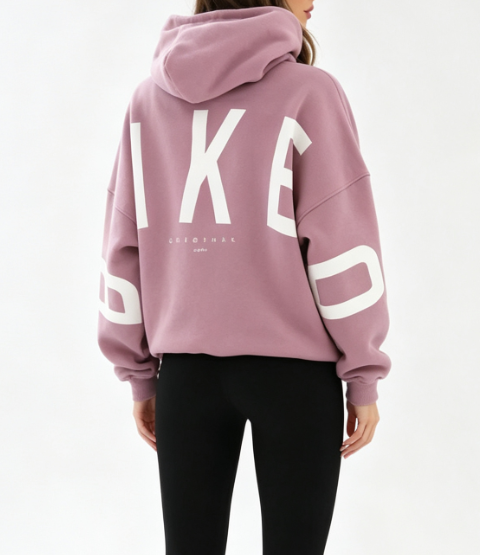


Related Product Catalogue and Quotation
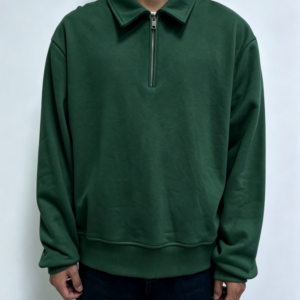

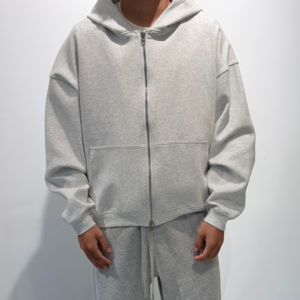

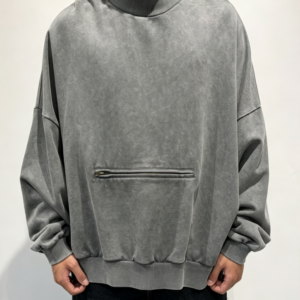
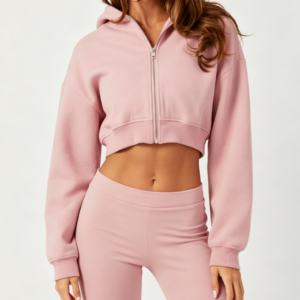
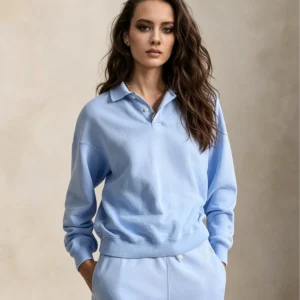

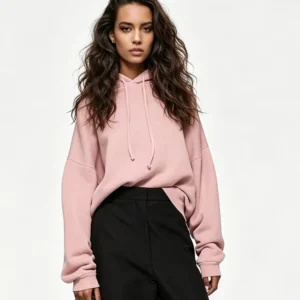
Why Brands Source Custom Hoodie Embroidery From JUNSHEEN
One accountable supply chain for fit, embroidery, sourcing, production scale and global delivery.
100-Unit MOQ
Launch embroidered hoodie capsules from 100 units per style and color, with a practical path to repeat orders and bulk growth.
Fit-Focused XS–3XL
Pattern makers refine proportions, mobility and grading from XS to 3XL for normal, oversized and extended-size hoodie programs.
In-House Embroidery
Choose flat, 3D puff, chain stitch, applique, patches or logo embroidery with coordinated production control from sampling through bulk.
Fabric Sourcing Support
Compare fleece, French terry, jersey and recycled options selected around hand feel, weight, durability, target cost and wash performance.
Scalable Production
More than 200 skilled workers and 80,000-plus monthly units support focused launches, replenishment programs and growing global collections.
Global Export Support
Work with an experienced OEM team that manages quality checks, packaging and export coordination for fashion brands worldwide.
Custom Apparel Programs, Built for Your Collection
OEM, ODM and private-label development across casualwear, denim, outerwear and knitwear, with fit-focused XS–3XL grading and 100-unit starting MOQs.

Custom Hoodies
Develop custom hoodies in fleece, French terry or jersey with your preferred weight, fit and finish. We support oversized, standard and extended-size grading, plus embroidered logos, screen prints, custom labels, drawcords and retail-ready packaging.
Request a Quote
Custom T-Shirts
Produce custom T-shirts from combed cotton, Pima cotton, organic options and blended jersey. Our team helps refine silhouette, neck construction, fabric weight, logo placement and size grading from XS to 3XL before bulk production.
Request a Quote
Custom Jeans
Build custom jeans with denim or stretch-denim sourcing, fit development and controlled wash execution. We develop rises, leg shapes, pocket details, hardware, labels and grading for men’s, women’s, oversized and extended-size denim programs.
Request a Quote
Custom Sweaters
Source and produce turtle neck sweaters in bulk for private-label collections, from lightweight knits to warmer wool-blend constructions. Development includes gauge selection, collar shape, body proportion, sleeve balance, color matching, labeling and graded size sets.
Request a Quote
Custom Jackets
Create custom jean jackets with denim weight, wash, hardware and branding selected for your target market. We develop trucker, cropped, oversized and lined styles, with embroidery, patches, custom buttons, labels and fit grading included.
Request a Quote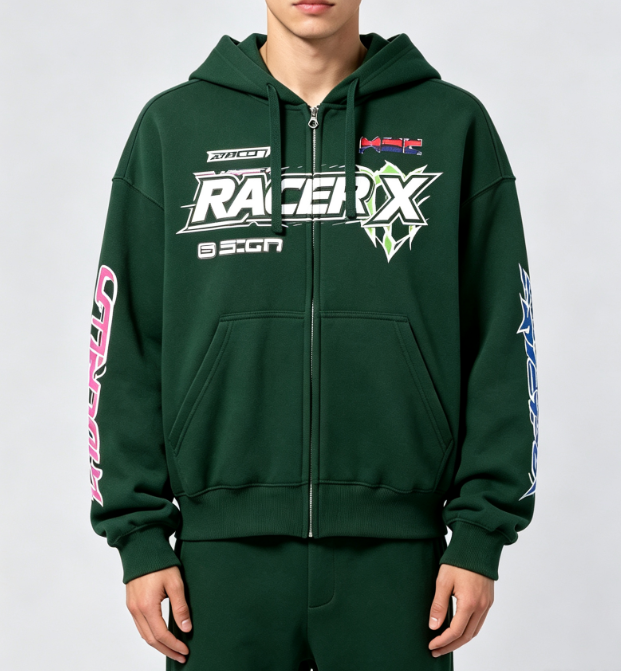
Custom Sweatshirts & Crewnecks
Develop custom crewneck hoodie and sweatshirt programs in fleece or French terry. Choose crewneck, hooded or drop-shoulder silhouettes, then add rib trims, printing, embroidery, washes, labels and fit-focused sizing for consistent repeat orders.
Request a Quote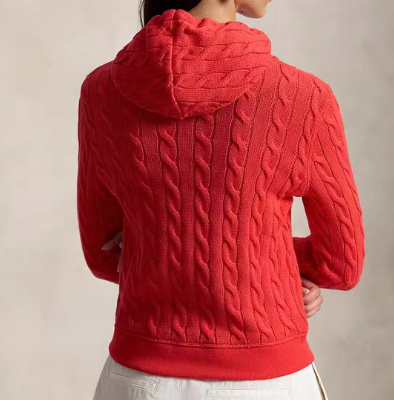
Custom Cardigans
Produce custom cardigans in knit constructions suited to your collection’s hand feel, warmth and price target. We support button-front, zip-front, cropped and oversized styles, with yarn sourcing, gauge development, branded trims and size grading.
Request a Quote
Custom Puffer & Down Jackets
Develop custom puffer jackets with shell, insulation, lining and trim choices aligned to climate, target cost and intended use. Production can include quilting, down-style fills, recycled options, branded hardware, reflective details and private-label packaging.
Request a Quote
Custom Denim Shorts
Produce custom jean shorts with denim sourcing, inseam and rise development, wash treatments and branded details. We support relaxed, fitted, distressed and oversized silhouettes, with accurate grading and pre-production samples to confirm fit before bulk.
Request a Quote
Custom Sweater Dresses
Create custom sweater dresses with knit structures that balance shape retention, comfort and drape. Our team develops necklines, lengths, sleeve proportions and size grading, with options for ribbing, textured stitches, belts, labels and branded packaging.
Request a Quote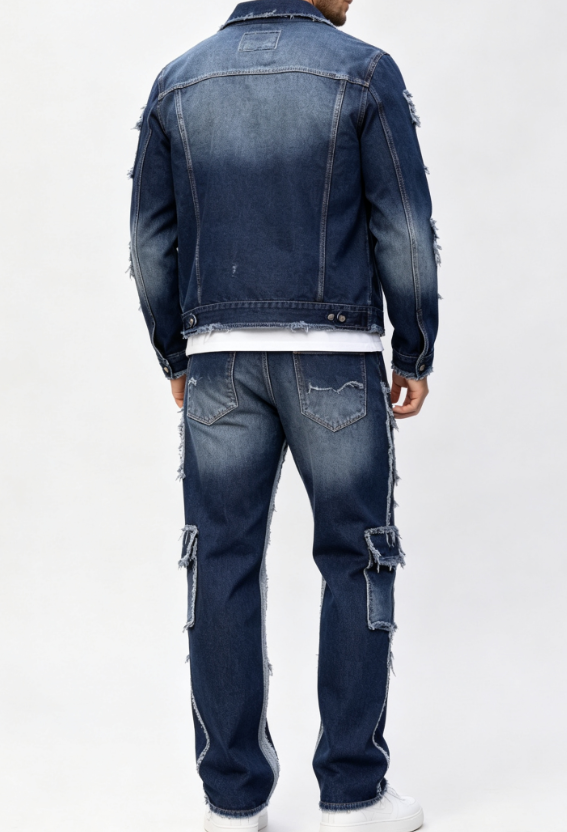
Custom Denim Sets
Produce men’s denim suits for wholesale and private-label programs, including coordinated denim jackets and jeans. We align fabric, wash, color, hardware and fit across both pieces so buyers receive a cohesive, production-ready set.
Request a Quote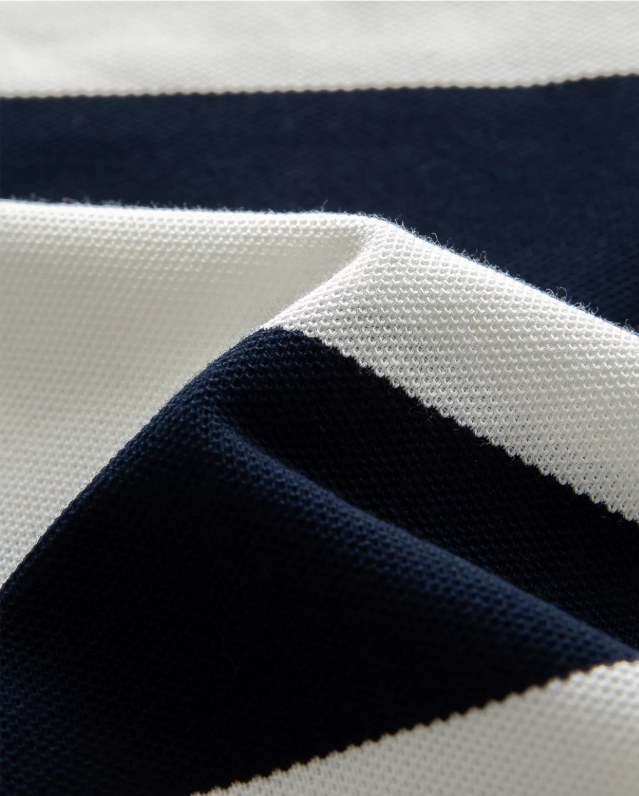
Custom Polo Shirts
Develop custom polo shirts in piqué, jersey or performance-knit fabrics for fashion, uniform and retail programs. Specify collar construction, plackets, sleeve ribs, embroidery, print details, color blocking and graded sizing from XS through 3XL.
Request a Quote
Custom Sweatpants
Produce custom sweatpants in fleece, French terry or jersey with the fit and finish your collection requires. Choose straight-leg, jogger, wide-leg or oversized shapes, then add pockets, elastic details, embroidery, prints, washes and branded trims.
Request a Quote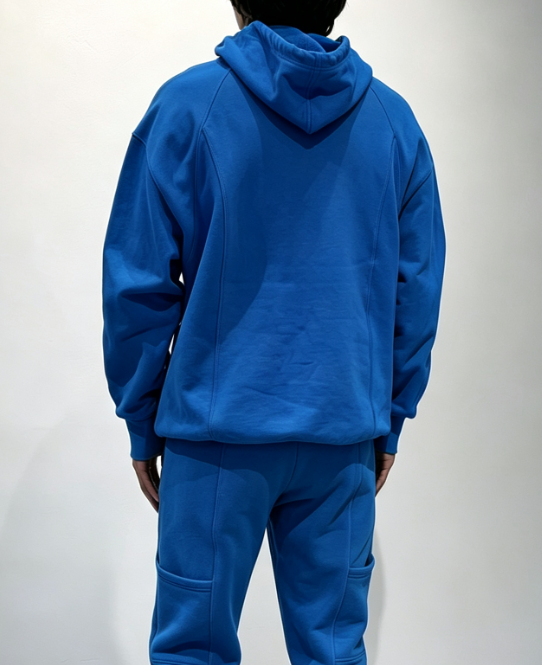
Custom Shorts
Create custom shorts across jersey, fleece, twill, denim and woven constructions. We develop inseam, rise, pockets, waistband and fit for your target wearer, then complete the program with decoration, washes, labels and packaging.
Request a Quote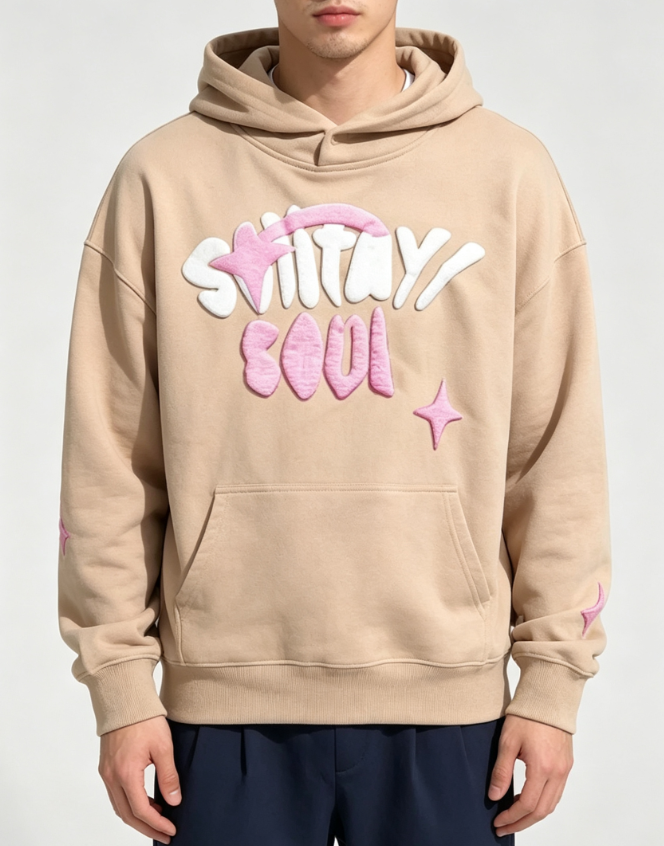
Custom Pullovers
Develop custom pullovers in knit, fleece or French terry constructions for seasonal and year-round assortments. We support quarter-zip, half-zip, mock-neck and classic pullover styles, with fit development, embroidery, printing and private-label finishing.
Request a QuoteCustom Hoodie Embroidery Fabrics We Support

French Terry
A smooth-faced, loopback cotton knit with breathable comfort and a premium midweight feel. French terry suits year-round embroidered hoodies, offering stable surfaces for logo embroidery and flexible weights for collections.

Brushed Cotton Fleece
Soft, warm, and substantial, brushed fleece is a proven choice for cold-weather and heavyweight streetwear hoodies. Its raised interior adds insulation, while a dense outer face helps embroidery remain crisp and secure.

Heavyweight Cotton Jersey
Compact cotton jersey delivers a clean hand feel and a more structured casualwear silhouette. Often used for lighter hoodie styles and layering pieces, its smooth knit surface supports detailed flat or puff embroidery.

Organic Cotton Blends
Organic cotton blends provide a softer natural hand feel for brands prioritizing responsible material options. Blending with recycled polyester or elastane can improve shape retention, durability, and recovery through repeated washing.

Recycled Fleece Blends
Recycled cotton and polyester fleece balances comfort, durability, and lower-impact material positioning. Available in multiple weights, it works well for private-label hoodies requiring stable embroidery backing, warmth, and dependable bulk consistency.

Performance Knit Blends
Moisture-managing performance knits bring stretch, quick-dry comfort, and a lighter technical feel to active or travel-focused hoodies. Fabric composition and stabilization are reviewed carefully to maintain embroidery quality without limiting movement.
Custom Hoodie Embroidery and Decoration Techniques

Flat Embroidery
Clean, precise logo stitching for chest marks, sleeves, hoods, and small artwork. Flat embroidery delivers a refined, durable finish with reliable color definition that holds up through regular wear and washing.

3D Puff Embroidery
Raised foam-backed stitching creates bold dimension for lettering and simple logo shapes. This high-impact custom hoodie embroidery option gives streetwear and premium collections a sculpted, tactile finish with strong visual depth.

Chain Stitch Embroidery
Looped thread construction produces a heritage-inspired, textured line for varsity graphics, script logos, and decorative artwork. Chain stitch adds movement and handcrafted character while maintaining durable garment-level attachment.

Appliqué Embroidery
Layered fabric panels are cut, positioned, and secured with embroidery for oversized letters, numbers, and graphic shapes. Appliqué reduces dense stitch coverage while creating rich texture, contrast, and collegiate visual appeal.

Custom Patch Application
Woven, embroidered, leather-look, or specialty patches can be sewn or heat-applied to hoodies. Patches create a distinct branded focal point and support detailed logos, badge programs, and flexible private-label collection updates.

Complementary Print Effects
Screen print, puff, silicone, high-density, DTF, and heat-transfer options complement embroidered artwork. Combine methods to balance cost, detail, texture, and placement while achieving durable multi-technique hoodie graphics at scale.
Custom Hoodie Embroidery With Branded Trims

Custom Drawcords
Match drawcord color, thickness, weave, and tipped ends to your custom hoodie embroidery program. Branded cords add a considered finish to pullover and zip hoodie styles while supporting your target price point and collection direction.

YKK Zippers
Specify dependable YKK zippers for full-zip hoodies, half-zips, and pocket closures. Choose metal, nylon, coil, or reverse-coil constructions with branded pullers to balance smooth function, garment weight, and premium visual appeal.

Woven Labels
Add custom woven main labels, size labels, and wash-care labels for a consistent private-label identity. Junsheen can position them at the neck, side seam, hem, or pocket according to your approved tech pack.

Leather Patches
Use embossed leather or vegan-leather patches to give embroidered hoodies a distinctive premium marker. Ideal for hem, sleeve, chest, or back-neck placement, patches can carry logos, monograms, and concise brand messages.

Rib Trims
Develop matching or contrast rib trims for cuffs, hems, and collar areas. Weight, recovery, stripe detail, and color can be specified to help each hoodie retain its shape through wear and repeated washing.
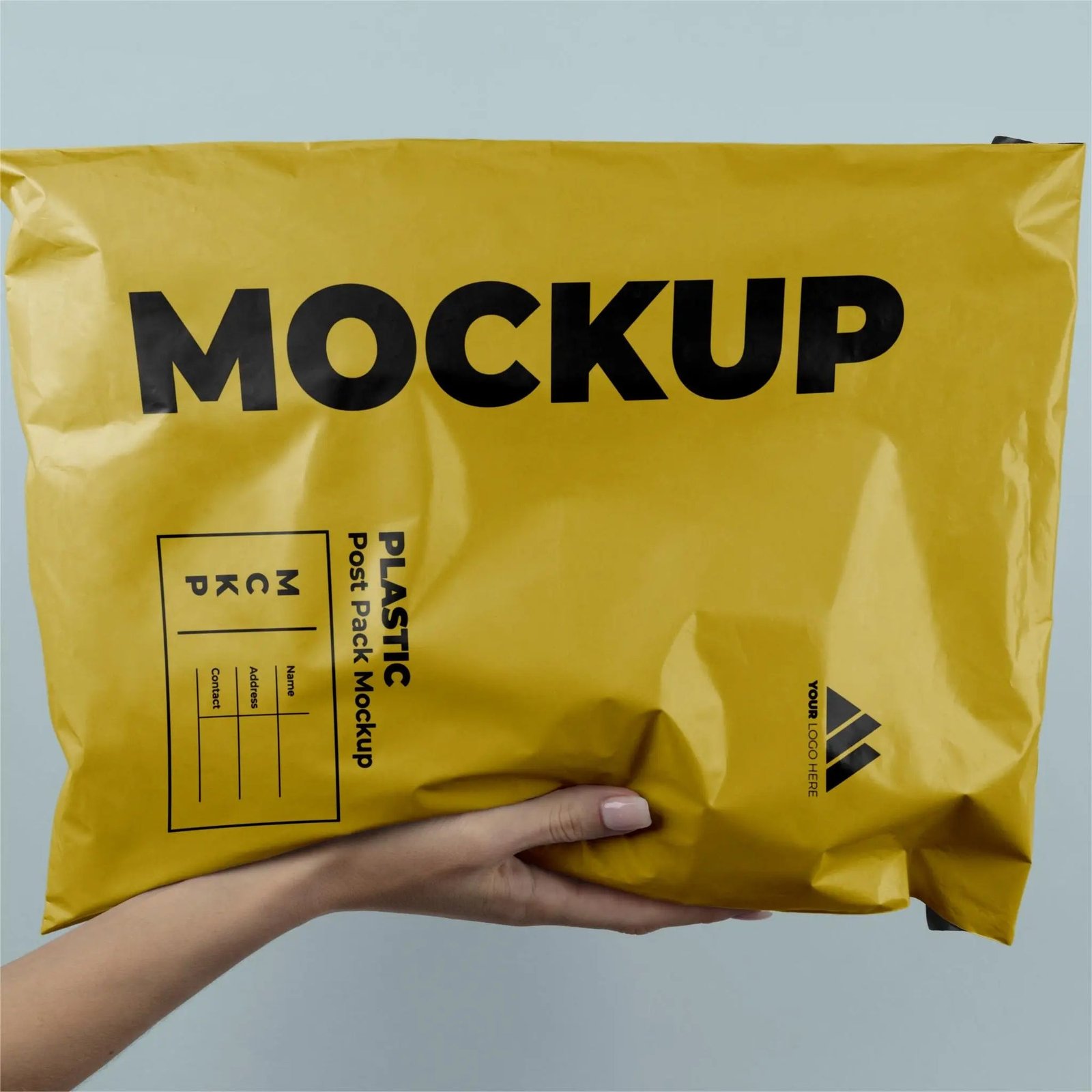
Hangtags Packaging
Finish orders with branded hang tags, barcode stickers, polybags, tissue, and custom cartons. These retail-ready details help wholesale and direct-to-consumer brands present custom hoodie embroidery collections consistently from factory to customer.
About JUNSHEEN Apparel Manufacturing
Founded in 2010 in Humen Town, Dongguan, JUNSHEEN helps fashion brands turn concepts into production-ready casualwear. Our mission is to provide dependable, fit-focused manufacturing from early product development through export, supporting emerging labels and established sourcing teams with clear technical guidance and responsive service.
With more than 200 skilled workers and monthly capacity above 80,000 units, we manage low-MOQ programs from 100 units per style and color as well as scalable bulk orders. Our one-stop supply chain combines cut-and-sew, knitting, fabric sourcing, pattern making, size grading, sampling, quality control, packaging and global shipping support.
What distinguishes JUNSHEEN is integrated execution. For custom hoodie embroidery and broader apparel collections, we coordinate fit-focused XS–3XL development with in-house embroidery, printing, washing, labels, trims and finishing. This reduces handoffs, keeps approvals aligned and gives brands a consistent manufacturing partner as their collections grow.

Custom Hoodie Embroidery Built for Consistent Production
Fit Engineering That Holds
JUNSHEEN develops hoodies from XS to 3XL with proportion-conscious grading for regular, oversized and extended-size fits. Pattern makers refine shoulders, sleeves, body length and mobility before bulk production, helping your collection retain its intended silhouette across the full size range.
- XS–3XL grading for regular, oversized and plus-size programs
- Pattern development from tech packs, references or concepts
- Size-set review before production approval
- Retained patterns support consistent repeat orders

Embroidery Under Control
Custom hoodie embroidery is managed alongside garment construction, so logo placement, backing, stitch density and fabric behavior are considered before production. Our team supports flat, 3D puff, chain stitch, applique and custom patches while protecting the garment’s hand feel and shape.
- Flat, 3D puff, chain stitch and applique options
- Logo placement and stitch-density review
- Patch and mixed-decoration coordination
- Sampling validates appearance before bulk runs

Fabric and Trim Development
Select fleece, French terry, jersey or blended constructions around your target weight, hand feel, decoration method and price point. JUNSHEEN coordinates matching ribs, drawcords, labels, zippers and packaging through one supply chain, reducing avoidable development gaps between components.
- Fabric recommendations based on weight, durability and cost
- Swatches and sample garments available for review
- Custom labels, drawstrings, ribs and hardware
- Private-label packaging coordinated in-house

Quality Checks at Every Stage
Consistent hoodie production depends on more than final inspection. JUNSHEEN checks incoming materials, in-line construction, measurements, fit, embroidery and packed goods, then manages corrections before shipment. With 200+ skilled workers and 80,000+ monthly units of capacity, programs can scale with control.
- Incoming fabric and trim inspection
- In-line measurement and construction checks
- Decoration and final packed-goods review
- Global export support for approved orders

Why Choose JUNSHEEN for Custom Hoodie Embroidery
A fit-focused, production-ready supply chain for private-label hoodie programs from 100 units per style and color.
← 左右滑动查看 →
Custom Hoodie Embroidery Production Process
A clear six-phase workflow for developing, approving, producing, and shipping private-label embroidered hoodies at scalable quality.
Feasibility and Material Planning
We review your tech pack, artwork, target price, hoodie construction, and 100-unit MOQ, then recommend suitable fleece, French terry, trims, and embroidery methods.
Pattern Making and Grading
Our team creates or refines patterns and fit specifications, with proportion-conscious XS–3XL, extended-size, plus-size, or oversized grading for your intended customer.
Sample and Artwork Approval
We produce prototype samples to confirm fit, fabric hand feel, logo placement, thread colors, stitch density, and private-label details before bulk approval.
Bulk Cutting and Embroidery
Approved materials are inspected, cut, and embroidered in production, while our team monitors alignment, thread quality, backing, construction, and consistency across units.
Quality Control and Packing
Each order receives measurement, workmanship, decoration, and final packing checks, with branded labels, hang tags, polybags, cartons, and export-ready documentation as required.
Global Shipment and Reorders
We coordinate export support and shipment preparation, while retaining approved patterns, graded size sets, and material records to streamline future hoodie production.
How to Work With Our Custom Hoodie Embroidery OEM Team
From first concept to export-ready bulk goods, JUNSHEEN keeps development, approvals, and production decisions clear at every stage.
Send Your Design Brief
Share a tech pack, sketch, reference garment, or mood board with target quantities, sizes, fabrics, embroidery placement, and private-label requirements.
Review Feasibility Together
Our team assesses construction, embroidery technique, fabric suitability, fit grading, MOQ, and target cost, then recommends practical refinements before sampling.
Approve Samples and Details
Review prototype samples, swatches, measurements, decoration, labels, and packaging. Confirm the graded XS–3XL size set and pre-production specifications for bulk.
Launch Bulk Production
After approval, we coordinate material sourcing, cut-and-sew production, in-house embroidery, in-line quality checks, final inspection, packing, and global shipment arrangements.
Custom Clothing Manufacturer Credentials and Compliance Documents




Custom Hoodie Embroidery Client Results
JUNSHEEN turned our artwork and fit notes into a production-ready sample in 18 days. The puff embroidery held its shape after wash testing, and the first 240-unit drop sold through in six weeks without a size-related return spike.
Our previous supplier treated grading as an afterthought. JUNSHEEN refined the oversized proportions from XS to 3XL, cutting sample revisions from five rounds to two. We reordered 1,200 embroidered hoodies within four months because the fit stayed consistent.
We launched two colorways at the 100-unit MOQ and received clear updates at every approval stage. The embroidery placement matched our specification across all 200 pieces, helping us secure three new wholesale accounts for the next season.
Custom Hoodie Embroidery FAQ
Clear answers on MOQ, sampling, fabrics, fit development, production, payment and global delivery for private-label hoodie programs.
What is the MOQ for custom hoodie embroidery?
Can I order a custom hoodie embroidery sample before bulk production?
How long does custom hoodie embroidery production take?
Which fabrics can you use for embroidered hoodies?
Can you develop plus-size and oversized hoodie fits?
What payment terms do you offer for hoodie manufacturing?
Do you ship custom embroidered hoodies internationally?
How do you protect my custom hoodie embroidery artwork and designs?
The Complete Buyer’s Guide to custom hoodie embroidery
Use this practical framework to select embroidery styles, fabrics, construction standards, and dependable suppliers while avoiding costing, sampling, and production mistakes that weaken your hoodie program.
1. What Is custom hoodie embroidery?
100% thread-based decoration is the practical distinction: custom hoodie embroidery uses stitched yarn, stabilized into the garment, to build a raised or textured mark rather than depositing ink on its surface. On hoodies, it is most often used for left-chest logos, small center-chest crests, sleeve identifiers, hood labels, and selected back graphics. 3D puff embroidery adds foam beneath selected stitching for dimension, while flat embroidery keeps lettering and detailed marks closer to the fabric; both generally read as more permanent and premium than a comparable printed graphic. Screen print remains stronger for large, highly detailed artwork, gradients, photographic images, or broad back coverage because stitching can become heavy, stiff, and costly as the sewn area grows. 100 units per style and color is a workable starting point for a capsule program at JUNSHEEN, where buyers can develop embroidered hoodies from a tech pack, reference, or concept and approve samples before bulk production. Choose embroidery when the collection needs durable logo recognition, tactile brand value, and a clean finish on fleece or French terry; choose print when artwork scale, color complexity, or a softer large-area hand is the priority.
2. The Evolution of Embroidered Hoodies
1930s workwear and service uniforms established embroidery as a practical identification method: stitched names, trade marks, and team emblems tolerated repeated laundering better than many surface prints. Collegiate apparel then made the chest crest, varsity letter, and mascot recognizable signals of affiliation, giving buyers a precedent for using small, high-visibility decoration rather than covering an entire garment. 1970s and 1980s sportswear expanded that logic through club logos, sponsor marks, and letterman-inspired graphics, while computerized embroidery made repeatable placement and stitch programs more accessible to commercial production. By the 1990s, hip-hop, skate, and streetwear labels recast the embroidered hoodie as a premium casual layer, pairing minimal chest logos with heavyweight fleece, applique, patches, or oversized back artwork. 100-unit production runs now let emerging labels use custom hoodie embroidery for limited drops without committing to a large seasonal buy. Buyers favor it for staff uniforms and retail teams because the mark remains legible through wear; for elevated essentials because tonal thread, 3D puff, or chain stitch adds texture without changing the garment silhouette; and for long-lived brand identity because an approved embroidery file can be repeated across colorways and reorders. At JUNSHEEN, that repeatability works best when the logo, placement, fabric weight, and sample approval are documented together before bulk production.
3. Types of custom hoodie embroidery
Five embroidery routes create materially different hand feel, stitch time, and retail perception. For custom hoodie embroidery, choose the technique after locking logo detail, placement, and target price tier.
| Technique | Visual Effect | Logo Complexity | Best Placement | Durability And Collection Fit |
|---|---|---|---|---|
| Flat | Clean, level stitch | Fine to medium | Left chest, sleeve | High; core and mid-price |
| 3D puff | Raised, dimensional | Bold, simple | Cap-style chest, hood | High with broad shapes; streetwear premium |
| Appliqué | Layered fabric contrast | Large, simple | Chest, back | Strong stitched edges; varsity premium |
| Chenille | Soft looped texture | Simple, large | Chest, back | Avoid high abrasion; heritage premium |
| Patch | Badge-like, defined edge | Medium to detailed | Chest, sleeve, hem | Sew-on is robust; versatile price tiers |
Flat And Puff Embroidery

Flat embroidery uses dense, level stitches for fine lettering, line art, and small chest logos. It is the dependable choice for core private-label programs. 3D puff places foam beneath satin stitches to create raised, sculptural forms. Use bold outlines and broad letterforms; thin details can split or lose definition after washing.
Appliqué And Chenille
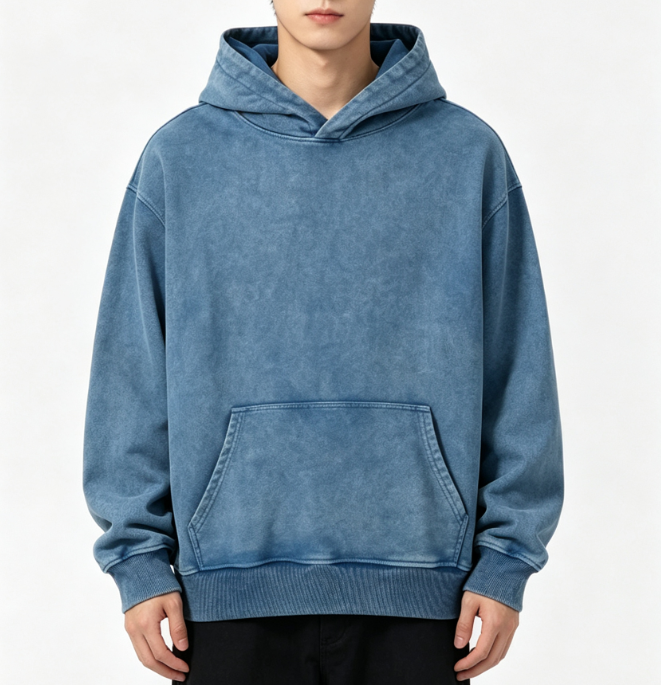
Appliqué layers cut fabric onto the hoodie before perimeter stitching, producing large collegiate graphics with less stitch density. It suits varsity collections and panels where contrast fabric is part of the design. Chenille uses looped yarn for a soft, textured vintage effect. Reserve it for simple patches or large chest motifs, since loops need careful abrasion control and premium positioning.
Patch Embroidery
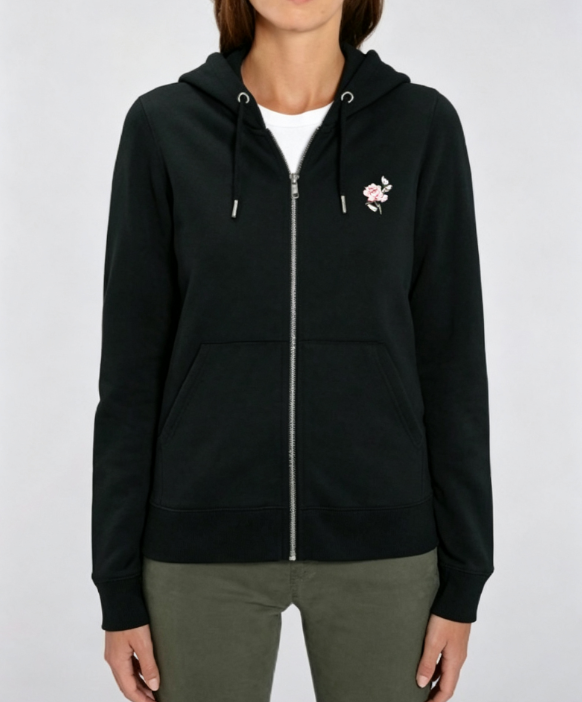
Embroidered patches are made separately, then sewn or heat-applied onto the garment. They allow detailed badges, easier placement changes, and repeatable branding across hoodie, cap, and jacket programs. 100-unit capsule orders benefit when one patch artwork serves multiple styles. Sew-on edges are generally the strongest option for frequent-wear casualwear.
4. Fabrics for custom hoodie embroidery
280–420 GSM is the practical working range for most custom hoodie embroidery. Fabric weight, surface density, and recovery determine whether stitches sit cleanly or pull the garment out of shape.
| Fabric | Typical GSM | Embroidery Result | Best Use |
|---|---|---|---|
| Cotton-rich fleece | 300–380 | Stable, soft, warm | Core logo hoodie |
| French terry | 280–340 | Clean with backing | Transitional weight |
| Polyester blend | 280–360 | Durable, tension-sensitive | Active or workwear |
| Heavyweight fleece | 400–500 | Excellent structure | Premium oversized hoodie |
Weight And Surface Stability

320 GSM cotton-rich fleece provides a stable face for chest logos and dense fills. Its brushed interior feels warmer, while the outer knit supports cleaner stitch registration. 300 GSM French terry uses loopback yarns instead of a brushed interior. It drapes more lightly and suits year-round hoodies, but dense designs may need cutaway backing.
Stretch, Shrinkage, And Backing
5–10% elastane can improve recovery but increases hoop distortion risk. Thin, stretchy jerseys can pucker around dense embroidery unless stabilized carefully. 3–5% residual shrinkage should be tested before finalizing logo placement and grading. Pre-shrunk cotton-rich fabric and a wash-tested sample reduce post-wash alignment changes.
- Use tearaway backing for stable medium-weight fleece
- Use cutaway backing for stretch or dense fills
- Match stabilizer weight to stitch density
Choosing Fabric By Program
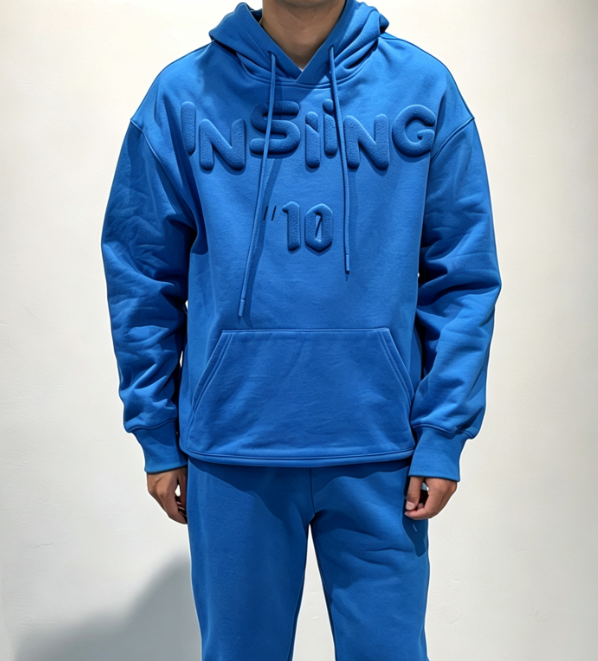
350 GSM heavyweight fleece delivers structure for oversized or premium streetwear silhouettes. Polyester blends resist abrasion and dry faster, though their smoother face can show needle holes if tension is excessive.
5. Custom hoodie embroidery Design Options
At a 100-unit-per-style-and-color starting point, custom hoodie embroidery should be engineered from the artwork outward. A production-ready file defines Pantone thread direction, finished logo dimensions, placement, and the knit or fleece surface beneath it.
| Option | Best Use | Production Watchpoint |
|---|---|---|
| Flat embroidery | Clean logos and lettering | Avoid tiny text and dense fills |
| Tonal embroidery | Subtle brand marks | Contrast can disappear on fleece |
| Metallic thread | Small highlights | Can feel stiff in large areas |
| Woven patch | Fine-detail logos | Specify edge finish and attachment |
| Mixed media | Large or gradient artwork | Approve layering in a sew-out |
Prepare Artwork For Stitching

At 1.5 mm or larger, simple letterforms and separated details usually reproduce more reliably than hairline artwork. Supply vector art or a high-resolution file, identify thread colors, and approve a digitized sew-out before bulk. For gradients, use stepped color blocks, tonal stitching, or a printed-and-embroidered treatment; thread cannot blend like ink. Fine text, tiny gaps, and unclosed shapes can fill in as the stitches pull the fabric.
- Specify finished logo width in millimeters
- Provide Pantone references for thread matching
- Review a physical sew-out on the target fabric
Balance Scale And Placement
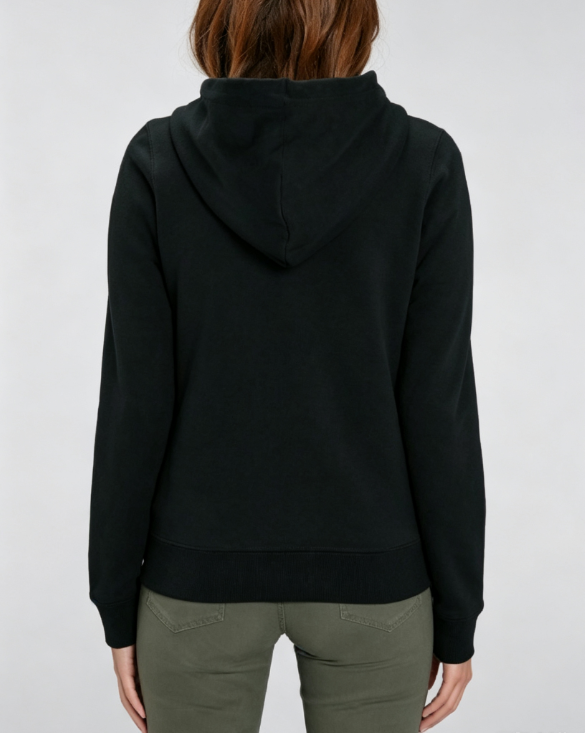
Between 60 and 100 mm wide, a left-chest logo is a practical everyday scale for most adult hoodies. Center-chest, sleeve, hood, back-yoke, and pocket placements require their own measurement callouts because seams, pockets, and ribbing interrupt stitching. Above roughly 150 mm, dense filled embroidery can add stiffness, weight, and puckering—especially on lightweight fleece. Split oversized graphics into applique, patches, screen print, or open embroidery areas to keep the garment wearable.
Choose Distinctive Finishes

Two or three closely related shades can create tonal embroidery with a restrained premium effect, while metallic thread works best as a small accent. Woven labels and embroidered patches preserve fine graphic edges better than a direct sew for some small logos. Mixed-media decoration can pair a patch with flat embroidery, or a printed base with raised puff embroidery. Confirm wash testing and backing selection during sampling so the finish stays stable after laundering.
6. Hoodie Construction Quality Essentials
A premium embroidered hoodie is judged at the garment level, not just by stitch density. Sample review should test structure, recovery, fit, and wash change before approving bulk production.
Fabric And Rib Recovery

320–420 GSM brushed fleece or French terry gives embroidery a stable base while retaining a premium hand. Ring-spun cotton blends generally produce a cleaner face than open-end yarns. 2×1 ribs should recover after repeated stretch at cuffs and hem without waving or bagging. Check rib weight, elastane content, and color match against the body fabric.
- Compare fabric weight after washing
- Stretch cuffs and hem ten times
- Inspect fleece face for needle marks
Hood, Seams, And Pocket

Three-panel hoods usually hold a more rounded shape than two-panel hoods, especially with a doubled self-fabric lining. Confirm the neckline seam lies flat and the hood opening does not torque after laundering. Overlocked seams with coverstitch reinforcement should withstand normal pull at shoulders, armholes, and pocket corners. A kangaroo pocket needs even topstitch spacing, bartacks at stress points, and matched pocket placement.
- Check hood center seam alignment
- Pull-test pocket corner bartacks
- Inspect shoulder seam allowance
Embroidery, Fit, And Wash

Cutaway backing stabilizes dense chest embroidery better than tearaway backing on fleece, but excess backing can stiffen the garment. Review embroidery placement against pocket edges, hood seams, and chest curvature before approving the sample. XS–3XL grading should adjust shoulder, chest, sleeve, and body proportions rather than simply adding width. After a wash test, measure shrinkage, twist, puckering, color change, and whether the drawcord ends remain secure.
- Measure before-and-after wash dimensions
- Check backing against skin comfort
- Confirm drawcord length and end finish
7. Choosing a custom hoodie embroidery Manufacturer
A capable custom hoodie embroidery manufacturer proves more than stitch quality: it manages development, repeatability, and delivery. Screen suppliers against the production decisions that affect both a 100-unit launch and later volume growth.
MOQ And Scaling Evidence
100-unit minimums can suit capsule programs, but confirm whether the MOQ applies per style, color, size run, and embroidery placement. 80,000-unit monthly capacity is meaningful only when backed by production planning, approved suppliers, retained patterns, and clear capacity allocation for repeat orders.
- What is the MOQ by color and size curve?
- How are reorders prioritized during peak seasons?
- Which process becomes the bottleneck at scale?
Embroidery And Digitizing Review
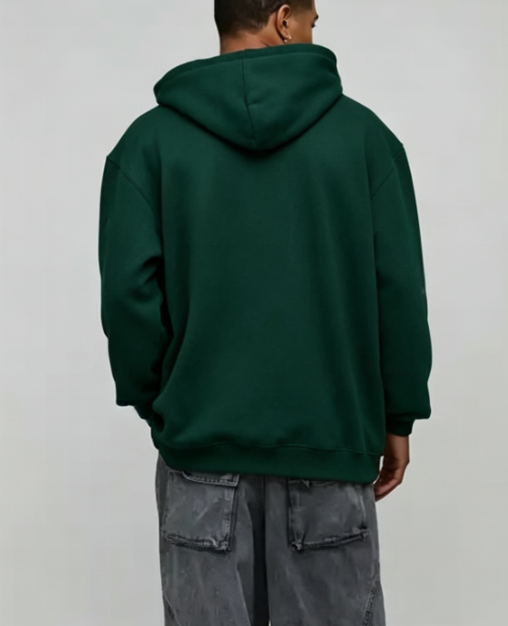
12,000-15,000 stitches is a useful early benchmark for pricing, yet stitch count alone cannot predict puckering, coverage, or production time. 3D puff, chain stitch, applique, and flat embroidery require tested digitizing, suitable backing, and defined thread colors before bulk approval.
- Can you share a sew-out on the selected fabric?
- Who approves digitizing revisions and Pantone thread matches?
- What backing, topping, and needle specification will be used?
Sampling, Fabric, And Quality

2 sample rounds are common for a new program; require measurement tolerances, wash testing, and a signed sample before purchasing bulk fabric. 280-400 GSM fleece or French terry changes embroidery stability, shrinkage, and hand feel, so approve the actual lot—not only a swatch.
- What inspection points cover fabric, measurements, and embroidery?
- Can you provide size-set and wash-test records?
- Which certifications can be documented: OEKO-TEX, GOTS, WRAP, or BSCI?
Communication And Delivery Control
7-14 days for development samples and 30-60 days for bulk production are planning ranges, not commitments; request a dated critical-path schedule. 3 documents reduce avoidable errors: a tech pack, approved sample comments, and a packing-and-shipping instruction sheet. Confirm export documents, freight options, final inspection timing, and one accountable production contact.
- When is the final balance due before shipment?
- Who sends in-line and final QC reports?
- Which Incoterm and carton labeling requirements apply?
8. Common custom hoodie embroidery Buying Mistakes
A 100-unit launch can expose every unresolved embroidery decision across the full run. Most preventable failures begin before sampling, when artwork, fabric, placement, wash behavior, color count, or supplier scope is approved too quickly.
Prepare Production-Ready Artwork

1 mm details, tiny lettering, and unclosed vector paths can fill in or distort after digitizing. Supply AI, EPS, or clean PDF artwork at final size, plus Pantone references and a stitch-out approval. 2 repeat orders should retain the approved embroidery file, size, backing, and thread chart. Re-digitize only when logo scale, garment fabric, or technique changes.
Test Fabric Before Commitment

280–360 GSM fleece and French terry react differently to density, pull, and backing. Run the intended stitch file on the actual bulk fabric before locking material and digitizing settings. 3 placement points should be measured from stable seams, not garment edges alone. Specify center-front distance, tolerance such as ±5 mm, and size-by-size placement rules.
Approve Wash-Tested Samples
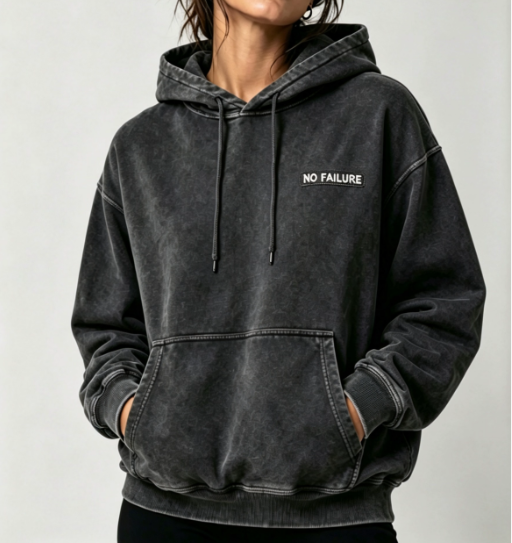
1 pre-production sample can look acceptable before laundering yet pucker, shrink, or show thread abrasion afterward. Test at least 3 wash cycles using the planned care method before bulk approval. 2 sample records should include fabric lot, stabilizer, needle, density, and wash result. This gives repeat orders a controlled reference instead of a visual memory.
Price The Complete Specification
6–10 thread colors, 3D foam, applique, and large stitch counts add setup time and unit cost beyond a simple flat logo. Request a quotation that separates digitizing, thread colors, stitch count, backing, and garment preparation. 3 supplier quotes can share a low unit price while omitting sampling, QC, packaging, or defect handling. Compare the approved specification, lead time, inspection plan, and landed-service scope before selecting a factory.
9. Steps to Launch an Embroidered Hoodie
A 100-unit MOQ program should move through written approvals, not informal messages. Each locked gate—specification, embroidery, fit, pre-production, and shipment—prevents a late change from disrupting the launch calendar.
Concept And Technical Pack
One tech pack should define garment measurements, construction, colorways, label placement, and target delivery date. The approval gate is a signed specification; buyers should also supply reference photos, Pantone codes, logo files, and intended size range.
Digitizing And Material Selection
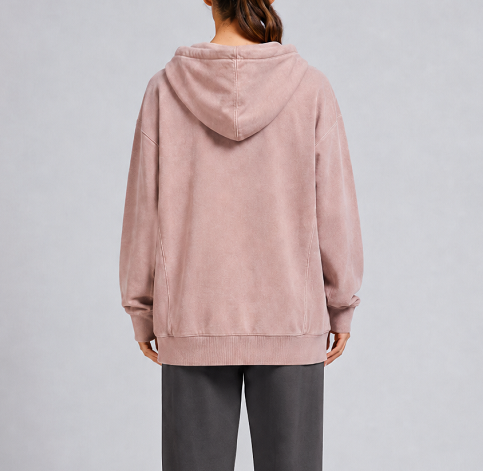
Vector artwork in AI, PDF, or EPS format gives the digitizer clean paths for stitch files. The approval gate is a sew-out on the selected 280–450 GSM fleece or French terry, with thread colors, stitch density, and backing confirmed.
Prototype And Size Set
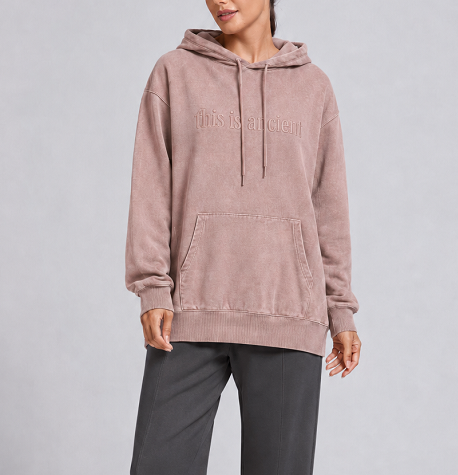
One prototype should confirm embroidery placement before a full size run is graded. The approval gate is measured fit approval; buyers should review body length, chest, shoulder balance, sleeve length, hood shape, and XS–3XL grading.
Pre-Production Through Delivery
One pre-production sample should match approved fabric, trims, embroidery, labeling, and packing before bulk cutting begins. The final gate is inspection of measurements, construction, decoration, and packed quantities; buyers should approve carton marks, shipping method, and delivery address.
10. custom hoodie embroidery Pricing and Costs
100 units per style and color is Junsheen’s practical starting tier, where fabric booking, cutting efficiency, and embroidery setup have the greatest effect on the unit quote. Request a quotation against an approved tech pack or artwork, target GSM, colorways, size ratio, and delivery destination rather than relying on a headline price. 280–360 GSM brushed fleece and 300–450 GSM French terry generally require different yarn, dyeing, and handling assumptions; ring-spun cotton usually costs differently from open-end blends. Embroidery cost rises with stitch count, logo dimensions, 3D puff foam, applique, backing, thread changes, and each additional placement—not simply with the number of colors. 7–14 days is a common planning window for digitizing and sample review, while bulk timing depends on material availability, approved pre-production samples, and decoration capacity. Digitizing is normally a separate one-time setup charge for new artwork; clarify whether revisions, repeat orders, custom labels, YKK zippers, hang tags, and individual polybags are included.
| Order tier | Indicative unit-price drivers | Typical production planning |
|---|---|---|
| 100–299 units | Highest setup allocation; fabric MOQ, single placement, basic packing | Sample approval plus 20–35 days bulk |
| 300–999 units | Improved cutting efficiency; shared fabric colors and standard trims reduce cost | 20–35 days after approvals |
| 1,000+ units | Lower setup allocation; bulk fabric booking and consolidated packing matter | Confirm capacity and material lead time |
Start Your Custom Hoodie Embroidery Project
Send your tech pack, sketch, or product idea for a tailored OEM quotation, fit-focused development, and 100-unit MOQ planning.