
Custom Hoodie Printing From 100 Units
OEM, ODM and private-label custom hoodie printing with fit-focused development, in-house decoration and global export support for fashion brands.
Featured Products for custom hoodie printing Development


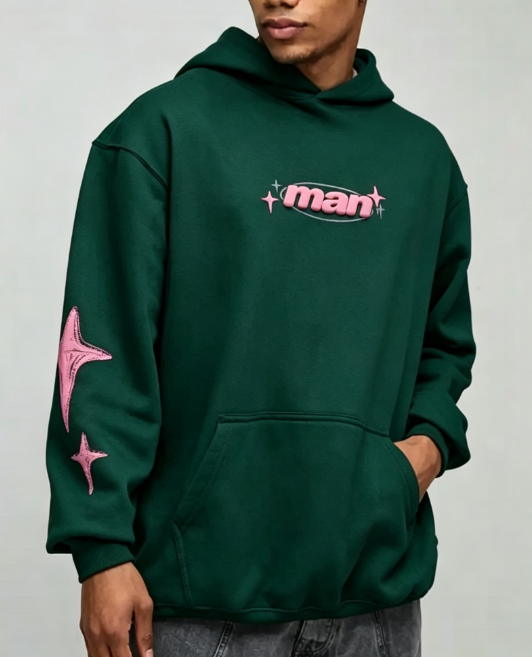


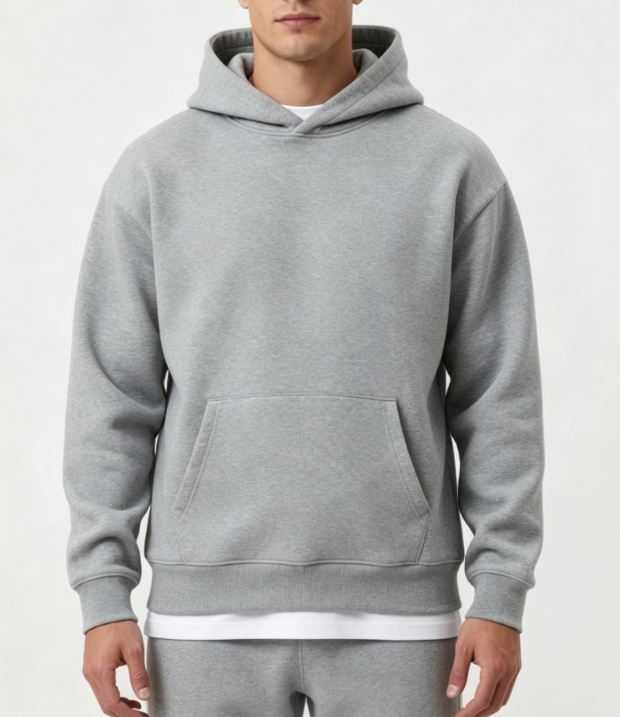

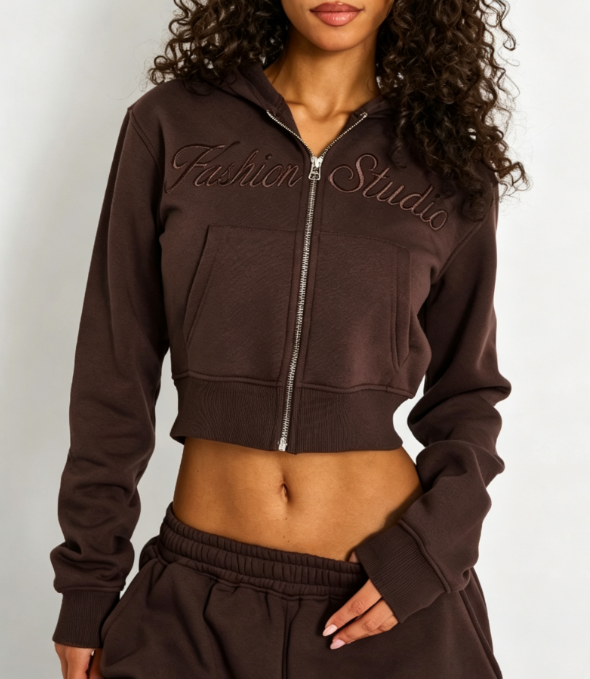

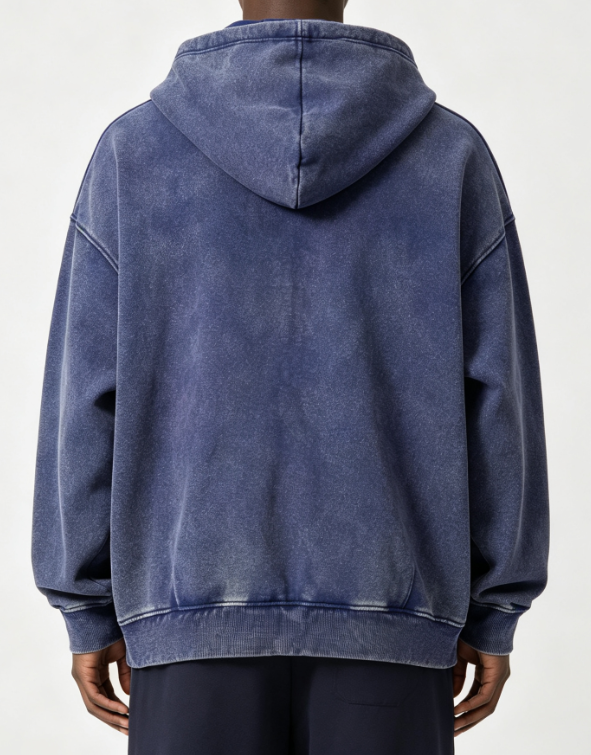

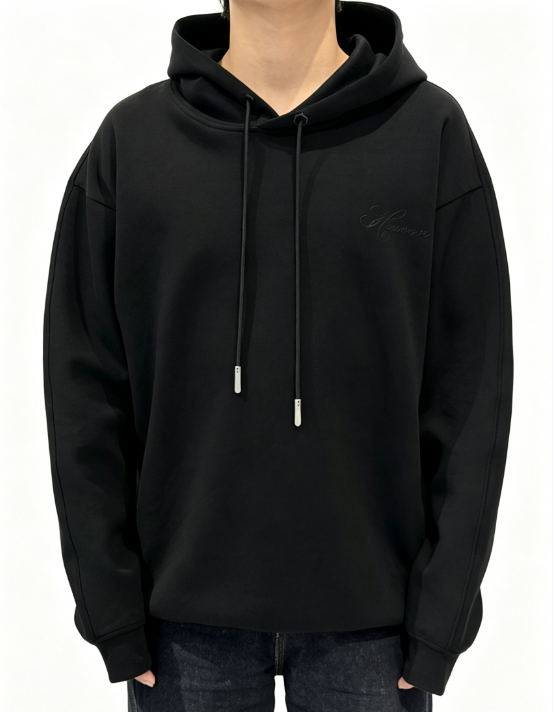


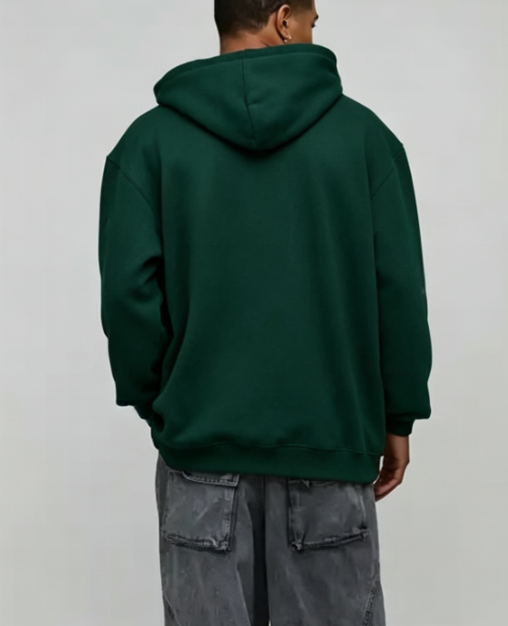
Related Product Catalogue and Quotation





Why Brands Choose JUNSHEEN for Custom Hoodie Printing
From 100-unit launches to scaled global programs, we combine fit development, sourcing, decoration and export-ready production in one accountable supply chain.
100-Unit MOQ
Launch custom hoodie printing programs from 100 units per style and color, with development support built for emerging labels and growing collections.
Fit-Focused XS–3XL
Patterns are refined across standard, extended, plus-size and oversized fits to improve proportion, mobility and consistency throughout the complete size range.
Integrated Decoration
Match your hoodie vision with in-house screen printing, DTG, DTF, puff effects, embroidery, patches, washing and branded finishing options.
Fabric Sourcing Support
Select fleece, French terry, jersey and recycled options with guidance on weight, hand feel, durability, wash performance and target cost.
Scalable Factory Capacity
More than 200 skilled workers and 80,000 monthly units support focused capsule orders, repeat programs and larger seasonal production demands.
Global Export Support
Rely on coordinated quality control, packed-goods inspection and export support for fashion brands sourcing hoodies across international markets.
Custom Hoodie & Casualwear OEM Programs
From fit development to branded finishing, JUNSHEEN builds scalable casualwear programs for labels launching capsules, wholesale ranges, and repeat production.

Custom Hoodies
Custom hoodies developed from tech packs, references, or concepts, with fleece or French terry options, fit-focused XS–3XL grading, and screen printing, embroidery, labels, and packaging for private-label launches.
Request a Quote
Custom T-Shirts
Custom T-shirts in jersey, combed cotton, Pima cotton, organic cotton, or blends. We support weight, silhouette, neck construction, size grading, screen print, DTG, DTF, and branded trim decisions for production-ready custom tshirt programs.
Request a Quote
Custom Jeans
Custom jeans produced in rigid, stretch, washed, or finished denim, with support for pattern development, rise and leg-shape refinement, grading, hardware, washes, embroidery, and private-label details.
Request a Quote
Custom Sweaters
Turtleneck sweater bulk programs with yarn, gauge, stitch, neck construction, and fit specifications aligned to your target price and market. JUNSHEEN supports sampling, size sets, labels, and repeatable knitwear production.
Request a Quote
Custom Jackets
Custom jean jacket development covering denim weight, wash, silhouette, pockets, seams, buttons, patches, embroidery, and branded labels. Pattern and fit review helps brands approve construction before bulk production.
Request a Quote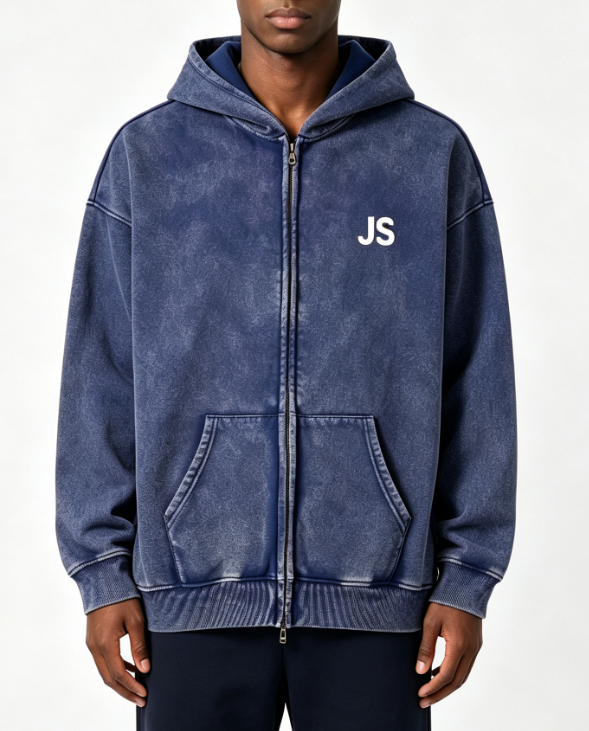
Custom Sweatshirts & Crewnecks
Custom sweatshirts and crewnecks built in fleece, French terry, or jersey with rib specifications, fit-focused grading, and decoration options. Ideal for brands needing a custom crewneck hoodie alternative with cleaner layering and merchandising flexibility.
Request a Quote
Custom Cardigans
Custom cardigans developed across knit gauges, yarn blends, button or zipper closures, rib finishes, and branded trims. Our team supports size grading and sample approval for regular, extended-size, or oversized knitwear collections.
Request a Quote
Custom Puffer & Down Jackets
Custom puffer jacket programs with fabric, insulation, quilting, lining, zipper, pocket, and trim specifications managed through sampling and bulk production. We help brands balance warmth, silhouette, target cost, and branded finishing.
Request a Quote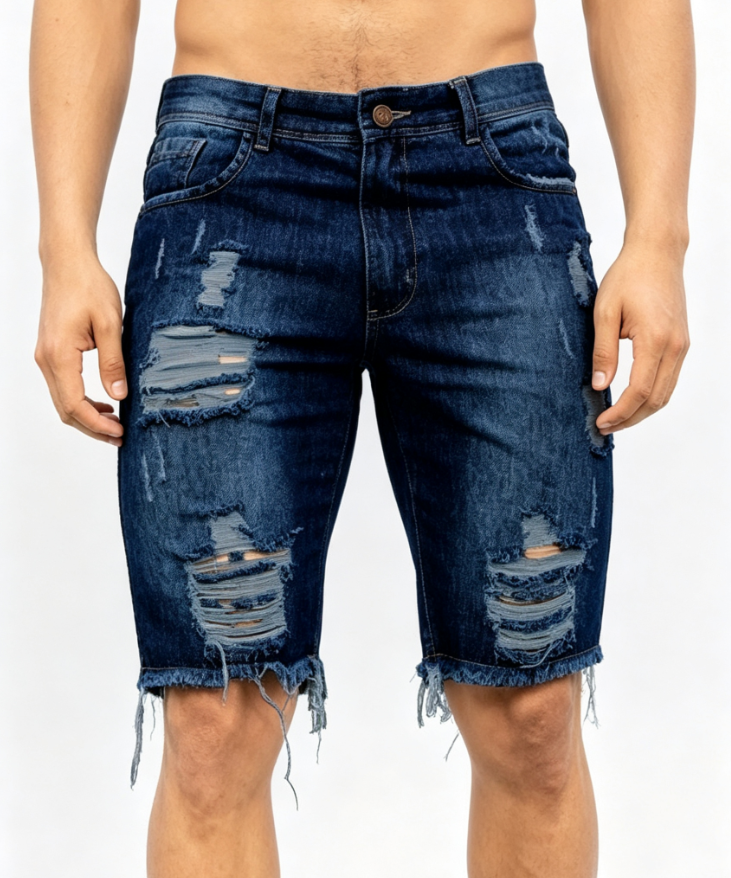
Custom Denim Shorts
Custom jean shorts produced with denim selection, rise, inseam, leg opening, wash effects, distressing, hardware, and label specifications. Fit development supports consistent grading for women’s, men’s, oversized, and extended-size ranges.
Request a Quote
Custom Sweater Dresses
Custom sweater dresses developed with yarn, gauge, stitch structure, neckline, length, and body shaping matched to your intended fit. Sampling and size-set review help maintain proportion and mobility across the graded range.
Request a Quote
Custom Denim Sets
Men’s denim suits wholesale programs combining coordinated denim jackets, overshirts, jeans, or tailored separates. We manage matching fabric lots, wash consistency, construction details, hardware, labels, and scalable bulk production.
Request a Quote
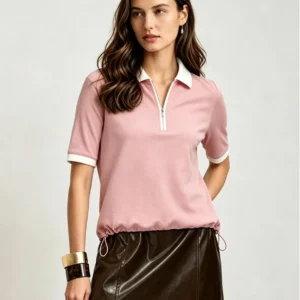
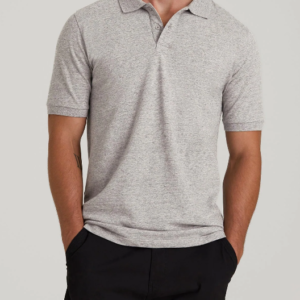
Custom Polo Shirts
Custom polo shirts in piqué, jersey, performance knits, or blends, with collar construction, plackets, embroidery, print, and size specifications developed for branded uniforms, retail collections, and wholesale programs.
Request a Quote
Custom Sweatpants
Custom sweatpants produced in fleece, French terry, jersey, or performance fabrics with refined waist, rise, taper, cuff, pocket, and drawcord details. Coordinate with hoodies or sweatshirts for consistent private-label sets.
Request a Quote
Custom Shorts
Custom shorts developed for casual, fleece, jersey, twill, denim, or performance applications. We support inseam, rise, pockets, waist construction, decoration, washing, and XS–3XL grading for retail-ready or wholesale assortments.
Request a Quote
Custom Pullovers
Custom pullovers in knit, fleece, French terry, or jersey constructions, developed around neckline, fit, weight, ribbing, and decoration requirements. JUNSHEEN supports OEM, private-label trims, samples, and repeat bulk orders from 100 units per style and color.
Request a QuoteHoodie Fabrics for Custom Hoodie Printing

French Terry
A breathable cotton-loopback fabric with a soft face and lightly textured interior. Ideal for premium midweight hoodies, it balances structure, comfort and print stability across year-round collections.

Brushed Fleece
Soft, warm and substantial, brushed fleece is a reliable choice for cold-weather hoodies and elevated loungewear. Its napped inner surface improves insulation, while heavier weights create a fuller silhouette.

Cotton Jersey
Smooth, soft and naturally breathable, cotton jersey suits lightweight hoodie layers, fashion pullovers and warm-climate programs. Its flexible hand feel supports comfortable movement and clean screen-print application.

Organic Cotton
Organic cotton provides a natural, soft hand feel for brands prioritizing lower-impact material options. Available in jersey, French terry and fleece constructions, it offers breathable comfort with dependable everyday durability.

Performance Knits
Engineered knit blends add stretch, moisture management or faster drying for active and travel-focused hoodies. Their resilient recovery helps garments retain shape, while smooth surfaces support sharp transfer and silicone print details.

Recycled Blends
Recycled cotton and polyester blends give hoodie programs a practical sustainability option without sacrificing durability. They can be developed in fleece or terry weights, with stable construction for repeat wear and washing.
Custom Hoodie Printing, Embroidery and Finishing Options

Screen Print
Plastisol, water-based, discharge, high-density, silicone and foil screen printing deliver bold logo coverage and repeatable color across bulk hoodie programs. Junsheen matches ink systems to fleece weight, artwork detail and required hand feel.

DTG DTF Printing
DTG and DTF printing reproduce detailed artwork, gradients and multi-color graphics without traditional screen setup. These flexible methods suit small production runs, complex placements and custom hoodie printing concepts requiring sharp visual definition.

Logo Embroidery
Flat, 3D puff, chain-stitch and applique embroidery create dimensional branding with a premium tactile finish. Our team stabilizes hoodie panels and selects backing, thread and stitch density to maintain clean edges and durable wear.

Puff Print Effects
Puff ink expands under heat to give logos and graphics a raised, sculptural surface. Combined with screen printing or embroidery, it adds visual depth while preserving strong adhesion through properly controlled curing and wash testing.

Heat Transfer Graphics
Heat transfer supports precise full-color artwork, names, numbers and smaller placement graphics. Junsheen applies tested transfer films with controlled temperature and pressure for consistent detail, stretch recovery and dependable wash durability.

Garment Washes
Garment dye, acid wash, enzyme wash, softening, brushing and napping shape the hoodie’s color, texture and worn-in character. Treatments are sampled before bulk production to align shade variation, hand feel and decoration compatibility.
Custom Hoodie Printing Labels, Trims and Packaging

Custom Drawcords
Choose cotton, polyester, flat or round drawcords with custom tipping, metal aglets or color-matched finishes. They add a distinct hand feel and reinforce your brand direction across hoodies and sweatpants.

Branded Zippers
Add dependable zipper closures for full-zip hoodies, pockets and outerwear-inspired styles. Select custom pullers, logo details, color matching and suitable zipper specifications to balance function, durability and the intended price point.

Snap Buttons
Use custom snaps on pockets, plackets, detachable details or varsity-influenced hoodie designs. Available finishes can support your collection’s hardware direction while providing secure, repeatable closure performance through sampling and bulk production.

Woven Labels
Apply woven main labels, size labels and wash-care labels for a polished private-label finish. JUNSHEEN positions and produces label sets to suit neckline comfort, compliance needs and consistent identification across XS–3XL size runs.

Custom Patches
Create embroidered, woven, leather-look or applique patches for chest, sleeve, hem or pocket placement. Patches add dimension beyond custom hoodie printing and help turn a logo, emblem or seasonal graphic into a tactile brand signature.
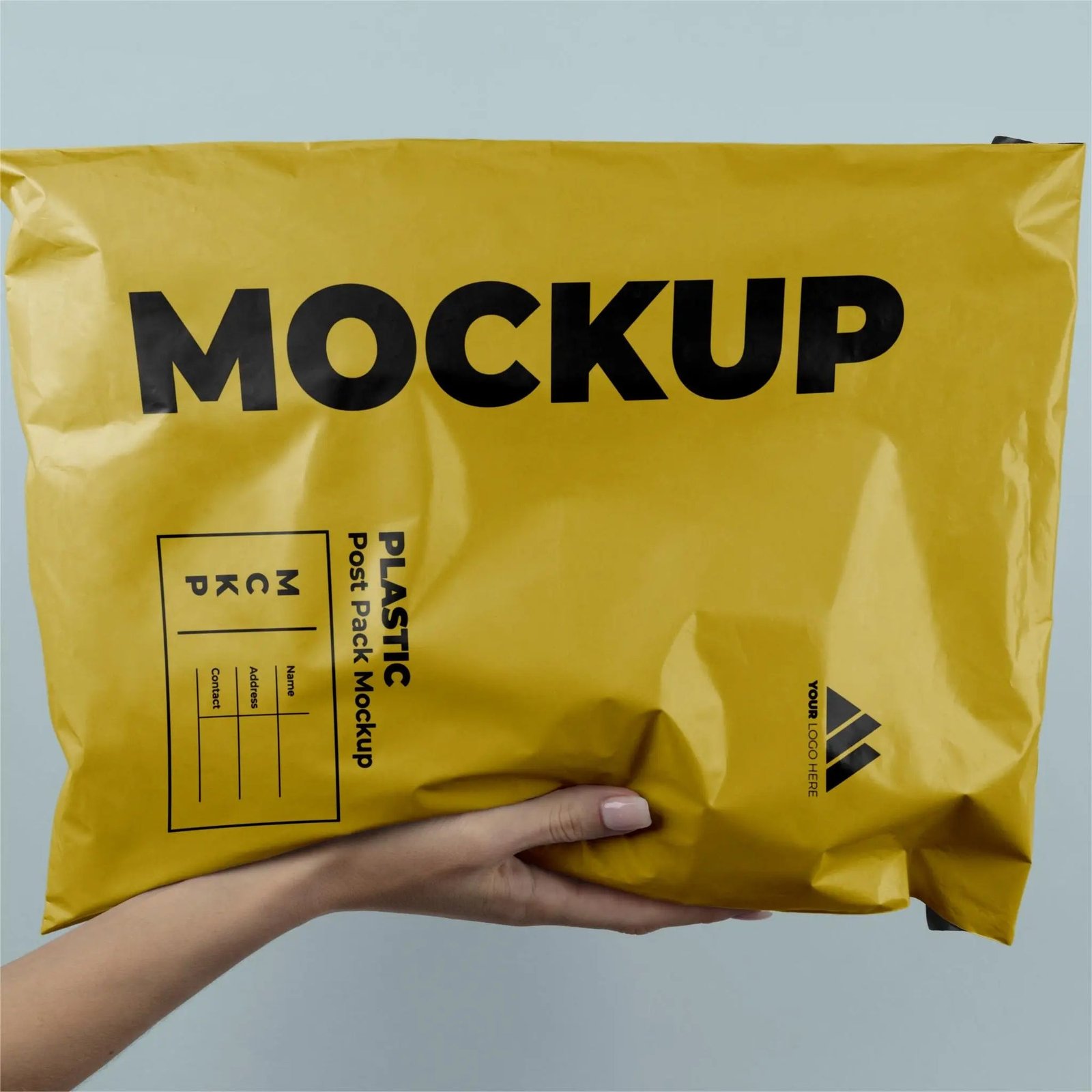
Hangtags Packaging
Complete retail-ready orders with custom hangtags, branded polybags, tissue, cartons and packing details. These finishing touches support product presentation, clearer SKU handling and a consistent unboxing experience for wholesale or direct-to-consumer programs.
About JUNSHEEN Custom Hoodie Printing
Founded in 2010 in Humen Town, Dongguan, JUNSHEEN helps fashion brands turn hoodie concepts into production-ready collections. Our custom hoodie printing manufacturing combines OEM, ODM, private-label and product-development support, from fabric and fit review to decoration, labels, packaging and export.
With 200+ skilled workers and monthly capacity exceeding 80,000 units, we support capsule launches from 100 units per style and color through scalable bulk programs. More than 2,000 fashion-brand clients worldwide rely on our cut-and-sew, knitting, printing, embroidery, washing and quality-control capabilities.
Our difference is a fit-first approach. We develop hoodies from XS to 3XL, including extended-size, plus-size and modern oversized fits, refining proportions and grading rather than simply enlarging a base pattern. That technical discipline helps brands achieve consistent wearability and fewer avoidable revisions.

Custom Hoodie Printing Capabilities for Better-Fitting Brands
Fit-First Pattern Development
JUNSHEEN develops hoodie patterns from XS through 3XL with balanced shoulders, sleeves, body length, and mobility. Our team refines oversized, extended-size, and plus-size proportions instead of simply scaling one base pattern, helping reduce fit revisions before bulk production.
- XS–3XL grading for normal, oversized, and extended-size fits
- Pattern adjustments guided by target customer and silhouette
- Prototype, size-set, and pre-production fit approval
- Retained pattern records for faster future development

From Concept to Tech Pack
Whether you bring a finished tech pack, sketch, reference garment, mood board, or early product idea, our product-development team turns it into a production-ready custom hoodie printing program. We review specifications, improve manufacturability, source materials, and coordinate sampling.
- OEM, ODM, and private-label development support
- Fabric, weight, trim, and construction recommendations
- Specification review before sampling and quotation
- Low MOQ from 100 units per style and color

Integrated Decoration Control
Keep custom hoodie printing, embroidery, washes, labels, and packaging under one coordinated production workflow. JUNSHEEN matches decoration methods to your artwork, fabric, hand feel, and order goals, then checks placement, color, adhesion, and finish throughout production.
- Screen print, puff, DTF, DTG, silicone, foil, and more
- Flat, 3D, chain-stitch, applique, and patch embroidery
- Garment dye, acid wash, brushing, and anti-pilling finishes
- Custom labels, drawstrings, trims, hang tags, and packaging
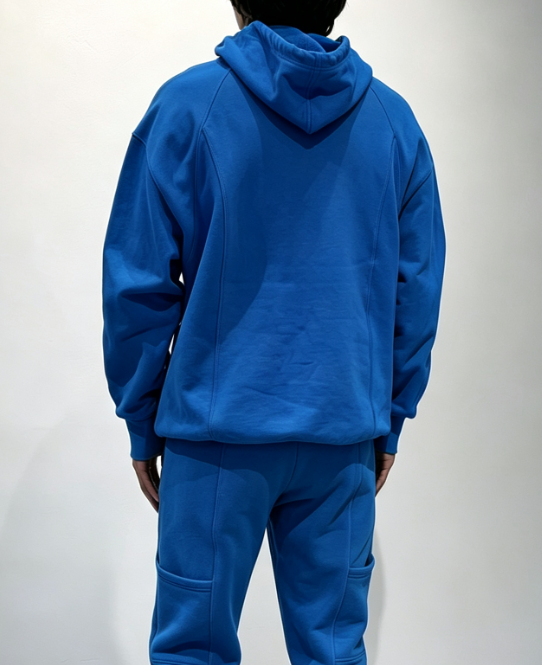
Repeatable Bulk Production
For repeat hoodie programs, JUNSHEEN retains approved patterns, graded size sets, material records, and decoration references to protect consistency. Incoming-fabric, in-line, measurement, decoration, and final-pack inspections support dependable quality as orders scale from capsule runs to ongoing global supply.
- 200+ skilled workers and 80,000+ monthly units capacity
- Quality checks from fabric receipt through packed goods
- Approved records support consistent repeat orders
- Global export support for growing fashion brands

Why Choose JUNSHEEN for Custom Hoodie Printing?
A production partner built for fit accuracy, low-MOQ launches, and scalable hoodie programs.
← 左右滑动查看 →
Custom Hoodie Printing Production Process
A fit-first, production-controlled workflow for OEM hoodie programs from 100 units per style and color.
Feasibility and Fabric Sourcing
We review your tech pack, reference, target cost, fit direction and decoration requirements, then recommend hoodie fabrics, weights, colors and trims for approval.
Patterning and Size Grading
Our pattern team builds or refines hoodie specifications and grades XS–3XL with balanced body, shoulder, sleeve and oversized proportions before sampling.
Sampling and Preproduction Approval
We produce prototypes and size sets for fit, construction, wash and print review, incorporating approved revisions before bulk materials and production are confirmed.
Cutting and Custom Decoration
Approved fabrics are cut and sewn, then finished with screen printing, DTG, DTF, puff effects, embroidery, patches or other specified branding details.
Quality Control and Packing
Inspections verify fabric, measurements, construction, fit, decoration and packed presentation, while labels, hang tags and custom packaging are applied to approved goods.
Global Dispatch and Reorders
We coordinate export-ready packing and global shipping, while retaining patterns, graded size sets and material records to streamline consistent repeat hoodie programs.
How to Start Custom Hoodie Printing With JUNSHEEN
Move from concept to delivery with clear development checkpoints, fit-focused sampling, and scalable OEM production from 100 units per style and color.
Send Your Design Brief
Share a tech pack, sketch, reference garment, mood board, or product idea, including target quantities, sizes, fabric preferences, decoration requirements, and delivery market.
Review Feasibility and Pricing
Our team assesses construction, printing or embroidery methods, materials, fit grading, MOQ, and lead time, then provides practical recommendations and a detailed quotation.
Approve Your Development Sample
Review prototype samples, fabric swatches, measurements, decoration, and XS–3XL grading details; consolidate feedback before approving the final sample and production specifications.
Confirm Bulk Production and Shipping
Confirm your order for managed bulk production, in-line and final quality checks, custom labels and packaging, balance settlement, and coordinated global export shipment.
Custom Clothing Manufacturer Credentials and Compliance Documents



Custom Hoodie Printing Client Results
JUNSHEEN turned our first oversized hoodie capsule into a production-ready program. Their grading team resolved three fit issues during sampling, and we launched 240 units across XS–3XL with no size-related returns in our first month.
We needed heavyweight fleece, puff print, custom labels, and retail-ready packaging without splitting the order between suppliers. JUNSHEEN delivered 600 hoodies in two colorways, and the approved sample matched bulk production closely enough for an immediate reorder.
For our wholesale program, the 100-unit MOQ let us test a new hoodie fit before committing to volume. After a 300-unit launch sold through in eight weeks, we repeated the style with updated colors and a 1,200-unit order.
Custom Hoodie Printing FAQ for OEM Buyers
Clear answers on minimums, samples, timing, fit development, payment and global delivery.
What is the MOQ for custom hoodie printing?
How long does custom hoodie printing take from sample to bulk delivery?
How much does a custom hoodie printing sample cost?
Can you develop hoodie sizing from XS to 3XL?
What payment terms do you offer for a first hoodie order?
Can JUNSHEEN arrange international shipping for custom hoodie printing orders?
How do you protect my hoodie design and brand assets?
Can you combine printing, embroidery, labels and custom packaging on one hoodie program?
The Complete Buyer’s Guide to custom hoodie printing
Use this decision framework to compare print methods, fabrics, construction, and suppliers for custom hoodie printing—while avoiding costly sampling, quality-control, pricing, and production-planning mistakes.
1. What Is custom hoodie printing?
100 units per style and color is a practical starting point for custom hoodie printing when a brand needs more than a logo on a purchased blank. In B2B sourcing, the term can mean decorating stock hoodies with screen print, DTF, embroidery, or heat transfer; it can also mean developing an OEM or private-label hoodie from the pattern onward. 2010-founded Dongguan Junsheen Clothing Co., Ltd. treats the second route as a product-development program: silhouette, shoulder balance, body length, hood shape, pocket construction, fabric weight, Pantone color, and artwork placement are specified before bulk production. Buyers can pair 280–350 GSM French terry or brushed fleece with chest, back, sleeve, or all-over decoration, then add size grading from XS through 3XL, woven labels, wash-care labels, hang tags, and branded packaging. 2 sourcing routes solve different problems. Stock blanks are suitable for fast events, simple merchandising, and proven fits where available colors and print areas are acceptable; custom manufacturing suits collection launches, oversized or extended-size fits, exclusive colors, specific hand feel, and repeatable brand standards. 80,000+ units of monthly capacity matters only after the core question is answered: are you buying a blank to decorate, or building a hoodie customers will recognize as your own? That decision determines the brief, sample requirements, minimums, cost structure, and production controls.
2. Evolution of custom hoodie printing
1950s collegiate athletics and teamwear made the hoodie a practical canvas for bold, repeatable screen-printed graphics. Plastisol ink became the merchandising standard because it produced opaque color on fleece and tolerated frequent washing, but its heavier film often limited breathability and hand feel. 1970s skate, music, and streetwear labels turned printed hoodies into identity products rather than event merchandise. Multi-color separations, puff effects, discharge printing, and water-based systems expanded the visual language, while buyers began judging decoration by crack resistance, stretch recovery, and how it survived 20 or more wash cycles. 1990s premium streetwear and fashion capsules raised expectations beyond a front logo. A custom hoodie printing program now needs artwork placement matched to seams, pockets, rib trims, garment dye, and fabric weight; a soft-hand water-based or discharge print can be more appropriate than a thick plastisol layer on ring-spun cotton or French terry. 100-unit style-and-color runs have made creator launches and targeted retail tests commercially realistic alongside larger replenishment programs. Current sourcing teams expect low minimums, OEKO-TEX-aligned or other verified ink options where required, durable decoration testing, and cohesive private-label details—from neck labels and wash-care labels to hang tags, packaging, and consistent Pantone color control.
3. Types of custom hoodie printing
Six production routes cover most custom hoodie printing briefs, but fabric composition and artwork drive the correct choice. For 100-unit capsule orders, prioritize a process whose setup cost, hand feel, and placement limits match the design.
| Method | Best Artwork And Fabric | Feel And Durability | Setup And Order Fit |
|---|---|---|---|
| Screen print | Spot colors; cotton, fleece | Variable soft-to-bold; durable | Screens; strongest at 100+ units |
| DTG | Photos; cotton-rich | Soft; good with proper pretreat | Low setup; small runs |
| DTF | Full color; most blends | Flexible film; durable | Low setup; small-to-medium runs |
| Vinyl transfer | Names, numbers, simple art | Noticeable film; durable | Fast setup; short runs |
| Sublimation | All-over art; polyester | No added hand; permanent | Light polyester; small-to-medium runs |
| Discharge/water-based | Soft vintage art; cotton | Very soft; test wash results | Screens; volume-oriented |
Screen Printing For Volume

Screen printing applies separate screens for each spot color and excels at bold logos, large chest graphics, and Pantone-controlled art. Plastisol delivers opacity on dark fleece; water-based ink gives a softer result on cotton-rich goods. At 100-plus units per colorway, screen setup becomes easier to amortize and wash durability is strong when ink is properly cured. Each added color and print location increases setup and handling.
Digital And Transfer Methods

DTG prints detailed, full-color artwork directly into cotton-rich hoodie surfaces with minimal setup. It suits small runs, gradients, and photographs, though dark garments need a white underbase and pretreatment. DTF transfers carry vivid full-color detail onto varied blends and awkward placements, including sleeves and small logos. Its film-based hand feel is usually heavier than DTG, while heat-transfer vinyl best fits simple names, numbers, and one-color graphics.
Specialty Ink Choices
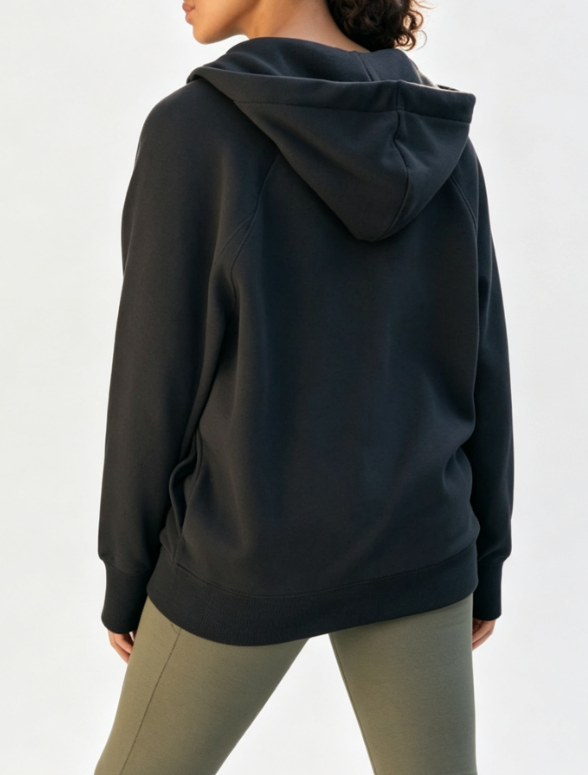
Sublimation permanently dyes polyester and works best on white or light polyester hoodies with all-over graphics. It cannot produce white ink or reliably decorate cotton-rich fleece. Discharge removes dye from suitable dark cotton garments, producing an exceptionally soft vintage-style print. Water-based ink also feels soft, but both require fabric and dye testing before bulk approval.
4. Fabrics for custom hoodie printing
Fabric determines ink opacity, hand feel, shrinkage risk, and the usable life of custom hoodie printing. Specify fiber content, GSM, surface finish, and color before approving artwork; a visually similar blank can print very differently.
| Fabric | Typical GSM | Print Result | Best Use |
|---|---|---|---|
| Ring-spun cotton | 280–360 | Soft, strong opacity | Premium graphics |
| Cotton-poly blend | 240–320 | Stable; test migration | Promotional programs |
| French terry | 240–300 | Clean, breathable surface | Transitional hoodies |
| Brushed fleece | 320–450 | Warm; assess pilling | Winter streetwear |
Fabric Comparison

280–360 GSM fabric suits premium streetwear, while 240–300 GSM programs balance cost, warmth, and dependable decoration.
Print Surface And Comfort

100% ring-spun cotton gives water-based and discharge inks a soft, absorbent surface, but requires controlled shrinkage. Cotton-poly blends are more stable and economical, though polyester can reduce discharge results. French terry has unbrushed loops and breathable midweight comfort; brushed fleece is warmer but may pill if yarn quality or finishing is weak. Request anti-pilling testing for high-wear hoodies.
Weight By End Use

240–280 GSM French terry works for spring, layering, and promotional programs. A 320–450 GSM cotton-rich fleece creates the dense, structured hand expected in premium streetwear, with higher fabric and freight cost. Recycled cotton or polyester can support sustainability objectives, but blends should be sampled because fiber variation may affect surface smoothness and color consistency.
Artwork Approval Questions

100% polyester and dark garments require a dye-migration review before heat transfer, DTF, or plastisol approval. Sublimation dyes can migrate into white ink, especially after heat exposure; use a blocker base or migration-resistant ink system. Pantone approval should follow fabric preparation, wash testing, and final curing—not a paper proof. Ask whether the fabric is silicone-softened, garment-dyed, or heavily brushed, since each treatment can change ink adhesion.
- Confirm fiber percentages and GSM tolerance.
- Approve a washed strike-off on the final color.
- Test dark colors for dye migration before bulk.
5. Custom hoodie printing and branding options
A hoodie’s brand value is often built through placements and trims beyond its front graphic. For custom hoodie printing, lock the decoration map before sampling so artwork, hand feel, and unit cost remain aligned.
| Element | Best Use | Cost/Comfort Watchpoint |
|---|---|---|
| Oversized back print | Campaign artwork | More colors increase setup and ink load |
| Sleeve print | Secondary messaging | Avoid seam and elbow distortion |
| Woven label | Persistent identity | Approve fold, edge, and placement |
| Custom packaging | Unboxing consistency | Confirm carton and insert requirements |
Build A Decoration Map

3 placements usually cover a strong graphic program: left chest, oversized back, and one sleeve. Keep high-density or puff ink off areas that bend sharply, such as elbows, pockets, and side seams.
- State artwork size in mm, not only visual mockups.
- Mark placement from HPS, center front, or seam.
- Specify print colors and Pantone references.
- Separate print, embroidery, and trim callouts.
Choose Complementary Techniques
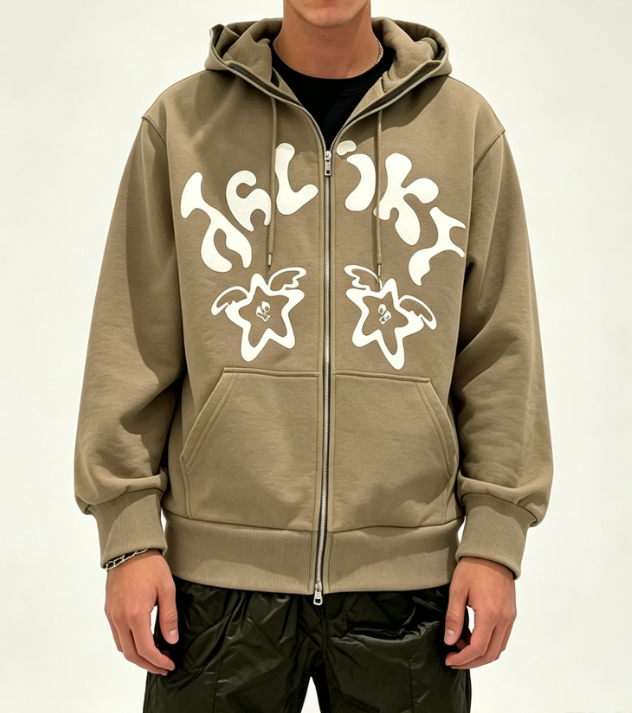
1 focal technique plus 1–2 supporting details normally wears better than decorating every panel. Pair a back screen print with a small embroidered chest logo, or use a woven patch where dense embroidery would stiffen fleece.
- Puff ink: raised accents; reserve for simple shapes.
- Embroidery: durable logos; use stabilizer on fleece.
- Patches: dimensional branding with controlled stitch area.
- Neck prints: replace labels on comfort-focused styles.
Specify Branded Trims

2 trim components can make a blank hoodie recognizably yours without adding a costly extra print location. Confirm woven main labels, size and wash-care labels, hangtags, custom drawcords, zipper pulls, and branded packaging as separate approved components.
- Provide label artwork, fold type, dimensions, and color references.
- Define zipper finish, puller shape, and tape color.
- Request a trim board before bulk approval.
Prepare Production Files
300 dpi artwork at final print size avoids soft raster edges; vector AI, PDF, or EPS files are preferred for logos and separations. Supply Pantone Solid Coated references, fonts converted to outlines, and a placement sheet for each colorway. 1 approved sample should confirm print scale, stitch density, patch edge, and neck-print registration before bulk production. Junsheen can review these files alongside fabric weight and construction so the selected branding remains wearable and repeatable.
6. Custom hoodie printing quality checkpoints
A bulk approval should turn custom hoodie printing from an appearance decision into measurable specifications. At Junsheen, lock construction, measurements, and decoration standards before the 100-unit production run begins.
Lock Construction Specifications
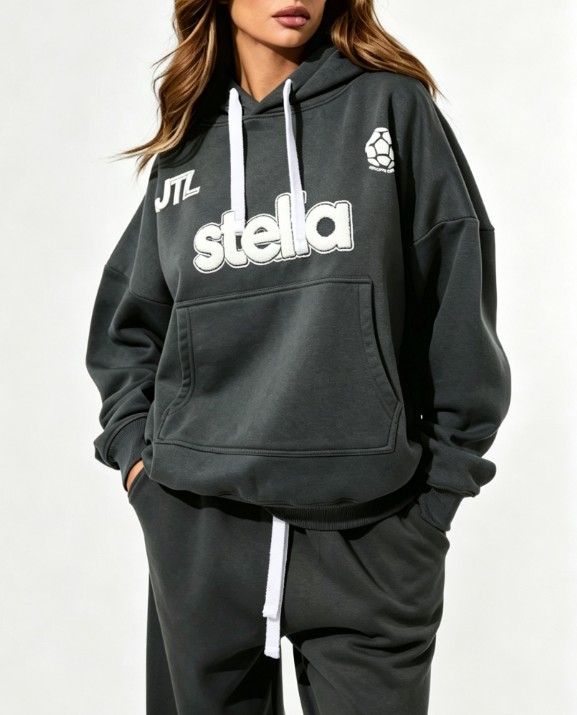
280–420 GSM fleece or French terry should be identified with fiber composition, finish, and shrinkage allowance in the tech pack. Specify rib composition and recovery after a 30% stretch test. 8–10 stitches per inch is a practical benchmark for major seams; inspect shoulder, side-seam, and sleeve alignment. Record hood opening, pocket position, drawcord length, eyelets, bartacks, and all measurement tolerances.
- Fabric GSM, composition, and allowable shrinkage
- Rib recovery and cuff-to-body color match
- Pocket placement and hood symmetry
- Chest, body, sleeve, and opening tolerances
Approve The Pre-Production Sample
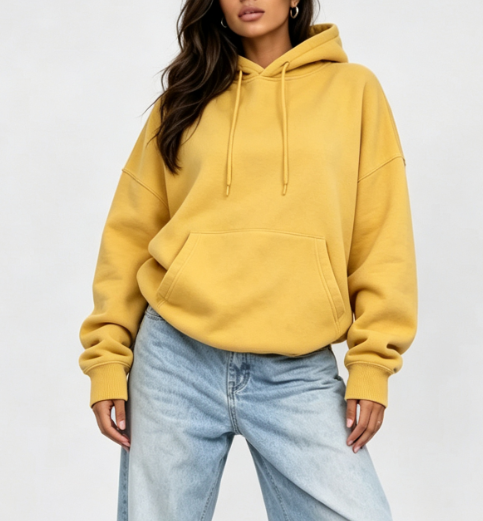
One approved pre-production sample should match the final fabric lot, trims, labels, pattern, grading, and decoration method. Compare it directly with the tech pack, including seam allowance, hood shape, and kangaroo-pocket alignment. ±1 cm is a common tolerance for many adult hoodie points, but critical placements such as a centered chest graphic need tighter control. Junsheen can retain approved patterns and material records for repeat-order consistency.
Test Print Durability

24–72 hours after curing, inspect screen prints for accurate Pantone color, registration, opacity, sharp edges, and adhesion. Stretch the printed area gently; cracking, tackiness, or exposed fabric signals an approval hold. 3–5 home-laundry cycles should be completed before bulk release, following the intended care label. Check wash shrinkage, color bleeding, print cracking, peeling, and hand feel against the approved sample.
- Verify color and multi-color registration
- Check opacity on dark fabric
- Inspect adhesion after stretch testing
- Compare print condition after wash cycles
7. How to choose a hoodie manufacturer
100-unit starting quantities can suit capsule launches, but a hoodie supplier should be assessed on repeatable development and bulk control—not simply its lowest quoted MOQ. Confirm that the factory understands both custom hoodie printing and the complete private-label build.
Match The Product Capability
280–400 GSM French terry and brushed fleece require different sewing, shrinkage control, and print-cure settings. Ask which hoodie weights, rib constructions, oversized fits, and decoration methods the supplier runs routinely. 3 print placements or more should trigger a placement map, Pantone references, and artwork-size tolerances before sampling. Confirm screen print, puff, embroidery, DTF, and wash-effect compatibility with the selected fabric.
Test Sampling And Communication
2 approval stages—a prototype and pre-production sample—reduce avoidable bulk surprises. Require measurement charts, graded size specifications, fabric swatches, strike-offs, and written revision records. 24-hour response expectations are useful only when paired with named technical contacts and clear change approvals. Ask for the sample calendar, bulk lead-time range, critical-path dependencies, and export documentation process.
Verify Controls And Quoting
OEKO-TEX, GOTS, WRAP, and BSCI requests should be answered with current, scope-specific documentation rather than broad assurances. Ask how incoming fabric, in-line sewing, measurements, decoration, and packed goods are inspected. 100-unit quotes should separate fabric, printing, trims, labels, sampling, packaging, freight terms, and taxes. Transparent costing exposes color-count charges, artwork setup, size surcharges, and reorder pricing before commitment.
- Can you manage labels, hang tags, care labels, and branded packaging in one order?
- What tolerances apply to measurements, shade variation, print placement, and defect acceptance?
- Which Incoterms, destinations, and shipment methods have you handled recently?
8. Common custom hoodie printing mistakes
Eight recurring errors create most avoidable rework in custom hoodie printing. Catch them during fabric approval, artwork preflight and pre-production sampling, when changes are far cheaper than correcting finished stock.
Match Print To Fabric

280–450 GSM fleece, French terry and cotton-poly blends accept ink, transfers and discharge differently; choosing the method first can cause poor adhesion, dye migration or a stiff hand. 100% cotton and polyester-blend strike-offs should be tested on the approved bulk fabric. Confirm fabric composition, color, surface finish and wash result before locking the decoration.
Preflight Artwork And Placement

300 DPI artwork at final print size is the practical minimum for detailed raster graphics; low-resolution files produce soft edges and unusable separations. 1–2 cm placement tolerances are normal across sizes and seams. Supply vector artwork, Pantone references and measured placement points from neck, center front or side seam.
Test Samples Before Approval
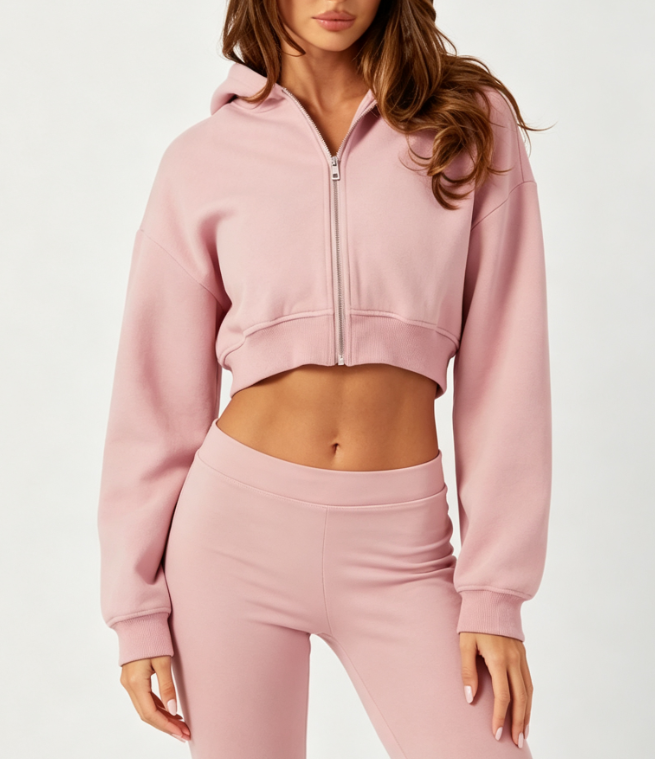
3–5 wash cycles can reveal cracking, shrinkage, crocking and color migration that a fresh sample hides. Approving without a wash test risks inconsistent retail garments. 30–60 minutes of sample review should include measurements, print stretch, hand feel and label details. Approve a signed pre-production sample after testing the intended care method.
Control Commercial Variables
4–6 colorways can multiply screen, transfer, dye and inventory setup costs, while excess variants dilute a 100-unit-per-style-and-color launch. Start with proven colors and request itemized setup costs before confirming quantities. 2–4 weeks of production excludes development, fabric booking, sample approval, inspection and freight. Confirm care-label requirements for destination markets and build the full critical path before setting a launch date.
9. Launching a custom hoodie collection
A 100-unit minimum per style and color lets a new label test one focused hoodie concept before committing to a broad range. Set customer, retail price, fit direction, color count and launch date before requesting development.
Define The Commercial Brief
One target customer profile should determine the silhouette, size range, channel and margin target. Build a one-page brief with competitor references, intended retail price, launch quantity and required delivery date. Two decision gates matter early: confirm that the target price supports fabric, decoration and freight, then freeze the number of colors and SKUs. A controlled first drop is easier to measure and replenish.
- Customer and sales-channel profile
- Retail price and target gross margin
- SKU, color and size-run plan
- Launch calendar and destination market
Build Production-Ready Files
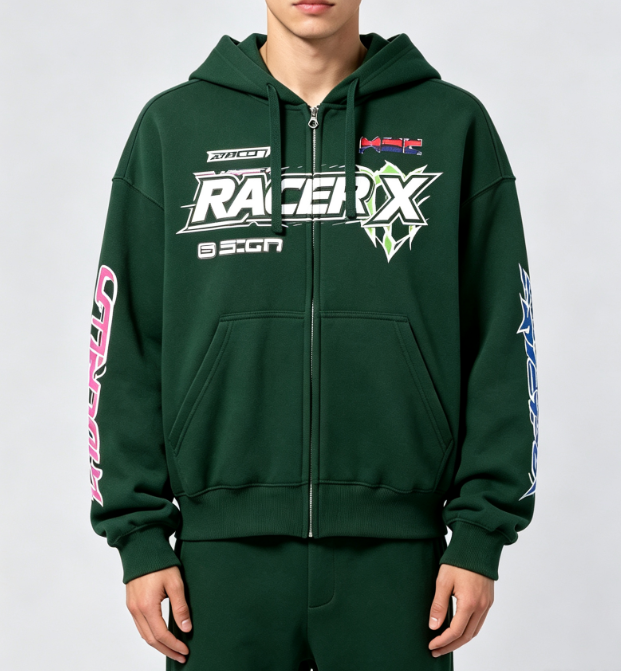
A complete tech pack should specify measurements, construction, artwork placement, Pantone colors, label positions and packaging. Supply editable vector artwork, front-and-back flats, size chart, bill of materials and print-size dimensions. 280–400 GSM fleece or French terry is a common starting range for premium custom hoodie printing, but sample hand feel and shrinkage before approval. Junsheen can review feasibility, source swatches and develop patterns from a sketch or reference garment.
- AI, EPS or PDF vector artwork
- Graded measurement specification
- Pantone and print-effect callouts
- Label, hang-tag and carton files
Approve, Produce And Sell
One prototype sample should resolve fit, artwork scale, fabric weight and trim choices before a size set or pre-production sample. Record every revision in a dated approval sheet; verbal changes create avoidable bulk errors. 100-unit test orders should be inspected against approved measurements, decoration and packed-goods standards before freight booking. Prepare product photography, SKU barcodes, launch inventory, care copy and replenishment triggers while production is underway.
- Approve quotation and sample changes
- Sign pre-production sample
- Inspect finished packed goods
- Book freight and prepare launch assets
10. Custom hoodie printing pricing and costs
100 units per style and color is JUNSHEEN’s practical starting point for a capsule program, while 300–500 and 1,000+ units usually reduce the garment’s fixed development and setup cost per piece. A 280–400 GSM cotton fleece hoodie, specialty wash, organic or recycled certification, and premium hardware all raise material cost and may lengthen sourcing. 1-color plastisol screen printing is generally the most economical repeat-order decoration; each additional Pantone color, oversized placement, puff, foil, silicone, discharge, DTG, DTF, or multiple print locations adds preparation, production time, or both. Embroidery, custom patches, YKK zippers, applique, woven labels, individual bags, and retail-ready packaging should be priced as separate specifications rather than assumed inclusions. 3 inputs determine a usable quotation: a tech pack or reference, artwork files with placement and dimensions, and a complete size-color quantity breakdown. Provide fabric composition, GSM, target hand feel, print colors, trims, labels, packaging destination, and required delivery date; sampling, bulk lead time, and freight can then be quoted against final specifications rather than estimates.
| Quantity tier | Unit-cost direction | Lead-time effect | Main cost drivers |
|---|---|---|---|
| 100–299 units | Highest | Sampling and setup most visible | Fabric MOQ, screens, grading, labels |
| 300–999 units | Lower | More efficient bulk planning | Color count, print placements, embroidery |
| 1,000+ units | Lowest relative | May require longer material booking | Premium fabric, washes, trims, packaging |
| All tiers | Freight quoted separately | Depends on destination and shipping mode | Carton volume, weight, Incoterms |
Start Your Custom Hoodie Printing Program Today
Send your tech pack, sketch, or idea for sampling and scalable bulk production from 100 units per style and color.