
Customize Your Hoodie With 100-Unit MOQ OEM
Customize your hoodie with fit-focused XS–3XL development, private-label details, and scalable production for global fashion brands.
Featured Products for customize your hoodie Development
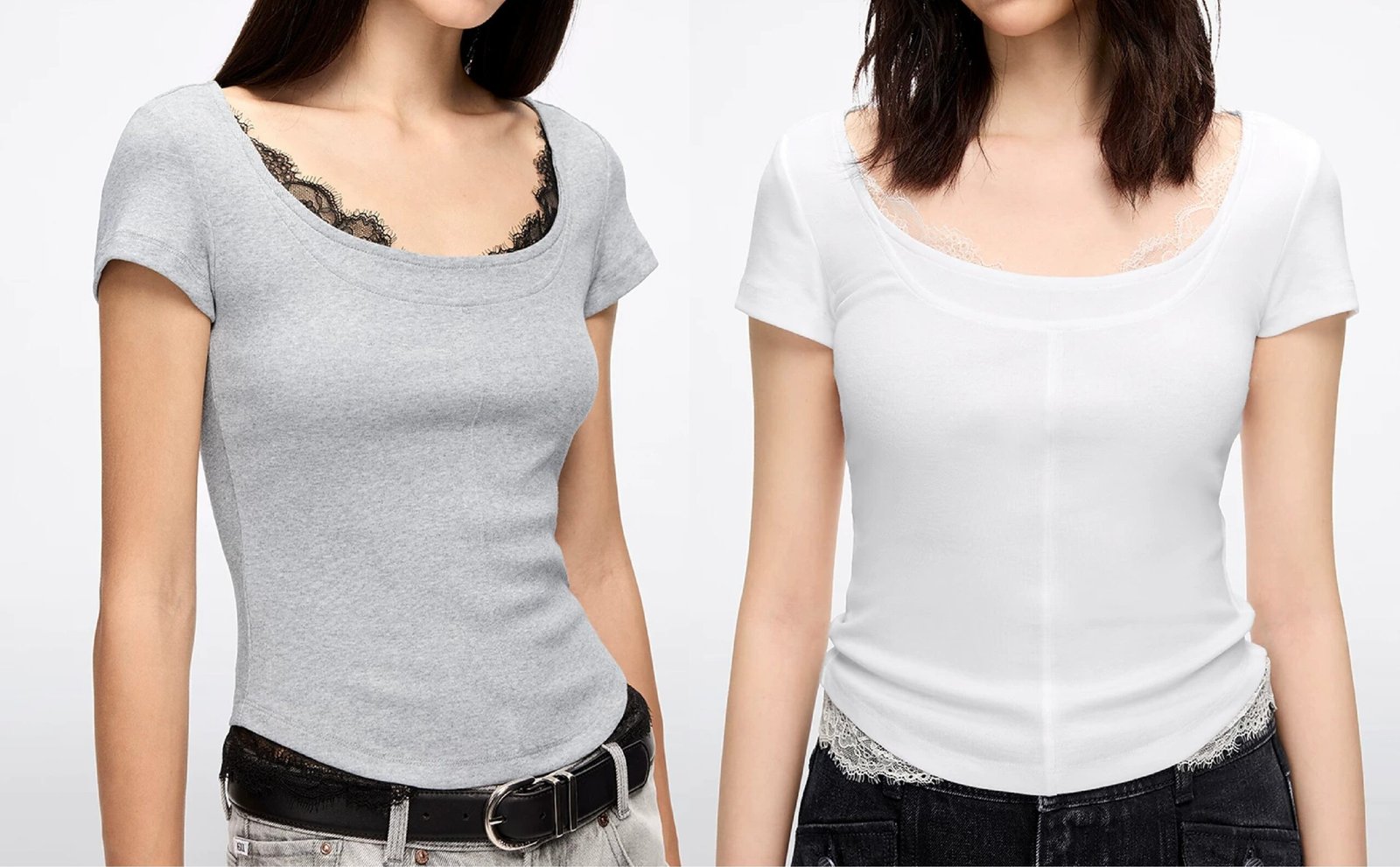


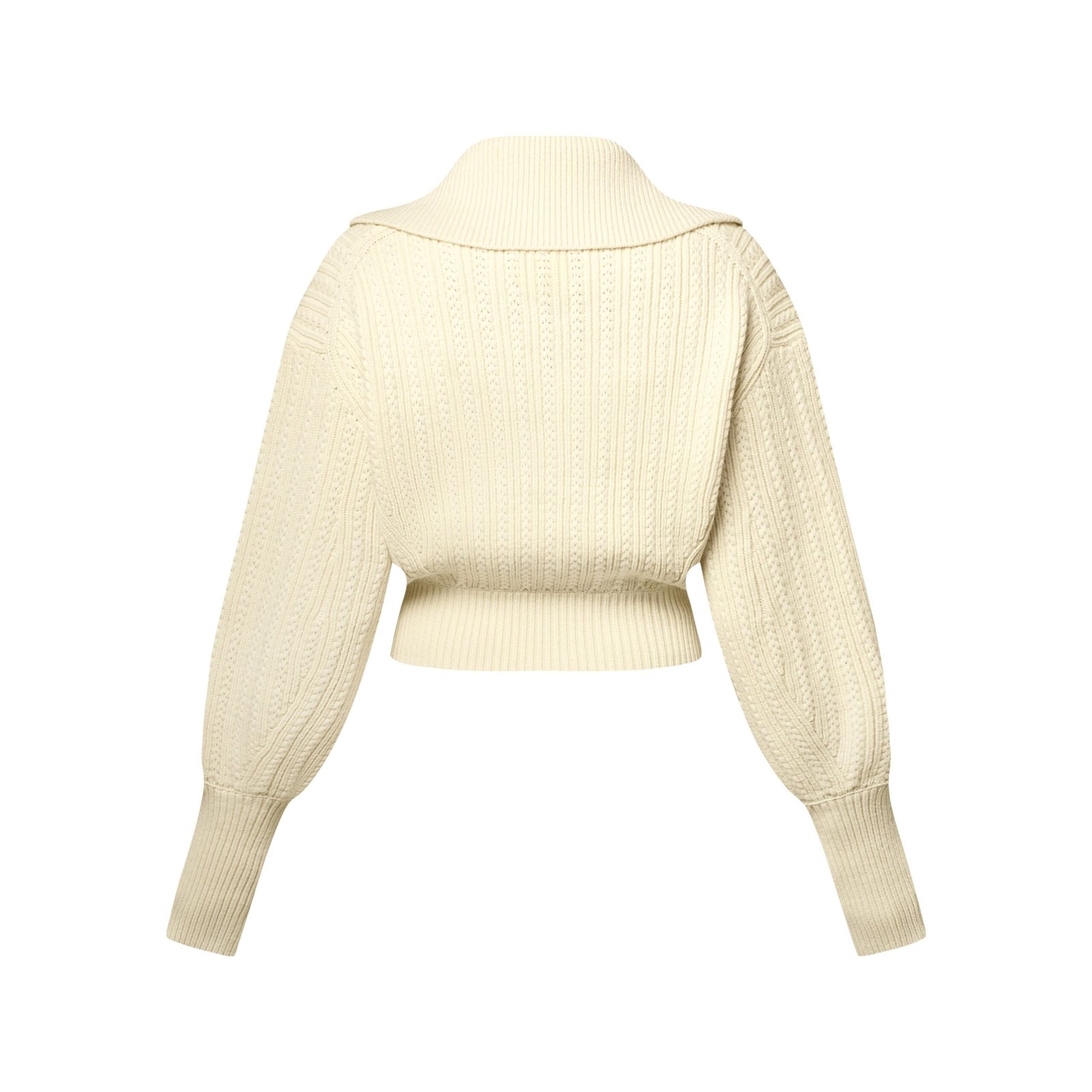


Related Product Catalogue and Quotation





Why Customize Your Hoodie With JUNSHEEN
One integrated manufacturing partner for fit-led development, branded details, dependable scale, and global delivery.
100-Unit MOQ
Launch hoodie capsules from 100 units per style and color while keeping development practical for emerging labels and growing brands.
Fit-First Grading
Develop XS–3XL, extended-size, plus-size, and oversized hoodies with refined proportions instead of simply enlarging a base pattern.
Integrated Decoration
Match your hoodie concept with in-house embroidery, screen printing, DTG, DTF, patches, washes, and specialty finishing effects.
Complete Private Labeling
Build a cohesive brand presentation with custom labels, hang tags, drawstrings, zippers, trims, and retail-ready packaging.
Scalable Production
Move confidently from a focused launch to recurring volume with 200+ skilled workers and monthly capacity exceeding 80,000 units.
Global Export Support
Coordinate production, quality control, packing, and international shipping through one experienced apparel partner serving brands worldwide.
Build a Custom Hoodie Collection
Develop coordinated casualwear with fit-focused patterns, flexible 100-unit MOQs, custom decoration, and production support from sampling through export.

Custom Hoodies
Develop custom hoodies from a tech pack, sketch, or reference sample. Choose fleece or French terry weights, silhouettes, washes, embroidery, prints, labels, and packaging, with XS–3XL grading for capsule launches and scalable repeat programs.
Request a Quote
Custom T-Shirts
Produce custom T-shirts in combed jersey, heavyweight cotton, blends, or performance knits. Junsheen supports fit development, neck and sleeve specifications, screen printing, DTG, embroidery, garment dye, private labels, and coordinated collection colorways.
Request a Quote
Custom Jeans
Create custom jeans in rigid or stretch denim with developed rises, leg shapes, washes, distressing, hardware, labels, and branded trims. Pattern makers refine grading and proportion across XS–3XL to support consistent fit through the size range.
Request a Quote
Custom Sweaters
Source and produce turtleneck sweaters in bulk for retail, wholesale, or private-label programs. Select knit construction, yarn blend, gauge, rib details, neck height, and colorways, then confirm fit and hand feel through development samples before bulk production.
Request a Quote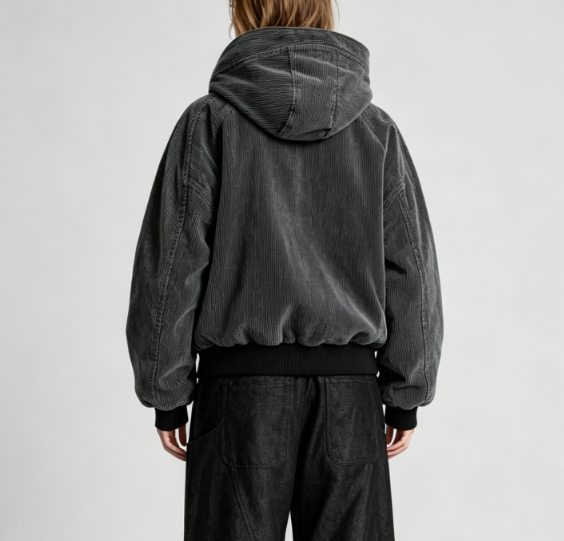
Custom Jackets
Manufacture custom jean jackets with denim weight, wash, silhouette, pocket placement, seams, metal hardware, patches, and logo decoration specified for your brand. Sampling verifies fit, construction, and finishing before production begins.
Request a Quote
Custom Sweatshirts & Crewnecks
Develop custom crewneck hoodies and sweatshirts in fleece or French terry for layered collections. Specify oversized, regular, or extended-size fits, rib trims, neck construction, graphics, embroidery, washes, labels, and packaging for production-ready delivery.
Request a Quote
Custom Cardigans
Produce custom cardigans with knitted bodies, button or zip closures, rib finishes, pockets, logo embroidery, and private-label trims. Development covers yarn selection, gauge, shape retention, size grading, and sample approval for polished seasonal programs.
Request a Quote
Custom Puffer & Down Jackets
Build custom puffer jackets with shell fabric, insulation, quilting layout, lining, zippers, pockets, hoods, reflective details, and branding tailored to your target market. Construction and measurement checks support reliable cold-weather outerwear production.
Request a Quote
Custom Denim Shorts
Make custom jean shorts in rigid or stretch denim with specified inseams, rises, leg openings, washes, distressing, hems, pockets, hardware, and labels. Fit-focused grading helps maintain balance across regular, extended-size, and oversized assortments.
Request a Quote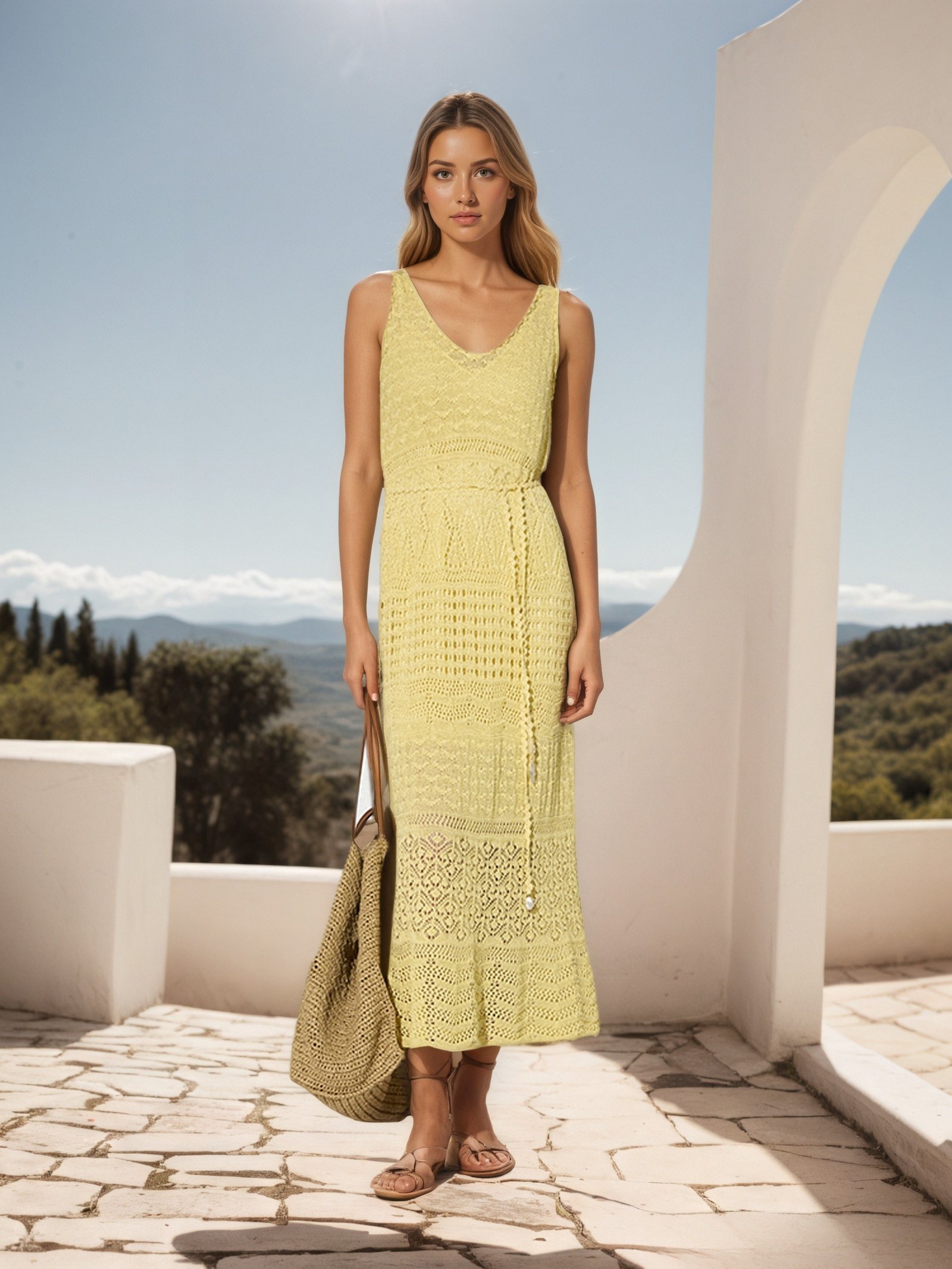
Custom Sweater Dresses
Develop custom sweater dresses with selected yarns, knit structures, neckline options, sleeve lengths, body shaping, rib details, and branded trims. Sampling helps confirm drape, coverage, stretch recovery, and size consistency before bulk production.
Request a Quote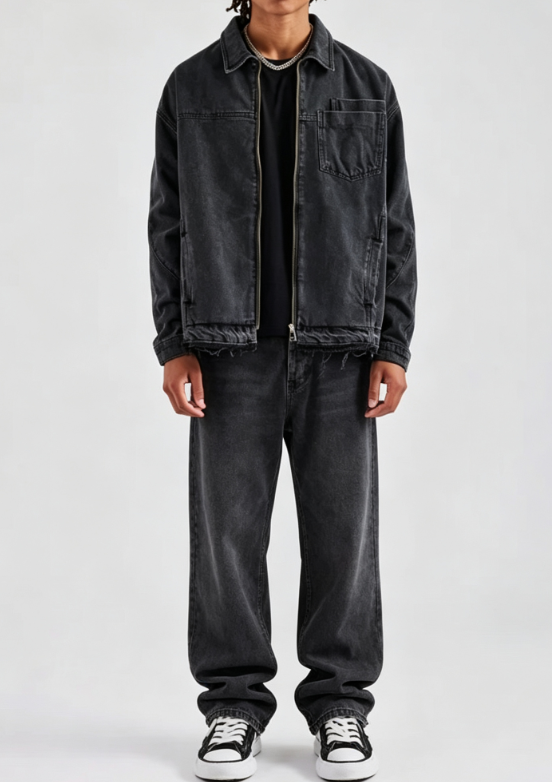
Custom Denim Sets
Produce men’s denim suits for wholesale and private-label assortments, including coordinated denim jackets, overshirts, jeans, and tailored separates. Match fabric, wash, color, hardware, and fit across pieces to create production-ready sets with repeatable specifications.
Request a Quote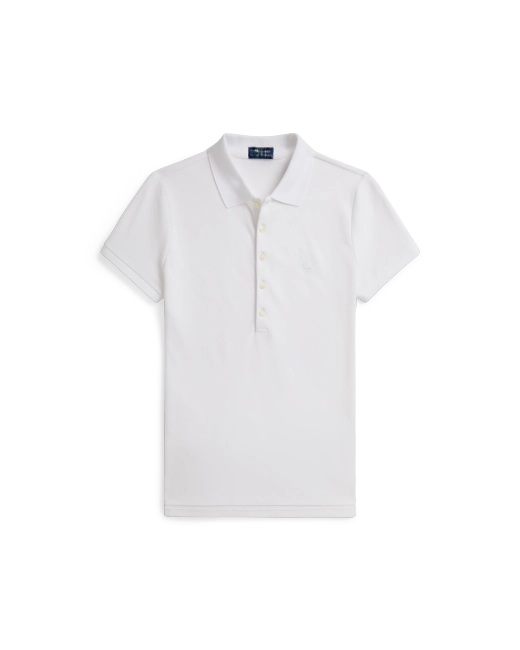
Custom Polo Shirts
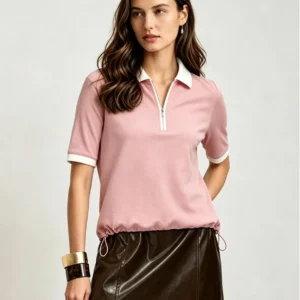
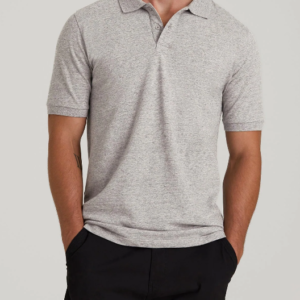
Manufacture custom polo shirts in pique, jersey, or performance fabrics with collar construction, plackets, buttons, contrast details, embroidery, printing, labels, and packaging. Junsheen supports fit development for uniform, retail, and branded casualwear applications.
Request a Quote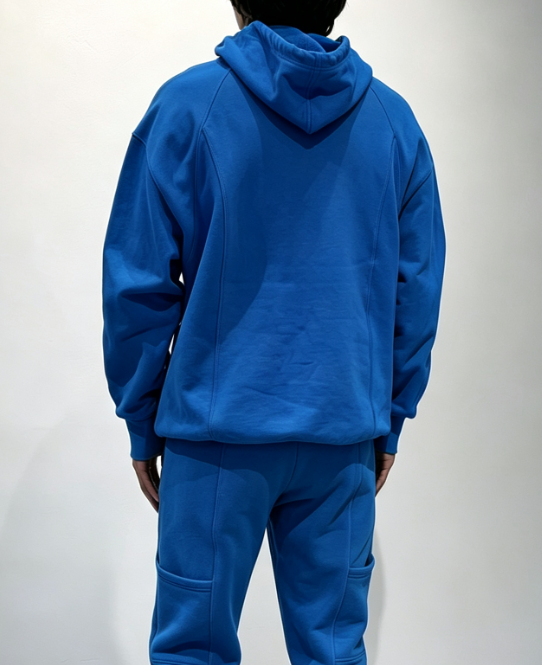
Custom Sweatpants
Create custom sweatpants in fleece, French terry, jersey, or performance fabrics for matching sets and standalone bottoms. Define rise, leg shape, cuffs, waistbands, pockets, drawcords, prints, embroidery, and XS–3XL grading during sampling.
Request a Quote
Custom Shorts
Produce custom shorts for casualwear, athleisure, and coordinated capsule collections. Select fabric, inseam, waistband, pocket construction, lining, decoration, washes, labels, and packaging while confirming fit and mobility through sample development.
Request a Quote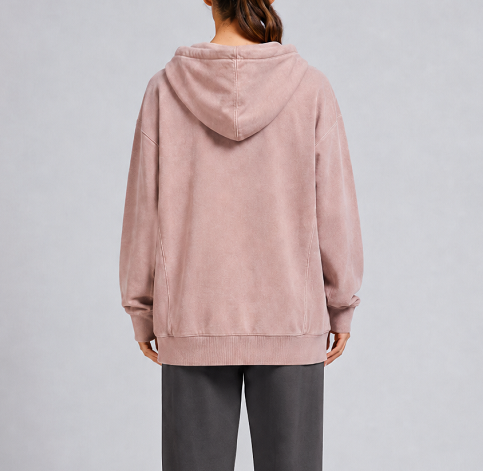
Custom Pullovers
Develop custom pullovers in knit, fleece, French terry, or performance constructions. Specify neckline, hood or collar details, sleeve shape, ribbing, graphics, embroidery, washes, and private-label components for cohesive seasonal casualwear ranges.
Request a QuoteHoodie Materials Built for Feel, Weight, and Wear

Cotton Jersey
Soft, breathable cotton jersey suits lightweight pullovers, layering hoodies, and fashion-forward basics. Its smooth hand feel supports clean screen printing, while optional stretch blends improve recovery and everyday comfort.

French Terry
French terry offers a smooth face with unbrushed loops inside, balancing breathability and structure for year-round hoodies. Available in varied weights, it provides a premium casual feel without the bulk of fleece.

Brushed Fleece
Brushed fleece creates a warm, plush interior for cold-weather hoodies, loungewear, and heavyweight streetwear. Its raised surface improves insulation, while higher GSM constructions give garments a substantial, durable drape.

Organic Cotton
Organic cotton delivers a natural, soft hand for premium and sustainability-led hoodie collections. It can be sourced in jersey, terry, or fleece qualities, with fabric weight matched to your desired silhouette and season.

Recycled Blends
Recycled cotton and recycled polyester blends help support lower-impact hoodie programs without limiting color or finish options. These fabrics can add strength, shape retention, and abrasion resistance for repeat-wear essentials.

Performance Knits
Performance knits suit active, travel, and technical hoodie concepts requiring moisture management and flexible movement. Polyester-elastane blends offer controlled stretch, quick drying, and reliable shape recovery through regular wear.
Customize Your Hoodie With Signature Decoration and Finishing

Custom Embroidery
Flat, 3D puff, chain-stitch, applique, and patch embroidery add tactile branding with clean stitch definition. Reinforced backing and careful placement help logos retain their shape and visual impact through repeated wear and washing.

Screen Printing
Plastisol, water-based, high-density, silicone, foil, flocking, and discharge screen prints create bold graphics across fleece and French terry. Junsheen matches ink, artwork detail, and print placement to achieve durable color and the intended hand feel.

DTF Transfers
DTF and heat-transfer decoration reproduce detailed multicolor artwork, gradients, and small-run graphics with reliable edge definition. This flexible option is well suited to custom hoodie collections that need precise logos without the setup demands of screen printing.

Puff Print Effects
Puff ink and high-density printing create raised logos, lettering, and graphic accents that stand out on heavyweight hoodie fabrics. Controlled curing delivers dimensional texture while preserving clear edges and dependable adhesion after washing.

Garment Washes
Enzyme, acid, stone, tie-dye, and garment-dye treatments create broken-in color, softened hand feel, and individual character. Sample approvals help control shade, shrinkage, and wash effects before bulk production begins.

Surface Finishing
Brushing, napping, softening, and anti-pilling treatments refine warmth, softness, and long-term appearance. The right finish can give your hoodie a premium interior feel while helping fleece surfaces stay cleaner and more resilient in wear.
Customize Your Hoodie With Branded Trims

Custom Drawcords
Choose cotton, flat, round, braided, reflective, or contrast drawcords with custom tipping for pullover and zip hoodies. The right cord weight and finish reinforce your collection’s color story and perceived quality.

Branded Zippers
Add exposed, concealed, metal, nylon, or molded zippers to full-zip hoodies, pockets, and detachable details. JUNSHEEN matches zipper function, puller style, tape color, and durability to your target price and garment wash.

Woven Labels
Use woven main labels, size labels, and wash-care labels to give each hoodie a complete private-label identity. We can coordinate label placement, fold style, yarn color, and care information during sampling and bulk production.

Custom Logo Patches
Apply embroidered, chenille, woven, leather-look, silicone, or printed patches to chests, sleeves, pockets, and hoods. Patches create a tactile brand signature while working alongside embroidery, screen printing, or washed fleece finishes.

Rib Trim Details
Specify rib cuffs, waistbands, collar trims, and contrast stripe ribs for shape retention and a more distinctive silhouette. Our team aligns rib weight, recovery, color, and knit construction with your hoodie fabric and graded fit.
Hangtags And Packaging
Complete your retail-ready hoodie with custom hangtags, barcode stickers, polybags, tissue, folding instructions, and branded packaging. JUNSHEEN coordinates presentation details with final inspection and export packing for smoother global delivery.
About JUNSHEEN Apparel Manufacturing
Founded in 2010 in Humen Town, Dongguan, JUNSHEEN helps fashion brands customize your hoodie collections with dependable OEM, ODM, and private-label manufacturing. Our mission is to turn concepts, sketches, references, and tech packs into production-ready apparel with clear technical support from development through export.
More than 200 skilled workers support integrated cut-and-sew, knitting, pattern making, fabric sourcing, sampling, decoration, quality control, labels, trims, packaging, and global shipping. With monthly capacity above 80,000 units, we support 100-unit capsule orders as confidently as repeat bulk programs.
JUNSHEEN has served 2,000+ fashion-brand clients worldwide by putting fit and production consistency first. Our team develops XS–3XL, extended-size, plus-size, and oversized hoodies through considered pattern grading, helping brands build wearable collections that scale without losing their intended silhouette.

Customize Your Hoodie With Fit-First, Scalable Production
XS–3XL Fit Development
Customize your hoodie with patterns developed for normal, extended, plus-size, and oversized fits. Our pattern makers refine shoulder balance, sleeve length, body proportion, mobility, and grading increments across the full XS–3XL size range instead of simply enlarging a base size.
- Fit-focused pattern making from XS to 3XL
- Extended-size, plus-size, and oversized grading
- Size-set reviews before bulk approval
- Measurement consistency across every size

From Tech Pack to Sample
Whether you bring a finished tech pack, sketch, mood board, or reference garment, JUNSHEEN turns your direction into production-ready hoodie specifications. Our development team reviews construction, fabric weight, trims, measurements, and manufacturability before prototype sampling begins.
- Tech-pack and specification review
- Fabric, rib, drawstring, and trim sourcing
- Pattern creation and prototype sampling
- Clear revisions before pre-production approval

Branding Built Into Production
Create a distinct hoodie program without coordinating separate decoration and packaging vendors. In-house embroidery, screen printing, transfer options, washes, custom labels, patches, hang tags, and branded packaging are managed within one accountable apparel manufacturing workflow.
- Embroidery, puff print, DTF, DTG, and screen print
- Custom woven labels, patches, and hang tags
- Garment dye, acid wash, brushing, and softening
- Branded trims and export-ready packaging

Consistency for Repeat Orders
JUNSHEEN retains approved patterns, graded size sets, material records, and production specifications to support dependable reorders. With 200+ skilled workers, 80,000+ monthly units of capacity, and MOQs from 100 units per style and color, programs can scale with confidence.
- Saved specifications for faster repeat programs
- In-line measurement, construction, and decoration checks
- Low-MOQ launches through ongoing bulk production
- Global export support for growing brands

Why Choose JUNSHEEN to Customize Your Hoodie
Built for brands that need fit-led development, flexible minimums, and dependable production scale.
← 左右滑动查看 →
Customize Your Hoodie: Production Timeline
A fit-first manufacturing path that moves your custom hoodie from feasibility review to inspected, export-ready delivery.
Review Your Hoodie Brief
We assess your tech pack, sketch, reference garment, target price, quantities, fit requirements, decoration, and production feasibility before development begins.
Source Materials and Trims
Our team recommends fleece, French terry, jersey, rib, drawcords, labels, and packaging aligned with your weight, hand feel, durability, and budget.
Build Patterns and Samples
Pattern makers develop XS–3XL or oversized grading, then produce prototype samples for fit, measurements, construction, fabric, wash, and decoration approval.
Confirm Bulk Production Details
After sample approval, we finalize specifications, materials, graded size sets, colors, artwork, labels, trims, packing requirements, quantities, and production schedule.
Cut, Decorate, and Inspect
Skilled teams cut and sew approved hoodies, complete printing or embroidery and finishing, then inspect fabric, construction, measurements, decoration, and packed goods.
Pack and Ship Worldwide
We prepare branded packaging, settle final quality checks, and coordinate export documentation and global shipping for capsule launches, replenishment, and scalable programs.
Customize Your Hoodie With Our OEM Team
Move from concept to export-ready production through a clear, fit-focused development process.
Submit Your Design Brief
Send a tech pack, sketch, reference garment, or mood board. Our team reviews construction, fit, fabric, decoration, and feasibility for your target market.
Confirm Quote and Sample
Review recommended materials, trims, MOQ, pricing, and timeline, then approve a prototype sample and size specifications before bulk production is scheduled.
Approve Production Details
Confirm the pre-production sample, graded XS–3XL size set, labels, packaging, and approved color standards so every production requirement is documented clearly.
Receive Export-Ready Goods
JUNSHEEN manages bulk production, in-line and final quality checks, packing, and global shipping support for consistent, delivery-ready custom hoodie orders.
Custom Clothing Manufacturer Credentials and Compliance Documents



What Fashion Brands Say About Working With Us
JUNSHEEN helped us launch our first 120-piece hoodie capsule without forcing us into a large commitment. The sample-to-bulk measurements stayed consistent, and the finished garments arrived ready for our retail launch.
Our oversized fit needed two pattern revisions across XS–3XL. Their team corrected shoulder balance and sleeve length before approval, cutting our expected third sample round and giving us a size set our customers could trust.
We moved from a 300-unit private-label hoodie order to repeat bulk production because JUNSHEEN kept our embroidery, wash-care labels, packaging, and measurements consistent. Reordering was noticeably faster once the approved specifications were retained.
Customize Your Hoodie FAQ
Straight answers on MOQ, sampling, fit, decoration, production, payment, shipping, and confidentiality for global apparel brands.
What is the minimum order to customize your hoodie with JUNSHEEN?
Can I customize your hoodie from a sketch, reference garment, or idea?
How long does it take to customize your hoodie from sample to bulk production?
Do you offer hoodie samples before I place a bulk order?
Can JUNSHEEN develop oversized, plus-size, and XS–3XL hoodie fits?
What printing, embroidery, and finishing options are available for custom hoodies?
How do payments work for a first hoodie order?
Do you arrange international shipping and protect my hoodie designs?
The Complete Buyer’s Guide to customize your hoodie
Use this decision framework to select hoodie styles, fabrics, decoration methods, and an OEM supplier while comparing cost drivers, production standards, and common sourcing mistakes before placing your order.
1. What Does Customize Your Hoodie Mean?
100 units per style and color is a practical starting point for true B2B hoodie customization, where a buyer specifies the product rather than merely adding a logo to stock goods. To customize your hoodie can mean choosing a stock blank and applying screen print or embroidery, but OEM/ODM work reaches further: silhouette, fabric weight, Pantone color, hood shape, pocket, rib, drawcord, labels, packaging, and graded sizing are defined as one production specification. 2010 is the year Dongguan Junsheen Clothing Co., Ltd. began supporting brands from development through export, making it suited to buyers who need more than decoration. A finished tech pack can be produced directly; a sketch, reference garment, or mood board requires development work such as pattern making, fabric sourcing, sampling, and fit review before bulk approval. XS through 3XL should be treated as a graded fit system, not a base size enlarged uniformly. Emerging labels use full customization to establish a recognizable product; retailers and wholesalers use it to align color, labeling, packaging, and repeat-order consistency; established brands use it to control construction and brand standards across volume. 80,000-plus monthly units of capacity matters only after the supplier can translate decisions into measurable specifications. The key choices are whether the supplier can develop patterns, source and test materials, manage trims and decoration, inspect production, retain approved records, and scale a confirmed hoodie without changing its fit or finish.
2. The Evolution of Custom Hoodies
1930s American sportswear makers, notably Champion, popularized the hooded sweatshirt as a practical layer for athletes and cold-weather labor. Its heavy knit body, rib cuffs, and protective hood made the garment equally useful in training, warehouses, and outdoor work. 1970s streetwear and hip-hop recast the hoodie from utility uniform to a visible canvas for crew identity, graphics, and local style. By the 1990s, touring artists, skate labels, and music merchandise turned screen-printed hoodies into durable community markers, while independent labels used limited colorways and embroidered logos to create scarcity. 100-unit production runs now let a new label customize your hoodie without beginning at mass-retail scale. The modern brief usually combines a premium blank—often 320–500 GSM French terry or brushed fleece—with responsible material options, grading from XS to 3XL, Pantone-controlled color, custom labels, drawcords, zippers, patches, or decoration; the goal is a garment whose fit and details are recognizably the brand’s, not merely its logo.
3. Types to Customize Your Hoodie
Six core formats let buyers customize your hoodie around climate, styling, and margin. Choose the silhouette before sampling, because zipper components, body length, fabric weight, and grading all change the retail position.
| Format | Best Market | Construction Cue | Merchandising Use |
|---|---|---|---|
| Pullover | Streetwear, campus | Front kangaroo pocket | Hero graphic |
| Zip-up | Layering retail | Full zipper, split pocket | Mid-layer |
| Oversized | Unisex fashion | Dropped shoulder | Trend capsule |
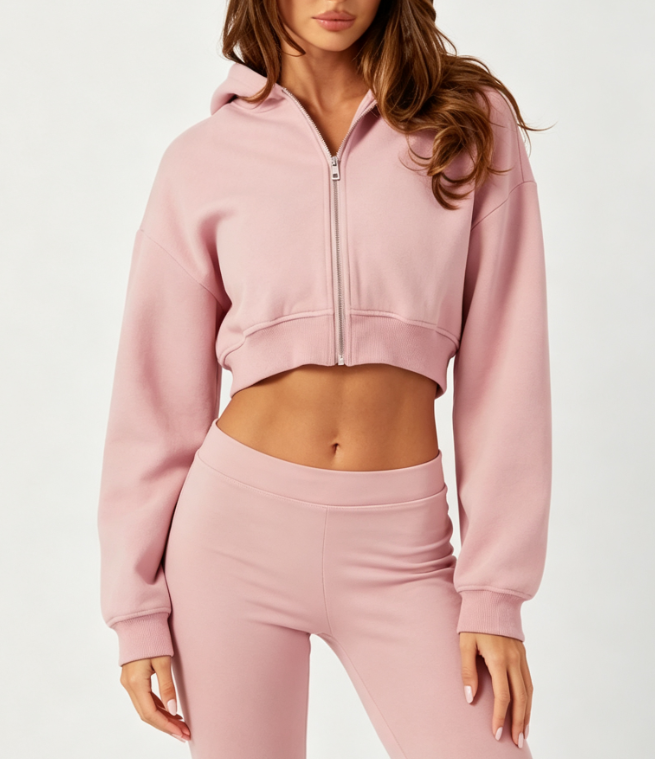
| Cropped | Womenswear | Short body, firm rib | Co-ord set |
| Heavyweight | Cold-weather premium | 400–500 GSM fleece | Higher-ticket staple |
| Lightweight/performance | Active, warm climate | 220–320 GSM knit | Seasonal layer |
Pullover And Zip-Up

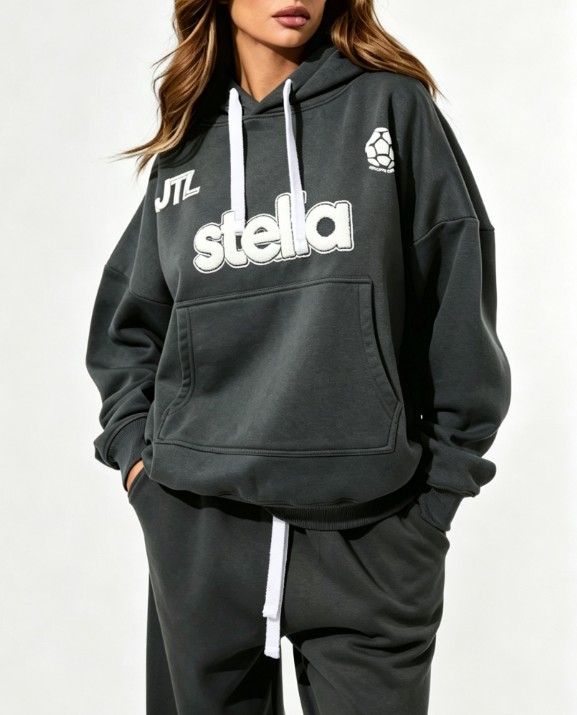
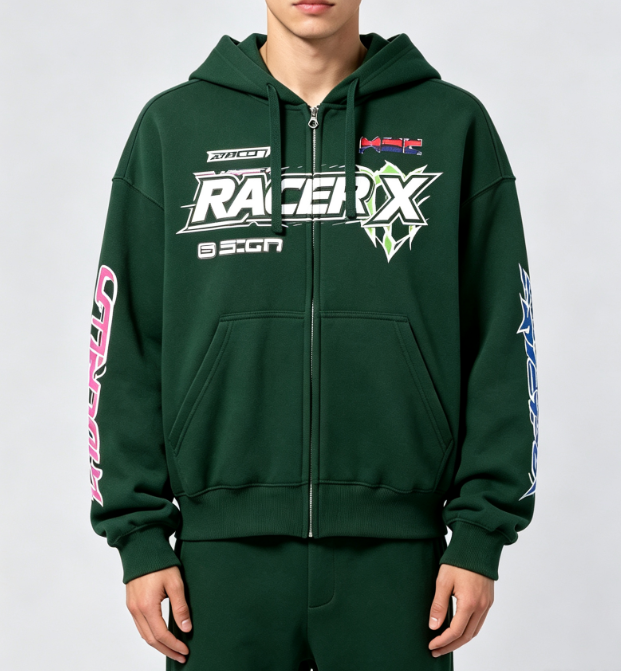
Pullover hoodies suit logo-led streetwear, campus programs, and promotional capsules because the uninterrupted front gives decoration maximum visibility. Zip-up hoodies fit layering-focused retail and travel assortments; a full zipper, zipper tape, and split kangaroo pockets add cost but improve daily versatility.
- Pullover: cleaner front-body construction
- Zip-up: higher hardware and sewing content
- Both: regular or relaxed fit grading
Oversized And Cropped

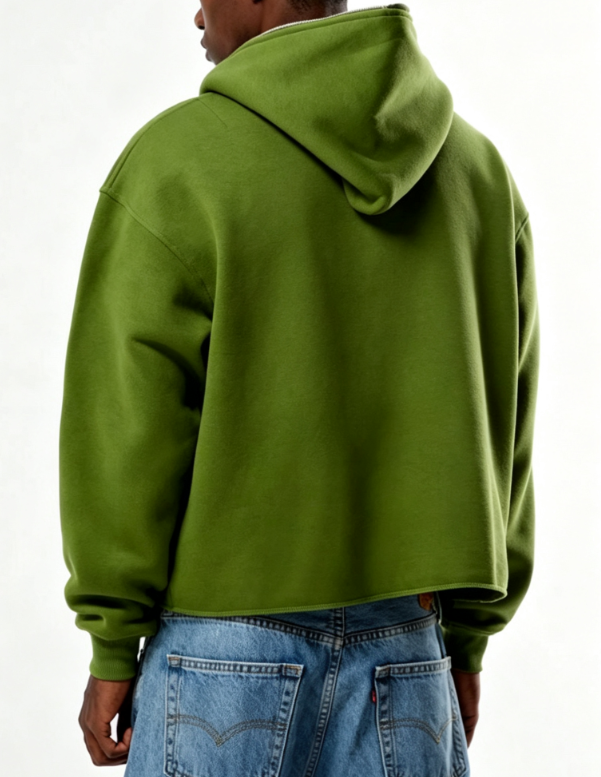
Oversized hoodies target contemporary, youth, and unisex markets with dropped shoulders, wider chests, longer sleeves, and deliberate ease. Grade shoulder balance and sleeve length instead of merely scaling a regular block. Cropped hoodies serve womenswear and fashion-led drops, typically using a shortened body with controlled rib tension to prevent hem flare.
- Oversized: strong streetwear merchandising
- Cropped: fashion capsule or coordinated set
- Both: require fit samples before bulk
Heavyweight And Performance
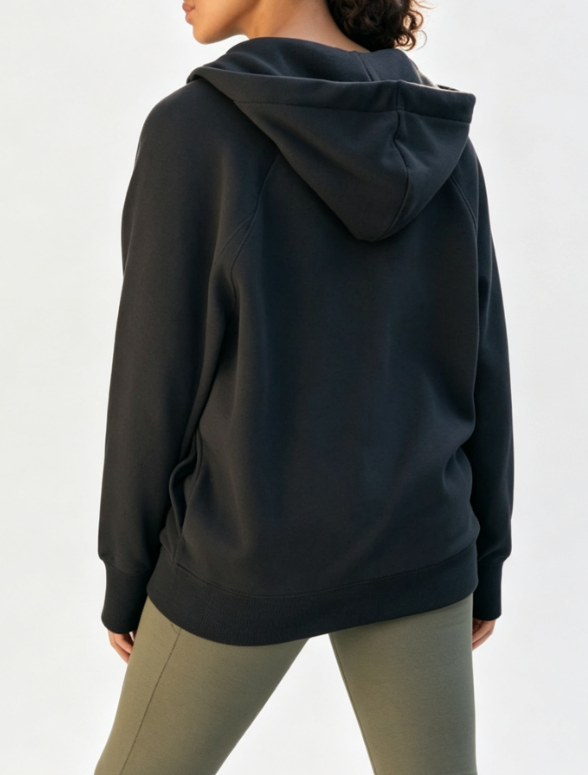
Heavyweight hoodies commonly use 400–500 GSM fleece for premium cold-weather, workwear, or elevated streetwear programs. Dense rib, reinforced pocket joins, and substantial drawcords support a higher perceived value. Lightweight or performance styles commonly use 220–320 GSM French terry, jersey, or moisture-managing knits for resort, gym, and spring layers. Flatlock seams, raglan sleeves, or zip pockets can support active positioning.
- Heavyweight: colder seasons and premium price points
- Lightweight: layering and warm-climate markets
- Performance: mobility and utility-led assortments
4. Customize Your Hoodie Fabric Choices
For a 100-unit capsule, fabric choice determines the sample’s handfeel, wash risk, decoration result, and unit cost before construction begins. When you customize your hoodie, specify fiber content, finish, target GSM, and acceptable shrinkage in the tech pack.
| Fabric | Handfeel/Warmth | Shrinkage/Durability | Best Decoration | Recommended Use |
|---|---|---|---|---|
| 100% cotton | Natural; moderate warmth | Higher shrinkage; good wear | Water-based, discharge, DTG | Premium lifestyle hoodies |
| French terry | Smooth face; breathable | Moderate shrinkage; durable loops | Screen print, embroidery | Year-round layers |
| Brushed fleece | Soft; high warmth | Anti-pilling treatment advised | Screen print, applique | Winter and heavyweight styles |
| Recycled blend | Varies by blend | Good durability; verify content | Embroidery, screen print | Sustainability-led programs |
| Cotton-poly blend | Stable; quicker drying | Low shrinkage; high durability | Plastisol, transfers, embroidery | Uniforms and repeat orders |
Weight And Surface Finish

280–320 GSM French terry is a versatile midweight base: its unbrushed loopback interior breathes better, layers easily, and gives screen prints a stable face. 320–450 GSM brushed fleece traps more air for colder climates and a softer interior. Brushing can increase pilling risk, so request anti-pilling testing and confirm shrinkage after the intended wash.
- 240–280 GSM: lighter transitional hoodies
- 280–320 GSM: year-round premium casualwear
- 350–450 GSM: heavyweight winter or oversized styles
Fiber Content Tradeoffs
100% ring-spun cotton delivers a natural, premium hand and strong water-based or discharge-print potential. It usually costs more than open-end cotton and needs controlled pre-shrinkage to protect measurements. 65/35 cotton-polyester blends improve shape retention, abrasion resistance, and drying speed. Polyester-rich fabrics reduce shrinkage but can feel less natural and require compatible low-bleed inks.
Specify A Factory-Ready Fabric
30/1 cotton jersey, 3-end fleece, or 2-end French terry should be named alongside composition and GSM, not described only as ‘heavy’ or ‘soft.’ Ask Junsheen to submit swatches and a washed sample before bulk material approval. 20–30% recycled polyester can support a recycled-content brief while retaining fleece durability. Require traceable material documentation when sustainability claims will appear on labels or marketing.
5. Customization and Decoration Options
Three decoration decisions determine whether a hoodie reads premium or promotional: stitch dimension, ink behavior, and labeling. To customize your hoodie profitably, match artwork complexity and placement to setup cost and planned reorder volume.
| Method | Appearance And Durability | Placement Or Setup | Best Volume |
|---|---|---|---|
| Embroidery | Textured; highly durable | Avoid thick seams; digitized art | 100+ units |
| Screen Print | Opaque; durable when cured | Flat panels; color screens required | 100–1,000+ |
| DTG | Soft, detailed color | Best on cotton-rich fabric; file required | Samples–200 |
| Heat Transfer | Sharp, versatile; film varies | Avoid rib and heavy seams | Short runs |
| Puff Print | Raised ink; durable with testing | Simple shapes; screen setup | 100+ units |
| Appliqué Or Patches | Layered, premium; secure stitching | Needs seam allowance or patch area | 100+ units |
Choose The Decoration Method
6,000–8,000 stitches suit a compact embroidered chest logo; dense fills need stable fleece and can stiffen lightweight fabric. 1–6 spot-color screen prints give opaque, wash-resistant graphics at volume, while DTG handles photographic gradients and many colors without screens.
Balance Setup And Margin

100 units is a practical starting point for screen printing when artwork repeats; each color and location adds screen, registration, and labor cost. 1-off to short-run samples favor DTG or heat transfer, but test adhesion on brushed fleece, rib, seams, and pocket edges before approval.
Finish The Private Label
2 label positions—back neck and side seam—cover brand identity and care information without competing with the decoration. 1 hangtag system should state size, barcode, fiber content, and origin where required; branded mailers or cartons protect the target retail presentation.
- Use woven labels for durable brand marks.
- Use printed neck labels for soft, low-bulk comfort.
- Approve packaging dielines before bulk packing.
6. Construction Details That Signal Quality
A 320–400 GSM hoodie can still feel inexpensive when its construction is under-specified. To customize your hoodie reliably, define measurable workmanship standards before sampling rather than judging bulk goods by photos alone.
Hood And Rib Performance
Two-piece hoods hold a cleaner profile than shallow single-layer hoods; specify hood depth, opening width, overlap, and self-fabric or jersey lining. Measure these points after wash. 2×1 rib with elastane generally recovers better than all-cotton rib. Specify rib weight, stretch, recovery after extension, and finished cuff and hem widths across the size range.
Seams And Pocket Build
8–10 stitches per inch is a practical benchmark for many medium-weight fleece seams, subject to fabric and thread selection. Reinforce pocket corners, hood joins, and stress points with bartacks or equivalent approved construction. 1 kangaroo pocket needs matched opening widths, clean topstitching, and secure attachment at both ends. Check inside seam allowance, pocket bag shape, and symmetry on the pre-production sample.
Hardware And Zippers
5 mm drawcords, metal or reinforced eyelets, and zipper specifications should appear in the tech pack. Record color, tip type, puller, tape, gauge, and approved supplier; request smooth zip testing on finished garments. YKK is a recognized zipper benchmark, but the selected series must match garment weight and intended use. Avoid approving hardware from an unlabelled reference sample alone.
Wash, Shrinkage, And Approval

3–5% dimensional change after the agreed wash test is a common control range for cotton-rich fleece, but the acceptable limit must be written by measurement point. Specify wash recipe, tumble-dry conditions, appearance standard, and pilling expectations. 1 approved tech pack, graded size specification, wash-tested sample, and sealed pre-production sample create the production reference. Junsheen can retain patterns, graded size sets, and material records to support repeat-order consistency and reduce avoidable disputes.
7. How to Choose a Hoodie Manufacturer
A capable hoodie supplier should prove repeatable development and production controls before you place a deposit. To customize your hoodie reliably, assess evidence, not only pricing, photographs, or a fast WhatsApp reply.
Verify Category Capability
100-unit starting programs suit capsule launches only when the factory can show comparable fleece, French terry, and oversized hoodie samples. Ask for measurement sheets, construction photos, decoration test pieces, and references for similar order complexity.
- Request a current hoodie specification sample
- Confirm size grading through 3XL if needed
- Review embroidery and print wash-test results
Audit Development And Materials
280–460 GSM fleece and 320–450 GSM French terry behave differently after washing, so request swatches, composition records, shrinkage data, and color approvals. Ask whether the supplier controls pattern making, sourcing, sampling, and size-set approval in-house or through subcontractors.
- Obtain Pantone, fabric, and trim approvals
- Request OEKO-TEX, GOTS, WRAP, or BSCI documents when required
- Confirm sample revision and bulk-material sign-off
Test Operational Transparency
80,000 units of monthly capacity means little without a production schedule, line allocation, and realistic critical-path dates. Require written inspection stages for incoming fabric, in-line sewing, measurements, decoration, and final packed goods.
- Ask for lead times by sample and bulk stage
- Name one decision-maker for daily communication
- Require defect handling and rework procedures in writing
- Confirm final-balance and shipping terms before production
Spot Weak OEM Signals
24-hour quotations without fabric, artwork, size, or packaging questions usually indicate assumptions that become change orders later. Treat refusal to share factory details, sample records, QC checkpoints, or payment milestones as a supplier-risk signal.
- Unusually low pricing without a cost breakdown
- No pre-production sample or approval gate
- Vague capacity claims and changing lead times
- Pressure to pay outside documented terms
8. Common Custom Hoodie Sourcing Mistakes
A low hoodie quote can conceal costly revisions, rejected color, or missed delivery dates. Buyers who customize your hoodie should turn specifications, approvals, and inspection points into written gates before bulk cutting.
Buying On Price Alone
A 100-unit program can carry higher unit costs for fabric, pattern work, and decoration setup than a bulk run. Compare like-for-like quotations covering GSM, trims, print method, packaging, freight terms, and defect policy before selecting a factory.
Sending Incomplete Artwork
A logo file without vector artwork, Pantone references, dimensions, or placement tolerances invites redraw fees and inconsistent output. Supply AI, PDF, or EPS files plus a placement sheet showing measured distances from seams and garment edges.
Skipping Wash And Fit Tests
Cotton fleece and French terry can change after washing, while oversized fits require balanced shoulders, sleeves, and grading. Approve a washed sample and size set, recording shrinkage, chest, length, sleeve, and tolerance measurements before production.
Approving Color Too Quickly
Pantone callouts do not guarantee a match on every fabric, dye lot, or print base. Review lab dips under relevant lighting and retain the signed swatch as the bulk-production standard.
Ignoring Setup And Inspection
Screen setup, embroidery digitizing, custom labels, and low-MOQ material minimums can materially alter the landed cost. Confirm every one-time charge, set an acceptable-quality limit, and authorize in-line plus final inspections before the balance is released.
9. Steps to Launch Your Custom Hoodie
A 100-unit style-and-color starting point makes the first launch manageable, but the product brief must fix target retail price, margin and customer before development starts. To customize your hoodie efficiently, treat each approval as a production gate with one named brand owner.
| Stage | Primary Owner | Decision Gate | Typical Allowance |
|---|---|---|---|
| Brief and costing | Brand plus factory | Feasibility approved | 3-7 days |
| Sampling | Factory; brand approves | Sealed sample approved | 2-6 weeks |
| Bulk and freight | Factory; brand books launch | Final inspection passed | 4-10 weeks plus transit |
Lock The Product Brief
Week 1 should define silhouette, size range, target ex-factory cost, colorways and required delivery date. The brand owns commercial decisions; the factory confirms feasibility, MOQ and construction risks. A $30 target ex-factory cost cannot be assessed without quantities, fabric weight, decoration locations and packaging. Approve the brief only after cost assumptions and critical measurements are written down.
- Target customer and retail price
- Units per color and size curve
- Fit reference and delivery window
Build Production Files
A complete tech pack specifies garment measurements, tolerances, stitch details, Pantone colors, labels and packaging. Supply vector artwork in AI, EPS or print-ready PDF, with placement dimensions in millimeters. At this gate, Junsheen can review patterns, fabric options and decoration suitability before sampling. The brand must resolve ownership of logos, licensed graphics and final artwork.
- Bill of materials
- Graded measurement chart
- Artwork placement file
Approve Samples And Bulk
One prototype commonly exposes fit, shrinkage, print scale or trim issues that drawings miss. Allow one to three revision rounds, then approve a sealed sample, color standard and pre-production specifications. After approval, confirm quantities, payment terms, shipping method and launch date in writing. Avoid changing fabric, artwork or grading after bulk materials are committed.
- Fit and wash test
- Decoration approval
- Pre-production sign-off
Inspect Ship And Launch
Bulk production begins after materials and pre-production approval; first-time programs need extra calendar buffer for sourcing and sample feedback. Junsheen inspections should cover incoming fabric, in-line construction, measurements, decoration and packed goods. Two to four weeks before freight arrival, finalize product photography, SKU setup, size charts and fulfillment allocations. Established labels move faster when retained patterns, graded size sets and material records are reused.
- Final measurement audit
- Carton marks and packing list
- Freight booking and launch assets
10. Customize Your Hoodie Pricing and MOQ
100 units per style and color is Junsheen’s starting point for a capsule program; an indicative factory price for a 320–360 GSM cotton-blend fleece hoodie is US$12–22 before freight, duty, and destination taxes. Ring-spun cotton, heavier 400+ GSM fleece, garment dye, and premium French terry raise material and processing cost. 7–21 days is a typical sampling window after specifications and materials are confirmed, while bulk timing varies with order size, fabric availability, and decoration capacity. Final quotes require an approved tech pack or sample, Pantone colors, size breakdown, decoration placements, packaging requirements, Incoterm, and shipping destination.
| Quantity tier | Indicative factory price/unit | Typical bulk lead time | Main cost drivers |
|---|---|---|---|
| 100–299 units | US$16–30 | 25–40 days | Small-run efficiency; 320–400 GSM fabric; one print or embroidery |
| 300–499 units | US$13–25 | 25–35 days | Fabric weight, color count, puff or high-density print setup |
| 500–999 units | US$11–21 | 20–35 days | Better material utilization; custom drawcords, labels, zippers, patches |
| 1,000+ units | US$9–18 | 20–30 days | Repeatable decoration and packaging; freight consolidation lowers landed cost |
| Prototype/sample | Quoted separately | 7–21 days | Pattern work, fabric swatches, size set, revised trims and packaging |
Customize Your Hoodie With a Sampling Project
Send your tech pack, sketch, reference garment, or product idea for fit-focused development, 100-unit MOQ pricing, and production guidance.