
Custom Fleece Hoodie Manufacturing for Global Brands
Develop custom fleece hoodies from 100 units per style/color with fit-focused XS–3XL grading, OEM/ODM support, and scalable global production.
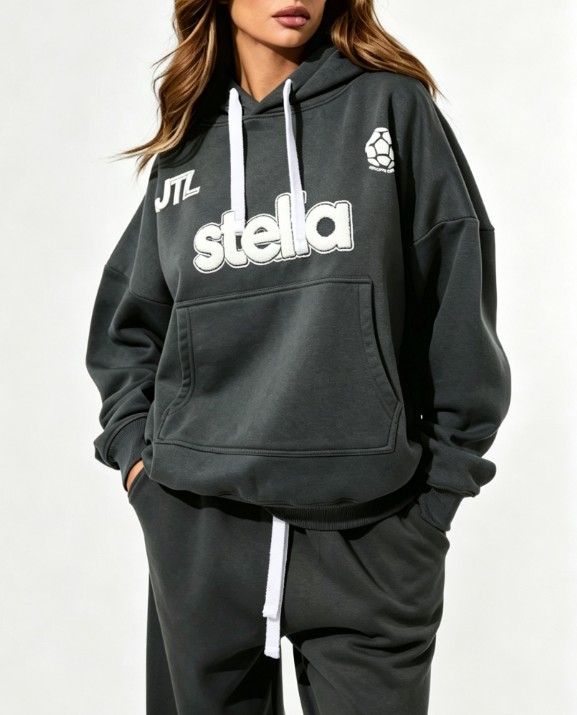
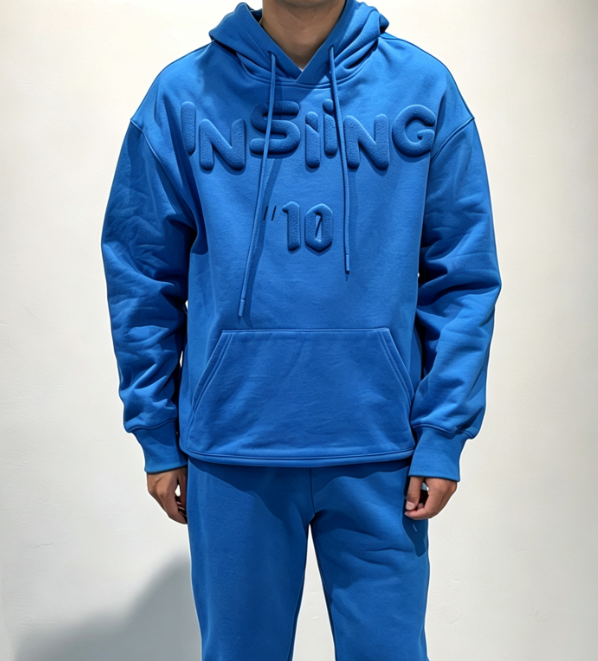
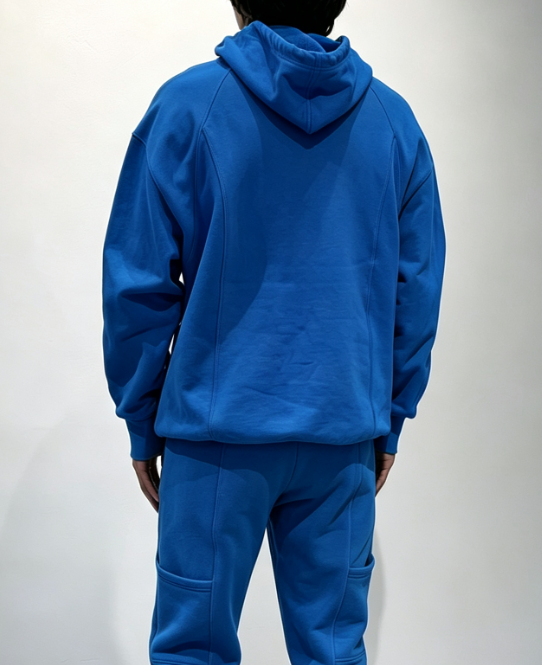
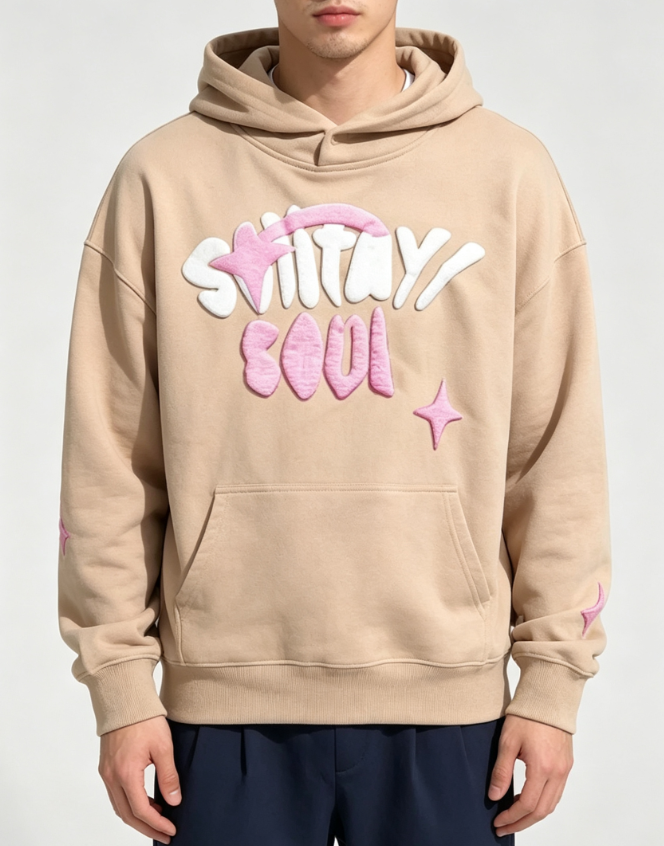
Featured Products for custom fleece hoodie Development








Related Product Catalogue and Quotation





Why Brands Choose JUNSHEEN for Custom Fleece Hoodies
Fit-focused development, low-MOQ flexibility, and scalable production support for global apparel brands.
100-Unit MOQ
Launch custom fleece hoodies from 100 units per style and color, balancing capsule flexibility with reliable factory execution.
One-Stop Development
Move from sketch, tech pack, or reference garment through fabric sourcing, patterns, samples, trims, and production with one team.
Fit-Focused Grading
Develop XS–3XL, extended-size, plus-size, and oversized fits with proportion-aware patterns and consistent grading across your size range.
In-House Decoration
Add screen printing, embroidery, patches, washes, labels, and branded packaging without coordinating multiple outside suppliers.
Scalable Capacity
Start with a focused launch, then scale into bulk programs supported by 200+ skilled workers and 80,000+ monthly units.
Global Export Support
Receive coordinated quality control, final packing, shipping support, and responsive communication for production programs serving international markets.
Custom Hoodie and Casualwear Production
From low-MOQ capsules to scalable global programs, Junsheen develops fit-focused casualwear, denim, knitwear and outerwear from XS through 3XL.

Custom Hoodies
Develop custom hoodies in fleece, French terry or jersey from a tech pack, reference sample or concept. We manage patterns, size grading, embroidery, printing, washes, labels and packaging for programs starting at 100 units per style and color.
Request a Quote
Custom T-Shirts
Produce custom T-shirts with fabric weight, neck construction, fit and decoration specified for your market. Our cut-and-sew team supports standard, oversized and extended-size silhouettes, screen printing, DTG, DTF, embroidery and private-label finishing.
Request a Quote
Custom Jeans
Develop custom jeans with denim weight, stretch, wash, hardware and grading aligned to your target fit. We refine rise, leg shape, hip balance and inseam across XS–3XL, then manage sampling and bulk quality control.
Request a Quote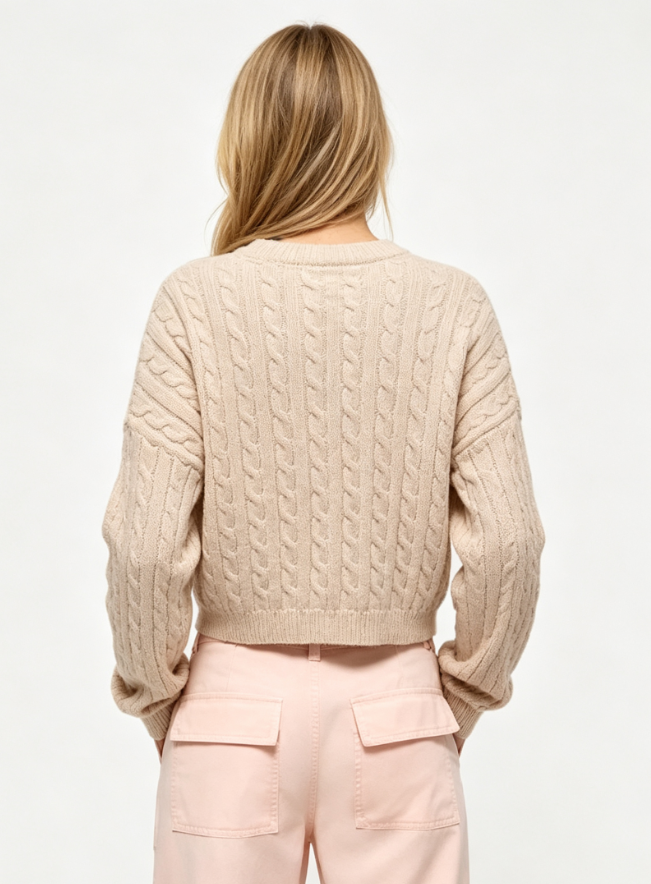
Custom Sweaters
Source and produce turtle neck sweater bulk programs in appropriate yarn blends and knit constructions. We develop gauge, hand feel, neckline shape, body proportion and grading, with sampling available before material and bulk approval.
Request a Quote
Custom Jackets
Create custom jean jackets and other woven outerwear with defined denim, wash, hardware and branded trim specifications. Junsheen supports pattern development, embroidery, patches, printing and fit review from prototype through repeat production.
Request a Quote
Custom Sweatshirts & Crewnecks
Build custom crewneck hoodie and sweatshirt programs with fleece or French terry options, consistent rib specifications and fit-focused grading. Choose embroidered, printed, washed or garment-dyed finishes with private labels and packaging included.
Request a Quote
Custom Cardigans
Develop custom cardigans in sweater constructions suited to your intended hand feel, weight and retail position. We specify yarn, gauge, button or zipper trims, silhouette and size grading for standard, oversized or extended-size ranges.
Request a Quote
Custom Puffer & Down Jackets
Produce custom puffer jackets with shell, lining, insulation, quilting, closures and branded trim selected for your specification. Our team reviews construction, fit and packability during sampling before scalable bulk production.
Request a Quote
Custom Denim Shorts
Manufacture custom jean shorts with denim, stretch, wash, pocket details and hem finish tailored to your collection. Patterns are developed for balanced waist, hip, rise and leg proportions across your required size range.
Request a Quote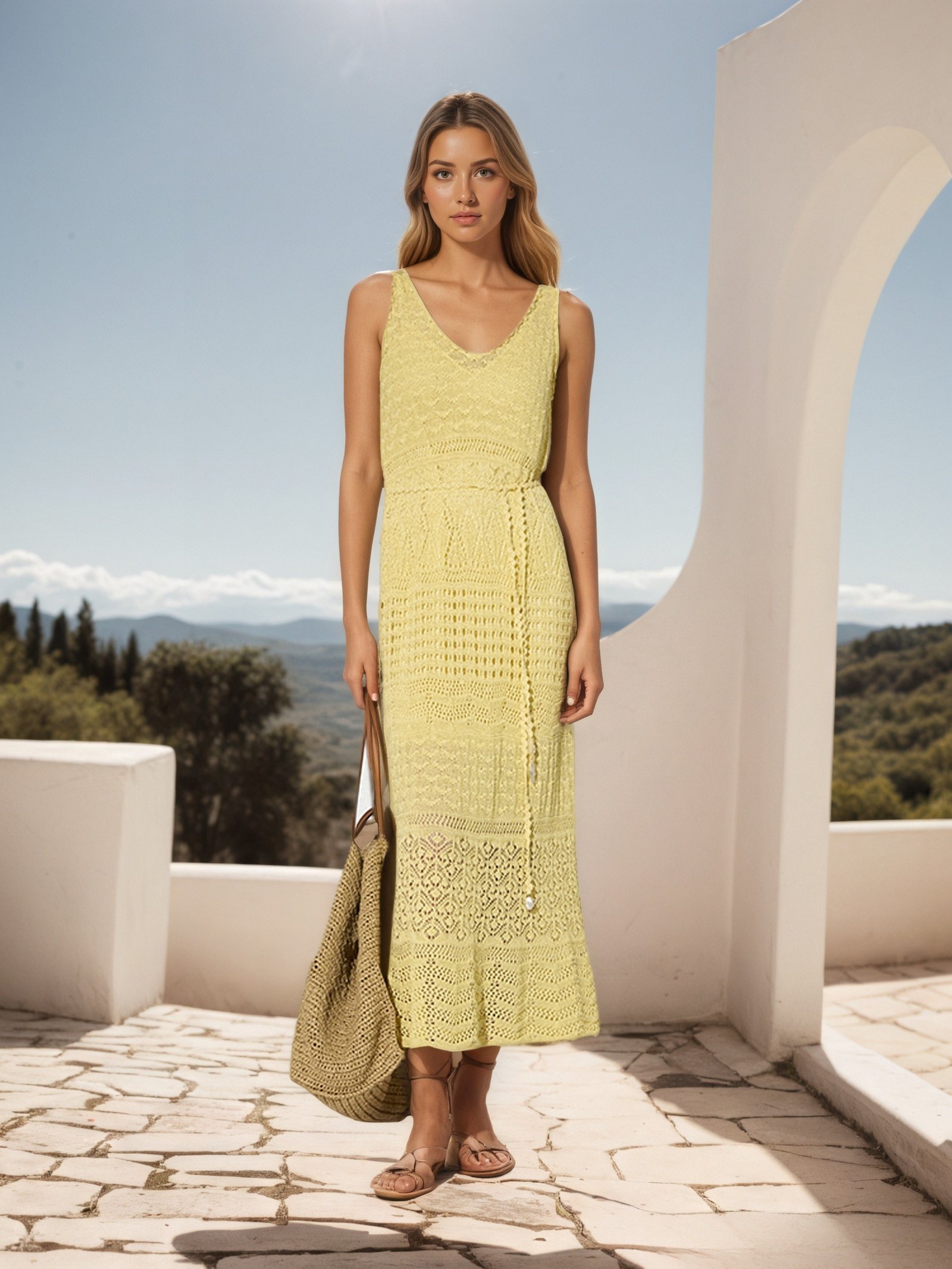
Custom Sweater Dresses
Develop custom sweater dresses with yarn selection, knit gauge, length, neckline and shaping designed around your fit brief. We support body-skimming, relaxed and oversized silhouettes, including extended-size grading and private-label trims.
Request a Quote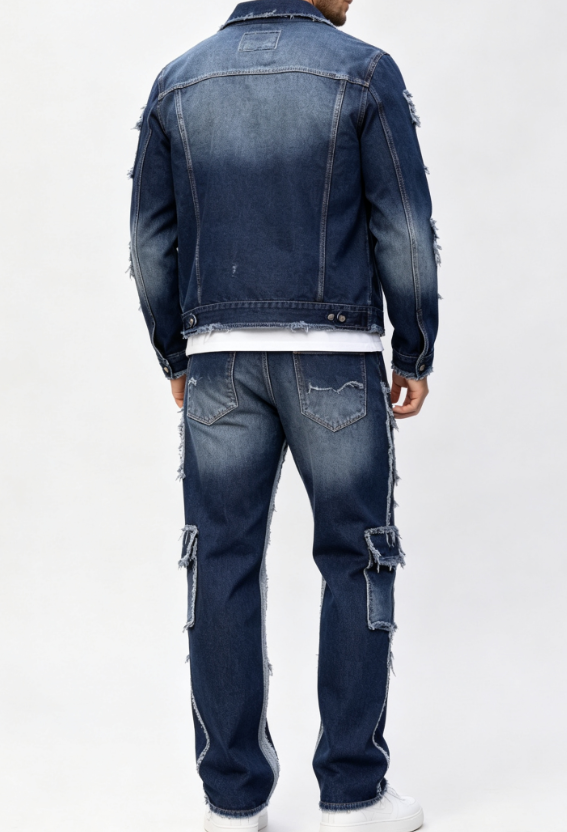
Custom Denim Sets
Produce mens denim suits wholesale programs, including coordinated denim jackets and jeans or matching overshirts and trousers. We align fabric lot, wash effect, hardware, construction and graded sizing across every component of the set.
Request a Quote
Custom Polo Shirts
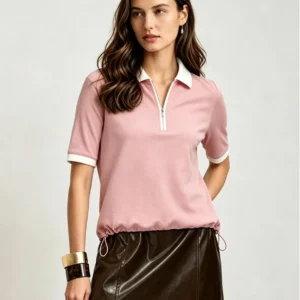
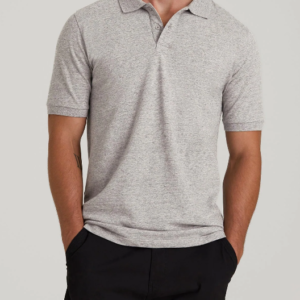
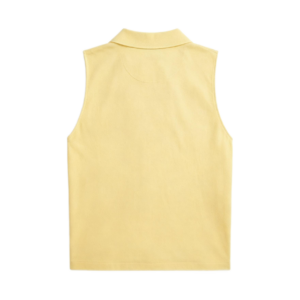
Create custom polo shirts in piqué, jersey or performance knit with collar construction, placket details and logo decoration matched to your brand. Programs can include embroidery, printing, contrast trims and XS–3XL grading.
Request a Quote
Custom Sweatpants
Manufacture custom sweatpants in fleece, French terry or jersey with controlled rise, inseam, cuff and waistband proportions. Add embroidery, printing, washes, custom drawstrings, labels and matching hoodie coordination for complete sets.
Request a Quote
Custom Shorts
Develop custom shorts for casual, fleece, jersey, woven or denim programs. We specify fabric, pocket layout, waistband, inseam and finishing, then refine fit through samples before low-MOQ or ongoing bulk production.
Request a Quote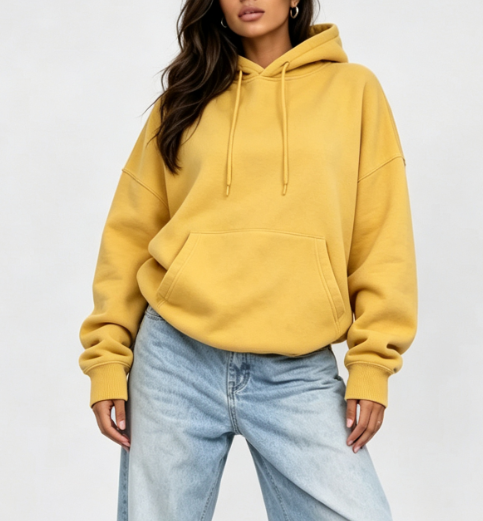
Custom Pullovers
Produce custom pullovers across knit, fleece and woven constructions, based on your technical specification or reference. Our development team handles material selection, patterns, grading, decoration, trims and production-ready sampling.
Request a QuoteCustom Fleece Hoodie Fabric Options

Cotton Fleece
Soft, warm and dependable for core custom fleece hoodie programs. Cotton-rich fleece offers a comfortable brushed interior, durable everyday wear and versatile midweight construction for retail, teamwear and private-label collections.

French Terry
A breathable loopback fabric with a clean face and lighter feel than brushed fleece. Ideal for transitional hoodies and premium athleisure, typically developed in midweight qualities with good absorbency and natural stretch.

Brushed Back Fleece
Built with a plush napped interior for added insulation and a cozy hand feel. This heavier fleece suits cold-weather hoodies, oversized silhouettes and elevated streetwear, with weight selected to balance warmth and structure.

Organic Cotton Blends
A responsible option combining organic cotton with recycled polyester or elastane when needed. It delivers a soft natural hand, improved recovery and reliable wash performance for brands prioritizing comfort, durability and material traceability.

Recycled Polyester Fleece
A durable, quick-drying choice for performance-led or sustainability-focused hoodie lines. Recycled polyester fleece maintains color well, resists wrinkles and can provide lightweight warmth with a smooth exterior or brushed reverse.

Stretch Performance Knit
A smooth, flexible fabric for active hoodies and fitted layers requiring easier movement. Blended with elastane, it provides controlled stretch, shape retention and a cleaner technical hand for training, travel and lifestyle programs.
Custom Fleece Hoodie Decoration and Finishing Techniques

Puff Embroidery
Raised logo embroidery creates a dimensional, premium finish on fleece hoodies. Junsheen develops stitch density and backing for clear definition, stable placement, and dependable wear through repeated washing.

Screen Printing
Plastisol, water-based, puff, high-density, silicone, foil, and discharge screen prints give branded graphics strong color impact. We match ink systems to fleece weight, artwork detail, hand feel, and wash-performance requirements.

DTF Transfers
DTF and heat-transfer applications reproduce detailed multicolor artwork, gradients, and small logo placements with clean edges. They are suited to custom fleece hoodie programs needing flexible graphic execution and reliable adhesion.

Brushing and Napping
Brushing and napping lift the fleece surface for a softer, warmer hand feel and a more substantial appearance. The process supports comfort-led collections while helping achieve the intended texture across approved production samples.

Anti-Pilling Washes
Anti-pilling, enzyme, and softening washes refine the garment hand while helping fleece maintain a cleaner surface through wear. Each finish is tested against the selected fabric, color, decoration method, and target wash standard.
Custom Fleece Hoodie Trims, Labels and Packaging

Drawcord and Tipping
Choose cotton, flat, round, reflective or contrast drawcords with custom metal, rubber or dipped tips. These details refine the hood opening and reinforce the intended premium, sport or streetwear direction of each fleece hoodie.

Custom Zippers
Add branded pullers, nylon coil, metal or waterproof zippers for full-zip fleece hoodies and pocket openings. Junsheen matches zipper weight, finish and placement to the garment fabric, construction and target price point.

Snap Button Closures
Use custom snaps on hoodie pockets, detachable details or hybrid outerwear styles. Available finishes can support subtle tonal branding or a more visible hardware statement while maintaining practical, repeatable production specifications.

Rib Trim Sets
Specify matching or contrast rib trims for cuffs, waistbands and collar details. Junsheen can align rib weight, recovery and color with your custom fleece hoodie fabric to help preserve shape through wear and washing.

Woven Labels and Hangtags
Create woven main labels, size labels, wash-care labels and custom hangtags that present your brand clearly at retail. Label materials, folds, placement and print information are reviewed alongside the approved garment specification.
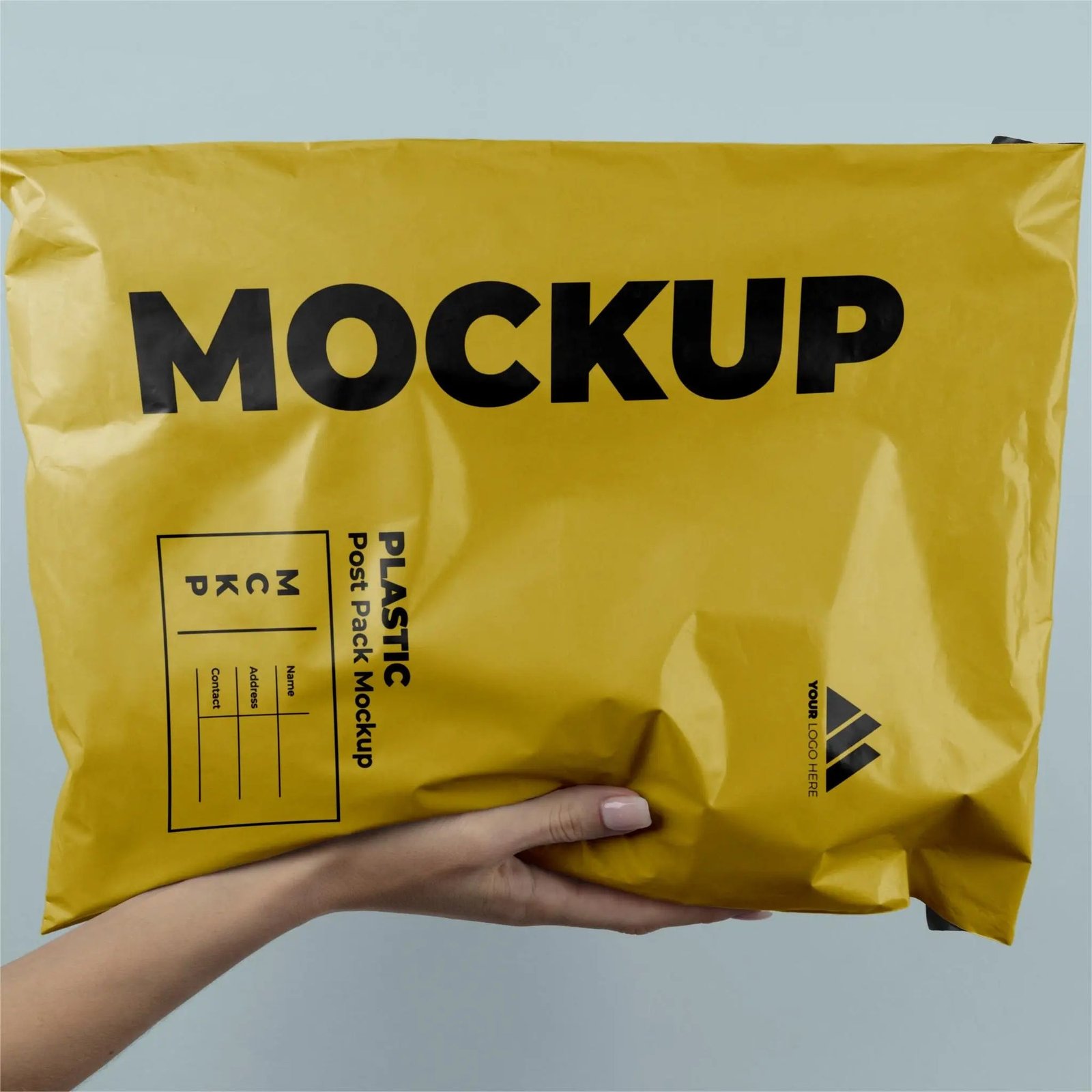
Branded Packaging
Finish orders with custom polybags, tissue, sticker seals, cartons and packing inserts tailored to your fulfillment process. Branded packaging protects custom fleece hoodie orders in export transit while delivering a consistent unboxing experience.
About JUNSHEEN Custom Fleece Hoodies
Founded in 2010 in Humen Town, Dongguan, JUNSHEEN helps fashion brands turn custom fleece hoodie concepts into production-ready collections. Our mission is straightforward: provide responsive OEM, ODM and private-label manufacturing that supports new launches at 100 units per style and color, then scales with your growth.
More than 200 skilled workers support cut-and-sew development, knitting, fabric sourcing, embroidery, printing, washing, finishing, labeling, packaging and export coordination in one connected supply chain. With monthly capacity above 80,000 units, we can support focused capsule programs as confidently as ongoing global production.
What sets JUNSHEEN apart is a fit-first approach to every custom fleece hoodie. Our pattern team develops balanced XS–3XL, extended-size, plus-size and oversized fits instead of simply enlarging a base pattern. That technical care, paired with records retained for repeat orders, has helped us serve more than 2,000 fashion-brand clients worldwide.

Custom Fleece Hoodie OEM Capabilities, Built Deeper
Fit-First Pattern Development
JUNSHEEN develops each custom fleece hoodie from XS to 3XL with balanced shoulders, sleeve lengths, body proportions and grading increments. Our pattern team refines oversized, standard and extended-size fits before bulk production, helping reduce costly sampling revisions.
- XS–3XL and extended-size grading
- Oversized and standard-fit development
- Prototype, size-set and approval support
- Tech pack, sketch or reference-garment input

Integrated Cut-and-Sew Production
From fleece sourcing through sewing and finishing, JUNSHEEN manages the production details in one coordinated apparel supply chain. This gives brands clearer control over garment weight, hand feel, construction, rib trims and manufacturability for launch-ready hoodies.
- Fleece, French terry and blended fabrics
- Cut-and-sew construction expertise
- Fabric and trim sourcing support
- 100-unit MOQ per style and color
Decoration Under Factory Control
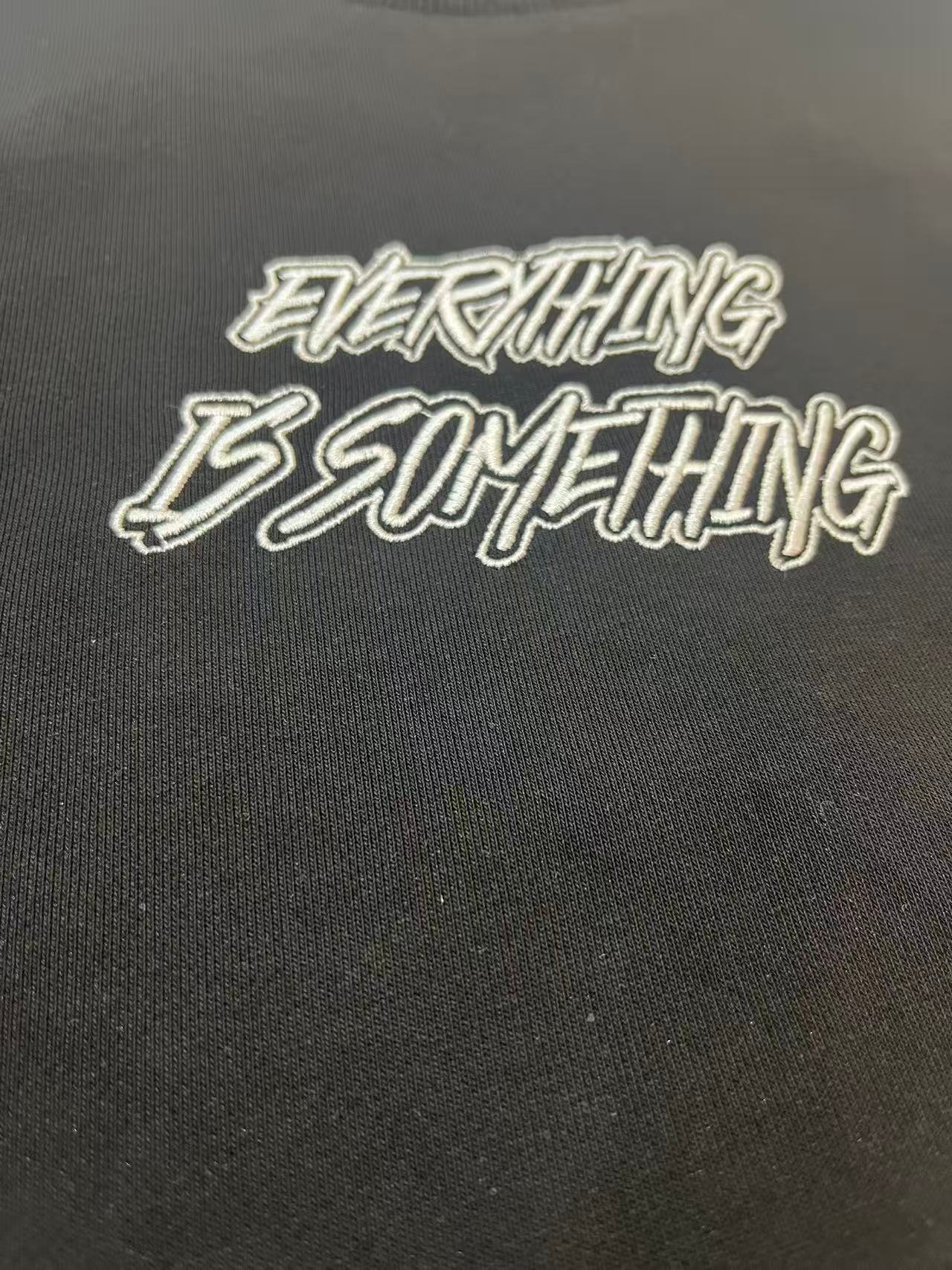
Build a branded custom fleece hoodie with decoration and finishing selected for your artwork, fabric and target market. In-house embroidery, print options, washing and private-label components are coordinated against approved samples to keep visual details consistent across production.
- Embroidery, puff and patch applications
- Screen print, DTF, DTG and transfers
- Brushing, napping and garment washes
- Custom labels, drawstrings and packaging

Repeat Orders That Scale
JUNSHEEN retains approved patterns, graded size sets and material records to support more consistent repeat programs. With 200+ skilled workers and monthly capacity above 80,000 units, we can move from capsule quantities to scalable global hoodie production.
- Records retained for repeat consistency
- 80,000+ units monthly capacity
- In-line and final quality inspections
- Global export and shipment support

Why Choose JUNSHEEN for Custom Fleece Hoodies?
A fit-first, production-ready partner for brands that need dependable development and scalable delivery.
← 左右滑动查看 →
Custom Fleece Hoodie Production, From Fabric to Global Delivery
A controlled, fit-focused workflow that moves your approved hoodie program from feasibility review to export-ready packed goods.
Review Specs and Feasibility
JUNSHEEN reviews your tech pack, reference, sizing goals, target cost, MOQ, decoration requirements, and construction details before recommending a practical production route.
Source Fleece and Trims
Our team selects fleece weight, fiber blend, ribbing, drawcords, labels, and packaging components against your hand feel, durability, wash performance, and budget targets.
Develop Samples and Fit
Pattern makers create and grade your custom fleece hoodie from XS through 3XL, then refine fit, measurements, decoration placement, and materials through sample approval.
Cut, Sew, and Decorate
Approved materials move into bulk cutting and sewing, followed by in-house embroidery, printing, washing, brushing, or other specified finishing treatments for consistent execution.
Inspect, Pack, and Export
We check fabric, construction, measurements, fit, decoration, and packed goods, then complete branded packing and coordinate export delivery for your approved bulk order.
Start Your Custom Fleece Hoodie Project
Move from concept to approved bulk production with clear development milestones and global export support.
Submit Your Design Brief
Send a tech pack, sketch, reference garment, or mood board with target quantities, sizing, fabric preferences, decoration details, and destination market.
Review Quote and Materials
Our team checks feasibility, recommends fleece, trims, fit grading, and finishes, then provides a clear quotation and sampling timeline for approval.
Approve Your Production Sample
Review the prototype for fit, measurements, fabric hand feel, color, logo application, and construction before confirming your 100-unit MOQ bulk order.
Confirm Bulk Production
JUNSHEEN finalizes approved specifications, patterns, graded XS–3XL size sets, materials, labels, and packaging, then manages in-line quality control throughout production.
Receive Globally Shipped Goods
Final inspections verify measurements, decoration, workmanship, and packed quantities before your custom fleece hoodies are prepared for reliable export shipment worldwide.
Custom Clothing Manufacturer Credentials and Compliance Documents




Custom Fleece Hoodie Results from Brand Manufacturing Partnerships
JUNSHEEN turned our oversized fleece hoodie sketch into an approved size set in two sampling rounds. The XS–3XL grading finally gave us consistent sleeve lengths and shoulder balance, helping us launch 600 units with far fewer fit-related returns.
Their team matched our target fleece hand feel, handled puff print and private labels, and kept communication clear from sample to shipment. After a 150-unit test order sold through, we reordered 1,200 custom fleece hoodies without rebuilding the specs.
We needed a factory that could start at 100 units but scale quickly for retail replenishment. JUNSHEEN delivered our first 300-piece program on spec, then supported a 2,400-unit follow-up with the same fit, wash finish, and branding details.
Custom Fleece Hoodie FAQ
Clear answers on MOQ, sampling, fit, production, payment, shipping, and confidentiality for your OEM program.
What is the MOQ for a custom fleece hoodie?
Can I order a custom fleece hoodie sample before bulk production?
How long does custom fleece hoodie production take?
Can you develop fleece hoodie sizes from XS to 3XL?
Which fabrics, prints, and finishes are available for fleece hoodies?
What payment terms do you offer for OEM hoodie orders?
Do you arrange international shipping for custom fleece hoodie orders?
How do you protect my custom fleece hoodie design and brand details?
The Complete Buyer’s Guide to custom fleece hoodie
Use this practical framework to specify, source, and price a custom fleece hoodie, evaluate supplier capabilities, compare materials and decoration methods, and avoid costly development and production mistakes.
1. What Is a Custom Fleece Hoodie?
100 units per style and color is a practical starting point for a custom fleece hoodie program: a hooded sweatshirt built around a fleece body, hood, rib-knit cuffs and hem, and usually a kangaroo pocket or split front pockets. For B2B buyers, it is a garment platform rather than simply a logo-ready blank, with the fit, construction, materials, and commercial identity specified for a particular collection. 2 sourcing routes are commonly confused. Blank decoration applies artwork—such as screen print, embroidery, DTF, or patches—to a pre-made hoodie, while OEM or private-label development can change the pattern, body length, shoulder shape, sleeve proportions, hood depth, pocket geometry, drawcords, rib quality, labels, hangtags, packaging, and Pantone color. 280–420 GSM is a typical fleece weight range, selected according to climate, hand feel, silhouette, and target retail position. Buyers can specify cotton/polyester ratios, brushed or unbrushed interiors, anti-pilling or enzyme washes, normal through oversized fits, and graded size sets; extended-size development should adjust proportions rather than merely scale a base pattern. 4 common applications are fashion-label capsules, retailer private-label assortments, promotional or creator collections, and wholesale color programs. A production-ready brief should define the intended wearer, fabric and weight, measurements, decoration placements, trim details, labeling, packing, and approved sample standard before bulk production.
2. The Evolution of Fleece Hoodies
1930s athletic departments helped establish the hooded sweatshirt as a practical layer for training and cold-weather work, while cotton fleece added warmth without the bulk of woven outerwear. That utility DNA still matters: a custom fleece hoodie must first deliver reliable comfort, movement, and wash durability before it earns a fashion premium. 1970s hip-hop, skate, and collegiate culture turned the hoodie into a visible canvas for identity, logos, and community affiliation. Buyers now source silhouette as deliberately as graphics, specifying dropped shoulders, longer sleeves, roomy bodies, and size grading that preserves proportion across XS through 3XL rather than simply enlarging a standard block. 2020s streetwear and premium basics have pushed many programs toward 400-500 GSM brushed fleece, enzyme or anti-pilling washes, dense ribbing, and carefully matched hood shapes. Recycled cotton blends, organic-cotton options, coordinated sweat sets, and traceable trim choices can strengthen a brand story, but each claim should be supported by supplier documentation; sample approval should confirm hand feel, shrinkage, color, and the relationship between the hoodie and matching bottoms.
3. Types of Custom Fleece Hoodie
Six core formats cover most custom fleece hoodie assortments, from entry-level pullovers to technical layers. Select the format before sampling because zipper hardware, body proportion, fabric weight, and decoration area all affect cost and seasonal positioning.
| Format | Best Use | Key Construction |
|---|---|---|
| Pullover | Core graphics | Kangaroo pocket |
| Zip-up | Layering | Zipper and facing |
| Heavyweight | Winter premium | 400–500 GSM |
| Performance | Active casual | Stretch seams |
Pullover And Zip-Up

1 pullover silhouette offers the cleanest front panel for large screen prints, embroidery, and collegiate graphics. It suits core unisex programs and value-focused drops because it eliminates zipper and facing costs. 1 full-zip style serves layering customers and transit-to-gym merchandising. Specify a reliable molded or nylon-coil zipper, zipper tape color, and pocket construction early; split-front artwork needs careful registration.
Oversized And Cropped Fits

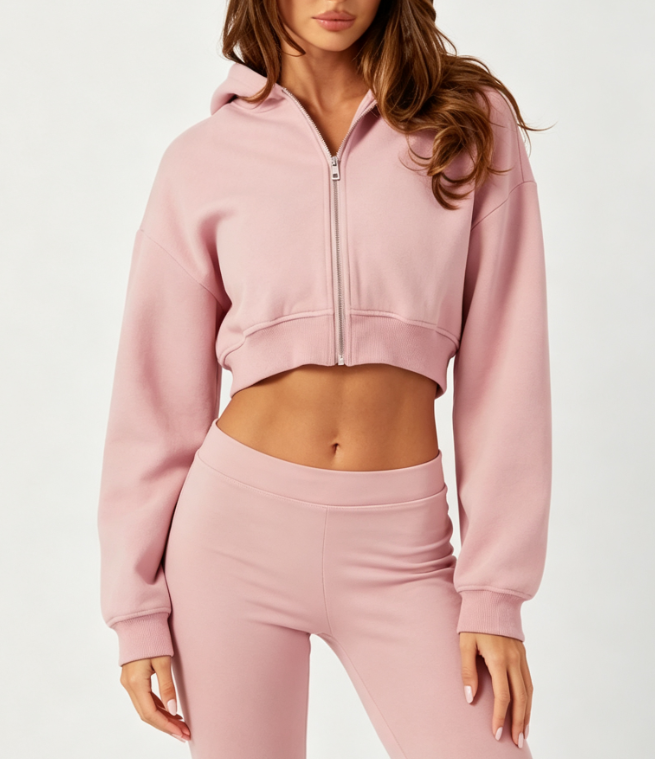
5–10 cm of added chest ease creates a deliberately oversized silhouette for streetwear, younger customers, and premium graphic capsules. Control shoulder drop, sleeve length, and hood scale through a graded size set rather than simply enlarging a regular block. 1 cropped hoodie targets womenswear and fashion-led assortments, often paired with high-rise bottoms. Shorter body length changes rib tension and pocket placement, while tonal embroidery or small chest logos preserve the silhouette.
Heavyweight Premium Styles

400–500 GSM fleece supports a structured, high-value hand feel for cold-weather collections and elevated retail pricing. Use reinforced pocket corners, substantial rib, and an oversized hood to match the fabric’s visual weight. 1 premium blank can carry puff ink, dense embroidery, applique, or custom patches effectively. Buyers should allow for heavier freight and confirm wash testing before approving a garment-dyed or brushed finish.
Performance-Oriented Hoodies

280–360 GSM stretch fleece or performance knit suits commuting, warmups, and active casualwear where mobility matters. Raglan sleeves, flatlock seams, zip pockets, and moisture-management finishes help justify a technical price tier. 1 restrained logo system—silicone transfer, reflective print, or tonal embroidery—keeps performance styles functional and brand-forward. Confirm stretch recovery, colorfastness, and trim durability after repeated laundering before bulk production.
4. Custom Fleece Hoodie Materials and Fabrics
280–500 GSM is the practical range for a custom fleece hoodie, but composition determines whether that weight feels dense, soft, breathable, or warm. Request swatches and wash-tested samples before approving bulk fabric.
| Fabric | Typical Weight | Performance | Best Positioning |
|---|---|---|---|
| Cotton-rich fleece | 320–400 GSM | Soft; warmer; may shrink | Premium casualwear, screen prints |
| Cotton-poly fleece | 280–380 GSM | Durable; lower shrinkage | Core retail and uniforms |
| Recycled-poly blend | 280–360 GSM | Resilient; quick-drying | Performance-conscious programs |
| French terry | 280–340 GSM | Loopback; breathable | Spring, layering, mild climates |
| Brushed fleece | 330–420 GSM | Plush; warm; pilling risk | Fall/winter comfort hoodies |
| Heavyweight fleece | 450–500 GSM | Dense; structured; durable | Premium oversized streetwear |
Weight And Seasonal Use
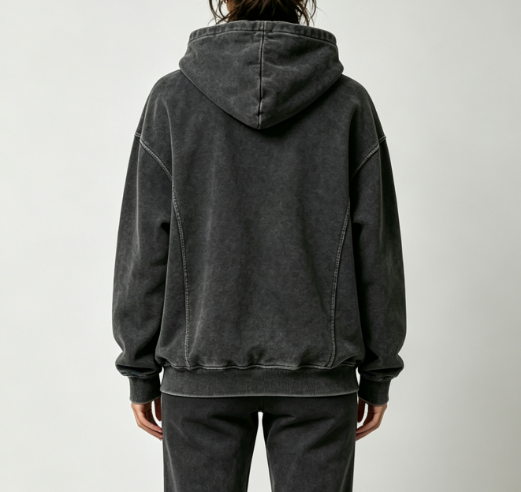
280–320 GSM suits spring layers and indoor retail; 350–420 GSM supports core fall and winter programs. 450–500 GSM creates a premium, structured heavyweight silhouette for cold climates.
- French terry: breathable transitional weight
- Brushed fleece: warmer cold-weather interior
- Heavyweight fleece: structured premium streetwear
Fiber Performance Tradeoffs

100% cotton-rich fleece offers a natural hand and strong water-based or discharge-print potential, yet needs controlled pre-shrinking to manage wash change. Cotton-poly blends resist distortion and dry faster, while recycled-poly blends add durability but may need lower-temperature print testing.
- Ring-spun cotton improves surface smoothness
- Polyester helps reduce pilling and shrinkage
- Recycled polyester suits performance-minded collections
Sampling For Reliable Results
2–3 wash cycles on a development sample reveal shrinkage, surface pilling, color loss, and print cracking before production. Junsheen can assess hand feel, target cost, decoration method, and intended market before material confirmation.
- Measure body and sleeve shrinkage
- Check brushed-face pilling after washing
- Test print adhesion on finished fabric
5. Custom Fleece Hoodie Decoration Options
Six decoration routes cover most custom fleece hoodie programs: stitch, ink, digital print, transfer, appliqué, patches, and branded components. Select them by artwork, anticipated wear, and retail positioning before approving the sample.
| Method | Effect And Durability | Color Or Placement | Setup And Volume |
|---|---|---|---|
| Screen print | Bold, durable ink | 1–6 colors; broad flat areas | Screens required; best at 100+ |
| Embroidery | Textured, premium stitch | Thread limits; chest, sleeve, patch | Digitizing required; 100+ |
| DTG | Detailed, soft digital image | Full color; smooth fabric zones | Low setup; small runs |
| Heat transfer | Sharp multicolor graphic | Flexible placements | Minimal setup; samples or small runs |
| Appliqué or patch | Layered, elevated branding | Limited shapes; stitchable zones | Component setup; premium programs |
Print And Stitch Selection

1–6 spot-color screen prints give opaque, durable graphics and lowest unit cost after screens are made; use them for repeat orders of 100+ units. DTG reproduces photographic shading without color-count limits, while heat transfers suit small runs, names, and complex multicolor art. Embroidery adds raised texture and premium perceived value but can distort lightweight fleece or very fine lettering.
Premium Brand Details
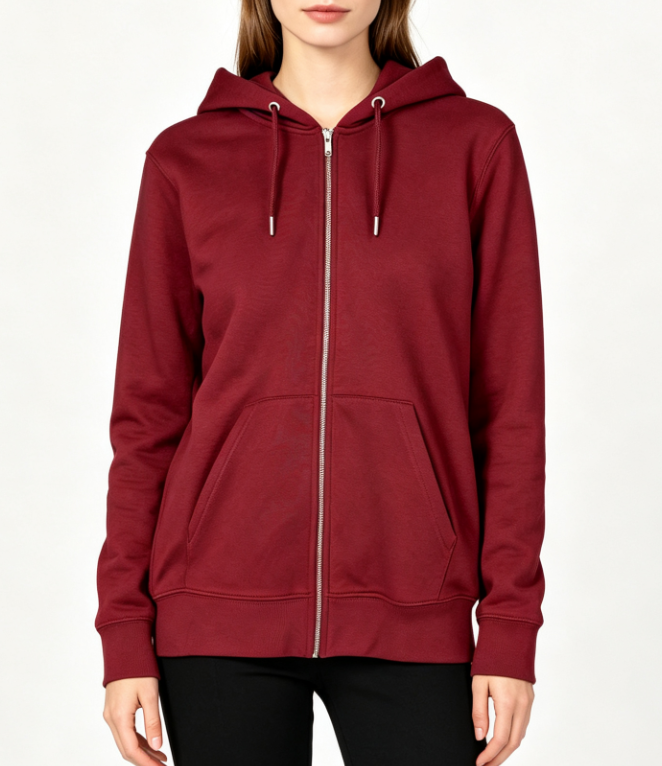
2–4 mm appliqué, chenille, or embroidered patches create a varsity or streetwear effect with strong retail presence. They need separate components and stitch placement approval, so reserve them for higher-margin styles. Woven main labels, printed neck labels, custom drawcords, metal aglets, and branded zipper pulls build private-label credibility. Confirm heat resistance, pull strength, and color matching on the production sample.
Placement And Sample Approval
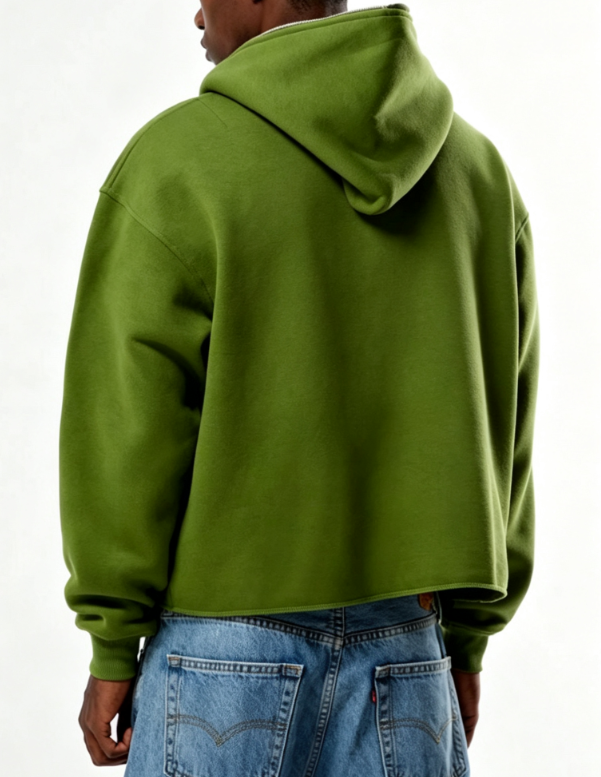
3 placement zones—left chest, full back, and sleeve—cover most commercial layouts; oversized prints require platen and artwork-size confirmation. Hood, pocket, seam, and rib placements need extra checks for distortion and sewing access. 100-unit programs benefit from simplified artwork and shared Pantone colors. Approve strike-offs for screen ink, thread charts, transfers, and neck-label artwork before bulk cutting.
6. Key Hoodie Construction Quality Elements
Premium construction starts with measurable tolerances, not a softer hand feel. For a custom fleece hoodie, buyers should lock material, stitching and wash standards before approving bulk production.
Fabric Weight And Shrinkage

280–420 GSM fleece should remain within an agreed GSM tolerance across dye lots; request test swatches from the approved bulk fabric. 3–5% dimensional change is a common control target after the specified wash method; state length, chest and sleeve tolerances in the tech pack.
- Record pre- and post-wash measurements
- Specify tumble-dry or line-dry testing
- Approve color and hand feel after washing
Seams And Shoulder Support
8–12 stitches per inch is a useful starting specification for durable seams, adjusted for fabric thickness and stitch type. 1 shoulder tape or reinforced back-neck seam reduces stretching at a high-stress area; inspect seam allowance, skipped stitches and puckering on samples.
- Specify overlock and coverstitch locations
- Check shoulder seam alignment
- Confirm pocket bartack placement
Hood, Rib And Hardware

2-panel and 3-panel hoods create different profiles; approve the hood opening, crown depth and drawcord exit position on a worn sample. 95/5 cotton-elastane rib is commonly used where recovery matters; test cuff and hem rebound after repeated stretching. For zip styles, name the zipper supplier, gauge, puller and stop type.
- Use cord locks only where market-safe
- Specify drawcord length by size
- Verify zipper operation after washing
Inspection Requirements
1 approved size set should be washed before production release, with measurements compared against graded specifications. AQL inspection should cover packed garments as well as in-line work; require checks for fabric defects, measurements, decoration adhesion, pocket security and final shrinkage records.
- Include Pantone and trim approvals
- Set measurement tolerances by point
- Retain sealed pre-production sample
7. Choosing a Custom Fleece Hoodie Manufacturer
A 100-unit MOQ can suit a capsule, but it does not prove a factory can protect fit, color, and delivery. Compare suppliers by documented development capability and repeatable controls, not by the lowest quotation.
MOQ And Sampling
100 units per style and color is a practical entry point; confirm whether MOQ changes by fabric, color, and decoration method. 2 sample rounds are common before bulk approval. Ask for dated sample photos, measurement sheets, revision records, and a pre-production sample commitment.
- What is the MOQ by colorway?
- Who pays for revised samples?
- Can approved samples be retained?
Fabric And Fit Development

280–400 GSM fleece choices should be quoted with composition, shrinkage allowance, weight tolerance, and available color minimums. XS–3XL programs need graded patterns, not enlarged base sizes. Request size charts, grading rules, wash-test results, and a fitted size-set review.
- Which mill supplies the fleece?
- What shrinkage test is used?
- Can swatches precede bulk booking?
Decoration And Compliance
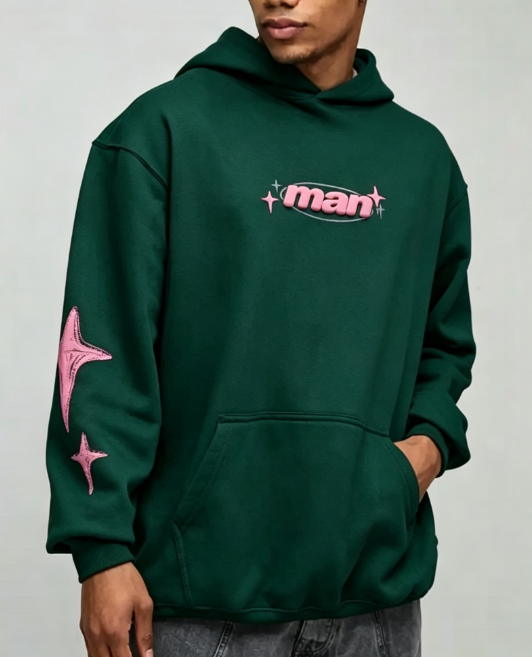
3D embroidery, screen print, DTF, and silicone transfers have different hand feel, registration, and wash-risk profiles; evaluate them on the actual fleece. OEKO-TEX, GOTS, WRAP, or BSCI documents should be requested when required by the brand or market. Ask for current certificates, relevant test reports, and decoration wash-test photos.
- Which tests match the destination market?
- Are subcontractors disclosed?
- Can branded trims be traced?
Controls And Delivery
7–14 days for sampling and 30–60 days for bulk are planning ranges, not guarantees; obtain a critical-path schedule showing fabric booking, approvals, production, and inspection. 200-worker capacity or a large monthly output matters only when capacity is allocated. Request factory credentials, recent production references, inspection reports, and one accountable communication contact.
- What triggers a delay escalation?
- Which inspections occur in-line?
- When is final balance due?
8. Common Custom Hoodie Sourcing Mistakes
Most costly hoodie problems begin before bulk production, when a seemingly minor approval omits a technical variable. A custom fleece hoodie should be sourced as a specification set: material, wash behavior, artwork, measurements, order quantity, and packing all need written sign-off.
Specify Fabric Performance
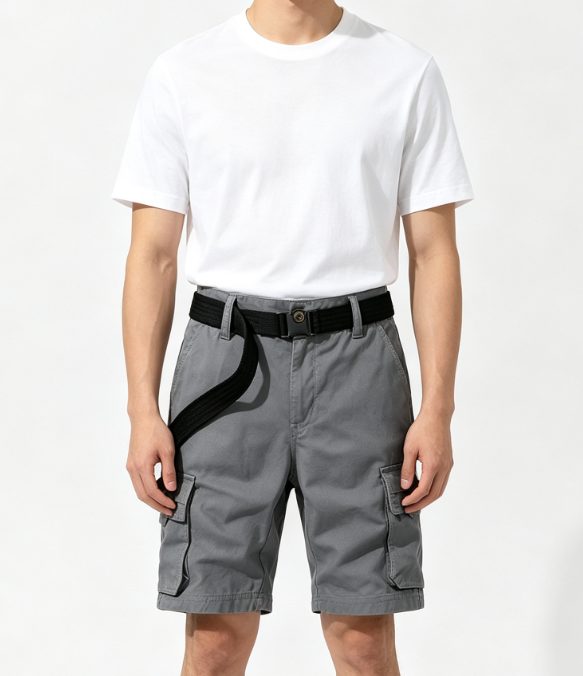
280–400 GSM fleece can share the same cotton/polyester composition yet differ sharply in face feel, shrinkage, pilling, and recovery. Request swatches plus a sewn sample, then approve hand feel, weight, color, and wash-tested measurements rather than composition alone.
Test Before Sample Approval
3 wash-and-dry cycles reveal shrinkage, twisting, color loss, print cracking, and rib recovery that a fresh sample can hide. Record the wash method and accept only after the approved sample still meets the measurement chart and appearance standard.
Control Artwork And Measurements

1 vector artwork package should include AI, PDF, or EPS files, Pantone references, placement dimensions, and the intended decoration method. Vague raster logos invite redraw fees, incorrect colors, or soft edges; define measurement tolerances, such as ±1–2 cm, by point of measure before sampling.
Match Complexity To Quantity
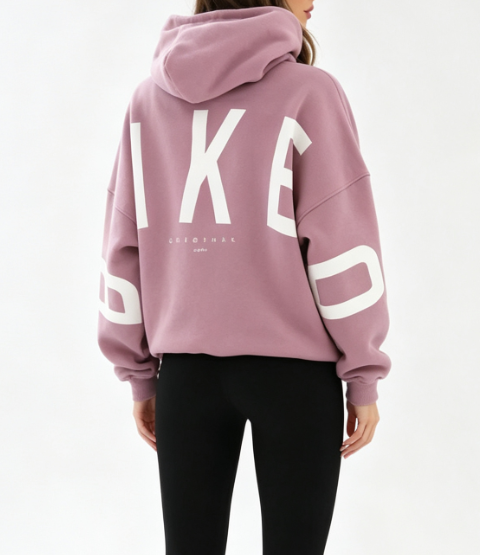
100 units per style and color can suit a capsule, but multiple print locations, custom dye, embroidery, special washes, and bespoke packaging raise setup costs quickly. Cost the decoration and packaging separately, consolidate variants where possible, and approve carton, polybag, label, hangtag, folding, and barcode requirements before production.
9. Steps to Launch Your Hoodie Collection
A 100-unit custom fleece hoodie launch needs a locked critical path before sampling starts. Set the retail window first, then work backward through approvals, freight and production so late decisions do not consume the delivery buffer.
Define Positioning And References
Week 1 should establish target customer, retail price, channel, launch date and two to four comparable references. Specify whether the product is heavyweight streetwear, team merchandise or a core fleece program, because that decision governs fit, GSM and decoration.
- Reference photos from front, back and inside
- Target retail price and margin
- Colorway count and Pantone codes
- Required size range and fit intent
Build The Tech Pack
Week 2 should convert references into a production document: flat sketches, point-of-measure chart, construction callouts, artwork files and trim list. Include tolerances, placement dimensions and wash expectations; a sketch without measurements cannot be approved reliably.
- AI, PDF or vector artwork
- Bill of materials and labels
- Pantone TCX or TPX references
- Packaging and carton requirements
Approve Materials And Fit

Weeks 3–5 typically cover swatches, a first prototype and fit corrections. Approve the fleece composition, weight, color, rib, drawcord and decoration strike-off before requesting revised samples; changing several variables together obscures the cause of a fit issue.
- Fabric hand feel and shrinkage
- Body and sleeve measurements
- Hood shape and pocket placement
- Print or embroidery scale
Lock Production Controls
Weeks 6–7 require approval of the graded size set and pre-production sample, which becomes the bulk-production standard. Confirm measurement tolerances, approved artwork, label copy, packing method and inspection standard in writing before cutting.
- Signed size-set approval
- Approved pre-production sample
- Final purchase order quantities
- Inspection checkpoints and AQL expectation
Protect The Delivery Window
Bulk timing should include fabric booking, cutting, sewing, decoration, final inspection and freight—not only factory sewing days. Reserve a 10–15% calendar buffer for seasonal drops, and release no artwork, color or packaging changes after pre-production approval unless the delivery date is revised.
- Approve samples within 48–72 hours
- Book freight after bulk schedule confirmation
- Inspect packed goods before balance payment
- Allow destination customs contingency
10. Custom Fleece Hoodie Pricing and Costs
100 units per style and color is JUNSHEEN’s practical starting point for a capsule custom fleece hoodie program; at this tier, development, fabric minimums, and setup are spread across fewer garments. A final factory quote should follow approval of the tech pack, graded size range, fabric swatch, color count, decoration artwork, packaging specification, and ship-to destination. 280–420 GSM fleece generally costs more than lighter 250–320 GSM qualities because yarn consumption, brushing, and freight weight rise; ring-spun cotton-rich blends also price differently from open-end cotton or polyester-rich fleece. Garment dyeing, acid wash, a lined hood, panel seams, oversized grading, YKK zippers, custom drawcords, woven labels, and individual polybags each add material, labor, or process cost. 7–30 days is a typical sampling window depending on pattern readiness, fabric availability, wash tests, and revised fit comments; approved bulk orders then require production scheduling and destination-specific freight planning. Screen-print color count, puff or high-density effects, embroidery stitch count, DTG/DTF artwork coverage, inspection level, cartons, duties, and air versus sea shipping can move the landed cost materially.
| Order quantity | Indicative unit-cost position | Typical bulk lead time |
|---|---|---|
| 100–299 units | Highest per-unit cost; best for testing a fit or colorway | 30–45 days after approvals |
| 300–999 units | Setup and fabric costs spread more efficiently | 35–50 days after approvals |
| 1,000+ units | Best leverage on fabric, trims, and repeat decoration | 40–60 days after approvals |
Ready to Develop Your Custom Fleece Hoodie?
Send your tech pack, reference garment, or product idea for a fit-focused development plan and tailored quotation from JUNSHEEN.