
Custom Heavyweight Hoodies From 100 Units
Develop custom heavyweight hoodies with OEM, ODM and private-label support, fit-focused XS–3XL grading, and dependable global production.
Featured Products for custom heavyweight hoodies Development


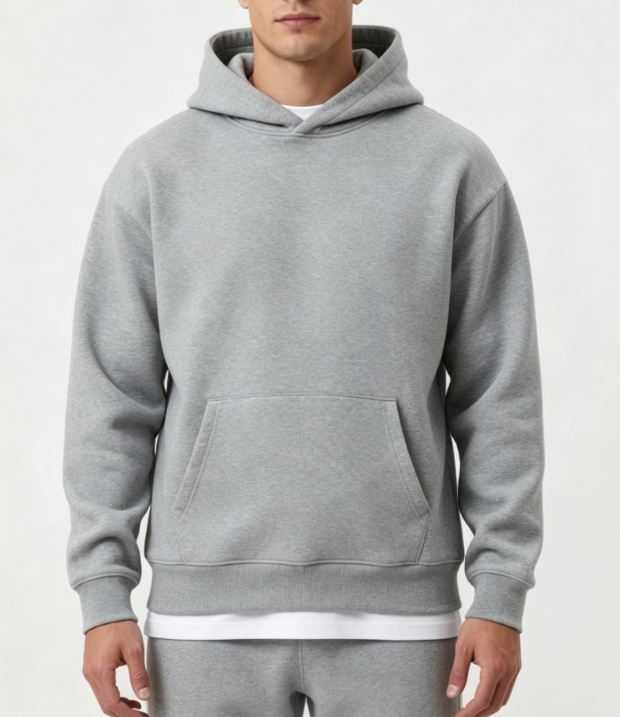
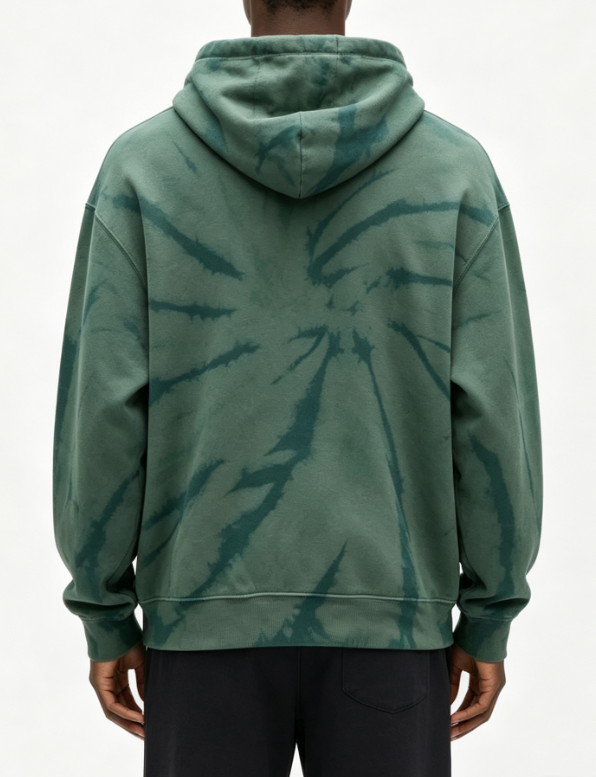


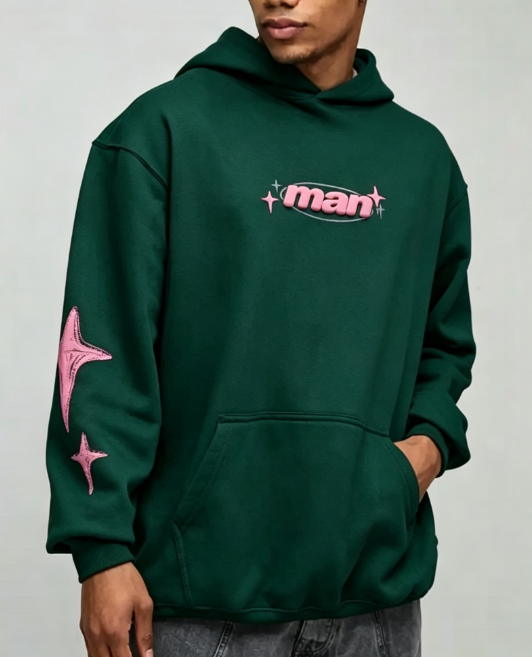

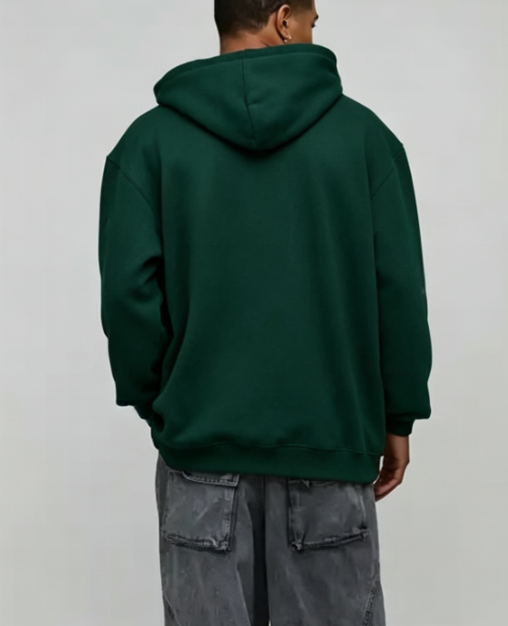
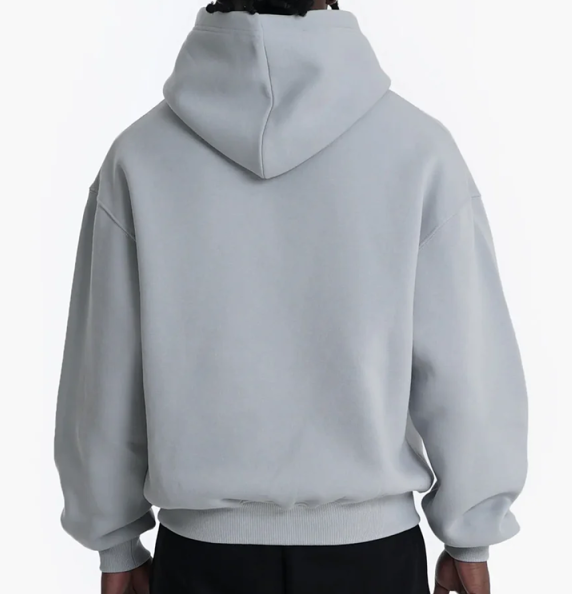


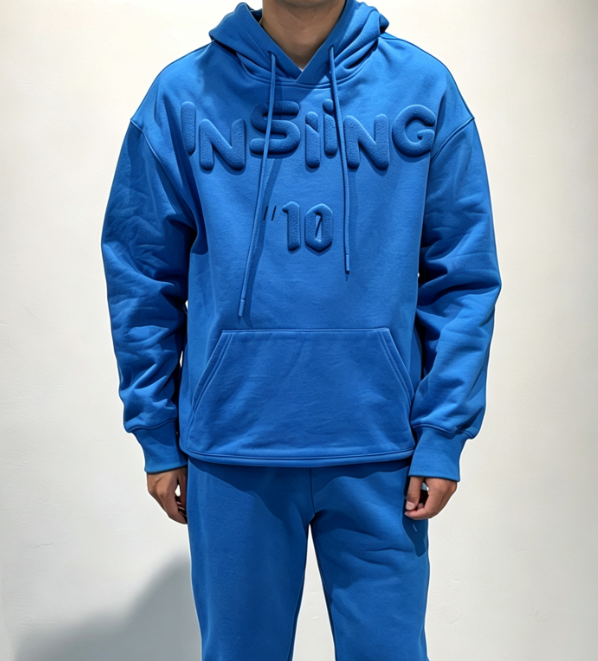
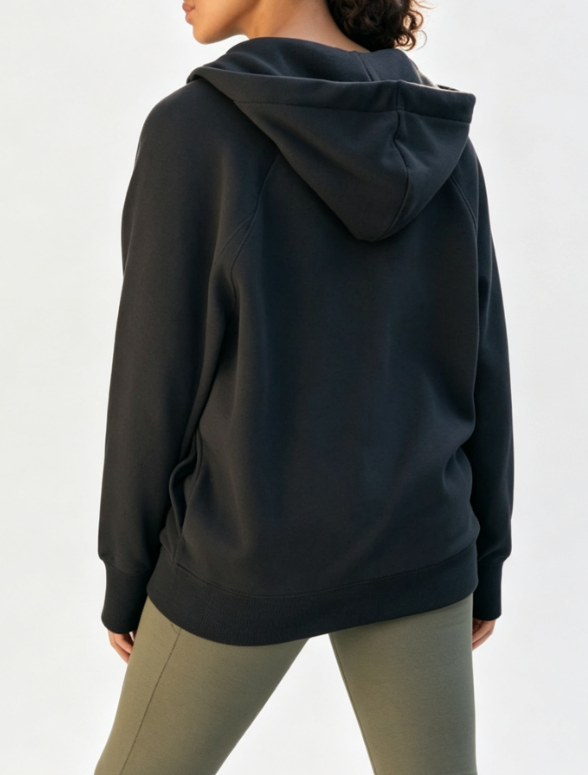

Related Product Catalogue and Quotation




Why Brands Source Custom Heavyweight Hoodies From JUNSHEEN
A production partner built for flexible launches, fit consistency, dependable scale, and export-ready hoodie programs.
100-Unit Starting MOQ
Launch custom heavyweight hoodies from 100 units per style and color, giving new labels a practical path from samples to market.
Fit-Focused XS–3XL Grading
Pattern makers refine proportions, mobility, shoulders, sleeves, and grading increments for regular, oversized, extended-size, and plus-size hoodie fits.
One-Stop Product Development
Move from a tech pack, sketch, reference garment, or idea through fabric sourcing, pattern making, sampling, size sets, and bulk approval.
In-House Decoration And Finishing
Coordinate embroidery, screen printing, transfers, washes, labels, trims, and branded packaging within one managed heavyweight hoodie supply chain.
Scalable Production Capacity
Work with 200+ skilled workers and 80,000+ monthly units of capacity for capsule launches, repeat orders, and growing global programs.
Global Export Support
Receive responsive production coordination, quality control, packed-goods inspection, and export support for hoodie orders shipping to worldwide markets.
Custom Heavyweight Hoodie and Apparel Programs
OEM, ODM and private-label production for fashion labels building fit-focused casualwear, denim, knitwear and outerwear from 100 units per style and color.

Custom Hoodies
Develop custom hoodies in heavyweight fleece, French terry or jersey with oversized, standard and extended-size fits from XS to 3XL. Support includes pattern development, fabric sourcing, embroidery, screen printing, washes, labels and branded packaging.
Request a Quote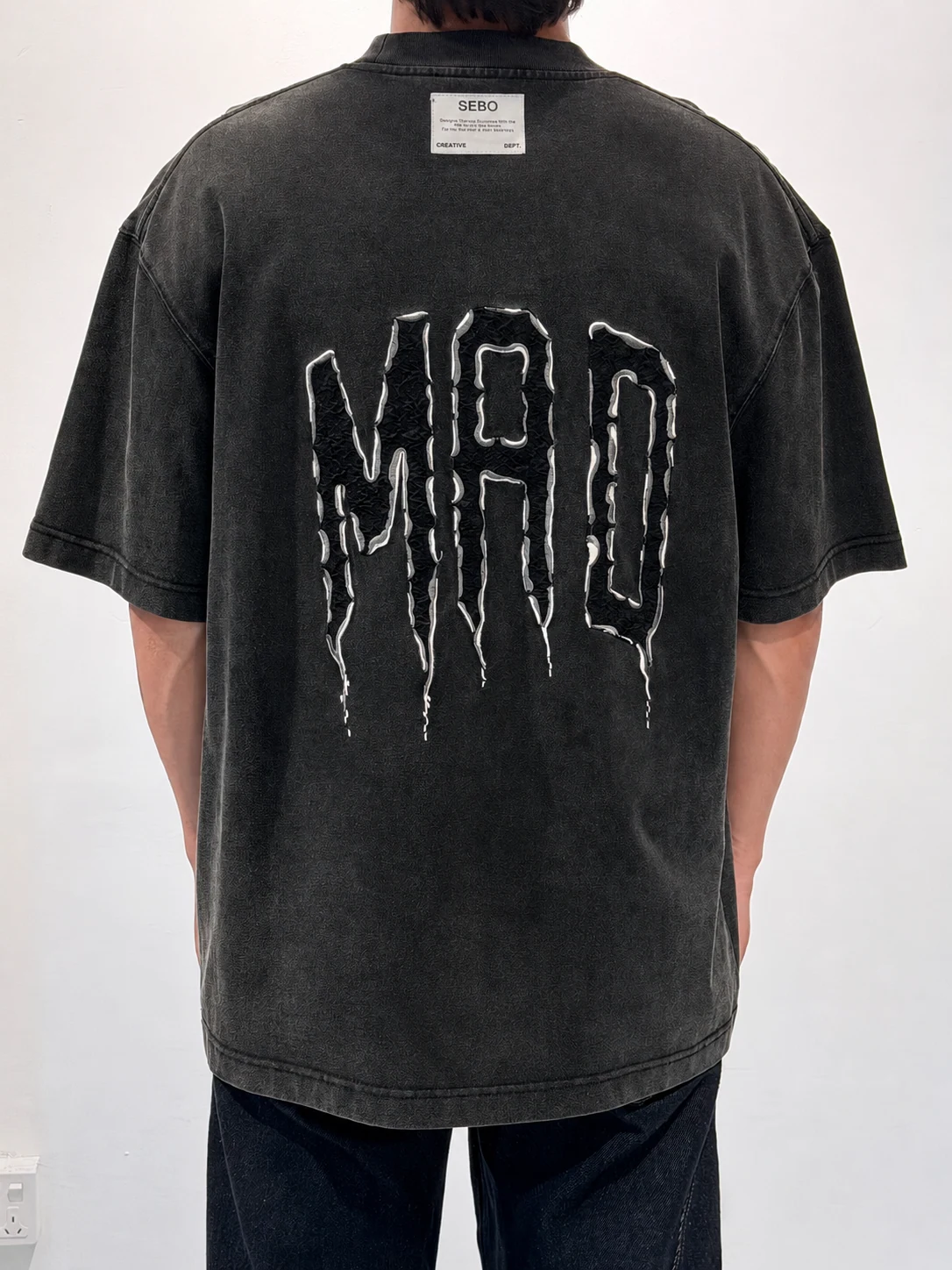
Custom T-Shirts
Produce custom T-shirts in combed cotton, Pima cotton, organic cotton and blended jersey. Junsheen supports silhouette development, size grading, neck construction, screen printing, DTG, DTF, embroidery, garment dye and private-label finishing.
Request a Quote
Custom Jeans
Manufacture custom jeans in rigid denim, stretch denim and washed constructions. Development covers fit blocks, rises, inseams, pocket details, hardware, distressing, stone wash, acid wash, embroidery and graded XS–3XL size sets.
Request a Quote
Custom Sweaters
Source and produce turtleneck sweaters in bulk for wholesale and private-label programs. Choose knitted constructions, yarn blends, gauges, rib details and fit proportions, with samples reviewed before bulk production for consistency across colorways and sizes.
Request a Quote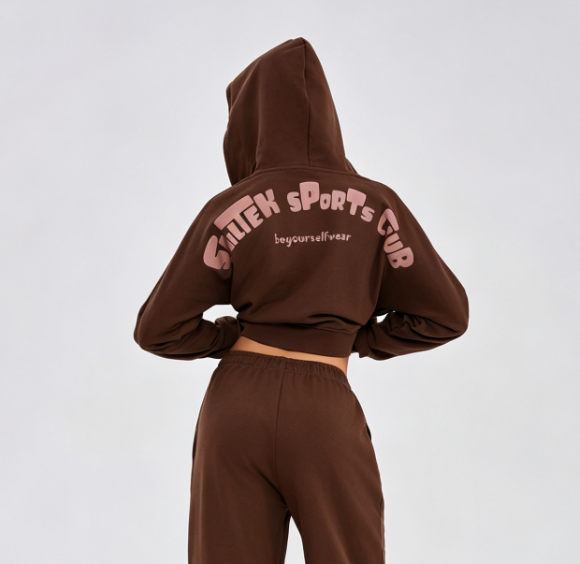
Custom Jackets
Build custom jean jackets and other denim outerwear with brand-specific silhouettes, pocket layouts, seam details and trims. Denim washes, patches, embroidery, screen printing, custom buttons, labels and packaging can be integrated in one production program.
Request a Quote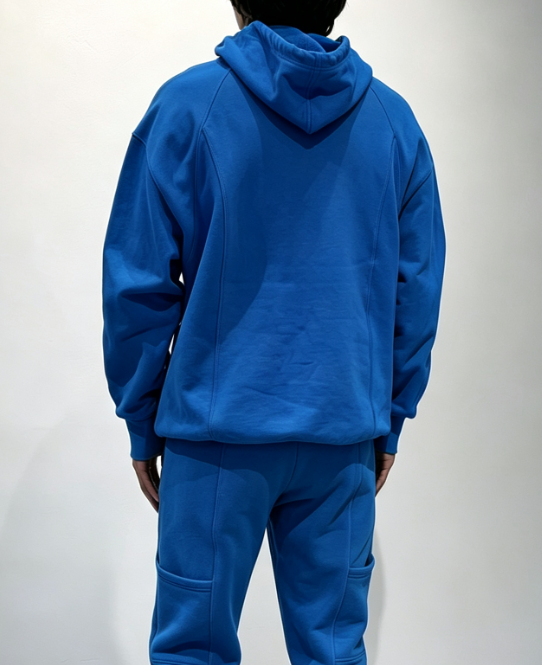
Custom Sweatshirts & Crewnecks
Develop custom crewneck hoodies, sweatshirts and crewnecks in fleece or French terry. Pattern makers refine shoulder balance, body length and sleeve proportions for regular, oversized and extended-size fits, then coordinate decoration, finishing and private labeling.
Request a Quote
Custom Cardigans
Produce custom cardigans in knitted yarns and gauges suited to your target price point and hand feel. Programs can include button or zipper closures, rib trims, embroidery, custom labels, graded sizing and wholesale-ready packing.
Request a Quote
Custom Puffer & Down Jackets
Manufacture custom puffer jackets with specified shell fabrics, insulation, quilting patterns, linings, zippers and reflective details. Development includes fit review, sampling and quality checks for construction, measurements, filling distribution and final packed goods.
Request a Quote
Custom Denim Shorts
Create custom jean shorts in rigid or stretch denim with tailored rises, inseams, hems, pocket treatments and hardware. Junsheen supports wash development, distressing, embroidery, labels and scalable production from 100 units per style and color.
Request a Quote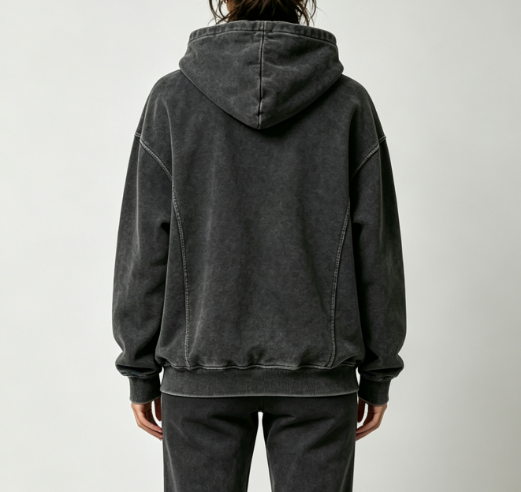
Custom Sweater Dresses
Produce custom sweater dresses with selected yarns, knit gauges, necklines and body proportions. Fit-focused development supports regular, oversized and extended-size grading, while labels, trims, packaging and samples are managed through the same supply chain.
Request a Quote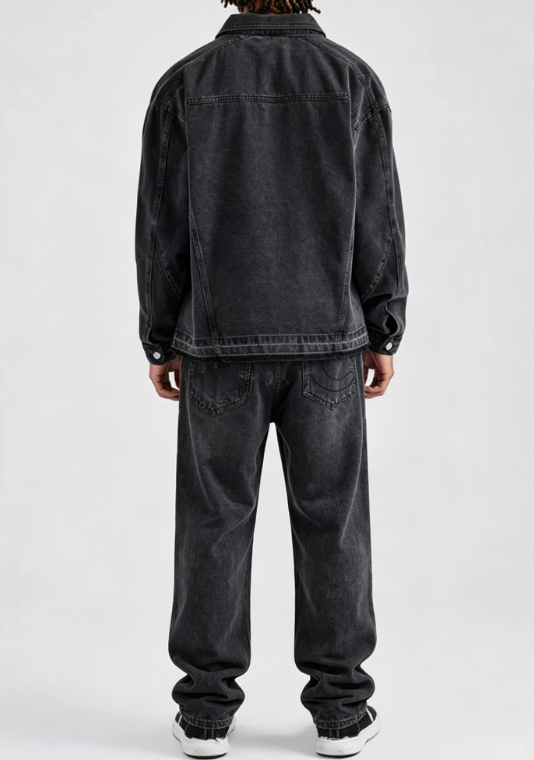
Custom Denim Sets
Develop men’s denim suits for wholesale programs, including coordinated denim jackets, overshirts, jeans and matching separates. Junsheen aligns fabric, wash, color, trims and grading across each set to support consistent retail presentation and repeat ordering.
Request a Quote
Custom Polo Shirts
Manufacture custom polo shirts in piqué, jersey and performance knits with specified collars, plackets, cuffs and fits. Add logo embroidery, screen printing, custom buttons, labels and packaging for branded retail, uniform or wholesale collections.
Request a Quote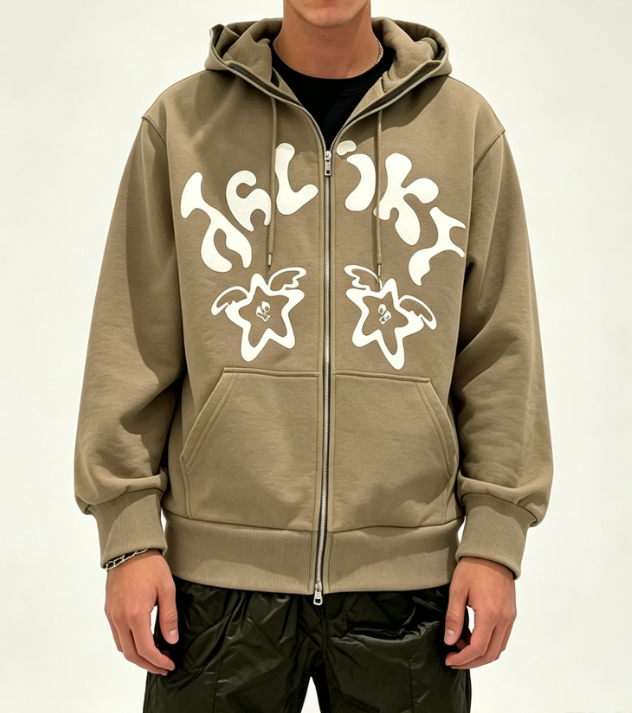
Custom Sweatpants
Produce custom sweatpants in fleece, French terry or jersey with adjustable waists, pocket options, cuffs and fit blocks. Oversized, standard and extended-size patterns can be developed alongside embroidery, printing, washes and private-label details.
Request a Quote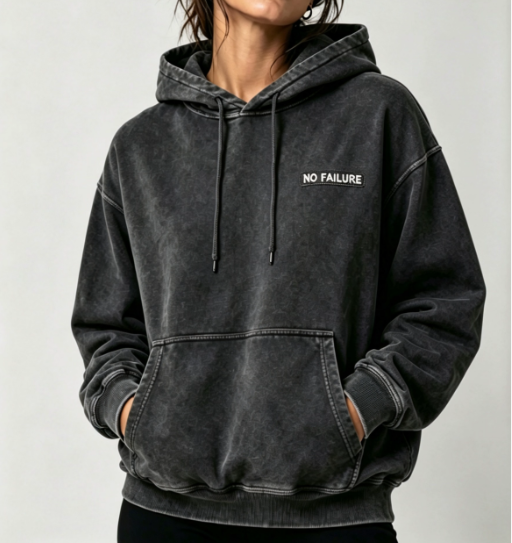
Custom Shorts
Create custom shorts in jersey, fleece, twill, denim or performance fabrics for seasonal collections. Development covers inseam, rise, waistband, pocket construction, fit grading, decoration, labels and packaging for low-MOQ launches or bulk replenishment.
Request a Quote
Custom Pullovers
Develop custom pullovers across knitwear, fleece and woven casualwear constructions. Junsheen supports material selection, neckline and closure details, fit refinement from XS to 3XL, decoration methods, private labeling and production quality control.
Request a QuoteCustom Heavyweight Hoodies: Fabric Options That Perform

Cotton Fleece
A dependable choice for custom heavyweight hoodies, cotton fleece delivers a substantial exterior, soft insulating interior and durable everyday wear. Available in higher GSM constructions, it suits premium streetwear, teamwear and structured oversized silhouettes.

French Terry
French terry has a smooth face and unbrushed loopback interior for breathable warmth and a clean, premium hand feel. Its medium-to-heavy weight makes it ideal for year-round hoodies, layered looks and garment-dye programs.

Brushed Fleece
Brushed fleece creates a plush, warm interior while retaining a firm outer surface for printing and embroidery. Heavier constructions provide a cozy hand feel, reliable insulation and the body needed for cold-weather hoodie collections.

Organic Cotton Blends
Organic cotton blends combine a naturally soft hand with added stability, recovery or durability from carefully selected fibers. They support responsible material stories while giving heavyweight hoodies consistent shape, comfort and wash performance across production runs.

Recycled Fiber Blends
Recycled cotton and polyester blends offer a lower-impact option for brands with sustainability goals. The fabric can be developed in substantial weights, balancing soft comfort, durable wear and practical color, shrinkage and pilling performance.
Custom Heavyweight Hoodies With Distinctive Decoration

Logo Embroidery
Flat, 3D puff, chain-stitch, and applique embroidery create dimensional logo placement with a premium tactile finish. Reinforced stitching and production sampling help maintain clean edges and dependable wear on heavyweight fleece.

Screen Printing
Plastisol, water-based, high-density, silicone, foil, flocking, and discharge screen prints deliver bold artwork with controlled opacity and lasting color. Junsheen tests placement and ink compatibility against your heavyweight hoodie fabric.

Puff Print Effects
Puff ink expands during curing to add raised texture and visual depth to graphics, lettering, and logos. It gives custom heavyweight hoodies a statement finish while preserving clear artwork definition through correct screen and cure settings.

DTF and DTG
DTF and DTG printing suit detailed, multicolor artwork, gradients, and smaller production programs. These methods reproduce fine visual elements cleanly, with application choices matched to fabric composition, hand feel, and wash-performance goals.

Garment Dyeing
Garment dyeing creates rich, lived-in color variation after construction, helping each hoodie feel less uniform and more considered. Sampling confirms shade, shrinkage, hand feel, and compatibility with embroidery, prints, and trims.

Wash Finishing
Enzyme, anti-pilling, acid, stone, softening, brushing, and napping finishes refine surface character and comfort. Junsheen selects the finish to achieve your intended vintage, broken-in, brushed, or premium soft-touch appearance.
Custom Heavyweight Hoodies: Trims, Labels and Accessories

Branded Drawcords
Specify cotton, flat, round, waxed or contrast drawcords with custom tipping, logo aglets and matched colors. Branded drawcords give heavyweight hoodies a finished signature at the hood opening.

Custom Zippers
Add metal, nylon or molded zippers for zip-up heavyweight hoodies, selected for weight, finish and everyday durability. Junsheen can coordinate zipper pullers, tape colors and branded pull details with your design.

Snap Buttons
Use custom snaps on detachable details, pockets, plackets or hybrid hoodie-jacket styles. Available finishes can complement your hardware direction while giving functional closures a more deliberate, premium appearance.

Woven Labels
Build a cohesive private-label system with woven main labels, size labels and wash-care labels. Junsheen applies labels in approved placements so your custom heavyweight hoodies arrive retail-ready and consistent.

Custom Patches
Choose embroidered, woven, chenille, leather-look or rubber patches for chest, sleeve, pocket or back placements. Patches add dimension and brand recognition without relying solely on printed artwork.
Ribs And Packaging
Match cuff and hem rib trims for recovery, hand feel and color continuity, then finish with branded hangtags and packaging. These details help create a complete product presentation from factory to customer.
About JUNSHEEN Custom Heavyweight Hoodies
Founded in 2010 in Humen Town, Dongguan, JUNSHEEN helps global fashion brands turn casualwear concepts into production-ready garments. Our mission is straightforward: provide responsive OEM, ODM and private-label manufacturing that supports launches from 100-unit custom heavyweight hoodies programs to scalable repeat production.
With more than 200 skilled workers and monthly capacity above 80,000 units, we unite cut-and-sew, knitting, fabric sourcing, pattern making, sampling, decoration, washing, labels, packaging and export support in one supply chain. More than 2,000 fashion-brand clients have relied on JUNSHEEN for dependable global production.
What distinguishes JUNSHEEN is fit-first development. We refine heavyweight hoodie patterns and grading from XS through 3XL, including oversized, extended-size and plus-size fits, rather than simply enlarging a base size. This technical approach helps brands approve samples with greater confidence and maintain consistency as volume grows.

Custom Heavyweight Hoodies, Fit-First Development
XS–3XL Fit Engineering
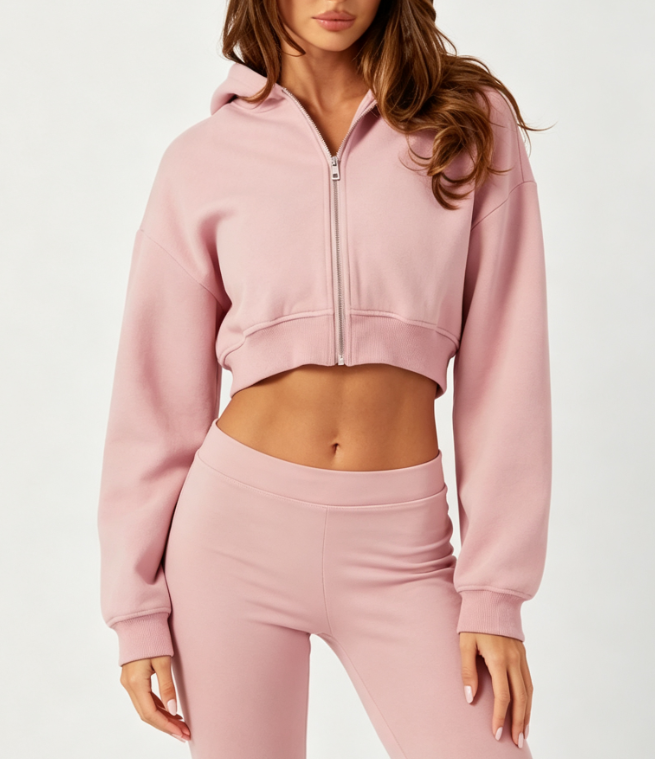
JUNSHEEN develops heavyweight hoodie patterns across XS–3XL, extended sizes, plus sizes and oversized silhouettes. Pattern makers refine shoulder balance, body length, sleeve proportions and grading increments so each size supports the intended fit instead of simply scaling up.
- Normal, oversized and relaxed-fit blocks
- Extended-size and plus-size grading support
- Size-set samples before bulk approval
- Measurement specs retained for repeat orders
Production-Ready Product Development
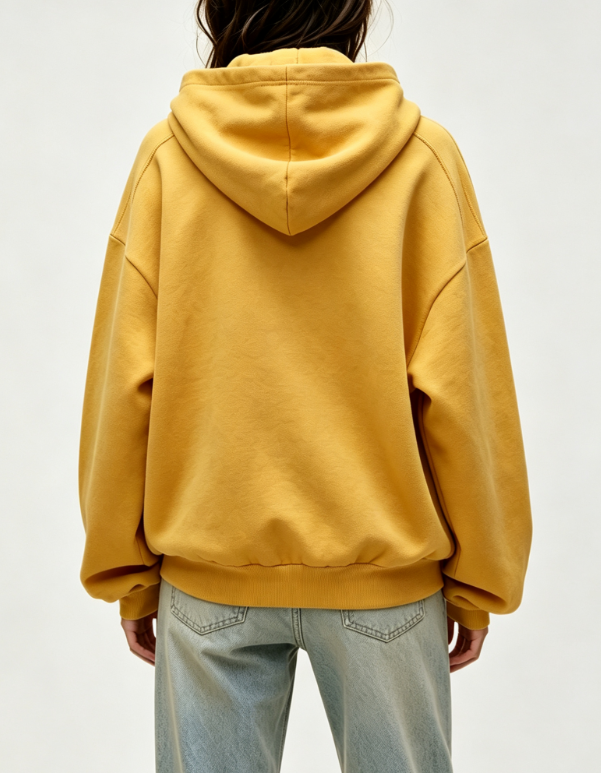
Bring a tech pack, sketch, reference garment or mood board. Our development team reviews construction, fabric weight, pocket placement, hood shape and trim details, then turns the concept into a practical custom heavyweight hoodie specification for sampling and scalable production.
- Tech-pack and feasibility review
- Pattern making and prototype sampling
- Construction and cost recommendations
- Pre-production approval support

Material Sourcing With Purpose
Select heavyweight fleece, French terry, brushed cotton blends and recycled options through a supplier network built for apparel production. Recommendations balance target GSM, hand feel, shrinkage, durability, color performance and your target cost before bulk material confirmation.
- Fabric swatches and sample review
- GSM and composition guidance
- Wash-performance considerations
- Material options matched to costing

Integrated Branding and Finishing
Keep decoration, finishing, labels and packaging aligned within one manufacturing workflow. JUNSHEEN supports embroidery, screen printing, puff effects, washes and branded trims, helping custom heavyweight hoodies arrive retail-ready with fewer handoffs and clearer quality control.
- Embroidery, screen print, DTG and DTF
- Puff, silicone and high-density effects
- Garment wash, brushing and anti-pilling options
- Custom labels, drawstrings and packaging
Why Custom Heavyweight Hoodies Perform Better With JUNSHEEN
Evidence-led development, integrated production and scalable support for hoodie programs from 100 units per style and color.
← 左右滑动查看 →
Custom Heavyweight Hoodies: Production Timeline
A clear, fit-focused workflow for moving your hoodie program from concept and material selection to inspected, export-ready delivery.
Feasibility and Fabric Sourcing
We review your tech pack, reference, target price and quantities, then recommend heavyweight fleece, French terry, ribbing, trims and construction specifications.
Patterns and Fit Development
Pattern makers build or refine the hoodie pattern and grade XS–3XL, balancing shoulders, body length, sleeves, hood shape and oversized proportions.
Prototype Sampling Approval
We produce samples with selected fabrics, decoration and labels for your review, incorporating approved revisions before confirming bulk production specifications.
Bulk Production and Decoration
Our 200+ skilled workers cut, sew, print, embroider, wash and finish custom heavyweight hoodies using approved materials and retained production records.
Multi-Stage Quality Control
Inspections check incoming fabric, in-line construction, measurements, fit, decoration, finishing and final packed goods to maintain consistent approved standards.
Packing and Global Shipping
We apply private labels, hang tags and branded packaging, finalize balance requirements, then coordinate export documentation and shipping for worldwide delivery.
How to Order Custom Heavyweight Hoodies From JUNSHEEN
Move from concept to shipment with clear development support, low 100-unit MOQs, and production coordination built for growing fashion brands.
Send Your Concept
Share a tech pack, sketch, reference garment, mood board, or product idea with your target quantities, fabric preferences, sizing needs, and branding requirements.
Review Feasibility and Pricing
Our team evaluates construction, heavyweight fabric options, decoration, fit grading, trims, and MOQ requirements, then provides practical recommendations, lead-time guidance, and a detailed quotation.
Approve Development Samples
Review prototype samples, measurements, fabric hand feel, wash effects, logo execution, and XS–3XL fit before confirming revisions, size sets, and pre-production specifications.
Confirm Production and Shipping
Approve the final sample and order details, then we manage bulk production, quality inspections, branded packing, balance arrangements, and coordinated global export shipment.
Custom Clothing Manufacturer Credentials and Compliance Documents



Custom Heavyweight Hoodies That Earn Repeat Orders
JUNSHEEN refined our oversized fit across XS–3XL without losing the intended shoulder drop. We approved the second sample round and launched 600 units with only one minor measurement adjustment.
Their development team turned our sketch and fabric references into a production-ready hoodie quickly. Sampling took three weeks, and the finished 420-piece run matched the approved GSM, wash feel, and embroidery placement.
After our first 100-unit colorway sold through, we reordered three colors at 1,800 units total. The retained patterns and size specs made the second production smoother, with consistent fit across every delivery.
Custom Heavyweight Hoodies FAQ
Clear answers on MOQ, sampling, timing, fit development, payments, shipping and confidentiality for your hoodie program.
What is the MOQ for custom heavyweight hoodies?
How much does a custom heavyweight hoodie sample cost and how long does it take?
What is the production lead time for custom heavyweight hoodies?
Can you develop oversized and extended-size heavyweight hoodie fits?
Can you make custom heavyweight hoodies from my tech pack or design idea?
What payment terms do you offer for hoodie orders?
Do you ship custom heavyweight hoodies internationally?
How do you protect my hoodie designs and brand information?
The Complete Buyer’s Guide to custom heavyweight hoodies
Use this practical framework to select specifications, compare supplier capabilities, control costs, and avoid the production mistakes that compromise fit, durability, branding, and delivery for custom hoodie programs.
1. What Are Custom Heavyweight Hoodies?
300–500 GSM is the practical range many buyers use to describe custom heavyweight hoodies, versus roughly 280–350 GSM for many standard fleece programs. The difference is not weight alone: denser knit structure, yarn quality, brushed or looped interior, substantial ribbing, and a firmer hood create the structured hand feel associated with premium streetwear. 400 GSM does not guarantee the same garment across mills. A ring-spun cotton fleece may feel smoother and more compact than open-end fleece at the same GSM, while cotton-poly blends, French terry versus brushed fleece, garment washing, and oversized pattern volume all change warmth, drape, and perceived heft. 3 common positions are elevated merchandise, fashion-led capsule collections, and cold-weather uniform or retail programs. Before development, specify target GSM and composition, interior finish, intended fit and size range, hood shape, rib specifications, Pantone colors, decoration method, wash effect, target cost, and the reference garment or tech pack that defines the desired hand feel.
2. The Evolution of Heavyweight Hoodie Culture
1930s athletic and workwear introduced the hooded sweatshirt as practical insulation for outdoor laborers, training teams, and cold warehouses. Its value proposition was straightforward: a hard-wearing cotton knit, a protective hood, and enough ease for physical movement—requirements that still shape fabric weight, rib recovery, and seam durability. 1970s skate crews and New York hip-hop communities turned the hoodie into a visible uniform for identity, layering, and self-expression. Screen prints, oversized proportions, washed finishes, and team-style graphics made the garment a portable brand surface, so buyers now need a manufacturer that can control placement, color consistency, and wash results across repeat runs. 1990s streetwear labels and 2010s luxury collections elevated heavyweight fleece from basic sportswear to a premium product category. Current custom heavyweight hoodies are expected to combine a deliberately roomy silhouette with durable 400–500 GSM fleece, substantial rib trims, clean hood shape, and elevated details such as embroidery, custom drawcords, woven labels, or YKK zippers. 100-unit capsule orders can therefore serve a clear storytelling purpose: test a fit, finish, and graphic language before expanding colorways or volume. For sourcing teams, the history matters because the strongest hoodie programs translate cultural references into measurable specifications—fabric composition, garment measurements, decoration method, trim standard, and approved wash sample.
3. Types of Custom Heavyweight Hoodies
Six silhouette families cover most custom heavyweight hoodies programs, but their commercial fit differs sharply by channel. Select the block before approving fabric, pockets, trims, and decoration placement, since each changes sampling and bulk risk.
| Silhouette | Best Channel | Fit Direction | Key Detail |
|---|---|---|---|
| Pullover | DTC, campus | Regular or relaxed | Kangaroo pocket |
| Zip-up | Retail, athleisure | Layering room | YKK zipper |
| Oversized | Fashion DTC | Dropped shoulder | Balanced grading |
| Boxy cropped | Trend wholesale | Short body | Separate pattern |
| Vintage wash | Streetwear | Allow wash shrinkage | Washed approval |
| Athletic/workwear | Specialty retail | Mobility or durability | Zip or patch pockets |
Pullover And Zip-Up

100-unit capsule programs often start with a pullover for streetwear, campus, and DTC drops; its uninterrupted chest suits large prints. A kangaroo pocket needs matched rib and clean bartacks. 2-way zip-ups serve layering-led retail and athleisure accounts. Specify a YKK or equivalent zipper, zipper-tape color, and pocket openings during sampling.
Oversized And Boxy Cropped

3XL grading matters most for oversized blocks, where dropped shoulders, sleeve volume, and body length must remain balanced. This silhouette fits trend-focused DTC and fashion wholesale. 2-inch body-length changes can turn a boxy fit into a cropped style. Use separate patterns for cropped proportions rather than shortening every graded size.
Vintage, Athletic, And Workwear

Vintage-wash hoodies appeal to heritage and streetwear customers, but garment dye or acid wash can alter measurements and shade. Approve a washed sample and acceptable color variation. 2-panel athletic styles favor zip pockets and performance trims, while workwear versions need durable patch pockets and reinforced seams. Both require decoration placement checked around panels and hardware.
4. Fabrics for Custom Heavyweight Hoodies
360–500 GSM is the practical heavyweight range, but construction matters as much as weight. For custom heavyweight hoodies, specify fiber content, yarn type, finish, and wash target together; GSM alone cannot predict hand feel or repeat-order behavior.
| Fabric | Typical GSM | Warmth / Surface | Shrinkage / Print / Season |
|---|---|---|---|
| Cotton-rich brushed fleece | 380–500 | High; soft brushed interior | Moderate; excellent print face; fall/winter |
| French terry | 340–420 | Medium; looped, breathable back | Moderate; clean prints; spring/fall |
| Cotton-poly blend | 360–480 | Medium-high; stable surface | Lower; good prints; year-round |
| Recycled blend | 360–450 | Varies by fiber mix | Test first; good with controlled finishing; year-round |
| Loopback construction | 360–440 | Medium; structured loops | Moderate; strong print face; transitional |
Core Fabric Comparison

360–420 GSM suits substantial year-round hoodies, while 450–500 GSM creates colder-season weight and structure.
Yarn And Surface Quality

Ring-spun, combed cotton produces a cleaner face than open-end yarn, supporting sharper screen prints and a more refined hand. Brushed fleece has a soft insulating interior; unbrushed loopback and French terry show defined loops with less bulk. 2-end fleece is common for dependable casualweight programs, while denser 3-end fleece generally improves body and surface stability. Cotton-poly blends add abrasion resistance and reduce pilling risk when polyester quality and anti-pilling finishing are controlled.
Shrinkage And Repeatability

3–5% residual shrinkage is a realistic planning allowance unless fabric is compacted or pre-shrunk before cutting. Confirm wash method, tumble-dry conditions, and finished measurements on the approved sample. 20–30% recycled fiber can support a recycled-blend direction, but fiber consistency, color behavior, and strength should be sampled before bulk approval. Retaining approved swatches, GSM tolerances, and finishing records helps Junsheen reproduce a proven order.
5. Custom Heavyweight Hoodies: Decoration Options
For custom heavyweight hoodies, decoration must suit fleece loft, garment weight, and the intended retail tier. A 100-unit color-and-style program can support either scalable screen-print setups or detail-led digital applications when artwork is prepared correctly.
| Method | Texture | Best Fit | Cost Pattern |
|---|---|---|---|
| Screen print | Smooth to raised | Bold bulk graphics | Setup then lower unit cost |
| DTG | Soft detail | Photographic small runs | Low setup, higher unit cost |
| DTF | Flexible film | Multicolor logos | Low setup, mid unit cost |
| Embroidery | Dimensional stitch | Premium small branding | Digitizing plus stitch cost |
| Garment wash | Worn, irregular | Vintage color stories | Sampling and process cost |
Print Methods And Artwork

1.0 mm positive lines and 1.5 mm reversed gaps are practical starting points for screen print and puff artwork; finer details can fill during ink deposit. Pantone-separated vector art reduces screen revisions and protects color consistency. 3-5 mm puff ink expansion creates a raised, tactile logo, but dense coverage can stiffen heavyweight fleece and restrict large chest panels. Plastisol screen print remains the durable choice for bold graphics and repeat bulk programs.
- Use screen print for 100+ unit graphic runs.
- Use puff for simple, open artwork.
- Use DTG for tonal, detailed artwork.
- Use DTF for small multicolor logos.
Texture, Placement, And Trim

8-12 cm left-chest placements avoid most pouch-pocket and zipper interference, while back prints need clearance from hood seams and shoulder yokes. Heavy fleece texture can interrupt fine print, so test a strike-off on the selected fabric and color. 2-4 mm embroidery detail generally reads more reliably than tiny lettering, especially over brushed fleece. Appliqué, embroidered patches, and woven labels add dimension without covering a large area in ink.
- Embroidery suits premium small logos.
- Appliqué suits varsity and heritage looks.
- Patches suit modular branding.
- Woven labels suit neck, hem, or pocket edges.
Wash Effects And Cost Fit

1 approved wash sample should precede bulk garment dye, acid wash, or enzyme softening because shade and shrinkage vary by dye lot. Decoration is normally applied after the selected wash unless a deliberately faded print effect is specified. 100-unit launches often favor DTF, DTG, patches, or embroidery because they avoid multiple screen setups. Higher-volume collections can spread screen, puff, or embroidery digitizing costs across more units and support stronger retail-margin planning.
- Request wash and decoration compatibility tests.
- Approve placement on a full garment sample.
- Price setup separately from per-unit decoration.
6. Construction Details That Signal Quality
Premium construction is visible before wash testing: it controls how a hoodie holds shape, carries decoration, and survives repeated wear. For custom heavyweight hoodies, approve measurable build standards—not impressions—from the first prototype.
Hood, Rib, And Seams

A three-panel hood usually gives a rounder crown and better face opening than a basic two-panel hood. Inspect panel symmetry, center-seam flatness, matching drawcord exits, and hood-to-neck alignment. A 1×1 or 2×2 cotton-rich rib with elastane should recover after stretch without waviness. Specify rib weight, finished opening measurements, stitch type, and reinforcement at shoulder, armhole, pocket, and hood seams.
- Check bartacks at pocket corners and drawcord exits
- Record stitch density in SPI, not vague ‘durable stitching’
- Require seam allowance and overlock specification
Pockets And Hardware
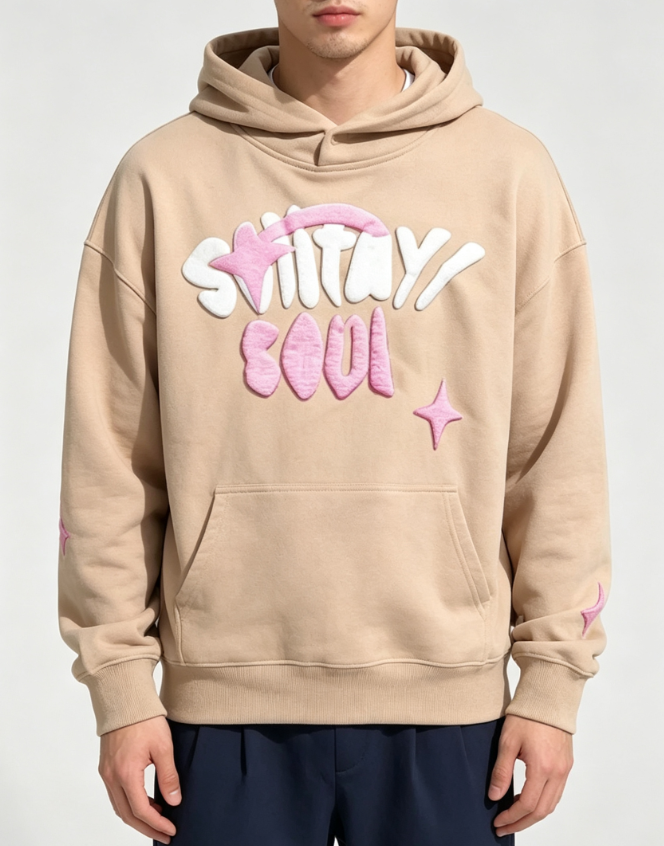
A kangaroo pocket should sit level to the front-body grain and mirror left-to-right. Measure its top edge, corner position, opening width, and distance from hem on the approved sample. A metal zipper should run smoothly without rippling, sharp tape edges, or a distorted hem. Document supplier or equivalent quality level, zipper gauge, puller finish, drawcord diameter, aglet material, and hardware color.
- Match pocket stitch lines across both sides
- Test zipper operation after laundering
- Confirm aglets cannot crack or loosen
Neck And Label Finishing

A neck tape should cover the back-neck seam cleanly and remain smooth after wash. Check tape width, color, attachment stitching, and whether the neckline returns to its intended shape. A tech pack should define main-label placement, size-label orientation, care-label content, label edge finish, and allowable measurement tolerance. Junsheen can retain approved patterns, graded size sets, and material records to support consistent repeat production.
- Photograph front, back, inside neck, and pocket closeups
- Approve a wash-tested prototype before bulk release
- List acceptable defects and measurement tolerances
7. Choosing a Custom Heavyweight Hoodie Manufacturer
For a 100-unit capsule or a recurring program, manufacturer selection determines whether custom heavyweight hoodies reach bulk with the intended fit, hand feel, and margin. Evaluate documented processes before treating a low quote as a sourcing decision.
Match Capability To Product
A 100-unit-per-style-and-color starting point can suit a controlled capsule, but confirm MOQ by fabric, color, decoration, and size range. Ask whether the factory routinely handles heavyweight fleece, oversized proportions, rib specifications, and cut-and-sew construction. A supplier with in-house development should review a tech pack, reference garment, or sketch before quoting. Request fabric swatches, GSM confirmation, composition, shrinkage expectations, and approved-color standards before paying for samples.
- Which hoodie programs comparable to ours have you produced?
- What MOQ applies after colors and sizes split?
- Can you source ring-spun fleece or French terry?
- Who owns approved patterns and graded size sets?
Test Sampling Communication
One prototype should expose pattern, measurement, fabric, decoration, and trim decisions in writing. Require a measurement chart with tolerance, Pantone references, artwork placement dimensions, and a dated revision record. Two approval stages—fit sample and pre-production sample—reduce preventable bulk surprises. Ask who answers technical questions, how revisions are costed, and whether size sets are checked across XS through 3XL when applicable.
Verify Controls And Export
Four checkpoints—incoming fabric, in-line sewing, measurements, and final packed goods—should be explainable before bulk confirmation. Ask for the inspection standard, defect-handling process, wash-test approach, and available compliance documentation such as OEKO-TEX, GOTS, WRAP, or BSCI. 80,000-plus monthly units may indicate scale, but capacity matters only alongside transparent production scheduling. Confirm sample timing, bulk lead time, peak-season constraints, carton marking, export documents, and shipment experience for your destination market.
- What lead-time window is committed after approval?
- What happens if measurement tolerances fail?
- Which export documents accompany the shipment?
- Can final inspection occur before balance payment?
8. Common Heavyweight Hoodie Sourcing Mistakes
A 400 GSM label alone does not define a dependable hoodie. The most expensive sourcing errors occur when a buyer approves an appealing prototype without converting performance, fit, artwork, trims, and factory controls into written approvals.
Specify Fabric Beyond GSM

A 400 GSM open-end fleece can feel bulkier yet pill sooner than a ring-spun cotton blend at the same weight. Require composition, yarn type, brushed-face construction, shrinkage tolerance, and approved swatch in the purchase order.
Wash-Test Before Approval
Three home-laundering cycles can expose shrinkage, torque, color loss, and print cracking that a new sample hides. Approve measurements and appearance after the stated wash method, then set allowable measurement tolerances on the spec sheet.
Protect Fit And Artwork
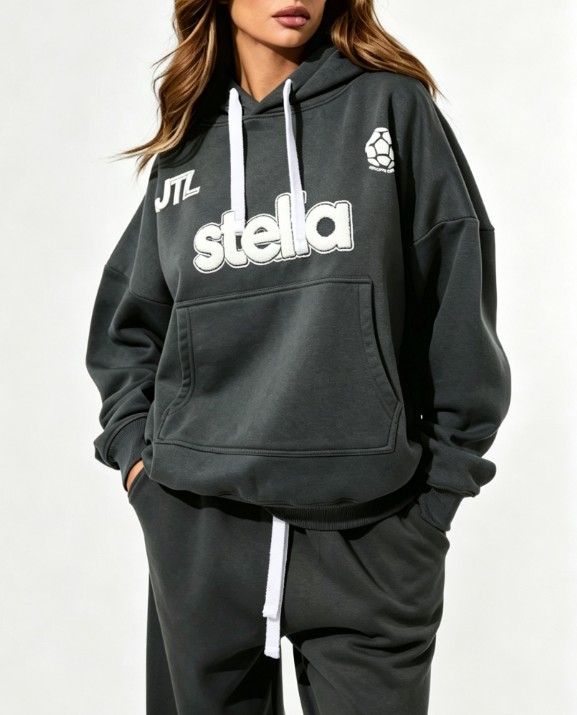
XS through 3XL cannot be reliably created by enlarging one base pattern; shoulder balance and body length can drift. Request a graded measurement chart and at least one representative extended-size fit sample before bulk release. A high-density or puff print can distort on heavy rib or thick fleece when artwork has fine lines. Submit production-size artwork, Pantone references, placement dimensions, and a decorated strike-off for sign-off.
Control Trims And Factory Risk

Two-to-six-week custom lead times for zippers, drawcords, woven labels, and branded packaging can delay a ready sewing line. List approved trim supplier, color standard, replacement rule, and latest delivery date in the critical path. A lowest-price quote may omit fabric inspection, in-line measurement checks, rework allowance, or export-ready packing. Compare like-for-like quotations and require a pre-production sample, QC checkpoints, and final inspection standard in writing.
9. Steps to Launch Custom Heavyweight Hoodies
A 100-unit style-and-color starting point can make a first drop practical, but only when approvals are sequenced. Treat each approval as a decision gate: the brand owns creative choices; the factory owns manufacturability and production records.
Brief And Technical Package
Week 1 begins with reference images, target customer, fit intent, colorways, retail target, and required delivery date. The brand should supply logo files, measurements, Pantone references, and decoration placement. A complete tech pack records garment dimensions, stitch details, artwork scale, labels, packaging, and revision dates. Junsheen can convert a sketch or reference garment into production specifications, but the buyer must approve the final version.
Material And Prototype Gate
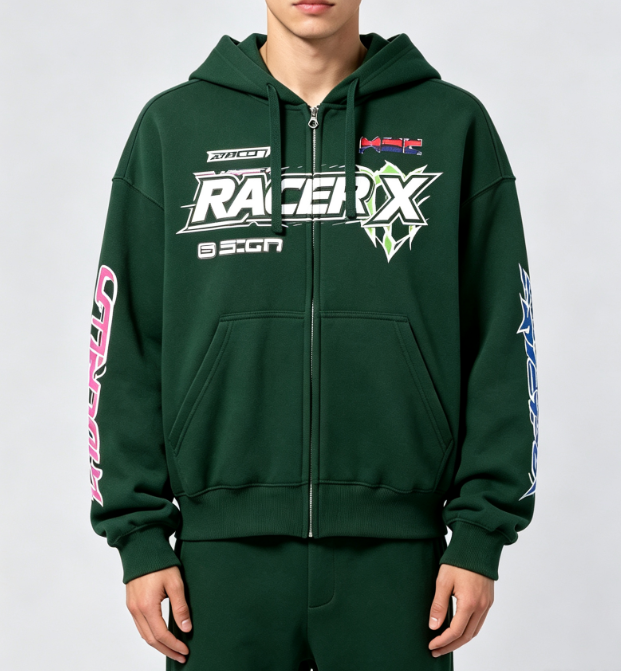
Weeks 1–3 typically cover fabric swatches, trims, and a first prototype. Confirm fleece or French terry weight, shrinkage tolerance, rib recovery, drawcord, and wash effect before cutting samples. One approved sample should not automatically release bulk production. Review fit on the intended body type, decoration after washing, measurement points, and construction comments in a dated revision sheet.
Size Set And Production Release
Weeks 3–5 should include a graded size set when selling XS through 3XL or an extended range. The buyer approves shoulder balance, body length, sleeve length, and grading increments; the factory locks patterns and bill of materials. A signed pre-production sample is the release gate. Changes after this point can affect cost, lead time, and consistency, so larger teams should retain approval emails and version-controlled files.
Inspect, Pack, And Launch
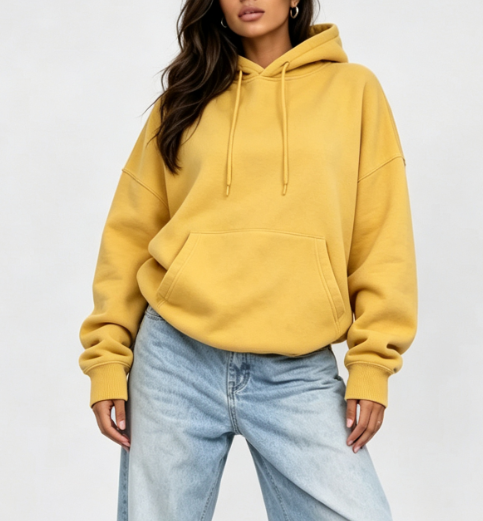
Bulk timing depends on fabric availability, decoration complexity, and order volume; allow a realistic production window after pre-production approval. Junsheen inspections can cover incoming fabric, in-line construction, measurements, decoration, and packed goods. Before shipment, approve label placement, hang tags, carton marks, folding method, and final balance arrangements. Launch planning should use confirmed ex-factory and transit dates rather than a sampling estimate.
10. Custom Heavyweight Hoodies Pricing and Costs
100 units per style and color is a practical starting point for a custom heavyweight hoodie program; the smallest run carries the highest development, cutting, and decoration allocation per garment. Unit cost normally declines as the same approved fabric, color, and artwork are spread across a larger order. 320–500 GSM is a useful costing range: heavier fleece raises fabric consumption, while ring-spun cotton, organic cotton, recycled blends, brushed interiors, and specialty rib each change the material price. Screen-print color count and placement, puff or high-density ink, embroidery stitch count, YKK zippers, custom drawcords, garment dye, washing, labels, and retail packaging should be quoted as separate specifications. 7–45 days is a typical production-planning range after materials and approvals, but sampling, fabric booking, peak-season capacity, inspection requirements, and shipping mode can extend the calendar. A detailed RFQ should state quantity by color and size, GSM and composition, Pantone references, measurement chart, artwork files, trims, packaging, destination, and Incoterm; an approved sample and specification are necessary for an accurate landed-cost quote.
| Order quantity | Indicative unit-price drivers | Typical production lead time |
|---|---|---|
| 100–299 units | Sampling allocation, low fabric yield, multiple colors or placements | 25–45 days |
| 300–999 units | Fabric booking, decoration complexity, custom trims | 20–35 days |
| 1,000+ units | Bulk fabric efficiency, fewer changeovers, standardized packing | 15–30 days |
Start Your Custom Heavyweight Hoodie Project
Send your tech pack, reference garment, sketch or mood board for feasibility review, fit development and production-ready sampling from 100 units.