
Hoodies Custom Manufacturing for Better-Fitting Brands
Launch hoodies custom from 100 units per style and color, with OEM, ODM, private-label support and fit-focused XS–3XL development.
Featured Products for hoodies custom Development
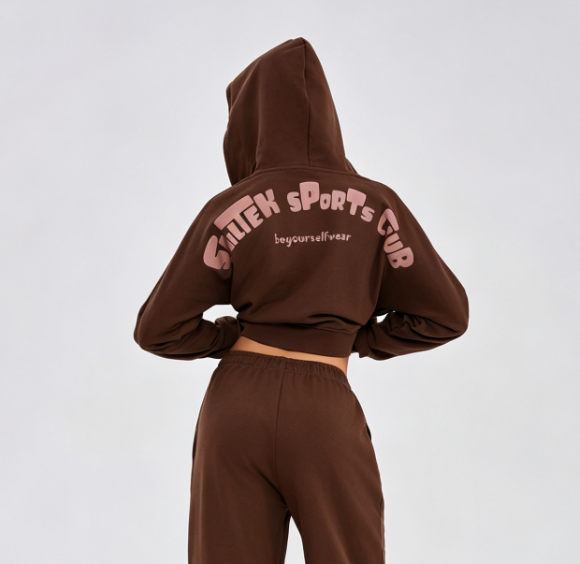




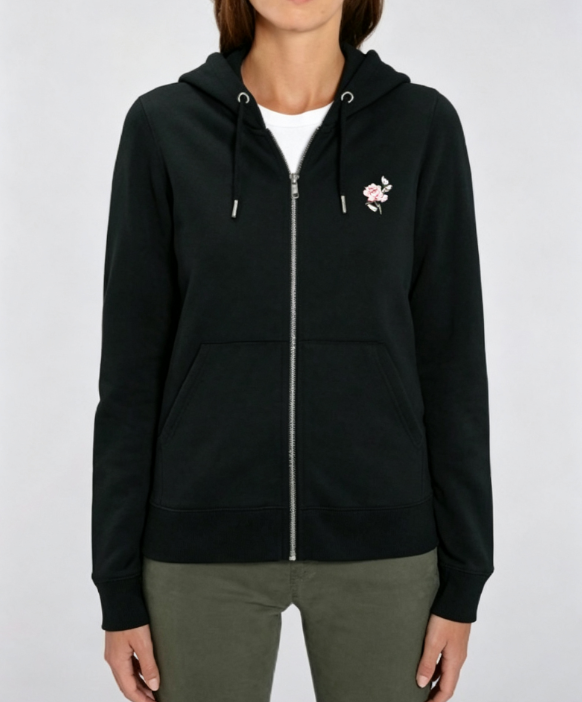


Hoodies Custom Catalogue & Quotation




Hoodies Custom Production Built for Fit and Scale
One integrated manufacturing partner for low-MOQ launches, precise fit development, distinctive decoration and dependable global delivery.
100-Unit Starting MOQ
Launch hoodies custom programs from 100 units per style and color, with practical support for capsule collections and growing labels.
Fit-First XS–3XL Grading
Pattern makers refine proportions, mobility and grading increments for standard, oversized and extended-size hoodies instead of simply enlarging patterns.
Integrated Decoration
Create branded impact with in-house embroidery, screen printing, DTG, DTF, patches, washes and finishing coordinated within your production workflow.
Fabric Sourcing Guidance
Select fleece, French terry, jersey and recycled options around target weight, hand feel, durability, wash performance and commercial cost.
Scalable Factory Capacity
Work with 200+ skilled workers and 80,000+ monthly units of capacity, from first samples through repeat bulk production.
Global Export Support
Receive coordinated quality control, packaging and shipping support for hoodie orders serving brands, retailers and sourcing teams worldwide.
Custom Hoodie Programs Built to Scale
Develop fit-focused casualwear, denim, knitwear, and outerwear from low-MOQ launches to consistent global replenishment.

Custom Hoodies
Develop custom hoodies in fleece, French terry, or jersey with fit-focused XS–3XL grading. Choose oversized, standard, or plus-size proportions, then add embroidery, screen printing, washes, branded labels, and packaging from 100 units per style and color.
Request a Quote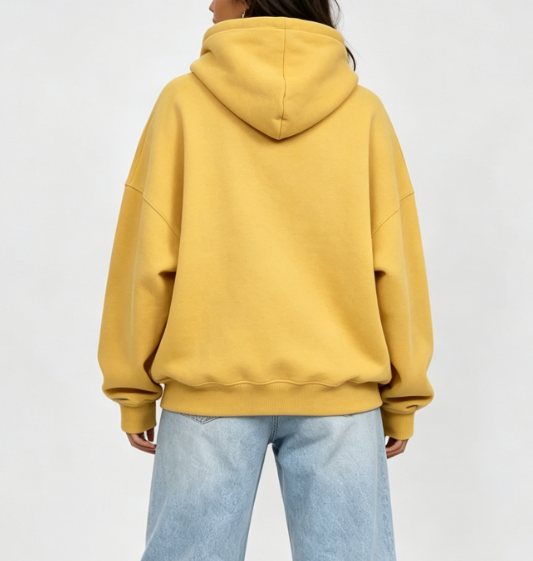
Custom T-Shirts
Produce custom T-shirts from combed cotton, Pima cotton, organic cotton, or blended jersey. Junsheen supports specification review, neck and sleeve proportion development, size grading, screen printing, DTG, DTF, embroidery, and private-label finishing for capsule and bulk programs.
Request a Quote
Custom Jeans
Build custom jeans in rigid, stretch, or washed denim with patterns refined for rise, leg shape, mobility, and extended sizing. Support includes fabric sourcing, pocket and hardware selection, embroidery or printing, garment washes, labels, and repeatable bulk production.
Request a Quote
Custom Sweaters
Source turtle neck sweater bulk programs with knit structures, yarn weights, and finishes aligned to your target price and season. Develop fitted, relaxed, oversized, or extended-size silhouettes with controlled grading, custom labels, and scalable knitwear production.
Request a Quote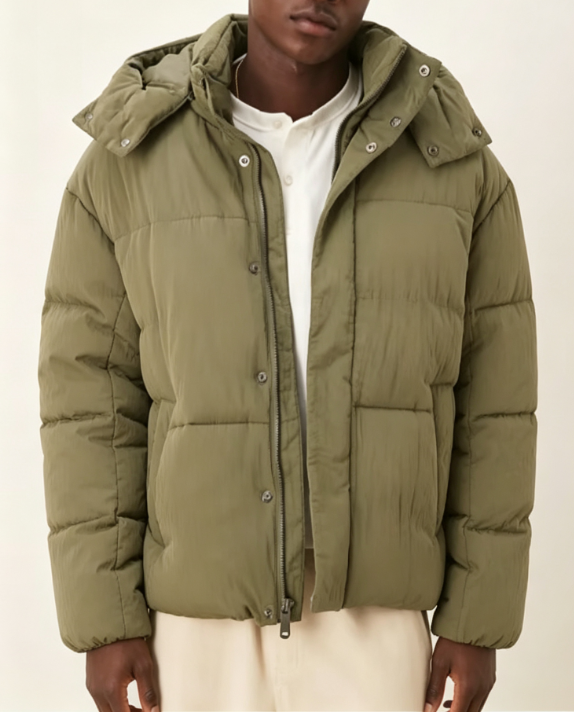
Custom Jackets
Manufacture custom jean jackets in denim or stretch denim with tailored body proportions, collar construction, pocket placement, buttons, snaps, washes, and branded trims. Sampling confirms fit and finishing before bulk production for private-label or wholesale assortments.
Request a Quote
Custom Sweatshirts & Crewnecks
Create custom crewneck hoodie and sweatshirt programs in fleece, French terry, or jersey. Develop crewneck, drop-shoulder, oversized, and standard fits, then apply puff printing, embroidery, patches, garment dye, washes, and complete private-label details.
Request a Quote
Custom Cardigans
Develop custom cardigans with yarn, gauge, button, trim, and silhouette options suited to fashion labels and retail collections. Pattern and grading work support regular, oversized, and extended-size fits, with samples reviewed before ongoing production.
Request a Quote
Custom Puffer & Down Jackets
Produce custom puffer jackets with shell fabric, insulation, quilting layout, lining, zippers, snaps, reflective details, and branded labels specified for your market. Junsheen supports sample development and scalable outerwear production from low-MOQ launches onward.
Request a Quote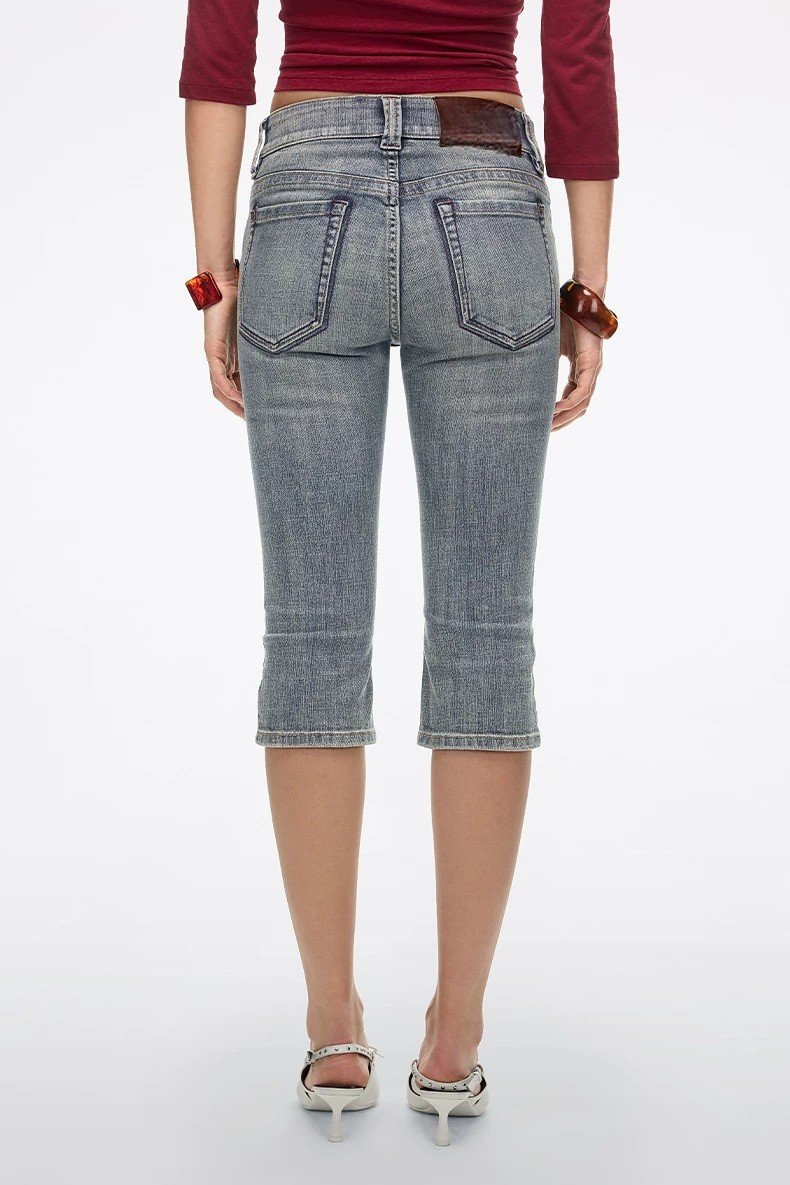
Custom Denim Shorts
Manufacture custom jean shorts in rigid or stretch denim with inseam, rise, leg opening, pocket, and wash specifications matched to your customer. Add distressing, embroidery, custom hardware, labels, and size grading from XS through 3XL.
Request a Quote
Custom Sweater Dresses
Develop custom sweater dresses with knit construction, yarn selection, length, neckline, and body shaping tailored to your collection. Junsheen supports fitted, relaxed, oversized, and extended-size grading, branded trims, samples, and bulk knitwear production.
Request a Quote
Custom Denim Sets
Create mens denim suits wholesale programs with coordinated denim jackets and jeans, consistent washes, matching trims, and repeatable fit specifications. Support includes fabric sourcing, pattern development, size sets, private labels, packaging, and replenishment-oriented bulk production.
Request a Quote
Custom Polo Shirts
Produce custom polo shirts in jersey, pique, performance knits, or blended fabrics. Define collar construction, placket, sleeve rib, fit, logo embroidery, printing, labels, and packaging for uniforms, retail collections, wholesalers, and private-label programs.
Request a Quote
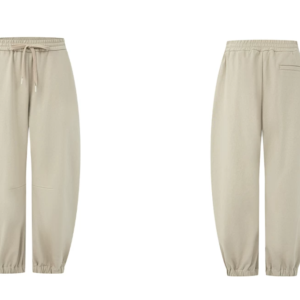
Custom Sweatpants
Manufacture custom sweatpants in fleece, French terry, and jersey with jogger, straight-leg, wide-leg, or oversized silhouettes. Develop waistband, cuff, pocket, drawstring, and fit details, then add embroidery, printing, washes, labels, and scalable production.
Request a Quote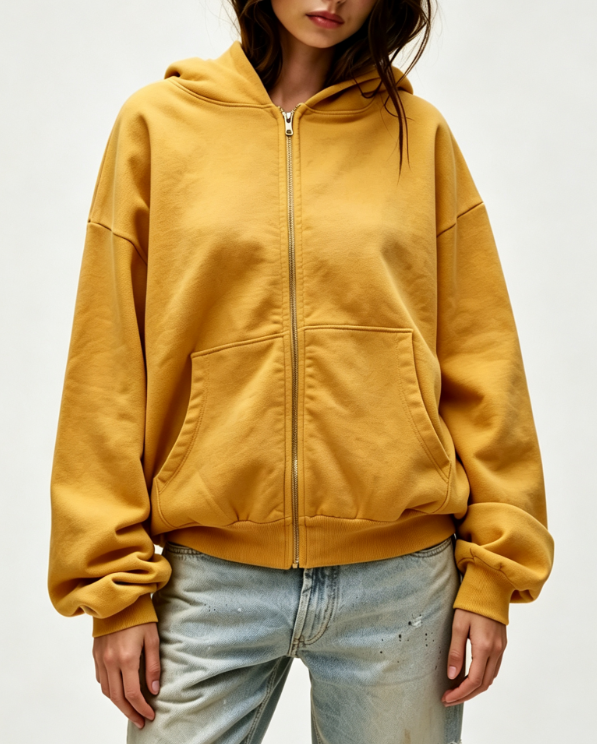
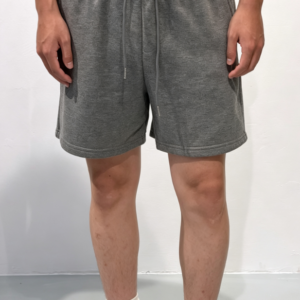
Custom Shorts
Develop custom shorts in jersey, fleece, twill, woven, or denim fabrics for casualwear and seasonal collections. Junsheen supports inseam and rise specifications, pockets, waist details, size grading, decoration, branded trims, and low-MOQ production from 100 units.
Request a Quote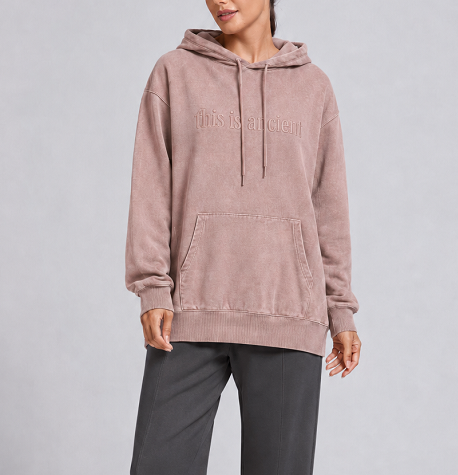
Custom Pullovers
Produce custom pullovers in fleece, French terry, jersey, and knit constructions with neckline, hood, zip, pocket, and fit details built to spec. Support includes XS–3XL grading, printing, embroidery, washes, private labels, and reliable repeat-order production.
Request a QuoteHoodies Custom Fabrics We Source and Develop

Cotton Jersey
Soft, breathable cotton jersey suits lightweight hoodies, layering pieces, and relaxed fashion basics. Its smooth hand feel and natural stretch make it a dependable option for approximately 180–260 GSM styles.

French Terry
French terry combines a clean outer face with absorbent loopback texture inside, ideal for premium midweight hoodies. It offers breathable comfort, structured drape, and versatile weights commonly ranging from 280–420 GSM.

Brushed Fleece
Brushed fleece delivers a warm, plush interior for classic pullover and zip hoodie programs. The napped backing improves insulation and softness, while heavyweight constructions around 320–500 GSM create a substantial silhouette.

Organic Recycled Blends
Organic cotton and recycled-fiber blends support sustainability-led hoodie collections without sacrificing comfort. We balance recycled polyester, cotton content, durability, and pilling performance to achieve the target hand feel, weight, and cost.

Performance Knits
Performance knit fabrics are suited to active, travel, and technical hoodies needing stretch, recovery, and moisture management. Polyester-spandex or nylon blends provide resilient movement and can be engineered in lightweight to midweight constructions.

Premium Pima Cotton
Premium Pima cotton creates a smoother, softer hoodie surface with refined color appearance and long-staple fiber strength. It is well suited to elevated private-label essentials, especially in dense French terry or fleece qualities.
Hoodies Custom Decoration and Finishing Options

Logo Embroidery
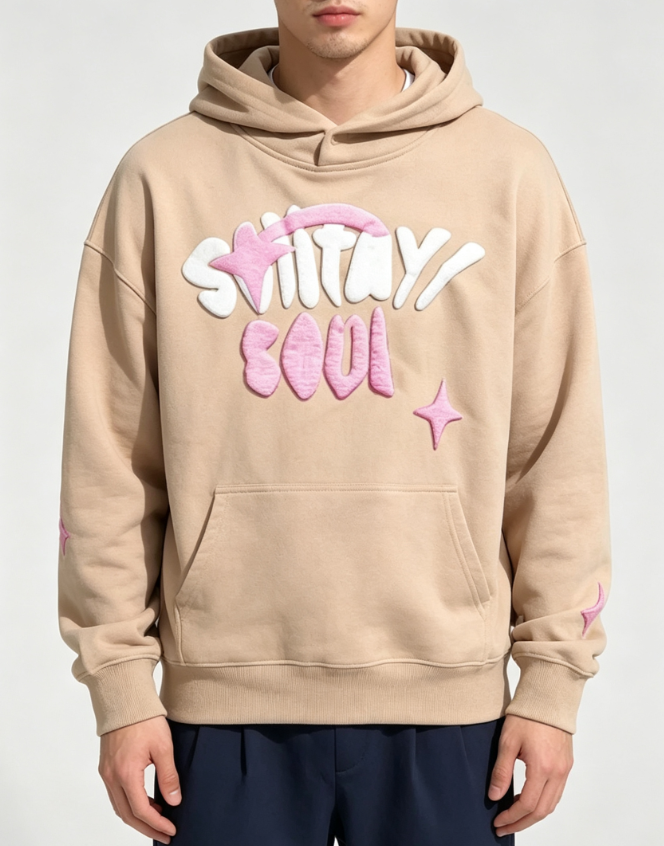
Flat, 3D puff, chain-stitch, applique, and patch embroidery add tactile dimension and a premium branded finish. Our team positions artwork accurately and selects backing, stitch density, and thread colors for durable wear.

Screen Printing
Plastisol, water-based, puff, flocking, silicone, high-density, foil, and discharge printing create bold artwork with controlled texture. We recommend ink systems based on fleece weight, artwork detail, stretch needs, and intended wash performance.

Heat Transfer
DTF, heat-transfer, and specialty film applications reproduce detailed multicolor graphics, small runs, and variable designs efficiently. Applied under controlled heat and pressure, they deliver clean edges, strong adhesion, and reliable everyday durability.

Dye Sublimation
Dye sublimation integrates vivid, all-over graphics directly into suitable polyester-based fabrics without adding surface weight. It produces smooth color coverage and crisp visual detail for performance hoodies, eventwear, and statement capsule collections.

Garment Washing
Enzyme, softening, anti-pilling, garment-dye, tie-dye, acid-wash, and stone-wash treatments create lived-in color and hand feel. Sampling confirms shrinkage, shade variation, and the wash character your hoodies custom collection requires.

Surface Finishing
Brushing, napping, softening, and other finishing processes refine fleece softness, warmth, and visual texture. We align finishing with fabric composition and decoration requirements so the final hoodie feels intentional while retaining dependable performance.
Hoodies Custom Accessories That Build Your Brand

Custom Drawcords
Match drawcord material, color, thickness and metal or silicone tipping to your hoodies custom program. Use them to reinforce brand identity at the hood while improving comfort, durability and finish quality.

Branded Zippers
Specify reliable zipper pulls, tape colors and custom logo hardware for zip-up hoodies. Junsheen helps align zipper choice with garment weight, pocket construction, wash effects and the intended retail positioning.

Woven Labels
Add woven main labels, size labels and wash-care labels that clearly support your private-label identity. Placement, fold style and material are reviewed during sampling to avoid discomfort, distortion or production inconsistencies.

Custom Patches
Use embroidered, chenille, woven, leather or silicone patches for chest branding, sleeves and kangaroo pockets. Our team advises on attachment method and placement so the patch performs through wear, washing and bulk production.

Rib Trims
Develop coordinated cuffs, waistbands and neck ribs with the right stretch, recovery and weight for your hoodie silhouette. Options can support standard, oversized and extended-size fits from XS through 3XL.
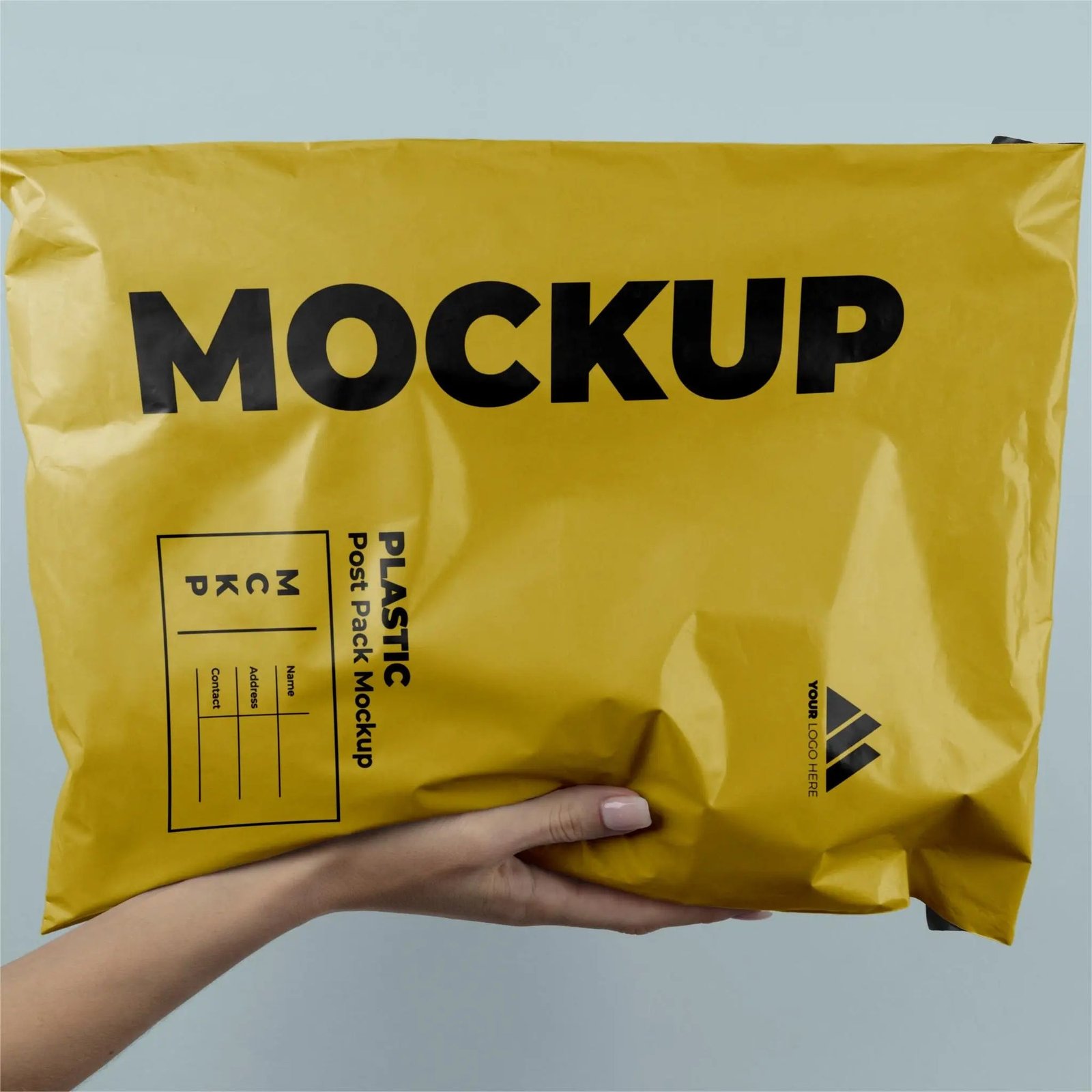
Hangtags Packaging
Finish your collection with branded hangtags, polybags, cartons and presentation packaging for wholesale or direct-to-consumer delivery. We coordinate artwork, material choices and packing requirements alongside final quality control.
About JUNSHEEN, Your Hoodies Custom Partner
Founded in 2010 in Humen Town, Dongguan, JUNSHEEN helps fashion brands turn hoodie concepts into production-ready collections. Our one-stop team supports hoodies custom development from tech packs, sketches, references, or early ideas, with fabric sourcing, pattern making, sampling, decoration, private labels, and export coordination managed in one supply chain.
More than 200 skilled workers and monthly capacity exceeding 80,000 units give emerging labels and established sourcing teams room to grow. Start from 100 units per style and color for a capsule launch, then scale into repeat bulk programs with dependable cut-and-sew production, knitting capability, in-house finishing, and quality control.
What sets JUNSHEEN apart is fit-led development across XS–3XL, extended sizes, plus sizes, and modern oversized silhouettes. Rather than simply enlarging a base pattern, we refine proportion, mobility, and grading so your custom hoodies deliver a more consistent brand fit across the full size range.

Deep Capabilities for Hoodies Custom
Fit Engineering Across XS–3XL
JUNSHEEN develops hoodies custom with pattern work that considers shoulder balance, sleeve length, body proportion, mobility and grading increments. From standard to plus-size and modern oversized fits, each size range is refined for consistent wearability rather than simply enlarged.
- Fit-focused pattern making and size grading
- XS–3XL, extended-size, plus-size and oversized options
- Prototype and size-set review before bulk approval

From Concept to Production
Bring a finished tech pack, sketch, reference garment, mood board or early product idea. Our development team reviews specifications, improves manufacturability, recommends fabrics and trims, creates patterns and samples, then prepares your hoodie program for reliable bulk production.
- OEM, ODM and private-label development support
- Fabric, weight, hand-feel and trim recommendations
- Sampling, quotation and pre-production approval
Decoration Built Into Production
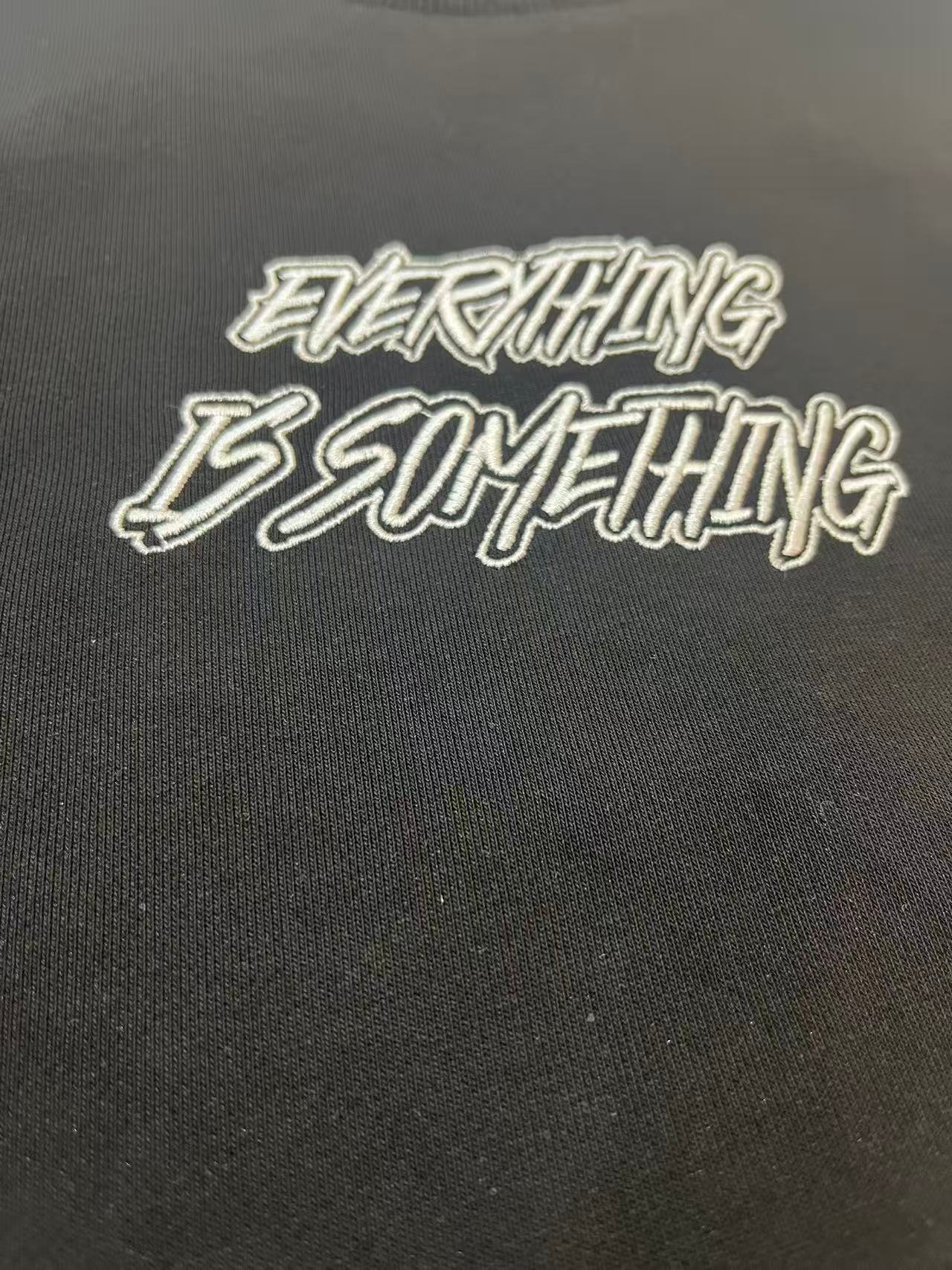
Create a recognizable hoodie finish without coordinating separate vendors. JUNSHEEN integrates embroidery, screen printing, DTG, DTF, heat transfer, patches, garment dye and wash effects with labels, drawstrings, zippers and branded packaging for a cohesive private-label result.
- Flat, 3D/puff, chain-stitch and logo embroidery
- Screen print, silicone, high-density and specialty effects
- Custom labels, hang tags, trims and packaging

Scalable Quality-Controlled Delivery
Launch from 100 units per style and color, then scale with a manufacturing partner built for ongoing demand. More than 200 skilled workers and 80,000+ monthly units of capacity support hoodies custom programs with fabric, construction, measurement, decoration and final-packing inspections.
- Low MOQ from 100 units per style/color
- In-line and final quality control checkpoints
- Global export support for growing brand programs
Why Brands Choose JUNSHEEN for Hoodies Custom
A fit-first, production-ready hoodie partner from initial development through repeat bulk orders.
← 左右滑动查看 →
Hoodies Custom Production Process
A controlled OEM workflow that takes your hoodie from feasibility review to inspected, export-ready delivery.
Review Brief and Feasibility
We review your tech pack, sketch, reference garment, target price, fit requirements, decoration plan, and 100-unit MOQ to confirm a practical development route.
Source Fabrics and Trims
Our team recommends fleece, French terry, jersey, rib, drawcords, labels, and packaging based on weight, hand feel, durability, wash performance, and budget.
Build Patterns and Samples
Pattern makers develop fit-focused XS–3XL grading, then produce prototypes and size sets for approval before materials and construction details move into bulk production.
Approve Quote and Preproduction
After sample approval, we finalize specifications, bulk materials, decoration files, production timing, and preproduction details to keep every hoodie aligned with your approved standard.
Produce and Inspect Bulk
Skilled teams cut, sew, decorate, finish, and inspect each order through incoming material checks, in-line measurement reviews, construction control, and final quality inspection.
Pack and Ship Globally
Approved hoodies receive branded labels, hang tags, and protective packaging before export coordination and global shipment support help move your finished goods reliably.
Start Your Hoodies Custom Manufacturing Project
Move from concept to approved bulk production with clear development support, fit-focused sampling, and scalable OEM/ODM execution.
Send Your Design Brief
Share a tech pack, sketch, reference garment, mood board, or product idea. Our team reviews construction, fit goals, fabrics, decoration, and 100-unit MOQ feasibility.
Confirm Specifications and Quote
Refine measurements, XS–3XL grading, materials, trims, branding, quantities, and target cost. Receive a clear quotation and production plan before development begins.
Approve Samples and Materials
Review fabric swatches and prototype samples for fit, hand feel, construction, colors, decoration, and private-label details. Confirm revisions before pre-production approval.
Launch Bulk Production
JUNSHEEN manages cutting, sewing, knitting, printing, embroidery, finishing, quality control, packing, and export coordination for consistent hoodies custom production at scale.
Custom Clothing Manufacturer Credentials and Compliance Documents



Hoodies Custom Results From Growing Fashion Brands
JUNSHEEN refined our oversized hoodie grade from XS to 3XL instead of scaling one base pattern. We cut fit revisions from six rounds to two and launched our 240-piece capsule on schedule.
For our first private-label drop, the 100-unit MOQ let us test two colorways without overcommitting inventory. The 180-unit run sold through in 31 days, and we reordered with the same measurements and wash finish.
Their team kept embroidery placement, fleece weight, labels, and packing consistent across three repeat hoodie orders. Our defect rate stayed below 1%, which made delivery to our retail partners far easier to manage.
Hoodies Custom Manufacturing FAQ
Clear answers on MOQ, sampling, fit, private labeling, payment and worldwide delivery.
What is the minimum order quantity for hoodies custom production?
Can I order a custom hoodie sample before bulk production?
How long does hoodies custom sampling and bulk production take?
Can you make private-label hoodies with my logo and packaging?
Do you offer hoodies custom sizing, plus sizes and oversized fits?
What payment terms do you offer for custom hoodie orders?
Can JUNSHEEN ship custom hoodies worldwide?
How do you protect my hoodie designs and product information?
The Complete Buyer’s Guide to hoodies custom
Use this practical framework to select hoodie styles, fabrics, decoration methods, and dependable OEM/ODM suppliers while comparing cost drivers and avoiding production mistakes that delay launches or weaken your brand.
1. What Are hoodies custom?
100-unit programs are a common entry point for hoodies custom: made-to-order hooded sweatshirts built to a brand’s approved specifications instead of decorated generic blanks. The buyer controls the product brief, including silhouette, measurements, fabric weight, color, trims, labels, packaging, decoration placement and size range. OEM production means the factory manufactures a hoodie from the buyer’s tech pack, pattern direction or approved sample; the brand owns the design decisions and approval process. ODM starts with a manufacturer-developed base design that the buyer adapts through fabric, colors, branding and selected construction changes, usually reducing development time. 100 units per style and color is a practical low-MOQ benchmark for a capsule launch, but feasibility changes with custom fabric knitting, dyeing, specialty zippers or complex decoration. A 280–400 GSM French terry or fleece hoodie can be specified with Pantone color targets, rib composition, drawcords, pouch pockets, embroidery, screen printing and wash effects before sampling. 2010-founded JUNSHEEN is suited to private-label sourcing when a brand needs a production partner to turn a sketch, reference garment or tech pack into a repeatable bulk style. Private label is the right route when product fit, branded components and consistent replenishment matter more than the speed of buying ready-made blanks.
2. The Evolution of hoodies custom
1930s American athletic suppliers, notably Champion, popularized the hooded sweatshirt for workers exposed to cold conditions and for training wear. Its heavy fleece, roomy hood, and ribbed openings solved practical warmth and movement needs long before the garment became a brand canvas. 1970s hip-hop, skate, and graffiti communities moved the hoodie into streetwear, where oversized proportions, screen prints, and team-style graphics communicated identity. By the 1990s and 2000s, luxury labels adopted premium cotton, precise pattern work, embroidery, and limited releases, proving that price positioning depends on fabric, fit, and finish—not a logo alone. 100-unit capsule quantities now make hoodies custom viable for creator merchandise, clubs, startups, and retailer tests, while bulk programs suit replenishable core styles. A 280–360 GSM French terry pullover supports a different promise from a 400–500 GSM brushed fleece statement piece; buyers should define the wearer, climate, retail price, and drop strategy before sampling. 2020s buyers increasingly expect responsible choices alongside visual distinction: traceable material options, recycled fibers, durable construction, and wash-tested decoration reduce avoidable waste and returns. For JUNSHEEN projects, positioning should drive the tech pack—from oversized shoulder balance and size grading through fabric hand feel, Pantone color, labels, packaging, and decoration method—so the finished hoodie matches the intended market.
3. Types of hoodies custom
Six hoodie silhouettes cover most capsule and core-range decisions. Match fit, closure and weight to the wearer’s use case before selecting colors or graphics; this keeps hoodies custom commercially coherent.
| Silhouette | Primary Buyer | Collection Role | Best Channel |
|---|---|---|---|
| Pullover | Graphic-led labels | Core statement | DTC drops |
| Zip-Up | Layering customers | Versatile set piece | Retail and DTC |
| Oversized | Streetwear buyers | Fashion-led hero | Social commerce |
| Cropped | Womenswear buyers | Trend capsule | DTC and boutiques |
| Heavyweight | Premium customers | Cold-weather core | Wholesale |
| Performance | Active consumers | Utility layer | Teamwear and online |
Pullover And Zip-Up Core

100-unit capsule runs often begin with a pullover for graphic-led streetwear and a zip-up for layering-led assortments. Pullover fronts offer uninterrupted decoration space; zip-ups need zipper tape, pocket alignment and stable hood shaping. 2-channel launches can place pullovers in direct-to-consumer drops and zip-ups with retailers, where try-on flexibility supports conversion.
Oversized And Cropped Fits

XS–3XL grading matters most on oversized and cropped styles. Oversized hoodies need controlled shoulder drop, sleeve length and body balance; cropped versions need a defined finished length so proportions remain intentional. 18–34 streetwear customers commonly use oversized pieces as statement layers, while cropped hoodies suit womenswear, festival and social-commerce edits.
Heavyweight And Performance Styles
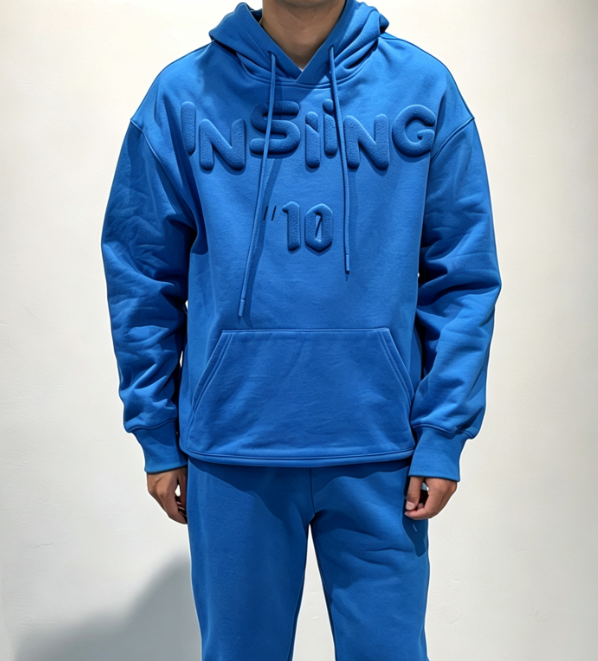
400–500 GSM heavyweight fleece serves premium streetwear, cold-weather programs and wholesale accounts seeking a substantial hand. Reinforce pocket corners, use durable rib, and allow for shrinkage testing before bulk approval. 250–330 GSM performance knit hoodies suit active, travel and teamwear channels. Prioritize stretch recovery, moisture management, ventilation panels and flatlock seams where abrasion is likely.
4. Fabrics for hoodies custom
Fabric determines whether hoodies custom feel premium, survive repeat washing, and suit the selling season. Specify fiber percentage, knit structure, GSM, finish, shrinkage tolerance, and care method before approving a swatch.
| Fabric | Typical GSM | Best Season | Trade-Off |
|---|---|---|---|
| Cotton fleece | 280–360 | Fall/winter | Warm, premium hand; higher shrinkage risk |
| French terry | 240–320 | Spring/fall | Breathable loops; less insulating |
| Cotton-poly blend | 260–340 | Year-round | Stable, easy care; less natural hand |
| Performance knit | 220–300 | Active/transitional | Functional finish; higher material cost |
Read Weight And Structure

280–360 GSM brushed fleece is a winter staple: its brushed inner face traps warmth and supports a substantial hand. French terry usually runs 240–320 GSM, with unbrushed loops that breathe better for spring or layering.
Balance Fiber And Care
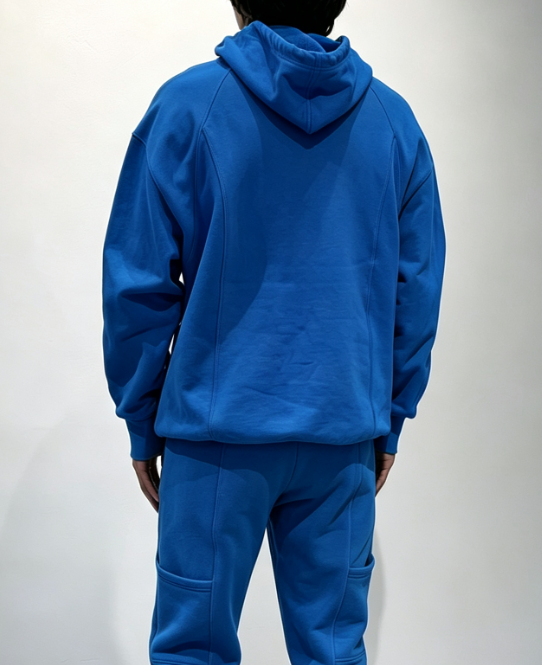
100% ring-spun cotton offers a natural hand and strong perceived quality, but needs controlled pre-shrinkage and wash testing. Cotton-poly blends typically resist shrinkage, dry faster, and hold shape better; higher polyester content can reduce breathability and alter the hand.
Match Fabric To Decoration

300 GSM cotton-rich fleece provides a stable, opaque base for screen print, puff ink, embroidery, and patches. Performance knits with stretch, wicking, or water-repellent finishes suit active outer layers, but test print adhesion and heat-transfer settings first.
Assess Recycled Claims
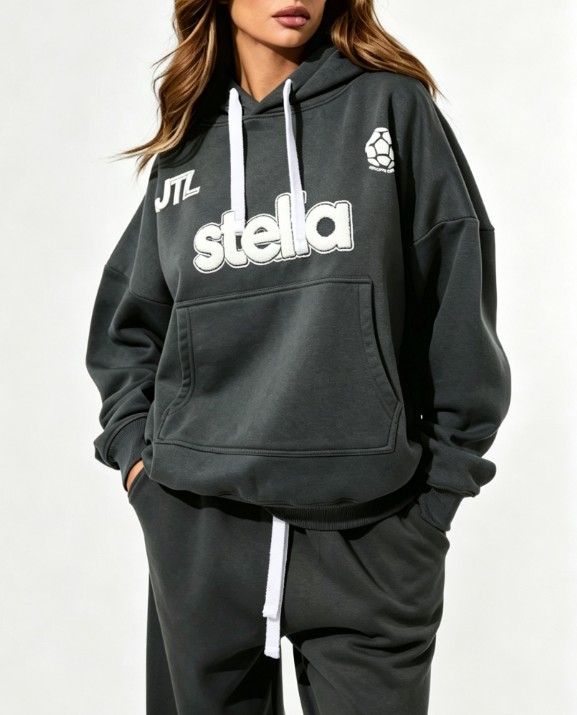
Recycled polyester and recycled cotton blends can support a lower-impact material direction, yet fiber source, percentage, and certification documentation should be confirmed per lot. Recycled fibers may vary more in color and hand feel, so approve a bulk-standard swatch and wash sample.
5. Hoodie Customization and Decoration Options
At a 100-unit MOQ, decoration should be selected before sampling because artwork, placement, and trim choices affect both pattern approvals and unit cost. For hoodies custom, pair the branding method with expected reorder volume and retail tier.
| Method | Best artwork | Durability | Setup and cost |
|---|---|---|---|
| Screen print | Bold vector, 1–4 colors | High when cured correctly | Screens per color; economical at volume |
| DTG | Photos and fine gradients | Moderate to high with testing | Low setup; higher unit cost |
| Embroidery | Logos and small motifs | Very high | Digitizing required; premium cost |
| Appliqué or patches | Varsity or tactile branding | High with secure stitching | Material and labor add cost |
| Puff ink | Bold simple graphics | High after wash approval | Screen setup; avoid fine detail |
Print Methods And Artwork

For 1–4 spot colors, screen printing usually offers the best unit economics on repeat orders. Each color requires a screen, so Pantone matching, setup, and registration costs increase with color count. For photographic or highly detailed art, DTG avoids per-color screens and suits small runs. Test pre-treatment, garment color, and wash fastness on the approved sample before bulk production.
Dimensional Decoration Choices

For premium logos, flat or 3D embroidery, appliqué, and custom patches add texture and strong perceived value. Dense stitches need stabilizer and may stiffen lightweight fleece, while appliqué needs secure edge stitching. For bold one-color graphics, puff ink creates a raised surface without embroidery weight. Specify artwork line thickness and wash-test the effect; fine detail can close up as the ink expands.
Labels And Presentation

At neck level, woven main and size labels create the most permanent brand signal, while inside-neck prints reduce bulk. Add wash-care labels, fiber content, country-of-origin information, and placement instructions to the tech pack. For retail delivery, hangtags and branded polybags or boxes should match the target price point. JUNSHEEN can coordinate labels, drawstrings, patches, and packaging within the same production workflow.
6. Key Hoodie Construction Quality Elements
Construction controls determine whether hoodies custom holds its fit after repeat wear and washing. Put measurable workmanship, hardware, and shrinkage requirements in the tech pack before approving bulk.
Seams And Stress Points

10–12 stitches per inch is a practical starting specification for standard seams; use reinforced bartacks at pocket corners, hood openings, and zipper ends. Request matching thread, clean overlock coverage, and no skipped stitches. 4-point inspection should check seams under light stretch, especially kangaroo-pocket attachments and side seams. A sample should show even seam allowance and no twisting after one wash.
- Specify stitch density by seam type
- Bartack all pocket stress points
- Inspect for skipped stitches and puckering
Rib, Hood, And Hardware
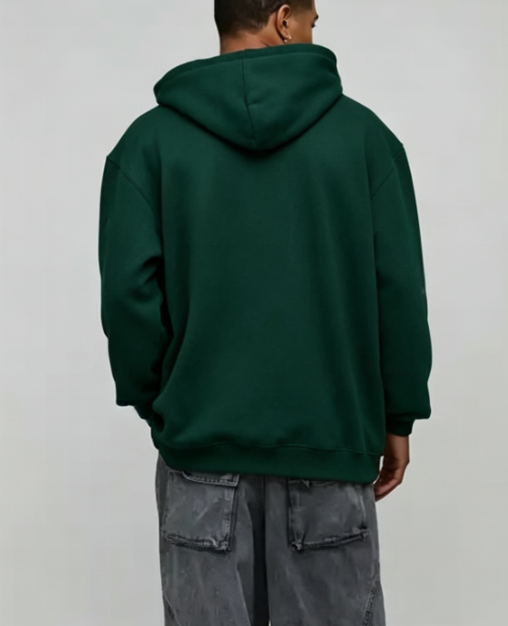
2×2 rib cuffs and hems should recover after extension rather than remain bagged out; test recovery on the approved sample. Define rib composition, finished width, and attachment stretch in the specification. 2-piece hoods generally give a cleaner crown shape than shallow one-piece hoods. Specify drawcord material and length, metal or embroidered eyelets, and branded zipper standards such as YKK when a zip hoodie is required.
- State hood depth and opening measurement
- Specify drawcord end finish
- Approve eyelet and zipper samples
Wash And Measurement Approval

3–5% residual shrinkage is common unless fabric is pre-shrunk and wash-tested; set the allowed result by fabric and direction. Require wash testing before bulk fabric release, including pilling, color change, and torque review. Use a graded measurement chart with points of measure and tolerances, commonly ±1 cm on key body measurements. Approve a size set and pre-production sample, then inspect packed goods against the signed standard.
- List wash method and shrinkage limit
- Mark every point of measure
- Approve size set before bulk cutting
7. How to Choose a Hoodie Manufacturer
Three checkpoints separate a capable hoodie supplier from a promising quote: proven category work, controlled development, and repeatable delivery. For hoodies custom, assess evidence from the same factory and production route proposed for your order.
Verify Hoodie Expertise
Two completed hoodie programs are stronger evidence than a generic apparel catalog. Ask for construction photos, measurement sheets, wash-test results, and examples matching your weight, fit, and decoration. 100-unit minimums can suit capsule launches, but confirm whether they apply per style, color, fabric, and size run. Request the MOQ in writing before approving colors or custom trims.
- Which hoodie weights and fabrics run regularly?
- Can it grade oversized and extended sizes?
- Which decoration is produced in-house?
Test Development Control
One approved pre-production sample should match bulk specifications, including GSM, Pantone color, rib, drawcord, labels, and print placement. Ask who owns patterns, graded files, and revision records for repeat orders. 7–14 days is a common sample-planning range, but fabric availability and wash treatments can extend it. Require a critical-path schedule showing swatches, sample approval, bulk cutting, inspection, and shipment.
- Request fabric composition and GSM reports
- Confirm approved trim and color references
- Define sample-revision limits and costs
Audit Production Readiness
A factory’s monthly capacity matters only when confirmed against its current production calendar. Ask about available lines, subcontracting, in-line measurement checks, final AQL inspection, and corrective-action procedures. 30–45 days is a typical bulk-production planning window after approval, not a guaranteed universal lead time. Verify compliance claims through current audit certificates such as BSCI, WRAP, GOTS, or OEKO-TEX where required.
- Who is the daily production contact?
- What percentage is inspected before packing?
- How are defects and late deliveries handled?
8. Common hoodies custom Buying Mistakes
A 100-unit MOQ does not remove the need for production controls; it makes errors more expensive per garment. Most hoodie rework starts before cutting, when price, specifications, color, shrinkage, decoration, sampling, or inspection details remain unapproved.
Chasing The Lowest Quote
A $1 lower quote can conceal lighter GSM, open-end yarn, weaker rib, or omitted testing. Compare like-for-like specifications, landed cost, defect allowance, and stated inclusions before awarding production.
Leaving Specifications Open
A one-page tech pack should state measurements, tolerances, fabric composition, GSM, stitch details, trim placement, and Pantone references. Unapproved color standards or missing wash-shrinkage targets create inconsistent bulk garments; approve lab dips and a washed sample first.
Overlooking Decoration Limits

A 3D puff print, oversized embroidery, or dense chest design changes hand feel, distortion risk, and decoration cost. Submit artwork at final scale, specify placement from fixed points, and test the design on the actual fabric weight.
Skipping Bulk Controls
A pre-production sample is the final checkpoint for fit, color, decoration, labels, and packing before bulk cutting. Define AQL level, measurement tolerances, defect categories, and final-inspection reporting in the purchase order to prevent subjective acceptance disputes.
9. Steps to Launch Your Hoodie Brand
A 100-unit launch can validate demand before inventory commitments grow. Lock the customer, price band, and product promise before asking a factory to develop hoodies custom.
Define Customer And Direction
Two customer profiles are enough for a first capsule: define use occasion, preferred fit, retail price, and competitor references. Three to five mood-board references should show silhouette, color, wash, artwork scale, and trim direction; label what must be copied versus merely inspired.
- Target retail price
- Core size range
- Launch color count
Build The Production Brief

One tech pack should specify graded measurements, seam construction, Pantone colors, artwork files, label placement, and packaging. 280–400 GSM is a common decision range for premium fleece hoodies; lock fiber blend, brushed or unbrushed interior, rib quality, and shrinkage tolerance.
- Front and back flats
- Measurement specification
- Bill of materials
Sample Before Committing

One prototype exposes pattern, fabric, and decoration risks before bulk fabric is cut. Review fit on the intended wearer and measure every point against the tech pack. Two revision rounds are common when fit or artwork changes; consolidate feedback into one dated approval file rather than sending scattered messages.
- Fit and mobility
- Wash and shrinkage
- Print or embroidery quality
Approve Production And Launch

One pre-production sample should match approved fabric, color, trim, decoration, labels, and packing exactly. Sign off only after confirming measurement tolerance and final sample photos. Four launch decisions remain: carton marks, shipping method, receiving date, and product-page assets. Plan photography and size-chart copy before goods depart, while the factory completes final inspection and export packing.
- Branded polybag or box
- Carton quantity and marks
- Freight booking deadline
10. hoodies custom Pricing and Cost
100 units per style and color is JUNSHEEN’s starting production scale, but it is not a universal unit price. The indicative FOB ranges below assume a standard cotton-blend fleece or French-terry hoodie with one colorway; confirm current material, labor, and export costs before budgeting. 280–420 GSM fabric, a new pattern, oversized grading, embroidery, multi-location print, YKK-class hardware, custom labels, and branded packaging each move the quote upward. Freight, duties, destination, and shipping method are separate landed-cost variables and should be modeled after the production quote. 1 finalized tech pack is essential for accurate hoodies custom pricing because it fixes measurements, construction, fabric composition and weight, color standards, artwork, decoration placement, trims, labels, packing, and quantity by color. Without it, a supplier can provide only a planning estimate, not a dependable production quotation.
| Quantity per style/color | Indicative FOB unit price | Typical production lead time | Planning inclusion |
|---|---|---|---|
| 100–199 units | US$18–32 | 30–45 days after approval | Standard fabric; basic cut-and-sew; one simple decoration |
| 200–499 units | US$15–28 | 30–45 days after approval | Improved fabric-buying efficiency; basic private labels |
| 500–999 units | US$13–24 | 35–50 days after approval | More economical cutting; labels and standard packing |
| 1,000+ units | US$11–21 | 40–55 days after approval | Bulk fabric efficiency; specification-dependent finishing |
Start Your Hoodies Custom Sample or Quote
Send your tech pack or reference image, size range, target quantity, and delivery market for a production-ready hoodie quote.