
Custom Denim Jacket OEM Manufacturing From 100 Units
Launch fit-focused custom denim jacket programs from XS to 3XL with OEM, ODM, and private-label support built for growing brands.
Featured Products for custom denim jacket Development



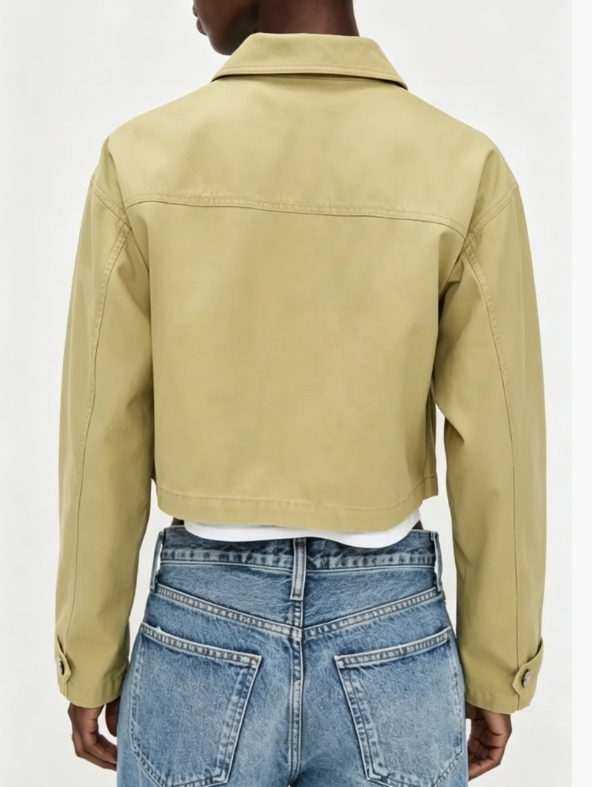
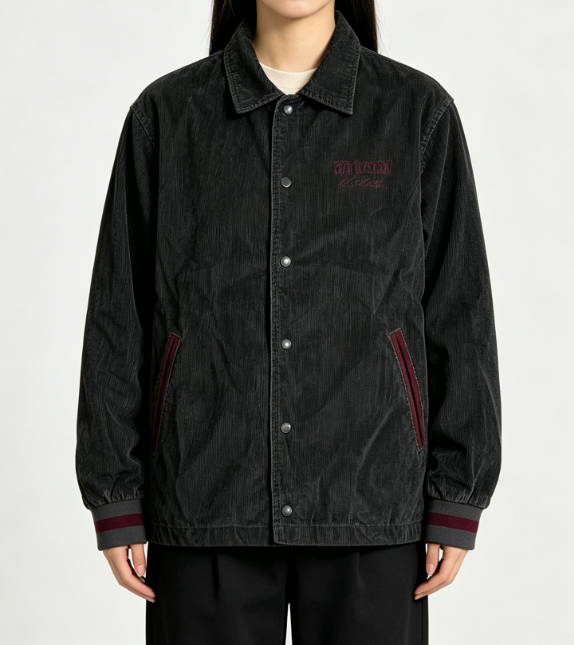


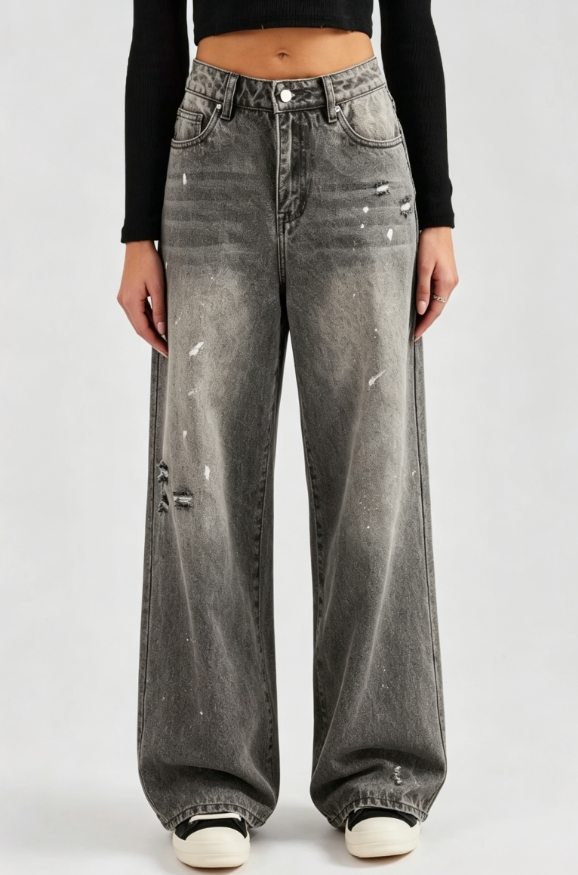
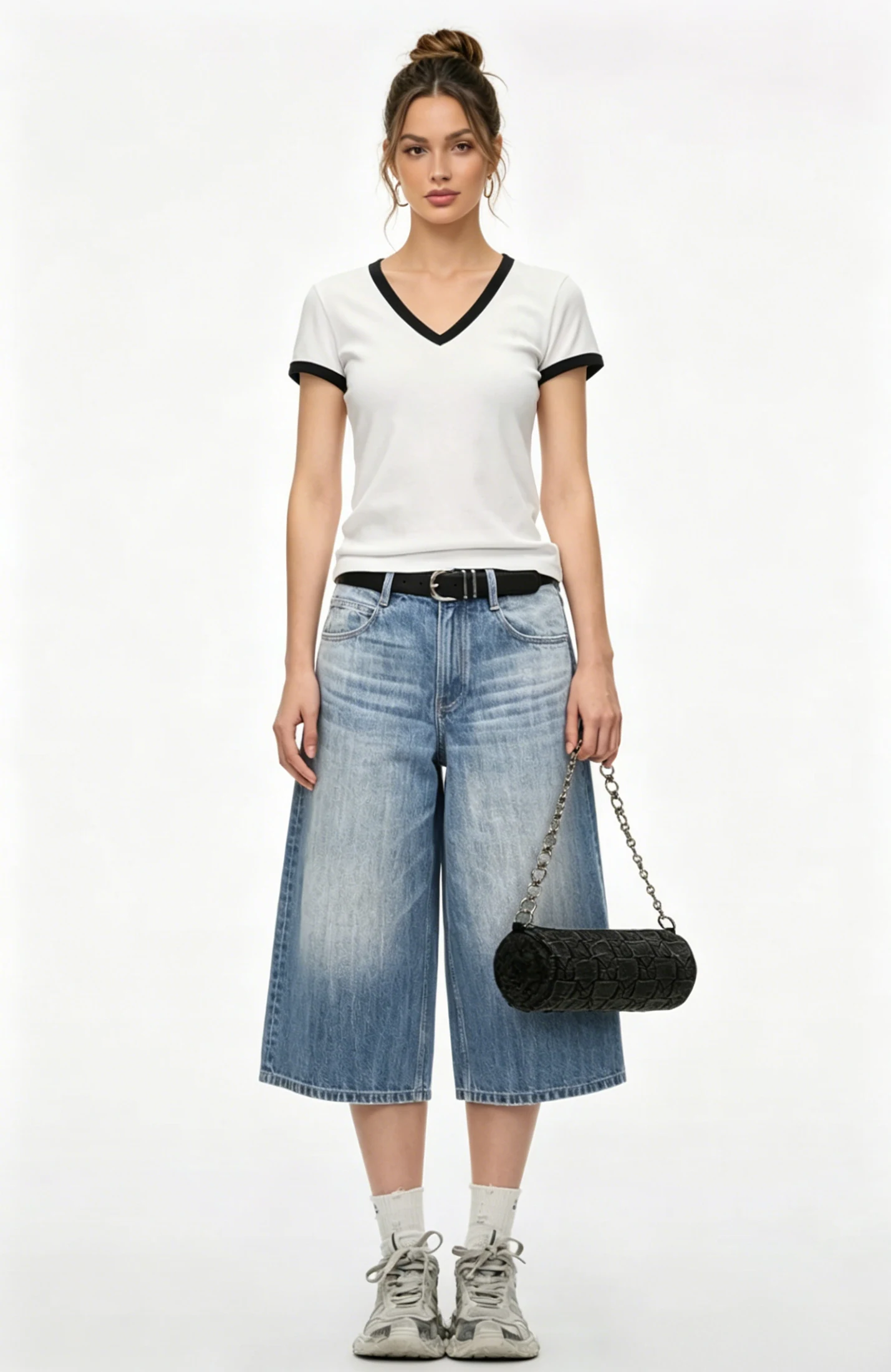
Related Product Catalogue and Quotation


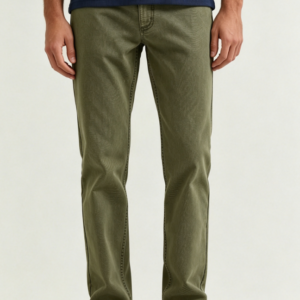

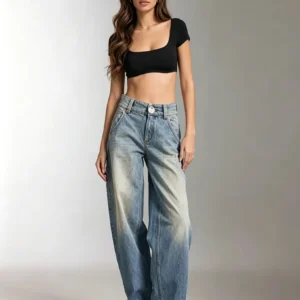


Why Brands Choose JUNSHEEN for Custom Denim Jackets
From a 100-unit launch to global replenishment, JUNSHEEN combines product development, fit engineering, decoration, quality control, and export-ready production in one supply chain.
100-Unit MOQ
Launch a custom denim jacket capsule from 100 units per style and color, with a practical path to repeat and bulk orders.
One-Stop Development
Turn a tech pack, sketch, reference garment, or concept into production-ready jackets with fabric sourcing, patterns, samples, trims, and packaging.
Fit-Focused XS–3XL
Build consistent normal, oversized, extended-size, and plus-size fits through refined grading for shoulders, sleeves, body balance, mobility, and proportions.
Decoration and Washes
Add logo embroidery, patches, screen printing, custom hardware, garment dye, acid wash, stone wash, and finishing that supports your brand direction.
Scalable Global Production
Work with 200+ skilled workers, 80,000+ monthly units of capacity, quality inspections, and export support for dependable global delivery.
Custom Jacket, Denim and Apparel Manufacturing
Develop fit-focused casualwear, denim, outerwear and knitwear from low-MOQ samples through scalable global production.

Custom Hoodies
Custom hoodies developed in fleece, French terry or jersey with fit-focused grading from XS to 3XL. Select weights, rib trims, drawstrings, labels, embroidery, screen printing and washes to build capsule or repeat programs from 100 units per style and color.
Request a Quote
Custom T-Shirts
Custom T-shirts produced in cotton, Pima cotton, organic cotton and blended jersey for retail-ready private-label programs. Junsheen supports specification review, pattern development, size grading, DTG, screen print, DTF, embroidery, garment dye and branded packaging.
Request a Quote
Custom Jeans
Custom jeans developed in rigid or stretch denim with refined rises, leg shapes, washes and fit grading across standard, extended-size and oversized ranges. Production can include custom hardware, leather patches, embroidery, distressing, stone wash and private labels.
Request a Quote
Custom Sweaters
Turtleneck sweaters for bulk programs developed in appropriate yarn blends and sweater constructions, with control over gauge, neck shape, body length and sleeve balance. Sampling validates hand feel, stretch recovery, grading and finishing before bulk production begins.
Request a Quote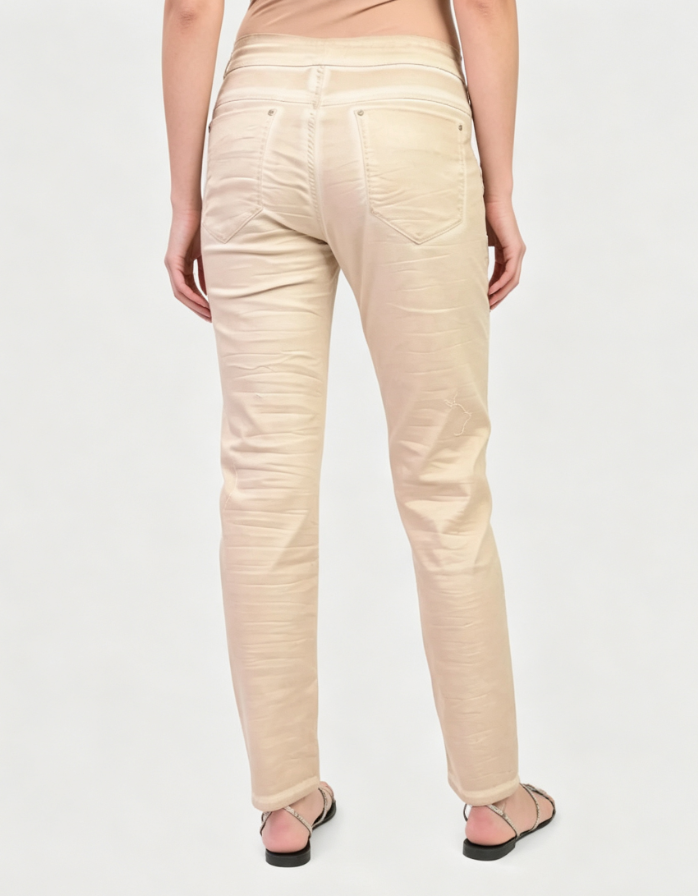
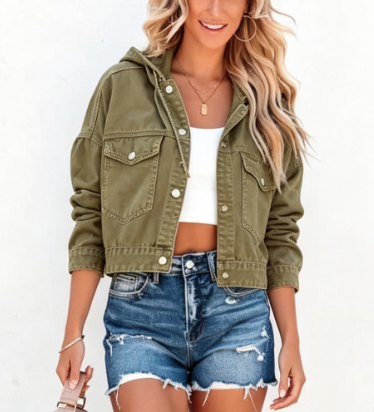
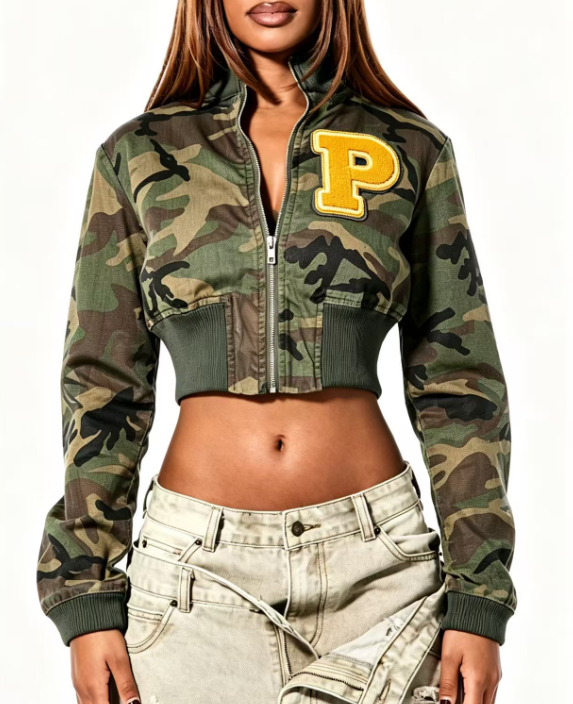
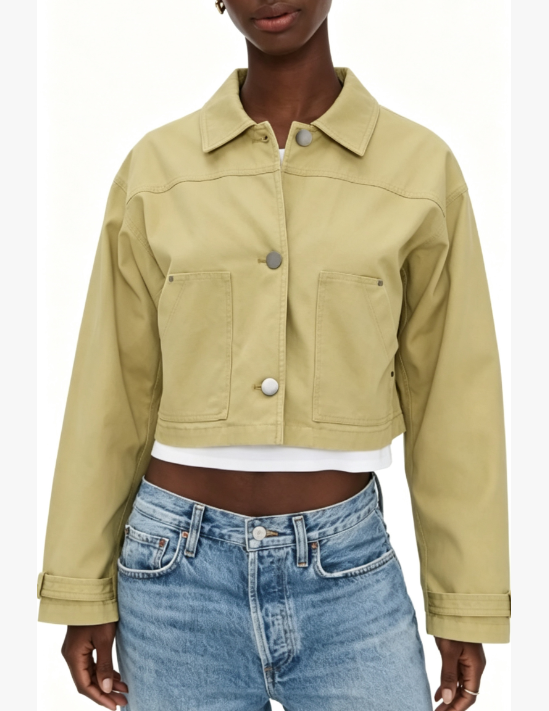
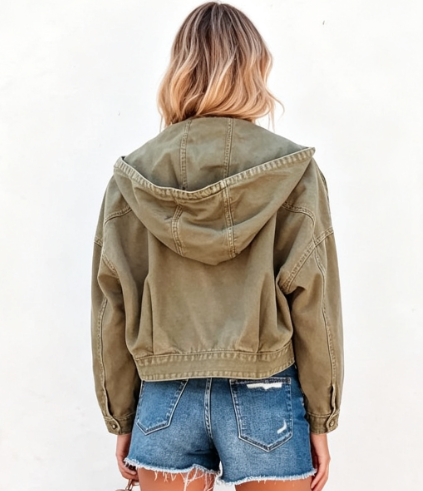
Custom Jackets
Custom jean jackets produced in denim, twill or stretch denim with brand-specific silhouettes, pocket placement and construction details. Add custom buttons, snaps, patches, embroidery, printing, washes and labels while maintaining approved measurements across the size set.
Request a Quote
Custom Sweatshirts & Crewnecks
Custom crewneck hoodies, sweatshirts and crewnecks developed in fleece, French terry or brushed jersey for dependable everyday layers. Pattern makers refine body proportion, shoulder balance and sleeve length, then support embroidery, printing, washes, rib trims and private-label finishing.
Request a Quote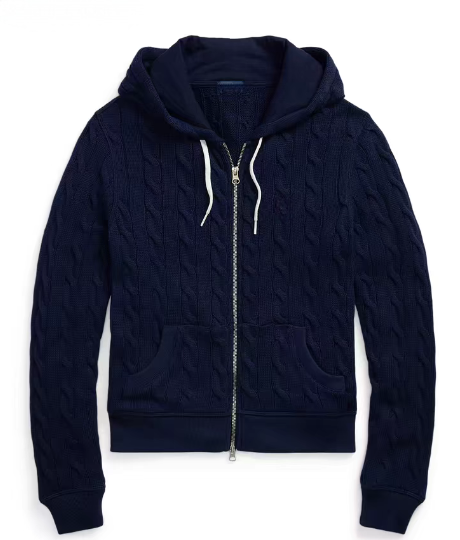
Custom Cardigans
Custom cardigans developed through knitwear capability with control over yarn selection, gauge, button plackets, neckline shape and grading. Junsheen supports prototypes, size sets, custom buttons, labels and packaging for brand collections and wholesale programs.
Request a Quote
Custom Puffer & Down Jackets
Custom puffer jackets developed for insulation, shell fabric, quilting layout, mobility and branded trim requirements. Junsheen supports fabric sourcing, prototype sampling, zippers, snaps, reflective details, labels and quality checks for outerwear programs from 100 units per style and color.
Request a Quote
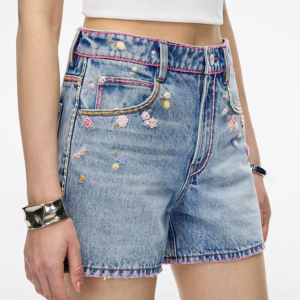
Custom Denim Shorts
Custom jean shorts produced in rigid or stretch denim with specified inseams, rises, leg openings and wash effects. Fit-focused grading helps maintain proportion across XS to 3XL, while custom hardware, patches, embroidery and labels complete the program.
Request a Quote
Custom Sweater Dresses
Custom sweater dresses developed in knit constructions that balance shape retention, stretch, coverage and comfort. The team can refine neckline, sleeve, body length and size grading, then coordinate yarn selection, sample approval, labels and bulk production.
Request a Quote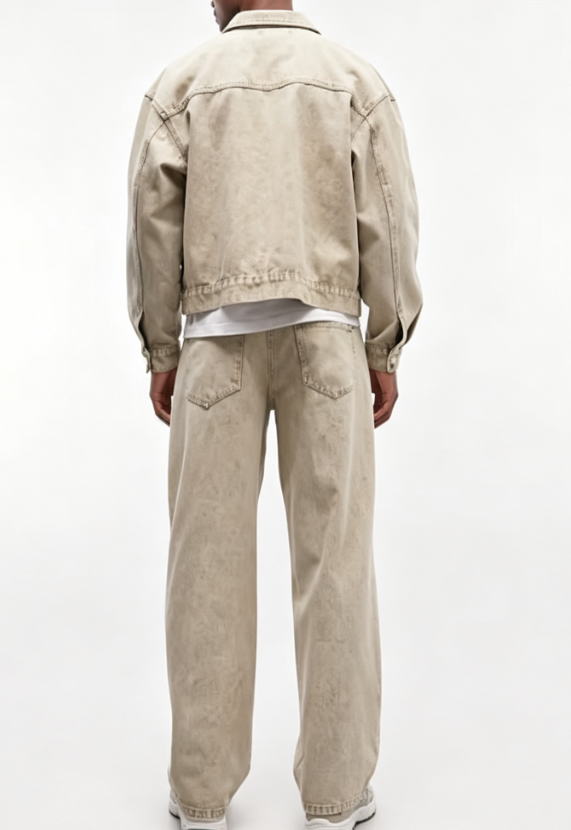
Custom Denim Sets
Men’s denim suits for wholesale programs developed as coordinated denim jackets and jeans with aligned fabric, wash, hardware and fit standards. Junsheen supports matching size sets, branded details and scalable production for retailers, distributors and private-label collections.
Request a Quote
Custom Polo Shirts
Custom polo shirts produced in piqué, jersey or performance knits with selected collars, plackets, buttons and fit specifications. Add logo embroidery, patches, printing, contrast trims, labels and packaging for uniforms, retail capsules or wholesale assortments.
Request a Quote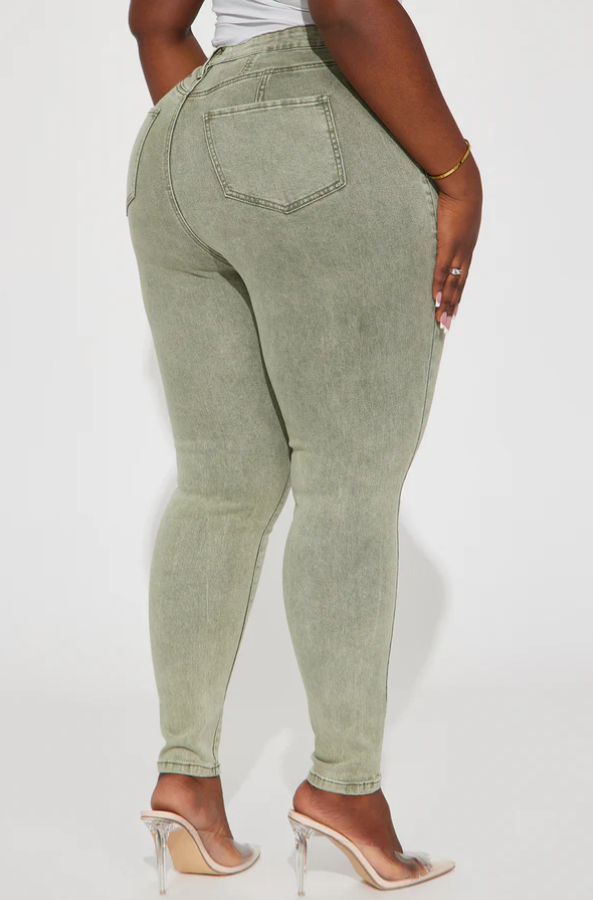
Custom Sweatpants
Custom sweatpants developed in fleece, French terry or jersey with refined rise, inseam, waistband and cuff proportions. Programs can include drawstrings, pockets, embroidery, printing, washes, labels and coordinated hoodie or crewneck sets.
Request a Quote
Custom Shorts
Custom shorts developed in jersey, fleece, twill, denim or performance fabrics for seasonal and core assortments. Junsheen supports fit development, inseam options, waistband construction, pockets, decoration, washes and private-label trims from low-MOQ sampling onward.
Request a Quote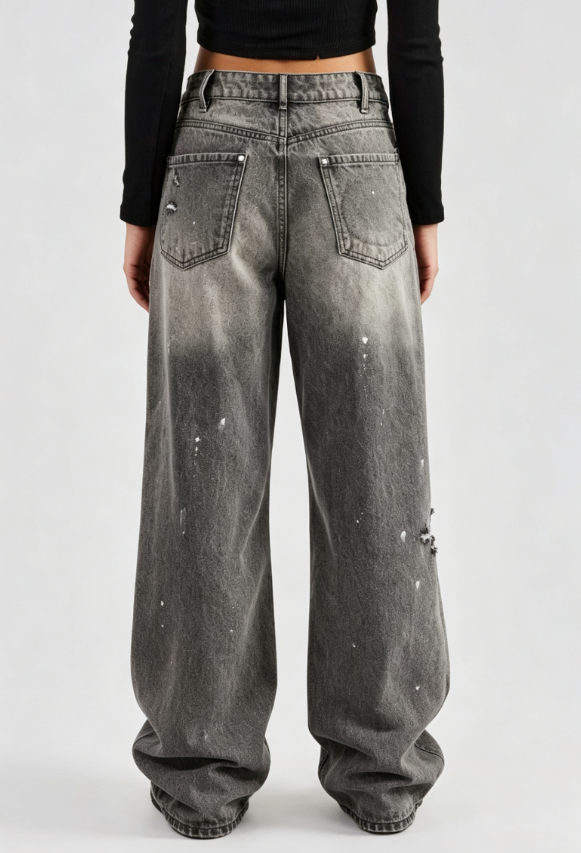
Custom Pullovers
Custom pullovers developed as knitwear or cut-and-sew layers with attention to neckline, body balance, sleeve fit and grading. Choose yarns or fabrics, gauges or weights, embroidery, labels and finishing details that match your target price and collection direction.
Request a QuoteCustom Denim Jacket Materials Built for Fit and Performance

Rigid Cotton Denim
A structured, authentic denim with a crisp hand and dependable durability for classic trucker jackets, overshirts, and workwear silhouettes. Available in varied ounce weights for light layering through heavyweight outerwear.

Stretch Denim
Cotton-rich denim blended with elastane for comfortable movement and shape recovery. Well suited to fitted custom denim jacket styles, slim sleeves, and modern silhouettes requiring flexible wear without losing a substantial denim feel.

Recycled Denim Blends
Recycled cotton denim blends help support lower-impact material programs while retaining familiar texture and strength. Ideal for brands seeking responsible casualwear, with composition, weight, and wash performance reviewed during development.

Cotton Twill
A smooth, tightly woven fabric with a clean diagonal surface and stable structure. Use cotton twill for lightweight jackets, contrast panels, collars, pocket bags, or utility-inspired styles requiring reliable abrasion resistance.

Quilted Jacket Linings
Lightweight polyester, cotton, or quilted lining options add comfort, warmth, and a clean interior finish. Choose insulation weight and hand feel to match seasonal outerwear needs without adding unnecessary bulk.

Reinforcement Fabrics
Durable canvas, pocketing, fusible interlining, and reinforcement tapes strengthen stress points around seams, collars, plackets, and pockets. These supporting materials improve shape retention and long-term wear in demanding jacket constructions.
Custom Denim Jacket Decoration and Wash Processes

Logo Embroidery
Flat, 3D puff, chain-stitch, and applique embroidery add dimensional branding to chest panels, backs, sleeves, and collars. Proper backing and stitch-density planning help preserve clean artwork and durable wear through repeated laundering.

Screen Print
Plastisol, water-based, puff, high-density, foil, and discharge screen printing create bold graphics on denim jackets. Junsheen tests placement, ink coverage, and fabric compatibility to achieve strong visual impact with dependable adhesion.

Custom Patch Application
Woven, embroidered, chenille, leather, and rubber patches create layered brand recognition. Options include sewn, heat-applied, or combined attachment methods, selected for the patch material, jacket construction, and intended wash treatment.

Garment Washes
Enzyme, stone, acid, garment-dye, and softening washes shape color, hand feel, and vintage character. Sample approval helps control shade variation, abrasion level, and the final fit response before bulk production.

Specialty Print Effects
DTF, DTG, heat transfer, silicone, flocking, and reflective effects support detailed logos and tactile artwork. These processes can be combined with embroidery or patches to create custom denim jacket statements with controlled durability.
Custom Denim Jacket Trims, Labels, and Branded Hardware

Custom Snap Buttons
Specify branded metal snaps for front closures, cuffs, and chest pockets. Choose finishes, logo stamping, and attachment strength to complement your custom denim jacket wash, hardware tone, and intended wear.

YKK Zippers
Add dependable YKK zippers to denim jackets with front zip closures, utility pockets, or detachable details. We coordinate tape color, puller style, metal finish, and placement with your approved construction.

Leather Brand Labels
Use debossed leather or faux-leather labels at the back waistband, hem, or pocket to give each jacket a premium signature. Our team matches label size, color, edge treatment, and logo artwork.

Woven Care Labels
Add woven main labels, size labels, and wash-care labels for a complete private-label presentation. We review placement, fiber content, country-of-origin details, and care instructions before bulk production.

Custom Hang Tags
Pair your jackets with branded hang tags that communicate collection details, sizing, and retail-ready product information. Select paper stock, shape, print effects, string, and barcode requirements for your target market.
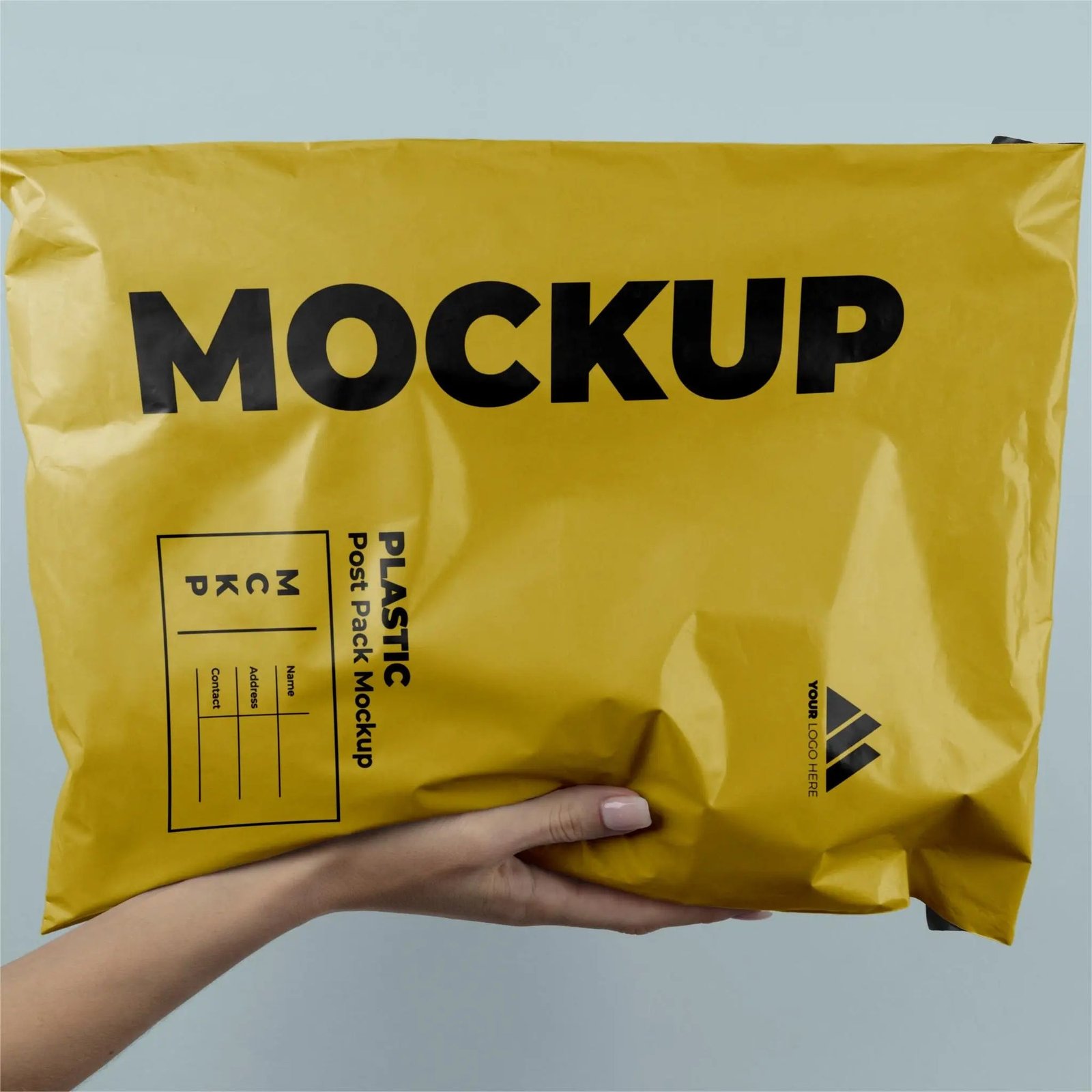
Branded Packaging
Finish each order with custom polybags, boxes, tissue, stickers, and packing inserts tailored to your retail or wholesale channel. Packaging specifications can support folding standards, shipment protection, and unboxing consistency.
About JUNSHEEN Custom Denim Jacket Manufacturing
Founded in 2010 in Humen Town, Dongguan, JUNSHEEN helps fashion brands turn custom denim jacket concepts into dependable OEM, ODM, and private-label production. Our mission is to make product development clearer, more responsive, and more scalable for labels launching their first capsule or expanding established collections.
With 200+ skilled workers and monthly capacity exceeding 80,000 units, we unite cut-and-sew manufacturing, product development, pattern making, fabric sourcing, decoration, washing, quality control, packaging, and export support in one supply chain. Orders can begin at 100 units per style and color.
What differentiates JUNSHEEN is fit-focused development across XS–3XL, extended sizes, plus sizes, and modern oversized proportions. We have served 2,000+ fashion-brand clients worldwide, combining detailed pattern grading and retained production records with the flexibility to support repeat programs as demand grows.

Custom Denim Jacket Development Capabilities
Fit-First Pattern Engineering
JUNSHEEN develops each custom denim jacket from XS through 3XL with refined shoulder balance, sleeve length, body proportion, mobility, and grading increments. Our pattern team turns your tech pack, sketch, reference garment, or concept into a production-ready fit.
- Normal, oversized, extended-size, and plus-size development
- Pattern making, grading, prototypes, and size sets
- Fit review before bulk approval

Denim, Lining, and Trim Sourcing
Source the fabric system around your target price, hand feel, weight, stretch, wash effect, and durability requirements. Our supplier network supports denim, stretch denim, linings, custom buttons, snaps, zippers, leather labels, woven labels, and branded packaging.
- Fabric swatches and sample-garment review
- Material recommendations for cost and wash performance
- Coordinated branded hardware and labeling

In-House Decoration and Washing
Build a distinctive custom denim jacket with decoration and finishing managed through one production team. We support embroidery, patches, screen printing, DTF, heat transfer, acid wash, stone wash, enzyme wash, garment dye, and other brand-specific surface effects.
- Flat, 3D, chain-stitch, and applique embroidery
- Print effects from plastisol to high-density silicone
- Wash and finish trials before bulk production

Controlled Repeat-Order Production
JUNSHEEN retains approved patterns, graded size sets, and material records to help repeat denim jacket orders move faster and stay consistent. Incoming fabric checks, in-line inspections, measurement control, decoration checks, and final packed-goods review support dependable global delivery.
- 100-unit MOQ per style and color
- 200+ skilled workers and 80,000+ monthly capacity
- Quality control from fabric receipt through packing
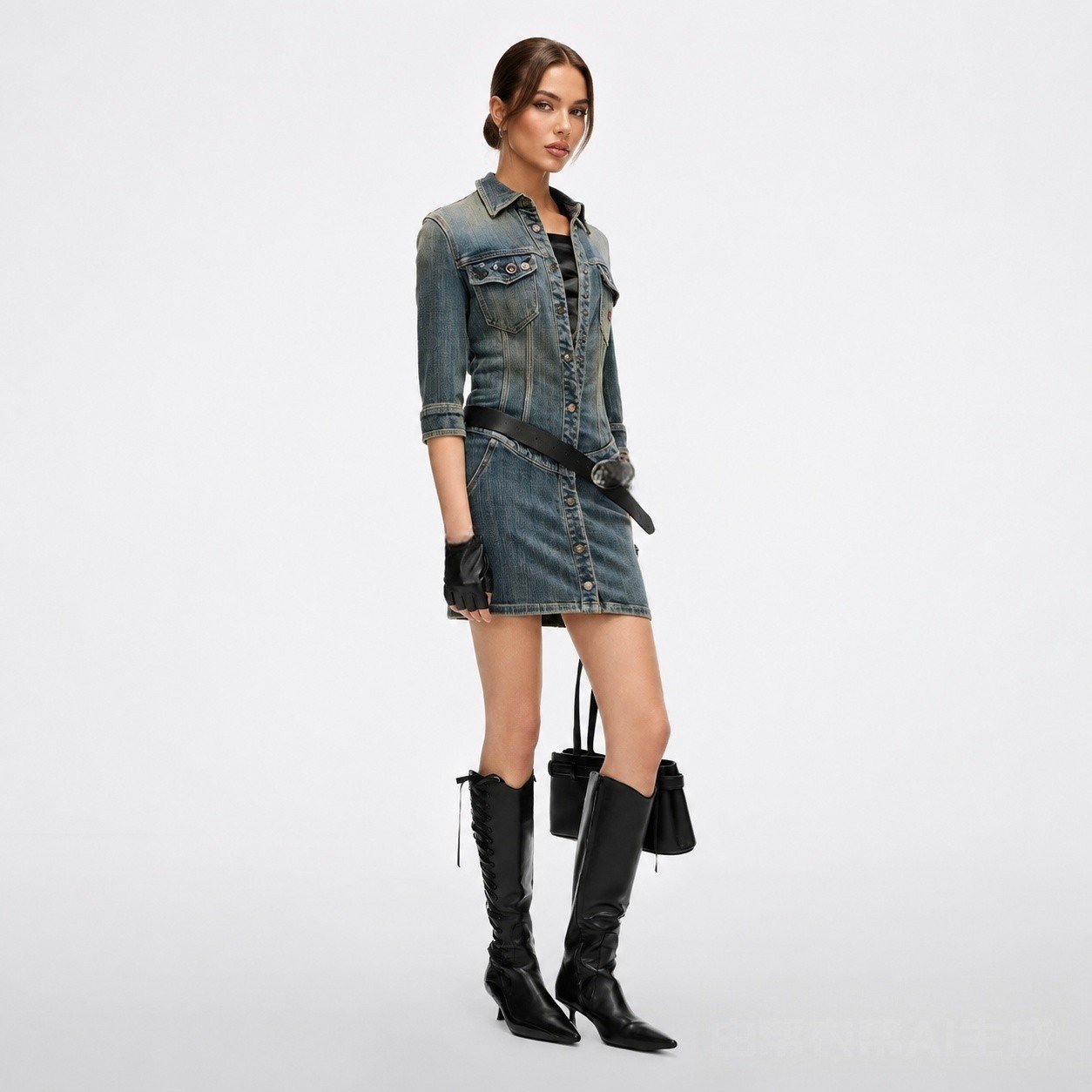
Why Choose JUNSHEEN for Custom Denim Jacket Production
A fit-first OEM partner for low-MOQ launches and scalable global denim programs.
← 左右滑动查看 →
Custom Denim Jacket Production Process
A fit-focused OEM workflow that moves your denim jacket from feasibility review to export-ready delivery with clear approvals at every stage.
Feasibility and Sourcing
We review your tech pack, sketch, or reference, confirm construction feasibility, and recommend denim, lining, hardware, washes, and target-cost options.
Pattern Making and Grading
Our pattern team develops fit-focused blocks and grades XS–3XL, refining shoulder balance, sleeve length, body proportions, and movement before sampling.
Prototype Sampling Approval
We produce a custom denim jacket sample for fit, measurements, wash, decoration, and trim review, then record approved revisions for production.
Bulk Production and QC
After approval, skilled teams manage cutting, sewing, embroidery or printing, washing, and in-line inspections across your 100-unit MOQ or larger program.
Packing and Global Shipping
Final inspections verify measurements, construction, decoration, and packed goods before branded packaging, export documentation, and coordinated global shipment.
How to Start Your Custom Denim Jacket Order
Move from concept to approved bulk production with a clear, factory-led development process.
Send Your Design Brief
Share your tech pack, sketch, reference garment, mood board, target quantities, and fit requirements so our team can assess your custom denim jacket concept.
Confirm Specifications and Quote
Review recommended denim, washes, trims, decoration, XS–3XL grading, MOQ, lead time, and pricing with our OEM team before development begins.
Approve Your Production Sample
Receive a prototype or size set for fit, measurements, construction, wash effect, and branding review, then provide revisions or final approval.
Launch Bulk Production
After approval and order confirmation, we source materials, produce your jackets, conduct in-line and final inspections, then prepare export-ready packing and shipping.
Custom Clothing Manufacturer Credentials and Compliance Documents



Custom Denim Jacket Results From Global Fashion Brands
JUNSHEEN took our reference jacket through samples and bulk with only two fit rounds. We launched 320 units across XS–3XL on schedule, and our first replenishment order was placed within six weeks.
Their grading team corrected shoulder balance and sleeve length across our extended-size range. Returns tied to fit dropped 18% versus our previous jacket program, while the washed finish stayed consistent across 1,200 pieces.
We began with a 100-unit custom denim jacket capsule, then scaled to 2,400 units over three colorways. The team kept our embroidery, labels, hardware, and measurements consistent for repeat production.
Custom Denim Jacket FAQ
Clear answers on MOQ, sampling, fit, private labeling, payment, shipping, and production support for global apparel brands.
What is the MOQ for a custom denim jacket?
How long does a custom denim jacket sample take?
How much does a custom denim jacket sample cost?
Can you develop fits from XS to 3XL or plus sizes?
Can I add private labels and custom hardware to my denim jackets?
What payment terms do you offer for OEM orders?
Do you ship custom denim jackets internationally?
How do you protect my custom denim jacket design and brand details?
The Complete Buyer’s Guide to custom denim jacket
Use this practical framework to select custom denim jacket styles, materials, decoration, quality standards, and supplier capabilities while avoiding costly sampling, pricing, and production mistakes.
1. What Is a custom denim jacket?
100 units per style and color is a practical low-MOQ starting point for a custom denim jacket: a denim outerwear garment specified around a brand’s own fit, fabric weight, wash, hardware, labels, and visual identity. It may begin with a classic trucker block, oversized silhouette, cropped shape, or reference sample, but production details must be fixed before bulk approval. 3 sourcing levels should be separated in every quote request. Blank wholesale means selecting a ready-made jacket with little or no alteration; private-label customization adds brand labels, hangtags, packaging, patches, embroidery, or prints to an existing base; full OEM/ODM development creates or materially adapts the pattern, grading, fabric, wash recipe, trims, and construction from a tech pack or design brief. 12–14 oz rigid denim, 10–12 oz stretch denim, and 11–13 oz comfort-stretch constructions create notably different weight, recovery, and wash results. Before requesting quotations, buyers should define target sizes, colorways, order quantity per color, preferred wash, artwork placements, hardware finish, labeling needs, packaging, target price, and required sample or delivery date. 2010 is the year JUNSHEEN began operating in Dongguan’s Humen garment cluster, supporting brands from product development through sampling, QC, and export. Clear specifications let the team assess feasibility, recommend fabric and trim options, and avoid comparing incomplete quotes that exclude wash, decoration, or custom components.
2. The Evolution of Denim Jackets
1880s work jackets turned hard-wearing cotton denim into a recognizable outer layer for railroad, ranch and factory settings. The 1962 Type III trucker silhouette—pointed chest pockets, front placket and a close, waist-length body—still gives a custom denim jacket immediate heritage credibility; use rigid or lightly stretched 11–14 oz denim, contrast topstitching and restrained branding for that position. 1990s streetwear recast denim as a canvas for oversized proportion, graphics, patches and deliberate distressing, while luxury collections elevated it through refined fits, premium trims and fashion washes. Buyers can signal a fashion-forward offer with dropped shoulders, longer bodies, garment dye, acid wash or tonal embroidery, but should approve wash samples because abrasion and color loss vary by fabric lot. 2010s wash development made lower-impact choices more commercially relevant: enzyme treatments can soften and create a worn hand, while laser marking and ozone processes can reduce reliance on some manual abrasion and conventional bleaching steps. Specify the intended shade against a retained approval standard, then test wash performance, crocking and shrinkage before bulk production rather than treating sustainability claims as a substitute for measurable results. XS–3XL size runs have shifted the category beyond merely scaling up a standard trucker block. A utility-focused program needs usable pocket placement and mobility; a premium program needs balanced shoulder, sleeve and body proportions across graded sizes—fit development that Junsheen can refine from normal-size through extended-size and plus-size ranges.
3. Types of custom denim jacket Styles
A custom denim jacket range works best when each silhouette has a clear customer and retail role. Start with one core fit, then add seasonal or directional variants that connect to existing jeans, tees, hoodies, and dresses.
Trucker And Oversized
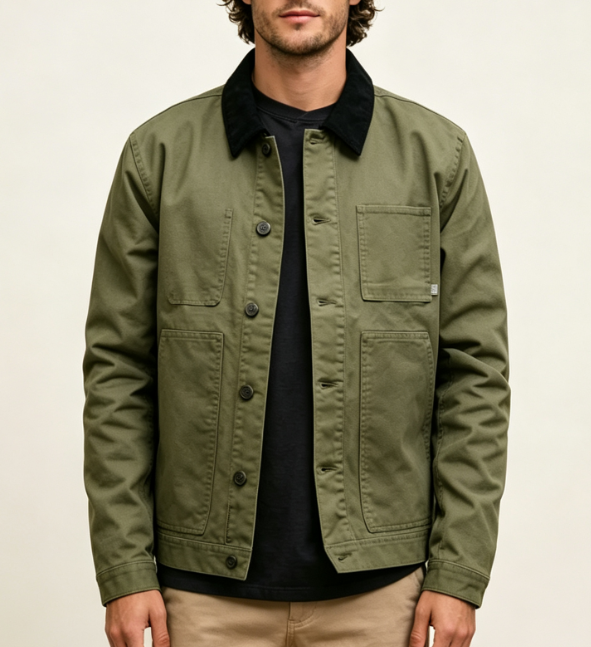
Two chest pockets, a button front, and a hip-length body define the trucker: a dependable unisex core for year-round denim programs. 8–14 oz denim supports an oversized version with dropped shoulders and extra sleeve volume, aimed at streetwear customers and layered hoodie merchandising.
Cropped And Fitted

18–21 inch back lengths typically create cropped jackets for womenswear, youth fashion, and high-waist bottoms; use them as higher-margin outfit builders. 2–5% stretch denim helps fitted styles retain mobility through the shoulders and bust. A shaped waist and shorter sleeve profile suit polished casual capsules.
Lined Workwear And Overshirts
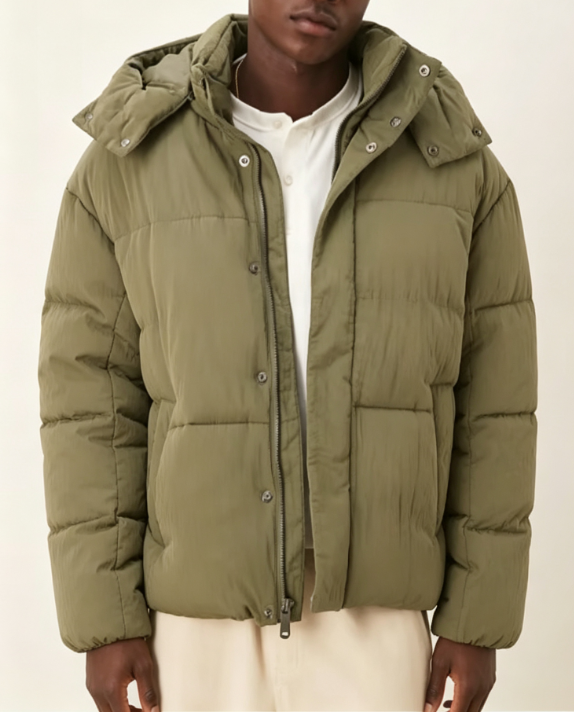
Sherpa-lined jackets add insulation for autumn and winter, supporting a stronger price point through lining, heavier hardware, and cold-weather styling. 4 patch pockets position workwear jackets for utility-led casual ranges, while denim overshirts offer lighter layering for spring, travel, and relaxed menswear assortments.
4. custom denim jacket Materials and Fabrics
10–14 oz denim is the practical starting range for a custom denim jacket: weight, fiber blend, and weave determine whether the garment reads rigid, worn-in, tailored, or insulated. Confirm swatches after the intended wash, not only before sewing.
| Finished Weight | Best Use | Hand And Silhouette | Cost Effect |
|---|---|---|---|
| 8–10 oz | Spring layering | Soft drape, lighter shape | Lower to mid |
| 10–12 oz | Core trucker | Balanced structure and comfort | Mid |
| 12–14 oz | Heritage or workwear | Firm hand, defined silhouette | Mid to higher |
| 14 oz+ | Winter or heavy vintage | Stiff, durable, slower break-in | Higher |
Fiber Content And Stretch

100% ring-spun cotton gives the crispest hand, strong abrasion resistance, and high-contrast fading, but it needs accurate fit allowance because it has little recovery. 98/2 cotton-elastane is a common comfort-stretch option for fitted shapes; recycled cotton can add character but usually requires blending to protect yarn strength and consistency.
- Organic cotton supports certified material programs when transaction documentation is available.
- Rigid denim suits heritage, oversized, and workwear silhouettes.
- Comfort stretch improves mobility but may soften sharp wash creases.
Weight And End Use
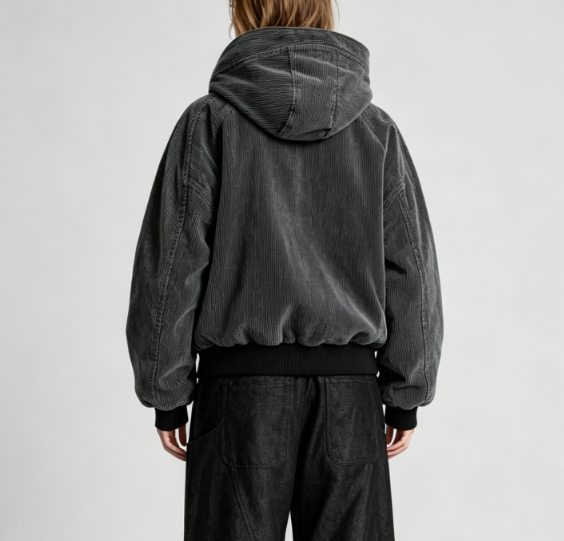
8–10 oz denim drapes more easily and works for spring layers, while 12–14 oz fabric holds a classic trucker silhouette. Ask suppliers to state finished GSM or ounce weight after washing, since garment treatments can change weight and handle.
Lining And Seasonal Performance
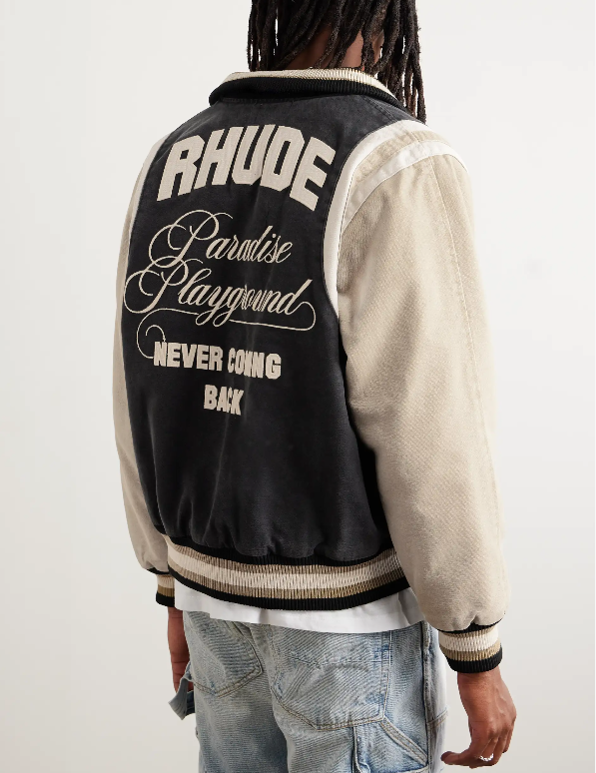
100–140 gsm cotton poplin lining reduces skin friction without making the jacket bulky. Quilted polyester, sherpa, or fleece linings add warmth and cost, while requiring added ease through the sleeve and body. 3 mm quilted padding is suitable for cool-weather programs; verify shrinkage and colorfastness between shell, lining, and fill before bulk approval.
5. custom denim jacket Customization Options
Three customization layers—wash, decoration, and branded components—determine whether a custom denim jacket reads as entry-level merchandise or a repeatable premium program. Lock approved wash panels, artwork files, and trim specifications before bulk production so later orders match the first run.
| Option | Value Signal | Production Impact | Durability Check |
|---|---|---|---|
| Garment wash | Vintage character | High: lab approval | Wash test |
| Embroidery | Premium texture | Medium: backing | Thread pull test |
| Custom hardware | Branded finish | High: tooling lead | Corrosion test |
Wash And Distressing Routes
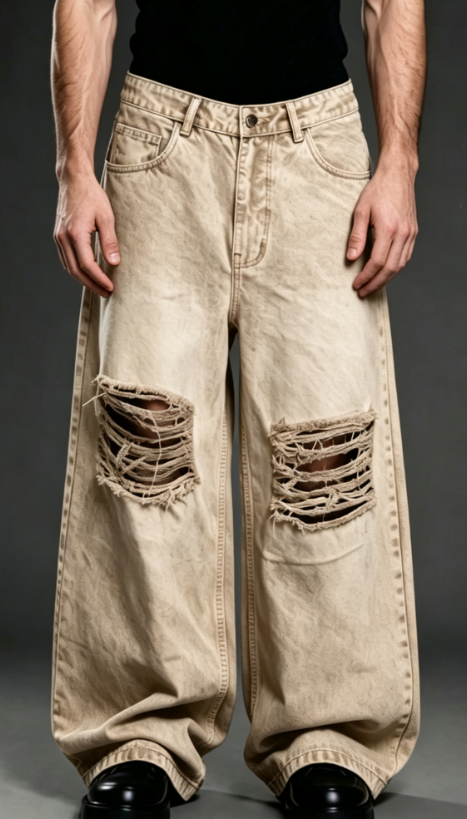
Three wash families cover most programs: enzyme or softener for a cleaner hand, stone wash for abrasion, and acid wash for high contrast. Distressing should stay at least 15 mm from seams, buttonholes, and pocket edges to avoid tear-out during laundering.
- Approve a physical wash standard
- Specify abrasion zones on artwork
- Test whiskers after final wash
Decoration And Placement

300 dpi artwork at final print size, preferably vector AI, PDF, or SVG, prevents soft edges in screen print, patches, and appliqué. Embroidery needs stable backing and clearance from thick flat-felled seams; heat transfers require a smooth, low-stretch placement area.
- Screen print: broad color graphics
- Embroidery: durable dimensional logos
- Patches and appliqué: premium texture
- Heat transfers: detailed small runs
Brand Components And Reorders

Two contrast panels or a custom hardware set can lift perceived value, but each added fabric, snap, zipper, woven label, hangtag, or packaging component increases approvals and replenishment risk. Retain Pantone references, hardware samples, label weave files, placement measurements, and packed-goods photos for consistent reorders.
- Use woven labels for wash resistance
- Specify metal finish and logo artwork
- Approve hangtag stock and packaging dielines
6. Construction Quality for Denim Jackets
Construction quality is set at the approved sample stage, then verified against bulk goods—not judged only by appearance. For a custom denim jacket, buyers should convert each visible and measurable requirement into a controlled production checkpoint.
Fabric And Wash Control
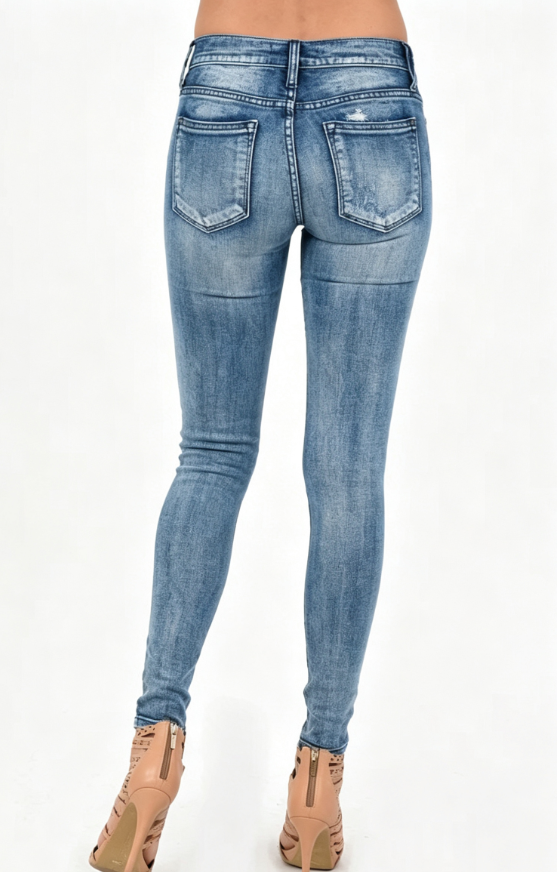
3% or lower dimensional change is a practical shrinkage target for many washed denim programs, but the permitted result must be agreed by fabric and wash method. Measure before and after the approved wash; record shade, cast, hand feel, abrasion placement, and puckering tolerance.
- Fabric composition, weight, and usable width
- Shrinkage test method and allowed percentage
- Approved wash standard and shade reference
Seams And Reinforcement

8–10 stitches per inch is common for denim topstitching, while the correct seam construction depends on the stress point. Specify single-needle, double-needle, or flat-felled seams, thread color, needle size, and bartack locations at pocket corners, plackets, and sleeve openings.
- Stitch density and thread specification
- Bartack position and stitch count
- Topstitch spacing and seam allowance
Shape And Hardware
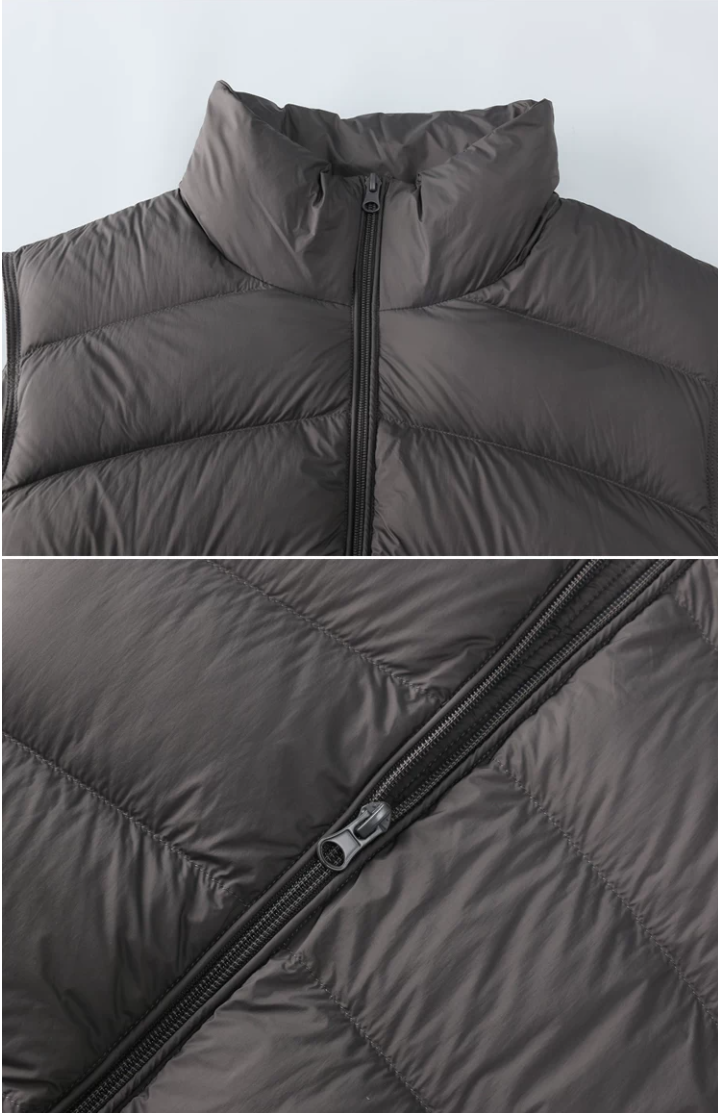
2–3 mm pocket-placement tolerance can be appropriate on a structured front, provided the tech pack defines the measurement points. Check collar points, collar stand, pocket alignment, button spacing, buttonhole length, and snap or shank-button attachment after washing.
- Collar shape and finished dimensions
- Pocket position from center front
- Button pull security and buttonhole size
Approved Sample Records
1 approved sealed sample should carry the final fabric, wash, trims, pattern revision, measurement chart, grading rules, stitch map, construction photos, and defect standard. Junsheen can retain patterns and material records for repeat orders, but buyers should also approve a clear pre-production reference.
- POM chart with tolerances
- Trim and thread swatches
- Front, back, and inside construction photos
Final Inspection
100% final packed-goods checks should confirm measurements, workmanship, wash consistency, decoration, labels, hardware, and carton accuracy before shipment. Use an agreed AQL level or a documented brand checklist; isolated sample approval does not replace bulk inspection.
- Compare units with the approved sample
- Recheck high-stress seams and hardware
- Verify labels, folding, and carton counts
7. How to Choose a Denim Manufacturer
A capable custom denim jacket supplier proves control of development, washing and delivery with records—not a polished catalog. Qualify the factory against your launch volume, wash risk, fit complexity and destination-market requirements.
Verify Denim Capability

Ask for recent jacket samples showing collar stands, pocket alignment, bartacks and consistent topstitching. Request factory-floor and wash-house evidence, plus a construction sheet identifying denim weight, shrinkage allowance and hardware. Ask whether production is direct or subcontracted; a trading supplier may not control wash recipes, rework or delivery dates.
- Recent comparable sample photos
- Wash test and shrinkage records
- Named factory and wash-house roles
Test Development Support
Start with a tech-pack review before paying for samples. A manufacturing partner should flag pattern, grading, seam and wash conflicts, then provide measurement specs and revision feedback. For new labels, confirm the sample sequence: prototype, fit sample, size set and pre-production sample. Junsheen can develop from a tech pack, sketch, reference garment or mood board, with pattern making and grading through XS–3XL.
Audit Production Readiness
Request MOQ by style, color and wash, monthly capacity, critical-path lead times and export destinations served. Junsheen’s programs can start at 100 units per style and color, while its stated monthly capacity exceeds 80,000 units. Require written checkpoints for incoming fabric, in-line measurements, decoration, final inspection and packed-goods approval. Ask which compliance documents apply to your market—such as OEKO-TEX, GOTS, WRAP or BSCI—and request current certificates where required.
- MOQ and color-breakdown confirmation
- Fabric, wash and bulk timeline
- QC report format and AQL standard
- Export paperwork and shipping responsibility
8. Common custom denim jacket Buying Mistakes
A 100-unit custom denim jacket order can expose specification gaps that a showroom photo never reveals. Before bulk confirmation, convert every visual choice into measurable fabric, wash, fit, artwork, price, and inspection requirements.
Buying Fabric From Photos

10–14 oz denim can look similar online while differing sharply in fiber content, stretch recovery, weight, and color cast. Request physical swatches, wash trials, and post-wash GSM; otherwise, returns or a mismatched hand feel can consume the launch margin.
Leaving Washes And Shrinkage Vague

3–10% shrinkage is possible depending on denim construction and finishing, while enzyme, stone, and acid washes change shade and measurements. Specify wash recipe, target shade, tolerance, and post-wash measurement chart; approve a sealed wash standard before cutting bulk.
Rushing Artwork And Fit Approval

1 untestable file can turn embroidery, screen print, patches, or placement into costly remake work. Supply vector artwork, Pantone references, dimensions, and placement from fixed points, then approve a decorated sample. XS–3XL grading needs more than enlarging the base size. Review a graded size set for shoulder balance, sleeve length, chest, and body length before authorizing production.
Comparing Unlike Quotes
$2–$5 quote differences may exclude fabric weight, wash, trims, labels, packaging, sampling, or inspection. Compare line-item specifications and require an approved sample, bill of materials, measurement tolerances, AQL level, and final-inspection standard in the purchase order.
9. Steps to Launch Your Denim Jacket
A realistic custom denim jacket calendar begins 16–24 weeks before the intended selling season. Lock commercial decisions early, because fabric booking, fit approvals, decoration tests, freight, and launch photography each consume time that cannot be recovered at the final inspection.
Brief And Technical Package
Week 1 starts with a market brief: target customer, retail price, delivery window, color count, competitor references, and planned quantities. By week 2, approve a tech pack with flat sketches, Pantone colors, point-of-measure specs, wash direction, artwork, labels, and packaging.
- Confirm target retail price and margin
- Set 100-unit minimum by style and color
- Freeze inspiration before pattern work
Fabric And Pattern Development

Weeks 2–4 cover denim swatches, usually 10–14 oz for classic jackets, plus trim and wash testing. Approve the fabric composition, shrinkage tolerance, hardware finish, and hand feel before the pattern maker builds the first graded pattern.
Fit And Pre-Production Approval

Weeks 4–8 should include a fit sample, followed by measured comments on chest, shoulder, sleeve, body length, and mobility. Weeks 8–10 require a sealed pre-production sample that confirms bulk fabric, wash, decoration placement, labels, and packing method.
- Record revisions directly on the measurement chart
- Approve a size set for XS–3XL when applicable
- Do not release bulk on verbal approval
Bulk, Freight, And Launch Assets
Weeks 10–16 cover bulk cutting, sewing, wash processing, in-line inspection, final measurement checks, and packed-goods review. Reserve freight before ex-factory; use the final approved sample for e-commerce photography, size guidance, product copy, and wholesale line-sheet assets.
- Set final balance timing before shipment
- Allow 1–3 weeks for air freight
- Allow 4–8 weeks for ocean freight
10. custom denim jacket Pricing and Cost
100 units per style and color is JUNSHEEN’s starting point for a capsule custom denim jacket program; approved fabric, wash recipe, decoration placement and trim list determine the final quote. Use the table only for early budgeting, then compare supplier offers against the same tech pack, size range, Incoterm and inspection standard. 10–14 oz denim usually costs less to ship and sew than heavier 14–16 oz constructions, while enzyme, stone or acid washes add processing, testing and handling. Landed cost also changes with embroidery or screen-print stitch/color count, YKK-grade zippers, custom snaps, lining, labels, packaging, sample revisions and destination freight; sampling and freight should be budgeted separately from the ex-factory unit price.
| Quantity tier | Indicative ex-factory unit-price drivers | Typical production lead time |
|---|---|---|
| 100–299 units | Higher sampling allocation; limited fabric efficiency; simple wash and standard trims reduce cost | 35–50 days after approvals |
| 300–999 units | Better fabric and wash efficiency; suitable for patches, embroidery or custom hardware | 30–45 days after approvals |
| 1,000–2,999 units | Bulk fabric purchasing can lower unit cost; multiple colors and complex finishes require planning | 30–40 days after approvals |
| 3,000+ units | Best scale potential when fabric, colorways and packaging are consolidated | 25–40 days after approvals |
Start Your Custom Denim Jacket Sample Today
Send your tech pack, sketch, reference garment, or product idea for fit-focused development and a production quote from 100 units per style/color.