
Custom Denim Jackets from 100 Units
One-stop OEM, ODM and private-label custom denim jackets with fit-focused XS–3XL development for global fashion brands.
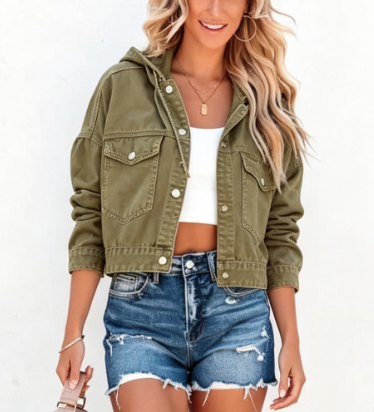
Featured Products for custom denim jackets Development

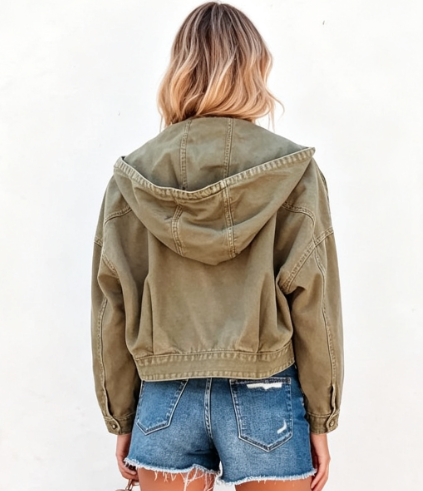
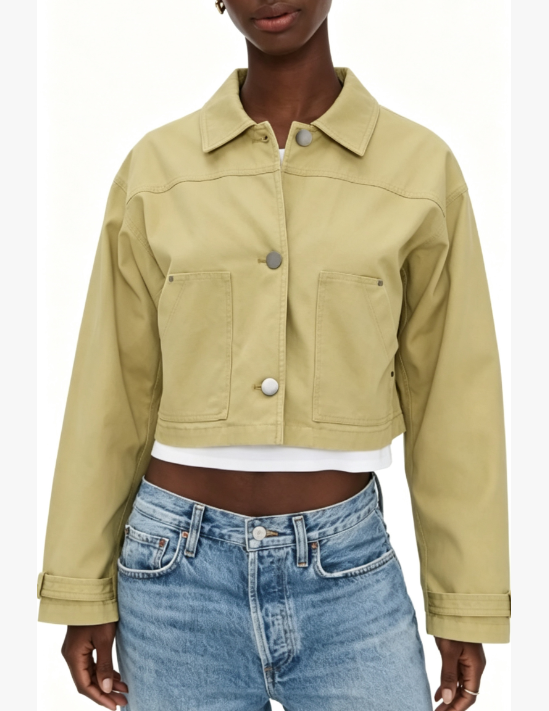

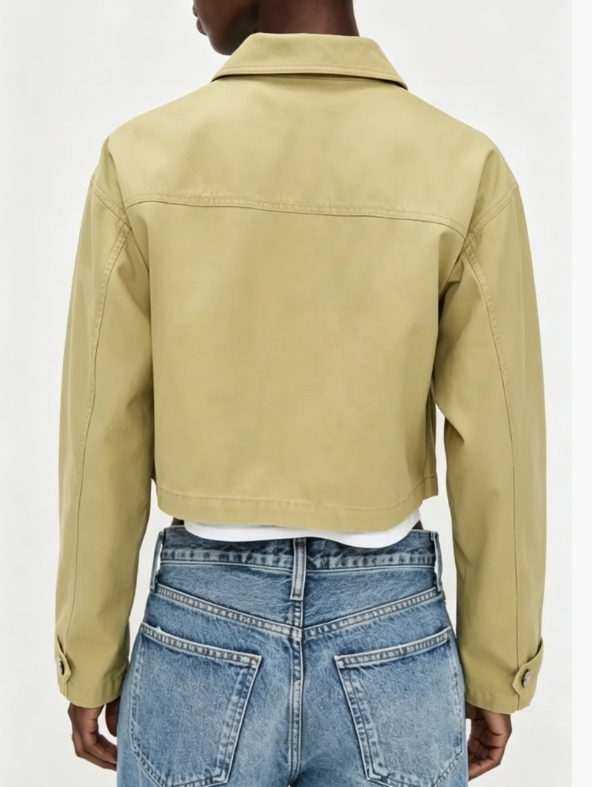
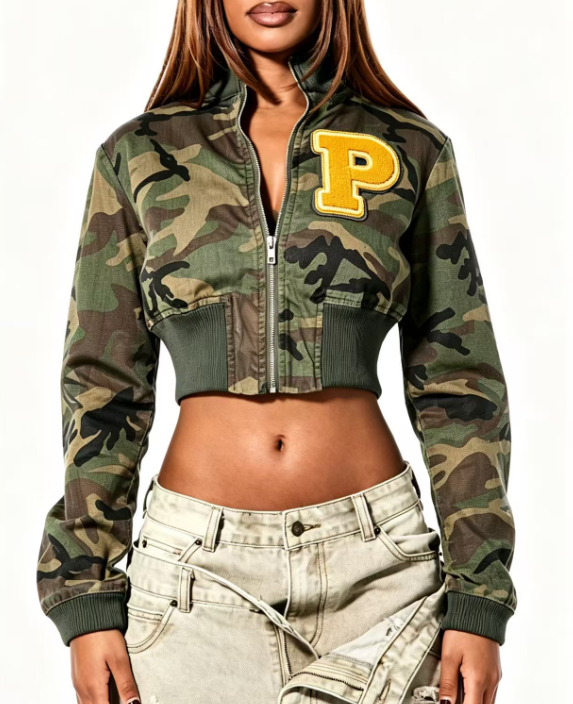




Related Product Catalogue and Quotation




Why Source Custom Denim Jackets from JUNSHEEN
From first sample to export-ready bulk orders, we combine denim development, precise fit control and private-label finishing in one supply chain.
100-Unit MOQ
Launch a capsule or test a new wash with low MOQs from 100 units per style and color.
Fit-Focused XS–3XL
Patterns are graded for proportion, shoulder balance and mobility, supporting regular, oversized and extended-size denim jacket collections.
Complete Denim Development
Turn a tech pack, sketch or reference garment into production-ready custom denim jackets with fabric sourcing, patterns and sampling.
Integrated Decoration
Add embroidery, patches, screen prints, branded hardware, labels and garment washes without coordinating multiple suppliers.
Scale With Confidence
More than 200 skilled workers and 80,000 monthly units support reliable growth from small launches to repeat bulk programs.
Export-Ready Production
In-line quality checks, final inspections, packaging and global shipping support help keep international denim orders organized and consistent.
Custom Denim Jackets & Private-Label Programs
Build coordinated casualwear and outerwear programs from low-MOQ capsules to scalable branded production, with fit development, sourcing, decoration and packaging managed in one supply chain.

Custom Hoodies
Develop custom hoodies from 100 units per style and color, with fleece or French terry options, fit-focused XS–3XL grading, custom rib trims, embroidery, screen printing, washes and private-label packaging for capsule or repeat programs.
Request a Quote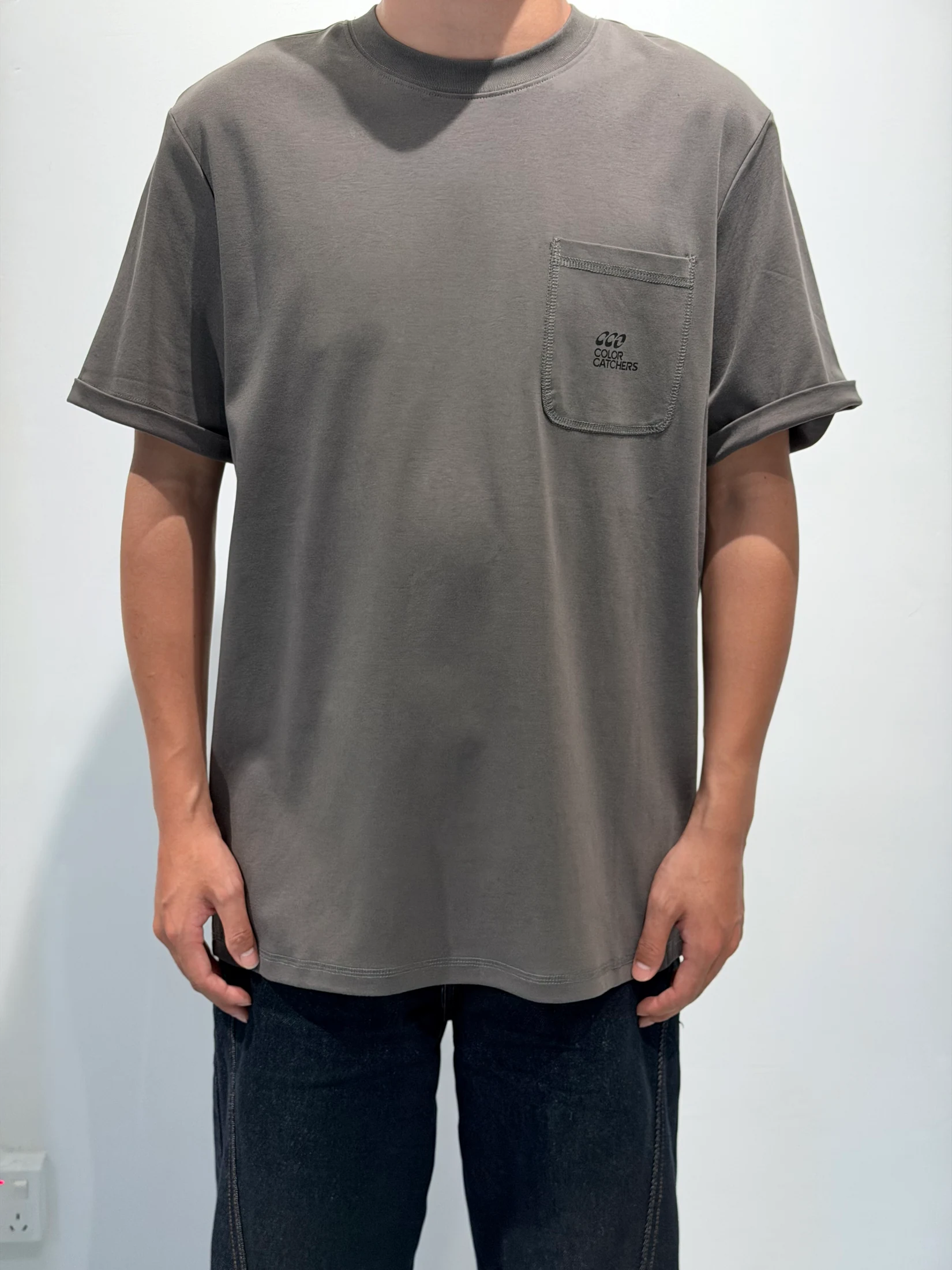
Custom T-Shirts
Produce custom T-shirts in combed cotton, Pima cotton, organic cotton or blended jersey. Junsheen supports specification review, pattern development, size grading, screen print, DTG, DTF, embroidery, labels and packed export-ready goods.
Request a Quote
Custom Jeans
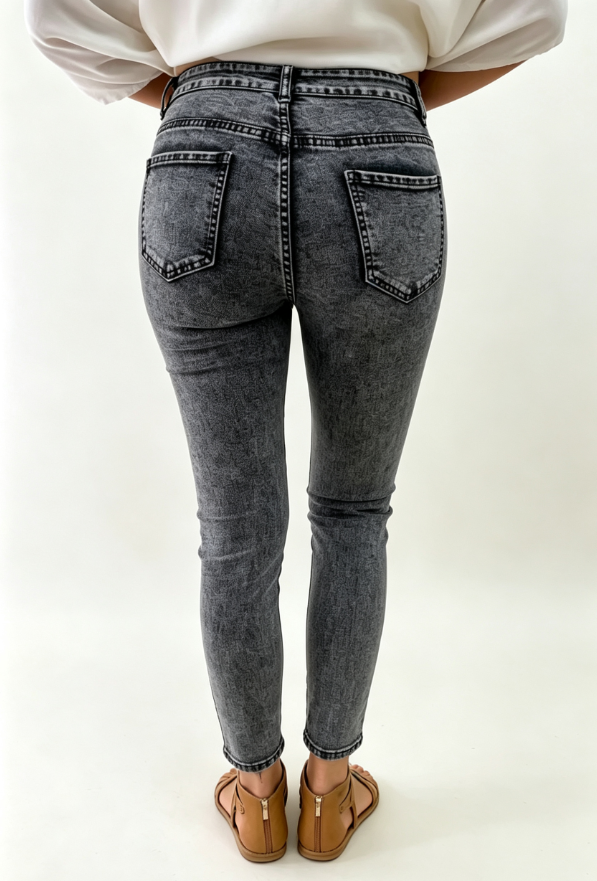
Create custom jeans with denim or stretch-denim sourcing, pattern refinement and grading from XS–3XL. Programs can include custom washes, distressing, hardware, pockets, embroidery, branded leather labels, hang tags and coordinated bulk production.
Request a Quote
Custom Sweaters
Source turtle neck sweater bulk programs with knit construction guidance, yarn selection and fit development for core, extended-size and oversized ranges. Add custom labels, buttons, embroidery or branded packaging for wholesale and private-label distribution.
Request a Quote
Custom Jackets
Manufacture custom jean jackets with denim weight, wash, silhouette and trim specifications aligned to your brand. Junsheen develops patterns, samples and graded size sets, then applies embroidery, patches, printing, branded hardware and private-label finishing.
Request a Quote
Custom Sweatshirts & Crewnecks
Build custom crewneck hoodie and sweatshirt programs in fleece or French terry, including relaxed, oversized and fit-focused size specifications. Decoration options include screen printing, puff effects, embroidery, garment dye, acid wash, labels and custom packaging.
Request a Quote
Custom Cardigans
Develop custom cardigans with knitwear capability across yarn weights, gauges and closures. The team supports silhouette development, XS–3XL grading, button and trim sourcing, logo embroidery, woven labels and scalable production for retail or wholesale assortments.
Request a Quote
Custom Puffer & Down Jackets
Produce custom puffer jackets with shell, lining, insulation, quilting, zipper and trim specifications managed through sampling and bulk production. Programs can include branded labels, reflective details, embroidery, packaging and export support for seasonal outerwear launches.
Request a Quote
Custom Denim Shorts
Create custom jean shorts with denim or stretch-denim sourcing, fit grading and wash development suited to your target market. Specify inseam, rise, pocket details, distressing, embroidery, branded hardware, labels and coordinated seasonal production.
Request a Quote
Custom Sweater Dresses
Manufacture custom sweater dresses with knit construction, yarn selection and proportion-led grading for standard, extended-size and oversized fits. Junsheen supports prototype sampling, size sets, trims, labels, packaging and consistent repeat production.
Request a Quote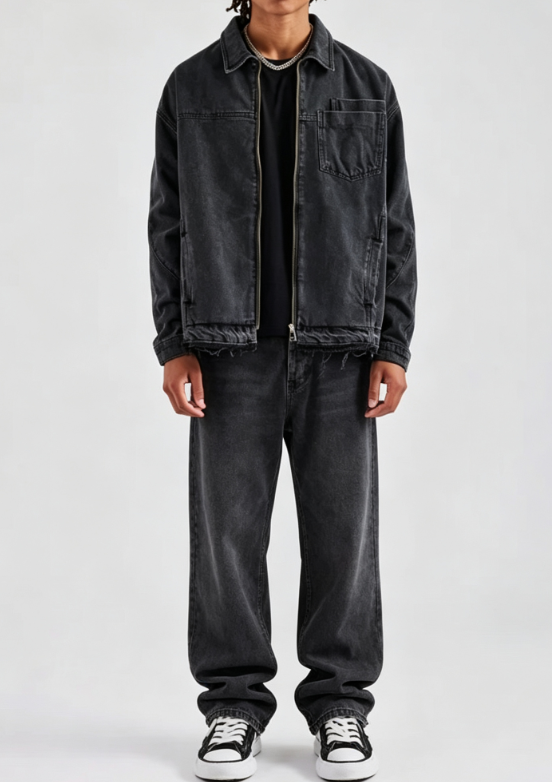
Custom Denim Sets
Build mens denim suits wholesale programs with coordinated denim jackets and jeans, matched wash development and scalable sizing. Junsheen manages fabric sourcing, pattern consistency, branded trims, embroidery, labels, packaging and export-ready bulk fulfillment.
Request a Quote
Custom Polo Shirts
Produce custom polo shirts in jersey, pique or performance-knit fabrics with collar, placket and fit specifications tailored to your brand. Add logo embroidery, screen printing, custom buttons, labels, grading and packaging for private-label or wholesale orders.
Request a Quote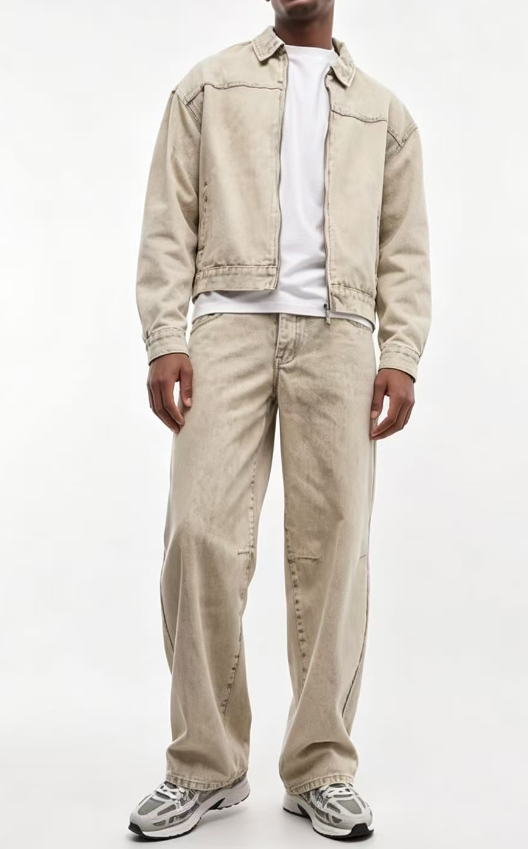
Custom Sweatpants
Develop custom sweatpants in fleece, French terry or performance knits, with refined rise, leg shape and cuff proportions across XS–3XL. Programs can include drawstrings, pockets, prints, embroidery, washes, labels and matched hoodie or crewneck sets.
Request a Quote
Custom Shorts
Manufacture custom shorts in jersey, fleece, twill, denim or performance fabrics for casual, athleisure and retail programs. Specify inseam, waistband, pockets, trims and decoration, with low-MOQ sampling and scalable production after approval.
Request a Quote
Custom Pullovers
Create custom pullovers across knitwear, fleece and jersey constructions, starting from a tech pack, reference garment or concept. Junsheen supports fabric selection, fit-focused grading, embroidery or printing, private labels, packaging and repeat-order consistency.
Request a QuoteDenim Fabrics for Custom Denim Jackets

Rigid Cotton Denim
A structured, authentic denim with a crisp hand feel for classic trucker jackets and vintage-inspired silhouettes. Typically 10–14 oz, it offers strong abrasion resistance, clean shaping, and distinctive fading through stone or enzyme washes.

Stretch Denim
Cotton denim blended with elastane for comfortable movement in fitted, cropped, and modern tailored jackets. Commonly 9–12 oz, it maintains a substantial denim appearance while adding controlled recovery and easier all-day wear.

Comfort Stretch Denim
A softer cotton-blend denim with modest mechanical or fiber stretch for relaxed contemporary jackets. Usually 10–13 oz, it balances durable construction, a broken-in hand feel, and dependable wash performance without excessive cling.

Slub Denim
Textured denim with uneven yarn character that creates a subtle, artisanal surface and rich visual depth. Best for heritage, workwear, and premium casual jackets, its 11–14 oz construction develops pronounced highs and lows after washing.

Colored Denim Twill
Garment-dyeable or piece-dyed cotton twill with a denim-like structure for fashion-color jackets beyond indigo. Often 8–12 oz, it provides a smooth hand feel, reliable color application, and flexibility for pigment, acid, or enzyme washes.

Recycled Blend Denim
Denim incorporating recycled cotton or polyester for collections with material-conscious positioning. Available in varied 10–13 oz weights, it can deliver durable jacket construction while requiring fabric-specific testing to confirm shade consistency, shrinkage, and wash results.
Custom Denim Jackets: Decoration and Wash Techniques

Logo Embroidery
Flat, 3D puff and chain-stitch embroidery add textured logos, artwork and lettering to custom denim jackets, creating a premium raised finish designed to hold its definition through regular wear and washing.

Screen Printing
Plastisol, water-based, puff, foil and high-density screen prints bring bold graphics to denim panels. Process selection is matched to artwork detail, desired hand feel and wash-performance requirements for lasting visual impact.

Custom Patchwork
Applique, woven patches, leather badges and embroidered emblems create layered brand identity across jackets. We develop placement, stitching and backing details to achieve a secure, dimensional finish suited to repeated use.

DTF Transfers
DTF and heat-transfer applications reproduce multicolor logos and detailed artwork with crisp edges. They are well suited to smaller graphics, variable designs and placement areas where direct printing is less practical.

Denim Wash Finishes
Enzyme, stone, acid and softening washes shape denim color, softness and vintage character. Controlled finishing helps achieve consistent fade patterns and hand feel across approved samples and scalable bulk production.
Custom Denim Jackets: Trims, Labels and Hardware

Custom Snap Buttons
Specify logo-engraved snap buttons for plackets, cuffs, and chest pockets. We can match finish, color, size, and attachment strength to your custom denim jackets, from heritage metal hardware to modern matte closures.

Branded Zippers
Add dependable metal or nylon zippers to trucker, biker, and utility jacket designs. Choose puller shapes, tape colors, finishes, and logo details that support smooth wear while reinforcing your private-label identity.

Woven Brand Labels
Create woven main, size, and care labels with your logo, artwork, and required fiber information. Labels are positioned for comfort and clean presentation, helping every jacket arrive retail-ready for your target market.

Custom Logo Patches
Use embroidered, woven, leather, faux-leather, or applique patches on chest panels, sleeves, back yokes, and hems. Custom patches add a recognizable signature while complementing embroidery, washes, and denim texture.

Hangtags and Packaging
Finish each order with custom hangtags, barcode stickers, polybags, tissue, and branded packaging. Our team aligns materials and presentation details with your launch requirements, wholesale workflow, and global shipment needs.
About JUNSHEEN Custom Denim Jackets Manufacturing
Founded in 2010 in Humen Town, Dongguan, JUNSHEEN helps fashion brands turn denim concepts into production-ready custom denim jackets. Our one-stop OEM, ODM, and private-label team supports every stage, from technical review and fabric sourcing to fit development, sampling, and export-ready delivery.
With more than 200 skilled workers and monthly capacity exceeding 80,000 units, we serve emerging labels, independent designers, wholesalers, retailers, and established brands worldwide. Flexible 100-unit minimums per style and color allow clients to launch focused capsules, then scale into dependable repeat production.
What distinguishes JUNSHEEN is a fit-first approach backed by in-house pattern making, XS–3XL grading, denim washing, embroidery, printing, custom trims, labels, packaging, and quality control. Having served 2,000+ fashion-brand clients, we combine responsive development with consistent manufacturing discipline.

Custom Denim Jackets Development, In Detail
Fit Engineering Across XS–3XL
JUNSHEEN develops custom denim jackets with pattern balance tailored to regular, extended-size, plus-size and oversized ranges. Our team refines shoulder width, sleeve pitch, body length and grading increments so every approved size wears consistently before bulk production.
- Fit-focused patterns from XS to 3XL
- Oversized and plus-size grading support
- Prototype, size-set and pre-production approvals

Fabric, Weight and Wash Development
Select denim construction around the intended silhouette, price point and wash result. From rigid cotton denim to stretch blends, Junsheen sources suitable weights, tests hand feel and wash behavior, then develops enzyme, stone, acid or garment-dye finishes for the target look.
- Rigid, stretch and blended denim options
- Wash testing before bulk material confirmation
- Support for vintage, softened and fashion finishes

Decoration Built Into Production
Artwork, branding and embellishment are planned alongside jacket construction instead of added as an afterthought. In-house teams coordinate embroidery, patches, screen printing, labels and hardware placement with seams, pockets and wash processes to protect appearance and production efficiency.
- Embroidery, patches and screen-print effects
- Custom buttons, snaps, zippers and leather labels
- Decoration placement reviewed for construction compatibility

Repeat Orders Kept Consistent
Approved patterns, graded specifications, fabric references and trim records are retained for efficient reorders of custom denim jackets. With 200+ skilled workers and monthly capacity above 80,000 units, JUNSHEEN can support 100-unit launches and scale proven programs with controlled quality.
- Production starts from 100 units per style and color
- Retained records support faster repeat development
- In-line measurement, construction and final-pack inspections

Why Choose JUNSHEEN for Custom Denim Jackets
Evidence-led manufacturing support from first development review through global delivery.
← 左右滑动查看 →
Custom Denim Jackets Production Process
A controlled OEM workflow that turns your approved concept into production-ready denim jackets, from fabric selection and fit development through final inspection and export packing.
Feasibility and Material Sourcing
We review your tech pack, reference, target price, quantities, wash direction, and fabric needs, then source denim, linings, hardware, and branded trims.
Patterning and Sample Development
Our team creates fit-focused patterns and XS–3XL grading, develops prototypes, and refines construction, measurements, mobility, and wash results before approval.
Bulk Cutting and Decoration
After pre-production approval, we inspect materials, cut panels, and apply embroidery, printing, patches, distressing, garment washes, and custom hardware to specification.
Sewing and In-Line Control
Skilled production teams assemble each jacket while in-line checks monitor seam quality, measurements, pocket placement, decoration alignment, and consistent construction across the order.
Final Inspection and Shipment
Finished custom denim jackets receive final quality checks, pressing, labeling, packing, and export coordination, with balances settled before global shipment from our Dongguan facility.
How to Start Your Custom Denim Jackets Order
Move from concept to approved bulk production with a clear, fit-focused OEM workflow.
Submit Your Design Brief
Send a tech pack, sketch, reference garment, mood board, or product idea with target quantities, sizing, wash direction, decoration, and private-label requirements.
Review Feasibility and Sampling
Our team reviews construction, fabric, hardware, fit, and grading, then develops patterns and samples for your approval from XS through 3XL.
Approve Your Production Quote
Confirm the sample, material selections, trims, packaging, delivery requirements, pricing, and 100-unit minimum order quantity per style and color before production.
Launch Bulk Production
JUNSHEEN manages fabric sourcing, cut-and-sew production, washing, decoration, quality inspections, final packing, and export coordination for consistent custom denim jackets.
Custom Clothing Manufacturer Credentials and Compliance Documents



Custom Denim Jackets That Earn Repeat Orders
JUNSHEEN turned our reference jacket into a production-ready sample in 18 days and resolved two fit notes before approval. Our first 300-piece run sold through in six weeks, so we placed a repeat order with confidence.
The grading was noticeably more consistent from XS through 3XL than our previous supplier. We reduced customer fit-related returns by 22% on the new jacket program and reordered 1,200 units across two washes.
Their team kept sampling responsive while coordinating custom hardware, embroidery patches and an acid wash. We launched four custom denim jacket colorways from a 100-unit MOQ, then scaled the best seller to 2,500 units.
Custom Denim Jackets FAQ
Clear answers on MOQ, development, production, shipping, payments, and confidential manufacturing with JUNSHEEN.
What is the MOQ for custom denim jackets?
Can you make a sample before I order custom denim jackets in bulk?
How long does custom denim jacket production take?
Can JUNSHEEN develop denim jackets in XS through 3XL?
What denim fabrics, washes, and decorations can you offer?
What payment terms apply to a first custom denim jacket order?
Do you ship custom denim jackets internationally?
How do you protect my designs and private-label details?
The Complete Buyer’s Guide to custom denim jackets
Use this practical framework to select silhouettes, fabrics, decoration methods, and production partners, compare supplier capabilities, control costs and lead times, and avoid the sourcing mistakes that weaken quality or brand margins.
1. What Are custom denim jackets?
100 units per style and color is a practical starting point for custom denim jackets: business-to-business outerwear developed to a buyer’s specification rather than bought as unbranded stock. A program may define the silhouette, from cropped trucker to oversized or extended-size fit, along with denim weight, stretch, shade, Pantone-matched wash direction, distressing, stitching, hardware, artwork, labels, and branded packing. OEM means the buyer supplies a production-ready tech pack and the factory executes it; private label adds the buyer’s name, labels, trims, and packaging to the finished product. ODM starts with a manufacturer-developed base design that the buyer adapts, while branded promotional programs prioritize campaign logos or event identity on a simpler jacket platform. 2010 is the year Dongguan Junsheen Clothing Co., Ltd. was founded; its development workflow can turn a sketch, reference garment, mood board, or tech pack into patterns, graded size sets, samples, and bulk records. The commercial value is a differentiated jacket with a consistent brand system—and retained specifications that make color extensions, replenishment, and scaling from a capsule to repeat production more controlled.
2. The Evolution of Denim Jackets
1853 marks the beginning of riveted denim workwear: Levi Strauss and Jacob Davis secured the 1873 patent that made stress-point reinforcement commercially distinctive. By the early 20th century, denim jackets translated that durable logic into a waist-length layer for railroad, ranch, and industrial use—details such as chest pockets, felled seams, metal shanks, and adjustable waist tabs still signal heritage to buyers. 1930s Western films and 1950s youth culture moved denim from utility into identity; the Type I, II, and III trucker silhouettes became recognizable references. A branded collection does not need a literal reproduction, but a cropped body, boxy chest, contrast topstitching, or pleated front can communicate the era while leaving room for modern pockets and fit corrections. 1980s designer denim, punk customization, and hip-hop styling expanded the jacket into a canvas for washes, patches, embroidery, and oversized proportions. Acid wash, stone wash, enzyme wash, garment dye, and controlled abrasion each change both the visual age and the production risk; approve a wash standard on the actual fabric and hardware before bulk. 2020s assortments increasingly use relaxed, gender-inclusive blocks rather than simply scaling a men’s base pattern. For custom denim jackets, retain a classic trucker or workwear fit as a repeatable core, then use oversized fits, seasonal wash colors, or limited decoration programs for capsules—an efficient way to balance continuity with newness.
3. Types of custom denim jackets
Four core silhouettes cover most first-season custom denim jackets programs: trucker, oversized, cropped, and sherpa-lined. Choose by wearer, selling window, decoration area, and whether the garment supports retail, uniforms, or events.
| Style | Best Customer | Season | Merchandising Use |
|---|---|---|---|
| Trucker | Broad unisex audience | Year-round | Uniform or core retail |
| Oversized | Streetwear buyer | Fall | Capsule or artist drop |
| Cropped | Fashion customer | Spring-summer | Denim-set retail |
| Sherpa-lined | Outerwear buyer | Autumn-winter | Premium gift or retail |
Classic Trucker Jackets

A hip-length trucker uses a straight body, pointed collar, chest pockets, and button placket. It suits unisex retail, staff uniforms, and band merchandise; back embroidery, woven patches, and screen prints work well year-round.
Oversized Streetwear Fits

A dropped shoulder and roomy body create the oversized fit popular with younger streetwear customers. It is strongest for fall collections and artist capsules, with large back prints, applique, puff embroidery, and sleeve graphics gaining visibility.
Cropped Fashion Jackets

A waist-length cropped silhouette targets women’s fashion and coordinated denim-set programs. It sells best in spring and summer drops, where rhinestones, logo embroidery, contrast panels, and branded buttons can justify a higher retail position.
Sherpa-Lined Outerwear
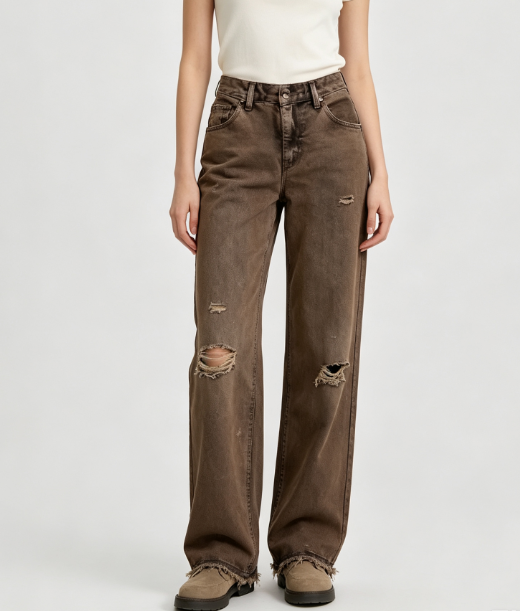
A sherpa-lined denim jacket adds warmth through the body and collar without becoming a full technical coat. It fits autumn-winter retail and premium gifting; use leather labels, embroidery, and subtle patches rather than dense prints on the lined construction.
4. Materials for custom denim jackets
12–14 oz (407–475 GSM) denim suits most custom denim jackets: it holds a structured silhouette yet remains wearable across seasons. Specify fiber content, finish, and shrinkage tolerance before sampling, because washing changes both dimensions and shade.
| Material | Composition | Weight | Feel | Best Use | Sourcing Trade-Off |
|---|---|---|---|---|---|
| Rigid cotton denim | 100% cotton | 11–16 oz | Structured, durable | Classic jackets | Needs shrinkage and colorfastness testing |
| Stretch denim | 98–99% cotton, 1–2% elastane | 10–13 oz | Flexible, softer | Fitted silhouettes | Recovery and heat sensitivity |
| Recycled blend | Cotton with 20–40% recycled cotton | 11–14 oz | Variable texture | Lower-impact capsules | Shade consistency may vary |
| Organic cotton denim | Certified organic cotton | 11–14 oz | Natural, substantial | Traceable programs | Higher cost and documentation needs |
Core Denim Choices
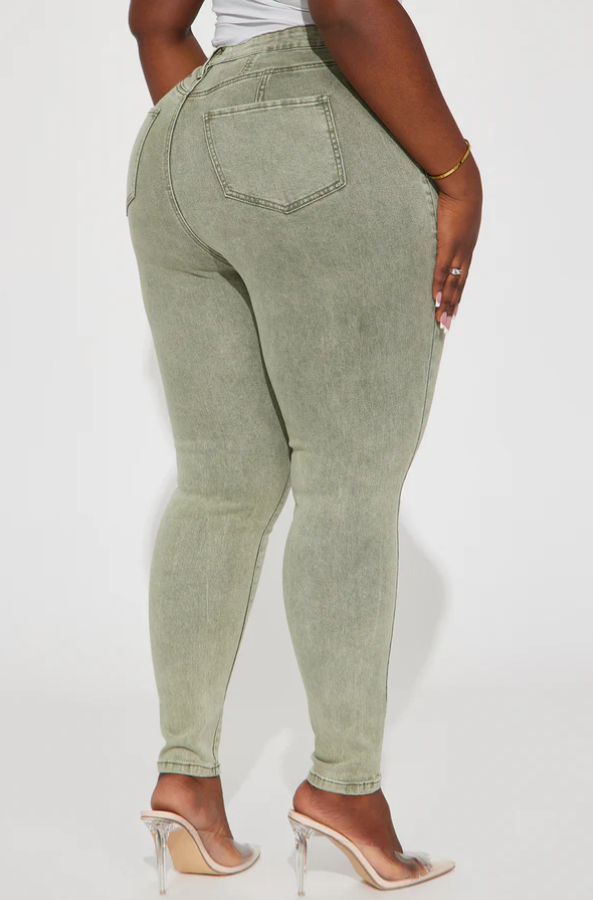
100% cotton ring-spun denim offers the crispest break-in and reliable abrasion resistance; 11–13 oz works for layering, while 14–16 oz suits rugged outerwear. Stretch denim with 1–2% elastane improves reach and comfort but needs recovery testing to avoid bagged elbows.
Responsible Fiber Options

20–40% recycled cotton blends reduce virgin-fiber demand, though color variation and shorter recycled fibers can affect surface uniformity. Organic cotton can support certified programs when transaction documentation is available; confirm certification scope with the fabric mill, not only the garment supplier.
Finish And Lining Decisions

Raw indigo preserves the deepest color and invites wearer fade, but requires separate wash testing for shrinkage and crocking. Enzyme or stone washes soften 12–14 oz denim; use unlined shells for mild weather, cotton flannel for cool climates, and quilted polyester for insulation.
5. Custom denim jackets Decoration Options
For 100-unit capsule runs, decoration should reinforce the jacket’s wash, silhouette, and price position rather than compete with all three. Custom denim jackets need artwork planned around seams, pockets, yokes, and abrasion zones before sampling.
| Method | Visual Impact | Placement Or Detail | Wash Durability | Setup And Best Volume |
|---|---|---|---|---|
| Embroidery | Textured, premium | Small-to-medium; simplify fine lines | High | Digitizing; 100+ units |
| Screen Print | Bold, graphic | Flat panels; avoid seams | High with correct ink | Screens; strongest at 100+ units |
| DTG Or DTF | Full-color detail | DTG needs flat cotton-rich area; DTF is flexible | Medium to high | Low setup; DTF suits small runs |
| Chenille Or Appliqué | Dimensional, collegiate | Large clear panels; broad shapes | Medium to high | Labor-heavy; 100+ units |
| Patch Or Woven Label | Branded, utilitarian | Pocket, chest, hem, neck | High when securely sewn | Low setup; flexible volumes |
| Laser Or Distress | Tonal, vintage | Wash-dependent; test abrasion zones | Permanent effect, variable fabric strength | Sampling required; 100+ units |
Match Artwork To Method

Embroidery delivers raised texture and strong wash life for chest logos, back motifs, and small sleeve marks; avoid dense fills over heavy seams. Screen print suits bold, flat art, while DTG or DTF handles multicolor illustration and photographic detail. Chenille, appliqué, and patches create a varsity or heritage signal, but each adds labor, thickness, and potential edge lift. Laser artwork and controlled distressing work best when the denim wash is approved first.
- Use embroidery for simplified logos and line art.
- Use screen print for bold areas and repeat runs.
- Use DTF or DTG for intricate color artwork.
- Use patches or appliqué as a single focal point.
Decoration Method Comparison
Three approval points—art scale, placement map, and wash test—prevent the most expensive decoration failures. Request a decorated prototype when combining two methods or placing art near pockets, plackets, or seams.
Control Visual Density

One hero treatment plus one supporting brand detail usually reads more premium than a fully covered jacket. Place woven labels inside the neck or side seam, and reserve exterior labels for deliberate workwear positioning. Two wash cycles should be reviewed after decoration approval, especially for transfers, patch edges, laser work, and distressing. Junsheen can assess placement, fabric weight, and production feasibility from a tech pack, reference garment, or artwork file.
- Keep decoration clear of bulky seam intersections.
- Specify Pantone colors before bulk approval.
- Approve transfer adhesion after washing.
- Map every exterior label and patch location.
6. Construction Quality That Matters
A denim jacket’s durability is decided at construction checkpoints that can be verified before bulk release. Review the approved sample, size-set measurements, wash standard, and dated production photos as one evidence trail.
Seams And Stress Points
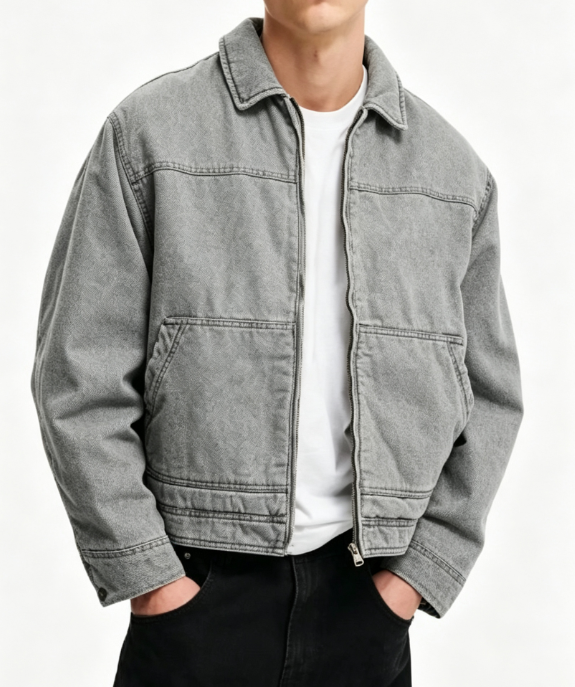
8–10 stitches per inch is a practical benchmark for most denim seams; inspect even tension, balanced topstitching, and no skipped stitches. 2 or 3 rows of topstitching should remain parallel at yokes, plackets, and pockets. Bar tacks or equivalent reinforcement belong at pocket corners, sleeve vents, and other pull points.
- Reject loose thread tails and seam puckering.
- Check inside seams for clean overlock coverage.
- Pull-test pocket corners and side seams.
Shape And Hardware

2 collar points should match in length and roll evenly after washing; uneven collars and twisted cuffs indicate cutting, sewing, or wash-control problems. 4-button cuffs and front closures need secure attachment, aligned buttonholes, and consistent spacing. For zipper styles, operate the zipper repeatedly and inspect tape alignment, end stops, and fabric caught in the teeth.
- Match left and right chest-pocket height.
- Confirm cuffs lie flat when fastened.
- Check snaps for firm, centered setting.
Measurements And Final Inspection
±1 cm is a common tolerance on key jacket measurements, but brands should set garment-specific tolerances in the tech pack. Measure chest, body length, shoulder, sleeve length, cuff opening, and pocket placement after the specified wash. 100% of packed units should receive a final visual check for stains, shade variation, broken stitches, sharp hardware, and incorrect labels. Production photos should show flat measurements, inside construction, matching wash lots, and packed assortments—not only flattering front views.
- Compare bulk wash against the sealed standard.
- Request photos from multiple cartons and sizes.
- Flag repeated defects before final balance payment.
7. Choosing a custom denim jackets Manufacturer
Three documents—the tech pack, wash standard, and graded measurement chart—reveal more about a factory than a polished catalog. For custom denim jackets, assess development controls before comparing quoted unit prices.
Verify Denim Development
10-ounce rigid denim, 12–14-ounce twill, and stretch blends need different patterns, seam allowances, and wash testing. Ask for comparable OEM samples, a wash recipe, shrinkage targets, and the factory’s method for approving shade bands before bulk cutting.
- Which denim weights and wash effects run in-house or through approved laundries?
- Can you review a pre-production sample and shade band before cutting?
- How are patterns graded from XS through 3XL?
Test Communication And Controls
One sample cycle should produce dated comments, revised specifications, and a clear cost impact for every change. Require confirmation of fabric composition, mill origin, trim specifications, inspection points, and any applicable certifications such as OEKO-TEX, GOTS, WRAP, or BSCI.
- Who owns sampling feedback and final approvals?
- What AQL standard governs final inspection?
- Which records accompany fabric and trim approvals?
Validate Commercial Readiness
100 units per style and color can suit a capsule, but MOQ, capacity, and lead time must be confirmed in writing for each wash and colorway. Request a live video walkthrough, recent export documents with sensitive details redacted, production-calendar milestones, and references that verify repeat-order performance.
- What is the sampling lead time and bulk lead time?
- Which port, Incoterm, and export documents are included?
- What deposit, balance, and remake terms apply if approval standards fail?
8. Common Custom Denim Buying Mistakes
Most denim-jacket failures are locked in before bulk cutting, when an untested visual or incomplete specification becomes an approved instruction. A disciplined sample and pre-production review cost far less than correcting finished goods.
Test Artwork At Actual Scale

10 cm chest artwork can look balanced on a screen yet disappear on a finished jacket or distort across a pocket seam. Request a 1:1 placement mockup and a decorated sample before approval. 2 placement references—center-front distance and distance below collar—remove interpretation at the sewing line. Include Pantone targets, stitch count or print dimensions, and tolerances in the tech pack.
Specify Fabric And Wash Behavior

8–12 oz denim may suit a fashion layer, while 12–14 oz fabric better supports a structured trucker silhouette; lowest price alone can mean unstable shade, weak recovery, or poor abrasion performance. Compare hand feel, composition, construction, wash result, and test swatches. 3–8% dimensional change can occur after washing, depending on fabric and finish. Measure washed samples, confirm the approved wash recipe, and build shrinkage allowance into the pattern.
Lock Measurements And Approval Gates
1 missing sleeve length, chest tolerance, or grading rule can create inconsistent units across XS–3XL. Provide a complete point-of-measurement chart, construction notes, and an approved graded size set. 1 pre-production sample is the final control before bulk. Approve fabric, wash, trims, labels, artwork, fit, and packing together; allow extra time for embroidery, patches, custom hardware, and wash development.
Evaluate Beyond The MOQ
100 units per style and color can make a capsule feasible, but it does not prove technical capability or reliable follow-through. Assess sampling communication, pattern and grading skill, wash control, in-line inspection, retained specifications, and export support. 2 comparable supplier quotes should be normalized by fabric, decoration, packaging, testing, and delivery terms. Select the partner that can repeat the approved jacket consistently, not merely the lowest entry quantity.
9. Launching Your Denim Jacket Collection
A 100-unit MOQ lets an emerging label validate one focused denim-jacket story before expanding. Lock the calendar backward from required delivery, reserving time for approvals rather than treating sampling as a formality.
Define The First Assortment
Start with 1 silhouette, 1–2 washes, and 2 core sizes per colorway; too many SKUs dilute a 100-unit run. Specify target customer, retail price, fit intent, Pantone colors, hardware, labels, and packaging in the tech pack.
- One hero trucker or oversized fit
- One commercial wash plus one fashion wash
- One clear size-range plan
Convert Design Into Samples
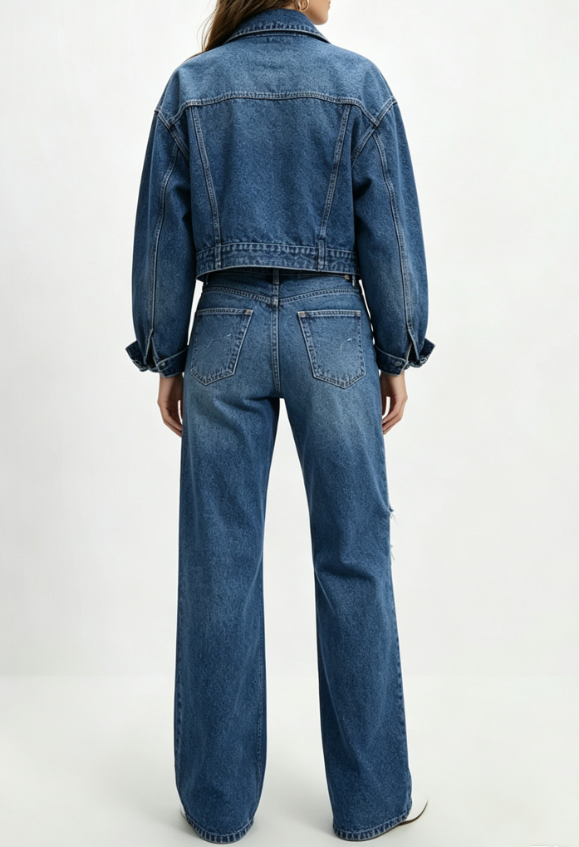
Send the tech pack, reference garment or sketch before fabric booking. Select denim weight, stretch, shrinkage target, wash recipe, trims, and decoration placement; approve swatches before the prototype is cut. Allow 1 prototype and at least 1 fit revision. Record measurement changes, sleeve balance, shoulder pitch, body length, and grading rules in a dated comment sheet.
Approve Decoration And Production
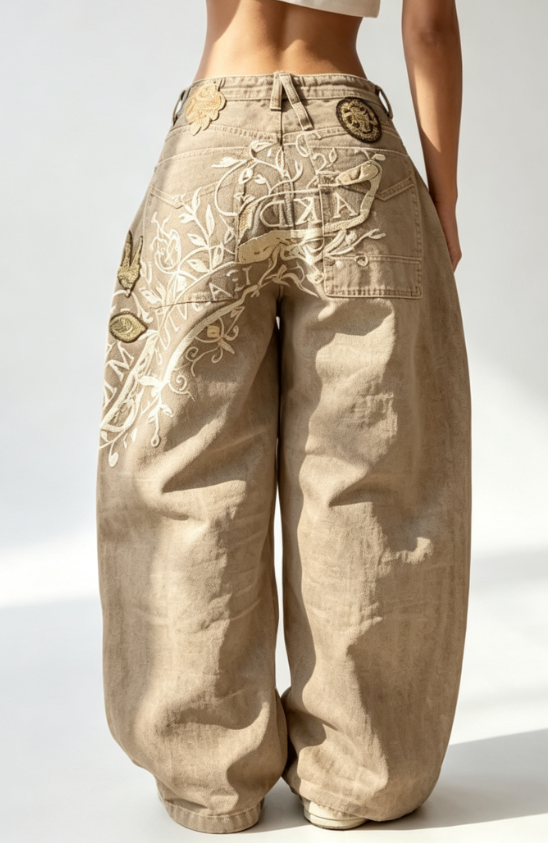
Request an embroidery, screen-print, patch, or laser-wash strike-off before the pre-production sample. Compare placement, thread or ink color, wash interaction, and abrasion against the approved artwork. Approve one complete pre-production sample with final fabric, trims, labels, measurements, and packing. This is the binding handoff to bulk production; late design changes can add cost and delay delivery.
Plan Delivery With Buffers
Plan 8–12 weeks from development confirmation for a typical first launch, with extra time for custom washes or imported trims. Junsheen can scale from 100 units per style and color, making a narrow launch practical. Inspect incoming fabric, in-line sewing, measurements, decoration, and packed goods against the approved sample. Release the final balance before shipment and retain graded patterns and material records for repeat orders.
10. custom denim jackets Pricing and Cost
100 units per style and color is a practical starting point for a capsule program, but it rarely delivers the lowest unit cost. Request an ex-factory quote in USD, then separately add sampling, inspection, duty, insurance and freight to calculate landed cost. 12–14 oz denim, enzyme or stone washing, quilted lining, custom YKK hardware, leather patches, embroidery and individual branded packaging each increase cost. A sample charge should be shown separately and may be creditable against a confirmed bulk order; confirm this before approving development. 7–21 days is a common sampling window after materials and specifications are approved, while bulk timing depends on fabric booking, wash testing and production capacity. Compare supplier offers only when fabric composition and weight, wash recipe, trim list, decoration placement, packing standard, Incoterm and shipment method match exactly.
| Quantity tier | Indicative ex-factory unit price | Typical bulk lead time | Main cost drivers |
|---|---|---|---|
| 100–299 units | US$32–55 | 30–45 days | Low-volume fabric and wash setup allocation |
| 300–499 units | US$26–44 | 30–45 days | Denim weight, lining, hardware and decoration |
| 500–999 units | US$22–38 | 35–50 days | Wash complexity, labels and retail packaging |
| 1,000+ units | US$18–32 | 40–55 days | Material booking, colorways and freight mode |
Ready to Develop Custom Denim Jackets?
Send your tech pack, sketch or reference garment to JUNSHEEN for fit-focused OEM development and a production quote from 100 units.