
Jean Jacket Custom Manufacturing From 100 Units
Launch scalable jean jacket custom programs with OEM, ODM and private-label development, fit-focused grading, finishing and global export support.
Featured Products for jean jacket custom Development








Jean Jacket Custom Catalogue & Quotation



Jean Jacket Custom Programs Built for Brand Growth
From fit development to global delivery, JUNSHEEN brings the technical control and production flexibility denim brands need.
100-Unit Starting MOQ
Launch a jean jacket custom capsule from 100 units per style and color, then scale proven designs with confidence.
Fit-Focused XS–3XL
Refined patterns and grading support regular, plus-size, extended-size and oversized denim fits with balanced proportions across the size range.
Integrated Decoration
Add embroidery, screen printing, patches, custom hardware, garment dye, acid wash or stone wash through one coordinated production team.
Development From Ideas
Bring a tech pack, sketch, reference garment or mood board; our team supports fabrics, patterns, samples and production-ready specifications.
Scalable Global Production
With 200+ skilled workers and 80,000+ monthly units of capacity, we manage reliable bulk production, quality control and export support.
Custom Denim Jacket & Apparel Development
Build coordinated casualwear, denim, knitwear and outerwear programs with low-MOQ development, fit-focused grading and scalable production support.

Custom Hoodies
Develop custom hoodies in fleece, French terry or jersey for capsule launches and ongoing programs. Junsheen supports 100-unit MOQs per style and color, fit-focused XS–3XL grading, embroidery, printing, washes, labels and branded packaging.
Request a Quote
Custom T-Shirts
Produce custom T-shirts in combed cotton, Pima cotton, organic cotton or blended jersey. From oversized silhouettes to extended-size fits, the team manages pattern development, fabric weight, screen printing, DTG, DTF, embroidery and private-label finishing.
Request a Quote
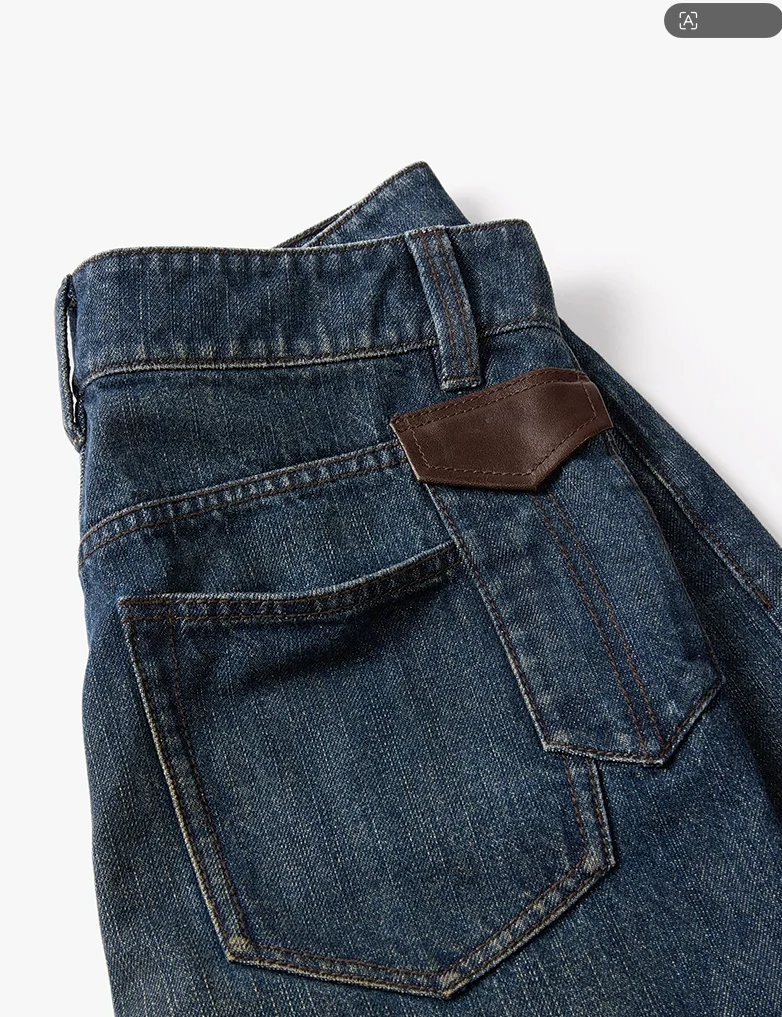
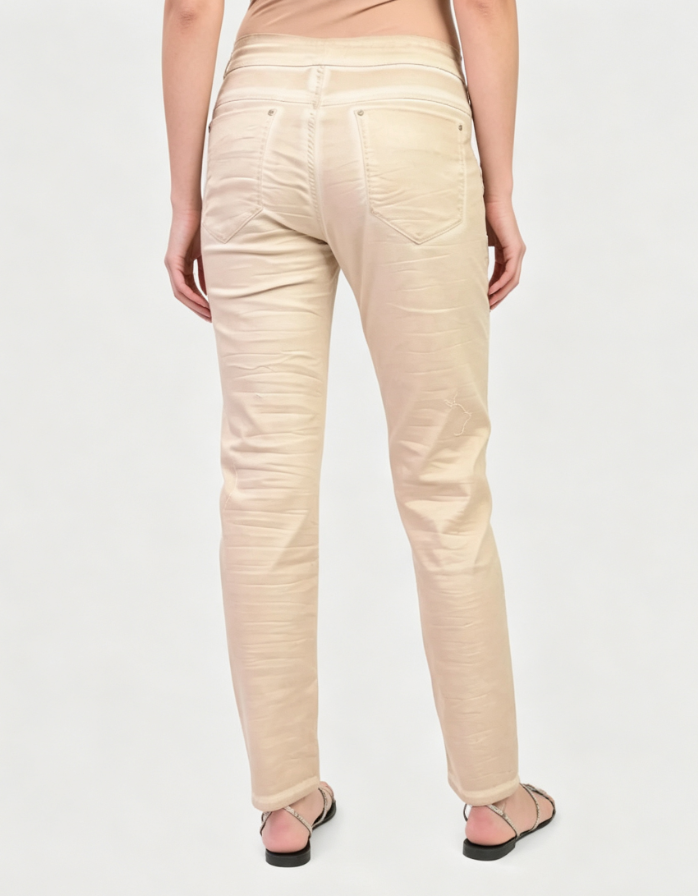
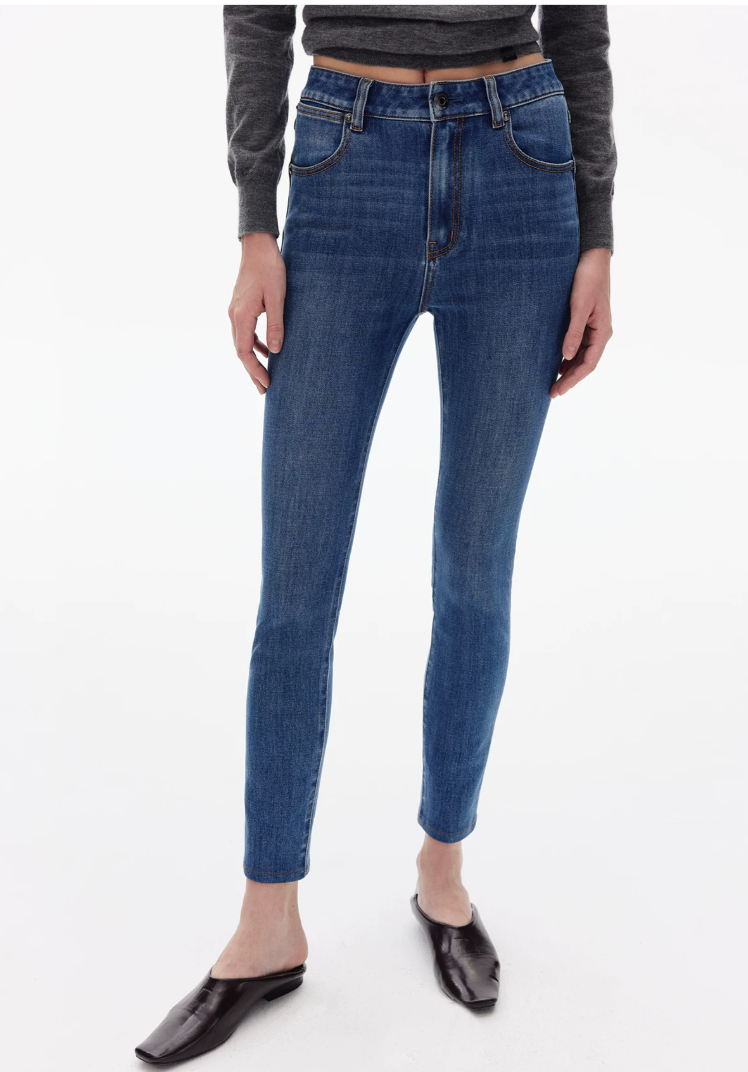
Custom Jeans
Create custom jeans with denim or stretch-denim fabric selection, pattern making and size grading tailored to the target customer. Options include washes, distressing, garment dye, custom hardware, leather labels, embroidery and coordinated denim-jacket production.
Request a Quote
Custom Sweaters
Source and produce turtle neck sweaters in bulk with knit construction, yarn selection and consistent grading across XS–3XL. Junsheen supports pullovers, rib details, custom labels and sampling for wholesale assortments, private-label collections and repeat programs.
Request a Quote
Custom Jackets
Develop custom jean jackets from reference garments, sketches or tech packs. Cut-and-sew production supports denim weights, wash effects, patches, embroidery, branded buttons, labels and fit refinement for regular, oversized and extended-size jacket ranges.
Request a Quote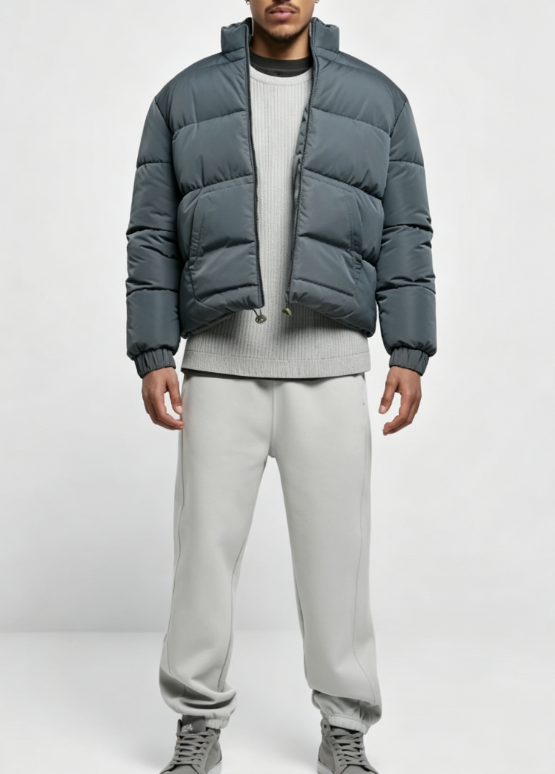
Custom Sweatshirts & Crewnecks
Produce custom crewneck hoodie and sweatshirt programs in fleece, French terry or jersey. Choose crewneck, hooded or oversized constructions, then add screen prints, puff effects, embroidery, washes, rib trims, labels and coordinated bottoms.
Request a Quote
Custom Cardigans
Build custom cardigans with knitwear development, yarn and gauge selection, button sourcing and fit grading. Suitable for private-label layering pieces, seasonal knit programs and extended-size collections requiring balanced body length, sleeve proportions and closure placement.
Request a Quote
Custom Puffer & Down Jackets
Manufacture custom puffer jackets with outer fabric, insulation, lining, quilting, zippers and trim specifications aligned to your target market. Development includes pattern review, sample approval, branding details and scalable outerwear production from 100 units per style and color.
Request a Quote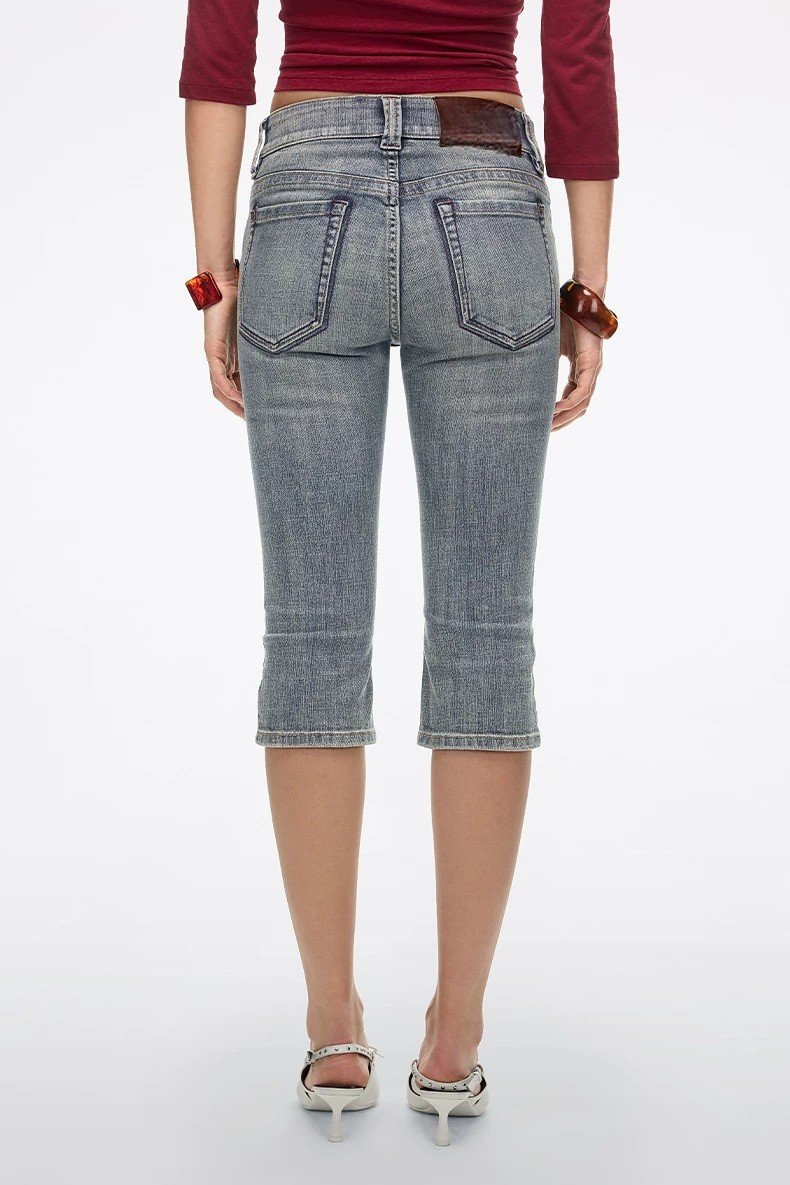
Custom Denim Shorts
Produce custom jean shorts using denim or stretch denim, with rise, inseam and leg opening adjusted for the intended fit. Add wash treatments, distressing, embroidery, patches, branded hardware and size grading for menswear, womenswear or extended-size assortments.
Request a Quote
Custom Sweater Dresses
Develop custom sweater dresses with knit construction, yarn selection and fit grading across the full size range. Junsheen supports body-length control, neckline and rib details, private labels and samples for retail, wholesale and seasonal collections.
Request a Quote
Custom Denim Sets
Create mens denim suits for wholesale programs with coordinated denim jackets and jeans or denim trousers. Junsheen aligns fabric, wash, hardware, color consistency and graded fit across both pieces, supporting capsule orders through repeat bulk production.
Request a Quote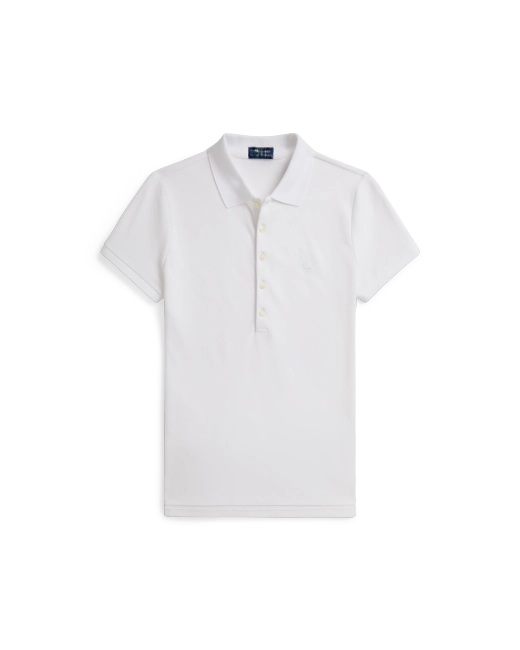
Custom Polo Shirts
Produce custom polo shirts in piqué, jersey or performance-knit fabrics with collar, placket and cuff specifications. Options include embroidery, printed logos, custom buttons, contrast trims, size grading and private-label packaging for branded uniform or retail programs.
Request a Quote
Custom Sweatpants
Develop custom sweatpants in fleece, French terry or jersey with fit options from relaxed to tapered. Junsheen manages rise, inseam and grading across XS–3XL, plus drawstrings, rib cuffs, embroidery, printing, washes and matching hoodie production.
Request a Quote
Custom Shorts
Manufacture custom shorts in jersey, fleece, twill, woven or denim fabrics for casualwear and coordinated sets. Specify inseam, pockets, waist construction and trims, then add printing, embroidery, washes, labels and fit grading for target markets.
Request a Quote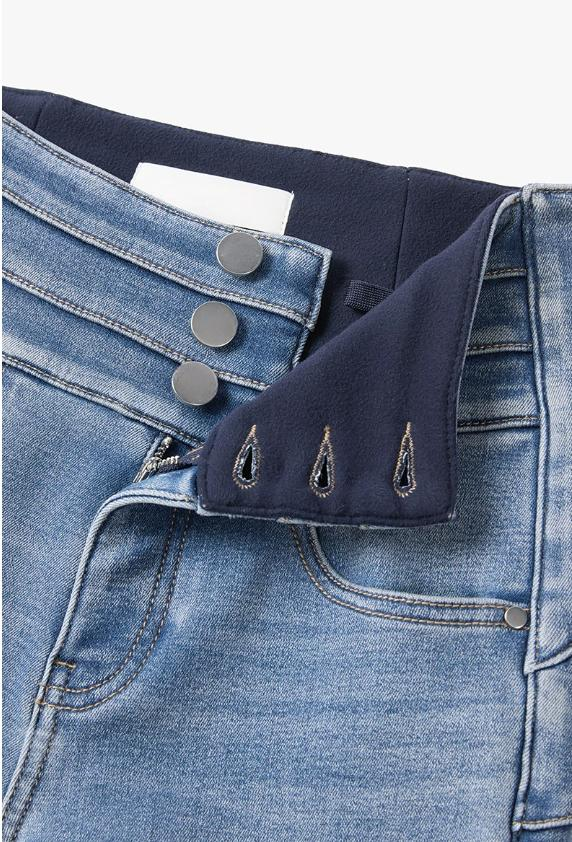
Custom Pullovers
Produce custom pullovers in knit, fleece, French terry or jersey constructions, depending on the required hand feel and season. Development covers neckline, cuffs, hem, pattern grading, decoration, labels and sampling for private-label casualwear collections.
Request a QuoteJean Jacket Custom Materials We Source

Rigid Cotton Denim
Classic 100% cotton denim with a structured, authentic hand feel for trucker jackets, oversized layers and vintage-inspired programs. Available in varied weights, it holds shape well and develops character through stone, enzyme or acid washing.

Stretch Denim
Cotton-rich denim blended with elastane for a flexible, comfortable feel in fitted jean jackets and women’s silhouettes. Controlled stretch improves movement through sleeves and body panels while helping the garment recover its intended shape after wear.

Bull Denim Twill
Dense cotton twill with a smooth, firm hand for clean-colored denim jackets, workwear styles and structured overshirts. Its durable diagonal weave accepts pigment dyeing, embroidery and custom patches while delivering dependable abrasion resistance.

Sherpa Fleece Lining
Soft, lofty fleece lining adds warmth and a textured heritage look to cold-weather jean jackets. Commonly used in the body or collar, its brushed pile provides insulating comfort without requiring excessive bulk.

Quilted Polyester Lining
Lightweight polyester lining with quilted insulation for padded denim jackets and transitional outerwear. It offers a smooth slip-on feel, helps retain warmth and can be specified in different fill weights for seasonal performance.
Jean Jacket Custom Finishing Techniques

Logo Embroidery
Flat, 3D puff, chain-stitch and applique embroidery add dimensional branding to chest panels, backs and sleeves. Reinforced execution and thread selection help logos retain definition through wear and repeated washing.

Custom Patch Application
Woven, embroidered, chenille, leather-look and specialty patches create a tactile brand signature. We match patch placement, backing and attachment method to denim weight for a secure, premium-looking finish.

Screen Print Effects
Plastisol, water-based, puff, flocking, silicone and high-density screen prints turn jacket graphics into durable visual statements. Artwork is reviewed for denim texture, print placement and wash compatibility before production approval.

Garment Dyeing
Garment dye creates rich, lived-in color across finished jean jackets while preserving design flexibility. Controlled dye recipes and sample approvals help achieve the intended tone, variation and hand feel for your collection.

Acid Stone Washing
Acid wash and stone wash treatments produce authentic contrast, fading and character for vintage-inspired denim outerwear. We test wash intensity on samples to balance visual impact, fabric strength and consistent bulk results.
Custom Trims, Labels and Hardware

Custom Metal Buttons
Add logo-engraved shank buttons or tack buttons for front closures, cuffs and waistband tabs. We help match finish, plating and durability to your denim wash, brand direction and intended price point.

Branded Snap Fasteners
Use custom snaps for pockets, cuffs and detachable details where quick fastening matters. Choose engraved caps, antique finishes or color-matched coatings to give jean jackets a cohesive utility or premium look.

Custom Zipper Pulls
Specify front, pocket or sleeve zippers with branded pullers, selected teeth and tape colors. Zipper options are reviewed for garment weight, wash treatment and the function required by your jacket design.

Leather Woven Labels
Apply debossed leather patches, woven main labels or size labels to reinforce your private-label identity. Placement can include the back neck, hem, waistband or interior, with materials chosen for wash performance.

Hangtags And Packaging
Finish production with custom hangtags, barcode stickers, polybags, tissue paper and branded cartons. These packaging details help sourcing teams receive organized, retail-ready jean jacket custom orders prepared for global shipment.
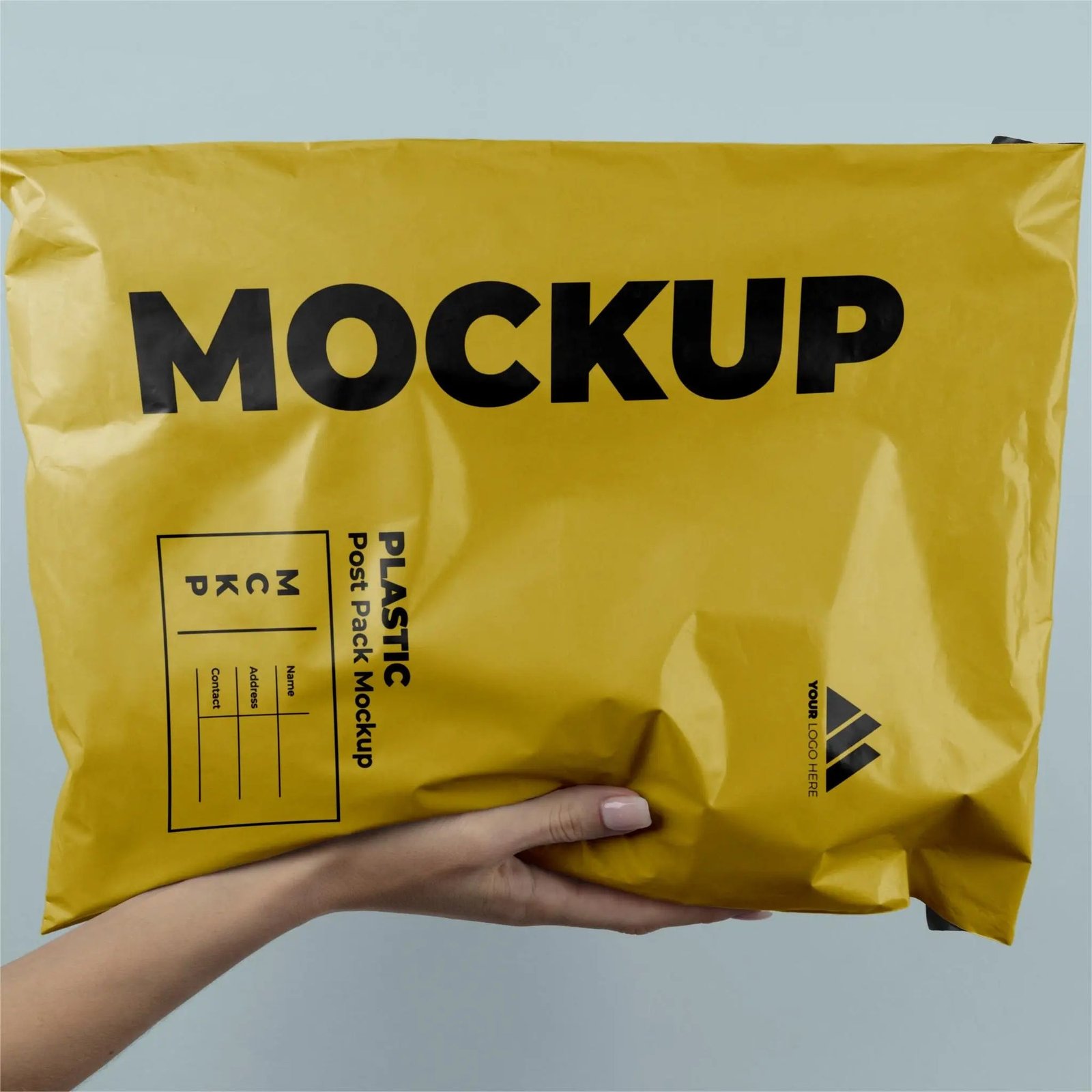
Embroidered Custom Patches
Add embroidered, chenille, woven or faux-leather patches to chest panels, sleeves and back yokes. Patches create distinctive visual branding while supporting capsule drops, heritage denim concepts and repeatable private-label programs.
Jean Jacket Custom Manufacturing at JUNSHEEN
Founded in 2010 in Humen Town, Dongguan, JUNSHEEN helps fashion brands turn denim concepts into production-ready collections. Our mission is to provide dependable OEM, ODM and private-label manufacturing that gives emerging labels and established buyers a clear path from development through global delivery.
Our Humen manufacturing base brings together more than 200 skilled workers, cut-and-sew denim production, knitwear capability and monthly capacity above 80,000 units. We support low MOQs from 100 units per style and color, while remaining equipped for repeat orders and scalable bulk programs.
What differentiates JUNSHEEN is a fit-first development approach combined with one connected supply chain. For every jean jacket custom project, we refine patterns and XS–3XL grading, source materials, manage washing and decoration, and complete labels, trims, quality control and export support for brands worldwide.

Jean Jacket Custom Capabilities Built for Scale
Fit and Grading Precision
Every jean jacket custom program receives fit-focused pattern development from XS through 3XL. Our team refines shoulder balance, sleeve length, body proportion, mobility and grading increments, helping brands create consistent normal, extended-size, plus-size and oversized fits.
- XS–3XL size development
- Extended and plus-size grading
- Oversized fit proportion control
- Size-set review before bulk

Production-Ready Product Development
Bring a tech pack, sketch, reference garment or mood board, and our development team turns it into a manufacturable denim jacket specification. We support fabric and trim selection, pattern making, prototype sampling and feasibility improvements before production approval.
- Tech-pack and concept review
- Denim and trim sourcing
- Pattern creation and prototypes
- Low MOQ from 100 units

Integrated Decoration and Finishing
Build a distinctive jean jacket custom collection without coordinating multiple vendors. JUNSHEEN manages embroidery, printing, patches, labels, hardware and garment washing in one supply chain, aligning placement, wash character and branded finishing with your approved sample.
- Embroidery, patches and printing
- Stone, acid and enzyme washes
- Custom buttons, snaps and zippers
- Private-label packaging support

Repeatable Quality Control
Retained patterns, graded size sets and material records make repeat denim jacket orders faster and more consistent. Our quality team checks incoming fabrics, in-line construction, measurements, decoration and packed goods, supporting scalable programs from a launch capsule to bulk production.
- Retained production specifications
- Fabric and measurement inspections
- In-line and final quality checks
- 80,000+ monthly unit capacity

Why Brands Choose JUNSHEEN for Jean Jacket Custom Manufacturing
Fit-led denim development, integrated production, and scalable export support from a 100-unit MOQ.
← 左右滑动查看 →
Jean Jacket Custom Production Timeline
A fit-led OEM workflow that moves your denim jacket program from approved specifications to export-ready packed goods.
Review Project Feasibility
JUNSHEEN reviews your tech pack, sketch, or reference garment, confirms construction requirements, target fit, MOQ, timeline, and manufacturability before development begins.
Source Denim and Trims
Our team recommends denim weight, stretch, wash-ready fabric, hardware, labels, and supporting trims based on your target cost, hand feel, durability, and brand direction.
Pattern, Grade, and Sample
Pattern makers build and refine your jean jacket custom fit, grading proportions from XS through 3XL before prototype and size-set approval.
Cut, Sew, and Decorate
Approved materials move into controlled cutting and cut-and-sew production, with embroidery, printing, patches, washes, and custom hardware applied to your specifications.
Inspect, Pack, and Ship
Quality teams check measurements, construction, decoration, and packed goods before branded packaging, export documentation, and global shipment coordination for your completed order.
Start Your Jean Jacket Custom Project
Move from concept to export-ready production with a clear, fit-focused denim manufacturing process.
Send Your Product Brief
Share a tech pack, sketch, reference garment, mood board, or idea. Include target quantities, sizing, washes, branding details, and target market where available.
Review Feasibility and Quote
Our team evaluates construction, denim, trims, decoration, fit grading, and MOQ requirements, then recommends practical options and prepares your sampling quotation.
Approve Samples and Details
Review prototype samples, fabric swatches, measurements, wash effects, labels, and size sets. We refine specifications before confirming bulk materials and production approval.
Produce, Inspect, and Ship
JUNSHEEN manages bulk cutting, sewing, finishing, in-line quality control, packing, and export coordination, helping your approved jean jacket custom order reach its destination smoothly.
Custom Clothing Manufacturer Credentials and Compliance Documents



Jean Jacket Custom Results From Brand Partnerships
JUNSHEEN helped us launch our first denim capsule at 120 units per color. Their fit revisions improved sleeve balance across XS–3XL, and the approved sample moved into bulk production without another pattern round.
For our jean jacket custom program, the team matched our vintage wash reference and handled branded snaps, leather labels, and packaging in one workflow. We reordered within six weeks and increased the second run to 600 units.
The production team gave us clear measurement feedback before sampling, which reduced our expected revision cycle from three rounds to one. Our 1,200-piece repeat order arrived inspection-ready and kept the same fit consistency.
Jean Jacket Custom Manufacturing FAQ
Clear answers on MOQ, sampling, fit, production, payments, shipping, and design confidentiality for denim programs.
What is the MOQ for jean jacket custom orders?
Can I order a jean jacket custom sample before bulk production?
How long does jean jacket custom manufacturing take?
Can you develop jean jackets in XS through 3XL and plus sizes?
What customization options are available for a custom denim jacket?
What payment terms do you offer for OEM denim jacket orders?
Do you provide international shipping for jean jacket custom orders?
How do you protect my jean jacket custom designs and brand details?
The Complete Buyer’s Guide to jean jacket custom
Use this practical framework to specify, source, and price custom denim jackets, compare supplier capabilities, assess construction and compliance, and avoid costly sampling, sizing, branding, and production mistakes.
1. What Is jean jacket custom?
100 units per style and color is a practical starting point for jean jacket custom: OEM or ODM denim outerwear produced to a buyer-approved specification rather than bought as a finished retail item. The buyer controls the target customer, silhouette, fit range, fabric direction, wash, trims, branding, packaging, and approval standard; the manufacturer translates those choices into patterns, samples, graded sizes, and bulk goods. 4 sourcing models are often confused. Private label applies a brand’s labels and packaging to an existing or adapted supplier style; made-to-order customization changes selected elements such as color, wash, patch, or hardware; stock-blank decoration adds printing or embroidery to ready-made jackets; full custom development builds the garment from a tech pack, sketch, reference sample, or concept, including new pattern work and construction decisions. 2010-founded Dongguan Junsheen supports this work for emerging labels, independent designers, wholesalers, retailers, and established fashion teams needing capsule quantities through repeat bulk programs. A complete brief should state the intended fit and size range, target MOQ, fabric weight and stretch, Pantone color, wash reference, measurements, seam and pocket details, trims, decoration placement, labels, packaging, target cost, delivery market, and required sample approvals before quotation.
2. Evolution of jean jacket custom
1880s work jackets were built from hard-wearing denim for rail, mine, and ranch labor; by the mid-20th century, film, youth culture, and music turned that utility layer into a fashion signal. The classic trucker’s cropped body, pointed collar, button front, chest pockets, and adjustable waist tabs remain useful reference points, but a jean jacket custom program should first decide whether it is reproducing that heritage proportion or deliberately updating it. 1960s-1980s washes shifted denim from rigid, uniform indigo toward stone-washed, acid-washed, faded, and distressed looks, making surface character as commercially important as cut. Sourcing teams should specify the intended wash-down level, abrasion placement, contrast, and shrinkage tolerance at sampling, then reserve lighter, cleaner washes for carryover styles and more directional finishes for limited seasonal drops. 1990s-2000s streetwear expanded the jacket into oversized, boxy, cropped, lined, patched, and logo-led formats, while tour merchandise and creator brands made small-run identity pieces viable. A 100-unit-per-style-and-color starting point can support testing a branded capsule before extending the winning fit across colorways, denim weights, or matching bottoms. 2020s buyers increasingly expect traceable material choices, controlled wash processes, durable construction, and fewer avoidable sample revisions. For responsible assortment planning, use a core mid-blue or black jacket for repeat business, build one seasonal fashion wash around a defined branding position, and confirm fit across XS-3XL or the intended extended-size range before bulk approval.
3. Types of jean jacket custom
Seven core silhouettes give a jean jacket custom program distinct fit, cost, and seasonal positions. Choose the block before wash or decoration: sleeve volume, body length, lining, and grading drive both customer appeal and factory complexity.
Trucker And Cropped

A five-button trucker with chest pockets suits heritage, streetwear, and unisex core ranges; a 24–26 inch body is a common adult starting point. A cropped block shifts the waist seam upward for womenswear or fashion capsules. Shorter panels save fabric, but pocket placement and hem balance need a dedicated pattern.
Oversized And Fitted

An oversized jacket uses dropped shoulders, wider biceps, and 4–8 inches of extra chest ease for gender-neutral styling. It merchandises well over hoodies and supports premium washes or large back graphics. A fitted block uses shaped side seams and closer sleeves for polished womenswear or slim menswear. Confirm mobility through armhole and back-yoke testing before approving the sample.
Sherpa-Lined Styles
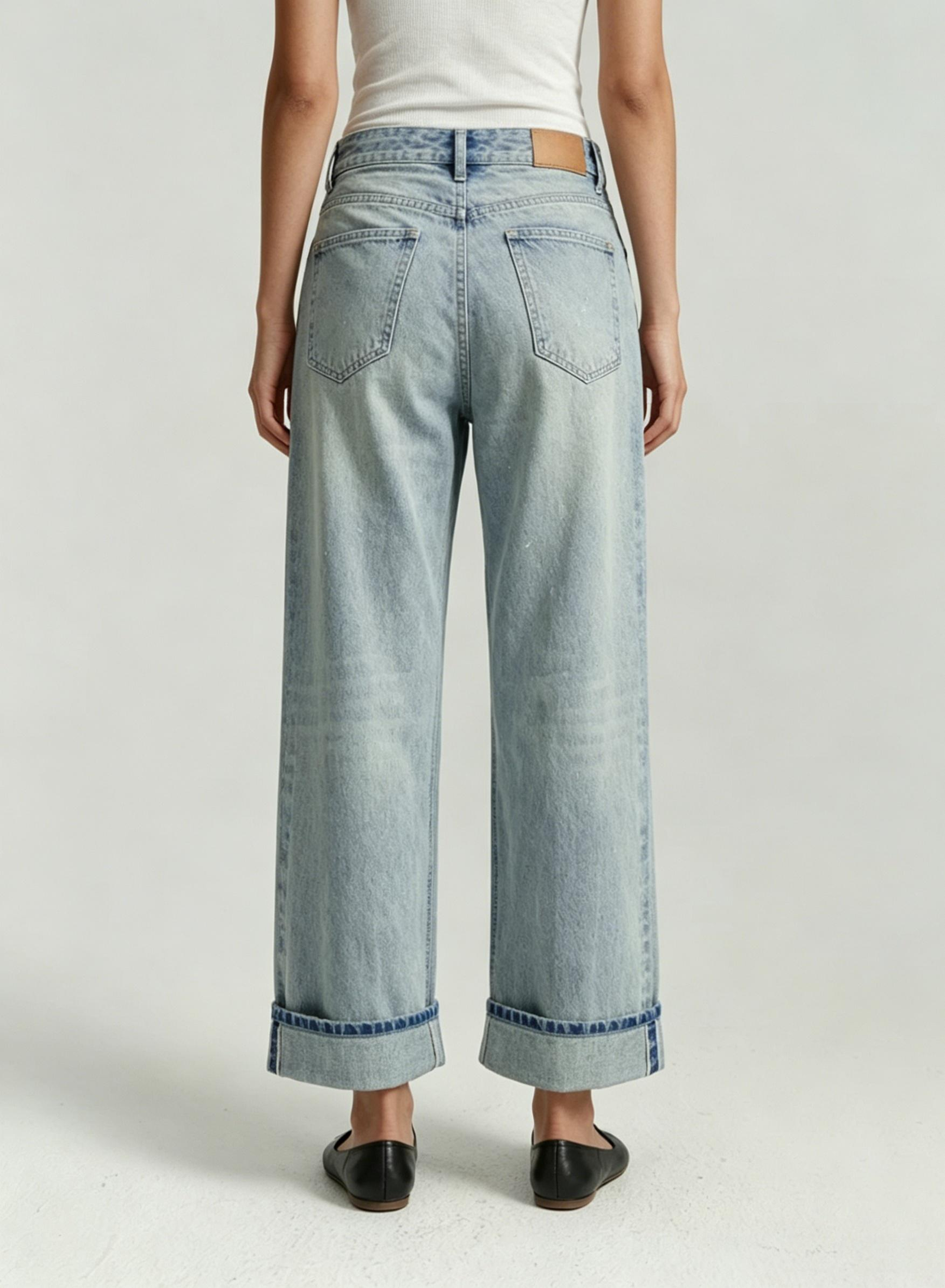
A sherpa-lined jacket targets cool-weather assortments and higher retail brackets. Lining, sleeve insulation, and reinforced seams add labor, bulk, and material cost versus an unlined trucker. A 10–14 ounce denim shell is often paired with pile lining; sleeve lining should remain smooth for easy layering. Plan it as a fall delivery rather than a year-round entry price.
Workwear And Extended Sizes
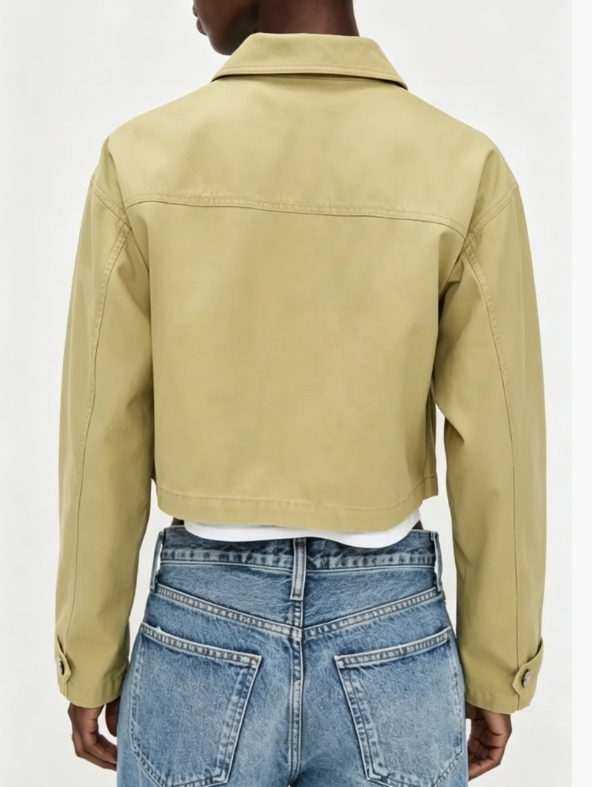
A workwear jacket favors utility pockets, bartacks, durable twill or denim, and room for movement. It fits functional collections, uniforms, and gender-neutral ranges where durability outweighs a sharply tailored profile. XS–3XL development requires revised shoulders, sleeve lengths, body proportions, and grading increments—not simple enlargement. Extended-size blocks broaden the customer base and reduce fit-related returns when size sets are approved.
4. Fabrics for jean jacket custom
Fabric choice determines how a custom denim jacket hangs, wears, and accepts finishing. Specify fiber content, weave, weight, stretch recovery, shade, and wash target before approving a development sample.
| Material | Weight Range | Benefits | Limitations | Best Application |
|---|---|---|---|---|
| Rigid cotton denim | 10–14 oz | Durable, crisp shape | Limited mobility | Classic trucker jacket |
| Stretch denim blend | 9–12 oz | Comfort and movement | Recovery varies | Fitted or cropped jacket |
| Organic/recycled denim | 10–13 oz | Lower-impact fiber options | Shade and yarn variation | Values-led capsule |
| Cotton or quilted lining | 120–250 GSM | Comfort or insulation | Adds cost and bulk | Lined seasonal jacket |
Weight And Weave

10–12 oz denim, roughly 340–410 GSM, suits year-round trucker jackets: it holds collars, pockets, and embroidery cleanly. A 12.5–14 oz fabric adds abrasion resistance but feels stiffer and needs more break-in. 7–9 oz denim drapes better for overshirts and warm climates, while 14 oz-plus rigid constructions favor heritage outerwear. Twill direction, commonly 3/1 right-hand twill, also changes surface texture and fading character.
Stretch, Color, And Finish
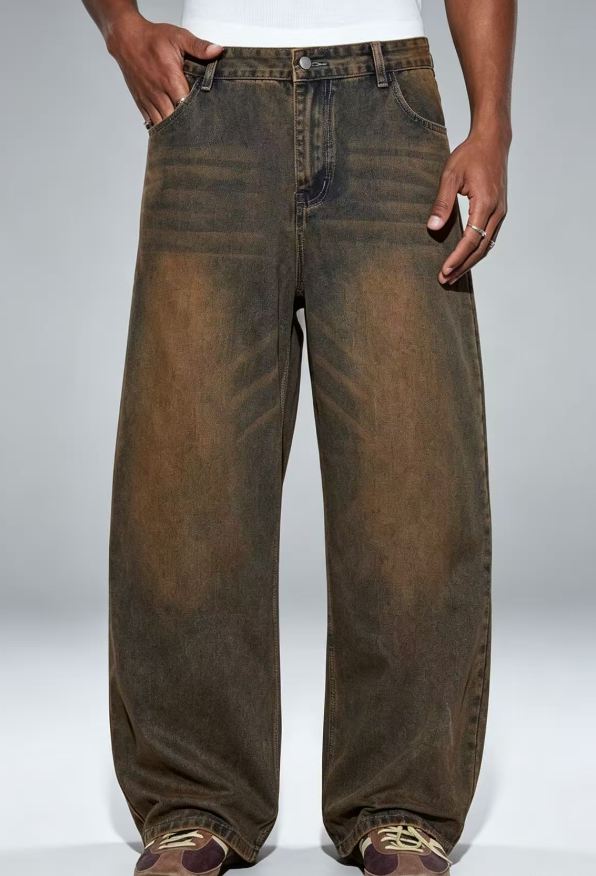
1–3% elastane usually improves sleeve mobility without making a jacket read as jegging fabric. Require stretch-recovery testing after wash, because poor recovery causes elbows and cuffs to bag out. Indigo, black, ecru, and sulfur-dyed colors respond differently to enzyme, stone, and acid washes. Confirm the target shade with a washed swatch; decoration placement should be approved after shrinkage and wash effects are visible.
Lining And Responsible Fibers

100% cotton lining adds breathable structure, while polyester quilted lining adds warmth for cold-weather programs. Keep lining weight proportional to the shell so seams do not pull or distort. Organic cotton and recycled-cotton denim require verified fiber documentation when sustainability claims appear on labels. Recycled content can create more irregular yarn character, so assess tensile strength, shade consistency, and surface suitability for printing.
5. jean jacket custom Decoration Options
At Junsheen, decoration choices are locked against the approved denim, wash, and fit sample. A 100-unit jean jacket custom launch benefits from fewer techniques, deliberate placements, and production-ready artwork.
Technique Selection

3D embroidery, chain stitch, screen print, DTF transfer, appliqué, and patches create distinctly different surface depth. Screen print suits flatter panels; transfers preserve fine multicolor artwork better on textured denim. Laser fading, acid wash, stone wash, and enzyme softening change both color and hand feel. Approve the wash-and-decoration sequence on a sample, since abrasion can alter print adhesion and embroidery appearance.
Decoration Comparison
100-unit programs can combine a main chest treatment with a lower-cost secondary label or badge. Extra colors, stitch counts, patch molds, and individual placement operations are common cost drivers.
| Technique | Effect / Placement | Durability / Color | Cost Driver |
|---|---|---|---|
| Embroidery | Raised; chest, back, sleeve | High; thread shades | Stitch count, backing |
| Screen Print | Flat; broad smooth panels | High; Pantone-controlled inks | Colors, print locations |
| DTF Transfer | Detailed; avoid heavy seams | High; strong color match | Artwork size, placement |
| Patch / Appliqué | Layered; chest or back | High; woven colors | Edge finish, sewing |
| Laser / Wash | Tonal; broad denim areas | Permanent; tonal only | Wash trials, labor |
Artwork And Brand Details
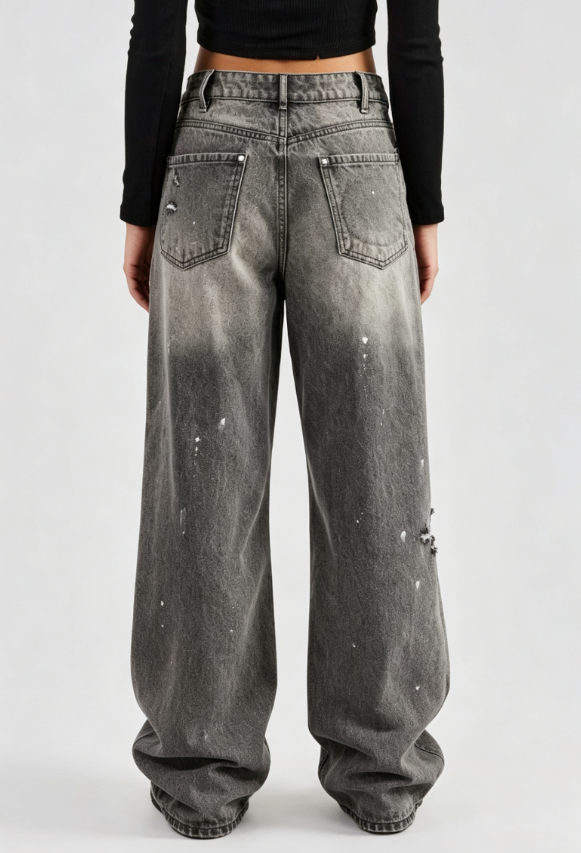
1:1 vector files in AI, PDF, or EPS reduce redraw errors; supply Pantone references, exact dimensions, placement from seams, and a colorway map. Raster art should be 300 dpi at final print size. Custom woven labels, leather labels, woven badges, branded snaps, buttons, and zippers should be specified before sampling. Choose metal hardware and restrained washes for premium heritage denim; use transfer graphics for sharper contemporary artwork at a controlled target price.
6. Construction Quality for jean jacket custom
Construction quality is visible before the first wear: balanced proportions, straight plackets, secure stress points, and a wash that matches the approved standard. For jean jacket custom programs, lock these details in the sealed sample and pre-production approval.
Pattern Balance And Grading
3-point checks at shoulder, chest, and hem reveal whether the body hangs squarely. Confirm sleeve pitch, collar stand, center-front balance, and pocket level on a hanger and on-body. XS–3XL grading needs deliberate increments, not a uniformly enlarged base size. Review the graded spec for chest, sweep, sleeve length, bicep, and shoulder changes before bulk cutting.
- Measure laid flat using one approved method
- Record finished-garment tolerances by point of measure
- Check both buttoned and unbuttoned front balance
Seams And Stress Points

8–10 stitches per inch is a practical baseline for denim topstitching; overly sparse stitching looks weak, while excessive density can pucker rigid fabric. Specify consistent thread color, stitch length, and double-needle spacing. Bartacks should reinforce pocket corners, sleeve plackets, and other pull points without cutting into the fabric. Inspect seam allowance coverage, skipped stitches, loose thread tails, and raw-edge exposure.
- Double-needle felled or lapped seams
- Even topstitch spacing
- Clean bartacks at pocket corners
Front, Pockets, And Hardware

1 center-front placket line should remain straight when every button is fastened. Compare left and right pocket height, angle, flap shape, and distance from center front against the approved pattern. Metal buttons or rivets must seat firmly, align consistently, and survive a pull and wash check. Approve the exact cap finish, logo artwork, shank length, and backing component before production.
- Collar points mirror each other
- Placket edges meet without twisting
- Hardware finish matches approved sample
Approval Measurements And Wash

±1 cm is a common finished-garment tolerance for key body measurements, though critical points may require tighter limits. List measurement method, garment state, size, target, tolerance, and actual result on the pre-production sheet. 1 approved wash panel is not enough for a washed denim jacket: compare complete garments for shade, abrasion placement, softness, shrinkage, and contrast at seams. Retain the approved sample and wash standard as the production reference.
- Measure after the specified wash process
- Compare shade under consistent lighting
- Approve wash before bulk production
7. Choosing a Custom Jacket Manufacturer
A jacket factory should be judged on repeatable evidence, not a polished catalog. For jean jacket custom programs, assess technical denim capability, commercial fit, and how the supplier controls risk from first sample through delivery.
Verify Denim Development
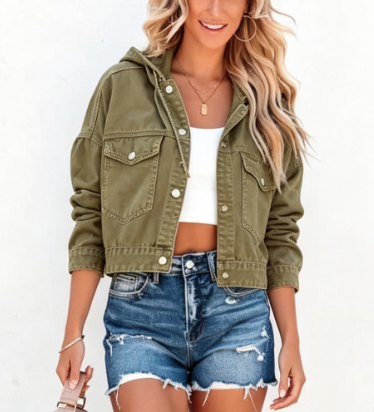
2010 is Junsheen’s founding year; request a factory profile that identifies denim, wash, pattern-making, grading, and decoration capabilities. Three recent samples reveal more than renderings: inspect seam consistency, pocket placement, wash variation, hardware setting, and fit across the graded size set.
- Request a relevant sample portfolio
- Review patterns and size-set samples
- Ask for fabric and trim swatches
Confirm Commercial Readiness
100 units per style and color is Junsheen’s stated starting scale, suitable for capsule testing before bulk replenishment. 2 to 3 quoted production scenarios help teams compare MOQ, sample charges, fabric minimums, colorways, payment terms, packaging, freight terms, and stated lead times without hidden assumptions.
- Require a line-item quotation
- Confirm sampling and approval milestones
- Define Incoterms and export documents
Audit Controls And Support
200-plus skilled workers and 80,000-plus monthly units are capacity indicators, but buyers should still request incoming, in-line, measurement, decoration, and final-inspection procedures. OEKO-TEX, GOTS, WRAP, or BSCI documentation should be requested only where applicable, alongside relevant test reports for shrinkage, colorfastness, abrasion, and restricted substances.
- Name one accountable production contact
- Set defect-reporting and remedy timelines
- Confirm export and after-sales support
8. Common Buyer Mistakes to Avoid
100-unit custom programs can still lose weeks when approvals are incomplete. Build each decision into a dated sample-and-bulk signoff workflow before PO release.
Lock Technical Specifications
1 complete tech pack should state measurements, tolerances, stitch details, Pantone colors, artwork scale, and placement. Vague reference photos invite factory interpretation and costly resamples. 2 approval gates prevent late trim surprises: approve buttons, snaps, zipper pullers, labels, and packaging with the pre-production sample. Record the supplier code and color for every approved component.
Test Fabric And Washes
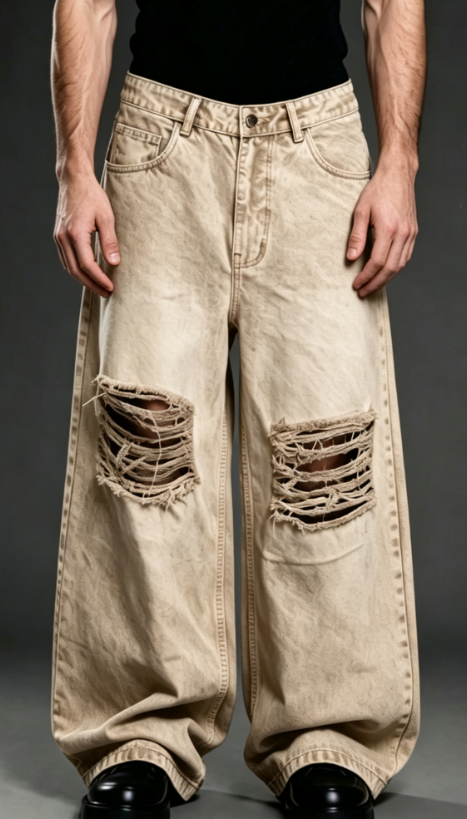
10-ounce denim can look right on a hanger yet shrink, bleed, or lose stretch after laundering. Approve swatches and a washed garment against hand feel, weight, recovery, shade, and wash performance. 3 wash trials are prudent for enzyme, acid, stone, or garment-dye effects. Sign off the target shade range and test measurements after the intended wash cycle.
Approve Fit Before Bulk
XS through 3XL requires deliberate grading, not simple pattern enlargement. Approve a fit sample and, where relevant, a size set for shoulder balance, sleeve length, body sweep, and mobility. 1 written measurement chart should identify critical points and tolerances. Do not release bulk from photos alone; retain the sealed approval sample as the production reference.
Control Complexity And Cost
4 decoration processes on one jacket can multiply setup, handling, and defect risk. Consolidate artwork, test embroidery and print compatibility on the chosen denim, and approve strike-offs before production. 100 units per style and color is a workable starting point, but uncommon trims and many colorways may require higher commitments. Compare quotations by fabric, construction, testing, labeling, and QC scope—not unit price alone.
- Confirm country-of-origin, fiber-content, care, and size-label requirements before artwork finalization.
- Request a line-item quote covering samples, trims, decoration, packaging, freight terms, and inspection.
9. Launching Your Custom Denim Jacket
A 100-unit jean jacket custom launch works best as a gated development project, not a single purchase order. Freeze each approval before releasing the next stage, and reserve calendar slack for wash, fit, or trim corrections.
Define The Launch Brief
Week 1 should define the customer, price band, channel, and one clear denim-jacket silhouette. Collect 8–12 references, then identify what to keep and what must be original. Gate 1 requires founder, designer, and merchandising sign-off on the line plan, target retail price, colors, and size range.
- Limit a first run to one fit
- Choose one or two commercial washes
- Set a target landed-cost ceiling
Build And Sample

Weeks 2–5 cover the tech pack, Pantone colors, measurement chart, construction notes, fabric, hardware, and prototype. A fit sample should test shoulder balance, sleeve pitch, body length, and graded sizes before sales photography. Gate 2 is written approval of fit, wash, labels, snaps, and measurements. Request a sales sample only after those decisions are frozen.
- Attach annotated reference photos
- Specify denim weight and stretch
- Approve trims against physical samples
Approve Production And Launch

Weeks 6–10 typically allow pre-production approval, bulk cutting, sewing, wash, final inspection, and packing; add 1–2 weeks for revisions or freight disruption. Junsheen can retain approved patterns and material records for repeat orders. Gate 3 is stakeholder approval of the pre-production sample. Book photography from that approved sample, then inspect measurements, decoration, wash consistency, and packed quantities before balance payment and shipment.
- Photograph front, back, detail, and on-body fits
- Launch with clear fit and care guidance
- Collect returns and review comments by size
10. jean jacket custom Pricing and Costs
100 units is Junsheen’s practical starting point per style and color, but a jean jacket custom quote should be compared on an ex-factory basis before freight, duty, and local tax. Indicative pricing below assumes a standard adult trucker silhouette, 10–13 oz cotton denim, one wash, basic metal buttons, and a woven main label. $2–$8 per jacket is a realistic planning allowance for many common upgrades, although the effect depends on placement and order size. Acid or stone washing, heavy distressing, contrast panel construction, custom hardware, leather labels, all-over embroidery, and individual branded packaging can each change both unit cost and sample timing. 6 inputs make quotations comparable: a tech pack or reference photos, size range with grading, Pantone artwork, fabric weight and wash target, trim and packaging list, and delivery destination. Ask Junsheen to separate sample, decoration setup, unit production, packaging, and shipping costs so a lower headline price does not conceal different specifications.
| Quantity tier | Indicative unit price | Typical lead time | Main cost assumptions |
|---|---|---|---|
| 100–299 units | US$22–35 | 35–50 days | Single wash; stock denim; basic trims |
| 300–999 units | US$15–27 | 30–45 days | Shared fabric buy; standard construction |
| 1,000+ units | US$11–21 | 30–40 days | Bulk fabric efficiency; fewer variants |
Ready to Develop Your Jean Jacket Custom Program?
Send your tech pack, sketch or reference garment to JUNSHEEN for fit-focused development, 100-unit MOQ production and a clear quotation.