
Custom Flared Jeans Manufacturing From 100 Units
Develop custom flared jeans with OEM, ODM and private-label support, fit-focused XS–3XL grading, and scalable global production.
Featured Products for custom flared jeans Development


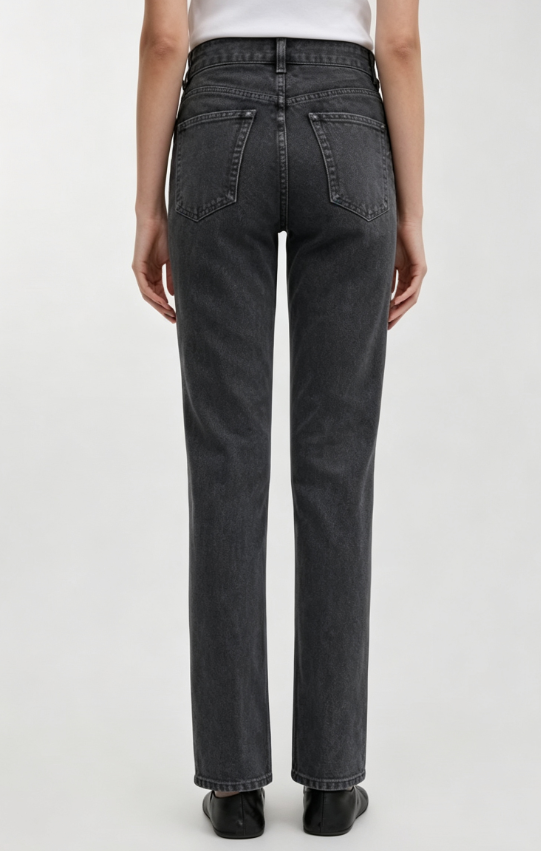




Custom Flared Jeans Catalogue and Quotation

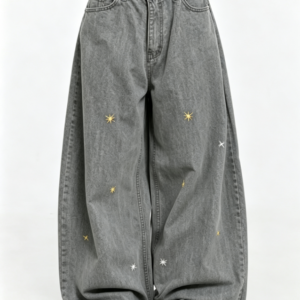


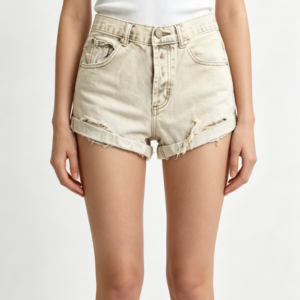

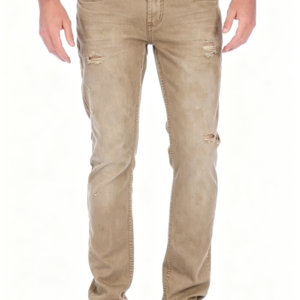


Why Brands Choose Our Custom Flared Jeans Manufacturing
From first sample to global delivery, JUNSHEEN combines fit-focused denim development with dependable, scalable production.
100-Unit Denim MOQ
Launch custom flared jeans from 100 units per style and color, giving new labels room to test collections responsibly.
Fit-Focused Size Development
Patterns are refined and graded from XS to 3XL for balanced rise, flare, mobility, and consistent proportions across sizes.
Custom Washes and Details
Create distinctive denim through stone, acid, enzyme, and garment washes, plus embroidery, printing, patches, branded trims, and labels.
One Integrated Supply Chain
Coordinate fabric sourcing, pattern making, sampling, cut-and-sew production, finishing, packaging, and quality control through one experienced manufacturing partner.
Scalable Production Capacity
More than 200 skilled workers and 80,000-plus monthly units support capsule launches, repeat orders, and expanding global denim programs.
Export-Ready Order Support
Receive clear production coordination, packed-goods inspection, and global shipping support for wholesale, retail, and private-label custom flared jeans programs.
Custom Denim Programs for Every Collection
From flared jeans to coordinated denim sets, Junsheen develops fit-led, private-label apparel programs from 100 units per style and color.

Custom Hoodies
Develop custom hoodies in fleece, French terry, or heavyweight jersey with branded labels, embroidery, screen printing, washes, and fit grading from XS to 3XL. Suitable for capsule drops, merch programs, and scalable private-label collections.
Request a Quote
Custom T-Shirts
Build custom T-shirts from combed cotton, organic cotton, blended jersey, or performance knits. Junsheen supports custom tshirt specifications, necklines, weights, logo decoration, garment dye, and consistent size grading for retail-ready production.
Request a Quote
Custom Jeans
Develop custom jeans with flare, straight, wide-leg, skinny, or relaxed silhouettes. Pattern makers refine rise, hip, thigh, inseam, and leg opening across XS–3XL, while denim washes, trims, embroidery, and private labeling are managed in one program.
Request a Quote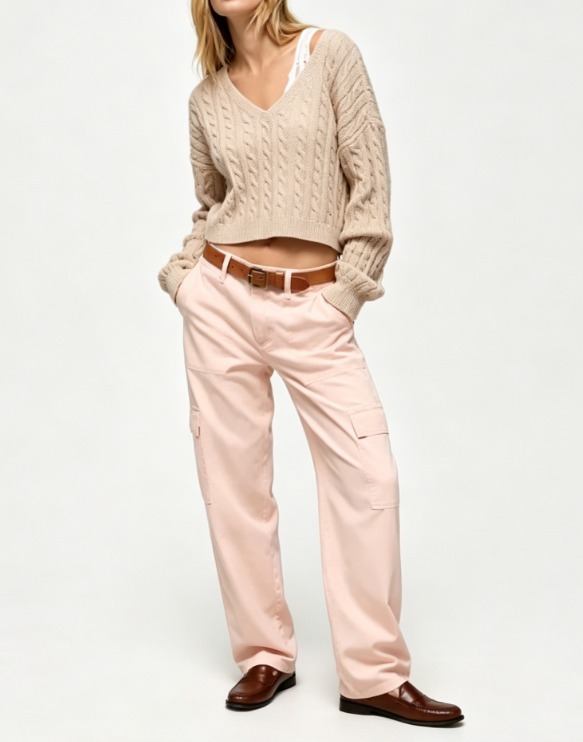
Custom Sweaters
Source turtle neck sweater bulk programs with custom yarn blends, gauges, rib structures, neck heights, and branded trims. Junsheen develops samples and graded fits for wholesale, retail, and private-label knitwear collections.
Request a Quote
Custom Jackets
Produce custom jean jackets in rigid or stretch denim with tailored fits, oversized proportions, custom pockets, branded hardware, embroidery, patches, and wash effects. Programs can begin at 100 units per style and color.
Request a Quote
Custom Sweatshirts & Crewnecks
Create custom crewneck hoodie and sweatshirt programs with fleece or French terry, rib trims, brushed interiors, embroidery, screen printing, and garment washes. Development includes specifications, patterns, sampling, and fit approval before bulk production.
Request a Quote
Custom Cardigans
Develop custom cardigans with selected yarns, knit gauges, button or zipper closures, rib details, and branded labels. Junsheen supports fitted, oversized, cropped, and extended-size silhouettes for coordinated knitwear ranges.
Request a Quote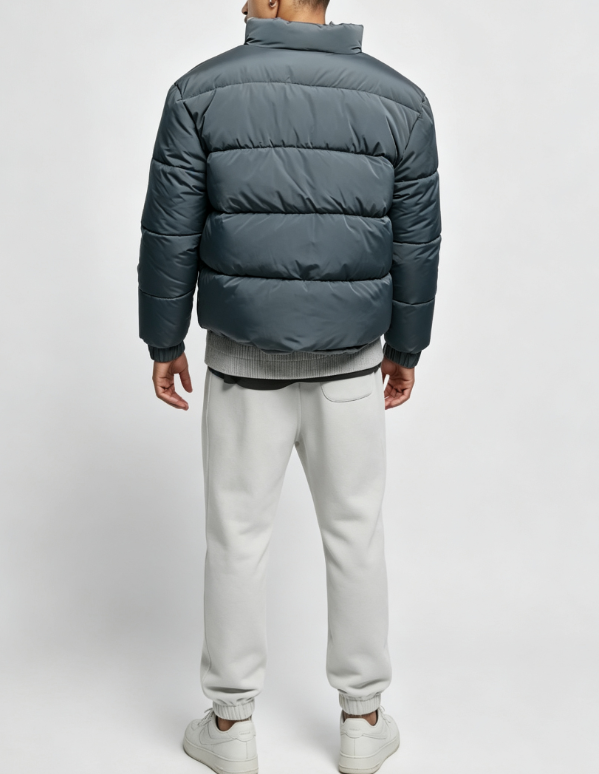
Custom Puffer & Down Jackets
Manufacture custom puffer jackets with specified shell fabrics, insulation, quilting layouts, linings, zippers, pockets, and reflective or branded details. The team reviews construction and fit requirements before sampling and bulk production.
Request a Quote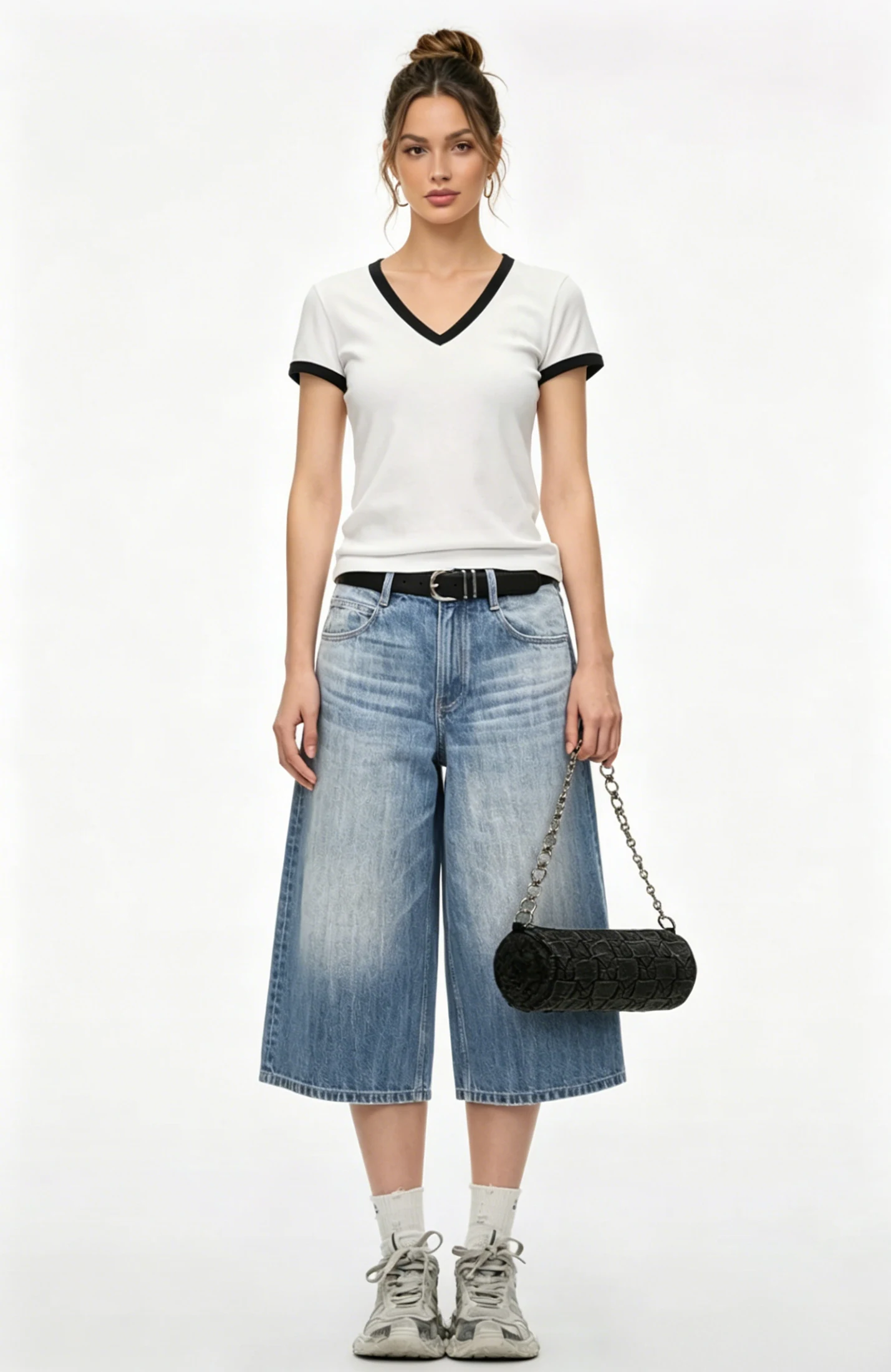
Custom Denim Shorts
Produce custom jean shorts in rigid, stretch, or washed denim with defined rises, inseams, hems, pockets, distressing, embroidery, and hardware. Graded patterns help maintain proportion from XS through 3XL.
Request a Quote
Custom Sweater Dresses
Develop custom sweater dresses with chosen yarns, gauges, knit structures, lengths, necklines, and shaping. Junsheen supports body-conscious, relaxed, oversized, and extended-size fits with samples reviewed before bulk approval.
Request a Quote
Custom Denim Sets
Build mens denim suits wholesale programs with coordinated denim jackets, overshirts, jeans, or trousers. Match fabric weight, wash, color, hardware, and grading across each piece for a consistent wholesale-ready set.
Request a Quote
Custom Polo Shirts
Produce custom polo shirts in pique, jersey, or performance-knit fabrics with custom collars, plackets, embroidery, printed branding, and private labels. Suitable for fashion collections, uniforms, wholesale programs, and retail assortments.
Request a Quote
Custom Sweatpants
Develop custom sweatpants in fleece, French terry, or jersey with tailored, straight, relaxed, or oversized fits. Add elastic or rib cuffs, drawstrings, pockets, prints, embroidery, washes, and coordinated hoodie pairing.
Request a Quote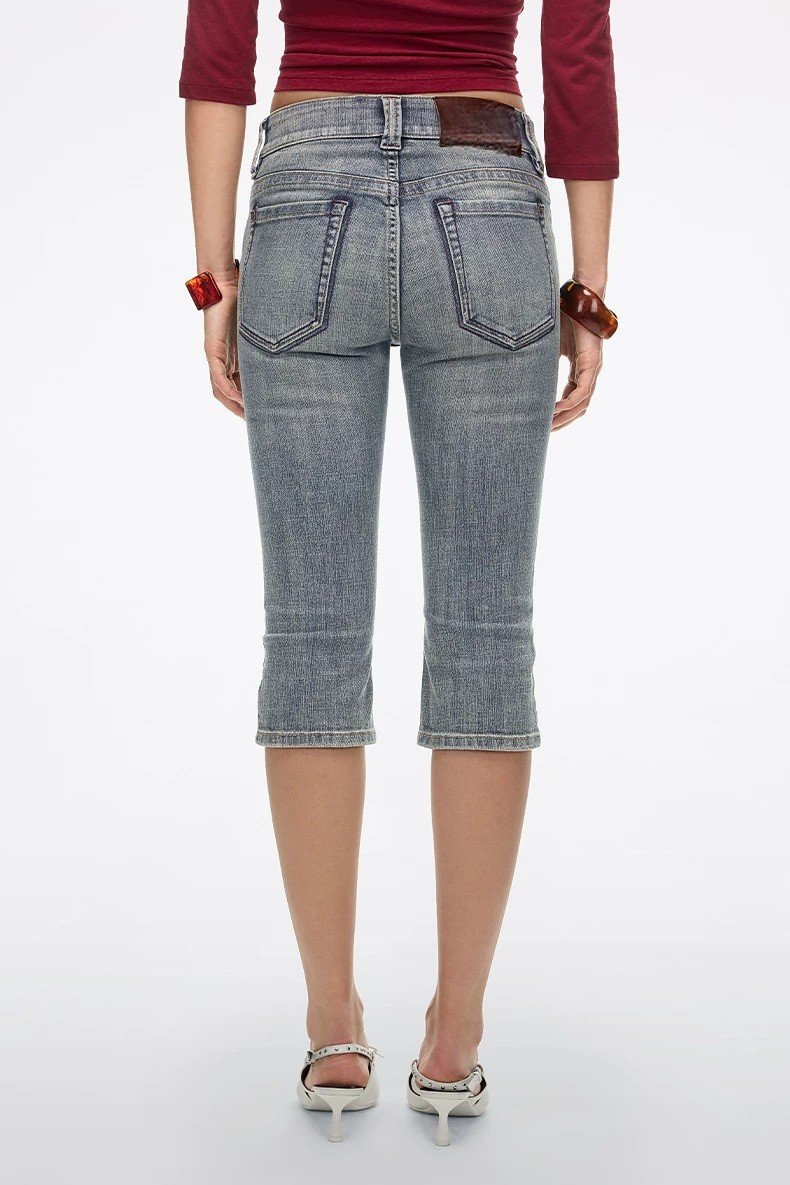
Custom Shorts
Create custom shorts in jersey, fleece, twill, woven, or performance fabrics with specified inseams, waist constructions, pockets, trims, and decoration. Sampling confirms fit, material performance, and branded details before production.
Request a Quote
Custom Pullovers
Produce custom pullovers in fleece, French terry, jersey, or knit constructions with custom necklines, closures, prints, embroidery, labels, and washes. Junsheen supports product development from reference garment or tech pack to bulk delivery.
Request a QuoteCustom Flared Jeans Denim and Stretch Materials

Rigid Cotton Denim
A structured, authentic denim with a dry hand and dependable durability for vintage-inspired flared jeans. Its low-stretch construction holds a defined silhouette, develops character through washing, and suits statement fashion collections.

Comfort Stretch Denim
Cotton-rich denim with moderate elastane stretch delivers easier movement while preserving a clean, shaped flare. It offers reliable recovery, a soft hand feel, and versatile wash performance for everyday premium denim programs.

Super Stretch Denim
High-stretch denim creates a close, body-contouring fit through the hip and thigh before opening into a flare. Strong elastic recovery helps retain shape, making it suitable for fitted, performance-minded and extended-size styles.

Tencel Blend Denim
Tencel-blend denim provides a smoother hand feel, fluid drape and elevated softness for fashion-forward flared jeans. The breathable fiber blend supports refined silhouettes, comfortable wear, and softer garment-wash effects.

Recycled Cotton Denim
Recycled cotton denim supports lower-impact material direction while maintaining a substantial, durable hand. Available in rigid or stretch constructions, it works well for private-label flares requiring considered sustainability positioning and repeatable wash results.
Custom Flared Jeans Washes, Printing and Decoration

Stone Wash
Stone washing softens denim and creates naturally worn highs and lows across seams and panels. Junsheen tests wash intensity on samples to achieve a consistent vintage appearance without compromising the garment’s structure or stretch recovery.

Acid Wash
Acid washing produces bold, irregular contrast and a distinctly lived-in surface for statement custom flared jeans. Controlled processing helps preserve color character, fabric hand feel and repeatable visual results across approved bulk production.

Garment Dye
Garment dyeing adds rich, fashion-led color after construction, allowing distinctive tonal variation and softer hand feel. It is ideal for brands developing custom denim capsules beyond conventional indigo shades or uniform color treatments.

Logo Embroidery
Flat, 3D puff and chain-stitch embroidery create dimensional branding on pockets, waistbands and selected panels. Proper backing, placement and stitch-density testing support crisp detail and durable logo definition through regular wear and washing.

Screen Printing
Plastisol, water-based, puff, flocking, silicone and high-density screen prints add graphic impact to denim and pocket details. We match ink type to fabric texture and wash plan for strong adhesion, clear artwork and reliable wear performance.

Custom Finishing
Enzyme softening, brushing, napping and targeted distressing refine hand feel and visual character after sewing. Junsheen coordinates finishing with fabric weight, stretch content and approved samples so each production run remains aligned with your collection standard.
Custom Flared Jeans Trims and Accessories

Woven Brand Labels
Add woven main labels, size tabs and wash-care labels to custom flared jeans for clear brand identification, size communication and compliant garment-care information across every approved production run.

Custom Metal Buttons
Choose branded shank buttons, tack buttons or snap closures that complement your denim finish. Custom hardware reinforces the waistband, pockets and fly while giving each pair a more recognizable private-label signature.

Branded Zip Fly
Specify reliable zippers with custom pulls or branded metal finishes for flared-jean fly construction. Junsheen coordinates zipper selection around durability, wash performance, garment color and your target price point.

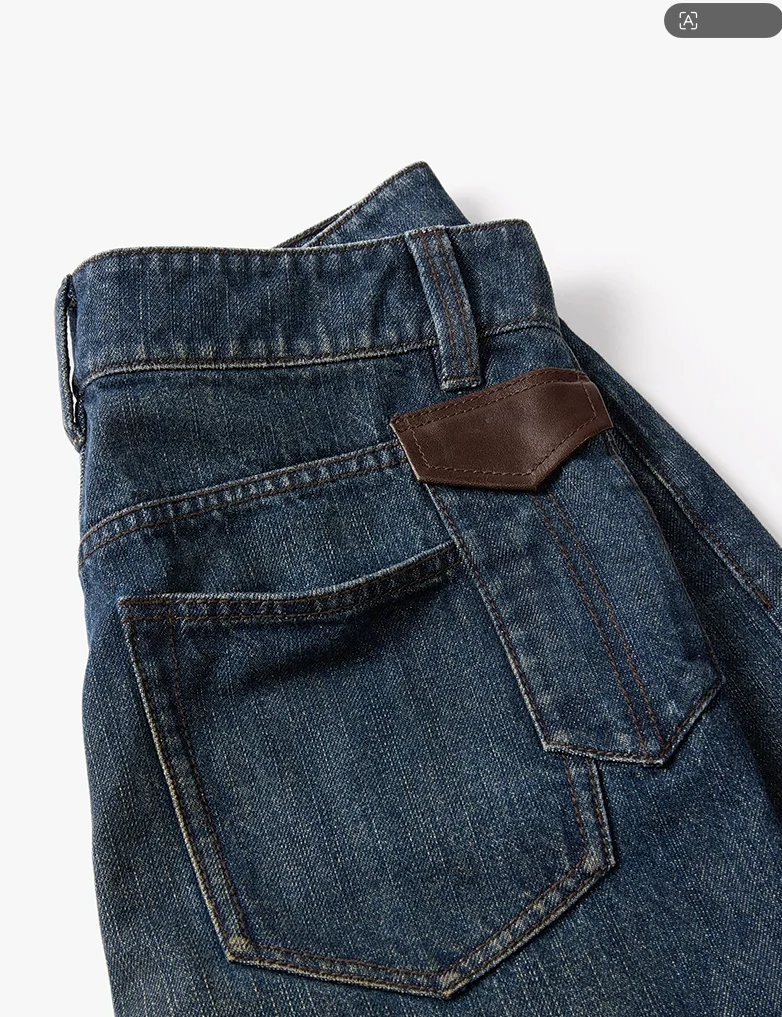
Leather Logo Patches
Use genuine leather, vegan leather or embossed patches at the back waistband to create a premium denim identity. Patch materials, colors, embossing and placement can align with your collection’s wash direction.

Custom Hang Tags
Create branded hang tags with product messaging, barcodes, price information and care details for retail-ready custom flared jeans. Coordinated strings, safety pins and tag finishes help support a consistent unboxing experience.
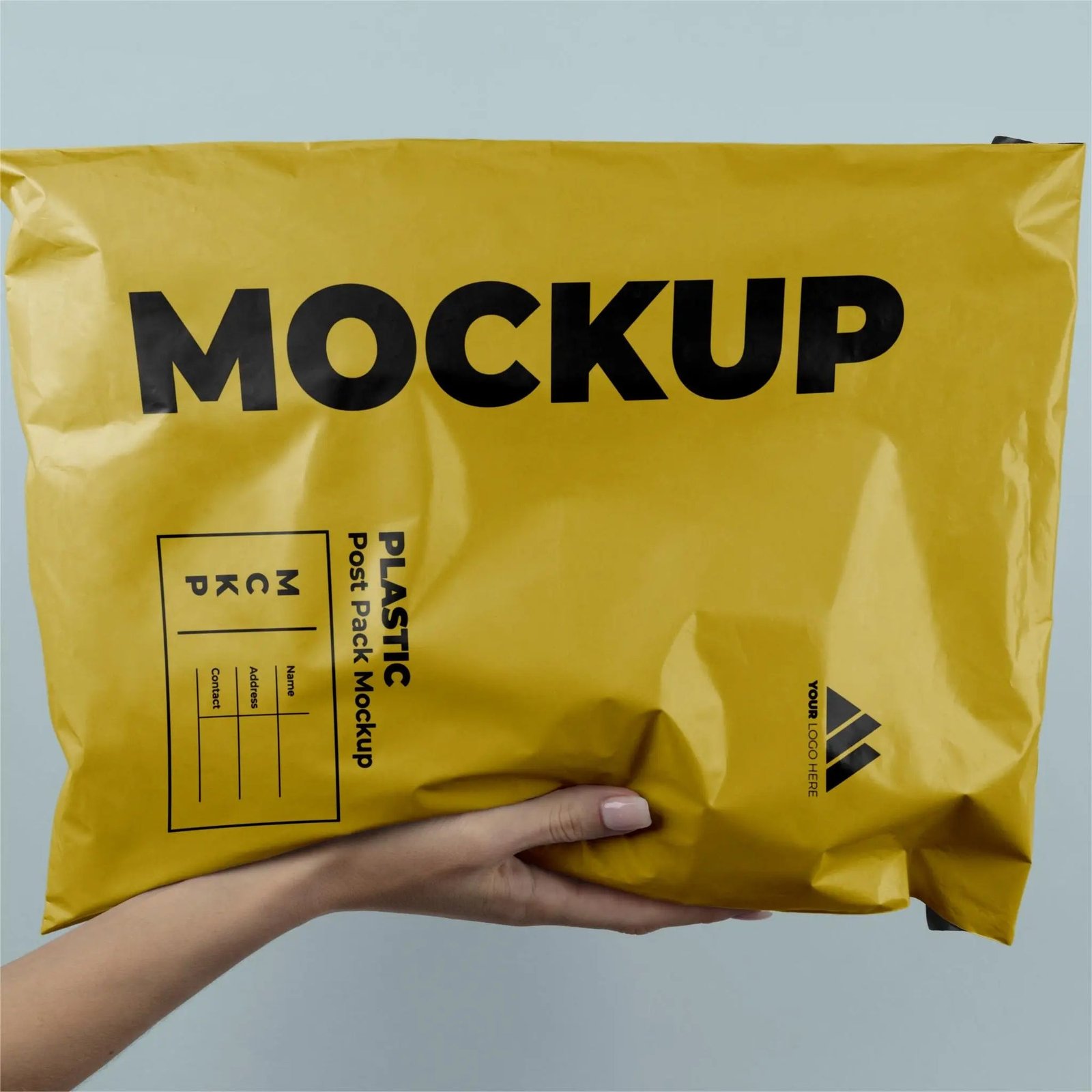
Branded Denim Packaging
Complete each order with custom polybags, tissue paper, stickers, cartons or reusable packaging. Junsheen coordinates packaging specifications to protect finished jeans in export transit and present your brand professionally.
About JUNSHEEN Custom Flared Jeans
Founded in 2010 in Humen Town, Dongguan, JUNSHEEN helps fashion brands turn custom flared jeans concepts into production-ready denim programs. Our mission is to make development clearer and more dependable, combining OEM, ODM, private-label and wholesale support within one responsive manufacturing partnership.
From pattern making and fabric sourcing to sampling, cutting, sewing, washing, decoration, labeling, packaging and export, our integrated supply chain keeps critical details connected. More than 200 skilled workers and monthly capacity above 80,000 units support capsule launches from 100 units per style and color through scalable bulk production.
What distinguishes JUNSHEEN is a fit-first approach. We refine rise, hip balance, inseam, flare proportion, stretch recovery and grading across XS–3XL instead of simply enlarging a base pattern. This practical development discipline has helped more than 2,000 global fashion-brand clients build consistent denim collections for varied body types.

Custom Flared Jeans Fit and Production Capabilities
Fit-First Pattern Development
JUNSHEEN turns tech packs, sketches, reference garments, and mood boards into production-ready custom flared jeans patterns. Our team reviews flare shape, rise, hip balance, inseam, hem opening, and construction details before sampling to reduce costly revisions later.
- Pattern making from concepts or technical packs
- Flare, rise, and proportion review
- Prototype and pre-production sample support
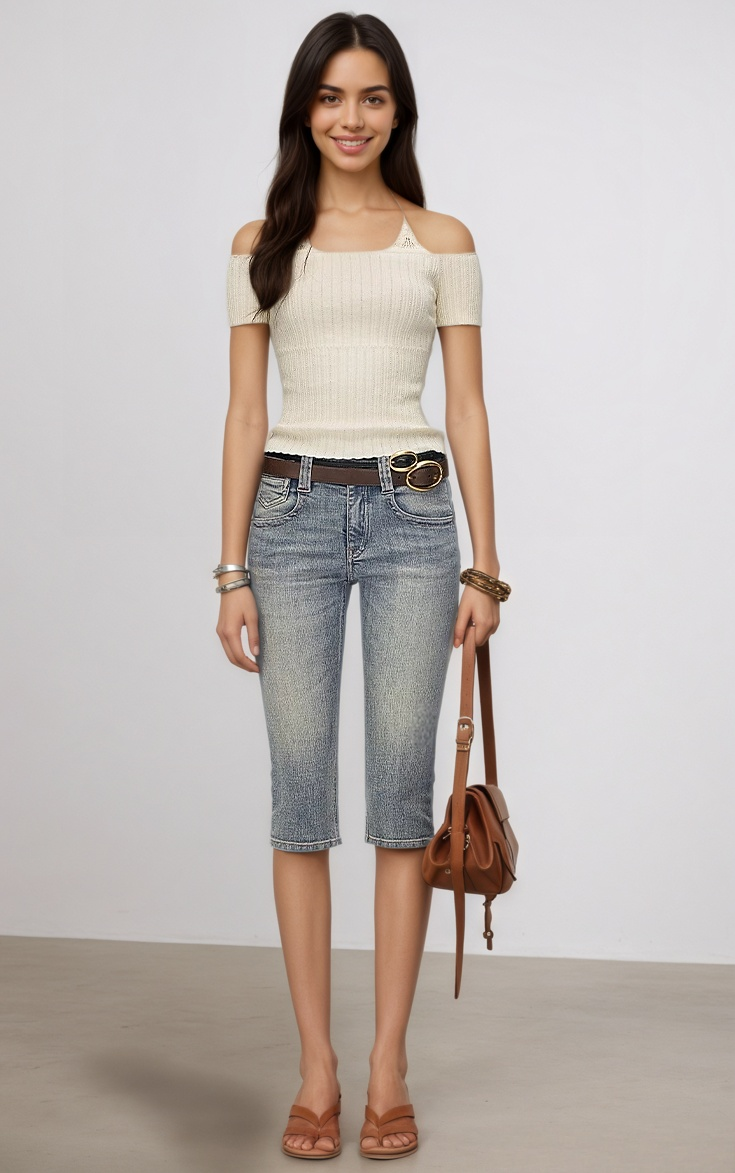
XS–3XL Grading That Fits
Rather than simply scaling one base size, our pattern makers grade custom flared jeans from XS through 3XL with attention to waist, hip, thigh, rise, leg balance, and mobility. This supports normal, extended-size, plus-size, and oversized denim programs.
- Fit-focused grading across XS–3XL
- Extended-size and plus-size development
- Size-set review before bulk approval

Denim Sourcing With Purpose
Choose rigid denim, stretch denim, cotton blends, and recycled options matched to your target hand feel, drape, recovery, wash effect, durability, and cost. Junsheen sources fabrics through an established supplier network and can provide swatches before bulk confirmation.
- Rigid, stretch, and recycled denim options
- Fabric choices aligned to target pricing
- Swatches and sample garment review

Controlled Repeat-Order Consistency
From embroidery, printing, and denim washes to labels, trims, packaging, and final inspection, key production records are retained for reliable reorders. With 200+ skilled workers and 80,000+ monthly units of capacity, Junsheen scales proven custom flared jeans programs confidently.
- In-house decoration and garment finishing
- Retained patterns, grading, and material records
- Quality checks from fabric to packed goods
- Low MOQ from 100 units per style/color

Why Choose JUNSHEEN for Custom Flared Jeans
Compare fit-first denim development, low-MOQ flexibility, integrated production, and export-ready support against typical apparel suppliers.
← 左右滑动查看 →
Custom Flared Jeans Production, From Feasibility to Global Shipment
A controlled OEM workflow for turning your denim concept into production-ready, private-label goods from 100 units per style and color.
Feasibility and Sourcing
We review your tech pack, sketch, or reference, confirm manufacturability, recommend denim, stretch, washes, trims, and target costing.
Pattern and Fit Development
Our pattern makers build flared-jean blocks and grade XS–3XL, refining rise, leg shape, inseam, mobility, and proportion across sizes.
Prototype Sampling Approval
We produce samples for fit, fabric, wash, and decoration review, then incorporate approved revisions before creating size sets and pre-production standards.
Bulk Cutting and Decoration
Approved materials move into bulk cutting, sewing, embroidery, printing, washing, finishing, labels, trims, and private-label packaging preparation.
Quality Control and Shipment
Inspections verify fabric, construction, measurements, fit, decoration, and packed goods before final balance, export documentation, and global shipping coordination.
How to Start Your Custom Flared Jeans Order
Move from concept to approved denim production with a clear, fit-focused process built for brands ordering from 100 units per style and color.
Send Your Design Brief
Share a tech pack, sketch, reference garment, measurements, target quantity, and preferred wash so our team can review your custom flared jeans requirements.
Confirm Materials and Quote
Select denim weight, stretch, wash, trims, branding, and size range. We confirm manufacturability, sampling details, lead time, and a transparent production quotation.
Approve Your Sample
Review the prototype for flare shape, rise, inseam, fit, wash, decoration, and construction. Our pattern team refines XS–3XL grading before bulk approval.
Launch Bulk Production
After approval, we source materials, produce your order, inspect measurements and finishing, complete private-label packaging, and coordinate global shipment for your collection.
Custom Clothing Manufacturer Credentials and Compliance Documents



Custom Flared Jeans Client Results
JUNSHEEN turned our flare-jean sketch into an approved size set in two sampling rounds. Their grading notes helped us avoid three fit revisions, and our 240-unit launch arrived ready for retail photography and fulfillment.
We needed a plus-size flare with a consistent rise from XS through 3XL. The team refined the pattern instead of scaling it up; returns on the first 600-unit drop stayed 18% below our previous denim program.
Our repeat order matched the approved wash, stretch recovery, and branded trim details without reopening development. JUNSHEEN produced 1,200 custom flared jeans across two colors, helping us replenish six weeks ahead of our prior supplier.
Custom Flared Jeans OEM FAQ
Clear answers on minimums, development, fit, production, payment, shipping, and confidentiality for your denim program.
What is the MOQ for custom flared jeans?
Can you make custom flared jeans from my tech pack or reference sample?
How do you grade custom flared jeans from XS to 3XL?
How long does a custom flared jeans sample and bulk order take?
Can you create custom denim washes, embroidery, and branded trims?
What payment terms do you offer for custom flared jeans orders?
Do you ship custom flared jeans internationally?
How do you protect my designs and custom flared jeans specifications?
The Complete Buyer’s Guide to custom flared jeans
Use this decision framework to define silhouettes, fabrics, construction, and branding for custom flared jeans, compare capable suppliers, control costs and lead times, and avoid specification mistakes that weaken fit, quality, and margins.
1. What Are custom flared jeans?
Below the knee, custom flared jeans stay fitted through the hip and thigh, then widen from roughly knee level to a larger hem circumference. The controlled upper leg creates a long line, while the opening must be drafted around intended footwear, inseam, stretch recovery, and finished hem sweep. Four related silhouettes are often confused in sourcing briefs. Bootcut adds a modest opening for boots; a flare is more pronounced; bell-bottoms expand dramatically from the knee; wide-leg jeans carry volume from the hip rather than changing shape below the knee. At Junsheen, a bespoke private-label program can begin at 100 units per style and color when stock denim cannot deliver the required identity or fit. Customization can cover the base pattern and XS–3XL grading, denim weight and stretch, wash recipe, pocket shape, hardware, thread, labels, hang tags, and branded packaging; choose it when these choices affect repeatability, not merely logo placement.
| Fit | Where the leg expands | Sourcing implication |
|---|---|---|
| Bootcut | Subtle widening below knee | Designed to clear boots |
| Flare | Noticeable widening below knee | Balanced statement silhouette |
| Bell-bottom | Dramatic widening below knee | Requires deliberate hem sweep |
| Wide-leg | Full width from hip | Different base pattern from a flare |
2. The Evolution of custom flared jeans
1850s workwear denim established the durable five-pocket vocabulary that still anchors commercially viable custom flared jeans: strong twill, reinforced stress points, practical pockets, and a leg shape that must remain wearable above the knee. For an everyday program, retain that utility-led base and use a restrained bootcut flare, medium or high rise, and clean indigo or black washes rather than treating every style as costume. 1960s and 1970s bell-bottom culture pushed the hem far beyond workwear proportions, pairing fitted thighs with dramatic openings, higher rises, contrast stitching, patch pockets, and faded or worn finishes. A retro-led or festival capsule can translate those cues through a 22–28 cm hem opening on a women’s sample size, light stone wash, whiskering, or vintage tinting, but buyers should approve the full graded size set because flare balance changes visibly across sizes. 1990s–2000s premium denim and subsequent trend cycles made flare a fashion-fit product rather than a single historic silhouette, creating room for sculpting stretch denim, darker washes, low-contrast finishing, and elongated inseams. Position premium fashion styles around fabric recovery, polished hardware, and controlled wash consistency; position festival styles around statement proportions and surface treatment; position broad commercial collections around repeatable fits and easy-to-merchandise washes.
3. Types of custom flared jeans
Six flared-jean directions cover different price points and customers. For custom flared jeans, inseam, knee-break placement, hem circumference, rise, and graded proportions determine whether the silhouette reads wearable, fashion-led, or size-inclusive.
Bootcut And Classic Flare
A 16–18 inch hem circumference creates subtle bootcut: an easy everyday option for customers wanting room over boots without a statement shape. An 18–22 inch hem delivers classic flare for denim capsules. Set the knee break near mid-knee; a break placed too low makes the leg look straight.
Bell-Bottom And Cropped Shapes
A 24–30 inch hem creates dramatic bell-bottom volume for festival, vintage, and editorial assortments. Use a longer inseam and test the sweep over the intended heel height. A 25–28 inch inseam creates cropped flare for transitional retail. The hem should clear the ankle deliberately, rather than appearing under-graded.
High-Rise And Curvy Fits
A 10–12 inch front rise gives a high-rise flare stronger waist definition and a longer-leg effect. It suits fitted tops and coordinated denim-set merchandising. A stretch or curvy-fit flare needs separate hip, thigh, and waist grading—not a scaled straight-size block. Add recovery testing so stretch denim retains shape after wear and washing.
Specification Choices That Sell
A 1 inch inseam change can shift the intended footwear and return risk. Approve size-set samples across the planned range, especially where extended sizes require adjusted rise, thigh ease, and knee placement. A balanced specification pairs flare width with fabric stretch and rise. This lets brands offer one recognizable fit in multiple washes without confusing customers.
4. Fabrics for custom flared jeans
10–14 oz denim gives most custom flared jeans enough leg structure to hold a clean sweep. Fiber mix and weight should be selected together because recovery, drape, wash behavior, and climate comfort change the finished silhouette.
| Fabric Type | Typical Weight | Performance | Recommended Flare |
|---|---|---|---|
| Rigid cotton | 340–475 GSM / 10–14 oz | Structured, durable, fades well | Vintage wide flare |
| Comfort stretch | 305–407 GSM / 9–12 oz | 1–2% elastane; balanced recovery | Daily bootcut |
| Super stretch | 272–373 GSM / 8–11 oz | 3–5% elastane; test bagging | Body-contouring flare |
| Recycled blend | 305–407 GSM / 9–12 oz | Verify recycled share; wash-test | Lower-impact capsule |
| Light fashion denim | 272–339 GSM / 8–10 oz | Soft drape; warm-climate comfort | Fluid summer flare |
Match Weight To The Flare

12–14 oz rigid denim, usually 100% cotton, wears in sharply and withstands aggressive stone or enzyme washes; it suits vintage, wide, and statement flares. 9–11 oz fashion denim drapes faster, layers comfortably in warm climates, and works best for fluid, cropped, or summer flares.
Control Stretch Recovery

1–2% elastane comfort-stretch denim provides easier sitting and moderate recovery without making the leg look like jeggings; use it for everyday bootcut flares. 3–5% elastane super-stretch denim needs recovery testing after laundering, since low-quality yarns can bag at the knee; reserve it for body-contouring, extended-size fits.
Verify Material Evidence
OEKO-TEX Standard 100 documents harmful-substance testing, while GRS can support recycled-content claims when the applicable scope certificate and transaction records are available. 100% traceability is not implied by a fiber claim. Ask for mill name, fiber percentages, country of origin, lot records, wash test results, and certification scope before approving bulk fabric.
- Request a retained bulk swatch
- Confirm post-wash weight and shrinkage
- Match certificates to the purchased fabric
5. Customizing custom flared jeans
A production-ready custom flared jeans brief converts a moodboard into measurable wash, construction, trim, and packaging decisions. Record reference photos, Pantone targets, placement measurements, stitch counts, and approved samples before bulk booking.
| Treatment | Bulk Repeatability | Approval Focus |
|---|---|---|
| Enzyme or stone wash | High | Sealed wash standard |
| Laser whiskers | High | Placement map |
| Hand distressing | Moderate | Variation tolerance |
| Custom hardware | High after approval | Artwork and component sample |
Wash And Surface Effects
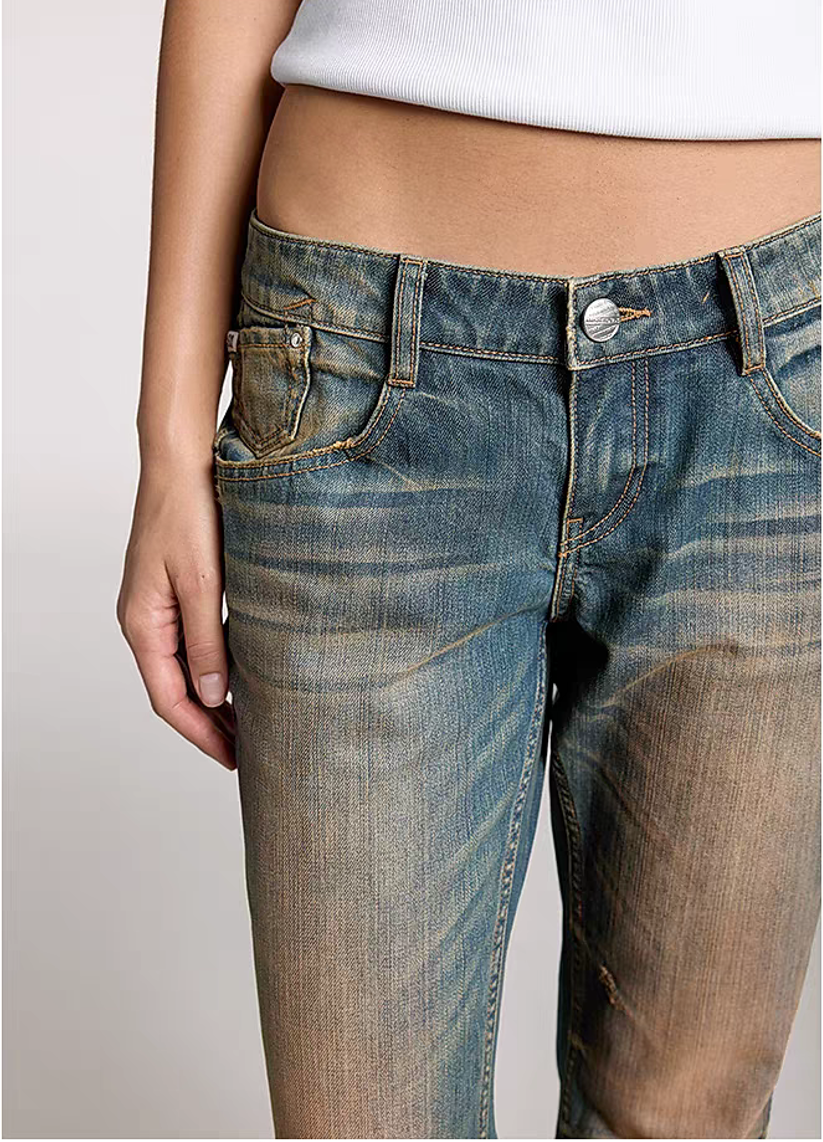
Three wash controls define repeatability: base shade, wash recipe, and finished garment hand feel. Specify indigo cast, enzyme or stone wash, abrasion zones, whisker length, and contrast level against an approved standard. Hand scraping, localized distressing, and heavy abrasions create variation and require tolerance approval. Laser whiskers, repeatable spray patterns, and standardized enzyme washes scale more consistently across bulk lots.
- Name wash and color standard
- Map whiskers and abrasion zones
- Approve a sealed wash sample
Construction And Branding

Five construction points reshape the silhouette: outseam placement, inseam length, flare opening, pocket shape, and hem finish. Use a graded measurement chart and annotate contrast-stitch color, thread size, and seam position in millimeters. Branded hardware, leather patches, woven labels, embroidery, and prints need artwork, dimensions, color references, and pre-production approval. Confirm button, rivet, zipper, and patch components early because custom tooling and branded trims add lead time.
- Specify pocket opening and placement
- State hem width and finish
- Approve hardware and label artwork
Pack-Out Specifications

100-unit programs benefit from a concise pack-out sheet covering folded dimensions, polybag warning text, hang tags, barcode placement, and carton assortment. Match packaging materials to the product’s target price and retail channel. One approved size-set, wash standard, and trim board reduces interpretation across repeat orders. Junsheen can retain patterns, graded size sets, and material records to support consistency when the program scales.
- Define individual bagging
- Set size and color assortment
- Approve carton marks before production
6. Construction Quality in Flared Jeans
Two matched leg panels are the baseline for durable custom flared jeans. Construction review must confirm that the flare, rise, and seams remain balanced after sewing, washing, and grading from XS through 3XL.
Pattern Balance And Flare
A 1–2 mm mismatch at the knee can create visibly uneven bell openings. Require the center-front, center-back, knee notch, inseam, and outseam to be checked against the approved graded pattern. Each size should be laid flat with legs aligned at the inseam and hem. Compare left and right hem widths, knee-to-hem length, grain direction, and flare angle; never approve symmetry from a single base size.
- Verify warp grain runs straight down each leg
- Measure knee placement from the crotch point
- Check both hems after washing and pressing
Seams, Hardware, And Hems
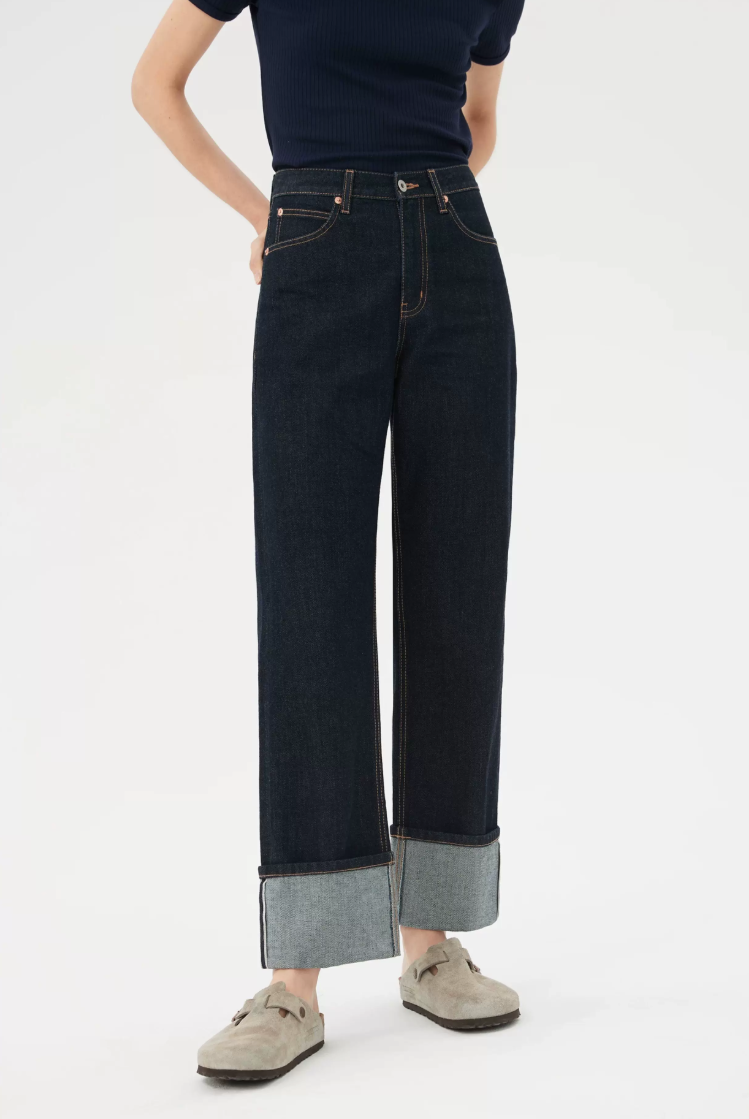
Eight to 10 stitches per inch is a practical denim baseline, adjusted for fabric weight and seam type. Reinforce pocket corners, the crotch junction, belt loops, and zipper base with bartacks or compatible back-tacking. YKK or equivalent zippers, securely set buttons, and evenly spaced buttonholes reduce field failures. A chain-stitched or lockstitched hem must sit level when the garment is hung and when both legs are laid together.
- Inspect skipped stitches and broken thread ends
- Pull-test zipper stops and waistband closures
- Confirm bartacks do not distort stretch denim
Sampling And Shipment QC
Three checkpoints catch most preventable fit defects: proto sample, graded size set, and pre-shipment inspection. Measure inseam, outseam, front rise, back rise, thigh, knee, hem opening, and waistband against approved tolerances. A wash test should establish shrinkage, leg twist, color loss, and flare recovery before bulk cutting. Inspectors should compare paired legs on representative cartons, verify measurement records, and reject units with asymmetric hems or shifted knee breaks.
- Wash-test bulk fabric before final pattern release
- Audit packed goods for paired-leg symmetry
- Record actual measurements by size and color
7. Choosing a custom flared jeans manufacturer
A capable custom flared jeans supplier proves its fit, wash, and grading controls before discussing scale. Evaluate evidence from the same denim category, then compare total risk—not only quoted unit cost.
Verify Denim Development

Request 2–3 physical references with similar rise, flare, stretch, and wash. Ask for the base pattern, measurement specification, graded size chart, and sample revision log. 100-unit programs need a factory that can convert a tech pack, sketch, or reference garment into a prototype. Confirm who owns pattern corrections and whether a size set is approved before bulk cutting.
- Comparable washed denim samples
- Pattern and grading evidence
- Sample lead time and revision process
Audit Wash And Materials

10–13 oz denim behaves differently after enzyme, stone, bleach, or tint washes. Request pre- and post-wash measurements, shrinkage results, shade bands, and approved wash panels. OEKO-TEX, GOTS, WRAP, or BSCI documentation should be verified when required by your market or retailer. Confirm fabric composition, stretch recovery, mill origin, trim specifications, and replacement availability.
- Approved wash panel per color
- Fabric test and shrinkage report
- Compliance certificates when required
Test Production Controls
80,000-plus monthly capacity is useful only when sewing, washing, finishing, and inspection schedules are realistic. Ask which steps are in-house, which are subcontracted, and who signs off on shade, measurement, and packed-goods inspections. 3XL grading requires adjusted rise, thigh, knee, and flare proportions rather than enlarged standard sizes. Send target measurements and ask how the factory validates mobility and consistency across the full range.
- Incoming-fabric inspection records
- In-line measurement checkpoints
- Final AQL inspection report
Compare Quotations Properly
100 units per style and color may suit a capsule, but the quotation must state fabric, wash, labels, hardware, packaging, sampling, freight terms, and defect policy. A lower unit price can exclude costly development or finishing steps. 2 clear communication tests reveal reliability: ask for a risk review of your reference garment and a written critical-path timeline. Strong suppliers identify likely fit, wash, and yield issues before receiving the deposit.
- Itemized cost and MOQ by color
- Sampling and bulk lead times
- Payment and quality-claim terms
8. Common custom flared jeans Buying Mistakes
Most preventable denim failures begin before the first sample: an image is mistaken for a specification, or a low quote is mistaken for a production plan. For custom flared jeans, lock measurable fit, fabric behavior, wash tolerance, and approval gates before bulk booking.
Specify Reference Images
3 measurements—front rise, knee width, and leg opening—can change the silhouette more than a reference photo. Submit a measurement chart, target inseam, grade rules, and acceptable tolerances; otherwise fit revisions delay launch and raise return risk.
Define Fit Before Fabric

1 fit block should be approved before choosing stretch denim and wash. Confirm hip ease, knee position, flare sweep, and intended recovery first; fabric-first decisions can create a flattering flat sample but a restrictive or bagging bulk garment.
Control Wash And Recovery

2 wash trials are prudent when abrasion, bleach, enzyme, or stone effects affect shade and dimensions. Record a wash standard, post-wash measurements, shrinkage allowance, and stretch-recovery test; uncontrolled variation produces mismatched lots, claims, and margin loss.
Complete Trims And Size Approval
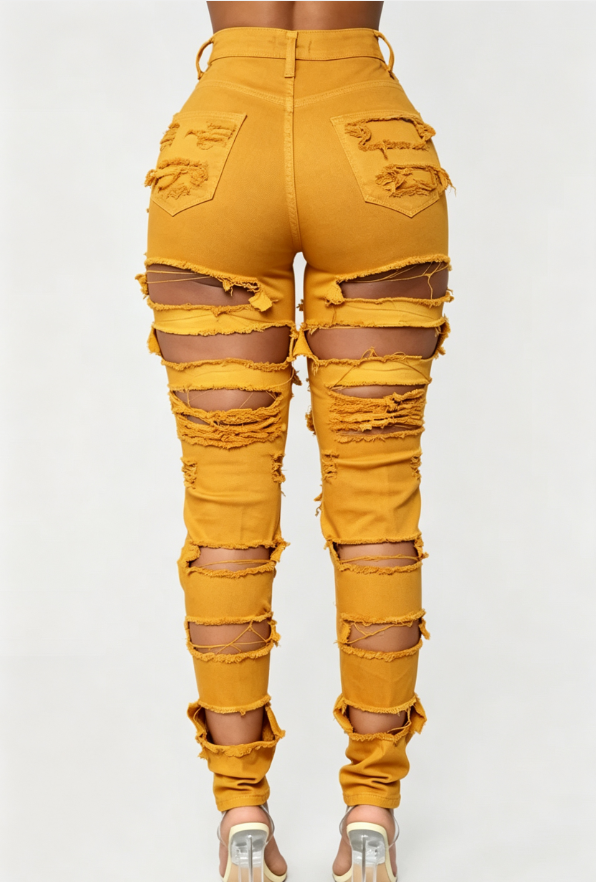
100% of production trims need specifications: zipper length, button finish, rivet placement, thread color, label positions, and Pantone references. Approve a size set, not only one sample size, and conduct sitting, walking, and laundering wear tests; missed issues become costly rework or customer returns.
Compare Total Supplier Cost
3 quote checks—fabric specification, wash process, and inspection scope—make prices comparable. Evaluate sampling responsiveness, pattern control, QC checkpoints, lead time, and defect handling alongside price; the cheapest quote can erode margin through late delivery, inconsistent fit, and replacements.
9. Launching a custom flared jeans Collection
A 100-unit-per-style-and-color starting point lets a new label test one strong fit before widening the range. Build the launch calendar around approval gates, with extra time reserved for wash trials and fit corrections.
Define The First Range
Three SKUs are usually enough for a first drop: one dark rinse, one mid-blue wash, and one fashion wash. Lock target customer, retail price, margin target, inseam options, and color count with the brand owner and merchandising lead. Two silhouettes should share a compatible fit block where possible, such as high-rise full flare and mid-rise bootcut. Freeze the SKU list before development so fabric, trim, and wash decisions do not multiply sampling costs.
- One core fit in two washes
- One directional wash or finish
- One agreed retail-price ladder
Build And Approve Samples

One complete tech pack should specify measurements, graded size chart, fabric weight, stretch recovery, Pantone references, stitch details, hardware, labels, and wash target. The designer and technical developer should sign this package before the prototype is cut. Two to three sampling rounds are common when rise, knee placement, hem sweep, or wash cast changes. Allow additional development time for enzyme, stone, or garment-dye tests, and approve a physical wash standard under consistent lighting.
Lock Production Gates
A graded size set should be tried on representative fit models before bulk cutting. The brand’s fit approver must lock measurements, tolerances, construction, wash standard, trims, packing method, and approved sample at pre-production. Three inspection points—incoming fabric, in-line sewing, and final packed-goods review—catch defects before delivery. Junsheen can retain patterns, graded sets, and material records, while the buyer approves shipment documents and final balance before dispatch.
10. custom flared jeans Pricing and MOQ
100 units per style and color can be feasible for a focused custom flared jeans launch, but it is the least efficient tier because sampling, pattern work, wash testing, and trim procurement are spread across fewer garments. Request a specification-based quote with the target fit, inseam, size range, wash reference, packaging, destination, and Incoterm. 12–14 oz stretch or rigid denim, enzyme or stone washes, hand distressing, branded buttons, leather patches, and extended-size grading each move the quote differently. Freight is separate from ex-factory garment cost, so compare FOB and delivered options only after confirming carton count, destination, and shipping method.
| Order quantity | Indicative unit-price direction | Sampling/setup considerations | Typical bulk lead time |
|---|---|---|---|
| 100–199 units | US$22–35 each | Sample, pattern, wash test, and trim setup have highest impact | 30–45 days after approvals |
| 200–499 units | US$18–30 each | Setup spreads across more units; custom labels remain practical | 25–40 days after approvals |
| 500–999 units | US$15–26 each | Better fabric and wash efficiency; confirm size-ratio plan | 25–35 days after approvals |
| 1,000+ units | US$13–23 each | Volume supports stronger material and trim negotiation | 20–35 days after approvals |
Ready to Develop Your Custom Flared Jeans Collection?
Send your tech pack, reference garment or product idea for a tailored quote, fit-focused development and scalable production from 100 units.