Custom Made Jeans for Men, Built for Your Brand
Launch custom made jeans for men with 100-unit MOQs, fit-focused XS–3XL development, and complete private-label support.
Featured Products for custom made jeans for men Development




Why Brands Source Custom Made Jeans for Men with JUNSHEEN
From first fit to export-ready bulk orders, JUNSHEEN combines low-MOQ denim development with integrated production control.
100-Unit Denim MOQs
Launch capsule collections or test new washes with orders from 100 units per style and color.
Fit-Focused XS–3XL Development
Pattern makers refine rise, seat, leg shape, mobility and grading for normal, oversized and extended-size denim fits.
Integrated Washes and Decoration
Coordinate embroidery, printing, patches, garment dye, stone wash, acid wash and finishing through one production partner.
Scalable Production Capacity
More than 200 skilled workers and 80,000-plus monthly units support growth from sampling to repeat bulk programs.
Global Export Support
Receive coordinated quality control, packed-goods inspection and export support for reliable delivery to international markets.
Custom Denim and Casualwear Manufacturing
Develop fit-focused denim, knitwear, outerwear and private-label programs from 100 units per style and color.

Custom Hoodies
Develop custom hoodies in fleece, French terry or jersey with fit-focused grading from XS to 3XL. Choose pullover or zip styles, custom weights, rib trims, pockets, embroidery, screen printing, labels and branded packaging for capsule launches or repeat programs.
Request a Quote
Custom T-Shirts
Produce custom T-shirts in combed cotton, Pima cotton, organic options or blended jersey. Junsheen supports crewneck, oversized, fitted and extended-size silhouettes, with fabric-weight selection, pattern development, DTG, screen printing, embroidery and complete private-label finishing.
Request a Quote
Custom Jeans
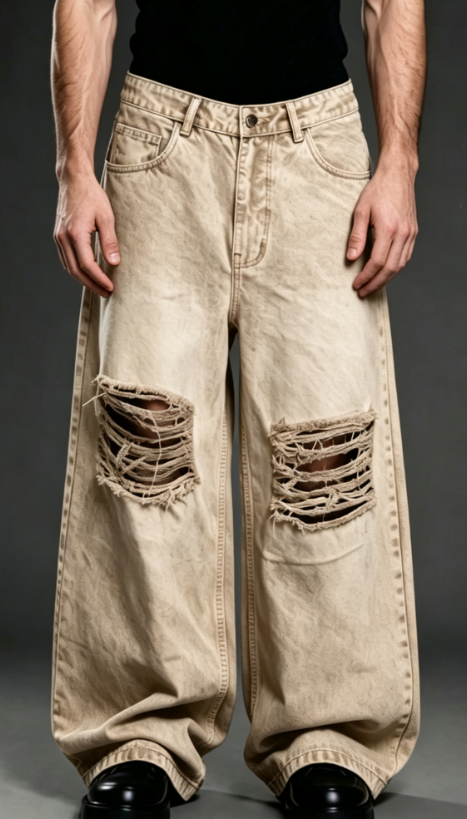
Build custom jeans with stretch or rigid denim, custom washes and fit development across XS–3XL. Pattern makers refine rise, leg shape, seat balance and grading, while production supports branded hardware, leather labels, embroidery, distressing and export-ready packing.
Request a Quote
Custom Sweaters
Source turtle neck sweater bulk programs with knit constructions matched to target hand feel, warmth and price. Develop ribbed, fine-gauge or textured styles with custom neck proportions, size grading, yarn selection, labels and packaging for wholesale or private-label orders.
Request a Quote
Custom Jackets
Manufacture custom jean jackets in rigid or stretch denim with custom silhouettes, seams, hardware and wash treatments. Options include oversized, cropped and extended-size fits, branded buttons, patches, embroidery, distressing, enzyme washes and private-label trims.
Request a Quote
Custom Sweatshirts & Crewnecks
Create custom crewneck hoodie and sweatshirt programs in fleece, French terry or jersey. Specify neckline, body proportion, rib quality, pocket details and fit from XS to 3XL, then add screen printing, puff effects, embroidery, garment dye or branded labels.
Request a Quote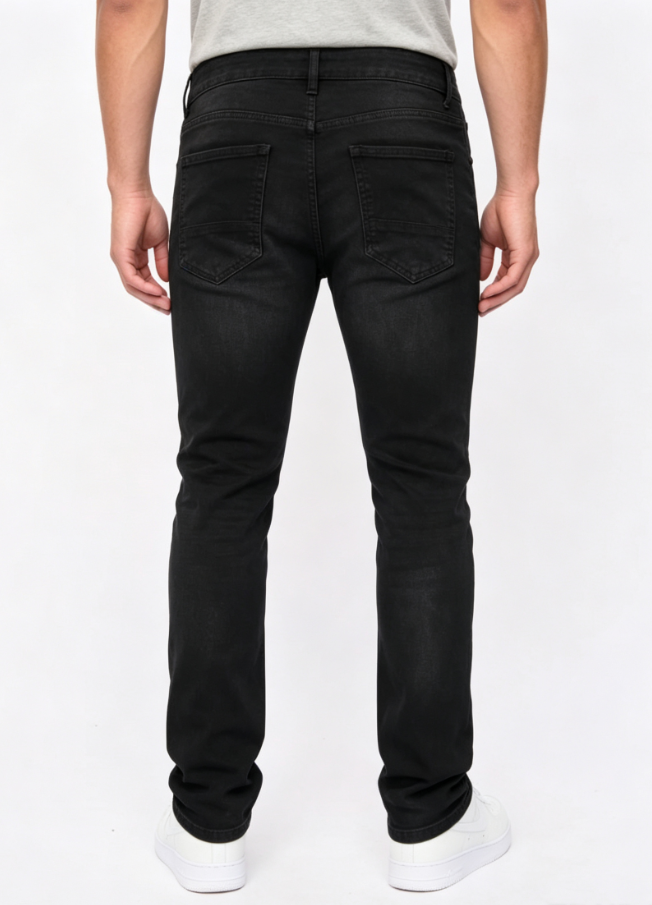
Custom Cardigans
Develop custom cardigan styles in knitted constructions suited to lightweight layering or heavier seasonal assortments. Junsheen supports yarn sourcing, button and zipper selection, rib details, stripe layouts, oversized and extended-size grading, woven labels and quality-controlled finishing.
Request a Quote
Custom Puffer & Down Jackets
Produce custom puffer jackets with shell, lining, insulation and trim choices aligned to target climate and cost. Develop hooded, cropped, longline or oversized fits, with quilting layouts, branded zippers, reflective details, embroidery and private-label packaging.
Request a Quote
Custom Denim Shorts
Manufacture custom jean shorts in rigid or stretch denim with fit development for inseam, rise, leg opening and wash results. Choose raw hems, cuffs, distressing, garment dye, branded buttons, leather patches and graded XS–3XL size sets.
Request a Quote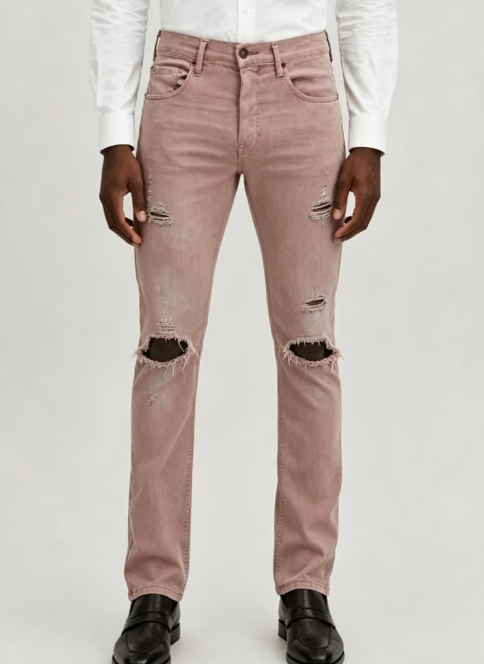
Custom Sweater Dresses
Develop custom sweater dresses with knit construction, yarn weight and silhouette selected for your collection. Pattern and grading work addresses length, waist shape, shoulder balance and mobility, with options for rib textures, turtlenecks, buttons, belts, labels and packaging.
Request a Quote
Custom Denim Sets
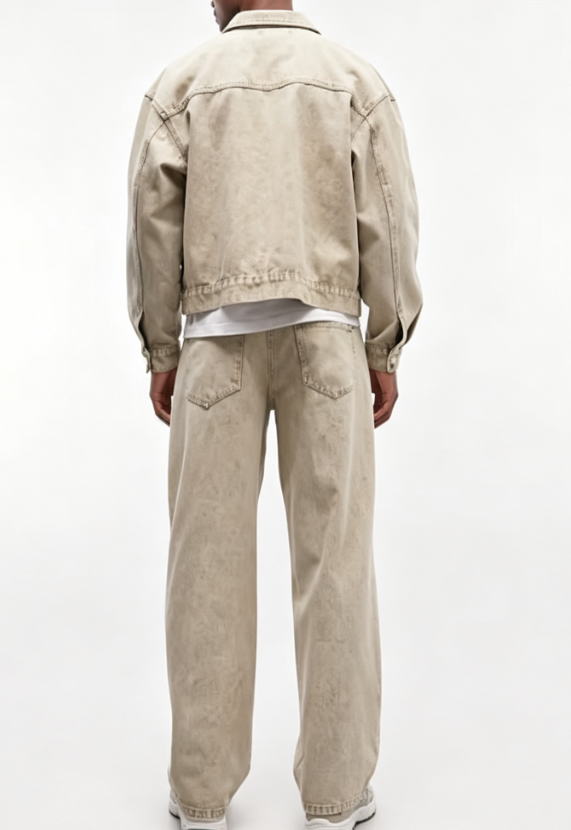
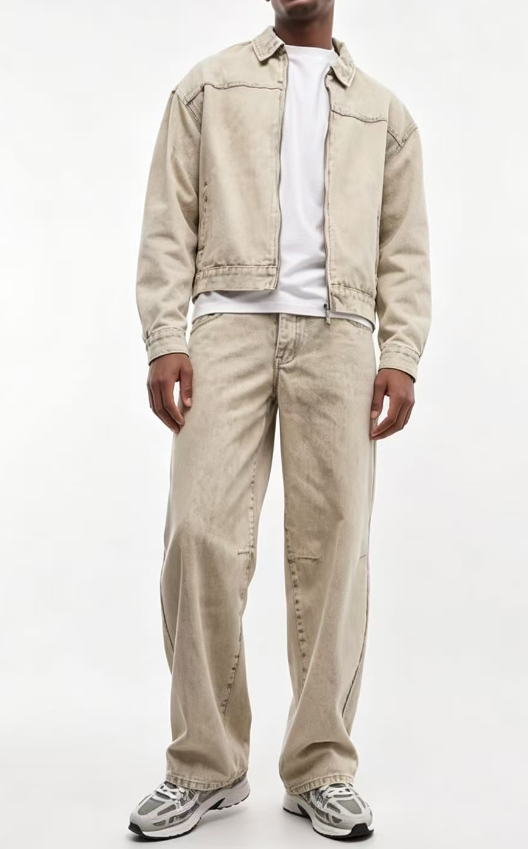
Supply mens denim suits wholesale programs with coordinated denim jackets and trousers, or fashion denim sets for retail collections. Match fabric, wash, color and hardware across pieces while refining jacket proportions, trouser fit, size grading, branding and bulk production details.
Request a Quote
Custom Polo Shirts
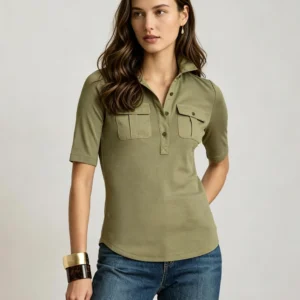
Produce custom polo shirts in piqué, jersey or performance knits for retail, uniforms or branded merchandise. Specify collar construction, placket, sleeve rib, fit and color blocking, then add logo embroidery, printing, custom buttons, labels and packaging.
Request a Quote
Custom Sweatpants
Develop custom sweatpants in fleece, French terry or jersey with straight, tapered, wide-leg or oversized silhouettes. Control rise, inseam, cuff, waistband and pocket details across XS–3XL, then add embroidery, printing, washes, drawstrings and private-label trims.
Request a Quote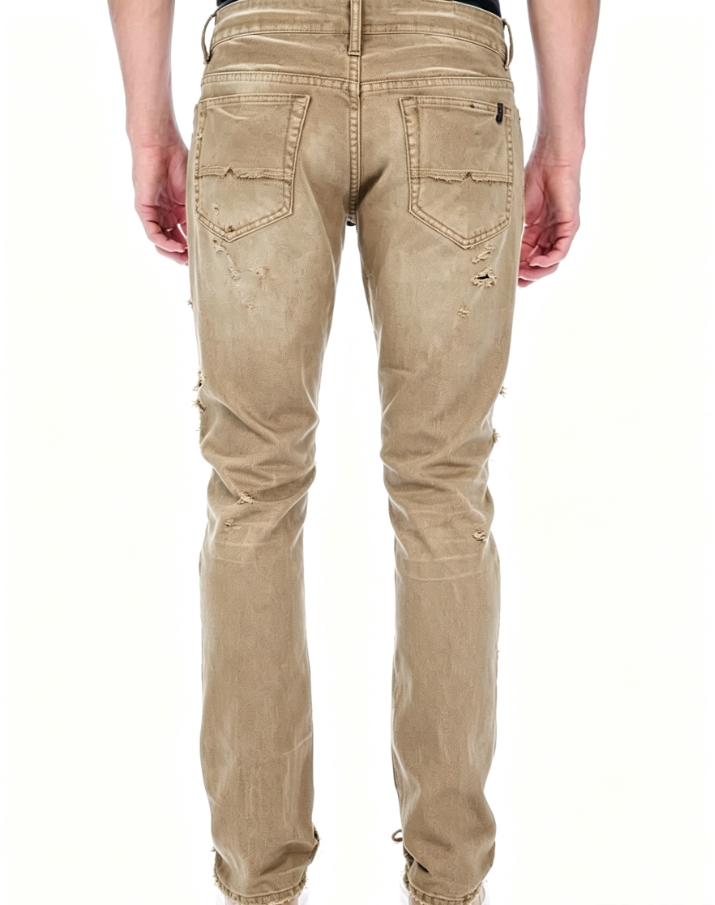
Custom Shorts
Manufacture custom shorts in jersey, fleece, twill, woven or denim fabrications for casualwear programs. Develop inseam, rise, pocket and waistband specifications, including extended-size grading, then complete styles with prints, embroidery, labels, hardware and branded packaging.
Request a Quote
Custom Pullovers
Create custom pullovers in jersey, fleece or knit constructions for seasonal casualwear collections. Develop crewneck, half-zip, mock-neck or oversized silhouettes with fit-focused grading, fabric sourcing, embroidery, printing, washing treatments and full private-label finishing.
Request a QuoteCustom Made Jeans for Men: Denim Fabrics We Support

Rigid Cotton Denim
A structured, low-stretch denim with an authentic dry hand and strong visual character. Ideal for classic straight, relaxed, and vintage-inspired jeans; available in varied weights for durable silhouettes and wash development.

Stretch Denim
Cotton denim blended with elastane for controlled recovery and easier movement. Well suited to slim, tapered, and fitted custom made jeans for men, balancing a familiar denim appearance with flexible comfort.

Organic Cotton Denim
Organic cotton denim offers a natural hand feel for brands pursuing more considered material choices. It supports rigid or stretch constructions, with fabric weight and finish selected around the intended fit and wash.

Recycled Blend Denim
Recycled cotton or polyester blends help support resource-conscious denim programs while maintaining dependable construction. Best specified with target weight, stretch, color, and wash performance requirements to suit your finished jeans.

Cotton Twill
A durable diagonal-weave fabric for denim-adjacent chinos, workwear jeans, and coordinated sets. Cotton twill can be developed in lighter or heavier weights, offering a cleaner surface and structured hand feel.

Cotton Pocketing Fabric
Lightweight woven cotton used for pocket bags, waistbands, and internal construction details. Choose the weight and print or solid color to support durability, reduce bulk, and reinforce your brand presentation.
Custom Made Jeans for Men: Denim Finishing Options

Screen Printing
Apply plastisol, water-based, puff, flocking, silicone, or high-density graphics to selected denim panels. Our team evaluates placement, curing, and wash compatibility to help logos and artwork retain clear color and adhesion.

Logo Embroidery
Add flat, 3D puff, chain-stitch, applique, or patch embroidery for dimensional branding. Reinforced backing and stitch-density control help designs hold their shape while maintaining a premium, durable finish through repeated wear.

Garment Dye
Dye completed jeans for saturated, lived-in color and a softer character than conventional piece-dyed denim. Sample approvals help refine shade, wash-down behavior, and color consistency across your approved size range.

Enzyme Wash
Use enzyme washing to reduce surface fuzz, soften the hand feel, and create a cleaner worn appearance. This controlled treatment can improve comfort while preserving the garment’s construction and intended denim character.

Stone Wash
Create authentic abrasion, contrast, and a naturally broken-in appearance through stone washing. We develop samples to balance fade intensity, seam definition, and fabric durability for your target price point and visual direction.

Acid Wash
Develop high-contrast, irregular fade patterns with acid-wash treatments for statement denim programs. Process testing helps control the visual effect, garment strength, and repeatability needed for branded custom made jeans for men.
Custom Trims and Private-Label Accessories

Leather Back Patches
Add debossed, embossed, printed, or laser-etched leather patches at the waistband to give custom made jeans for men a recognizable premium signature and durable private-label identity.

Woven Brand Labels
Custom woven main labels, size tabs, and care labels bring consistent branding to every pair. Choose yarn colors, fold styles, dimensions, and placement to suit your denim collection.

Custom Buttons Rivets
Specify logo-engraved shank buttons, tack buttons, and rivets in plated, matte, antique, or painted finishes. These hardwearing details reinforce stress points while carrying your brand through the garment.

Branded Denim Zippers
Select metal or nylon zipper constructions with custom pullers, logo engraving, and finish options for fly fronts and pocket closures. We match zipper performance and appearance to the wash and intended use.

Custom Hang Tags
Create retail-ready hang tags with your logo, product story, sizing, barcode, and care messaging. Paper stocks, shapes, print finishes, strings, and attachment methods can align with your brand presentation.
Branded Packaging Sets
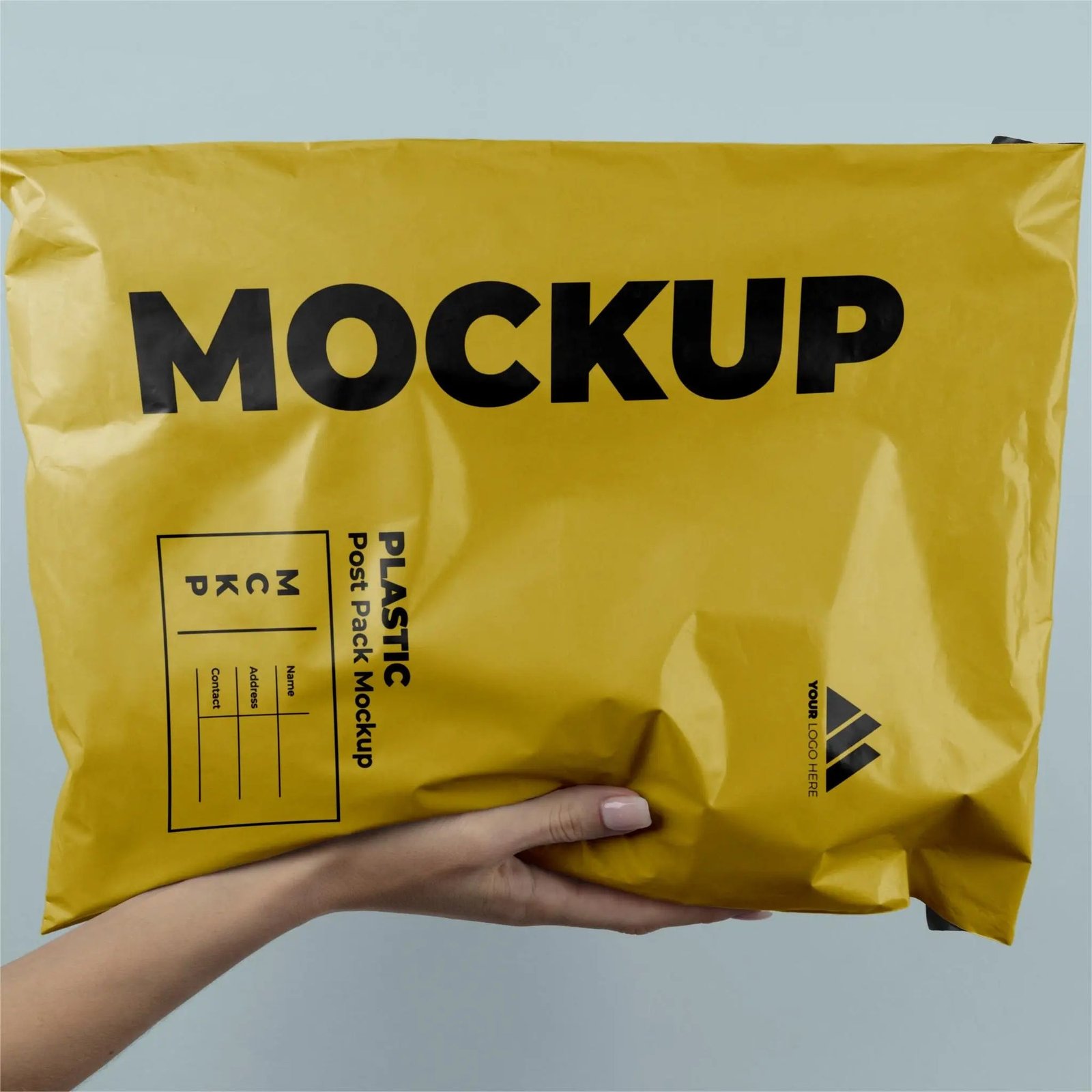
Finish your order with custom polybags, tissue paper, stickers, carton marks, and inserts. Branded packaging protects denim in transit and delivers a cohesive unboxing experience for wholesale or direct sales.
Custom Made Jeans for Men at JUNSHEEN
Founded in 2010 in Humen Town, Dongguan, JUNSHEEN helps fashion brands turn custom made jeans for men into production-ready private-label programs. Our mission is straightforward: combine responsive product development, dependable denim manufacturing, and clear export support in one experienced apparel supply chain.
With more than 200 skilled workers and monthly capacity above 80,000 units, we support everything from 100-unit capsule launches to ongoing bulk denim programs. Our team manages fabric sourcing, pattern making, fit grading, sampling, washing, decoration, labels, packaging, quality control, and global shipping under one roof.
JUNSHEEN stands apart through fit-focused development from XS to 3XL, including extended-size, plus-size, and modern oversized proportions. Having served more than 2,000 fashion-brand clients, we refine the technical details that help emerging labels and established retailers build jeans customers return to buy again.

Custom Made Jeans for Men: Fit and Production Control
Fit-First Pattern Development
JUNSHEEN develops custom made jeans for men from your tech pack, reference sample, sketch, or concept. Our pattern team refines silhouette, rise, seat, thigh, leg shape, and mobility before sampling, so the approved fit is ready for dependable bulk production.
- Pattern making for slim, straight, relaxed, baggy, and oversized fits
- XS–3XL grading with proportion-led adjustments across the size set
- Prototype, fit sample, size set, and pre-production approval support
- Manufacturability review to reduce avoidable sampling revisions

Denim Sourcing With Purpose
Select denim around the wear experience and price target your brand needs. Through our supplier network, JUNSHEEN sources rigid and stretch denim with suitable weight, recovery, texture, color, and wash performance, then confirms materials through swatches and sample garments.
- Cotton denim, stretch denim, twill, recycled, and blended options
- Fabric guidance based on GSM, hand feel, durability, and drape
- Indigo, black, ecru, colored, and specialty denim programs
- Material records retained to support consistent repeat orders
In-House Denim Character
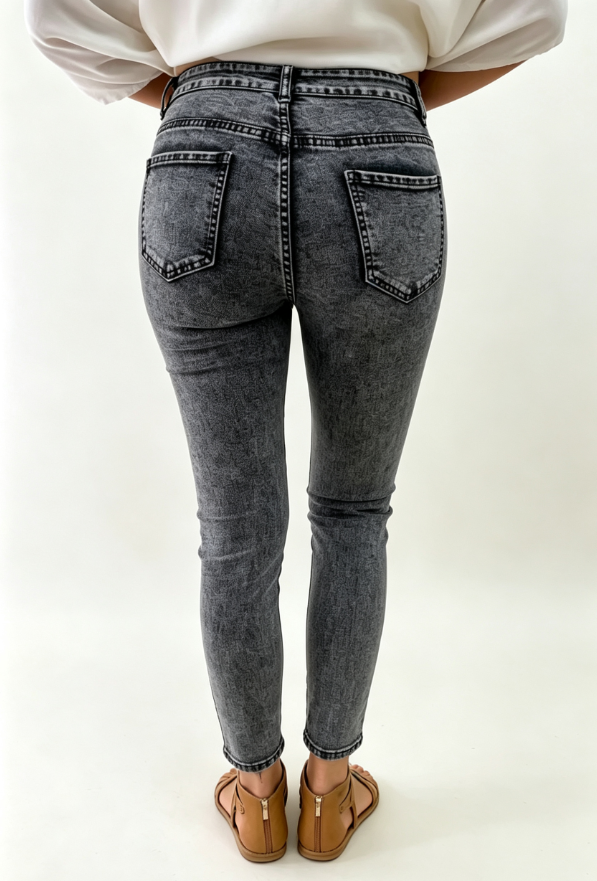
Build a recognizable denim signature with coordinated embellishment, washing, finishing, and private-label details. Our team manages the production elements that turn a base jean into a branded product, while keeping decoration placement and wash appearance aligned with the approved sample.
- Stone, enzyme, acid, garment-dye, softening, and brushing effects
- Embroidery, patches, screen printing, DTF, heat transfer, and more
- Custom leather or woven labels, buttons, rivets, zippers, and hang tags
- Branded packaging and wash-care labeling for private-label launches
Inspection-Led Bulk Control
Once your custom made jeans for men move into bulk production, JUNSHEEN monitors incoming fabric, in-line construction, measurements, decoration, fit, and final packed goods. With 200+ skilled workers and 80,000+ monthly units of capacity, we support controlled scaling from 100 units per style and color.
- Incoming-material, in-line, measurement, and final inspections
- Approved patterns, graded specs, and material records guide production
- Low MOQ from 100 units per style and color for focused launches
- Export-ready packing and global shipping support for growing programs

Why Choose JUNSHEEN for Custom Made Jeans for Men
Compare fit-led development, integrated denim production, and export-ready support against a typical supplier.
← 左右滑动查看 →
Custom Made Jeans for Men: Our Production Process
A controlled denim workflow that moves your concept from technical review and sampling to reliable bulk production, final inspection, and export-ready delivery.
Review Specifications and Feasibility
We assess your tech pack, reference sample, measurements, target price, wash requirements, and branding details to confirm a production-ready direction before development begins.
Source Denim and Trims
Our team recommends denim weight, stretch, color, hardware, labels, and packaging based on hand feel, durability, wash performance, target market, and cost goals.
Create Patterns and Samples
Pattern makers build and grade fit-focused XS–3XL patterns, then produce prototype samples for construction, rise, silhouette, measurements, wash effects, and branding approval.
Approve Size Set Production
After sample feedback, we refine specifications, confirm graded size sets, bulk materials, decoration, and pre-production details before releasing your order to the factory floor.
Cut, Sew, Wash, Finish
Skilled teams cut and sew approved panels, apply embroidery or prints, then complete selected denim washes, finishing treatments, labels, hardware, and branded packaging.
Inspect, Pack, and Export
Quality control checks fabric, construction, measurements, fit, decoration, and packed goods before export-ready cartons are prepared for reliable global shipment.
How to Order Custom Made Jeans for Men
Move from concept to shipment with a clear, fit-focused denim manufacturing process built for brands at every stage.
Submit Your Concept
Send a tech pack, sketch, reference garment, mood board, or product idea. Share target quantities, size range, fabric direction, washes, trims, and branding requirements.
Review Feasibility and Quote
Our team reviews construction, fit, materials, decoration, and manufacturability, then recommends practical options and provides a clear quotation for your 100-unit-plus program.
Approve Development Samples
Review prototype samples, fabric swatches, wash effects, measurements, and graded fit. We refine details before you approve the final pre-production standard for bulk.
Confirm Bulk Production
Confirm your order and production details. JUNSHEEN manages fabric sourcing, cut-and-sew production, labeling, finishing, inspections, and packing with retained specifications for repeat consistency.
Arrange Global Shipment
After final quality control and balance settlement, we prepare packed goods and support export coordination so your custom denim order can move smoothly to its destination.
Custom Clothing Manufacturer Credentials and Compliance Documents



Client Results from Global Fashion Brands
JUNSHEEN adjusted the rise, thigh, and leg opening across our XS–3XL run. We reduced fit-related sample revisions from three rounds to one and launched our first 120-unit custom made jeans for men program on schedule.
Their 100-unit MOQ let us test two washes without overcommitting inventory. The first run sold through in eight weeks, and we moved into a 600-unit repeat order with the same approved pattern and trims.
Our sourcing team needed consistent bulk delivery for a private-label retailer. JUNSHEEN kept measurements within our approved tolerances and delivered 1,200 pairs across two colorways in time for our seasonal floor set.
Custom Made Jeans for Men FAQ
Clear answers on MOQ, development, fit, production, payment and global delivery for brand-ready denim programs.
What is the MOQ for custom made jeans for men?
Can I order a sample of custom made jeans for men before bulk production?
How long does it take to produce custom made jeans for men?
Can you develop men’s jeans in extended sizes or oversized fits?
Which denim washes and finishes can you provide?
Can JUNSHEEN add custom labels, hardware and decoration to jeans?
What payment terms do you offer for OEM denim orders?
Do you ship custom jeans internationally and protect our designs?
The Complete Buyer’s Guide to custom made jeans for men
Use this practical framework to define fit, fabrics, finishes, and production requirements, evaluate denim suppliers against essential criteria, and avoid costly sampling, pricing, quality-control, and launch mistakes.
1. What Are Custom Made Jeans for Men?
Three B2B models sit under custom made jeans for men: private-label production adapts an existing or supplier-developed block; made-to-measure adjusts a defined block for a customer or target body profile; fully bespoke development creates the pattern, specifications, and size grade from the brand’s concept. The correct label matters because each model changes development time, fit risk, and unit cost. 100 units per style and color is a workable custom-production starting point for a capsule, whereas wholesale stock is predesigned inventory with fixed fabrics, washes, sizing, and branding. Choose custom production when differentiated fit, a proprietary wash, exclusive trims, or branded presentation will support the collection’s positioning; choose stock when speed and minimal development investment outweigh exclusivity. 12-ounce to 14-ounce denim is a common starting range for everyday men’s jeans, but buyers can specify the fit block, rise, leg shape, stretch level, denim weight, fiber blend, Pantone wash direction, distressing, buttons, rivets, zipper, thread, labels, hang tags, and packaging. A proto sample tests the first construction and appearance, a fit sample validates measurements and mobility, and an approved pre-production sample becomes the bulk reference; MOQ means the minimum quantity a factory will produce for that defined style and color.
2. Evolution of Custom Made Jeans for Men
1873 established riveted blue jeans as hard-wearing workwear, and that origin still informs sourcing: a 12–16 oz rigid denim, copper-tone hardware, bar tacks, reinforced pockets, and chain-stitched hems signal utility and heritage. For a modern straight or relaxed fit, these references help a brand decide whether authentic shrinkage, contrast stitching, selvage ID, and a raw or lightly rinsed finish support its customer and price position. 1950s–1980s made denim a youth and fashion uniform, expanding the vocabulary from work silhouettes to slim, bootcut, stone-washed, acid-washed, and distressed jeans. Historical references should be translated deliberately: a high-contrast fade suits some vintage-led programs, while a cleaner enzyme or laser-assisted wash may better serve a premium minimal collection and reduce unpredictable hand-finishing variation. 1–3% elastane is now common in comfort denim, but stretch does not replace fit engineering; rise, thigh ease, knee shape, and grading determine whether custom made jeans for men remain comfortable across sizes. A 100-unit-per-style-and-color starting point lets private-label teams test a heritage rigid option beside a stretch version, then use approved wash samples and graded size sets to scale the winner. 2020s sourcing increasingly pairs lower-impact wash choices with inclusive sizing, because customers expect both visual character and repeatable fit. Water-saving wash processes, recycled or preferred-fiber options, and size grading from XS through 3XL should be specified alongside fade placement, fabric weight, and recovery targets—not added after the prototype is approved.
3. Types of Custom Made Jeans for Men
Seven core silhouettes let a buyer position custom made jeans for men from dependable essentials to fashion-led statements. Fit blocks must be developed separately because leg shape, rise, and knee balance cannot be solved by grading alone.
| Type | Target Customer | Pattern Focus | Commercial Position |
|---|---|---|---|
| Straight | Broad everyday buyer | Consistent leg opening | Core volume |
| Slim | Clean contemporary buyer | Thigh ease and stretch recovery | Refined staple |
| Tapered | Modern casual buyer | Calf taper and hem balance | Core-fashion |
| Relaxed | Comfort or skate buyer | Seat and thigh volume | Casual growth |
| Wide-leg | Trend-led buyer | Drape and full-leg proportion | Fashion capsule |
| Bootcut | Western or fashion buyer | Knee break and flare | Niche statement |
| Utility/carpenter | Workwear buyer | Pocket reinforcement | Functional premium |
Core Fit Blocks

Straight, slim, and tapered jeans serve the broadest repeat-demand base. Straight blocks keep a near-constant leg width; slim blocks need controlled thigh ease; tapered blocks narrow below the knee, requiring careful calf and hem measurements.
- Straight: 12–14 oz rigid or 1–2% stretch denim
- Slim: 10–12 oz stretch denim for mobility
- Tapered: mid-rise block with shaped inseam
Fashion And Workwear Fits

Relaxed, wide-leg, bootcut, and utility/carpenter jeans target trend, skate, workwear, or Western-influenced customers. Relaxed and wide-leg patterns need more seat and thigh volume; bootcut needs a balanced knee-to-hem flare; carpenter styles require reinforced pockets and tool-loop placement.
- Relaxed: casual core, 12–14 oz denim
- Wide-leg: fashion-led, rigid drapey denim
- Bootcut: regional Western appeal, stretch optional
- Carpenter: utility value, durable 12–15 oz denim
Assortment And Size Strategy
A 100-unit launch is usually stronger with two fit blocks, two washes, and disciplined size depth than seven understocked silhouettes. Start with straight plus relaxed or tapered, then add fashion fits after sell-through confirms demand. XS–3XL programs require revised rise, thigh, knee, and back-yoke balance rather than simple circumference increases. North American buyers often expect roomier thigh and seat measurements, while many European and East Asian programs favor cleaner legs; confirm target measurements on a graded size set before bulk approval.
4. Fabrics for Custom Made Jeans for Men
10–14 oz denim covers most custom made jeans for men, but composition and finishing determine whether it feels rigid, forgiving, or performance-led. Approve the fabric only after seeing washed sample panels and the intended garment silhouette.
| Denim Weight | Best Use | Climate And Silhouette | Wash Result |
|---|---|---|---|
| 8–10 oz / 271–339 GSM | Lightweight jeans, overshirts | Warm; fluid or relaxed | Softer, lower contrast |
| 11–13 oz / 373–441 GSM | Core jeans programs | All-season; most fits | Balanced fading and durability |
| 14–16 oz / 475–542 GSM | Heritage and workwear | Cool; structured straight fits | Sharper creases, stronger contrast |
Choose Fiber And Stretch

100% ring-spun cotton rigid denim gives the clearest break-in, fading, and vintage character; it suits straight, relaxed, and workwear fits. Comfort stretch commonly adds 1–2% elastane for recovery without losing a denim hand. 2–4% elastane blends support skinny or close-tapered fits, but require recovery testing to avoid bagging. Organic cotton and recycled cotton can support material goals, yet recycled content should be balanced against tear strength and consistent shade.
- Rigid: authentic fades, firmer fit
- Comfort stretch: everyday mobility
- High stretch: close silhouettes, test recovery
Match Weight To End Use

8–10 oz denim is appropriate for warm climates, shirts, and soft wide-leg styles, while 11–13 oz is the versatile core range. Weave density and yarn quality affect durability as much as nominal weight. 14–16 oz denim builds structure for heritage, utility, and cold-weather jeans, but needs a longer break-in and may produce stronger wash contrast. Selvedge denim is defined by its finished shuttle-loom edge, not automatically by superior weight or quality.
Approve Testing And Shrinkage
3–5% dimensional change is a practical shrinkage range to discuss, but buyers should approve the supplier’s actual warp and weft results after the planned wash. Sanforized fabric reduces shrinkage risk; it does not eliminate wash variation. ISO or AATCC reports should cover colorfastness to washing and rubbing, tear strength, tensile strength, skew, stretch, and recovery where applicable. Confirm whether measurements are taken before or after wash, then lock the approved lot, shade band, and finish recipe.
5. Customization and Decoration Options
A custom made jeans for men program becomes recognizable when wash, trim, and branding choices follow one repeatable design language. Lock approved recipes, artwork, and supplier references before bulk to control shade, hand feel, and replacement-order consistency.
| Customization | Design Impact | Production Watchout |
|---|---|---|
| Whiskers and laser | Precise vintage character | Approve placement and shade standard |
| Embroidery and patches | Visible brand signature | Test backing after washing |
| Branded hardware | Premium recognition | Molds increase upfront cost |
| Contrast stitching | Defines construction lines | Control thread color after wash |
Wash And Surface Effects

Two to four controlled effects usually read stronger than a crowded treatment stack: enzyme or stone wash, whiskers, laser fading, and a light tint can define the jean. One approved wash recipe should record garment weight, abrasion zones, processing time, and target shade; excessive sanding or bleach can reduce tear strength and create lot-to-lot variation.
- Whiskers sharpen the worn-in hip area
- Laser effects improve repeatable placement
- Tinting adds cast without heavy abrasion
Decoration And Stitching

Three placement controls—artwork size, seam clearance, and backing—keep embroidery, printed details, patches, and applique from distorting denim during wear. 20–30 mm seam clearance is a practical starting point for embroidery and patch placement; confirm wash testing because thread, adhesive, and print surfaces can change after finishing.
- Contrast stitching defines panel lines
- Chain stitch suits heritage details
- Patches need wash-compatible attachment
Hardware Labels And Packaging

Four branded touchpoints—buttons, rivets, leather or woven labels, and hang tags—can create a stronger signature than adding another destructive wash. OEKO-TEX documentation and nickel-release requirements should be verified for destination markets, while custom molds and low-volume packaging add tooling, unit cost, and replenishment complexity.
- Specify hardware finish and logo relief
- Match label material to wash durability
- Keep packaging dimensions repeatable
6. Construction Quality in Men’s Jeans
Construction quality separates a good-looking sample from custom made jeans for men that retain their fit after repeated wear and washing. Review measurable build standards before approving bulk, because wash effects can expose weak construction.
Pattern Balance And Measurements
A balanced pattern keeps side seams vertical, inseams aligned, and leg twist controlled. Confirm front and back rise, thigh, knee, hem, and inseam against the approved graded specification. A practical bulk tolerance is often ±1 cm on key circumferences and ±1.5 cm on inseam, subject to the brand’s specification. Check a full size set after wash, not only a pre-wash sample.
- Review fit sample, graded size set, and pre-production sample
- Measure after the approved wash process
- Check pocket symmetry on a worn garment
Seams, Stitching, And Reinforcement

Chain-stitch hems and felled or double-needle inseams provide recognizable denim construction and durable abrasion resistance. Stitch density must be even, with no skipped stitches, loose thread tails, or roping outside the approved finish. Bartacks should reinforce pocket corners, fly stress points, belt loops, and crotch junctions without puckering the denim. Confirm thread color, stitch count, and seam allowance on the production sample.
- Inspect inseam, outseam, yoke, and seat seams
- Pull-test bartacks and belt-loop attachments
- Compare stitch appearance after wash
Fly, Waistband, And Hardware

A finished fly must lie flat, zip smoothly, and keep the zipper tape concealed. Verify zipper length, top-stop position, buttonhole quality, and that the waistband closes without rolling or gaping. Metal buttons, rivets, and snaps need centered attachment and secure backs that do not damage adjacent fabric. Request hardware specification sheets and test reports for corrosion, nickel requirements, and attachment strength where relevant.
- Operate every zipper on inspection samples
- Check waistband seam and belt-loop alignment
- Inspect rivets for sharp or loose backs
Wash And Release Controls
Each wash lot should match the approved shade, cast, abrasion placement, and hand feel within agreed limits. Compare washed garments under consistent lighting, because indigo tone and localized fading vary visibly between lots. Before release, review the sealed sample, wash test results, measurement report, in-line inspection record, and final AQL report. Incoming fabric checks, post-wash measurement checks, and packed-goods inspection should be documented.
- Seal a washed pre-production sample
- Review shrinkage and colorfastness results
- Inspect first output before full-line release
- Approve final measurements before shipment
7. Choosing a Custom Jeans Manufacturer
A 100-unit MOQ is useful only when a factory can maintain fit, wash, and delivery as orders grow. Evaluate documented evidence—not promises—before placing custom made jeans for men with a supplier.
Verify Denim Development Depth

2 to 3 comparable production samples reveal more than a factory portfolio. Ask for men’s denim examples showing pattern blocks, graded size sets, wash recipes, shrinkage results, and before-and-after measurements. 100-unit programs need development discipline, not merely low minimums. Warning signs include vague wash descriptions, no approved sample record, or a supplier that cannot explain rise, inseam, leg opening, and grading changes.
- Request a size-set measurement report
- Review washed versus unwashed shrinkage
- Confirm sample revisions in writing
Audit Materials And Compliance

10 to 14 oz denim specifications should identify fiber content, weave, stretch percentage, mill, shade band, and test requirements. Request fabric swatches, lot records, and confirmation of substitute-material approval before bulk cutting. OEKO-TEX, GOTS, WRAP, or BSCI claims require current certificates naming the audited entity. A certificate from an unrelated mill or trading company is not factory compliance evidence.
- Mill and fabric composition
- Stretch recovery test results
- Current certification copies
Test Production Reliability
200-worker capacity or 80,000 monthly units means little without a line plan, in-line inspection method, and realistic critical-path dates. Ask who communicates daily, who approves samples, and how defects, rework, and late trims are escalated. 30 to 60 day bulk windows are typical only after materials and approvals are locked. Warning signs include guaranteed dates without a production schedule, no export references, or inconsistent sample-to-bulk construction.
- Packed-goods inspection report
- Export documents for target markets
- Written lead-time and approval calendar
8. Common Custom Jeans Sourcing Mistakes
Most jeans rework begins before the purchase order, when visual intent is mistaken for production specification. For custom made jeans for men, control measurements, wash behavior, approval conditions, and inspection criteria before bulk fabric is committed.
Lock The Tech Pack
A complete tech pack should state measurements, tolerances, stitch type, hardware, Pantone references, artwork placement, and wash target. Attach front, back, and detail views plus a measurement spec for every graded size. A 100-unit MOQ does not remove development risk. Prevent ambiguity by requiring written sign-off on the bill of materials, approved sample comments, and revision number.
- List point-of-measure tolerances
- Specify zipper, button, and rivet finishes
- Identify thread color and seam construction
Approve Samples Properly
One sample photographed under warm indoor light can hide skew, shade variation, and poor recovery. Review it in daylight, after laundering, on a live model, and against the approved specification. Three wearers across the target size range reveal issues a fit mannequin misses. Run seated, walking, squatting, and pocket-access checks before approving production.
Control Fabric And Wash

1% to 3% residual shrinkage can shift inseam and rise enough to trigger returns. Request wash-test results and set post-wash measurements rather than approving raw-garment dimensions. 12 oz denim may look suitable but differ sharply in stretch, tear strength, and abrasion response. Compare composition, ounce weight, stretch and recovery, hand feel, and wash trials; avoid stacking heavy distressing, bleach, and multiple treatments without a pilot.
Plan Commercial Controls
100 units per style and color is a practical capsule threshold, but fabric mill minimums and custom trims can raise the effective commitment. Confirm color count, material availability, sample calendar, and production lead time before taking retail orders. AQL 2.5 is commonly used for general garment inspection, but it is not a complete standard. Define acceptable measurement tolerance, shade band, loose-thread limits, wash appearance, defect classification, and carton packing requirements in writing.
9. Steps to Launch a Jeans Collection
A 100-unit-per-style-and-color starting point lets a new label test custom made jeans for men without building an unfocused range. Treat development as a gated sequence: each approval locks specifications, cost assumptions, and the next owner’s decision.
Define The Customer And Brief
Week 1 should identify target customer, retail price, competitor fits, and one clear use case per style. The brand owner supplies reference products, measurement priorities, size range, color direction, and a dated fit brief. One focused capsule of two fits, one or two washes, and limited colors is easier to sample, photograph, and replenish. Record Pantone codes, target margin, approved references, and decision dates in a shared tech-pack folder.
Develop Samples And Fit
Weeks 2-5 cover a complete tech pack, denim weight and stretch selection, trims, prototype, and revision comments. Junsheen can review manufacturability, source materials, create patterns, and produce the prototype; the brand owner consolidates one marked feedback file. A size set should follow the approved base fit before bulk grading from XS through 3XL where applicable. Wear-test seated comfort, rise, knee recovery, abrasion, wash change, and pocket access, then approve measurements and construction tolerances.
Approve Bulk And Delivery
Weeks 6-10 typically require a pre-production sample, bulk-material confirmation, production approval, final inspection, and freight booking, subject to fabric availability and order complexity. The buyer must sign off on wash standard, labels, packing method, carton marks, quantity breakdown, and delivery window. Within 30 days of launch, compare sell-through by fit, wash, and size rather than guessing the reorder. Retain approved patterns, graded measurements, fabric records, and inspection notes so repeat orders begin from controlled specifications.
10. Custom Made Jeans Pricing and Cost
100-unit custom made jeans for men programs usually carry the highest unit cost because pattern work, grading, wash development, and fabric minimums are spread across fewer garments. Request an FOB quotation with denim weight, composition, wash recipe, trim list, packing method, size range, and approved sample status stated line by line. $1.50–$5.00 sample-development charges per component are less useful than a complete sample quote covering pattern, fabric, wash trials, and courier delivery. Compare suppliers only on matching specifications, then protect margin by simplifying non-critical packaging or wash steps—not by removing reliable denim, fit grading, bartacks, or measurement control. 30–45 days is a practical bulk-production planning range after approval, while freight, duties, inspection, and destination handling determine the final landed cost. Stretch content, premium ring-spun denim, enzyme or stone washes, branded leather patches, YKK-equivalent hardware, extended-size grading, and individual polybags all move the final unit cost.
| Quantity tier | Indicative FOB unit-price drivers | Typical bulk lead time |
|---|---|---|
| 100–299 units | Highest setup allocation; standard denim, simple wash | 35–45 days |
| 300–999 units | Better fabric utilization; moderate stretch or wash | 30–40 days |
| 1,000–2,999 units | Lower setup allocation; repeatable trims and packaging | 25–35 days |
| 3,000+ units | Best efficiency; confirm fabric booking and wash capacity | 25–35 days |
Start Your Custom Made Jeans for Men Project
Send your tech pack, sketch, reference garment, or idea to JUNSHEEN for a fit-focused denim quotation from 100 units per style and color.