
Custom Mens Jeans OEM From 100 Units
Develop custom mens jeans with XS–3XL grading, private-label details, denim washing, and scalable production from JUNSHEEN.
Featured Products for custom mens jeans Development

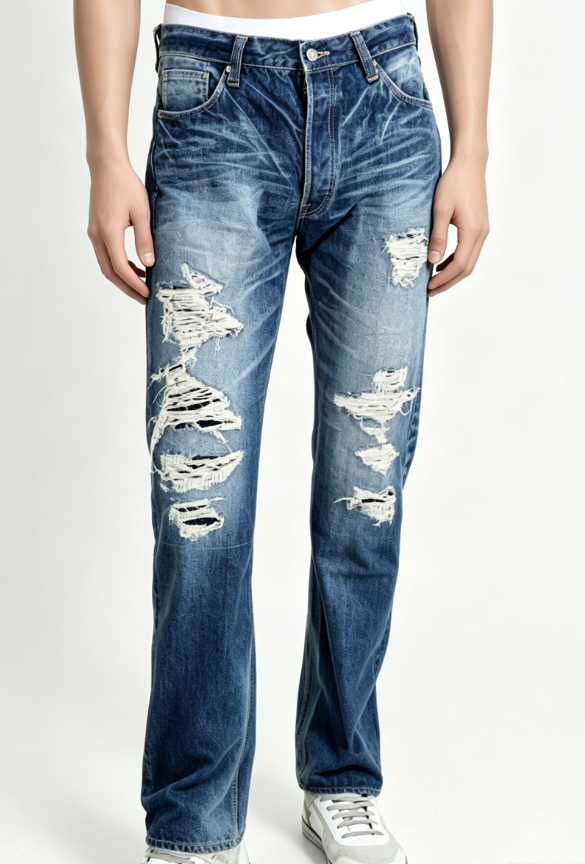


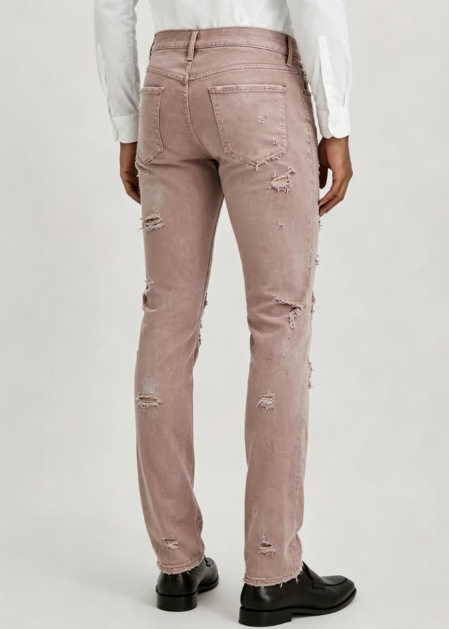


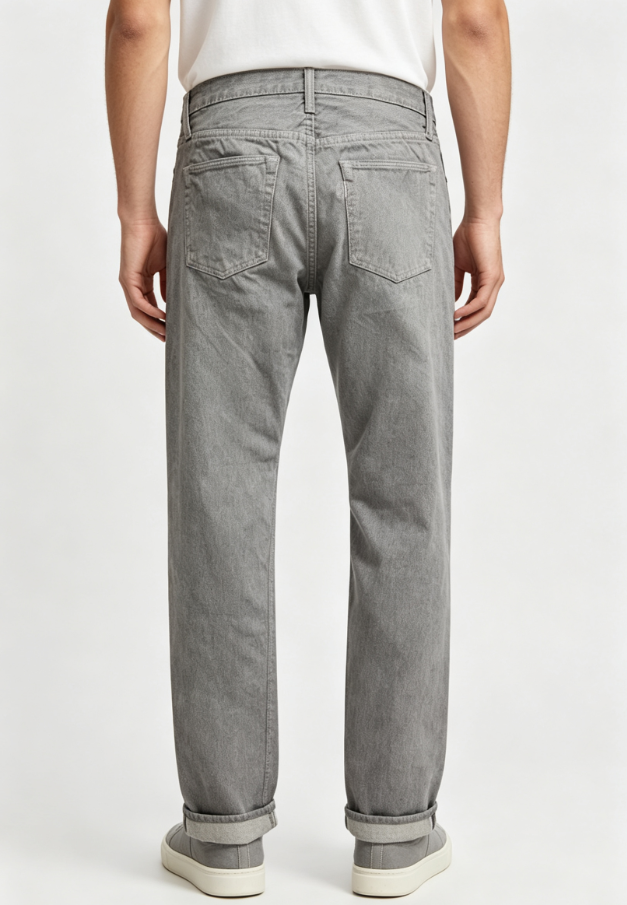


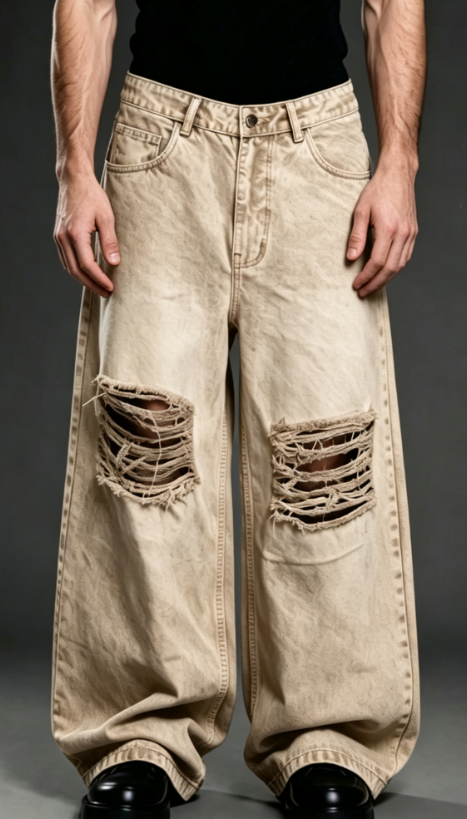

Related Product Catalogue and Quotation



Why Brands Source Custom Mens Jeans With Junsheen
Fit-focused development, integrated finishing and dependable global production for denim programs from launch quantities to repeat bulk orders.
100-Unit Denim MOQ
Launch custom mens jeans by style and color from 100 units, giving emerging labels a practical path to test denim capsules.
Fit-Focused XS–3XL
Pattern makers refine rise, leg balance, mobility and grading increments for normal, extended-size, plus-size and oversized denim fits.
Integrated Washes and Decoration
Coordinate embroidery, printing, patches, labels and denim washes in one supply chain for a more controlled branded finish.
Scalable Production Capacity
More than 200 skilled workers and 80,000-plus monthly units support reliable growth from first runs to ongoing bulk programs.
Global Export Support
Receive coordinated quality control, packing and export support for denim orders serving fashion brands, retailers and sourcing teams worldwide.
Custom Men’s Jeans OEM Categories
Develop coordinated denim and casualwear programs with low-MOQ sampling, fit-focused grading, private-label details, and scalable bulk production.

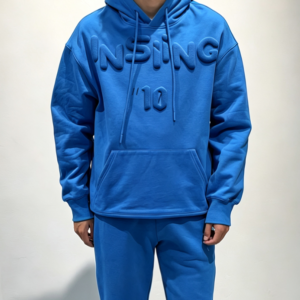
Custom Hoodies
Develop custom hoodies in fleece or French terry with branded embroidery, screen printing, custom drawcords, labels, and packaging. Junsheen supports 100-unit-per-style/color programs, including oversized and extended-size fits from XS to 3XL.
Request a Quote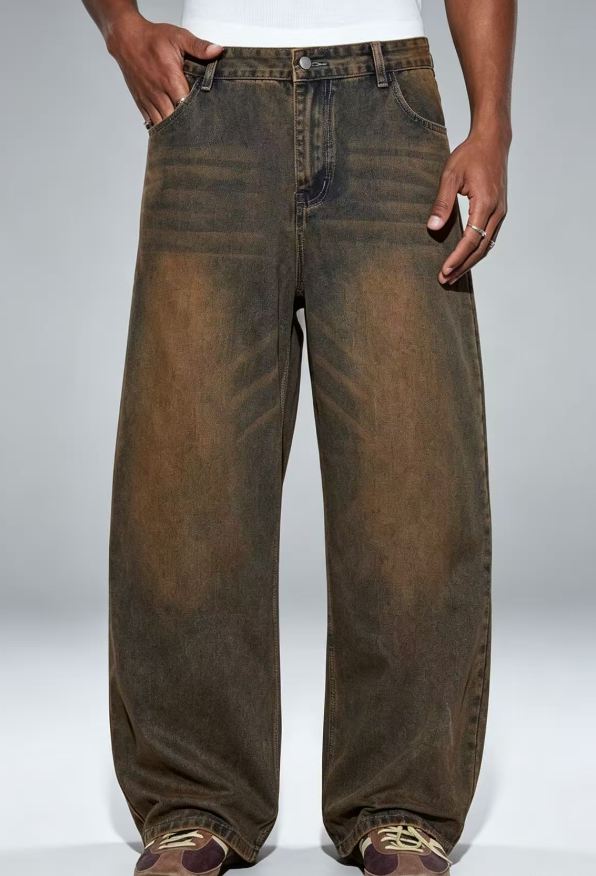
Custom T-Shirts
Produce custom T-shirts in cotton, combed jersey, blended knits, or performance fabrics. Support includes pattern development, fabric-weight selection, DTG or screen printing, wash effects, size grading, and private-label finishing for capsule or repeat programs.
Request a Quote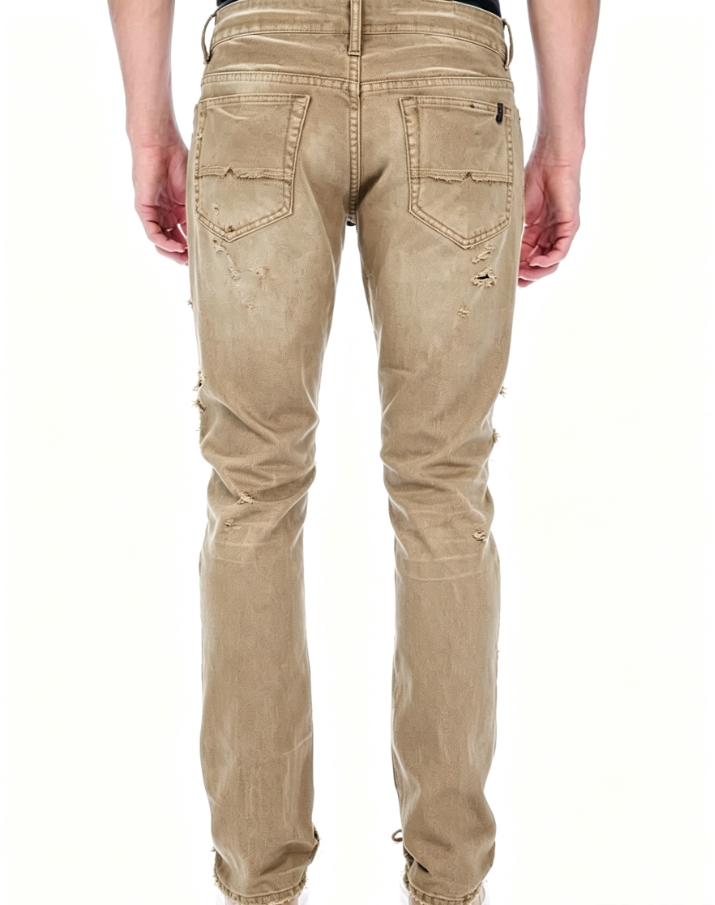
Custom Jeans
Build custom jeans with denim or stretch-denim sourcing, original washes, fit development, and branded hardware. Pattern makers refine rise, leg shape, mobility, and grading from XS to 3XL before production, with low MOQs from 100 units per style and color.
Request a Quote
Custom Sweaters
Source turtle neck sweaters in bulk through Junsheen’s knitting capability, with yarn, gauge, stitch, rib, and fit specifications matched to your target market. Develop regular, oversized, or extended-size sweater programs with labels, trims, and export-ready packing.
Request a Quote
Custom Jackets
Manufacture custom jean jackets with denim weight, wash treatment, pocket placement, collar shape, branded buttons, patches, embroidery, and private-label trims specified to your collection. Sampling validates construction, measurements, and finishing before scalable bulk production.
Request a Quote
Custom Sweatshirts & Crewnecks
Create custom crewneck hoodies and sweatshirts in fleece, French terry, or brushed jersey. Choose crewneck, hooded, cropped, oversized, or extended-size silhouettes, then add embroidery, puff print, garment dye, labels, and packaging for a complete private-label program.
Request a Quote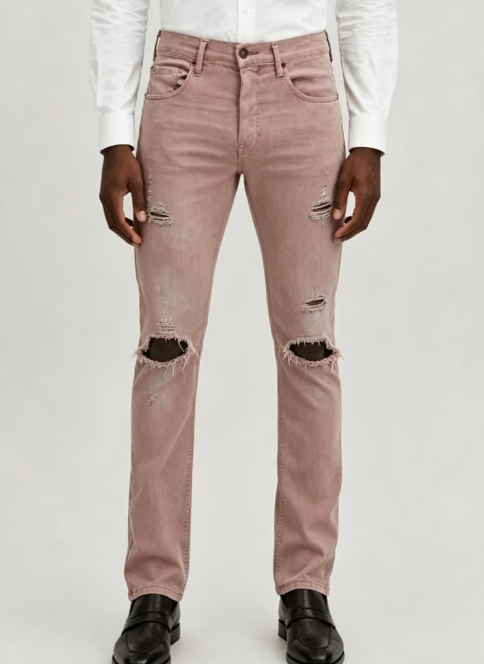
Custom Cardigans
Develop custom cardigans with knit construction, yarn blend, gauge, button selection, rib finish, and graded fit aligned to your brand. Junsheen supports classic, cropped, oversized, and extended-size options, from development samples through repeat bulk orders.
Request a Quote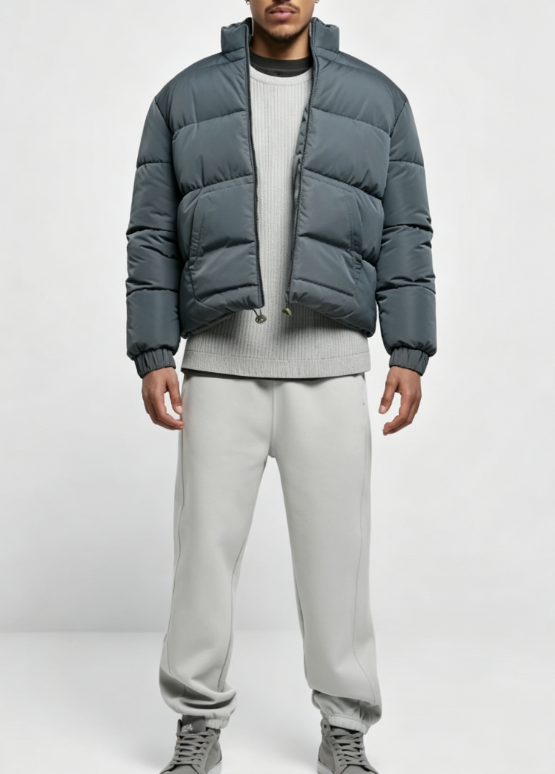
Custom Puffer & Down Jackets
Produce custom puffer jackets with shell fabric, insulation, quilting layout, lining, zipper, pocket, hood, and branded-trim requirements defined for your market. The team reviews construction and samples before bulk production to control fit, warmth, and finish quality.
Request a Quote
Custom Denim Shorts
Create custom jean shorts with denim sourcing, inseam, rise, leg opening, distressing, washes, hems, and branded hardware tailored to your assortment. Fit-focused grading supports regular, oversized, and extended-size denim shorts from XS to 3XL.
Request a Quote
Custom Sweater Dresses
Manufacture custom sweater dresses with yarn selection, gauge, stitch pattern, silhouette, hem length, rib details, and size grading developed for the intended fit. Junsheen supports fitted, relaxed, oversized, and extended-size knitwear programs with private-label finishing.
Request a Quote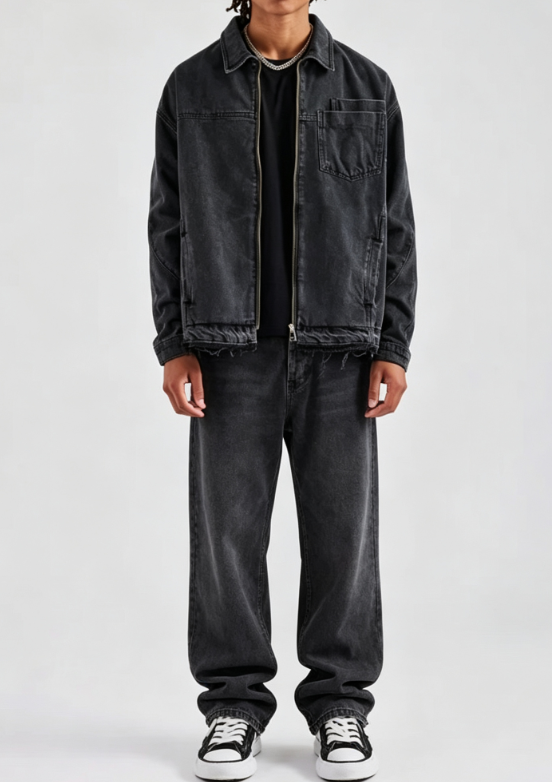
Custom Denim Sets
Develop men’s denim suits for wholesale channels as coordinated denim jackets and jeans, with matching fabric, wash, color, hardware, and branding. Junsheen can produce low-MOQ launch runs or scale proven sets into ongoing export-ready bulk programs.
Request a Quote
Custom Polo Shirts
Produce custom polo shirts in pique, jersey, performance knits, or blended fabrics with collar construction, plackets, buttons, embroidery, and printed branding. Patterns and size grading can be developed for regular, modern oversized, and extended-size fits from XS to 3XL.
Request a Quote
Custom Sweatpants
Build custom sweatpants in fleece, French terry, or jersey with tailored waistband, rise, pocket, cuff, and inseam specifications. Add embroidery, printing, wash treatments, custom drawcords, labels, and packaging for coordinated casualwear or private-label sets.
Request a Quote
Custom Shorts
Manufacture custom shorts in woven twill, jersey, fleece, denim, or performance fabrics for casual, athleisure, or retail programs. Development covers inseam, rise, pockets, waistband, stretch, decoration, and grading, with 100-unit-per-style/color minimums.
Request a Quote
Custom Pullovers
Create custom pullovers in knit, fleece, French terry, or jersey constructions with your preferred neckline, silhouette, fabric weight, decoration, and trims. Junsheen supports OEM and private-label development from sample approval through quality-controlled bulk production.
Request a QuoteCustom Mens Jeans Materials for Fit, Feel and Finish

Rigid Cotton Denim
A structured 100% cotton denim with an authentic dry hand and strong visual character. Ideal for straight-leg, relaxed, trucker and vintage-inspired custom mens jeans; typically developed in midweight to heavyweight constructions for durable washing.

Stretch Denim
Cotton-rich denim blended with elastane for comfortable recovery and easier movement. Well suited to slim, tapered and fitted custom mens jeans, with controlled stretch that helps retain shape through wear, washing and repeated production runs.

Cotton Twill
A smooth, tightly woven cotton fabric with a clean hand feel and diagonal texture. Used for jean-inspired chinos, workwear pants and lighter casual bottoms, offering dependable abrasion resistance and clear definition for garment dyeing.

Recycled Denim
Denim incorporating recycled cotton or recycled polyester options for brands pursuing lower-impact material stories. The hand feel can range from soft and broken-in to structured, while blend selection helps balance strength, color consistency and wash performance.

Performance Denim
Engineered denim blends with added stretch, recovery or moisture-management performance for active everyday wear. A softer, more flexible hand supports commuter, travel and modern utility jeans while maintaining a denim appearance and reliable shape retention.
Custom Mens Jeans Washing, Decoration and Finishing

Denim Cut and Sew
JUNSHEEN develops custom mens jeans from patterns, specifications or reference samples, managing panel cutting, pocket construction, seam placement and fit grading from XS to 3XL for reliable production consistency.

Logo Embroidery
Flat, 3D puff and chain-stitch embroidery add dimensional branded detail to pockets, waistbands and denim jackets. Carefully selected backing and stitch density help maintain clean artwork and durable wear.

Denim Screen Printing
Screen printing, DTF and heat-transfer applications bring graphics, logos and specialty effects to denim. Options such as high-density, silicone, puff and foil create defined visual contrast designed to withstand regular use.

Enzyme Washes
Enzyme washing softens denim while creating a naturally worn character with less abrasive surface treatment. The process can improve hand feel, reduce stiffness and support a refined casual finish across repeat production.

Garment Dyeing
Garment dyeing gives finished denim pieces rich, collection-specific color and subtle tonal variation. JUNSHEEN tests wash response and color performance during sampling to help brands approve the intended final appearance.

Specialty Finishing
Stone wash, acid wash, brushing, napping and softening treatments create distinct texture, fade and hand-feel effects. Production trials help align the visual result with your approved sample before bulk manufacturing.
Custom Mens Jeans Trims and Private-Label Accessories

Branded Metal Buttons
Custom logo buttons add a durable, premium closure detail to waistband and fly constructions. Choose finishes, colors and engraved branding that complement your denim wash, hardware direction and target retail positioning.

Custom Zipper Pulls
Specify zipper tapes, metal finishes and branded pullers for jeans fly fronts, pockets and detachable details. Junsheen coordinates zipper selection with construction requirements, garment wash processes and your desired visual identity.

Leather Logo Patches
Leather or leather-look patches give custom mens jeans a signature back-waist detail. We can apply embossed logos, debossed artwork and tailored shapes selected to suit your wash, color palette and private-label program.

Woven Brand Labels
Woven main labels, size labels and wash-care labels provide clear branding and compliance information inside each garment. Select label materials, folds, colors and placements that support a polished, consistent unboxing experience.

Custom Hang Tags
Branded hang tags present product information, care messaging and collection storytelling at retail. Junsheen can coordinate tag stock, printing, strings and attachments with your jeans packaging and broader private-label specifications.
Branded Packaging Sets
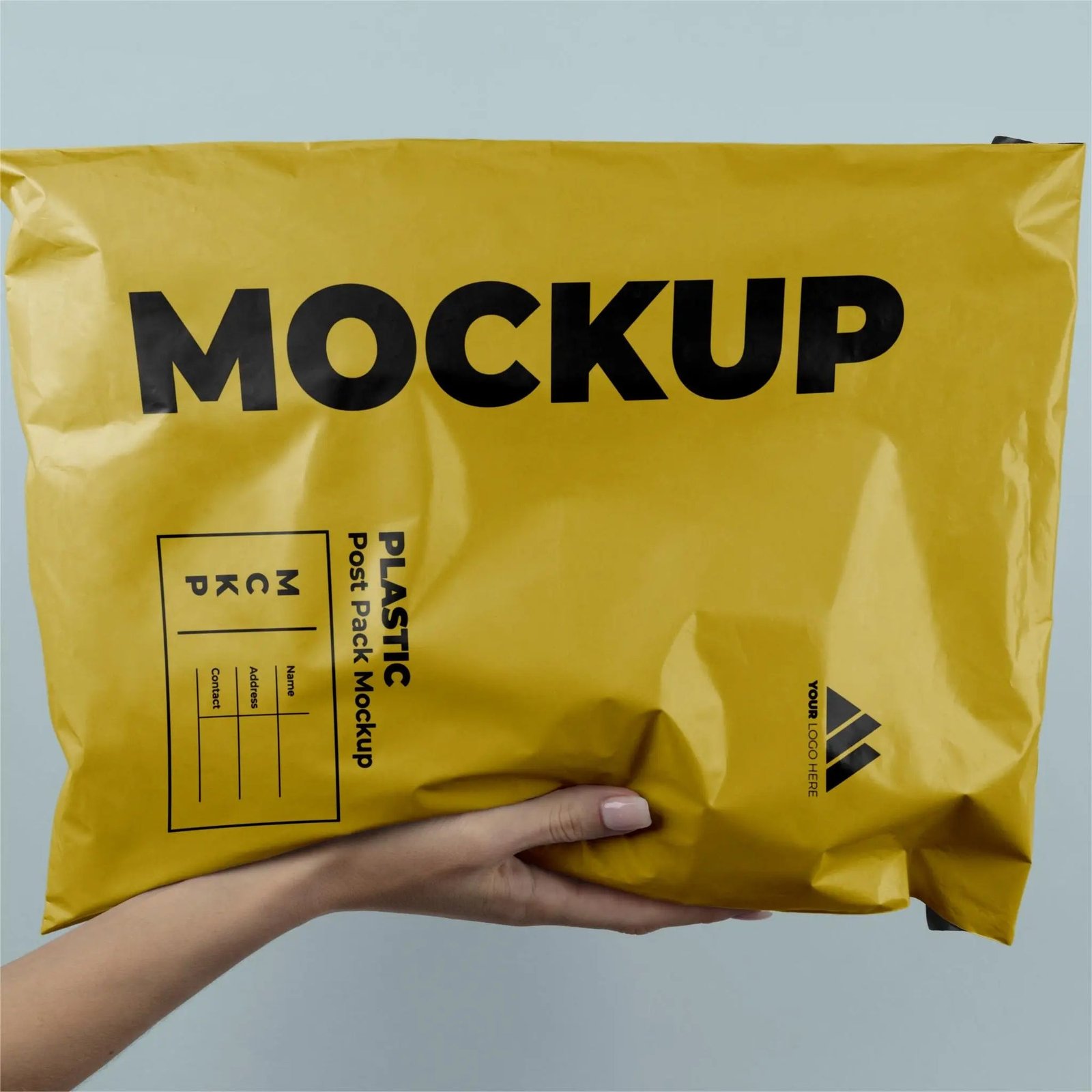
Complete your delivery with custom polybags, tissue, stickers, cartons or retail-ready packaging. Coordinated packaging protects finished denim in export transit while helping wholesale and direct-to-consumer orders arrive with a cohesive brand presentation.
About JUNSHEEN Custom Mens Jeans Manufacturing
Founded in 2010 in Humen Town, Dongguan, JUNSHEEN helps global fashion brands turn denim concepts into production-ready custom mens jeans. Our mission is to make OEM, ODM, private-label and low-MOQ apparel manufacturing more responsive, technically clear and dependable from first sample through export.
Our one-stop supply chain combines product development, pattern making, XS–3XL grading, denim sourcing, cut-and-sew production, washing, decoration, quality control, labeling, packaging and global shipping support. With 200+ skilled workers and monthly capacity exceeding 80,000 units, we support both 100-unit capsule launches and scalable repeat programs.
What distinguishes JUNSHEEN is a fit-first approach built for real brand growth. Rather than simply enlarging base patterns, our team refines proportion, rise, mobility and grading across size sets, helping brands develop consistent jeans, extended sizes and modern oversized fits for markets worldwide.

Custom Mens Jeans Fit Development, Built to Scale
Fit-Focused XS–3XL Grading
Custom mens jeans need proportion changes, not simple pattern enlargement. JUNSHEEN refines rise, hip balance, thigh ease, leg shape, inseam, and mobility across XS–3XL, extended-size, plus-size, and modern oversized fits before bulk approval.
- Pattern adjustments tailored to each target fit
- Balanced grading for rise, thigh, and leg opening
- Size-set samples available for fit review
- Reduced revisions before bulk production

From Brief to Production Sample
Bring a tech pack, sketch, reference jean, mood board, or early product idea. Our development team reviews construction feasibility, recommends denim and trims, creates patterns, and builds prototype samples that translate your brand direction into a production-ready specification.
- OEM, ODM, and private-label development support
- Fabric, wash, trim, and construction recommendations
- Prototype and pre-production sample workflow
- Low MOQ from 100 units per style and color

Integrated Denim Manufacturing
Keep denim development, decoration, finishing, labeling, and packing coordinated through one manufacturing partner. JUNSHEEN combines cut-and-sew capability with embroidery, printing, washes, custom hardware, private labels, and export-ready packaging for clearer control over your custom mens jeans program.
- Denim cutting, sewing, washing, and finishing coordination
- Embroidery, printing, patches, and branded details
- Custom labels, buttons, zippers, and hang tags
- 200+ skilled workers and 80,000+ monthly units capacity

Repeat Orders Stay Consistent
Approved patterns, graded size sets, material records, and construction details are retained to support dependable reorders. In-line and final checks cover fabric, measurements, fit, decoration, and packed goods, helping brands scale recurring denim programs with consistent specifications.
- Retained records for faster repeat development
- Incoming, in-line, and final quality inspections
- Scalable production from capsule launches to bulk programs
- Global export support for 2,000+ brand clients served

Why Choose JUNSHEEN for Custom Mens Jeans Production
One fit-focused denim partner from development through export.
← 左右滑动查看 →
Custom Mens Jeans Production, From Concept to Global Shipping
A controlled OEM workflow that turns your denim brief into production-ready garments with fit review, quality checks, private labeling and export coordination.
Review Feasibility and Specs
Share a tech pack, sketch, reference garment or mood board; our team confirms construction, target cost, 100-unit MOQ, fit requirements and development priorities.
Source Denim and Trims
We recommend denim weight, stretch, wash-ready fabrics, hardware, labels and packaging based on hand feel, durability, target market and approved cost range.
Build Patterns and Samples
Pattern makers develop and grade custom mens jeans from XS through 3XL, then produce prototypes and size sets for measurement, fit, wash and detail approval.
Approve Preproduction Details
Confirm bulk fabric, wash recipes, embroidery or printing, trims, labels, packaging and final specifications before production begins, reducing avoidable revisions during the manufacturing run.
Produce Inspect and Ship
Our team manages bulk cutting, sewing, washing, finishing and packing, with in-line and final inspections before coordinating export documentation and global shipment.
How to Work With Our Custom Mens Jeans Team
Move from concept to production-ready denim with clear technical guidance, sample approvals and scalable OEM support.
Share Your Concept
Send a tech pack, sketch, reference garment or mood board with target quantities, fit requirements, washes, trims and private-label details for review.
Review Feasibility and Pricing
Our team assesses construction, XS–3XL grading, denim fabric options, decoration and wash processes, then provides practical recommendations, MOQ guidance and a quotation.
Approve Your Samples
Confirm fabrics, measurements, fit, hardware, labels and finishing through prototype and size-set samples, refining details before approving production-ready specifications.
Launch Bulk Production
Place your order from 100 units per style and color while Junsheen manages sourcing, manufacturing, quality inspections, packing and global export coordination.
Custom Clothing Manufacturer Credentials and Compliance Documents



Custom Mens Jeans Results From Global Apparel Programs
JUNSHEEN refined the rise, thigh ease, and taper across our XS–3XL size set before bulk approval. The final size-set sample cut fit-related revisions by 40%, and we launched our first 300-piece denim capsule on schedule.
We started with a 120-unit custom mens jeans order in two washes. Their team translated our reference pair into production-ready patterns, leather labels, and wash approvals. Sell-through supported a repeat order of 1,200 units within four months.
For our retail program, Junsheen managed samples, measurement approvals, packing, and export coordination in one workflow. They delivered 2,400 pairs across three fits, with inspection records that made receiving far smoother for our warehouse team.
Custom Mens Jeans Manufacturing FAQ
Clear answers on MOQ, development, fit, production, payment and worldwide delivery for OEM denim programs.
What is the MOQ for custom mens jeans?
Can you make a sample before I place a custom mens jeans bulk order?
How long does custom mens jeans production take?
Do you offer XS–3XL and plus-size denim grading?
Which denim fabrics and washes can I choose?
Can you add private labels, custom hardware and decoration?
What payment terms do you offer for denim orders?
Do you ship custom mens jeans internationally and protect our designs?
The Complete Buyer’s Guide to custom mens jeans
Use this practical framework to specify fits, fabrics, finishes, and construction, compare supplier capabilities and costs, and avoid the production mistakes that can delay a custom denim launch.
1. What Are custom mens jeans?
100 units per style and color is a practical starting point for custom mens jeans in an OEM or private-label program. The buyer owns the brand direction—silhouette, fit, denim weight, wash target, trim package and labels—while the factory converts that brief into production specifications and repeatable bulk garments. This differs from retail personalization, which adds a name or patch to a finished item, and from made-to-measure tailoring, which builds an individual garment around one wearer. 2010 is the year Dongguan Junsheen Clothing Co., Ltd. began supporting brand programs from Humen, Dongguan. A typical development path moves from a tech pack, sketch, reference garment or mood board to feasibility review, fabric and trim selection, pattern making, size grading, prototype sampling, size-set approval and pre-production confirmation before bulk cutting. XS through 3XL requires more than scaling one base jean pattern. Rise, hip balance, thigh ease, inseam, leg shape and grading increments should be reviewed across the size range so the approved sample reflects the intended customer, not only a single fit model. 100-unit MOQ production is most useful for capsule labels testing a new wash or fit, independent designers building a private label, and sourcing teams needing a controlled first run before replenishment. Established brands also benefit when retained patterns, graded size sets and material records make repeat orders faster and more consistent.
2. The History of custom mens jeans
1873 marked the patenting of rivet-reinforced work trousers by Jacob Davis and Levi Strauss, turning indigo-dyed cotton denim into durable apparel for miners, ranchers, and industrial labor. That origin still matters when sourcing custom mens jeans: specify stress points, bartacks, pocket reinforcement, and fabric weight before choosing a wash or logo treatment. 1950s youth culture moved jeans from utility clothing into a symbol of rebellion, while the 1960s and 1970s expanded the market for slimmer legs, flares, fades, and fashion washes. Modern private-label programs build on that shift through fit blocks, Pantone-approved thread, branded buttons, leather or woven labels, and wash samples that make a recognizable product rather than a generic five-pocket jean. 1980s stretch-denim development introduced cotton blends with elastane, allowing skinny, tapered, and comfort-fit silhouettes without abandoning denim’s visual character. Current sourcing should balance stretch recovery, shrinkage, colorfastness, and responsible finishing methods such as enzyme, ozone, laser, or lower-impact stone alternatives; Junsheen can translate those choices into graded XS–3XL patterns, samples, and production-ready specifications.
3. Types of custom mens jeans
Six core silhouettes give a denim line distinct fit identities before wash or trim choices begin. For custom mens jeans, the specification should lock rise, inseam, thigh ease, and finished leg opening together.
| Silhouette | Target Customer | Pattern Priority | Wash Direction |
|---|---|---|---|
| Straight | Classic everyday buyer | Balanced thigh and leg opening | Rinse or stone wash |
| Slim | Modern fitted customer | Knee mobility and grading | Dark clean wash |
| Skinny | Fashion-led customer | Stretch recovery | Dark minimal distress |
| Tapered | Athletic or comfort buyer | Roomy thigh, narrowed hem | Vintage or carpenter |
| Relaxed | Casual workwear buyer | Seat and thigh ease | Enzyme wash |
| Wide-leg | Trend-focused buyer | Hem circumference and break | Faded vintage wash |
Straight And Slim Fits

Straight fits use a nearly consistent knee-to-hem width for customers wanting classic proportion and easy layering. A mid rise and clean rinse, raw-look, or light stone wash suit this versatile block. Slim fits reduce thigh and calf ease without the compression of skinny jeans. Pattern makers must protect knee mobility and grade the leg opening carefully from XS through 3XL.
Skinny And Tapered Fits

Skinny fits follow the leg closely and usually need stretch denim to preserve recovery after wear. A low or mid rise, cropped inseam, dark wash, and minimal distressing support a sharp fashion-led offer. Tapered fits retain room through the seat and thigh, then narrow from knee to hem. That balance suits athletic builds and works well with vintage washes, carpenter details, or turned-up hems.
Relaxed And Wide-Leg Fits

Relaxed fits add measurable thigh and seat ease while keeping a controlled leg opening. A mid or high rise, longer inseam, enzyme wash, and workwear styling create an approachable loose silhouette. Wide-leg fits carry volume from thigh through hem and require hem circumference, break, and pocket placement to be sampled together. Extended sizes need refined grading so rise and proportions remain intentional rather than merely enlarged.
4. Fabrics for custom mens jeans
Fabric selection sets the break-in, silhouette retention, wash behavior, and price position of custom mens jeans. Specify composition, weave, and ounces per square yard before approving a sample, because the same finish behaves differently across denim bases.
| Material Or Weight | Best Use | Benefits | Trade-Offs |
|---|---|---|---|
| 100% cotton, 12–14 oz rigid | Straight, relaxed, heritage | Firm hand; durable; strong fading | Longer break-in; little stretch |
| 98–99% cotton, 1–2% elastane | Slim and comfort fits | Mobility; easier wear | Recovery and abrasion need testing |
| Selvedge, 13–16 oz | Premium limited runs | Distinct edge; collector appeal | Higher cost; narrower yield |
| Recycled cotton blend | Sustainability-led programs | Lower virgin-fiber content | Hand and tensile strength vary |
| 10–12 oz lightweight | Spring and summer jeans | Breathable; softer drape | Less rugged than heavyweight |
| 14–16 oz heavyweight | Winter and premium workwear | Structure; high durability | Stiffer; warmer; slower break-in |
Read Denim Specifications

98–100% cotton rigid denim develops personal fade patterns and a firm hand; 1–3% elastane adds recovery for slim or comfort fits. 10–12 oz denim suits warm-weather and layered programs, while 13–16 oz delivers structure for core and premium cold-season jeans.
Match Fabric To Positioning

3×1 right-hand twill is the common commercial denim weave, balancing recognizable diagonal texture, durability, and efficient production. Selvedge is typically narrower shuttle-loom cloth with a clean self-edge, best reserved for detail-led premium capsules. Recycled-content blends should be sampled for strength, shade consistency, and hand feel; recycled cotton can shorten fibers, so blend construction matters.
5. Customization Options for custom mens jeans
100-unit color-and-style programs can support a focused custom mens jeans launch when every finish is specified before sampling. A coherent design brief should prioritize two or three recognizable signatures over a stack of competing effects.
| Option | Visual Result | Durability Or Compliance | Cost Effect |
|---|---|---|---|
| Enzyme wash | Soft, worn tone | Check shade consistency and shrinkage | Moderate |
| Laser whiskers | Precise faded lines | Avoid excessive fabric weakening | Moderate |
| Hand distressing | Unique abrasion | Reinforce tears; variable results | High |
| Custom hardware | Branded finish | Test attachment and sharp edges | Moderate to high |
| Branded packaging | Retail-ready delivery | Confirm recycling and labeling rules | Moderate |
Wash And Surface Effects

3 wash families—enzyme, stone and acid—change shade, hand feel and abrasion risk; wash trials should confirm seam twist, crocking and shrinkage. 1 laser artwork can create whiskers, fades or all-over graphics with repeatable placement, while hand sanding and tears create more variation and need reinforcement planning.
Brand Codes And Hardware

2 high-visibility choices, contrast topstitching and back-pocket shape, often establish recognition more effectively than additional distressing. 1 label system should specify leather or woven branding, size and care content; required fiber, origin and care disclosures vary by destination market. Branded buttons, rivets, embroidery and patches must be checked for sharp edges, attachment strength and wash performance.
- Specify thread color against the approved wash.
- Match hardware finish to zipper and rivets.
- Test patch adhesion after the intended wash.
Edit For Production
3 approval points—wash standard, trim board and pre-production sample—keep visual decisions aligned before bulk cutting. 1 hero feature plus supporting details is usually easier to reproduce than heavy whiskers, multiple print effects, patches and custom hardware on one jean. Reserve costly labor-intensive finishes for premium styles and protect margin through repeatable placements.
6. Construction Details That Define Quality
A durable pair of custom mens jeans is controlled before the first wash and verified again after finishing. Buyers should lock measurable construction standards in the tech pack instead of approving appearance alone.
Shrinkage And Pattern Control
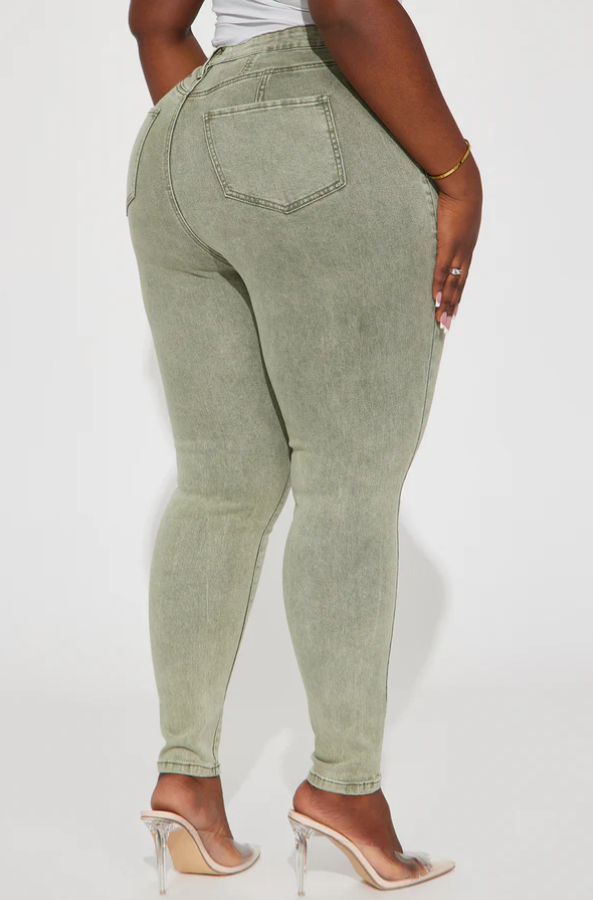
3% or less residual shrinkage is a practical target when the approved fabric and wash process allow it. Specify pre-wash and post-wash measurements, garment-dye direction, rise, inseam, leg opening, and tolerances—commonly ±0.5 cm at key points.
- State fabric composition, weight, and shrinkage test method
- Attach a graded measurement chart from XS through 3XL
- Approve a washed size set before bulk cutting
Seams And Stress Points
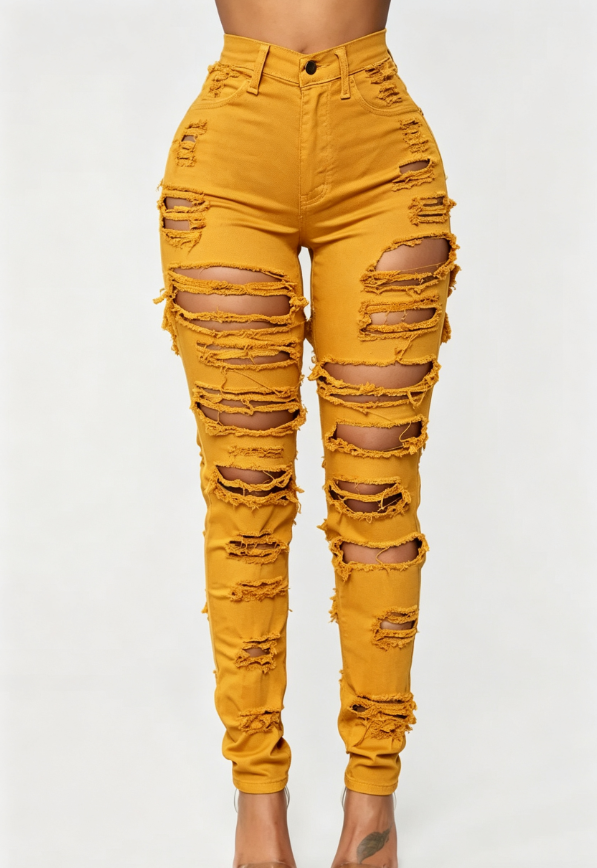
8–10 stitches per inch is a common denim benchmark, with balanced tension and no skipped stitches. Request chain-stitch hems, reinforced inseams, bartacks at pocket corners and fly stress points, plus secure rivets where the design requires them.
- Inspect seam allowance and overlock coverage
- Pull-test back-pocket corners and belt loops
- Check rivet caps for burrs and secure clinching
Hardware Wash And Final QC

YKK or an approved equivalent zipper should run smoothly after wash testing, while buttons must resist rotation and detachment. Compare every pre-shipment sample with the sealed wash standard for shade, abrasion placement, hand feel, measurements, pocket alignment, and label placement.
- Test zipper travel, button security, and fly alignment
- Inspect wash consistency across multiple garments
- Measure finished goods against approved tolerances
7. How to Choose a Denim Manufacturer
A capable denim supplier proves its process before it quotes a bulk order. For custom mens jeans, evaluate development depth, controlled washing, fit grading, and communication as one operating system.
Verify Denim Development Depth

100-unit flexibility matters only when the factory can turn a sketch, reference garment, or tech pack into workable patterns and samples. Ask to review comparable denim developments, available fabric weights, stretch options, and construction recommendations. 2 sample rounds are common for fit and wash approval; confirm who owns pattern corrections and whether a graded size set is included before bulk release.
- Which denim weights and stretch compositions suit this fit?
- Can you make a prototype and size set?
- What changes trigger a new sample charge?
Check Fit And Grading
XS–3XL grading should adjust rise, thigh, knee, inseam, and leg opening rather than merely enlarging a base size. Request a measurement chart, grading increments, and fit comments for at least the base size and extremes. 3 fit checkpoints—prototype, size set, and pre-production sample—reduce expensive bulk revisions. Approve tolerances in writing before cutting begins.
- What are the measurement tolerances?
- Who approves grade-rule changes?
- Can extended sizes be sampled?
Audit Wash And Quality Controls

3 wash checkpoints—lab dip, wash sample, and sealed pre-production garment—help control shade, shrinkage, abrasion, and hand feel. Ask whether wash recipes, approved trims, and fabric records are retained for repeats. 100% inspection is not always necessary, but incoming-fabric, in-line, measurement, decoration, and packed-goods checks should be defined. Verify OEKO-TEX, GOTS, WRAP, or BSCI claims with current documents when relevant.
- How are shade bands approved?
- What is the final inspection level?
- How are wash defects isolated?
Confirm Capacity And Export Readiness
80,000-plus monthly units signals useful scale, but ask for the capacity reserved for your delivery window and realistic sample-to-bulk lead times. Confirm export documentation, packaging requirements, payment milestones, and a single accountable production contact. 30% deposits may be available only after an established relationship; first-order terms should be confirmed before any payment. Do not approve bulk until the sealed sample matches the signed specification.
- What is the bulk lead time after approval?
- Who sends weekly production updates?
- Which export documents are supplied?
8. Common custom mens jeans Sourcing Mistakes
Most custom mens jeans failures begin before cutting: an unmeasured reference, an incomplete specification, or a cost-only supplier choice. Lock technical decisions before bulk approval, because denim washing and trims can change both fit and schedule.
Specify The Tech Pack
10 core callouts—rise, inseam, leg opening, stitch count, seam allowance, wash, shrinkage tolerance, Pantone, hardware, and label placement—prevent interpretation gaps. A vague pack produces mismatched samples and costly revision rounds. 1 approved measurement chart per size should accompany construction sketches and a bill of materials. Require the factory to flag missing details before quoting.
Validate References And Fabric
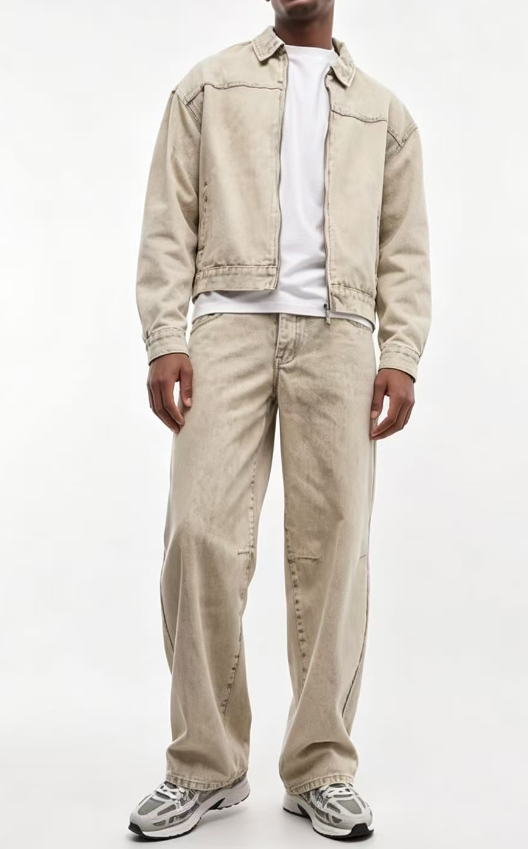
1 marketplace sample can conceal weak seams, unstable dye, or an unsuitable stretch recovery. Copying it without deconstruction can reproduce its defects at bulk scale. 8–12 oz denim may look similar across suppliers but differ in fiber blend, skew, tear strength, and wash behavior. Test a submitted swatch and washed prototype against target measurements before approval.
Control Wash, Trims, And Sizes

2–8% wash shrinkage can alter inseam, rise, and waist enough to fail a fit standard. Approve post-wash measurements and shrinkage allowances, not only a pre-wash sample. 4–8 week lead times are common for custom buttons, rivets, leather patches, and branded zipper pulls. Freeze artwork and order trim lab dips early; approve a complete XS–3XL graded size set before cutting bulk.
Evaluate Total Production Value
1 low quotation can omit testing, inspection, wash controls, or replacement allowances. The result is delayed delivery, inconsistent lots, or unusable inventory. 3 comparable quotations should be normalized by fabric specification, wash process, trim quality, MOQ, sampling, QC checkpoints, packaging, and freight terms. Select the supplier that documents capability and approval gates, not simply the lowest unit price.
9. Steps to Launch Your Denim Line
A 100-unit-per-style-and-color starting point makes launch discipline more important than a large inventory buffer. For custom mens jeans, lock each approval gate before committing the next cost, material, or calendar decision.
Position the Range
Two to four core fits are usually enough for a first drop: straight, relaxed, tapered, or wide leg. Define target customer, retail price, competitor references, wash direction, and planned color count before development. Three reference garments can clarify pocket placement, rise, leg opening, and wash character faster than vague mood boards. Separate must-have details from inspiration so the factory can assess manufacturability.
Build Production Specifications

One tech pack should specify measurements, tolerance, construction callouts, Pantone colors, stitch count, artwork, label placement, and packing requirements. Include front, back, and close-up reference views. Two fabric options should be costed against target margin before sampling: rigid denim and stretch denim require different fit and wash testing. Confirm zipper, button, rivet, thread, and leather-patch specifications early.
Approve Samples And Fit

One prototype exposes pattern, wash, trim, and sewing issues before bulk fabric is reserved. Record every revision in a dated comment sheet rather than approving changes by informal messages. A complete fit approval includes a graded size set from XS through 3XL when extended sizing is planned. Check rise, hip ease, inseam, knee position, leg opening, shrinkage, and movement after washing.
Release Bulk With Controls
A signed purchase order should freeze approved sample, quantity by size and color, unit price, tolerances, packaging, payment milestones, and ship window. Reserve extra calendar time for wash approvals and inspection rework. Three inspection gates protect repeatability: incoming denim and trims, in-line measurements and construction, then final packed-goods checks. Retain approved patterns, graded measurements, wash standards, and material records for the next order.
- Confirm pre-production sample before cutting
- Approve wash standard under consistent lighting
- Plan freight cutoff before bulk completion
10. custom mens jeans Pricing and MOQ
100 units per style and color is Junsheen’s starting point for a capsule program; use the ranges below as planning guidance, not a binding quote. A confirmed custom mens jeans price follows review of the tech pack, size range, wash reference, fabric weight, trims, packing and Incoterm. 12–14 oz cotton denim with a straightforward rinse wash usually sits at the lower end of the production range. Stretch denim, selvedge-style details, enzyme or stone washes, distressing, multiple Pantone components, leather patches, branded hardware and individual polybags add material, labor or setup cost. 20–35 days is a typical bulk-production planning window after pre-production approval and materials are confirmed. Freight, duty, destination, shipment mode and whether terms are EXW, FOB or delivered must remain separate line items when comparing supplier quotes.
| Quantity tier | Indicative unit-price driver | Sampling or setup | Estimated lead time |
|---|---|---|---|
| 100–299 units | Highest unit cost; basic denim, rinse wash and stock hardware reduce it | US$100–250 prototype per style; wash development may add cost | Sample: 10–20 days; bulk: 25–35 days |
| 300–499 units | Fabric purchasing and cutting efficiency improve the unit cost | US$50–150 for revised sample or pattern changes | Bulk: 22–32 days |
| 500–999 units | Better fabric and trim leverage; consolidate colors where possible | Custom labels, metal hardware and leather patches require setup approval | Bulk: 20–30 days |
| 1,000+ units | Lowest unit-cost opportunity when construction, wash and colors are standardized | Bulk test, custom molds or special wash trials may be quoted separately | Bulk: 20–35 days |
Launch Your Custom Mens Jeans Program
Send your tech pack, reference garment or concept to JUNSHEEN for fit-focused OEM development and a clear 100-unit MOQ quotation.