
Custom Ripped Jeans OEM From 100 Units
Develop fit-focused custom ripped jeans with OEM, ODM and private-label support from sampling through scalable global production.
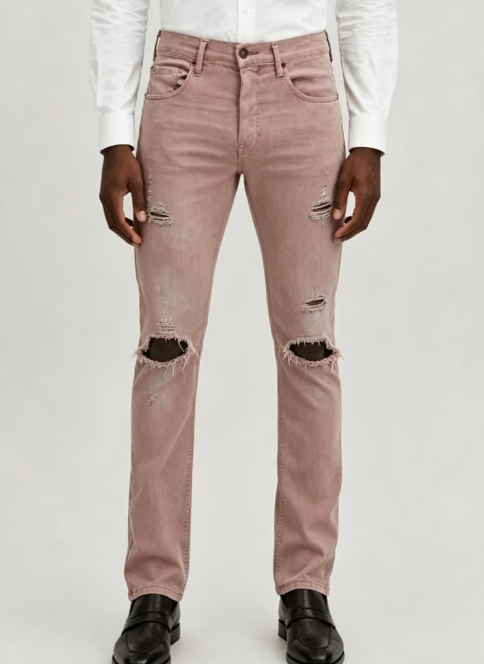
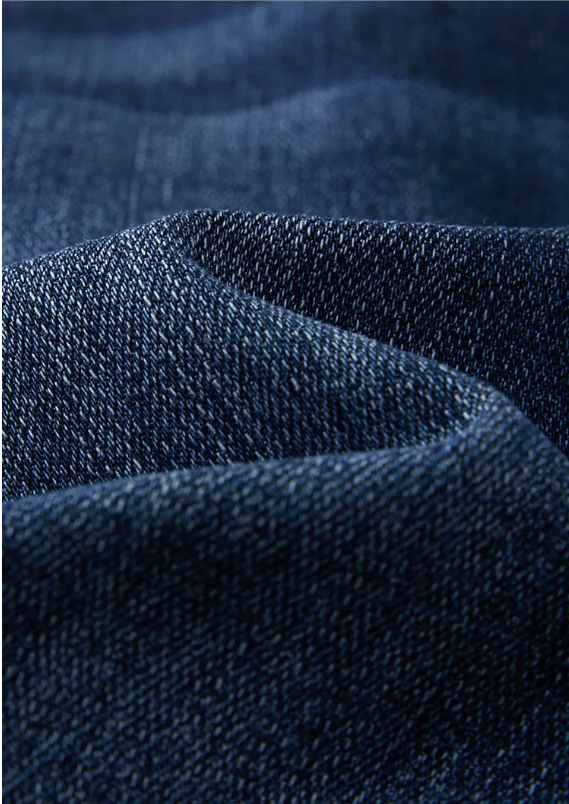
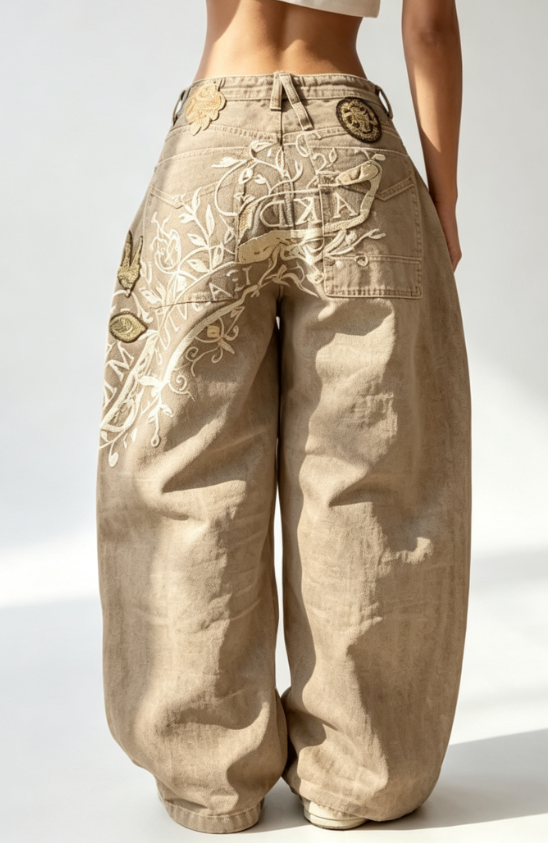
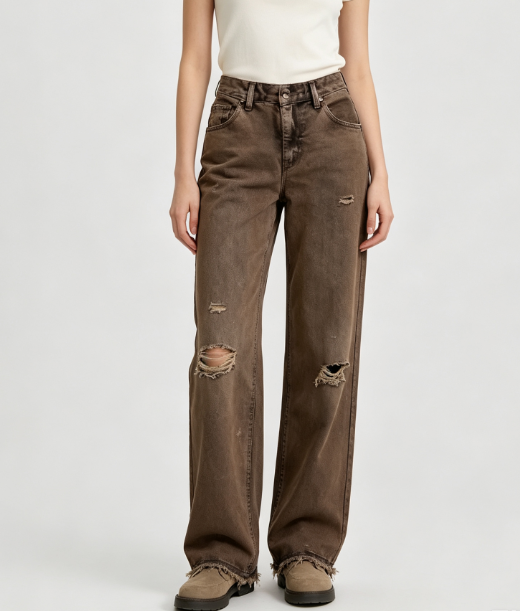
Featured Products for custom ripped jeans Development






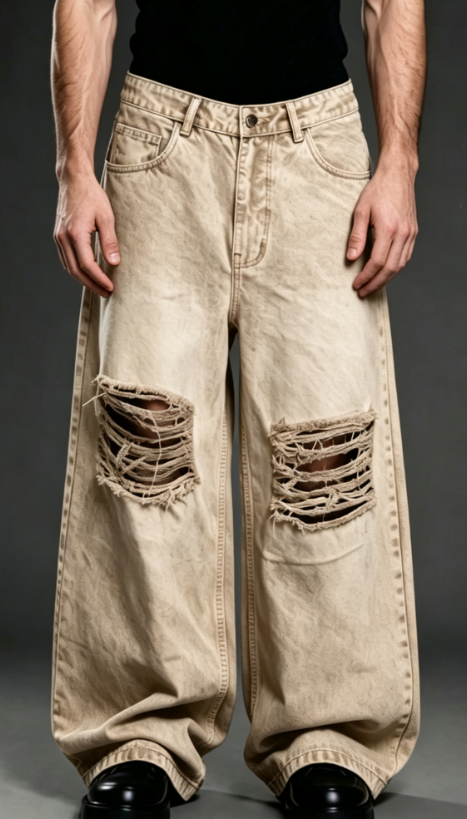

Related Product Catalogue and Quotation

Why Brands Source Custom Ripped Jeans With JUNSHEEN
Fit-led development, controlled denim finishing, private-label details, and scalable production for fashion brands building distinctive ripped-denim programs.
100-Unit Denim MOQ
Launch custom ripped jeans from 100 units per style and color, giving emerging labels a practical route to test capsule collections.
Fit-Focused XS–3XL
Pattern makers refine rise, leg shape, mobility, and grading increments for normal, extended-size, plus-size, and oversized denim fits.
Controlled Ripping & Washes
Manage distressing, stone washes, acid washes, enzyme treatments, and softening in-house to achieve a consistent worn-in denim character.
Complete Private Labeling
Finish each program with custom leather or woven labels, wash-care labels, hang tags, branded hardware, and retail-ready packaging.
Scalable Global Production
Work with 200+ skilled workers and 80,000+ monthly units of capacity, backed by quality control and export support worldwide.
Custom Denim and Casualwear Development
Build coordinated, fit-focused collections from low-MOQ samples through scalable bulk production, with development, decoration, labeling and export support in one supply chain.
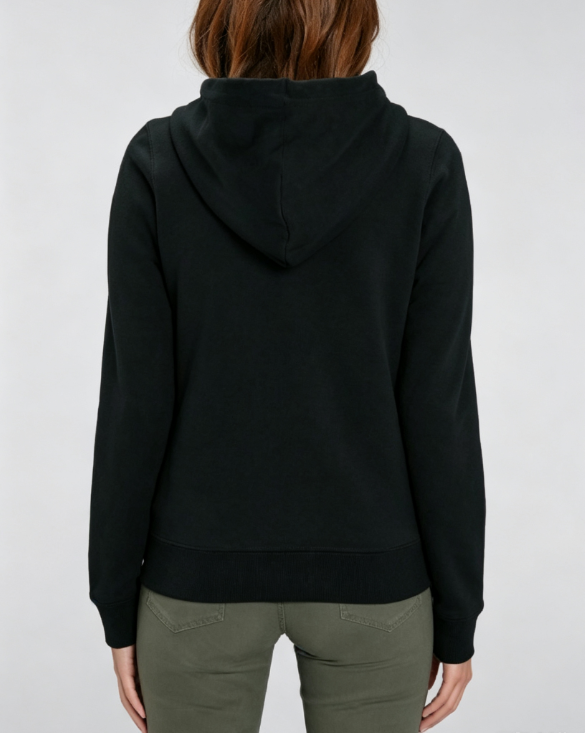
Custom Hoodies
Develop custom hoodies from 100 units per style and color, with fleece, French terry, jersey, oversized fits, graded XS–3XL sizing, embroidery, printing, washes and complete private-label trims for brand-ready launches.
Request a Quote
Custom T-Shirts
Produce custom T-shirts in combed cotton, Pima cotton, organic cotton or blended jersey. Junsheen supports fit development, neck and sleeve specifications, screen printing, DTG, DTF, labels and packaging for retail, promotional and fashion programs.
Request a Quote
Custom Jeans
Create custom jeans with pattern development for straight, relaxed, wide-leg, skinny, cargo and ripped denim styles. Fabric weight, stretch, wash effects, distressing, hardware and XS–3XL grading are developed around your target fit and price point.
Request a Quote
Custom Sweaters
Source turtle neck sweater bulk programs with knit constructions selected for warmth, hand feel, recovery and cost. Develop gauges, yarn blends, rib details, silhouettes and size grading for refined essentials, oversized styles and extended-size ranges.
Request a Quote
Custom Jackets
Manufacture custom jean jackets with denim weight, wash, distressing, collar shape, pocket placement and hardware specified to your collection. Cut-and-sew development supports classic trucker, cropped, oversized and lined jacket programs from sample to bulk.
Request a Quote
Custom Sweatshirts & Crewnecks
Build custom crewneck hoodie and sweatshirt programs with defined body proportions, rib specifications and fleece weights. Choose pullover or crewneck silhouettes, then add embroidery, screen printing, garment dye, brushing, labels and coordinated packaging.
Request a Quote
Custom Cardigans
Develop custom cardigans in sweater knits with controlled gauge, yarn composition, button selection, placket construction and fit. Junsheen supports cropped, longline, oversized and extended-size styles with production-ready size sets before bulk approval.
Request a Quote
Custom Puffer & Down Jackets
Produce custom puffer jackets with shell fabrics, insulation, quilting layout, lining, zippers, snaps and functional trims aligned to climate and target cost. Development includes fit checks, construction review and private-label finishing for outerwear programs.
Request a Quote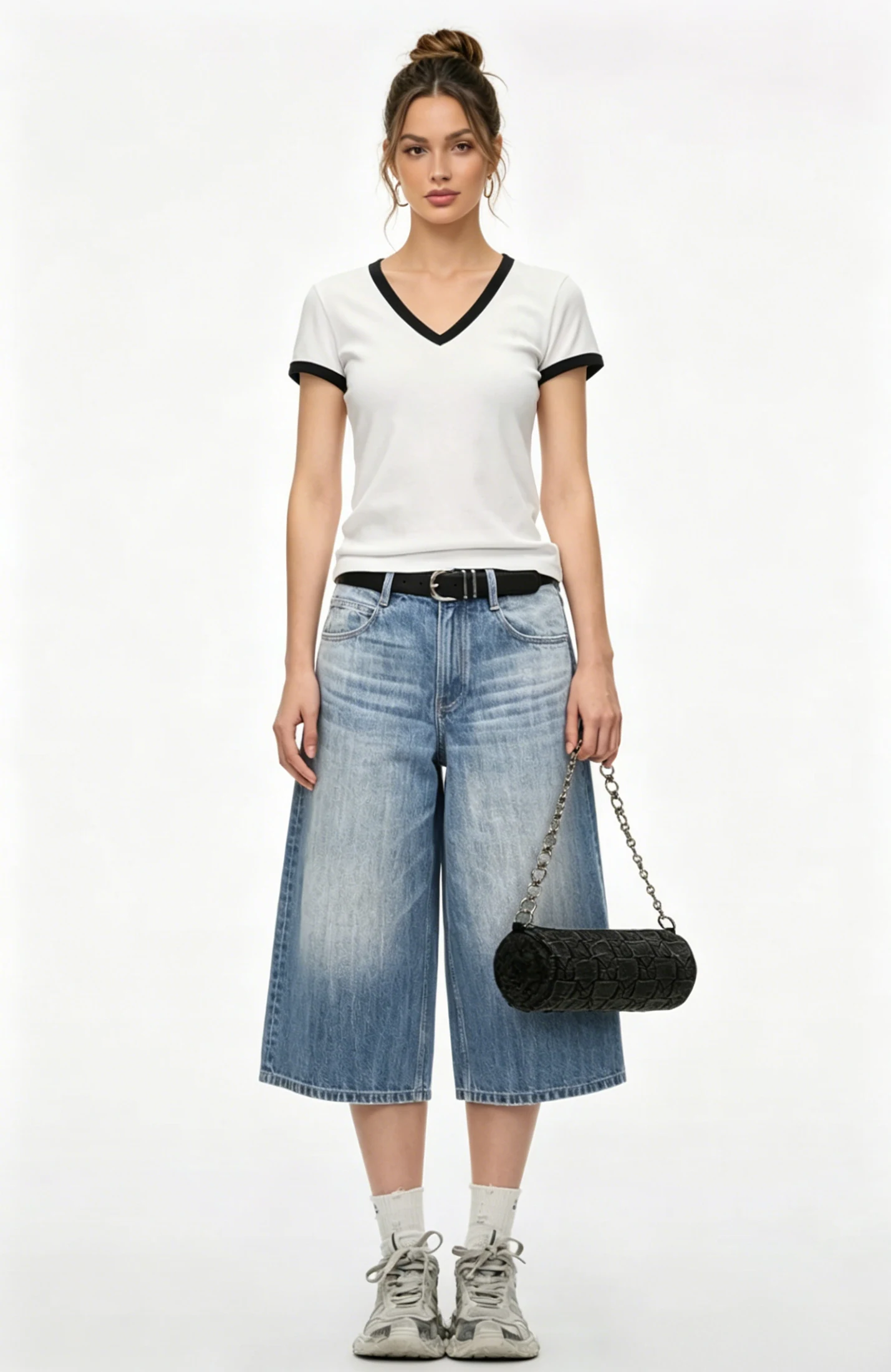
Custom Denim Shorts
Create custom jean shorts with controlled rise, inseam, leg opening and wash treatment for men’s, women’s or unisex collections. Select rigid or stretch denim, distressing, frayed hems, hardware and graded XS–3XL fit specifications.
Request a Quote
Custom Sweater Dresses
Manufacture custom sweater dresses with knit structures chosen for drape, warmth and shape retention. Develop neckline, sleeve volume, body length, waist definition and size grading to create consistent fitted, relaxed or oversized silhouettes across the range.
Request a Quote
Custom Denim Sets
Produce men’s denim suits wholesale programs as coordinated denim jackets and trousers with matched fabric, wash and hardware. Junsheen supports fit development, grading, private labels and repeatable bulk production for retail-ready denim sets.
Request a Quote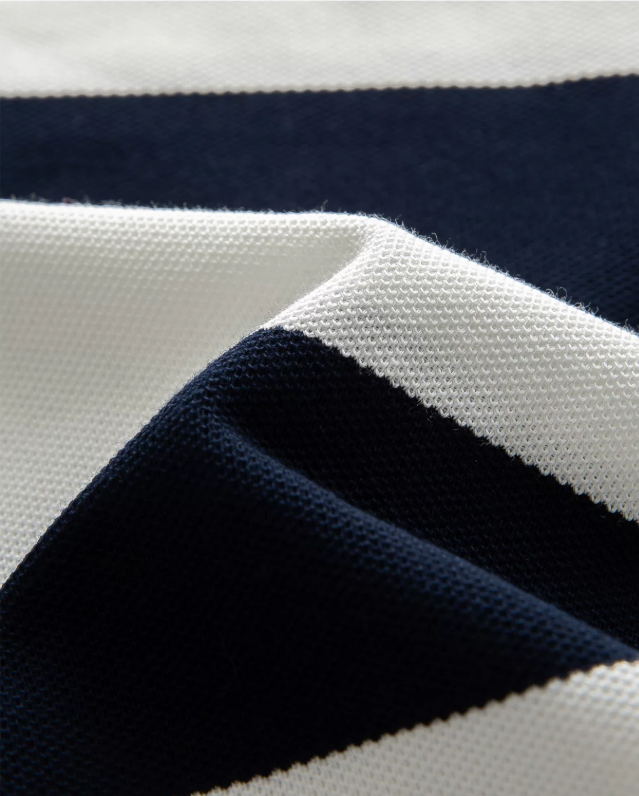
Custom Polo Shirts
Develop custom polo shirts in pique, jersey or performance knits with tailored collar construction, plackets, buttons and logo decoration. Fit-focused grading, fabric selection and private-label trims help brands build consistent uniforms, resortwear or casual collections.
Request a Quote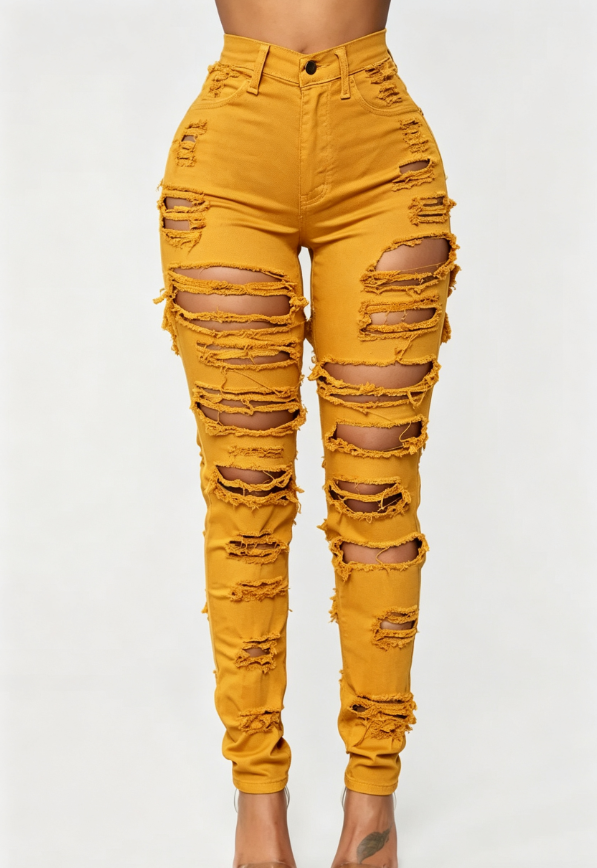
Custom Sweatpants
Manufacture custom sweatpants in fleece, French terry or jersey with refined rise, taper, cuff and waistband specifications. Add pockets, drawcords, embroidery, printing and washes while maintaining consistent XS–3XL and extended-size fit across repeat orders.
Request a Quote
Custom Shorts
Produce custom shorts for casualwear, active-inspired and woven programs, with inseam, rise, pocket layout and waistband engineered for the intended wearer. Fabric sourcing, decoration, labels and 100-unit MOQ options support focused capsule launches.
Request a Quote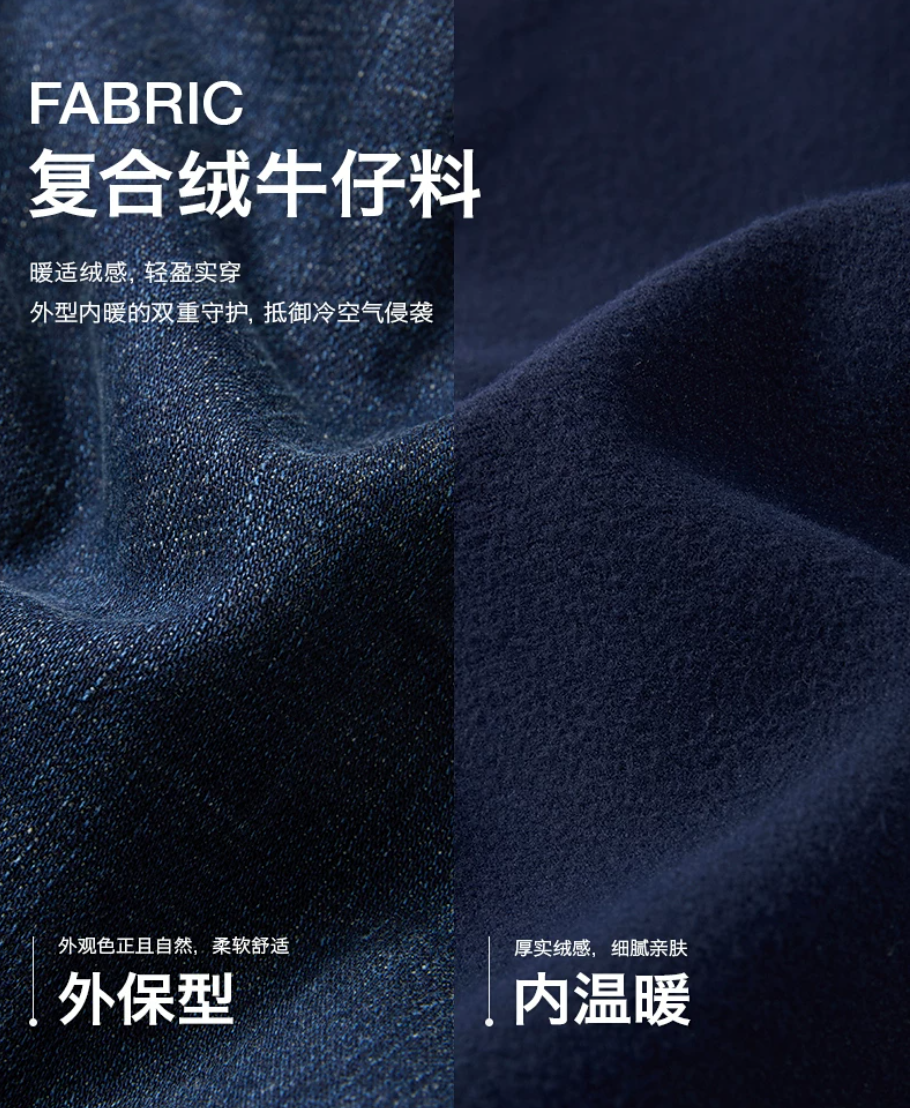
Custom Pullovers
Develop custom pullovers in fleece, jersey or sweater constructions, starting from a tech pack, reference garment or concept. Specify fit, neckline, sleeve details, fabric weight, decoration and branded trims before approving samples for scalable production.
Request a QuoteCustom Ripped Jeans Materials Built for Fit, Fade & Durability

Rigid Cotton Denim
A structured 100% cotton denim with an authentic dry hand and strong abrasion resistance. Ideal for vintage-inspired custom ripped jeans, it develops pronounced fades, whiskers, and character through stone or enzyme washing.

Stretch Cotton Denim
Cotton-rich denim blended with elastane for comfortable recovery and easier movement. Commonly used for slim, skinny, and fitted jeans, its moderate stretch helps maintain shape while supporting controlled ripping and wash effects.

Comfort Stretch Denim
A balanced cotton, polyester, and elastane denim with a softer hand and durable everyday performance. Suitable for modern straight and tapered fits, it offers reliable stretch retention through repeated washing and finishing.

Heavyweight Selvedge Denim
A dense, substantial denim selected for premium straight-leg and heritage silhouettes. Its heavier weight delivers a crisp hand, excellent tear resistance, and high-contrast fading potential for statement distressing and long-term wear.

Tencel Blend Denim
Denim blended with Tencel for a smoother, softer hand and improved drape. Well suited to relaxed and wide-leg jeans, it responds beautifully to garment washes while retaining a refined surface and comfortable feel.

Cotton Pocketing Twill
A durable woven cotton twill used for pocket bags, waistbands, and internal reinforcement. Its firm construction withstands daily friction and helps preserve shape in distressed denim programs without adding unnecessary bulk.
Custom Ripped Jeans Distressing, Washing & Decoration

Precision Distressing
Hand-guided ripping, abrasion, whiskering and destroyed details create the worn-in character of custom ripped jeans while reinforcing key stress areas for a deliberate look that holds up through wear and washing.

Stone Enzyme Wash
Stone or enzyme washing softens denim, opens the surface and develops authentic fade variation. Wash recipes are tested during sampling to achieve the desired vintage depth, hand feel and repeatable bulk result.

Garment Dyeing
Garment dyeing adds fashion color and a lived-in tonal effect after construction. Junsheen can develop washed pigments and dye treatments that complement distressed areas while preserving the intended denim character.

Screen Print Effects
Plastisol, water-based, puff, silicone and high-density printing add graphics without limiting denim design direction. Placement and curing are reviewed for clear color, strong adhesion and dependable performance after laundering.

Logo Embroidery
Flat, 3D puff, chain-stitch and applique embroidery give denim programs a tactile branded finish. We match thread, backing and placement to the garment weight for clean detail and durable decoration.
Custom Ripped Jeans With Branded Finishing Touches

Custom Metal Buttons
Add branded shank buttons, tack buttons, or snap closures to custom ripped jeans for a recognizable retail finish. We match plating, logo artwork, size, and placement to your denim weight and wash direction.

Branded Zipper Hardware
Specify zipper pulls, teeth finish, tape color, and logo engraving for fly closures, pockets, or detachable details. Hardware is selected for reliable function through garment washing, distressing, and repeated wear.

Leather Logo Labels
Use embossed, debossed, printed, or laser-marked leather patches at the back waistband to reinforce your brand identity. Material, edge treatment, stitching, and color can be aligned with your wash and premium positioning.

Woven Care Labels
Create woven main labels, size labels, and wash-care labels with your logo, fiber information, and branding details. Junsheen applies them accurately during production to support a polished private-label denim presentation.

Custom Hangtags Packaging
Finish each order with branded hangtags, barcode stickers, polybags, tissue, cartons, or gift-ready packaging. These details help retailers and direct-to-consumer brands receive custom ripped jeans ready for merchandising and fulfillment.
Custom Ripped Jeans Manufacturing Partner
Founded in 2010 in Humen Town, Dongguan, JUNSHEEN helps fashion brands turn custom ripped jeans concepts into production-ready denim programs. Our mission is straightforward: combine responsive product development, reliable manufacturing and clear technical support for labels launching capsules or scaling established collections.
With 200+ skilled workers and capacity above 80,000 units per month, we provide OEM, ODM, private-label and wholesale production from 100 units per style and color. Our integrated team manages denim sourcing, pattern making, fit grading, distressing, washes, decoration, labels, trims, packaging and export coordination.
What sets JUNSHEEN apart is a fit-first approach across XS–3XL, including extended-size, plus-size and oversized development. We refine proportions and grading instead of simply enlarging a base pattern, helping more than 2,000 global fashion-brand clients build consistent jeans and repeatable denim programs.

Custom Ripped Jeans Built for Consistent Repeat Orders
Grading That Protects the Fit
Custom ripped jeans need more than scaled measurements. JUNSHEEN develops XS–3XL patterns with adjustments to rise, hip balance, thigh ease, leg shape, and mobility, helping normal, extended-size, plus-size, and oversized denim programs maintain their intended silhouette.
- Fit-focused pattern development from XS–3XL
- Size grading refined for proportion and movement
- Size-set samples before bulk approval
- Support for slim, relaxed, straight, and oversized fits

Controlled Wash and Distress Development
We translate your reference, mood board, or tech pack into production-ready denim washes and distressed placements. Fabric weight, stretch recovery, fade level, abrasion, holes, repair details, and finishing are reviewed through samples so the approved look can be reproduced at scale.
- Stone, enzyme, acid, garment-dye, and softening washes
- Custom rips, abrasion, whiskers, fading, and repair effects
- Wash sampling to confirm hand feel and color character
- Decoration and finishing coordinated with denim construction

Private Label, Fully Integrated
Turn approved custom ripped jeans into a retail-ready product through one coordinated supply chain. JUNSHEEN manages cut-and-sew production alongside labels, trims, hardware, decoration, packaging, and export preparation, reducing handoffs for brands launching from a 100-unit MOQ.
- Woven, leather, main, size, and wash-care labels
- Custom buttons, rivets, zippers, patches, and hang tags
- Embroidery, printing, and branded packaging options
- OEM, ODM, and private-label support in one workflow

Records That Support Reorders
Repeat denim programs depend on keeping technical decisions accessible. JUNSHEEN retains approved patterns, graded size sets, material records, wash references, and production details, enabling faster reorder preparation and stronger consistency when you expand colors, revise quantities, or scale proven styles.
- Approved pattern and grading records retained
- Material, trim, and wash specifications documented
- Clear reference points for repeat production
- Scalable capacity for ongoing denim programs

Why Choose JUNSHEEN for Custom Ripped Jeans
A fit-first, production-ready denim partner for brands that need dependable development and scalable delivery.
← 左右滑动查看 →
Custom Ripped Jeans Production Timeline
A controlled denim workflow that moves from feasibility review to production-ready, export-packed goods.
Review Design Feasibility
We assess your tech pack, reference sample or concept, confirming construction, target fit, distress placement, MOQ, cost direction and production requirements.
Source Denim and Trims
Our team recommends denim weight, stretch, wash performance and durable trims, then prepares swatches and options aligned with your target market.
Build Patterns and Samples
Pattern makers develop fit-focused XS–3XL grading, create prototype custom ripped jeans, and refine rise, proportions, mobility and measurements through approvals.
Apply Rips and Washes
Approved garments move into controlled distressing, sanding, washing and finishing, with decoration, labels and private-label details applied to specification.
Inspect, Pack and Ship
We check fabric, construction, measurements, wash effects and packed goods before branded packing and coordinated global export shipment for your completed order.
How to Start Your Custom Ripped Jeans Order
Move from a tech pack, sketch, or reference garment to approved denim production with clear development, fit, quality-control, and shipping milestones.
Send Your Design Brief
Share your tech pack, sketch, reference jeans, size range, target quantity, wash direction, distressing details, and private-label requirements for feasibility review.
Confirm Materials and Quotation
Review recommended denim, stretch, washes, trims, construction, MOQ, lead time, and pricing. Our team aligns each choice with your target cost and brand standard.
Approve Your Development Sample
Receive a prototype for fit, measurements, ripping placement, wash character, decoration, and labeling review. Refine patterns from XS through 3XL before bulk approval.
Launch Bulk Production
Approve the pre-production details, then JUNSHEEN manages cutting, sewing, distressing, finishing, in-line inspection, final quality control, packing, and export-ready shipment.
Custom Clothing Manufacturer Credentials and Compliance Documents



Custom Ripped Jeans Results From Real Brand Partners
JUNSHEEN turned our distressed-denim references into a production-ready sample in 18 days. The fit stayed consistent across XS–3XL, and our first 240-unit launch sold through quickly enough to place a repeat order within six weeks.
We needed custom ripped jeans with controlled distressing and a premium wash at a 100-unit MOQ. Their team caught two grading issues before sampling, which cut our revision cycle from four rounds to two and kept our launch on schedule.
Our second bulk order matched the approved sample measurements and wash character with impressive consistency. JUNSHEEN delivered 1,200 pairs across three colorways, including branded labels and packaging, giving us a reliable denim partner as wholesale demand grew.
Custom Ripped Jeans OEM FAQ
Clear answers on MOQ, sampling, fit, wash approval, payment, shipping, and confidential product development.
What is the MOQ for custom ripped jeans?
How much do custom ripped jeans samples cost, and how long do they take?
Can you make custom ripped jeans from a sketch or reference pair?
How do you handle fit grading for XS to 3XL jeans?
How are ripped details and wash effects approved before bulk production?
What payment terms do you offer for custom ripped jeans orders?
Do you ship custom ripped jeans internationally?
How do you protect my custom denim designs and brand details?
The Complete Buyer’s Guide to custom ripped jeans
Use this practical framework to specify custom ripped jeans, compare supplier capabilities, control quality and cost, and avoid the sampling, sourcing, and production mistakes that can delay a successful denim launch.
1. What Are custom ripped jeans?
100-unit programs can qualify as custom ripped jeans when the garment is developed to a buyer’s specified silhouette, denim weight and stretch, wash recipe, rip placement, trims, and private-label package—not pulled from generic distressed stock. A slim, straight, relaxed, or oversized fit requires its own measurements and graded pattern, while the requested fading, whiskers, holes, repairs, frays, and backing must be repeatable across the production run. 2 categories must stay separate: intentional distressing is a controlled design treatment, whereas damaged inventory has uncontrolled tears, stains, broken seams, or failed wash results that do not meet specification. Factory teams normally define distress zones against landmarks such as the knee, thigh, pocket edge, and hem, then control reinforcement, abrasion intensity, and wash appearance so the jeans retain wearable strength after finishing. 1 technical pack becomes the production reference by recording the bill of materials, measurement chart, construction details, artwork, Pantone references, wash standard, distress map, label placement, packaging, and tolerances. An approved pre-production sample then converts those instructions into a physical benchmark for fit, shade, hand feel, rips, hardware, and workmanship; at JUNSHEEN, this alignment helps a brand move from an idea or reference garment to a controlled OEM or private-label program rather than an undefined fashion concept.
2. Evolution of Ripped Denim
1873 marked denim’s transition from durable workwear into a garment whose fading, abrasion, and repair told a visible use story. By the 1970s and 1980s, punk, grunge, and skate communities made tears, frayed hems, patches, and DIY alterations deliberate identity signals; the appeal was irregularity rather than a uniform finish. 1990s designer denim turned that language into controlled production: whiskers, hand sanding, grinding, ripping, repair stitches, bleach effects, and enzyme or stone washes could be specified and repeated. For buyers, the key distinction remains credible wear placement—at knees, pockets, hems, and stress points—versus random damage that weakens the garment or looks artificially applied. 2020s commercial custom ripped jeans span skinny, straight, relaxed, baggy, flare, and oversized silhouettes, so the same distress map cannot serve every target market or fit block. A women’s high-rise flare, for example, needs tear placement tested against rise, knee position, stretch recovery, and the graded size range; simply enlarging a sample can shift the effect visibly. 100-unit capsule programs now make small launches feasible, but reference photos alone are not production specifications. Convert inspiration into a denim weight and stretch range, wash standard, distress map, tear dimensions, backing or reinforcement requirements, approved shade, Pantone trim details, measurement tolerances, and a signed sample; this protects authenticity, repeatability, and material-use expectations.
3. Types of custom ripped jeans
Six product families cover most custom ripped jeans briefs, from controlled abrasion to statement hardware. Choose the family before sampling because wash base, labor content, and placement tolerance determine both retail tier and repeatability.
Lightly Distressed And Destroyed
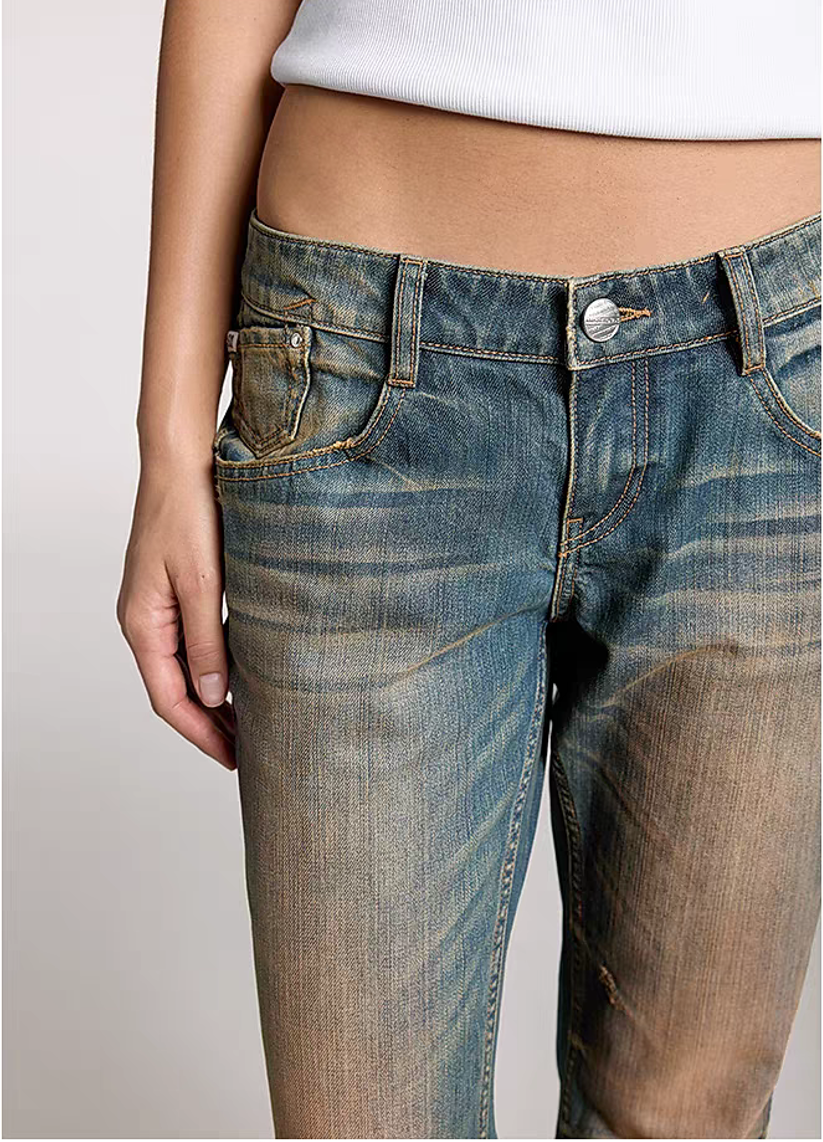
Light distress uses whiskers, sanding, or small knee abrasions on 10–13 oz stretch denim; it suits accessible premium labels and has low placement risk. Destroyed styles use larger slashes, frayed holes, and backing panels on rigid or low-stretch denim, targeting streetwear customers but requiring higher labor control.
Patched And Repaired-Look

Patched jeans layer denim, twill, or printed fabric beneath damage, giving a deliberate craft look for contemporary and vintage-inspired assortments. Repaired-look styles add visible mending, contrast thread, or sashiko-like stitching; their medium-to-high complexity is offset by less exposure to irregular tear edges.
Raw-Edge And Embellished

Raw-edge hems and seam abrasions pair well with acid, stone, or medium-blue washes and fit fashion-forward mid-price programs; cut location must be marked from fixed pattern points. Embellished styles add crystals, studs, embroidery, or chains for nightlife and premium capsules, where damage placement and attachment security raise inspection needs.
4. Fabrics for custom ripped jeans
12–14 oz denim is the usual starting point for custom ripped jeans because it withstands abrasion while keeping torn edges defined. Fiber blend, weave, yarn, and dye depth determine whether a rip frays naturally, stretches out, or breaks prematurely.
| Construction | Weight | Distress Level | Best Use |
|---|---|---|---|
| 100% cotton rigid | 12–14 oz | Medium to heavy | Vintage straight, relaxed |
| 98/2 cotton-elastane | 11–13 oz | Light to medium | Slim, comfort stretch |
| 100% cotton rigid | 14.5–16 oz | Heavy | Wide-leg, cold season |
| Stretch denim | 10–11.5 oz | Light | Summer shorts, soft fits |
Cotton, Stretch, And Recovery

98–100% cotton rigid denim creates crisp abrasion, long fringe, and authentic fading because the yarns do not rebound after sanding. Ring-spun yarn usually feels softer and fades more evenly than coarser open-end yarn. 1–3% elastane improves seated comfort and close-fit silhouettes, but excessive stretch can make holes widen and knee panels bag out. Specify recovery testing after wash and repeated wear, especially for skinny fits.
- Rigid denim: strongest vintage character
- 1–2% elastane: balanced comfort
- 3% elastane: use for body-hugging fits
Weight, Weave, And Color

10–11.5 oz denim suits warm-climate shorts, relaxed jeans, and lighter layering, but needs restrained distressing around stress points. 12–14 oz fabrics balance durability, drape, and controlled ripping for most retail programs. 14.5–16 oz denim supports heavy destruction and wide-leg silhouettes, although it requires more break-in time and can feel too warm for tropical markets. Right-hand twill typically gives familiar diagonal texture; darker indigo preserves stronger contrast after sanding.
Approve Distress With Wash Tests
3 wash trials should be reviewed before bulk approval: unwashed, first commercial wash, and repeated wash. Confirm tear size, fray length, color loss, seam distortion, and stretch recovery on the approved garment. 100-unit starting programs benefit from locking the same mill lot, dye shade, and wash recipe. A substitute denim can change abrasion speed and make approved rips look materially different.
5. Customizing custom ripped jeans
A custom ripped jeans program becomes recognizable through a controlled combination of wash, abrasion, repair, and branding specifications. Junsheen can translate a tech pack, reference garment, or mood board into repeatable production standards before bulk approval.
| Feature | Repeatability | Sampling Impact | Wear Role |
|---|---|---|---|
| Laser fading | High with approved file | Medium | Cosmetic |
| Hand tearing | Lower; operator dependent | Longer | Cosmetic |
| Patch and repair stitch | High with pattern | Medium | Structural |
| Custom hardware | High after tooling | Longer | Branding |
Wash And Surface Effects

Three wash variables—enzyme level, bleach exposure, and softener—should be recorded as a recipe with shade targets. Acid wash, stone wash, tinting, and garment dye change appearance, hand feel, and color consistency. Two laser files can reproduce whiskers, fades, and graphic marks more consistently than freehand work. Laser settings still require wash testing because indigo shade, fabric weight, and stretch content alter contrast.
- Approve a washed standard and retain it
- Specify Pantone or shade-band tolerance
- Test wash durability before bulk release
Distressing Versus Reinforcement
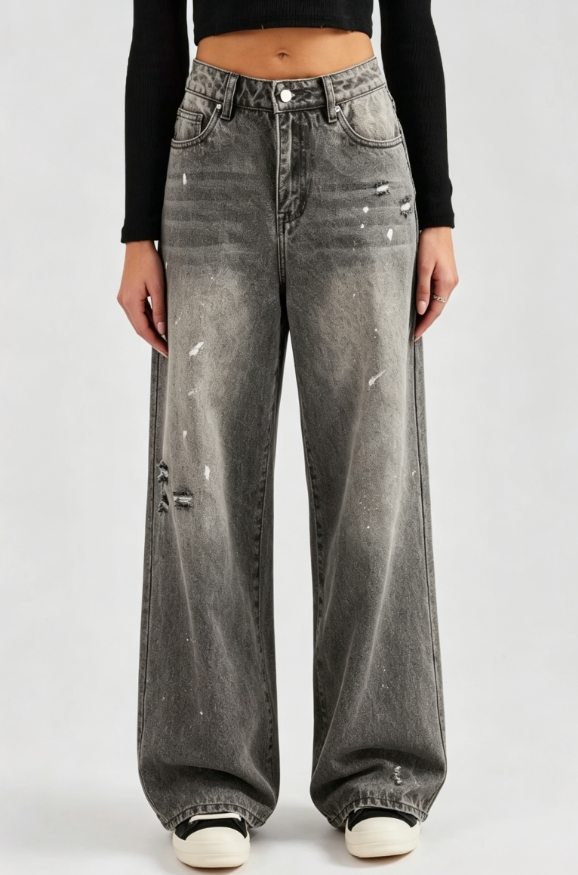
Four cosmetic treatments—hand grinding, cut tears, abrasion, and fraying—create visual damage but do not add strength. Their placement needs measurement references from seams, pockets, and knee points to control repeatability. Two structural solutions—internal patching and repair stitching—support high-stress openings and improve wear performance. Reinforcement can be tonal, contrast-colored, or exposed, so it should be approved separately from the cosmetic distress map.
Branding And Packout

Five branding choices—screen print, embroidery, rivets, buttons, and zipper pulls—add development steps and may raise minimums when custom molds or dyed hardware are required. Verify nickel, sharp-point, and restricted-substance requirements for the intended market. Three label layers—main, size, and wash-care—need fiber-content, origin, and care information checked before print approval. Custom hang tags, polybags, tissue, and carton marks should be locked with the pre-production sample.
6. Construction Quality for Ripped Jeans
A 1–2 cm measurement drift can change both silhouette and tear placement on custom ripped jeans. Bulk approval should therefore test construction details as rigorously as the wash and distressing appearance.
Fit, Rise And Grading
A full measurement spec should confirm waist, hip, front rise, back rise, thigh, knee, leg opening, inseam, and pocket position. Compare the pre-production sample against approved tolerances before cutting bulk. XS through 3XL grading needs separate review, especially where knee tears and abrasion zones must sit on-body. Junsheen pattern makers can refine rise, mobility, and grading increments rather than merely enlarging a base pattern.
Seams And Distress Reinforcement
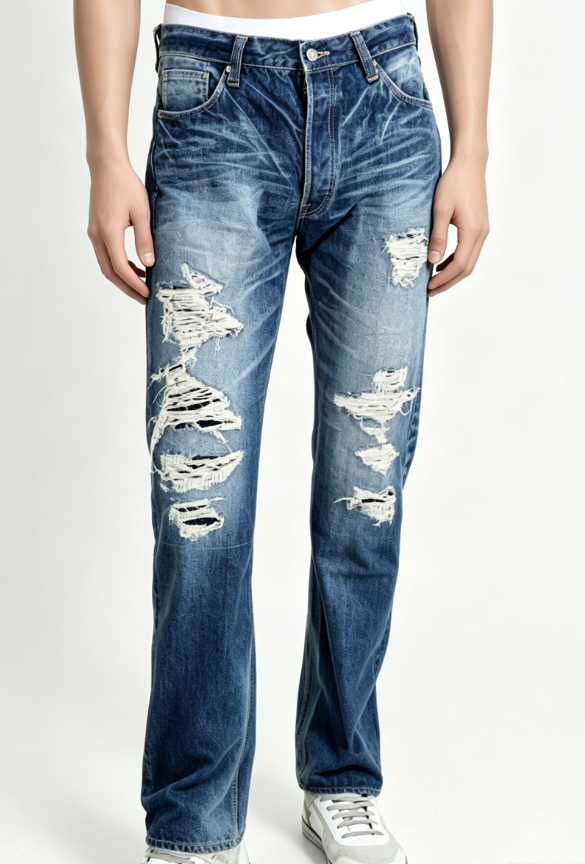
Eight to 10 stitches per inch is a common denim benchmark for durable lockstitch construction. Inspect inseams, outseams, yokes, belt loops, and pocket corners for even tension and secure back-tacking. Bartacks at pocket openings, fly ends, and belt loops should not be skipped because distressing increases local stress. Lightweight backing or controlled reinforcement behind tears preserves the opening while reducing premature ripping in wear.
Hardware, Wash And Final Inspection

YKK or equivalently approved zippers, secure top buttons, and properly set rivets should be checked on the pre-production sample. Test repeated zip cycles, button attachment, sharp edges, and fly alignment before release. A written inspection checklist should compare wash shade, tear placement, fraying, measurements, loose threads, and final trimming across units. Fabric, pattern, graded size-set, and approved sample records make repeat production more consistent.
7. Choosing a custom ripped jeans manufacturer
A 100-unit MOQ is useful only when the supplier can reproduce the approved wash, damage placement, and fit in bulk. Compare evidence and operating controls before comparing a quoted unit price.
Verify Denim Development Depth
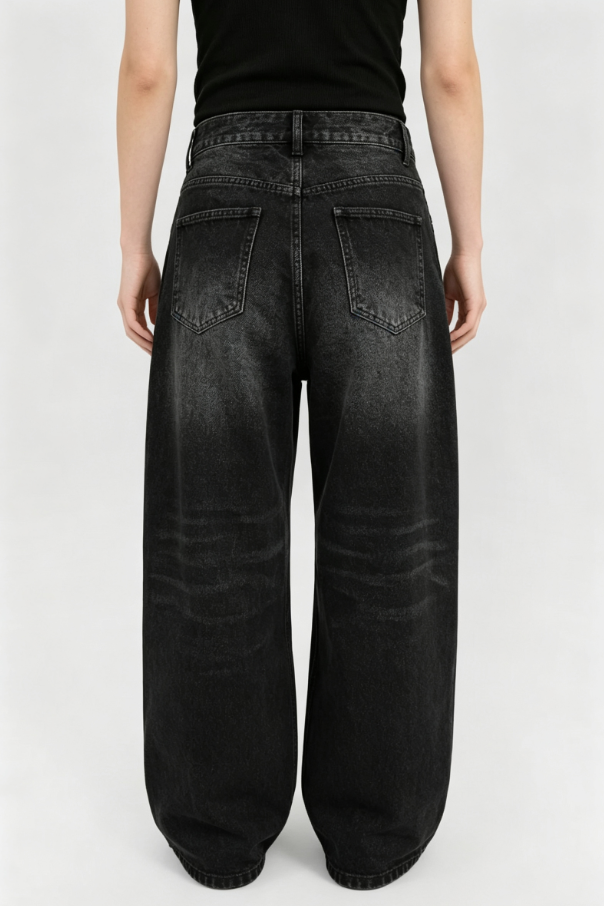
Three development records reveal more than a showroom: request factory photos, past denim samples, wash swatches, and a sample timeline. Confirm whether laser abrasion, hand scraping, grinding, bleaching, and repair are performed in-house or managed by a named wash partner. Two matched reference styles should show repeatable whiskers, tear backing, and wash shade across sizes. Ask who approves the strike-off and how bulk garments are matched to it.
- Request dated wash swatches and factory-floor photos
- Identify every outsourced wash or distress process
- Ask for two relevant denim references
Audit Fit And Quality Controls
XS through 3XL grading requires separate rise, thigh, knee, and leg-opening checks; enlarging one base pattern is not enough. Request a measurement chart, fit-sample photos, size-set timing, and the factory’s tolerance policy. Four checkpoints should be documented: incoming fabric, in-line sewing, post-wash measurement, and final packed-goods inspection. Ask for shrinkage, colorfastness, and stretch-recovery test reports when the fabric claim or market requires them.
Compare Delivery Reliability
80,000 units of monthly capacity means little without a line allocation and critical-path schedule. Request sample lead times, bulk lead times, capacity by denim program, named communication contacts, and references from comparable export customers. Three commercial details affect landed risk: fabric traceability, packing specifications, and export documentation. Evaluate response accuracy, revision control, and shipment support alongside price; the lowest quote can conceal rework, shade variation, or delayed delivery.
- Ask for fabric mill and lot records
- Confirm export documents and packaging workflow
- Score schedule clarity against quoted price
8. Common Custom Ripped Jeans Mistakes
Most ripped-denim failures originate before bulk cutting: the buyer approves an aesthetic instead of a measurable specification. At a 100-unit MOQ, one incomplete tech pack can turn a viable capsule into costly rework.
Specify Every Distress Placement
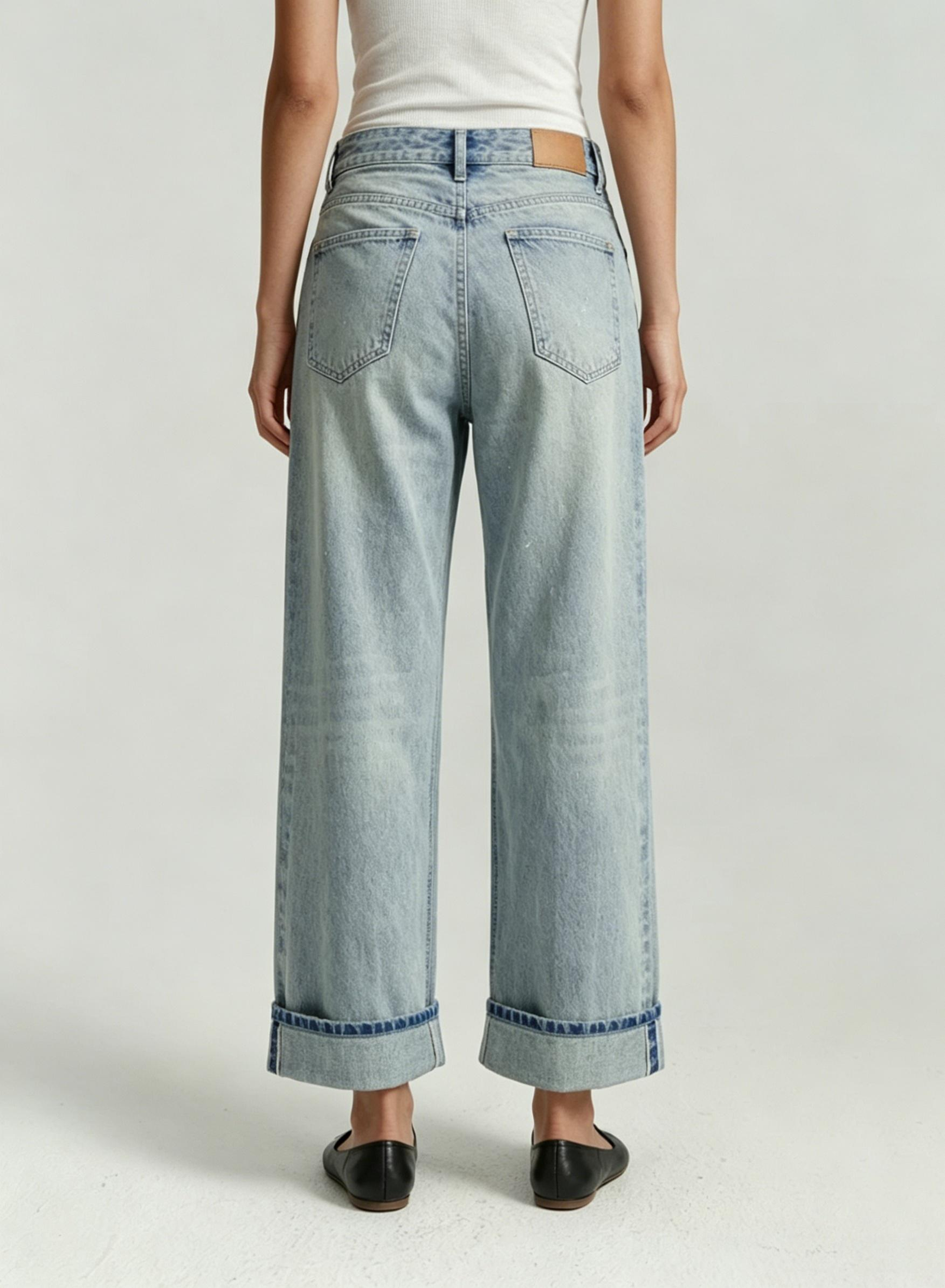
1 reference photo cannot define tear size, position, backing, or abrasion depth; operators will interpret it differently. The result is inconsistent damage across pairs. Include front-and-back flats with tear dimensions, placement from seams, acceptable fray range, and a sealed approved sample.
Test Fabric And Reinforcement

10–20% stretch denim can recover very differently after enzyme or stone washing, and unsupported tears may run during wear. Test the chosen fabric, wash, and reinforcement as one sample. Specify denim weight, fiber blend, stretch percentage, backing fabric, bartack locations, and post-wash tear limits in the tech pack.
Approve Physical Wash Standards

2 garments washed together can still vary in shade and abrasion, especially with acid wash, bleaching, and hand distressing. Photo approval hides hand feel, stretch recovery, and garment-to-garment variation. Approve physical size-set and wash samples, then define a shade band and acceptable variation against the retained control sample.
Align Cost, Fit, And Compliance
3XL grading, complex repairs, and multiple wash steps add labor and material cost; a low target price encourages shortcuts. A standard-size fit approval also does not validate rise, thigh, and knee placement across the range. Put target ex-factory cost, graded measurement tolerances, testing requirements, labeling rules, and required OEKO-TEX, GOTS, WRAP, or BSCI evidence in the purchase agreement.
9. Launching custom ripped jeans
A launch should lock commercial and technical decisions in sequence, not through scattered approvals. For custom ripped jeans, define the buyer, target retail, target ex-factory cost, planned colors, and 100-unit-per-style-and-color starting volume before sampling.
Build The Production Brief
100 units per style and color can support a capsule, but the brief must state intended quantity, delivery market, retail position, and target cost. Include reference photos, wash direction, rip placement, stretch requirement, Pantone colors, branding, and the full size range. One approved tech pack should become the controlled specification: measurements, tolerances, construction, bill of materials, artwork, labels, and packaging. Keep dated files and approve changes in writing so the factory and brand work from the same revision.
Approve Fabric And Wash Development

10–14 oz denim is a common decision range for fashion jeans, while stretch content changes recovery, comfort, and distress behavior. Review swatches and wash test panels before selecting the exact fabric, shade, enzyme or stone wash, and abrasion level. Each rip layout needs an approved placement map because hand distress varies unless operators have clear landmarks. Confirm that backing, bar tacks, repair stitches, and washing preserve the intended opening after laundering.
Control Sampling And Fit
1 prototype should test silhouette, rise, inseam, pocket position, and wash appearance before a size set is requested. Fit revisions should be recorded against measured garments, not only verbal comments or reference images. XS through 3XL requires deliberate grading rather than enlarging one base pattern. The brand should retain approved tech packs, patterns, graded measurements, and signed sample comments; clarify whether physical samples are returned or retained as factory references.
Release Bulk With Clear Gates
1 pre-production sample is the final gate before cutting bulk fabric, ordering labels, and repeating distress work at scale. Approve its fit, measurements, wash shade, trims, logo placement, packed presentation, and carton marks against the controlled specification. During bulk production, inspect incoming fabric, in-line construction, measurements, decoration, and final packed goods. Settle the balance before shipment and confirm the shipping method, destination documents, and final quantity so late changes do not create avoidable cost or delay.
10. custom ripped jeans Pricing and Cost
100 units per style and color is Junsheen’s practical starting point for a capsule program; cost rises when development, fabric booking, and wash trials are spread across fewer garments. The indicative ranges below are planning benchmarks in USD per finished pair, quoted ex-works before freight, duties, and destination charges. 12–14 oz stretch denim, a standard enzyme wash, and machine distressing typically form the lower-cost base. Premium ring-spun denim, heavy stone or acid washes, hand-placed tears, repair patches, embroidery, branded hardware, and individual packaging each add labor, materials, or both. 7–21 days is a typical development window after specifications are confirmed, while bulk timing depends on approved samples, material availability, wash capacity, and order size. Final quotations should be based on an approved tech pack, size range, wash reference, trim and packaging list, quantity by color, Incoterm, and delivery destination.
| Quantity tier | Indicative unit-price driver | Sample/setup allowance | Typical bulk lead time |
|---|---|---|---|
| 100–299 pairs | $18–32; basic stretch denim, limited distressing | $80–200 per prototype; wash trials extra | 25–40 days |
| 300–999 pairs | $15–28; shared material and wash efficiencies | $80–200, often creditable by agreement | 25–35 days |
| 1,000–2,999 pairs | $13–24; better fabric and trim purchasing | $100–300 for complex wash or handwork | 30–40 days |
| 3,000+ pairs | $11–21; specification and color consolidation matter | Quoted from approved development scope | 35–50 days |
Ready to Develop Your Custom Ripped Jeans?
Send your tech pack, reference garment, or concept for a fit-focused OEM quotation from JUNSHEEN, starting at 100 units per style and color.