
Jeans Wholesale OEM Manufacturing From 100 Units
Launch fit-focused XS–3XL denim with one-stop OEM, ODM, and private-label jeans wholesale production built for growing brands.
Featured Products for jeans wholesale Development




Related Jeans Wholesale Catalogue and Quotation
Why Choose JUNSHEEN for Jeans Wholesale
From first fit approval to export-ready bulk delivery, JUNSHEEN combines flexible denim development with dependable scale.
100-Unit Denim MOQ
Launch new washes, fits, or colorways from 100 units per style and color without committing to oversized inventory.
Fit-Focused XS–3XL
Refined patterns and grading improve rise, leg balance, mobility, and proportion across regular, oversized, extended-size, and plus-size jeans.
Complete Denim Development
Turn a tech pack, sketch, reference garment, or idea into production-ready jeans with fabric sourcing, sampling, and specification support.
Wash and Decoration In-House
Add stone wash, enzyme wash, garment dye, embroidery, printing, patches, labels, and branded trims through one coordinated supply chain.
Scalable Global Production
200+ skilled workers and 80,000+ monthly units support repeat jeans wholesale programs, quality control, packaging, and worldwide export coordination.
Jeans Wholesale Programs for Every Channel
Develop denim and casualwear programs from low-MOQ launches to repeat wholesale production, with fit, finishing, private-label and export support managed in one supply chain.

Custom Hoodies
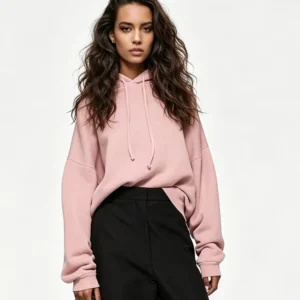
Develop custom hoodies in fleece, French terry or jersey with 100-unit MOQs per style and color. Junsheen supports pattern development, XS–3XL grading, embroidery, screen printing, custom rib trims, labels and branded packaging for retail or wholesale programs.
Request a Quote
Custom T-Shirts
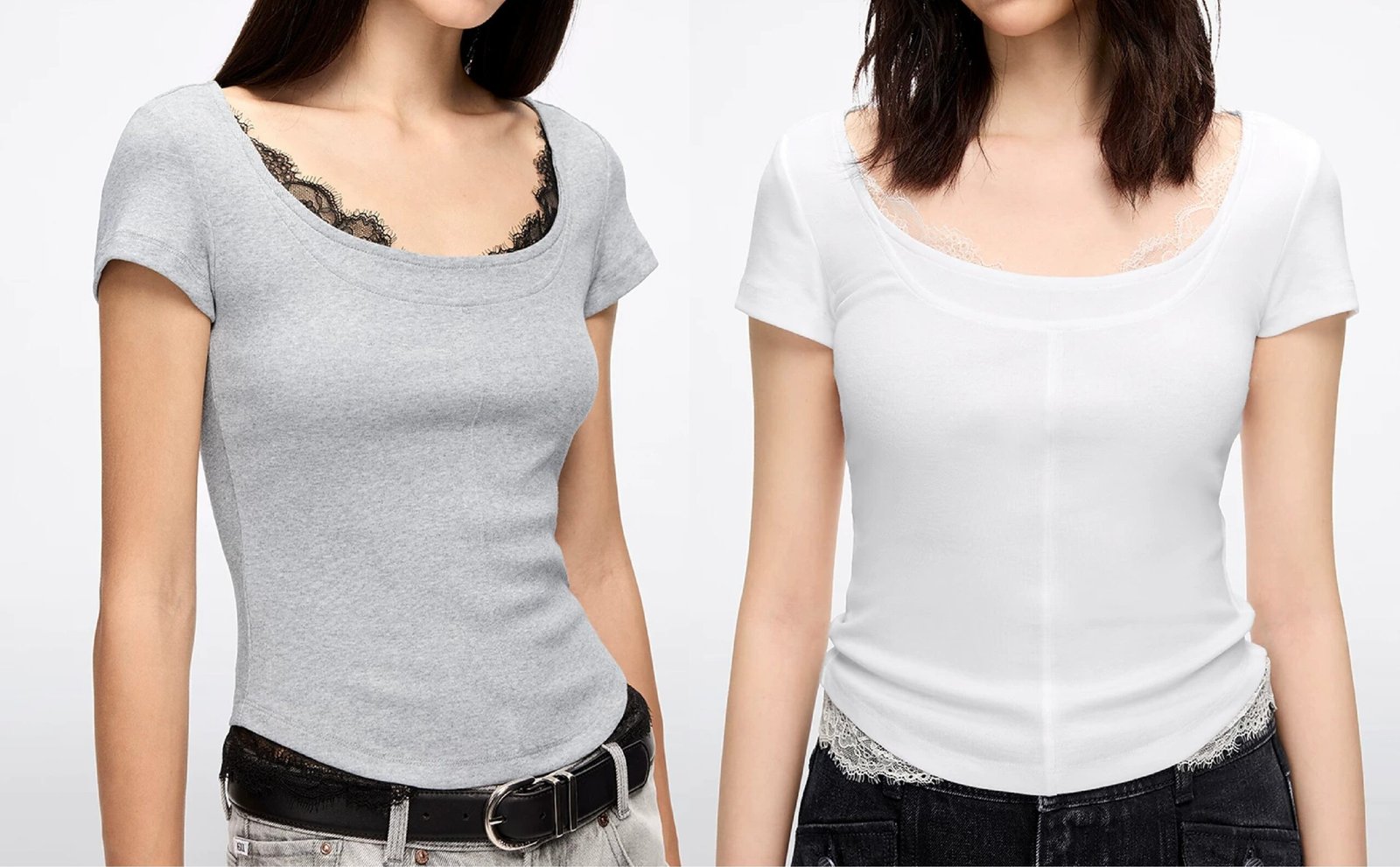
Produce custom T-shirts in cotton, Pima cotton, organic cotton, combed jersey or blended qualities. Teams can refine weight, neck construction, oversized proportions and graded sizing, then add screen print, DTG, DTF, embroidery, washes and private-label components.
Request a Quote
Custom Jeans
Build custom jeans from sketches, tech packs or reference garments using denim and stretch-denim constructions. Development covers fit blocks, rises, leg shapes, size grading, pocket details, hardware, washes, distressing, labels and bulk quality control for brand and wholesale channels.
Request a Quote
Custom Sweaters
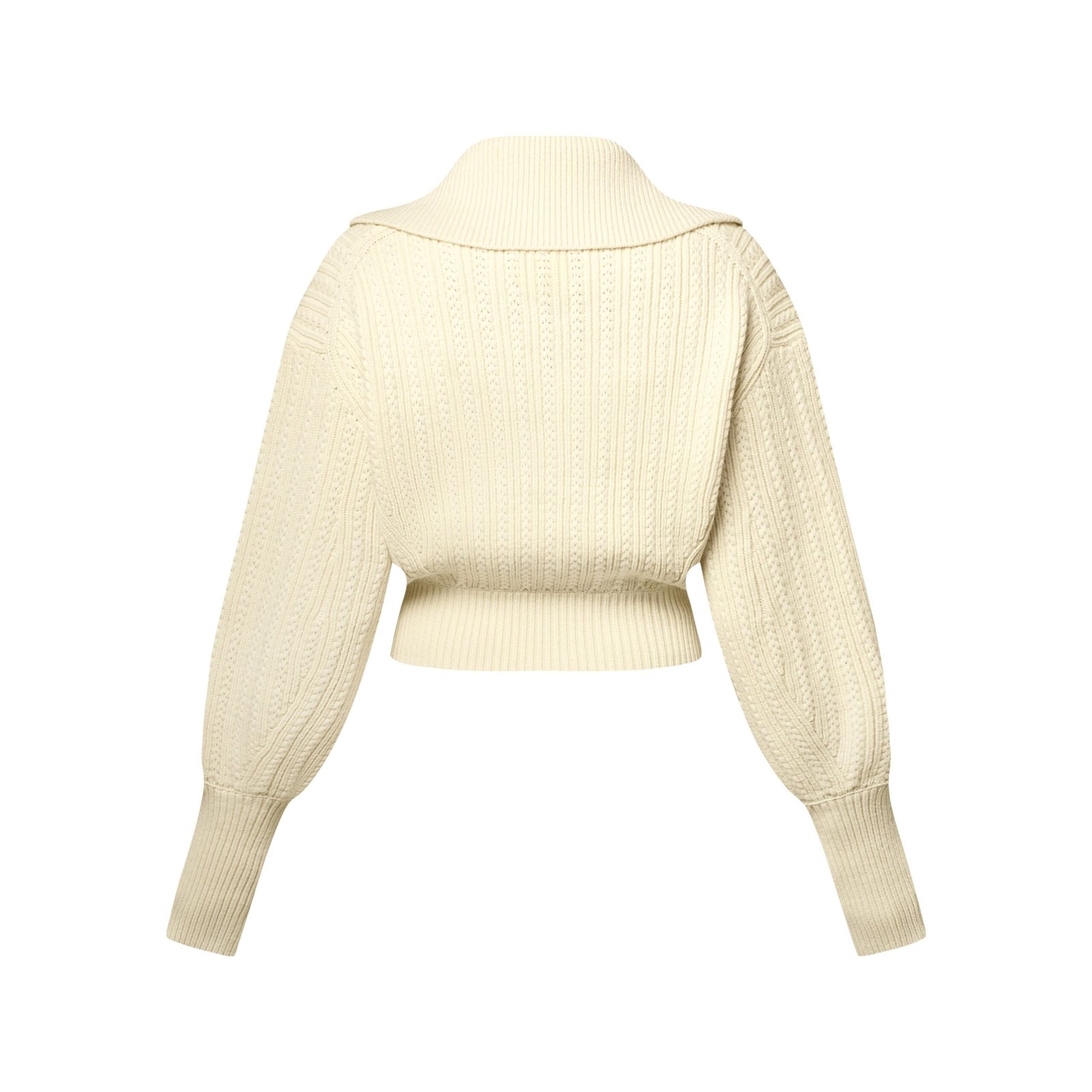
Source turtle neck sweater bulk programs across knitted constructions, yarn blends and gauge options. Junsheen develops neck height, body length, sleeve balance and XS–3XL grading, with samples and pre-production approvals supporting consistent repeat wholesale orders.
Request a Quote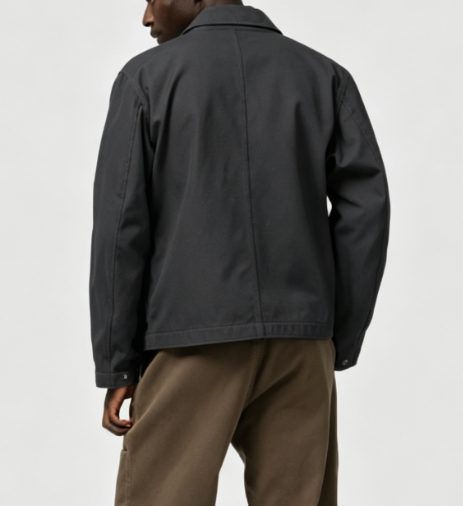
Custom Jackets
Manufacture custom jean jackets with denim or stretch-denim fabrics, tailored fit blocks and private-label hardware. Programs can include contrast stitching, branded buttons, patches, embroidery, print effects, garment washes and coordinated sizing for retailer or wholesale distribution.
Request a Quote
Custom Sweatshirts & Crewnecks
Develop custom crewneck hoodie and sweatshirt programs in fleece, French terry or jersey. Junsheen supports crewneck, hooded and oversized silhouettes, with fit-focused grading, embroidery, printing, washes, rib trims, labels and scalable production from 100 units.
Request a Quote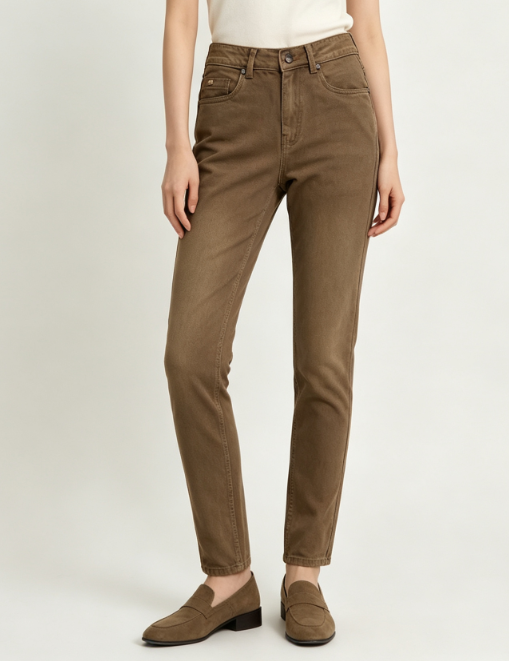
Custom Cardigans
Create custom cardigans in knitwear constructions selected for hand feel, weight, drape and durability. Product development includes button or zipper options, rib details, pockets, logo embroidery, grading from XS–3XL and branded labels for private-label collections.
Request a Quote
Custom Puffer & Down Jackets
Produce custom puffer jackets with shell, lining and insulation options matched to target use and cost. Development can cover quilting layouts, fill distribution, hoods, pockets, zippers, reflective details, size grading, labels and export-ready packing.
Request a Quote
Custom Denim Shorts
Develop custom jean shorts from denim or stretch denim with inseam, rise and leg-opening specifications suited to the target customer. Programs can include raw hems, cuffing, distressing, washes, branded hardware, patches and fit-focused extended sizing.
Request a Quote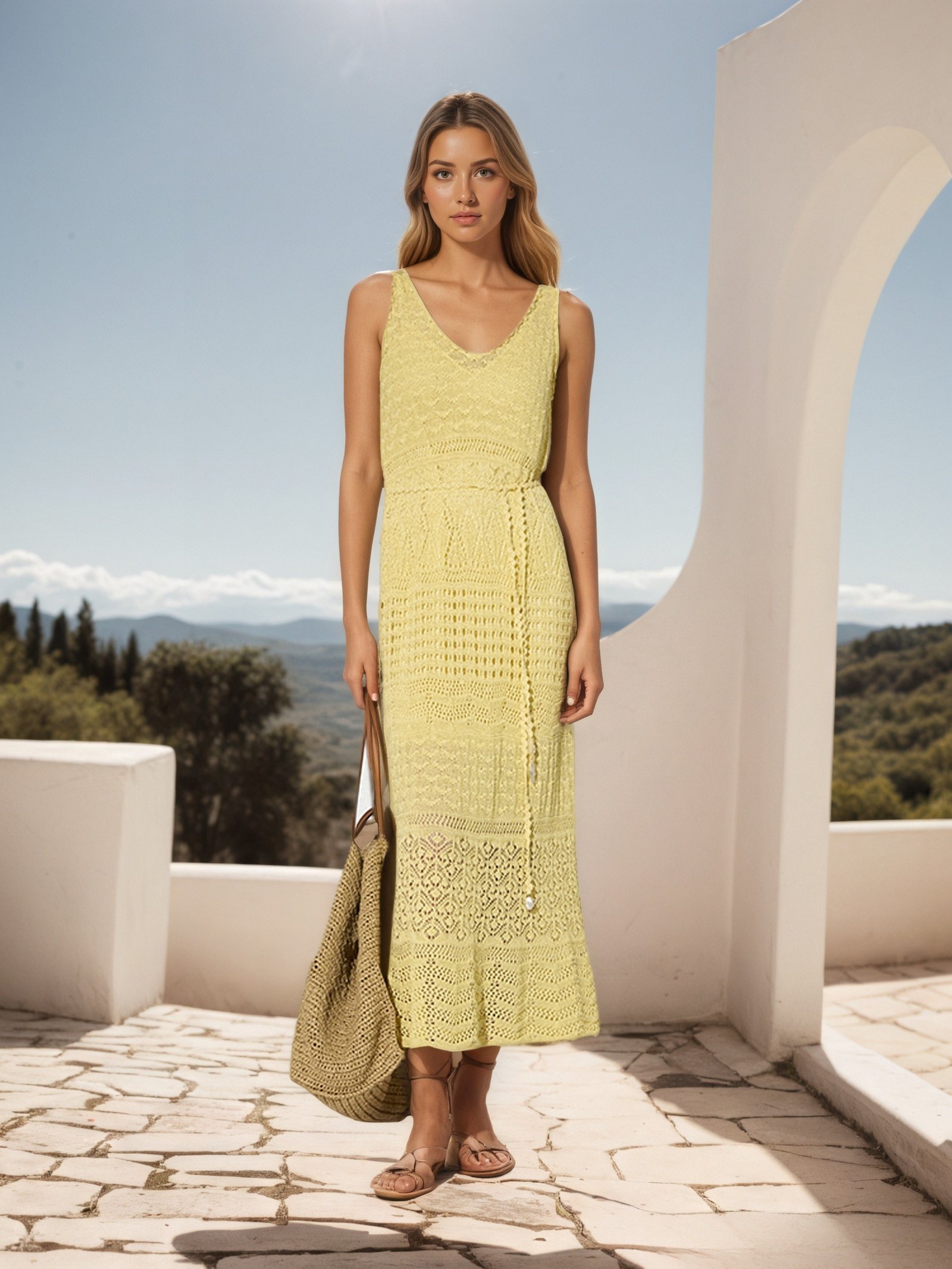
Custom Sweater Dresses
Manufacture custom sweater dresses in knit constructions with defined length, neckline, waist shaping and sleeve proportion. Junsheen supports yarn and gauge selection, normal-size through 3XL grading, logo details, labels and sampling before wholesale or retail production.
Request a Quote
Custom Denim Sets
Create mens denim suits wholesale programs with coordinated denim jackets and jeans developed as matching sets. Junsheen manages fabric consistency, fit specifications, sizing, stitching, washes, branded hardware, labels and repeat production for wholesale accounts.
Request a Quote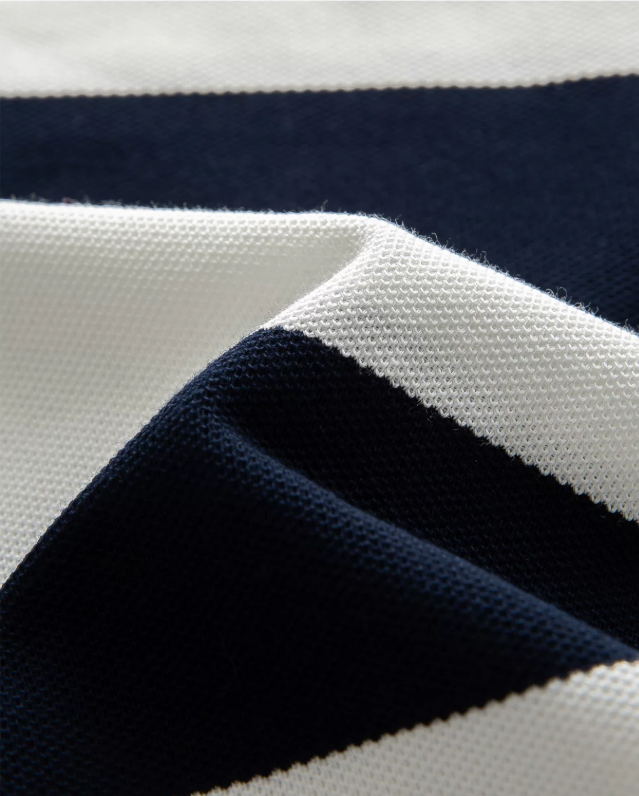
Custom Polo Shirts
Produce custom polo shirts in piqué, jersey or performance-knit fabrics with collar, placket and sleeve specifications tailored to your brand. Add embroidery, printing, contrast trims, XS–3XL grading, private labels and packaging for uniform, retail or wholesale programs.
Request a Quote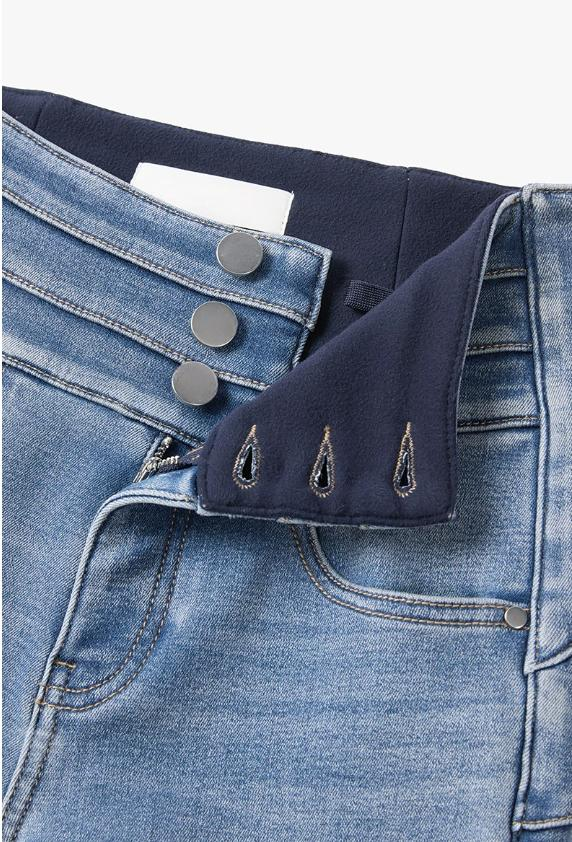
Custom Sweatpants
Develop custom sweatpants in fleece, French terry or jersey, with jogger, straight-leg or oversized fits. Junsheen supports waistband and cuff construction, pockets, drawstrings, embroidery, printing, washes, size grading and coordinated hoodie or crewneck sets.
Request a Quote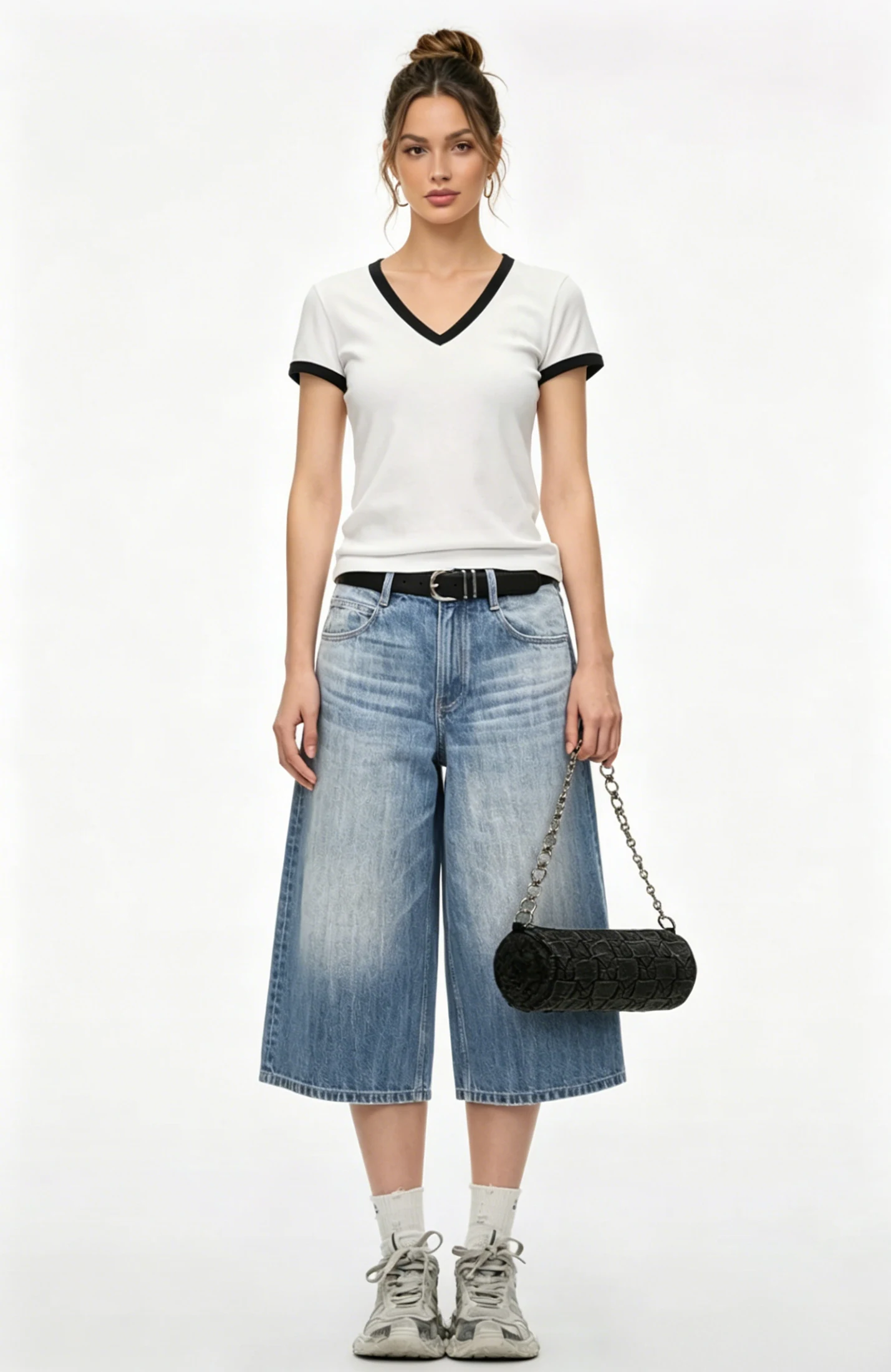
Custom Shorts
Manufacture custom shorts in knit, woven, twill or performance fabrics for casualwear and active-inspired programs. Teams can develop inseam, rise, pockets, waistband, trims and grading, then apply embroidery, prints, labels and packaging for wholesale distribution.
Request a Quote
Custom Pullovers
Produce custom pullovers in cut-and-sew or knitwear constructions, including quarter-zip, mock-neck and oversized styles. Junsheen supports fabric or yarn selection, fit development, XS–3XL grading, trims, embroidery, printing, washes and private-label finishing.
Request a QuoteJeans Wholesale Denim Fabrics We Support

Rigid Cotton Denim
A structured, authentic-feeling denim for straight-leg jeans, trucker jackets and vintage-inspired sets. Built with durable cotton yarns, it develops character through washing and offers stable shape retention with minimal stretch.

Stretch Denim
Cotton-rich denim blended with elastane for skinny, slim and body-contouring jeans. Its flexible recovery supports everyday movement while maintaining a close fit; available in multiple weights for women’s, men’s and extended-size programs.

Comfort Stretch Denim
A balanced denim with light mechanical or elastane stretch for modern straight, tapered and relaxed jeans. It keeps a substantial denim hand feel while improving mobility, making it well suited to repeat wholesale programs.

Cotton Twill
A smooth, durable woven fabric for denim-look pants, utility styles, overshirts and matching casualwear. Its diagonal weave provides reliable abrasion resistance and a cleaner surface for garment dyeing, embroidery or printed branding.

Denim Chambray
A lighter-weight cotton fabric with a soft, breathable hand feel for shirts, summer sets and lightweight denim-inspired pieces. Its plain weave delivers a refined drape and reduces bulk while retaining a classic indigo appearance.
Jeans Wholesale Denim Washing, Printing and Decoration

Stone Wash
Stone washing creates a naturally worn, softened denim surface with visible fading and character. JUNSHEEN controls wash intensity to help jeans wholesale programs achieve consistent vintage appeal across approved production runs.

Acid Wash
Acid washing delivers high-contrast, irregular fading that gives each denim piece a bold, lived-in appearance. Careful process control preserves garment construction while creating a standout finish for fashion-led collections.

Enzyme Wash
Enzyme washing softens denim and removes surface fibers for a cleaner, more comfortable hand feel. It is an effective option for brands seeking refined fading, reduced stiffness and dependable wash performance.

Screen Printing
Screen printing applies durable logos, artwork and graphic placements directly onto denim using plastisol, water-based, puff or high-density inks. The result is clear color impact and reliable adhesion suited to repeated wear.

Logo Embroidery
Flat, puff and chain-stitch embroidery add textured branding to pockets, waistbands and jean panels. Precise stitch density and placement create a premium, long-lasting detail that strengthens private-label recognition.

Custom Patchwork
Appliqué, woven patches and custom logo badges introduce layered texture and branded identity to denim styles. JUNSHEEN coordinates materials, stitching and placement for secure attachment and a polished retail-ready finish.
Custom Trims for Jeans Wholesale Programs

Custom Metal Buttons
Add logo-stamped shank buttons, tack buttons or snap closures to jeans, denim jackets and skirts. Junsheen can coordinate finishes, colors and placement for hardware that reinforces your brand identity and withstands repeated wear.

Branded Zipper Systems
Choose custom zipper pulls, metal zippers or concealed zipper options for jeans and denim outerwear. Specifications are matched to garment construction, pocket use and wash process for reliable function and a polished private-label finish.

Leather Logo Patches
Use debossed leather, faux leather or woven back-waist patches to give jeans a premium signature detail. Patch size, artwork, stitch placement and material color can be developed around your denim wash and collection direction.

Woven Labels
Create main labels, size labels and wash-care labels with your logo, sizing system and fiber information. These essential private-label components help maintain clear garment identification across jeans wholesale orders, from capsule runs to bulk programs.

Custom Hang Tags
Complete each denim piece with branded hang tags, barcode cards, swing strings and optional pricing information. Junsheen coordinates tag stock, print treatment and attachment methods to support retail presentation and export-ready packing.
Drawcord And Tipping
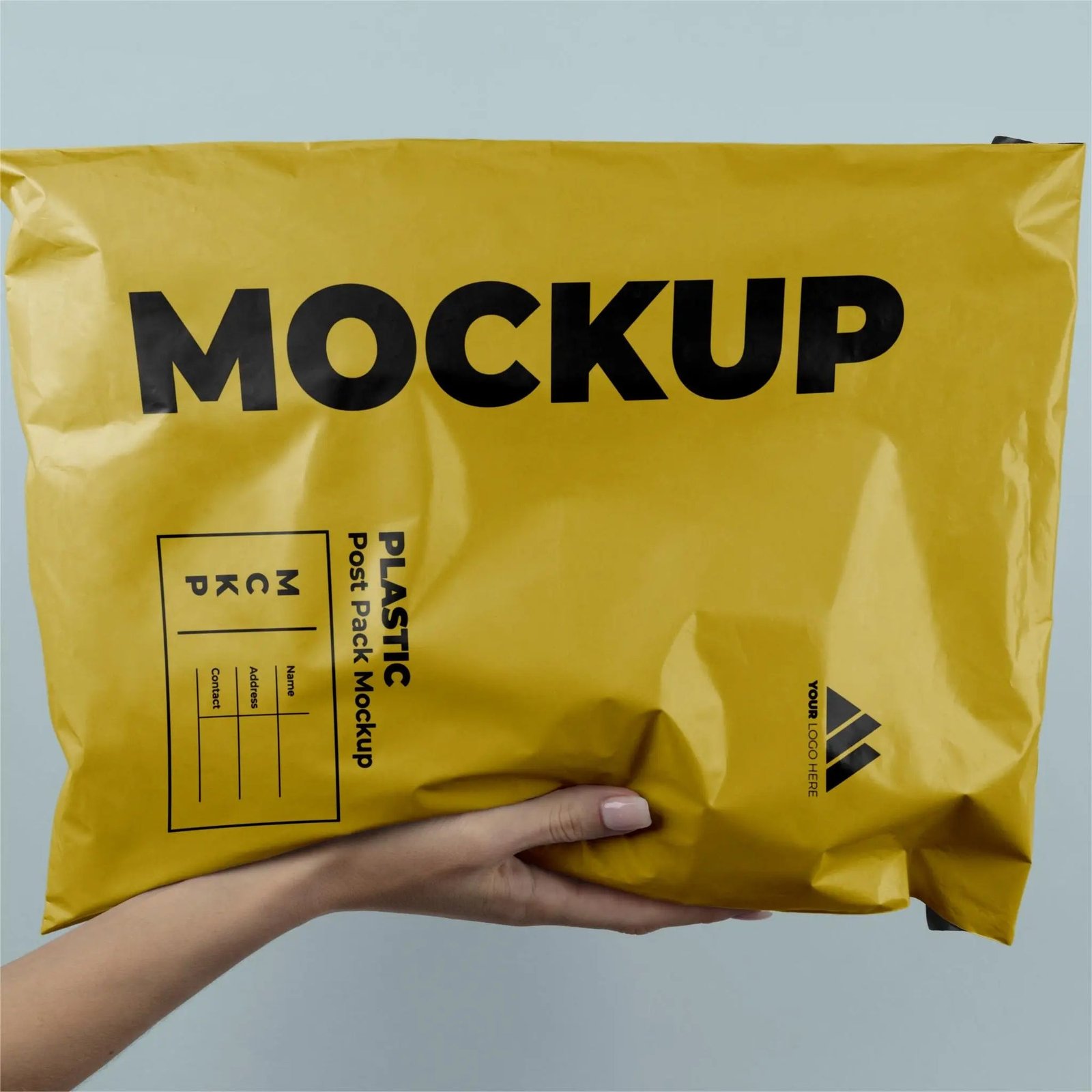
Add custom drawcords, metal tips and branded aglets to elastic-waist denim, jogger jeans and denim shorts. Color, texture and finish can be aligned with matching trims for a cohesive casualwear and streetwear product range.
About JUNSHEEN Jeans Wholesale
Founded in 2010 in Humen Town, Dongguan, JUNSHEEN helps global fashion businesses turn denim concepts into dependable jeans wholesale programs. Our one-stop OEM, ODM and private-label team supports brands from early product development and fabric selection through sampling, bulk production and export coordination.
With more than 200 skilled workers and monthly capacity above 80,000 units, we can support a 100-unit launch by style and color as confidently as recurring bulk denim orders. We have served 2,000+ fashion-brand clients across North America, Europe, Australia, the Middle East and Southeast Asia.
What distinguishes JUNSHEEN is fit-led development backed by practical production control. Our pattern makers refine proportions and grading from XS to 3XL, while in-house washing, decoration, labels, trims, quality checks and packaging keep critical denim details aligned from approved sample to packed shipment.

Jeans Wholesale Fit, Development and Production
Denim Patterns Built for Fit
JUNSHEEN develops jeans patterns around the intended silhouette, fabric behavior and wear experience, from rigid straight-leg denim to stretch skinny fits. Our team reviews rise, hip balance, inseam, pocket placement and mobility before sampling so production starts from a technically sound base.
- Pattern making from tech packs, sketches or reference garments
- Fit review for rise, leg shape, seat balance and movement
- Prototype, size-set and pre-production sample support
- Manufacturability guidance before bulk approval

XS–3XL Grading That Performs
For jeans wholesale programs serving broader size ranges, Junsheen grades each size with proportion in mind rather than simply enlarging a base pattern. We refine waistband, hip, thigh, knee and inseam relationships to help normal-size, extended-size, plus-size and oversized fits remain consistent from XS through 3XL.
- Fit-focused grading from XS to 3XL
- Extended-size and plus-size denim development
- Balanced waist, hip, thigh and leg measurements
- Reduced fit revisions across the size range

Sourced Denim, Controlled Production
Our sourcing and production teams coordinate denim weight, stretch, hand feel, wash response and target cost before bulk materials are confirmed. With cut-and-sew capability, washing, decoration, trims, labels and packaging managed in one supply chain, JUNSHEEN keeps custom jeans wholesale execution clear and accountable.
- Denim, stretch denim and recycled material sourcing
- Swatches and sample garments before material confirmation
- In-house washing, printing, embroidery and finishing
- Custom labels, hardware, packaging and export support

Why Choose JUNSHEEN for Jeans Wholesale
A fit-led denim manufacturing partner built for low-MOQ launches, repeatable quality, and scalable global programs.
← 左右滑动查看 →
Jeans Wholesale Production Process
A controlled denim workflow that moves approved ideas into consistent, export-ready bulk orders.
Review Specs and Source Denim
We assess your tech pack, reference sample, target price and fit requirements, then recommend denim, stretch levels, washes, trims and production-ready specifications.
Develop Patterns and Samples
Pattern makers build and grade XS–3XL fits, produce prototype samples and refine rise, leg shape, measurements and construction before your approval.
Confirm Materials and Bulk
After sample approval, we lock bulk fabric, colors, labels, hardware and size sets, then schedule your 100-unit-plus jeans wholesale production run.
Cut, Sew and Finish
Skilled teams cut and sew each order, then apply approved embroidery, printing, distressing or denim washes while monitoring construction and measurements in line.
Inspect, Pack and Ship
Final quality control checks fit, decoration, wash effect and packed quantities before branded packaging, export documentation and worldwide shipping coordination.
How to Start Your Jeans Wholesale Order
Move from denim concept to inspected delivery with one fit-focused manufacturing partner.
Submit Your Denim Brief
Share a tech pack, sketch, reference garment, or concept with target quantities, size range, washes, trims, and required delivery market.
Review Quote and Samples
JUNSHEEN confirms feasibility, fabric options, MOQ, and pricing, then develops patterns and samples for fit, construction, wash, and branding review.
Approve Production Details
Approve the final sample, graded XS–3XL size set, materials, labels, packaging, and purchase terms before bulk jeans wholesale production begins.
Receive Inspected Denim Goods
Our team monitors fabric, sewing, measurements, finishing, and packing throughout production, then supports export shipment of inspected goods to your destination.
Custom Clothing Manufacturer Credentials and Compliance Documents



What Global Jeans Wholesale Clients Say
JUNSHEEN corrected the rise and thigh balance across our XS–3XL size set before bulk approval. We passed fit review in one additional round and launched our first 600-unit denim program on schedule.
Our initial sample arrived with clear construction notes and wash options, which shortened development from our usual eight weeks to five. The final 300 jeans matched the approved sample closely, including the embroidery placement.
We started with 100 units per color, then reordered four times as sell-through proved demand. Junsheen retained our patterns and wash specifications, so the latest 1,200-unit run stayed consistent with our first delivery.
Jeans Wholesale FAQ
Clear answers on MOQ, sampling, fit, payment, shipping and confidential production for custom denim programs.
What is your minimum order quantity for jeans wholesale?
How long do jeans wholesale samples take, and what do they cost?
Can you develop jeans fits from XS to 3XL?
What payment terms do you offer for a first jeans wholesale order?
Can JUNSHEEN ship wholesale jeans internationally?
Can I order custom washes, embroidery, prints and branded trims?
How do you protect my denim designs and intellectual property?
What information do you need to quote a custom jeans order?
The Complete Buyer’s Guide to jeans wholesale
Use this practical framework to evaluate denim programs, compare supplier capabilities, control quality and costs, and avoid the sourcing mistakes that delay launches or weaken your brand’s margin.
1. What Is jeans wholesale?
100 units per style and color is a practical low-MOQ starting point for jeans wholesale when a buyer needs factory-made product rather than anonymous stock. In B2B terms, jeans wholesale means purchasing denim for resale, but the route can range from ready-stock cartons to a fully developed branded program. 3 common routes determine control and risk: ready-stock wholesale offers the fastest replenishment and lowest design input; private label applies the buyer’s labels and packaging to an existing factory style; OEM builds to the buyer’s approved tech pack, pattern, wash, trim, and measurement specification. ODM sits between them, using a manufacturer’s development base while adapting silhouette, fabric, color, branding, or details. 1 new label usually benefits from private label or low-MOQ ODM because those routes reduce development time and pattern cost while preserving a recognizable identity. A retailer focused on rapid assortment turns may choose ready-stock wholesale, whereas an established brand needing exclusive fits, graded size sets, and repeatable wash standards should use OEM and retain control of specifications; factory ownership of patterns, materials, and production records then matters as much as quoted unit price.
2. Evolution of jeans wholesale
1873 marked the patenting of riveted waist overalls, a workwear origin that shaped denim’s early wholesale model: standardized, durable garments ordered in large runs for miners, ranchers and industrial retailers. By the mid-20th century, jeans had become a mass-market fashion category, shifting demand from utility specifications toward washes, silhouettes, branding and seasonal color direction. 1960s through the 1990s turned denim into a globalized fashion supply chain, with mills, laundries, cut-and-sew factories and trim vendors becoming increasingly specialized. Stone washing, enzyme washing, stretch denim and fashion fits made supplier selection more technical; buyers now need to confirm fabric composition, shrinkage, colorfastness, wash reproducibility and measurement tolerances before approving bulk production. 100 units per style and color can now be a practical entry point for a private-label capsule, compared with the high-volume commitments typical of traditional jeans wholesale. Faster trend cycles favor suppliers that can develop patterns, graded size sets, samples, washes, labels and packaging in one workflow, while traceability expectations require clearer material and processing records; custom jeans wholesale therefore combines commercial flexibility with disciplined development and repeatable production controls.
3. Types of jeans wholesale Programs
Five jeans wholesale routes differ mainly in design ownership, speed, cash exposure and margin room. A 100-unit starting point can suit custom capsule programs, while stock buying prioritizes immediate replenishment.
| Program | Typical MOQ | Indicative Unit Price | Launch Speed | Best Fit |
|---|---|---|---|---|
| Stock denim | 1–50 units | US$12–25 | 1–2 weeks | Fast resale testing |
| Private label | 50–100 units | US$16–32 | 2–4 weeks | Branded collections |
| OEM jeans | 100+ units | US$22–45 | 4–8 weeks | Established specifications |
| ODM jeans | 100+ units | US$20–40 | 3–6 weeks | Brands needing direction |
| Custom development | 100+ units | US$30–65+ | 6–10 weeks | Differentiated denim |
Stock Denim
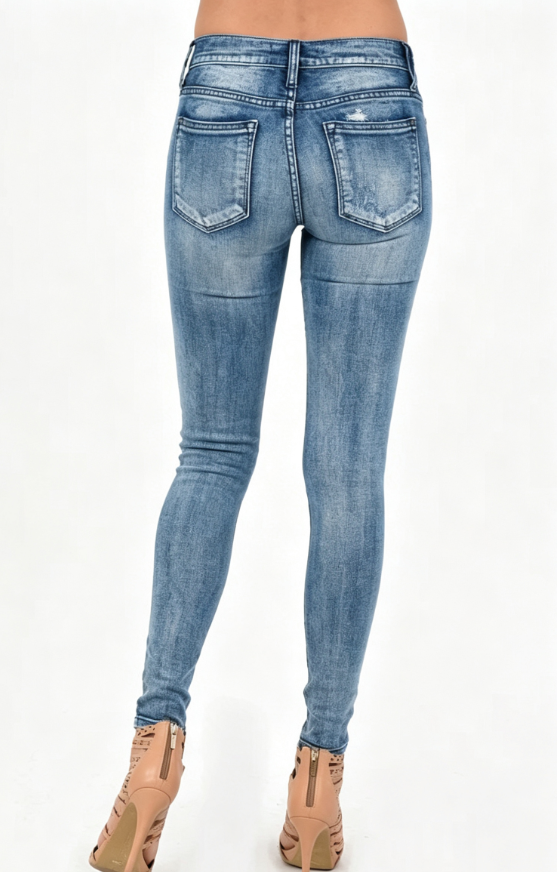
1–2 weeks is a typical stock-denim launch window when sizes and washes already exist. The buyer selects available SKUs, so design control and exclusivity are low, but inventory risk is reduced.
- Best for retailers testing demand
- Lowest development cost
- Margins depend on resale positioning
Private Label

2–4 weeks is practical when a proven jean block receives branded labels, hangtags and packaging. The supplier controls the base pattern; the buyer controls brand presentation and retail margin.
- Use approved washes and fits
- Confirm label placement early
- Request size-chart verification
OEM, ODM And Custom

4–10 weeks is common after material, wash, fit and sample approvals. OEM follows the buyer’s tech pack; ODM adapts supplier-ready designs; fashion-forward development gives the buyer the most distinctive product and the highest revision exposure.
- OEM: maximum specification control
- ODM: faster design starting point
- Custom: strongest differentiation potential
4. Jeans Wholesale Fabrics and Materials
12–14 oz denim is the practical starting range for most jeans wholesale programs: its fiber blend, weave, and finish must be approved together. Fabric choices determine break-in, wash contrast, climate comfort, retail position, and revision risk before sampling.
| Fabric Weight | Typical Construction | Best Use | Commercial Effect |
|---|---|---|---|
| 8–10 oz | Cotton or light comfort stretch | Summer jeans, shirts, layers | Softer drape; accessible price |
| 11–13 oz | Cotton with 1–2% elastane | Core slim and straight jeans | Balanced durability and mobility |
| 14–16 oz | 100% cotton rigid twill | Premium straight, wide-leg, workwear | Structured silhouette; higher wash and freight cost |
| 16 oz+ | Heavy rigid cotton | Heritage and utility capsules | High durability; niche premium positioning |
Fiber And Stretch

100% ring-spun cotton creates the crispest rigid silhouette and the strongest potential for natural whiskers, fading, and abrasion character. It suits heritage five-pocket jeans but needs accurate shrinkage testing. 1–3% elastane with cotton improves recovery and mobility for skinny, slim, and fitted extended-size styles. Higher stretch content can reduce vintage-looking wash contrast and must be matched to recovery specifications.
Weave And Weight

3×1 right-hand twill is the common denim construction; its diagonal line produces familiar durable jeans character. Left-hand twill generally feels softer after washing, while broken twill helps limit leg twist. 8–10 oz fabrics suit warm-weather denim and layering pieces, whereas 14 oz-plus denim supports structured workwear and premium rigid programs. Confirm finished garment weight after wash, not only greige fabric weight.
Recycled Content And Finishes

20–40% recycled cotton can support a lower-impact material story, but shorter recycled fibers may require blending and tighter strength control. Request composition documentation and test results rather than relying on a sustainability claim. Enzyme, stone, acid, and bleach washes react differently by indigo depth, cotton quality, and stretch level. Junsheen can source swatches and sample garments so brands can approve shade, hand feel, and shrinkage before bulk commitment.
5. Customization and Denim Decoration Options
A 100-unit jeans wholesale program can look distinctly branded when fit, wash, and trim choices are locked before sampling. Prioritize details customers can see and feel, then test treatments that may affect strength, shade, or sizing.
| Detail | Brand Impact | Sampling Priority |
|---|---|---|
| Custom fit block | High | Fit sample and size set |
| Wash or distress | High | Wash panel and finished garment |
| Labels and hardware | Medium | Color, pull, and attachment test |
| Custom packaging | Medium | Artwork and compliance proof |
Fit Blocks And Washes

XS–3XL grading should start from an approved fit block; rise, thigh, leg opening, and inseam need size-set review rather than simple enlargement. 10–14 oz denim supports most rigid-jean programs, while stretch denim needs wash testing for recovery and seam torque.
- Dark rinse: lowest risk for repeatable color
- Enzyme wash: softer hand with controlled abrasion
- Stone wash: stronger vintage contrast and variation
Distress And Surface Decoration

3–5 wash samples are prudent for laser fading, whiskers, rips, garment dye, or bleach effects because placement and shade vary by fabric lot. Bar tacks behind holes, stabilized patch areas, and wash-resistant embroidery improve durability on commercial styles.
- Embroidery suits logo-led premium capsules
- Screen print suits bold graphic placements
- Leather or woven patches suit heritage denim
Labels Hardware And Compliance

100-unit production is viable when brands limit custom components; one branded patch and one hardware finish usually simplify sourcing and replenishment. OEKO-TEX documentation, restricted-substance checks, nickel release requirements, and wash-care labeling should be confirmed for each destination market.
- Approve Pantone thread and label artwork
- Test zipper, rivet, and button attachment
- Review branded bags for local packaging rules
6. Jeans Construction Quality Essentials
8–10 stitches per inch is a practical starting benchmark for durable jeans wholesale programs. Construction checks should follow the garment from waistband to hem, because small failures quickly become fit complaints, returns, and reduced perceived value.
Seams And Stress Points

8–10 SPI on primary seams gives denim enough thread coverage without puckering lightweight or stretch fabrics. Inspect consistent chain-stitch or lockstitch construction, with no skipped stitches, loose ends, or seam twisting. 5–7 bartacks should reinforce high-load areas such as pocket corners, the fly base, belt loops, and crotch intersections. Confirm the bartacks are dense, centered, and do not cut through the denim.
- Check inseam and outseam alignment
- Pull-test pocket corners and belt loops
- Inspect crotch seam overlap
Fit, Pockets, And Waistbands
2 back pockets should match in height, angle, spacing, and top-stitch placement when laid flat. Misplaced pockets visibly distort the seat and can make an otherwise correct graded fit look poor. 1 waistband should remain level after fastening and light tension, with belt loops securely captured in its seam. Measure inseams across the approved size set; inconsistent lengths create avoidable hemming claims.
- Compare left and right pocket placement
- Measure waistband against specification
- Verify inseam tolerance by size
Hardware And Wash Validation
1 zipper must run smoothly through repeated opening cycles, while the button and buttonhole must fasten without excessive force. Specify reputable hardware where required and inspect sharp edges, loose rivets, and secure fly stitching. 3 wash checks—shrinkage, color transfer, and appearance retention—should be completed on the approved fabric and finish. Record post-wash measurements before bulk approval, particularly for stretch denim and heavily washed styles.
- Test zipper cycling and button retention
- Check wash shrinkage against tolerances
- Review crocking on light surfaces
7. Choosing a jeans wholesale Manufacturer
100 units per style and color is a practical starting point for capsule programs, but capability matters more than a low quoted MOQ. Compare suppliers through documented denim expertise, validated samples, and transparent commercial evidence before placing a jeans wholesale order.
| Quantity Tier | Pricing Evidence Requested | Production Readiness Check |
|---|---|---|
| 100-299 units | Style, wash, fabric, and trim cost breakdown | Sample-to-bulk lead time and color MOQ |
| 300-999 units | Volume price and wash surcharge schedule | Reserved line dates and QC checkpoints |
| 1,000+ units | Tiered unit quote and payment terms | Monthly capacity, export plan, and delivery window |
Verify Denim Specialization
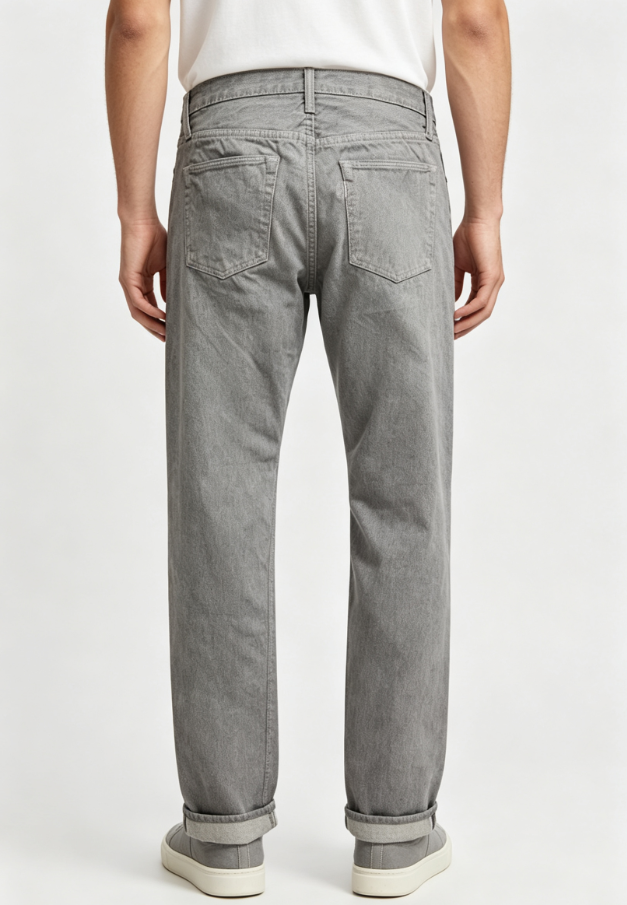
3 comparable denim styles should be reviewed, including jeans with the intended rise, stretch level, wash, and hardware. Ask for construction sheets, wash test records, and photographs of inside seams. 98% cotton/2% elastane and rigid 100% cotton behave differently in recovery, shrinkage, and wash appearance. Confirm mill composition, fabric weight, shade band, and approved trim specifications before bulk booking.
- Request fabric swatches and wash panels
- Check pocket shape, bartacks, and zipper operation
- Compare post-wash measurements against the spec
Test Development And Quality
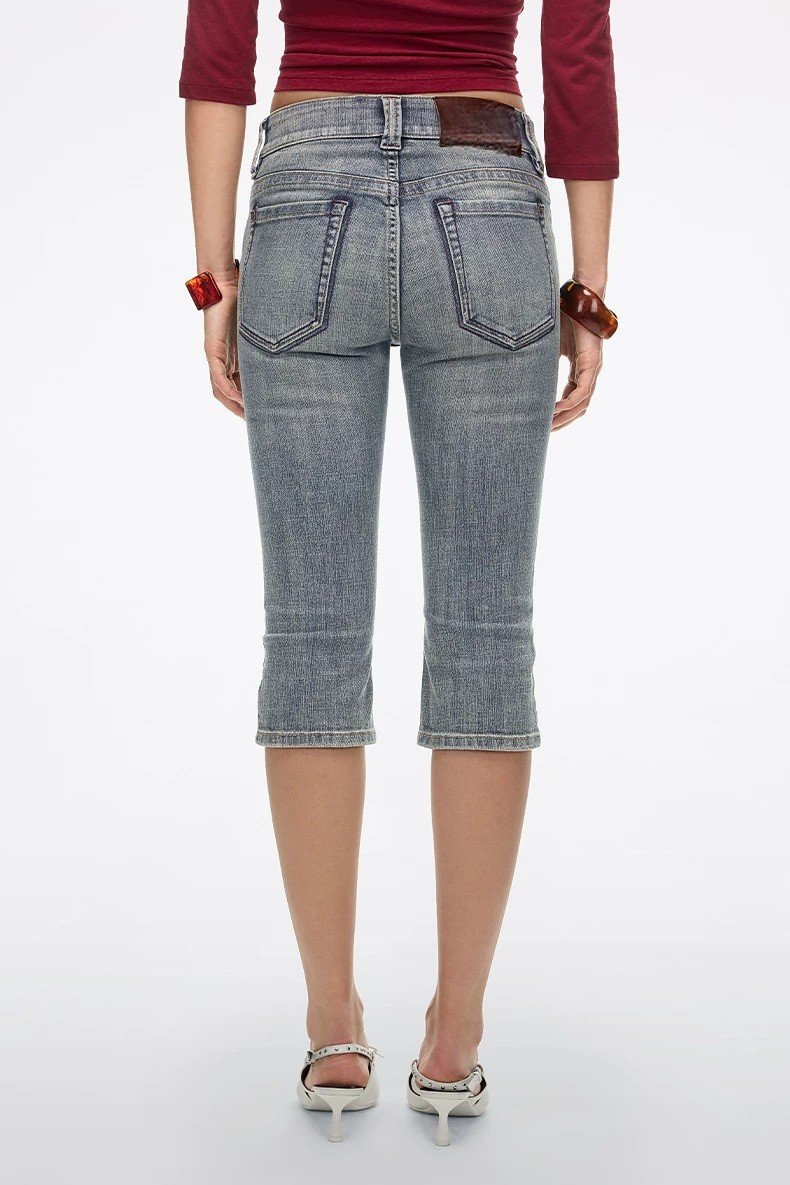
1 fit sample and 1 pre-production sample should be approved against a graded measurement chart. Assess rise balance, waistband gaping, inseam twist, leg shape, stitch density, wash consistency, and label placement. AQL inspection terms, incoming-fabric checks, in-line inspections, and final packed-goods reports should be defined in writing. Request current OEKO-TEX, GOTS, WRAP, or BSCI documentation only when the program requires that scope; verify issuer, expiry, and facility name.
- Ask who owns patterns and graded files
- Confirm rework and defect-resolution procedures
- Request sample, bulk, and shipping timelines
Confirm Operating Readiness
80,000-plus monthly units can support repeat programs, yet line allocation and washing capacity must be confirmed for each purchase order. Ask for available production windows, critical-path dates, export markets served, and the named production contact. 100-unit flexibility is useful only if color, wash, and size-set minimums are explicit. Confirm quotation validity, payment milestones, Incoterms, carton requirements, and final balance timing before issuing a deposit.
- Request a written quotation and MOQ breakdown
- Confirm export documents and shipping responsibility
- Set approval deadlines for fabric and samples
8. Common Jeans Wholesale Buying Mistakes
A 100-unit launch can still become expensive when preventable development decisions reach bulk production. In jeans wholesale, disciplined approvals protect margin, delivery dates, and the fit consistency customers expect.
Price-Only Supplier Selection
Three quotations should be compared by fabric weight, wash process, trim specification, defect policy, and freight terms—not unit price alone. This prevents a low quote from becoming rework, substitutions, or missed launch dates.
Incomplete Technical Specifications
One complete tech pack should define measurements, tolerances, Pantone references, construction, pocket placement, hardware, and label artwork. This avoids interpretation gaps that produce incorrect samples and repeated revision charges.
Unapproved Wash And Fit
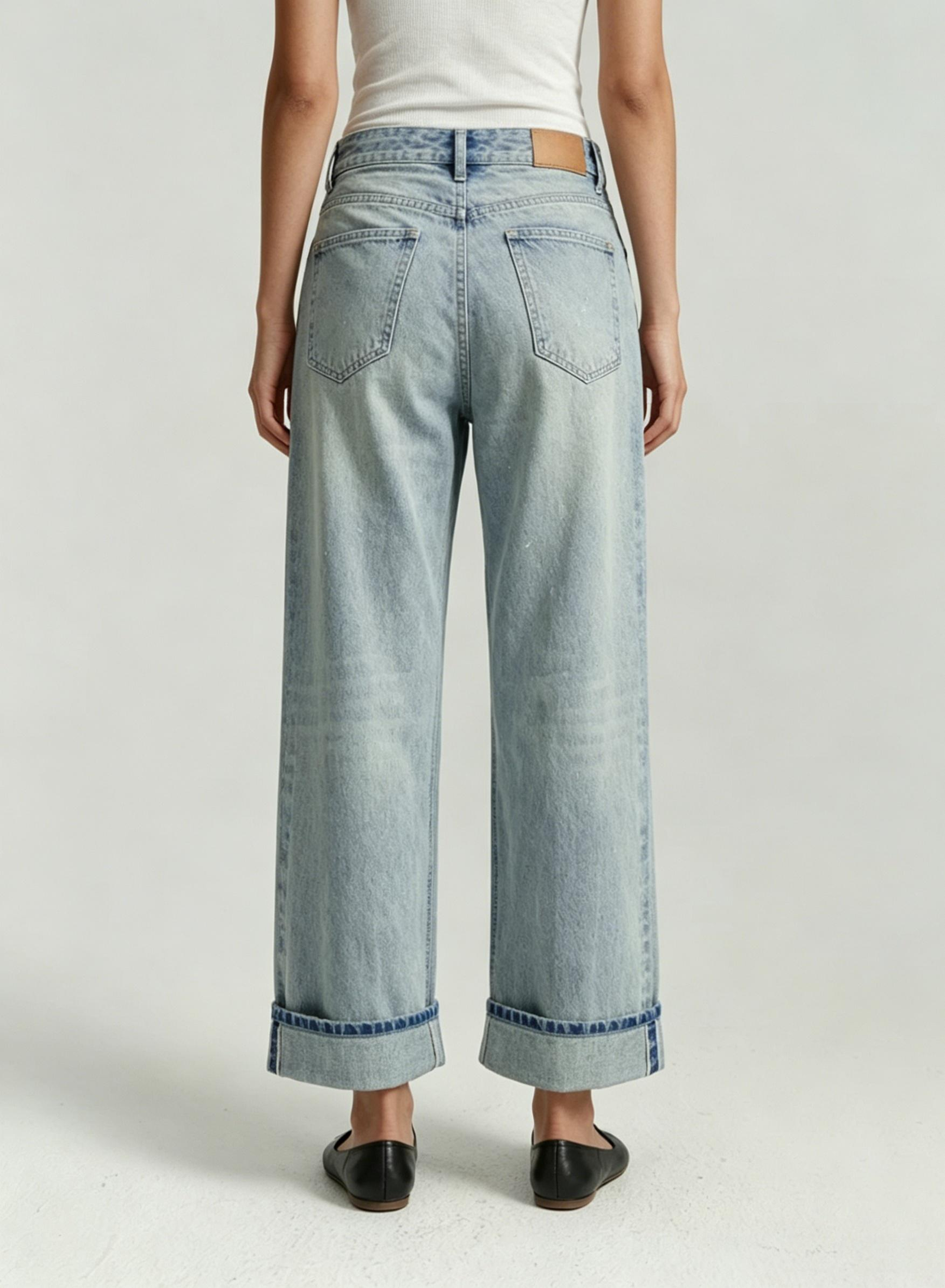
Two approvals matter before bulk cutting: a wash standard and a graded size set, especially across XS–3XL. Review shrinkage, shade, hand feel, rise, inseam, and mobility to avoid inconsistent pairs, returns, and markdowns.
MOQ And Testing Oversights
A 100-unit per-style-and-color minimum requires early color and size-ratio planning; splitting demand too broadly can inflate inventory risk. Request relevant fiber, colorfastness, shrinkage, and restricted-substance testing before production to prevent noncompliant or unstable stock.
Rushed Sample Approval
One sample approval should follow wear, wash, measurement, and decoration checks under written revision control. Allowing adequate review time prevents bulk orders from locking in avoidable fit, stitching, or branding errors.
9. Steps to Launch a Denim Brand
A 100-unit-per-style-and-color starting point can make a focused denim capsule practical, but bulk production should begin only after fit, wash, and cost decisions are locked. Build each gate around documented approvals, not verbal assumptions.
Define The Market Position
Three competitor price points and target customers should shape the opening range: fit, retail price, wash direction, and margin target. Compare inseam, rise, leg opening, fabric weight, and size coverage. One clear design brief per style prevents mixed direction. State the intended customer, reference garments, Pantone colors, target FOB cost, launch channel, and planned delivery date.
- Target retail price and margin
- Core fit and size range
- Competitive wash and trim references
Build Production Specifications

A complete tech pack converts the concept into measurable work: front and back flats, point-of-measure chart, construction callouts, artwork, labels, and packaging. Include tolerance rules and approved reference photos. 12–14 oz rigid denim and stretch denim require different fit assumptions, shrinkage testing, and wash planning. Confirm fiber content, weight, color, finish, hardware, and branding before sample cutting.
- Measurement chart with tolerances
- Fabric and wash specification
- Trim, label, and packaging files
Approve Samples And Size Sets

One prototype typically exposes fit, pocket placement, wash contrast, and sewing issues before expensive bulk commitments. Allow roughly 2–4 weeks per sample round, plus courier time and revision review. A graded size set is the bulk gate. Check waist, hip, rise, inseam, thigh, knee, and leg opening across the approved range; plus-size grading needs deliberate proportion changes, not simple enlargement.
- Fit sample approval
- Wash and shade approval
- Graded size-set approval
Release Bulk And Launch
A signed pre-production sample, purchase order, and final material approvals authorize bulk production. Typical denim bulk lead time is about 30–45 days after materials and approvals are confirmed, depending on wash complexity. Incoming-fabric, in-line, measurement, decoration, and final-packed-goods inspections should be scheduled before balance payment and shipping. Book freight early, then align SKU photography, size charts, product copy, and warehouse intake with the ex-factory date.
- Pre-production sample signed
- Inspection standard confirmed
- Freight and merchandising calendar locked
10. Jeans Wholesale Pricing and Cost
100-unit denim runs normally carry the highest unit cost because pattern work, cutting setup, wash development and inspection are spread across fewer pairs. For comparable five-pocket jeans, the indicative ex-works ranges below assume midweight cotton/stretch denim, standard metal hardware and one approved wash; actual quotes should be confirmed against the tech pack. 12–16 oz denim, fiber content, elastane percentage, enzyme or stone wash complexity, laser distressing, embroidery, branded buttons, leather patches, extra pockets and intensive sewing minutes can all move cost materially. Lab testing, carton specifications, labels and individual polybags should be quoted as separate line items when they are not included. 3 quote comparisons should use the same Incoterm, quantity per color, graded size ratio, fabric construction, wash recipe, trim list, packaging standard, inspection level and delivery destination. Ex-works pricing excludes freight, cargo insurance, import duty and local taxes; request those separately so a lower factory quote is not mistaken for a lower landed cost.
| Quantity tier | Indicative ex-works price per pair | Typical bulk lead time |
|---|---|---|
| 100–299 pairs | US$18–35 | 35–55 days after approvals |
| 300–999 pairs | US$14–28 | 30–45 days after approvals |
| 1,000–2,999 pairs | US$11–23 | 25–40 days after approvals |
| 3,000+ pairs | US$9–19 | 25–35 days after approvals |
Start Your Jeans Wholesale Quote Today
Send your tech pack, reference garment or product idea for a fit-focused denim quotation from 100 units per style and color.