
White Label Jeans With 100-Unit MOQs
Launch fit-focused white label jeans from XS–3XL with JUNSHEEN’s OEM, ODM and private-label development support.
Featured Products for white label jeans Development




Related Product Catalogue and Quotation




Why Brands Source White Label Jeans From JUNSHEEN
From first sample to global delivery, our denim programs combine low-MOQ flexibility, fit precision, integrated finishing, and dependable scale.
100-Unit Denim MOQs
Launch capsule collections or test new washes with minimums from 100 units per style and color, without sacrificing production support.
Fit-First Size Development
Pattern makers refine rise, hip balance, leg shape, mobility, and grading from XS to 3XL for consistent denim fits.
Integrated Denim Finishing
Coordinate embroidery, printing, custom patches, labels, trims, stone washing, acid washing, and branded packaging through one manufacturing team.
Scalable Production Capacity
Move confidently from a first denim drop to repeat bulk programs with 200+ skilled workers and monthly capacity above 80,000 units.
Global Export Support
Receive clear production coordination, quality control, packed-goods inspection, and export support for white label jeans shipped to worldwide markets.
White Label Jeans and Denim Programs
Develop coordinated denim and casualwear ranges for capsule launches, retail assortments, and scalable wholesale programs from 100 units per style and color.

Custom Hoodies
Custom hoodies in fleece, French terry, and jersey, developed with your preferred weight, fit, rib specifications, drawcords, pockets, labels, embroidery, printing, and wash finish. Suitable for coordinated denim capsules, streetwear drops, and repeat wholesale programs.
Request a Quote
Custom T-Shirts
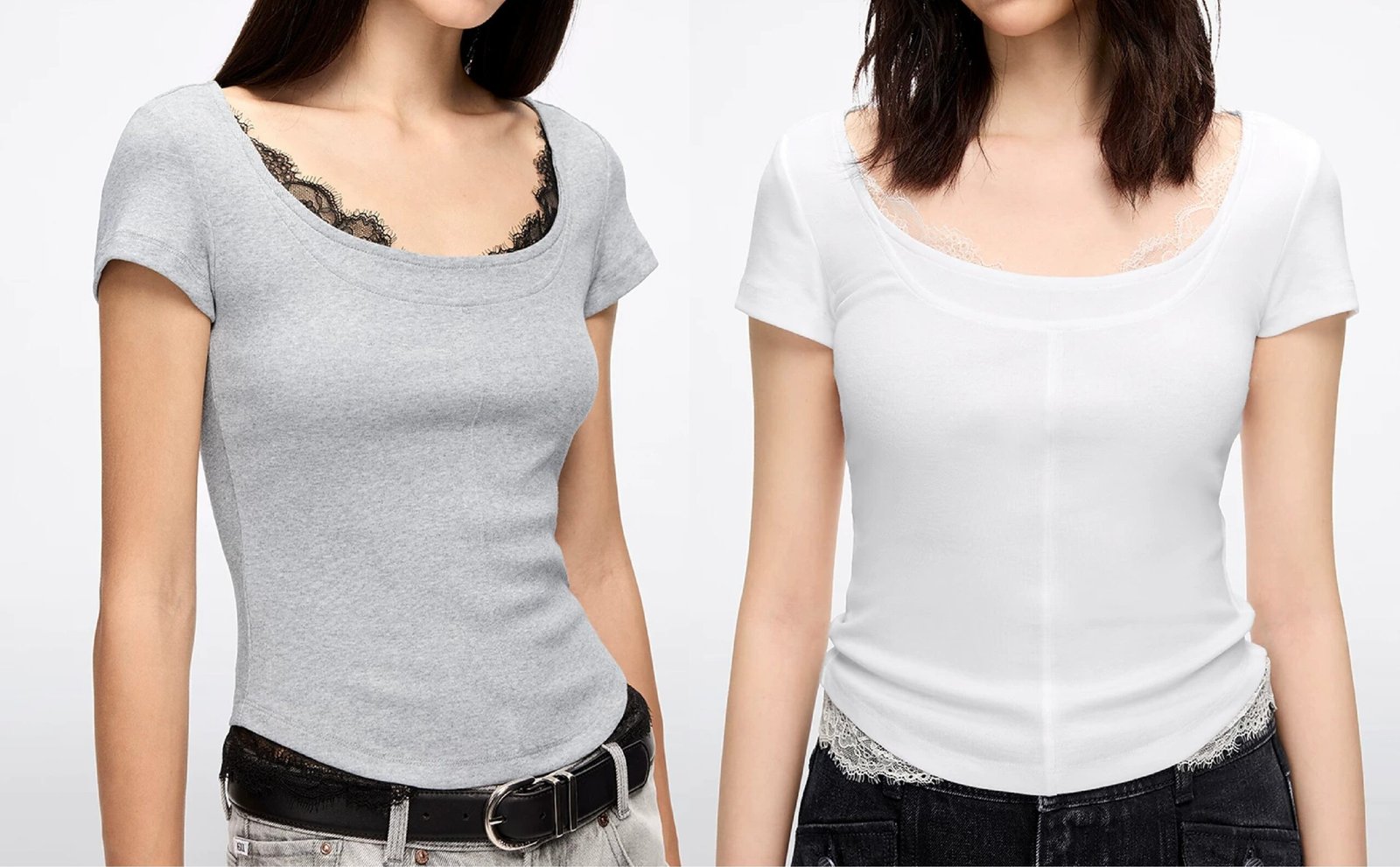
Custom T-shirts produced in cotton, combed jersey, blends, or performance knits, with fit development from XS to 3XL. We support custom necklines, fabric weights, screen printing, DTG, DTF, embroidery, labels, and packaging for branded retail collections.
Request a Quote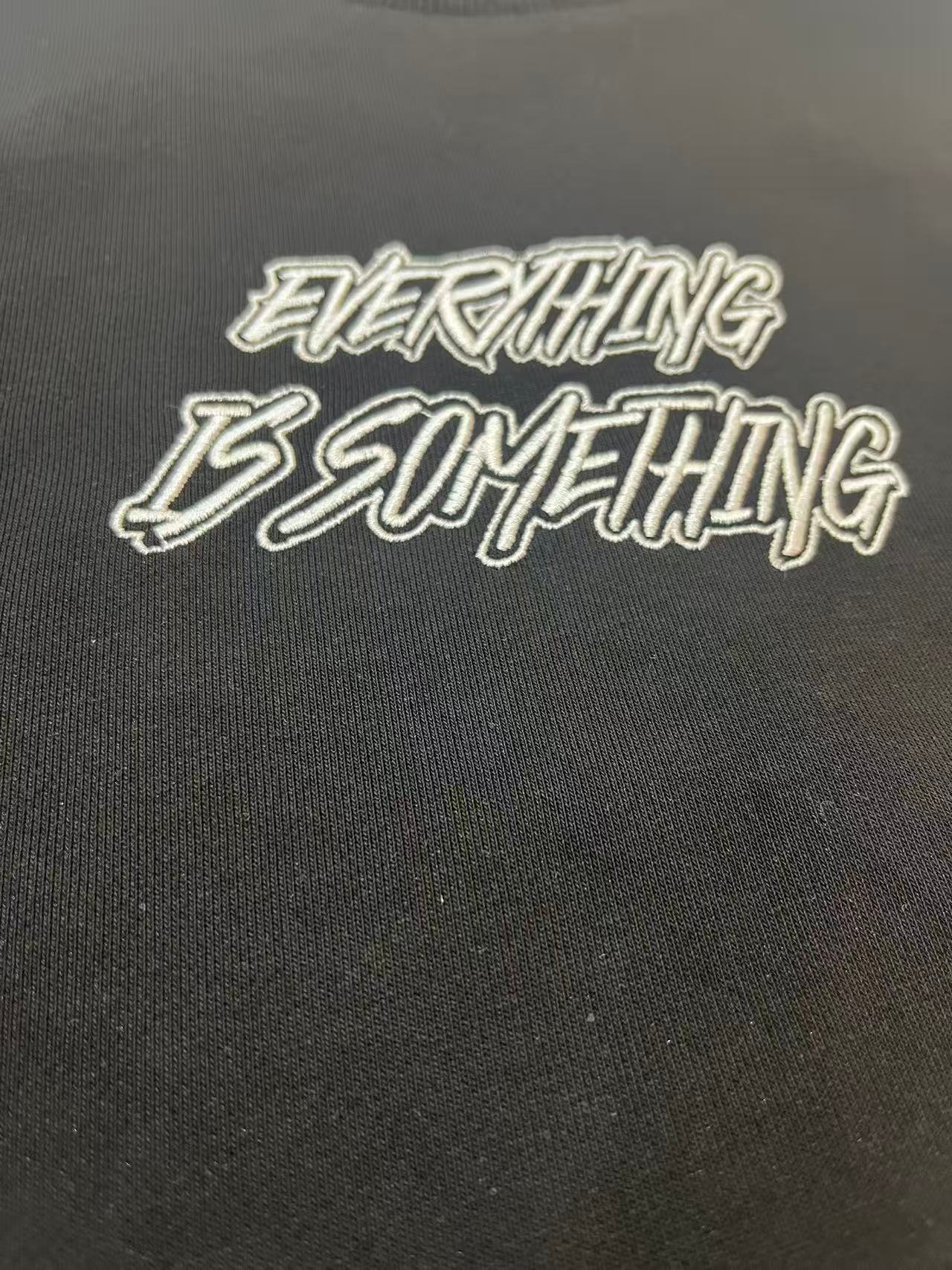
Custom Jeans
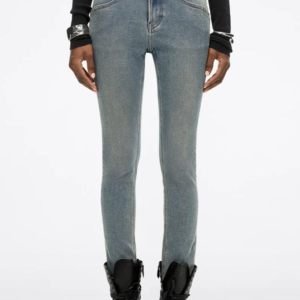
Custom jeans developed in rigid or stretch denim with brand-specific rises, leg shapes, pocket details, hardware, washes, distressing, and grading. Pattern makers refine fit across XS–3XL, including extended-size and oversized denim programs, before bulk production approval.
Request a Quote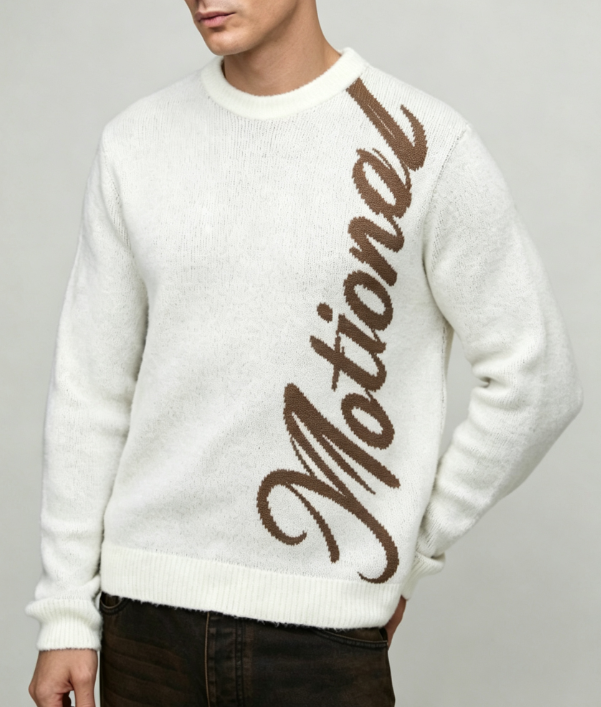
Custom Sweaters
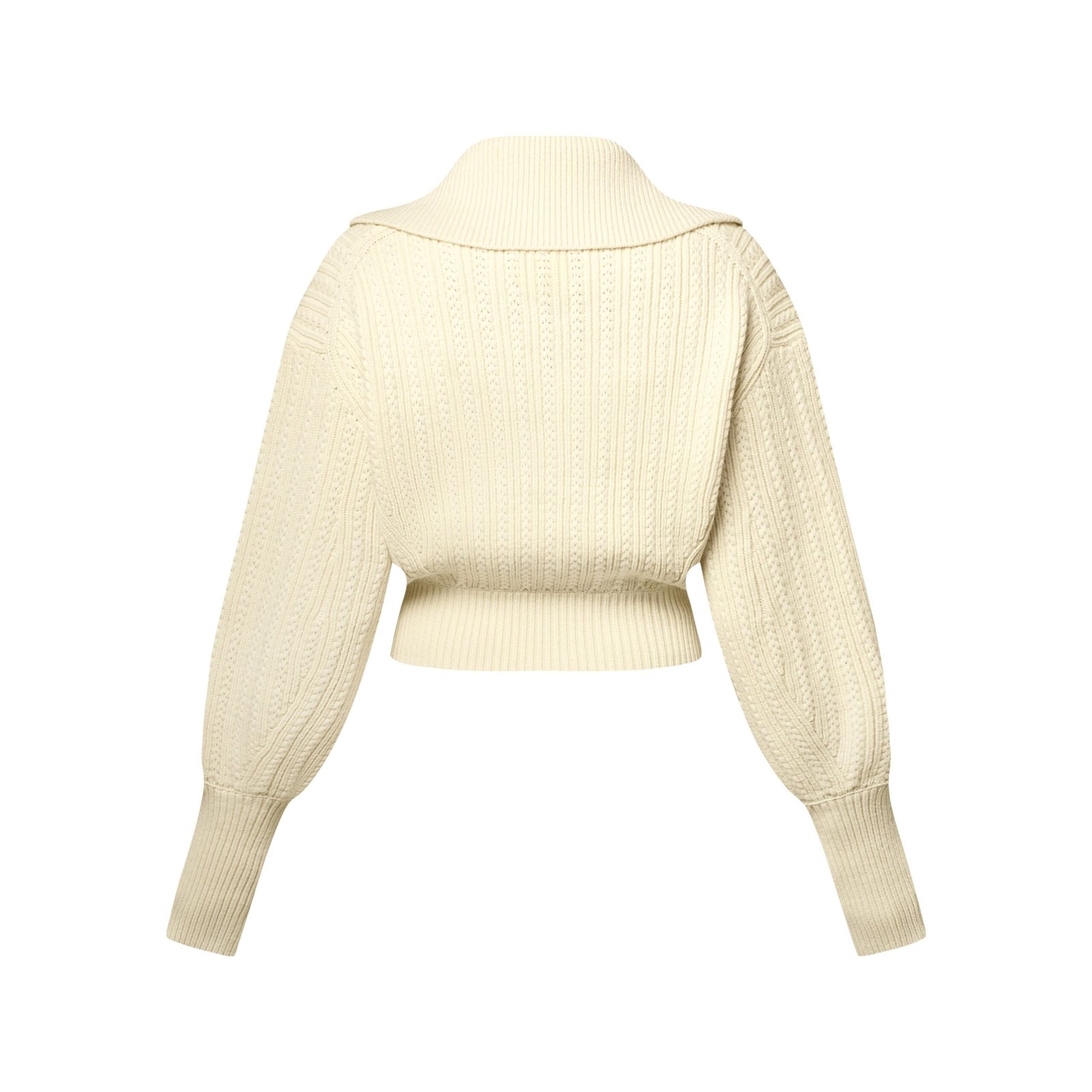
Bulk turtleneck sweaters developed in knit constructions selected for warmth, hand feel, stretch, and shape retention. We support custom yarn blends, gauges, collars, cuffs, branding, and graded size sets for retail knitwear ranges and wholesale replenishment.
Request a Quote
Custom Jackets
Custom jean jackets manufactured in denim weights and washes aligned with your jeans or denim-set program. Options include trucker, cropped, oversized, lined, and workwear-inspired silhouettes, with custom hardware, patches, embroidery, printing, labels, and finishing.
Request a Quote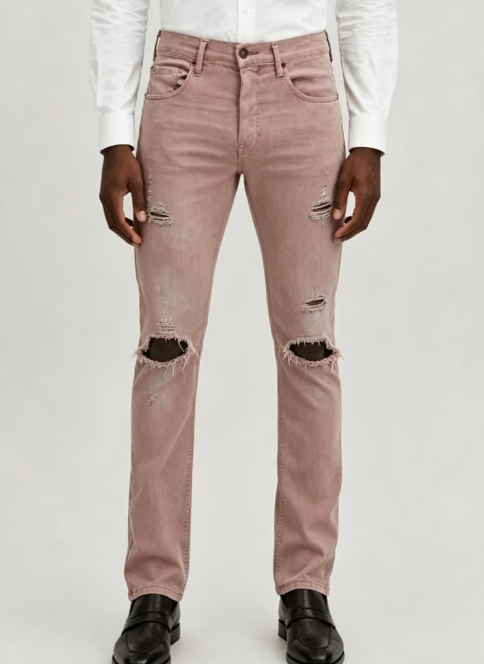
Custom Sweatshirts & Crewnecks
Custom crewneck hoodies and sweatshirts made in fleece, French terry, or jersey with controlled body proportions, neckline construction, rib trims, and branding details. Available for matching sets, layered denim assortments, promotional programs, and private-label retail ranges.
Request a Quote
Custom Cardigans
Custom cardigans produced in appropriate knit gauges and yarn blends for your target season, price point, and hand feel. Development can include button or zip fronts, pockets, jacquards, trims, logo embroidery, labels, and XS–3XL grading.
Request a Quote
Custom Puffer & Down Jackets
Custom puffer jackets developed with shell fabric, insulation, lining, quilting, closures, pockets, and branded trims specified for your market. We support lightweight and cold-weather outerwear programs, sample validation, fit review, and scalable bulk production.
Request a Quote
Custom Denim Shorts
Custom jean shorts made in rigid or stretch denim with selected inseams, rises, hems, pocket treatments, hardware, and wash effects. Build coordinated summer denim programs with consistent fit grading, branded labels, distressed details, and custom packaging.
Request a Quote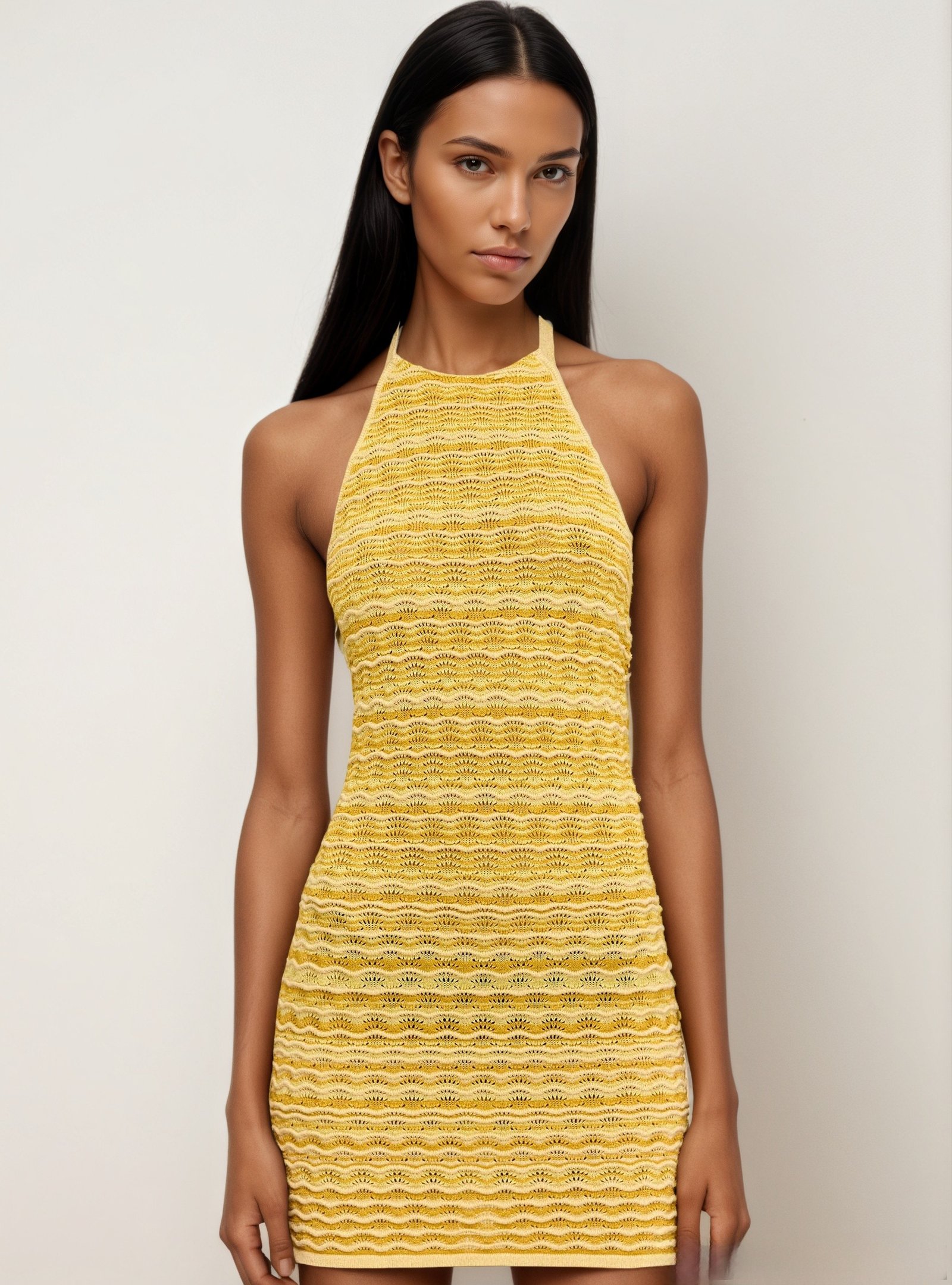
Custom Sweater Dresses
Custom sweater dresses developed in knit constructions that balance drape, recovery, coverage, and comfort. Choose fitted, relaxed, or oversized silhouettes with custom necklines, lengths, yarns, rib details, branding, and size grading from XS through 3XL.
Request a Quote
Custom Denim Sets
Men’s denim suits for wholesale programs, including coordinated denim jackets and jeans with matched fabric, wash, hardware, and color standards. Junsheen supports retail-ready set development, size runs, private labeling, and production scaling from 100 units per style and color.
Request a Quote
Custom Polo Shirts
Custom polo shirts in piqué, jersey, or performance fabrics, built for branded casualwear, uniforms, and retail collections. Specify collar construction, plackets, sleeve trims, embroidery, printing, labels, and fit grading across standard and extended sizes.
Request a Quote
Custom Sweatpants
Custom sweatpants produced in fleece, French terry, or jersey with tailored, relaxed, straight-leg, or oversized fits. Development includes waistband construction, cuffs, pockets, drawcords, decoration, wash finishes, labels, and matching hoodie or crewneck programs.
Request a Quote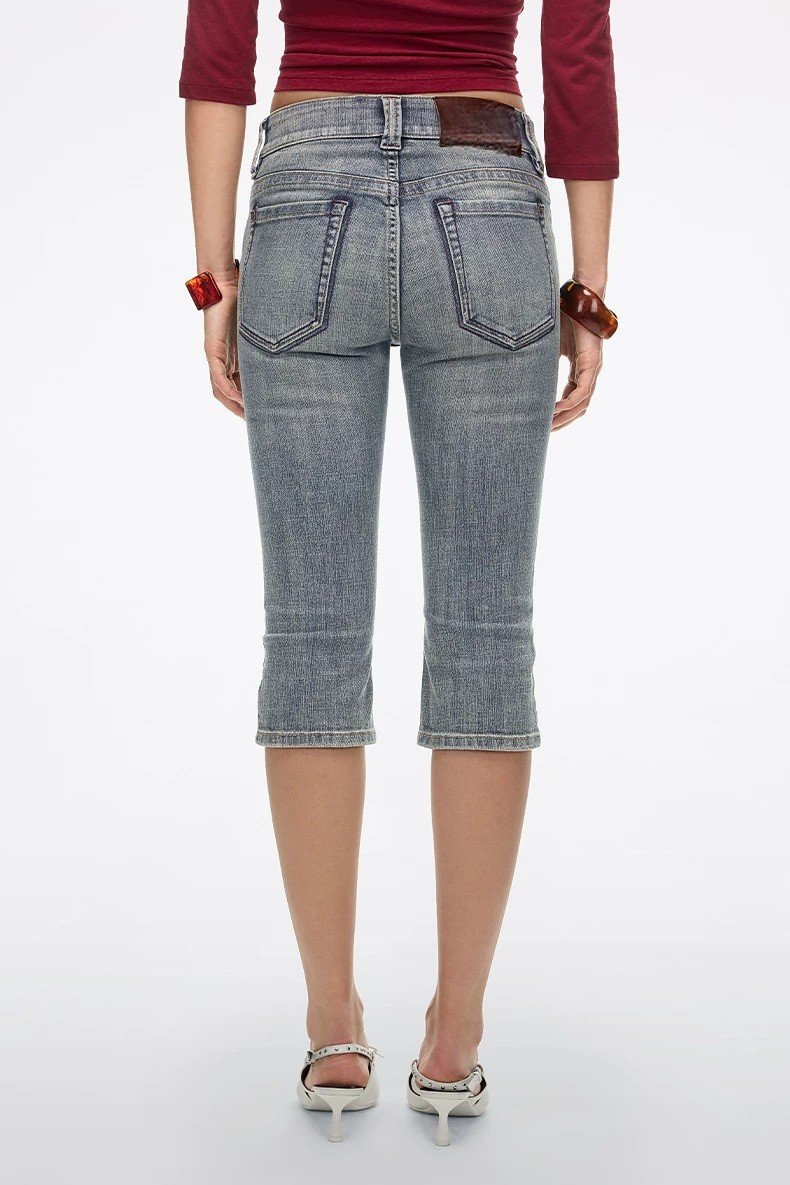
Custom Shorts
Custom shorts developed in jersey, fleece, twill, woven fabric, or performance knits for seasonal casualwear ranges. Select inseam, rise, pockets, waist treatment, printing, embroidery, labels, and fit grading to align with your retail or wholesale specifications.
Request a Quote
Custom Pullovers
Custom pullovers developed as knitwear, fleece, French terry, or jersey styles, depending on the intended silhouette and season. We support quarter-zip, half-zip, mock-neck, hooded, and crew silhouettes with custom trims, decoration, labels, and production-ready grading.
Request a QuoteWhite Label Jeans Denim and Fabric Options

Rigid Cotton Denim
A structured, authentic denim with a dry hand feel for classic five-pocket jeans, jackets, and denim sets. Commonly developed in mid-to-heavy weights, it gains distinctive character through stone, enzyme, or vintage washing.

Stretch Indigo Denim
Cotton denim blended with elastane for a comfortable close fit in slim jeans, high-rise styles, and fitted denim shorts. Its controlled stretch supports mobility while helping the garment recover its shape after wear.

Comfort Stretch Denim
A softer, more flexible denim made with cotton and performance fibers for relaxed jeans, wide-leg silhouettes, and everyday coordinated pieces. Medium-weight constructions balance durable wear, easy movement, and reliable wash performance.

Denim Twill
A durable woven fabric with a diagonal twill surface, suited to utility pants, workwear-inspired overshirts, and matching outerwear. Available in varied weights, it offers a clean hand feel and dependable abrasion resistance.

Cotton Jersey
A soft, breathable knit for tees, tanks, and lightweight layering pieces that coordinate with denim programs. Weight and cotton blend can be specified for a smooth hand feel, stretch comfort, and repeat-wash stability.
White Label Jeans Washing, Decoration and Finishing Options

Denim Wash Effects
Create worn-in character with enzyme, stone, acid and softening washes. Junsheen calibrates shade, hand feel and contrast to achieve repeatable vintage, faded or clean contemporary results across bulk production.

Logo Embroidery
Add durable brand detail through flat, 3D puff, chain-stitch or applique embroidery. Placement can be developed for back pockets, waistbands and panels, delivering tactile definition that withstands regular wear and laundering.

Screen Print Details
Apply plastisol, water-based, puff, high-density, foil or silicone prints to denim panels and pockets. Our team tests artwork, ink coverage and placement for clear graphics with dependable adhesion and visual impact.

Custom Patch Application
Finish jeans with woven, leather-look, embroidered or custom logo patches. Secure application methods and carefully specified materials help create a premium branded signature at the waistband, pocket or leg.

Garment Dye Finishing
Use garment dye, tie-dye, brushing or napping to develop unique color depth and texture. Sampling confirms the desired tone and finish before production, helping maintain a cohesive look across your white label jeans program.
White Label Jeans Labels, Trims and Packaging

Leather Logo Labels
Add debossed, embossed or printed leather-style labels at the back waistband to give white label jeans a durable, premium signature that stays visible through everyday wear and washing.

Woven Brand Labels
Use custom woven main labels, size labels and care labels to clearly identify your brand while supporting consistent garment information across jeans, denim sets and repeat production programs.

Custom Metal Hardware
Specify branded snap buttons, shank buttons, rivets and metal plates for fly fronts, pockets and waistbands. Finishes can be matched to your denim wash, logo direction and target price point.

Branded Zip Closures
Choose reliable zipper options for jean flies, pockets and utility details, with custom pullers or logo treatments available where appropriate for a more finished private-label denim presentation.

Custom Hang Tags
Create branded hang tags with product details, sizing, care messaging or collection storytelling. They help retail-ready white label jeans arrive with a polished, cohesive brand experience.
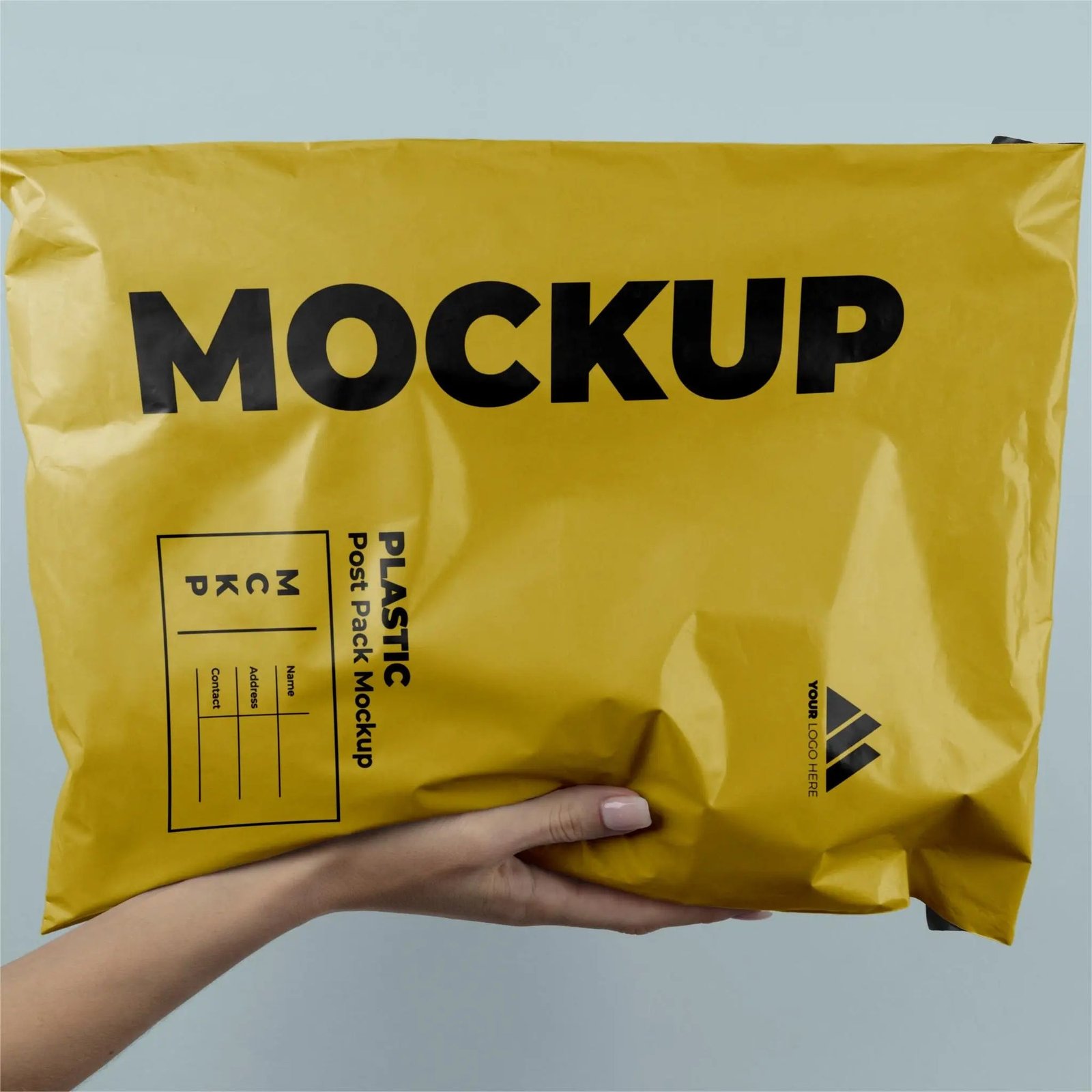
Branded Packaging
Complete each order with custom polybags, tissue paper, stickers, cartons or inserts designed around your packing requirements, helping protect denim in transit and reinforce your brand at delivery.
About JUNSHEEN White Label Jeans
Founded in 2010 in Humen Town, Dongguan, JUNSHEEN helps fashion brands turn denim concepts into production-ready white label jeans. Our mission is straightforward: provide responsive OEM, ODM and private-label manufacturing that gives emerging labels and established teams dependable access to product development, sampling and global export support.
With more than 200 skilled workers and monthly capacity above 80,000 units, JUNSHEEN combines cut-and-sew denim production with fabric sourcing, pattern making, grading, washing, decoration, quality control, labels, trims and packaging. Programs can begin at 100 units per style and color, then scale into repeat bulk production as demand grows.
What differentiates our team is a fit-first approach across XS–3XL, extended sizes, plus sizes and modern oversized silhouettes. Rather than simply enlarging a base pattern, we refine proportion, rise, mobility and grading across the size set—helping brands create consistent jeans that are ready for their customers and their next order.

White Label Jeans Fit Development and Scalable Production
Proportion-Led XS–3XL Grading
JUNSHEEN develops white label jeans with pattern adjustments that respect each size, not simple scale-ups. Our team refines rise, hip balance, thigh ease, inseam, leg shape and mobility across normal, extended, plus-size and modern oversized fits.
- Fit development from XS through 3XL
- Size-specific rise, hip and thigh refinements
- Graded size sets for approval before bulk production
- Support for straight, wide-leg, slim and relaxed silhouettes

Denim Sourced for Your Positioning
Select denim around the look, hand feel and commercial target of your collection. We source rigid, stretch and comfort-stretch qualities while advising on weight, recovery, durability, wash response and color direction before bulk material confirmation.
- Rigid, stretch and comfort-stretch denim options
- Fabric weight and hand-feel recommendations
- Swatches and sample garments for review
- Material choices aligned with target cost and wash effect

Branding Integrated Into Production
Turn approved jeans into a complete private-label product through coordinated trims, decoration and packing. JUNSHEEN manages labels, hardware, embroidery, printing, washes and finishing within one production workflow, helping preserve brand consistency from sample to shipment.
- Woven, leather, main, size and care labels
- Custom buttons, rivets, zippers and hang tags
- Embroidery, printing and denim wash treatments
- Branded packaging prepared for your sales channel

Repeat Orders Under Control
White label jeans programs are documented for reliable reorders as your business grows. Retained patterns, graded size sets and material records support consistency, while in-line and final inspections check construction, measurements, decoration and packed goods before export.
- Patterns and material records retained for reorders
- In-line and final quality inspections
- 100-unit MOQ per style and color
- Capacity above 80,000 units monthly for scalable programs

Why Choose JUNSHEEN for White Label Jeans
A procurement-focused comparison for brands that need reliable denim development, repeatable fit, and scalable delivery.
← 左右滑动查看 →
Our White Label Jeans Production Process
A controlled denim workflow that takes your concept from feasibility review to packed, inspection-ready goods for global shipment.
Review Denim Feasibility
We review your tech pack, reference garment or concept, confirm construction requirements, target cost, fit goals, MOQ and production timeline.
Source Fabrics And Trims
Our team recommends denim weights, stretch, washes, hardware, labels and packaging aligned with your hand feel, durability, budget and brand direction.
Build Patterns And Samples
Pattern makers develop fit-focused XS–3XL grading, then create prototype samples for measurement, rise, silhouette, wash and detailing approval.
Approve Specs And Bulk
After sample approval, we lock materials, graded specifications and production details, then schedule bulk cutting, sewing, washing and decoration.
Inspect Pack And Ship
Quality teams check fabric, measurements, construction, wash consistency and final packing before export documentation and global shipping are arranged.
How to Start Your White Label Jeans Project
Move from concept to bulk delivery with a clear, fit-focused denim manufacturing workflow.
Send Your Design Brief
Share a tech pack, sketch, reference jeans, mood board, target quantity, and preferred denim details so our team can review your white label jeans requirements.
Review Feasibility and Sample
We confirm construction, fabric, wash, trims, grading, and cost direction, then develop a prototype sample for fit, workmanship, and finish evaluation.
Approve Production Details
Confirm your quotation, size set, labels, packaging, bulk materials, and pre-production sample before we release the approved white label jeans program to manufacturing.
Receive Bulk Delivery
Our team manages bulk production, in-line inspections, final quality control, packing, and export coordination for reliable delivery to your warehouse or fulfillment partner.
Custom Clothing Manufacturer Credentials and Compliance Documents



What Global Fashion Brands Say About Our White Label Jeans
JUNSHEEN adjusted the rise, thigh and leg opening across our XS–3XL size set. We approved the second sample and launched a 300-unit white label jeans capsule with noticeably fewer fit comments from customers.
Their sampling team answered fabric and wash questions within one business day and delivered clear revisions after our first fitting. The final 180-unit program matched the approved sample closely enough for us to reorder immediately.
We began with 100 units per color, then scaled to 1,200 units across two repeat orders. Measurements, wash tone and branded trims stayed consistent, which gave our wholesale team confidence to expand distribution.
White Label Jeans FAQ
Clear answers on MOQ, sampling, pricing, fit development, payment and global delivery for your denim program.
What is the MOQ for white label jeans?
How long does a white label jeans sample take?
How much does it cost to develop white label jeans samples?
Can you add my brand labels and custom hardware to jeans?
Can you make white label jeans in XS through 3XL?
What payment terms do you offer for denim orders?
Do you ship white label jeans internationally?
How do you protect my denim designs and brand information?
The Complete Buyer’s Guide to white label jeans
Use this practical framework to evaluate white label jeans programs, compare supplier capabilities, set realistic costs and timelines, and avoid the specification, quality-control, and sourcing mistakes that delay a successful denim launch.
1. What Are white label jeans?
100-unit capsule orders often make white label jeans the lowest-risk denim route: buyers select a factory-developed base style rather than finance a pattern from zero. The core block, standard construction sequence, approved fabric options and baseline grading remain factory-standard, so sampling and fit risk are materially lower. 2 common terms need separating. Private-label denim applies the buyer’s identity to an existing product; OEM produces to the buyer’s supplied specifications; ODM adds factory design input; fully custom denim creates a new block, details and development path. White label usually sits closest to private label, though the buyer can still specify woven or leather labels, size and wash-care labels, hang tags, buttons, rivets, zippers, branded packaging, Pantone-approved washes and selected fit adjustments. 3 buyer groups gain most from this model: retailers testing a seasonal rail, startups validating demand, wholesalers needing dependable replenishment, and established labels filling price-sensitive or fast-turn programs. A factory may offer stone, enzyme or acid-wash options and a choice of stretch-denim weights, but it will not automatically recreate a competitor’s fit, engineer a new rise, or certify a fabric claim without separate development and approval.
2. The Evolution of white label jeans
1873 marks the patent for riveted work trousers associated with Levi Strauss and Jacob Davis, a construction answer to miners’ and laborers’ need for stronger pockets and stress points. Denim then moved from utility wear into youth culture, film, music and everyday wardrobes, making jeans a global fashion staple rather than a single-purpose garment. 1950s mass production standardized core operations—fabric cutting, sewing, washing and hardware setting—so retailers could offer repeatable fits across multiple washes and price tiers. Private-label programs let stores own the customer relationship while specialist factories handled bulk manufacture, enabling differentiated labels without owning mills or sewing lines. 100-unit-per-style-and-color starting points now make the OEM model practical for capsule collections as well as larger replenishment programs. Buyers expect a factory to translate a tech pack, sketch or reference garment into reviewed patterns, graded size sets, approved wash samples and repeatable construction records. 2026 sourcing decisions increasingly balance launch speed with traceability, fit consistency and clear brand identity. A capable partner should document approved denim and trim specifications, manage wash and decoration approvals, and support custom labels, hardware and packaging—so a brand can differentiate white label jeans without building its own factory.
3. Types of white label jeans
Eight core silhouettes cover most white label jeans launch briefs, but their customer, fit, wash behavior, and retail function differ materially. Treat each shape as a distinct fit block, not a renamed leg opening.
| Silhouette | Target Customer | Fit Character | Wash Compatibility | Merchandising Role |
|---|---|---|---|---|
| Skinny | Body-conscious customer | Close leg; stretch-led | Dark rinse, black | Fashion basic |
| Slim | Polished casual buyer | Tapered, moderate ease | Clean indigo, black | Core crossover |
| Straight | Heritage or unisex buyer | Even leg, balanced rise | Raw, vintage blue | Anchor fit |
| Relaxed | Comfort-focused buyer | Roomy seat and thigh | Light wash, faded | Casual volume |
| Wide-Leg | Trend-led buyer | Generous leg opening | Light, stone wash | Statement silhouette |
| Flare | Retro-fashion buyer | Fitted thigh, opening hem | Mid-blue, vintage | Directional capsule |
| Cargo | Utility-streetwear buyer | Pockets, relaxed leg | Garment-dyed, washed | Outfit builder |
| Plus-Size | Extended-size buyer | Proportionally graded | Dark, medium wash | Inclusive growth |
Core Fitted Shapes
Skinny and slim jeans serve customers seeking a close, polished profile. Use stretch recovery testing before approving dark rinse, black, or coated-look washes. Straight jeans give a broader unisex and heritage-denim entry point. Their balanced leg accommodates raw, vintage blue, and moderate enzyme washes with fewer fit objections.
Volume And Statement Shapes
Relaxed, wide-leg, and flare fits appeal to trend-led shoppers who prioritize movement or a directional silhouette. Longer inseams and hem openings require size-set review before distressing or heavy wash placement. Cargo jeans add utility through pockets and panel lines. Keep cargo as an outfit-building statement SKU, not the only denim option in an opening range.
Opening Assortment Strategy
A 2- to 3-shape opening assortment is usually easier to sample, photograph, and replenish than eight unproven fits. Start with one dependable core fit, one relaxed or wide option, and one customer-specific opportunity. Plus-size is a fit program, not an enlarged regular block. Grade rise, thigh, knee, hip, and back-yoke balance across XS through 3XL before scaling proven demand.
4. Materials for white label jeans
10–16 oz denim determines more than weight: it changes drape, abrasion resistance, wash response, sewing requirements, and the price a customer expects. For white label jeans, confirm fiber content and stretch recovery before approving the first wash sample.
| Fabric | Typical Weight | Best Use | Buyer Expectation |
|---|---|---|---|
| 100% cotton rigid | 12–16 oz | Straight, relaxed, vintage | Crisp hand, fade development |
| Comfort stretch | 10–13 oz | Slim, everyday fits | Easy movement, moderate recovery |
| Power stretch | 9–12 oz | Skinny, contour fits | Close fit, shape retention |
| Recycled or organic cotton | 11–14 oz | Responsible collections | Verified content and tested durability |
| Hemp-cotton blend | 10–13 oz | Relaxed summer styles | Textured hand, breathable feel |
Fiber And Stretch Choices

100% cotton rigid denim delivers the crisp hand, natural fading, and break-in customers associate with heritage jeans; ring-spun yarns generally feel cleaner than open-end yarns. 1–2% elastane creates comfort stretch for slim or straight fits, while 2–4% elastane with polyester offers power stretch and stronger recovery for skinny and body-contour silhouettes.
Responsible Fiber Options
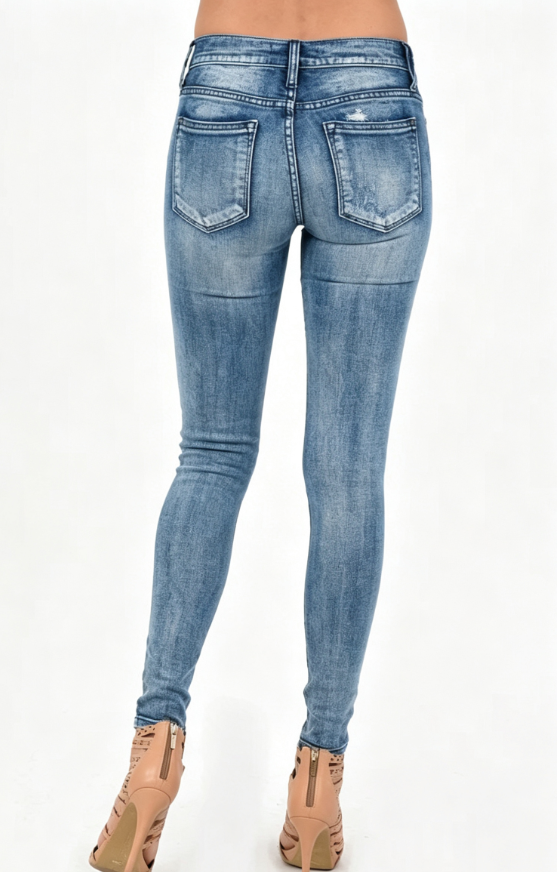
20–40% recycled cotton can reduce virgin-fiber use, but shorter recycled fibers may require blending and careful strength testing before aggressive abrasion washes. 70–100% organic cotton supports a certified-material story when documentation is available; hemp-cotton blends add a dry, textured hand and suit relaxed warm-weather fits.
Weight, Wash, And Construction

10–11 oz denim suits lightweight summer styles and softer washes, whereas 14–16 oz fabric supports rigid vintage fits, heavier seams, and longer break-in. 12–13 oz is the commercial middle ground for year-round jeans. Enzyme, stone, acid, and bleaching processes alter shade and hand differently, so approve wash panels on the exact bulk fabric.
5. Customizing white label jeans
A 100-unit minimum lets a capsule use white label jeans as a platform, while fit, finish, and branding establish recognition. The best results concentrate spend on visible, repeatable details before adding labor-intensive effects.
| Detail | Brand Impact | Cost And Durability |
|---|---|---|
| Fit adjustment | High | Sampling cost; repeatable |
| Custom hardware | Medium | Mold cost; durable |
| Heavy distressing | High | Labor cost; weaker abrasion areas |
| Jacron label | High | Low unit cost; durable |
Fit And Hardware
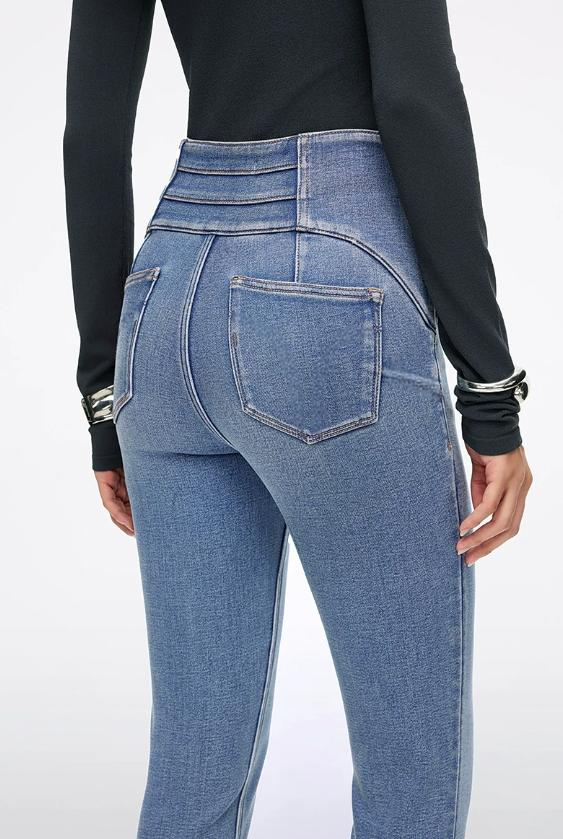
Two fit changes—rise, leg opening, or inseam—usually communicate more than extra trims. Junsheen can refine patterns and grading from XS through 3XL rather than simply enlarging a base size. Four hardware choices define the finish: rivets, buttons, zipper pullers, and back patches. Specify finish, logo artwork, placement, and corrosion expectations; custom molds add cost and longer approval cycles.
Washes And Surface Effects

Three wash routes create distinct identities: enzyme softening, stone wash, and acid wash. Heavy distressing, sanding, whiskers, and hand scraping increase labor variance and can reduce fabric strength at abrasion points. Pantone dyeing, embroidery, screen prints, and patches need strike-offs before bulk approval. Supply vector artwork, thread colors, placement dimensions, and an annotated tech pack; a reference garment helps resolve intended irregularity.
Labels And Packout
Five brand touchpoints—leather or jacron back labels, main labels, size labels, care labels, and hangtags—make a factory-ready jean retail-ready. Care labels should match fiber content, country-of-origin, and required market instructions. One packaging specification should cover folding, polybag warning text, barcode placement, carton ratio, and moisture protection. Start with labels and hangtags when budget is limited; they deliver repeatable visibility without the durability tradeoffs of aggressive washes.
6. white label jeans Quality Construction
Dependable white label jeans are proven at the sewing line and wash floor, not by fabric weight alone. Approval should connect the signed pre-production sample to measurable checks on every packed unit.
Fabric And Seam Control
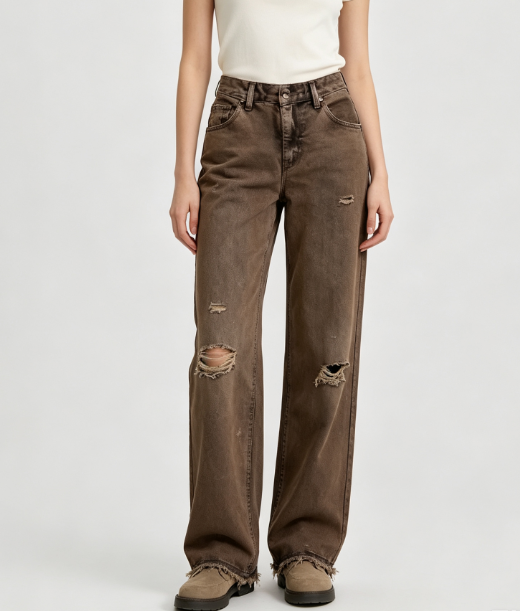
Before cutting, inspect denim for shade bands, slubs, holes, skew and width variation; record roll inspection results against the approved swatch. Use chain-stitched hems and durable lockstitch construction where specified. Verify stitch density is consistent, typically 8–10 stitches per inch, with no skipped stitches or loose seam ends.
- Check inseam, outseam, rise, waist and leg-opening tolerances
- Confirm seam allowance and overlock coverage remain even
- Compare pocket placement to the approved pattern
Stress Points And Hardware

High-load areas need visible reinforcement: bartacks at pocket corners, fly base and belt-loop ends, plus correctly positioned rivets where the design calls for them. Cycle the zipper and button repeatedly on the pre-production sample. The fly must close smoothly, the waistband must sit flat, and hardware must not scratch, loosen or distort after washing.
- Count bartacks against the approved construction sheet
- Check rivet backs for sharp edges
- Test zipper pull, stop and fly alignment
Wash, Shrinkage And Shipment Checks
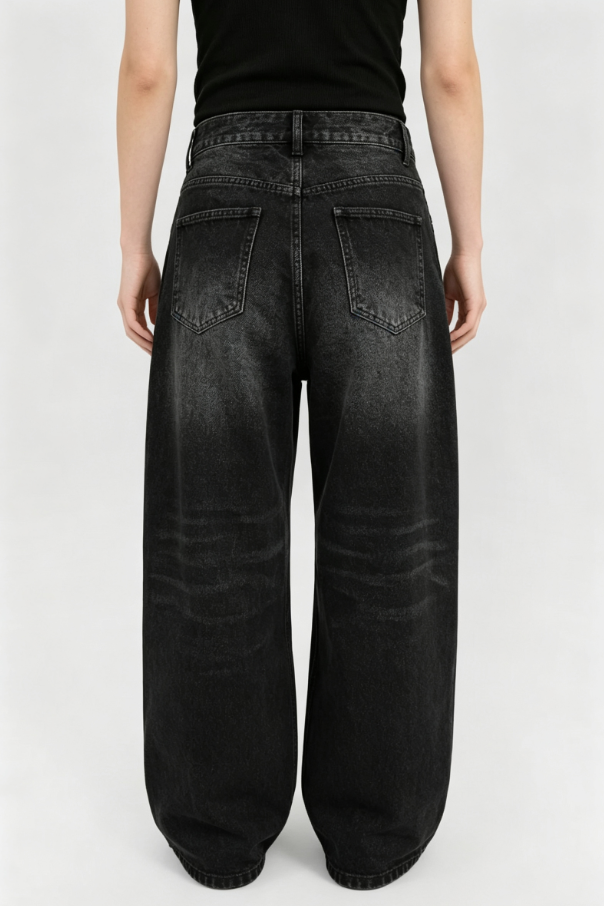
After the approved wash, compare all garments under consistent light for tone, abrasion placement and washback; uncontrolled wash variation makes a denim program look mismatched. Measure washed samples after the specified relaxation period and set tolerances before bulk. For final inspection, sample packed goods for measurements, stains, broken hardware, label accuracy, packing count and carton marks.
- Approve a sealed pre-production sample before bulk cutting
- Review shrinkage after wash, not only before wash
- Inspect final shipment against the approved size chart
7. Choosing a white label jeans Manufacturer
A 100-unit minimum can suit a capsule, but it does not prove denim competence. Evaluate white label jeans suppliers with documentation, approved samples, and named responsibility before placing a bulk order.
| Evidence | Question To Ask | Acceptable Proof |
|---|---|---|
| MOQ flexibility | Can 100 units run by style and color? | Written MOQ and surcharge schedule |
| Quality system | How are defects measured? | AQL plan and final inspection report |
| Export readiness | Who handles shipment documents? | Recent packing list and invoice examples |
Verify Denim Capability

Ask for recent styles matching your target weight, stretch and wash; 10–14 oz rigid denim and 11–13 oz stretch denim behave differently in sewing and finishing. Request photos of seams, pocket setting, bartacks and wash samples, plus references from export customers where appropriate.
Control Sampling And Fit
Confirm a written sample timeline, revision limit and measurement standard before development. A fit sample should identify point-of-measure locations, tolerances, grading increments, wash shrinkage and the approved base size. Ask who pays for pattern corrections when measurements miss the signed specification or construction differs from the approved sample.
Audit Materials And Washing

Request fabric composition, weight, width, stretch/recovery and colorfastness records for each approved lot. For enzyme, stone or bleach washes, require a sealed wash standard and clarity on whether the factory controls its wash house or uses a subcontractor. Ask for relevant test reports, such as shrinkage, crocking and azo compliance, matched to the destination market.
Check Production Accountability
Confirm monthly capacity, production lead time, export destinations and the inspection process from incoming fabric through packed goods. Ask for compliance documents applicable to your program, such as BSCI, WRAP, OEKO-TEX or GOTS certificates; verify scope and validity independently. Require a written defect threshold, rework procedure, claim window and communication owner. References should describe repeat-order consistency, not only sample quality.
8. Common white label jeans Buying Mistakes
A 100-unit MOQ makes white label jeans accessible, but it does not remove development risk. Most costly errors enter before the purchase order, when price, fit, wash, timing, and inspection requirements remain untested or unclear.
Chasing The Lowest Quote
$1–$3 saved per unit can disappear through lighter denim, weaker pocket reinforcement, or an excluded wash process. Compare like-for-like quotations using fabric weight, stretch composition, trims, wash recipe, packing, and defect allowance. 3 supplier quotes should be normalized against one specification sheet before selection. Ask each factory to flag excluded operations and confirm the approved sample is the production standard.
Approving Untested Samples

1 fitting sample rarely reveals waistband growth, seam torque, dye crocking, or knee bagging after wear. Wash and wear-test the sample for at least 3 home-laundering cycles before approving bulk. 2 wearer profiles expose fit issues faster than a mannequin review. Record comfort, rise, inseam, movement, and post-wash measurements in a signed approval sheet.
Leaving Specs And Washes Vague

1 cm ambiguity at the waist or inseam becomes inconsistent bulk sizing. Specify points of measure, tolerance, method, shrinkage target, Pantone references, and wash reference photos. 2%–5% dimensional change can occur with denim washing and drying. Require post-wash measurements on the approved sample and confirm the bulk wash against that benchmark.
Ignoring Timing And Complexity
4–8 weeks is a practical planning range for sampling, material confirmation, bulk production, and final checks; custom washes or trims can add time. Build a calendar backward from launch, including revision and freight buffers. 1 first order should prioritize a proven block, limited colors, and essential branding. Defer multiple washes, hardware variants, and complex distressing until the core fit is repeatable.
Skipping Grading And Inspection
XS–3XL cannot be managed by simply scaling a base size. Request a graded measurement chart and size-set review, especially for rise, thigh, knee, and hip balance. 100% packed-goods visibility is impractical for many buyers, but defined inspection is not. Set AQL, measurement checks, wash appearance standards, and defect reporting before the purchase order.
9. Steps to Launch white label jeans
A first white label jeans launch works best as a gated sequence, not a single purchase order. Plan customer, fit, wash, approvals, production, and launch assets before committing bulk fabric.
Define Customer And Market
Week 1 should define the target wearer, retail price, competitor set, and expected sell-through. Compare three to five competing jeans for silhouette, rise, inseam, wash, size range, and trim details. Gate 1 is a signed product brief. Send the manufacturer reference images, target market, color count, quantity by size, and desired ex-factory date.
Lock Product Specifications
Week 2 should select a straight, wide-leg, flare, skinny, or relaxed silhouette before pattern work begins. A complete tech pack records measurements, construction sketches, Pantone colors, stitch details, labels, hardware, and packaging. Gate 2 is feasibility approval. Junsheen can review cost-sensitive details, fabric availability, and a starting MOQ of 100 units per style and color.
Approve Fabric, Wash, And Fit
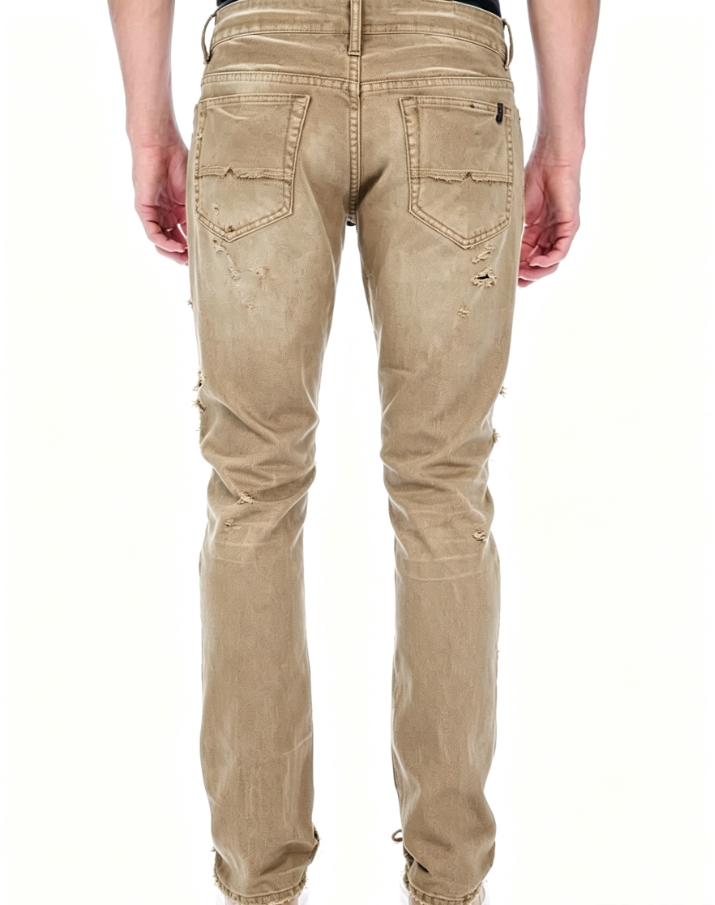
Weeks 3–6 commonly cover denim swatches, wash trials, prototype sampling, and corrections. Approve fabric weight, stretch recovery, shrinkage tolerance, wash shade, hand feel, and trim placement against a sealed sample. Gate 3 is the graded size set. Confirm measurements from XS through 3XL where needed; do not enlarge one base pattern without reviewing rise, hip balance, and inseam.
Confirm Bulk And Launch
Before bulk, issue a final purchase order, approved tech pack, packing instructions, shipping marks, and payment schedule. Freeze all changes after pre-production approval to protect timing and consistency. During production, request milestone updates for cutting, sewing, washing, finishing, and final inspection. Release shipment only after measurement, appearance, decoration, labeling, and packed-goods checks match the approved standard.
10. white label jeans Pricing and Costs
100 units per style and color is Junsheen’s practical entry point for a capsule program, but it is not a fixed price point. The ranges below are budgeting indicators for factory goods; a confirmed quote requires the approved tech pack, fabric, wash, trims, size range, packing method, destination, and Incoterm. 10–14 oz denim usually sets the material baseline, while elastane, dual-core stretch yarns, heavier fabrics, and specialty fibers raise cost. Enzyme, stone, acid, bleach, whisker, hand-sand, destroy, and garment-dye effects add labor, water-processing, reject risk, and wash-test requirements. 1 sample round should be budgeted separately from bulk: pattern work, fit corrections, size sets, third-party testing, labels, leather patches, custom hardware, cartons, freight, duty, and local delivery all affect landed cost. Higher volumes spread development and setup costs across more pairs, while air freight can outweigh modest factory-price savings.
| Quantity tier | Indicative unit price | Typical lead time | Primary cost drivers |
|---|---|---|---|
| 100–299 pairs | US$18–32 | 35–55 days | Low-volume setup, standard denim, basic wash |
| 300–999 pairs | US$14–26 | 30–45 days | Fabric weight, stretch content, wash complexity |
| 1,000+ pairs | US$11–22 | 30–40 days | Volume efficiency, hardware, packaging, freight mode |
Ready to Develop Your White Label Jeans Line?
Send your tech pack, reference garment or product idea to JUNSHEEN for fit-focused development and a tailored denim quotation.