
Performance Polo Shirt Manufacturer From 100 Units
Junsheen is your performance polo shirt manufacturer for OEM, ODM and private-label programs, with fit-focused XS–3XL development and scalable global production.
Featured Products for performance polo shirt manufacturer Development

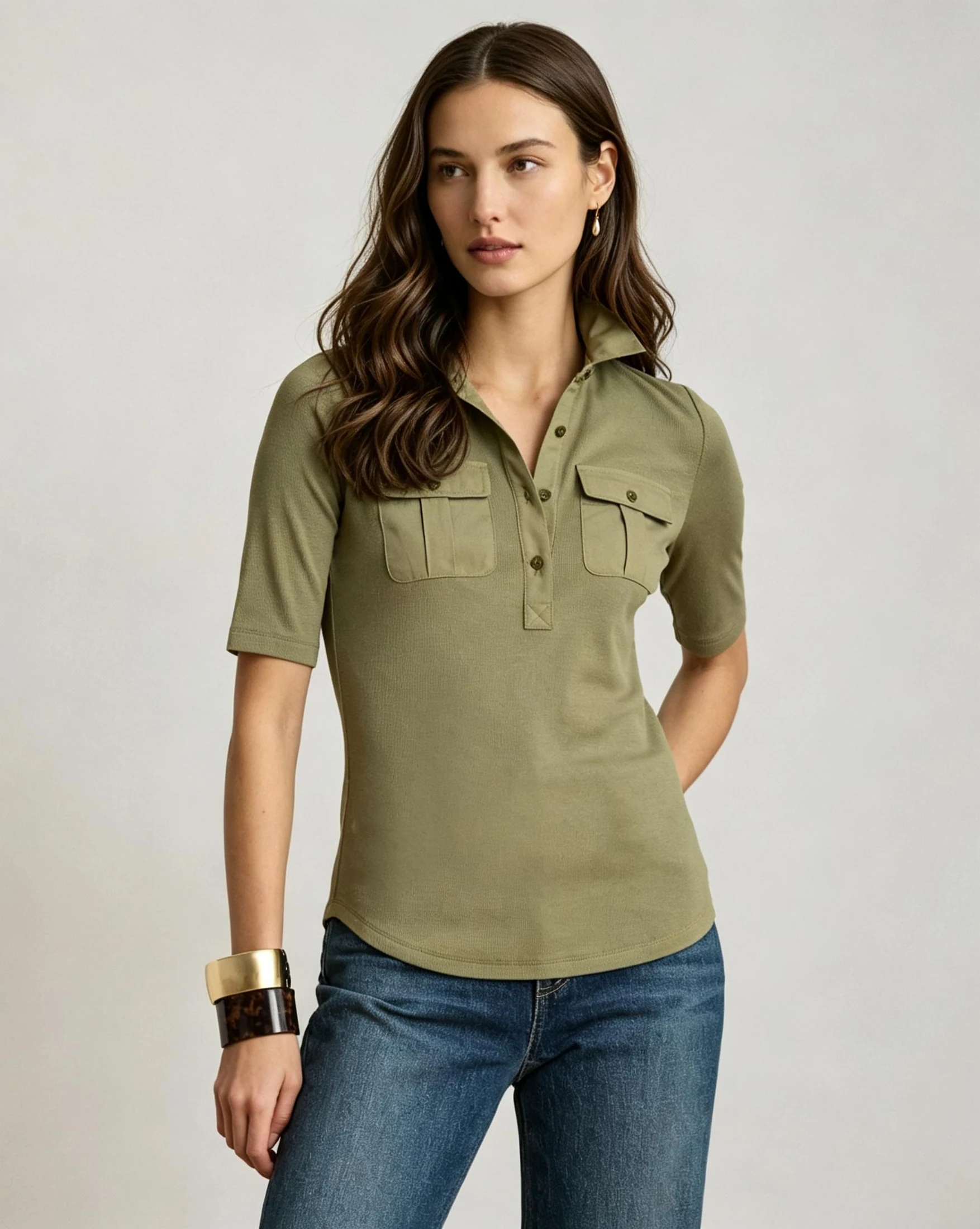
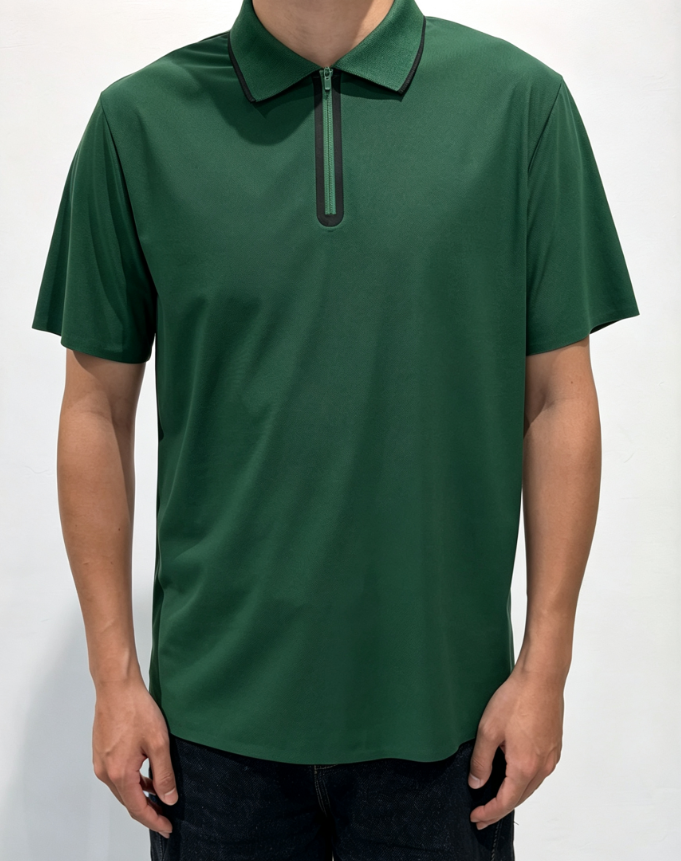


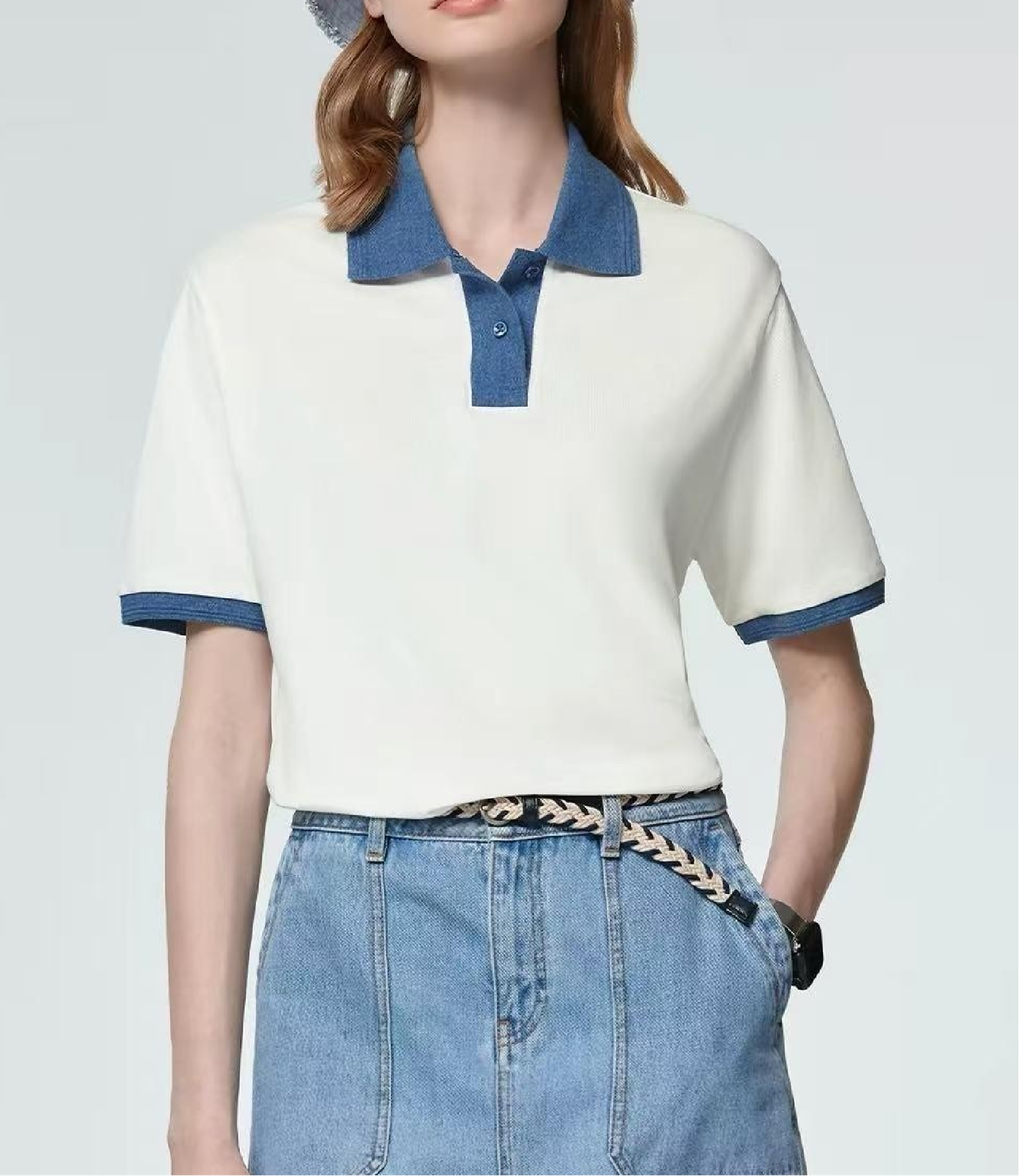


Related Performance Polo Catalogue and Quotation


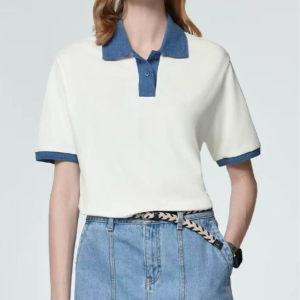

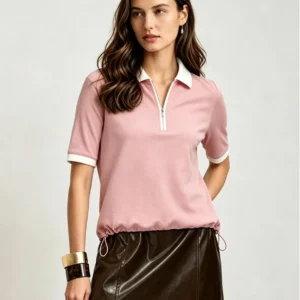
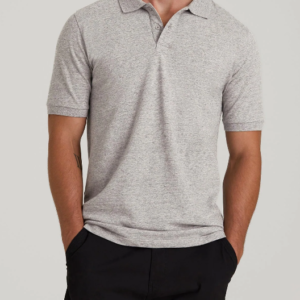
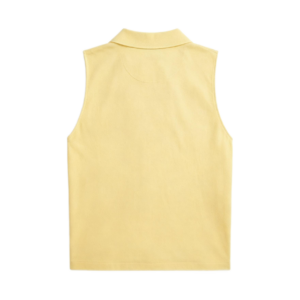


Why Choose Junsheen as Your Performance Polo Shirt Manufacturer
From low-MOQ launches to repeat global programs, Junsheen combines fit-led development, custom branding, and dependable production control.
100-Unit MOQ
Launch new performance polo colors or capsule collections from 100 units per style and color without sacrificing development support.
Fit-Focused XS–3XL
Pattern makers refine proportions, mobility, sleeve balance, and grading increments for standard, extended-size, plus-size, and oversized polo fits.
Performance Fabric Sourcing
Source moisture-managing knits, stretch blends, breathable piqué, and durable performance fabrics matched to your target cost and end use.
Custom Logo Decoration
Add embroidered logos, patches, screen prints, heat transfers, silicone details, or reflective accents through coordinated in-house decoration capabilities.
Scalable Export Production
With 200+ skilled workers and 80,000+ monthly units of capacity, we support repeat orders, bulk programs, and global shipping.
One-Stop Private Label
Coordinate development, sampling, labels, trims, packaging, quality control, and export support with one responsive apparel manufacturing team.
Custom Apparel Programs for Every Market
From retail private label and corporate uniforms to performance polos and extended-size collections, Junsheen develops scalable apparel from 100 units per style and color.

Custom Hoodies
Custom hoodies developed for private-label drops, team programs, and retail collections. Choose French terry, fleece, oversized or standard fits, custom weights, embroidery, screen printing, washes, labels, trims, and packaging. XS–3XL grading supports more consistent fit across your size range.
Request a Quote
Custom T-Shirts
Custom T-shirts built from your tech pack, reference sample, or concept. Junsheen supports jersey selection, collar and silhouette development, size grading, screen printing, DTG, DTF, embroidery, garment dye, and private-label finishing for launch quantities and repeat retail programs.
Request a Quote
Custom Jeans
Custom jeans produced with fit, wash, and construction requirements defined before bulk approval. Develop rigid or stretch denim, rises, leg shapes, pocket details, hardware, distressing, enzyme or stone washes, labels, and graded XS–3XL size sets for branded denim programs.
Request a Quote
Custom Sweaters
Turtleneck sweater bulk programs with development support for yarn selection, gauge, stitch structure, neckline shape, and graded proportions. Suitable for wholesale and private-label collections requiring repeatable knitwear specifications, custom labels, and scalable production after sample approval.
Request a Quote
Custom Jackets
Custom jean jackets for denim capsules, retail assortments, and coordinated sets. Specify denim weight, fit, pocket configuration, seams, buttons, patches, embroidery, printing, washes, and distressing. Pattern makers refine shoulder balance and sleeve length across XS–3XL grading.
Request a Quote
Custom Sweatshirts & Crewnecks
Custom crewneck hoodie and sweatshirt programs for brands needing reliable fleece or French terry production. Develop crewneck, hooded, oversized, or standard silhouettes with rib specifications, printing, embroidery, garment washes, labels, and coordinated size sets for bulk production.
Request a Quote
Custom Cardigans
Custom cardigans developed in sweater constructions suited to your target price point and hand feel. Select yarns, gauges, stitches, button or zipper closures, pockets, rib trims, colors, labels, and packaging, with sample review before wholesale or private-label bulk production.
Request a Quote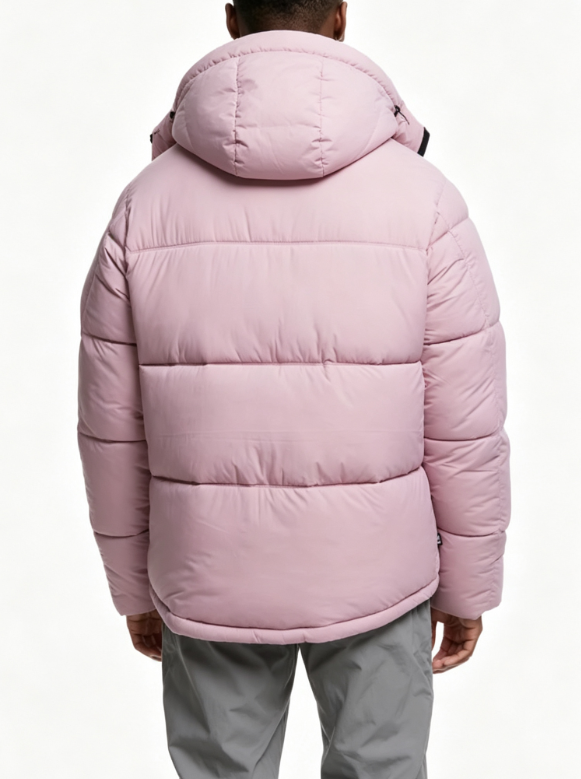
Custom Puffer & Down Jackets
Custom puffer jackets developed around insulation, shell fabric, quilting layout, fit, trims, and packing requirements. Junsheen supports lightweight and winter-weight outerwear, branded zippers and labels, embroidery or prints, and graded XS–3XL patterns for commercial outerwear programs.
Request a Quote
Custom Denim Shorts
Custom jean shorts with denim weights, rise, inseam, hem treatment, pocket details, and wash effects matched to your collection. Choose rigid or stretch denim, distressing, raw or finished hems, branded hardware, labels, and fit development before production.
Request a Quote
Custom Sweater Dresses
Custom sweater dresses produced with knit construction, silhouette, length, neckline, and yarn specifications aligned to your retail collection. The development team can create fitted, relaxed, oversized, or extended-size styles, then confirm samples, grading, trims, labels, and packing details.
Request a Quote
Custom Denim Sets
Mens denim suits wholesale programs combining coordinated denim jackets and trousers for branded assortments. Define fabric weight, wash, tailoring details, pockets, hardware, fit blocks, and labels across both pieces. Junsheen supports low-MOQ development before larger wholesale replenishment orders.
Request a Quote
Custom Polo Shirts
Custom polo shirts for corporate uniforms, golf programs, activewear, retail private label, and promotional teams. Choose pique or performance knits, collar construction, plackets, moisture-management requirements, logo embroidery, printing, color matching, and fit-focused XS–3XL grading.
Request a Quote
Custom Sweatpants
Custom sweatpants developed for coordinated sets, athleisure, uniforms, and casualwear collections. Specify fleece, French terry, or performance knits; rise, leg shape, cuffs, pockets, drawcords, prints, embroidery, labels, and extended-size grading for consistent movement and proportion.
Request a Quote
Custom Shorts
Custom shorts for casualwear, teamwear, resort, and active programs. Develop woven, jersey, fleece, denim, or performance-knit styles with controlled inseams, waistband construction, pockets, decoration, washes, labels, and scaled production from 100 units per style and color.
Request a Quote
Custom Pullovers
Custom pullovers developed in knit, fleece, French terry, jersey, or performance fabrics for retail and uniform programs. Define neckline, fit, weight, trims, branding, decoration, and wash performance, with pattern and size grading support from XS through 3XL.
Request a QuotePerformance Polo Shirt Manufacturer Fabric Options

Moisture-Wicking Knit
Lightweight performance knit moves moisture away from the skin for active uniforms, golf polos, and corporate teams. Its smooth, breathable hand feel and quick-dry construction support comfortable wear in warm conditions.

Cotton Piqué
Classic cotton piqué delivers the textured hand feel associated with premium casual and uniform polos. Its breathable knit structure, typically available in medium weights, provides shape retention and a polished everyday appearance.

Recycled Polyester Blend
Recycled polyester blends offer a durable, colorfast option for sportswear, event apparel, and sustainability-minded polo collections. The fabric can combine quick-dry performance with a soft hand feel and reliable repeat-wash stability.

Stretch Jersey
Stretch jersey creates a soft, flexible polo for active lifestyle, hospitality, and fitted brand programs. Added elastane improves recovery and mobility, while the smooth surface works well for clean printing and embroidery placement.

Performance Interlock
Performance interlock has a clean, double-knit face with a substantial yet smooth hand feel. It suits elevated teamwear and retail polos where opacity, dimensional stability, and a refined surface are essential.
Performance Polo Shirt Manufacturer Decoration Options

Logo Embroidery
Flat, 3D, and appliqué embroidery creates a premium dimensional logo with strong wash durability. Our team adjusts backing, stitch density, and placement to protect lightweight performance polo fabrics from puckering or distortion.

Screen Printing
Plastisol, water-based, silicone, high-density, and puff screen printing deliver bold color and reliable logo coverage. We recommend ink systems based on fabric stretch, breathability, wash requirements, and the visual character of each polo program.

DTF Printing
DTF transfers reproduce detailed logos, small text, and multicolor artwork with consistent opacity. This flexible option suits short-run polo launches and complex branding placements while maintaining a clean, durable finish through repeated laundering.

Heat Transfer
Heat transfer decoration applies crisp logos, names, numbers, and reflective graphics with precise placement. It is effective for teamwear, corporate uniforms, and promotional performance polos requiring fast customization and dependable adhesion.

Dye Sublimation
Dye sublimation fuses full-color artwork directly into compatible polyester performance fabrics, leaving the surface smooth and breathable. It is ideal for all-over graphics, gradients, and color-rich polos that need lasting color without added print weight.

Performance Finishing
Finishing options can improve hand feel, anti-pilling performance, moisture management, and wash stability. Junsheen reviews the fabric construction and intended use before recommending treatments that preserve comfort, durability, and a polished branded appearance.
Custom Trims for Performance Polo Shirts

Custom Polo Buttons
Specify dyed-to-match, engraved, metal-look, recycled, or contrast buttons for plackets and collar closures. Junsheen helps match button size, finish, and attachment method to the performance polo’s intended market and wash requirements.

Branded Neck Tape
Add printed, jacquard, or contrast neck tape to reinforce the back neckline while carrying your logo or color identity. It gives performance polos a cleaner interior finish and a more deliberate private-label feel.

Woven Brand Labels
Apply custom woven main labels, size labels, and wash-care labels that communicate brand identity and garment information clearly. Label placement and construction are reviewed during sampling to maintain comfort against the neck and consistent presentation.

Custom Hang Tags
Create branded hang tags with product details, sizing, care messaging, barcodes, or campaign graphics for retail-ready performance polos. Choose paper stock, shape, string, eyelets, and finishes that align with your price point and brand direction.

Zip Placket Details
Use custom zipper pulls, contrast tape, or branded zip plackets for modern performance polo styles. Options are selected for smooth operation, corrosion resistance, and a cohesive match with the fabric, collar, and logo decoration.
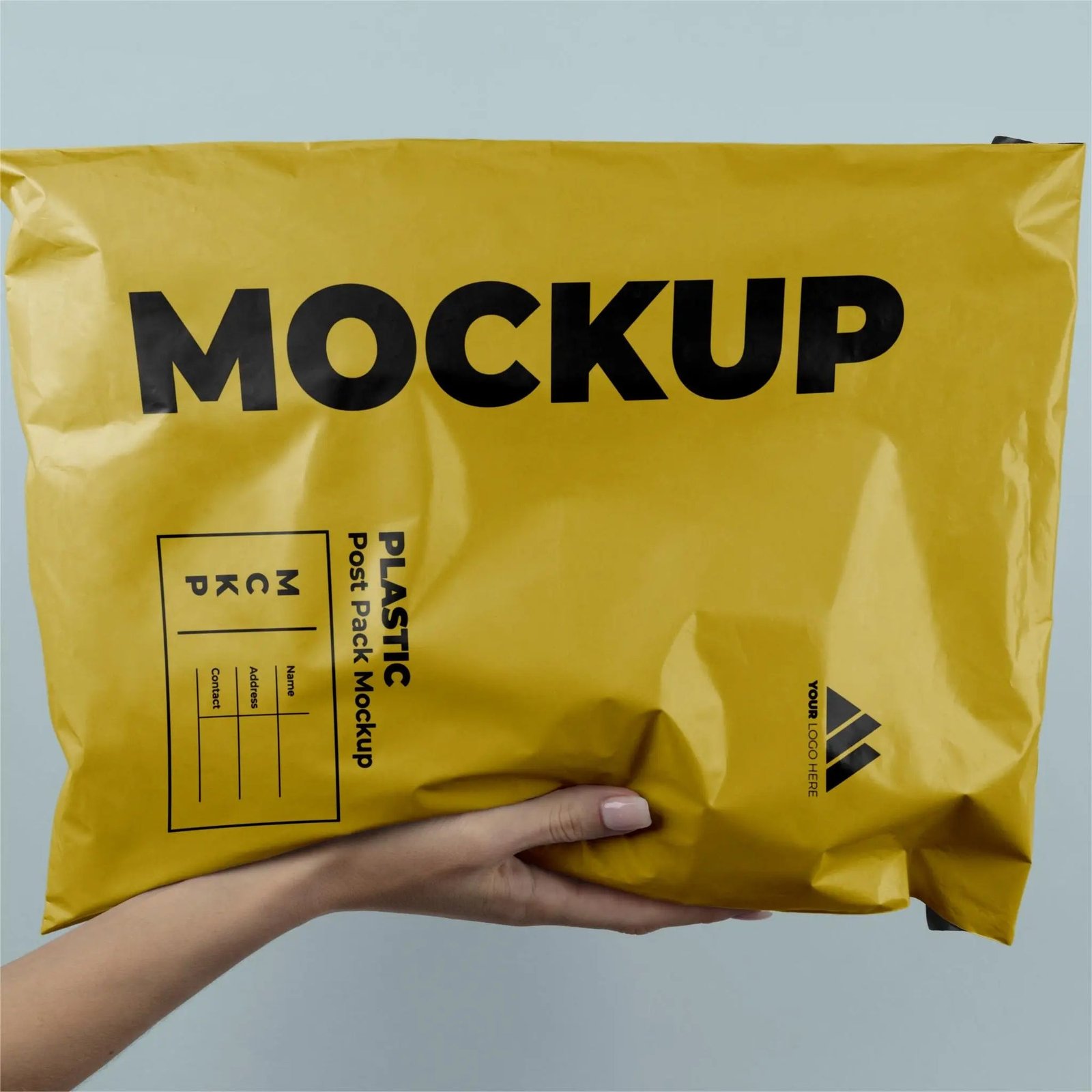
Branded Packaging
Complete your order with custom polybags, folding inserts, stickers, tissue, cartons, or mailer-ready packaging. Junsheen coordinates packaging specifications with labeling and export packing requirements to support a polished global delivery experience.
About Junsheen, Your Performance Polo Shirt Manufacturer
Founded in 2010 in Humen Town, Dongguan, JUNSHEEN helps fashion brands turn performance polo concepts into production-ready private-label collections. As a performance polo shirt manufacturer, we unite OEM, ODM, sourcing, pattern development, sampling and export support in one responsive manufacturing supply chain.
Our 200+ skilled workers and monthly capacity of more than 80,000 units support launches from 100 units per style and color to repeat bulk programs. Global brands, retailers and sourcing teams rely on us for dependable cut-and-sew and knitwear production, precise decoration, quality control and delivery coordination.
What sets JUNSHEEN apart is fit-first development from XS to 3XL. Rather than scaling one base pattern, our team refines proportion, mobility and grading for normal, extended, plus-size and oversized fits, helping your performance polos wear consistently across the full size range.

Performance Polo Shirt Manufacturer Built Around Fit and Scale
Technical Development Support
JUNSHEEN turns tech packs, sketches, reference garments, and product ideas into production-ready performance polos. Our team reviews construction, collar structure, placket details, measurement specs, and fabric behavior before sampling, helping brands resolve manufacturability details early.
- Tech-pack and specification review
- Pattern making and prototype sampling
- Collar, placket, and seam construction guidance
- Pre-production approval before bulk cutting

XS–3XL Fit Grading
As a performance polo shirt manufacturer, we build fit across XS–3XL instead of merely scaling a base size. Pattern makers adjust shoulder balance, sleeve length, body proportion, mobility, and grading increments for normal, oversized, extended-size, and plus-size programs.
- Fit-focused patterns from XS–3XL
- Extended-size and plus-size development
- Mobility-conscious sleeve and shoulder balance
- Size sets for confident approval
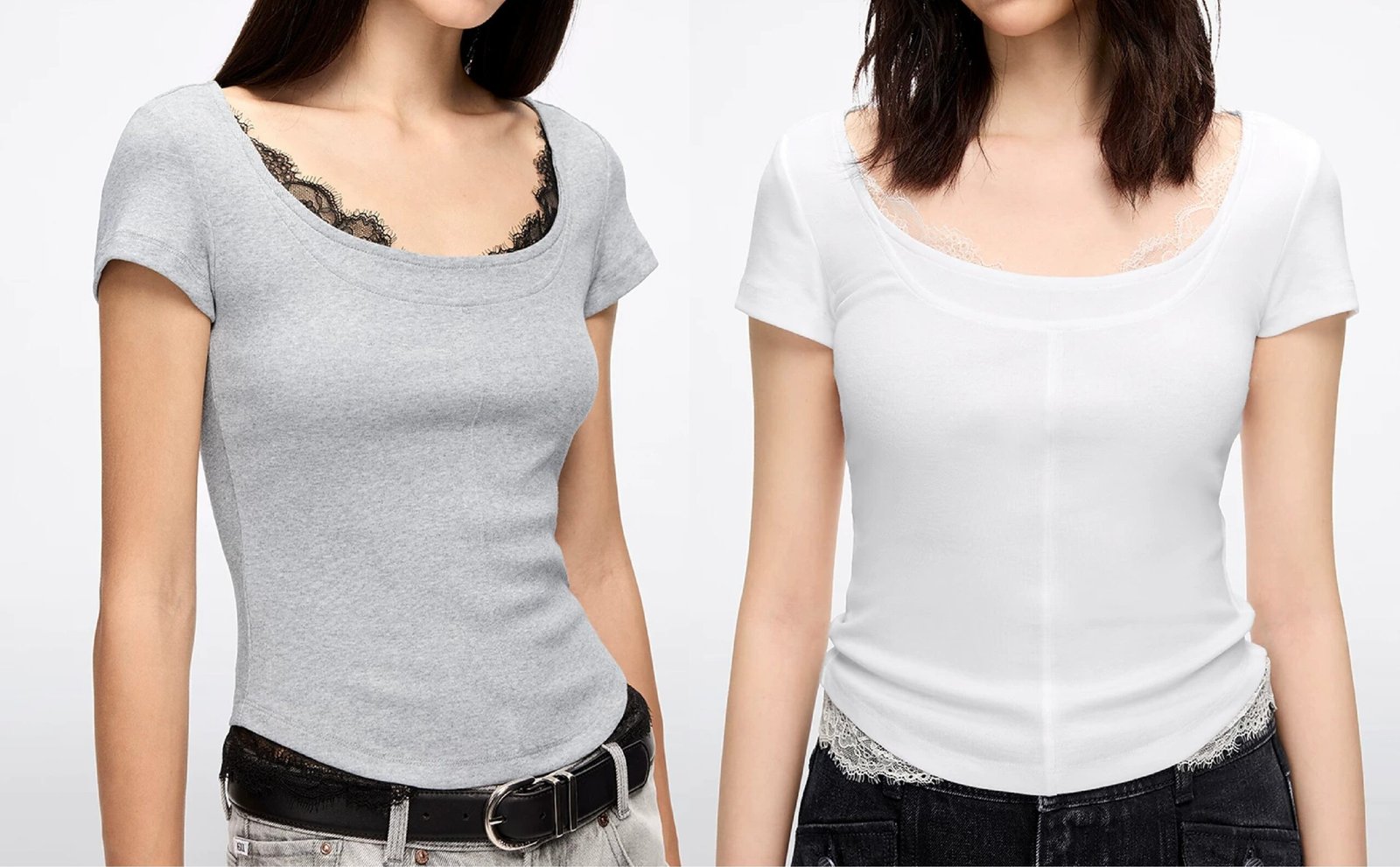
Performance Fabric Sourcing
Our supplier network supports performance knits and blended materials selected for hand feel, weight, stretch, drape, durability, wash performance, and target cost. Review swatches and sample garments to confirm the right fabric direction before bulk material commitment.
- Performance knits and stretch blends
- Fabric recommendations by use case
- Swatches and sample-garment review
- Cost, durability, and wash-performance alignment

Coordinated Repeat Production
JUNSHEEN coordinates logo decoration, labels, trims, packaging, inspections, and export support within one supply chain. Retained patterns, graded size sets, and material records help repeat performance polo programs move faster while maintaining approved fit, construction, and branding standards.
- Embroidery, printing, labels, and packaging
- In-line and final quality inspections
- 100-unit MOQ per style and color
- Records retained for repeat-order consistency

Why Buyers Choose a Performance Polo Shirt Manufacturer Built for Growth
JUNSHEEN combines flexible development, fit-focused production, and scalable in-house support for private-label performance polos.
← 左右滑动查看 →
Performance Polo Shirt Manufacturer Production Process
A controlled OEM workflow that takes your custom polo from feasibility review to quality-checked, export-ready delivery.
Review Project Feasibility
We assess your tech pack, reference garment, target market, fit requirements, decoration plan, quantities, and cost expectations before confirming a practical production route.
Source Performance Materials
Our team recommends performance knits, trims, and color options based on moisture management, stretch, weight, durability, hand feel, wash performance, and target pricing.
Develop Fit and Samples
Pattern makers build and grade fit-focused polo patterns from XS to 3XL, then produce prototype samples for measurement, mobility, construction, and approval review.
Apply Branding Details
Approved styles move into logo embroidery, printing, labels, buttons, plackets, packaging, and other private-label details aligned with your brand specifications.
Control Bulk Quality
During bulk production, Junsheen checks incoming materials, stitching, measurements, fit, decoration, and packed goods to maintain approved standards across every order.
Pack and Ship Globally
We complete branded packing, finalize export documentation, and coordinate shipment support so your performance polo order reaches its destination ready for retail or distribution.
How to Start With a Performance Polo Shirt Manufacturer
Move from concept to approved bulk production with a clear, fit-focused development process.
Send Your Concept
Share a tech pack, sketch, reference garment, mood board, target fabric, logo artwork, size range, and quantity with our product-development team.
Review Quote and Sample
Confirm feasible specifications, fabric and trim options, MOQ, pricing, and lead time, then review a prototype sample before moving forward.
Approve Production Details
Finalize fit, XS–3XL grading, colors, decoration, labels, packaging, and pre-production sample details so every requirement is documented for manufacturing.
Launch Bulk Manufacturing
Begin bulk production from 100 units per style and color while Junsheen manages in-line quality checks, final inspection, packing, and global export support.
Custom Clothing Manufacturer Credentials and Compliance Documents




What Global Apparel Buyers Say
Junsheen turned our tech pack into approved performance polo samples in 18 days. Their team corrected the sleeve grading across XS–3XL, and our first 600-unit run arrived with measurement consistency that cut our fitting revisions by 40%.
We needed a 100-unit launch order with moisture-wicking fabric, embroidered logos, and private labels. Junsheen managed everything in one place, kept us updated through sampling, and helped us reorder three colorways without restarting development.
For our wholesale program, reliable bulk quality mattered more than the lowest quote. Junsheen maintained the approved collar shape and logo placement across 2,400 polos, then retained our specifications so the repeat order moved into production much faster.
Performance Polo Shirt Manufacturer FAQ
Clear answers on MOQ, sampling, fit, payment, production and delivery for custom performance polo programs.
Can a performance polo shirt manufacturer produce only 100 units?
What does a performance polo shirt manufacturer need before making a sample?
How long do custom performance polo samples and bulk orders take?
How much does a custom performance polo sample cost?
How does a performance polo shirt manufacturer handle XS–3XL and plus-size grading?
What payment terms do you offer for a first performance polo order?
Can you protect my designs and private-label details?
Do you arrange international shipping for performance polo bulk orders?
What quality checks happen before bulk performance polos ship?
The Complete Performance Polo Shirt Manufacturer Buyer’s Guide
Use this practical framework to evaluate performance polo shirt suppliers, compare fabrics and customization options, validate production quality, control costs, and avoid sourcing mistakes before placing an OEM order.
1. What Is a Performance Polo Shirt Manufacturer?
2010 is the founding year of Dongguan Junsheen Clothing Co., Ltd., an OEM/ODM performance polo shirt manufacturer that turns a brand specification, sketch, or reference garment into a production-ready polo. Unlike a trading company that primarily coordinates outside factories, a qualified factory manages technical fabric sourcing, pattern development, size grading, prototype samples, approved bulk construction, inspection, packing, and export handoff in one workflow. 100 units per style and color is a practical low-MOQ starting point for a capsule program, while established factories can scale into repeat bulk orders without rebuilding the development file. For performance polos, buyers should expect fabric guidance on moisture-management knits, polyester-spandex blends, piqué structures, GSM, stretch recovery, colorfastness, and wash testing—not merely a catalog of blank shirts. 2 sample stages commonly protect the bulk order: an initial fit or development sample, then a corrected pre-production approval sample. The production partner should translate the approved sample into measurement tolerances, collar and placket specifications, sleeve and body balance, Pantone color targets, logo decoration methods, in-line checks, final measurement inspection, and shipment-ready carton documentation. 200-plus skilled workers and monthly capacity above 80,000 units give Junsheen the operational base to support both launch quantities and ongoing programs. A blank supplier sells finished stock and a promotional distributor usually applies branding to purchased garments; neither normally owns the pattern, material approval, construction control, or repeat-order records that a true manufacturer maintains.
2. Evolution of Performance Polo Production
1926 marked a turning point when René Lacoste popularized the short-sleeve cotton piqué tennis shirt, replacing heavier woven sport shirts with a breathable knit collar, placket, and ribbed cuffs. Traditional cotton piqué remains useful for its textured hand and familiar appearance, but it absorbs sweat, can shrink, and offers limited recovery unless yarn, finish, and collar construction are specified carefully. 1970s–1990s sportswear development moved polo production toward polyester and polyester-cotton knits engineered for faster drying, color retention, and lower maintenance. Golf, event, and corporate-uniform programs then drove requirements for 150–220 GSM moisture-wicking fabrics, reinforced plackets, stable collars, embroidery backings, and repeatable Pantone color matching across replenishment orders. 2020s demand combines 4-way stretch blends, recycled polyester, odor-control or antimicrobial finishes, UV-oriented treatments, and workwear-ready abrasion resistance in one branded garment. A performance polo shirt manufacturer must therefore match fabric to use case, then control knit structure, stretch recovery, collar fusing, seam choice, decoration compatibility, wash testing, and size grading; specifying only ‘quick dry polo’ leaves too many production variables unresolved.
3. Types of Performance Polo Shirt Manufacturer
Six sourcing models dominate performance-polo buying, from development-led OEM partners to high-volume factories. The right performance polo shirt manufacturer depends on launch quantity, specification maturity, and the control your team can realistically manage.
| Manufacturer Type | Best Buyer | MOQ Expectation | Flexibility And Trade-Off |
|---|---|---|---|
| Full-package OEM | Growing brands | 100–500 | Deep development; slower, higher setup cost |
| ODM/private label | Fast launchers | 100–300 | Stock options; limited originality |
| Cut-and-sew specialist | Design-led labels | 100–500 | Maximum control; sampling takes longer |
| Uniform/workwear producer | Corporate programs | 300–1,000 | Reliable repeats; functional focus |
| Sportswear factory | Activewear brands | 300–1,000 | Technical fabrics; higher material minimums |
| Volume factory | Established retailers | 3,000+ | Lowest unit cost; rigid MOQs |
Development-Led Partners
100-unit capsule programs suit full-package OEMs and cut-and-sew specialists when fit, fabric, and trims still need engineering. 2–4 sampling rounds can improve control, but add time and development cost before bulk approval.
Ready Platform Suppliers
1–3 existing polo blocks make ODM and private-label suppliers fastest for a logo-led launch. Buyers select stocked fabrics, colors, and standard grading. 7–21 day sampling is common when changes stay limited; unique collars or proprietary fabrics reduce that speed advantage.
Scale And Program Fit
500+ unit uniform and sportswear programs prioritize repeatability, performance testing, and color consistency across teams or stores. 3,000+ unit volume factories can lower unit pricing, but usually require locked specifications and give smaller brands less production control.
4. Performance Polo Fabrics and Material Choices
140–220 GSM is the practical performance-polo range: lighter constructions maximize airflow, while heavier piqué gives uniforms more structure. A performance polo shirt manufacturer should match fiber, knit, and finish to the wearer’s movement, laundering, and presentation needs.
| Fabric | Typical Weight | Best Use | Key Strength |
|---|---|---|---|
| Polyester piqué | 150–190 GSM | Golf, uniforms | Wicking, colorfastness |
| Polyester-spandex | 160–190 GSM | Activewear, retail | Stretch recovery |
| Cotton-poly | 180–220 GSM | Hospitality, retail | Softer hand |
| Recycled polyester | 140–180 GSM | Uniforms, golf | Lower-impact option |
| Nylon blend | 150–200 GSM | Premium activewear | Abrasion resistance |
| Engineered mesh | 120–160 GSM | Ventilated panels | Breathability |
Core Fabric Tradeoffs

150–170 GSM polyester piqué is a dependable golf and uniform base, offering fast moisture movement, good colorfastness, and a textured hand. Its snag resistance varies sharply by filament and knit density. 160–190 GSM polyester-spandex improves four-way comfort and stretch recovery for activewear and fitted retail polos. Cotton-poly blends feel softer and more natural for hospitality, but dry slower and may show greater shade variation after repeated laundering.
- Polyester piqué: durable golf and staff uniforms
- Polyester-spandex: mobility-focused activewear and retail
- Cotton-poly: softer hospitality and lifestyle polos
Specialty Performance Options

140–180 GSM recycled polyester can provide the same practical moisture management and color retention as conventional polyester when yarn quality is controlled. Request recycled-content documentation when sustainability claims will appear on labels or marketing. 150–200 GSM nylon blends deliver a smoother, cooler hand and strong abrasion resistance for premium active polos. Open-hole or engineered mesh improves ventilation; place it in underarms or back panels where snag exposure is lower.
- Ask for UPF test results for sunwear claims
- Use dense knits for better snag resistance
- Specify wash method before approving colorfastness
Swatches And Test Evidence
5–10 cm swatches reveal hand feel and surface texture, but a sewn sample is needed to judge drape, recovery, and collar behavior. Compare approved swatches under daylight and indoor lighting before locking Pantone targets. AATCC or ISO reports should state test method, fabric composition, weight, colorfastness, pilling, dimensional change, UPF, and moisture-management results. Confirm whether reports cover the exact color and finished fabric, not only an unprinted greige base.
- Request lot-specific composition and GSM records
- Wash-test decorated sample garments
- Retain approved swatch and test-report references
5. Customization Options From a Performance Polo Shirt Manufacturer
From 100 units per style and color, a performance polo shirt manufacturer can align branded details with a capsule launch or repeat program. Lock fit, color, trim, and decoration specifications before the approved pre-production sample.
| Method | Best For | Durability | Typical Placement | MOQ Fit |
|---|---|---|---|---|
| Embroidery | Small premium logos | High | Chest, sleeve, collar | Medium |
| Screen Print | Bold spot-color graphics | High when cured | Back, chest, panels | Medium to high |
| Heat Transfer | Fine detail or short runs | Medium to high | Chest, sleeve, back neck | Low to medium |
| Silicone Badge | Raised modern branding | High | Chest, sleeve, hem | Medium |
| Woven Patch | Textured heritage marks | High | Chest, sleeve, hem | Medium |
| Sublimation | All-over polyester graphics | High | Panels or full garment | Medium to high |
Fit, Collar, And Trim
XS–3XL programs need graded patterns rather than a scaled base size; shoulder balance, sleeve length, body ease, and side-slit depth should be approved across the size set. Three common collar choices are self-fabric, flat-knit rib, and contrast-tipped rib. Specify two- or three-button plackets, cuff finish, contrast panels, piping, button material, and matching thread on the tech pack.
- Choose regular, athletic, oversized, or extended-size silhouettes.
- Confirm placket depth and button spacing in samples.
- Approve contrast trims against the bulk fabric. “imageKeyword” is intentionally omitted.
Branding And Decoration

6 decoration methods suit different logo types, garment zones, and order quantities. Request actual strike-offs on the selected fabric because stretch, texture, and color affect edge definition and wash performance.
Artwork, Color, And Sign-Off
AI, EPS, or PDF vector artwork preserves logo edges; provide PMS/Pantone references for fabric, thread, print ink, and silicone color matching. 1 approved size scale and placement measurement should be recorded from a fixed reference point. Before bulk sign-off, wash-test decorated samples for color change, cracking, puckering, adhesion, and logo distortion.
- State chest logo width in millimeters.
- Approve lab dips under agreed lighting.
- Retain signed sample and measurement sheet.
6. Construction Details That Define Quality
A performance polo shirt manufacturer should define construction standards in the tech pack before sampling. Small build choices—especially at the collar, placket, and seams—determine whether a polo retains its shape through wear and laundering.
Core Construction Points
2.5–3.5 mm stitch length is a practical starting range for stable knit seams; confirm the final specification against fabric weight and stretch. Inspect collar stand symmetry, placket reinforcement, matched panels, secure buttons, shoulder tape, clean side vents, and an even hem.
- Check collar points and stand remain balanced.
- Confirm placket bartacks or reinforcement at stress points.
- Use coverstitch hems; specify flatlock where low-bulk seams matter.
- Measure every size against the approved graded specification.
Performance Test Requirements
After 3–5 wash cycles, compare the sample with its pre-wash measurements and approved shade. Buyers should set acceptable shrinkage, twist, pilling, seam strength, colorfastness, and print-adhesion requirements before bulk approval.
- Wash shrinkage: measure length and width change.
- Pilling: assess abrasion-prone chest, underarm, and side areas.
- Seam strength: test placket, armhole, and side-seam stress.
- Colorfastness: assess washing, rubbing, and perspiration.
- Print adhesion: stretch and wash-test decorated panels.
Sample Approval Checklist
100% of critical measurements should be checked on the size-set sample, not only the base size. Review button pull security, collar recovery, placket alignment, vent symmetry, stitch consistency, loose threads, and decoration placement before releasing production.
- Approve washed and unwashed reference samples.
- Record tolerances beside every key measurement.
- Retain approved fabric, trim, and shade swatches.
- Request corrective actions in writing before bulk cutting.
7. How to Choose a Performance Polo Shirt Manufacturer
Three supplier quotes can look comparable while hiding different fabric standards, sample control, and delivery risk. Vet a performance polo shirt manufacturer against documented capability, not unit price alone.
| Check | Evidence To Request | Why It Matters |
|---|---|---|
| Capability | Polo references, capacity plan | Confirms specialization and scale |
| Quality | AQL standard, sample reports | Makes approval measurable |
| Reliability | Export records, lead-time plan | Tests delivery discipline |
| Commercials | MOQ and payment schedule | Prevents quote surprises |
Verify Product Specialization
Two recent polo references should show comparable piqué or interlock construction, placket execution, collar recovery, and decoration. Ask which performance programs the factory has produced and whether its pattern team can grade the intended XS–3XL size range.
- Request factory profile and production-floor photos.
- Review monthly capacity and current loading.
- Confirm MOQ by style, color, and size mix.
Request Audit And Material Evidence
100% polyester, polyester-spandex, and recycled blends require composition records, mill details, GSM tolerance, and colorfastness test expectations. Request current audit or certification documents only where relevant, plus traceability from approved fabric lot through finished carton.
- Fabric composition and GSM specification
- OEKO-TEX, GOTS, WRAP, or BSCI evidence if claimed
- Approved inspection standard, such as AQL 2.5
Test Communication And Sampling
One complete tech-pack review should return measurable comments on tolerances, stitch type, shrinkage, collar specification, Pantone matching, and packing. Approve a fit sample and pre-production sample before bulk, then confirm inspection checkpoints, export destinations, payment milestones, and realistic lead time in writing.
- Compare sample measurements against the specification.
- Ask for in-line and final inspection reports.
- Confirm balance-before-shipment terms.
8. Common Performance Polo Sourcing Mistakes
A 5% lower quoted price can become the costliest choice when fabric, decoration, tolerances, or freight assumptions are missing. A capable performance polo shirt manufacturer should turn every approval into measurable specifications before bulk production begins.
Price-Only Supplier Selection
A $1 saving can disappear through higher rejects, color inconsistency, or unplanned airfreight. Compare quotations by fabric composition, GSM, trims, testing, packaging, Incoterm, and confirmed lead time. A 100-unit launch may require different MOQs for dyed fabric, embroidery, custom buttons, or branded cartons. Request a line-item MOQ and surcharge sheet by color and decoration before placing deposits.
Mockup-Only Approvals
A digital Pantone mockup cannot confirm pique hand feel, collar recovery, fit, or logo registration. Approve a physical prototype, graded size set, and pre-production sample against signed measurements. A 1–2 cm tolerance should be stated point by point for chest, body length, sleeve, and collar. Attach a measurement chart and sealed reference sample to the production order.
Testing And Decoration Gaps

A 180–220 GSM performance knit may need wash, shrinkage, colorfastness, pilling, and moisture-management testing for its end use. Specify the test standard, pass criteria, and laboratory responsibility before fabric booking. A dense embroidery file can pucker lightweight pique, while silicone or heat-transfer logos can affect stretch and breathability. Test decoration on production fabric after washing, not only on a strike-off.
Inventory And Delivery Assumptions
A 3–5% buffer is practical for size exchanges, retailer damage, and replenishment demand. Order buffer stock by fast-moving sizes and confirm whether replacement units can match the same dye lot. A final delivery date depends on sample approval, material arrival, production, inspection, packaging, and shipping. Lock carton marks, folding method, barcode placement, delivery address, and freight cutoff in writing.
9. Steps to Launch a Branded Polo Program
100-unit runs let startups validate a narrow polo capsule before committing to depth. Retailers and corporate-uniform buyers should set customer, channel, target landed cost, size range, color count, and required delivery date before requesting development.
Define The Production Brief
3 buyer types need different briefs: startups prioritize one hero fit, retailers plan size-depth by store, and uniform programs document wearer roles and replacement cycles. 1 tech pack should lock measurements, grade rules, Pantone colors, collar construction, placket length, logo dimensions, placement, packaging, and care-label requirements before quotation.
Select Materials And Quote
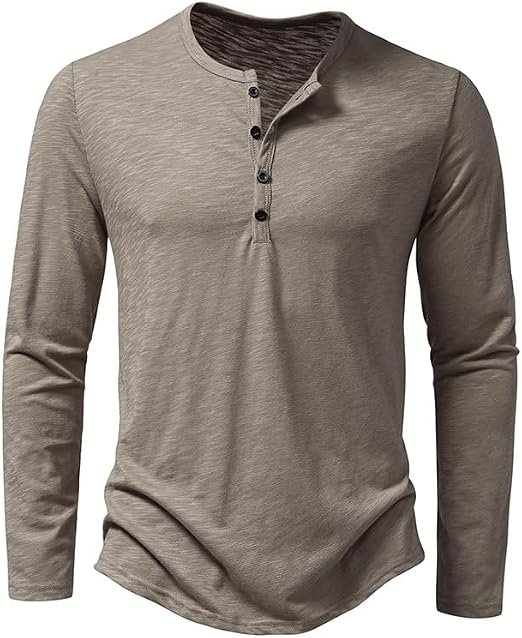
180–220 GSM performance piqué is a practical starting range, but test stretch recovery, moisture management, pilling, shrinkage, and colorfastness against the intended use. 2 approvals are essential before ordering: confirm fabric swatch and logo method, then compare quotations by MOQ, colors, decoration, packaging, sampling, and freight terms.
Sample And Approve Production

1 fit sample should be checked on the intended body type for shoulder balance, chest ease, sleeve opening, collar roll, placket alignment, and logo location. 7–14 days of revision buffer helps protect the launch calendar; approve a sealed pre-production sample, graded size set, and final artwork before bulk cutting begins.
Inspect Ship And Reorder
100% of packed cartons should receive final checks for measurements, appearance, decoration, labels, quantities, and carton marks, alongside in-line construction inspection. 2–6 weeks of freight buffer is prudent depending on route and clearance; retain approved samples, fabric records, sales data, and defect feedback to forecast the reorder early.
10. Performance Polo Pricing and Cost Factors
100 units per style and color is a practical starting point for a custom performance polo program; an indicative FOB China range is US$8.50–18.00 per unit, excluding freight and duties. A development sample commonly costs US$80–180, often creditable against a confirmed bulk order when the specification is finalized. 180–220 GSM polyester piqué or interlock generally prices below recycled, nylon-elastane, Pima cotton-blend, or certified performance fabrics. Fabric composition, GSM, color count, contrast panels, engineered collars, flatlock seams, YKK zippers, woven labels, custom packaging, Pantone matching, OEKO-TEX or GOTS documentation, third-party inspection, and destination shipping all affect the quote. 25–45 calendar days is a typical bulk-production window after fabric and pre-production approval, while new fabric development, embroidery digitizing, or complex sublimation can extend it. A performance polo shirt manufacturer should price from a complete tech pack, graded size range, decoration artwork, packaging requirements, inspection standard, Incoterm, and delivery destination rather than a reference image alone.
| Order quantity | Indicative FOB unit price | Sample/setup allowance | Typical bulk lead time |
|---|---|---|---|
| 100–299 units | US$14.00–18.00 | US$80–180 sample; US$25–75 embroidery digitizing | 30–45 days |
| 300–999 units | US$10.50–15.00 | US$50–150 sample; screens or transfers quoted separately | 25–40 days |
| 1,000–2,999 units | US$8.50–12.50 | Setup amortized where applicable | 25–35 days |
| 3,000+ units | Quote by specification | Bulk fabric and decoration efficiencies apply | 25–35 days |
Start Your Performance Polo Sampling Project
Send your tech pack, reference garment, or concept for feasibility review, fit-focused development, and a clear OEM quotation from 100 units.