
Wholesale Polo Shirts Starting at a 100-Unit MOQ
Develop fit-focused XS–3XL wholesale polo shirts with OEM, private-label, sampling, decoration, and scalable global production from JUNSHEEN.
Featured Products for wholesale polo shirts Development






Related Wholesale Polo Shirts Catalogue and Quotation


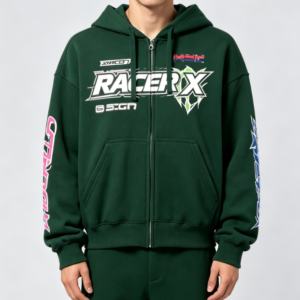

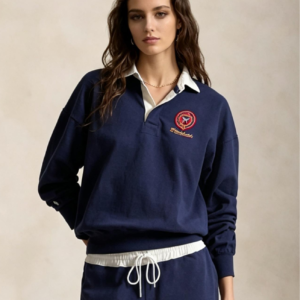
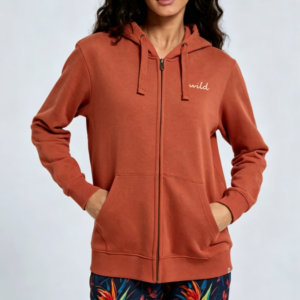

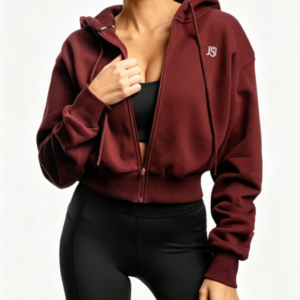

Why Source Wholesale Polo Shirts from JUNSHEEN
From low-MOQ development to repeat bulk orders, JUNSHEEN combines technical polo production, branding details, and export-ready support in one supply chain.
100-Unit MOQ
Launch wholesale polo shirts from 100 units per style and color, giving new labels practical access to custom production.
OEM and ODM Support
Turn tech packs, sketches, reference garments, or early concepts into production-ready polo programs with clear development guidance.
Fit-Focused XS–3XL
Pattern makers refine proportions and grading across regular, extended-size, plus-size, and oversized polo shirt size ranges.
In-House Brand Decoration
Add logo embroidery, screen printing, patches, labels, custom trims, and branded packaging without fragmented supplier coordination.
Scalable Export Production
Supported by 200+ skilled workers and 80,000+ monthly units, we scale approved programs for global wholesale delivery.
Polo Shirt Programs for Every Channel
From branded uniforms and retail collections to golfwear and private-label programs, Junsheen develops coordinated casualwear with flexible 100-unit minimums.
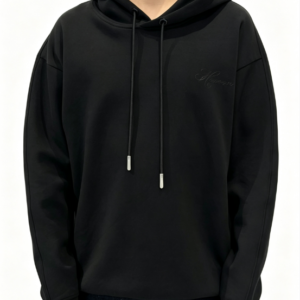
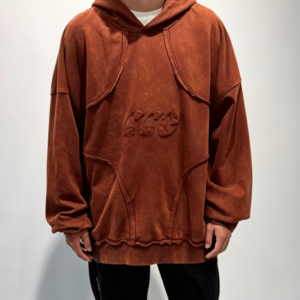
Custom Hoodies
Custom hoodies produced in fleece, French terry, and heavyweight jersey for retail drops, team uniforms, and private-label collections. Junsheen supports fit development from XS–3XL, custom rib trims, embroidery, screen printing, washes, labels, and branded packaging from 100 units per style and color.
Request a Quote
Custom T-Shirts
Custom T-shirts developed in cotton, combed jersey, blends, and performance knits for promotional programs, retail essentials, and branded uniforms. Teams can review fabric weight, hand feel, fit, size grading, print placement, embroidery, labels, and samples before bulk production.
Request a Quote
Custom Jeans
Custom jeans manufactured in rigid or stretch denim with patterns tailored for regular, oversized, and extended-size fits. Development can include washes, distressing, garment dye, custom hardware, pockets, labels, embroidery, and graded size sets for private-label denim programs.
Request a Quote
Custom Sweaters
Turtleneck sweater bulk programs developed in knit constructions suited to seasonal retail, uniforms, and wholesale assortments. Junsheen supports yarn and gauge selection, rib details, silhouette development, XS–3XL grading, private labels, and approved samples before scaled production.
Request a Quote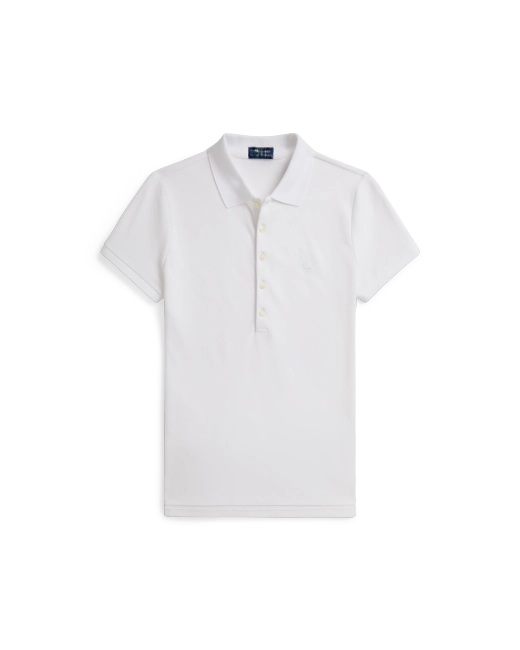
Custom Jackets
Custom jean jackets developed in denim and stretch-denim constructions for branded outerwear programs. Options include regular or oversized fits, custom pockets, contrast stitching, washes, embroidery, patches, hardware, labels, and coordinated denim-set production.
Request a Quote
Custom Sweatshirts & Crewnecks
Custom crewneck hoodie and sweatshirt programs built in fleece, French terry, or jersey for retail, events, and uniforms. Junsheen manages pattern development, size grading, embroidery or printing, washes, rib trims, labels, and packaging with low MOQs from 100 units.
Request a Quote
Custom Cardigans
Custom cardigans produced in sweater knits for retail collections, schoolwear, hospitality uniforms, and private-label programs. Development includes yarn selection, gauge, button or zipper options, trim details, fit refinement, XS–3XL grading, custom labels, and bulk quality control.
Request a Quote
Custom Puffer & Down Jackets
Custom puffer jackets developed for branded outerwear, uniforms, and seasonal retail programs. Junsheen supports shell and lining sourcing, insulation specifications, quilting, zippers, reflective trims, logo decoration, size grading, and pre-production approval before bulk manufacturing.
Request a Quote
Custom Denim Shorts
Custom jean shorts manufactured in rigid or stretch denim for warm-weather retail and private-label capsules. Programs can include custom rises, inseams, pocket designs, raw or finished hems, washes, distressing, hardware, labels, and coordinated fit grading across sizes.
Request a Quote
Custom Sweater Dresses
Custom sweater dresses developed in knit constructions for fashion retail and private-label assortments. Junsheen supports yarn, gauge, neckline, body length, sleeve proportion, rib details, XS–3XL grading, labels, and sample review to confirm fit and drape.
Request a Quote
Custom Denim Sets
Men’s denim suits wholesale programs combine matching denim jackets, overshirts, jeans, or tailored silhouettes for retailers and wholesalers. Junsheen coordinates fabric lots, wash consistency, hardware, branding details, graded sizes, and repeatable bulk production across the set.
Request a Quote
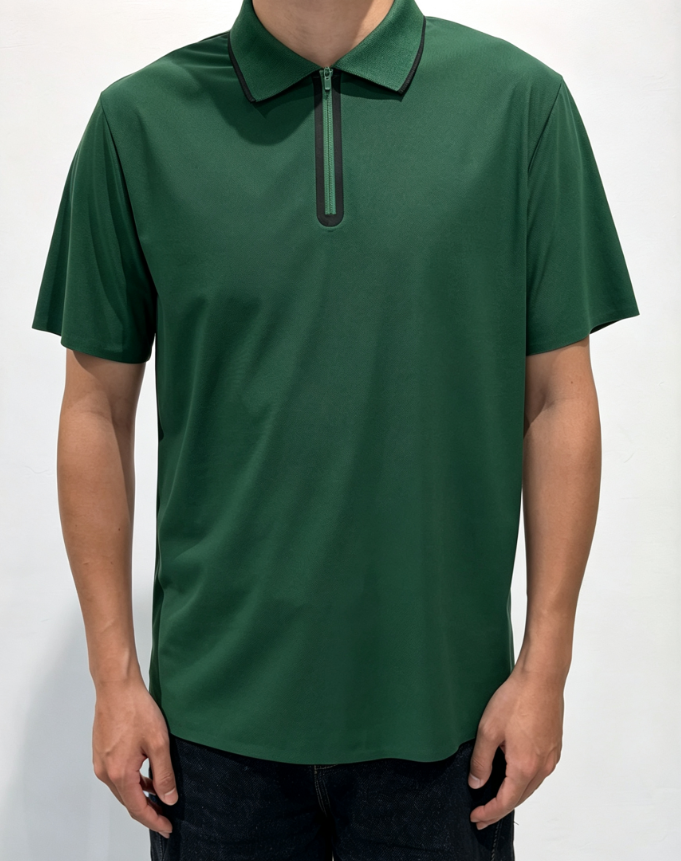
Custom Polo Shirts
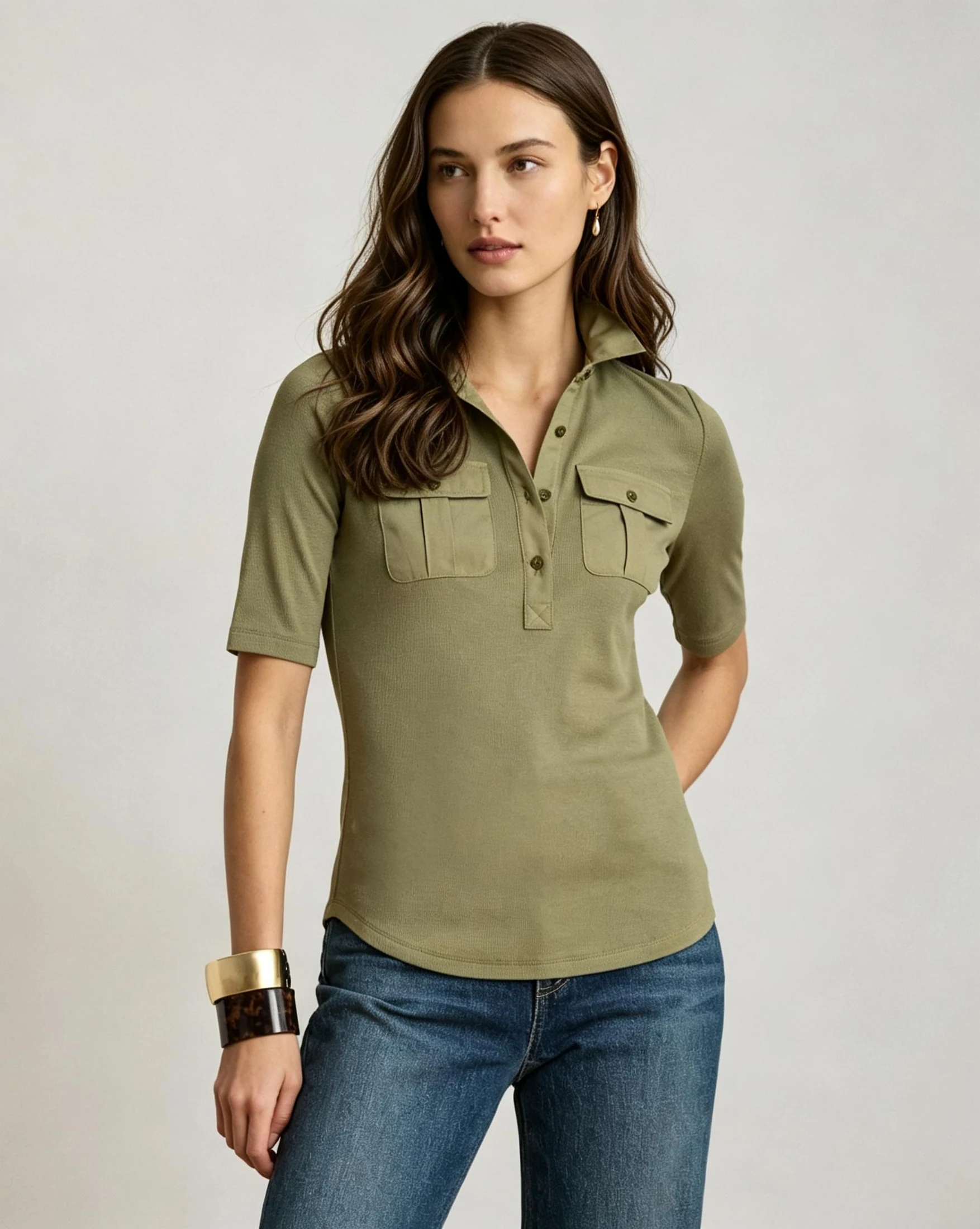
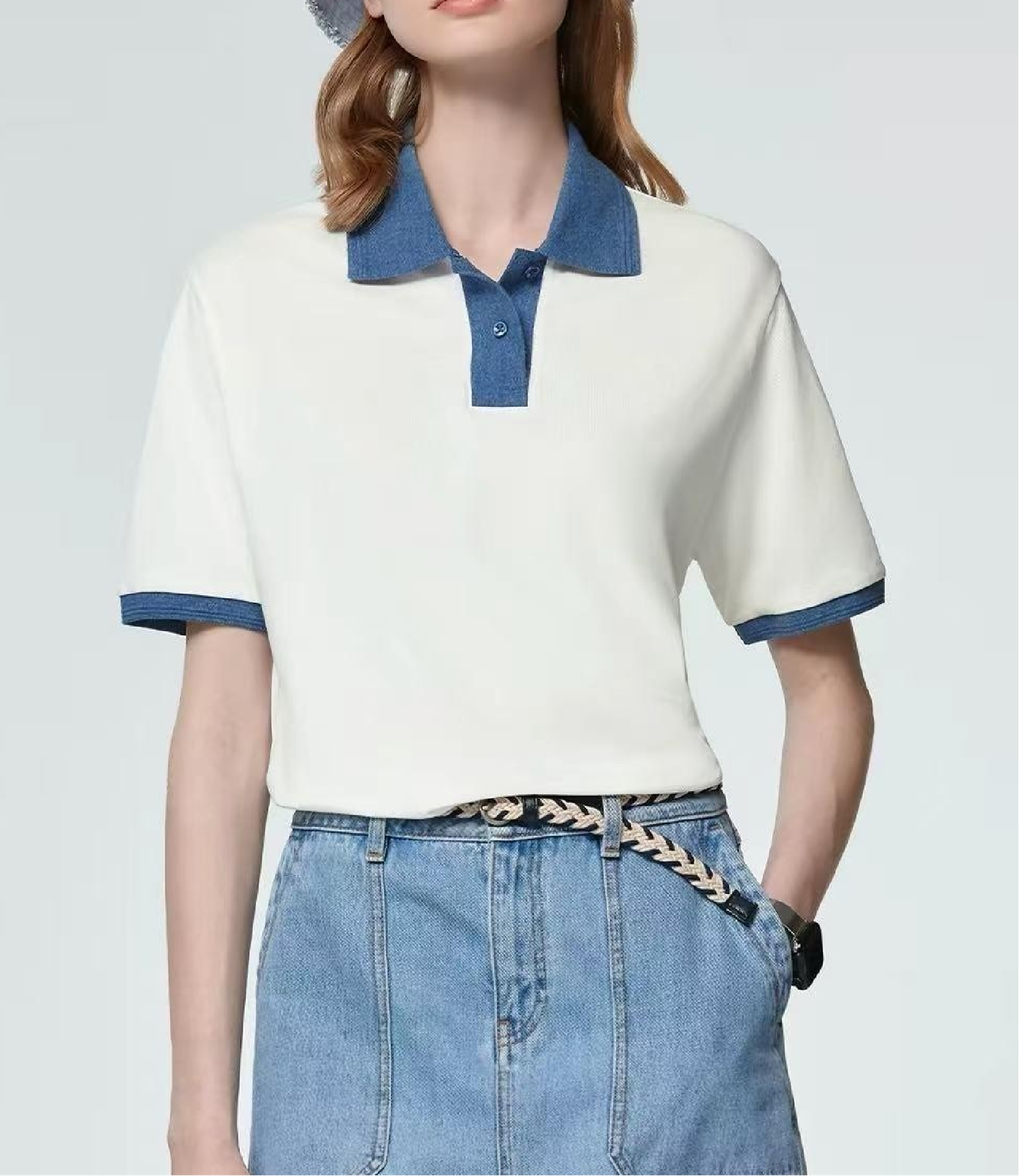
Custom polo shirts engineered for corporate uniforms, retail private labels, golf teams, and performance programs. Choose piqué, jersey, or moisture-management knits with custom collars, plackets, buttons, embroidery, printing, extended-size grading, labels, and export-ready packaging.
Request a Quote
Custom Sweatpants
Custom sweatpants made in fleece, French terry, jersey, or performance knit for coordinated sets, uniforms, and retail loungewear. Development covers rise, leg shape, pocket construction, elastic or drawcord finishes, printing, embroidery, labels, and XS–3XL fit grading.
Request a Quote
Custom Shorts
Custom shorts manufactured for casual retail, activewear, uniforms, and seasonal promotions in jersey, twill, denim, fleece, or performance fabrics. Junsheen develops inseam, rise, pockets, waist finishes, decoration, size sets, and branded trims for approved bulk production.
Request a Quote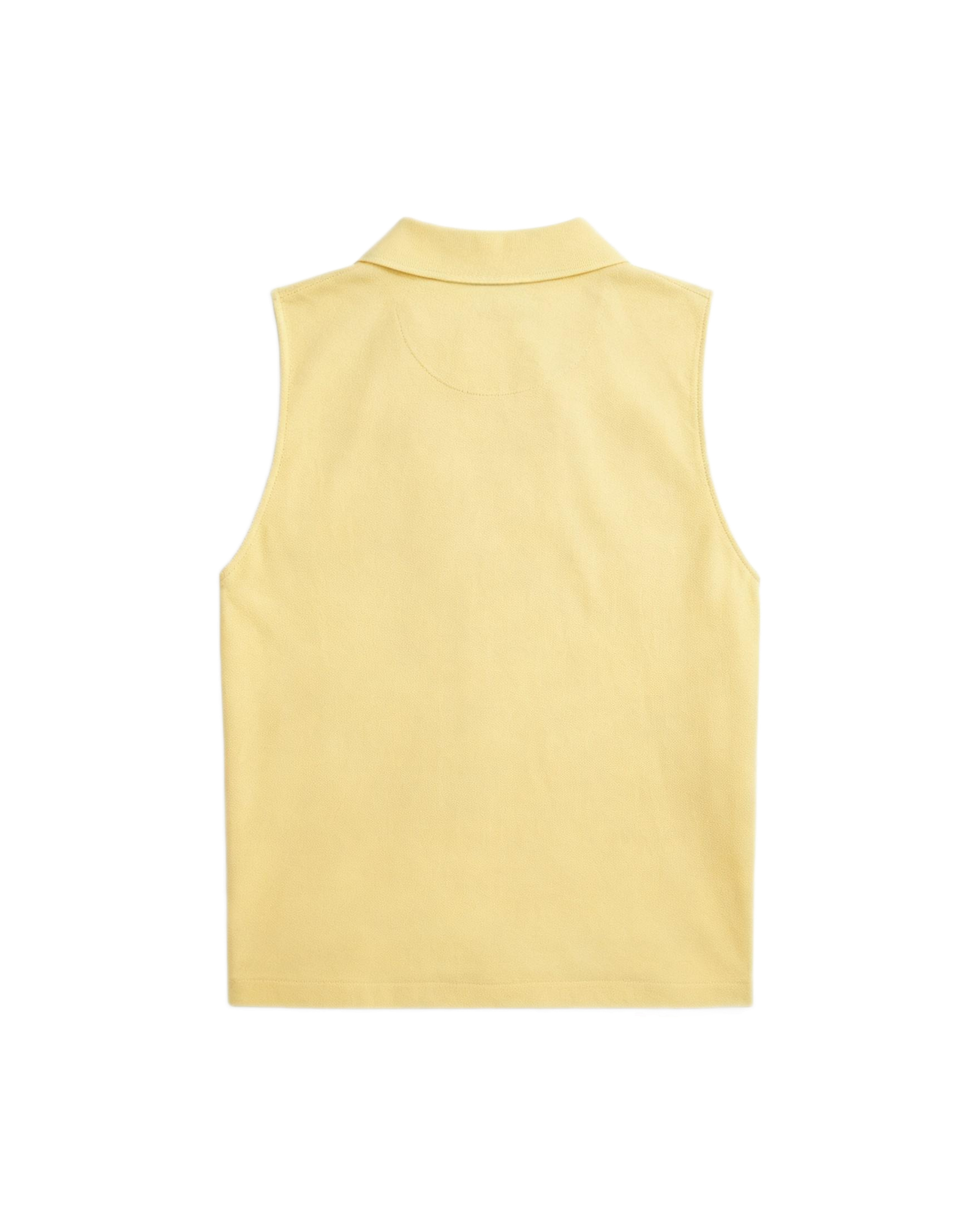
Custom Pullovers
Custom pullovers developed in fleece, French terry, jersey, and sweater constructions for retail layers, uniforms, and private-label collections. Options include quarter zips, half zips, hoods, collars, pockets, embroidery, printing, washes, custom labels, and fit-focused grading.
Request a QuoteMaterials for Wholesale Polo Shirts

Cotton Pique
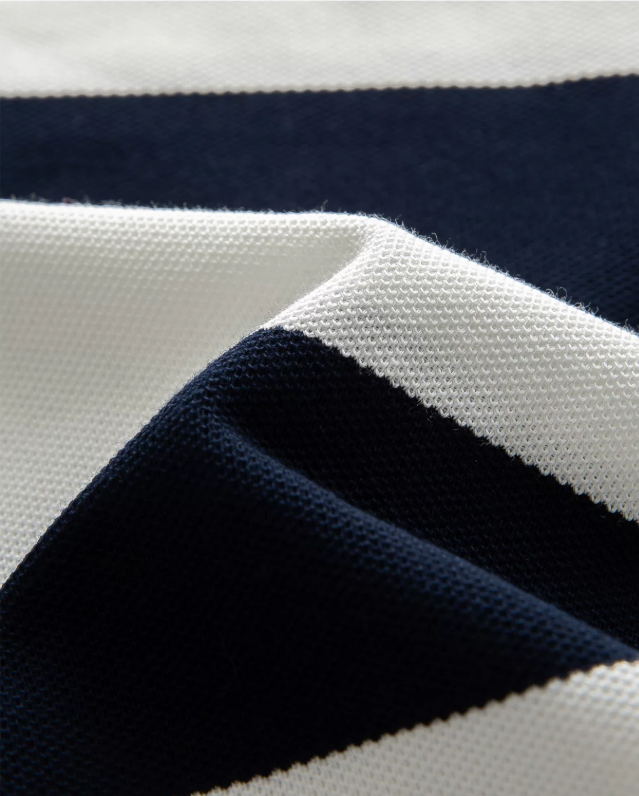
A breathable, textured knit with the classic polo surface and a structured hand feel. Ideal for retail uniforms, golf-inspired collections, and everyday polos; commonly developed around 180–240 GSM for reliable shape retention.

Cotton Jersey
A smooth, soft knit suited to lightweight casual polos and fashion-led layering pieces. Its clean surface supports refined printing and embroidery, while moderate natural stretch improves everyday comfort and movement.

Performance Interlock
A dense, smooth double-knit designed for active, corporate, and golf polo programs. Moisture-management fibers, four-way stretch options, and a polished surface help maintain comfort and presentation through repeated wear.

Cotton Polyester Pique
A durable blended pique that balances cotton comfort with polyester resilience. Well suited to uniforms and high-volume wholesale programs, it offers improved color retention, reduced shrinkage, and dependable wash performance.

Recycled Polyester Knit
A performance-focused knit using recycled polyester for brands pursuing lower-impact material options. Lightweight, quick-drying construction suits teamwear and promotional polos, with strong colorfastness and abrasion resistance.
Wholesale Polo Shirts: Decoration and Finishing Options

Logo Embroidery
Flat, 3D puff, chain-stitch, and applique embroidery add textured, long-wearing logo detail to wholesale polo shirts. Our team reviews placement, backing, thread colors, and stitch density to protect fabric stability and a polished finish.

Screen Printing
Plastisol, water-based, puff, silicone, high-density, foil, flocking, and discharge screen printing create bold graphics with controlled coverage. We match ink systems to polo fabric, color, and wash expectations for durable branded results.

Heat Transfers
DTF, heat-transfer, and specialty transfer applications deliver sharp small logos, multicolor artwork, and variable designs without heavy ink buildup. They are well suited to detailed chest marks, sleeve branding, and limited-run polo programs.

Dye Sublimation
Dye sublimation infuses vivid all-over graphics directly into compatible performance fabrics, producing breathable color that will not crack or peel. It supports teamwear, promotional polos, and custom patterns with consistent repeat coverage.

Garment Washing
Softening, enzyme, garment-dye, acid-wash, stone-wash, and anti-pilling treatments adjust hand feel, color character, and lived-in appeal. Sample approval helps confirm shrinkage, shade, and the intended premium washed appearance before bulk production.

Final Finishing
Brushing, napping, pressing, quality inspection, folding, labeling, and branded packaging complete each polo program. JUNSHEEN checks measurements, decoration, construction, and packed presentation so wholesale orders arrive ready for your sales channel.
Wholesale Polo Shirts with Custom Trims

Custom Button Sets
Choose dyed-to-match resin, horn-look, metal, or logo-engraved buttons for plackets and cuffs. Button selection reinforces your collection’s price point, color story, and durability requirements across wholesale polo shirts.

Branded Woven Labels
Add custom main labels, size labels, and wash-care labels with your logo, fiber content, and care instructions. JUNSHEEN positions and applies labels consistently for private-label polo shirts from XS through 3XL.

Logo Chest Patches
Use embroidered, woven, silicone, or appliqué patches to create a distinct chest emblem or sleeve detail. Patches work especially well for teamwear, heritage-inspired collections, golf programs, and promotional wholesale polo shirts.

Drawcord and Tipping
Add contrast tipping at collars and cuffs, or adjustable drawcord details on polo-inspired layers and half-zip styles. These trims sharpen brand recognition while supporting coordinated casualwear capsule collections.

Custom Zipper Hardware
For quarter-zip and zip-placket polo variations, specify branded pullers, metal or nylon zipper teeth, and matching tape. JUNSHEEN reviews zipper selection during sampling to support smooth operation and a clean finish.
Branded Retail Packaging
Complete each order with custom hangtags, polybags, barcode stickers, tissue, and branded cartons. Packaging can be prepared to suit retail presentation, wholesale distribution, or direct-to-consumer fulfillment requirements.
About JUNSHEEN Wholesale Polo Shirts
JUNSHEEN is a Dongguan-based apparel manufacturer founded in 2010, serving global brands with dependable wholesale polo shirts and custom casualwear production. Our mission is to turn ideas, tech packs, and reference samples into production-ready garments through responsive OEM, ODM, private-label, and product-development support.
With more than 200 skilled workers and monthly capacity above 80,000 units, we manage polo shirt development, fabric sourcing, pattern making, cutting, knitting, decoration, quality control, labels, packaging, and export coordination within one supply chain. Programs can begin from 100 units per style and color, then scale with demand.
Our fit-first approach sets JUNSHEEN apart. We develop and grade polo shirt patterns from XS through 3XL, refining proportions, mobility, sleeve balance, and measurement increments instead of simply enlarging a base size. This disciplined process helps brands achieve consistent fits, reduce sampling revisions, and build reliable repeat-order programs.

Wholesale Polo Shirts: Fit, Development, and Production
Fit Grading Through 3XL
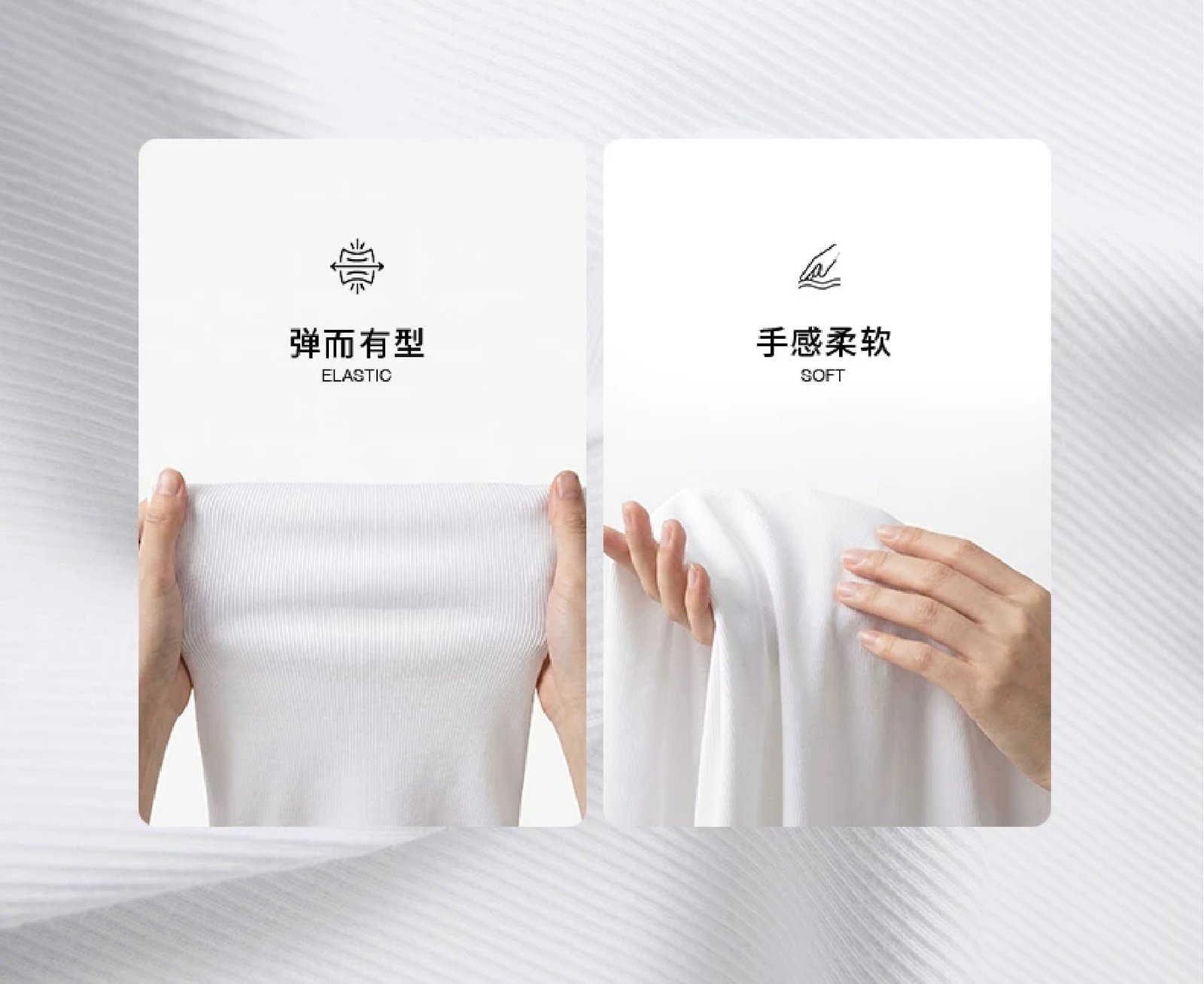
JUNSHEEN develops wholesale polo shirts with fit-focused grading from XS through 3XL, including extended-size, plus-size, and modern oversized programs. Our pattern makers refine body balance, sleeve length, shoulder shape, and mobility across the complete size range instead of simply enlarging a base pattern.
- XS–3XL, plus-size, and oversized grading
- Balanced shoulder, chest, body, and sleeve proportions
- Size-set review before bulk approval
Development From Any Starting Point
Bring a finished tech pack, sketch, reference polo, mood board, or early product idea. Our OEM and ODM team reviews construction, fabric weight, collar structure, measurements, and target cost, then moves your concept through patterns, prototypes, size sets, and pre-production approval.
- Tech-pack review and manufacturability guidance
- Fabric, trim, and collar construction sourcing
- Prototype samples and pre-production confirmation

Decoration Integrated In-House
Create branded polo shirts without managing separate decoration vendors. JUNSHEEN coordinates embroidery, screen printing, transfer applications, custom patches, labels, and packaging within one production workflow, helping protect placement accuracy, color consistency, and production timing from sample through packed goods.
- Flat, 3D, puff, chain-stitch, and applique embroidery
- Screen print, DTF, DTG, silicone, and heat transfer options
- Custom labels, hang tags, buttons, and branded packaging

Controls for Repeat Orders
For ongoing wholesale polo shirts programs, JUNSHEEN retains approved patterns, graded size sets, material records, and production details to improve repeatability. Incoming fabric checks, in-line inspections, measurement reviews, decoration checks, and final packing inspection support consistent quality as your order volume scales.
- Approved specifications retained for faster reorders
- Fabric, construction, measurement, and decoration inspections
- 100-unit MOQ support with scalable 80,000+ monthly capacity

Why Choose JUNSHEEN for Wholesale Polo Shirts
A fit-focused OEM partner for low-MOQ launches and scalable global polo production.
← 左右滑动查看 →
Wholesale Polo Shirts Production Process
A clear, fit-focused workflow that moves your approved polo program from feasibility review to export-ready delivery.
Review Your Polo Brief
Our team reviews your tech pack, reference, quantities, target cost, fit requirements, fabric needs, and decoration details to confirm production feasibility.
Approve Fabrics and Trims
Select piqué, jersey, performance knit, collars, buttons, labels, and packaging. We provide material guidance and swatches aligned with hand feel and budget.
Develop and Refine Samples
Pattern makers create fit-focused XS–3XL grading, then produce samples for measurement, construction, color, branding, and wash-performance approval before bulk commitment.
Run Bulk Production
After pre-production approval, our 200-plus skilled workers coordinate cutting, sewing, embroidery or printing, finishing, and private-label assembly for your wholesale polo shirts.
Inspect, Pack, and Export
Quality checks cover fabrics, measurements, construction, decoration, and packed goods. Approved polos receive branded packing and global export support before shipment.
How to Order Wholesale Polo Shirts from Our OEM Team
Move from an initial concept to approved samples and scalable production with clear technical review, pricing, and quality checkpoints.
Send Your Product Brief
Share a tech pack, sketch, reference garment, logo artwork, target quantities, and market requirements. Our team reviews construction, fit, fabrics, decoration, and private-label needs.
Confirm Specifications and Quote
We recommend workable materials, trims, grading, and production methods, then provide a clear quotation based on your approved specifications, 100-unit MOQ, and delivery requirements.
Approve Development Samples
Review prototype samples for fit, measurements, color, fabric hand feel, embroidery or printing, and labels. Refine details before approving the size set and pre-production sample.
Launch Scalable Bulk Production
After approval, JUNSHEEN manages fabric sourcing, cutting, sewing, decoration, quality inspections, packing, and export coordination, retaining production records to streamline reliable repeat orders.
Custom Clothing Manufacturer Credentials and Compliance Documents




Wholesale Polo Shirts That Earn Repeat Orders
JUNSHEEN turned our reference polo into an approved size set in two sampling rounds. Their XS–3XL grading reduced fit comments by 40%, and we moved from a 120-piece launch to repeat orders totaling 1,800 units.
Our private-label polo program needed embroidery, custom neck labels, and reliable color matching. The first 300 units arrived on schedule, with fewer than 1% inspection issues. We have since added four colorways for our retail partners.
The team gave clear fabric options and caught construction details before sampling, which saved us nearly three weeks. After a successful 100-unit test run, we scaled to 2,400 wholesale polo shirts without changing our fit standard.
Wholesale Polo Shirts FAQ
Clear answers on MOQ, samples, lead times, fit development, private labels, payment, shipping, and IP protection.
What is the MOQ for wholesale polo shirts?
Can I order a sample before placing a wholesale polo shirts bulk order?
How long does wholesale polo shirts production take?
Can JUNSHEEN develop polo shirt fits from XS to 3XL?
Do you offer private-label polo shirts with custom branding?
What payment terms do you offer for OEM polo shirt orders?
Do you ship wholesale polo shirts internationally?
How do you protect my polo shirt designs and brand information?
The Complete Buyer’s Guide to wholesale polo shirts
Use this practical framework to compare wholesale polo shirts, assess supplier capabilities, define specifications, control costs, and avoid the sourcing mistakes that delay production or weaken your brand’s quality standards.
1. What Are Wholesale Polo Shirts?
Three sourcing routes sit behind wholesale polo shirts: stocked blanks, private-label programs, and fully custom OEM production. The term covers bulk purchases for resale, staff uniforms, hospitality teams, schools, events, and promotional campaigns, but the buyer receives a very different product under each route. 100 units per style and color is a practical custom-production starting point for capsule brands that need their own fit, fabric, color, trim, or decoration. Stocked blanks suit urgent uniform buyers and simple promotional orders because finished garments can be purchased by existing color and size; private label suits retailers wanting branded labels, hang tags, or packaging without redesigning the base polo. Six quote inputs should be established before contacting a supplier: target quantity, size ratio, delivery country, fabric direction, decoration method, and required delivery date. For fully custom wholesale polo shirts, also provide a tech pack, reference sample, or clear sketches plus Pantone colors and intended retail price, so the factory can assess manufacturability, MOQ, and the appropriate sampling path.
2. Evolution of the Polo Shirt
1920s tennis champion René Lacoste popularized the short-sleeve, soft-collared piqué shirt that became the modern polo. Its button placket, rib collar, sleeve cuffs and easy movement separated it from woven dress shirts, then made it credible far beyond the court. 1950s–1980s mass adoption moved the silhouette into golf clubs, school uniforms, hospitality teams and corporate workwear. Buyers came to expect a collar that recovers after washing, a stable placket and a clean chest area for embroidery—requirements that still shape wholesale polo shirts. 2000s performance development added polyester, stretch yarns, moisture management and UPF-oriented constructions for active and uniform programs. The same heritage now supports relaxed oversized fits, heavyweight knit polos, sweater-polo collars and twill or jersey workwear versions, while preserving the recognizable collar-and-placket signal. 100-unit capsule orders can use that familiarity strategically: a compact logo reads as professional on a classic piqué polo, while contrast tipping, engineered stripes or tonal embroidery position the garment as fashion. Customers still judge proportion, hand feel and collar shape immediately, so pattern, fabric weight and branding must reinforce the intended price level.
3. Types of Wholesale Polo Shirts
Seven polo directions cover most wholesale polo shirts assortments, but their commercial roles differ. Select the silhouette first, then align fabric weight, fit and color depth with the customer, season and selling channel.
Classic Piqué Polos
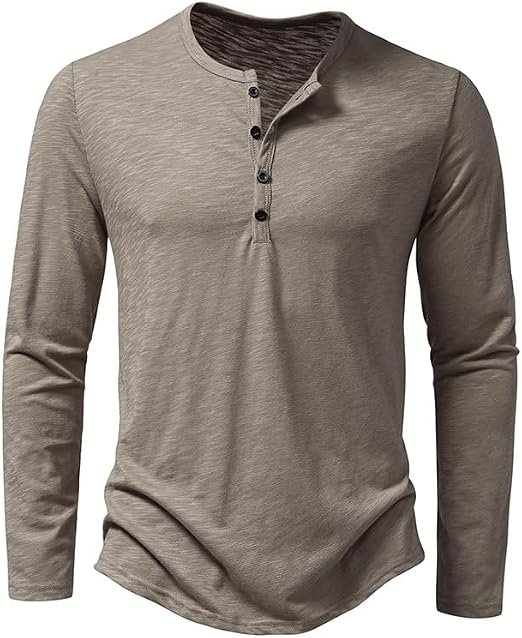
180–240 GSM cotton piqué is the core option for uniform programs, golf shops and mainstream retail. Its textured face, rib collar and structured casual look sell across spring through early fall and support repeat color replenishment.
Jersey And Performance Polos
160–200 GSM jersey creates a softer, cleaner polo for lifestyle labels, resort assortments and promotional wholesale. Polyester or poly-spandex performance versions add moisture management and stretch, making them practical for teamwear, hospitality and warm-weather activity.
Long-Sleeve And Knit Polos
220–320 GSM long-sleeve and sweater-knit polos extend the category into autumn, winter and smarter retail floors. Long sleeves suit layering and uniform transitions, while fine-gauge knits give boutiques and premium menswear channels a polished alternative.
Oversized And Inclusive Fits

XS–3XL grading lets brands build women’s, extended-size and oversized polos without relying on a scaled-up standard block. Oversized cuts fit streetwear and youth e-commerce, while shaped women’s and plus-size fits improve shoulder balance, length and mobility for broad consumer retail.
4. Wholesale Polo Shirts: Materials and Fabrics
180–240 GSM is the practical starting range for most wholesale polo shirts: knit structure changes drape, breathability, recovery, and price as much as fiber content. Request swatches and wash-test a sample before approving bulk fabric.
| Fabric Construction | Typical GSM | Hand Feel And Performance | Best Use | Relative Cost |
|---|---|---|---|---|
| 100% cotton piqué | 200–240 | Textured, breathable, classic; moderate shrinkage | Premium classic polos | Medium–high |
| 100% cotton jersey | 160–200 | Smooth, soft, drapey; needs shrinkage control | Fashion and oversized fits | Medium |
| Cotton-poly piqué | 190–230 | Durable, quick-drying, colorfast | Uniform and retail programs | Medium |
| Polyester performance knit | 140–180 | Light, moisture-wicking, low shrinkage | Golf and active uniforms | Medium |
| Recycled blend knit | 180–220 | Varies by blend; verify certificates | Sustainability-led collections | Medium–high |
Piqué Versus Jersey
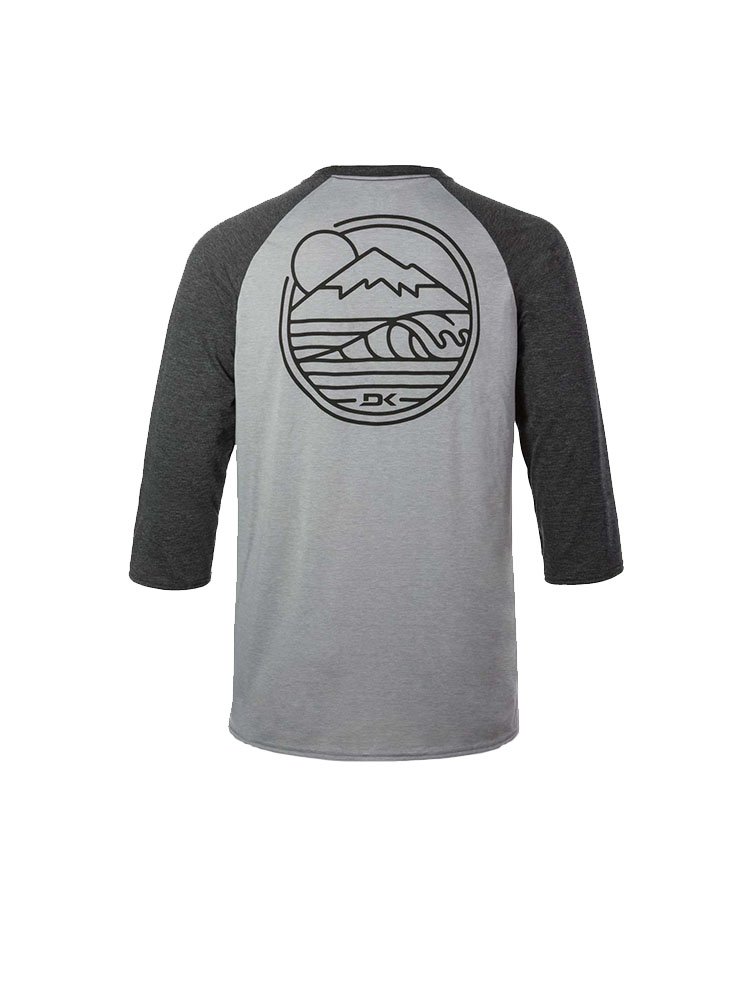
200–240 GSM cotton piqué has the textured honeycomb face buyers expect from classic polos; its air channels breathe well and hide minor wrinkles. Ring-spun piqué feels cleaner than open-end yarn but costs more. 160–200 GSM cotton jersey is smoother, softer, and better for fashion or oversized polos. Jersey can twist or shrink more visibly after washing, so specify pre-shrinking and a finished-garment tolerance.
Blends And Performance
60/40 cotton-polyester blends improve abrasion resistance, color retention, and drying speed while lowering cost against all-cotton. Their hand is less natural, but they suit uniform programs and frequent laundering. 140–180 GSM polyester performance knits wick moisture and resist shrinkage, making them practical for golf, hospitality, and active uniforms. Recycled polyester or recycled cotton supports material-positioning goals, but verify certification scope and batch consistency.
Fabric Cost Drivers
5–10% is a common cotton wash-shrinkage allowance unless fabric is compacted or pre-shrunk; confirm the target after the intended wash method. Heavier GSM, long-staple cotton, recycled certification, and engineered collar ribs all raise fabric cost. 100-unit launches should prioritize an available stock fabric and a repeatable color route; custom yarn dyeing and specialty performance finishes generally require more volume.
5. Customization and Decoration Options
100-unit programs can use several customization routes, but artwork detail, fabric composition, and reorder volume should drive the choice. For wholesale polo shirts, specify decoration before sampling so placement, backing, shrinkage, and color approvals are tested together.
| Method | Visual Effect | Setup And Placement | Durability | Best Quantity |
|---|---|---|---|---|
| Embroidery | Premium, dimensional | Digitized file; chest, sleeve, back yoke | High | 100+ units |
| Screen Print | Opaque, graphic | Screens; smooth panels preferred | High with correct cure | 200+ units |
| DTG or DTF | Fine detail, gradients | Minimal setup; avoid heavy texture | Medium to high | 100–300 units |
| Appliqué | Layered, tactile | Cut pieces; chest or back | High | 100+ units |
Logo Decoration Methods
3D embroidery, flat embroidery, screen printing, DTG, DTF, and appliqué create distinctly different results. Embroidery suits durable chest logos; screen print favors bold artwork, while DTG or DTF preserves short-run detail and gradients.
- Use embroidery on piqué or stable jersey
- Use screen print for broad, solid-color graphics
- Use DTG or DTF for photographic artwork
- Use appliqué for collegiate or textured branding
Method Selection Matrix
1 approved strike-off or print test should precede bulk production, especially on textured piqué. Confirm the artwork size, Pantone targets, backing, and seam clearance on the actual polo size range.
Labels And Trim Details

2 label locations—inside back neck and side seam—cover most private-label requirements. Woven main labels, printed neck labels, size labels, custom buttons, and contrast collar or cuff tipping make a stock silhouette brand-specific without changing its core pattern.
- Specify soft woven labels for sensitive neck areas
- Keep neck prints clear of seam tape
- Match buttons and tipping to approved Pantone references
Garment Dye Considerations
20–40% shade variation can appear across garment-dyed lots, particularly on cotton piqué and rib trims. Garment dyeing gives a washed, lived-in tone, but labels, embroidery thread, buttons, and contrast trims must be selected for dye compatibility.
6. Construction Details That Signal Quality
Fabric weight and fiber content set the starting point, but construction determines whether a polo keeps its shape after washing and wear. Inspect a finished sample inside and out: the collar, placket, seams, hem, buttons, and graded measurements must work as one system.
Collar And Placket Stability
2-ply rib collars recover better than loose single-layer collars, particularly after repeated laundering. Check that the collar points sit evenly and the neck seam is cleanly covered. 2- or 3-button plackets should lie flat without pulling or twisting. Interfacing, matching stitch density, and aligned buttonholes prevent the front opening from rippling.
- Stretch the collar gently and check recovery.
- Button the placket and inspect center-front alignment.
- Compare left and right collar point shape.
Seams, Shoulders, And Vents
3-thread overlock seams can be acceptable for lightweight polos, while higher-stress shoulder and armhole areas benefit from reinforcement such as taped seams or twin-needle topstitching. Inspect seam margins for skipped stitches and puckering. 1–2 inch side vents should be bartacked at their tops and finished neatly on both layers. A curved or dropped hem must remain symmetrical when the garment is laid flat.
- Check shoulder seam position against the spec.
- Pull side-vent bartacks lightly.
- Inspect inside seams for loose thread tails.
Buttons, Hem, And Grading
4-hole buttons sewn with a secure shank resist loosening better than sparse attachment. Test several buttons and confirm the thread color, button spacing, and buttonhole length match the approved sample. XS through 3XL require deliberate grading, not simple enlargement. Review chest, body length, shoulder width, sleeve opening, and collar circumference across a size set; premium fabric cannot correct poor proportions or weak assembly.
- Measure approved points of measure after washing.
- Compare grading increments between adjacent sizes.
- Check hem coverstitch for even tension.
7. How to Choose a Polo Manufacturer
A capable polo supplier should prove more than a quoted unit price. Before committing to wholesale polo shirts, evaluate product know-how, development control, verified capacity, and the evidence behind every production promise.
Verify Polo Specialization
Three reference styles should show the supplier’s experience with piqué, jersey, and long-sleeve polos. Request close photos of collar stand construction, placket stitching, side seams, and finished size labels. One factory visit video should show cutting, sewing, pressing, and packing in sequence. A trading company may coordinate well, but should identify the actual factory and who owns quality control.
Test Development And MOQ
A 100-unit style-and-color MOQ can suit a capsule launch, while bulk programs need clear color and size-break rules. Ask for the tech-pack review, pattern timeline, sample price, revision limit, and pre-production approval process. Two samples matter before bulk: a fit sample confirms measurements, while a sales or pre-production sample confirms fabric, color, trims, and decoration.
Audit Materials And Quality

180–240 GSM piqué is a common starting range, but yarn type, shrinkage, colorfastness, and collar recovery determine real performance. Request fabric swatches, composition documents, Pantone lab dips, test reports, and wash photos. Four inspection stages—fabric receipt, in-line sewing, measurement, and packed-goods review—should be documented. Where required, ask which OEKO-TEX, GOTS, WRAP, or BSCI records apply to the specific factory and material.
Confirm Commercial Readiness
80,000 units of monthly capacity means little without a confirmed production slot and line allocation. Obtain a written critical path covering sample approval, fabric booking, bulk cutting, inspection, balance payment, and shipment. Three practical questions expose weak communication: Who approves substitutions? What is the delay-escalation contact? Which photos and measurement reports arrive before final payment?
- Request factory address, business license, and production-floor photos
- Confirm lead time after all materials and approvals
- Approve a sealed pre-production sample before cutting
8. Common Wholesale Buying Mistakes
Most wholesale polo shirts fail commercially because an unapproved variable reaches bulk production. Before placing a PO, convert cost, fit, material performance, decoration, tolerance and delivery assumptions into signed production controls.
Buying On Unit Price
$4.80 versus $5.30 can conceal lower GSM, open-end yarn, weaker rib recovery or missing inspection. The consequence is returns and rework that exceed the apparent saving. 100-unit buyers should compare like-for-like specifications, including fabric weight, collar construction, trims, packing and defect allowance. Approve a landed-cost quotation rather than a unit-price headline.
Skipping Fit Approval
XS–3XL grading cannot be validated from a base-size sample alone. The consequence is a polo that fits acceptably in M but has uneven shoulder balance, body length or sleeve proportion in extended sizes. 1 approved size set should confirm measurement points, grading increments and wash condition before bulk cutting. Record any approved deviations on the final spec sheet.
Leaving Specifications Vague
Pantone references, stitch details and measurement tolerances must be explicit in the tech pack. Vague instructions create inconsistent interpretations between sample room, cutting and sewing lines. 2–3 cm tolerance is not appropriate for every point of measure; set point-specific limits. Include fabric composition, GSM, collar rib, placket construction, buttons, artwork size and placement.
Ignoring Performance And Logistics
5% shrinkage or poor colorfastness can make a correctly sewn order unsellable after laundering. Request wash testing on the approved fabric and define acceptable dimensional change and color-transfer requirements. 30–45 day sea-freight planning may not protect a launch date when production, inspection and customs are added. Reserve replenishment capacity and calculate freight, duties and buffer stock before confirming bulk.
Overlooking Decoration Limits
12-color artwork, large solid ink areas and embroidery on unstable knit fabric can affect hand feel, registration and puckering. The consequence is rejected appearance or slower, costlier production. 1 strike-off or decorated pre-production sample should approve artwork scale, colors, placement and wash durability. Match the method—screen print, DTF or embroidery—to the fabric and quantity.
9. Steps to Launch a Polo Shirt Line
A 100-unit MOQ can make a focused first polo program commercially testable, provided the brief fixes customer, price band, fit and launch channel before sampling. Start with one recognizable point of view, then validate it through physical approvals rather than assumptions.
Define The Customer Brief
One target wearer should anchor the first range: specify occasion, climate, retail price, competitor set and intended silhouette. Limit an initial drop to two or three colors so inventory depth supports clearer demand signals. Three non-negotiables—such as an oversized collar, longer sleeve or extended-size grading—protect brand identity when cost decisions arise.
- Target retail price and margin
- Core sizes and grading range
- Sales channel and delivery date
Build Production-Ready Specifications
A complete tech pack records flat sketches, measurements, grading rules, Pantone references, stitch details, labels and packaging. Include a construction callout for placket length, collar rib, button count and artwork placement. One reference garment can clarify intent, but measured specifications prevent a factory from copying an unverified fit.
Sample, Review, Approve

One development sample should test fabric weight, shrinkage, collar recovery and decoration before bulk commitments. Piqué polo fabrics commonly sit around 180–240 GSM; choose weight against climate, opacity and target hand feel. Two focused revision rounds are usually safer than approving a sample with unresolved fit or color concerns. Approve a sealed pre-production sample only after measurements, wash results and trims match the signed specification.
Control Bulk And Launch
Bulk production should begin from the approved pre-production sample, retained material records and an agreed inspection standard. Check incoming fabric, in-line measurements, logo placement and final packed quantities before balance payment and shipment. Four weeks before arrival, align product photography, size guidance, merchandising copy and replenishment rules. Emerging labels reduce risk by booking a modest color-size mix, then using sell-through data to guide repeat orders.
10. Wholesale Polo Shirts Pricing and Costs
100 units per style and color is Junsheen’s practical starting point, but a comparable polo quote must lock fabric, weight, color count, construction, decoration, labels, packaging, Incoterm, and destination. A 180–220 GSM cotton piqué blank costs differently from a 240–280 GSM mercerized or performance piqué, while embroidery, contrast collars, custom buttons, and individual polybags add labor or materials. 30–45 days is a common bulk-production planning window after sample and material approval; development, special-dye fabric, or multiple Pantone colors can extend it. Request a specification-based quote showing FOB versus delivered shipping, sample charges, embroidery digitizing or screen setup, and whether duties, freight, and inspection are included in the landed cost.
| Quantity tier | Indicative FOB unit-cost effect | Sampling or setup | Typical timing |
|---|---|---|---|
| 100–299 units | Highest unit cost; efficient for launch validation | Prototype/sample plus logo digitizing or screen setup | Sampling 7–21 days; bulk often 30–45 days |
| 300–999 units | Lower fabric and labor allocation per unit | Setup spread across more units; size-set sample advisable | Bulk commonly 25–40 days after approvals |
| 1,000–2,999 units | Better negotiated fabric, trim, and packing rates | Custom labels and cartons become more economical | Allow 30–45 days; confirm material booking |
| 3,000+ units | Best scale economics; freight consolidation can reduce landed cost | Dedicated color, trims, and testing may add upfront cost | Plan 45–60 days for complex programs |
Start Your Wholesale Polo Shirts Quote
Send your tech pack, reference garment, or product idea for OEM sampling and a tailored quotation from JUNSHEEN.