
Custom Embroidered Puffer Jacket OEM Manufacturing
Develop your custom embroidered puffer jacket with private-label support, logo embroidery, and fit-focused XS–3XL grading for global production.
Featured Products for custom embroidered puffer jacket Development


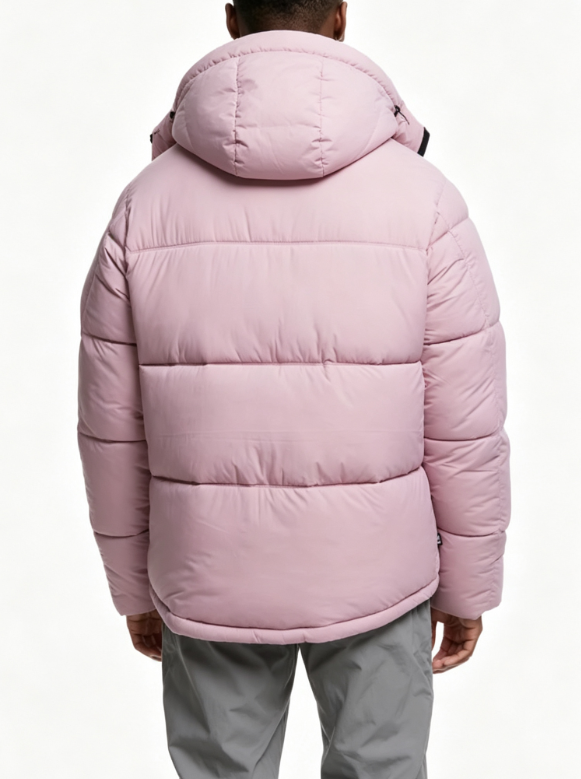


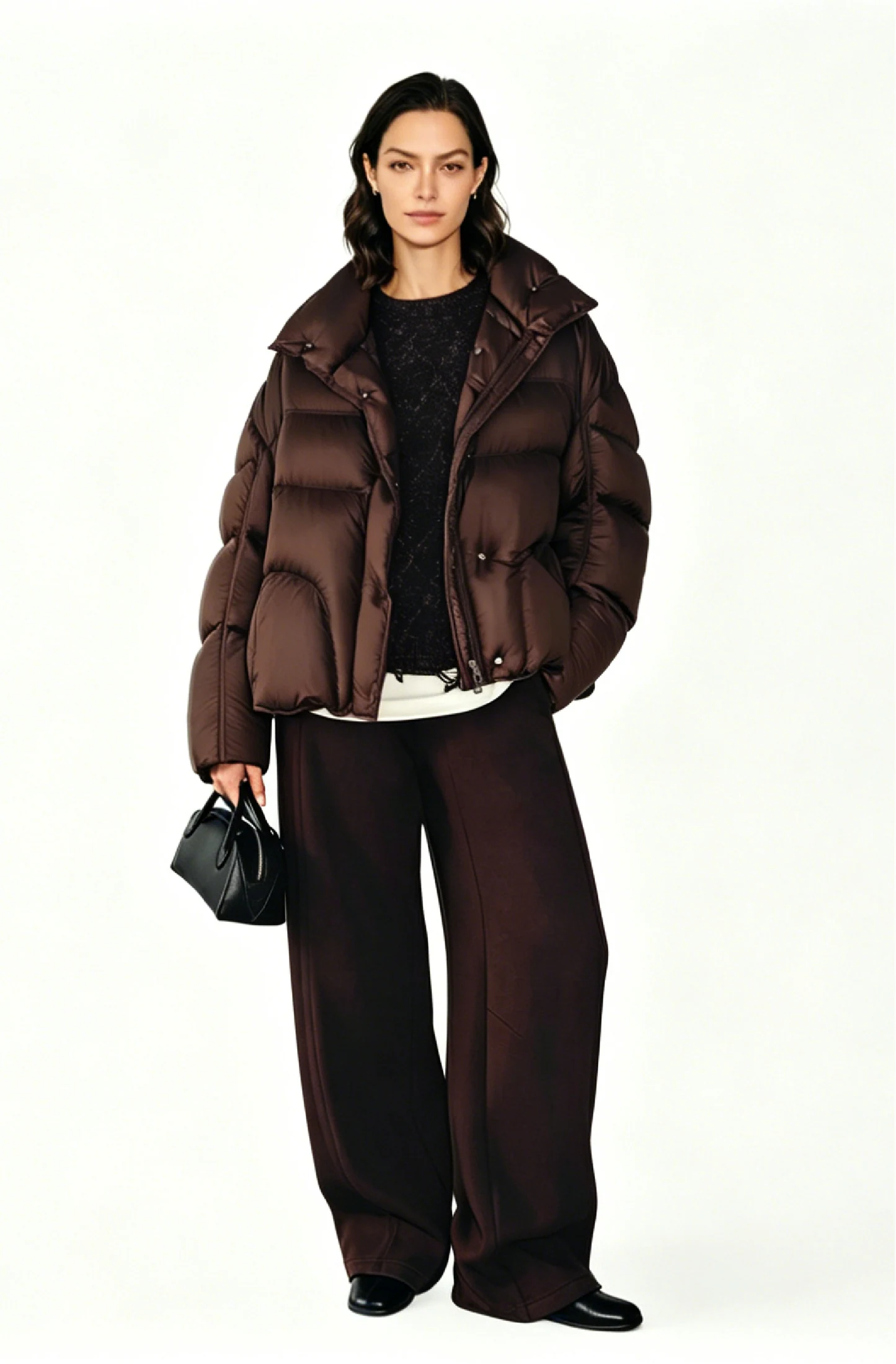
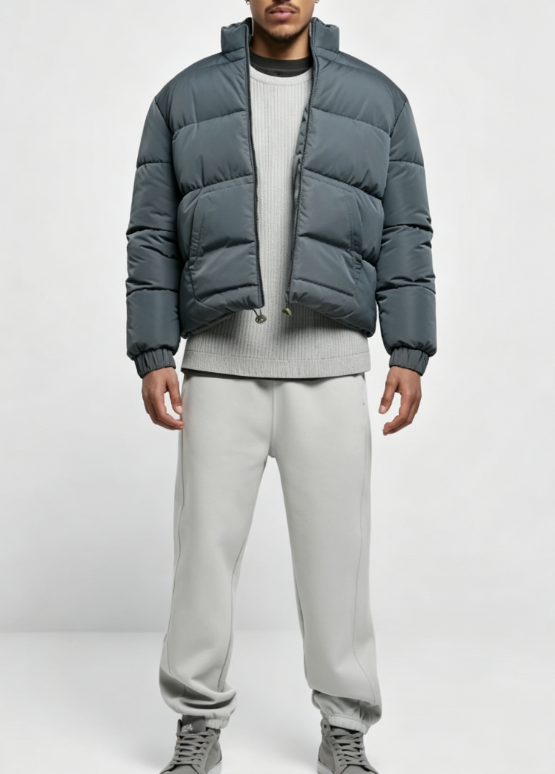


Custom Embroidered Puffer Jacket Catalogue & Quotation


Why Source Custom Embroidered Puffer Jackets from JUNSHEEN
Build outerwear programs with flexible entry volumes, fit-led development, controlled decoration, and dependable global production support.
100-Unit MOQ
Launch a custom embroidered puffer jacket capsule from 100 units per style and color without sacrificing production-ready development.
In-House Embroidery
Choose flat, 3D puff, chain stitch, applique, patches, and logo embroidery with placement review for padded outerwear panels.
Fit-Led Size Development
Develop XS–3XL, extended-size, plus-size, and oversized fits with refined proportions, mobility, and grading across your complete size set.
Scalable Outerwear Production
Move from sampling to repeat bulk programs through 200+ skilled workers and monthly capacity exceeding 80,000 apparel units.
Export-Ready Private Label
Coordinate labels, trims, packaging, quality checks, and global shipping support through one experienced OEM and private-label manufacturing partner.
Puffer Jacket OEM for Every Collection
From capsule launches to scalable wholesale programs, Junsheen develops fit-focused casualwear, denim, knitwear and outerwear under your brand.

Custom Hoodies
Develop custom hoodies in fleece, French terry or jersey with fit development from XS–3XL. Choose oversized, standard or plus-size proportions, then add embroidery, screen printing, washes, private labels and branded packaging from 100 units per style and color.
Request a Quote
Custom T-Shirts
Produce custom T-shirts from a tech pack, reference garment or initial concept. Junsheen supports custom tshirt development in combed cotton, Pima cotton, organic cotton and blends, with refined necklines, body lengths, size grading, printing and private-label trims.
Request a Quote
Custom Jeans
Develop custom jeans in rigid or stretch denim with your preferred rise, leg shape, wash and hardware. Pattern makers grade fit from XS–3XL, while in-house teams manage pocket details, distressing, garment washes, labels and bulk quality control.
Request a Quote
Custom Sweaters
Source turtle neck sweater bulk programs in knit constructions suited to your target hand feel, weight and price point. Junsheen develops gauge, rib structure, neckline shape and XS–3XL grading for private-label collections, capsule drops and replenishment orders.
Request a Quote
Custom Jackets
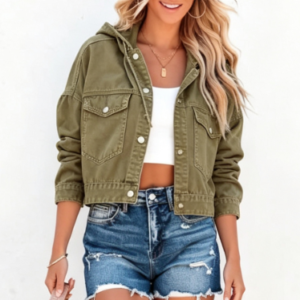
Create custom jean jacket programs in denim, twill or lined constructions for seasonal collections. Development covers silhouette, collar and pocket engineering, washes, distressing, embroidery, patches, custom buttons, labels and coordinated sizing across the range.
Request a Quote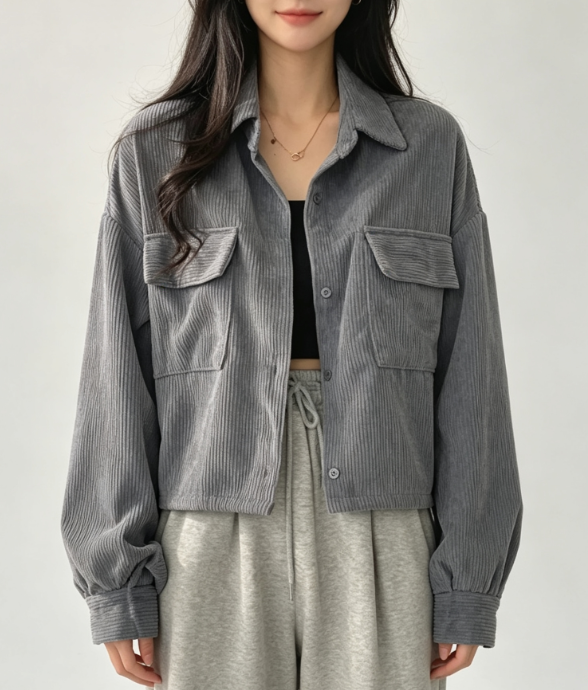
Custom Sweatshirts & Crewnecks
Build custom crewneck hoodie and sweatshirt programs with fleece, French terry or brushed jersey options. Specify rib details, relaxed or oversized proportions, decoration placement and wash effects, supported by pattern development, size sets and low-MOQ production.
Request a Quote
Custom Cardigans
Develop custom cardigans in sweater knits with tailored choices for yarn, gauge, button placket, rib trims and silhouette. Junsheen supports cropped, classic, oversized and extended-size fits, plus custom buttons, labels and packaging for private-label release.
Request a Quote
Custom Puffer & Down Jackets
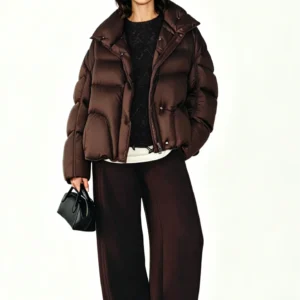
Produce custom puffer jacket programs for private-label outerwear collections, from lightweight quilted layers to insulated winter styles. Development includes shell fabric, lining, fill, quilting, pockets, zippers, reflective details, branded trims and fit approval before bulk production.
Request a Quote
Custom Denim Shorts
Make custom jean shorts in rigid or stretch denim for menswear, womenswear and extended-size assortments. Define inseam, rise, hem finish, pocket construction and wash treatment, then add embroidery, patches, labels and matched denim color programs.
Request a Quote
Custom Sweater Dresses
Develop custom sweater dresses with knit structures that balance drape, coverage and durability. Junsheen supports fitted, relaxed and oversized silhouettes, neckline and rib variations, XS–3XL grading, yarn sourcing, labels and production for seasonal private-label collections.
Request a Quote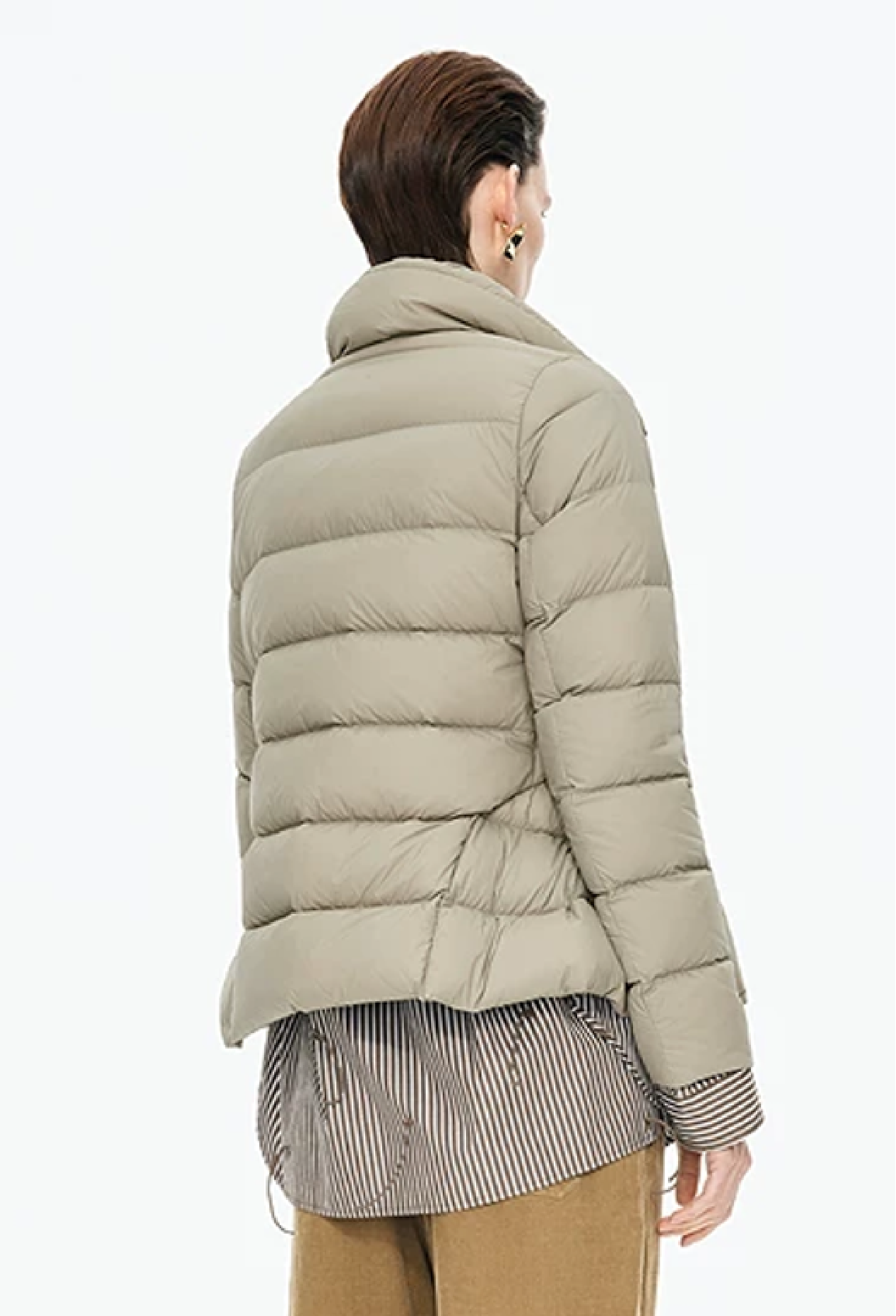
Custom Denim Sets
Create mens denim suits wholesale programs with coordinated denim jackets and jeans developed as a matching set. Junsheen aligns fabric, wash, hardware and grading across both pieces, supporting wholesale-ready assortments from 100 units per style and color.
Request a Quote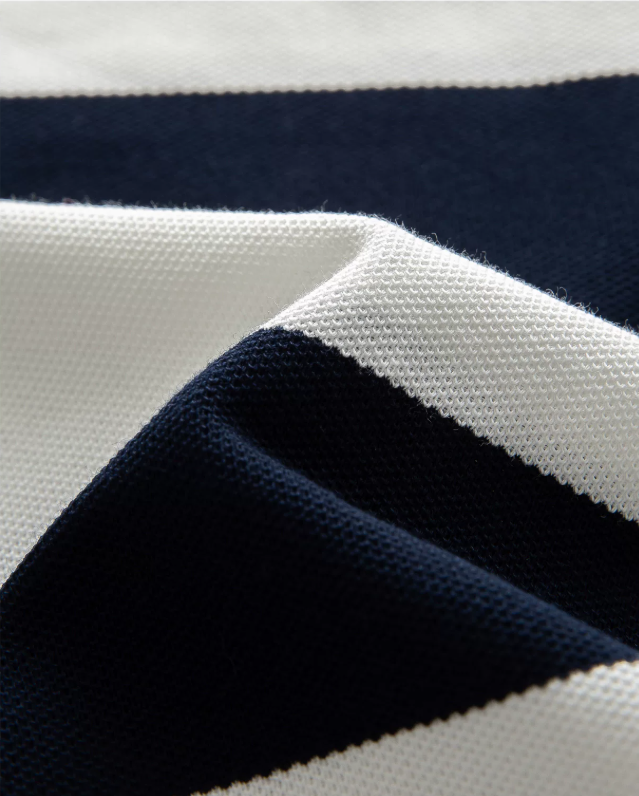
Custom Polo Shirts
Produce custom polo shirts in piqué, jersey or performance knit fabrics for retail, uniform and branded apparel programs. Specify collar construction, placket, sleeve finish, fit and logo treatment, with embroidery, printing, private labels and size grading available.
Request a Quote
Custom Sweatpants
Develop custom sweatpants in fleece, French terry or jersey with jogger, straight-leg or relaxed proportions. Junsheen manages waistband, drawcord, pocket and cuff specifications, along with XS–3XL grading, embroidery, printing, washes and matching-set production.
Request a Quote
Custom Shorts
Produce custom shorts in jersey, fleece, twill, woven or performance fabrics for casualwear and coordinated collections. Define inseam, waistband, pocket layout and finishing, then add custom labels, prints, embroidery and grading for standard, plus-size or oversized fits.
Request a Quote
Custom Pullovers
Develop custom pullovers in knit, fleece or jersey constructions based on your intended silhouette and season. From quarter-zips to classic pull-on styles, Junsheen supports fabric selection, pattern making, XS–3XL grading, decoration, trims and private-label finishing.
Request a QuoteCustom Embroidered Puffer Jacket Materials We Support

Recycled Nylon Shell
A smooth, lightweight shell for premium city puffers and technical outerwear. Its tightly woven face supports wind resistance and durable water-repellent finishes, while recycled-content options help brands meet sustainability sourcing goals.

Matte Polyester Shell
A dependable, cost-conscious shell with a soft matte hand for everyday branded puffer jackets. Available in varied deniers and weights, it offers good abrasion durability, reliable color consistency, and broad trim-matching flexibility.

Water-Resistant Taslan
Taslan polyester delivers a cotton-like, lightly textured hand for lifestyle and workwear-inspired puffers. The durable woven construction performs well with water-repellent coating and gives embroidered logos a stable, substantial outer surface.

Polyester Taffeta Lining
A smooth, low-friction lining suited to easy layering and efficient production. Its lightweight construction helps jackets slide on comfortably over knitwear, while anti-static or breathable finishing can be specified for the intended market.

Down Alternative Fill
Lofty polyester insulation creates a warm, animal-free option for accessible winter collections. Fiber weight can be adjusted for climate needs, delivering resilient bulk recovery and easier-care performance than natural-fill constructions.

Certified Down Fill
Natural down-and-feather fill provides premium warmth with a light, compressible feel for elevated puffer programs. Fill power and blend ratio are selected around insulation targets, packability, cost, and traceability documentation requirements.
Custom Embroidered Puffer Jacket Decoration Methods

Logo Embroidery
Flat, 3D puff, and chain-stitch embroidery create precise, premium logos on chest panels, sleeves, and back yokes. Our team reviews placement around baffles and insulation to maintain clean stitching and durable definition.

Custom Patches
Woven, embroidered, chenille, leather-look, and silicone patches add dimensional branding without overwhelming a quilted shell. Secure stitching and placement planning help patches sit neatly while supporting long-term wear and repeat production.

Applique Details
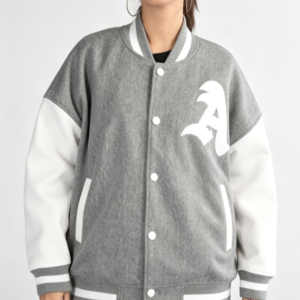
Applique combines layered fabrics with embroidery for bold collegiate, heritage, or streetwear graphics. We match fabrics, edge finishes, and stitch density to the jacket shell, creating textured decoration with a controlled, durable appearance.

Screen Print
Plastisol, water-based, puff, high-density, foil, and reflective screen prints deliver scalable graphic coverage for selected smooth panels. We assess shell fabric, seam locations, and heat sensitivity to preserve adhesion, color impact, and flexibility.

Heat Transfer
DTF, silicone, vinyl, and specialty heat transfers suit detailed logos, small runs, and multi-color artwork. Applied to compatible puffer-jacket panels, they provide sharp edges, reliable color reproduction, and efficient brand personalization.

Specialty Effects
Reflective details, sequins, flocking, and metallic or raised effects help collections stand out in fashion and performance-inspired outerwear. JUNSHEEN develops samples to confirm visual impact, placement, and durability before bulk production.
Custom Embroidered Puffer Jacket Trims & Accessories

Custom Zippers
Choose branded pullers, coated finishes, contrast tape, or durable front and pocket zippers sized for your custom embroidered puffer jacket. Junsheen coordinates zipper selection with shell weight, insulation bulk, and intended wear conditions.

Snap Buttons
Add logo snaps at plackets, cuffs, pockets, or detachable hood points for secure closure and a refined hardware signature. Options include matte, gloss, antique, rubberized, and color-matched finishes for collection consistency.

Drawcord Tipping
Specify adjustable hem or hood drawcords with custom aglets, silicone-dipped ends, contrast colors, or woven detailing. These trims help refine weather protection while carrying a deliberate sportswear or premium streetwear identity.

Woven Labels
Create main labels, size labels, care labels, and side flags with your brand artwork, fiber content, and market-required information. Private-label label sets are checked for placement, readability, and clean integration into the jacket construction.

Reflective Details
Use reflective piping, logo transfers, zipper pulls, or trim accents to improve visibility and give outerwear a technical finish. Junsheen can position reflective elements around seams, pockets, sleeves, and back yokes without compromising embroidery placement.
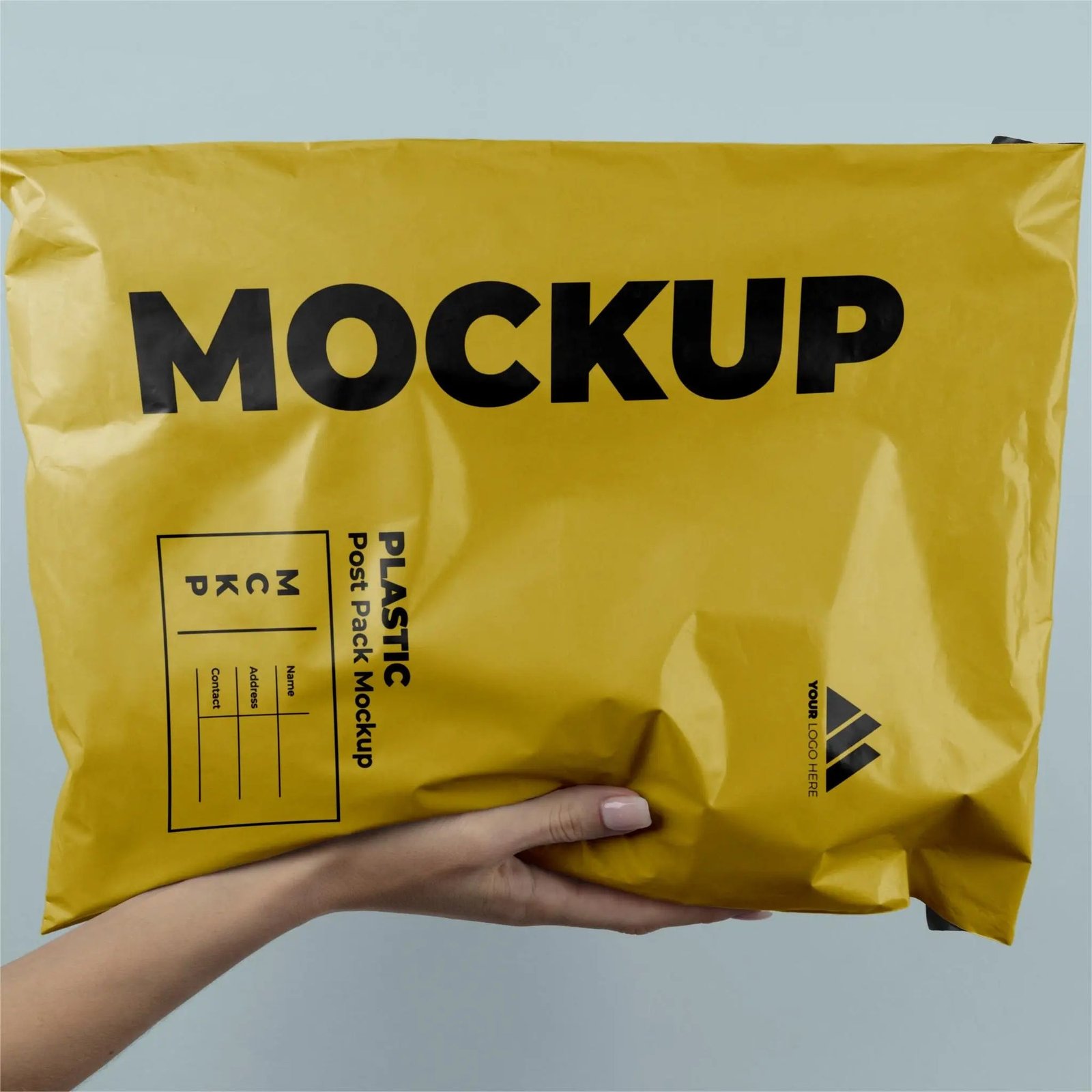
Branded Packaging
Complete delivery with custom hangtags, polybags, tissue, stickers, carton marks, and packing inserts that support retail presentation. Packaging can be matched to your launch requirements, shipping method, and private-label unboxing experience.
About JUNSHEEN Apparel Manufacturing
Founded in 2010 in Humen Town, Dongguan, JUNSHEEN helps fashion brands turn outerwear concepts into production-ready custom embroidered puffer jackets. Our mission is to provide responsive OEM, ODM and private-label manufacturing that gives emerging labels and established sourcing teams a dependable path from development through global delivery.
With more than 200 skilled workers, monthly capacity above 80,000 units and experience serving 2,000+ fashion-brand clients, we combine product development, pattern making, fabric sourcing, cut-and-sew production, embroidery, quality control, private labeling and export support in one integrated supply chain.
What sets JUNSHEEN apart is fit-focused development from XS to 3XL, including extended-size, plus-size and modern oversized grading. Starting from 100 units per style and color, we refine technical details early, retain production records for repeatability and scale proven puffer jacket programs as your collection grows.

Core Capabilities Behind Every Custom Embroidered Puffer Jacket
Fit Grading From XS–3XL
JUNSHEEN develops custom embroidered puffer jacket patterns for standard, extended-size, plus-size, and oversized ranges. Our pattern team adjusts shoulder balance, body length, sleeve mobility, and grading increments rather than simply scaling one base size.
- Fit-focused pattern development from XS through 3XL
- Size-set sampling before bulk approval
- Oversized and plus-size proportions refined by style
- Measurement records retained for repeat orders

Performance Material Sourcing
Select shell, lining, insulation, and rib materials around your target price, warmth, weight, hand feel, and wear requirements. Our supplier network supports recycled options, woven shells, performance fabrics, and durable trims for production-ready outerwear.
- Fabric and insulation recommendations by target market
- Swatches and sample garments available for review
- Shell, lining, fill, and trim compatibility checked
- Material records maintained for reorder consistency

Embroidery Built for Outerwear
Our in-house team plans logo embroidery around puffer construction, panel placement, fill volume, and backing needs. Flat, 3D puff, chain stitch, applique, patches, and custom logo treatments are reviewed before sampling to protect appearance and durability.
- Logo placement planned with quilt lines and seams
- Flat, 3D puff, chain stitch, and applique options
- Backing and stitch density matched to shell fabric
- Decoration checked during sampling and final inspection

Controlled Bulk Production
From 100 units per style and color to ongoing wholesale programs, JUNSHEEN manages cut-and-sew production, quality control, private labels, packaging, and export support in one workflow. More than 200 skilled workers support monthly capacity above 80,000 units.
- Low MOQ from 100 units per style and color
- In-line checks for construction, measurements, and embroidery
- Custom labels, trims, and branded packaging available
- Scalable production with global shipping support

Why Brands Choose JUNSHEEN for Custom Embroidered Puffer Jackets
Evidence-based production support from first sample through repeat bulk orders.
← 左右滑动查看 →
Custom Embroidered Puffer Jacket Production Process
A controlled workflow from feasibility review to export-ready delivery, built for 100-unit launches and scalable repeat production.
Review Design Feasibility
We assess your tech pack, sketch, or reference garment, confirming construction, target fit, embroidery placement, MOQ, costing factors, and production requirements.
Source Materials And Trims
Our team recommends shell fabrics, linings, insulation, zippers, labels, and trims based on target cost, warmth, hand feel, durability, and brand direction.
Develop Patterns And Samples
Pattern makers build and grade fit-focused XS–3XL specifications, then produce prototypes and size sets for approval before bulk materials are committed.
Cut Sew And Embroider
Approved materials move into coordinated cutting, puffer construction, filling, quilting, logo embroidery, and private-label application under in-line production control.
Inspect Pack And Ship
We check measurements, fit, construction, decoration, and packed goods, then complete branded packaging, export documentation, and global shipment coordination.
Start Your Custom Embroidered Puffer Jacket Project
Move from concept to controlled bulk production with clear development milestones, fit-focused sampling, and one manufacturing team managing every technical detail.
Submit Your Concept
Send a tech pack, sketch, reference garment, or mood board with target quantities, sizing, embroidery placement, materials, and required private-label details.
Review Feasibility
Our team evaluates construction, insulation, shell fabrics, embroidery requirements, XS–3XL grading, and MOQ, then provides practical recommendations and a clear quotation.
Approve Your Samples
Review prototype and size-set samples for fit, warmth, decoration, trims, measurements, and finishing before confirming production-ready specifications for your custom embroidered puffer jacket.
Launch Managed Production
JUNSHEEN coordinates material sourcing, bulk cutting, embroidery, sewing, inspections, labeling, packing, and export preparation while keeping your order aligned with approved standards.
Custom Clothing Manufacturer Credentials and Compliance Documents



Custom Embroidered Puffer Jacket Results from Global Brands
JUNSHEEN helped us launch our first embroidered puffer capsule at the 100-unit MOQ. The team refined the oversized grading and delivered our approved bulk order on schedule, leading us to place two repeat color orders within six months.
Our logo embroidery stayed clean and consistent across 480 insulated jackets, including the larger back placement. Their sample feedback prevented a costly trim issue, and our retailer acceptance rate was 100% on the first delivery.
We needed a women’s-to-unisex puffer program with sizes XS through 3XL. JUNSHEEN adjusted the fit rather than simply scaling it up, and the first 300-unit run generated a 28% reorder from our wholesale accounts.
Custom Embroidered Puffer Jacket FAQ
Clear answers on MOQ, sampling, production, fit, decoration and export support for your private-label outerwear program.
What is the MOQ for a custom embroidered puffer jacket?
Can I order a custom embroidered puffer jacket sample before bulk production?
How long does custom embroidered puffer jacket production take?
Which embroidery options work best on puffer jackets?
Can you develop oversized and plus-size puffer jacket fits?
What payment terms do you offer for puffer jacket orders?
Do you ship custom puffer jackets internationally?
How do you protect my custom embroidered puffer jacket design and brand details?
Custom Embroidered Puffer Jacket: Complete Buyer’s Guide
Use this decision framework to specify a custom embroidered puffer jacket, compare materials and factories, control costs, and avoid sampling, quality, sizing, and production mistakes before placing your order.
1. What Is a Custom Embroidered Puffer Jacket?
100 units per style and color is a practical starting point for a capsule custom embroidered puffer jacket program at JUNSHEEN. The product is an insulated outerwear garment defined by a shell fabric, lining, insulation fill, quilted baffles or channels, front closure, collar or hood, pockets, and embroidery placed on the shell, patch, or applique panel. 3 core specifications determine what a buyer is actually sourcing: the silhouette and graded size range, the material-and-warmth package, and the branding execution. A brief should identify body length, fit target, shell and lining hand feel, insulation type and fill weight, baffle layout, zipper or snap specification, color standards, label package, packaging, and approved embroidery locations. 2 decoration constraints make embroidery different from printed branding: needlework adds stitch density, backing, thread relief, and potential stress to a padded shell. Small chest logos, sleeve marks, team uniforms, retail capsules, workwear, and private-label outerwear are common uses, but artwork should be planned before sampling so baffles, seams, pockets, and insulation do not distort the logo or restrict machine access. 2010 is the year JUNSHEEN was founded in Humen, Dongguan; its development process can turn a tech pack, sketch, reference garment, or concept into a production-ready specification. Buyers should approve a decorated sample and size set before bulk production, especially when the program includes extended sizing through 3XL or a modern oversized fit.
2. Evolution of the Custom Embroidered Puffer Jacket
1936: Eddie Bauer patented a quilted, down-insulated jacket after a near-fatal fishing trip, establishing the puffer as equipment first. Early baffles, high collars, storm protection, and subdued colorways were designed to preserve loft and warmth; those functional cues still signal credibility in a custom embroidered puffer jacket. 1970s-1980s: ski culture and technical outerwear moved the puffer from expedition use into everyday wardrobes. Brands began treating the chest, sleeve, and back yoke as visible identity zones, while teamwear adopted crests and names—making embroidery a durable alternative to prints that can crack or abrade. 1990s-2000s: streetwear recast the jacket as a silhouette-led status piece, favoring cropped bodies, oversized fits, glossy shells, contrast linings, and bolder branding. For sourcing teams, that legacy means selecting the silhouette before approving a logo: a small left-chest mark reads premium on a clean matte shell, while large back embroidery needs enough unquilted area and stable backing to avoid puckering. 100-unit capsule runs now let private-label brands test that balance without committing to a broad program. A restrained tonal embroidery, custom zipper pull, woven label, and well-proportioned fit can create more perceived value than oversized decoration; the product must still retain its insulating purpose, mobility, and clean quilt lines.
3. Types of Custom Embroidered Puffer Jackets
Silhouette selection sets the target climate, fill level, embroidery placement, and final freight profile before sampling begins. A custom embroidered puffer jacket quote should identify length, hood configuration, intended temperature range, and size range from the first tech pack.
Cropped And Regular Puffers
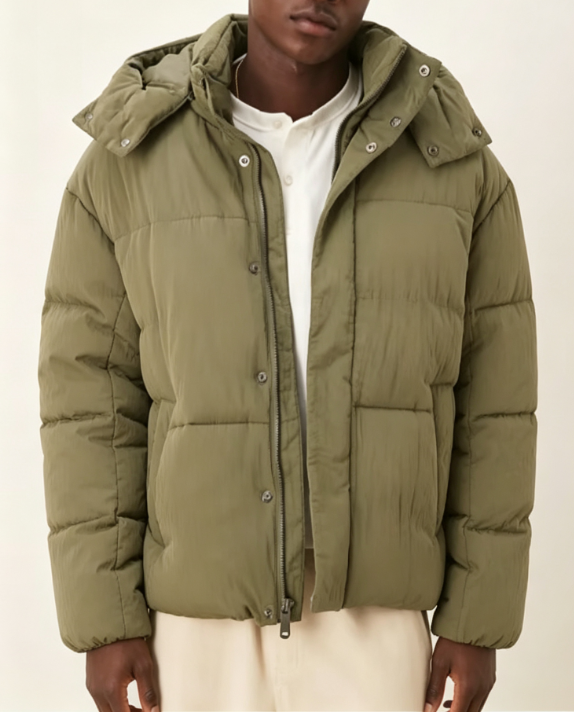
Cropped bodies typically finish at the waist and suit trend-led womenswear, youth capsules, and mild-to-cool urban climates. Keep insulation moderate so the short shape retains volume without becoming rigid. Regular hip-length jackets serve the broadest unisex and retail customer base, with dependable coverage for everyday cold weather. Chest logos, sleeve emblems, and contrast lining labels provide branding without interrupting baffle construction.
Longline And Hooded Styles

Longline puffers commonly reach mid-thigh or below and target commuters, modest-fashion customers, and colder markets. Higher-fill insulation, two-way zippers, hem vents, and reinforced pocket bags improve mobility and practical warmth. Hooded versions need a defined hood depth, brim shape, drawcord route, and embroidery-safe panel before pattern approval. Avoid placing dense embroidery across baffle seams, where puckering can distort the shell.
Puffer Vests And Lightweight Layers
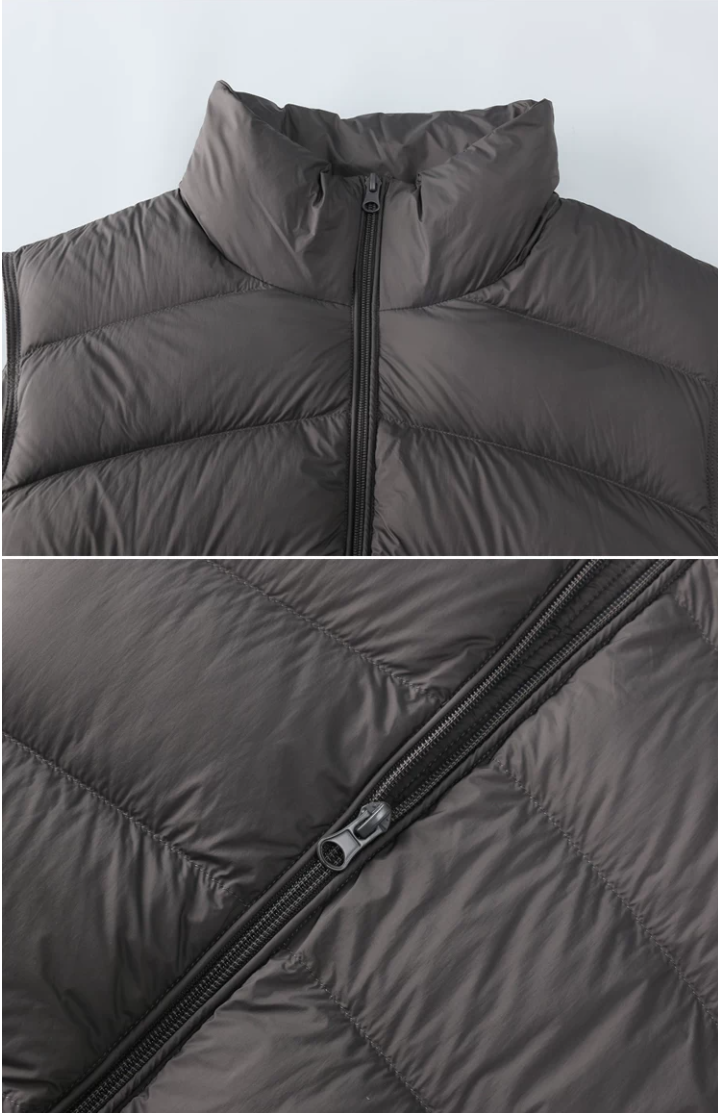
Vest programs suit transitional weather, outdoor layering, workwear, and promotional assortments. A sleeveless pattern reduces sewing operations but requires balanced armhole binding and a stable collar stand. Lightweight puffers usually prioritize packability and spring-to-fall use over extreme warmth. Specify shell weight, baffle width, and embroidery backing early because thin fabrics can show needle marks.
Heavy Winter Puffers

Heavy winter styles are designed for sustained cold exposure and customers who value protection over compactness. Larger baffles, fuller insulation, storm flaps, internal cuffs, and substantial zippers add material cost and sampling checkpoints. 100-unit starting programs should limit first-run colorways and complex embroidery locations to protect consistency. Request a sample in the intended fill weight, then assess loft recovery, seam appearance, fit, and logo clarity after handling.
4. Custom Embroidered Puffer Jacket Materials
40D–70D shell selection sets the jacket’s hand, abrasion resistance, and embroidery stability. For a custom embroidered puffer jacket, approve shell, lining, fill, and trim swatches together before the bulk fabric is booked.
| Material Choice | Best Climate | Appearance | Durability | Target Price |
|---|---|---|---|---|
| 50D polyester, 120–160 g/m² fill | Mild to cool | Matte or shiny | Good everyday wear | Entry to mid |
| Recycled polyester, 160–200 g/m² fill | Cool and wet | Matte technical | Good; verify certification | Mid |
| 20D–40D nylon, 180–250 g/m² fill | Cold or active use | Clean premium sheen | High for weight | Mid to premium |
Shell Fabric Selection

50D polyester is a practical mid-market shell: it accepts durable water-repellent finishing and gives embroidery a stable face. Recycled polyester offers the same general performance when fiber certification and color consistency are confirmed. 20D–40D nylon is lighter and usually tougher for its weight, making it suitable for premium packable styles. Matte calendered shells read technical and understated; shiny cire finishes create a more fashion-forward surface but show needle marks more readily.
Lining And Insulation

210T polyester taffeta is a common smooth lining for value-oriented puffers, while 20D nylon or brushed tricot improves next-to-skin comfort. Lining weight should balance easy layering with seam durability. 100–160 g/m² polyester wadding suits mild to cool weather; 180–250 g/m² suits colder urban programs. Recycled fill supports sustainability positioning, while down or down-blend fill commands premium pricing but needs fill-power, feather-content, and leakage testing.
Weatherproofing And Trims
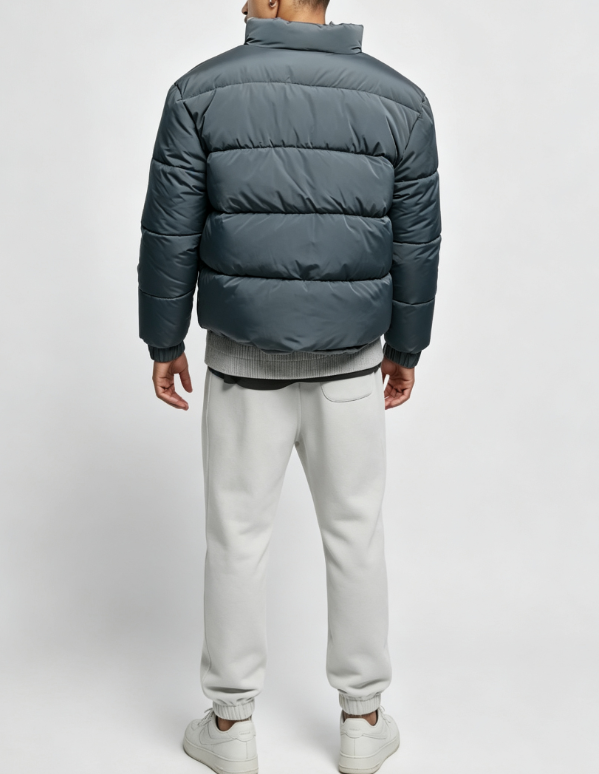
C0 DWR finishes help light rain bead off without making a jacket waterproof; seam construction and coating determine higher protection. A 600–1,500 mm hydrostatic-head coating is useful for commuter outerwear, but can reduce breathability. 5# molded zippers, nylon coil zippers, snaps, elastic binding, and rib cuffs should match intended use. Embroidery placements must avoid zipper tape, baffle seams, and high-stress pocket edges.
5. Embroidery and Branding Options
A padded shell needs decoration planned before quilting and fill insertion, because needle penetration can affect loft and water resistance. For a custom embroidered puffer jacket, specify artwork, placement, and backing together with the panel layout.
| Option | Best Placement | Artwork Limit | Padded-Garment Consideration |
|---|---|---|---|
| Flat embroidery | Left chest or sleeve | Fine lines at moderate scale | Use controlled density and backing |
| 3D puff embroidery | Chest or cap-like panels | Bold shapes; avoid tiny text | Keep clear of baffle seams |
| Embroidered patch | Chest, sleeve, or back yoke | High-detail logos | Limits direct needle penetration |
| Woven label or zipper pull | Inside neck or front zip | Small branding and text | Adds identity without compressing fill |
Choose the Right Method

Flat embroidery suits small chest marks and fine lettering; 3D puff embroidery creates raised forms but needs simple, open artwork. Patches often protect loft better on heavily filled panels, while a woven label delivers fine detail without dense needlework.
Control Stitch Density
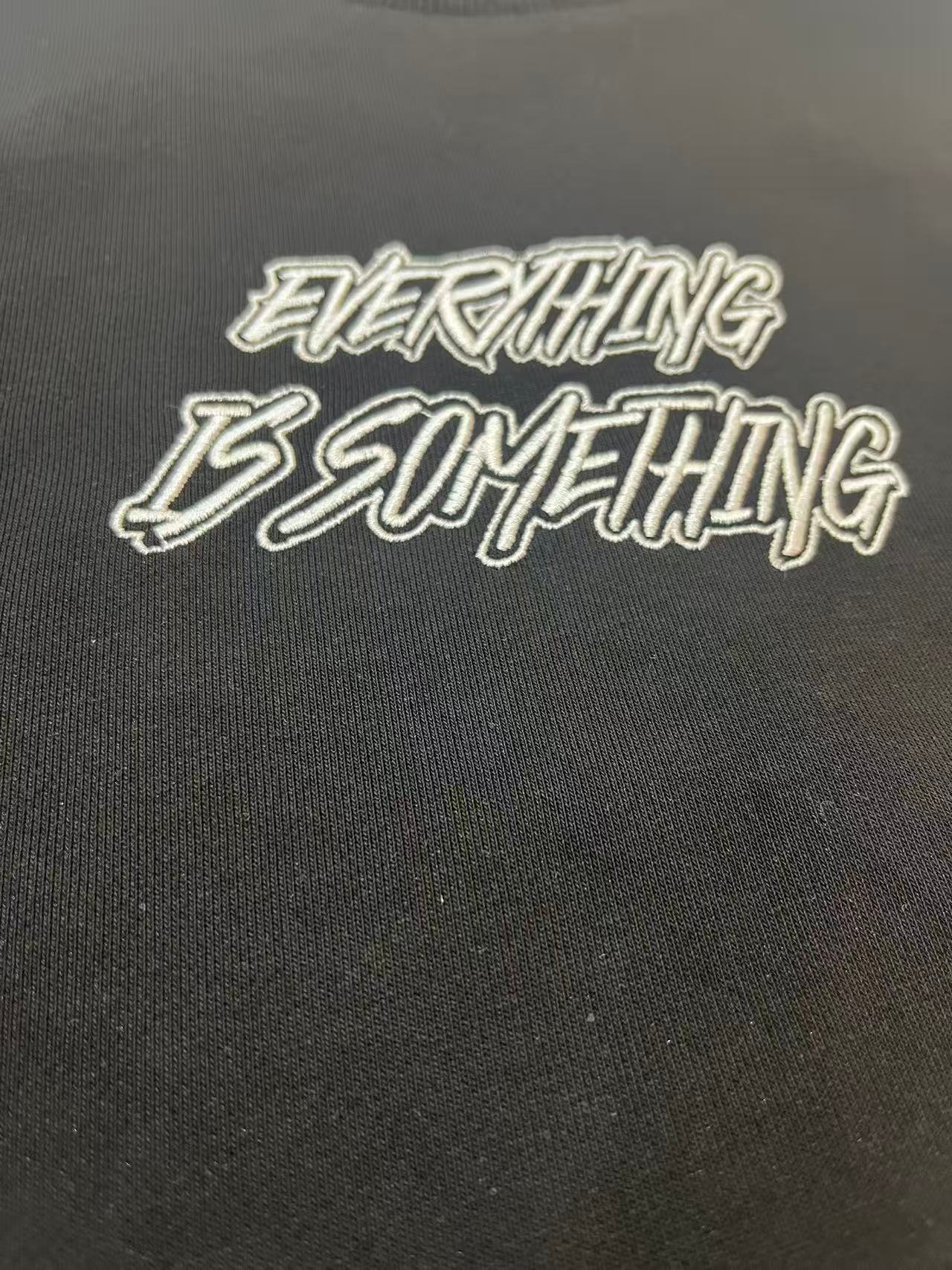
A 0.35–0.45 mm embroidery density is a common starting range, then adjust for shell weight, fill, and logo coverage. Excessively dense stitching can pucker lightweight nylon, compress insulation, and leave visible needle holes; use suitable cut-away or tear-away backing after sampling.
Plan Placement Before Quilting

Keep embroidery clear of baffle seams, zipper tape, pocket bags, and high-tension shoulder areas. A 60–90 mm left-chest logo is usually more legible and stable than oversized artwork crossing multiple quilt channels.
- Avoid stitching through sealed waterproof seams.
- Center back yokes suit larger patches.
- Use zipper pulls for low-profile branding.
- Place care, size, and origin labels inside.
Use Alternative Decoration Wisely
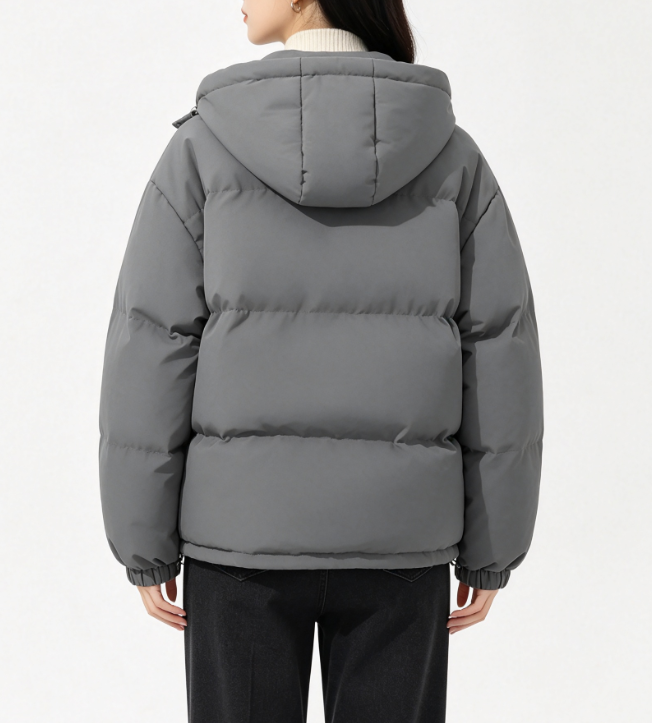
DTF, heat transfer, or silicone print can be preferable for gradients, photographic art, very small text, or broad coverage. Confirm adhesion and flex through wash testing, especially on water-repellent shells where surface treatments can reduce bond strength.
6. Construction Quality to Inspect
A durable custom embroidered puffer jacket is defined by construction details that are easy to miss in a render. Lock these points in the tech pack, approve them on the sample, and inspect them again before shipment.
Baffles And Fill Control

20–30 cm baffle spacing is common for many casual puffers; specify the layout, stitch lines, and target fill weight by panel. Check the sample for empty channels, uneven loft, fill migration, and cold spots at side seams.
- State fill weight and tolerance per garment
- Specify baffle width and channel direction
- Inspect loft after compression and shaking
Seams And Lining

8–10 stitches per inch is a practical benchmark for most woven shell seams, with no skipped stitches or visible puckering. Confirm seam allowance, overlock coverage, lining attachment, and clean reinforcement at armholes, pocket corners, and hem joins.
- Match lining size to shell movement
- Check loose threads and seam grinning
- Test sleeve and body seam stress
Zippers Pockets And Cuffs

One approved zipper specification should name brand or equivalent, length, finish, puller, tape color, and stop position. Run each zipper repeatedly, load pocket openings lightly, and stretch rib or elastic cuffs to verify recovery without rolling or permanent growth.
- Verify zipper tape is not caught in lining
- Check pocket bag depth and bartacks
- Measure cuff recovery after repeated extension
Embroidery Reinforcement Checks
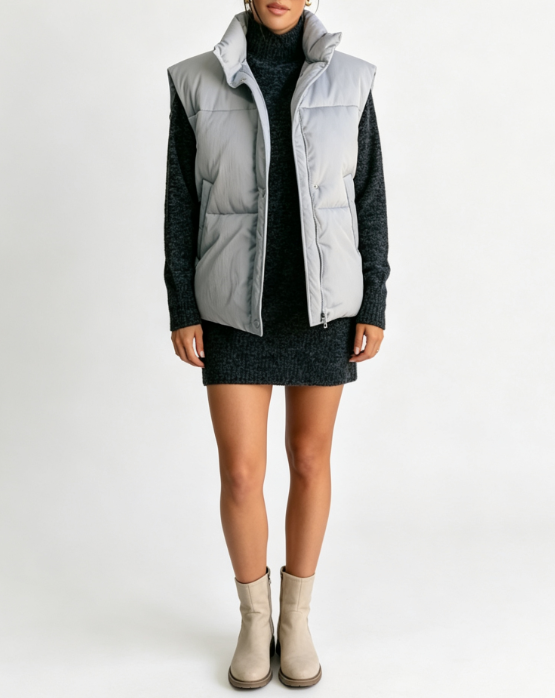
1 backing specification should identify stabilizer type, placement, and whether it is trimmed or covered by lining. Inspect embroidery from both sides for puckering, needle damage, distorted baffles, loose thread tails, and reinforcement that restricts garment movement.
- Approve embroidery before bulk production
- Check logo alignment against panel seams
- Inspect every packed size during final audit
7. How to Choose a Puffer Jacket Manufacturer
A capable puffer supplier manages product development, insulation construction, decoration, and production controls; a basic trader often only relays quotations. Screen candidates using evidence from comparable outerwear, not catalogue images alone.
Verify Comparable Outerwear
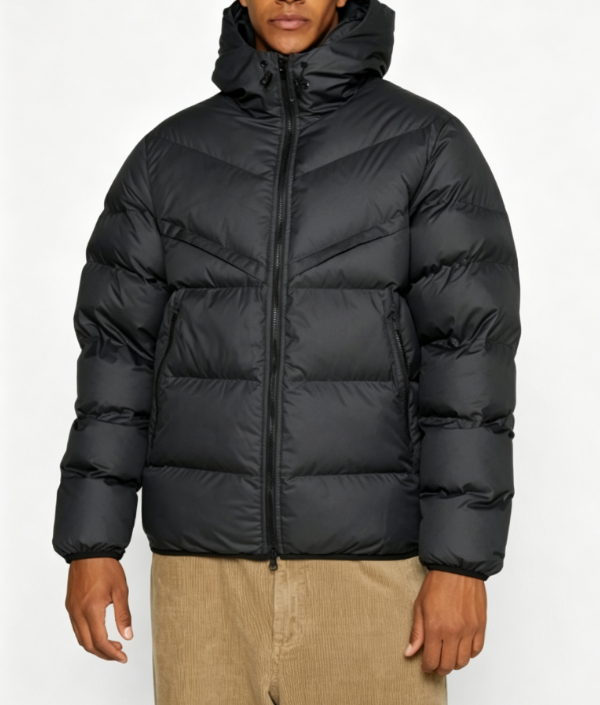
3 reference samples should show shell fabric, baffle construction, zipper setting, lining, and embroidery placement. Ask who developed the pattern and who controls the sewing line. 100-unit MOQ flexibility can suit a capsule, but confirm whether it applies per style and color. Junsheen can develop puffer jackets from a tech pack, sketch, reference garment, or product idea.
- Request washed samples, not only studio photos
- Compare measurements against the approved spec
- Inspect embroidery near seams and baffles
Test Development Communication
24-hour acknowledgement is a useful operating benchmark for sampling questions, while technical answers may require fabric or pattern review. A development partner should flag unworkable stitch density, bulky seam intersections, and material substitutions before sampling. 1 approved pre-production sample should lock Pantone references, trim specifications, measurements, packaging, and decoration files. Retain the pattern, graded size set, and material record for repeat orders.
- Provide a measurement spec and tolerance
- Submit embroidery artwork in a production-ready format
- Approve swatches before bulk material booking
Check Controls And Documents
4 checkpoints—incoming materials, in-line sewing, measurement and final packing—give buyers a practical QC baseline. Confirm inspection reports cover fill distribution, stitch security, embroidery appearance, hardware, and carton quantities. OEKO-TEX, GOTS, WRAP, and BSCI documents should be requested when relevant to the selected material, factory, or retailer requirement. Verify document scope and validity directly rather than accepting a logo on a quotation.
- Confirm monthly capacity and booked production windows
- Agree sample and bulk lead times in writing
- Match export labels and compliance needs to destination market
8. Common Buyer Mistakes to Avoid
A 100-unit custom embroidered puffer jacket order leaves little room to absorb avoidable sampling errors. Most costly delays start when artwork, fill, fit, and approval criteria are treated as separate decisions.
Sequence Artwork After Dimensions

A 70 mm chest logo can land across a baffle seam when artwork is approved before the finished panel dimensions. Lock the pattern, baffle map, zipper position, and decoration placement sheet before digitizing embroidery. A 3D embroidery file needs a test on the actual shell, padding, and backing combination. Review puckering, distortion, and stitch density on a filled sample, then adjust underlay or reduce detail.
Specify Climate And Fit
A fill specification without a target climate can produce an overly warm retail jacket or an under-insulated winter style. State intended temperature range, fill type, fill weight, shell wind resistance, and desired bulk before sourcing materials. A measurement chart limited to chest and body length misses shoulder slope, armhole, sleeve length, cuff opening, hem sweep, and baffle placement. Submit graded measurements from XS through 3XL where applicable, plus tolerances for every critical point.
Test Costs And Approval Controls
A lowest-price quote may exclude embroidery backing, upgraded zippers, fill weight, inspection, or export-ready packaging. Compare like-for-like quotations against a written bill of materials and construction specification. A sealed pre-production sample is the last reliable reference before bulk cutting. Wear-test it for mobility, zipper operation, warmth, wash behavior, and embroidery comfort; approve production only after signing the final sample and measurement record.
9. Launching Your Custom Embroidered Puffer Jacket
A 100-unit MOQ lets a new label test one disciplined outerwear story before committing to a broad seasonal buy. Start the custom embroidered puffer jacket program with a market brief that fixes wearer, retail price, climate, launch date, and target margin.
Build The Development Brief
Three reference images are usually enough to align silhouette, quilting scale, length, pocket placement, and logo mood. Convert decisions into a tech pack with Pantone colors, finished measurements, construction notes, artwork locations, and packaging requirements.
Lock Materials And Artwork

Two shell options and one approved lining keep sampling focused: compare hand feel, weight, water resistance, and color availability against target cost. Supply embroidery artwork as vector files, then approve the digitized stitch count, backing, thread colors, and placement on the intended quilt panel.
Approve Samples In Sequence
One prototype should confirm pattern, insulation distribution, zipper function, and embroidery stability before fit comments are consolidated. A revised size set and pre-production sample should match the approved tech pack exactly; approve bulk only after measurements, trims, labels, and packed presentation are signed off.
Plan A Cohesive Capsule
Three coordinated SKUs can create a credible 100-unit launch: a hero puffer, a lighter vest or liner, and a fleece or knit layer using shared colors and badges. Reserve production and freight time backward from the delivery date, allowing room for sampling, revisions, bulk inspection, and export booking.
- Use one embroidery language across jackets, labels, and hang tags.
- Limit launch colors to two or three to protect unit depth.
- Retain graded patterns and material records for replenishment.
10. Custom Embroidered Puffer Jacket Pricing
100 units per style and color is Junsheen’s practical starting point for a capsule program; the indicative ranges below assume a standard quilted custom embroidered puffer jacket, not a down-filled or technically bonded outerwear program. Pricing is quoted in USD per unit before freight, duties, and destination-country taxes. 2 cost drivers usually outweigh the base sewing price: shell and insulation specification, then decoration and hardware. Recycled nylon, certified down, oversized 3D embroidery, custom zipper pulls, contrast linings, and individual gift packaging each add material, labor, or setup cost; approve the tech pack, Pantone colors, size ratio, embroidery file, and packaging details before requesting a final quote. 15–35 production days is a typical bulk window after sample and material approvals, but fabric development, custom trims, and peak-season capacity can extend it. Junsheen can review a target cost against construction, fit, and required performance before confirming feasibility.
| Order quantity | Indicative unit price | Bulk lead time | Pricing assumptions |
|---|---|---|---|
| 100–299 units | US$28–42 | 25–35 days | Polyester shell; synthetic insulation; one chest embroidery up to 10 cm; standard zipper, labels, polybag |
| 300–999 units | US$23–35 | 20–30 days | Same base; color and size mix confirmed; standard woven label and hangtag |
| 1,000+ units | US$19–30 | 20–30 days | Volume fabric buy; synthetic insulation; one embroidery placement; standard trims and export carton |
Start Your Custom Embroidered Puffer Jacket Project
Send your tech pack, sketch, reference garment, or product idea for fit-focused sampling and a tailored 100-unit MOQ quote.