
Down Jacket Suppliers for Fit-Focused OEM Production
JUNSHEEN delivers OEM, ODM and private-label down jackets from 100 units, with XS–3XL fit development, custom materials, trims and global export support.
Featured Products for down jacket suppliers Development

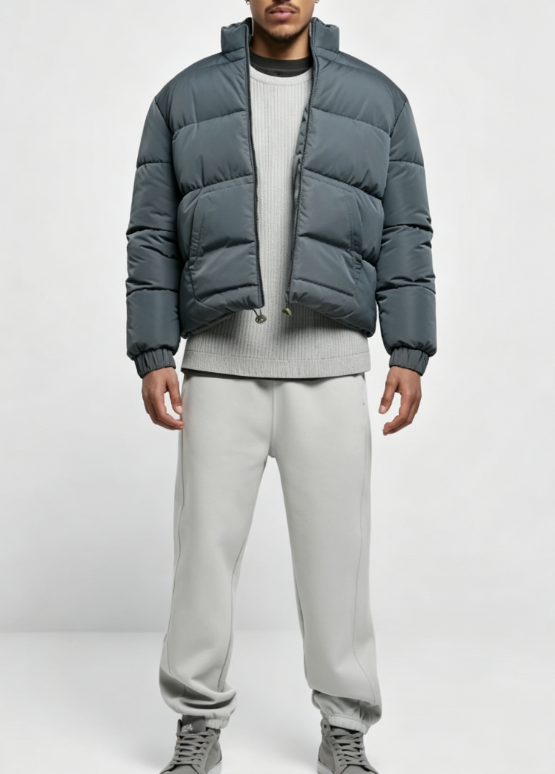


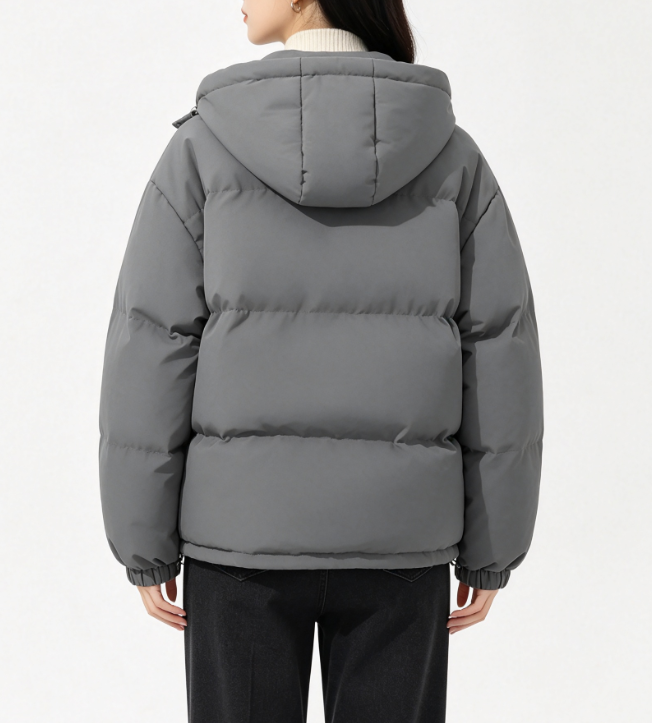

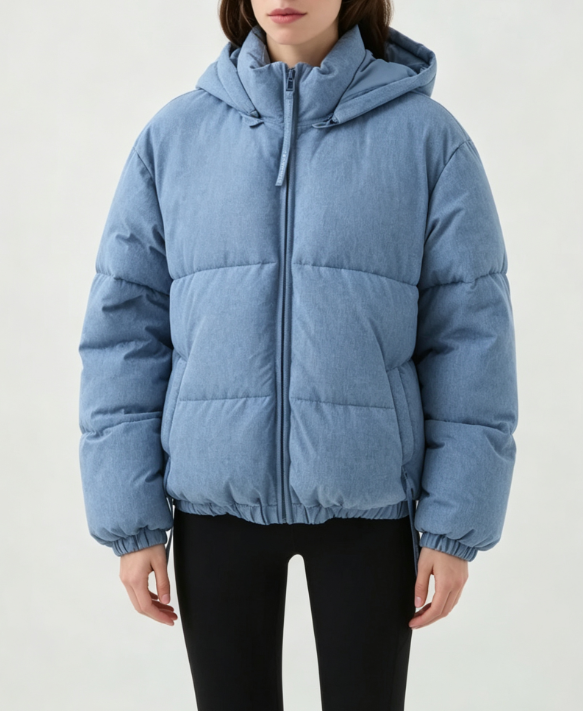


Related Product Catalogue and Quotation




Down Jacket Suppliers Built for Reliable Sourcing
JUNSHEEN combines low-MOQ flexibility, technical development and scalable production for global brands launching custom down jackets.
100-Unit MOQ
Launch capsule collections from 100 units per style and color, giving emerging brands a practical route to custom outerwear production.
Scalable Production
More than 200 skilled workers and 80,000 monthly units support dependable growth from initial down jacket runs to repeat bulk programs.
Integrated Development
Move from tech pack, sketch or reference garment through fabric sourcing, pattern making, sampling and production with one coordinated team.
Fit-Focused Grading
Develop balanced XS–3XL, extended-size and oversized fits with refined shoulder, sleeve, body and mobility adjustments across every size set.
Custom Branding Details
Add logo embroidery, printing, custom labels, trims, zippers, hang tags and branded packaging to create a distinct private-label outerwear program.
Global Export Support
Experienced down jacket suppliers manage quality checks, packed-goods inspection and export coordination for brands sourcing worldwide.
Custom Outerwear and Apparel We Produce
From low-MOQ launches to scaled programs, Junsheen develops fit-focused casualwear, denim, knitwear and insulated outerwear from XS through 3XL.

Custom Hoodies
Develop custom hoodies in fleece, French terry or jersey with refined body balance, sleeve lengths and graded XS–3XL fits. Add screen printing, embroidery, washed finishes, custom labels and branded packaging from 100 units per style and color.
Request a Quote
Custom T-Shirts
Produce custom T-shirts in cotton, Pima cotton, organic cotton or blended jersey, with support for neckline, weight, silhouette and size grading. Junsheen handles pattern development, decoration, wash testing, labels and export-ready packing.
Request a Quote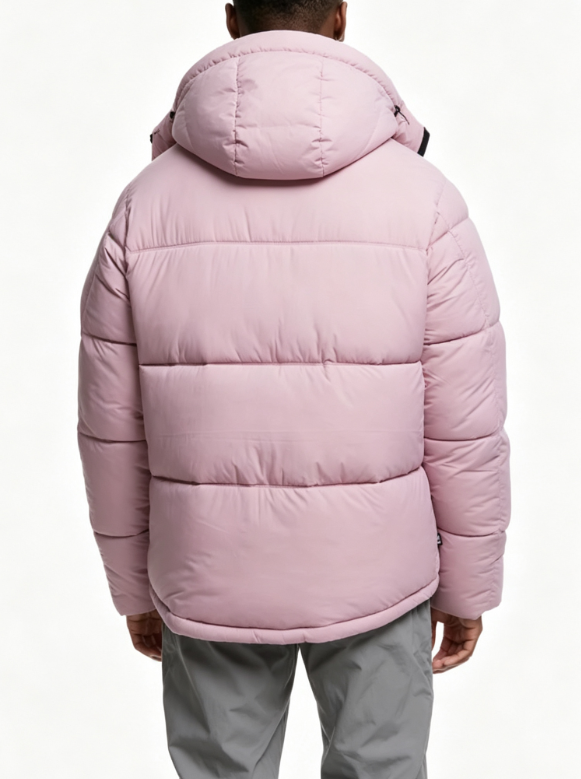
Custom Jeans
Develop custom jeans in rigid or stretch denim with controlled rise, leg shape, pocket placement and wash results. Pattern makers grade proportions across XS–3XL, while production supports custom hardware, embroidery, printed details and garment finishing.
Request a Quote
Custom Sweaters
Source turtle neck sweater bulk programs in knit constructions selected for hand feel, warmth, recovery and target cost. Junsheen develops neck shape, body proportions and graded sizing, then supports custom labels, trims, sampling and scalable production.
Request a Quote
Custom Jackets
Manufacture custom jean jackets in denim or stretch denim with production support for collar structure, pocket layout, seam construction and hardware. Add garment washes, distressed effects, logo embroidery, patches and private-label finishing for a complete outerwear program.
Request a Quote
Custom Sweatshirts & Crewnecks
Develop custom crewneck hoodie and sweatshirt styles with French terry, fleece or jersey options. Junsheen refines fit, rib specifications and grading, then applies prints, embroidery, washes, labels and packaging for retail-ready delivery.
Request a Quote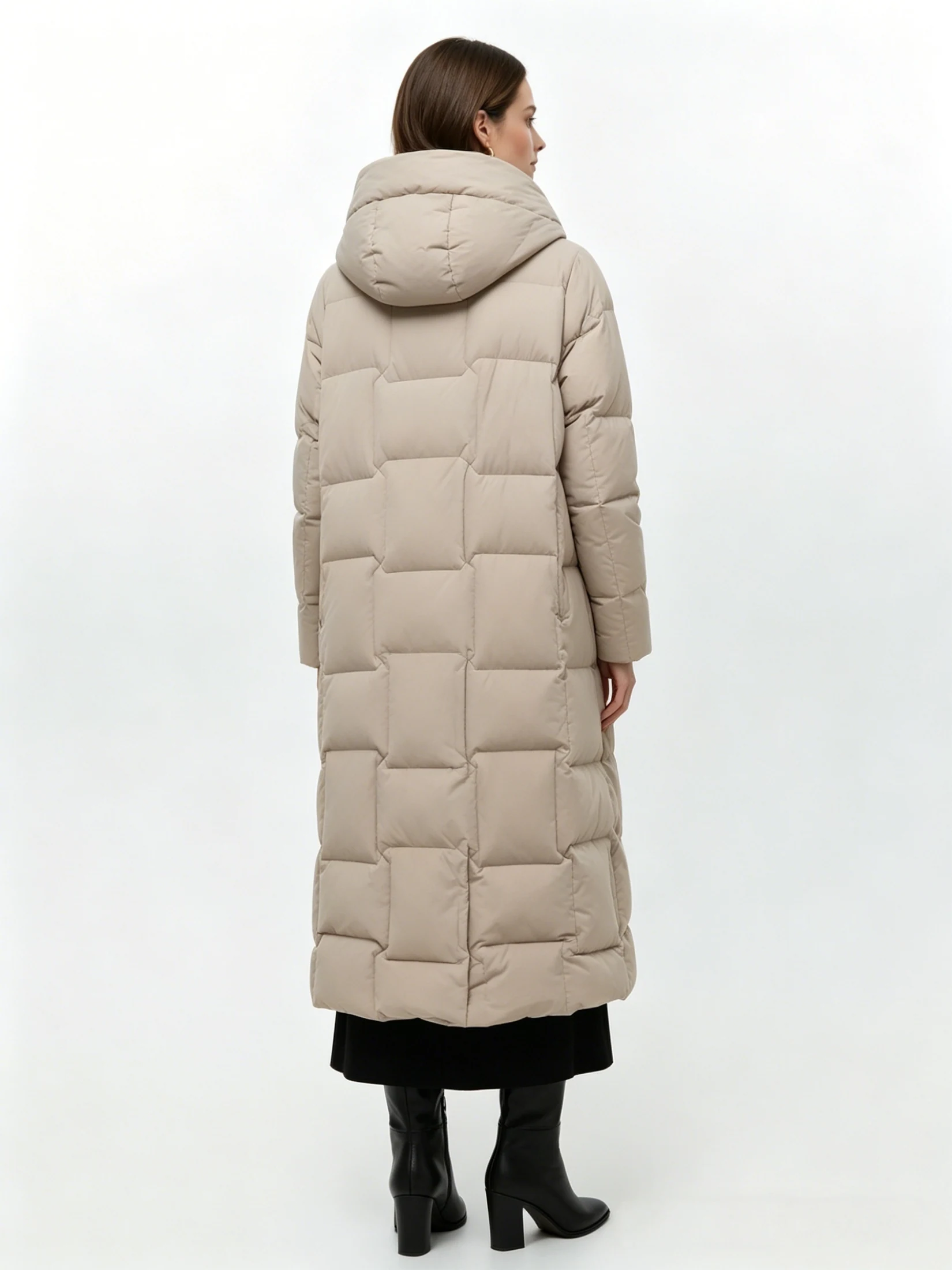
Custom Cardigans
Produce custom cardigan programs in knitted constructions suited to lightweight layering or heavier seasonal wear. Development covers yarn and gauge selection, button or zipper trims, shape retention, fit grading and private-label details across standard and extended sizes.
Request a Quote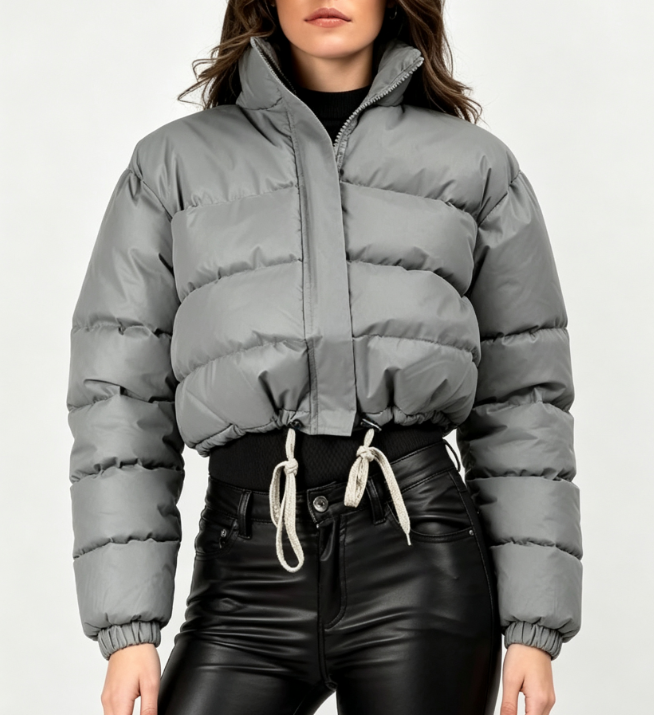
Custom Puffer & Down Jackets
Develop custom puffer jacket and down jacket programs with insulation, shell fabric, lining, quilting and hardware selected for the intended climate and price point. Junsheen supports fit samples, outerwear construction checks, branded trims and bulk production from 100 units.
Request a Quote
Custom Denim Shorts
Manufacture custom jean shorts in rigid or stretch denim with attention to rise, inseam, leg opening and wash consistency. Choose raw hems, rolled cuffs, distressing, embroidery, custom rivets and labels, with graded fits through 3XL.
Request a Quote
Custom Sweater Dresses
Develop custom sweater dresses with knit structures that balance drape, warmth and shape retention. Junsheen supports neckline, length and silhouette development, plus fit-focused grading for normal, plus-size and oversized collections.
Request a Quote
Custom Denim Sets
Produce mens denim suits wholesale programs combining coordinated denim jackets and bottoms with consistent fabric, wash and trim standards. Development covers tailored or relaxed proportions, size grading, private-label hardware and repeatable bulk specifications.
Request a Quote
Custom Polo Shirts
Manufacture custom polo shirts in piqué, jersey or performance knits, with control over collar construction, placket details, sleeve finish and fit. Add logo embroidery, screen printing, custom buttons, labels and packaging for wholesale or branded programs.
Request a Quote
Custom Sweatpants
Develop custom sweatpants in fleece, French terry or jersey with fit control at the waist, rise, thigh and cuff. Junsheen supports drawstrings, pockets, rib trims, embroidery, printing, washes and XS–3XL grading.
Request a Quote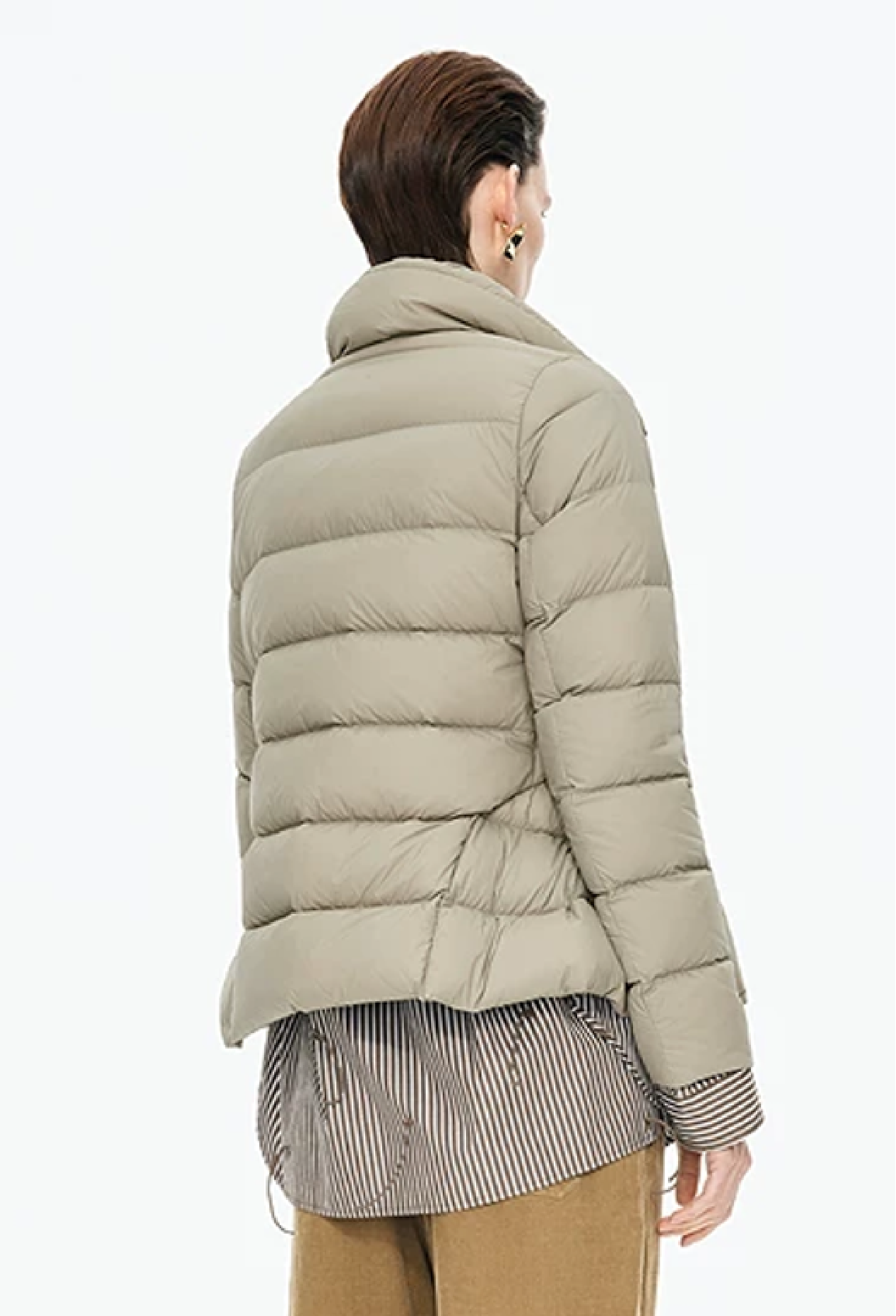
Custom Shorts
Produce custom shorts for casual, lounge and active-inspired collections in jersey, fleece, twill, woven fabrics or denim. Development covers inseam, rise, pocket construction, waistband details, decoration and fit-focused size grading.
Request a Quote
Custom Pullovers
Manufacture custom pullovers in cut-and-sew or knit constructions, with fabric and silhouette selected around warmth, weight and intended use. Junsheen develops necklines, closures, fit and grading, then completes decoration, labels, trims and export packing.
Request a QuoteMaterials for Warm, Durable Down Jackets

Nylon Shell Fabric
Smooth, lightweight nylon creates clean, modern down-jacket shells for fashion and performance outerwear. Available in multiple weights, it offers strong abrasion resistance and can be specified with water-repellent or downproof finishes.

Polyester Pongee Lining
Soft polyester pongee gives down jackets a smooth, easy-on feel inside sleeves and body panels. Its lightweight hand and stable construction support comfortable layering, reliable sewing, and flexible color matching for private-label programs.

Down Feather Fill
Natural down and feather blends provide lofty, premium warmth for insulated jackets, vests, and puffers. Fill ratios and weights can be tailored to the intended climate, silhouette, packability, and target cost of each collection.

Recycled Polyester Fill
Recycled polyester insulation delivers dependable warmth with a resilient, easy-care feel for vegan or sustainability-led outerwear. It is available in varied fill weights and maintains insulating volume well through regular wear and washing.

Rib Knit Trims
Stretch rib knit is ideal for close-fitting cuffs, collars, and hem bands that help retain warmth. Cotton-blend or polyester-blend constructions can be matched to the jacket color, with recovery selected for repeated wear.

Recycled Shell Fabrics
Recycled nylon and polyester shell fabrics support responsible down-jacket collections without sacrificing a refined exterior hand. Choose matte, semi-gloss, or crisp woven finishes, plus coating and water-repellent options suited to your design brief.
Decoration and Finishing Options From Down Jacket Suppliers

Logo Embroidery
Flat, 3D puff, chain-stitch, and applique embroidery add dimensional brand identity to down-jacket chest panels, sleeves, and back yokes. Stabilized application and thread selection help maintain a clean, durable finish through regular wear.

Technical Screen Printing
Plastisol, water-based, puff, silicone, high-density, foil, and discharge printing create bold graphics and functional logo details. Our team reviews artwork placement and fabric compatibility to achieve crisp coverage without compromising outerwear performance.

Custom Patch Application
Woven patches, embroidered badges, reflective emblems, and branded appliques give outerwear a distinctive retail-ready identity. We position and secure each application for balanced visual impact and dependable attachment across production runs.

Garment Washing
Enzyme, softening, garment-dye, acid-wash, stone-wash, and anti-pilling treatments refine hand feel and visual character. Process trials help buyers confirm the intended vintage, softened, or premium casualwear effect before bulk approval.

Private-Label Finishing
Custom main labels, size labels, wash-care labels, hang tags, zippers, drawstrings, snaps, and branded packaging complete the product. JUNSHEEN coordinates these details to deliver a cohesive private-label down jacket ready for global retail.
Custom Trims for Down Jacket Suppliers

YKK Zippers
Specify durable front, pocket, and two-way zipper options for down jackets. We help match zipper gauge, finish, puller shape, and color to the garment’s insulation level, styling, and daily-use performance needs.

Snap Button Sets
Add custom snaps at storm flaps, cuffs, pockets, and detachable components. Choose finishes, logo engraving, sizes, and corrosion-resistant constructions that support both a clean branded appearance and reliable outerwear function.

Drawcord Tipping
Customize hood and hem drawcords with branded tips, cord locks, and matched colors. These adjustable details improve weather protection while giving private-label down jackets a more considered, premium finish.

Woven Brand Labels
Create main labels, size labels, wash-care labels, and sleeve tabs with your brand identity. Junsheen integrates label placement and care information into sampling so the finished garment is retail-ready and compliant.

Custom Patch Details
Use embroidered, woven, leather-look, silicone, or rubber patches on sleeves, chests, and back panels. Patches add a recognizable signature while remaining compatible with quilted shells, insulated constructions, and oversized fits.
Reflective Packaging
Add reflective piping, logo transfers, branded polybags, hangtags, and carton markings for a cohesive launch. These finishing details improve visibility, strengthen unboxing, and help organize wholesale and export-ready order fulfillment.
About JUNSHEEN, Your Down Jacket Suppliers Partner
Founded in 2010 in Humen Town, Dongguan, JUNSHEEN helps global brands turn outerwear concepts into production-ready collections. As experienced down jacket suppliers, we combine OEM, ODM, private-label, and product-development support with responsive communication and export-ready coordination.
Our 200+ skilled workers support monthly capacity above 80,000 units, serving more than 2,000 fashion-brand clients worldwide. From 100 units per style and color, we manage fabric sourcing, cut-and-sew construction, knitting, decoration, quality control, labels, trims, packaging, and scalable bulk production.
What sets JUNSHEEN apart is a fit-first approach. We develop down jackets and casualwear from XS to 3XL with refined extended-size, plus-size, and oversized grading, helping brands achieve consistent proportions, mobility, and dependable repeat production.

Down Jacket Suppliers With Deep Manufacturing Capability
Fit-Led Pattern Development
Our pattern makers develop down jackets from XS to 3XL with attention to shoulder balance, sleeve mobility, body proportion, insulation allowance, and grading increments. We refine samples and size sets so your outerwear performs consistently across the full fit range.
- Pattern making from tech packs, sketches, references, or concepts
- Extended-size, plus-size, and oversized grading
- Prototype, fit sample, and pre-production approval support
- Construction adjustments for layering and movement

Materials and Trim Sourcing
JUNSHEEN helps brands source shell fabrics, linings, insulation components, zippers, snaps, drawcords, rib trims, labels, and packaging through one coordinated supply chain. Recommendations balance target cost, warmth, weight, hand feel, durability, and wash performance before bulk confirmation.
- Fabric and lining options matched to your jacket concept
- Custom zippers, snaps, drawstrings, labels, and patches
- Swatches and sample garments for material approval
- Private-label packaging and branded accessory coordination

In-House Branding Details
Make each down jacket recognizably yours with integrated decoration and finishing support. Our team coordinates logo embroidery, custom patches, screen printing, heat transfer, reflective details, labels, and branded packaging while checking placement and compatibility with the garment construction.
- Flat, 3D, puff, chain-stitch, and applique embroidery
- Screen printing, DTF, heat transfer, and silicone effects
- Custom woven labels, leather labels, and hang tags
- Decoration placement reviewed during sampling

Multi-Stage Quality Control
As experienced down jacket suppliers, we inspect materials, in-line construction, measurements, fit, decoration, and packed goods before export. Retained patterns, graded size sets, and material records support clearer repeat orders as your program grows from a 100-unit launch to larger production.
- Incoming fabric and trim inspection
- In-line checks for construction and measurements
- Final review of fit, decoration, and packed goods
- Global shipping support for approved bulk orders

Why Choose JUNSHEEN Over Typical Down Jacket Suppliers
A fit-focused, integrated manufacturing partner for low-MOQ outerwear programs and scalable global production.
← 左右滑动查看 →
Our Down Jacket Production Process
A controlled workflow for brands that need responsive down jacket suppliers, from feasibility review through finished-goods delivery.
Review Design Feasibility
Our team reviews your tech pack, sketch, or reference garment, confirming construction, target fit, MOQ, insulation requirements, and production-ready specifications.
Source Fabrics and Trims
We recommend shell fabrics, linings, insulation, zippers, labels, and hardware based on target cost, warmth, hand feel, durability, and brand direction.
Develop Patterns and Samples
Pattern makers build and grade fit-focused XS–3XL patterns, then create prototype samples for construction, measurements, materials, and detail approval.
Confirm Pre-Production Details
After sample approval, we lock materials, colors, size sets, decoration, packaging, quantities, and production specifications before bulk cutting begins.
Produce and Inspect Bulk
Skilled teams manage cutting, sewing, filling, finishing, and in-line checks, with inspections covering measurements, construction, appearance, and packed garments.
Pack and Ship Globally
We apply approved private labels and packaging, complete final quality control, and coordinate export documentation and global shipment for your order.
Work With Down Jacket Suppliers in Four Clear Steps
Move from a tech pack or concept to approved samples and controlled bulk production with one experienced OEM team.
Send Your Product Brief
Share a tech pack, sketch, reference garment, or concept with target quantities, fit requirements, materials, branding details, and destination market.
Review Feasibility and Pricing
Our team assesses construction, insulation, fabrics, trims, grading, and decoration, then recommends practical refinements and prepares a clear quotation for your program.
Approve Development Samples
Review prototype samples, fabric swatches, measurements, fit, and private-label details. Confirm revisions and pre-production requirements before authorizing the final bulk standard.
Launch Controlled Bulk Production
JUNSHEEN manages material sourcing, cut-and-sew production, in-line inspections, finishing, packing, and export coordination, with retained records supporting consistent repeat orders.
Custom Clothing Manufacturer Credentials and Compliance Documents



What Global Fashion Brands Say About Our Down Jacket Suppliers Team
JUNSHEEN turned our initial tech pack into a clear sample plan and delivered the first approved down jacket sample in two rounds. The fit notes across XS–3XL were precise, which saved us weeks of revision time.
We started with 120 units in one colorway, then reordered three styles after sell-through exceeded our forecast. Their team kept measurements, insulation details, and branded trims consistent between runs, making scale-up straightforward.
Our oversized puffer program needed dependable fit across a broad size range. JUNSHEEN refined the grading instead of simply scaling the pattern, and our return rate dropped by 18% during the first season.
Down Jacket Suppliers FAQ
Clear answers on MOQs, sampling, fit development, materials, terms and global delivery for custom outerwear programs.
What is the minimum order quantity from your down jacket suppliers?
How long do down jacket suppliers need for samples and bulk production?
How much does a custom down jacket sample cost?
Can down jacket suppliers help select shell fabrics, insulation and linings?
Can you develop plus-size and oversized down jackets from XS to 3XL?
What payment terms do you offer for a first down jacket order?
Do you provide international shipping and export support?
How do you protect my down jacket design and private-label details?
What quality checks are completed before bulk down jackets ship?
Complete Buyer’s Guide to down jacket suppliers
Use this practical framework to compare down jacket suppliers, evaluate materials and construction, set realistic costs and timelines, customize confidently, and avoid sourcing mistakes that compromise quality, compliance, or margins.
1. What Are down jacket suppliers?
100-unit production runs are one practical entry point for a down jacket supplier: a manufacturing partner that turns a brief into approved samples and finished insulated outerwear. The supplier coordinates shell fabric, lining, down or synthetic fill, baffles, zippers, snaps, labels, packing, quality checks, and private-label or OEM requirements. Four business models are often confused. A factory controls development and production; a trading company coordinates purchases from factories; a consumer brand sells its own collection; and a material vendor supplies items such as 700-fill-power down, recycled polyester fill, or shell fabric but normally does not assemble the jacket. Three buyer groups commonly need down jacket suppliers: new labels launching a small capsule, established brands adding a seasonal outerwear program, and wholesalers or retailers creating exclusive private-label assortments. Before inquiring, settle the target quantity by style and color, insulation type and fill weight, size range, target retail price, reference images or tech pack, required compliance, decoration, packaging, destination market, and required delivery date. 2010 is the founding year of Dongguan Junsheen Clothing Co., Ltd., a Humen-based manufacturer that can support OEM, ODM, private-label, wholesale, sampling, grading, sourcing, and export coordination. A supplier conversation becomes more accurate when buyers share the intended fit, fabric hand feel, trim standard—such as YKK-equivalent zipper requirements—and approval process before requesting a quotation.
2. Evolution of Down Jacket Manufacturing
1936 marked a turning point when Eddie Bauer patented a quilted down jacket for severe cold, helping move feather insulation from expedition gear toward commercial outerwear. Early designs prioritized warmth and durability, using bulky fills, simple woven shells, and stitched-through baffles that could create cold spots. 1970s outdoor innovation made lighter jackets practical through higher-fill-power down, nylon ripstop shells, improved baffle layouts, and dependable zippers such as YKK. By the 1990s and 2000s, the category had become fashion outerwear as brands introduced cropped puffers, oversized silhouettes, color-blocking, and packable layers alongside technical alpine styles. 800-fill-power down and recycled polyester insulation now let product teams target warmth-to-weight, animal-welfare documentation, and easier-care alternatives within the same range. Technical shells increasingly pair durable water-repellent finishes, wind resistance, breathable laminations, and recycled-content claims; each claim needs supplier records and applicable test or certification evidence rather than label copy alone. 100-unit per style-and-color production thresholds have also changed how emerging labels approach development. Lower-MOQ OEM programs allow a brand to test a versatile puffer or performance capsule after sampling, then refine fit, shell weight, trims, grading, and compliance documentation before scaling a proven style.
3. Types of down jacket suppliers
Five supplier models dominate outerwear sourcing, and each trades development depth against speed, MOQ, and control. Match the model to your fill specification, construction risk, and reorder volume before requesting quotes.
| Model | Typical MOQ | Development Support | Best Fit |
|---|---|---|---|
| Integrated OEM | 100–500 | Patterns to QC | Growing brands |
| Outerwear specialist | 500+ | Technical construction | Performance programs |
| Full package | 100–300 | Brief to shipment | New private labels |
| Trading company | Varies | Supplier coordination | Multi-category buying |
| Regional supplier | Varies | Local access | Fast replenishment |
Integrated OEM Factories
100-unit style-and-color programs suit labels needing patterns, sourcing, sampling, and bulk production under one roof. Two-way communication shortens handoffs, but factory capability must be verified for fill control and sealed construction.
Specialist Outerwear Factories
500-plus-unit runs often justify specialists with baffling, down-proof lining, taped seams, and performance testing experience. Technical depth is high; smaller launches may face higher MOQs and less flexible development.
Full-Package Private-Label Partners
100–300-unit capsule orders benefit from partners that convert a brief into materials, trims, labels, packaging, and export-ready goods. Development support is broad, while per-unit cost can exceed direct factory buying.
Trading Companies
One purchase order can consolidate several factories through a trading company, useful for mixed categories or limited China experience. Margins and indirect communication reduce transparency; require factory disclosure, inspections, and approved samples.
Regional Sourcing Options
2–6-week transit advantages can favor nearshore suppliers for replenishment, regional compliance, or lower inventory exposure. Labor and material costs may be higher; compare landed cost, not ex-factory price alone.
4. Materials and Fabrics for Down Jackets
Material choices determine warmth, bulk, weather performance, and claim substantiation before a sample is approved. Down jacket suppliers should specify insulation, shell, lining, finish, and hardware together because each affects cost and wear life.
| Material Option | Warmth | Weight | Weather Resistance | Durability | Intended Market |
|---|---|---|---|---|---|
| 550–650 FP, 80/20 down | Good | Medium | Low when wet | Good | Value winterwear |
| 700–800 FP, 90/10 down | High | Low | Low when wet | Good | Premium packable |
| Synthetic polyester insulation | Medium | Medium | Good when damp | Good | Active and wet climates |
| 20D recycled nylon shell | Depends on insulation | Low | Good with DWR | Medium | Lightweight technical |
| 40D polyester shell | Depends on insulation | Medium | Good with DWR | High | Commercial outerwear |
Insulation Specifications
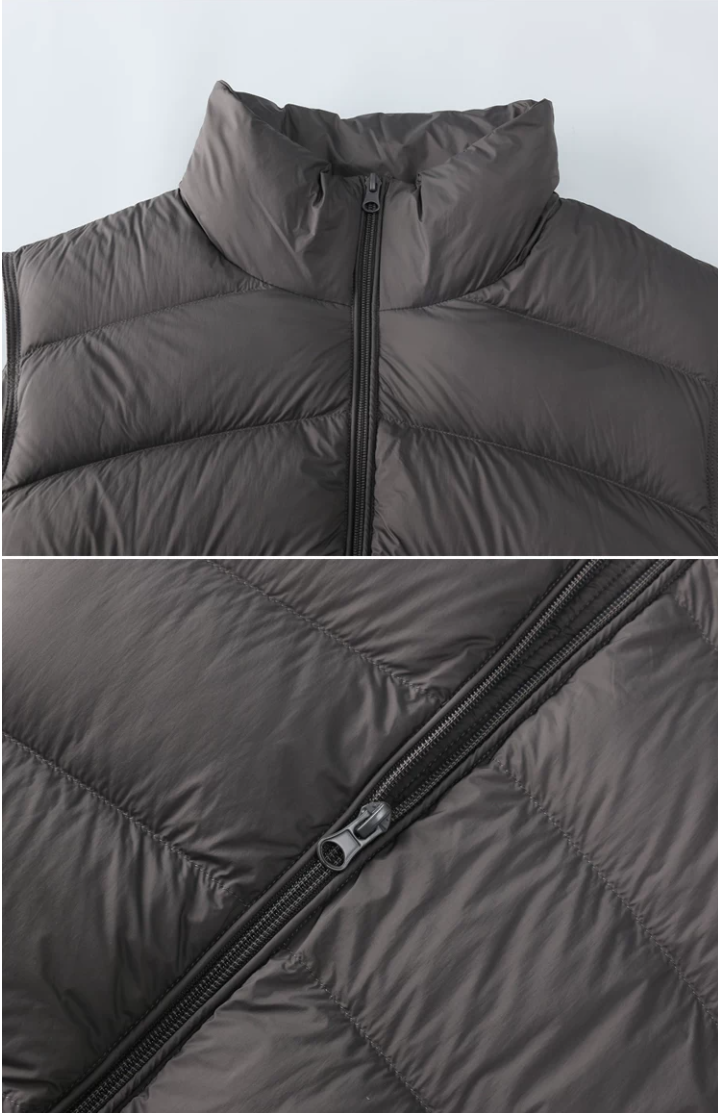
550–650 fill-power down suits value outerwear, while 700–800 fill power delivers more loft per gram for premium lightweight jackets. 80/20 and 90/10 down-to-feather ratios indicate cluster content; require the stated fill weight by size, not fill power alone. Synthetic polyester insulation retains more warmth when damp but is usually bulkier.
Shells, Linings, And Finishes

20D–40D nylon is light and abrasion-resistant for packable shells; polyester is typically more economical and colorfast. Recycled nylon or polyester needs fiber-content documentation. DWR finishes shed light rain but do not make a garment waterproof. For sustained wet weather, specify a membrane, seam sealing scope, and measurable hydrostatic-head target.
Trims And Certification Checks
YKK-class zippers, snap pull strength, cord locks, and rib recovery should be approved on the production sample. Metal hardware needs corrosion testing for coastal or snow markets. RDS supports responsible down sourcing, GRS supports recycled-content traceability, and OEKO-TEX Standard 100 addresses tested harmful substances. Request current, product-relevant certificates and scope details.
5. Down Jacket Customization Options
A capable down-jacket supplier should turn a brand direction into controlled choices for silhouette, baffle layout, hood shape, pockets, hardware, color, size range, branding, and packing. The level of customization determines development risk before bulk approval.
| Customization Route | Typical Scope | Commercial Effect |
|---|---|---|
| Stock-component | Color, labels, print, embroidery | Lower MOQ and faster sampling |
| Semi-custom | New baffles, pockets, hood | More patterns and approvals |
| Fully custom | Shell, hardware, packaging | Higher MOQ and longer lead time |
Stock Components Versus Custom Development

Stock shells, lining colors, standard zippers, snaps, and polybags are the lowest-risk route; brands can usually customize color, logo labels, embroidery, prints, or patches without new molds. Custom baffles, pockets, hood patterns, zipper pullers, woven labels, and branded cartons require development and approvals. Each new component can raise MOQ, sampling cost, and lead time.
- Stock colorways and standard hardware
- Custom silhouette and quilting geometry
- Branded labels, patches, and packaging
Artwork And Technical Control

A complete tech pack should specify measurements, baffle width, fill zones, stitch details, Pantone colorways, pocket placement, zipper type, label positions, and packaging artwork. Vector artwork for embroidery, screen prints, patches, and hang tags avoids interpretation charges and revision cycles. Approved trim cards and a fit sample lock the supplier’s production reference.
Fit Samples Set Commercial Terms

A 100-unit program can suit a capsule when stock components are used, while fully custom shells or hardware may require higher quantities. Size grading should be reviewed from XS through 3XL where the target customer requires extended sizing. One approved pre-production sample reduces costly bulk corrections. Changes after fabric, trim, or fit approval normally reset material booking and extend the critical path.
6. Key Construction Quality Elements
A down jacket’s warmth depends as much on its sewn structure as its stated fill. During sampling, buyers should approve construction against measurable checkpoints, then repeat those checks on packed production goods.
Baffles And Fill Balance
2–5 cm stitch-through channels suit lighter puffers; box-wall baffles reduce cold spots in heavier designs. Request a marked baffle map and compare left-to-right spacing within a 3 mm tolerance. 10% fill-weight variation between panels can create flat areas and uneven loft. Weigh completed sample panels, shake the garment for 30 seconds, and inspect collar, hood, cuffs, and side seams for migration.
- Confirm baffle width and channel alignment
- Check fill at shoulders and underarm joins
- Inspect for visible empty channels
Shell, Seams, And Leakage

20–40 denier down-proof woven shells are common where low weight and containment matter. Ask for a needle-puncture and shake test after laundering; feathers at stitch lines signal inadequate fabric density, needle choice, or seam settings. 8–12 stitches per inch is a practical starting range for many woven shells, but the approved seam must remain smooth without puckering. Bind, tape, or clean-finish exposed seam allowances where abrasion and loose fill are likely.
- Inspect needle holes under strong light
- Check seam allowance consistency
- Test wash sample for leakage
Hardware And Final Inspection
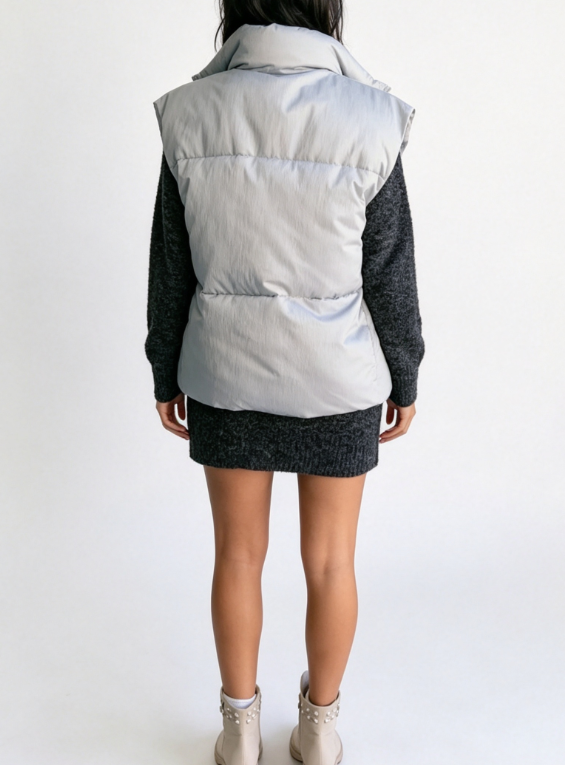
YKK or equivalently approved zippers should run smoothly for 20 open-close cycles without tape catching. Specify bartacks at pocket ends, zipper bases, hood attachment points, and stress-prone elastic anchors. 3-point hood adjustment should tighten evenly without twisting the brim or exposing cord ends. Before shipment, inspect measurements, fill distribution, stitching, leakage, zipper function, reinforcement, labels, and packed appearance against the approved golden sample.
- Cycle each zipper 20 times
- Pull-test hood adjusters and pocket corners
- Audit cartons from multiple production lots
7. How to Choose down jacket suppliers
A 100-unit opening MOQ can be useful, but it does not prove an outerwear factory can control insulation, baffles, fit, and packed quality. Vet down jacket suppliers with documents, physical samples, and a dated production plan before placing bulk.
| Checkpoint | Evidence To Request | Decision Signal |
|---|---|---|
| Capability | Audit and reference samples | Comparable outerwear delivered |
| Quality | Test reports and QC records | Traceable acceptance checks |
| Commercial | MOQ, timeline, payment plan | Terms fit launch cash flow |
| Logistics | Packing specification and shipping plan | Clear handoff and export support |
Verify Outerwear Capability

Three recent reference samples should show comparable shell fabric, insulation weight, zipper installation, and quilt construction. Ask which operations are in-house and inspect an audit, production-floor photos, and measurement records. Two sample rounds are usually enough to expose weak pattern control when comments are precise. Approve a sealed pre-production sample only after checking fit, stitch density, down leakage, and wash appearance.
- Request a current factory audit
- Review comparable reference samples
- Confirm monthly capacity and bottlenecks
Check Materials And Compliance

One material pack should identify shell, lining, fill, membrane, and trim specifications by supplier, composition, weight, and color. Request applicable test reports for fill power, down content, colorfastness, water resistance, and restricted substances. OEKO-TEX, GOTS, WRAP, and BSCI documents are verification items, not automatic proof of product compliance. Confirm certificate scope, validity dates, and whether the named facility and material actually match the order.
- Verify certificate scope and expiry
- Match test reports to materials
- Confirm zipper and trim specifications
Score The Shortlist
Five scored categories make supplier selection more defensible than choosing the lowest quote. Weight sample quality, outerwear experience, material evidence, communication speed, commercial terms, and export support before negotiating payment. A 70/30 or 50/50 structure may become available as a relationship develops, while first orders often require stronger protection for both parties. Compare realistic sampling, bulk, inspection, and shipping dates in writing.
- Score each category from 1–5
- Keep evidence beside each score
- Select the highest-risk-adjusted total
8. Common Down Jacket Sourcing Mistakes
A low unit price can conceal expensive failures in fill performance, fit, packing, and delivered cost. Before bulk production, buyers should convert every assumption into an approved specification, test, tolerance, or shipping calculation.
Quote-Only Supplier Selection
Three quotations can use different fill weights, shell fabrics, and zipper grades, making a unit-price comparison misleading. The consequence is a cheaper jacket that misses warmth, durability, or margin targets. 100-unit capsule orders should be compared on an identical bill of materials, workmanship standard, MOQ, and Incoterm. Request a line-item quote and a pre-production sample before selecting down jacket suppliers.
Unclear Specifications And Claims
90/10 down-to-feather is not a complete insulation specification; fill power, fill weight, chamber placement, and test method also affect performance. Unverified claims can create returns and compliance exposure. 3XL grading, measurement tolerances, and construction points must appear in the tech pack. Approve a graded size set, signed tolerance chart, and documented insulation certification before bulk cutting.
Skipped Wear And Wash Testing
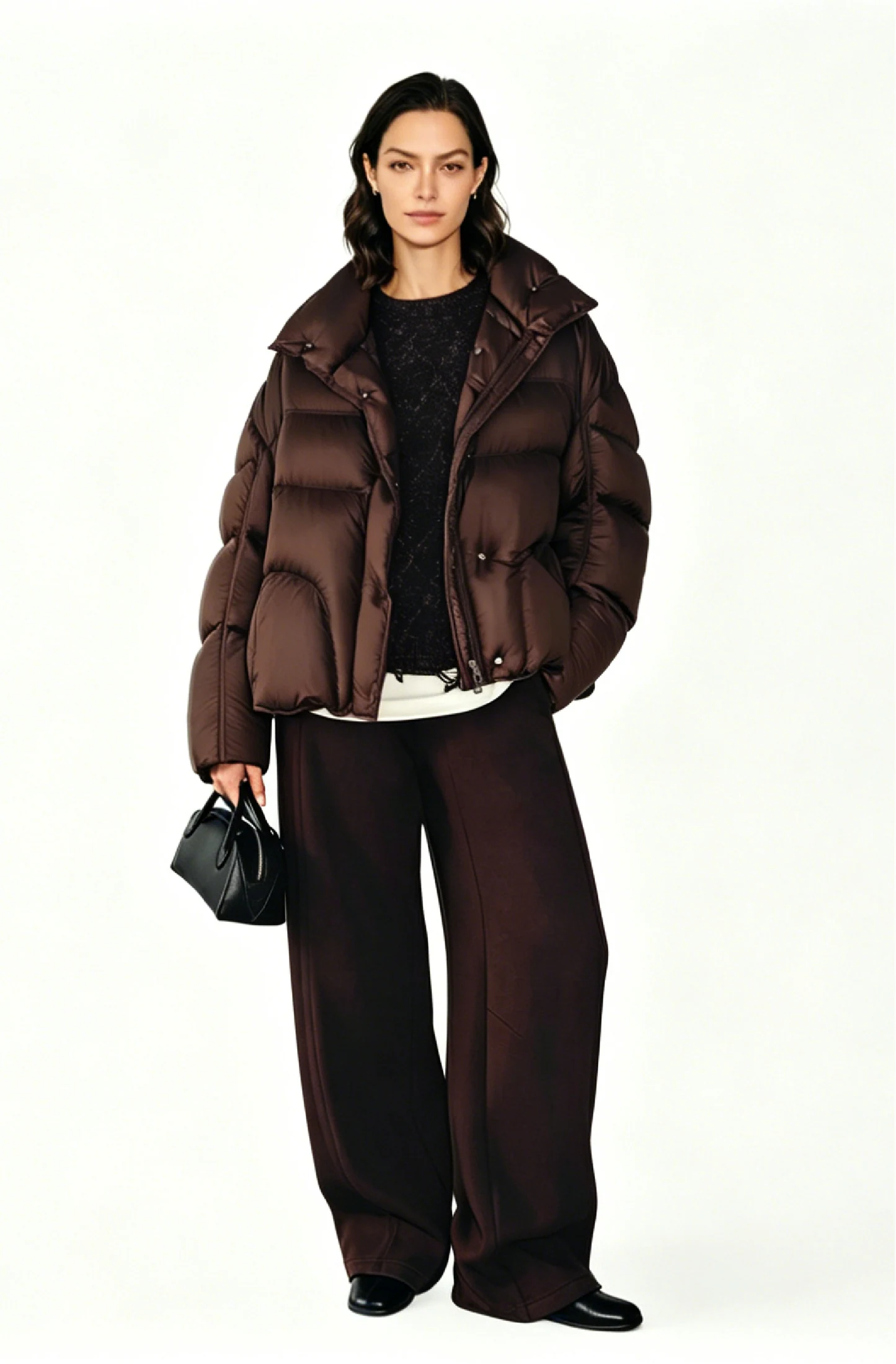
2 sample stages—fit sample and pre-production sample—catch mobility, leakage, seam, and proportion defects before fabric is committed. Skipping them transfers correction costs into finished inventory. 5 home-laundering cycles can reveal shrinkage, dye migration, loft loss, and trim damage. Test the approved fabric, fill, print, and hardware combination rather than separately supplied materials.
Late Trims And Delivered Costs
6–10 week component lead times can apply to custom zippers, snaps, labels, and branded packaging. Late approval can force substitutions, delay shipment, or require air freight. 30% of a landed-cost surprise can come from volumetric freight, duties, cartons, and destination handling rather than factory price. Confirm trim approvals, packed carton dimensions, Incoterm, freight mode, and certification evidence before production.
9. Launching With down jacket suppliers
A 100-unit launch needs locked commercial assumptions before development begins. Give down jacket suppliers a customer profile, target retail price, delivery date, and one decision-maker to prevent sampling from becoming open-ended.
Brief And Tech Pack
One brief should name the wearer, climate, retail price, target margin, launch colorways, and size range. Start with one silhouette and one or two colors when the first order is limited. A usable tech pack includes flat sketches, measurements, graded size chart, fill specification, fabric and lining, Pantone references, trim list, artwork placement, labels, packaging, and tolerance notes.
Quote And Material Gate

Three comparable quotations should use the same quantity, Incoterm, fill weight, shell fabric, hardware, packaging, and destination. Reject estimates that omit sample fees, testing, freight, or duty assumptions. Two material swatches and a lab-dip or strike-off can prevent a costly color or hand-feel mismatch. Confirm shell performance, lining, insulation, zipper, and care-label requirements before approving sample materials.
Sample To Bulk Approval

One prototype checks construction and appearance; a revised fit sample checks measurements, mobility, and grading. Record every change in a dated comment sheet rather than approving changes through scattered messages. One pre-production sample is the bulk standard. Approve its measurements, fill distribution, stitch density, logo placement, labels, packed dimensions, and golden sample photos before cutting begins.
Inspection And Replenishment
At 20–30% completion, review in-line measurements, seam quality, fill leakage, and decoration; at final inspection, use the approved sample and AQL plan. Arrange carton marks, commercial invoice, packing list, and shipping booking before final balance and dispatch. Thirty days after delivery, compare sell-through by size and color. Retain approved patterns, graded files, material records, and defect notes so replenishment can start from an agreed baseline.
10. Down Jacket Pricing and Cost
100-unit programs are usually the highest-cost entry point because pattern work, sample development, fabric booking, and trim setup are spread across fewer pieces. The indicative ranges below are planning benchmarks for a midweight custom puffer, not fixed offers from down jacket suppliers; fill specification, shell performance, quilting, and approved measurements determine the final quote. 550-fill-power down, recycled polyester fill, and synthetic insulation can produce materially different costs at the same silhouette. Water-repellent or breathable shell fabrics, welded baffles, YKK zippers, custom pulls, certifications such as OEKO-TEX, branded packaging, and more colorways add cost, while consolidated fabric orders and higher volumes improve unit economics. 15-25 business-day bulk windows commonly begin only after sample, materials, and pre-production details are approved. Request a quote against a complete tech pack covering fill weight, fabric GSM, baffle layout, artwork, labels, packaging, size range, destination, and inspection standard.
| Quantity tier | Indicative unit price | Sample charge | Typical bulk lead time |
|---|---|---|---|
| 100-299 units | US$38-68 | US$120-250 | 20-25 business days |
| 300-499 units | US$31-56 | US$120-250 | 18-23 business days |
| 500-999 units | US$26-48 | US$100-220 | 16-22 business days |
| 1,000+ units | US$21-42 | US$100-220 | 15-20 business days |
Partner With Down Jacket Suppliers Built to Scale
Send your tech pack, sketch, reference garment, or sourcing brief for a tailored OEM quote from JUNSHEEN, starting at 100 units per style and color.