
Custom Shorts, Built for Your Brand
Launch custom shorts from 100 units per style and color, with fit-focused XS–3XL development, OEM, ODM and private-label support.
Featured Products for custom shorts Development






Related Product Catalogue and Quotation




Why Fashion Brands Source Custom Shorts from JUNSHEEN
Build production-ready shorts with flexible order quantities, fit-led development, and integrated support from sampling through global delivery.
100-Unit MOQ
Launch capsule collections or test new colorways from 100 units per style and color without sacrificing professional production support.
Fit-Focused XS–3XL
Refined patterns and grading improve rise, leg balance, mobility, and proportions across standard, plus-size, and oversized custom shorts.
Integrated Decoration
Add logo embroidery, screen printing, patches, washes, and branded labels through one coordinated apparel production team.
Fabric Sourcing Support
Select denim, twill, jersey, fleece, or performance fabrics based on target cost, weight, stretch, hand feel, and wash performance.
Scalable Production
Start with a focused launch, then scale confidently with 200+ skilled workers and monthly capacity exceeding 80,000 units.
Global Export Support
Coordinate quality control, packaging, and shipment with an experienced team serving fashion brands across major international markets.
Custom Shorts Categories for Every Collection
Develop fit-consistent shorts programs from 100 units per style and color, with fabric, decoration, private-label and export support managed in one supply chain.

Custom Sweat Shorts
Develop custom sweat shorts in French terry, jersey or fleece for branded loungewear and streetwear capsules. We support low-MOQ launches from 100 units per style and color, with adjustable waistband, pocket, wash and logo options.
Request a Quote
Custom Mesh Shorts
Produce custom mesh shorts with breathable constructions for sport, lifestyle and team-inspired collections. Choose mesh weight, lining, inseam, elastic waistband, contrast panels, printed graphics and embroidered branding while maintaining consistent graded sizing.
Request a Quote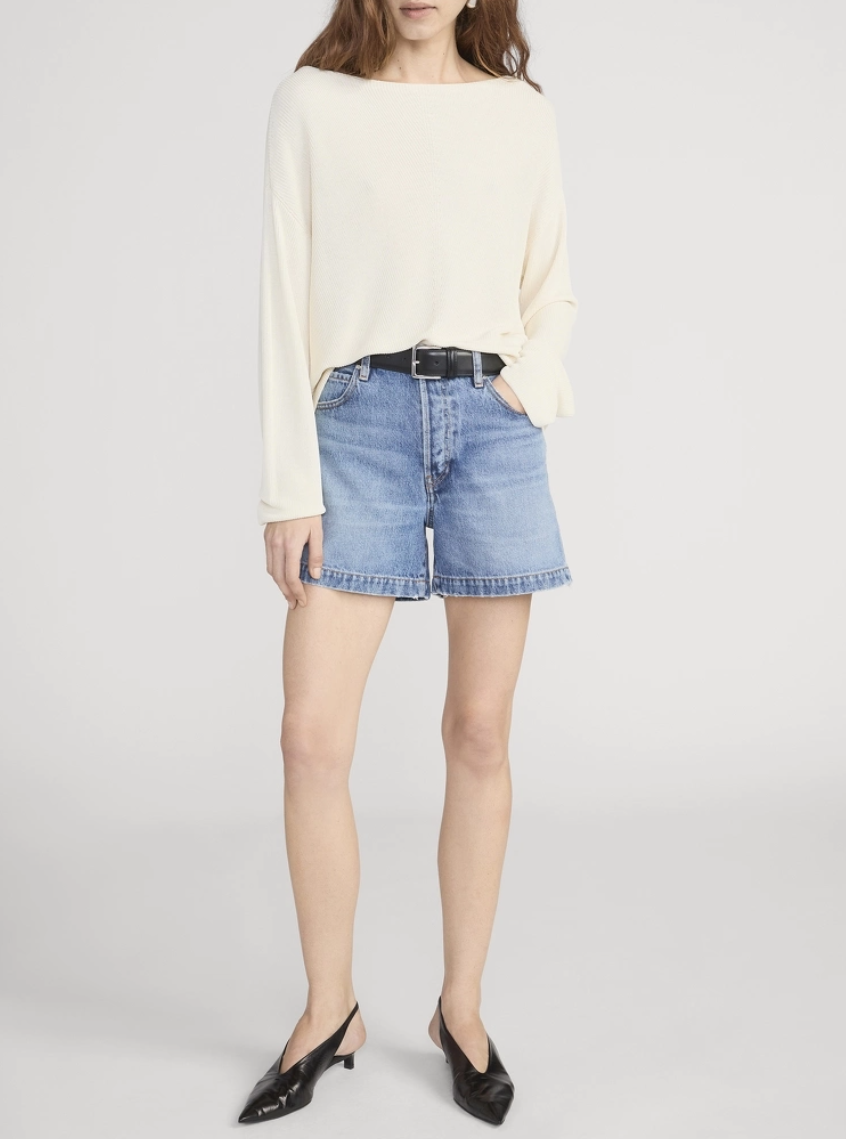
Custom Gym Shorts
Build custom gym shorts around movement, coverage and recovery from repeated wear. Our development team can source stretch wovens, performance knits or mesh, refine pocket placement and fit, and add heat-transfer, screen-print or label branding.
Request a Quote
Custom Running Shorts
Create custom running shorts with lightweight fabrics, secure pockets and fit details suited to active motion. We develop woven or performance-knit options with liners, reflective trims, split hems and size grading from XS through 3XL.
Request a Quote
Custom Basketball Shorts
As a basketball shorts manufacturer, Junsheen produces mesh and performance-knit shorts with relaxed silhouettes, longer inseams and team or streetwear decoration. Programs can include contrast panels, pockets, sublimation, embroidery, labels and coordinated sets.
Request a Quote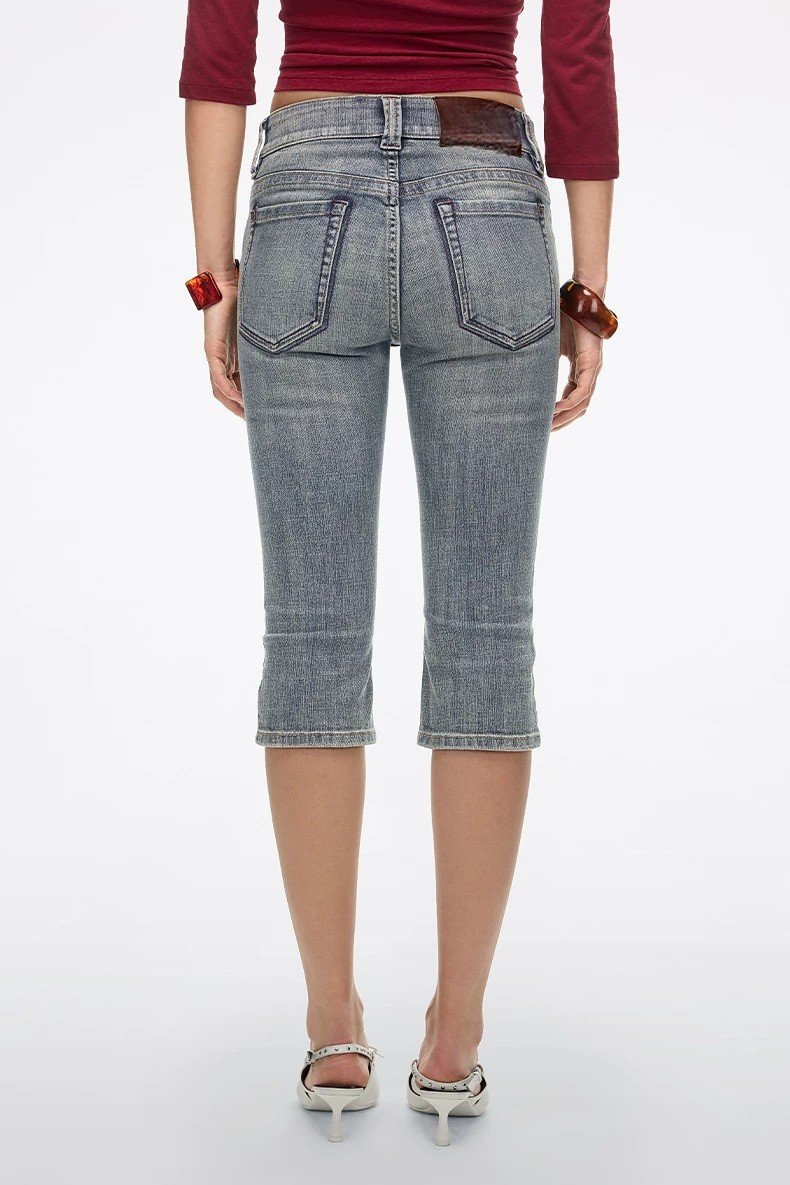
Custom Cargo Shorts
Develop custom cargo shorts with durable twill, cotton blends or technical fabrics, balancing utility-pocket construction with clean brand proportions. We can customize pocket layouts, closures, washes, trims, labels and graded fits for casual or workwear lines.
Request a Quote
Custom Nylon Shorts
Produce custom nylon shorts for lightweight outerwear, travel, sport and modern utility collections. Select nylon quality, lining, water-resistant finishes, pocket systems, elastic or drawcord waists, logo applications and branded packaging.
Request a Quote
Custom Board Shorts
Create custom board shorts with quick-dry fabrics, mesh liners and durable waist closures for resort, surf-inspired or summer programs. We support all-over prints, contrast details, pocket construction, woven labels and fit approval before bulk production.
Request a Quote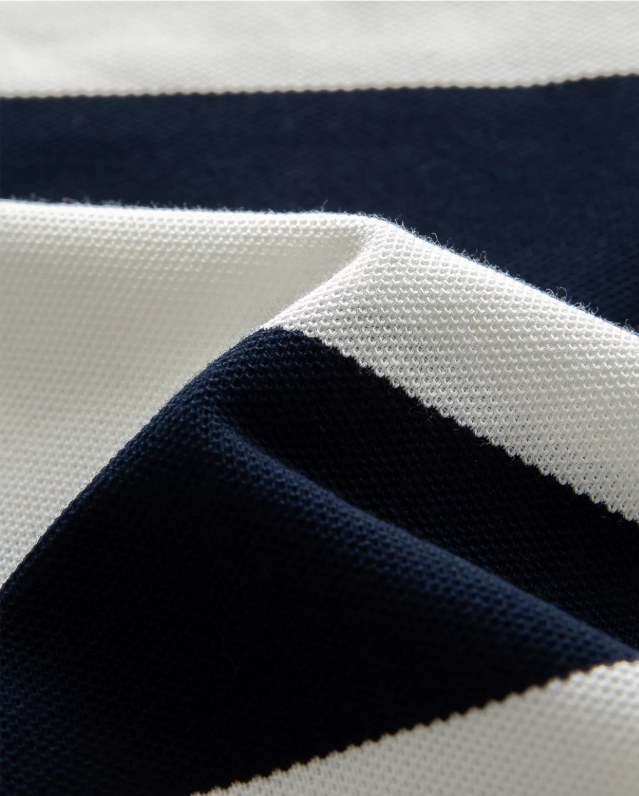
Custom Biker Shorts
Develop custom biker shorts with stretch recovery, opacity and body-balanced grading in mind. Our team can source performance knits, refine waistband height and inseam, and apply print, silicone, embroidery or private-label details for activewear and fashion collections.
Request a Quote
Custom Fleece Shorts
Make custom fleece shorts in brushed fleece or French terry for cold-weather, lounge and premium casualwear programs. Choose garment washes, rib or elastic waistbands, pockets, drawcords, embroidery, patches and branded labels from a 100-unit MOQ.
Request a Quote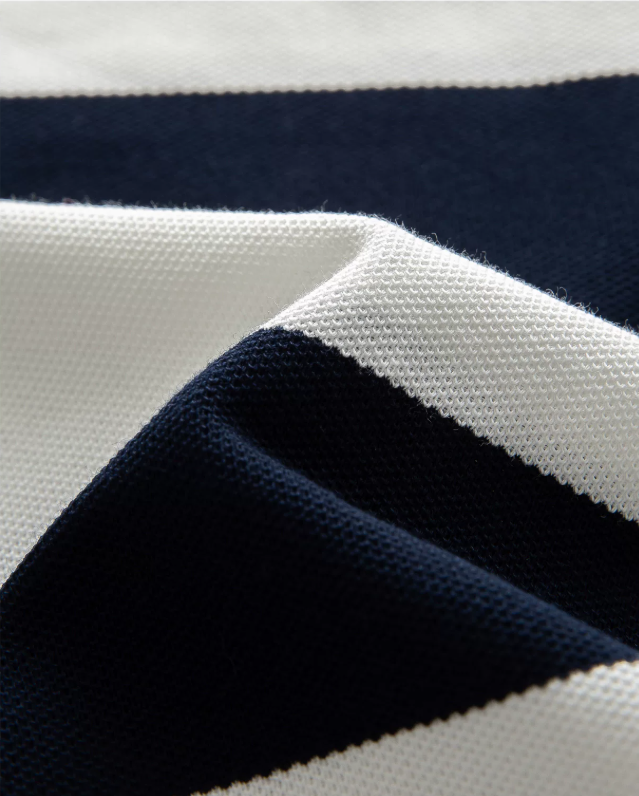
Custom Embroidered Shorts
As an embroidered shorts manufacturer, Junsheen applies flat, 3D puff, chain-stitch and applique embroidery to sweat, mesh, woven and denim shorts. We review artwork placement, backing requirements and fabric suitability before sampling and bulk production.
Request a Quote
Blank Shorts Wholesale
Source blank shorts wholesale for decoration-ready inventory, uniforms, promotional programs or streamlined private-label launches. We can supply dependable base styles across key fabrics, then add your size labels, hang tags, packaging or decoration as needed.
Request a Quote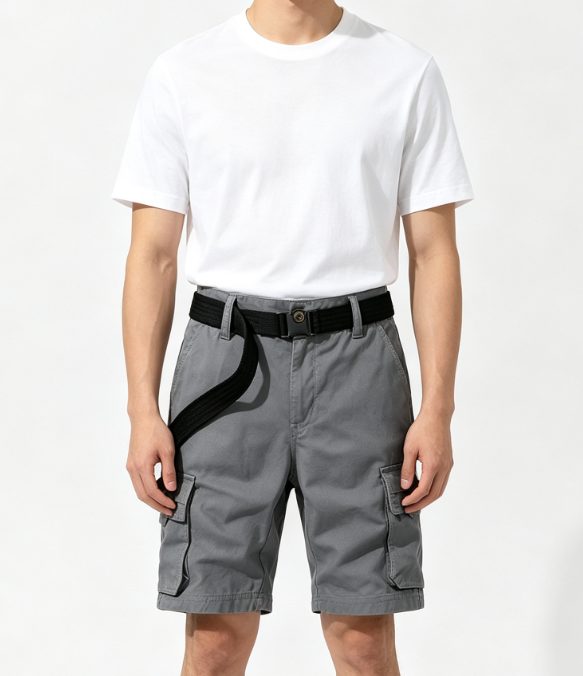
Custom Mens Shorts
As a mens shorts manufacturer, we develop casual, denim, cargo, athletic and tailored shorts with considered rise, inseam and leg balance. Pattern grading, material selection and private-label details are aligned to your target customer and price point.
Request a Quote
Custom Womens Shorts
As a womens shorts manufacturer, Junsheen develops denim, biker, lounge, tailored, cargo and active styles with fit consistency across XS through 3XL. We refine waist, hip, rise and mobility proportions instead of simply enlarging a base pattern.
Request a Quote
Wholesale Shorts
Use wholesale shorts programs to move from approved samples into repeatable bulk supply. Junsheen supports fabric reservations, consistent grading, decoration records, private-label packaging, quality control and global shipment for growing retail and brand demand.
Request a Quote
Shorts Manufacturer
Choose Junsheen as your shorts manufacturer for OEM, ODM and private-label development across casualwear, activewear, denim and utility categories. From sketches or tech packs, we manage patterns, sourcing, sampling, production, finishing, inspection and export support.
Request a QuoteMaterials for Custom Shorts Development

Cotton Jersey
Soft, breathable cotton jersey suits relaxed lounge shorts, lightweight athletic styles and everyday casual programs. Its smooth hand feel and natural stretch support comfortable movement, with weight options tailored from light summer constructions to substantial premium basics.

French Terry
French terry delivers a soft face with absorbent loopback texture, making it ideal for elevated sweat shorts and coordinated sets. Midweight constructions offer breathable warmth, resilient shape retention and a substantial hand feel for year-round casualwear.

Rigid Denim
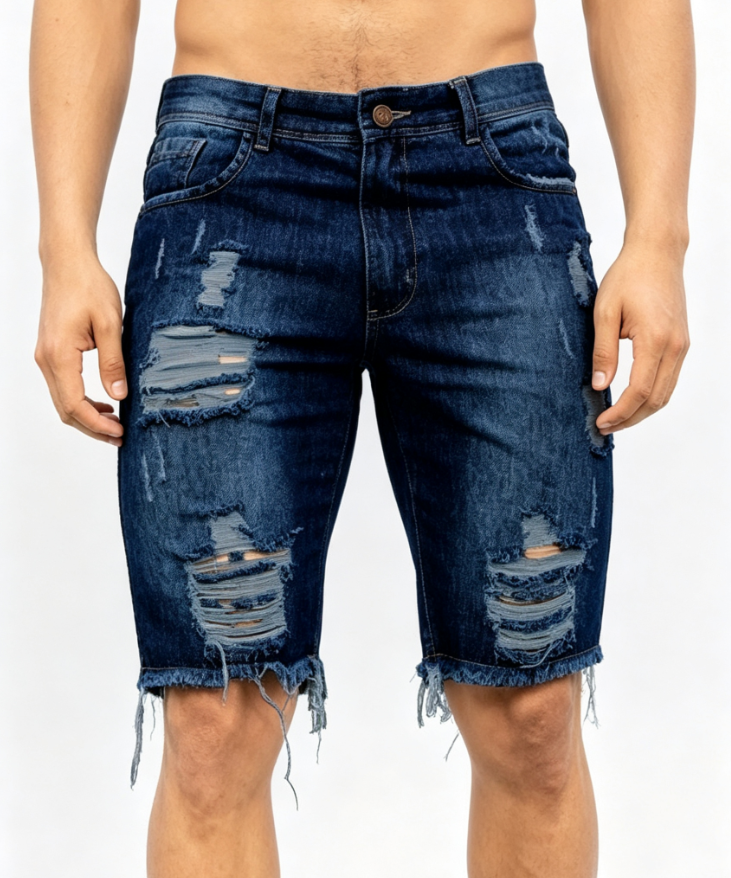
Rigid denim creates structured jean shorts, vintage-inspired cuts and fashion washes with authentic character. Its firm hand feel and low stretch support defined silhouettes, while fabric weight, weave and wash treatment determine drape, durability and fade potential.

Stretch Denim
Stretch denim combines classic denim appearance with added recovery for fitted, extended-size and comfort-led shorts. Elastane-blended constructions improve mobility through the hip and thigh, helping custom shorts maintain shape while accommodating active daily wear.

Cotton Twill
Cotton twill provides a clean, durable surface for chino shorts, workwear-inspired designs and tailored casual collections. Its diagonal weave adds abrasion resistance and body, with versatile weights that hold crisp seams, pockets and structured silhouettes.

Performance Knits
Performance knits suit training shorts, active lifestyle programs and quick-dry travel styles. Lightweight technical yarns can deliver moisture management, four-way stretch or breathable texture, while retaining a smooth hand feel and dependable recovery after movement.
Custom Shorts Decoration and Finishing Options

Logo Embroidery
Flat, puff, chain-stitch, and applique embroidery create tactile logos and premium detail on custom shorts. Our team stabilizes each placement for clean stitching, strong shape retention, and reliable wear performance.

Screen Printing
Plastisol, water-based, puff, flocking, silicone, high-density, foil, and discharge screen prints deliver bold graphics with controlled texture. We match ink systems to the shorts fabric for color clarity, stretch, and wash durability.

DTF Heat Transfer
DTF and heat-transfer applications reproduce detailed multicolor artwork, gradients, and small logo runs efficiently. Applied with calibrated heat and pressure, they provide crisp edges and dependable adhesion on suitable shorts fabrics.

Dye Sublimation
Dye sublimation permanently infuses all-over color and graphics into compatible polyester shorts. The result is lightweight, breathable decoration with no raised ink feel, excellent color saturation, and resistance to cracking or peeling.

Garment Washing
Enzyme, acid, stone, and garment-dye washes shape the color, softness, and lived-in character of denim and cotton shorts. Sampling confirms the intended fade, hand feel, shrinkage, and repeatable bulk result.

Fabric Finishing
Softening, anti-pilling, brushing, and napping finishes refine comfort and surface performance before packing. We select finishing methods around fabric weight and intended use to help branded shorts feel consistent after repeated washing.
Custom Shorts Trims and Accessories

Drawcords and Tipping
Choose cotton, polyester or elastic drawcords with metal, silicone or dipped tips for adjustable-waist custom shorts. Match cord color, length and finishing to your brand palette and intended performance level.

Elastic Waistbands
Custom elastic waistbands support comfort and recovery across XS–3XL grading. Junsheen can develop covered, exposed or logo-jacquard elastic for jersey, fleece, woven and active-inspired shorts programs.

Zippers and Snaps
Add secure pocket zippers, fly zippers, snap closures or branded hardware where utility and durability matter. Options can be selected to suit cargo shorts, denim shorts, tailored styles and sport casualwear.

Woven Brand Labels
Woven main labels, size labels and wash-care labels give each garment a consistent private-label identity. We coordinate placement, material, color and stitch method to suit your custom shorts construction.

Hangtags and Packaging
Finish retail-ready orders with custom hangtags, barcode stickers, polybags, tissue paper or branded cartons. Packaging specifications can be aligned with your wholesale workflow, e-commerce fulfillment needs and export requirements.
Custom Logo Patches
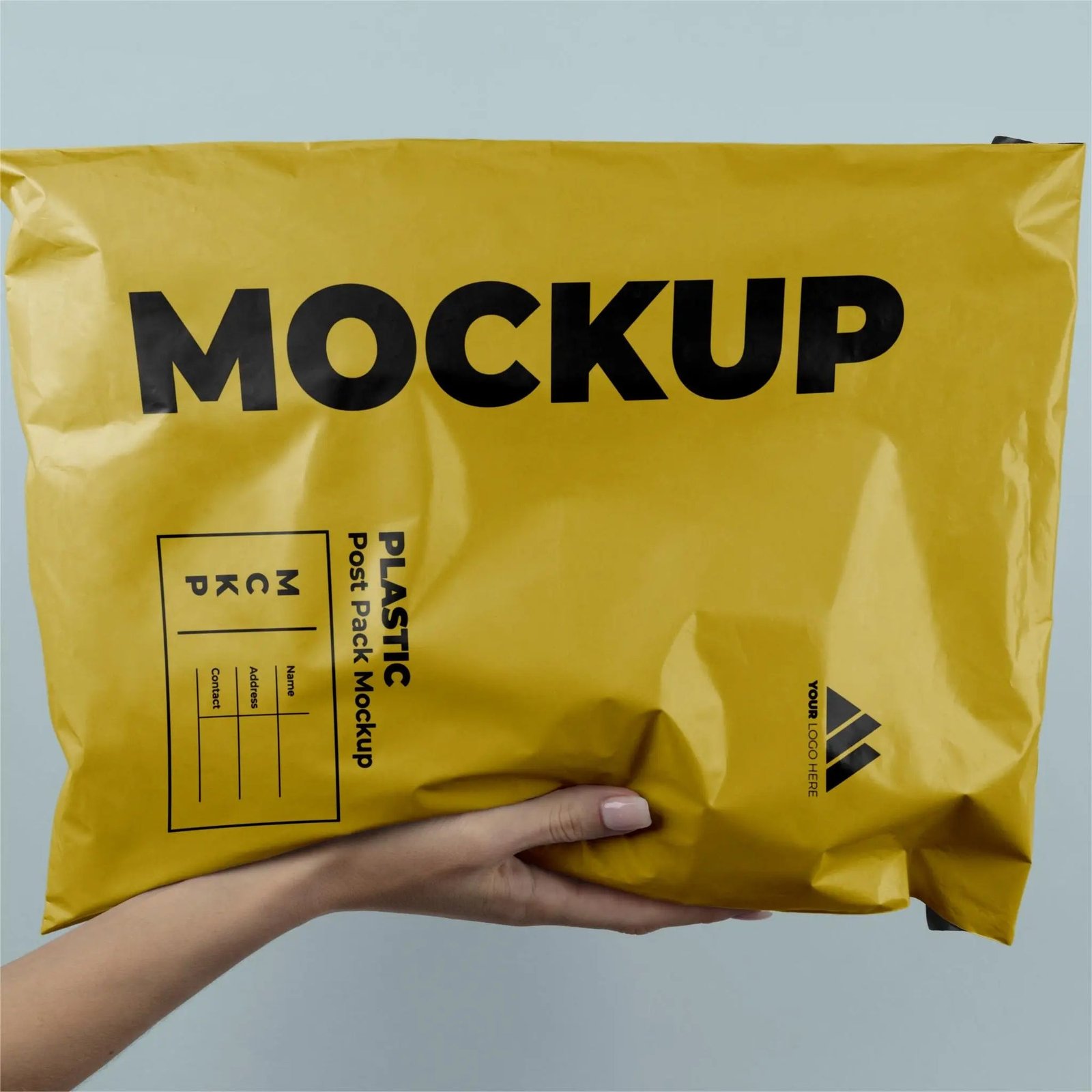
Use embroidered, woven, leather-look, silicone or rubber patches to create a recognizable signature detail. Patches work well on pockets, hems and waistbands for premium casual, denim and streetwear shorts.
About JUNSHEEN Custom Shorts
Founded in 2010 in Humen Town, Dongguan, JUNSHEEN helps fashion brands turn custom shorts concepts into production-ready collections. Our one-stop OEM, ODM and private-label team supports product development, fabric sourcing, patterns, sampling, decoration, packaging and export coordination for labels worldwide.
With 200+ skilled workers and monthly capacity exceeding 80,000 units, we can support a 100-unit-per-style-and-color capsule launch or scale into repeat bulk programs. Clients across global markets rely on our cut-and-sew, knitwear, denim, washing, printing and embroidery capabilities for dependable apparel production.
Fit comes first at JUNSHEEN. For custom shorts and wider casualwear programs, our pattern makers develop XS–3XL, extended-size, plus-size and oversized fits with refined rise, proportion, mobility and grading—not simple pattern enlargement. This technical approach helps reduce revisions and build consistency as your brand grows.

Custom Shorts Development, Fit and Production Control
Fit Engineering Across XS–3XL
JUNSHEEN develops custom shorts with proportion-led patterns for standard, extended-size, plus-size and oversized ranges. Our team refines rise, inseam, leg opening, waistband balance and grading increments so each size delivers consistent comfort, mobility and silhouette.
- Pattern making and size grading from XS to 3XL
- Rise, inseam and leg-opening proportions reviewed by size
- Fit samples and size sets before bulk approval
- Reduced revision risk across extended-size collections

From Concept to Tech Pack
Bring a finished tech pack, sketch, reference garment, mood board or early product idea. Our OEM and ODM team reviews construction, materials and cost targets, then turns your direction into production-ready custom shorts specifications and samples.
- Tech-pack review and manufacturability guidance
- Fabric, trim and construction recommendations
- Prototype sampling for design validation
- Low MOQ from 100 units per style and color
Integrated Branding and Embellishment
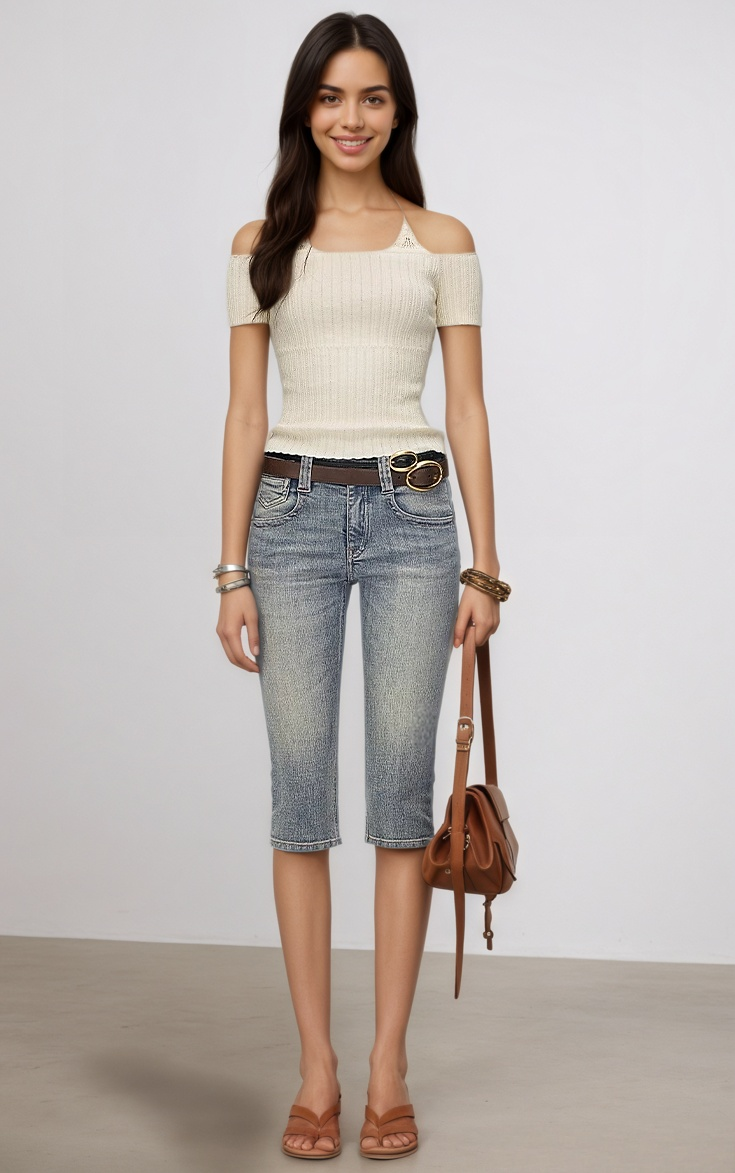
Keep decoration, finishing and private-label details coordinated within one apparel supply chain. JUNSHEEN applies embroidery, print, washes, labels, trims and branded packaging to custom shorts while maintaining alignment between approved samples and bulk production.
- Embroidery, screen print, DTF and heat-transfer options
- Garment dye, acid wash, stone wash and softening
- Custom labels, hang tags, drawcords and hardware
- Branded packaging prepared for global retail programs
Controlled Bulk Repeatability
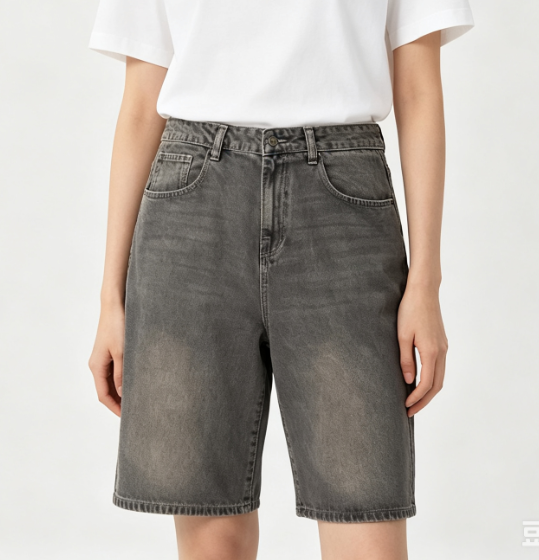
From incoming fabric through final packed goods, JUNSHEEN manages checkpoints for measurements, construction, fit and decoration. Retained patterns, graded size sets and material records help repeat custom shorts programs move faster while protecting approved specifications at scale.
- Incoming, in-line and final quality inspections
- Measurement and fit checks against approved standards
- 80,000+ units of monthly production capacity
- Export support for growing global brand orders

Why Choose JUNSHEEN for Custom Shorts Production
A fit-focused, production-ready partner for brands that need reliable development and scalable supply.
← 左右滑动查看 →
Our Custom Shorts Production Process
A fit-focused, quality-controlled workflow for fashion brands—from first feasibility review to packed goods and global export.
Review Design Feasibility
Share a tech pack, sketch, reference garment, or idea. Our team reviews construction, fit requirements, target cost, MOQ, and production readiness.
Source Fabrics and Trims
We recommend fabrics, elastics, drawstrings, labels, and hardware based on weight, hand feel, durability, wash performance, branding, and budget.
Develop Patterns and Samples
Pattern makers build and grade custom shorts from XS to 3XL, then produce prototypes and size sets for fit, measurement, and approval.
Cut, Sew, and Decorate
After pre-production approval, skilled teams cut and sew bulk orders, then apply embroidery, printing, washes, finishing, and private-label details.
Inspect, Pack, and Ship
In-line and final checks verify construction, measurements, decoration, and packed goods before branded packaging, export documentation, and global shipment.
How to Start Your Custom Shorts Project
Move from concept to shipment with clear development, approval, production, and export steps managed by one JUNSHEEN team.
Share Your Concept
Send a tech pack, sketch, reference garment, or mood board with target quantities, sizing, fabrics, and branding so our team can assess your custom shorts.
Review Your Quote
Review our feasibility feedback, material recommendations, production approach, pricing, and timeline before finalizing specifications for your 100-unit MOQ or larger program.
Approve Development Samples
Evaluate prototype samples, fit, measurements, fabrics, decoration, and private-label details. We refine patterns and grading through XS–3XL until your approval requirements are met.
Confirm Bulk Production
Confirm the approved sample, purchase order, and production details. Our team then manages fabric sourcing, cutting, sewing, finishing, quality checks, and branded packing.
Receive Finished Goods
Receive export-ready custom shorts after final inspection and balance settlement. Retained patterns and material records help streamline consistent repeat orders as your brand scales.
Custom Clothing Manufacturer Credentials and Compliance Documents



Custom Shorts Customer Results and Brand Case Studies
JUNSHEEN helped us move from a reference sample to an approved fit in two development rounds. Their grading notes made it much easier to keep the same waistband and inseam balance across our XS–3XL launch size range.
We launched our first custom shorts capsule at the 100-unit MOQ and received consistent repeat production on the second run. The retained patterns and material records saved us time when we reordered the same two colorways.
The team coordinated fabric, puff-print placement, woven labels, and packing from one brief. Our collection arrived ready for retail, and the pre-production approval process helped us avoid a costly bulk revision before shipment.
Custom Shorts Manufacturing FAQ
Clear answers on MOQ, development, fit, commercial terms and delivery for fashion brands sourcing with JUNSHEEN.
What is the MOQ for custom shorts?
How long do custom shorts samples and bulk production take?
How much does a custom shorts sample cost?
Can you make custom shorts from a sketch, reference garment or tech pack?
Do you offer size grading and plus-size custom shorts?
What customization options are available for shorts?
What payment terms do you offer for new orders?
Can you ship custom shorts internationally and protect our designs?
The Complete Buyer’s Guide to custom shorts
Use this practical framework to select custom shorts styles, materials, branding options, and reliable suppliers while avoiding costly sampling, fit, quality, and production mistakes.
1. What Are custom shorts?
100 units per style and color is a practical starting point for custom shorts: garments made to a brand’s own specification rather than selected unchanged from a supplier catalogue. The buyer can define the silhouette—such as relaxed sweat short, tailored chino, denim cut-off, basketball short or cargo—along with inseam, rise, leg opening, pocket layout and size range. 3 common production routes differ in control. Private label adapts a proven supplier base with branded labels, hang tags and packaging; OEM produces a buyer-approved tech pack; fully custom development begins with a sketch, reference garment or concept and adds pattern making, fit development and prototype sampling. Each route can specify fabric weight, from roughly 180–240 GSM jersey to 280–360 GSM French terry, plus color standards, wash effects, embroidery or screen-printed artwork. XS through 3XL requires more than scaling a single pattern: rise, thigh ease, waistband stretch and grading increments should be checked across the size set. Buyers also control drawcords, elastic, YKK-compatible zipper requirements, woven or leather labels, care labels, polybags and retail-ready cartons. 100-unit custom programs are commercially worthwhile when a label needs recognizable fit, repeatable branding or margins not achievable with blank garments. For wholesalers, customization makes most sense when the same core short can support several colorways, buyer-specific packaging or recurring replenishment.
2. The Evolution of custom shorts
By the 1930s, tailored shorts had moved beyond military and utility use into resort wardrobes, while sports codes established distinct running, tennis, and workwear silhouettes. That split still guides sourcing: a clean 7- to 9-inch inseam in twill can support polished resort or uniform programs, whereas roomier athletic blocks prioritize movement and pocket utility. In the 1970s and 1980s, denim cutoffs, skate culture, and basketball widened the market for casual, longer-leg shorts; later streetwear normalized oversized fits and 10- to 13-inch inseams. For custom shorts, this creates viable capsule directions in rigid or stretch denim, garment-dyed fleece, and heavyweight 280- to 400-GSM French terry, provided wash shrinkage and rise are approved during sampling. Since the 1990s, moisture-management knits, mechanical stretch wovens, elastic waists, and lighter linings have blurred the line between training gear and everyday athleisure. Current collections can combine tailored fronts with drawcord waists, technical nylon with mesh pockets, or embroidery on elevated jersey, while inclusive XS-through-3XL grading should refine rise, thigh ease, and leg opening rather than merely enlarging one base pattern. By the 2020s, relaxed office dress codes and resort-driven travel assortments made shorts a year-round category in many markets. Brands can now source coordinated denim sets, knit co-ords, chino shorts, and performance-led styles from a 100-unit-per-style-and-color starting point, then retain approved patterns and material records for repeatable replenishment.
3. Types of custom shorts
A focused custom shorts assortment starts with the wearer, selling channel, and price tier. Build adjacent styles around one fit block, then vary fabric, pocket architecture, and finishing without diluting the brand position.
Denim And Chino

7–9 inch inseams suit versatile denim and chino programs for contemporary labels, retailers, and casual wholesale. Denim needs wash testing, shrinkage allowance, and durable bartacks; chinos need a clean waistband, fly, and consistent twill color matching.
Cargo And Athletic

8–10 inch cargo shorts target streetwear and utility customers, while 5–7 inch athletic shorts serve training and lifestyle buyers. Specify pocket volume, reinforcement, and closure type for cargo; specify stretch recovery, liner choice, and secure zip pockets for athletic styles.
Sweat And Board

5–7 inch sweat shorts work for relaxed loungewear capsules, whereas board shorts commonly run 17–19 inches outseam for swim and resort markets. French terry requires stable rib and drawcord construction; board shorts require quick-dry fabric, mesh pockets, and reliable drainage details.
Tailored And Extended-Size
7–9 inch tailored shorts fit premium resort, smart-casual, and occasion assortments, using a clean front and controlled leg opening. XS–3XL extended-size programs need revised rise, thigh ease, waistband grading, and pocket placement rather than simple pattern enlargement.
4. Materials for custom shorts
180–300 GSM is the practical decision range for most custom shorts: lower weights drape and breathe, while heavier constructions hold shape and survive abrasion. Test wash shrinkage, stretch recovery, and surface pilling on a sample before bulk approval.
| Material | Typical GSM | Hand And Performance | Best Use |
|---|---|---|---|
| Cotton twill | 200–280 | Crisp, breathable, durable | Chino, cargo |
| Denim | 280–420 | Firm, abrasion-resistant | Five-pocket |
| French terry | 240–320 | Loopback, breathable | Athletic |
| Fleece | 280–350 | Brushed, insulating | Cool-season |
| Jersey | 140–220 | Soft, flexible | Relaxed |
| Nylon/polyester | 90–180 | Quick-dry, durable | Sport |
| Linen blend | 180–260 | Airy, low recovery | Resort |
| Stretch woven | 200–300 | Shape recovery | Fitted |
Core Fabric Comparison
200–280 GSM cotton twill gives crisp structure for chino, cargo, and tailored silhouettes; denim at 280–420 GSM adds abrasion resistance for five-pocket styles. French terry at 240–320 GSM suits premium athletic shorts, while 280–350 GSM fleece is warmer and better for cool-season loungewear.
Lightweight Performance Options

140–220 GSM jersey is soft, breathable, and suitable for sleepwear or relaxed drawstring shorts, but needs stable rib and seam design. Nylon and polyester at 90–180 GSM dry quickly and resist abrasion; choose mechanical stretch or elastane when movement and recovery matter.
- Jersey: soft hand, moderate durability, possible shrinkage
- Nylon: crisp hand, high strength, warm-weather utility
- Polyester: stable color, fast drying, sport programs
Silhouette And Responsible Sourcing

180–260 GSM linen blends deliver airy texture for resort shorts but wrinkle more than cotton; 2–5% elastane improves recovery in slim or fitted cuts. Request fiber-content records, recycled-content documentation, and applicable GOTS or OEKO-TEX certificates from the mill before confirming materials.
- Use twill or denim for structured legs
- Use terry or jersey for relaxed volume
- Specify wash testing for cotton-rich blends
5. custom shorts Customization Options
A recognizable custom shorts program starts with a deliberate fit block and a trim plan, not a logo alone. Lock these decisions before the approval sample so color, wash, decoration, and packaging reproduce consistently in bulk.
| Method | Appearance | Durability | Best Placement | Production Fit |
|---|---|---|---|---|
| Screen print | Opaque, graphic ink | High when cured | Front leg, back pocket | Medium to bulk runs |
| Embroidery | Textured, premium stitch | Very high | Thigh, pocket, hem | Logos and smaller art |
| Patch | Dimensional branded badge | High with secure stitching | Thigh, back pocket | Streetwear capsules |
| Appliqué | Layered fabric graphic | High, seam-dependent | Large leg panels | Statement designs |
| Heat transfer | Sharp multicolor detail | Moderate to high | Flat leg panels | Short runs or complex art |
| Wash effects | Faded, aged, tonal finish | Garment-dependent | Whole garment | Fashion-led programs |
Fit And Construction Choices
5–9 inch inseams suit most casual and athletic silhouettes; 10–12 inch inseams create a longer streetwear proportion. Confirm rise, leg opening, and graded measurements across the size range. 1 waistband can combine elastic, a rib finish, belt loops, or an internal drawcord. Choose slant, cargo, welt, or patch pockets; specify a mock fly, zipper fly, or button fly early.
- Pantone color standard and contrast stitching
- Cotton drawcord, tipped cord, or metal aglets
- Custom snaps, zippers, and rivets
- Woven main, size, and care labels
Branding And Presentation

2 label positions—center back waistband and inner neck-equivalent waist area—cover most private-label programs. Add a woven label, hangtag, barcode sticker, and folded polybag or branded mailer to match the sales channel. 1 wash specification should name the base color, wash method, and desired shade range. Acid wash, garment dye, enzyme wash, and stone wash change both appearance and hand feel, so approve a physical reference.
Decoration Selection

1 decoration map should state artwork size, placement, thread or ink colors, and tolerance from seams. Avoid dense embroidery over elastic waistbands or heavy pocket layers, where puckering and distortion are more likely.
6. Construction Quality for custom shorts
Two approved references—the production tech pack and sealed sample—should govern every custom shorts order. They convert fit, materials, construction, measurements, and workmanship into inspectable bulk-production requirements.
Fabric And Wash Control

Before cutting, test each lot for shade consistency, shrinkage, skew, pilling, and colorfastness. Require wash testing on a finished sample, because denim, twill, and knit shorts can change both measurements and hand feel. A 2–3% dimensional-change target is commonly practical, but the agreed tolerance must match the fabric and wash. Record GSM, composition, wash recipe, and approved color standard in the tech pack.
- Check fabric face, back, and roll-to-roll shade
- Test crocking on dark dyes and prints
- Measure after the specified wash and dry method
Seams And Stress Points
At 8–12 stitches per inch, a balanced lockstitch suits most woven seams; overlock seams need secure seam allowance and no skipped stitches. Specify the seam type by location, including flatlock where low-bulk comfort is essential. Bartacks should reinforce pocket corners, fly ends, side splits, and belt-loop joins. Pocket bags, zipper tape, snaps, and drawcord ends must withstand repeated pull and abrasion without distortion.
- Reinforce crotch intersection and pocket openings
- Anchor drawcords inside the waistband
- Operate every zipper and snap during inspection
Fit, Tolerances, And Inspection
Across XS–3XL, grading must adjust rise, thigh, inseam, waist, and hem proportionally rather than enlarging one base pattern. Set point-of-measure tolerances before sampling; critical waist, rise, and inseam points usually deserve the tightest limits. During final inspection, compare random packed goods against the approved sample, measurement chart, shade standard, and trim specification. Junsheen can retain graded patterns and material records, helping repeat orders follow the approved construction standard.
- Approve a size set before bulk cutting
- Check waistband recovery after stretch cycles
- Inspect packed quantity, labels, and presentation
7. How to Choose a Manufacturer
Choose a manufacturer by testing its development discipline before comparing unit prices. For custom shorts, the supplier must translate fit, fabric, decoration, and delivery requirements into documented production controls.
Verify Category Experience
Ask for recent shorts samples covering knit, twill, or denim, plus measurement specifications and wash results. A capable partner explains rise, inseam, leg opening, pocket placement, and graded tolerances rather than only confirming a reference photo.
- Request comparable sample photos and construction details
- Review graded size charts from XS through 3XL
- Ask how fabric shrinkage changes finished measurements
Assess Development Capability
Request the tech-pack review, pattern-development process, and sample calendar before placing an order. Development partners flag impractical seams, decoration limits, and fabric behavior; basic cut-and-sew vendors generally require production-ready instructions.
- Pattern and grading confirmation
- Fabric and trim swatch approval
- Prototype, fit sample, and pre-production sample
Check Production Controls
Confirm the achievable MOQ by style and color, monthly capacity, and realistic bulk lead time. Ask whether inspections cover incoming fabric, in-line sewing, measurements, decoration, and packed goods, and request the final inspection standard.
- MOQ and color-break policy
- AQL or internal inspection procedure
- Bulk lead time and delay escalation contact
Confirm Commercial Readiness
Request a written quotation, payment terms, shipping options, and export-document list. Verify certifications such as OEKO-TEX, GOTS, WRAP, or BSCI only when relevant, asking for current certificates rather than relying on logos.
- Proforma invoice and material specification
- Commercial invoice, packing list, and origin support
- Named production and communication contact
8. Common custom shorts Sourcing Mistakes
Most custom shorts disputes begin before bulk cutting, when a visual reference is treated as a complete specification. A disciplined sample, testing, and approval record turns subjective expectations into controls that protect launch dates and margin.
Validate Fabric Beyond Photos

One swatch can look accurate online yet differ in weight, stretch, and hand after finishing. Request physical swatches and a sewn sample, then confirm GSM, fiber content, stretch recovery, shrinkage tolerance, and Pantone target. Three wash cycles reveal risks that product photos cannot show. Test dimensional change, colorfastness to washing and rubbing, and print or embroidery performance before approving bulk fabric.
Lock Measurements And References
A size M measurement chart without points of measure leaves factories to interpret inseam, rise, leg opening, and waistband tension. Supply tolerances, grading rules, fit comments, and a reference sample when possible. One copied reference may conceal unsuitable fabric, construction, or protected artwork. Verify every seam, pocket, wash, trim, and decoration in a tech pack instead of assuming the factory can reproduce an unverified image.
Control Changes And Trims
Two late design revisions can reset pattern, sample, and material bookings. Freeze the approved specification before bulk, route changes through written cost and timing confirmation, and preserve a dated revision log. Four-week trim lead times are common for custom labels, molded drawcord ends, and special zippers. Approve trim artwork and color early, then confirm availability before promising a launch date.
Approve Production, Not Price Alone
A low quote can omit inspection, stronger stitching, wash testing, or correct fabric weight. Compare quotations line by line for materials, trims, decoration, packing, defect policy, lead time, and payment terms. One signed pre-production sample should match the final BOM, measurements, color, placement, and packaging. Keep it as the bulk standard and require in-line and final checks against that approved sample.
9. Launching Your Shorts Collection
A 100-unit-per-style-and-color starting point lets a new label test demand without scattering development funds across too many silhouettes. Work backward from the selling date so sampling, fit approval, production, freight, photography, and product setup each have an owner and deadline.
Define The Capsule
Three to five SKUs usually create a clearer first drop than a broad assortment: for example, one core jersey short, one fleece short, and one statement wash or print. Use customer interviews, competitor price checks, and channel data to select intended wearer, retail price, colors, and size range. Two colorways per proven silhouette can simplify fabric commitments and merchandising while still producing a coordinated launch story. Reserve experimental treatments for the smallest exposure.
Build Production-Ready Files
One complete tech pack per SKU should specify flat sketches, Pantone colors, graded measurements, construction callouts, artwork size and placement, labels, packaging, and bill of materials. Include reference photos only as supporting direction, not as a substitute for measurable specifications. 100% approved assets before bulk confirmation prevents avoidable interpretation during cutting. Confirm vector artwork, care-content requirements, barcode data, and folding or polybag instructions with the factory.
- Graded measurement chart
- Pantone and fabric standards
- Vector logo artwork
- Label and packaging files
Approve Fabric And Fit

180–260 GSM jersey suits lighter casual shorts, while 280–420 GSM French terry supports a heavier premium hand feel. Review swatches for shrinkage, pilling, colorfastness, stretch recovery, and decoration compatibility before locking material. Two to three sample rounds are common when a new pattern, wash, or extended-size grade is involved. Approve a size set against the intended fit, rise, inseam, pocket depth, and waistband recovery before booking bulk.
Book, Launch, Reorder
Eight to twelve weeks before launch is a practical point to freeze bulk approvals, subject to fabric availability, decoration complexity, and freight lane. Schedule in-line checks, final measurement inspection, packed-goods count, and shipment booking before the ex-factory date. Thirty days after launch, compare sell-through by size, color, and channel rather than relying on total sales alone. Retain approved patterns, graded size sets, fabric records, and QC notes to make repeat orders faster and more consistent.
10. custom shorts Pricing and Costs
100 units per style and color is a practical starting point for a capsule, but unit cost falls as fabric purchasing, cutting, setup, and decoration are spread across more pieces. A 280–350 GSM French terry short generally costs more than lightweight 180–220 GSM jersey; ring-spun cotton, recycled content, stretch yarns, and Pantone-matched custom dyeing also change the quote. 2–6 cost layers commonly move a basic short beyond its base fabric-and-sewing price: enzyme, acid, stone, or garment-dye washes; screen print versus puff embroidery; YKK zippers, custom drawcords, woven labels, and individual packaging. Complex panel lines, zip pockets, lining, graded extended sizes, third-party testing, and pre-production samples should be budgeted separately where applicable. 15–45 days is a typical planning range after specifications and materials are approved, with sampling, fabric availability, and destination freight affecting the final calendar. Request a quotation against an approved tech pack, size range, artwork, packaging specification, quantity by color, testing needs, and delivery destination; freight is especially variable by carton volume, Incoterm, and shipping method.
| Order quantity | Indicative unit-cost range (USD) | Typical production lead time |
|---|---|---|
| 100–299 units | $8–$22 | 30–45 days |
| 300–999 units | $6–$18 | 25–40 days |
| 1,000+ units | $5–$15 | 20–35 days |
Start Your Custom Shorts Sampling Project
Send your tech pack, sketch, reference garment, or product idea for feasibility review, fit-focused development, and sampling from 100 units per style and color.