
Womens Shorts Manufacturer for Fit-Ready Private Label
JUNSHEEN is a womens shorts manufacturer offering 100-unit MOQs, fit-focused XS–3XL development, and OEM, ODM, and private-label production for global brands.
Featured Products for womens shorts manufacturer Development







Related Product Catalogue and Quotation




A Womens Shorts Manufacturer Built for Fit, Detail & Scale
From first samples to export-ready bulk orders, JUNSHEEN brings the development, production and quality controls behind a reliable private-label shorts program.
100-Unit Starting MOQ
Launch capsule shorts collections from 100 units per style and color, with a production path that scales as demand grows.
Fit-Focused XS–3XL Grading
Patterns are refined for rise, hip balance, mobility and proportion across normal, extended-size, plus-size and oversized fits.
Integrated Brand Decoration
Add logo embroidery, screen printing, patches, garment dye, washes and finishing treatments through one coordinated production team.
Purpose-Matched Fabric Sourcing
Source denim, twill, fleece, jersey and stretch fabrics selected for target cost, hand feel, durability and wash performance.
Multi-Stage Quality Control
Inspections cover incoming materials, in-line construction, measurements, decoration and final packed goods before shipment approval.
Global Export Support
Work with an experienced womens shorts manufacturer supporting documentation, packing coordination and worldwide delivery for growing fashion brands.
Custom Apparel by Collection Type
Develop fit-consistent casualwear, denim, knitwear and outerwear collections from 100 units per style and color, with OEM, ODM and private-label support.

Custom Hoodies
Develop custom hoodies in fleece, French terry or jersey with fit-focused XS–3XL grading, custom weights, rib trims, embroidery, printing and private labels. Built for capsule drops, wholesale assortments and repeat bulk programs.
Request a Quote
Custom T-Shirts
Produce custom T-shirts from combed cotton, Pima cotton, organic cotton or performance blends. Junsheen supports pattern development, neck construction, garment dye, screen printing, DTG, DTF, labels and size grading for consistent branded basics.
Request a Quote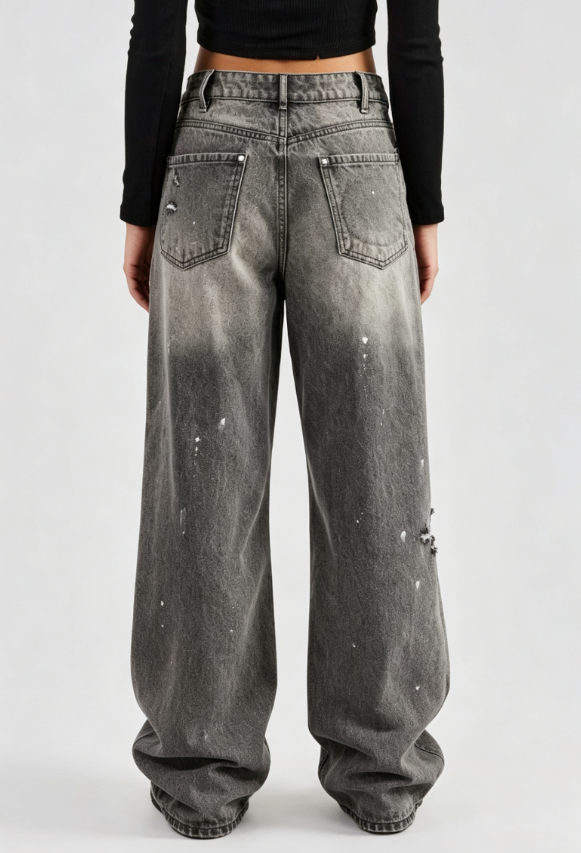
Custom Jeans
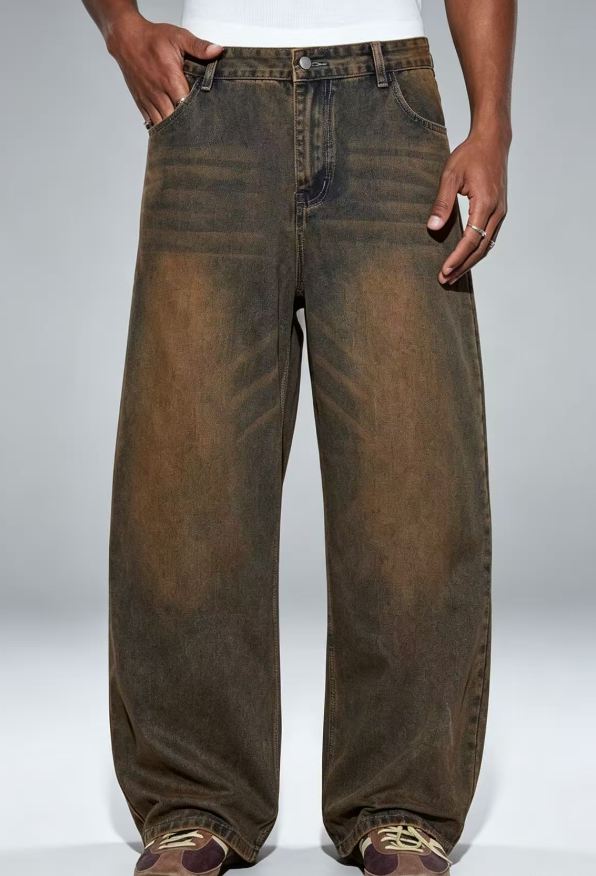
Manufacture custom jeans in rigid, stretch or washed denim with tailored rises, leg shapes and graded proportions. Source fabrics and hardware, develop wash samples, add embroidery or patches, and approve fit before scalable bulk production.
Request a Quote
Custom Sweaters
Create turtle neck sweater bulk programs in knit constructions suited to your target hand feel, weight and price point. Development covers yarn selection, gauges, rib details, color matching, fit refinement and branded finishing from sampling through bulk.
Request a Quote
Custom Jackets
Build custom jean jacket programs with denim sourcing, collar and pocket specifications, branded buttons, patches and wash development. Pattern makers refine shoulder balance, sleeve length and body proportion across normal, extended and oversized size ranges.
Request a Quote
Custom Sweatshirts & Crewnecks
Develop custom crewneck hoodie and sweatshirt styles in fleece or French terry, with crewneck, hooded or oversized silhouettes. Add custom ribbing, embroidery, screen prints, washes, labels and packaging while maintaining approved measurements in bulk.
Request a Quote
Custom Cardigans
Produce custom cardigans across sweater constructions, yarn options and gauge requirements. Junsheen supports button or zipper selection, rib details, placement embroidery, size grading and fit sampling for private-label knitwear collections.
Request a Quote
Custom Puffer & Down Jackets
Manufacture custom puffer jackets with fabric, insulation, lining, quilting and hardware selected for the intended market. Development includes hood, pocket and fit details, branded trims, size sets and quality control before global shipment.
Request a Quote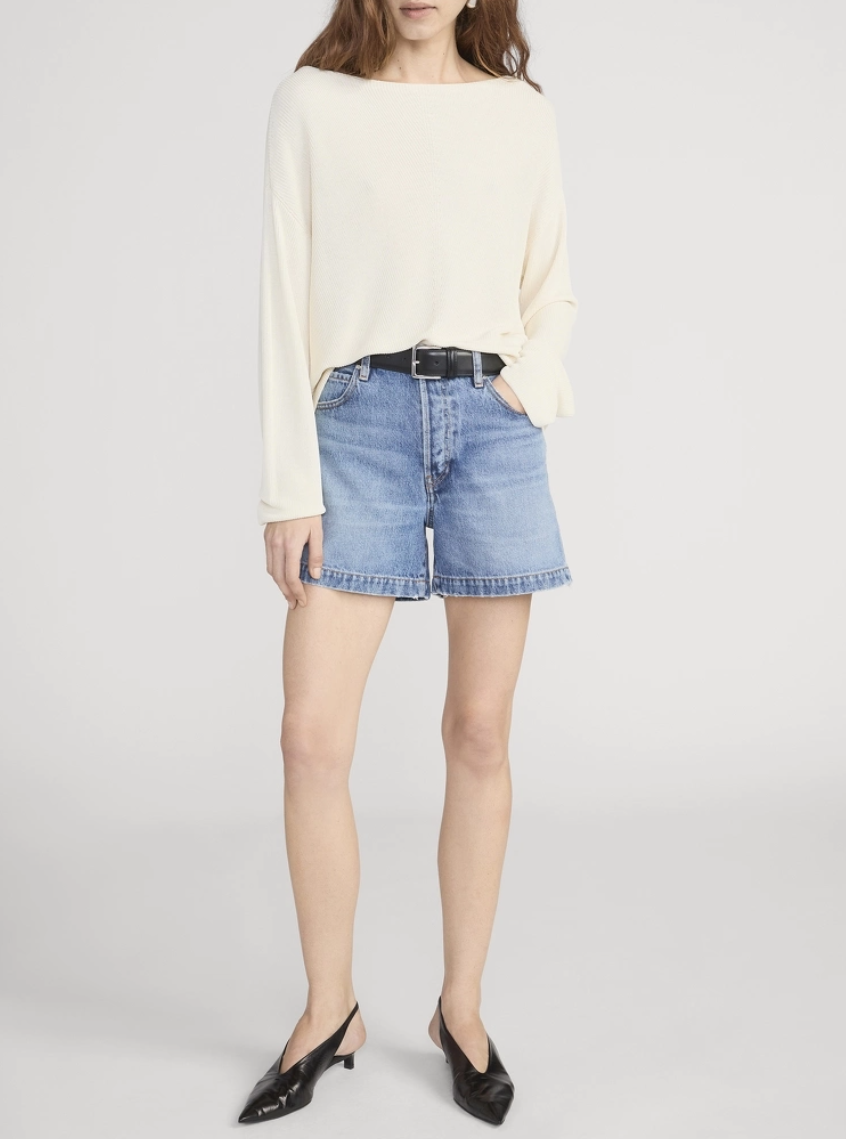
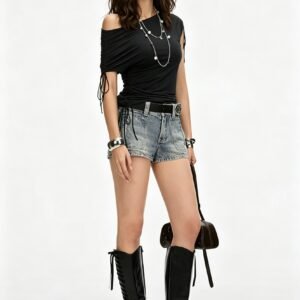
Custom Denim Shorts
Produce custom jean shorts in rigid or stretch denim with developed rises, inseams, hems and washes. Add distressing, garment finishing, logo patches and custom hardware while preserving fit consistency across the graded size set.
Request a Quote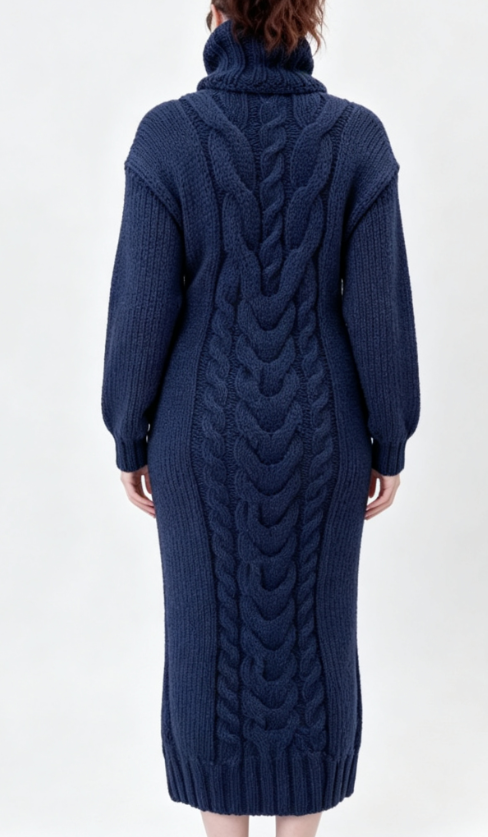
Custom Sweater Dresses
Develop custom sweater dresses with yarn, gauge, silhouette and length matched to your collection. Fit work addresses shoulder balance, sleeve proportion, body shaping and mobility from XS through 3XL, including extended-size programs.
Request a Quote
Custom Denim Sets
Create mens denim suits wholesale programs with coordinated denim jackets and trousers, consistent washes and shared branded trims. Junsheen manages fabric sourcing, pattern development, grading, samples and scalable production for matching set assortments.
Request a Quote
Custom Polo Shirts
Manufacture custom polo shirts in pique, jersey or performance knit fabrics with defined collar construction, plackets, embroidery and color blocking. Fit, sizing, labels and packaging can be developed for retail, uniform or branded wholesale programs.
Request a Quote
Custom Sweatpants
Produce custom sweatpants in fleece, French terry or jersey with refined rises, inseams, cuffs and waistband construction. Support includes oversized and extended-size grading, decoration, washes, custom drawcords and matching-set production.
Request a Quote
Custom Shorts
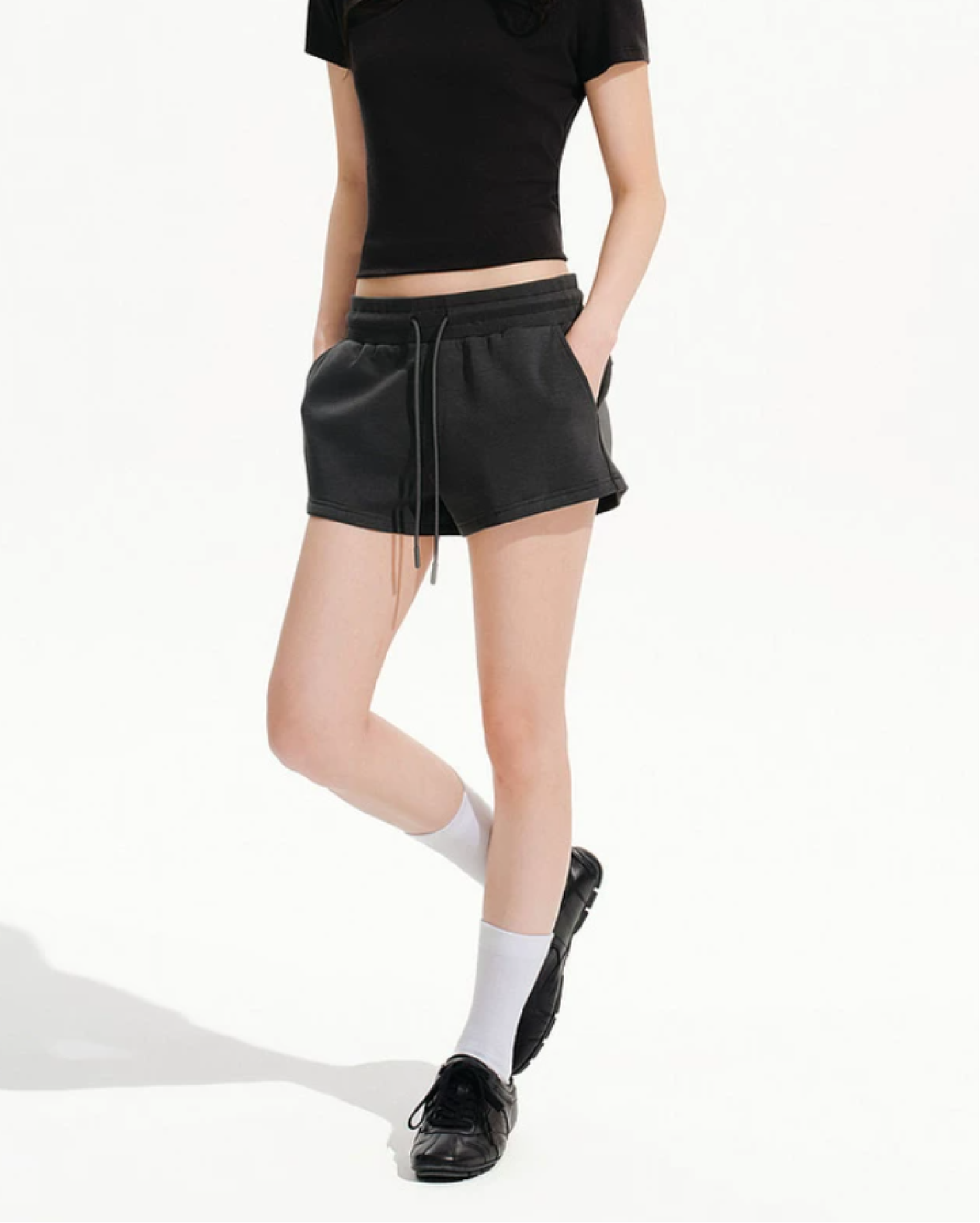
Develop custom shorts in denim, twill, jersey, fleece or performance fabrics for seasonal casualwear programs. Specify rise, inseam, pockets, waist construction and finishing, then validate fit through samples before low-MOQ or bulk production.
Request a Quote
Custom Pullovers
Manufacture custom pullovers in knit, fleece, French terry or jersey constructions, including quarter-zip, mock-neck and oversized styles. Junsheen supports fabric selection, pattern grading, embroidery, printing, branded trims and pre-production approval.
Request a QuoteMaterials for Custom Womens Shorts Development

Cotton Jersey
Soft, breathable cotton jersey creates relaxed lounge, sleep and casual shorts with a smooth hand feel. Available in lightweight to midweight constructions, it offers natural comfort and dependable print performance for branded essentials.

French Terry
French terry provides a soft face with unbrushed loopback texture, making it ideal for premium sweat shorts and coordinated sets. Its midweight body adds structure while maintaining breathable comfort and easy movement.

Rigid Denim
Rigid denim delivers an authentic, durable hand for classic cutoff, Bermuda and fashion denim shorts. Its low-stretch construction holds shape well and supports washes, distressing, embroidery and custom hardware details.

Stretch Denim
Stretch denim combines cotton-rich character with elastane recovery for fitted and curve-conscious shorts. It provides improved mobility through the hip and rise while maintaining a structured denim appearance after repeated wear.

Cotton Twill
Cotton twill offers a clean, substantial surface for tailored, utility and chino shorts. The diagonal weave improves durability and shape retention, with fabric weights selectable for crisp lightweight or more structured silhouettes.

Performance Knits
Performance knits suit active, cycling and athleisure shorts requiring moisture management and flexible movement. Lightweight stretch constructions can include quick-dry polyester blends, four-way stretch and smooth, resilient recovery for training-focused styles.
Womens Shorts Manufacturer Decoration & Finishing Options

Logo Embroidery
Flat, puff, chain-stitch, and applique embroidery add dimensional logos or artwork with a premium hand feel. Reinforced stitching and placement testing help details retain shape and color through repeated wear and washing.

Screen Printing
Plastisol, water-based, puff, flocking, silicone, foil, and high-density screen prints create bold branded graphics. Junsheen matches ink systems to fabric and artwork so prints remain clear, flexible, and durable on shorts.

DTF DTG Printing
DTF and DTG printing reproduce detailed artwork, gradients, and small color runs without compromising design clarity. These methods suit capsule collections, complex logos, and placement graphics requiring a soft, wearable finish.

Dye Sublimation
Dye sublimation permanently infuses all-over artwork into compatible performance fabrics for vivid, lightweight color. The result resists cracking and peeling, making it ideal for active shorts, teamwear, and repeat-pattern collections.

Garment Dye
Garment dyeing gives finished shorts a rich, lived-in color character with subtle tonal variation. Color trials help confirm shade, shrinkage, and wash performance before bulk production, supporting cohesive seasonal color stories.

Wash Finishing
Enzyme, acid, stone, softening, anti-pilling, brushing, and napping treatments refine texture and visual character. Junsheen develops wash recipes to achieve worn, softened, vintage, or elevated finishes while protecting garment durability.
Custom Trims, Labels & Packaging

Woven Brand Labels
Custom woven main labels add a polished, durable identity at the waistband, pocket, or interior neck-equivalent placement. JUNSHEEN can match your logo, colors, fold style, and label dimensions to the shorts design.

Wash-Care Labels
Printed or woven wash-care labels communicate fiber content, care instructions, sizing, and required market information. They are specified for comfort, durability, and clean placement inside custom women’s shorts without distracting from the fit.

Custom Hang Tags
Branded hang tags create a stronger retail presentation for wholesale, direct-to-consumer, and showroom deliveries. Choose custom stock, shapes, finishes, strings, barcode space, and product messaging that align with your collection launch.

Drawcords And Tipping
Custom drawcords provide adjustability for elastic-waist, lounge, sport, and casual shorts. Add contrast colors, woven cords, metal or silicone tips, and branded aglets to reinforce your label’s design language and perceived value.

Snaps And Zippers
Select snaps, hooks, buttons, and zippers for fly fronts, utility pockets, side openings, and detachable details. JUNSHEEN helps match finish, puller style, color, strength, and construction requirements to the intended shorts use.
Patches And Packaging
Logo patches and branded packaging complete a private-label shorts program from garment to delivery. Options include embroidery patches, leather labels, polybags, tissue, size stickers, cartons, and presentation details prepared for global fulfillment.
About JUNSHEEN, Your Womens Shorts Manufacturer
Based in Humen Town, Dongguan, JUNSHEEN has helped international fashion brands turn shorts concepts into production-ready collections since 2010. As a womens shorts manufacturer, we provide one-stop OEM, ODM and private-label support, from fabric sourcing and pattern development to sampling, bulk production and export coordination.
Our 200+ skilled workers and monthly capacity exceeding 80,000 units support launches from 100 units per style and color through to scalable repeat programs. Cut-and-sew, denim, knitwear, decoration, washing, labels, trims and packaging are coordinated through one responsive manufacturing supply chain.
What sets JUNSHEEN apart is a fit-first approach. We develop XS–3XL, extended-size, plus-size and oversized shorts with purposeful grading, refining rise, hip balance, length and mobility instead of simply enlarging a base pattern. That technical care helps global brands reduce revisions and build confidence in every size set.

Core Capabilities of a Womens Shorts Manufacturer
Fit Engineering From XS–3XL
JUNSHEEN develops womens shorts with pattern balance, rise, inseam, hip ease and grading tailored to the intended customer. Our team refines each size rather than simply scaling one base pattern, supporting standard, extended-size, plus-size and oversized collections.
- Fit-focused pattern making and size grading
- Rise, leg opening and mobility reviewed in sampling
- XS–3XL development for inclusive size ranges
- Size sets available before bulk approval

Development That Reduces Rework
Start with a tech pack, sketch, reference garment, mood board or early concept. Our product-development team reviews construction, fabric weight, trims and manufacturability before sampling, helping brands turn a creative direction into production-ready womens shorts specifications.
- OEM, ODM and private-label development support
- Fabric and trim recommendations matched to target cost
- Prototype samples and revisions managed in one workflow
- Low MOQ from 100 units per style and color

Integrated Production and Branding
As a womens shorts manufacturer with cut-and-sew, denim and knitwear capability, JUNSHEEN keeps core production and brand-detail decisions coordinated. In-house decoration, washes, labels, trims and packaging help maintain visual consistency from approved sample through packed goods.
- Jersey, fleece, twill, denim and stretch-denim options
- Embroidery, screen printing, DTF and heat-transfer decoration
- Garment dye, acid wash, stone wash and softening finishes
- Custom labels, drawstrings, hang tags and branded packaging

Built for Repeatable Growth
JUNSHEEN retains patterns, graded size sets and material records to make repeat orders faster and more consistent. With 200+ skilled workers, 80,000+ units of monthly capacity and export support, we scale from capsule launches to ongoing global programs.
- Incoming, in-line and final quality inspections
- Measurement, fit and decoration checkpoints
- Production records retained for repeatable reorders
- Global shipping support for growing fashion brands

Why Brands Choose This Womens Shorts Manufacturer
Evidence-led manufacturing support from first sample to scalable global production.
← 左右滑动查看 →
Womens Shorts Manufacturer Production Process
A fit-first, production-ready workflow for custom OEM, ODM and private-label shorts, from feasibility review through export delivery.
Feasibility and Fabric Review
Our team reviews your tech pack, sketch or reference sample, confirms construction details, recommends suitable fabrics, and assesses target pricing, MOQ, fit, and delivery requirements.
Pattern and Fit Development
Pattern makers create or refine shorts patterns, then grade proportions from XS to 3XL with attention to rise, inseam, waist balance, mobility, and silhouette.
Sampling and Approval
We produce prototype samples, coordinate fabric swatches and trims, collect your feedback, and revise measurements, workmanship, decoration, or wash effects before pre-production approval.
Cutting and Brand Decoration
Approved materials are inspected and cut, then our team applies embroidery, printing, washes, labels, hardware, and other private-label details according to confirmed specifications.
In-Line and Final QC
Quality control checks fabric, stitching, measurements, fit, decoration, and finishing throughout production, followed by final inspection of packed goods before shipment release.
Packing and Global Shipping
We complete branded packing, verify quantities and export documents, settle final shipment details, and support reliable delivery for capsule launches, wholesale programs, and repeat orders.
How to Work With Our Womens Shorts Manufacturer Team
Move from concept to global delivery with fit-focused development, transparent approvals and scalable OEM production.
Send Your Product Brief
Share a tech pack, sketch, reference garment, mood board, or idea. Our team reviews your target fit, fabric, decoration, sizing, quantity, and market requirements.
Confirm Feasibility and Quote
We assess construction, materials, trims, grading, and manufacturability, then recommend practical options and provide a clear quotation for your 100-unit-MOQ shorts program.
Develop and Approve Samples
JUNSHEEN creates patterns, sources materials, and produces prototype samples. Review fit, measurements, wash effects, branding details, and size grading before authorizing bulk production.
Produce With Quality Control
After approval, our 200-plus-worker team manages cutting, sewing, decoration, finishing, labeling, and in-line inspections to maintain consistent quality across your confirmed order.
Inspect and Arrange Shipment
We complete final measurement, workmanship, decoration, and packing checks, then coordinate export-ready shipping so your custom womens shorts reach their destination prepared for sale.
Custom Clothing Manufacturer Credentials and Compliance Documents




Womens Shorts Manufacturer Client Results & Cases
JUNSHEEN helped us move from a reference sample to an approved shorts fit in two development rounds. Their grading notes gave our XS–3XL range a more consistent rise and leg opening, so we launched with greater confidence.
We began with 100 units per color for our first private-label drop, then repeated the program after sell-through. The team kept our wash, embroidery placement, labels, and packaging specifications organized for the second production run.
For our wholesale shorts collection, JUNSHEEN combined fabric sourcing, sampling, custom trims, and export coordination in one workflow. Having one production partner reduced handoffs and helped us scale from a capsule order into an ongoing seasonal program.
Womens Shorts Manufacturer FAQ
Clear answers on minimums, sampling, production, fit, payment, shipping, and protected product development with JUNSHEEN.
What is the MOQ for a womens shorts manufacturer order?
How long do samples and bulk orders take with a womens shorts manufacturer?
How much does a custom womens shorts sample cost?
Can you develop women’s shorts from a sketch or reference garment?
How do you handle fit development and plus-size grading for women’s shorts?
What payment terms do you offer for custom shorts production?
Does JUNSHEEN arrange international shipping for womens shorts manufacturer orders?
How do you protect my tech pack, designs, and brand details?
The Complete Buyer’s Guide to womens shorts manufacturer
Use this practical framework to compare womens shorts manufacturer capabilities, fabric and construction standards, customization options, pricing factors, and sourcing risks before committing to samples or production.
1. What Is a Womens Shorts Manufacturer?
2010 is the founding year of Dongguan Junsheen Clothing Co., Ltd., a direct womens shorts manufacturer that turns a tech pack, sketch, reference garment, or concept into production-ready shorts. A full-service OEM/ODM partner manages development, pattern making and size grading, fabric and trim sourcing, prototype and size-set sampling, cut-and-sew production, inspection, packing, and export coordination. 100 units per style and color is a practical entry point for a capsule program at a factory equipped for low-MOQ development, while repeatable bulk orders require controlled specifications and retained patterns. This differs from a trading company, which brokers factories; a wholesaler, which sells finished inventory; and a private-label supplier, which may only apply branding to pre-existing styles. 200+ skilled workers and monthly capacity above 80,000 units illustrate why direct-factory sourcing matters once fit, construction, wash effects, decoration, or replenishment control affect the collection. It suits emerging labels needing hands-on sampling, retailers building exclusive assortments, and established brands that need clear accountability from material approval through final packed-goods quality control and global shipping. 3XL grading is not simply scaling a base pattern: rise, hip balance, inseam, leg opening, and mobility must be engineered across the size range. Buyers should use a factory partner when they need proprietary fit and specifications rather than an off-the-shelf short with a new label.
2. Evolution of Womens Shorts Manufacturing
1930s sportswear helped move women’s shorts from practical activity clothing into a distinct ready-to-wear category. By the denim-boom decades that followed, manufacturers had to handle durable seam construction, wash effects, hardware, and proportion changes rather than treating shorts as simply shortened trousers. 1970s fashion cycles expanded the category into tailored, casual, denim, and trend-led silhouettes, while 1990s–2000s activewear introduced stretch wovens, jersey, French terry, and performance knits. A capable womens shorts manufacturer now needs category knowledge across rise, inseam, pocket placement, waistband recovery, leg opening, and wash shrinkage because each fabric family behaves differently. 100-unit per style-and-color launches reflect a modern buying model built around testing capsules before replenishment. Digital pattern review, 3D sampling where suitable, and retained graded patterns can shorten approval loops, but physical fit and wash samples still matter for denim, garment dye, and complex decoration. XS–3XL development has made inclusive grading a production requirement, not a size-chart afterthought. Buyers should also expect traceable material options and compliance-ready records for requirements such as OEKO-TEX, GOTS, WRAP, or BSCI when applicable; a factory experienced in shorts can flag feasibility, testing, and fit risks before bulk commitments.
3. Womens Shorts Manufacturer Product Types
Six core categories cover most first-season shorts assortments. A capable womens shorts manufacturer should match each silhouette’s fit, machinery, and selling window before sampling begins.
| Type | Silhouette | Target Customer | Best Season |
|---|---|---|---|
| Denim | Fitted or relaxed | Fashion casual | Spring–summer |
| Tailored/woven | Structured | Contemporary workwear | Spring–summer |
| Jersey | Relaxed | Lounge casual | Spring–summer |
| Athletic | Lightweight | Training | Spring–summer |
| Biker | Body-skimming | Activewear | Year-round |
| Cargo | Relaxed utility | Streetwear | Spring–fall |
Denim And Tailored Shorts

5-pocket denim shorts suit fashion-led spring and summer drops. They need reinforced pocket bags, metal hardware, and wash testing. 8–12 inch inseams define tailored or woven shorts for polished customers. They require clean fly construction, darts, waistband stabilization, and pressed hems.
Jersey And Athletic Shorts

180–280 GSM jersey shorts serve casual, lounge, and resort customers. They typically use elastic waistbands, drawcords, coverstitch hems, and side pockets. 120–180 GSM performance shorts target training and running assortments. They need moisture-management fabric, secure pocket placement, and durable flatlock or overlock seams.
Biker And Utility Styles

200–300 GSM stretch biker shorts fit activewear and layering programs. Four-way recovery, squat opacity, and flatlocked gusset seams are critical. Cargo shorts attract streetwear and utility buyers in transitional seasons. Woven twill construction needs bar-tacked pockets, adjustable tabs, and consistent flap alignment.
4. Materials for Womens Shorts Manufacturing
180–320 GSM is the practical range for most women’s shorts, but weight alone does not determine performance. A capable womens shorts manufacturer specifies fiber, construction, stretch recovery, opacity, and wash allowance before approving bulk fabric.
| Fabric | Typical Weight | Best Use | Sourcing Caution |
|---|---|---|---|
| Cotton twill | 200–280 GSM | Chino, utility | Test shrinkage |
| Denim | 280–360 GSM | Five-pocket | Approve wash and crocking |
| Linen blend | 140–220 GSM | Resort | Check opacity and creasing |
| Rayon/viscose blend | 120–180 GSM | Draped pull-on | Wet-strength and care |
| Polyester performance | 180–260 GSM | Active | Verify pilling claims |
| French terry | 240–320 GSM | Lounge | Control loop-back shrinkage |
| Stretch jersey | 180–240 GSM | Bike, fitted | Test recovery and opacity |
Structured Wovens
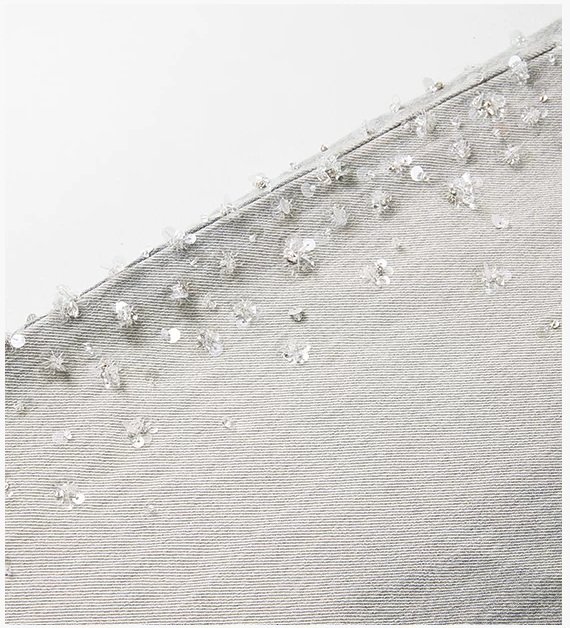
200–280 GSM cotton twill gives crisp pockets and durable casual silhouettes; enzyme washing can soften the hand, while cotton shrinkage must be tested. Denim at 280–360 GSM suits five-pocket shorts, but indigo crocking and leg-opening stiffness require wash approval.
- Choose twill for chinos and utility shorts.
- Choose denim for structured fashion shorts.
- Allow wash tests before final measurements.
Lightweight Draping Fabrics

140–220 GSM linen blends keep shorts cooler in dry heat and reduce pure-linen creasing, although lighter shades need opacity checks. Rayon or viscose blends at 120–180 GSM drape well for pull-on styles but can lose strength when wet and need careful laundering.
- Use linen blends for breathable resort capsules.
- Use viscose blends for fluid, tailored shapes.
- Request shade-band and shrinkage testing.
Stretch And Active Fabrics
180–260 GSM polyester performance fabrics dry quickly and resist wrinkles, yet buyers should verify pilling, odor-control claims, and recycled-content documentation. French terry at 240–320 GSM suits lounge shorts, while 180–240 GSM stretch jersey needs recovery testing to prevent bagged-out seats.
- Check four-way stretch for active shorts.
- Specify opaque jersey for light colors.
- Follow care labels to preserve elastane.
5. Womens Shorts Manufacturer Customization Options
A capable womens shorts manufacturer converts a design direction into controlled specifications, rather than offering only stock silhouettes. Customization should connect fit, finish, branding, and packaging before bulk approval.
| Method | Visual Effect | Durability | Best Volume | Cost Impact |
|---|---|---|---|---|
| Screen print | Opaque or textured color | High when cured correctly | Medium to high | Lower per unit at scale |
| Embroidery | Raised, premium detail | Very high | Low to high | Higher stitch-count cost |
| DTF transfer | Full-color fine detail | Good with tested film | Low to medium | Efficient for small runs |
| Puff print | Dimensional soft texture | Good with correct cure | Medium to high | Added setup and ink cost |
Fit, Shape, And Color

XS–3XL programs need separate grading logic for rise, hip, thigh, hem opening, and inseam; simply scaling a sample creates unreliable fit. Pattern makers can refine elastic or fixed waistbands, drawcords, fly fronts, cargo or welt pockets, and 3–7 inch inseams. Pantone references, lab dips, and approved swatches control color decisions. Garment dye, enzyme wash, acid wash, stone wash, and softening should be approved on the final fabric because each process changes shade and hand feel.
- Specify front and back rise measurements
- State pocket type, placement, and opening width
- Approve waistband stretch and recovery targets
Decoration Method Selection
100-unit capsule orders can suit DTF, heat transfer, or small embroidery runs, while screen printing becomes more economical as print volume and color repetition increase. Test decoration after washing, especially on stretch denim and garment-dyed shorts.
Tech Pack And Development
A complete tech pack should provide flats, measurement chart, construction callouts, fabric composition and weight, Pantone colors, artwork files, label copy, packaging requirements, and target quantity. Reference photos help, but they do not replace tolerances or placement dimensions. A development team can turn a sketch, mood board, or reference garment into patterns, graded size sets, trim options, and prototype samples. Bulk should begin only after the approved sample records the intended fit, wash, color, and branding.
- Send vector artwork for logos
- Identify required care-label markets
- Flag sustainable material or certification requirements
6. Construction Details That Signal Quality
For a womens shorts manufacturer, construction approval should test the failure points customers feel first: popped seams, rolling waistbands, gaping pockets, and shrinkage. Inspect a production sample after laundering, not only when it is pressed and new.
Seams And Stress Points
A 10–12 SPI lockstitch suits most woven shorts; flatlock or overlock seams should lie smooth against skin. Bar tacks at pocket openings, fly ends, belt loops, and crotch joins prevent split-seam returns after sitting or stretching.
Waistband And Fly Performance

A waistband should recover after 10 stretch-and-release cycles without rippling, twisting, or permanently growing. Cycle the zipper 20 times and pull-test the button or hook; failed closures create immediate fit and wearability complaints.
Pockets And Hem Finish

A 1–2 cm pocket-placement shift can distort the hip line or make a phone pocket unusable. Check pocket bags for secure edge finishing and confirm hems remain level after wash testing, since twisting and raw-edge curling drive returns.
Wash And Measurement Control
A 3-wash sample test should record shrinkage, color change, seam puckering, and trim performance before bulk approval. Set measurement tolerances by point of measure—commonly ±0.5 cm on critical waist and rise points—to avoid inconsistent size complaints.
7. How to Choose a Womens Shorts Manufacturer
100-unit starting runs can suit a capsule, but the right womens shorts manufacturer is measured by repeatable fit, risk control and export readiness—not its lowest quote. Compare documented capability against the same tech pack, target fabric and delivery window.
Match Category And Fit Expertise
2 comparable samples reveal more than a factory presentation: inspect rise, inseam, pocket placement, waistband recovery and measurement tolerances after washing. XS–3XL grading should be reviewed as a size set, because simply enlarging a base pattern distorts proportion. Ask who makes patterns, how revisions are logged and whether pre-production approval gates bulk cutting.
- Request a reference sample and measurement report
- Check category-specific shorts construction experience
- Approve graded size sets before bulk production
Verify Materials And Quality Systems
180–300 GSM twill, denim or stretch woven choices affect opacity, recovery and wash behavior; request swatches and test the actual proposed lot where possible. A credible quality system covers incoming fabric, in-line checks, final measurements and packed-goods inspection. Ask for relevant OEKO-TEX, GOTS, WRAP or BSCI documentation rather than accepting logo claims.
- Confirm fiber content, weight and color standard
- Ask how defects and rework are recorded
- Verify certification scope and validity
Compare Commercial Execution
100 units per style and color may work for development, while capacity matters for replenishment; ask for current production loading, sample lead time and export destinations. 3 quotes should be normalized by fabric, trims, decoration, packing, Incoterms and payment milestones. Check references, response clarity, balance-before-shipment terms and who owns shipping documentation.
- Use one identical RFQ for every factory
- Confirm communication and escalation contacts
- Document approvals before production starts
8. Common Womens Shorts Sourcing Mistakes
A 100-unit launch can fail for reasons that never appear on a unit-price quote. Before approving bulk, a womens shorts manufacturer should receive measurable specifications, approved standards, and a written inspection and shipping plan.
Price Before Total Cost
A $1 lower FOB price can disappear through airfreight, duty, brokerage, rejected goods, or rework. Compare landed cost by Incoterm, carton volume, duty classification, and defect allowance before selecting a supplier.
Unclear Development Approvals
A one-page sketch is not a production specification. Lock a tech pack with POM measurements, tolerances, construction, fabric composition, GSM, Pantone references, artwork size, and trim specifications. Two physical checks are essential: approve a fit sample on the intended body or fit form, then wash-test the proposed bulk fabric. Record shrinkage, torque, color loss, seam puckering, and hand feel against acceptance limits.
Fit, Grade, And Color

XS–3XL is not achieved by uniformly enlarging one pattern. Require a graded measurement chart and review rise, hip, thigh, inseam, leg opening, and mobility across the size set. Pantone codes reduce ambiguity but screens cannot confirm dye lots. Approve a lab dip or fabric cutting under agreed lighting, and retain the signed color standard for bulk comparison.
Terms, Trims, And Inspection
14–30 day trim lead times can exceed fabric availability, especially for custom zippers, buttons, labels, or dyed drawcords. Confirm trim approvals, minimums, and critical-path dates before issuing a purchase order. AQL terms should be written before production begins. Define measurement tolerances, sampling level, acceptable quality limit, rework responsibility, final-inspection timing, and who pays for an independent inspection.
9. Steps to Launch a Shorts Collection
A 100-unit-per-style-and-color program can launch smoothly when commercial choices are locked before sampling. Brands own positioning, target retail and approvals; the womens shorts manufacturer owns feasibility, pattern execution, controls and production reporting.
Define The Commercial Brief
Three decisions come first: customer, wearing occasion and target retail price. Set a landed-cost ceiling, 2–4 launch colors and a delivery date before requesting quotations. One approved inspiration direction prevents mixed references from becoming contradictory instructions. Record inseam, rise, silhouette, competitor price and required margin in one brief.
- Brand: customer, price architecture and aesthetic direction
- Supplier: feasibility feedback and preliminary MOQ check
- Gate: approve one range plan before development
Build Production-Ready Specifications
One tech pack should specify flat sketches, Pantone colors, measurement points, tolerances, construction, artwork and packaging. Junsheen can review a sketch or reference garment, then identify missing decisions before sampling. Two revision rounds are common when fabric, wash or fit changes together. Freeze artwork placement and trim choices before requesting a costed sample.
Sample, Fit And Grade
One prototype confirms fabric hand, pocket shape, rise and sewing method; it is not bulk approval. Brand teams fit the sample on their intended model or block and return consolidated comments. XS–3XL grading requires proportion changes, not simple enlargement. Approve a size set after the base fit is signed off, then authorize the pre-production sample.
- Brand: fit comments and final color approval
- Supplier: pattern revision, grading and sample construction
- Gate: signed pre-production sample releases bulk
Control Bulk And Delivery
100% of packed goods should receive final visual, measurement and packing checks before shipment. Junsheen’s process also covers incoming fabric and in-line construction inspections. 30–45 days is a practical planning buffer for bulk work after approvals, with extra time for custom fabric, washes or freight. Confirm carton marks, export documents and balance payment before dispatch.
10. Womens Shorts Manufacturer Pricing and MOQ
100 units per style and color is JUNSHEEN’s starting MOQ, which lets a brand test a capsule without committing to a full bulk run. Treat that threshold as a risk-control decision: consolidate colorways or postpone marginal variants when projected sell-through cannot support the inventory. 2 comparable quotations require one identical specification file for every factory: fabric composition and GSM, size range, measurement chart, Pantone colors, wash recipe, trims, decoration placements, labels, packaging, Incoterm, and destination. A womens shorts manufacturer cannot give a dependable unit price from a reference photo alone because pattern work, yield, wash loss, and artwork setup remain unknown. 7–21 days is a practical planning range for development and approval before bulk timing begins, while approved bulk orders commonly need several additional weeks depending on material availability and production loading. Confirm whether samples, pattern development, freight, duties, and inspection are quoted separately, then compare total landed cost rather than the lowest ex-factory figure.
| Quantity tier | Indicative unit-price direction | Sample or development cost | Expected production timing | Primary cost drivers |
|---|---|---|---|---|
| 100–299 units | Highest per-unit quote | Usually quoted separately | After approval: allow several weeks | Pattern, fabric MOQ, print setup, wash testing |
| 300–999 units | Lower through better material utilization | Can be spread across units | After approval: allow several weeks | Fabric yield, pockets, zippers, embroidery |
| 1,000+ units | Lowest quote potential | Development diluted across volume | After approval: allow several weeks | Bulk fabric booking, color count, packaging |
| Any quantity | Quote changes by specification | Confirm sample freight and revisions | Confirm material-ready date first | GSM, garment wash, trims, decoration, Incoterm |
Start Your Womens Shorts Manufacturer Sampling Project
Send your tech pack, reference, or product idea for fit-focused OEM and private-label shorts development from 100 units per style and color.