
Custom Knit Dresses From 100 Units
OEM, ODM and private-label custom knit dresses with fit-focused XS–3XL development, sampling and scalable global production.
Featured Products for custom knit dresses Development
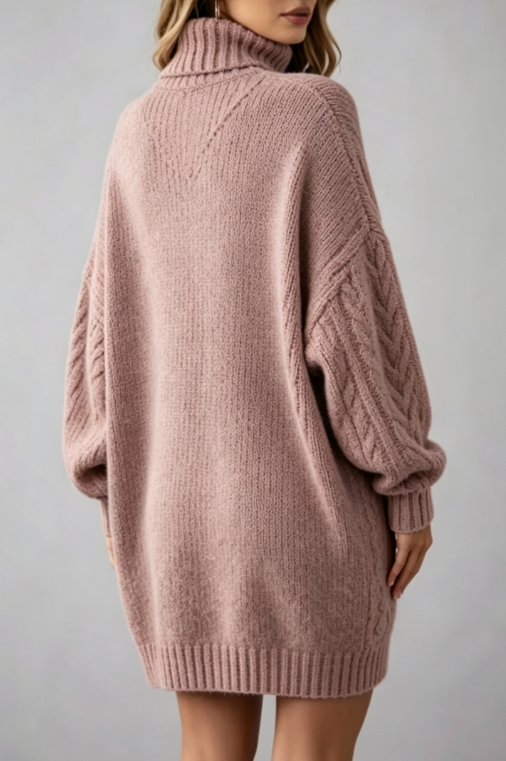
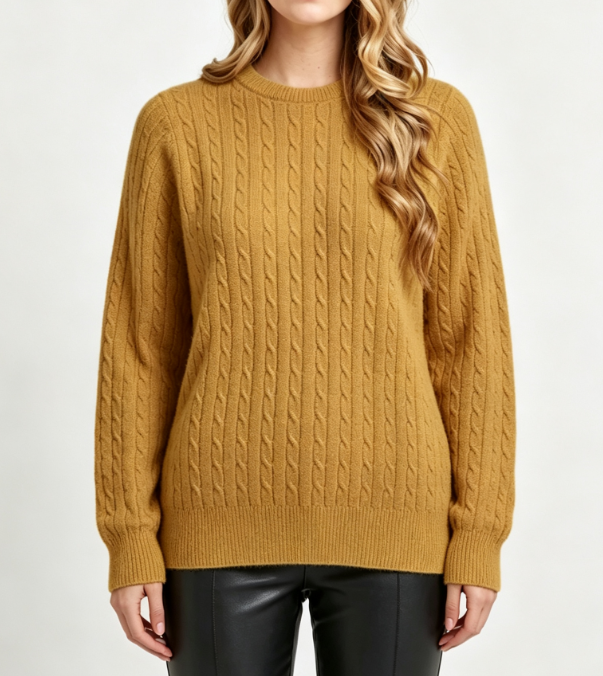


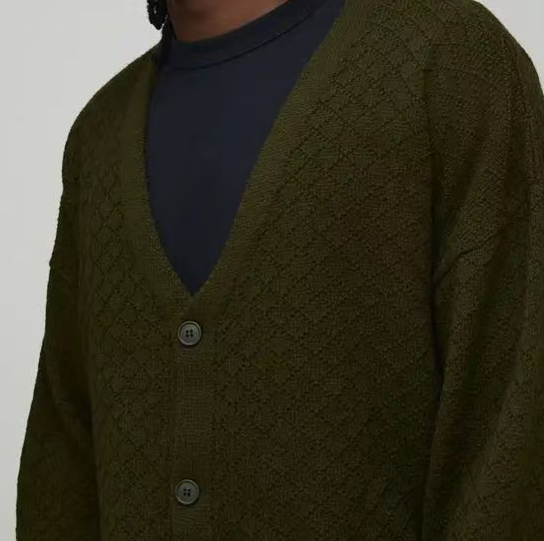


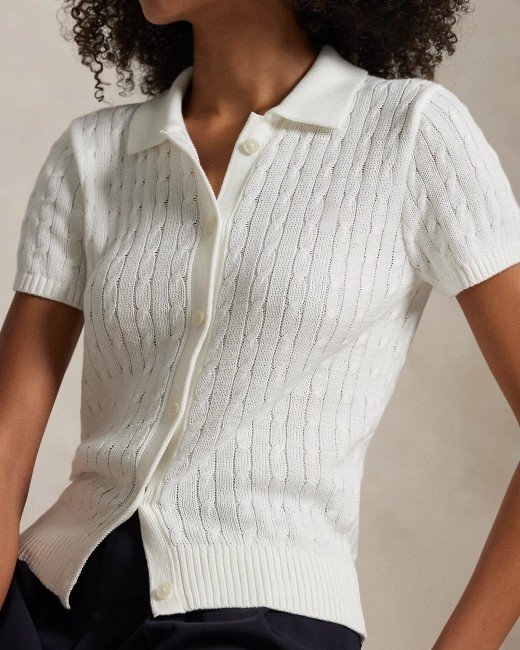


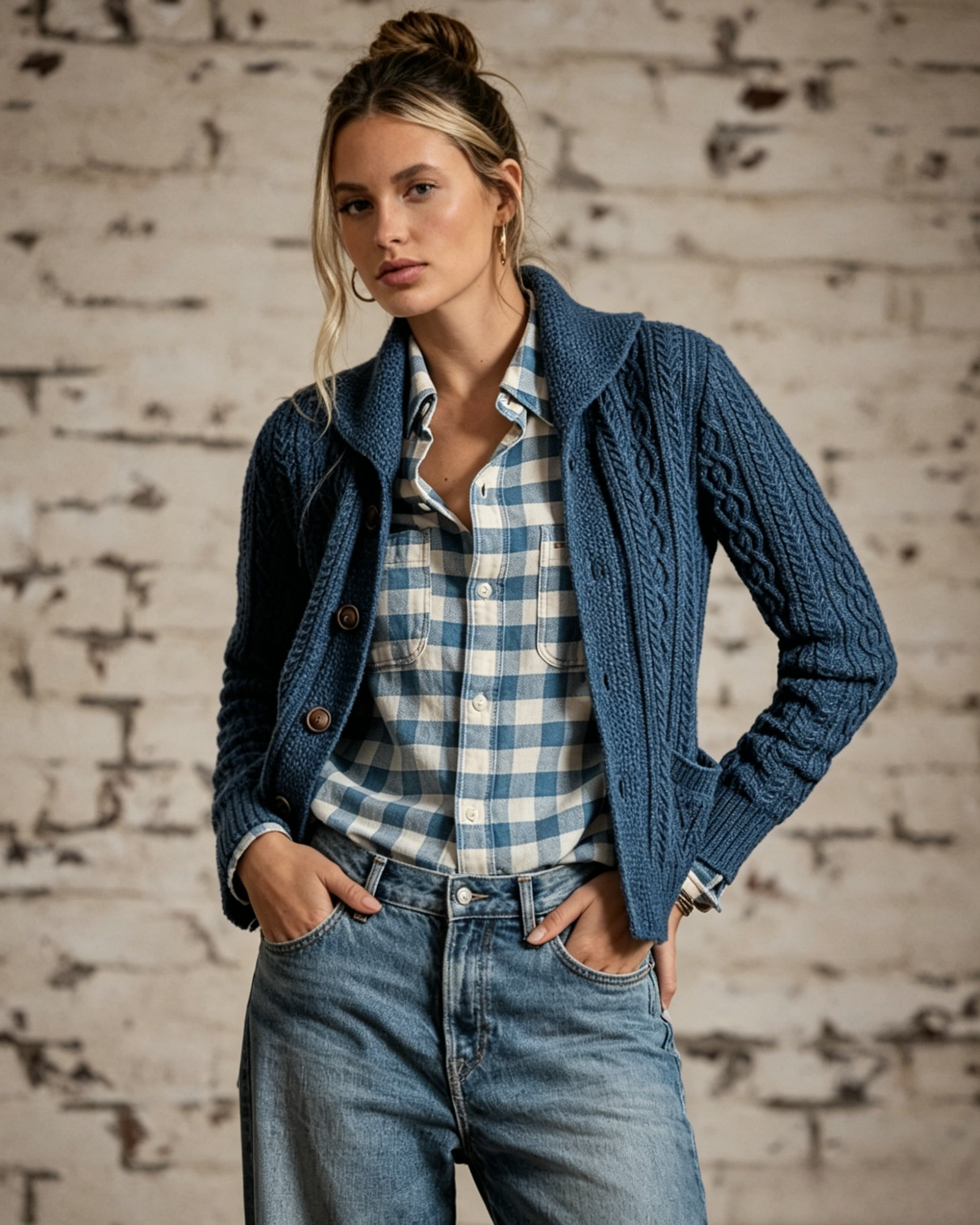
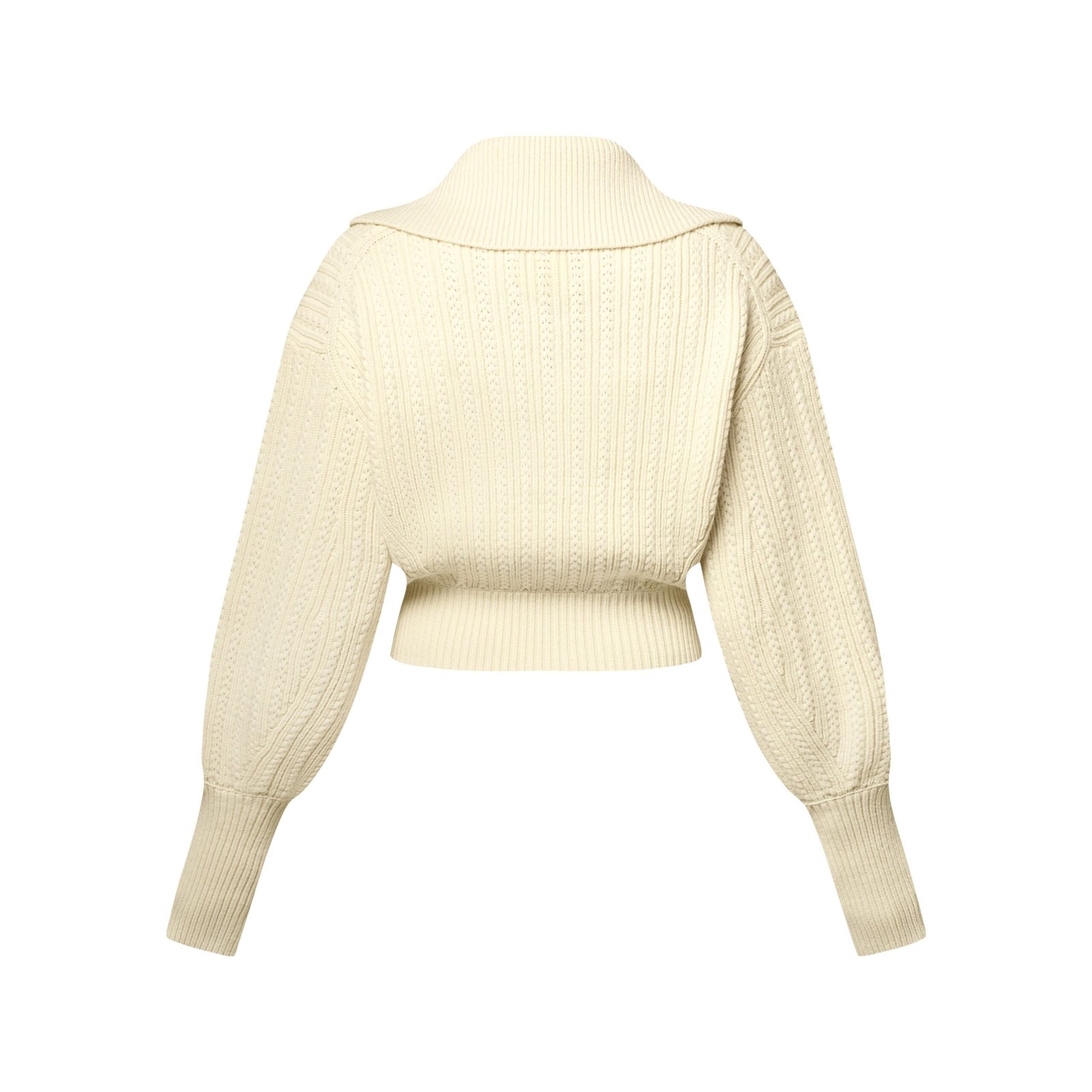


Related Product Catalogue and Quotation




Why Brands Source Custom Knit Dresses From JUNSHEEN
Develop fit-conscious knit dresses with low starting quantities, integrated private-label services, and dependable production support from sampling through global delivery.
100-Unit Starting MOQ
Launch capsule collections or test new colors with orders starting at 100 units per style and color.
Fit-Graded XS–3XL
Pattern makers refine proportions, mobility, and grading increments for regular, extended-size, plus-size, and oversized knit-dress fits.
Integrated Development
Move from sketch, reference garment, or tech pack through yarn and fabric selection, pattern making, sampling, and pre-production approval.
Scalable Knitwear Production
More than 200 skilled workers and 80,000-plus monthly units support both focused launches and growing repeat programs.
Complete Private Label
Add custom labels, hang tags, trims, embroidery, packaging, and finishing details for a cohesive branded knit-dress collection.
Global Export Support
Receive coordinated quality control, packed-goods inspection, and export support for reliable delivery to fashion markets worldwide.
Custom Apparel by Silhouette and Program
Develop fit-focused casualwear, denim, outerwear and knitwear from initial specification through scalable, private-label production.

Custom Hoodies
Build custom hoodies with the weight, silhouette and branding your collection requires. JUNSHEEN develops fleece, French terry and jersey options, then manages patterns, size grading, embroidery, printing, labels and finishing from 100 units per style and color.
Request a Quote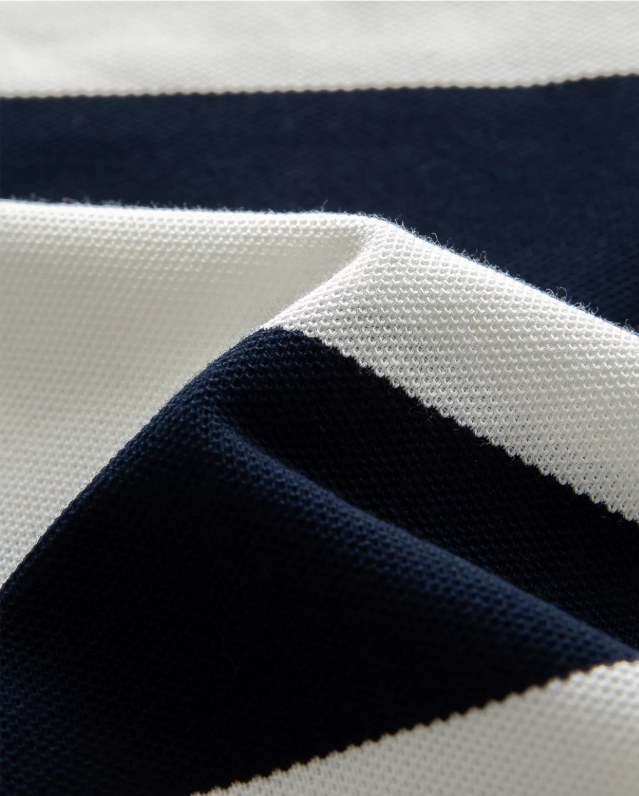
Custom T-Shirts
Produce custom T-shirts with reliable fit across XS–3XL, from lightweight jersey basics to heavyweight streetwear styles. We support fabric selection, neck construction, pattern development, screen printing, DTG, DTF, washes and private-label packaging.
Request a Quote
Custom Jeans
Develop custom jeans with fabric, wash and fit specifications aligned to your target customer. Our team supports stretch-denim sourcing, rise and leg-shape development, graded patterns, hardware, embroidery, garment washing and bulk quality control.
Request a Quote
Custom Sweaters
Source turtle neck sweater bulk programs with controlled yarn, gauge and silhouette requirements. JUNSHEEN supports sweater constructions for fitted, oversized and extended-size ranges, coordinating sampling, grading, labels and repeatable bulk production.
Request a Quote
Custom Jackets
Create custom jean jackets with the right denim weight, wash character and branded details. We manage pattern development, hardware, contrast stitching, patches, embroidery, distressing and finishing for capsule quantities or ongoing wholesale programs.
Request a Quote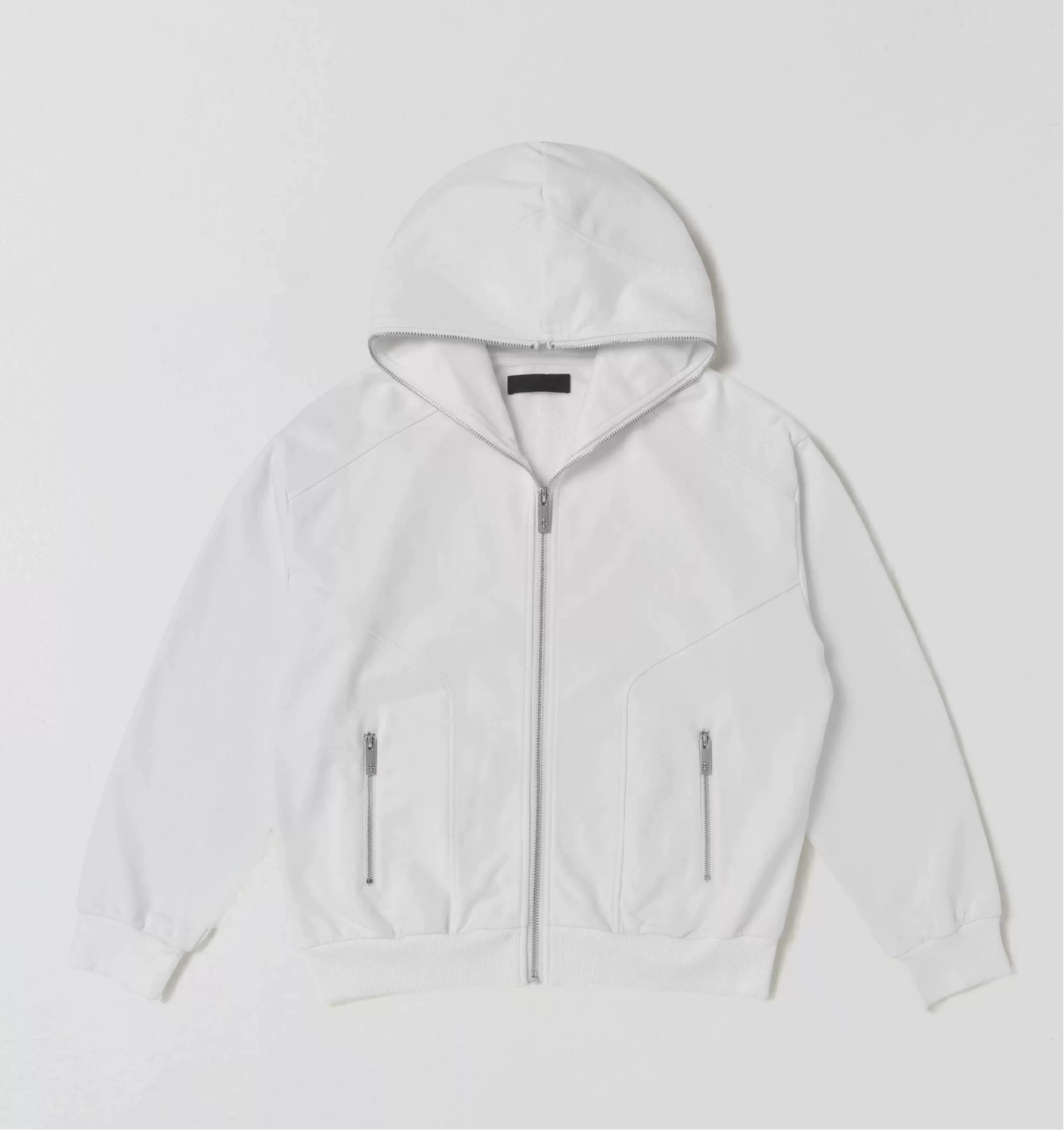
Custom Sweatshirts & Crewnecks
Develop custom crewneck hoodie and sweatshirt programs with consistent body proportions, rib specifications and decoration placement. Choose fleece, French terry or jersey constructions, then add printing, embroidery, garment washes and complete private-label trims.
Request a Quote
Custom Cardigans
Produce custom cardigans for contemporary, classic or oversized knitwear lines. Our development team helps define yarn blends, stitch structure, button or zipper details, fit balance and XS–3XL grading before moving into approved bulk production.
Request a Quote
Custom Puffer & Down Jackets
Build custom puffer jackets with insulation, shell fabric, quilting and trim requirements tailored to your market. JUNSHEEN coordinates pattern development, fill selection, zipper and hardware sourcing, branded labels, sampling and final inspection.
Request a Quote
Custom Denim Shorts
Develop custom jean shorts with the rise, inseam, hem treatment and wash profile your customers expect. We support rigid and stretch denim, raw or distressed finishes, hardware, embroidery, patches and size grading for inclusive ranges.
Request a Quote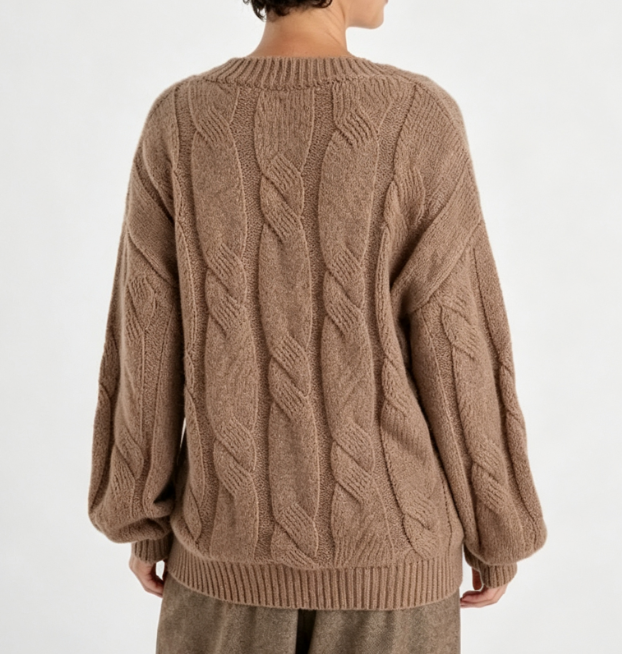
Custom Sweater Dresses
Produce custom sweater dresses with controlled silhouette, drape and knit structure from fitted rib styles to relaxed oversized programs. JUNSHEEN develops yarn and gauge options, refines proportions through XS–3XL and completes labels, trims and packaging.
Request a Quote
Custom Denim Sets
Create mens denim suits wholesale programs that pair coordinated jackets and trousers with consistent wash, shade and fit. We manage fabric sourcing, pattern alignment, hardware, stitching details, grading, sampling and scalable production.
Request a Quote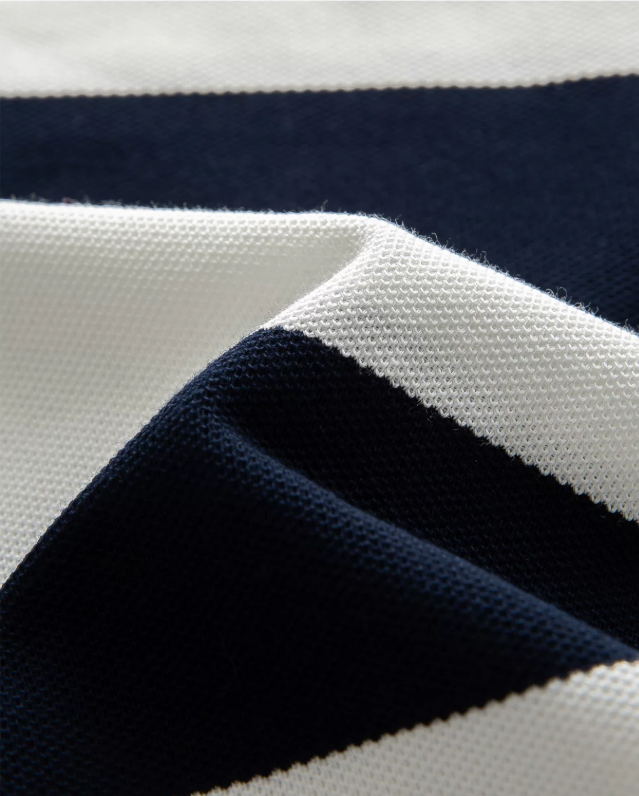
Custom Polo Shirts
Develop custom polo shirts for uniforms, retail collections or private-label essentials. Select piqué, jersey or performance knit fabrics, then specify collar construction, plackets, embroidery, printing, size grading and branded finishing.
Request a Quote
Custom Sweatpants
Produce custom sweatpants with fit and mobility built into the pattern, not added after sampling. We develop fleece, French terry and jersey styles with adjustable waists, cuffs, pockets, embroidery, printing and coordinated private-label details.
Request a Quote
Custom Shorts
Build custom shorts across jersey, fleece, twill and woven constructions for casual, resort or active-inspired ranges. JUNSHEEN supports inseam and rise development, pocket layouts, graded sizing, decoration, washes, trims and low-MOQ production.
Request a Quote
Custom Pullovers
Develop custom pullovers in knit, fleece or jersey constructions with the neckline, weight and fit your assortment needs. Our team manages fabric or yarn selection, pattern refinement, extended-size grading, decoration, labels and bulk quality control.
Request a QuoteCustom Knit Dresses Materials We Source and Develop

Cotton Blend Knits
Soft, breathable cotton blends suit casual rib dresses, sweater dresses, and transitional collections. Yarn ratios can be adjusted for a natural hand feel, dependable shape retention, and medium-weight everyday comfort.

Viscose Blend Knits
Viscose blends create a smooth, fluid hand and elegant drape for body-skimming midi, maxi, and occasion knit dresses. Their fine-gauge construction offers softness and stretch while helping silhouettes fall cleanly.

Wool Blend Yarns
Wool blends deliver warmth, texture, and a premium seasonal feel for colder-weather knit dresses. Blending wool with performance fibers can improve softness, durability, and recovery while managing garment weight.

Recycled Fiber Yarns
Recycled polyester, recycled cotton, and blended yarn options support sustainability-focused knit-dress programs. These materials can provide reliable color performance, durability, and lower-impact material choices without sacrificing commercial versatility.

Performance Stretch Knits
Performance knit blends combine stretch fibers with durable yarns for fitted dresses, active-inspired styles, and travel-friendly programs. Engineered recovery helps the garment maintain shape through movement, repeated wear, and washing.
Custom Knit Dresses: Decoration and Finishing Options

Logo Embroidery
Flat, 3D, puff, and chain-stitch embroidery add durable dimensional branding to suitable knit-dress panels, cuffs, or chest placements, creating a premium tactile finish while keeping stitch density and fabric stability in balance.

Applique Details
Fabric or knit applique layers introduce contrast in color, texture, and shape for collegiate, heritage, or statement-led custom knit dresses. Secure edge finishing and placement planning help the detail remain clean through wear and washing.

Custom Patches
Woven, embroidered, leather-look, and specialty patches give branded knit-dress programs a clear signature detail. JUNSHEEN matches patch construction, backing, attachment method, and placement to the garment’s knit structure and intended use.

Garment Dyeing
Garment dyeing creates rich, lived-in color with subtle tonal variation for cotton and compatible knit styles. Sample approval helps brands evaluate shade, hand feel, shrinkage, and wash performance before confirming bulk production.

Wash Finishing
Softening, enzyme, anti-pilling, brushing, and napping finishes refine hand feel and surface character. The right treatment can improve comfort, reduce fuzz, or create a deliberately relaxed appearance without compromising the intended knit-dress silhouette.
Custom Knit Dresses, Finished With Private-Label Trims

Woven Brand Labels
Custom woven main labels establish a polished private-label identity at the neckline or side seam, with options for logo artwork, sizing, fiber content and soft constructions suited to knit dresses.

Care Size Labels
Printed or woven care and size labels help meet market requirements while keeping garment information clear. JUNSHEEN can coordinate placement, multilingual content and soft-touch materials for comfortable everyday wear.

Custom Hang Tags
Branded hang tags add retail-ready storytelling at point of sale. Choose custom shapes, paper stocks, finishes, barcode fields and string attachments to communicate your collection, price position and garment-care message.

Logo Buttons
Custom buttons bring functional and visual definition to cardigan dresses, placket styles and detachable details. Select engraved, covered, resin, metal or recycled options matched to your yarn, color palette and target cost.

Zippers and Pulls
Zippers and custom logo pulls support fitted knit dresses, collar openings and modern utility styling. We source suitable lengths, finishes and puller options, then verify smooth operation during sampling and final quality control.
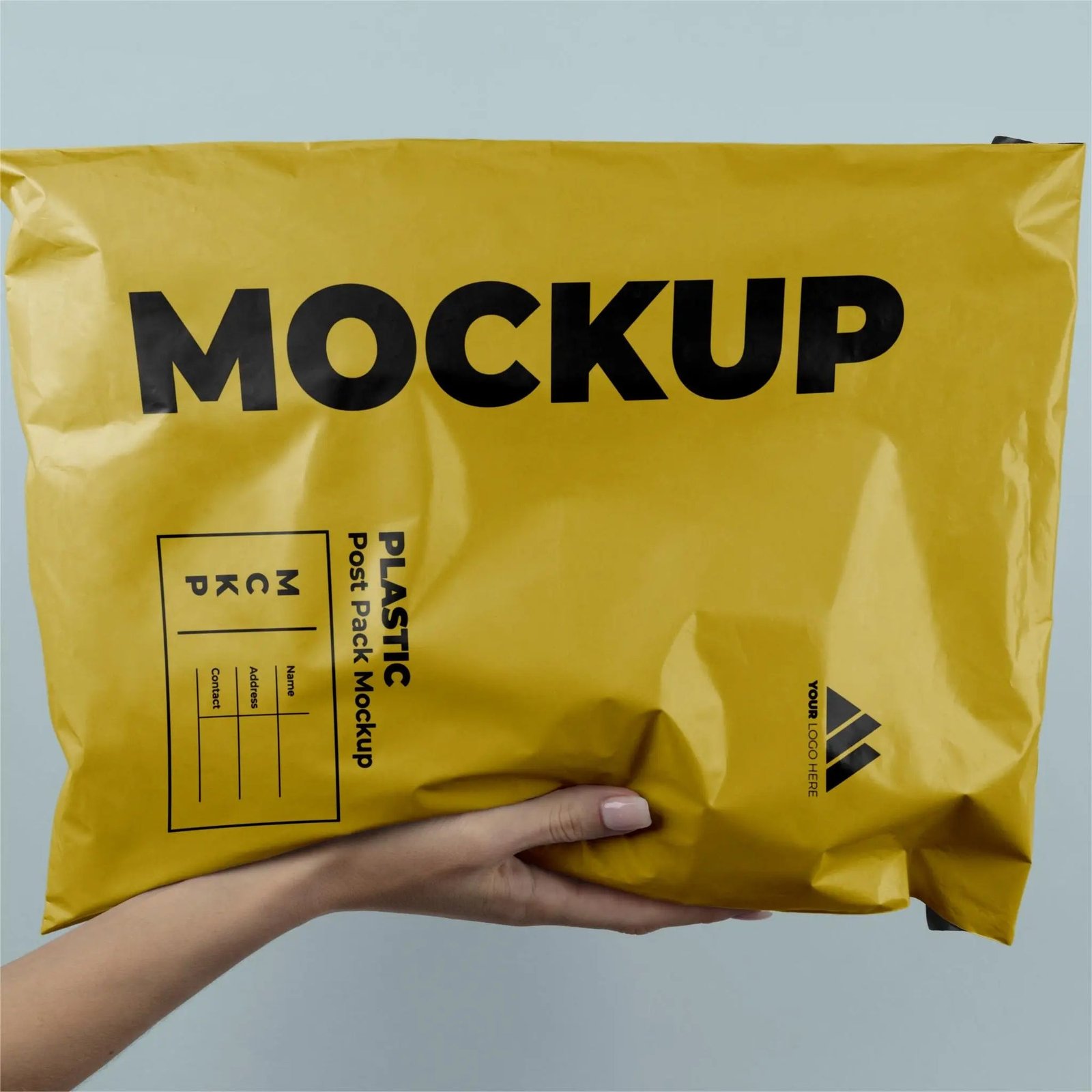
Branded Gift Packaging
Custom polybags, tissue paper, stickers, boxes and shipping inserts protect custom knit dresses while extending your unboxing experience. Packaging can be tailored to retailer requirements, e-commerce fulfillment and your brand presentation standards.
About JUNSHEEN Knitwear Manufacturing
Founded in 2010 in Humen Town, Dongguan, JUNSHEEN helps global fashion brands turn knit-dress concepts into production-ready custom knit dresses. Our one-stop OEM, ODM and private-label team supports development from a tech pack, sketch or reference through sampling, material selection and export-ready production.
With 200+ skilled workers and monthly capacity above 80,000 units, we serve capsule launches from 100 units per style and color as well as scalable repeat programs. Our cut-and-sew and knitting capabilities are backed by fabric sourcing, decoration, finishing, labels, trims, packaging and quality control in one coordinated supply chain.
Fit comes first in every program. Rather than simply scaling a base pattern, our team refines proportion, mobility and grading across XS–3XL, including extended-size, plus-size and oversized fits. That technical focus helps brands create knit dresses with consistent wearability for customers worldwide.

Core Capabilities Behind Reliable Custom Knit Dresses
Fit Engineering Across XS–3XL
JUNSHEEN develops custom knit dresses with fit-first pattern work for standard, extended-size, plus-size and oversized programs. Our team refines body balance, sleeve proportions, stretch allowance and grading increments so each size delivers the intended silhouette and comfortable movement.
- Pattern development from tech packs, sketches or reference samples
- XS–3XL grading tailored to knit stretch and recovery
- Size-set reviews before bulk approval
- Fit adjustments documented for repeat-order consistency

Yarn and Material Development
Select the right knit construction before production begins. JUNSHEEN sources wool, cotton, blended and recycled yarn options while evaluating hand feel, gauge, drape, weight, durability and target cost for dresses designed for your market, season and price point.
- Yarn, swatch and knit-construction recommendations
- Gauge, stitch and stretch guidance by silhouette
- Material choices balanced for cost and wash performance
- Sample review before bulk-material confirmation

Sample-to-Bulk Control
Every program moves through feasibility review, prototype sampling, measurement checks and pre-production approval before bulk manufacture. With retained patterns, graded size sets and material records, JUNSHEEN helps brands reduce avoidable revisions and maintain reliable custom knit dress quality at scale.
- Technical feasibility review before sampling
- Measurement, fit and construction inspections
- Pre-production approval for bulk alignment
- 80,000+ monthly units of scalable capacity

Integrated Private-Label Execution
Turn approved custom knit dresses into a complete branded product through one coordinated supply chain. JUNSHEEN manages knitting, decoration, finishing, labels, trims, packaging, quality control and export support, with low MOQs from 100 units per style and color.
- Custom woven labels, care labels and hang tags
- Embroidery, printing and garment-finishing options
- Branded trims, packaging and packing specifications
- OEM, ODM and private-label support from 100 units
Why Choose JUNSHEEN for Custom Knit Dresses
Compare the development, fit, production, and repeat-order controls behind a dependable knit-dress program.
← 左右滑动查看 →
Custom Knit Dresses Production, Mapped Clearly
A controlled development-to-shipment workflow built for dependable fit, knitwear quality, and scalable private-label programs.
Review Design Feasibility
We assess your tech pack, sketch, or reference garment, then confirm silhouette, construction, size range, target cost, MOQ, and production requirements.
Source Yarns and Trims
Our team recommends yarns, knit structures, colors, labels, and trims based on desired hand feel, stretch, drape, durability, and wash performance.
Develop Fit Samples
Pattern makers and technicians create prototypes, refine XS–3XL grading, and prepare size sets for approval before bulk materials and specifications are locked.
Run Bulk Production
After approval, skilled production teams knit, assemble, decorate, finish, and monitor each custom knit dress program against approved construction and measurement standards.
Inspect, Pack, and Ship
Multi-stage QC checks materials, measurements, workmanship, decoration, and packed goods before branded packaging is completed and export shipping is coordinated globally.
Start Your Custom Knit Dresses Order
From first concept to export-ready bulk production, JUNSHEEN coordinates knit-dress development with clear technical review, fit approval and scalable manufacturing.
Submit Your Design
Send a tech pack, sketch, mood board or reference garment with target quantities, size range, fabric direction, trims and desired retail positioning.
Review Production Feasibility
Our team reviews construction, knitwear gauges, materials, fit requirements and decoration details, then recommends manufacturable options aligned with your target cost.
Develop and Approve Samples
We source materials, create patterns and fit-focused XS–3XL grading, then provide prototype and size-set samples for measurement, fit and workmanship approval.
Confirm Bulk Specifications
Approve the final sample, quotation, colorways, labels, packaging and delivery plan. We retain approved patterns and material records for consistent repeat orders.
Produce and Ship Globally
JUNSHEEN manages bulk knitting, assembly, in-line inspections, final quality control and export support for 100-unit launches through scalable ongoing programs.
Custom Clothing Manufacturer Credentials and Compliance Documents



Custom Knit Dresses That Earn Repeat Orders
JUNSHEEN corrected the shoulder balance and grading across XS–3XL before bulk production. Our first 300-piece knit-dress launch achieved a 22% lower fit-related return rate than our previous supplier program, and we reordered two additional colors.
We began with 120 units per color for a rib-knit dress capsule. The sampling feedback was clear, revisions were handled quickly, and sell-through reached 86% in eight weeks. We have since expanded the program to 1,200 units across four seasonal styles.
JUNSHEEN gave us one accountable team for yarn selection, embroidery, private labels, packing, and export. Their size-set process helped us approve our plus-size knit dresses with one fewer sample round, saving roughly three weeks on the development calendar.
Custom Knit Dresses FAQ
Clear answers on MOQ, samples, fit, materials, payment, shipping, and confidential development for global fashion brands.
What is the MOQ for custom knit dresses?
How long does a custom knit dress sample take?
How much does it cost to develop custom knit dresses?
Can you grade knit dresses from XS to 3XL?
What materials can you source for custom knit dresses?
What payment terms do you offer for knit-dress production?
Do you ship custom knit dresses internationally?
How do you protect my custom knit dress designs and brand details?
Complete Buyer’s Guide to custom knit dresses
Use this practical framework to specify, source, and price custom knit dresses, evaluate capable OEM/ODM suppliers, and avoid sampling, fit, material, and production mistakes that erode margins and delivery timelines.
1. What Are custom knit dresses?
100-unit programs can make custom knit dresses practical for capsule labels, but the term covers two distinct manufacturing routes: cut-and-sew dresses made from knitted fabric, and dresses knitted into shape from yarn. A jersey rib midi dress is cut from rolls and sewn; a fully fashioned sweater dress uses shaped panels, linked seams and engineered stitch changes, reducing cut waste but requiring knit-program development. 3 development routes define the buyer brief. OEM reproduces an approved tech pack and specifications; ODM adapts an existing factory base with selected yarns, colors and details; private-label adds the brand’s labels, hangtags and packaging; made-to-spec development converts a sketch, reference garment or mood board into a production-ready pattern or knit program. XS–3XL fit requirements should be decided before choosing the route, because a stretch jersey dress and a fully fashioned dress grade, recover and drape differently. Emerging labels often use ODM or cut-and-sew for speed, while brands seeking signature stitch placement, sculpted shaping or premium sweater positioning usually invest in fully fashioned development. 2010 is the year Junsheen began operating in Dongguan’s Humen garment cluster, where its team supports both cut-and-sew and sweater constructions from development through export. The sourcing decision for buyers is therefore specific: which dress category delivers the intended silhouette, hand feel, price point and launch timeline—and whether OEM, ODM, private-label or made-to-spec development is the right route.
2. Evolution of custom knit dresses
1580s hand-knitting guilds established the linked-loop principles still visible in a fully fashioned dress: shaping is built with decreases and increases, not cut from a flat panel. That slower, higher-skill method gives clean armholes and controlled waist shaping, but increases programming time and perceived value versus a simple cut-and-sew knit. 1860s industrial knitting machines shifted development toward repeatable gauges, from fine 12–16 gauge yarns for compact, polished dresses to coarser 3–7 gauge constructions for texture and warmth. Gauge, yarn count, stitch density and finishing still determine whether a silhouette holds its shape, drapes fluidly, or relaxes after wear and washing. 1970s synthetic stretch fibers and computerized flat knitting made closer body fits, engineered ribs and multi-color patterning more practical at production scale. WholeGarment-style seamless knitting can reduce sewing operations and waste, yet it requires specialized machine access, longer programming, and often a higher development threshold than panel-knit styles. XS–3XL development now makes historical grading shortcuts unacceptable: simply enlarging a small-size knit can distort neckline, armhole, sleeve proportion and stretch recovery. Buyers should approve a graded size set, wash-test critical measurements, and select construction early; these decisions affect MOQ feasibility, sampling speed, durability and the value customers feel in custom knit dresses.
3. Types of custom knit dresses
Seven commercial silhouettes cover most custom knit dresses assortments. Selecting by fit demand, yarn cost, size range, and channel before sampling keeps a 100-unit style-and-color MOQ focused on sellable depth.
| Type | Best Channel | Yarn Direction | Development Watchpoint |
|---|---|---|---|
| Bodycon | DTC, nightlife | Viscose-nylon stretch | Recovery and opacity |
| Ribbed | DTC, boutiques | Cotton-elastane | Width growth after wear |
| Sweater | Retail, wholesale | Wool or acrylic blend | Pilling and hand feel |
| Polo | Contemporary retail | Cotton blend | Collar and placket |
| Cardigan | Layering programs | Cotton or wool blend | Button reinforcement |
| Midi/Maxi | Resort, modest fashion | Drapey blended yarn | Length grading and slits |
| Seamless | Active-minimal DTC | Nylon-elastane | Zone mapping and size breaks |
Fitted And Ribbed Dresses
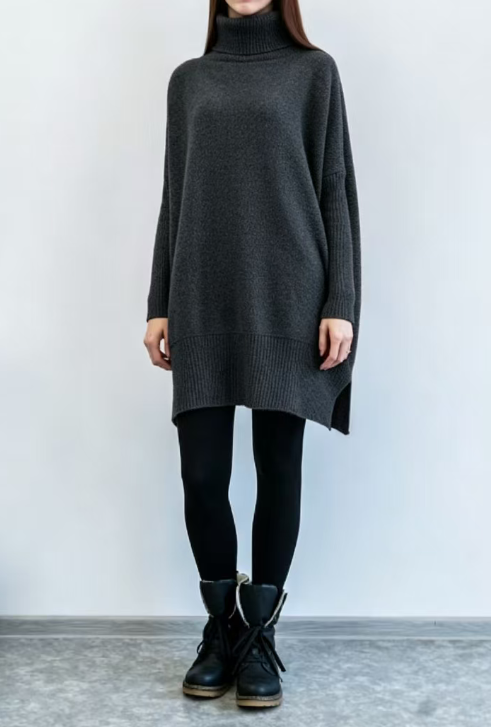
Bodycon and ribbed dresses suit trend-led DTC, nightlife, and spring-to-fall capsules. Stretch recovery controls whether a close fit remains smooth through wear; develop full size sets through 3XL rather than scaling one base size. Fine-gauge viscose-nylon, cotton-elastane, or rayon blends support contouring; specify recovery testing, lining needs, and opacity at stretched areas.
Sweater And Layering Styles
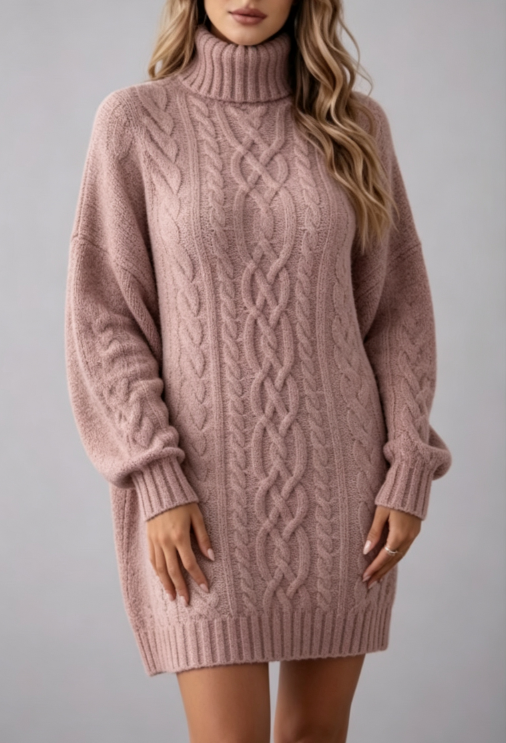
Sweater, polo, and cardigan dresses serve premium casual, workwear, and transitional-season channels. Relaxed shoulders and button-placket tolerances make fit more forgiving, while a removable belt or matching cardigan can raise perceived value. Mid-gauge cotton, wool blends, or acrylic blends suit warmth and price control; confirm pilling targets, button reinforcement, and collar shape after laundering.
Length And Seamless Choices

Midi and maxi lengths fit modest-fashion, resort, and wholesale programs but need walking ease. Add side slits, hem weight, and length grading by size so larger sizes do not become disproportionately long. Seamless styles suit performance-inspired or minimal collections. Circular-knit development requires early decisions on zones, compression, color blocking, and size breaks because revisions are less flexible than cut-and-sew.
4. Materials for custom knit dresses
Gauge and yarn composition determine whether custom knit dresses read as a summer layer, a polished midweight, or cold-weather knitwear. Specify hand feel, recovery, pilling target, care label, and claimed fiber content before approving swatches.
| Yarn | Hand And Performance | Gauge / Care | Best Application |
|---|---|---|---|
| Cotton | Breathable, soft; modest recovery | 12–16G; machine wash | Spring shirt dress |
| Viscose | Fluid, cool; weak recovery | 12–18G; gentle wash | Draped midi |
| Wool | Warm, resilient; moderate pilling | 5–12G; hand wash | Winter sweater dress |
| Cashmere blend | Luxe, warm; pilling risk | 7–12G; delicate care | Premium capsule |
| Acrylic | Lofty, low-cost; higher pilling | 3–10G; easy care | Value winter knit |
| Recycled polyester | Durable, quick-dry; verify claim | 7–14G; machine wash | Travel or volume line |
| Nylon + elastane | Strong, high recovery | 10–16G; machine wash | Fitted rib dress |
| Blended yarn | Balance drape, warmth, recovery | Match gauge to yarn | Core seasonal range |
Fiber Claims And Verification
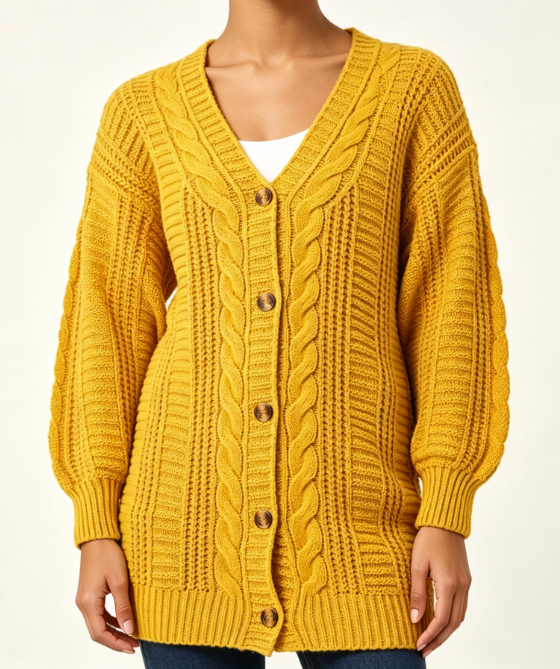
100% cotton, wool, recycled polyester, or cashmere claims should match supplier declarations and final care labels. For organic, recycled, GOTS, or OEKO-TEX claims, request transaction-level supporting documentation rather than relying on yarn descriptions.
Gauge Shapes The Dress
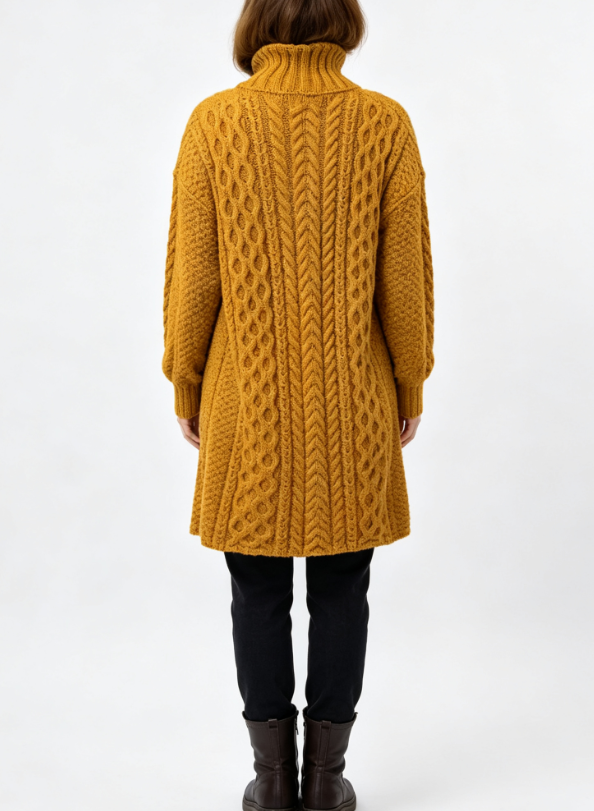
12–16 gauge yarns create finer, lighter dresses with cleaner layering and office-oriented retail positioning. 3–7 gauge constructions add warmth and texture but raise yarn consumption, bulk, and shipping weight.
Recovery Needs Blend Engineering

2–8% elastane improves body-hugging recovery, while nylon reinforces abrasion-prone ribs and fitted silhouettes. Acrylic lowers cost and adds loft, but test abrasion and wash samples because pilling risk is typically higher than cotton or nylon blends.
5. Customizing custom knit dresses
At a 100-unit-per-style-and-color starting point, customization decisions must be locked before yarn booking. Junsheen can translate a sketch or reference into a production-ready custom knit dress, but the tech pack must distinguish engineered details from applied trims.
| Method | Best For | Cost Effect | Durability |
|---|---|---|---|
| Integrated knitting | Stripes, jacquard, stitch texture, ribs | Higher development; efficient in repeat bulk | High |
| Post-knit embroidery | Small logos and emblems | Added labor per placement | High when stabilized |
| Sewn labels and trims | Branding and care information | Low to moderate | Depends on attachment |
Specify The Knitted Shape
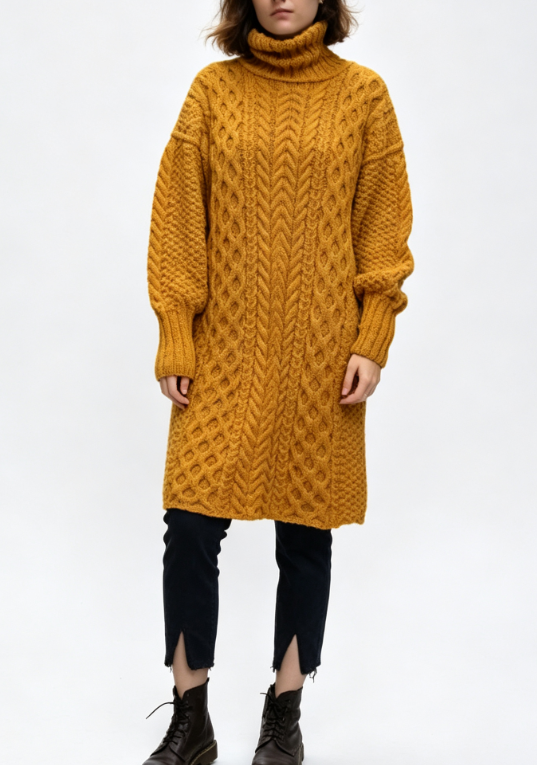
XS–3XL grading needs more than proportional enlargement: document dress length, bust, waist, hip, armhole, sleeve, and rib measurements by size. Choose bodycon, fit-and-flare, column, or oversized shape; specify crew, V, polo, square, or mock necklines and rib width.
Engineer Details Before Knitting

Jacquard logos, stripes, cable stitches, pointelle, and contrast ribbing are built into the panel and generally outlast surface decoration. They require yarn-color planning, machine programming, and often higher sampling cost, while repeat embroidery or sewn patches can be added after knitting.
Build A Complete Tech Pack
One complete pack should include front and back flats, Pantone references, yarn composition, stitch gauge, measurements, grading rules, label positions, artwork files, packing method, and tolerance notes. Approve a prototype and graded size set before bulk production; swatches verify color, hand feel, and stitch definition.
Choose Durable Brand Identification

Woven main labels, size labels, wash-care labels, hang tags, branded buttons, zippers, and packaging establish identity without changing the knitted structure. Use embroidery for small stable placements; oversized dense embroidery can pull lightweight knits and should be tested on the approved sample.
6. Quality Elements in Knit Construction
A knit dress can look correct at approval yet fail after three washes if stitch settings, yarn tension, and shaping are not controlled. Require the approved sample to become the measurable standard for every bulk inspection.
Gauge And Stitch Density
12-gauge and 7-gauge panels require even loop formation across the full body; inconsistent density creates visible barré, uneven weight, and unpredictable stretch. 3 panel checks per color should compare stitch courses, wale count, and garment weight against the sealed sample before assembly.
Linking And Shape Retention
Fully fashioned linking should lie flat at shoulders, side seams, and armholes, with no dropped stitches, holes, or bulky joins. Overlocked seams need balanced thread tension so they stretch without popping. 5 stretch-and-recovery pulls at the neckline, waist, and hem should return close to their original shape. Confirm shaping remains balanced across XS through 3XL rather than enlarging one base pattern.
Wear And Wash Testing
3 wash cycles using the agreed care method reveal shrinkage, torque, color bleeding, and neckline growth before bulk approval. Test dark colors against a white companion fabric for crocking and color transfer. 1 pilling assessment after abrasion should be agreed in writing, especially for brushed yarns and high-friction rib areas. Check opacity under bright light and during body stretch, not only when laid flat.
Measurement Control
±1–2 cm tolerances are typical only when each critical point is defined: bust, waist, hip, body length, sleeve length, and neckline opening. Grade increments must preserve shoulder balance, ease, and hem placement across extended sizes. 100% of first-off-line garments should be measured against the approved spec, followed by random finished-goods checks. Retain the sealed sample, measurement sheet, yarn lot, and machine settings to keep repeat orders consistent.
7. Choosing a custom knit dresses manufacturer
Three checks distinguish a knitwear specialist from a generic trading option: machine gauge evidence, controlled sampling, and traceable yarn-to-shipment records. For custom knit dresses, assess the factory against your silhouette, size range, target hand feel, and launch calendar.
Verify Machines And Gauge

3GG, 5GG, 7GG and 12GG produce materially different density, weight, and surface definition; request the factory’s machine list by gauge and bed width. 2 fitted sample photos are not enough. Request a swatch card, inside-out construction images, and a fully fashioned or cut-and-sew sample matching your intended stitch.
- Machine list by gauge and capacity
- Swatches with yarn count and composition
- Photos of linking and finishing operations
Audit Yarn And Sampling

1 approved yarn specification should state fiber content, count, color standard, supplier, and tolerance; compare bulk swatches against the approved lab dip. 2 sampling rounds commonly expose shrinkage, twisting, seam puckering, and grading issues. Ask for measurement sheets, sample comments, and a revised pattern before bulk approval.
- Pantone or lab-dip approval
- Wash and dimensional-stability reports
- Graded measurement specification
Check Operations And Export Readiness
100 units per style and color can suit a capsule, but confirm MOQ by yarn, color, gauge, and size ratio rather than accepting one headline number. 80,000-plus monthly units matters only with a dated production plan. Request inspection checkpoints, compliance certificates where required, export references, and a written lead-time commitment.
- Incoming-yarn, in-line, and final inspection records
- OEKO-TEX, GOTS, WRAP, or BSCI evidence when applicable
- Recent destination-market shipping references
- Named technical contact and response cadence
8. Common custom knit dresses sourcing mistakes
Most costly knit-dress errors are locked in before bulk cutting, when a visually attractive swatch or sample is mistaken for a production specification. A 100-unit MOQ lowers entry quantity, not the technical or commercial risk of custom knit dresses.
Specify Performance, Not Appearance

Two yarns with similar hand feel can differ sharply in pilling, stretch recovery, shrinkage, and opacity. Request fiber content, yarn count, stitch density, fabric weight, and test swatches before approving a construction. Twenty percent stretch without adequate recovery can leave bodycon styles baggy after wear, while light colors may become transparent under tension. Test recovery after repeated extension and assess opacity on the intended size; failures drive returns and remakes.
- Wash-test shrinkage and torque before approval
- Check pilling after abrasion testing
- Review opacity under stretch and daylight
Control Measurements And References
Six to ten key points of measure are rarely enough for a fitted dress. Provide a graded spec covering bust, waist, hip, body length, sweep, sleeve dimensions, neckline, tolerances, and how each point is measured. One reference garment may use proprietary machinery, yarn, or seamless construction unavailable to a cut-and-sew supplier. Identify the non-negotiable silhouette features, then ask for a manufacturability review; unsupported copying causes sampling delays and unbudgeted revisions.
Approve Color, Wash, And Grade
One approved sample is incomplete without a wash test, approved Pantone target, and size-set review. Color changes by fiber blend, dye method, lighting, and finishing, so approve lab dips and bulk shade bands rather than assuming one universal color. XS through 3XL cannot be created by simply enlarging a base size. Review grading on real fit models after wash; poor shoulder, hip, and length balance produces disproportionate customer returns in extended sizes.
- Approve wash-tested size sets
- Sign off Pantone lab dips
- Inspect bulk shade-band variation
Treat Low MOQ As Development
A 100-unit run still requires approved materials, patterns, trims, and production-ready instructions. Use the first order as a controlled pilot with a signed specification, pre-production sample, inspection checkpoints, and a realistic contingency. Thirty to fifty percent of avoidable small-run cost often comes from late changes, expedited fabric substitutions, or rejected goods rather than unit quantity. Lock decisions before bulk booking to protect launch timing and cash flow.
9. Launching Your Knit Dress Collection
A 100-unit-per-style-and-color starting point lets emerging labels test a focused custom knit dresses capsule without skipping technical approvals. Set one accountable brand approver before development; unresolved fit, color, or cost decisions compound once yarn is booked.
Build The Market Brief
Define the target wearer, retail price, launch date, climate, and intended size range before sketching. Specify whether the dress serves occasionwear, layering, or everyday wear, then set a margin ceiling the quotation must meet.
- Target customer and selling channel
- Planned colors and units per color
- Retail price, margin, and launch date
Lock The Development Pack

Prepare flats, measurements, stitch references, Pantone colors, label placements, and construction notes. Junsheen can review a tech pack, sketch, reference garment, or mood board and flag manufacturability before sampling.
- State gauge, silhouette, and desired hand feel
- Assign brand ownership for artwork and measurements
- Approve substitute trims before quotation
Approve Samples And Production

Choose yarn against hand feel, drape, durability, color, and target cost, then approve the quotation before proto work. Allow fit revisions, a graded size set from XS through 3XL where required, and written pre-production approval before bulk begins. Inspect proto fit, stretch recovery, measurements, seams, decoration, labels, and wash performance against the approved standard. Reserve a timing buffer for yarn availability, color lab dips, courier transit, and one revision cycle; the brand approves samples while the factory controls documented production execution.
Plan The Launch Handoff
Map photography, ecommerce copy, size-chart publishing, inbound freight, and launch inventory alongside bulk production. Retain approved patterns, graded size sets, and material records so replenishments follow the same specification rather than restarting development.
- Confirm final packed-goods inspection
- Schedule delivery before campaign assets go live
- Keep approved sample and revision record
10. Custom Knit Dresses Pricing and Costs
100 units per style and color is Junsheen’s practical starting point for a capsule, but a larger run spreads setup, yarn booking, linking, pressing, and QC across more dresses. Unit cost rises when a design uses fine gauges, several yarn colors, fully fashioned panels, or complex jacquard because knitting time and machine programming increase. 3 cost layers should be separated: development samples, bulk manufacture, and logistics. Sample charges cover pattern work, knitting trials, fit corrections, and approval garments; they are not a universal proxy for production pricing. Branded labels, YKK zippers, special buttons, hang tags, protective packaging, third-party testing, and destination freight should be quoted as defined line items. 1 technical brief enables a dependable quotation: include sketches or a tech pack, size range, gauge, yarn composition, colorways, stitch artwork, trims, packaging, quantity by color, required tests, and delivery destination. Freight can shift materially with carton volume, shipment mode, and duty treatment, so compare ex-factory, FOB, and delivered assumptions on the same basis.
| Quantity tier | Typical complexity | Yarn category | Indicative lead-time effect |
|---|---|---|---|
| 100–299 units | Basic silhouette; few colors | Acrylic, cotton blends | Development and setup remain significant |
| 300–999 units | Shaping, ribs, 2–4 colors | Viscose blends, cotton | Better setup absorption; yarn booking matters |
| 1,000+ units | Jacquard or fully fashioned details | Wool blends, recycled or specialty yarns | Bulk efficiency improves; approvals and testing can extend timing |
Ready to Develop Your Custom Knit Dresses?
Send your tech pack, sketch, or reference garment to JUNSHEEN for fit-focused development, 100-unit MOQs, and a clear production quote.