Custom Knitted Dresses From 100 Units
Develop custom knitted dresses with OEM, ODM and private-label support, fit-focused XS–3XL grading and scalable production.
Featured Products for custom knitted dresses Development

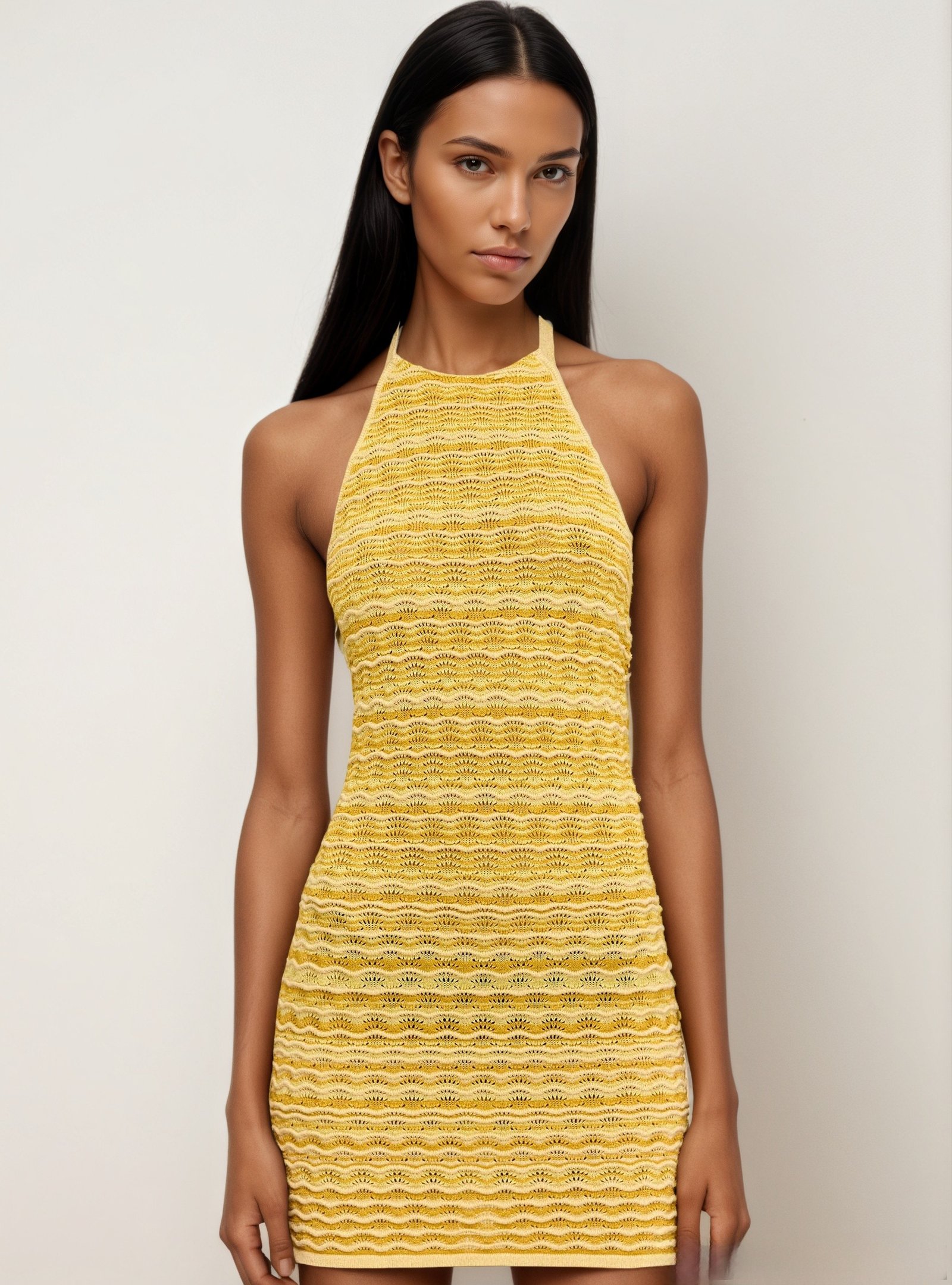
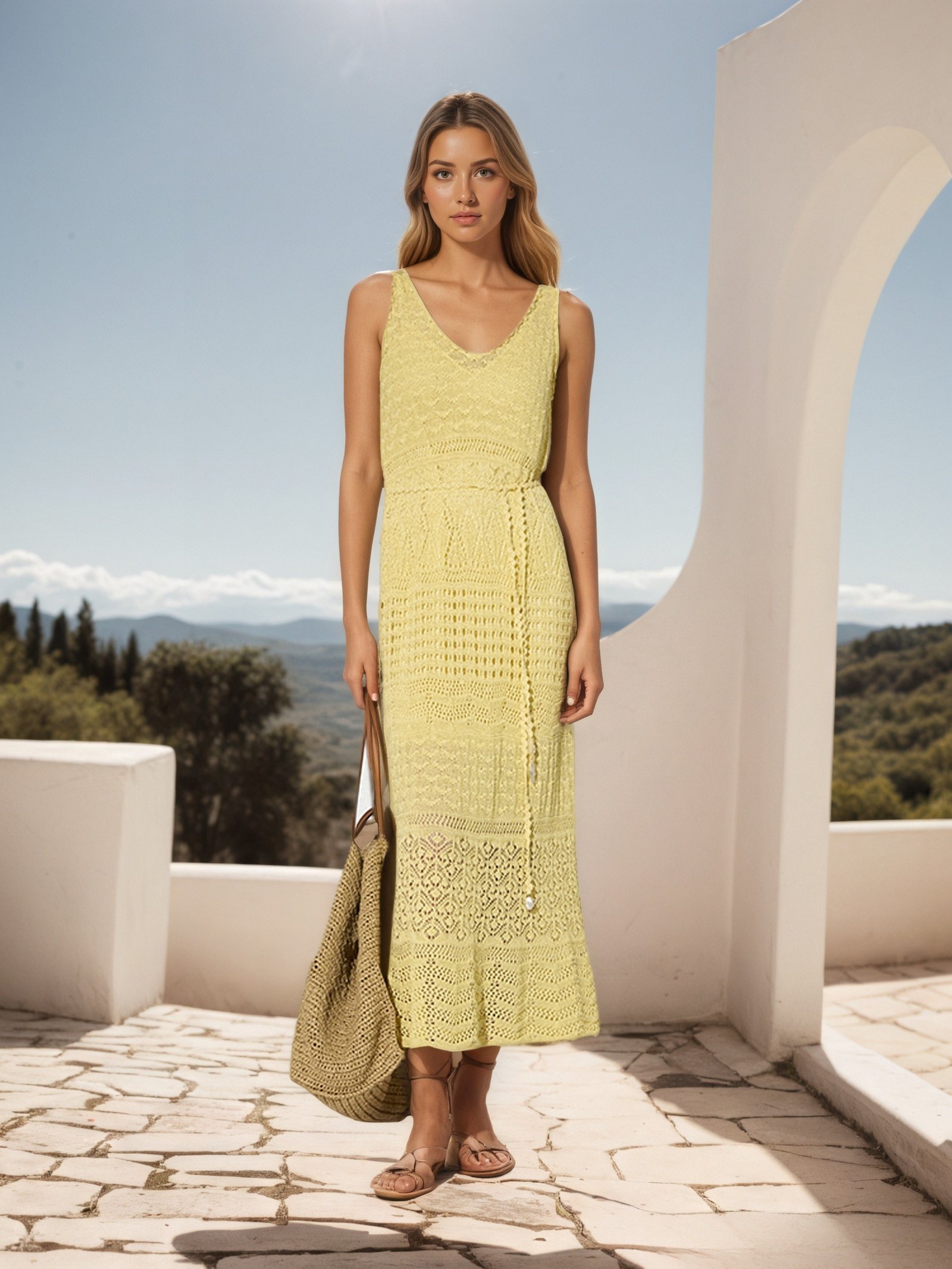
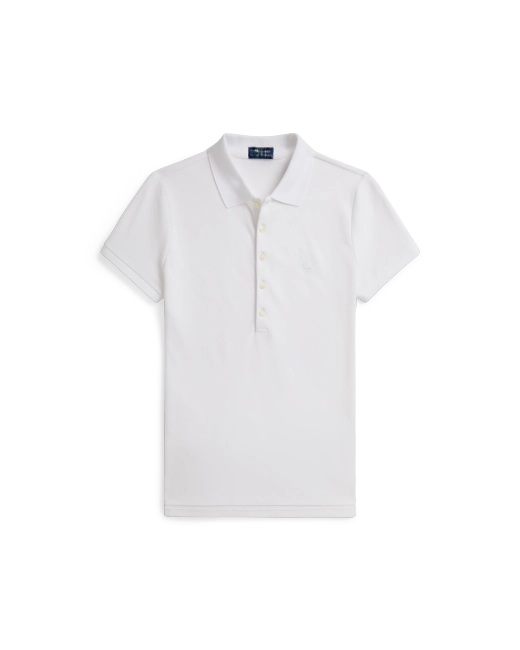

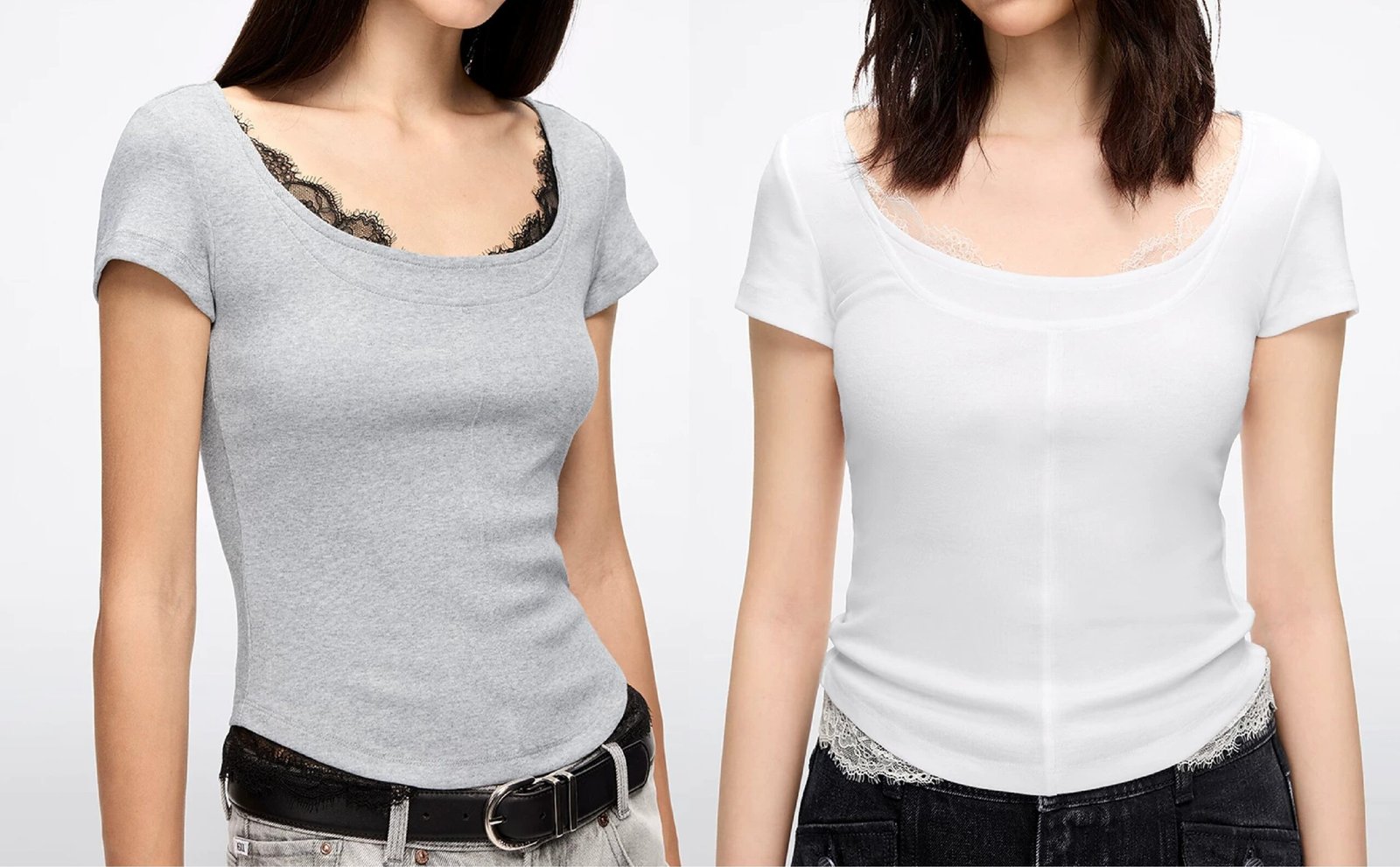


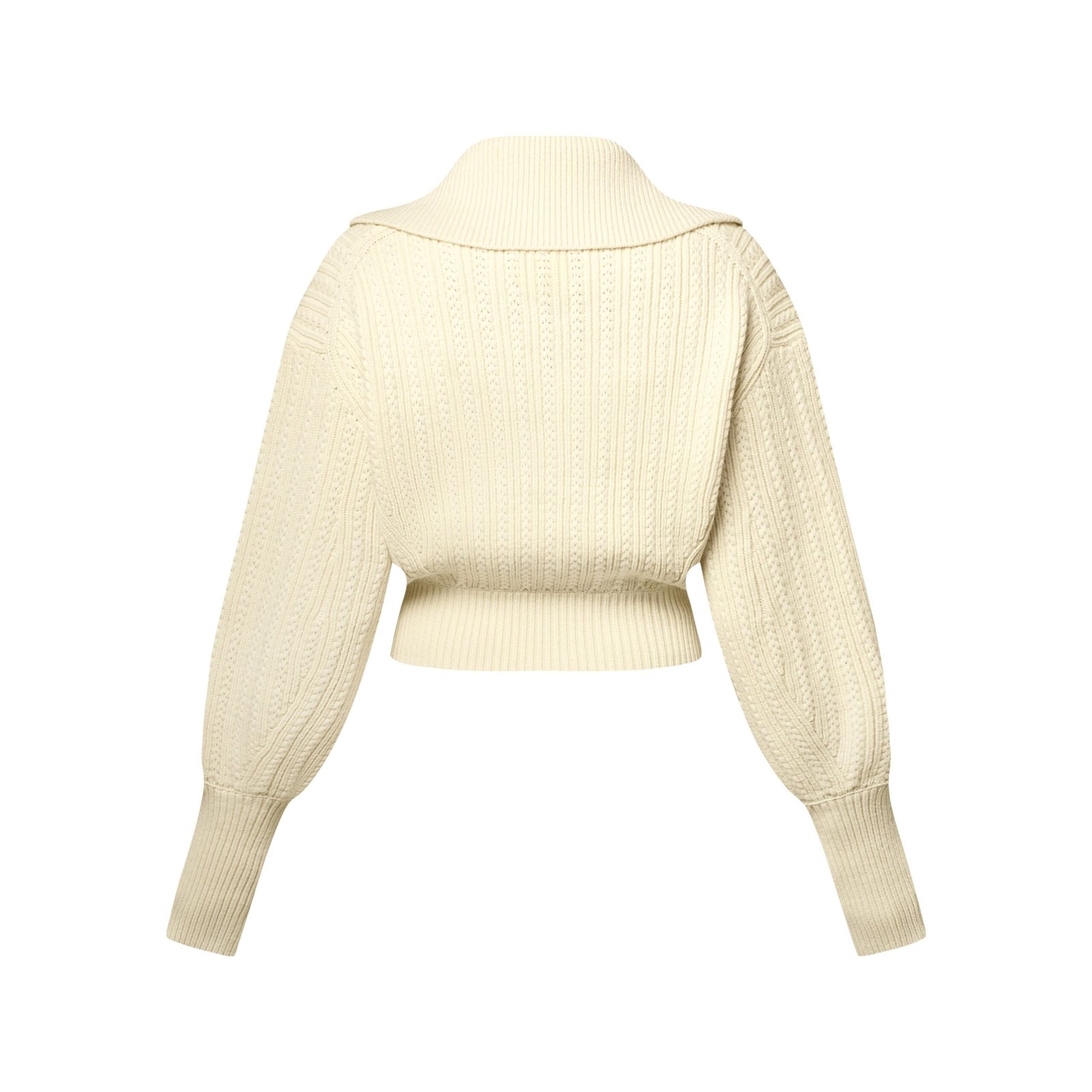


Related Product Catalogue and Quotation




Why Brands Source Custom Knitted Dresses From JUNSHEEN
From low-MOQ development to export-ready bulk production, JUNSHEEN brings knitwear expertise, fit control, and private-label execution together.
100-Unit MOQ
Launch custom knit dress capsules from 100 units per style and color without sacrificing development support or production discipline.
Fit-First Size Development
Pattern makers refine proportions, mobility, and grading from XS to 3XL for standard, extended-size, plus-size, and oversized fits.
Yarn and Fabric Sourcing
Select knit dress materials for hand feel, stretch, drape, durability, weight, wash performance, target cost, and sustainability requirements.
Integrated Private Labeling
Add branded labels, hang tags, custom trims, packaging, embroidery, printing, and finishing through one coordinated manufacturing supply chain.
Scalable Knitwear Output
Work with 200+ skilled workers and monthly capacity above 80,000 units as successful knit dress programs grow.
Global Export Support
Receive coordinated quality control, packed-goods inspection, documentation, and export support for reliable delivery to worldwide fashion markets.
Custom Knitwear, Denim and Casualwear
Develop fit-focused apparel programs with low-MOQ production, coordinated materials, technical sampling and scalable global fulfillment.

Custom Hoodies
Custom hoodies developed in fleece, French terry or heavyweight jersey, with fit, hood shape, rib specifications and pocket construction aligned to your target customer. Add embroidery, screen print, washes, custom labels and branded packaging from 100 units per style and color.
Request a Quote
Custom T-Shirts
Custom T-shirts produced in combed cotton, Pima cotton, organic options and blended jersey. Junsheen supports fabric-weight selection, neckline construction, body proportion, XS–3XL grading, print placement and private-label finishing for capsule and repeat programs.
Request a Quote
Custom Jeans
Custom jeans built with denim or stretch denim selected for weight, recovery, wash performance and price target. Development covers fit blocks, rise, leg shape, grading, pocket details, hardware, distressing and wash approvals before bulk production.
Request a Quote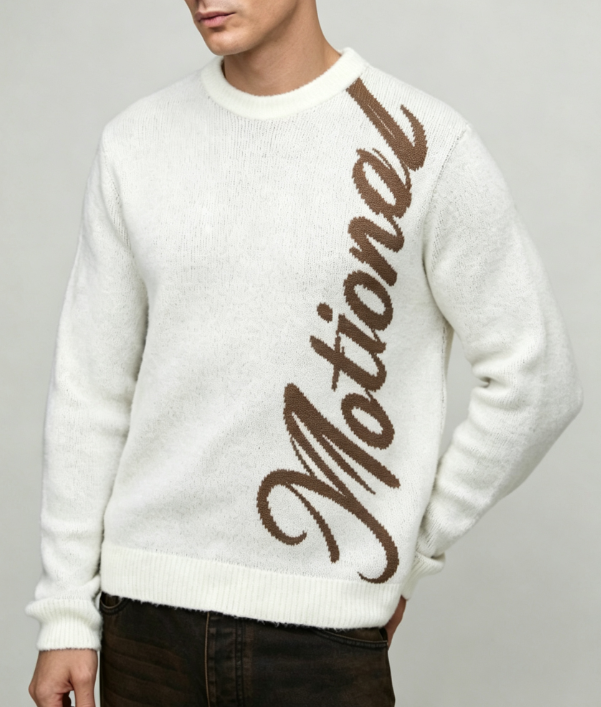
Custom Sweaters
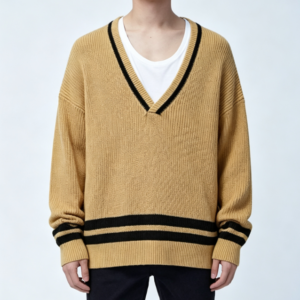
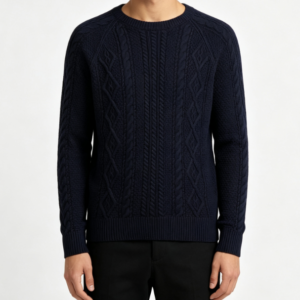
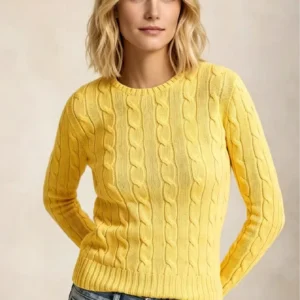
Source turtleneck sweaters in bulk with yarn, gauge, stitch construction and neck proportion matched to your collection. Junsheen develops regular, oversized and extended-size fits, then manages knit sampling, color approval, trims, labels and scalable production.
Request a Quote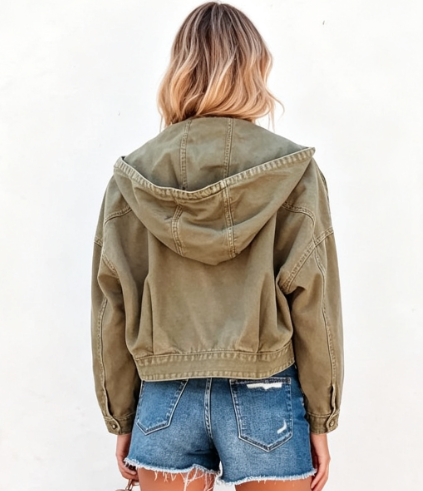
Custom Jackets
Custom jean jackets developed in rigid or stretch denim with specified fit, seam construction, pocket placement, metal hardware and wash treatment. Pattern makers refine shoulder balance, sleeve length and body proportion across XS–3XL size ranges.
Request a Quote
Custom Sweatshirts & Crewnecks
Custom crewneck hoodies and sweatshirts developed in fleece or French terry, with clear specifications for neck rib, hood options, cuffs, hem, pocket details and decoration. Sampling validates fit, fabric hand feel and shrinkage before bulk approval.
Request a Quote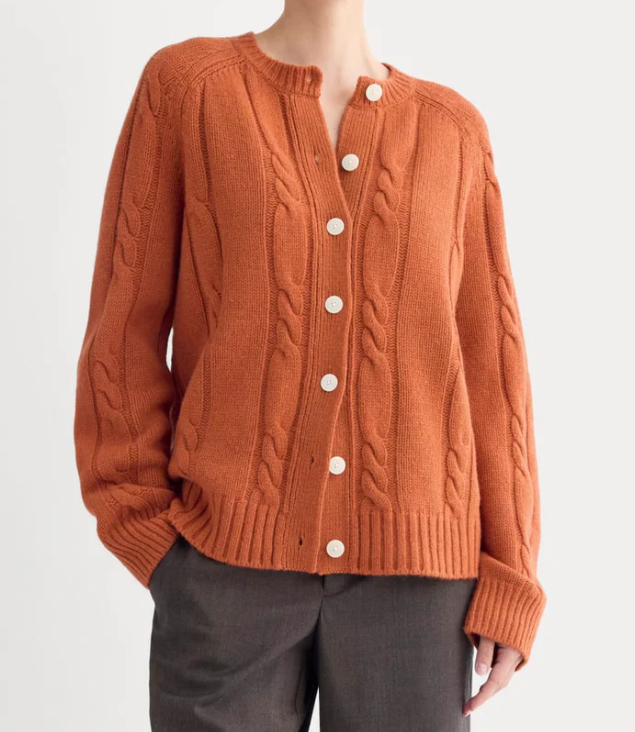
Custom Cardigans
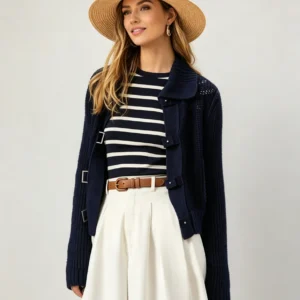
Custom cardigans produced with the appropriate yarn blend, gauge, stitch pattern, placket construction and button or zipper selection. Junsheen supports cropped, relaxed, oversized and extended-size silhouettes with size-set grading and private-label trims.
Request a Quote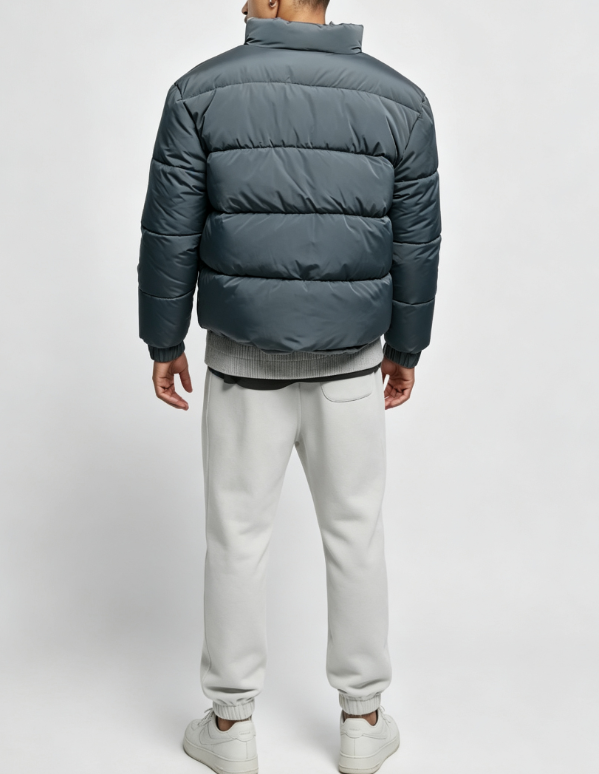
Custom Puffer & Down Jackets
Custom puffer jackets developed around shell fabric, insulation, quilting layout, lining, zipper quality and weather-use requirements. The team reviews construction, fill distribution, fit and finishing through samples before moving to low-MOQ or bulk production.
Request a Quote
Custom Denim Shorts
Custom jean shorts produced in denim or stretch denim with fit, inseam, rise, hem treatment, pocket design and wash effects specified for your market. Size grading and pre-production samples help maintain consistent proportions across the full range.
Request a Quote
Custom Sweater Dresses
Custom sweater dresses developed with yarn, gauge, stitch density, silhouette and length suited to your intended season and price point. Fit development addresses bust, waist, hip and sleeve proportions from XS through 3XL, including plus-size and oversized options.
Request a Quote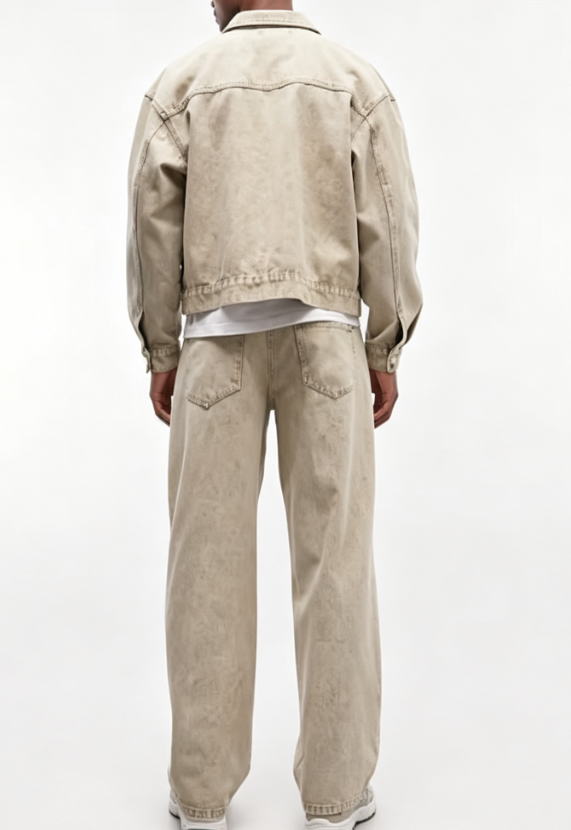
Custom Denim Sets
Men’s denim suits for wholesale programs can be developed as coordinated denim jackets and trousers with matched fabric, wash, color and hardware. Junsheen manages fit blocks, grading, sampling, labels and packed sets for retail-ready production.
Request a Quote
Custom Polo Shirts
Custom polo shirts developed in piqué, jersey or performance knit fabrics, with collar structure, placket, cuff rib, logo placement and fit defined to brand standards. Options include embroidery, print, contrast details, private labels and graded size sets.
Request a Quote
Custom Sweatpants
Custom sweatpants made in fleece, French terry or performance knits with specified rise, leg shape, waistband, drawcord, cuffs and pocket construction. Junsheen develops regular, relaxed and oversized fits with decoration and branded trim options.
Request a Quote
Custom Shorts
Custom shorts developed for casualwear, active-inspired or coordinated-set programs using jersey, fleece, twill, woven or denim fabrics. Specifications can cover inseam, rise, pockets, waist construction, washes, printing, embroidery and size grading.
Request a Quote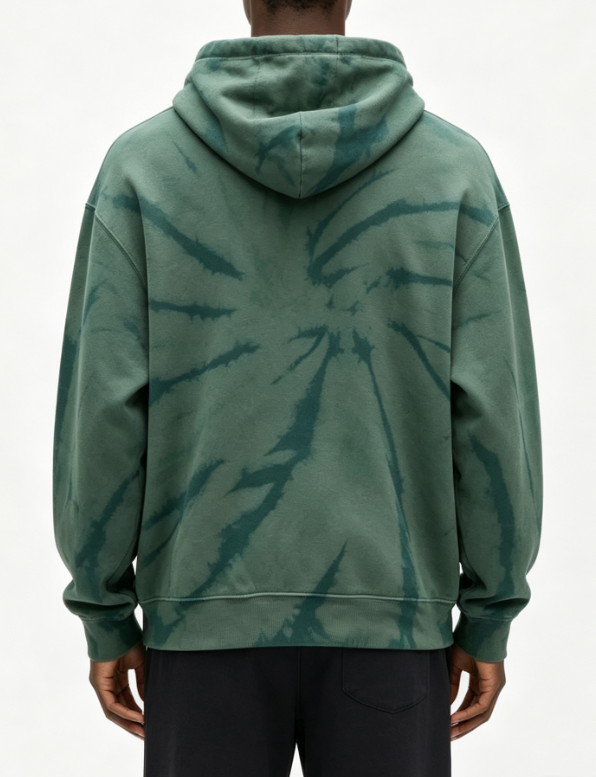
Custom Pullovers
Custom pullovers developed across knitwear and cut-and-sew constructions, including quarter-zip, mock-neck and standard styles. Junsheen aligns yarn or fabric choice, neckline, fit, stitch or seam details, decoration and private-label components with your production brief.
Request a QuoteCustom Knitted Dresses: Yarn and Fabric Options

Cotton Knit Yarn
Breathable, soft-touch cotton yarn suits everyday ribbed, polo, and relaxed custom knitted dresses. Its natural hand feel and reliable wash performance work well for midweight styles with comfortable, low-to-moderate stretch.

Viscose Blend Yarn
Viscose-blend yarn delivers a smooth, cool hand and fluid drape for body-skimming midi, slip-inspired, and occasion knit dresses. Blending with nylon improves recovery, durability, and shape retention through repeated wear.

Wool Blend Yarn
Wool-blend yarn provides warmth, resilience, and a refined textured hand for autumn-winter sweater dresses. It offers natural loft and insulation, while nylon or acrylic blends improve durability, reduce weight, and support easier care.

Nylon Stretch Knit
Nylon stretch knit creates a sleek, supportive feel for fitted dresses, coordinated sets, and contour silhouettes. High elastane content gives strong recovery and mobility, helping the garment hold its shape after movement and washing.

Rib Knit Fabric
Rib knit fabric offers visible texture, flexible stretch, and close-to-body comfort for casual tank, long-sleeve, and bodycon dresses. Its directional elasticity supports movement, while weight and rib scale can be specified for coverage.

Recycled Polyester Yarn
Recycled polyester yarn supports durable, colorfast knit dresses for travel, performance-inspired, and easy-care collections. It resists wrinkles and dries quickly; blended constructions can add softness, drape, stretch, or a more natural hand.
Custom Knitted Dresses: Decoration and Finishing

Logo Embroidery
Flat, 3D, chain-stitch, and applique embroidery adds a tactile branded mark to suitable knit dress panels. Stabilized placement and stitch-density planning help retain clear definition, durable attachment, and a premium dimensional finish.

Screen Printing
Plastisol, water-based, puff, flocking, silicone, foil, and high-density screen prints create bold graphics with controlled texture. JUNSHEEN matches ink selection and curing to the fabric composition for strong color, stretch performance, and wash durability.

Digital Transfer
DTF, DTG, and heat-transfer applications support detailed artwork, gradients, small runs, and multicolor logos. These methods provide crisp visual reproduction for custom knitted dresses while allowing artwork placement to be reviewed during sampling.

Garment Dyeing
Garment dye and tie-dye treatments give knit dresses rich, lived-in color variation and distinctive tonal character. Trial samples help confirm shade, hand feel, shrinkage, and wash behavior before bulk production is approved.

Softening Washes
Enzyme, anti-pilling, brushing, and napping finishes refine the hand feel and surface of compatible knit constructions. The result is a softer, more premium garment with improved comfort and a finish aligned to your brand direction.

Custom Patchwork
Woven patches, leather labels, sequins, and custom appliques create layered visual branding beyond a printed logo. JUNSHEEN develops secure application methods and placement specifications to maintain a polished appearance through wear and washing.
Private-Label Accessories for Custom Knitted Dresses

Woven Brand Labels
Custom woven main labels reinforce brand identity at the neckline or side seam. Choose woven quality, fold style, colors, and sizing for polished custom knitted dresses that feel retail-ready from the first wear.

Care Size Labels
Printed or woven size and wash-care labels provide clear garment information while supporting global retail requirements. JUNSHEEN can coordinate XS–3XL sizing, fiber content, care instructions, and country-of-origin details.

Custom Metal Buttons
Branded metal, resin, horn-effect, or covered buttons add a refined closure detail to cardigan dresses and fitted knit styles. Select finishes, logo treatment, sizes, and attachment methods suited to the yarn construction.

Zippers and Pullers
Specify concealed, exposed, two-way, or decorative zippers for knit dresses with practical closures or modern styling. Custom pullers, finish colors, and zipper tape can align the hardware with your private-label collection.

Drawcord Details
Custom drawcords, cord ends, and tipping create adjustable waist, hood, or hem details for casual knitted dress silhouettes. Match materials and colors to the garment while maintaining comfortable performance through repeated wear.
Branded Packaging
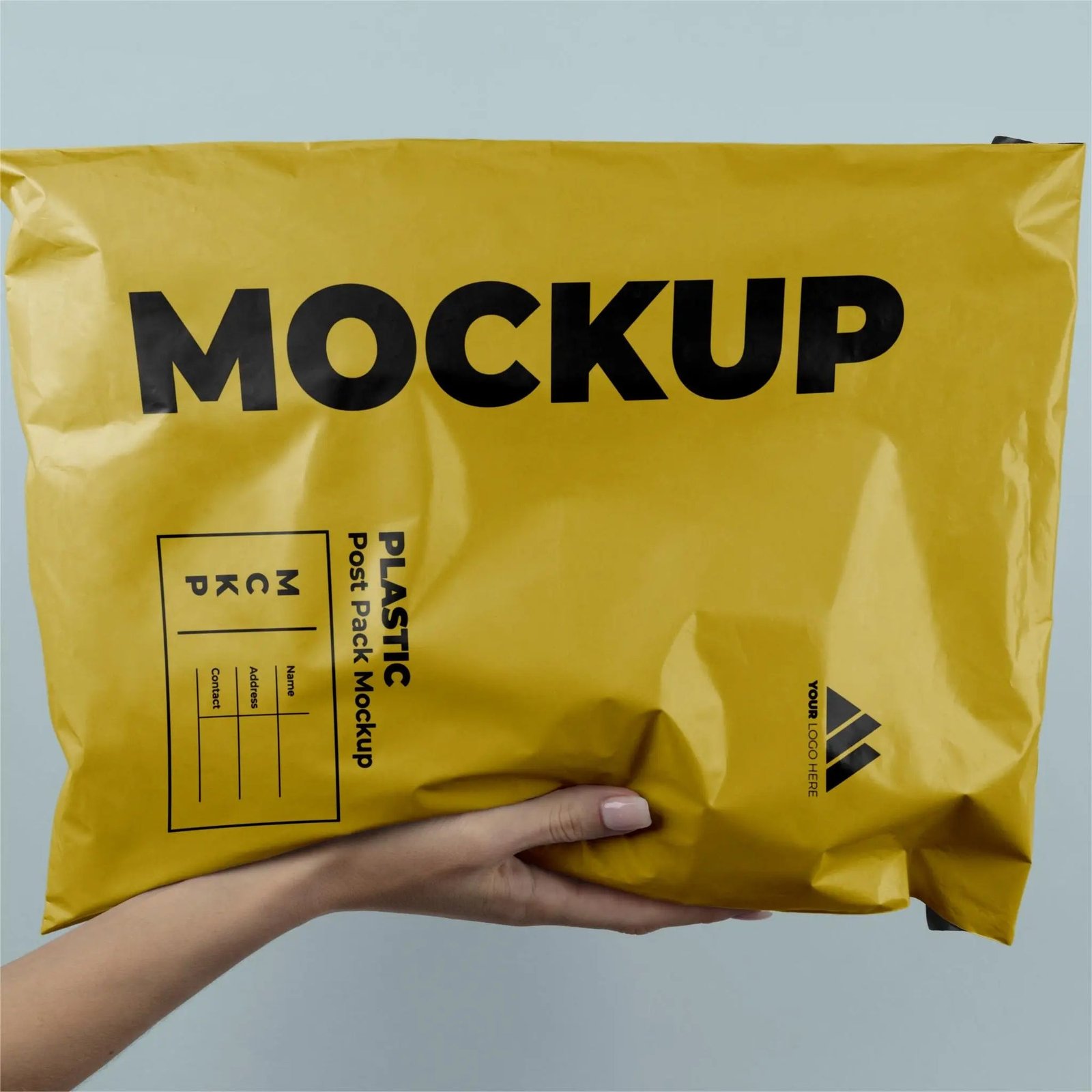
Complete your order with custom hangtags, polybags, tissue paper, stickers, and cartons. Branded packaging helps protect knitwear in transit and gives buyers a cohesive unboxing experience for wholesale or direct-to-consumer delivery.
About JUNSHEEN Custom Knitted Dresses
Founded in 2010 in Humen Town, Dongguan, JUNSHEEN helps global fashion brands turn knit dress concepts into production-ready collections. Our one-stop OEM, ODM and private-label team supports every stage, from yarn and silhouette selection to sampling, labels, packaging and export coordination.
With more than 200 skilled workers and monthly capacity exceeding 80,000 units, we serve capsule launches and scalable repeat programs alike. Custom knitted dresses can start from 100 units per style and color, supported by product development, knitting capability, decoration, finishing and quality control within one supply chain.
Our fit-first approach sets JUNSHEEN apart. We develop XS–3XL, extended-size, plus-size and oversized knitwear with considered proportions and grading, rather than simply enlarging a base pattern. The result is a responsive manufacturing partnership built for clearer development, dependable quality and long-term brand growth.

Custom Knitted Dresses: Fit-First Development and Scalable Production
Patterns Built for Real Fit
JUNSHEEN develops custom knitted dresses from your tech pack, sketch, sample, or concept, then refines proportions before bulk production. Our team considers body balance, stretch recovery, drape, neckline stability, and construction details to create a production-ready fit.
- Pattern making and prototype sampling
- Fit review for knit stretch and drape
- Technical refinements before bulk approval
- Development support from concept to size set

XS–3XL Grading That Performs
A larger size is not simply an enlarged base pattern. For custom knitted dresses, JUNSHEEN grades XS–3XL with attention to shoulder balance, bust ease, sleeve length, body proportion, mobility, and knit behavior, helping brands deliver a more consistent experience across sizes.
- Normal, extended, plus-size, and oversized fits
- Size-specific grading increments
- Measurement and fit checks across the size set
- Reduced sampling revisions through early fit control

Materials Matched to Your Brief
Choose yarns and knit materials around the hand feel, weight, stretch, durability, cost target, and intended silhouette of your collection. JUNSHEEN sources cotton, wool, blended, recycled, and performance knit options, with swatches and samples available before bulk confirmation.
- Material advice based on target price and use
- Options for drape, structure, softness, and recovery
- Supplier-network sourcing for consistent bulk materials
- Swatch and sample review before approval

Controlled Reorders, Branded Finish
Integrated decoration, labels, trims, packaging, and production records keep branded knit dress programs organized as volume grows. With 200+ skilled workers and capacity above 80,000 units monthly, JUNSHEEN supports 100-unit launches through repeat wholesale and retail production.
- Custom labels, hang tags, trims, and packaging
- Embroidery, patches, prints, and finishing options
- Retained patterns, graded size sets, and material records
- In-line and final quality checks for repeat consistency

Why Choose JUNSHEEN for Custom Knitted Dresses?
Compare the production support that helps brands develop, approve and scale knit dress programs with confidence.
← 左右滑动查看 →
Custom Knitted Dresses Production Process
A clear, fit-focused workflow for developing branded knit dresses from first feasibility review through export-ready delivery.
Review Design Feasibility
We assess your tech pack, sketch, reference, target price, size range, construction details, and 100-unit MOQ requirements before confirming a practical development route.
Source Yarns And Fabrics
Our team recommends yarns, knit constructions, linings, and trims based on desired hand feel, stretch, drape, durability, wash performance, and budget.
Develop Patterns And Samples
Pattern makers build fit-focused XS–3XL specifications, produce prototype samples, and refine measurements, proportions, neckline, sleeves, and shaping through your feedback.
Approve Materials And Production
After sample and pre-production approval, we lock graded size sets, material records, labels, decoration details, packing requirements, quantities, and delivery schedule.
Produce Inspect Pack Ship
Skilled teams manufacture your custom knitted dresses, inspect construction and measurements, complete final packing, and arrange global export support before shipment.
How to Start Your Custom Knitted Dresses Order
Move from design direction to approved bulk production with a clear, fit-focused development path.
Submit Your Design
Send a tech pack, sketch, reference garment, mood board, or product idea. Our team reviews knit construction, fit requirements, materials, and branding details.
Review Your Quote
Confirm recommended yarns, gauges, trims, decoration options, MOQ, timing, and pricing. We clarify manufacturability before sampling begins, helping prevent avoidable revisions later.
Approve Your Sample
Evaluate the prototype for hand feel, silhouette, measurements, grading, and branded details. We refine custom knitted dresses across XS–3XL before pre-production approval.
Launch Bulk Production
Approve final specifications and begin production. JUNSHEEN manages knitting, finishing, quality inspections, private-label packaging, and export shipping support for your confirmed order.
Custom Clothing Manufacturer Credentials and Compliance Documents


Custom Knitted Dresses: Fashion Brand Results and Feedback
JUNSHEEN corrected the shoulder balance and grading across our XS–3XL size set during sampling. We approved bulk after two sample rounds instead of our usual four, and our first 600-piece knit dress launch sold through in seven weeks.
Our rib-knit dress reorder was production-ready from the retained pattern and material records. JUNSHEEN confirmed the repeat order in three days and delivered 1,200 units with measurement consistency that kept customer size exchanges below 4%.
We needed a 100-unit colorway test before committing to a wider collection. The development team translated our reference into a private-label knit dress, and the first capsule generated enough sell-through to expand into four colors for the next season.
Custom Knitted Dresses FAQ
Clear answers on minimums, development, fit, pricing, production and delivery for global fashion brands.
What is the MOQ for custom knitted dresses?
Can you make a sample before bulk custom knitted dresses production?
How long does it take to produce custom knitted dresses?
Can you grade knit dresses from XS to 3XL?
Which yarns and materials can you source for knit dresses?
What payment terms do you offer for custom orders?
Do you ship custom knitted dresses internationally?
How do you protect my custom knitted dress designs and brand details?
The Complete Buyer’s Guide to custom knitted dresses
Use this practical framework to specify custom knitted dresses, compare materials and construction, evaluate OEM suppliers, control costs, and avoid development and sourcing mistakes before placing production orders.
1. What Are custom knitted dresses?
100-unit production runs can make custom knitted dresses practical for capsule collections: they are dresses built from knitted fabric or yarn systems and specified for a brand’s own fit, materials, branding, and finishing. Unlike a generic ready-made dress, the production file defines silhouette, target measurements, color standards, yarn or fabric quality, trims, care labeling, and approved sample requirements. 3 main manufacturing routes matter to B2B buyers. Fully fashioned knitwear shapes panels directly on knitting machines and links them at seams, which suits refined sweater dresses with engineered ribs, necklines, and reduced cutting waste; cut-and-sew knit uses knitted yardage, then cuts and sews it like apparel fabric, while sweater-dress production usually refers to yarn-based, gauge-controlled garments made as pullovers or dresses. 7GG, 12GG, and 16GG are common gauge references: lower gauges create a heavier, more visible knit, while higher gauges make finer, lighter surfaces. Buyers can customize body shape, length, sleeve volume, yarn blend, stitch structure, rib trims, buttons or zippers, XS–3XL grading, woven labels, size labels, wash-care labels, hangtags, and branded packaging. 2 factors usually favor knitwear over woven dresses: stretch-led fit and texture-led design. Choose knitwear when the collection needs body-con recovery, soft drape, sweater warmth, rib definition, or seamless-looking shaping; choose a woven dress when crisp tailoring, stable pleats, sharp collars, or non-stretch structure is the priority.
2. Evolution of Knitted Dress Production
1585 marked an early milestone in mechanized knitting, but dress production remained largely hand-led for centuries: skilled operators shaped panels, joined seams, and corrected variation garment by garment. Industrial flat knitting later made repeatable ribs, cables, jacquards, and fully fashioned shaping practical at scale, replacing much of that manual inconsistency. 1980s computerized flat-knitting systems changed development from machine-dependent trial work into programmable production. A buyer can now approve stitch density, yarn feed, shaping, and Pantone-linked color direction in a technical specification, then reproduce the approved program across sampling and bulk runs with far better control of measurements and appearance. 3D seamless and whole-garment methods further reduce cut-and-sew joins for suitable styles, helping create cleaner side seams and fewer assembly steps. They do not eliminate fit engineering: inclusive custom knitted dresses still require graded body lengths, bust shaping, armhole balance, and stretch recovery checks from XS through 3XL. 100-unit style-and-color programs make this technology more accessible to emerging labels than traditional bulk-only sourcing. Buyers now expect quicker prototype cycles, retained programs for repeat orders, yarn options such as recycled blends or certified organic cotton where available, and material decisions that balance hand feel, durability, waste, and target cost.
3. Types of custom knitted dresses
Seven commercial knit categories can share one collection, but each needs its own gauge, fit block, and season plan. At a 100-unit MOQ, grouping compatible yarns and colors makes custom knitted dresses easier to merchandise and replenish.
Bodycon And Ribbed Dresses

A 1×1 or 2×2 rib bodycon dress targets occasionwear and figure-led young-fashion customers, especially for spring and fall drops. Specify recovery, negative ease, bust shaping, and opacity; insufficient yarn coverage quickly creates see-through or bagging complaints.
Sweater And Cardigan Dresses

A 7–12 gauge sweater dress suits transitional and cold-weather assortments, while cardigan dresses add layering value for retail capsules. Confirm placket stability, button spacing, pocket weight, and hem growth before sampling; oversized blocks need separate shoulder and sleeve grading.
Polo Dresses

A 2- or 3-button polo dress serves sporty-preppy customers and resort or early-fall programs. Collar stand height, placket reinforcement, contrast tipping, and chest-logo placement determine whether the style reads polished rather than like an elongated polo shirt.
Midi, Maxi, And Seamless Dresses
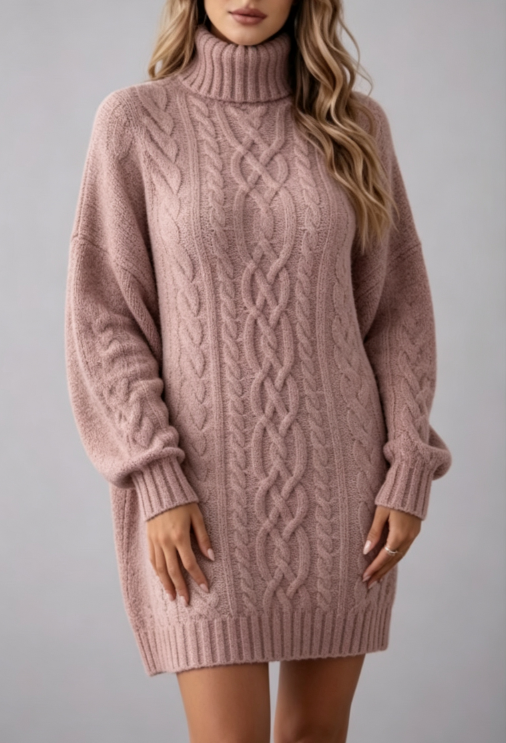
A 110–140 cm midi or maxi length broadens coverage-focused and elevated casual ranges, but requires weight control to prevent vertical stretch. Seamless dresses reduce cut-and-sew seams and suit streamlined bodycon programs, yet machine gauge, shaping zones, and color changes limit feasible details.
4. Materials for custom knitted dresses
Material choice determines drape, thermal comfort, durability, and target retail tier before a knitted dress reaches sampling. Request yarn composition, count, ply, gauge, and wash-test requirements together; fiber names alone do not predict performance.
| Yarn option | Hand feel and warmth | Recovery and pilling | Best use |
|---|---|---|---|
| Cotton | Breathable, medium warmth | Moderate recovery; low-medium pilling | Spring ribs, casual dresses |
| Viscose blend | Soft, fluid, cool | Needs reinforcement; medium pilling | Draped fine-gauge styles |
| Wool/cashmere blend | Warm, soft | Medium recovery; pilling risk | Premium winter dresses |
| Acrylic/recycled polyester | Warm or durable | Good recovery; quality-dependent pilling | Value knits, color-rich programs |
| Nylon/elastane blend | Resilient, close-fitting | Strong recovery; low abrasion wear | Bodycon ribs, shaped waists |
Natural And Cellulosic Yarns

100% cotton feels breathable and structured, making it practical for spring rib dresses and casual mid-gauge styles. Mercerized cotton improves sheen, while viscose adds fluid drape but needs stable stitch construction. Wool supplies insulation for autumn and winter, whereas cashmere blends raise softness and price. Specify anti-pilling yarn and a care label aligned with the blend; delicate washing is usually necessary.
Performance Fiber Blends
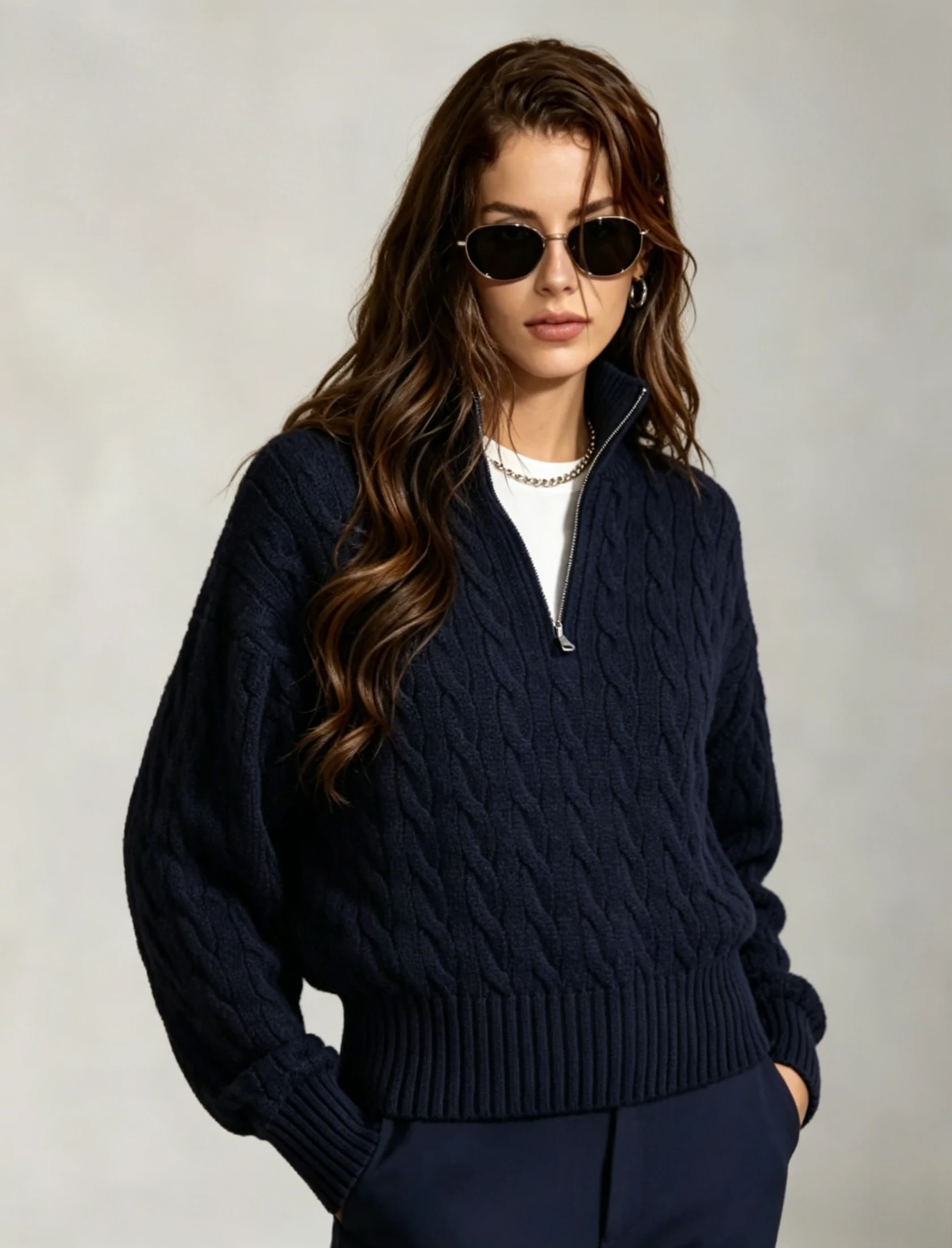
Acrylic delivers warmth at an accessible cost, but lower-grade yarn can pill quickly in high-friction areas. Recycled polyester improves durability and color retention, provided suppliers document recycled-content claims. Nylon reinforces abrasion-prone areas and improves recovery when paired with elastane. Elastane is normally a small percentage: enough to stabilize ribs, waist shaping, and body-hugging silhouettes without making the dress feel restrictive.
Match Gauge To End Use
12–16 gauge supports fine, polished dresses with smoother surfaces and lighter warmth. 3–7 gauge creates heavier texture, greater insulation, and more visible stitch definition for sweater dresses. Ask for a washed sample, not only an unwashed panel. Laundering can reveal torque, growth, shrinkage, color migration, and recovery loss before bulk yarn approval.
5. Customizing custom knitted dresses
A 100-unit style-and-color starting point can support custom knitted dresses, but each added yarn color, engineered panel, or trim should be costed before sampling. Lock the silhouette and target retail position first.
| Customization | Technical Effect | Sampling Impact |
|---|---|---|
| Cable pattern | Adds bulk and reduces stretch | Swatch and fit review |
| Jacquard | Needs color and repeat control | Knit-down approval |
| Custom zipper | Requires compatible placket | Trim sourcing lead time |
| Branded packaging | Uses separate dielines | Packaging minimum may apply |
Choose Structure And Gauge

3GG to 5GG suits chunky cables and relaxed sweater dresses; 7GG to 12GG supports cleaner ribs, intarsia, and refined body shapes. Gauge changes weight, recovery, transparency, and machine time. 4 stitch families—jersey, rib, cable, and pointelle—create distinctly different stretch and drape. Deep cables, openwork, and mixed structures require extra swatch review because seams and grading can distort the pattern.
- Specify gauge and finished measurements
- Identify stretch direction and required recovery
- Approve yarn swatches before knit programming
Build Color And Surface Details

2 to 4 yarn colors are practical for stripes and color blocking; more colors increase yarn changes, setup time, and waste. Jacquard or intarsia artwork should arrive as clean vector files with Pantone references and repeat dimensions. 1 cm fine motifs may lose clarity at coarse gauges, while long yarn floats can snag or affect the inside finish. Test logos, stripes, and placement on a knit-down before approving the full sample.
Specify Trims And Branding
3 neckline choices—crew, V-neck, and polo—need compatible rib depth, shoulder shaping, and sleeve finish. Buttons, zippers, pockets, embroidery, woven labels, hangtags, and branded packaging each add sourcing and assembly steps. 1 complete tech pack should show trim placement, dimensions, artwork, color codes, and packing instructions. Novel hardware, multiple labels, and custom cartons can raise sampling complexity and may require material minimums above the garment MOQ.
6. Construction Quality for Knitted Dresses
Construction quality determines whether custom knitted dresses retain their intended silhouette after wear, washing, and retail handling. Approve measurable standards before bulk production, not from appearance alone.
Yarn And Gauge Control
2–3 yarn lots should be checked for shade, twist, contamination, and consistent hand feel before knitting. Confirm the approved gauge and stitch density against the sample; small variations can change weight, opacity, stretch, and dress length.
- Compare panels under daylight and store lighting.
- Record gauge, courses, wales, and finished measurements.
- Reject visible barre, dropped stitches, and yarn slubs.
Seams And Shaping
3 stress areas—shoulders, armholes, and side seams—need secure linking or seaming without bulky ridges, skipped stitches, or seam grin. Match stripes, cables, jacquards, and panel edges at joins, then assess neckline, waist, and hip shaping on the correct size form.
- Pull-test shoulder and side seams.
- Check symmetric sleeve and panel lengths.
- Verify rib cuffs and neckbands recover after stretching.
Wash Testing And Approval
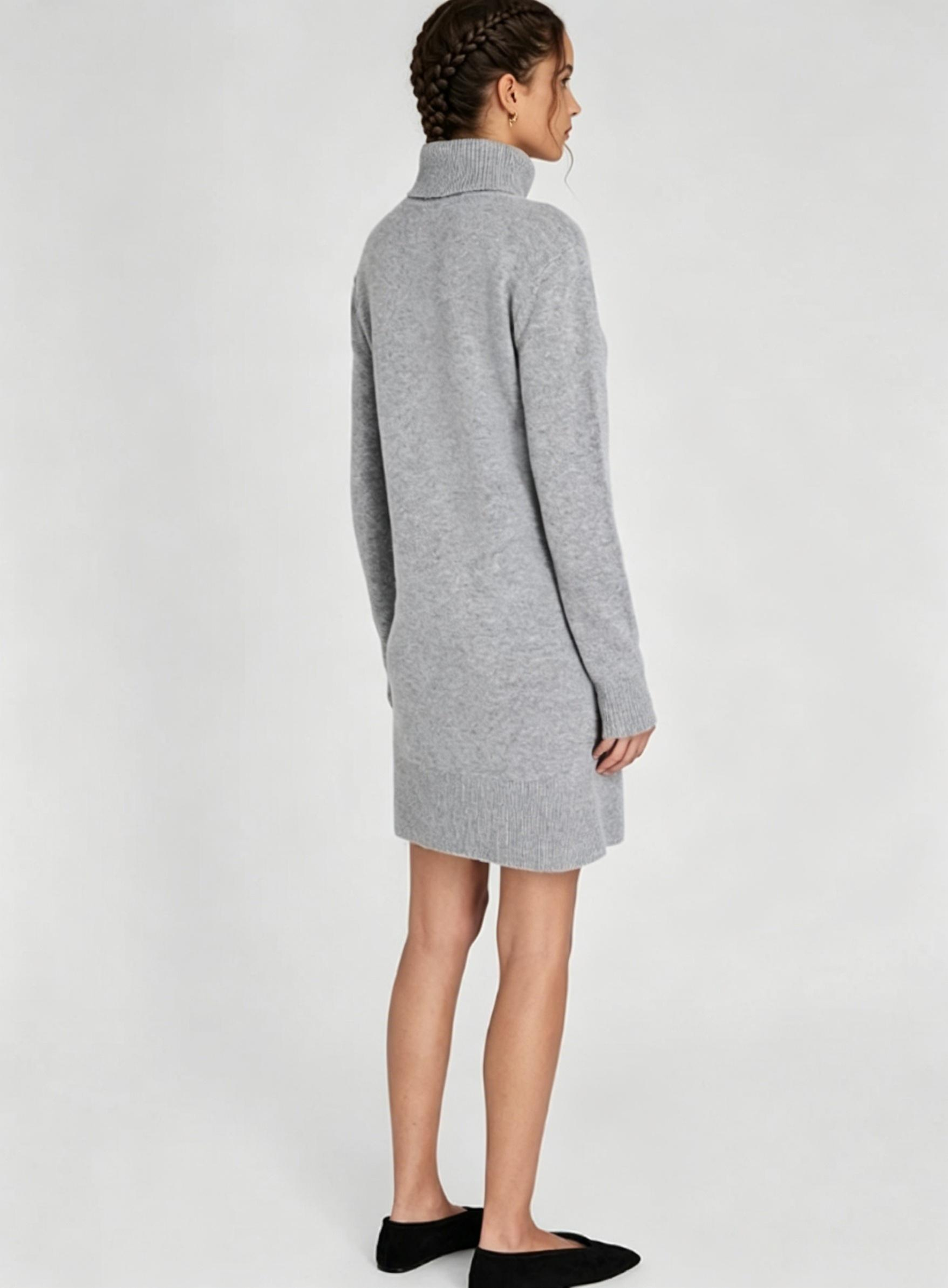
1 approved pre-production sample should define measurements, color, trim, hand feel, and finishing for the production file. Wash and dry it using the intended care method, then remeasure length, width, recovery, pilling, and color transfer before releasing bulk.
- Set acceptable dimensional change by fabric and care method.
- Run pilling and abrasion tests for high-friction areas.
- Test colorfastness to washing, rubbing, and perspiration.
- Inspect pressing, loose-thread removal, labels, and packed presentation.
7. Choosing a Knitted Dress Manufacturer
A capable manufacturer proves its knitting expertise before discussing unit price. Evaluate whether its development process, production controls, and export support fit your collection’s complexity and launch calendar.
Verify Knitting Capability
Ask which gauges, machine types, and constructions the factory runs regularly. Request recent samples matching your dress’s stitch, shape, yarn blend, and finishing—not generic sweater photos.
- Confirm gauges and fully fashioned capability
- Request wash-tested reference samples
- Check capacity by machine and season
Test MOQ And Sampling
A 100-unit MOQ per style and color can suit capsule launches, but confirm the rule for yarn minimums and size splits. Ask for a written sample schedule, revision limits, and pre-production approval process.
- Prototype and size-set timing
- Yarn and trim minimums
- Bulk lead time after approval
Audit Materials And Controls
Request yarn composition records, color-lab-dip approvals, shrinkage results, and pilling or wash-test reports where relevant. Verify incoming-material, in-line measurement, linking, finishing, and final-packing inspections.
- Fiber-content documentation
- Pantone color approvals
- Measurement and defect reports
Assess Communication And Export
Ask who owns technical communication and how measurement changes are logged across samples and bulk production. Request export-market references, packing specifications, shipping terms, and applicable compliance documents such as OEKO-TEX, GOTS, WRAP, or BSCI when required.
- Named project contact
- Dated specification revisions
- Export and compliance evidence
8. Common Custom Knitwear Buying Mistakes
Custom knitted dresses fail at sourcing when visual approval replaces technical control. Eight recurring mistakes—yarn-only selection, missing gauge data, vague specs, untested samples, late details, weak grading, price-only selection, and no reorder plan—are avoidable before bulk release.
Specify Yarn Beyond Swatches

One 10 x 10 cm swatch cannot predict pilling, shrinkage, colorfastness, or garment drape. Request yarn composition, count, twist, dye lot, care method, and a washed knit panel. Two production lots can vary in shade or hand feel. Reserve approved yarn and dye-lot references for repeat custom knitted dresses.
Control Gauge And Recovery
A 12-gauge dress and an 8-gauge dress can use similar yarn yet deliver very different opacity, weight, and stretch. Record machine gauge, stitch density, finished measurements, and target garment weight. Three stretch-and-recovery cycles expose sagging at ribs, necklines, and fitted skirts. Test recovery after wash and require tolerance limits before approval.
Lock Fit Before Bulk
A 2 cm measurement omission at the bust, length, or armhole can create a commercially unusable fit. Issue a graded spec sheet with points of measure, tolerances, and a size-set approval. One base pattern enlarged uniformly distorts plus-size proportions. Review shoulder balance, sleeve length, body shaping, and grading increments from XS through 3XL where applicable.
Validate Samples And Reorders
Two wash tests, wear trials, and measurement checks should precede bulk confirmation. Add cables, jacquard, intarsia, sequins, or special trims during development, because late changes disrupt yarn consumption and lead time. Three quotations may show different yarn quality, linking methods, inspection scope, and defect allowances. Compare the technical package, then forecast reorder colors and secure yarn availability or approved substitutes.
9. Launching Your Knitted Dress Collection
A 100-unit-per-style-and-color starting point can suit a capsule, but launch dates must follow approved development gates rather than a mood board. Assign one brand owner for sign-offs and freeze each decision before the next sample begins.
Build The Production Brief
Week 1 should end with a tech pack: silhouette, measurements, stitch map, Pantone colors, yarn composition, gauge, labels and target landed cost. Junsheen can review a sketch, reference garment or finished pack for manufacturability. One owner should consolidate designer, merchandising and sales feedback. Approve the brief before yarn booking; late changes to gauge, neckline or length can require a new prototype.
Sample And Fit Gates

Weeks 2–4 typically cover yarn swatches and the first prototype, depending on yarn availability and construction complexity. Check hand feel, opacity, recovery, seam stability, measurement tolerance and wash performance against the intended wearer. One fit round is rarely enough for a new block. Approve revisions in writing, then confirm the graded XS–3XL size set before authorizing a pre-production sample.
Lock Bulk Before Launch
Weeks 5–8 should reserve bulk time only after the pre-production sample matches approved measurements, color, trims, labels and packing. Request applicable fiber, colorfastness, pilling or restricted-substance testing early when a retailer requires it. One signed bulk approval is the decision gate. Coordinate photography, SKU setup, size charts, packaging and freight windows alongside production; Junsheen’s bulk capacity can support repeat programs after specifications are retained.
10. Custom Knitted Dress Pricing and Costs
100 units is JUNSHEEN’s starting point per style and color, but a credible quote begins with a confirmed yarn specification, gauge, stitch map, measurements, color count, and labeling plan. Treat unit prices as indicative planning bands, not a substitute for an approved sample and material booking. 12GG fine-gauge viscose-blend or cotton-blend dresses generally cost more to knit than simpler 5GG–7GG silhouettes because yarn consumption, machine time, linking, and shape retention all change. Intarsia, jacquard, cables, engineered ribs, full-cardigan stitches, lining, YKK zippers, custom buttons, and individual branded packaging each add cost. 7–21 days is a practical development window for yarn sourcing, pattern programming, and a prototype after specifications are complete; bulk commonly follows in 25–45 days after approval. Budget separately for sampling, third-party testing when required, export cartons, and air or sea freight, since freight depends on packed volume, destination, and shipment method.
- Request yarn composition, gauge, stitch density, and garment weight on every quotation.
- Compare delivered cost: unit price, sample charges, testing, packaging, duty, and freight.
| Order quantity | Indicative unit-price drivers | Typical bulk lead time |
|---|---|---|
| 100–299 units | Higher setup allocation; simple solid-color 5GG–7GG construction controls cost | 30–45 days |
| 300–999 units | Better yarn and programming allocation; mixed stitches or trims remain material-sensitive | 25–40 days |
| 1,000+ units | Scale improves fixed-cost allocation; price still follows yarn grade and complexity | 25–35 days |
Ready to Develop Your Custom Knitted Dresses?
Send your tech pack, reference garment, or product idea for an OEM quotation and fit-focused sampling consultation from JUNSHEEN.