
Custom Hockey Sweater Manufacturing From 100 Units
Develop custom hockey sweaters with fit-focused XS–3XL grading, OEM, ODM and private-label support from one experienced apparel manufacturer.
Featured Products for custom hockey sweater Development







Related Product Catalogue and Quotation




Why Brands Source Custom Hockey Sweater Production From JUNSHEEN
From first sample to export-ready bulk orders, JUNSHEEN combines low-MOQ development, fit engineering, decoration, and private-label support in one apparel supply chain.
100-Unit MOQ
Launch a custom hockey sweater capsule from 100 units per style and color without sacrificing professional development support.
Fit-First Pattern Development
Refine proportions, mobility, sleeve balance, and grading across XS–3XL for regular, oversized, and extended-size hockey-inspired apparel.
Scalable Production Capacity
Move confidently from sampling to ongoing bulk programs with 200+ skilled workers and monthly capacity exceeding 80,000 units.
Integrated Decoration
Add screen printing, embroidery, patches, applique, sublimation, and specialty effects through coordinated in-house production and quality control.
Complete Private Labeling
Finish each order with custom labels, hang tags, trims, packaging, and branded details tailored to your retail presentation.
Global Export Support
Rely on an experienced export partner serving fashion brands worldwide with clear production coordination, inspections, and shipment preparation.
Custom Hockey Sweaters and Apparel Development
Develop coordinated hockey-inspired knitwear, casualwear, denim, and outerwear programs with fit-focused sampling, private labeling, and scalable production.

Custom Hoodies
Custom hoodies developed in fleece, French terry, and jersey with hockey-inspired color blocking, applique, embroidery, screen printing, custom ribs, drawcords, labels, and graded XS–3XL fits. MOQ starts at 100 units per style and color.
Request a Quote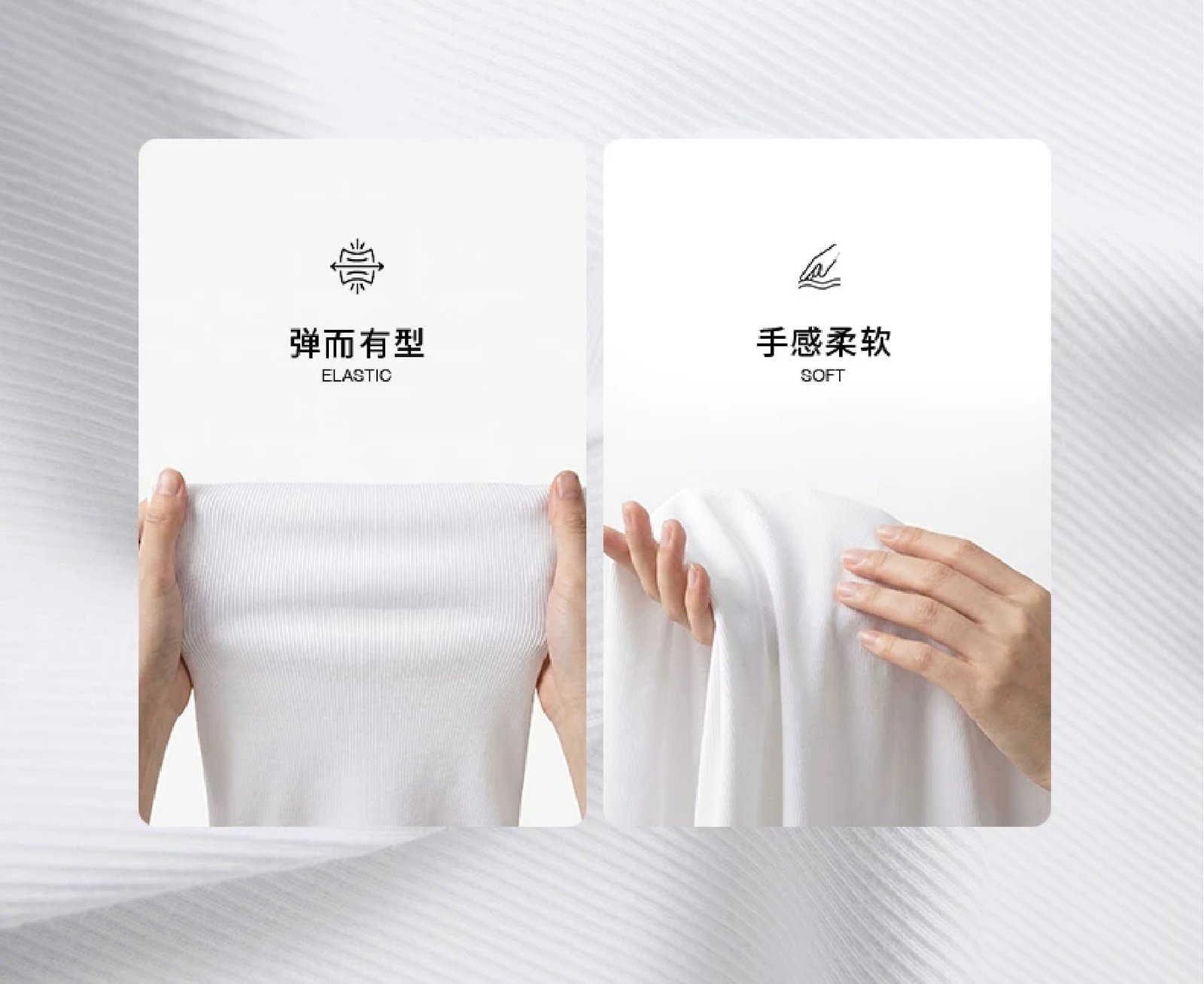
Custom T-Shirts
Custom T-shirts produced in combed cotton, heavyweight jersey, blended fabrics, or performance knits. Junsheen supports custom tshirt specifications, team graphics, DTG or screen printing, neck labels, washes, and coordinated sizing for brand collections.
Request a Quote
Custom Jeans
Custom jeans developed in rigid, stretch, and washed denim with fit, rise, leg shape, pocket construction, hardware, labels, and finishing specified for your program. Pattern grading supports regular, extended-size, and modern oversized denim fits from XS–3XL.
Request a Quote
Custom Sweaters
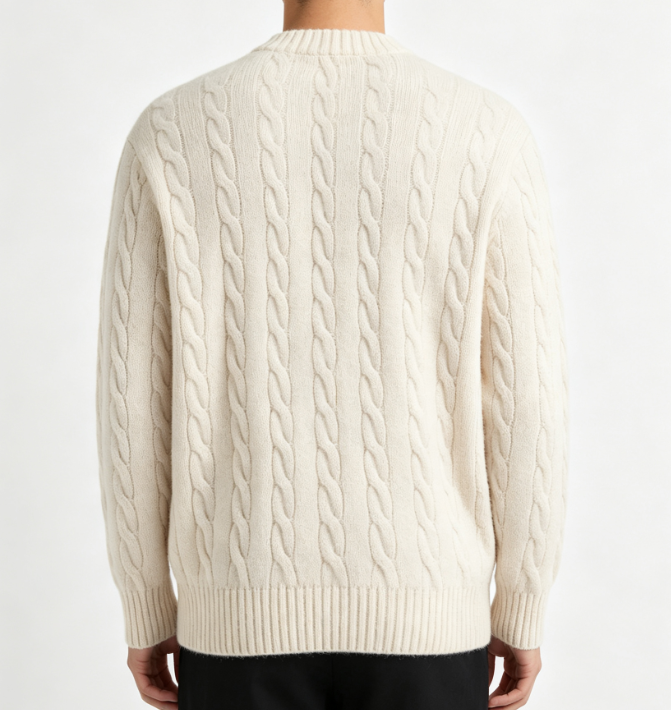
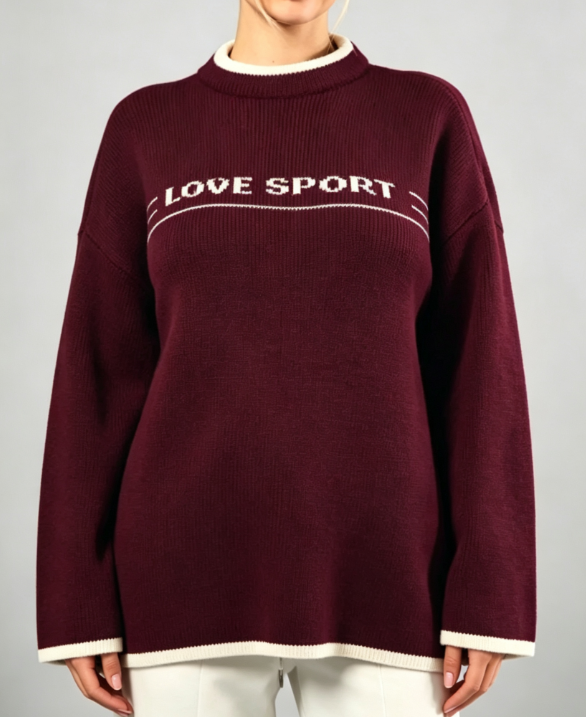
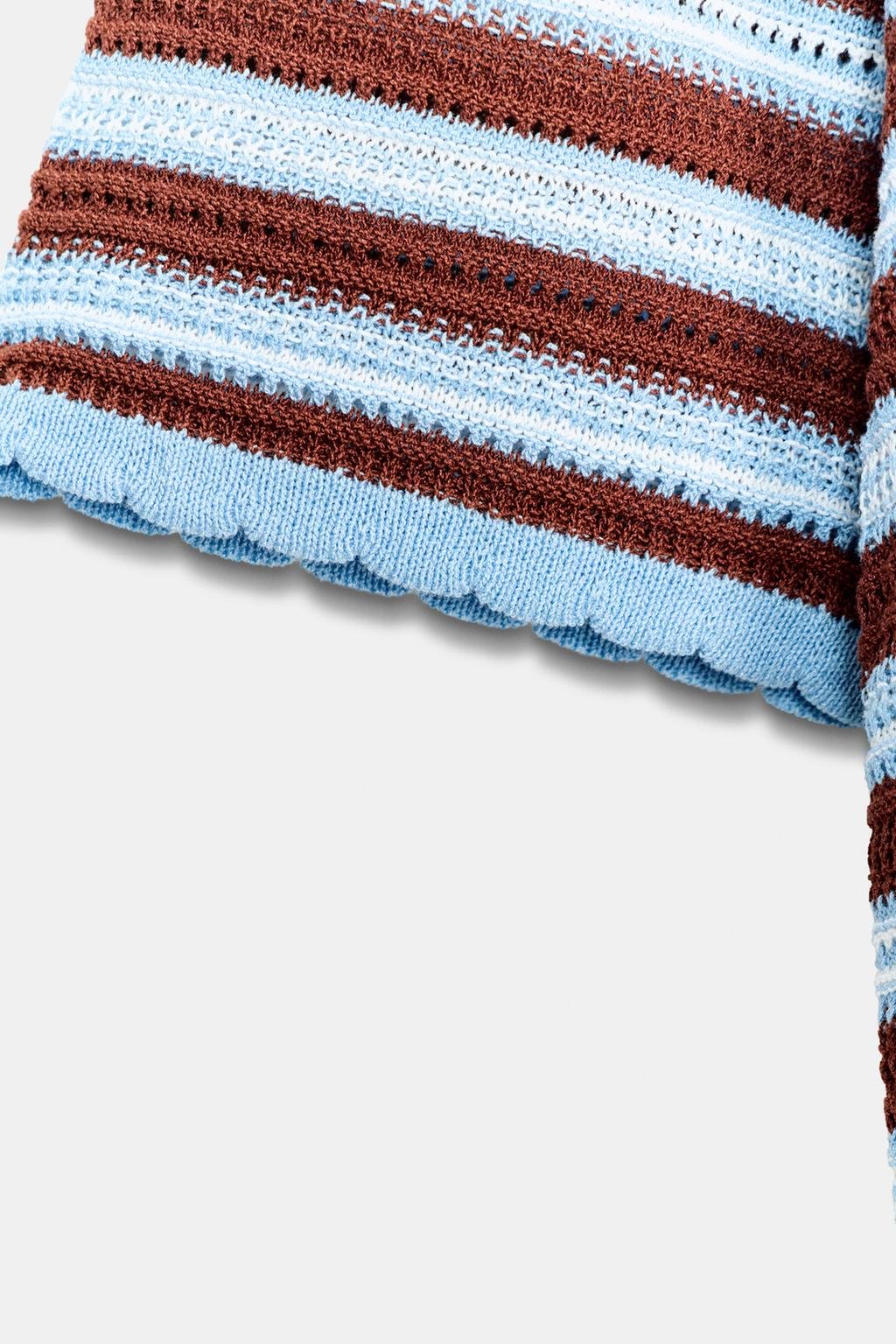
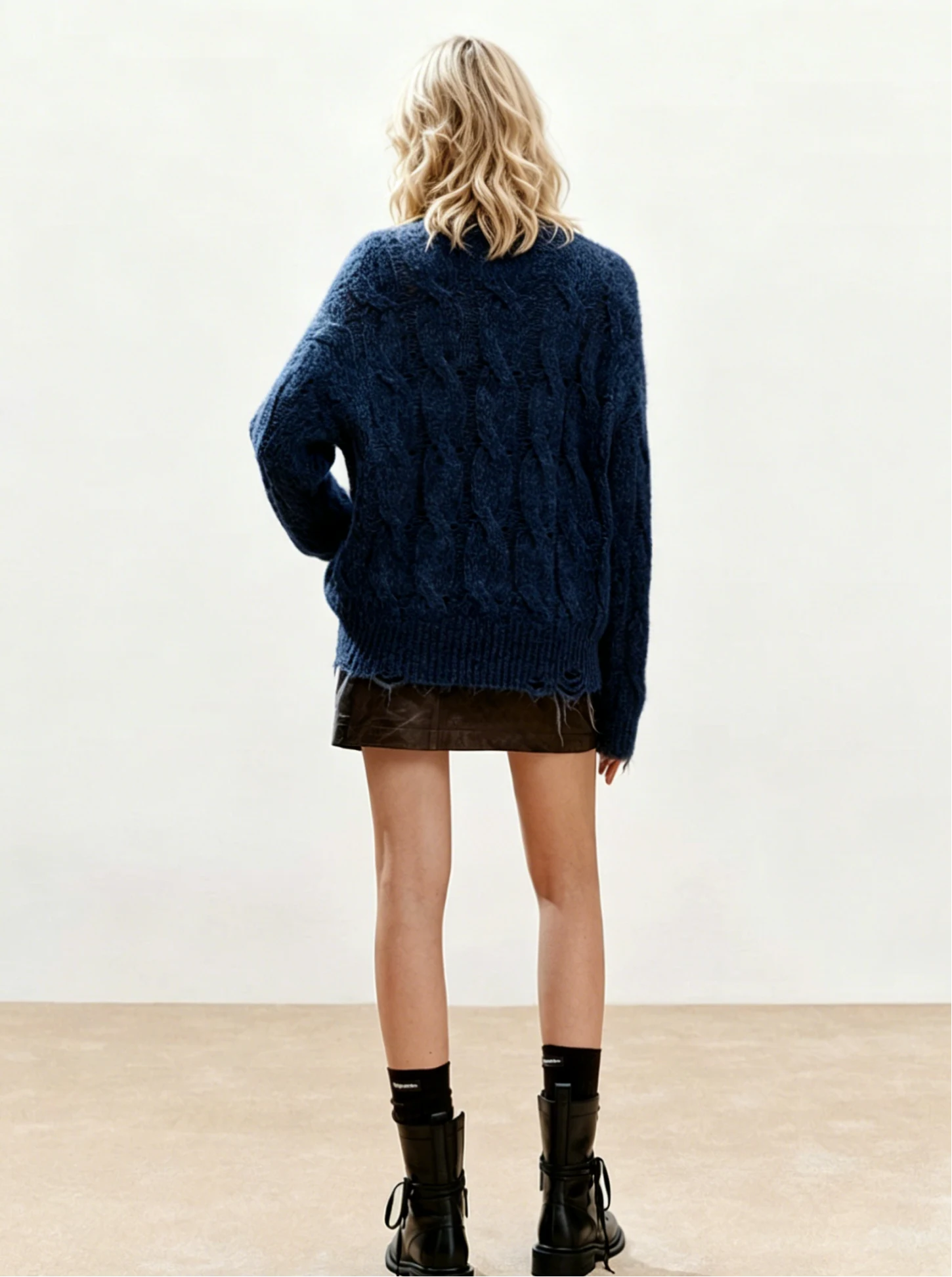
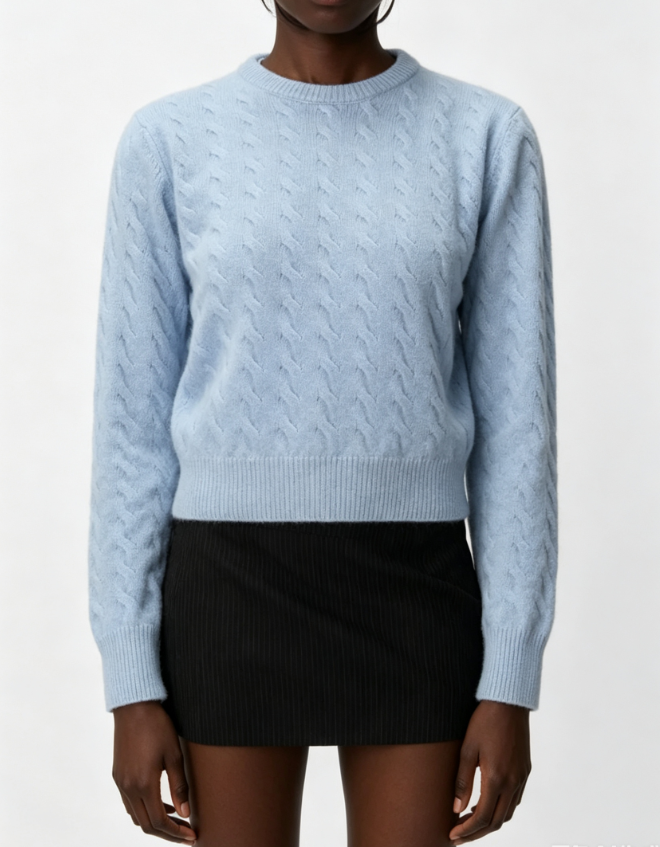
Custom sweaters, including turtle neck sweater bulk programs, are developed in suitable yarns and knit constructions for weight, warmth, texture, and durability. The team supports stitch selection, stripe layouts, intarsia, embroidery, labels, and size-set approval before bulk production.
Request a Quote
Custom Jackets
Custom jackets include custom jean jacket development with denim weight, wash, pocket placement, seams, hardware, lining, patches, and branded trims defined to your specifications. Sampling reviews construction, fit, decoration placement, and wash performance before production.
Request a Quote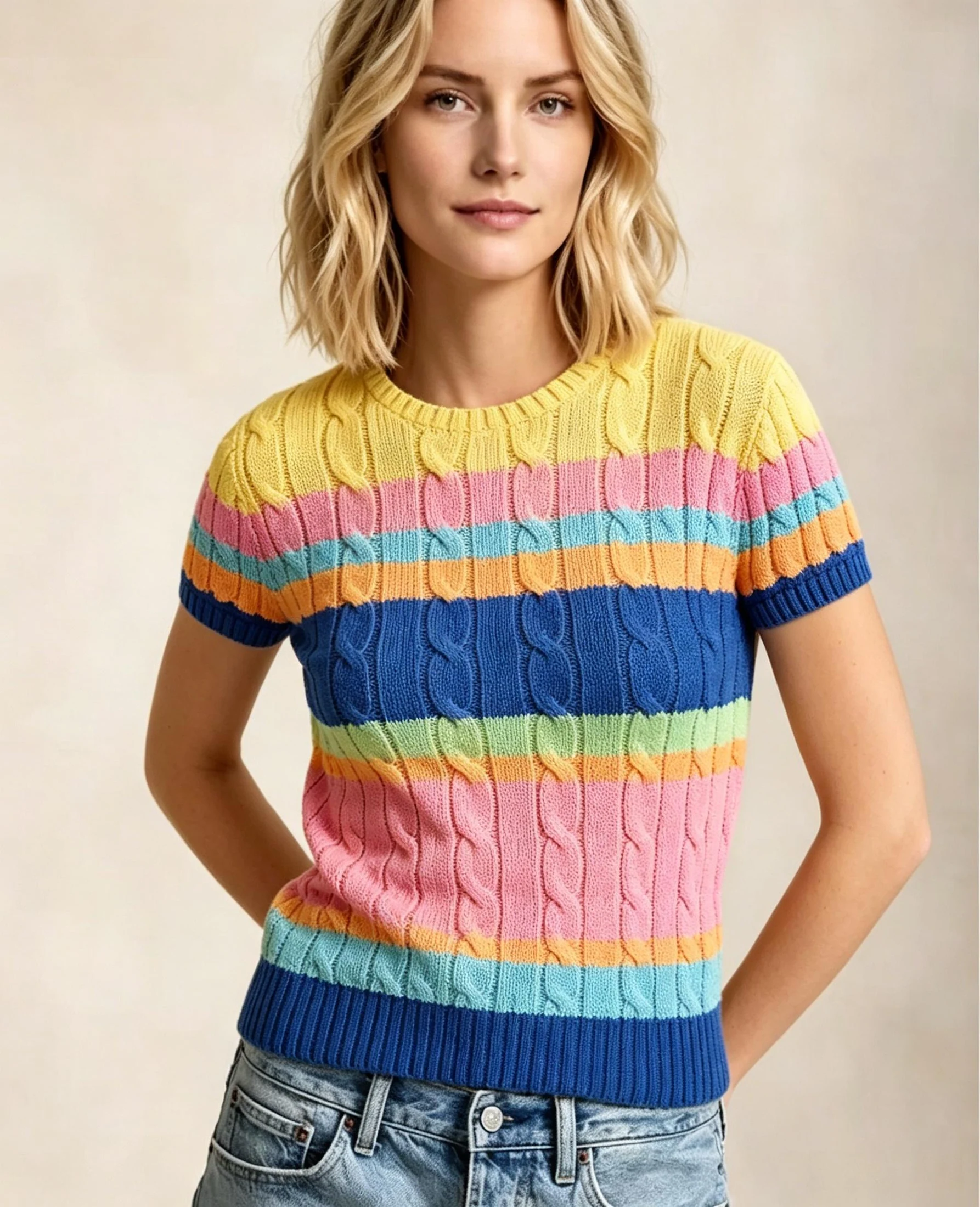
Custom Sweatshirts & Crewnecks
Custom sweatshirts and crewnecks are available in fleece, French terry, and heavyweight jersey. For custom crewneck hoodie programs, Junsheen manages body proportions, rib specifications, embroidery or printing, washes, labels, and coordinated grading across XS–3XL.
Request a Quote
Custom Cardigans
Custom cardigans are developed in knit constructions matched to your target hand feel, gauge, warmth, and price point. Options include button or zip closures, stripes, jacquard details, embroidery, branded labels, and extended-size grading for complete apparel programs.
Request a Quote
Custom Puffer & Down Jackets
Custom puffer and down jackets are developed with shell fabric, insulation, quilting, lining, pockets, zippers, hoods, and reflective or branded details selected for the intended market. Sampling verifies bulk, mobility, warmth, fit, and finishing before production.
Request a Quote
Custom Denim Shorts
Custom denim shorts are produced in rigid or stretch denim with specified inseam, rise, leg opening, hem treatment, pockets, washes, distressing, hardware, and labels. Junsheen grades the fit for regular, oversized, and extended-size assortments.
Request a Quote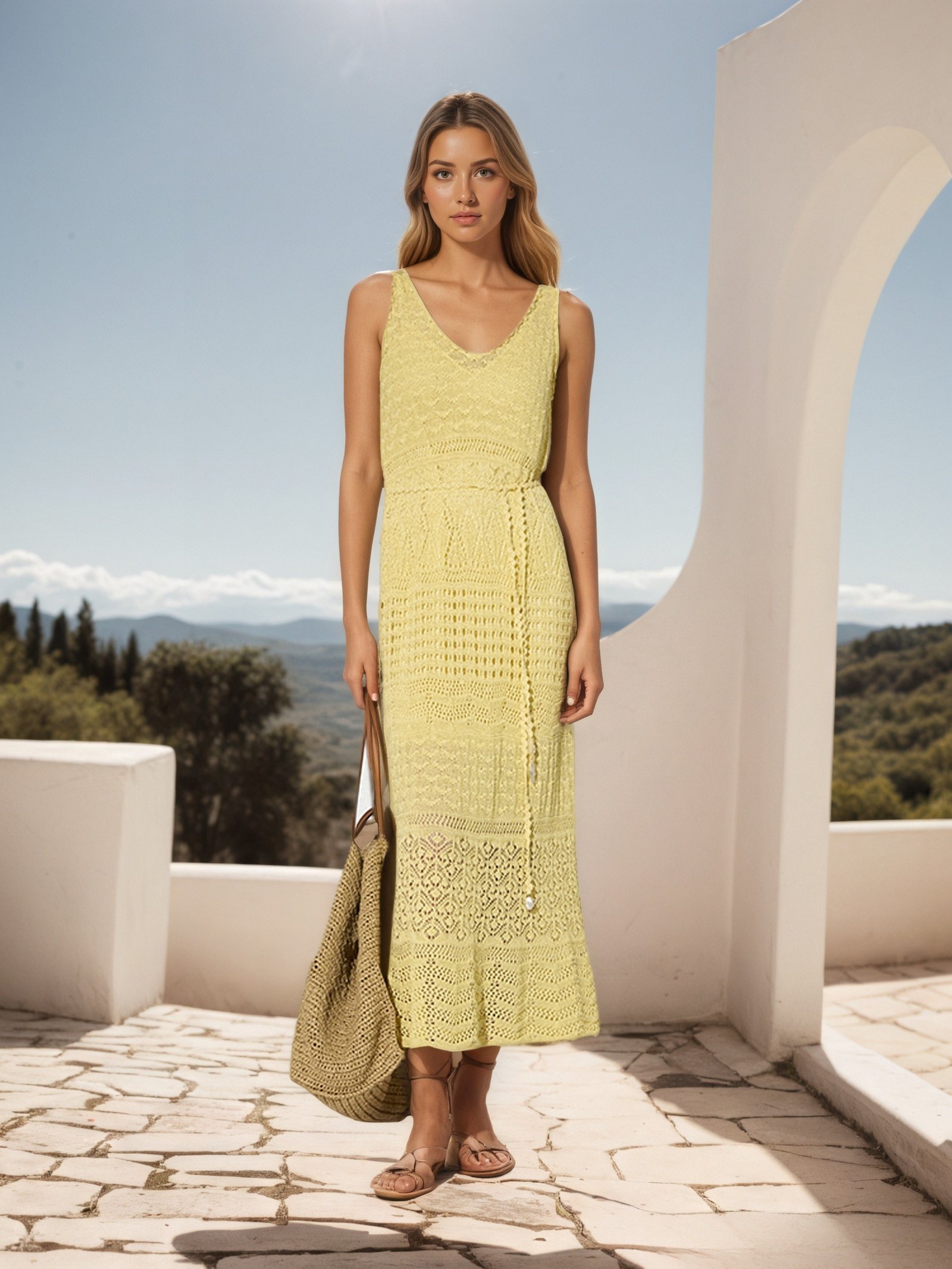
Custom Sweater Dresses
Custom sweater dresses combine knit development with commercial fit control across body length, shoulder balance, sleeve proportion, and stretch recovery. Choose yarn, gauge, silhouette, neckline, stripe or jacquard details, labels, and packaging for your branded collection.
Request a Quote
Custom Denim Sets
Custom denim sets support coordinated jackets, jeans, skirts, or shirts built from aligned fabrics, washes, trims, and color standards. For mens denim suits wholesale programs, Junsheen can develop matching silhouettes, size ranges, private labels, and repeatable bulk specifications.
Request a Quote
Custom Polo Shirts
Custom polo shirts are made in piqué, jersey, interlock, or performance knits with branded collars, plackets, buttons, embroidery, print details, labels, and size grading. Development can align polos with hockey, casualwear, and uniform-inspired collections.
Request a Quote
Custom Sweatpants
Custom sweatpants are developed in fleece, French terry, or jersey with chosen rise, leg shape, cuffs, pockets, elastic, drawcords, embroidery, printing, and wash effects. Fit-focused grading helps maintain proportion from XS through 3XL.
Request a Quote
Custom Shorts
Custom shorts can be produced in jersey, fleece, twill, denim, or performance fabrics for casual, athletic, and coordinated set programs. Specify inseam, waistband, pockets, linings, decoration, trims, labels, and size grading before bulk approval.
Request a Quote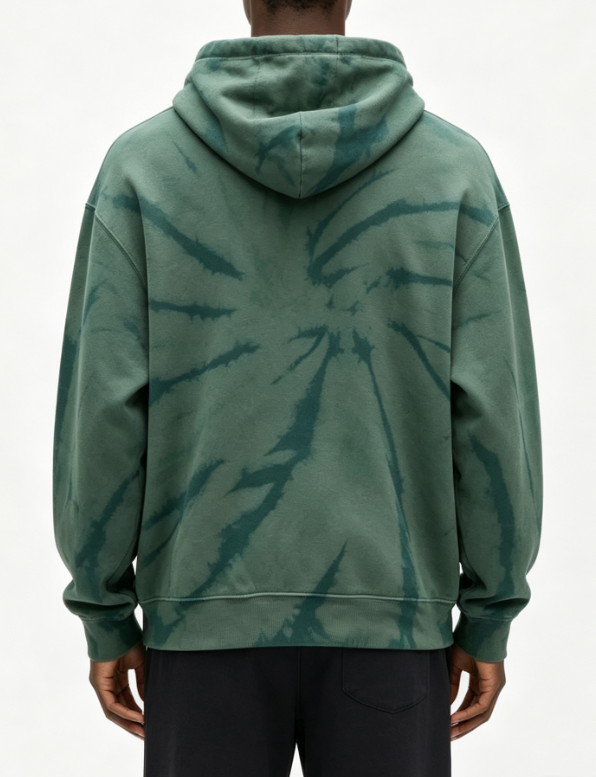
Custom Pullovers
Custom pullovers are developed across knitwear, fleece, French terry, and jersey constructions for hockey-inspired, casual, or layered apparel programs. Junsheen supports neckline and collar options, stripe layouts, embroidery, graphics, branded trims, and production-ready grading.
Request a QuoteCustom Hockey Sweater Materials Built for Comfort and Durability

Polyester Performance Knit
A smooth, durable knit with a cool hand feel for traditional game-style hockey sweaters and active-inspired collections. Its moisture-managing performance, color retention, and resilient medium weight support frequent washing and vivid sublimation graphics.

Polyester Mesh Knit
An open, breathable knit that delivers the lightweight, athletic feel associated with classic practice jerseys and layered hockey looks. Airflow-friendly construction and moderate mechanical stretch improve comfort, while the fabric holds up well through regular laundering.

Heavyweight Cotton Jersey
A substantial cotton-rich jersey with a soft, matte hand for premium casual custom hockey sweater programs. Its heavier weight creates a structured drape, while dependable printability and comfortable natural feel suit everyday streetwear wear.

Cotton Polyester Fleece
Brushed-back fleece provides a warm, soft interior for colder-season hockey-inspired pullovers and oversized silhouettes. The cotton-polyester blend balances cozy hand feel with shape retention, moderate weight, and wash durability for repeat retail wear.

Interlock Performance Knit
A dense double-knit fabric with a clean face, smooth hand, and more substantial feel than standard jersey. Ideal for elevated hockey tops, it offers controlled stretch, stable construction, and strong resistance to distortion after repeated washing.
Custom Hockey Sweater Decoration and Finishing

Twill Applique
Layer-cut twill letters, numbers, and crest shapes create the authentic varsity and on-ice look associated with hockey apparel. Secure stitching delivers strong edge definition and dependable wear through repeated washing.

Puff Embroidery
Raised logo embroidery adds tactile dimension to chest marks, sleeve branding, and small crest details. JUNSHEEN matches stitch density and backing to the base fabric for clean coverage, stable shape, and lasting definition.

Custom Patch Application
Woven, embroidered, chenille, or PVC patches give collections a distinct badge-style identity. Applied by stitching or heat bonding as appropriate, they create durable focal points for team crests, heritage graphics, and brand logos.

Screen Print Effects
Plastisol, water-based, high-density, silicone, foil, flocking, and puff screen prints support bold hockey graphics at production scale. We recommend inks and effects for opacity, hand feel, fabric compatibility, and wash durability.

Garment Washing
Enzyme, softening, acid, stone, and garment-dye washes can create broken-in color, softer hand feel, or vintage character. Controlled testing helps protect panel balance, decoration performance, and consistent results across bulk production.

Surface Finishing
Brushing, napping, anti-pilling treatment, and softening finishes refine comfort and appearance for hockey-inspired knit and fleece styles. The right finish improves surface character while supporting durable, retail-ready private-label garments.
Custom Hockey Sweater Trims and Private-Label Accessories

Woven Brand Labels
Add woven main labels, size labels, and wash-care labels to custom hockey sweaters for clear brand identification, compliance information, and a refined inside finish that holds up through regular laundering.

Custom Drawcord Sets
Specify drawcord material, color, length, aglets, and contrast tipping for hooded hockey-inspired styles. Coordinated cords create a deliberate branded detail while supporting practical hood adjustment and durable daily wear.

Branded Snap Buttons
Use custom snaps on plackets, pockets, or removable details to reinforce your identity beyond the logo. JUNSHEEN can match finishes, colors, and placement to the garment’s intended performance and retail position.

Zippers and Pullers
Choose dependable zippers and custom zipper pullers for quarter-zips, full-zip layers, and utility pockets. Hardware options are selected for smooth operation, visual consistency, and the demands of repeated wear.

Rib Trim Finishes
Develop striped, contrast, or tonal rib trims for cuffs, collars, and hems. Correct rib weight and recovery help custom hockey sweater silhouettes retain shape while giving each style a recognizable team-inspired finish.
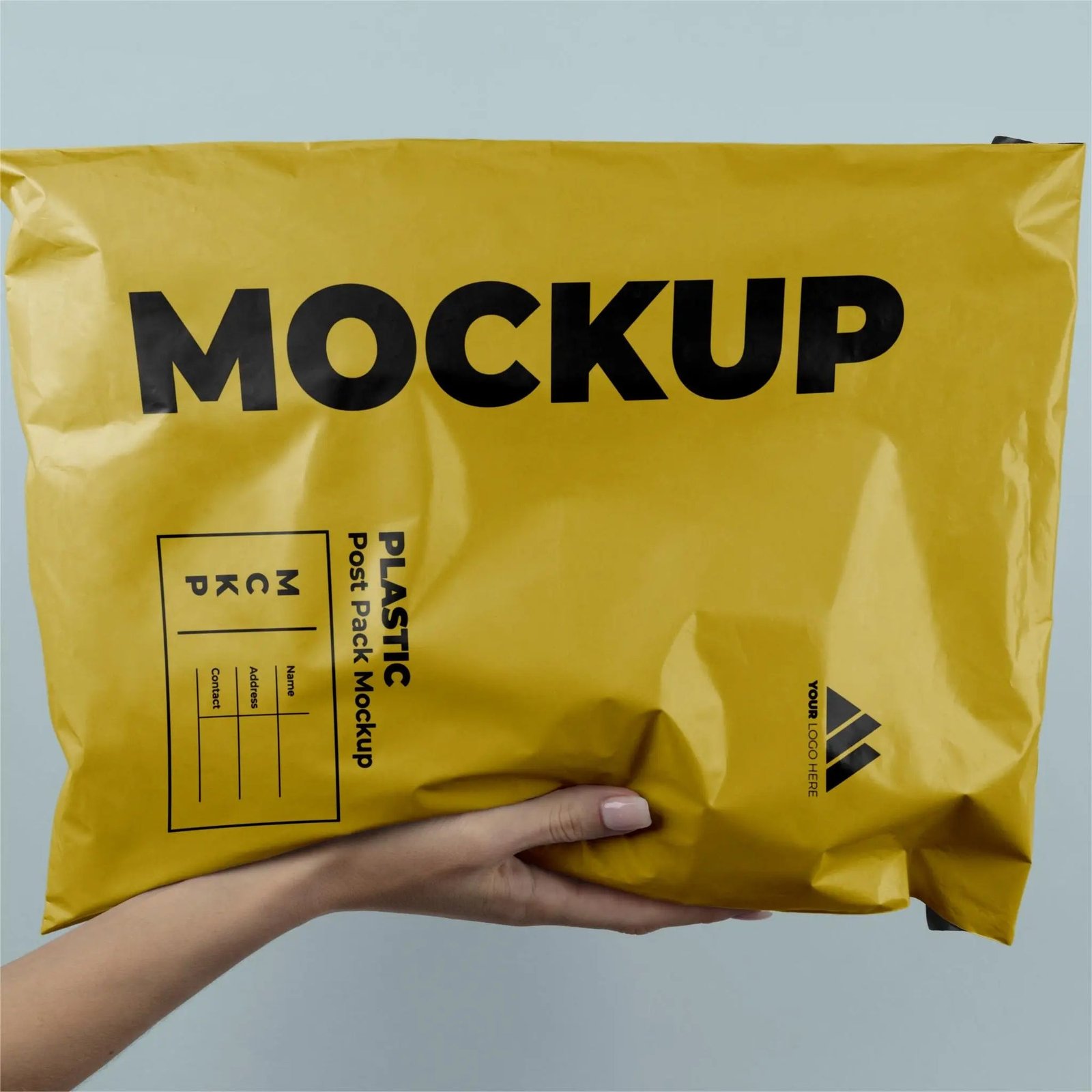
Branded Packaging Kits
Finish each order with custom hangtags, polybags, stickers, tissue, or cartons designed around your sales channel. Branded packaging helps wholesale and direct-to-consumer programs arrive organized, retail-ready, and consistent.
About JUNSHEEN Apparel Manufacturing
Founded in 2010 in Humen Town, Dongguan, JUNSHEEN helps fashion brands turn concepts into production-ready custom hockey sweater programs and broader casualwear collections. Our one-stop OEM, ODM and private-label team supports development from technical review and fabric sourcing through sampling, bulk production and export.
With more than 200 skilled workers and monthly capacity above 80,000 units, we serve emerging labels, independent designers, retailers, wholesalers and sourcing teams worldwide. Flexible production begins at 100 units per style and color, providing a practical path from launch capsules to repeat bulk orders.
What distinguishes JUNSHEEN is a fit-first, detail-managed approach. We develop XS–3XL, extended-size, plus-size and oversized garments with refined grading, then coordinate cut-and-sew, knitting, decoration, finishing, labels, trims and packaging through one accountable supply chain.

Fit-First Development for Custom Hockey Sweaters
Engineered Fit Across XS–3XL
JUNSHEEN develops every custom hockey sweater with pattern balance in mind, refining shoulders, sleeve length, body proportion and mobility instead of simply scaling one base size. Size grading supports regular, oversized and extended-size assortments with a more consistent on-body result.
- Pattern development from tech packs, sketches or reference garments
- Fit-focused grading for XS–3XL and extended sizes
- Prototype and size-set sampling before bulk approval
- Manufacturability review to reduce avoidable revisions

Materials Matched to Your Brief
Source the right weight, hand feel and performance for your hockey-inspired collection through JUNSHEEN’s established material network. Our team helps compare knits, fleece, jersey and specialty fabrics against your target cost, intended fit, decoration method and wash expectations.
- Fabric sourcing for cotton, blends, performance knits and recycled options
- Swatches and sample garments for material confirmation
- Guidance on drape, durability, stretch and wash performance
- Material choices aligned with your target price point
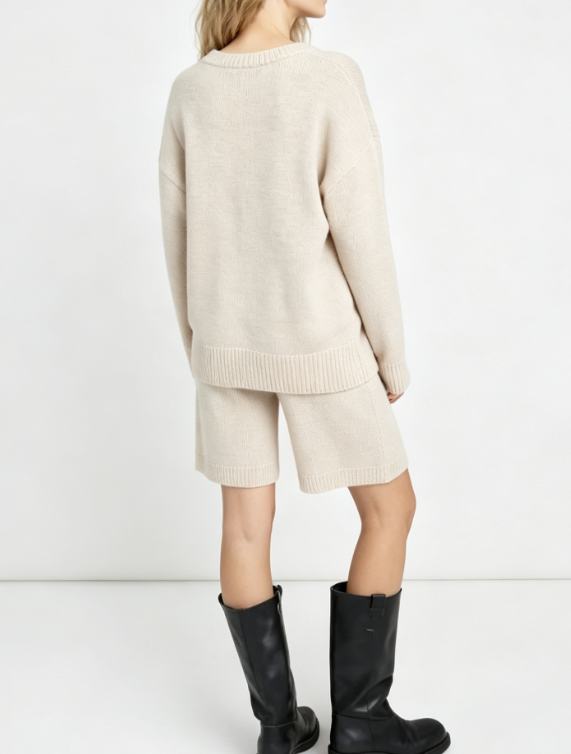
Decoration Built Into Production
Keep decoration, finishing and private-label details coordinated under one production team. For a custom hockey sweater, JUNSHEEN can combine logo embroidery, applique, patches, screen printing and branded trims while managing placement, construction and quality checks throughout the program.
- Embroidery, applique, patches and chain stitch
- Screen printing, DTF, heat transfer and specialty effects
- Washes, softening and anti-pilling finishing
- Custom labels, hang tags, trims and packaging
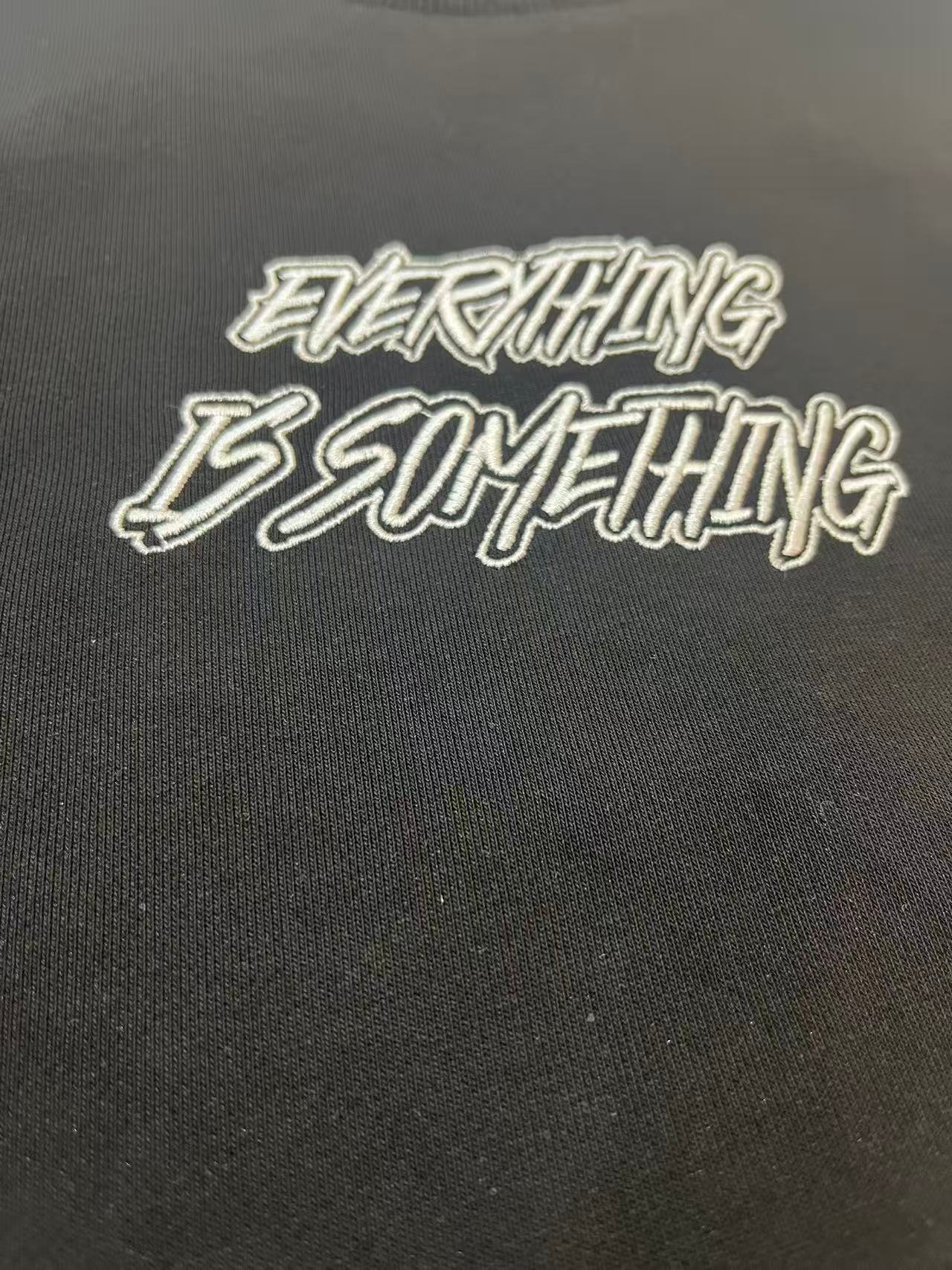
Consistency for Reorders
From a 100-unit launch to scalable repeat programs, JUNSHEEN retains approved patterns, graded size sets and material records to support dependable replenishment. Incoming, in-line and final inspections help maintain measurements, construction and decoration standards as your custom hockey sweater volumes grow.
- Low MOQ from 100 units per style and color
- Retained development records for faster repeat orders
- Quality checks on fabric, measurements, construction and packing
- 200+ skilled workers and 80,000+ monthly-unit capacity

Why Choose JUNSHEEN for Custom Hockey Sweater Production
A fit-first, low-MOQ manufacturing partner built to take hockey-inspired apparel from development through scalable global delivery.
← 左右滑动查看 →
Custom Hockey Sweater Production, From Brief to Delivery
A controlled development and manufacturing path for hockey-inspired apparel programs, from feasibility through export-ready packing.
Review Design Feasibility
Share a tech pack, sketch, reference garment, or concept. Our team confirms construction, decoration, fit requirements, target quantities, and production feasibility.
Source Fabrics and Trims
We recommend suitable jersey, knit, or performance materials, then coordinate color, weight, hand feel, labels, patches, rib trims, and packaging details.
Develop Patterns and Samples
Pattern makers build and grade fit-focused XS–3XL specifications, followed by prototype sampling, measurement review, decoration testing, and approval revisions.
Confirm Quote and Order
After sample approval, we finalize materials, specifications, pricing, production schedule, and order details. Low-MOQ custom hockey sweater programs start from 100 units per style and color.
Produce and Inspect Bulk
Our 200+ skilled workers manage cutting, sewing, knitting, decoration, finishing, and in-line checks. Final inspections verify measurements, workmanship, artwork, and packed goods.
Pack and Ship Globally
We apply approved private-label packaging, prepare export documentation, settle final shipment details, and coordinate dependable delivery for global fashion brands and sourcing teams.
Start Your Custom Hockey Sweater Production
A clear four-step path from concept review to reliable bulk delivery.
Send Your Concept
Share a tech pack, sketch, reference sweater, mood board, or sizing requirements. Our product-development team reviews construction, fit, decoration, and material goals.
Confirm Feasibility and Quote
We assess fabric availability, knitting or cut-and-sew methods, trims, MOQ, lead time, and target cost, then provide practical recommendations and a detailed quotation.
Approve Development Samples
Review prototype and size-set samples for silhouette, XS–3XL grading, measurements, hand feel, colors, logos, and finishing before approving production-ready specifications.
Launch Bulk Production
After approval, JUNSHEEN manages material procurement, production, in-line inspections, final quality control, private-label packing, and global export support for your order.
Custom Clothing Manufacturer Credentials and Compliance Documents



Custom Hockey Sweater Production Results
JUNSHEEN corrected shoulder balance and sleeve proportions across our XS–3XL hockey sweater size set. We approved the second sample round and launched 600 units on schedule, avoiding the fit revisions that delayed our previous supplier.
Our first private-label drop began at the 100-unit MOQ, then grew into a 1,200-unit repeat order within four months. The embroidery, woven labels, and packaging arrived consistent across every carton, ready for retail fulfillment.
JUNSHEEN turned our reference jersey into a production-ready hockey-inspired sweater with clearer grading and durable print specifications. Sample approvals moved from five rounds to two, helping us place a 900-unit launch order with confidence.
Custom Hockey Sweater FAQ
Clear answers on MOQs, sampling, sizing, payment, production, shipping, and private-label protection.
What is the MOQ for a custom hockey sweater?
How long does a custom hockey sweater sample take?
How much does a custom hockey sweater sample cost?
Can JUNSHEEN develop custom hockey sweater sizing from XS to 3XL?
What payment terms do you offer for OEM apparel orders?
How long does bulk production take after sample approval?
Can you ship custom hockey sweaters internationally?
How do you protect my custom hockey sweater design and brand details?
The Complete Buyer’s Guide to custom hockey sweater
Use this decision framework to specify custom hockey sweater programs, compare supplier capabilities, control quality and cost, and avoid common sampling, decoration, sizing, and production mistakes before placing an OEM order.
1. What Is a Custom Hockey Sweater?
100-unit programs can turn a custom hockey sweater into either a performance uniform or a fashion garment; the name describes the hockey-jersey silhouette, not one fixed specification. Buyers should first separate authentic on-ice jerseys—built for protective equipment, repeated abrasion, ventilation and league rules—from hockey-inspired sweaters designed for everyday layering, retail presentation or oversized streetwear. 180–300 GSM polyester mesh or interlock is typical for a lightweight team jersey, while fashion-led versions may use heavier double-knit polyester, cotton-blend fleece, French terry or sweater knits. On-ice fit needs generous chest, sleeve and body allowances over pads; fan merchandise and private-label capsules usually prioritize drape, collar shape, hand feel and a graded size range instead. 5 common programs are team uniforms, supporter merchandise, streetwear capsules, retail private labels and promotional giveaways. Their purpose determines whether numbers and names use sublimation, tackle twill, applique, screen print or embroidery, as well as the required color matching, wash testing, packaging, labeling and reorder records. OEKO-TEX, GOTS, WRAP or BSCI documentation may matter when a retailer, geography or brand policy requires it, but it is not interchangeable with sports-league approval. A complete purchase specification should state intended use, fabric weight and composition, fit block, decoration placement, Pantone colors, size breakdown, labeling, compliance needs and target quantity before sampling.
2. Custom Hockey Sweater: Evolution and History
1917, the year the NHL was formed, sits near the transition from wool hockey sweaters to uniforms that made team identity immediately legible. Heavy knit bodies, broad sleeve stripes, lace-up plackets, crest patches, oversized back numbers, and high-contrast color blocking were functional identifiers before television and remain the visual language buyers borrow today. By the 1990s, polyester knits, mesh ventilation panels, sublimation, and lighter moisture-management constructions had largely displaced the weight and water absorption of traditional wool. That shift created two viable custom hockey sweater directions: an authentic heritage piece with tactile appliqué and a lace collar, or a sport-informed fashion garment that keeps the graphic codes while using softer, lighter fabrics and contemporary proportions. 100-unit capsule programs benefit from choosing heritage details only when they reinforce the brand story. Stripes and a large number suit collegiate, skate, team-fandom, and North American-inspired collections; a crest or appliqué adds perceived permanence but can raise sampling and decoration complexity. For streetwear collaborations, controlled color blocking and an intentionally oversized fit usually translate better than copying every on-ice detail, especially when the target customer will layer the sweater over a T-shirt or hoodie.
3. Types of Custom Hockey Sweater
Six starting silhouettes cover most custom hockey sweater programs, but their cut and decoration method should follow the wearer’s activity. Select the format before artwork approval, because fit, reinforcement, and panel layout are interdependent.
| Format | Fit And Wearer | Best Decoration | OEM Use Case |
|---|---|---|---|
| Authentic game | Roomy; players | Tackle twill, embroidery | Club uniforms |
| Replica fan | Trimmer; supporters | Print, heat transfer | Retail merchandise |
| Sublimated team | Athletic; squads | All-over sublimation | Named rosters |
| Heavyweight streetwear | Oversized; fashion buyers | Appliqué, patches | Capsule drops |
| Vintage lace-up | Relaxed; heritage fans | Chenille, chain stitch | Throwback collections |
| Youth or extended | Graded; broad size ranges | Secure print or patch | Inclusive team programs |
Game And Replica Jerseys

Authentic-style game jerseys use a roomy, equipment-accommodating fit for on-ice teams; tackle twill, embroidered crests, and reinforced numbers suit repeated contact and laundering. Replica fan jerseys use a trimmer casual fit, prioritizing retail comfort, lower weight, and screen-print or heat-applied graphics. 100-unit OEM programs can begin with one team colorway or a licensed-style fan silhouette, then add alternate colors after fit approval. Specify intended wash frequency and abrasion exposure when choosing number application.
Sublimated And Streetwear Styles

Sublimated team sweaters place full-color artwork, names, and numbers into the fabric, making them practical for clubs needing many individual identities without layered appliqué. The result suits active teamwear when graphic continuity across panels matters. Heavyweight streetwear versions use an oversized fit for fashion labels, artists, and retail capsules; appliqué, embroidery, patches, or screen print create a more tactile finish. Require durable seams and recovery-tested cuffs for frequent casual wear.
Vintage, Youth, And Extended Fits

Vintage lace-up designs combine a relaxed body with a front placket and contrast striping, giving heritage collections a strong base for chenille, chain stitch, or crest patches. Reinforce the lace opening when the garment will receive regular wear. XS through 3XL programs need separate grading review rather than simple enlargement, especially at shoulders, sleeves, and body length. Youth teams also need mobility-focused proportions and decorations that remain secure through repeated washing.
4. Custom Hockey Sweater Materials and Fabrics
A custom hockey sweater performs differently depending on shell weight, knit structure, and where mesh or reinforcement is placed. Buyers should specify GSM, fiber content, and intended wear season before approving swatches.
| Material | Typical GSM | Best Use | Key Trade-Off |
|---|---|---|---|
| Polyester interlock | 180–220 | Performance shell | Cool, smooth, less protective |
| Double-knit polyester | 220–280 | Team and fanwear | Durable, warmer, firmer drape |
| Birdseye mesh | 120–160 | Vent panels and lining | Breathable, may snag |
| Recycled polyester | 250–320 | Premium fanwear | Verify recycled-content records |
| Cotton-poly blend | 300–400 | Fashion hockey sweater | Soft, needs shrinkage care |
Shell Fabric Selection
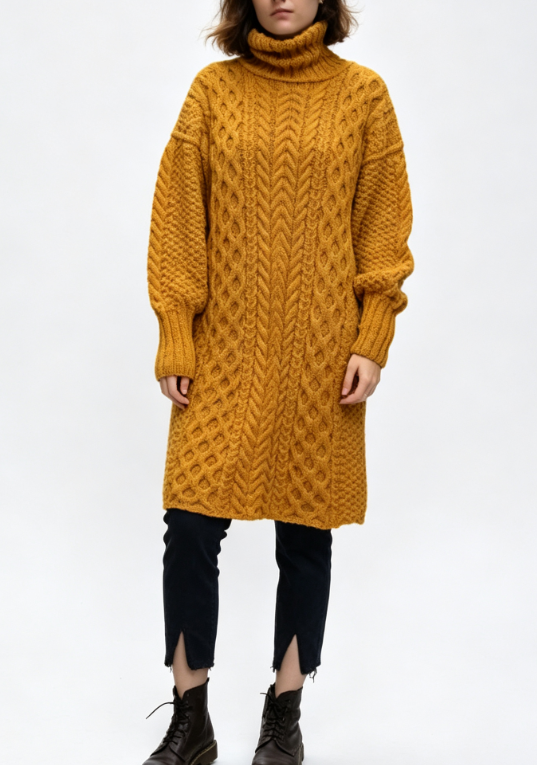
180–220 GSM polyester interlock is a light, smooth shell for recreational performance; it wicks moisture, holds sublimated color well, and dries quickly. 220–280 GSM double-knit polyester provides more abrasion resistance and body for team jerseys. Its stable drape supports sewn crests, but it feels warmer.
Ventilation And Support Fabrics
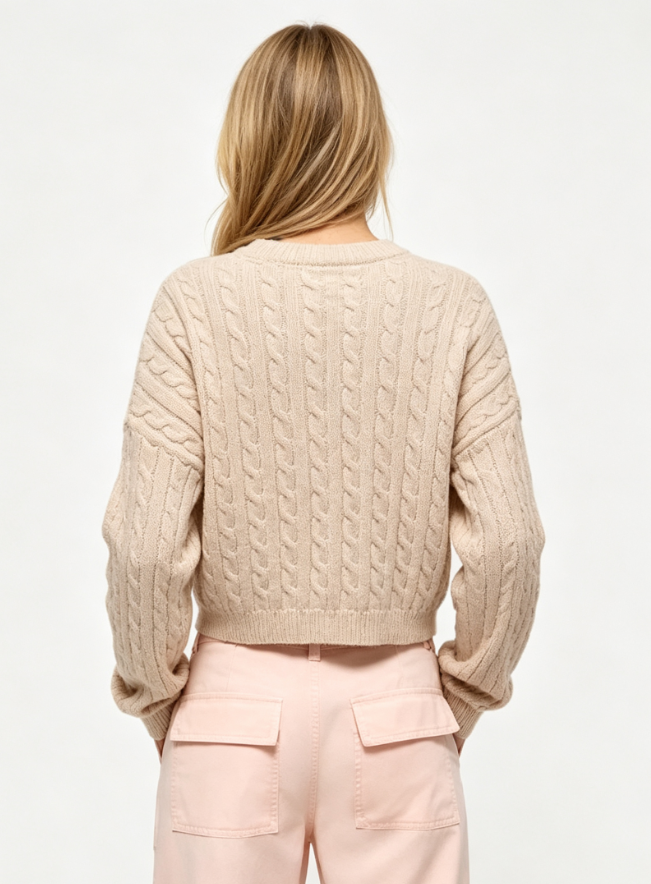
120–160 GSM birdseye mesh improves airflow under arms, at side panels, and in lightweight linings. Its open knit needs stabilized seams to prevent snagging. 280–350 GSM rib knit suits collars, cuffs, and hem bands because it recovers after stretch. Reinforcement panels should use double-knit polyester in high-contact zones.
Fashion Weight And Care

250–320 GSM recycled polyester offers durable fanwear with strong color retention when yarn quality and dyeing are controlled. Request recycled-content documentation when sustainability claims appear on product copy. 300–400 GSM cotton-polyester blends or heavyweight knit create a softer, streetwear-oriented drape. Pre-shrinking and wash tests matter because cotton content can shrink, fade, or pill more than polyester.
5. Custom Hockey Sweater Decoration Options
Two decisions—decoration method and placement—largely determine a custom hockey sweater’s perceived value and production efficiency. Match the crest, player identification, sponsor mark, and neck branding to the fabric, order volume, and target retail price.
| Method | Visual Effect | Setup And Cost Driver | Wash Durability | Fabric Limitation |
|---|---|---|---|---|
| Sublimation | Full-color, zero hand | Artwork and polyester base | Excellent | Polyester required |
| Tackle twill | Raised, traditional | Cut pieces and stitching | Excellent | Needs stable panels |
| Embroidery | Textured, premium | Digitizing and stitch count | Excellent | Can pucker light knits |
| Screen print | Flat, bold color | Screens and ink colors | Good | Large prints stiffen fabric |
| Heat transfer | Crisp variable detail | Per-name application | Good | Heat can affect performance knits |
Sublimation For Full Coverage
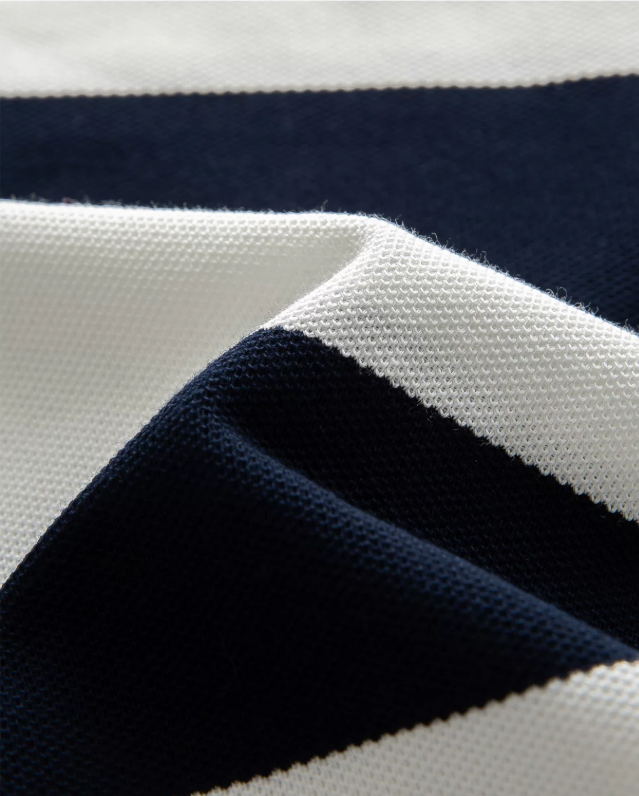
100% polyester interlock is the preferred base for dye sublimation because the artwork becomes part of the fabric. Use it for all-over color, gradients, sponsor fields, names, and numbers; cotton-rich fabrics will not achieve the same color yield.
Dimensional Crests And Numbers
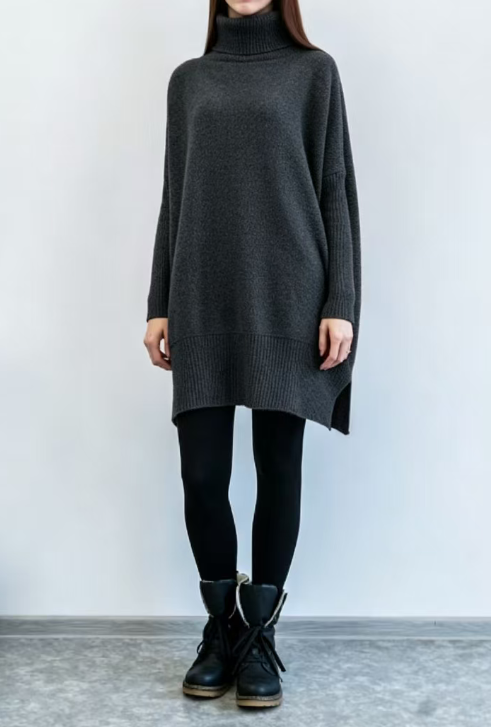
Tackle twill and appliqué give front crests and large numbers a traditional on-ice, premium appearance. Cut shapes, stitch count, layered colors, and individual numbering drive cost; use stable knit or woven panels to prevent puckering.
- Tackle twill: durable stitched numbers
- Appliqué: layered crest dimension
- Embroidery: compact logos and neck marks
- Patches: repeatable branded badge detail
Print And Transfer Details
Screen printing is efficient for repeat one- to four-color sponsor marks on smooth, stable fabric, but large ink areas can stiffen lightweight knits. Heat transfer suits short runs and variable names, although excessive heat can mark heat-sensitive performance fabrics.
Build A Commercial Decoration Mix
One practical premium mix pairs a sublimated base with tackle-twill crest and numbers, plus an embroidered or woven neck label. One value-oriented mix uses sublimated graphics with a heat-transfer player name, reducing sew time while retaining personalization.
6. Construction Quality for Custom Hockey Sweater
A reliable custom hockey sweater is built around matched panels and repeatable measurements, not decoration alone. Construction specifications should define seam allowances, stitch density, reinforcement, and tolerances before the first production sample is approved.
Panel And Seam Control
Each front, back, sleeve, and side panel should follow the grainline and align at color-block joins; mismatched stripes are immediately visible. Specify 4-thread overlock seams with coverstitch or topstitch finishing where applicable. At 3–5 mm, seam allowance and stitch placement should remain consistent through armholes and side seams. Inspect the tech pack for panel artwork, notches, seam type, and measurement tolerances.
- Check stripe joins at side seams
- Confirm armhole seams lie flat
- Record chest and body-length tolerances
Stress Points And Edges

High-stress areas include underarms, sleeve joins, pocket openings, and neckline attachments. Add bartacks or reinforcing tape where the design creates repeated pulling forces. Twill numbers, crests, and name bars need clean edge control: secure stitching, no lifting corners, and no puckering. A pre-production sample should be flexed and washed before approval.
- Bartack stress points
- Inspect twill corners
- Check wash-induced puckering
Neckline, Hem, And Labels

A stable neckline uses an accurately shaped collar band, balanced stretch, and a clean coverstitch or binding finish. Compare the approved sample against the spec after laundering to detect neck growth or twisting. Size labels, care labels, and country-of-origin labels require defined placement and secure attachment. Grade XS–3XL by fit-critical points—chest, shoulder, sleeve, body length, and cuff opening—rather than enlarging every dimension equally.
- Measure neckline opening
- Verify hem stays level
- Confirm label placement from seam
Final QC Evidence
Final quality-control reports should list inspected quantity, defect categories, measurements, and pass or fail results. Ask for photos of panel joins, neckline, twill edges, labels, and packed garments. AQL sampling levels should be agreed before bulk production, alongside critical-defect definitions. Compare final measurements to the approved graded spec, not only to a single sample.
- Review measurement report
- Review defect photos
- Confirm carton and label checks
7. How to Choose a Hockey Sweater Manufacturer
Choose a custom hockey sweater supplier by reviewing production evidence, not only a quotation. Approval should follow a documented check of category capability, sampling control, commercial fit, and shipment responsibility.
Verify Category And Development

3 comparable production samples reveal more than a portfolio grid. Ask for photos of seams, collar construction, appliqué or embroidery, and a measurement sheet from a finished size set. XS–3XL requires deliberate grading, not a scaled-up medium. Confirm who creates patterns, how fit comments are tracked, and whether revised samples are approved before bulk cutting.
- Request construction and decoration close-ups.
- Ask for a graded measurement specification.
- Review sample revision records.
Audit Materials And Decoration

200–300 GSM performance knits suit many hockey-style jerseys, but fiber, weight, stretch, shrinkage, and colorfastness must be confirmed by swatch or test record. Specify Pantone references and approved trim alternatives. Screen print, tackle twill, sublimation, patches, and embroidery each change hand feel and lead time. Request strike-offs or decoration samples on the final fabric.
Confirm Commercial Controls
100 units per style and color can suit a capsule, while repeat programs need clear capacity and replenishment commitments. Ask for a written critical path covering sampling, material booking, bulk production, inspection, and dispatch. Before placing a PO, confirm AQL inspection practice, defect handling, payment milestones, Incoterms, freight documents, and who pays duties. Name one responsive project contact and agree an approval channel.
- MOQ by color and size breakdown
- Sample, bulk, and transit lead times
- QC report and defect-resolution process
- EXW, FOB, or DDP shipping scope
8. Common Custom Hockey Sweater Buying Mistakes
Most custom hockey sweater failures begin before a purchase order is issued. A production-ready brief, tested sample, controlled color target, and realistic critical path protect margin far better than a low initial quote.
Adapt Artwork For Production
Vector artwork may look correct on screen yet fail at full chest scale: tiny lines, gradients, and fine type can fill in during screen printing or embroidery. Request factory-ready separations, stitch-density guidance, and a placement proof before sampling.
Define Use Before Fabric

220–260 GSM performance knit suits active rink use, while heavier fleece changes breathability, drape, and decoration behavior. Define play, fanwear, or fashion use first, then approve fabric swatches and wash-tested strike-offs.
Control Color, Wash, And Fit
Pantone references without a physical lab dip create avoidable shade disputes under different lighting. Specify Pantone, fabric base, tolerance, and lighting conditions; approve lab dips, a washed sample, and the complete graded size set rather than one base size.
Plan Beyond The Quote
Four to eight weeks is a common development-and-bulk window once fabric, trims, artwork, and approvals are confirmed; revisions or custom dyeing extend it. Build approval dates and buffer time into the critical path, then compare suppliers on capability, QC records, landed cost, and communication—not unit price alone.
9. Steps to Launch a Custom Hockey Sweater Line
A launch brief prevents a custom hockey sweater from becoming an expensive sampling exercise. Set the wearer, price point, sales channel, launch date, and target quantity before requesting development.
Build The Production Brief
1 customer profile should define rink use, streetwear styling, or fan merchandise, plus the intended retail price. Supply reference images, Pantone colors, logo files, placement dimensions, and a size range such as XS–3XL. 1 tech pack should state finished measurements, sleeve and body proportions, rib specifications, seam details, decoration callouts, and tolerance expectations. A reference garment helps pattern makers identify fit priorities early.
- Target customer and retail channel
- Front, back, and sleeve artwork
- Size chart and graded measurements
- Target ex-factory cost and quantity
Confirm Materials And Quotation

220–300 GSM polyester mesh suits performance-led jerseys, while heavier knit or fleece constructions create a fashion-oriented version. Approve swatches for hand feel, opacity, stretch, color, and wash behavior before costing. 100 units per style and color is a practical starting point for a capsule with JUNSHEEN. Confirm fabric, decoration method, labels, packaging, delivery terms, and sample charges in the quotation.
Sample, Approve, And Scale
1 prototype should be checked against the tech pack for measurements, artwork alignment, stitching, and wear comfort. Consolidate revisions into one marked feedback file, then approve a pre-production sample before bulk work begins. Final inspection should cover packed quantities, size assortments, decoration, labels, hangtags, polybags, and carton marks. Retain approved patterns, color standards, and material records so reorders start from controlled specifications.
- Main label, size label, wash-care label
- Branded hangtag and barcode placement
- Fold method, polybag, and carton mark
- Reorder forecast by color and size
10. Custom Hockey Sweater Pricing and MOQ
100 units is JUNSHEEN’s practical starting point for an OEM custom hockey sweater program in one style and colorway. The ranges below are planning estimates for production ex-works, not fixed offers; a confirmed tech pack, approved fabric, decoration artwork, and size ratio are required for quotation. 280–360 GSM fabric weight, a three-panel versus multi-panel body, and tackle twill, embroidery, screen print, or sublimation can change both material use and labor. Pantone color count, extended sizes, individual packaging, sample iterations, destination, shipment mode, duties, and freight are quoted separately because each changes the landed cost.
| Quantity Tier | Indicative Unit Price | Likely Lead Time | Primary Cost Factors |
|---|---|---|---|
| 100–199 units | US$22–38 | 30–45 days after approval | Fabric, panel count, decoration setup |
| 200–499 units | US$18–32 | 30–45 days | Colorways, appliqué, size mix |
| 500–999 units | US$15–27 | 35–50 days | Material yield, trims, packing |
| 1,000+ units | US$13–24 | 40–60 days | Repeat efficiency, freight planning |
Start Your Custom Hockey Sweater Project
Send your tech pack, sketch, reference garment, or idea to JUNSHEEN for fit-focused development, 100-unit MOQs, and a clear production quote.