
Sweater Maker for 100-Unit Private Label Production
JUNSHEEN is your one-stop sweater maker for OEM, ODM and private-label knitwear, with fit-focused XS–3XL development and scalable global production.
Featured Products for sweater maker Development




Related Product Catalogue and Quotation




Why Brands Choose Our Sweater Maker Team
From first knitwear sample to repeat bulk orders, JUNSHEEN combines fit-led development, flexible entry quantities, and export-ready production.
100-Unit Starting MOQ
Launch sweater capsules from 100 units per style and color, with practical support for emerging labels and controlled inventory planning.
Fit-Focused XS–3XL Grading
Our pattern team refines proportions, mobility, sleeve balance, and grading increments for standard, plus-size, and modern oversized sweater fits.
Integrated Knitwear Development
Bring a tech pack, sketch, reference, or concept; we support yarn selection, specifications, sampling, trims, and production-ready approvals.
Scalable Production Capacity
With 200+ skilled workers and monthly capacity above 80,000 units, JUNSHEEN can support capsule launches and ongoing bulk programs.
Export-Ready Order Support
Receive coordinated quality control, branded packaging, final inspection, and global shipping support from an experienced sweater maker serving worldwide brands.
Sweater Manufacturing for Every Knitwear Program
OEM, private-label, and product-development support for fit-focused knitwear, denim, outerwear, and casualwear programs from 100 units per style and color.

Custom Hoodies
Develop custom hoodies in fleece, French terry, jersey, or performance blends with refined XS–3XL grading, branded trims, embroidery, printing, washes, and private-label packaging. Junsheen supports tech-pack production, reference-garment development, and low-MOQ capsule launches.
Request a Quote
Custom T-Shirts
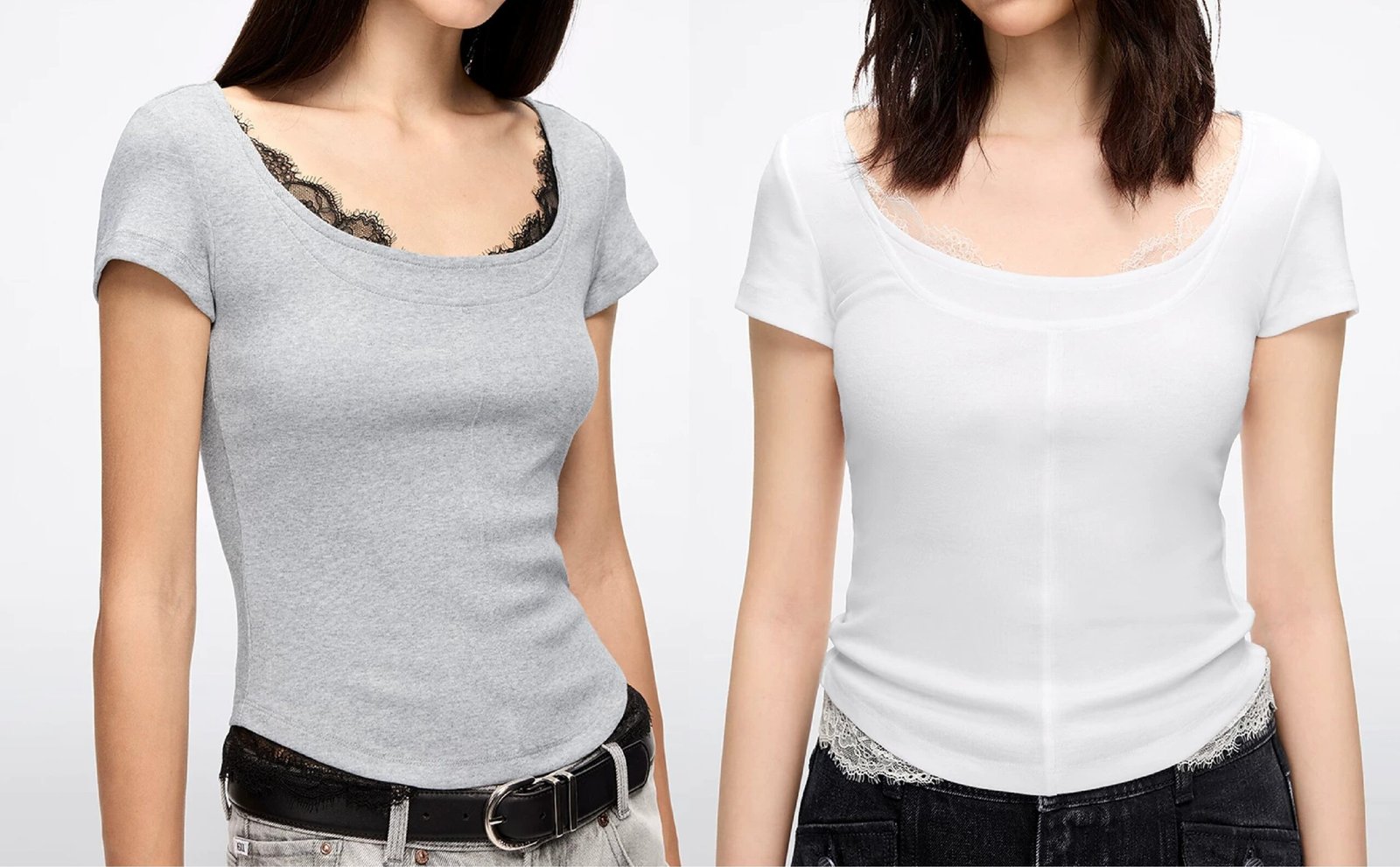
Produce custom T-shirts in cotton, Pima cotton, organic cotton, combed jersey, and blended constructions. We review specs, develop patterns and size grades, then apply screen printing, DTG, DTF, embroidery, labels, and finishing for private-label or wholesale programs.
Request a Quote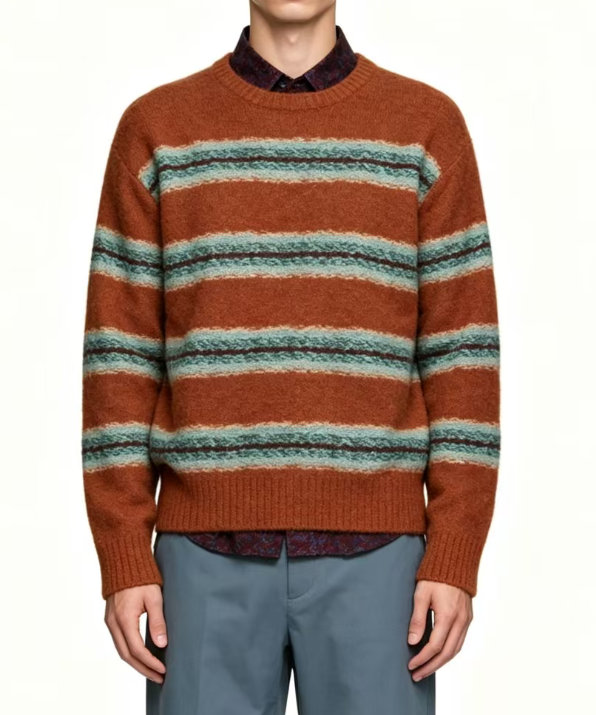
Custom Jeans
Build custom jeans in rigid or stretch denim with development support for fit, rise, wash, hardware, pockets, and grading. From initial samples through bulk production, Junsheen manages denim sourcing, embroidery, printing, trims, labels, and export-ready packing.
Request a Quote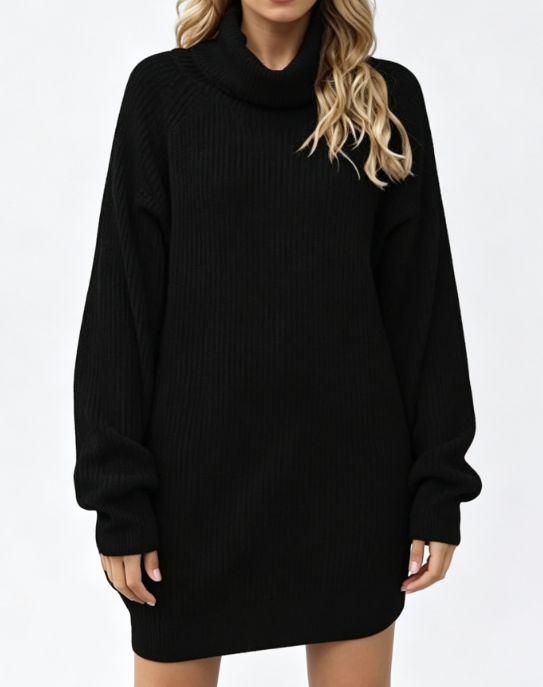
Custom Sweaters
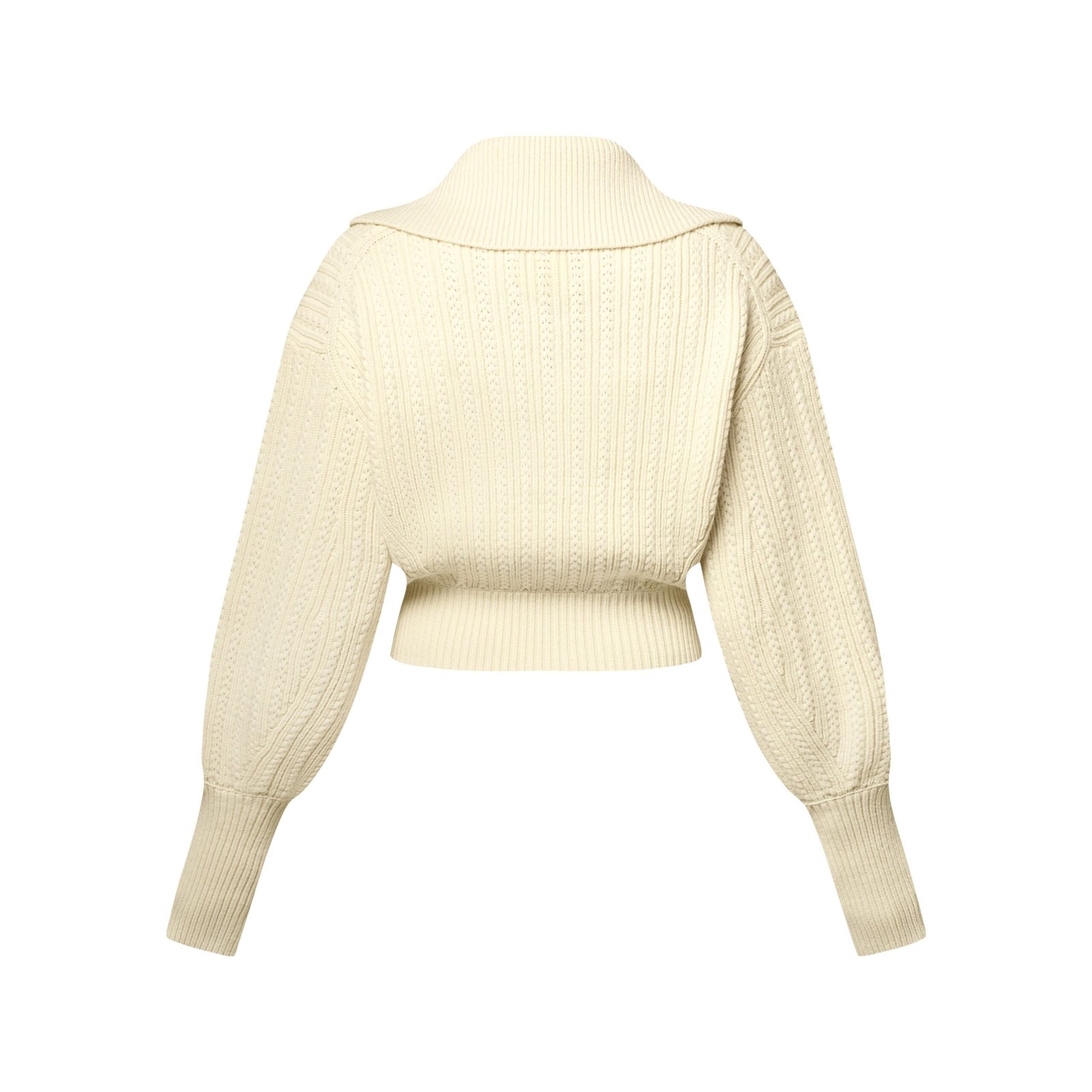
Source turtle neck sweater bulk programs with knit constructions, yarn options, and size grading tailored to your target customer. Junsheen develops samples, evaluates hand feel and weight, and supports branded labels, trims, quality control, and scalable OEM production.
Request a Quote
Custom Jackets
Manufacture custom jean jackets and other woven outerwear with denim, twill, lining, hardware, wash, and decoration options. Our team supports pattern development, fit refinement, branded buttons and labels, sampling, and bulk production from 100 units per style and color.
Request a Quote
Custom Sweatshirts & Crewnecks
Create custom crewneck hoodie and sweatshirt programs in fleece, French terry, and jersey. We develop consistent body proportions and grading, then add screen print, embroidery, puff effects, washes, rib trims, labels, and packaging for private-label collections.
Request a Quote
Custom Cardigans
Develop custom cardigans in knitwear constructions suited to your desired weight, drape, stretch, and hand feel. Junsheen supports yarn and trim selection, fit-focused XS–3XL grading, prototype sampling, branded buttons, labels, and repeat-order production records.
Request a Quote
Custom Puffer & Down Jackets
Produce custom puffer jackets with shell, lining, insulation, quilting, zipper, pocket, and reflective-detail specifications aligned to your market. We manage sample development, fit adjustments, custom trims, labeling, quality checks, and export support for low-MOQ or bulk programs.
Request a Quote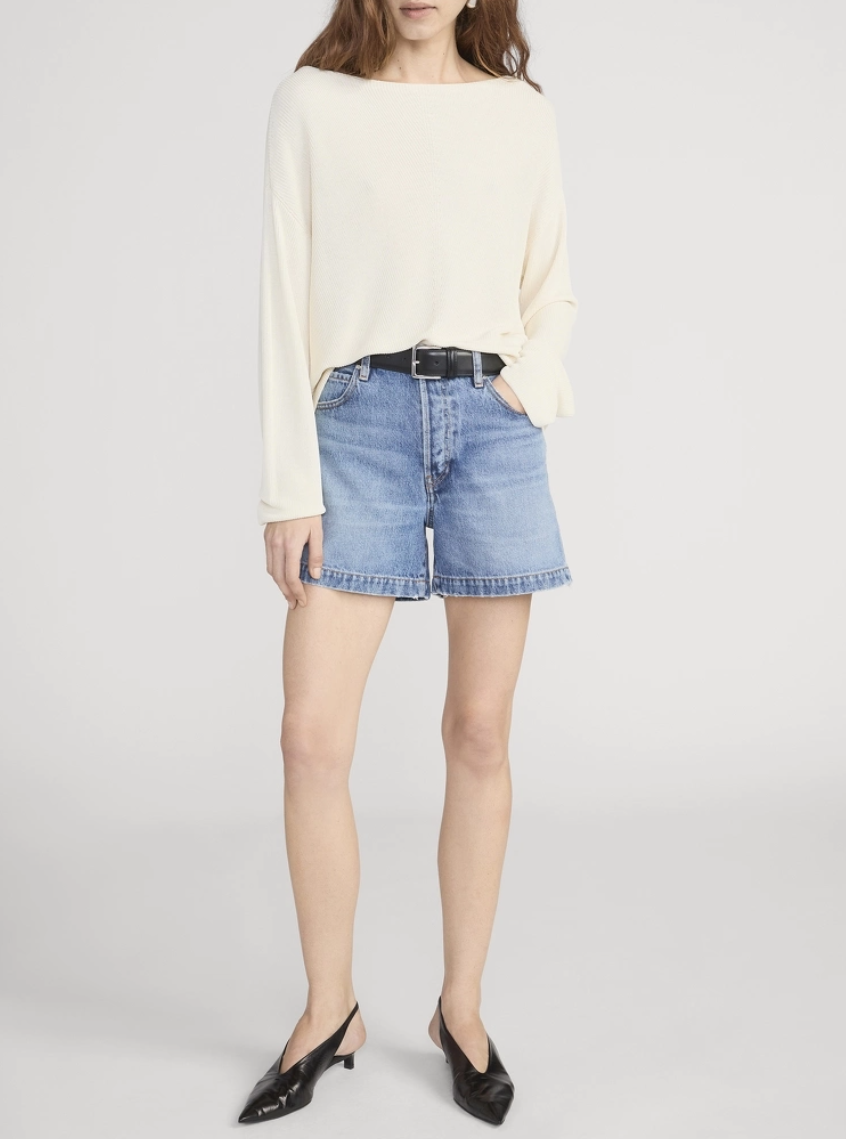
Custom Denim Shorts
Make custom jean shorts in rigid or stretch denim with controlled inseams, rises, pocket details, hems, and wash effects. Junsheen handles pattern development, grading, distressing or finishing options, branded hardware, labels, and private-label packing.
Request a Quote
Custom Sweater Dresses
Create custom sweater dresses with knit structures and proportions designed for movement, length, coverage, and consistent size grading. Our development team supports yarn selection, sample review, trims, labels, and quality control for extended-size, plus-size, or oversized programs.
Request a Quote
Custom Denim Sets
Support mens denim suits wholesale programs with coordinated denim jackets and trousers, consistent wash matching, fit development, and branded components. Junsheen can produce samples, manage fabric and hardware sourcing, apply decoration or finishing, and scale approved sets for global distribution.
Request a Quote
Custom Polo Shirts
Manufacture custom polo shirts in pique, jersey, performance knits, or blended fabrics with collar, placket, button, and logo specifications. We provide pattern making, fit grading, embroidery or printing, private labels, and production support for uniforms, retail, and brand collections.
Request a Quote
Custom Sweatpants
Develop custom sweatpants in fleece, French terry, jersey, or performance fabrics with refined rises, leg shapes, waistbands, cuffs, pockets, and size grading. Add embroidery, prints, washes, drawstrings, labels, and branded packaging for OEM or private-label releases.
Request a Quote
Custom Shorts
Produce custom shorts across jersey, fleece, twill, woven, and performance constructions. Junsheen supports fabric recommendations, pattern development, fit and inseam adjustments, grading, decoration, trims, labeling, and low-MOQ sampling through scalable bulk production.
Request a Quote
Custom Pullovers
Create custom pullovers in knitwear, fleece, French terry, or jersey constructions for seasonal layers and core assortments. We develop patterns and size sets, source materials, apply printing or embroidery, and complete each program with branded labels, trims, packaging, and final inspection.
Request a QuoteSweater Maker Yarns, Fibers & Materials

Wool Yarn
Naturally warm, breathable wool gives sweaters a premium, resilient hand for cardigans, pullovers, and cold-weather layers. Fiber fineness and ply can be specified to control softness, loft, weight, and resistance to shape loss.

Cotton Yarn
Cotton yarn delivers a breathable, familiar hand well suited to trans-seasonal pullovers, lightweight crewnecks, and everyday knit polos. Combed cotton improves surface smoothness, while yarn count and gauge help determine weight, drape, and structure.

Organic Cotton
Organic cotton supports brands seeking a more considered natural-fiber story without sacrificing comfortable wearability. It provides a soft, breathable hand for lightweight and midweight sweaters, with gauge selection tailoring opacity, recovery, and seasonal warmth.

Recycled Yarn Blends
Recycled cotton, recycled polyester, and recycled wool blends help support sustainability-led collections and practical performance goals. Blend ratios can improve durability, reduce pilling risk, add warmth or quicker drying, and maintain a commercially viable hand feel.

Wool Blend Yarn
Wool blended with nylon, acrylic, cashmere, or other fibers balances warmth with targeted softness, strength, and cost control. These constructions work well for textured knits, oversized silhouettes, and repeat-wear programs requiring dependable shape retention.

Stretch Knit Blends
Cotton, viscose, polyester, or wool blends with elastane provide controlled recovery for fitted sweaters, rib cuffs, and flexible silhouettes. Junsheen can adjust yarn composition and knit gauge to balance stretch, body-hugging comfort, and long-term resilience.
Sweater Maker Decoration & Finishing Options

Logo Embroidery
Flat, 3D puff, chain-stitch and applique embroidery add dimensional branding to sweater panels and complementary apparel. Carefully selected backing and stitch density help preserve clean detail, secure attachment and lasting visual impact.

Screen Printing
Plastisol, water-based, puff, flocking, silicone, high-density, foil and discharge screen printing create bold graphics for compatible knitwear and casualwear. JUNSHEEN matches ink technique to fabric construction for strong color, definition and wash durability.

DTF Transfers
DTF and heat-transfer applications reproduce detailed logos, gradients and small-run artwork with crisp edges. They are especially useful for complementary T-shirts, sweatshirts and fleece pieces within a coordinated private-label collection.

Garment Dyeing
Garment dye, tie-dye and acid-wash treatments create distinctive color character after construction. Controlled sampling lets brands assess shade variation, hand feel and wash appearance before confirming production for custom sweaters or apparel sets.

Softening Finishes
Enzyme washing, anti-pilling treatments, brushing and napping refine softness, surface texture and wear performance. JUNSHEEN tests finishing choices against yarn and fabric composition to maintain the intended fit, appearance and durability.
Custom Sweater Trims, Labels & Packaging

Woven Brand Labels
Add custom woven main labels at the neckline or side seam to establish clear brand identity. Choose your logo, yarn colors, fold style and dimensions for sweaters, cardigans and pullovers.

Care Size Labels
Custom size and wash-care labels communicate fit, fiber content and garment-care instructions clearly. JUNSHEEN can position soft, durable labels to suit sensitive knitwear necklines and international retail requirements.

Branded Hang Tags
Create branded hang tags for product storytelling, pricing and retail-ready presentation. Select paper stock, shape, printing, string and attachment details that align with your sweater collection and target market.

Custom Buttons Zippers
Specify custom buttons, snaps or zippers for cardigan plackets, zip-up knitwear and sweater jackets. Options can include branded finishes, color matching and hardware choices appropriate for the garment weight.

Drawcords And Tipping
Add color-matched drawcords, aglets and contrast tipping to hooded sweaters or knit sets. These details reinforce collection identity while supporting practical adjustment and a more considered finished garment.
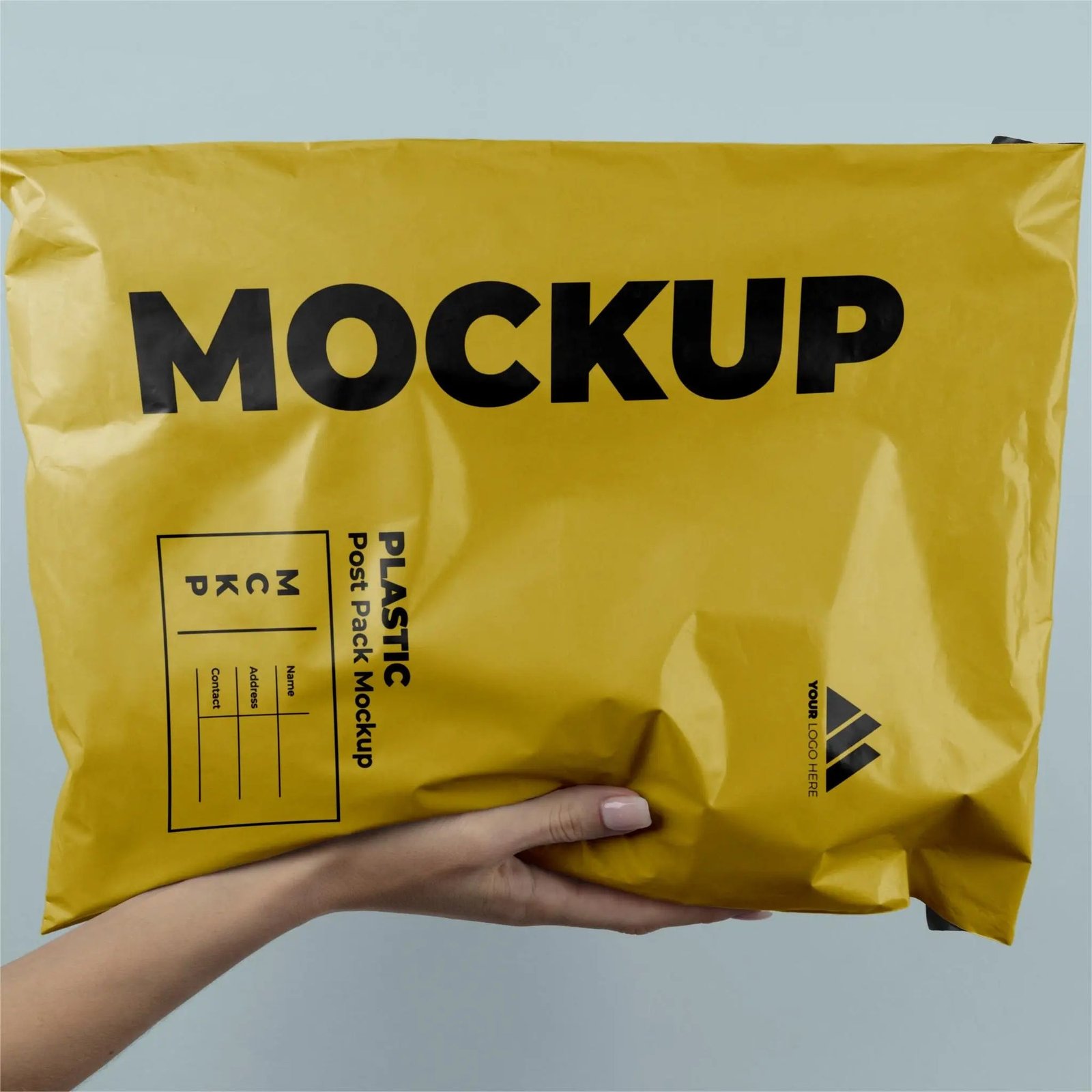
Branded Retail Packaging
Prepare sweaters for direct retail or wholesale delivery with custom polybags, tissue, stickers, cartons and branded inserts. Packaging specifications can be matched to folding methods, shipping needs and your unboxing experience.
Meet JUNSHEEN, Your Sweater Maker Partner
Founded in 2010 in Humen Town, Dongguan, JUNSHEEN helps fashion brands turn knitwear concepts into production-ready collections. As an experienced sweater maker, we provide OEM, ODM and private-label support from design review and yarn sourcing through sampling, bulk production and global export.
Our 200+ skilled workers combine knitting, cut-and-sew, embroidery, printing, finishing, labels and packaging within one coordinated supply chain. With monthly capacity above 80,000 units, we can support 100-unit capsule launches per style and color as well as scalable repeat programs.
What distinguishes JUNSHEEN is fit-focused development across XS–3XL, extended sizes, plus sizes and modern oversized silhouettes. We have served 2,000+ fashion-brand clients with practical pattern grading, clear production communication and dependable quality designed to support long-term growth.

Sweater Maker Capabilities in Depth
Fit-First Size Grading
Our sweater maker team develops XS–3XL, plus-size and oversized fits with proportion-specific grading. Rather than enlarging one base pattern, we refine shoulder balance, sleeve length, body shape and ease so each size feels intentional.
- XS–3XL, extended-size and oversized development
- Fit reviews for proportions, mobility and layering
- Graded specifications retained for repeat orders

Yarn and Material Sourcing
Select yarns and sweater constructions around your target hand feel, weight, cost and wear performance. JUNSHEEN sources wool, cotton, blends, recycled options and performance knits, then supports swatch review before bulk material approval.
- Wool, cotton, blended and recycled yarn options
- Guidance on gauge, drape, durability and pilling
- Swatches and sample garments for confirmation

Production-Ready Product Development
Bring a tech pack, sketch, reference garment or early concept. Our development team reviews manufacturability, builds specifications and patterns, and produces prototype and size-set samples that move your custom sweater toward confident bulk approval.
- OEM, ODM and private-label development support
- Pattern making, specifications and prototype sampling
- Low MOQ from 100 units per style and color

Integrated Branding Execution
Keep knitwear branding and finishing aligned within one production workflow. JUNSHEEN coordinates logo embroidery, patches, labels, hang tags, custom trims and packaging while quality checks cover measurements, construction, decoration and packed goods.
- Embroidery, patches and logo application
- Woven labels, care labels, hang tags and packaging
- In-line and final quality control before export

Why Choose JUNSHEEN as Your Sweater Maker
Fit-first development, integrated production, and export-ready support for knitwear programs built to scale.
← 左右滑动查看 →
Our Sweater Maker Production Process
A fit-focused workflow that moves custom knitwear from feasibility review to export-ready delivery with clear approvals at every stage.
Review Brief and Feasibility
Our sweater maker team reviews your tech pack, reference, target fit, yarn preferences, decoration needs, MOQ, and cost requirements before confirming a workable development route.
Source Yarns and Trims
We recommend yarns, fibers, gauges, labels, and trims based on hand feel, weight, durability, target price, wash performance, and your brand positioning.
Develop Patterns and Samples
Pattern makers refine proportions and grading from XS through 3XL, then produce prototype samples for fit, construction, color, and detail approval.
Knit and Construct Bulk
After pre-production approval, we organize knitting or cut-and-sew construction, decoration, washing, finishing, and private-label details for your confirmed bulk order.
Inspect, Pack and Ship
Quality teams check measurements, workmanship, materials, decoration, and packed goods before branded packaging, export documentation, and global shipment coordination.
Work With Our Sweater Maker Team
Move from an initial concept to approved samples and dependable bulk production with clear technical review at every stage.
Share Your Product Direction
Send a tech pack, sketch, reference garment, mood board, or product idea, including target quantities, size range, market, and preferred sweater construction.
Review Feasibility Together
Our sweater maker team reviews knit structure, yarn options, measurements, grading, decoration, trims, and manufacturability to refine your concept before sampling.
Confirm Pricing and Sampling
Receive a detailed quotation based on materials, construction, finishes, labeling, packaging, and 100-unit MOQ requirements, then approve specifications for prototype development.
Approve Your Production Sample
Review the sample for fit, hand feel, workmanship, color, and branding. We incorporate approved revisions and finalize bulk-ready patterns, grading, and materials.
Launch Bulk Production
After pre-production approval, JUNSHEEN manages knitting, assembly, quality control, packing, and global export support for consistent, scalable sweater deliveries.
Custom Clothing Manufacturer Credentials and Compliance Documents



What Brands Achieve With Our Sweater Maker Team
JUNSHEEN refined our oversized cardigan grading from XS to 3XL during sampling. We approved the size set in two rounds and reordered 1,200 units for our second drop with the same fit consistency.
For our first private-label knitwear launch, the 100-unit MOQ let us test two colorways without overcommitting. The team delivered export-ready packed goods to the UK on schedule, and we placed a 2,400-unit repeat order.
We needed a dependable sweater maker that could scale after our wholesale accounts came on board. JUNSHEEN moved our program from 300 pilot pieces to 6,000 units while keeping embroidery, labels, and measurements aligned across every shipment.
Sweater Maker FAQ for OEM Buyers
Clear answers on MOQ, sampling, timing, payments, shipping, and confidential product development with JUNSHEEN.
What is the MOQ for a custom sweater maker order?
Can a sweater maker develop my design from a sketch or reference sample?
How long does sweater sampling and bulk production take?
Can you make oversized, plus-size, and extended-size sweaters?
What payment terms does JUNSHEEN offer for sweater production?
Does your sweater maker service include private labels and custom packaging?
Can JUNSHEEN ship custom sweaters internationally?
How does JUNSHEEN protect my sweater designs and brand information?
The Complete Buyer’s Guide to a sweater maker
Use this decision framework to evaluate sweater maker capabilities, materials, quality controls, customization, minimums, pricing, and lead times—while avoiding costly sourcing mistakes before placing your first production order.
1. What Is a sweater maker?
JUNSHEEN is a sweater maker when it acts as the production partner behind a buyer’s label, rather than selling its own seasonal collection. In practice, that role can be OEM from an approved tech pack, private-label production with the buyer’s branding, or full-package development from concept through shipment. 100 units per style and color can be a workable starting point for a capsule program, while repeat orders can scale into bulk production. A capable maker coordinates yarn and trim sourcing, knit-program development, pattern and fit review, prototype samples, size sets, production, inspection, packing, and export documentation. OEM buyers need a maker when specifications, artwork, measurements, and approvals are largely defined; full-package buyers need one when they still require technical development and material direction. A fashion brand owns the market position and customer relationship, whereas a trading company may broker several factories without operating the knitwear line itself. 7-gauge, 12-gauge, and finer knit programs require machinery, yarn control, linking, finishing, and wash testing that differ from standard cut-and-sew assembly. A cut-and-sew factory is the better fit for fleece or jersey sweatshirts; choose a specialized sweater maker when the product depends on knitted panels, gauge, stitch structure, shaping, or fully fashioned construction.
2. Evolution of the sweater maker
158 years ago, sweater production was largely hand knitting or regional mill work, so gauge, yarn availability and workmanship varied by maker. Computerized flat-knitting systems changed the sourcing equation by programming stitch structures, shaping and panel dimensions, making repeatable rib, cable, intarsia and fully fashioned components practical at scale. 1980s–2000s global yarn networks gave buyers access to cotton, merino, wool blends, recycled fibers and technical yarns beyond their local mill base. The tradeoff is greater traceability work: a sweater maker should identify yarn composition, country of origin, spinner or mill records, dye-lot controls and applicable claims such as GOTS or OEKO-TEX before bulk approval. 100-unit development programs now let a label test a colorway, fit block or capsule without committing to traditional mill-scale volume. Buyers still need a complete specification package—gauge, yarn count, stitch map, measurements, shrinkage allowance, Pantone references and label requirements—because digital knitting precision cannot correct an unclear brief. 3D visualization and digital sampling can shorten early design decisions, but physical samples remain essential for hand feel, recovery, weight, wash performance and fit. Modern private-label sourcing therefore rewards partners that combine digital files with graded size sets, measured samples and retained production records for consistent repeat orders.
3. Types of sweater maker partners
Six partner models serve materially different product and launch needs. Design ownership, technical knitting support, and order thresholds should determine the sweater maker relationship before sampling begins.
| Partner | Design Ownership | Customization | Typical Buyer |
|---|---|---|---|
| OEM knit factory | Buyer | High | Brands with tech packs |
| ODM supplier | Supplier base | Medium | Fast-launch labels |
| Private-label maker | Shared or buyer | Medium | Small test programs |
| Fully fashioned specialist | Buyer | High | Premium shaped knits |
| Seamless-knit producer | Buyer | High | Fitted technical styles |
| Sourcing agent | Varies | Varies | New importers |
Factory-Led Development
OEM knit factories build buyer-owned specifications, while ODM suppliers offer ready-developed silhouettes that buyers adapt. OEM suits established tech packs; ODM shortens early concept-to-sample work.
Brand-Ready Programs
Private-label manufacturers combine stock or adaptable bases with labels, hangtags, colors, and packaging. This route is practical for 100-unit capsule tests, but buyers should confirm exclusivity before approving a style.
Technical Knit Specialists
Fully fashioned specialists shape panels during knitting to reduce cut waste and control shoulder, neckline, and sleeve shaping. Seamless-knit producers create tubular garments with fewer sewn seams, making them suited to fitted performance or body-contoured styles.
Agent-Led Sourcing
Sourcing agents coordinate mills and factories, but usually do not own production equipment or patterns. This model helps first-time importers needing supplier access, while direct factories give faster technical feedback.
4. Sweater maker materials and fabrics
Fiber specification sets the hand feel and retail tier before sampling begins. A capable sweater maker aligns yarn count, ply, gauge, stitch, and finished weight with the intended warmth, recovery, shrinkage, and price point.
| Material | Hand And Performance | Best Application | Care Consideration |
|---|---|---|---|
| Cotton | Breathable; moderate warmth | Everyday pullovers | Allow for shrinkage |
| Merino wool | Warm, fine, resilient | Premium layers | Gentle wash; flat dry |
| Cashmere blend | Soft, elevated, pill-prone | Luxury capsules | Low agitation |
| Acrylic blend | Affordable, colorfast, durable | Value fashion | Check heat sensitivity |
| Recycled blend | Lower-impact option; variable handle | Responsible collections | Verify composition and wash tests |
Yarn Engineering

Two-ply yarn generally improves opacity, abrasion resistance, and shape retention over single ply, while finer counts create a smoother, lighter hand. A 12-gauge knit suits refined layers; 3–7 gauge builds visibly heavier warmth. 180–280 GSM cotton knits work for transitional pullovers, while 350–550 GSM constructions support substantial cold-weather styles. Plain knit is economical, rib adds recovery, and cable or jacquard increases yarn use and labor.
Fiber Trade-Offs

100% cotton offers breathable comfort but can shrink or grow unless washing, stitch density, and finishing are controlled. Wool and merino provide warmth at lower weight; cashmere blends raise softness and premium positioning but require stricter pilling management. Acrylic controls cost and offers color consistency, whereas recycled fibers need supplier documentation and blend testing for strength and shade variation. Nylon or polyester additions improve abrasion resistance and recovery in high-wear styles.
Sampling And Care
One approved wash test should check dimensional change, spirality, pilling, colorfastness, and hand feel before bulk yarn approval. Specify gauge, stitch, composition, finished weight, care label, and acceptable shrinkage in the tech pack. 30 °C gentle washing and flat drying protect wool-rich and cashmere-blend sweaters; cotton and acrylic programs may tolerate machine care after validation. Test decorated or garment-dyed knitwear separately because finishing can alter dimensions.
5. Customization options from a sweater maker
From XS through 3XL, a sweater maker can alter body length, shoulder balance, sleeve pitch, ease and grading increments instead of scaling one base block. At JUNSHEEN, approved swatches and fit samples help lock color, hand feel and proportions before bulk yarn commitment.
| Technique | Visual Effect | Durability | Development And MOQ Impact |
|---|---|---|---|
| Intarsia | Clean color-block motif | Integrated with fabric | Higher programming; color changes can raise MOQ |
| Jacquard | Repeated textured pattern | Integrated with fabric | Swatch development required; gauge affects complexity |
| Embroidery | Raised or stitched logo | Strong when stabilized | Post-production; lower complexity for small logos |
| Appliqué | Layered dimensional badge | Depends on edge stitching | Extra labor and components can increase minimums |
Silhouette And Knit Specification

3GG to 12GG gauges change density, weight and surface definition: lower gauges suit chunky pullovers, while finer gauges suit lighter layers. Specify crew, V-neck, polo, cardigan or oversized silhouettes with rib width, collar height and cuff recovery.
- Choose yarn blends: cotton, wool, acrylic, recycled fibers or stretch blends.
- Match rib construction at neck, hem and cuffs to intended recovery.
Branding And Finishing
Pantone references, yarn cards and lab dips reduce color ambiguity across production lots. Woven main labels, size labels, wash-care labels, hangtags and branded packaging should be approved alongside logo position, scale and attachment method.
- Place logos at chest, sleeve, hem or back neck.
- Confirm label fold, stitch method and country-of-origin requirements.
Technique Selection

Intarsia and jacquard are engineered into the knit during programming, whereas embroidery and appliqué are applied after knitting. Early artwork review matters because stitch count, motif size and color changes affect development time and usable minimums.
6. Sweater construction quality checkpoints
100% of sample approvals should rely on measurable evidence, not a hand-feel alone. A sweater maker should submit the approved sample, measurement sheet, yarn specification, and wash-test result before bulk release.
Panel Method And Linking
Fully fashioned panels use shaped knitting and usually give cleaner armholes; cut-and-sew panels are economical but require stable cut edges and consistent seam allowances. 2-3 linked stitches per centimeter should appear even, flat, and securely caught at shoulder, side, and sleeve seams. Open loops, skipped links, puckering, or visibly mismatched panels require a revised sample.
Stitch And Rib Recovery
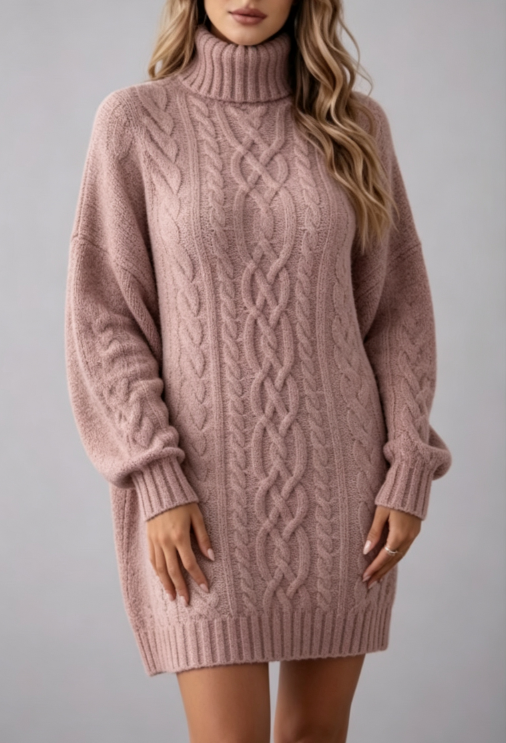
7-12 gauge constructions should show uniform stitch density across the garment, with no laddering, dropped stitches, or distorted cables. Buyers should compare front, back, sleeves, and both cuffs under natural light. 10 stretch-and-release cycles are a practical check for necklines, cuffs, and hems. Ribbing that stays stretched, waves, twists, or exposes elastic yarn after recovery should not enter bulk production.
Yarn, Measurements, And Washing
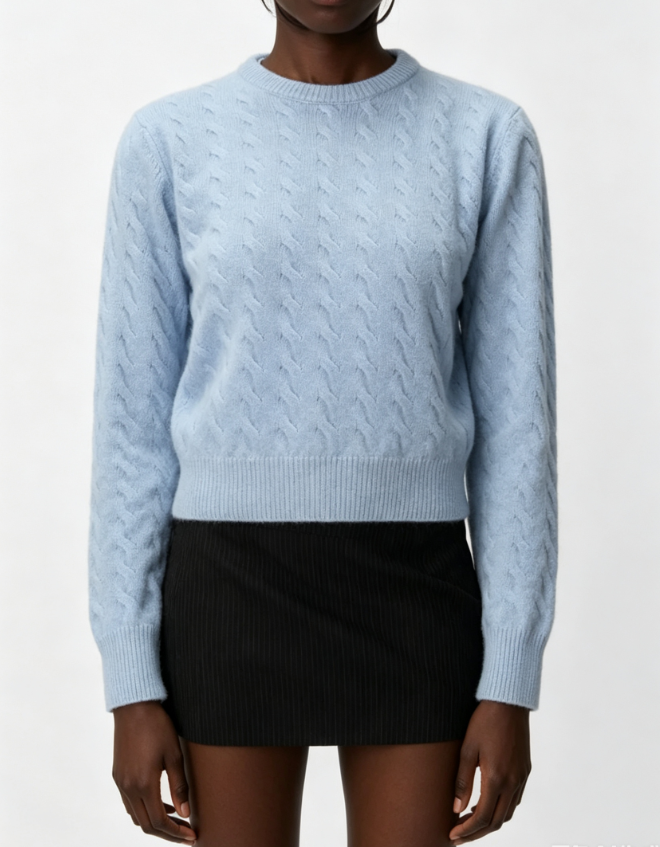
3 measured garments per size provide stronger evidence than one sample: check chest, body length, sleeve length, shoulder, and opening dimensions against the graded specification. Record tolerance before approval, commonly ±1-2 cm depending on construction. 1 wash test using the care-label method should confirm dimensional stability, appearance, and seam integrity. Yarn joins should be woven in cleanly; loose ends, knots showing on the face, excessive shrinkage, pilling, or color bleeding warrant revision.
Finishing And Inspection Evidence
A final inspection should verify pressing, thread trimming, label placement, odor, packing, and shade consistency against the approved reference. For dyed yarn or garment-dyed pieces, retain a signed swatch or Pantone-approved standard. 4 inspection records matter most: measurement report, wash result, pilling assessment, and colorfastness result. Ask the supplier to identify the tested method, sample quantity, and pass/fail criteria rather than accepting an unreferenced statement.
7. How to choose a sweater maker
Choose a sweater maker by validating proof, not a polished capability list. Compare category experience, development discipline, verified materials, quality controls, commercial terms, and a dated delivery plan before approving a deposit.
| Validation Area | Evidence To Request | Decision Question |
|---|---|---|
| Capability | Comparable samples and references | Has it made this construction? |
| Capacity | Monthly plan and timeline | Can it protect the ship date? |
| Quality | Test reports and inspection records | Who owns each approval? |
Verify Category Fit
3 comparable sweater references reveal more than a general apparel portfolio. Request photos of linked seams, neck finishing, gauge, yarn composition, size range, and washes from recently completed styles. 100-unit flexibility matters for a launch, but confirm whether the MOQ applies per style, color, or yarn. Ask how the factory handles oversized and extended-size grading rather than merely scaling a base pattern.
- Request recent sweater sample photos
- Confirm MOQ basis by style and color
- Ask for comparable brand references
Test Development Accuracy
1 complete tech pack should be reviewed before quoting. It should specify measurements, tolerances, stitch construction, gauge, Pantone colors, labels, packaging, and decoration placement. 2 sample rounds are common when fit or construction is new. Require measurement sheets, dated sample photos, change logs, and approval criteria; a supplier should explain what differs between prototype, size set, and pre-production sample.
Audit Materials And Control
1 yarn card alone does not confirm bulk performance. Match fiber content, yarn count, gauge, weight, pilling expectations, colorfastness, shrinkage, and care instructions to a submitted bulk test report. OEKO-TEX, GOTS, WRAP, and BSCI claims require current certificates with the covered facility or material scope. Ask who performs incoming inspection, in-line checks, final measurement review, and packed-goods checks.
- Request yarn and bulk test reports
- Check certificate scope and validity
- Define inspection acceptance standards
Confirm Delivery And Terms
8–12 weeks is a typical bulk planning range after material and pre-production approval, but yarn availability and dyeing can extend it. Request a production timeline showing sourcing, knitting, sampling, bulk cut or linking, inspection, packing, and shipment milestones. 100% prepayment may apply to an initial order; established cooperation can support staged deposits. Confirm payment method, balance-before-shipment requirement, Incoterms, freight responsibility, delay communication, and reference contacts.
8. Common sweater maker sourcing mistakes
A sweater maker quotation is only comparable when yarn, gauge, construction, quantities, and inspection rules match. Eight routine sourcing errors can quietly erode margin, delay launch dates, or create inconsistent fit across a size run.
Price Without Specifications
A 10–20% lower quote can omit yarn quality, linked seams, labels, or packing, turning an apparent saving into rework and missed margin. Compare a line-item cost sheet against one approved specification. A tech pack missing stitch density, measurements, Pantone references, or trim details invites assumptions and sample rounds. Supply annotated flats, a measurement chart, bill of materials, and tolerance limits before costing.
Yarn And Wash Testing
A 7GG versus 12GG construction changes weight, opacity, drape, and labor consumption; fiber blend and yarn count affect pilling and recovery. Specify gauge, composition, yarn count, stitch structure, and target garment weight. One unworn sample approval cannot reveal shrinkage, torque, color bleeding, or pilling after care. Approve a washed sample using the intended care method and record measurement change and appearance results.
MOQ And Late Changes
A 100-unit style-and-color minimum may not support every colorway, custom yarn, or specialty trim, leaving buyers with higher unit costs or excess stock. Confirm MOQ by style, color, size ratio, yarn, and decoration before assortment planning. A change after sample approval can require new yarn booking, programming, grading, and a fresh approval cycle. Freeze specifications at pre-production approval and control every revision through a dated change order.
Grading And Inspection Rules
A base size that fits well can still fail in XS through 3XL when sleeve length, shoulder balance, and body proportions are merely enlarged. Review a graded measurement set or size set, with tolerances for each critical point. An undefined final inspection standard creates disputes over loose ends, holes, measurements, shade variation, and packing. Agree an AQL level, defect definitions, measurement tolerance, test plan, and pre-shipment inspection report before bulk production.
9. Steps to launch a sweater brand
A 100-unit launch can move cleanly only when brand, product, and factory decisions are locked in sequence. Plan roughly 12–20 weeks from brief to ex-factory, allowing time for yarn or fabric approval, sampling, and corrections.
Define The Commercial Brief
Week 1 should set the customer, retail price, channel, and margin target before sketching. Specify whether the line is a 100-unit capsule or a repeatable core program. Three decisions form the first gate: silhouette, size range, and price ceiling. Give the sweater maker target countries, seasonal delivery date, planned colors, and expected reorder volume.
- Target customer and use case
- Retail price and landed-cost ceiling
- Size range, including XS–3XL if needed
Build Production-Ready Specifications

Weeks 2–3 should convert references into a tech pack with flat sketches, Pantone colors, measurements, stitch details, labels, and packaging. A reference garment helps, but it does not replace a graded measurement chart. Each knit style needs its gauge, fiber blend, knit construction, weight, rib specifications, and wash expectations. State tolerance limits and identify approved trims, such as YKK zippers, before quotation.
Shortlist And Sample Factories
Weeks 3–8 should compare suppliers on relevant sweater capability, MOQ, communication speed, sample quality, and inspection process. Send the same brief to every candidate so costs and lead times are comparable. One prototype normally reveals fit, hand feel, and construction gaps; allow one or two revision rounds. Approve fabric swatches, color, measurements, decoration, and a sealed sample before releasing bulk.
Control Bulk And Reorders
Weeks 9–20 should begin only after a pre-production sample confirms all approved changes. The factory needs final purchase order quantities by color and size, shipping marks, carton rules, and balance-payment timing. During production, inspect incoming materials, in-line measurements, knitting or linking quality, and packed goods. After launch, review sell-through by size and color within 30–60 days to reserve materials or repeat proven styles faster.
10. Sweater maker pricing and cost
100 units is a practical entry tier for a custom sweater program, but the lowest quantity usually carries the highest unit cost because yarn booking, knitting setup, pattern work and inspection are spread across fewer pieces. A quote should identify Incoterm, currency, gauge, yarn specification, color count and whether sampling, labels, packaging and freight are included. $9–$28 per unit is a useful planning range for a basic-to-detailed knit sweater before international freight, not a substitute for a specification-based quotation. Cotton, wool or recycled blends, finer gauges, intarsia, jacquard, cables, fully fashioned shaping, YKK zippers and special washes increase material or labor cost. 1 development sample should be separated from recurring production cost. Compare suppliers against the same tech pack, size range, Pantone colors, stitch map, measurement tolerances, label pack and packed delivery point; otherwise a cheaper quote may omit necessary work. 25–45 days is a common bulk-production window after sample and material approval, while yarn availability and peak-season capacity can extend it. Ask for one-time pattern, programming and sample charges separately, then assess landed cost by adding export packaging, inspection, duties and freight.
| Order quantity | Indicative unit-price driver | Typical bulk lead time |
|---|---|---|
| 100–299 units | Higher setup allocation; simple 7–12 gauge knit controls cost | 30–45 days |
| 300–999 units | Setup spreads across more units; yarn efficiency improves | 25–40 days |
| 1,000–2,999 units | Better yarn purchasing and knitting utilization | 25–35 days |
| 3,000+ units | Volume pricing depends on colorways, capacity and delivery split | 30–45 days |
Start Your Custom Sweater Project With a Trusted Sweater Maker
Send your tech pack, sketch, reference garment, or product idea for fit-focused OEM and private-label development from 100 units per style and color.