Personalized Baby Sweater OEM From 100 Units
Develop personalized baby sweaters with OEM, ODM and private-label knit support, flexible 100-unit style/color MOQs, and export-ready production.
Featured Products for personalized baby sweater Development




Related Personalized Baby Sweater Catalogue and Quotation

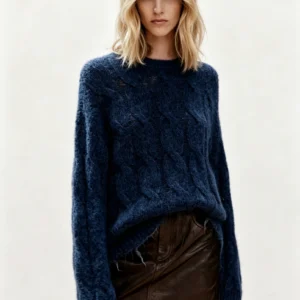
Why Source Personalized Baby Sweaters From JUNSHEEN
One manufacturing partner for low-MOQ development, fit-led knitwear production, custom branding and reliable global delivery.
100-Unit MOQ
Launch personalized baby sweater programs from 100 units per style and color, with practical support for capsules, tests and growing collections.
One-Stop Development
Move from sketch, reference or tech pack through yarn sourcing, sampling, patterns, knitting, labels, packaging and bulk production with one team.
Fit-Focused Grading
Develop proportion-conscious size ranges with refined body balance, sleeve length and grading, supporting consistent fit across your baby knitwear assortment.
In-House Personalization
Add logo embroidery, patches, printing, custom labels, hang tags and branded packaging to create a personalized baby sweater program that feels complete.
Scalable Production
Rely on 200+ skilled workers and 80,000+ monthly units of capacity for dependable sampling, repeat orders and expanding seasonal demand.
Global Export Support
Coordinate quality control, final packing and export support for production programs serving fashion brands, retailers and sourcing teams worldwide.
Custom Apparel Categories We Manufacture
From retail capsules to private-label and wholesale programs, Junsheen develops fit-focused casualwear, denim, knitwear and outerwear from 100 units per style and color.

Custom Hoodies
Develop custom hoodies in fleece, French terry or jersey with oversized, standard and extended-size fits from XS to 3XL. Add embroidery, screen printing, custom labels, drawcords, rib trims and branded packaging for private-label launches or wholesale programs.
Request a Quote
Custom T-Shirts
Produce custom T-shirts from combed cotton, organic cotton, blended jersey or performance knits. Junsheen supports fit development, size grading, DTG, DTF and screen printing, making custom tshirt programs suitable for promotional gifting, retail basics and branded capsule collections.
Request a Quote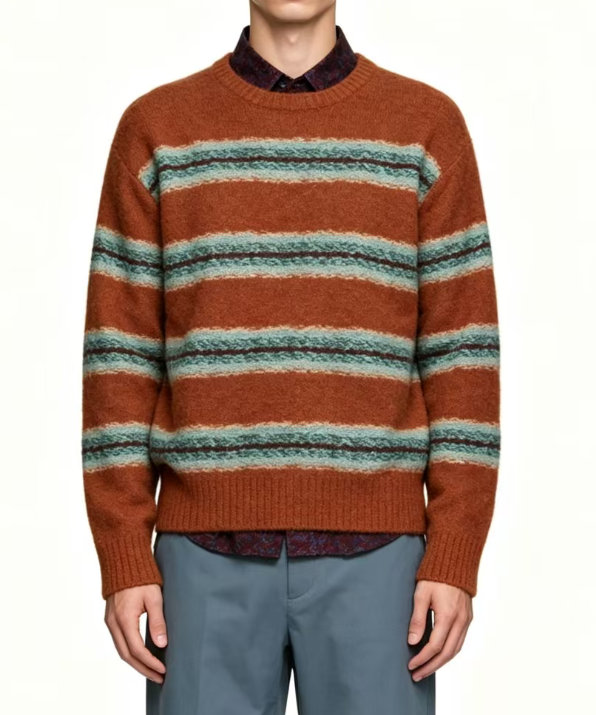
Custom Jeans
Develop custom jeans in rigid or stretch denim with fit-specific rises, leg shapes and wash treatments. Support includes pattern making, grading, pocket details, hardware, logo patches, embroidery and stone, enzyme or acid washes for private-label denim programs.
Request a Quote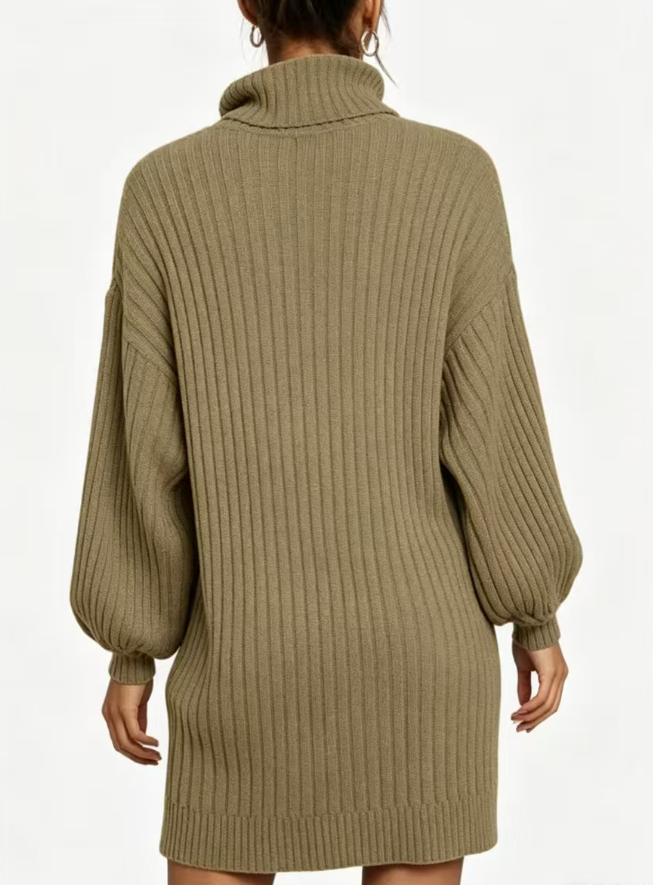
Custom Sweaters
Source and manufacture turtle neck sweater bulk programs in wool, cotton blends or knit constructions matched to target hand feel and price. The team develops gauge, neckline, body proportion and XS–3XL grading for consistent retail or wholesale size sets.
Request a Quote
Custom Jackets
Build custom jean jacket programs with rigid or stretch denim, branded hardware, patch pockets, lining and wash finishes. Junsheen handles sample development, fit approval, embroidery or print placement, labels and packing for seasonal denim outerwear collections.
Request a Quote
Custom Sweatshirts & Crewnecks
Produce custom crewneck hoodie and sweatshirt programs in fleece, French terry or heavyweight jersey. Pattern makers refine shoulder, sleeve and body proportions, while in-house decoration supports embroidered logos, puff prints, patches and private-label trim packages.
Request a Quote
Custom Cardigans
Manufacture custom cardigan styles in sweater knits with selected gauges, yarn blends, button systems and rib details. Junsheen supports cropped, relaxed, oversized and extended-size fits, plus custom labels, hang tags and packaging for brand-ready deliveries.
Request a Quote
Custom Puffer & Down Jackets
Develop custom puffer jacket programs with specified shell fabrics, insulation, quilting layouts, linings, zippers and reflective details. Sampling verifies fit, warmth, construction and trim placement before bulk production for retail, uniform or private-label outerwear orders.
Request a Quote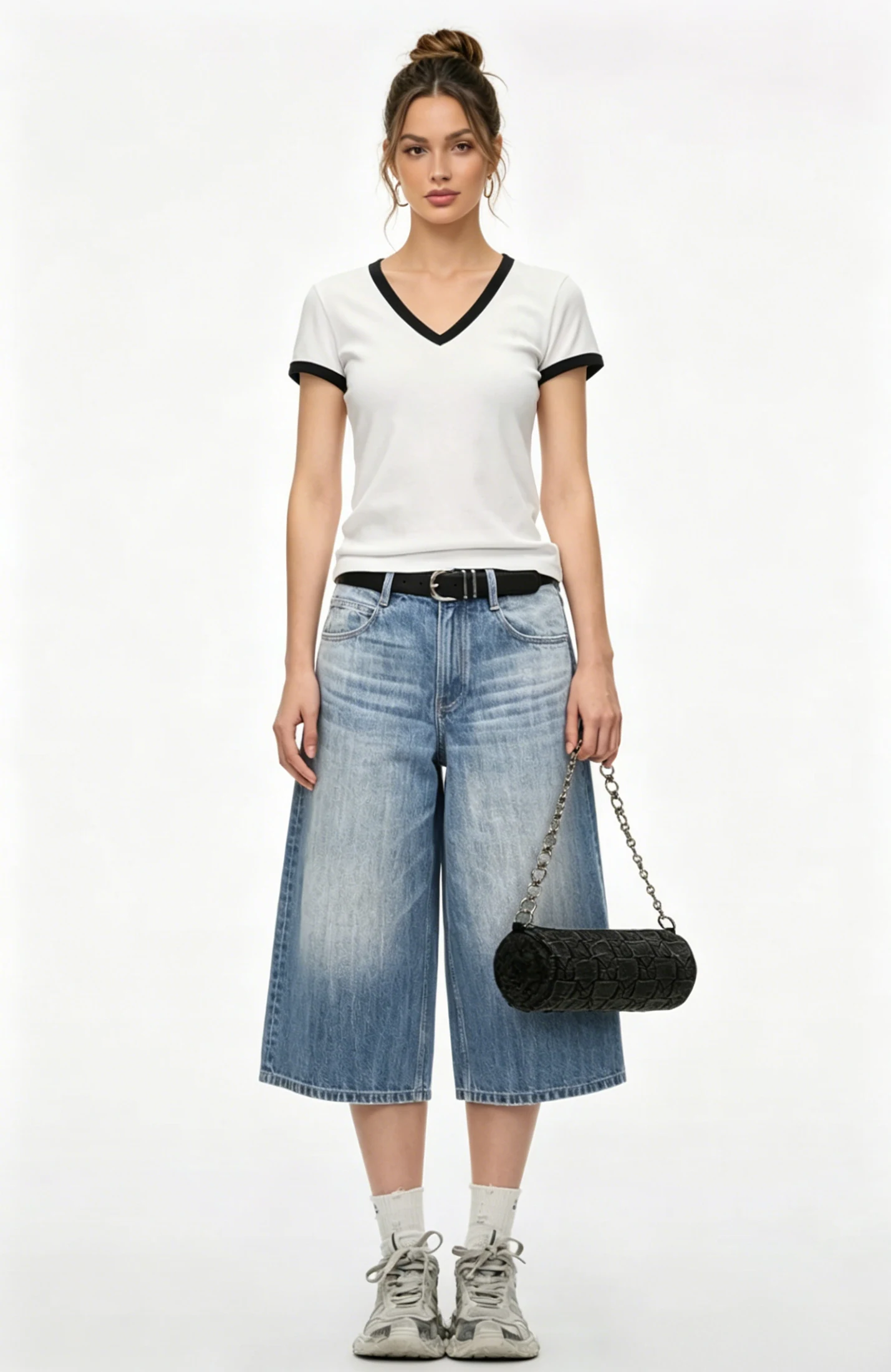
Custom Denim Shorts
Produce custom jean shorts in rigid or stretch denim with selected inseams, rises, hems, pockets and wash effects. Fit-focused grading supports women’s, men’s, oversized and extended-size assortments, with branded buttons, leather patches and labels available.
Request a Quote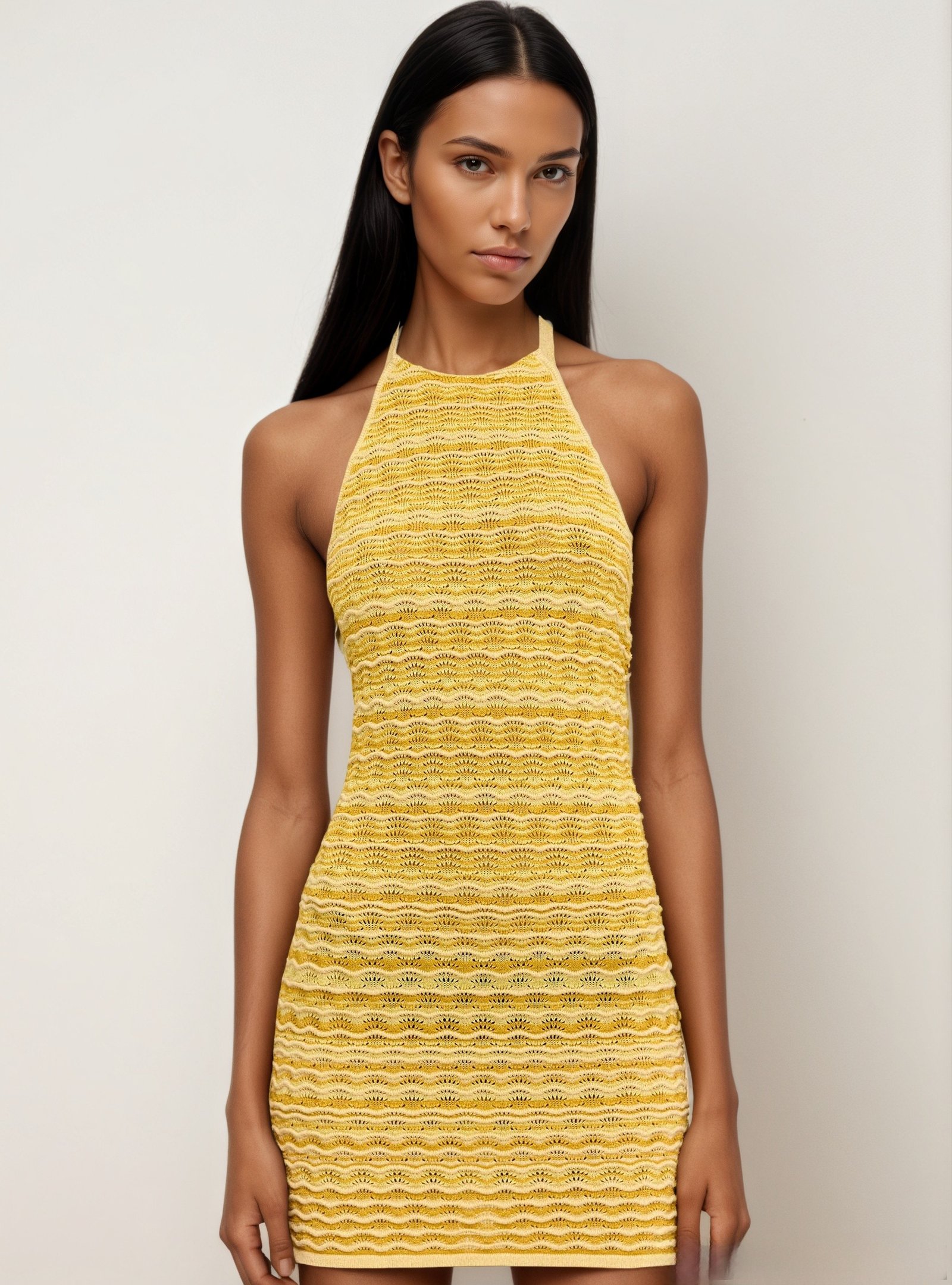
Custom Sweater Dresses
Manufacture custom sweater dresses with defined yarns, gauges, silhouettes, necklines and lengths. The development team adjusts body balance and grading across XS–3XL, then completes private-label details such as woven labels, hang tags, buttons and branded packaging.
Request a Quote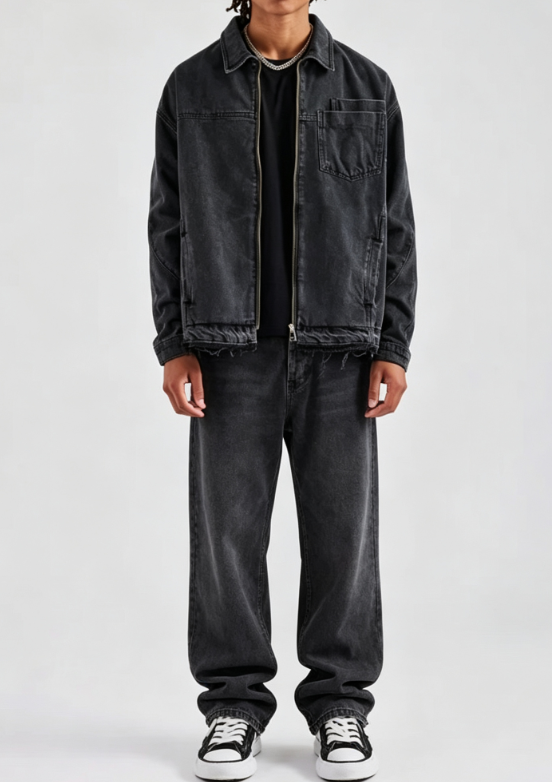
Custom Denim Sets
Create mens denim suits wholesale programs including coordinated denim jackets, overshirts, jeans or tailored denim separates. Junsheen aligns fabric, washes, hardware and grading across the set, supporting repeatable bulk production from 100 units per style and color.
Request a Quote
Custom Polo Shirts
Produce custom polo shirts in piqué, jersey or performance knit fabrics with specified collars, plackets, cuffs and logo placement. Options include embroidery, patches, screen printing and private-label labeling for corporate gifting, retail uniforms and wholesale collections.
Request a Quote
Custom Sweatpants
Manufacture custom sweatpants in fleece, French terry or jersey with refined rises, inseams, cuffs and waistband construction. Programs can include oversized and plus-size grading, embroidery, prints, custom drawcords, labels and matching hoodie or crewneck sets.
Request a Quote
Custom Shorts
Develop custom shorts in jersey, fleece, twill, woven or performance fabrics for casualwear, active-inspired or uniform programs. Junsheen supports fit development, pocket layouts, waistband options, decoration and private-label trims across standard and extended sizes.
Request a Quote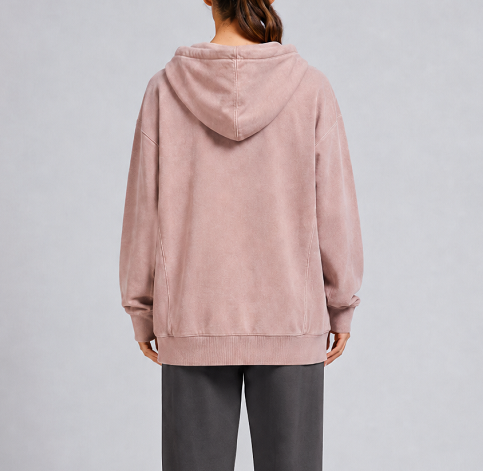
Custom Pullovers
Produce custom pullovers in knit, fleece, French terry or jersey constructions, from lightweight layers to heavyweight seasonal styles. Junsheen manages pattern development, fit grading, embroidery or printing, trims, labels and packaging for OEM, ODM and private-label programs.
Request a QuotePersonalized Baby Sweater Yarns for Soft, Reliable Knitwear

Combed Cotton Yarn
Smooth, breathable combed cotton gives personalized baby sweaters a soft, low-irritation hand feel for everyday layering. Its clean staple fibers knit evenly, hold color well, and suit lightweight to midweight gauges.

Organic Cotton Yarn
Organic cotton offers a naturally soft, breathable option for baby-focused collections and sustainability-led labels. It works well for everyday cardigans and pullovers, with absorbent comfort and dependable performance in fine-gauge knits.

Cotton Cashmere Blend
Cotton blended with cashmere creates a softer, more elevated hand for premium personalized baby sweater programs. The blend adds warmth without excessive bulk and is ideal for fine-gauge gifting, occasion, and boutique knitwear.

Merino Wool Blend
Fine merino wool blends provide lightweight warmth, natural breathability, and a refined knit surface for cooler-season baby sweaters. Blending improves durability and care practicality while supporting soft midweight cardigan and pullover constructions.

Cotton Acrylic Blend
Cotton-acrylic yarn balances breathable comfort with color retention, resilience, and commercial cost control. It suits scalable personalized baby sweater orders, especially ribbed cuffs, intarsia details, and midweight styles requiring reliable shape recovery.

Recycled Fiber Blends
Recycled cotton or recycled polyester blends support responsibly positioned baby-knit collections while maintaining practical durability. JUNSHEEN can review yarn composition, hand feel, pilling performance, and knit gauge to match your product requirements.
Personalized Baby Sweater Decoration Options

Name Embroidery
Precision embroidery adds individual names, initials or small logos with a raised, premium finish. Thread colors and stitch density are reviewed for legibility, soft backing and dependable wash durability on personalized baby sweater styles.

Knit Intarsia
Intarsia integrates letters, motifs and color-block artwork directly into the sweater structure for a smooth, durable result. It is ideal for name placements and bold graphic designs without adding a separate printed surface.

Jacquard Knitting
Jacquard knitting builds repeating logos, stripes and detailed motifs into the fabric using multiple yarn colors. The decoration stays integral to the garment, delivering a refined appearance suited to coordinated baby knitwear collections.

Custom Applique
Layered knit, felt or fabric appliques create tactile letters, patches and character motifs with strong visual dimension. JUNSHEEN can coordinate edge finishing and secure attachment details for polished branded baby sweater programs.

Soft Screen Print
Water-based and specialty screen-print options apply clear artwork with a soft hand feel on suitable knit constructions. This process works well for simple logos and seasonal graphics while maintaining color consistency through bulk production.

Heat Transfer
Custom heat transfers reproduce multicolor names, fine details and short-run artwork with crisp edges. Placement, adhesion and wash testing are checked during sampling to help ensure a clean, long-lasting personalized finish.
Private-Label Details for Personalized Baby Sweaters

Woven Brand Labels
Soft woven main and size labels can carry your logo, fiber details, and care information while keeping the neckline comfortable. Ideal for private-label personalized baby sweater collections that need a polished retail presentation.

Custom Hangtags
Printed hangtags provide space for your brand story, garment features, barcode, pricing, and care guidance. Attach them to finished sweaters for wholesale, boutique, and direct-to-consumer programs with consistent shelf-ready branding.

Logo Snap Buttons
Custom snap buttons add secure, practical closures at shoulders, plackets, or cardigan fronts. Choose branded finishes, colors, and materials that complement the knit construction while supporting easy dressing for babywear styles.

Custom Zipper Pulls
Branded zipper pulls and zipper tape can elevate full-zip baby sweaters, hooded knitwear, and outer layers. We help align pull shape, finish, and color with your logo and overall product direction.

Drawcord Tipping
For age-appropriate youth or adult companion styles, custom drawcords, aglets, and contrast tipping create a coordinated branded finish. These details can be matched to yarn colors, labels, and embroidery for a unified collection.
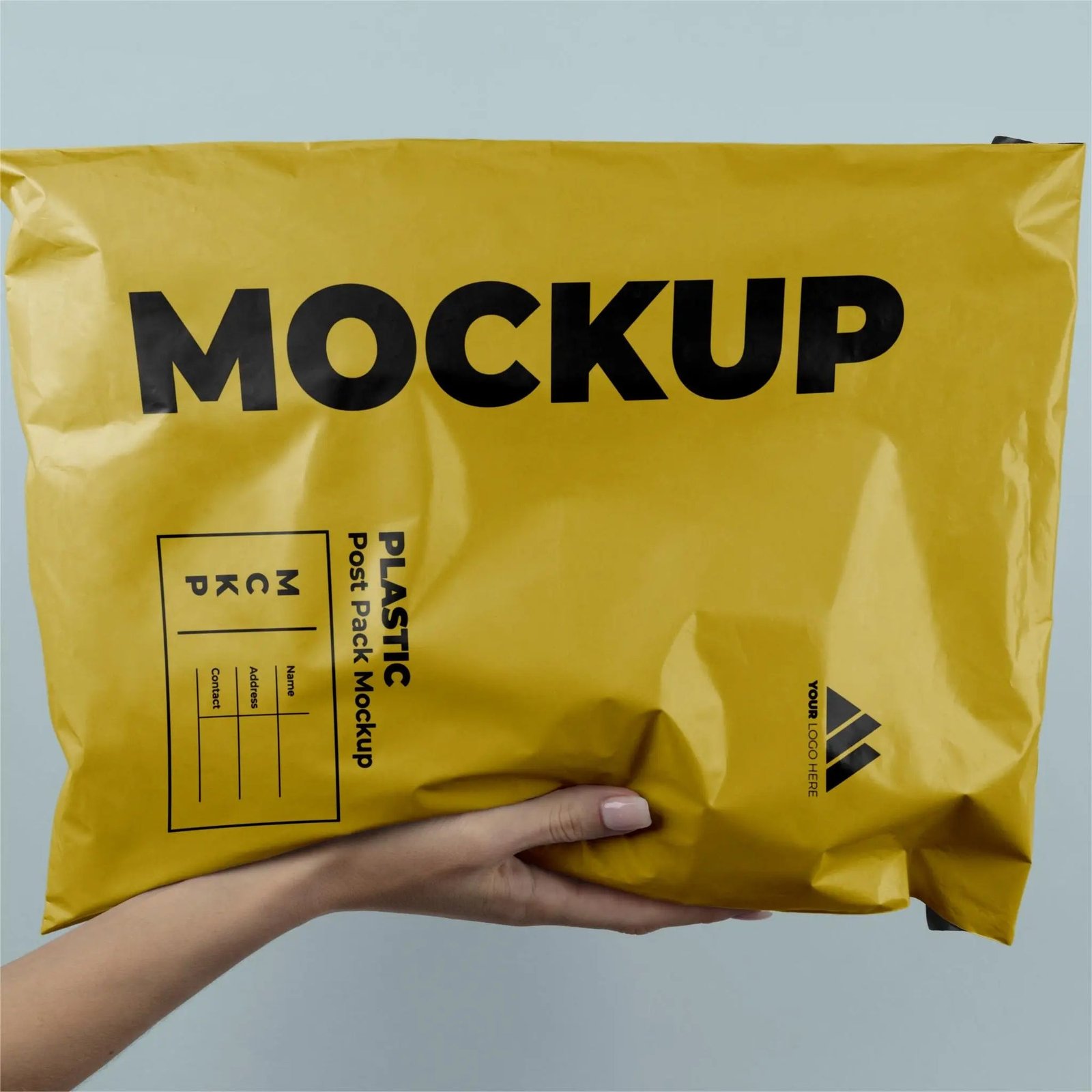
Branded Gift Packaging
Custom polybags, tissue paper, boxes, stickers, and packing inserts protect finished garments and strengthen the unboxing experience. Add your logo and handling information for retail, gifting, and global export-ready personalized baby sweater orders.
About JUNSHEEN Personalized Baby Sweater Manufacturing
Founded in 2010 in Humen Town, Dongguan, JUNSHEEN helps fashion brands turn personalized baby sweater concepts into production-ready knitwear. Our mission is straightforward: provide responsive OEM, ODM and private-label manufacturing that combines practical development guidance with dependable quality from first sample through global delivery.
More than 200 skilled workers support an integrated supply chain spanning product development, pattern making, knitting, fabric and yarn sourcing, embroidery, printing, labels, packaging, quality control and export. With capacity above 80,000 units monthly and low MOQs from 100 units per style and color, we serve launches and scalable replenishment programs alike.
What distinguishes JUNSHEEN is a fit-first, detail-led approach. We refine patterns, sizing, yarn selection, decoration and finishing around each brand’s brief, while retaining technical records to make repeat orders more consistent. Trusted by 2,000+ fashion-brand clients worldwide, our Dongguan team provides clear support for global personalized baby sweater programs.

Personalized Baby Sweater Capabilities Built for Reliable Production
Technical Knitwear Development
JUNSHEEN turns tech packs, sketches, reference garments, and product ideas into production-ready personalized baby sweater specifications. Our development team reviews construction, measurements, yarn behavior, stitch options, and manufacturability before sampling, helping brands reduce revisions and protect the intended fit and appearance.
- Tech-pack and reference-garment review
- Pattern, measurement, and grading support
- Prototype, size-set, and pre-production samples
- Low MOQ from 100 units per style and color
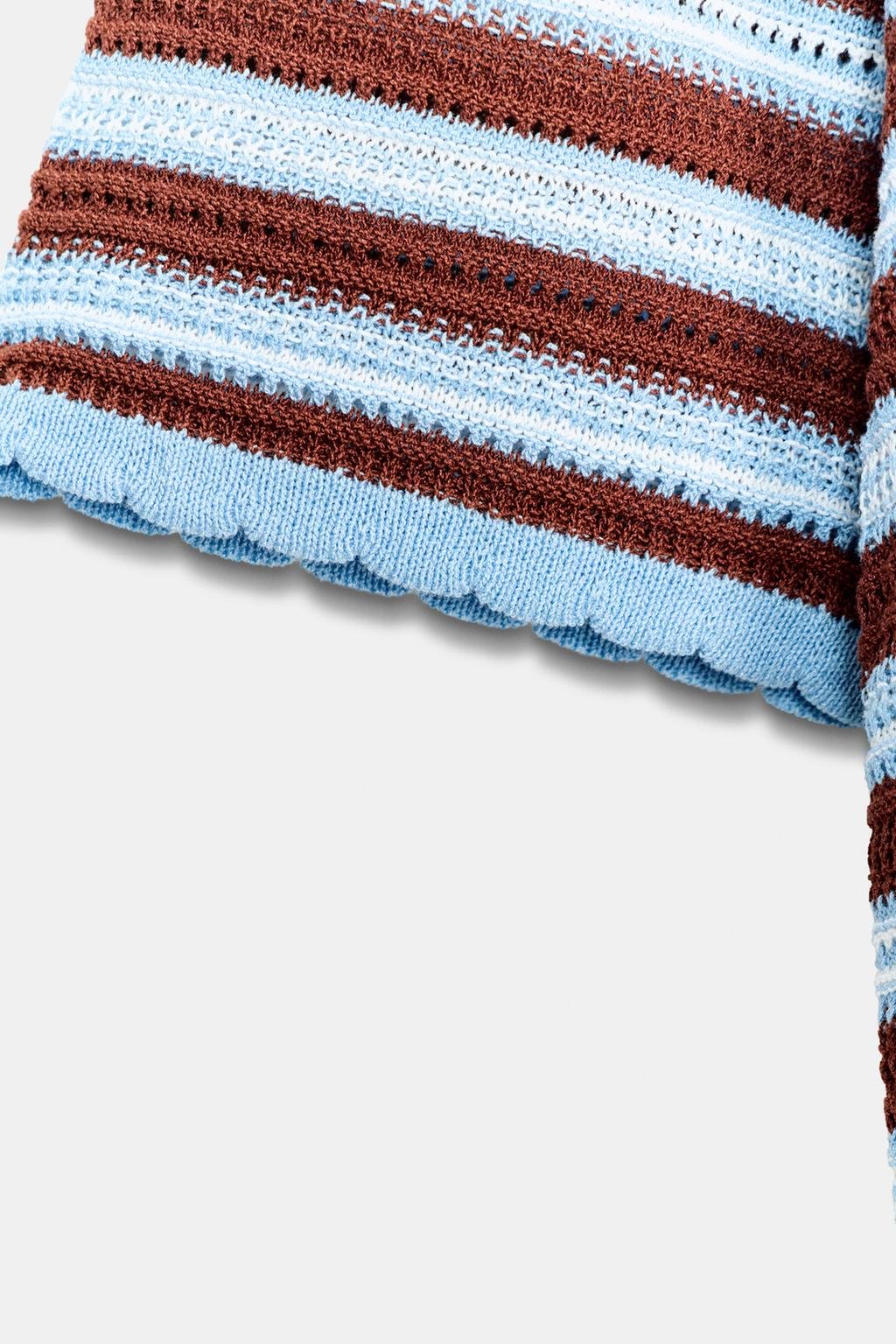
Yarn and Material Sourcing
Material selection is managed around softness, durability, weight, wash performance, and target cost. Through our supplier network, JUNSHEEN helps brands compare suitable yarns and knit constructions, review swatches, and confirm materials that support comfortable, dependable baby knitwear across repeat bulk orders.
- Cotton, blended, wool, and recycled options
- Swatch review before bulk approval
- Hand-feel and wash-performance guidance
- Material records retained for repeatability

Controlled Personalization Details
Personalization is planned as part of the garment build, not added as an afterthought. JUNSHEEN coordinates embroidery, patches, labels, trims, and branded packaging with knitwear construction so names, logos, and private-label details remain consistent through sampling, approval, and production.
- Logo and name embroidery options
- Custom woven labels and wash-care labels
- Patches, hang tags, and branded packaging
- Trim and decoration approval before bulk

Quality-Led Bulk Execution
With more than 200 skilled workers and monthly capacity above 80,000 units, JUNSHEEN supports scalable global production without losing control of technical details. Inspections cover incoming materials, in-line construction, measurements, decoration, and final packed goods before export shipment.
- Incoming-material and in-line inspections
- Measurement, fit, and decoration checks
- Final packed-goods quality control
- Global export and repeat-order support

Why Choose JUNSHEEN for Personalized Baby Sweater Production
A fit-focused, scalable OEM partner for baby knitwear programs from development through repeat orders.
← 左右滑动查看 →
Personalized Baby Sweater Production Process
A clear, fit-focused workflow for developing soft, branded baby knitwear from initial feasibility through export-ready delivery.
Review Design Feasibility
Share your tech pack, sketch, reference garment, or concept. Our team reviews knit construction, sizing, branding requirements, target costs, and 100-unit MOQ feasibility.
Source Yarns And Trims
We recommend suitable yarns, blends, labels, buttons, and packaging based on softness, durability, safety expectations, color, hand feel, and target market needs.
Develop Patterns And Samples
Pattern makers refine proportions and grading, then create prototype samples for personalized baby sweater fit, construction, decoration placement, and material approval.
Confirm Specifications And Quote
After sample feedback, we finalize measurements, colors, artwork, trims, packing details, production quantities, lead times, and quotation before bulk order confirmation.
Produce And Inspect Bulk
Skilled teams manage knitting, assembly, personalization, finishing, and in-line inspections. Quality control verifies measurements, workmanship, decoration, and consistency before final packing.
Pack And Ship Globally
Approved goods receive branded labels and export-ready packaging. We complete final checks, coordinate shipping documentation, and support reliable delivery to your chosen destination.
Start Your Personalized Baby Sweater Production
Move from concept to approved bulk order with a clear, fit-focused manufacturing workflow.
Submit Your Concept
Send a tech pack, sketch, reference sweater, or product brief with target sizes, yarn preferences, personalization details, quantities, and destination market requirements.
Review Feasibility and Quote
Our team assesses knit construction, fit grading, materials, decoration, private-label components, and production timing, then provides practical recommendations and a clear quotation.
Approve Development Samples
Review prototype and size-set samples for hand feel, measurements, personalization placement, labeling, and overall finish before confirming final specifications for production.
Launch Bulk Production
After approval, JUNSHEEN manages material preparation, knitting, decoration, quality inspections, packing, and global export support for your personalized baby sweater order.
Custom Clothing Manufacturer Credentials and Compliance Documents


What Fashion Brands Say About Working With JUNSHEEN
JUNSHEEN turned our sketch into approved personalized baby sweater samples in 18 days. Their team resolved the neck opening and sleeve-length issues before bulk, helping us launch our first 240-piece infant knitwear capsule on schedule.
The graded fit stayed consistent across our 0–24 month size range, and the embroidery placement matched every approved sample. We reduced fit-related rework by 30% and placed two repeat orders within six months.
We started with 100 units per color, then scaled to 1,800 sweaters across three seasonal drops. JUNSHEEN kept yarn, labels, packaging, and export coordination in one workflow, which made replenishment far easier.
Personalized Baby Sweater OEM FAQ
Clear answers on minimums, development, delivery, quality, and private-label production for baby knitwear programs.
What is the MOQ for a personalized baby sweater order?
Can you make a personalized baby sweater from my design or reference sample?
How long does personalized baby sweater sampling and bulk production take?
What personalization options are available for baby sweaters?
How do you control quality for baby knitwear orders?
Do you offer fit development and size grading for baby sweaters?
What payment terms do you offer for OEM orders?
Can JUNSHEEN arrange international shipping and protect my designs?
Complete Buyer’s Guide to personalized baby sweater
Use this decision framework to specify personalized baby sweater programs, compare materials and customization methods, vet OEM suppliers, control costs, and avoid sourcing mistakes that compromise safety, quality, and brand consistency.
1. What Is a personalized baby sweater?
0–24 months is the core sizing window for a personalized baby sweater: a knit or sweatshirt-style top layer made for infants and young toddlers, then customized with a name, initials, birth-date motif, character artwork, colorway, or branded trim. Buyers may specify crewneck, cardigan, pullover, or lightweight sweatshirt silhouettes, with garment dimensions and safety requirements matched to the intended age band. 3 buying models are often confused. Retail personalization applies an individual name or motif to a finished blank; private-label production creates a repeatable branded style with custom labels, care labels, hang tags, packaging, and approved artwork; made-to-order OEM develops the garment itself from a tech pack, sketch, reference sample, or product brief. 100 units per style and color is a practical starting point for capsule-scale OEM production, while a retail customizer may process single pieces after holding blank inventory. For an OEM order, the sourcing brief should state target sizes, fabric or yarn composition, weight and hand feel, color references, decoration placement, label package, packaging, and required test or compliance markets. 2010 is the year Junsheen began operating from Humen, Dongguan, with integrated development, pattern making, sourcing, decoration, quality control, and export support. That distinction matters when a buyer needs a personalized baby sweater that is not merely printed with a name, but engineered as a consistent private-label product for repeat production.
2. Evolution of Personalized Baby Knitwear
1800s hand-knit baby garments were often heirlooms, with initials, dates, and family motifs worked directly into wool. That heritage still informs personalized baby sweater demand, but contemporary brands must translate it into repeatable specifications: stitch density, yarn lot control, readable personalization placement, and consistent sizing rather than one-off craftsmanship. 1970s mass-market babywear shifted expectations toward washable fibers, standardized care labels, and dependable repeatability. Modern sourcing adds stricter practical safeguards: avoid loose trims and snag-prone decoration, specify secure embroidery backing, and test embellishments, seams, and wash performance against the target market’s applicable requirements. 2010s web-to-print and product-customization tools made names, monograms, birth details, and small graphic variations easier to sell as gifts. For a gifting program, brands should limit the personalization menu to approved fonts, thread colors, and character counts; this reduces order-entry errors while protecting lead time and visual consistency. 100-unit starting programs now let emerging labels validate a color, knit construction, or personalized offer without committing to a large seasonal buy. A manufacturer such as JUNSHEEN can develop patterns, size grading, swatches, samples, labels, and decoration within one workflow, so brands can preserve an heirloom feel while managing scalable branded production.
3. Types of personalized baby sweater
Six core formats let buyers build a personalized baby sweater range around gifting, layering, and repeat seasonal drops. At a 100-unit style-and-color starting point, silhouette choice should protect margin before adding names, motifs, or packaging.
Crewneck Pullovers

0–24 month crewnecks suit everyday gifting and unisex core assortments. A front-center name, small chest motif, or back-neck personalization keeps the offer legible online. 2×2 neck ribs and shoulder openings should be specified for infant sizes. Choose simple intarsia or embroidery layouts to avoid a stiff interior against skin.
Button-Front Cardigans

0–18 month cardigans work for newborn sets, occasionwear, and easy temperature adjustment. Left-chest initials and contrast button plackets create a premium merchandising tier. 3–5 buttons are typical on small sizes, but secure attachment testing is essential. Include button backup quantities and confirm placket stability after laundering.
Hooded And Vest Layers

6–36 month hooded styles sell as casual outer layers, while sweater vests sharpen preppy or school-inspired capsules. Place a name on the chest, hood edge, or vest back without crowding the knit. 1 lined hood adds cost and bulk, so reserve it for higher retail tiers. Vests reduce yarn consumption and pair well with woven shirts or bodysuits.
Matching Sets

2-piece sweater-and-pant or cardigan-and-bloomer sets lift average order value and gift appeal. Repeat the same monogram across both pieces, using a smaller scale on bottoms. 100-unit MOQ planning should account for size-ratio demand across the full set. Match dye lots, rib colors, and wash shrinkage before approving bulk production.
Seasonal Statement Knits
1 seasonal statement knit can anchor holiday, birthday, or limited-edition merchandising. Intarsia animals, jacquard stripes, and birthday numbers leave room for a personalized baby sweater name panel. 2–3 yarn colors control complexity better than large multi-color artwork. Approve strike-offs for motif scale, loose floats, and reversed-side comfort before production.
4. Materials for personalized baby sweater
Material choice determines comfort before branding does. For a personalized baby sweater, specify fiber content, knit gauge or GSM, wash target, and certification documents early—especially for skin-contact newborn styles.
| Fiber / structure | Weight or knit | Best use | Advantages | Cautions |
|---|---|---|---|---|
| Cotton | Fine-gauge knit | Daily baby layers | Breathable, washable | May shrink without prewash |
| Organic cotton | Fine or mid-gauge | Sensitive-skin programs | Soft, claim-ready | Verify GOTS scope |
| Merino blend | Fine-gauge knit | Cool-weather sweaters | Warm, breathable | Hand-wash preference; pilling |
| Cashmere blend | Fine-gauge knit | Premium gifting | Very soft, warm | Higher cost; delicate care |
| Recycled blend | Mid-gauge knit | Value-conscious capsules | Resource-efficient option | Confirm traceability; hand feel |
| Fleece-backed cotton blend | 240–320 GSM | Casual pullovers | Warm, durable | Less breathable; not classic knitwear |
Skin Contact And Sensitivity

100% cotton and certified organic cotton are dependable for everyday layers because they breathe well and feel smooth against sensitive skin. Request low-odor dyes and test approved trims for scratch, colorfastness, and wash stability.
- Ask for OEKO-TEX Standard 100 documentation.
- Use GOTS only for verified organic claims.
- Avoid coarse recycled yarn against bare skin.
Warmth Without Overheating

Merino blends regulate temperature better than bulky acrylic-heavy yarns, making them useful for cool-weather gifting. Cashmere blends provide exceptional softness, but require conservative blend ratios and gentler care instructions to control cost and shedding.
Washability And Pilling

Cotton-rich yarns generally tolerate frequent machine washing better than cashmere blends, while fleece-backed sweatshirting suits casual pullovers rather than fully-fashioned knitwear. Use a wash test after embroidery or applique because decoration can alter drape and shrinkage.
5. Personalization and Decoration Options
For 100-unit launches, choose personalization only after confirming knit gauge, artwork scale, and wash target. A personalized baby sweater needs soft reverse surfaces, secure attachment, and decoration that suits both retail price and reorder volume.
| Technique | Best Use | Setup And Lead Time | Baby Consideration |
|---|---|---|---|
| Embroidery | Simple names, logos | Digitizing; moderate | Avoid dense, scratchy backing |
| Intarsia or jacquard | Knit-in motifs | Programming; longer | Control floats and seams |
| Screen or digital print | Artwork or variable names | Screens versus file setup | Use soft, wash-tested inks |
| Appliqué or chenille | Premium tactile detail | Cutting and stitching | Secure edges; avoid small parts |
| Woven label | Permanent branding | Loom setup; moderate | Use soft folded edges |
Knit-In And Raised Details
Intarsia uses separate yarn areas for clean color blocks; jacquard carries floats and suits repeats. Both are durable, but fine lettering, many colors, and long back floats require tighter engineering for infant comfort. Appliqué and chenille create premium texture, yet edges must be securely stitched and assessed for snagging. Keep small loose components and abrasive backing away from baby garments.
Print And Embroidery Choices
Embroidery gives a long-lasting logo or simple name, but dense stitches can stiffen lightweight knits. Screen print favors repeat artwork and larger runs, while digital print suits multicolor artwork, variable names, and smaller test programs.
Labels And Removable Names
Woven labels support permanent branding when folded edges and soft yarns prevent irritation. Removable name elements should use low-profile fasteners, pass pull testing, and be excluded where small-part risk cannot be controlled.
6. Personalized Baby Sweater Quality Standards
A personalized baby sweater must pass more than a visual approval: knit structure, trim security and wash performance determine whether it stays safe and wearable. Put measurable tolerances and test requirements into the purchase order before bulk yarn is booked.
Knit And Fit Specifications

1×1 rib, 2×2 rib, gauge and stitch density should be approved together, because a gauge change can alter weight, stretch and silhouette. Specify yarn composition, color lot, approved hand feel and an acceptable shade variation. ±1 cm is a practical starting measurement tolerance for small baby garments; apply it separately to chest, body length, sleeve length and neck opening. Check neckline recovery after repeated extension and ensure linked seams, labels and yarn ends feel smooth against skin.
- Record gauge, stitch count and finished measurements
- Approve a graded size chart before size-set sampling
- Reject loose ends, ladders, holes and uneven tension
Safety And Wash Performance

90 N is a commonly used pull-test reference for sewn-on buttons, but buyers should confirm the applicable destination-market safety standard with their laboratory. Avoid detachable decorations, sharp zipper pulls and rough backings; embroidery and labels need a scratch-free interior. 3 to 5 home-laundering cycles should be run on the development sample using the stated care method. Measure shrinkage, evaluate color transfer, confirm neckline recovery and assess pilling against the agreed appearance standard.
- Test button, snap and trim attachment strength
- Inspect inside seams and embroidery backing by hand
- Verify colorfastness to washing and rubbing
Sample And Final Inspection
1 approved development sample should establish the golden reference for color, gauge, measurements, construction and personalization placement. Photograph critical points and retain a sealed swatch or garment for production comparison. 100% of packed units should receive a final visual check, while measurement audits should follow the buyer’s agreed AQL plan. Pre-shipment inspection must compare bulk color lots, pilling, trims, labels, packing and carton counts against the approved reference.
- Compare bulk goods with the signed approval sample
- Audit button security and scratch-free interiors
- Check care labels, polybags and carton markings
7. How to Choose an OEM Manufacturer
A 100-unit opening order can reveal more about an OEM than a polished catalog. Evaluate the factory’s baby knitwear controls, records, sampling discipline, and export process before approving a personalized baby sweater program.
Verify Factory Capability
Ask for 3 recent baby knitwear samples, factory-floor video, and the production address. A capable OEM can explain gauge, linking, yarn composition, labeling, and how it controls small-part risks.
- Request sample-development timeline
- Confirm 100-unit MOQ by style and color
- Ask who owns patterns and graded files
Check Materials And Compliance
Request yarn specifications, dye-lot records, care-label content, and applicable test reports before bulk approval. OEKO-TEX Standard 100, GOTS, WRAP, or BSCI documents should be current, scope-specific, and independently verifiable.
- Obtain fiber-content declarations
- Review color and wash test results
- Confirm traceability for each bulk lot
Test Communication And Control
Set a 7-day sampling checkpoint and require a measurement sheet, Pantone callouts, and photos of first-off production. Direct answers on capacity, defect handling, inspection points, and shipping documents usually indicate factory-led control.
- Ask for in-line inspection records
- Confirm final AQL inspection procedure
- Request packing list and export-document examples
8. Common Personalized Baby Sweater Mistakes
Most costly personalized baby sweater errors begin before bulk approval: a fiber, artwork, or schedule decision that looks minor can force rework, delayed delivery, or unsellable stock. Treat the development sample as a production test, not merely a design preview.
Specify Fibers For Wear

100% wool can feel premium but may itch, shrink, or require care routines unsuitable for baby programs. Specify fiber content, gauge, wash method, and shrinkage tolerance; test a washed sample before approving bulk.
Simplify Artwork And Placement
3D embroidery, appliqué, and tiny lettering can distort lightweight knits or become illegible at baby-garment scale. Supply vector art, Pantone references, and placement measurements from neckline or center front; approve an actual decorated sample.
Test Safety And Fit
1 sample that photographs well may still fail after laundering, stretching, or normal handling. Check seam strength, color transfer, measurement tolerance, neckline stretch, and decoration adhesion across the intended size range. 0 loose beads, detachable patches, sharp components, or unsecured cords should be accepted for infant styles. Document the approved construction and packaging requirements in the tech pack.
Budget Setup And Calendar
100 units may meet a low-MOQ threshold, yet sampling, pattern work, custom labels, embroidery digitizing, and fabric minimums can raise the effective unit cost. Request a line-item quotation before committing to retail margin. 6–10 weeks is a safer planning allowance for development, material confirmation, sampling, revisions, and bulk production; custom yarns or peak-season capacity can extend it. Lock artwork and size ratios before material booking.
9. Launching a Personalized Baby Sweater Line
A 100-unit pilot is usually the safest way to test a personalized baby sweater before committing to a broad range. Two weeks of research should map target ages, competitor price points, best-selling colors, and decoration preferences in the intended market.
Define The First Assortment
Three to five SKUs give a new line enough choice without multiplying sampling, inventory, and artwork risk. Limit the opening range to one core silhouette, two colorways, and a clear personalization offer such as name embroidery. Six competitor listings can reveal useful gaps in sizing, yarn feel, gift packaging, and turnaround promises. Record retail price, fiber claims, knit gauge, available colors, and review complaints before setting the brief.
Prepare Production-Ready Files
One complete tech pack should specify flat sketches, measurements, graded size chart, stitch construction, fiber composition, Pantone colors, labels, and packing method. Attach vector artwork in AI, PDF, or EPS format and define placement, thread colors, and maximum name length. Two approval gates prevent expensive rework: approve the artwork proof first, then approve the prototype against the tech pack. For a first OEM order, also provide the target retail market, compliance needs, delivery date, and named decision maker.
- Flat sketches and measurement specifications
- Pantone colors and approved artwork files
- Size range, labels, hang tags, and polybag details
- Target cost, quantity, destination, and delivery date
Test Before Booking Bulk
One prototype and one revised sample are commonly enough when comments are consolidated in a single document. Check neck opening, cuff recovery, seam comfort, embroidery backing, and personalization legibility on the intended infant size. Three wash cycles should confirm shrinkage, color change, pilling, and decoration durability before bulk material is approved. Confirm the final cost, production calendar, booking quantity, carton marks, and balance-before-shipment requirements in writing.
Launch And Learn Quickly
Thirty days after launch, review returns, size feedback, repeat purchases, and personalization errors by SKU and color. Keep product reviews separate from fulfillment issues so the next factory brief addresses the right cause. Two reorder signals—stable sell-through and low fit-related returns—justify adding colors, sizes, or a second silhouette. Junsheen can retain approved patterns, graded size sets, and material records to make repeat programs more consistent.
10. Personalized Baby Sweater Pricing and Costs
100 units is a practical starting tier for many personalized baby sweater programs, but unit cost falls only after yarn buying, machine setup, and inspection effort are spread across more pieces. Request a quotation that separates knit construction, decoration, labels, packaging, testing, freight terms, and applicable destination charges. 3 quantity bands make comparisons clearer: a 100–299-unit launch generally carries the highest unit cost and setup burden; 300–999 units improves yarn utilization; 1,000+ units can justify more efficient production planning. Fiber choice, gauge, color count, intarsia versus jacquard, embroidery stitch count, trims, gift boxes, and OEKO-TEX or market-specific testing can each change the final figure. 2 quotations are comparable only when they share the same tech pack, graded size ratio, yarn specification, color standard, decoration placement, packing method, Incoterm, and delivery destination. Budget prototype and fit samples, courier freight, duties where applicable, and a 5–10% contingency for approved changes or yield variation before committing to bulk.
| Order quantity | Indicative unit-price drivers | Setup and typical lead time |
|---|---|---|
| 100–299 units | Lower yarn efficiency; fixed development costs spread over fewer pieces | Sampling, labels, and artwork setup; roughly 4–8 weeks after approvals |
| 300–999 units | Improved yarn utilization and production planning | Setup diluted across volume; roughly 4–7 weeks after approvals |
| 1,000+ units | Greater efficiency, but complex knits or testing still add cost | Potentially fewer production changeovers; roughly 4–7 weeks after approvals |
Start Your Personalized Baby Sweater Project Today
Send your tech pack, reference garment, or product idea for a fit-focused OEM quotation starting from 100 units per style and color.