
Custom Sweater Vest Manufacturing From 100 Units
Launch fit-focused custom sweater vest programs with OEM, ODM and private-label support, XS–3XL development, and scalable global production.
Featured Products for custom sweater vest Development



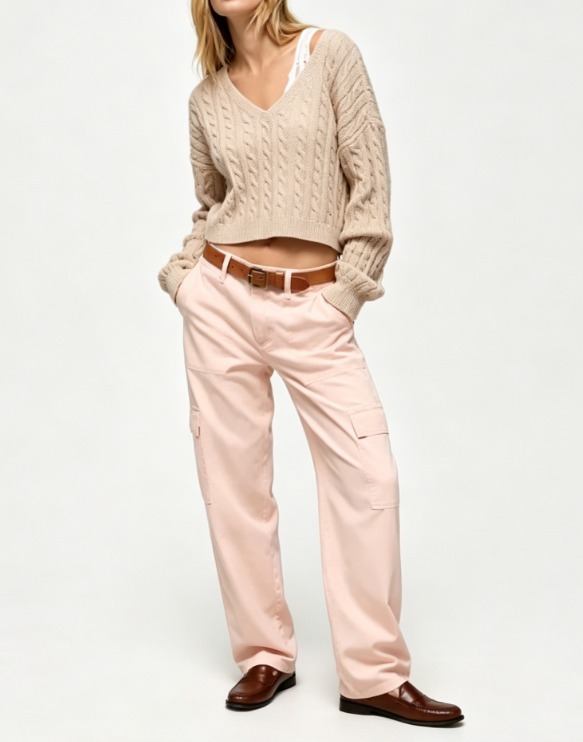
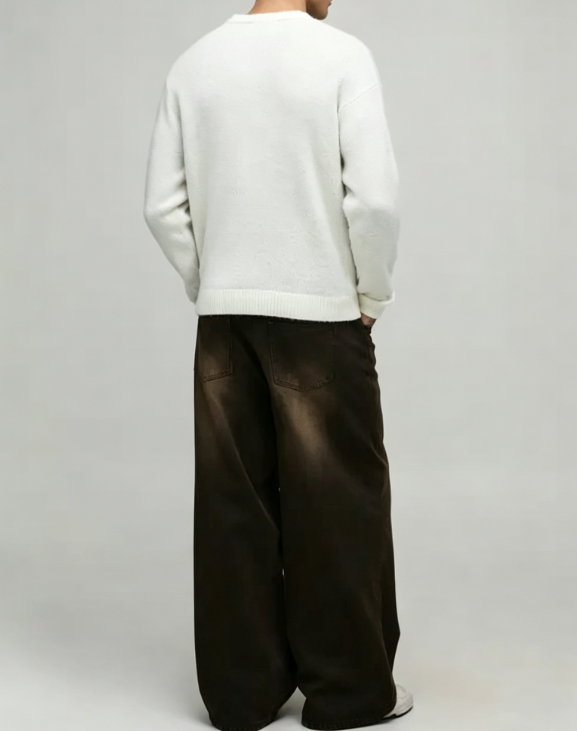
Related Product Catalogue and Quotation




Why Brands Source Custom Sweater Vests From Junsheen
One responsive manufacturing partner for fit-led development, low-MOQ knitwear production, branding details and dependable global delivery.
100-Unit MOQ
Launch capsule collections or test new colorways from 100 units per style and color without sacrificing production support.
Fit-Focused XS–3XL
Pattern makers refine proportions, mobility and grading increments for regular, oversized and extended-size sweater vest collections.
Knitwear and Cut-and-Sew
Combine sweater constructions with coordinated woven or jersey pieces through one factory team and streamlined development process.
Private-Label Details
Add custom labels, hang tags, patches, buttons, packaging and logo decoration to create a retail-ready branded product.
Quality Control and Export
From material inspection through packed-goods checks, Junsheen manages quality control and global shipping support for reliable delivery.
Custom Sweater Vests and OEM Programs
Develop coordinated knitwear and casualwear programs with fit-focused grading, low 100-unit MOQs, and integrated production support from sampling through export.
Custom Hoodies
Produce custom hoodies in fleece, French terry, and jersey with custom fits, fabric weights, rib trims, embroidery, screen printing, washes, labels, and branded packaging. Fit development and grading support XS–3XL, including oversized and extended-size programs.
Request a Quote
Custom T-Shirts
Develop custom T-shirts from combed cotton, Pima cotton, organic cotton, and blended jersey. Junsheen supports silhouettes, neck constructions, fabric weight selection, screen printing, DTG, DTF, embroidery, wash effects, private labels, and production from 100 units per style and color.
Request a Quote
Custom Jeans
Manufacture custom jeans in rigid, stretch, and fashion denim with fit-specific pattern development, rises, leg shapes, washes, distressing, hardware, patches, and private labeling. Size grading is refined across XS–3XL to maintain proportion and mobility throughout the size range.
Request a Quote
Custom Sweaters
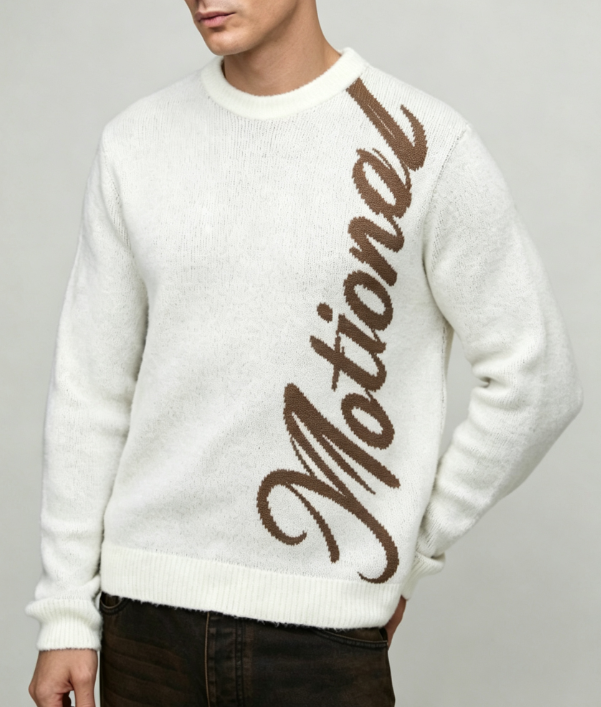
Source and produce turtle neck sweaters in bulk alongside crewnecks, V-necks, and textured knit styles. Yarn, gauge, stitch structure, rib details, fit blocks, color programs, and size grading are reviewed during sampling before bulk knitwear production.
Request a Quote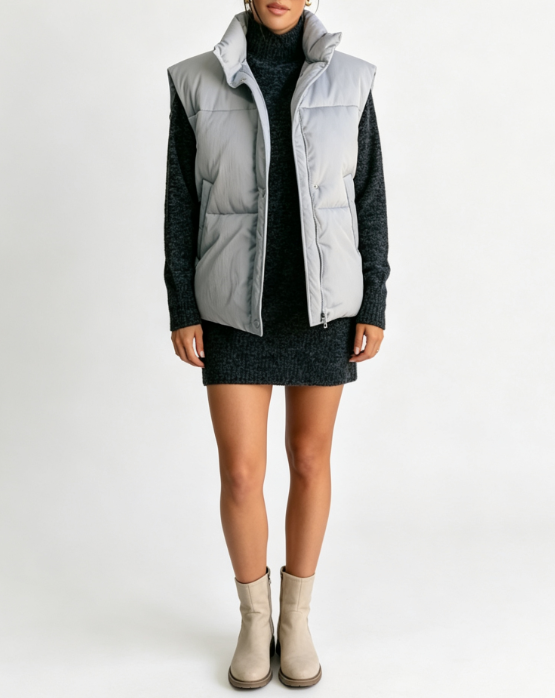
Custom Jackets
Create custom jean jackets in denim, stretch denim, twill, and mixed-material constructions. Development covers silhouette, paneling, pockets, collars, closures, contrast stitching, washes, embroidery, patches, labels, and coordinated denim-program production.
Request a Quote
Custom Sweatshirts & Crewnecks
Produce custom crewneck hoodie and sweatshirt programs in French terry, fleece, and jersey. Choose garment weight, collar or hood construction, ribbing, fit, graphic application, embroidery, wash treatment, and private-label components for capsule or repeat production.
Request a Quote
Custom Cardigans
Develop custom cardigans with button, zip, open-front, cropped, oversized, or fitted silhouettes. Junsheen supports yarn selection, knit gauge, stitch patterns, plackets, trims, logo embroidery, labels, and fit-focused grading for complete size sets.
Request a Quote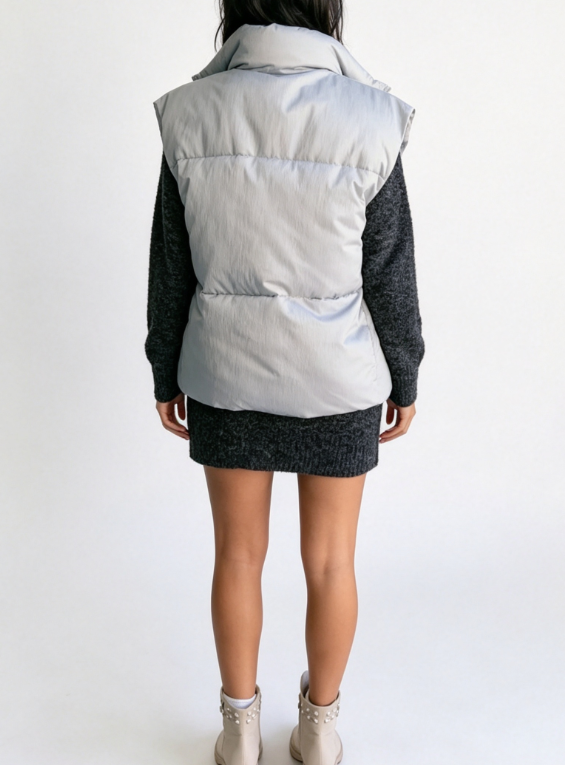
Custom Puffer & Down Jackets
Produce custom puffer jackets with defined shell fabrics, insulation or down-fill specifications, lining, quilting, zipper systems, pockets, hoods, reflective details, branded trims, and packaging. Sampling confirms construction, warmth, fit, and finishing before bulk production.
Request a Quote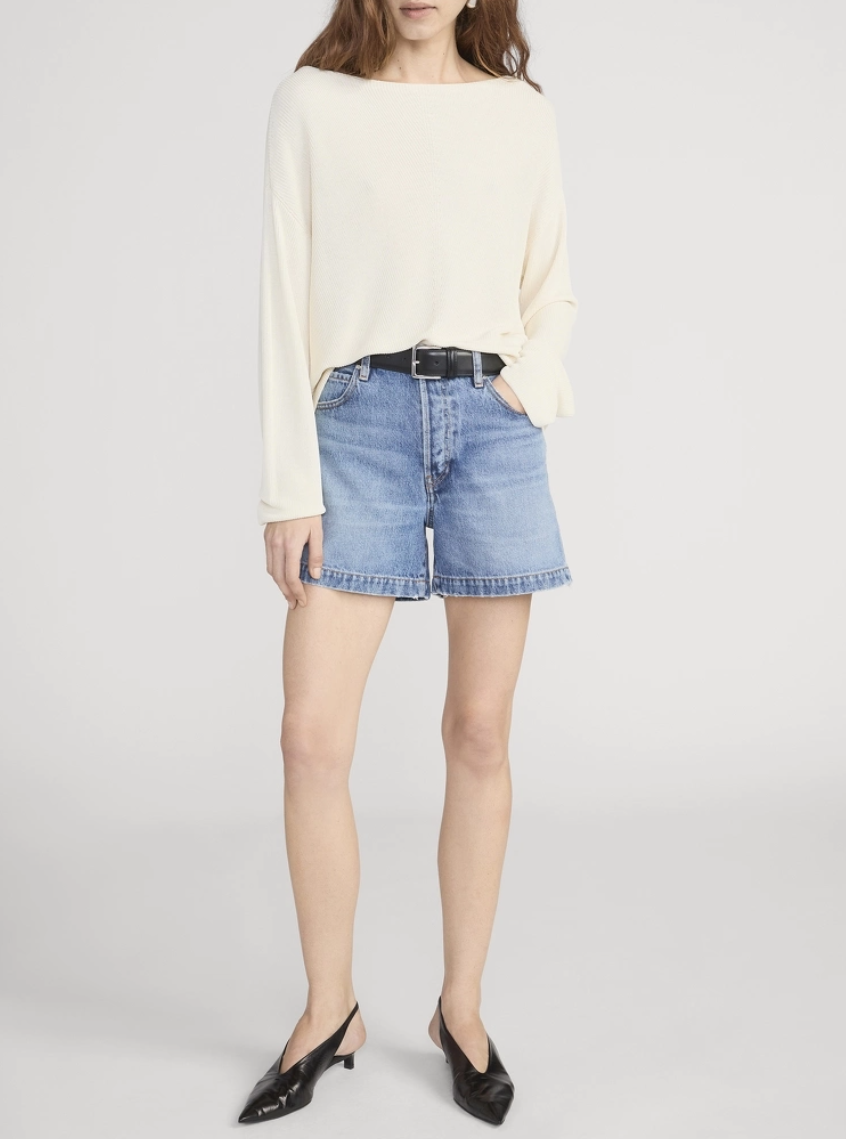
Custom Denim Shorts
Manufacture custom jean shorts in rigid or stretch denim with target inseams, rises, hem treatments, washes, distressing, hardware, pockets, and labels. Pattern development supports consistent fit across normal, extended-size, and oversized denim assortments.
Request a Quote
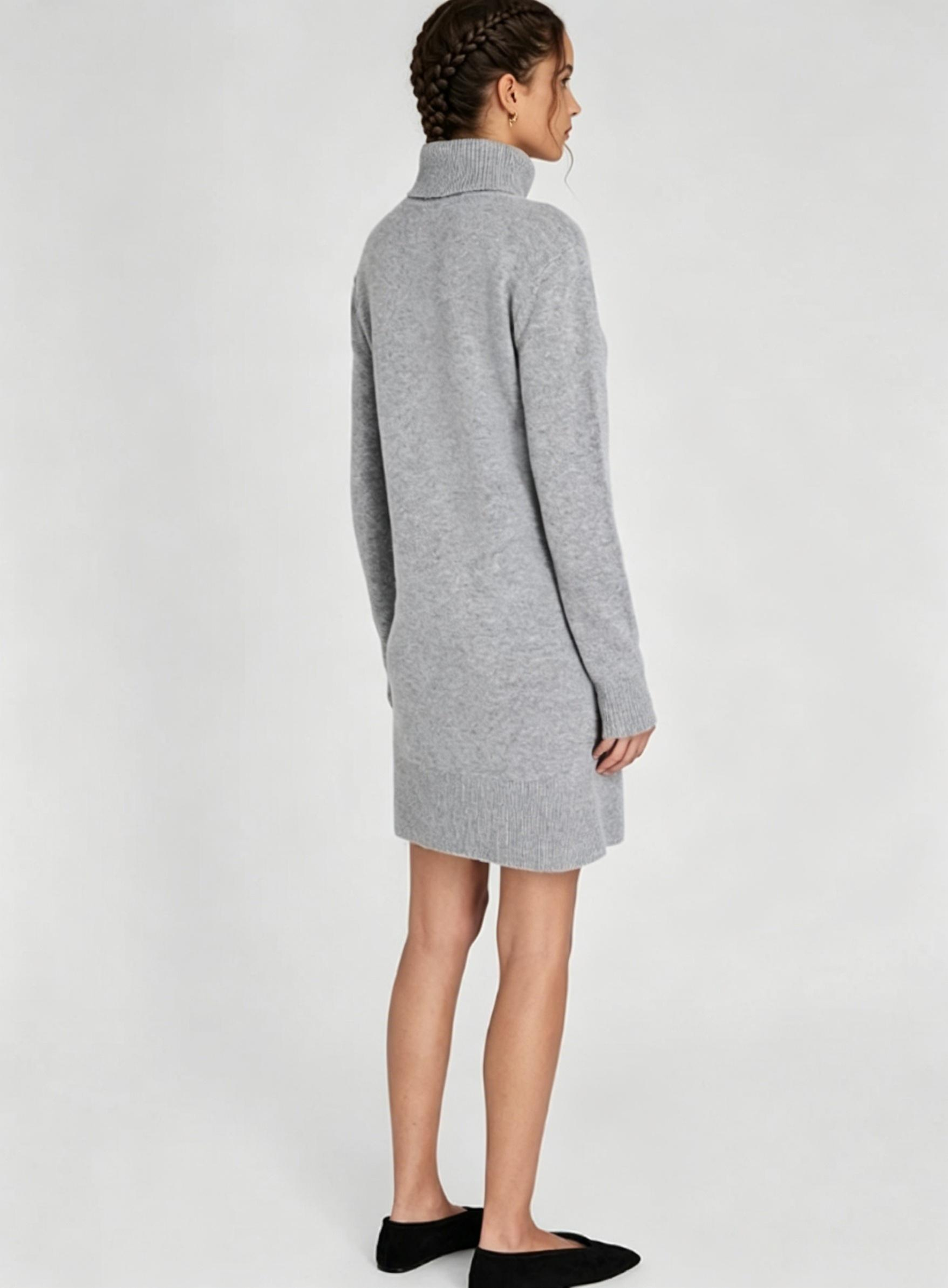
Custom Sweater Dresses
Create custom sweater dresses in fine-gauge or heavier knit constructions, from body-skimming midi styles to relaxed oversized silhouettes. Development includes yarn, stitch, neckline, sleeve, length, shaping, rib details, color, and fit grading across the size range.
Request a Quote
Custom Denim Sets
Supply mens denim suits wholesale through coordinated denim jackets, overshirts, jeans, and tailored denim separates. Match fabrics, washes, stitching, hardware, branding, and size specifications across the set for consistent wholesale-ready assortments.
Request a Quote
Custom Polo Shirts
Produce custom polo shirts in pique, jersey, performance knits, and cotton blends. Specify collar construction, plackets, sleeve cuffs, color blocking, embroidery, printing, fit, and labels while maintaining consistent grading for branded uniform or retail programs.
Request a Quote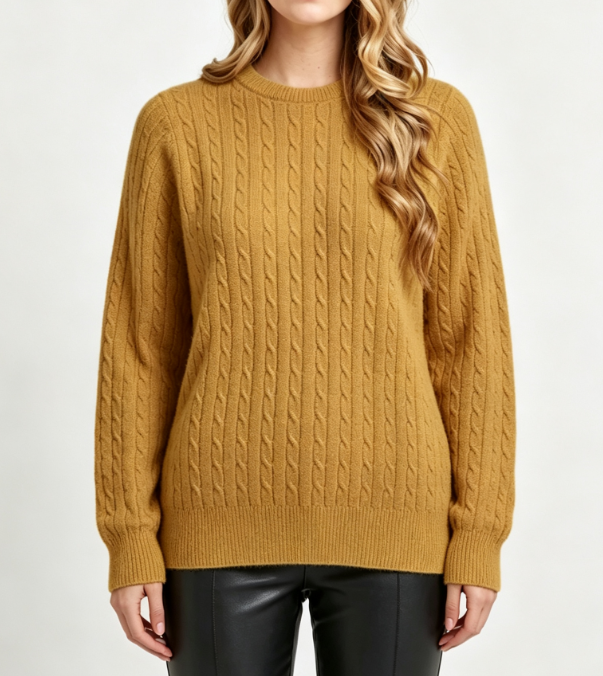
Custom Sweatpants
Manufacture custom sweatpants in fleece, French terry, jersey, and performance knits. Select tapered, straight, wide-leg, or jogger fits with elastic or drawcord waists, pockets, rib cuffs, embroidery, printing, washes, labels, and coordinated top-and-bottom sets.
Request a Quote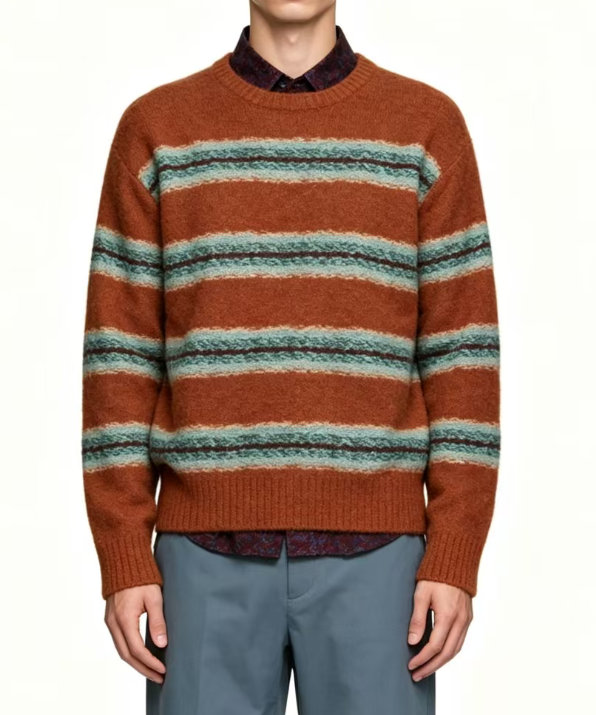
Custom Shorts
Develop custom shorts for casualwear, active-inspired, denim, twill, or fleece programs. Specify inseam, rise, waistband, pockets, closures, fabric weight, stretch, decoration, wash effects, labels, and grading to support consistent fit from XS through 3XL.
Request a Quote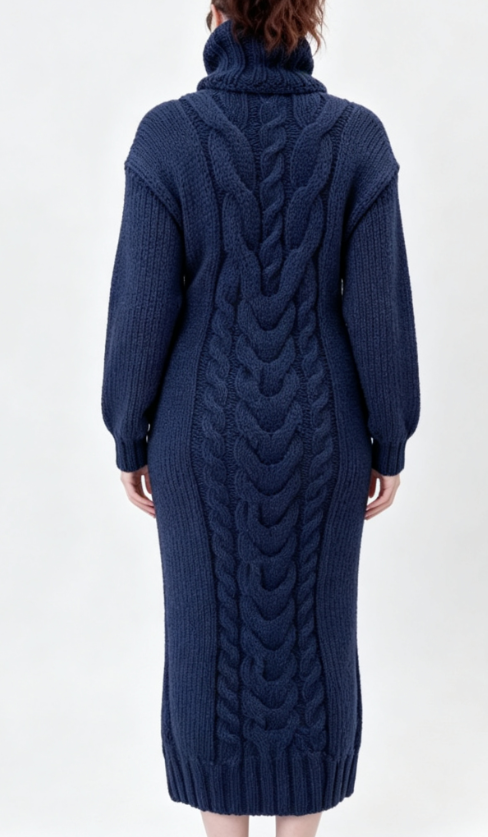
Custom Pullovers
Produce custom pullovers across knitwear, fleece, French terry, and jersey constructions. Junsheen supports crewneck, quarter-zip, mock-neck, hooded, and oversized designs with fabric or yarn selection, trims, decoration, private labeling, sampling, and scalable bulk production.
Request a QuoteMaterials for Custom Sweater Vest Development

Combed Cotton Blends
Soft, breathable cotton-blend yarns create versatile custom sweater vests for everyday layering and collegiate collections. They offer a clean, skin-friendly hand feel with dependable shape retention and manageable weight for trans-seasonal wear.

Merino Wool Blends
Merino wool blends deliver a refined, warm hand feel for premium fashion, officewear, and elevated layering styles. Fine fibers provide natural temperature regulation, while blended construction improves durability and helps maintain a polished knit appearance.

Recycled Cotton Yarns
Recycled cotton yarns support responsible capsule collections and casual knitwear with a textured, authentic feel. Available in blends engineered for consistent knitting, they balance material recovery goals with practical strength, color options, and repeat-order performance.

Recycled Polyester Knits
Recycled polyester knit yarns suit lightweight uniforms, sports-inspired vests, and color-forward programs requiring reliable durability. Their smooth hand feel, strong color retention, and lower moisture absorption support easy-care garments that hold up through frequent washing.

Viscose Nylon Blends
Viscose and nylon blends create a smooth, soft drape for fitted or fashion-led custom sweater vest silhouettes. Viscose adds a silky hand feel, while nylon contributes resilience, helping rib edges and shaped panels recover more effectively.

Performance Knit Blends
Performance knit blends are suited to active-inspired layering, schoolwear, and modern uniform programs needing stretch and easy care. Engineered fibers provide controlled recovery, breathable comfort, and resistance to pilling for dependable day-to-day wear.
Custom Sweater Vest Decoration and Finishing Options

Knit Construction
Choose fully fashioned, jacquard, intarsia, cable, rib, or textured knit constructions to define the structure and visual character of each custom sweater vest while maintaining dependable shape retention and wearable comfort.

Logo Embroidery
Flat, 3D puff, chain-stitch, and logo embroidery add dimensional brand recognition with secure stitching. Our team positions artwork for balanced placement across knit panels, chest areas, hems, and back yokes.

Applique Detailing
Layered fabric, knit, chenille, or embroidered applique creates bold collegiate and premium fashion effects. Reinforced attachment methods help preserve clean edges, dimensional texture, and durability through regular wear and laundering.

Custom Patchwork
Woven, leather, silicone, rubber, and embroidered patches give custom sweater vest programs a clear private-label signature. We match patch materials and attachment methods to the knit gauge, intended hand feel, and branding direction.

Wash Finishing
Softening, enzyme, anti-pilling, brushing, and napping finishes refine the garment hand feel and surface appearance. Process selection is tested during sampling to support consistent color, softness, and knit performance in bulk production.
Custom Sweater Vest Trims and Branding Accessories

Woven Brand Labels
Custom woven main labels place your brand identity at the back neck or side seam of a custom sweater vest, with options for damask weave, fold style, color matching, and soft-touch yarns.

Size Care Labels
Printed or woven size and wash-care labels support clear retail compliance across XS–3XL size runs. Junsheen can coordinate fiber content, care instructions, country-of-origin details, and your preferred label placement.

Custom Hang Tags
Branded hang tags add a polished wholesale and retail finish to custom sweater vest orders. Select cardstock, die-cut shapes, strings, safety pins, barcodes, QR codes, and product messaging suited to your collection.

Logo Buttons
For button-front sweater vests, custom buttons reinforce your collection’s identity. Choose engraved metal, horn-look, resin, corozo, or covered options, matched to the knit weight, placket construction, and intended price point.

Embroidered Patches
Woven, embroidered, chenille, or faux-leather patches create distinctive branding on chest panels, hems, or back neck areas. They work well for collegiate, streetwear, golf, and heritage-inspired custom sweater vest programs.
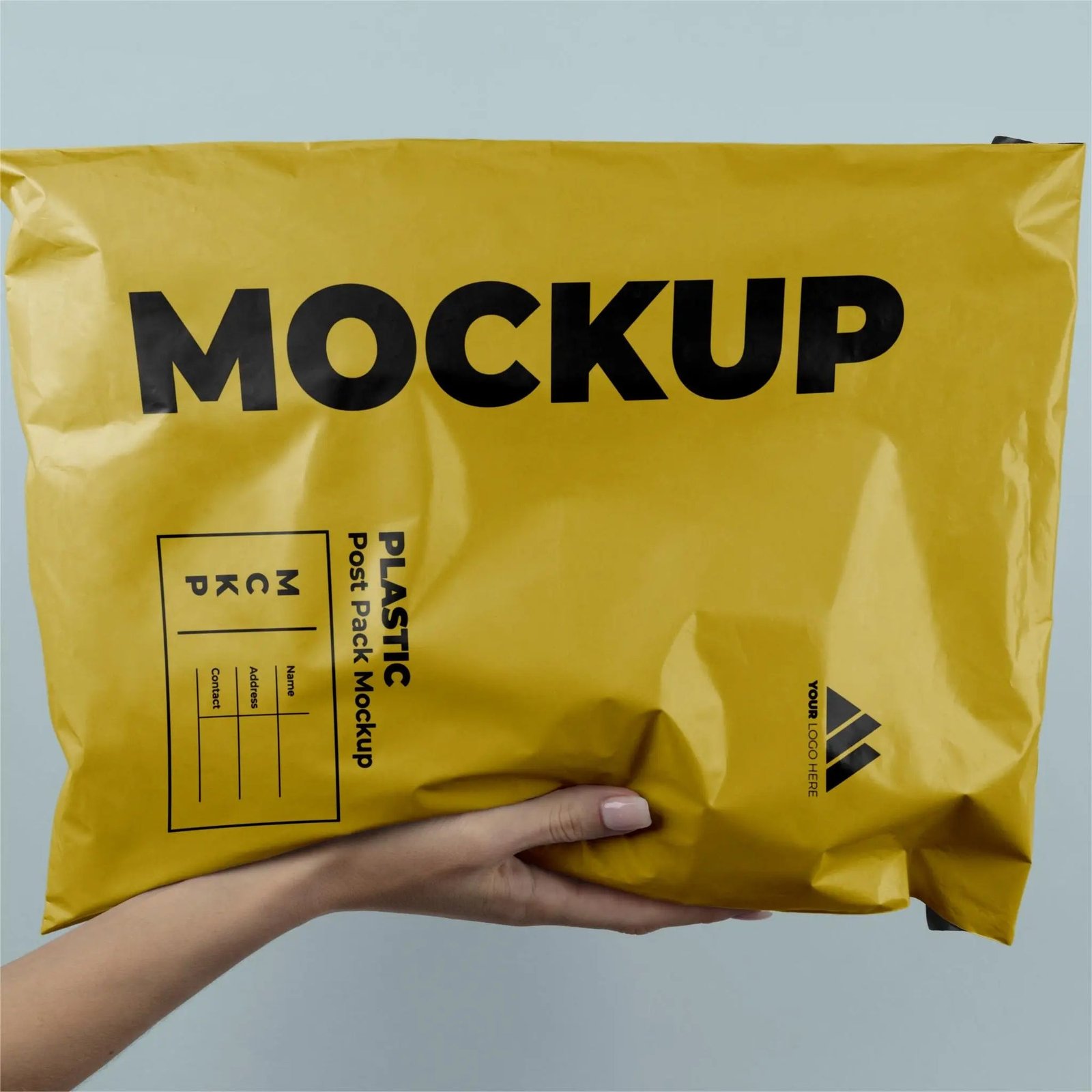
Branded Packaging
Complete production with custom polybags, tissue paper, sticker seals, insert cards, and shipping-ready cartons. Coordinated packaging protects knitwear in transit while giving retailers and direct-to-consumer customers a consistent unboxing experience.
About Junsheen Apparel Manufacturing
Based in Humen Town, Dongguan, JUNSHEEN has supported fashion brands with OEM, ODM and private-label apparel manufacturing since 2010. Our mission is to turn product ideas into production-ready garments with clear technical guidance, dependable quality control and responsive export support.
With 200+ skilled workers and monthly capacity above 80,000 units, we manage custom sweater vest programs from 100 units per style and color through scalable repeat production. Our integrated team covers knitwear development, fabric sourcing, pattern making, XS–3XL grading, decoration, trims, packaging and shipment.
More than 2,000 fashion-brand clients have worked with JUNSHEEN across global markets. What distinguishes us is a fit-first approach: we refine proportion, mobility and grading across standard, extended-size, plus-size and oversized fits, helping brands reduce sampling revisions and build consistency as their collections grow.

Custom Sweater Vest Development Capabilities
Fit Engineering Across Sizes
JUNSHEEN develops custom sweater vest patterns from XS to 3XL with grading that considers shoulder balance, armhole shape, body length and ease. Each size is refined for proportion and wearability instead of simply scaling up a base pattern.
- XS–3XL, plus-size and oversized grading
- Balanced armholes and shoulder proportions
- Size-set sampling before bulk approval
- Fit adjustments documented for repeat programs
From Concept to Knit Sample
Whether you provide a complete tech pack, sketch, reference garment or mood board, our development team translates your direction into production-ready specifications. We review yarn, gauge, construction, trims and manufacturability before sampling begins.
- Tech-pack review and specification support
- Yarn, gauge and stitch recommendations
- Prototype and pre-production samples
- Practical cost and construction guidance

Integrated Branding and Decoration
Build a custom sweater vest that carries your brand details consistently through decoration, labels and packaging. JUNSHEEN coordinates embroidery, patches, applique, custom labels, hang tags and branded trims within one controlled production workflow.
- Logo embroidery, patches and applique
- Woven, leather and wash-care labels
- Custom buttons, zippers and rib trims
- Branded hang tags and packaging

Consistency for Reorders
From a 100-unit launch to scalable bulk production, JUNSHEEN retains approved patterns, graded size sets and material records for efficient repeat orders. In-line and final inspections check measurements, construction, decoration and packed goods before global shipment.
- 100-unit MOQ per style and color
- Saved production records for reorders
- In-line measurement and construction checks
- 80,000+ units of monthly capacity

Why Choose JUNSHEEN for Custom Sweater Vest Production
A fit-focused OEM partner for launches from 100 units through scalable global programs.
← 左右滑动查看 →
Custom Sweater Vest Production Process
A fit-focused knitwear workflow that moves your concept from feasibility review to inspected, export-ready bulk goods.
Review Design Feasibility
We assess your tech pack, sketch, reference or mood board, then confirm construction, gauges, fit targets, MOQ, timeline and manufacturing requirements.
Source Yarns And Trims
Our team recommends yarns, blends, colors, rib options and private-label components based on hand feel, weight, durability, target cost and wash performance.
Develop Patterns And Samples
Pattern makers refine XS–3XL grading, body proportions and armhole balance, then produce prototype samples for construction, fit, color and branding approval.
Approve Pre-Production Details
Before bulk production, we confirm the approved sample, size set, yarn specifications, decoration placement, labels, packaging and final production records.
Produce Inspect And Ship
Skilled teams complete knitting, linking, finishing and packing, with in-line and final quality checks before export-ready custom sweater vest orders ship globally.
Start Your Custom Sweater Vest Order
From your first concept to global delivery, JUNSHEEN manages each production stage with clear technical review, fit-focused sampling, and dependable quality control.
Submit Your Design
Share a tech pack, sketch, reference garment, mood board, or product idea with target quantities, size range, materials, colors, and branding requirements.
Review Feasibility and Quote
Our team reviews construction, knitwear specifications, fit needs, decoration, and sourcing options, then provides manufacturability guidance, MOQ confirmation, pricing, and lead-time details.
Approve Development Samples
We create patterns and samples for your custom sweater vest, refine XS–3XL grading or oversized proportions, and proceed after your fit, material, and detail approval.
Confirm Bulk Production
Confirm your order and production details, then JUNSHEEN manages bulk knitting, assembly, labeling, finishing, in-line inspections, and final quality control from 100 units per style and color.
Arrange Global Shipment
After final balance and packed-goods approval, we coordinate export documentation and shipping support to help your finished custom sweater vests reach their destination reliably.
Custom Clothing Manufacturer Credentials and Compliance Documents



What Fashion Brands Say About Junsheen Custom Sweater Vest Production
We launched our first custom sweater vest capsule at the 100-unit MOQ and sold through 82% in six weeks. Junsheen helped refine the rib proportions and delivered export-ready cartons on schedule.
The XS–3XL size set finally felt consistent across our vest program. After the revised grading sample, fit-related returns dropped 27% compared with our previous supplier, and we placed a repeat order within the season.
Junsheen coordinated knit sampling, custom woven labels, and shipping for our UK wholesale launch. Our 240-piece order arrived fully packed for retailer allocation, which saved our team nearly two weeks of prep work.
Custom Sweater Vest FAQ
Clear answers on minimums, sampling, fit development, payment, production, shipping, and design confidentiality.
What is the MOQ for a custom sweater vest?
How long does a custom sweater vest sample take, and what does it cost?
Can you develop custom sweater vests from a sketch or reference garment?
Do you offer XS–3XL and plus-size sweater vest grading?
What payment terms do you offer for custom sweater vest orders?
What is the bulk lead time after sample approval?
Can JUNSHEEN ship sweater vest orders internationally?
How do you protect my tech pack and custom sweater vest design?
The Complete Buyer’s Guide to custom sweater vest
Use this decision framework to specify, source, and price a custom sweater vest, assess capable suppliers, compare materials and decoration methods, and avoid costly sampling, quality, and production mistakes.
1. What Is a custom sweater vest?
100 units per style and color is a practical starting point for a custom sweater vest program: the buyer specifies the garment itself, not merely a stocked blank. That control can include silhouette, neck depth, armhole shape, body length, gauge, yarn blend, stripe layout, rib proportions, graded sizing, Pantone colors, labels and packaging. 3 production routes are often confused. A ready-made blank limits the buyer to existing stock; a logo-decorated vest adds embroidery, patches or print to that stock; a true custom sweater vest starts with approved specifications and can require new knitting, linking, trims and private-label components. The distinction matters when fit, color blocking, jacquard artwork or a brand-specific hand feel drives the product. 2010 is the year JUNSHEEN began manufacturing apparel in Dongguan, and its development workflow can translate a tech pack, sketch, reference garment or concept into a production-ready vest. Fashion labels use custom vests for seasonal knit capsules; schools and uniform programs use controlled colors and durable branding; golf and hospitality teams prioritize layering and mobility; retailers use exclusive silhouettes and branded presentation. Buyers should lock the intended wearer, fit block, size range, decoration method, care requirements, main and size labels, hang tags, folding method and export carton plan before bulk approval.
2. Evolution of the custom sweater vest
1910s knitwear made the sleeveless pullover a practical layering piece: it added warmth without restricting the arms under a jacket. By the mid-20th century, V-necks, rib trims, argyle, and contrast stripes had firmly linked the sweater vest to collegiate and golf wardrobes, creating visual codes buyers still use for preppy collections. 1970s workwear and heritage styling broadened its role beyond campus dressing, while later streetwear adopted oversized bodies, dropped shoulders, bold intarsia, and logo-led color blocking. Luxury collections then elevated the same familiar form through fine-gauge wool, cashmere blends, textured stitches, and cleaner proportions; the opportunity is not a new garment, but a reinterpretable one. 2020s gender-inclusive assortments have favored adaptable fits: a regular body for layering over shirting, or a controlled oversized silhouette that works over tees and hoodies. A custom sweater vest should therefore begin with a stable silhouette, a deliberate armhole depth, and a core color plan, then add seasonal interest through yarn texture, stitch pattern, placement graphics, or limited Pantone accents. 100-unit-per-style-and-color programs can make capsule testing practical, but buyers should avoid building only around a short-lived motif. At Junsheen, fit development can refine shoulder balance, body proportion, and grading from XS through 3XL so a trend-led sample has a better chance of becoming a repeatable, multi-season SKU.
3. Types of custom sweater vest
Eight core silhouettes cover most custom sweater vest briefs. Choose the silhouette before yarn sourcing: neckline, closure, ease and rib dimensions determine both the intended wearer and how reliably a style can be repeated across colors and reorders.
| Type | Best Use | Suitable Weight | Complexity Driver |
|---|---|---|---|
| V-neck | Layering, golf, uniform | 7–12 gg | Neckline and rib consistency |
| Crewneck | Casual unisex | 3–12 gg | Armhole and shoulder balance |
| Button or zip front | Layering or sport | 5–10 gg | Placket or zipper construction |
| Oversized, cropped, fitted | Fashion capsules | 3–12 gg | Ease, length and grading |
Classic Pullovers

V-neck vests suit layered shirting, schoolwear and golf capsules; crewnecks read more casual and unisex. Use fine-gauge 7–12 gg yarns for smooth layering or 3–7 gg yarns for a heavier heritage hand. Key repeatability points are neckline depth, armhole drop, rib width and finished chest measurement. Specify these as finished garment dimensions with tolerance, not only a reference photo.
- V-neck: shirt-collar visibility and formal layering
- Crewneck: casual styling and broader unisex appeal
Closure And Fashion Fits

Button-front vests add cardigan-like flexibility, while zip-front versions fit sportier or utility-led assortments. A five-button placket requires aligned button spacing and stabilized buttonholes; a zipper adds tape, gauge and end-finish decisions. Oversized fits need deliberate shoulder drop and armhole depth, whereas cropped and fitted styles need controlled body length and negative or minimal ease. Heavy 3–7 gg yarns support relaxed volume; 7–12 gg yarns better serve close-to-body shapes.
- Button front: placket width, button count, buttonhole reinforcement
- Zip front: zipper specification, tape color, collar finish
- Cropped: back length and rib recovery
- Fitted: bust ease and graded waist shaping
Uniform And Golf Programs

Uniform and golf vests prioritize consistent sizing, easy layering and repeat orders over seasonal novelty. Midweight 5–10 gg constructions balance polish with practical warmth, while contrast tipping or intarsia can carry team or school colors. Lock the approved yarn lot, Pantone references, logo placement, grading rules and care-label requirements before bulk. Intarsia panels, stripe counts and embroidered crests increase setup and approval checkpoints, but make a program easier to identify and reorder.
- Golf: V-neck, mobility through armholes, durable rib recovery
- Uniform: stable color standards, clear size range, reorder records
4. custom sweater vest Materials and Fabrics
Gauge and fiber choice determine a custom sweater vest’s hand, insulation, durability, and retail care message. Specify yarn composition, gauge, and target weight before sampling, because fiber labels alone cannot predict bulk performance.
| Material | Hand/Warmth | Performance And Care | Gauge/Best Use |
|---|---|---|---|
| Cotton | Dry-soft; low warmth | Moderate pilling; limited recovery; machine wash | 7–12 gg; transitional basics |
| Wool | Resilient, warm | Good recovery; moth and shrinkage care | 5–10 gg; heritage layering |
| Merino | Fine, warm | Better softness; gentle wash; premium | 7–14 gg; refined uniforms |
| Cashmere blend | Cloud-soft, high warmth | Pills; delicate care; blend improves durability | 7–12 gg; luxury capsules |
| Acrylic | Soft, light warmth | Lower cost; pilling risk; easy care | 5–12 gg; color-driven programs |
| Recycled polyester | Smooth, moderate warmth | Strong recovery; GRS documentation needed | 7–12 gg; performance layers |
| Viscose blend | Silky, cool drape | Lower recovery; reshape when drying | 12–16 gg; fashion vests |
| Cotton-polyester | Balanced, medium warmth | Better recovery; easy care | 7–12 gg; everyday volume |
Gauge And End Use

12-gauge constructions suit fine-gauge office layering, while 5–7 gauge delivers a denser heritage or cold-weather vest. Request a knitted swatch and washed sample; yarn count, stitch density, and finishing materially change opacity and recovery.
Claims And Care
GRS supports recycled-content traceability when the supplier provides valid transaction documentation; it is not a blanket sustainability claim. Wool and cashmere blends usually need gentle or dry-clean care, whereas cotton and synthetics support simpler machine-wash programs after testing.
5. custom sweater vest Customization Options
A custom sweater vest should lock its decoration method before yarn booking, because knit-in artwork and post-production trims require different files, machines, and approvals. At JUNSHEEN, this decision can be reviewed alongside yarn, gauge, labels, and packaging specifications.
| Route | Visual Effect | Detail Limit | Durability | Setup Implication |
|---|---|---|---|---|
| Jacquard/intarsia | Knit-in graphic | Best for bold shapes | High | Program and yarn-color approval |
| Engineered stripes | Clean repeat pattern | No tiny logos | High | Stripe positions fixed in knit program |
| Embroidery | Raised logo | Small text limited | High with testing | Digitizing and placement approval |
| Chenille/appliqué | Textured statement | Best for larger shapes | Moderate to high | Patch sample and attachment test |
| Labels/packaging | Retail identity | Fine woven detail | Use-dependent | Artwork, trim and packing approval |
Choose Knit-In Artwork
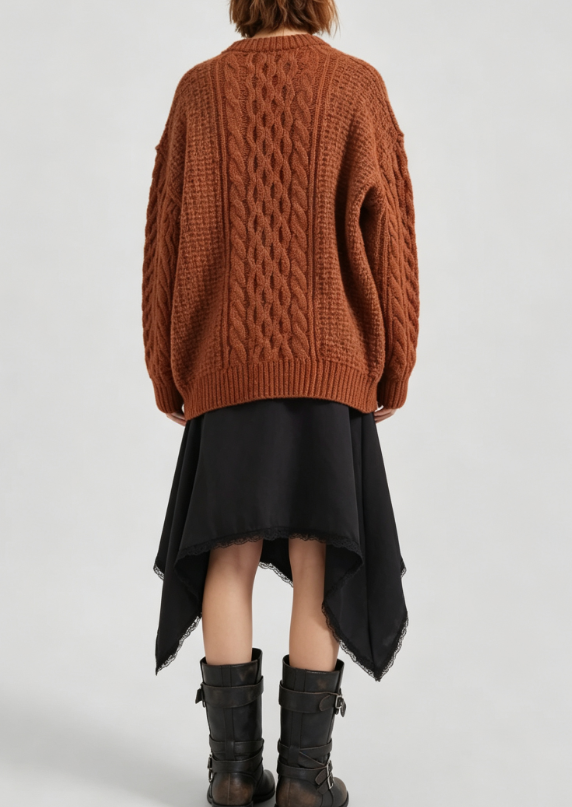
Jacquard carries repeating colorwork across the fabric, while intarsia creates larger clean color blocks without long floats. Fully fashioned shaping and engineered stripes should be specified in the knit program, not added afterward. Three or fewer colors and broad logo shapes usually translate most reliably into knit-in graphics. Fine type, gradients, and very small linework are better simplified or moved to a separate decoration.
Add Surface Decoration

Embroidery adds raised, precise branding after knitting, but dense stitching can pull lightweight panels and limits tiny lettering. Chenille patches create a varsity-style pile effect; appliqué gives contrasting texture or larger shapes. One approved strike-off should confirm stitch density, backing, placement, and wash behavior before bulk production. Integrate artwork into knitting when it is structural, all-over, or must remain flat against the body.
Finish Brand Presentation

Three label layers—main, size, and wash-care—keep identity, sizing, and compliance information separate. Woven labels, neck labels, hangtags, and custom polybags or boxes should be approved as a coordinated private-label set. One packaging specification should state fold method, barcode position, carton quantity, and protective requirements. This prevents a finished vest from arriving with inconsistent retail presentation.
6. Construction Quality for Sweater Vests
A premium custom sweater vest is judged by repeatable dimensions and recovery, not only by hand feel. Approve construction standards on the size sample, then apply the same checkpoints to pre-shipment inspection.
Gauge And Yarn Consistency

5-, 7-, and 12-gauge constructions create visibly different density, weight, and stitch definition; compare bulk panels against the approved sample under consistent lighting. 2-ply yarn must remain even across front, back, and trim panels. Check for barre, dropped stitches, needle lines, loose floats, and color variation at every panel edge.
- Confirm gauge and stitch count per 10 cm
- Match yarn lot and approved color standard
- Reject visible yarn joins on the garment face
Ribs, Linking, And Shape

1×1 or 2×2 ribs should recover after a 10-second stretch without waviness. Measure neck and armhole openings before and after wash testing to confirm they retain their intended shape. Linked shoulder and side seams should lie flat, with no open loops or abrasive seam bulk. Pull seams lightly by hand and inspect linking continuity inside and outside the garment.
- Check rib height and tension against sample
- Inspect shoulder linking from both sides
- Verify neck and armhole symmetry
Plackets, Panels, And Tolerances

3-button plackets need equal button spacing, aligned buttonholes, and stable reinforcement at the opening base. Stripe, jacquard, or cable panels must match across shoulders, side seams, and placket edges. ±1 cm is a practical tolerance for key chest, body-length, and opening measurements on a standard knit vest; define tighter or looser tolerances by size and gauge in the tech pack. Record measurements after relaxation, not immediately after pressing.
- Count stitches at matched stripe joins
- Test each buttonhole for smooth entry
- Measure all approved points of measure
Wash-Test Approval
1 sample should complete the agreed wash and dry cycle before bulk approval. Compare shrinkage, pilling, twisting, color change, and rib recovery against the signed sample and care-label method. 100% of packed goods should receive final measurement, appearance, and needle-detection checks according to the agreed inspection plan. Ask for measurement records and defect photos before release.
- Confirm wash method and dryer temperature
- Review pilling after the required cycles
- Approve final inspection report before balance payment
7. How to Choose a Manufacturer
A 100-unit MOQ is useful only when the factory can knit, grade, sample, inspect, and export the same specification reliably. Evaluate evidence from comparable programs, not a generic capability list.
Verify Knitwear Relevance

Ask for 3 recent sweater-vest samples showing gauge, fiber content, linking quality, and measurements. A cut-and-sew supplier may handle trims well but lack shaped-knit, rib recovery, or wash-testing experience.
- Request close-up photos of armholes and side seams
- Confirm available gauges and machine types
- Compare approved measurements with finished samples
Test Development Support
A complete tech pack should specify yarn composition, gauge, stitch map, Pantone colors, measurements, labels, and packing. When starting from a sketch, request a feasibility review, pattern or knit-program notes, and a priced sample plan. Two sample rounds are common for a new style: prototype first, then size-set or pre-production approval. Confirm who records revisions and whether approved specifications are retained for repeats.
Audit Quality And Materials

Request incoming-material, in-line, measurement, decoration, and final-inspection checkpoints. For yarn claims, obtain supplier specifications and applicable OEKO-TEX, GOTS, recycled-content, WRAP, or BSCI documentation rather than accepting logo files.
- Ask for an inspection report template
- Verify tolerance limits before sampling
- Request yarn lot and color-lab-dip records
Confirm Delivery And Export
JUNSHEEN states production can begin at 100 units per style and color, with monthly capacity above 80,000 units. Ask whether that MOQ works for your gauge, color count, yarn minimums, and finishing requirements. Before depositing, obtain a written critical-path schedule covering yarn booking, sampling, bulk knitting, inspection, packing, balance payment, and shipment. Confirm export documents, Incoterms, destination experience, and one named response owner.
8. Common Buyer Mistakes to Avoid
Eight recurring sourcing errors turn a viable custom sweater vest into delayed approvals, claims, or margin loss. Catching them before bulk confirmation is cheaper than correcting yarn, fit, color, or decoration after production begins.
Specify Yarn Performance

30/2 ring-spun cotton and acrylic can look similar on a swatch yet wear differently after laundering. Require composition, gauge, GSM or yarn count, shrinkage, and pilling results; appearance-only selection invites returns and rework.
Lock Technical And Color Standards
1 complete tech pack should define measurements, stitch density, rib dimensions, artwork placement, labels, and tolerances. Attach Pantone references or approved lab dips; unapproved color standards create subjective disputes and costly remakes.
Design For Production

3-color artwork with fine lines, oversized placements, or multiple techniques can exceed the target cost and slow sampling. Simplify art, confirm decoration limits, and obtain a priced production mockup before approving a budget.
Approve Bulk-Ready Evidence
XS–3XL grading needs reviewed increments, not simple enlargement of a medium sample. Approve a size set, washed pilling and shrinkage tests, and a pre-production sample; a single prototype is not proof that bulk will match.
9. Launching a custom sweater vest Collection
A production-ready custom sweater vest collection starts with a defined customer, price band, and channel—not a sketch alone. Plan 8–14 weeks for development before bulk, with written approvals at every handoff.
Position The Range
3–5 competing labels reveal workable retail prices, silhouettes, gauges, and color gaps. Build a mood board with target customer, occasions, reference images, and 3–6 launch SKUs. 100 units per style and color is a practical starting MOQ at Junsheen. Limit first-drop colors to proven neutrals plus one controlled seasonal color.
Build The Tech Pack
1 complete tech pack should specify front and back flats, measurements, tolerances, stitch details, label placement, and packaging. Include Pantone references, yarn composition, gauge, rib dimensions, and artwork files. 2 approval files prevent ambiguity: a measurement chart and a bill of materials. Supply editable vector logos as AI, EPS, or PDF rather than low-resolution images.
Sample And Refine
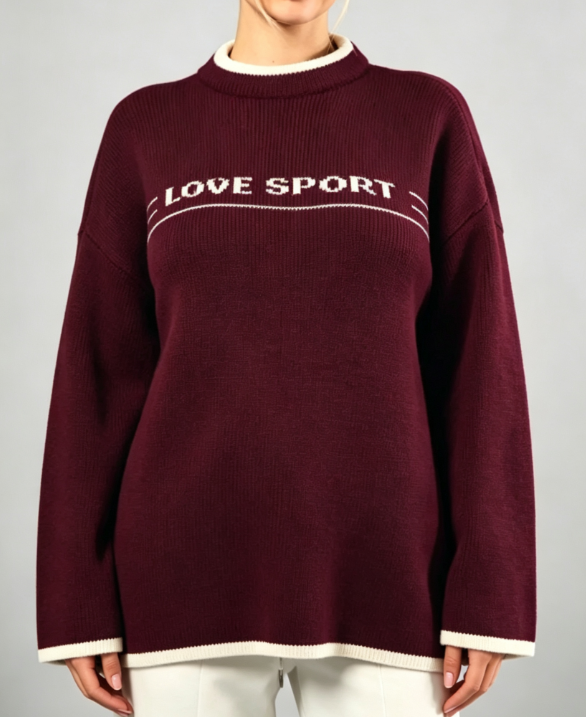
1 prototype validates yarn hand feel, knit density, color, and construction before size grading. Review it on the intended fit model and document every correction on annotated photos. 2–3 sample rounds are common when developing a new block. Approve a graded size set before bulk for XS–3XL or the selected range; do not approve from one size alone.
Test And Release
1 pre-production sample should match approved yarn, trims, labeling, and bulk workmanship. Confirm shrinkage, pilling, colorfastness, and measurement stability through suitable lab or wash testing before release. 7–14 days before launch, photograph approved samples, finalize SKU names and size charts, and prepare allocation by channel. Keep the signed PP approval, final tech pack, and color standard as bulk references.
10. custom sweater vest Pricing and Cost
100 units per style and color is a practical starting point for a custom sweater vest program at Junsheen. The indicative ranges below are ex-works planning figures in USD; they are useful for budget setting, not a substitute for a confirmed quotation. 12GG cotton-acrylic vests with a plain body generally cost less than fully fashioned wool blends, intarsia panels, or engineered jacquard. Yarn composition, gauge, stitch density, knit pattern, rib trims, buttons, embroidery, labels, packaging, sampling, and freight can each change the landed cost. 2 approved inputs determine a production quote: complete specifications and artwork, plus confirmed quantities and destination. Junsheen should review the tech pack or reference sample, color count, size range, packaging requirements, and shipping terms before fixing price and lead time.
| Quantity Tier | Complexity Level | Indicative Unit Price, USD | Typical Production Lead Time |
|---|---|---|---|
| 100–299 units | 12GG cotton-acrylic, solid color, standard rib | $8.50–$14.00 | 30–45 days after sample approval |
| 300–499 units | Cotton blend, stripes or simple embroidery | $7.50–$12.50 | 30–40 days after approval |
| 500–999 units | Viscose/nylon or wool blend, jacquard or intarsia | $9.50–$18.00 | 35–50 days after approval |
| 1,000+ units | Repeat program; specification-dependent construction | $6.50–$15.00 | 25–40 days after approval |
Ready to Develop Your Custom Sweater Vest?
Send your tech pack, sketch or reference garment for a tailored OEM quote, fit-focused XS–3XL development and 100-unit MOQ production.