
Cashmere Wool Yarn Wholesale for OEM Programs
Source cashmere wool yarn wholesale with 100-unit MOQs, OEM/ODM development, private labeling, and reliable global production support from JUNSHEEN.
Featured Products for cashmere wool yarn wholesale Development




Related Product Catalogue and Quotation




Why Source Cashmere Wool Yarn Wholesale Through JUNSHEEN
One production partner for low-MOQ development, fit-led apparel execution, scalable output, and export-ready delivery.
100-Unit MOQ
Launch capsule knitwear and apparel programs from 100 units per style and color while retaining practical production support.
Development-Led Support
Turn tech packs, sketches, references, or concepts into production-ready specifications, samples, materials, and approved size sets.
Fit-Focused Grading
Develop XS–3XL, extended-size, plus-size, and oversized fits with refined proportions instead of simple pattern enlargement.
Scalable Production
Access 200+ skilled workers and monthly capacity above 80,000 units as successful programs grow beyond initial orders.
Global Export Support
Coordinate quality control, packaging, documentation, and worldwide shipping support for brands, retailers, and sourcing teams.
One-Stop Private Label
Combine knitwear production with decoration, washing, labels, trims, branded packaging, and consistent repeat-order records.
Custom Apparel Categories Built to Scale
Develop fit-focused casualwear, denim, knitwear, outerwear and private-label programs from 100 units per style and color.

Custom Hoodies
Develop custom hoodies in fleece, French terry or jersey with fit-focused grading from XS to 3XL. Choose oversized, cropped, zip-up or pullover constructions, then add screen printing, embroidery, washes, custom labels, drawstrings and branded packaging.
Request a Quote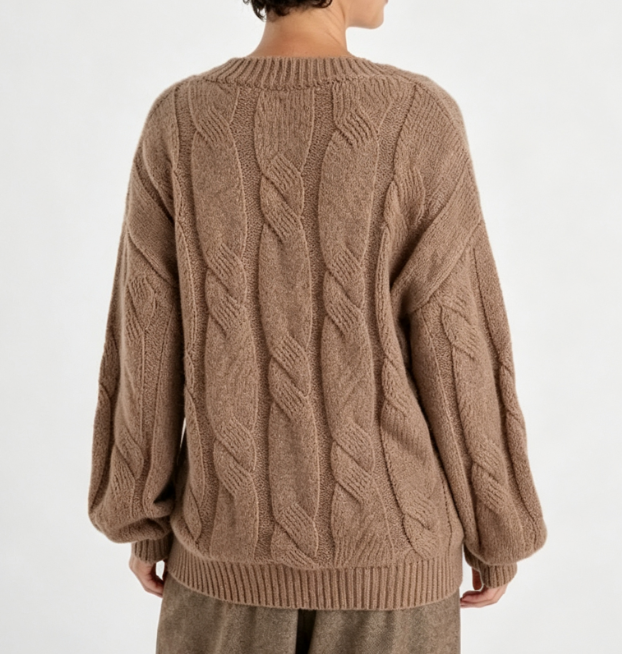
Custom T-Shirts
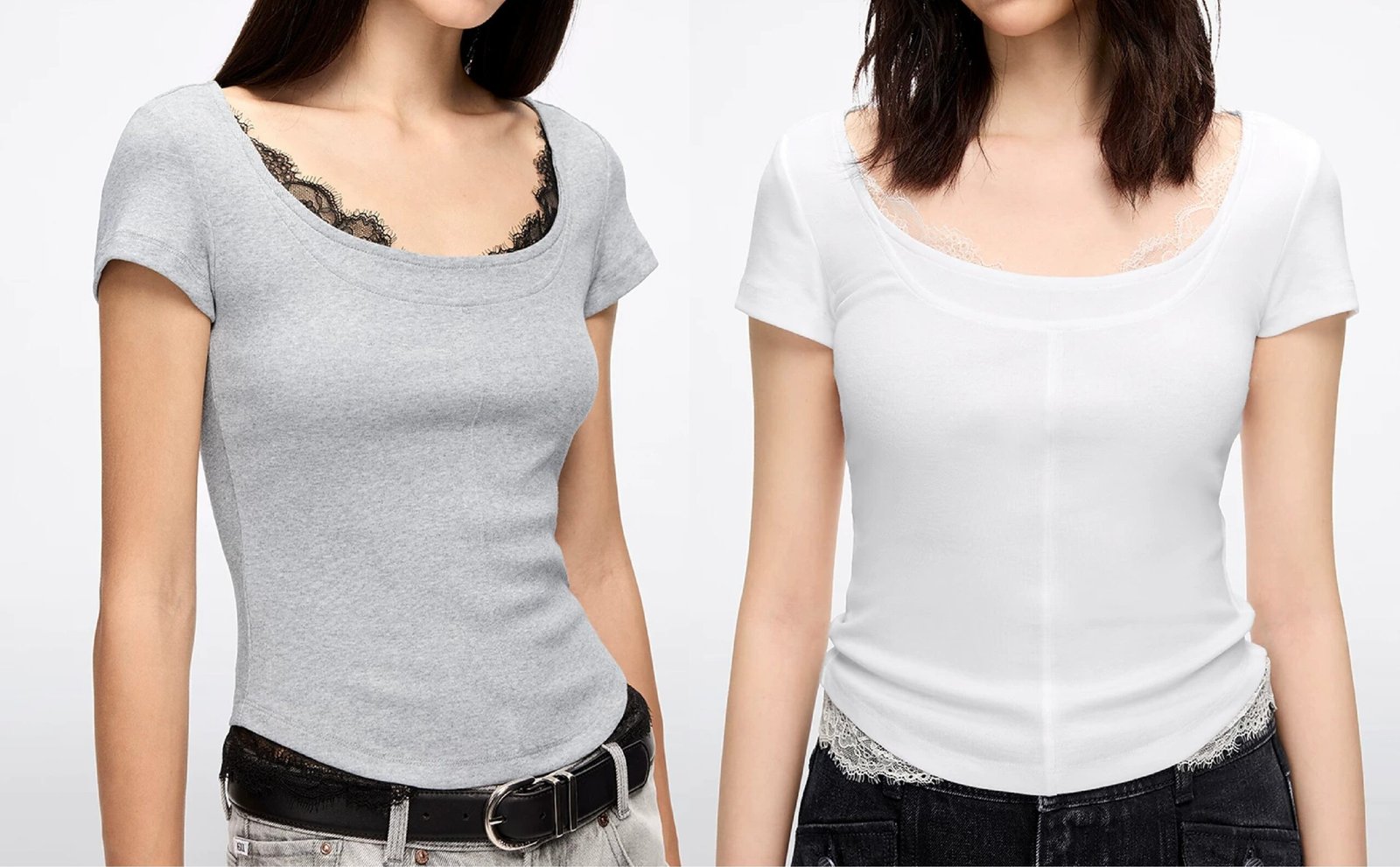
Produce custom T-shirts from combed cotton, Pima cotton, organic cotton or blended jersey. Junsheen supports custom tshirt development across weights, necklines and silhouettes, with size grading, DTG, screen printing, embroidery, garment dye and private-label finishing.
Request a Quote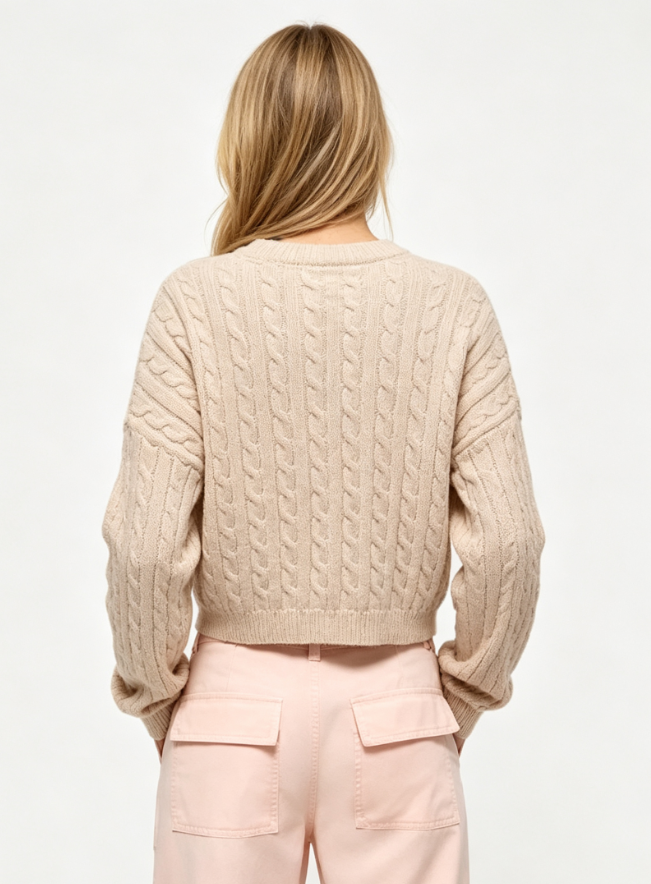
Custom Jeans
Create custom jeans in rigid, stretch or recycled denim with tailored rises, leg shapes and wash programs. Pattern makers refine fit across XS–3XL, while production supports custom pockets, hardware, embroidery, distressing, stone wash and branded trims.
Request a Quote
Custom Sweaters
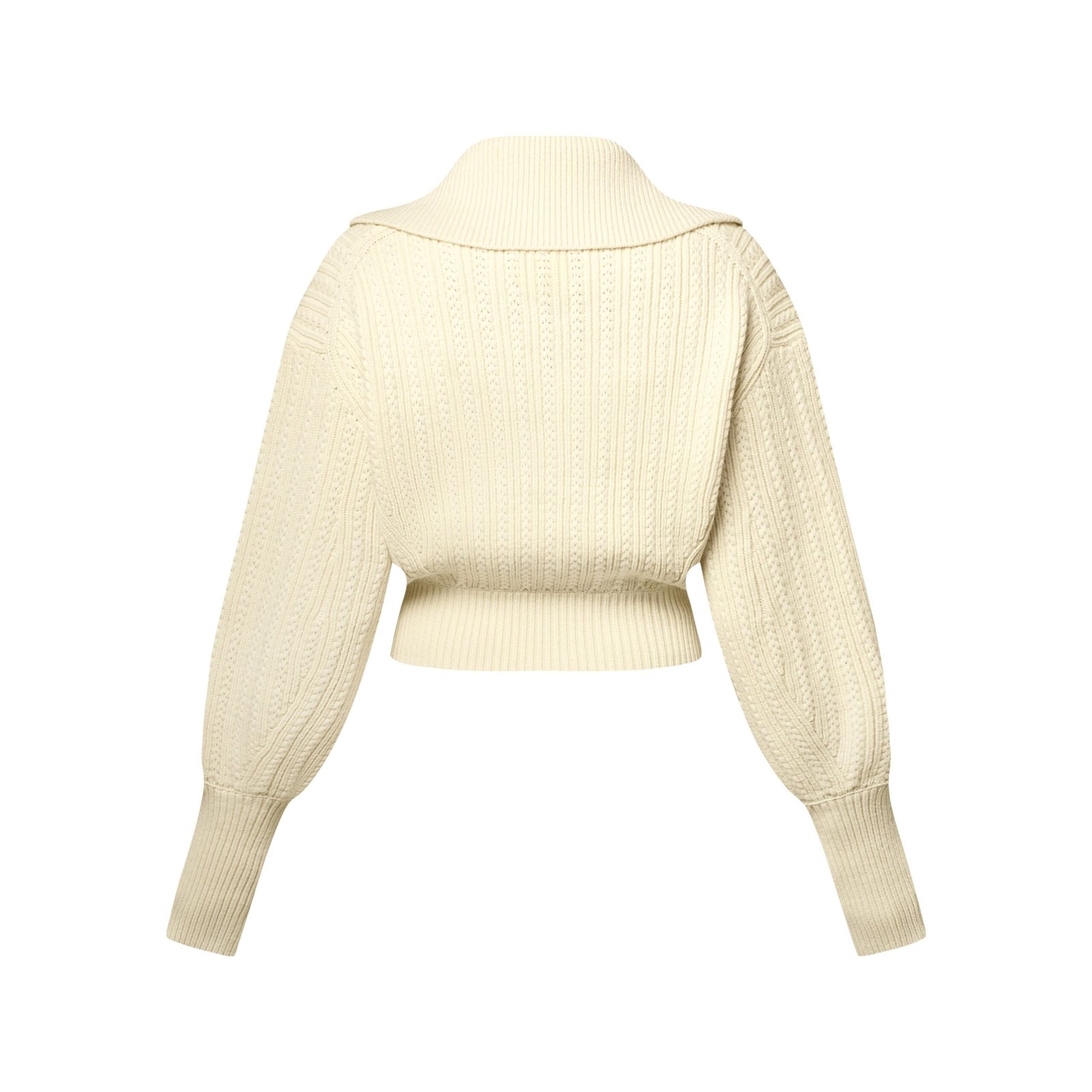
Develop turtle neck sweater bulk programs and other custom sweater styles in knit constructions suited to your target hand feel, weight and price point. Junsheen supports yarn sourcing, samples, size grading, labels and scalable production for retail or wholesale collections.
Request a Quote
Custom Jackets
Build custom jean jacket programs in denim, twill or woven fabrics, including trucker, oversized, cropped and lined styles. Specify fit, washes, snaps, zippers, patches, embroidery and branded labels, then approve samples before bulk production.
Request a Quote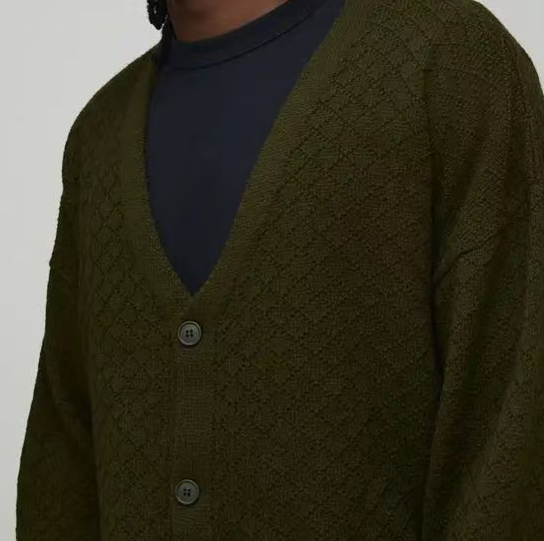
Custom Sweatshirts & Crewnecks
Produce custom crewneck hoodie and sweatshirt styles in fleece, French terry or jersey. Development covers crewneck, oversized and cropped silhouettes, with fit grading, rib trims, screen printing, puff effects, embroidery, washes and private-label details.
Request a Quote
Custom Cardigans
Create custom cardigan collections in knit constructions for casual, elevated or layered assortments. Junsheen supports yarn and gauge selection, button or zipper closures, fit development from XS–3XL, custom labels and coordinated knitwear production.
Request a Quote
Custom Puffer & Down Jackets
Develop custom puffer jacket programs with shell, lining and insulation options matched to your target market. Production supports quilting layouts, down or alternative fills, custom zippers, reflective details, pockets, branded trims and export-ready quality control.
Request a Quote
Custom Denim Shorts
Produce custom jean shorts in rigid or stretch denim with tailored inseams, rises and leg openings. Choose raw, stone-washed, acid-washed or distressed finishes, then add custom pockets, hardware, labels, embroidery and grading across the size set.
Request a Quote
Custom Sweater Dresses
Develop custom sweater dresses in fitted, relaxed or oversized knit silhouettes. Junsheen supports yarn selection, neckline and length development, size grading through 3XL, decorative knit details, labels and sampling for seasonal or core knitwear collections.
Request a Quote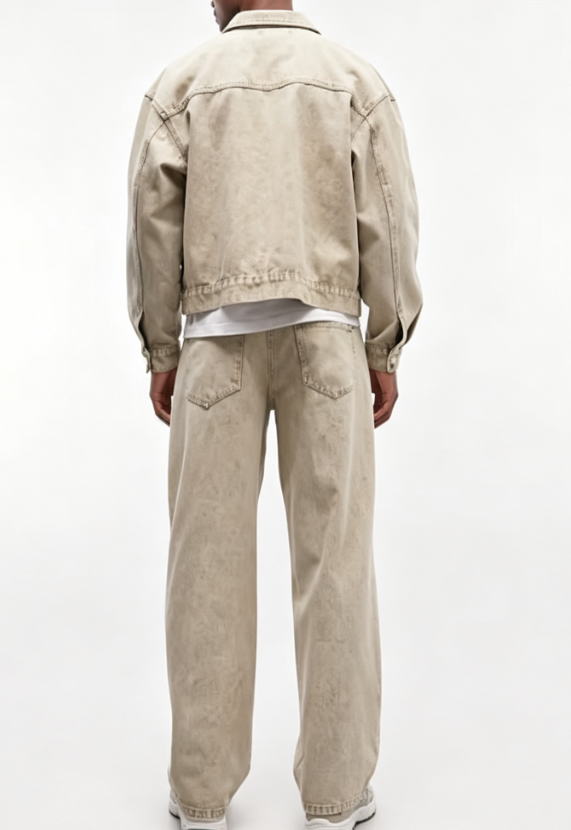
Custom Denim Sets
Create mens denim suits wholesale programs and coordinated custom denim sets for retail, wholesale or private-label channels. Develop matching jackets, shirts, jeans or shorts with aligned fabric, wash, hardware, fit and branded-trim specifications.
Request a Quote
Custom Polo Shirts
Produce custom polo shirts in piqué, jersey or performance knit fabrics for fashion, uniform and promotional programs. Choose collar construction, plackets, contrast details and fit, then add logo embroidery, printing, labels and graded sizes from XS–3XL.
Request a Quote
Custom Sweatpants
Develop custom sweatpants in fleece, French terry or jersey with jogger, straight-leg, wide-leg or oversized fits. Specify waistband, cuffs, pockets, drawstrings, washes, embroidery, prints and matching hoodie or crewneck options.
Request a Quote
Custom Shorts
Produce custom shorts in jersey, fleece, twill, woven or performance fabrics for casualwear and coordinated sets. Junsheen supports inseam, pocket, waistband and fit development, plus printing, embroidery, washes, labels and packaging.
Request a Quote
Custom Pullovers
Create custom pullovers in knit, fleece, French terry or jersey constructions, including quarter-zip, mock-neck and oversized styles. Development includes fabric selection, pattern grading, trims, embroidery, printing, washing and private-label finishing.
Request a QuoteCashmere Wool Yarn Wholesale Materials for Knitwear and Apparel

Cashmere Wool
A soft, warm, refined fiber choice for premium sweaters, cardigans, and scarves. Cashmere wool yarn wholesale programs can balance luxurious hand feel with yarn gauge, ply, and blend ratios for dependable shape retention.

Wool Blends
Wool blended with cashmere, cotton, nylon, or viscose gives knitwear adaptable warmth, drape, and durability. Ideal for pullovers and layering pieces, blend composition can improve recovery, reduce pilling, and meet target costs.

Organic Cotton
Breathable organic cotton offers a clean, soft hand for T-shirts, lightweight sweaters, jersey, and casual layers. Available in combed and blended constructions, it supports comfortable wear, reliable dyeing, and versatile garment weights.

Performance Knits
Stretch performance knits suit active-inspired tops, fitted layers, and technical casualwear requiring mobility. Polyester, nylon, and elastane blends can provide moisture management, four-way stretch, quick drying, and resilient recovery through repeated wear.

Stretch Denim
Cotton-rich stretch denim delivers the structured look of denim with added comfort for jeans, jackets, shorts, and coordinated sets. Fabric weight, elastane content, and wash treatment are specified to control recovery, durability, and silhouette.

Recycled Options
Recycled cotton, recycled polyester, and blended fibers support lower-impact apparel programs without sacrificing practical performance. Suitable for fleece, jersey, outerwear, and knitwear, selections are evaluated for hand feel, strength, color consistency, and wash stability.
Decoration and Finishing for Cashmere Wool Yarn Wholesale Programs

Logo Embroidery
Flat, 3D puff, chain-stitch, applique, and custom logo embroidery add dimensional branding with durable thread coverage. JUNSHEEN reviews placement, backing, stitch density, and knit structure to protect garment shape and finish.

Screen Printing
Plastisol, water-based, puff, silicone, high-density, foil, flocking, and discharge screen printing create bold branded graphics for compatible apparel panels. Process selection balances opacity, hand feel, stretch, color accuracy, and wash durability.

Digital Transfers
DTF, DTG, and heat-transfer applications support detailed artwork, gradients, small logos, and flexible production runs. JUNSHEEN tests adhesion and placement on the selected fabric to achieve clean edges and dependable wear performance.

Dye Sublimation
Dye sublimation delivers vivid all-over artwork with a lightweight, no-hand finish on suitable polyester performance fabrics. It is ideal for color-rich activewear or promotional programs requiring precise graphics that resist cracking and peeling.

Garment Washing
Softening, enzyme, anti-pilling, garment-dye, tie-dye, acid-wash, stone-wash, brushing, and napping treatments refine hand feel and visual character. Sampling confirms the desired color, texture, shrinkage, and durability before bulk approval.
Private-Label Trims and Accessories

Woven Brand Labels
Custom woven main labels, size labels, and wash-care labels give sweaters, cardigans, and casualwear a consistent brand identity. JUNSHEEN coordinates placement, label materials, and care information during sampling and bulk production.

Custom Hang Tags
Branded hang tags add product information, fiber messaging, pricing space, and a polished retail finish. Choose custom shapes, paper stocks, strings, printed graphics, and barcode-ready layouts for wholesale-ready apparel programs.

Logo Embroidered Patches
Woven, embroidered, leather-look, and applique patches add a distinctive signature to knitwear, outerwear, denim, and casual styles. They can be developed for chest, sleeve, hem, pocket, or back-neck placement.

Custom Zippers Snaps
Specify branded zipper pulls, metal snaps, buttons, and closures that match your garment design and target price. These functional details are sourced and checked alongside fabrics, trims, and approved production samples.

Drawcords and Tipping
Custom drawcords, aglets, cord ends, and contrast tipping help define hoodies, knitwear, and lounge styles. Select colors, textures, lengths, and logo details that complement your private-label collection.
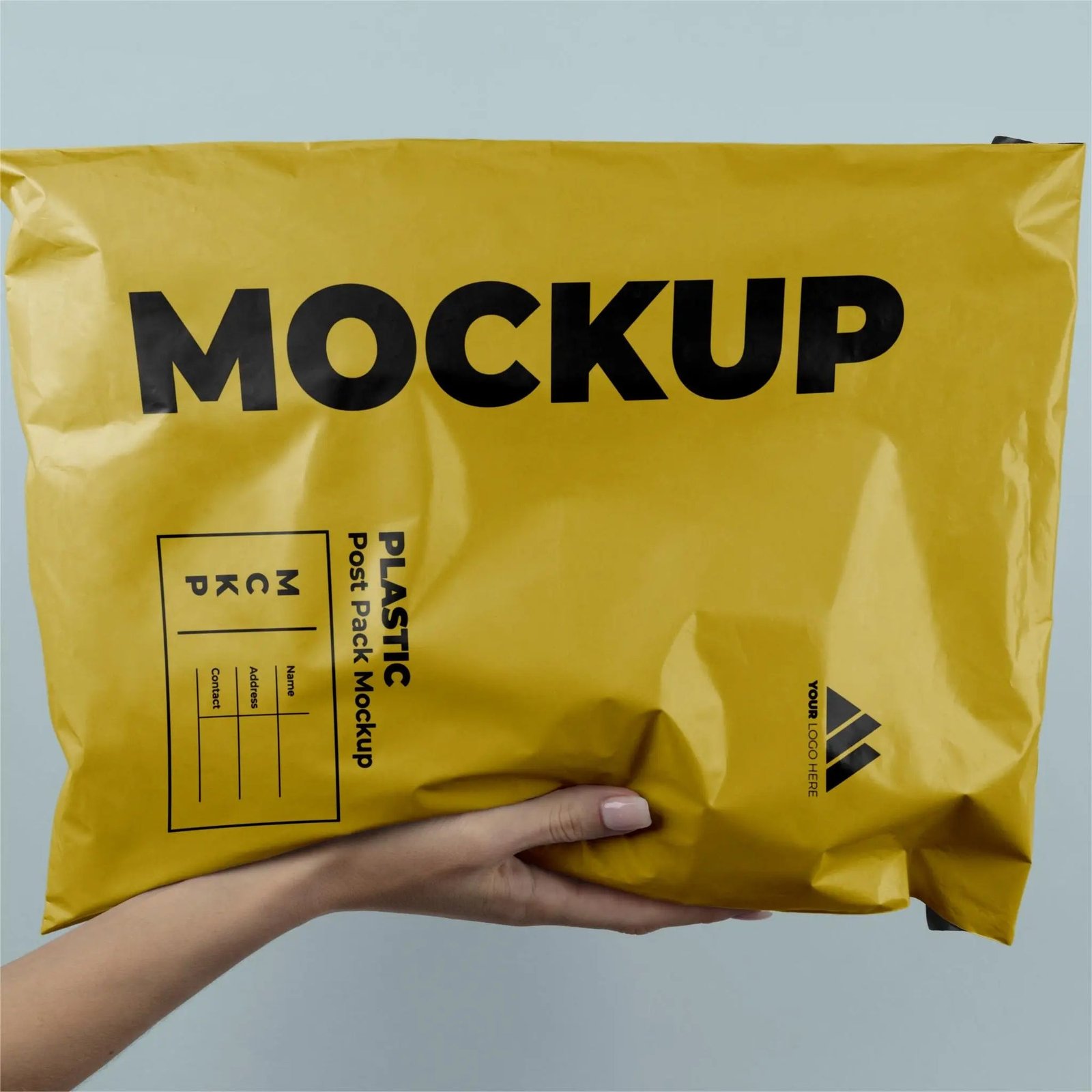
Branded Packaging Sets
Complete each order with custom polybags, garment bags, tissue paper, stickers, size clips, and shipping marks. Packaging options help protect finished garments while creating a more cohesive unboxing and retail experience.
About JUNSHEEN Cashmere Wool Yarn Wholesale
Based in Humen Town, Dongguan, JUNSHEEN has supported global fashion brands since 2010 with OEM, ODM and private-label apparel manufacturing. Our cashmere wool yarn wholesale support connects material sourcing with practical knitwear and apparel development, helping buyers move confidently from concept and swatch review to approved production.
With more than 200 skilled workers and monthly capacity above 80,000 units, we serve capsule launches from 100 units per style and color as well as ongoing bulk programs. Our team coordinates knitwear, cut-and-sew production, pattern development, fit-focused XS–3XL grading, decoration, labels, packaging and quality control in one supply chain.
What distinguishes JUNSHEEN is production detail paired with responsive sourcing support. We assess yarn hand feel, cost, durability, wash performance and garment construction alongside your brand requirements, then manage inspections and export preparation through final shipment. This integrated approach has helped more than 2,000 fashion-brand clients build repeatable, scalable programs.

Cashmere Wool Yarn Wholesale for Production-Ready Programs
Fit-First Technical Development
JUNSHEEN turns tech packs, sketches, reference garments, and early concepts into production-ready specifications. Our team reviews construction, measurements, yarn or fabric suitability, and manufacturability before sampling, helping knitwear and apparel programs move forward with clearer decisions.
- Pattern making and specification review
- XS–3XL, plus-size, and oversized grading
- Prototype, size-set, and pre-production samples
- Construction improvements before bulk approval

Material Sourcing With Purpose
Cashmere wool yarn wholesale programs need more than a fiber name. We recommend materials around target hand feel, gauge, weight, durability, drape, wash performance, and cost, then coordinate swatches and sample validation before your bulk material is confirmed.
- Cashmere, wool, blends, and recycled options
- Supplier-network sourcing for consistent supply
- Swatch review before bulk commitment
- Material choices aligned to price targets

Integrated Decoration and Finishing
Keep product expression under one coordinated production team. JUNSHEEN combines cut-and-sew and knitwear production with embroidery, printing, washing, finishing, labels, trims, and packaging, so branding details are evaluated alongside garment construction and production timing.
- Embroidery, patches, applique, and chain stitch
- Screen print, DTF, DTG, and specialty effects
- Softening, anti-pilling, brushing, and garment washes
- Custom labels, hang tags, and branded packaging

Reliable Repeat-Order Control
For ongoing wholesale programs, retained patterns, graded size sets, and material records help preserve approved standards. Our 200+ skilled workers, 80,000+ monthly-unit capacity, in-line checks, and final inspections support repeat orders from 100 units per style and color upward.
- Retained development records for reorders
- Incoming, in-line, measurement, and final checks
- Scalable capacity for capsule and bulk programs
- Global export support for established brands

Cashmere Wool Yarn Wholesale: Why Choose JUNSHEEN
A production partner built for flexible launches, fit-focused apparel development, and scalable global supply.
← 左右滑动查看 →
Cashmere Wool Yarn Wholesale Production Process
A controlled path from feasibility and material approval to production-ready packing and worldwide delivery.
Review Requirements
Our team reviews your yarn or apparel brief, target hand feel, specifications, quantities, budget, and 100-unit MOQ feasibility before recommending the next development steps.
Source Materials
JUNSHEEN sources suitable cashmere wool yarn, blends, colors, and supporting trims, balancing softness, durability, gauge, cost, and bulk availability for your program.
Develop Samples
We create development samples and refine construction, measurements, fit, knitting details, labels, and finishing so your team can approve production-ready standards.
Confirm Bulk Production
After sample approval, we confirm materials, specifications, graded size sets, delivery schedule, and private-label details before launching scalable bulk production.
Inspect, Pack, Ship
Quality checks cover materials, workmanship, measurements, decoration, and packed goods; approved orders receive branded packing and coordinated global export support.
How to Work With JUNSHEEN for Cashmere Wool Yarn Wholesale
Move from a tech pack or initial concept to approved bulk goods with clear sampling, production, and export coordination.
Share Your Requirements
Send your tech pack, sketch, reference, or yarn requirements, including composition, color, quantity, target market, private-label details, and delivery expectations.
Review Quote and Sampling
Our team confirms feasibility, recommends suitable cashmere wool yarn options, and prepares a clear quotation, MOQ guidance, lead-time estimate, and sample plan.
Approve Samples and Details
Review swatches or samples, then confirm hand feel, color, specifications, labels, packaging, and final production details before your bulk order is released.
Produce and Inspect Bulk Goods
JUNSHEEN manages approved bulk production with material, in-line, and final inspections to maintain consistent quality across your wholesale program.
Arrange Global Shipment
After final balance and packed-goods approval, we coordinate export documentation and shipping support to deliver your order reliably to its destination.
Custom Clothing Manufacturer Credentials and Compliance Documents



Cashmere Wool Yarn Wholesale: Production Cases
JUNSHEEN helped us turn our cashmere-blend knit capsule from a supplier brief into a 420-unit first run. Their yarn guidance and sample review reduced our planned fit revisions from three rounds to one.
We launched two private-label sweater colors at the 100-unit MOQ and reordered within eight weeks. The team matched the agreed hand feel and provided clear grading support through 3XL, which made our size-set approval much faster.
For our wholesale knitwear program, JUNSHEEN consolidated yarn sourcing, labels, packaging, and export coordination. Our second 1,200-unit order moved into bulk production 12 days faster because the approved material and pattern records were retained.
Cashmere Wool Yarn Wholesale FAQ
Clear B2B answers on minimums, sampling, materials, payments, delivery, and confidential development for OEM and private-label apparel programs.
What is the MOQ for cashmere wool yarn wholesale orders?
Can I order a sample before placing a cashmere wool yarn wholesale production order?
How long do cashmere wool yarn wholesale samples and bulk orders take?
What cashmere and wool material options can JUNSHEEN source?
Can you make private-label sweaters and knitwear from cashmere wool yarn wholesale materials?
What payment terms do you offer for wholesale production?
Do you ship cashmere knitwear and wholesale orders internationally?
How do you protect my designs and product information?
Complete Buyer’s Guide to Cashmere Wool Yarn Wholesale
Use this decision framework to evaluate cashmere yarn specifications, supplier capabilities, quality controls, MOQ and cost factors—while avoiding sourcing mistakes that compromise knitwear performance, margins, and brand positioning.
1. What Is Cashmere Wool Yarn Wholesale?
100-unit knitwear programs often start with a yarn decision, but cashmere wool yarn wholesale means purchasing yarn in commercial quantities for knitting, weaving, or sampling—not buying finished sweaters. It is used by knitwear brands, independent designers, wholesalers, factories, and sourcing teams that need repeatable material specifications before garment production begins. 2/26 Nm, 2/28 Nm, and 2/48 Nm are common cashmere yarn count references; the notation affects fineness, ply, gauge suitability, weight, and fabric hand. Buyers may order cones for machine knitting, hanks for dyeing or hand knitting, or sample quantities first, then reserve a bulk lot with consistent shade and batch records. 30% cashmere/70% merino and 10% cashmere/90% wool blends can make a collection more cost-controlled, while higher cashmere content changes softness, warmth, care requirements, and retail positioning. The purchase brief should lock fiber composition, yarn count and ply, Pantone or lab-dip color, kilograms per color, certification needs such as OEKO-TEX or GOTS where applicable, cone winding, destination, and required delivery date. 100 units is JUNSHEEN’s practical starting scale for a style and color in garment manufacturing; yarn mills commonly set their own kilogram, color, and dye-lot minimums. A buyer should therefore confirm yarn availability and MOQ separately from the finished-garment MOQ, then align the approved yarn lot with sampling, production capacity, quality checks, and export timing.
2. The Evolution of Cashmere Yarn Sourcing
19th-century European mills turned cashmere from a regional luxury fiber—traditionally collected from goats raised across Mongolia, China, and Central Asia—into an international knitwear material. Today, cashmere wool yarn wholesale moves through a longer chain of herders, scouring, dehairing, spinning, dyeing, and garment production, so origin records and batch-level documentation matter alongside softness. 12–19 microns is the commonly cited fineness range for premium cashmere fiber, but finished-yarn value also depends on fiber length, dehairing quality, twist, and pilling resistance. Modern worsted and woolen spinning, improved fiber sorting, and tighter yarn evenness controls give brands more dependable knitting performance than historical hand-traded lots. 30–70% cashmere blends have made the fiber practical for broader commercial programs: merino can add resilience, silk can improve luster, and recycled or responsible fibers can support a defined material strategy. A buyer should request composition declarations, traceability evidence where available, and sample wash tests rather than treating a cashmere percentage as a complete quality guarantee. 100-unit capsule programs require a different sourcing balance than large replenishment orders. For JUNSHEEN clients, the workable choice is the yarn that protects the intended hand feel and heritage while meeting target cost, gauge, care requirements, color consistency, and responsible-sourcing expectations before bulk approval.
3. Types of Cashmere Wool Yarn Wholesale
Five core categories dominate cashmere wool yarn wholesale programs: pure cashmere, wool, silk, cotton, and regenerated blends. Choosing among them sets the garment’s hand feel, wear life, margin, and appropriate season.
| Yarn Type | Hand And Warmth | Durability And Price | Best Uses |
|---|---|---|---|
| Pure cashmere | Very soft; very warm | Lower abrasion resistance; premium | Sweaters, scarves |
| Cashmere-wool | Soft; warm | More resilient; mid-to-premium | Cardigans, outerwear |
| Cashmere-silk | Smooth; light warmth | Fine but strong; premium | Fine knits, scarves |
| Cashmere-cotton | Cool; soft | Practical; mid-price | Loungewear, spring sweaters |
| Regenerated cashmere | Rustic; variable warmth | Test carefully; accessible | Casual knits, scarves |
Pure Cashmere
100% cashmere delivers the loftiest, softest hand and highest warmth-to-weight ratio. It suits premium sweaters, scarves, and next-to-skin accessories, but needs careful pilling and abrasion management. Two-ply yarns generally provide better structure than single-ply constructions. Reserve pure cashmere for elevated assortments where softness and brand positioning justify the highest yarn cost.
Performance Blend Choices
Cashmere-wool blends add resilience, shape retention, and approachable pricing. They work well for everyday sweaters, cardigans, and tailored knit outerwear that face frequent wear. Cashmere-silk blends create a smoother sheen and lighter drape for fine-gauge tops and scarves. Cashmere-cotton blends feel cooler and less lofty, making them practical for transitional sweaters and loungewear.
Regenerated Cashmere Options
Recycled or regenerated cashmere usually offers a more rustic, less uniform hand than virgin fiber. Blend percentages and fiber length should be confirmed before sampling because they affect strength and surface appearance. 20% regenerated cashmere can support an accessible sustainability story without positioning a garment as pure cashmere. Use it for casual sweaters, scarves, and lower-risk color programs after wash testing.
4. Cashmere Wool Yarn Wholesale Materials and Specifications
A 100% cashmere label is not enough for cashmere wool yarn wholesale decisions. Specify fiber fineness, average staple length, yarn construction, and knitting gauge together, because each changes handle, pilling risk, yield, and the finished garment’s commercial position.
| Material Construction | Feel | Durability | Best Product | Sourcing Tradeoff |
|---|---|---|---|---|
| 100% cashmere, 2-ply | Luxurious and lofty | Moderate; manage pilling | Premium pullovers | Highest fiber cost |
| 70/30 cashmere-merino, 2-ply | Soft with spring | Better recovery | Cardigans and ribs | Less pure-cashmere positioning |
| 90/10 cashmere-silk, fine gauge | Smooth and fluid | Delicate but stable | Lightweight shells | Higher yarn and dye cost |
| Cashmere blend, higher twist | Crisper and defined | Better abrasion resistance | Structured knits | Less bloom and softness |
Fiber Content And Fineness
14.5–16.5 micron cashmere is commonly reserved for softer next-to-skin knitwear; finer fiber usually costs more and needs careful processing. A 70/30 cashmere-merino blend can improve resilience and reduce cost while preserving a cashmere-led hand. 32–38 mm average staple length supports more stable spinning than short, broken fibers. Request test reports by lot, not only a generic fiber declaration, especially when shade continuity matters.
- Confirm cashmere percentage by weight
- Request micron and staple-length ranges
- Retain an approved bulk swatch
Count Ply And Twist
2/26 Nm means two plies made from 26 Nm singles, while 2/28 Nm is slightly finer. Two-ply yarn generally gives better recovery and abrasion resistance than a comparable single ply. Low twist preserves bloom and softness but can pill sooner; higher twist improves definition and wear. Match twist to the intended fabric density rather than judging a cone only by touch.
Gauge Color And Compliance

7–12 gauge works for many midweight sweaters, while 14–18 gauge needs cleaner, finer yarn for refined surfaces. Run a knit-down on the actual machine gauge before confirming bulk yarn. Pantone-matched package dyeing improves color control for larger runs; stock-dyed yarn can shorten sourcing but limits shade choice. Ask whether OEKO-TEX Standard 100, RWS, GOTS, BSCI, or WRAP documentation applies to the relevant fiber, mill, or facility.
5. Customization Options for Cashmere Yarn Programs
Custom cashmere wool yarn wholesale programs should start with an end-use brief: gauge, silhouette, hand feel, target price, and wash expectation. Junsheen can coordinate yarn choices with knitwear development, but non-stock specifications need supplier feasibility confirmation before bulk booking.
Blend And Construction
10% to 30% cashmere blends can add softness while controlling cost; higher cashmere content usually raises material risk and minimum-volume requirements. Confirm fiber composition, yarn count, ply, and twist together because each changes gauge, recovery, pilling behavior, and yield. 2-ply and 3-ply constructions suit different sweater weights, while tighter twist generally improves durability at the expense of loft. A reference swatch or approved knit panel is more reliable than specifying softness alone.
- Cashmere-to-wool or cashmere-to-cotton ratio
- Count, ply, twist, and intended machine gauge
- Wash treatment and anti-pilling expectation
Color And Mélange Development
Pantone references guide color direction, but a lab dip or yarn winding is needed to approve the actual shade under agreed lighting. Mélange, heather, spray, and space-dyed effects require fiber-color planning before spinning and can extend development time. 3 to 5 color options may be practical for a focused launch; each custom shade should be approved before production. Color continuity also requires retaining the approved standard for repeat orders.
- Submit Pantone code and physical color reference
- Approve lab dip before bulk dyeing
- Review mélange ratio on a knitted panel
Packaging And Approval
1 kg or 1.5 kg cone weights can be specified when they match knitting efficiency and freight handling; actual packing depends on yarn count and supplier practice. Private-label cone bands can carry composition, color, lot, net weight, and handling instructions. 1 approved sample package should document cone presentation, shade, knit swatch, and test requirements before bulk release. Custom labels, unusual cone formats, and certified-material requests need lead time and minimum-volume review.
- Cone label artwork and barcode format
- Lot traceability and composition declaration
- Signed sample and bulk approval record
6. Cashmere Yarn Construction and Quality Checks
For cashmere wool yarn wholesale, bulk approval should follow measurable yarn and knit tests, not a cone-level visual check. A retained approval file links the exact lot, color, specification, and test results to later garment production.
Fiber And Spinning Integrity
At least 10 cones per production lot should be checked for fiber consistency, foreign-fiber contamination, slubs, weak places, and yarn evenness. Request count, ply, composition, spinning system, twist direction, and a retained cone sample; twist imbalance can torque a knitted panel after washing.
Knitted Swatch Testing
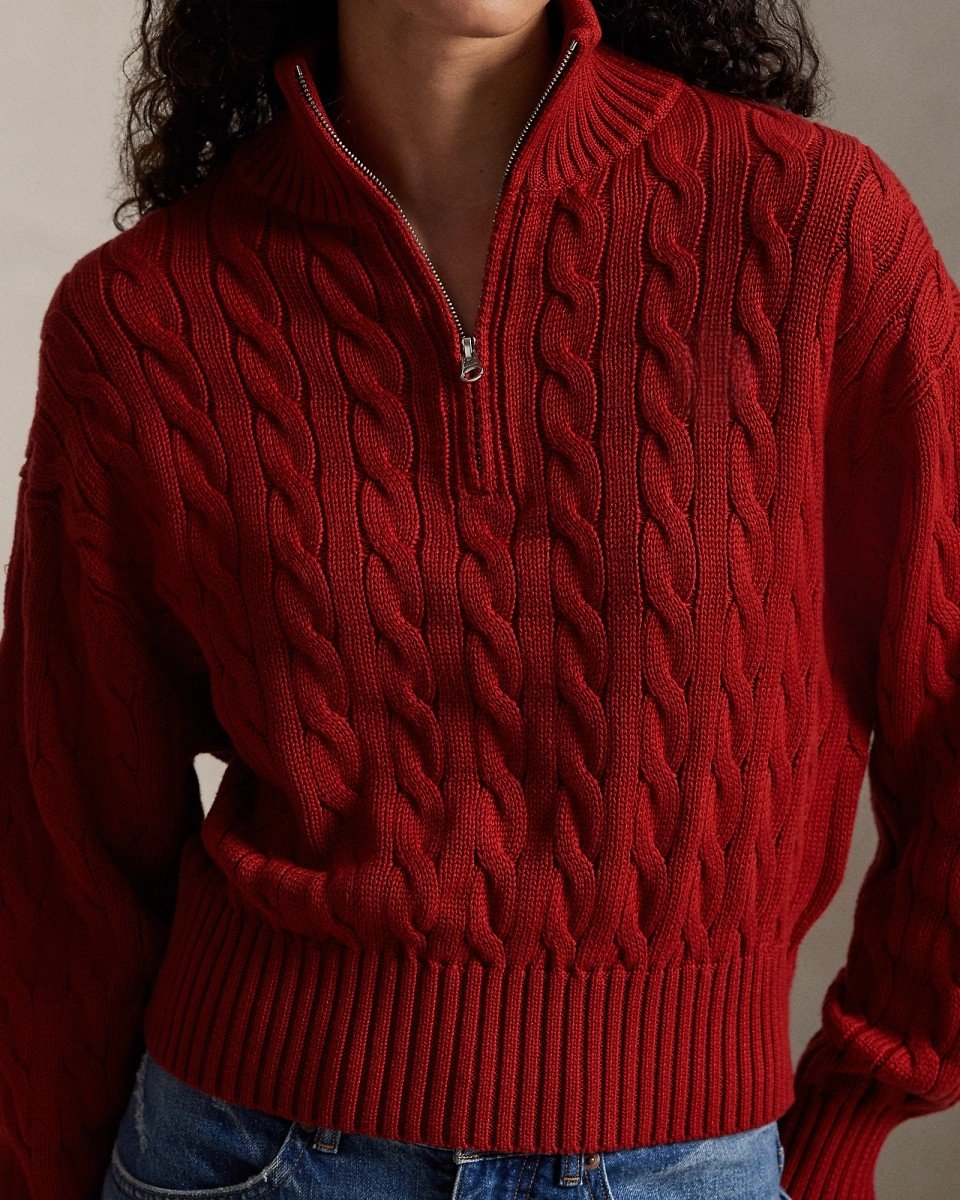
A 30 × 30 cm swatch knitted on the intended gauge reveals more than a yarn card: inspect stitch definition, barré, dropped stitches, surface hairiness, and shade continuity across cones. Run a controlled wash trial before approval, then record dimensional change, spirality, hand feel, and pilling under the agreed care method.
Lot Release Documentation
Standard conditioning near 20°C and 65% relative humidity helps prevent moisture-driven weight and tension differences during knitting. Compare dry and conditioned cone weights, confirm clean packaging, and require lot numbers on every carton; suppliers should provide test reports, shade bands, swatch approval, and a bulk reference sample.
7. Choosing a Cashmere Wool Yarn Wholesale Supplier
Three supplier types—mills, traders, and integrated manufacturers—offer different control over fiber, yarn development, and delivery. For cashmere wool yarn wholesale, compare documented capability rather than relying on a blend claim or swatch alone.
| Supplier Type | Best Use | Main Check |
|---|---|---|
| Mill | Large repeat programs | Spinning capacity and batch consistency |
| Trader | Fast stock access | Source disclosure and lot control |
| Integrated manufacturer | Yarn-to-garment development | Sampling, grading, and accountability |
Map The Supply Chain
100% traceability is uncommon, but suppliers should identify fiber origin, dehairing source, spinner, dyer, and lot number. Two questions matter before sampling: who owns the stock, and which party controls re-spinning or shade correction?
- Request fiber-content and lot records.
- Ask whether stock is owned or brokered.
- Confirm mill, dyehouse, and shipment origin.
Verify Technical Capability
2/26Nm, 2/28Nm, and 2/48Nm are common references, yet the right count depends on gauge, ply, twist, and intended hand feel. 10 cm knit swatches expose unevenness, pilling, recovery, and color variation faster than a cone photograph.
- Request cone and knitted-panel samples.
- Confirm ring-spun construction and ply.
- Specify Pantone reference and shade tolerance.
Audit Commercial Readiness
7–14 days is a practical target for swatch or lab-dip feedback; slow sample handling often signals weak production coordination. 80,000 units monthly is Junsheen’s apparel capacity, while yarn buyers should separately confirm spinner capacity, MOQ, lead time, export documents, and claim-specific test reports.
- Ask for pilling, composition, and colorfastness reports.
- Verify OEKO-TEX, GOTS, WRAP, or BSCI scope.
- Set payment, inspection, and claim terms in writing.
8. Common Cashmere Wool Yarn Wholesale Buying Mistakes
Three avoidable decisions—buying on price, approving without tests, and accepting undefined terms—create most cashmere sourcing disputes. For cashmere wool yarn wholesale, a written specification should govern every approval, from fiber claim through final knit performance.
Compare Fiber Claims, Not Labels
A 100% cashmere claim, a cashmere-wool blend, and a cashmere-nylon blend have different cost, pilling, recovery, and care profiles. Request fiber percentages by weight, yarn count, ply, origin documentation where available, and the test method behind any quality statement.
- Match invoice composition to lab or mill specification
- Flag vague terms such as cashmere feel
- Compare price per usable kilo, not cone price
Approve Swatches And Wash Tests

Two 10 × 10 cm swatches can reveal color, softness, twist, and obvious contamination, but they cannot validate a finished sweater. Knit a representative panel or sample, then measure shrinkage, pilling, skew, hand feel, and color change after the agreed care cycle.
Match Yarn To Machine Gauge

Seven-gauge, 12-gauge, and 16-gauge machines require yarns suited to different stitch densities and finished weights. Confirm gauge, stitch length, ply, tension, and target garment weight before placing bulk yarn; a soft yarn can still run poorly or produce an overly open fabric.
Lock Quantities, Lots, And Tolerances
One color program may require a minimum dye-lot quantity above a 100-unit garment launch, especially when multiple sizes and replenishment are planned. Reserve sufficient matching yarn from one lot, state shade-band and weight tolerances, and define acceptable pilling, knots, moisture, and delivery variance in the purchase order. Four calendar dates should be confirmed: lab-dip approval, bulk dyeing, yarn dispatch, and delivery. Emerging labels should keep a contingency buffer, while established teams should require an exception notice before any date changes.
9. Launching a Cashmere Knitwear Collection
A 100-unit-per-style-and-color launch can begin with a narrow commercial brief: customer, retail price, silhouette, season and delivery date. For cashmere wool yarn wholesale, fiber blend and yarn count determine gauge, cost, sampling time and the product story customers will hear.
Build The Yarn Brief
Three target retail prices should be modeled before requesting yarn: entry blend, core cashmere blend and premium option. Specify fiber composition, ply, Nm count, gauge, target weight, hand feel and approved certifications. Five core colors usually control first-season risk better than a broad palette. Match each shade to Pantone references, minimum dye-lot requirements and a clear narrative such as traceable natural tones or modern saturated essentials.
- Retail price and target gross margin
- Gauge, stitch density and garment weight
- Fiber claim, care label and test needs
Sample And Approve Fit

Two sample rounds are commonly enough when measurements, construction and finishing are defined early. Review shrinkage after the intended wash method, pilling, seam stability, rib recovery and color consistency under daylight. XS through 3XL require graded measurements rather than simple enlargement. Junsheen can develop patterns, size sets and knitwear samples so shoulder balance, sleeve length and body proportion remain intentional.
Commit Production And Replenishment

Six to eight weeks before the desired ex-factory date, lock approved yarn, color, labels, packaging and pre-production sample. Confirm the bulk cost against actual gauge and yarn consumption; a heavier gauge or higher cashmere percentage changes both. Weekly production checkpoints should track yarn arrival, knitting output, linking, washing, measurements and final packing. Retain approved swatches, specifications and sales-by-color data to trigger replenishment before best-selling sizes disappear.
- Approve branded labels and wash-care content
- Set carton counts and export marks
- Reserve yarn or dye-lot continuity for repeats
10. Cashmere Yarn Wholesale Pricing and Lead Times
100-unit knitwear runs typically require a paid development sample before bulk yarn is committed; allow 14–28 days for swatch review, knit-downs, fit sampling, and approval. A cashmere wool yarn wholesale quote should lock cashmere percentage, Nm count, ply, gauge, Pantone or lab-dip colors, and the approved technical specification. 30–45 days is a practical bulk-planning window after material and pre-production approval for common colors; special dye lots, testing, or peak-season capacity can extend it. Fiber-market movement, cashmere grade, blend ratio, color MOQ, anti-pilling or colorfastness testing, branded packaging, freight method, and destination all change the landed figure. 100% cashmere is not automatically the correct commercial choice: 10–30% cashmere blends can improve entry-price positioning while preserving a cashmere hand feel. Separate yarn cost from sampling, export packing, duty, freight, and payment-stage cash flow; final balances are due before shipment under Junsheen’s stated terms.
| Program tier | Typical construction | Indicative yarn price | Development and bulk lead time |
|---|---|---|---|
| 100–299 units | 10–30% cashmere blend, Nm 2/26–2/28 | Quote per kg; small-lot premium applies | 14–28 days development; 30–45 days bulk |
| 300–999 units | 30–70% cashmere blend, 2-ply Nm 2/26 | Quote per kg; color consolidation improves cost | 10–21 days development; 30–40 days bulk |
| 1,000+ units | 70–100% cashmere, 2-ply or 3-ply | Quote per kg; mill booking and test scope apply | 7–14 days development; 25–35 days bulk |
| Custom dye or testing | Any blend; lab-dip, anti-pilling, colorfastness | Added dye, test, and sampling charges | Add 7–21 days |
Start Your Cashmere Wool Yarn Wholesale Quote
Send your tech pack, reference garment, or product idea to plan sampling, fit development, and scalable production with JUNSHEEN.