#rankmath
Title: Sweatpants Waistband Quality Control and Approval
Description: Approve sweatpants waistbands and drawcords with practical checks for fit, elastic recovery, routing, security, safety and size grading.
Keyword: sweatpants waistband quality control
#rankmath
Sweatpants Waistband and Drawcord Approval: Fit, Recovery, Security and Grading
A sweatpants waistband can look correct on a hanger and still fail at wear: it may roll, twist, pinch, lose recovery, expose an unfinished opening, or pull unevenly when the drawcord is tightened. For fashion brands and wholesale buyers, waistband approval should therefore be treated as a fit-and-function review, not a trim sign-off.
For a Custom Sweatpants Manufacturer, the approved sample should define the elastic, casing, cord, openings, stitching, finished measurements, and grade rules that bulk production must follow. Those decisions are especially important when a collection includes relaxed, oversized, extended-size, or plus-size fits, where simply enlarging a waistband circumference does not guarantee balanced comfort or adjustability.
Define the waistband system before sampling
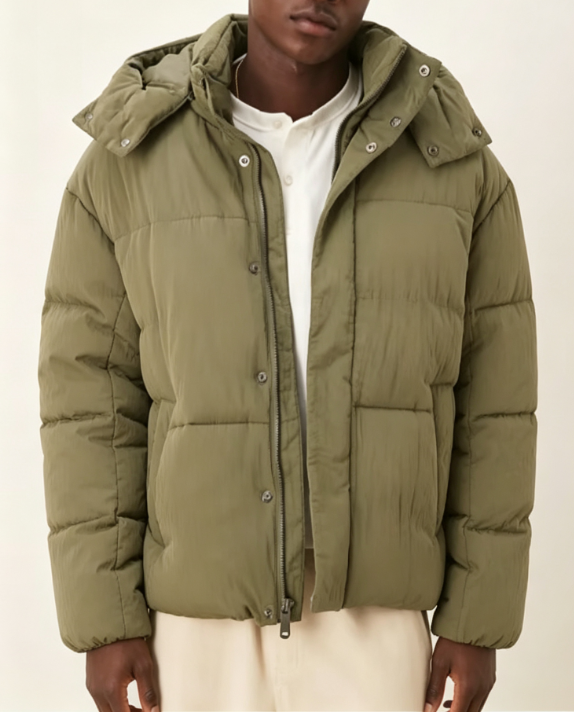
Start by identifying which waistband architecture the style requires. The best option depends on the intended silhouette, fabric bulk, rise, target wearer, and how much visible branding the design calls for.
Common systems include:
- Fully enclosed elastic waistband: elastic is contained inside a fabric casing. This creates a clean exterior and is common for fleece and French terry sweatpants.
- Elasticated waistband with functional drawcord: elastic provides baseline hold while the cord fine-tunes the waist fit.
- Channel or tunnel waistband: the garment fabric is folded or joined to create a dedicated elastic-and-cord channel.
- Separate waistband panel: a distinct knit or self-fabric waistband is attached to the pant body. This can support a different visual finish, but it adds a seam that needs to remain comfortable and stable.
- Partial elastic with cord adjustment: useful only when the garment design intentionally calls for a flatter front or localized gathering.
The tech pack should name the construction rather than relying on reference photos. A phrase such as “elastic waistband with drawcord” is incomplete. Specify whether the elastic is inside a closed casing, whether the cord shares that channel, where openings sit, whether the cord is decorative or functional, and whether the front is intended to gather evenly.
Specify elastic as a component, not a generic notion

“Elastic” is not enough for an approval sheet. Ask the supplier to identify the elastic used for the development sample and retain that information with the approved trim record. The identity should cover the elastic type, width, color, surface appearance, hand feel, and intended placement.
A practical specification also records whether the elastic is intended to be soft against the body, firm for stronger hold, or selected to support a particular gathered appearance. If branded elastic is visible, its artwork, repeat, color reference, logo direction, and join location should be approved as separate visual requirements.
During sample review, assess the elastic in the garment rather than only on a loose trim card. The casing fabric, seam allowance, stitching, and drawcord can all alter how the elastic feels and returns after extension.
Check recovery in realistic use
Recovery is the garment’s ability to return toward its intended shape after the waistband is stretched. It is not enough to pull the waist once on a table. Review repeated handling during fitting, sit-to-stand movement, and ordinary dressing. Look for lingering waviness, an uneven waist edge, loss of gathering, or sections that remain more extended than others.
Record observations in approval language that can be acted on. For example:
- “Waist gathers remain visibly uneven after fitting; revise elastic distribution before pre-production sample.”
- “Waistband feels firm at the side seams; review casing bulk and elastic placement.”
- “Recovery appearance is acceptable on the approved sample; retain elastic identity and casing construction for bulk.”
Avoid approving performance with vague comments such as “good elastic.” A supplier needs a clear pass/fail observation and, where relevant, the approved physical trim reference.
Build the casing to prevent rolling, twisting, and uncomfortable bulk

The casing must have enough room for the elastic and, if applicable, the drawcord to move as intended without becoming oversized or unstable. An overly tight channel can restrict elastic movement and create hard areas. An overly loose channel can allow elastic to roll, twist, or migrate.
Review the waistband from both sides. The exterior should be consistent in height and gathering. Inside, inspect seam allowances, stitch lines, and cord routing for rough edges or avoidable bulk. Pay particular attention to the center front, side seams, and elastic join, since several layers can accumulate there.
If elastic turning is a known risk for the design, determine how it will be controlled before bulk approval. The method may involve controlled attachment points, a construction detail, or a revised channel. The exact method should be visible in the approved sample and described in the construction notes. Do not assume a factory will use the same control method from a photo alone.
Review seam placement and stretch behavior
A waistband seam should not create a noticeably rigid point that interrupts stretch or presses against the body. During fitting, stretch the waistband around its circumference and compare the front, sides, and back. If one area resists movement or gathers differently, inspect the seam, elastic overlap or join, and casing distribution.
For garments with heavy fabric, lining, embroidery near the waist, or a dense label package, review those elements together. A waistband that works in a lightweight development fabric may behave differently once the approved fabric and embellishments are used.
Write a complete sweatpants drawcord specification
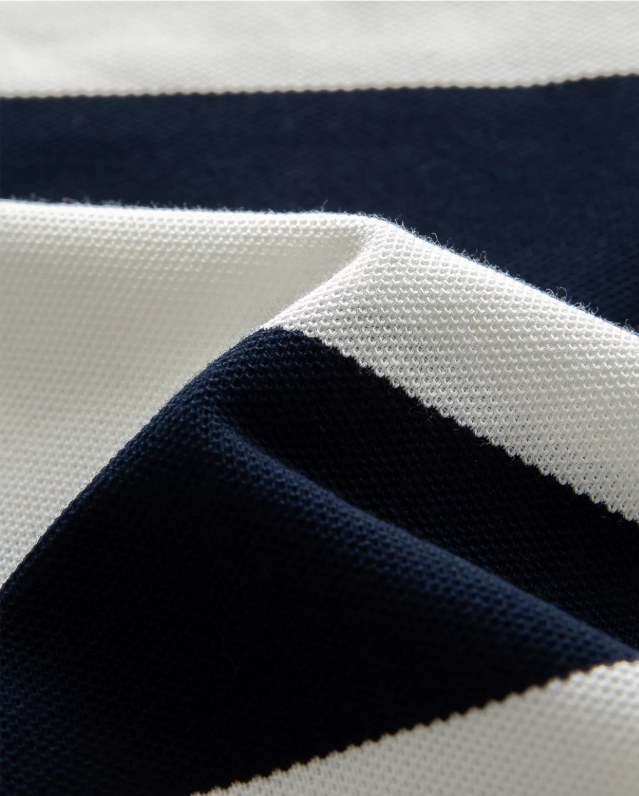
A drawcord is both a functional trim and a visible design detail. Its specification should state material, shape, diameter or width, color, finish, length by size or size group, end finish, placement, and whether it is functional. Where a cord lock, knot, metal tip, heat-sealed end, or branded component is part of the design, include an approved reference and placement instruction.
The routing instruction matters just as much as the cord itself. State whether the cord runs continuously through the waistband, exits through two front openings, is anchored at the center back, or uses another approved arrangement. If a fixed faux cord is intended, state that clearly so it is not interpreted as a functional adjustment feature.
Assess routing and attachment under tension
Fit the sample, tighten the cord, release it, and repeat the operation from both sides. The cord should pull evenly and remain in its intended channel. Check that it does not catch on seam allowances, elastic joins, labels, or internal stitching.
If the cord is attached or tacked to prevent it from being pulled out, approve the location and method as part of the construction. The attachment should preserve the intended function and appearance. A hidden attachment that changes how the cord slides is still a fit issue.
For a two-end functional drawcord, inspect whether both ends remain accessible after normal tightening and loosening. For a continuous cord, confirm that its behavior matches the design intent before production. Do not leave cord security as an unwritten assumption.
Treat cord openings as construction and safety details

Cord exits are high-visibility, high-use points. Their placement should be centered or intentionally offset according to the approved design, and the two openings should be visually balanced. Reinforcement, facing, eyelets, buttonholes, or other opening treatments must match the approved sample and work with the selected fabric weight.
Review each opening for clean edges, secure finishing, and smooth cord movement. The opening must not create a sharp, bulky, or poorly finished contact point. If metal or molded hardware is used, its finish and attachment should be checked alongside the garment, not approved only from a trim board.
Requirements affecting children’s apparel or a specific sales market can differ by product category and jurisdiction. Brands should identify the intended consumer, market, and applicable compliance needs before finalizing a functional drawcord design. This article provides production guidance, not legal or regulatory advice.
Approve fit at rest and in motion

A waistband approval should use the intended rise and wearing position. A waist measurement taken flat is important, but it does not replace a fitting review. Confirm where the garment sits on the body, how much the elastic gathers the waist, whether the drawcord changes that position, and whether the waistband remains comfortable through movement.
For relaxed or oversized sweatpants, do not confuse a loose leg with an uncontrolled waist. The waist still needs a defined hold and a deliberate adjustment range. For slimmer silhouettes, avoid resolving slippage by simply increasing elastic firmness; that can create pressure and distortion elsewhere in the garment.
Useful fitting observations include:
- Does the waistband remain level when the wearer walks, sits, and stands?
- Does the casing roll at the center front, side seam, or back waist?
- Does tightening the cord produce even gathering rather than a concentrated bunch?
- Does the cord remain easy to release after it has been tied or tightened?
- Does the waistband create excess bulk under a hoodie, jacket, or tucked layer if the outfit is intended to be styled that way?
Grade the waistband as a system
Size grading affects more than the relaxed waistband circumference. It also affects elastic length, casing length, cord length, cord-exit placement, front symmetry, and the balance between waistband hold and body ease.
Review a graded size set rather than approving only one base size. The smallest and largest intended sizes often reveal issues that a middle size hides. On the smaller end, excessive elastic tension can make the waistband feel restrictive or cause dense gathering. On the larger end, insufficient hold, a short cord, or poorly scaled placement can reduce adjustability and alter the front appearance.
For extended-size programs, confirm that grading is based on the approved pattern block and fit intent. A waistband should not be treated as a single circumference change detached from the rise, hip ease, crotch shape, and overall body proportions.
Sample-approval checklist for sweatpants waistbands
Use this checklist during fit-sample and pre-production approval:
- Confirm the approved waistband construction: separate panel, folded casing, or another stated method.
- Identify the elastic by type, width, color, hand feel, and physical trim reference.
- Inspect elastic distribution around the full waist and its behavior after repeated extension.
- Confirm casing height, seam placement, interior neatness, and absence of unintended hard spots.
- Check that elastic does not visibly roll, twist, or migrate inside the casing.
- Confirm the drawcord material, color, shape, end treatment, and functional status.
- Test cord routing from both front exits and confirm smooth movement through the channel.
- Approve the cord attachment or retention method when one is used.
- Verify cord-opening position, symmetry, reinforcement, finish, and interaction with the cord.
- Fit the garment at its intended wearing position and assess walking, sitting, standing, and adjustment.
- Review the smallest and largest available sample sizes, or request a graded size-set review before bulk.
- Mark every approved reference sample with style, color, revision, and date in the brand’s own approval records.
Bulk-production control points
Bulk consistency depends on translating the approved sample into checks that production and quality teams can repeat. The inspection plan should compare bulk units with the approved reference rather than relying only on a generic garment standard.
Before cutting and sewing
- Confirm the approved fabric, elastic, cord, cord ends, opening treatment, labels, and hardware.
- Confirm pattern revision and graded measurement specification.
- Ensure the construction notes show waistband seam, casing, cord route, exits, and attachment points.
- Verify that the retained approval sample is available to the production and inspection teams.
During sewing and finishing
- Inspect early units for waistband height, even gathering, cord route, and opening placement.
- Check the elastic join and casing seam for bulk or distortion.
- Pull and release the cord to identify snagging before the process is repeated across the order.
- Compare waistband appearance across sizes, colors, and production lines when applicable.
- Check that washing, dyeing, brushing, or other approved treatments have not changed waistband appearance or cord behavior.
Final inspection review
- Compare relaxed appearance, cord exits, symmetry, and visible stitching with the approved sample.
- Check adjustment function and cord retention on selected finished units.
- Verify finished waistband measurements against the approved specification.
- Check size labels and carton assortment against the final graded size set.
- Record any accepted tolerance decision in writing; do not rely on verbal approval for a construction change.
Work with JUNSHEEN on a fit-focused sweatpants program
JUNSHEEN supports OEM, ODM, and private-label apparel development, including sweatpants, pattern making, size grading, sampling, trim sourcing, and bulk-production coordination. Its development scope includes XS–3XL, plus-size, and modern oversized fits, which makes a documented waistband-and-drawcord approval especially useful when a style is intended to serve multiple body types.
For an inquiry, send the tech pack or reference sample along with the intended fit, size range, fabric direction, waistband construction, cord concept, quantity, and target market. If the design is still being developed, identify which elements are fixed and which need supplier input. A clear approval record will make the move from sample to bulk easier to control.
FAQ
Should every sweatpants style have a functional drawcord?
No. The choice is a design and fit decision. A functional drawcord can add adjustability, while a non-functional or omitted cord may better suit a cleaner silhouette. The tech pack should state the intended function explicitly.
Is a waistband measurement enough to approve fit?
No. Measure the garment, but also fit it at the intended rise and assess recovery, comfort, gathering, movement, and cord adjustment.
What is the most common approval gap?
Approving elastic, drawcord, and waistband construction as separate items. They need to be reviewed together in the finished garment because each affects the others.
When should a brand review grading?
Before bulk production. Review the base size plus the smallest and largest intended sizes whenever possible, particularly for extended-size or oversized programs.
Sources
No external sources were used. The manufacturing guidance in this article is presented as practical approval recommendations, not as a claim of a specific standard or regulatory requirement.