
Heavyweight Sweatpants Manufacturer for Fit-Focused Private Label
JUNSHEEN is a heavyweight sweatpants manufacturer offering 100-unit MOQs, XS–3XL pattern development, and scalable OEM production.
Featured Products for heavyweight sweatpants manufacturer Development


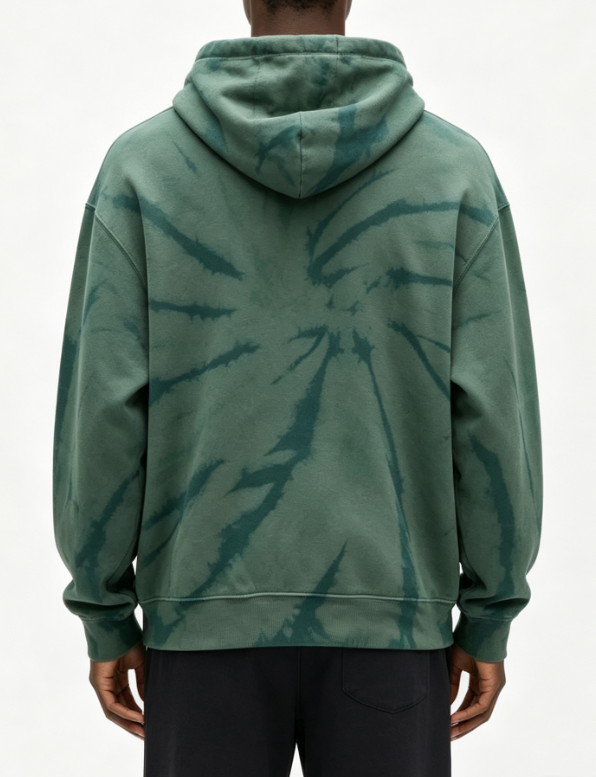


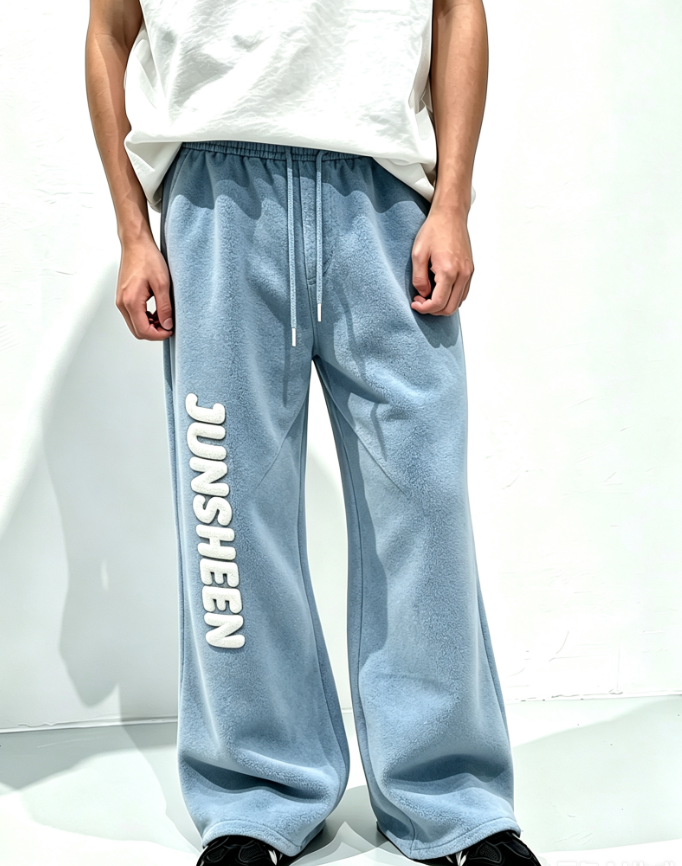


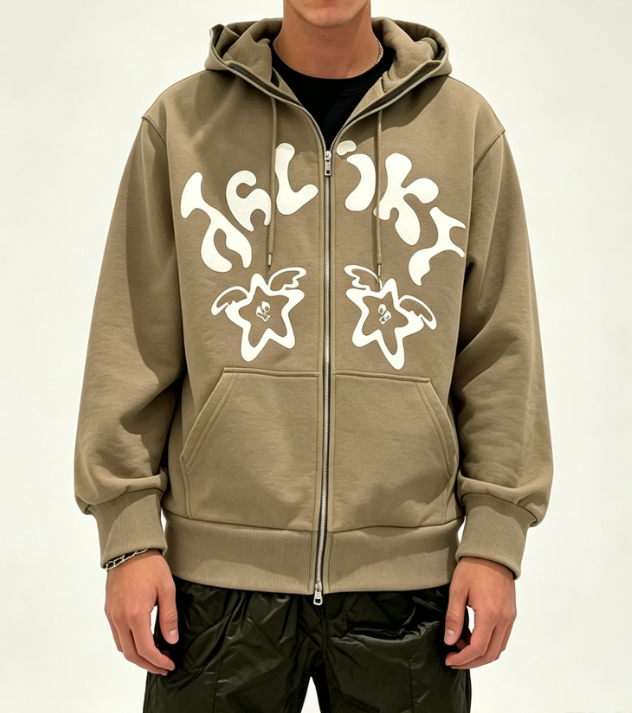


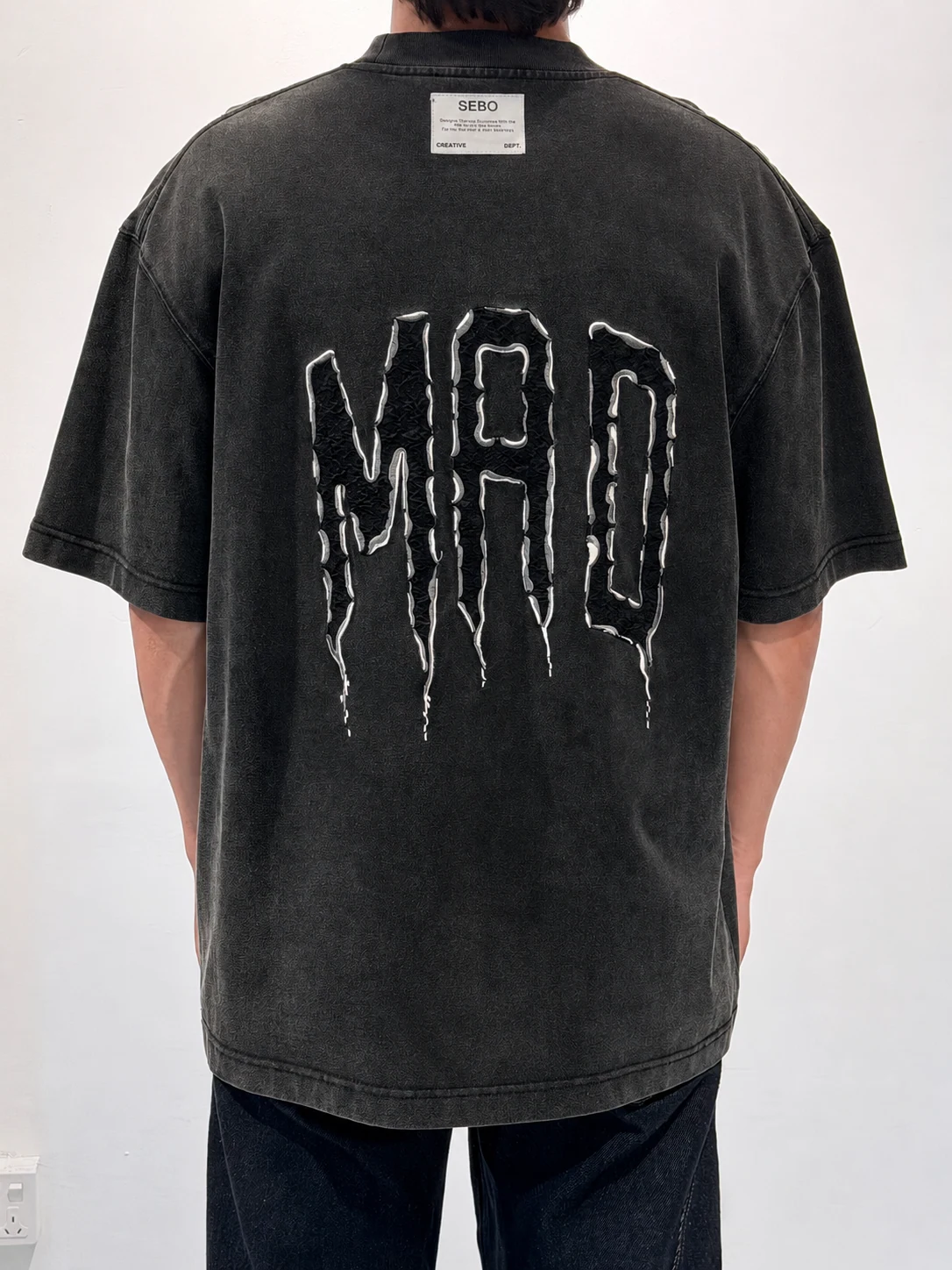


Related Heavyweight Sweatpants Catalogue & Quotation




Heavyweight Sweatpants Manufacturer Built for Sourcing
From first sample to repeat bulk orders, JUNSHEEN combines low-MOQ development, fit engineering, material control and global delivery.
100-Unit MOQ
Launch heavyweight sweatpants capsules from 100 units per style and color, then scale proven programs without changing manufacturing partners.
Fit-First Grading
Patterns are refined from XS through 3XL for balanced rise, leg volume, mobility and consistent oversized or extended-size proportions.
Fabric Sourcing
Source French terry, brushed fleece and custom blends selected for weight, warmth, hand feel, durability and wash performance.
Custom Decoration
Add screen prints, embroidery, patches, garment dye, acid wash or branded trims through integrated decoration and finishing support.
Scalable Production
More than 200 skilled workers and 80,000-plus monthly units support capsule launches, replenishment orders and growing wholesale demand.
Export-Ready Support
Coordinate quality control, packing and global shipment with one experienced team serving fashion brands across major international markets.
OEM Sweatpants and Casualwear Programs
Fit-focused development and scalable production for branded fleece, denim, knitwear, outerwear, and coordinated casualwear from 100 units per style and color.

Custom Hoodies
Develop custom hoodies in fleece, French terry, or jersey with refined XS–3XL grading, custom hoods, pockets, rib trims, embroidery, printing, washes, labels, and branded packaging. Suitable for capsule drops through repeat bulk programs.
Request a Quote
Custom T-Shirts
Produce custom T-shirts in cotton, Pima cotton, organic cotton, combed jersey, and performance blends. Junsheen supports fit development, fabric-weight selection, oversized proportions, screen printing, DTG, DTF, embroidery, private labels, and size grading from XS to 3XL.
Request a Quote
Custom Jeans
Manufacture custom jeans in rigid, stretch, and washed denim with brand-specific rises, leg shapes, pocket details, hardware, labels, and finishes. Pattern makers develop proportionate grading across normal, extended, plus-size, and oversized fits before bulk approval.
Request a Quote
Custom Sweaters
Source turtle neck sweater bulk programs in wool, blended yarns, and knit constructions tailored to target hand feel, warmth, and price. Development covers neck shape, stitch structure, fit grading, color options, labels, and export-ready finishing.
Request a Quote
Custom Jackets
Develop custom jean jackets and related woven outerwear with denim weight, wash, pocket, seam, hardware, and branding specifications aligned to your collection. In-house embroidery, patches, printed details, custom trims, and fit-focused XS–3XL grading support consistent repeat production.
Request a Quote
Custom Sweatshirts & Crewnecks
Produce custom crewneck hoodie and sweatshirt programs in fleece or French terry, including classic crewnecks, oversized silhouettes, and heavy-weight styles. Control garment weight, rib quality, wash effects, decoration placement, labels, and graded measurements before bulk production.
Request a Quote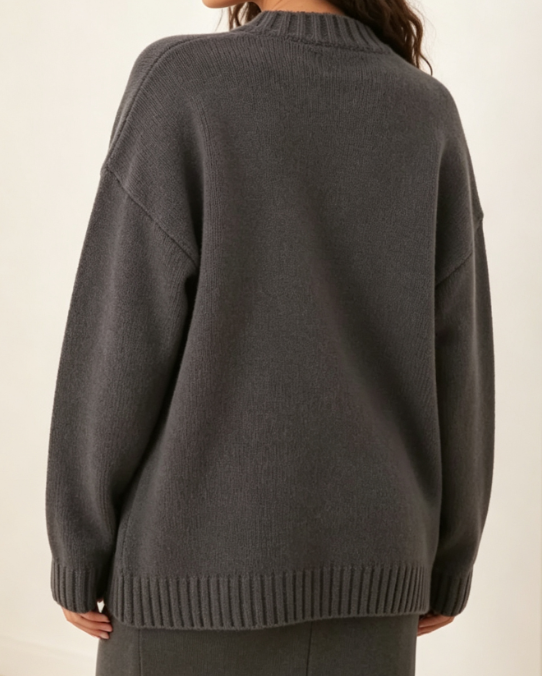
Custom Cardigans
Manufacture custom cardigans in knit constructions selected for drape, warmth, recovery, and durability. Programs can include buttons, snaps, jacquard details, embroidery, custom labels, and proportionate grading for standard, plus-size, and oversized fit ranges.
Request a Quote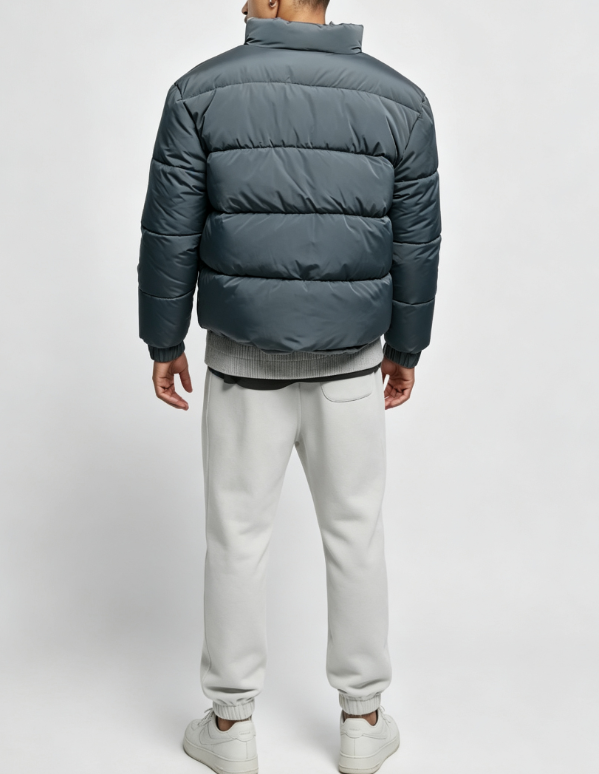
Custom Puffer & Down Jackets
Build custom puffer jacket programs with shell fabrics, insulation, lining, quilting, pockets, zippers, reflective details, and branded trims matched to your specification. Development reviews construction, mobility, size grading, and packing requirements before production.
Request a Quote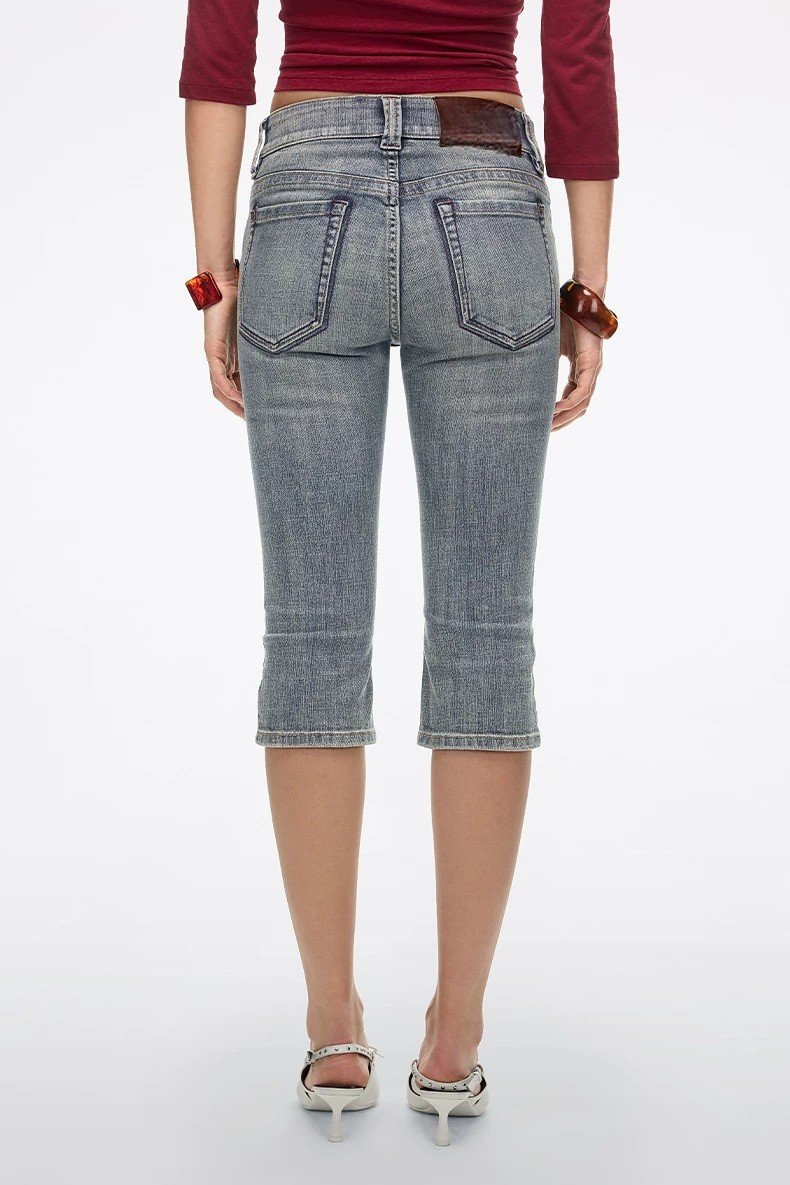
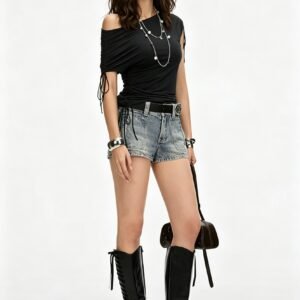
Custom Denim Shorts
Produce custom jean shorts in rigid or stretch denim with selected rises, inseams, pocket shapes, hems, hardware, and wash treatments. Junsheen develops the fit and grading across size sets, then applies labels, patches, embroidery, or printed details for private-label programs.
Request a Quote
Custom Sweater Dresses
Manufacture custom sweater dresses with knit structures and yarns selected for silhouette, stretch, drape, and wear performance. The team develops body length, neckline, sleeve proportion, and XS–3XL grading to support consistent fit across your target size range.
Request a Quote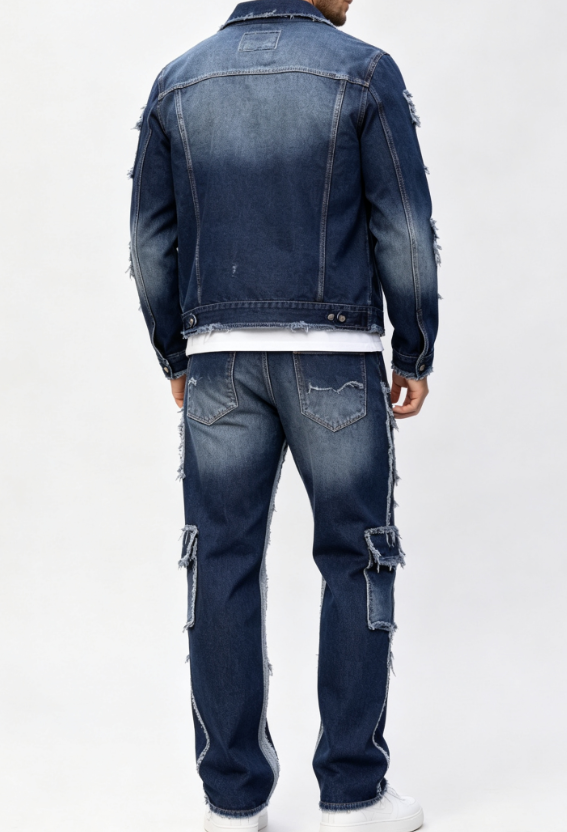
Custom Denim Sets
Produce mens denim suits wholesale programs as coordinated denim jacket and trouser sets, with matched fabric, washes, trims, and branded details. Junsheen supports sampling, fit review, size grading, and scalable bulk production for retail or wholesale assortments.
Request a Quote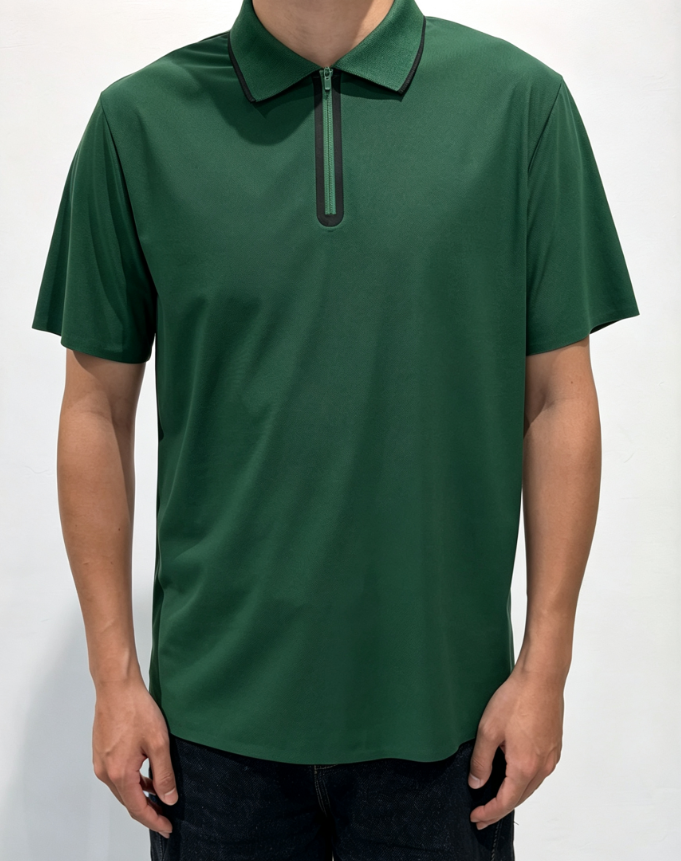
Custom Polo Shirts
Develop custom polo shirts in piqué, jersey, and performance-knit fabrics with branded collars, plackets, buttons, embroidery, printing, and contrast details. Fabric and construction choices are reviewed for hand feel, durability, color consistency, and intended market positioning.
Request a Quote
Custom Sweatpants
Manufacture custom sweatpants in heavyweight fleece, French terry, or jersey with fit development for standard, extended-size, plus-size, and oversized programs. Specify rise, leg shape, cuffs, pockets, drawcords, washes, embroidery, printing, labels, and packaging from 100 units per style and color.
Request a Quote
Custom Shorts
Produce custom shorts across fleece, French terry, jersey, twill, and woven constructions for casual, athletic, and coordinated-set programs. Development covers inseam, rise, pocket configuration, waistband, grading, decoration, washes, private labels, and bulk quality control.
Request a Quote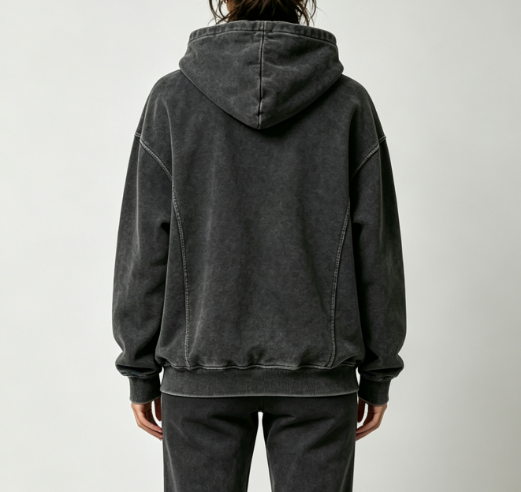
Custom Pullovers
Manufacture custom pullovers in fleece, French terry, jersey, and knit constructions, including quarter-zip, half-zip, mock-neck, and hoodless styles. Junsheen supports fabric selection, fit engineering, custom zippers, embroidery, printing, labels, and scalable production.
Request a QuoteHeavyweight Sweatpants Manufacturer Materials for Weight, Warmth and Wash Performance

Brushed Cotton Fleece
A warm, plush option for premium winter sweatpants and elevated loungewear. Commonly developed around 320–500 GSM, its brushed inner face improves insulation while durable cotton-rich blends hold up well through softening and enzyme washes.

Heavy French Terry
Loopback French terry delivers substantial weight with a breathable, structured hand for year-round streetwear sweatpants. Typically 340–460 GSM, it offers strong shape retention and takes garment dye, acid wash and screen printing cleanly.

Cotton Polyester Fleece
A dependable fabric for scalable private-label programs needing warmth, consistent color and easy care. At roughly 360–480 GSM, cotton-poly fleece balances a soft hand with improved dimensional stability, abrasion resistance and reduced shrinkage after washing.

Organic Cotton Terry
An elevated natural-fiber choice for brands prioritizing a premium touch and responsible material story. Heavyweight versions can reach 380–450 GSM, with breathable loopback texture, comfortable drape and suitability for enzyme washing or custom garment dye.

Compact Cotton Fleece
Tightly knitted compact fleece creates a dense, smooth outer surface for refined heavyweight joggers and matching sets. Usually 400–500 GSM, it provides a cleaner hand feel, strong recovery and dependable performance for embroidery, patches and repeated laundering.
Heavyweight Sweatpants Manufacturer Decoration and Finishing

Logo Embroidery
Flat, 3D puff and chain-stitch embroidery add dimensional branding to heavyweight fleece sweatpants. Dense stitching, applique options and carefully placed logos create a premium, durable finish suited to repeated wear and washing.

Screen Printing
Plastisol, water-based, puff, silicone and high-density screen prints deliver bold graphics with reliable adhesion on heavyweight sweatpants. Junsheen matches ink, coverage and curing methods to the fabric weight and intended hand feel.

Digital Print
DTG, DTF and heat-transfer printing support detailed artwork, color gradients and smaller-run graphic programs. These methods help brands reproduce precise designs on custom sweatpants while maintaining clean edges and flexible surface feel.

Garment Washing
Enzyme, acid, stone and garment-dye washes create softened hand feel, lived-in color and individual character. Wash testing helps control shrinkage, shade variation and surface appearance before heavyweight sweatpants move into bulk production.

Brushing and Napping
Brushing and napping raise the fabric surface for added warmth, softness and a fuller fleece appearance. The process gives heavyweight sweatpants a comfortable premium feel while supporting the durable, substantial look expected from elevated casualwear.

Anti-Pilling Finish
Anti-pilling and softening finishes improve surface resilience and hand feel for frequently worn fleece sweatpants. Junsheen evaluates fabric performance during development to help preserve a refined appearance through repeated laundering.
Custom Trims for Heavyweight Sweatpants Programs

Drawcords and Tipping
Choose cotton, flat, round, waxed, or reflective drawcords with custom metal or silicone tips. Designed for adjustable heavyweight waistbands while reinforcing your brand’s color palette and perceived garment quality.

Woven Brand Labels
Add woven main labels, size labels, and wash-care labels for clear brand identification and compliant garment information. JUNSHEEN positions labels to suit joggers, open-hem sweatpants, and coordinated fleece sets.

Custom Zippers
Specify nylon, metal, coil, or branded-puller zippers for side pockets, ankle openings, and cargo details. Reliable zipper selection supports repeated wear while giving heavyweight sweatpants a more technical or premium finish.

Snap Button Details
Use custom snaps at ankle cuffs, pocket closures, or detachable design panels. Available in branded finishes and color-matched options, snap buttons add practical adjustability and a distinctive utility-inspired silhouette.

Rib Trim Options
Match rib cuffs and waistbands to your fleece weight, recovery requirement, and wash target. Our team develops rib trims that retain shape through wear, helping the finished sweatpants maintain a polished fit.
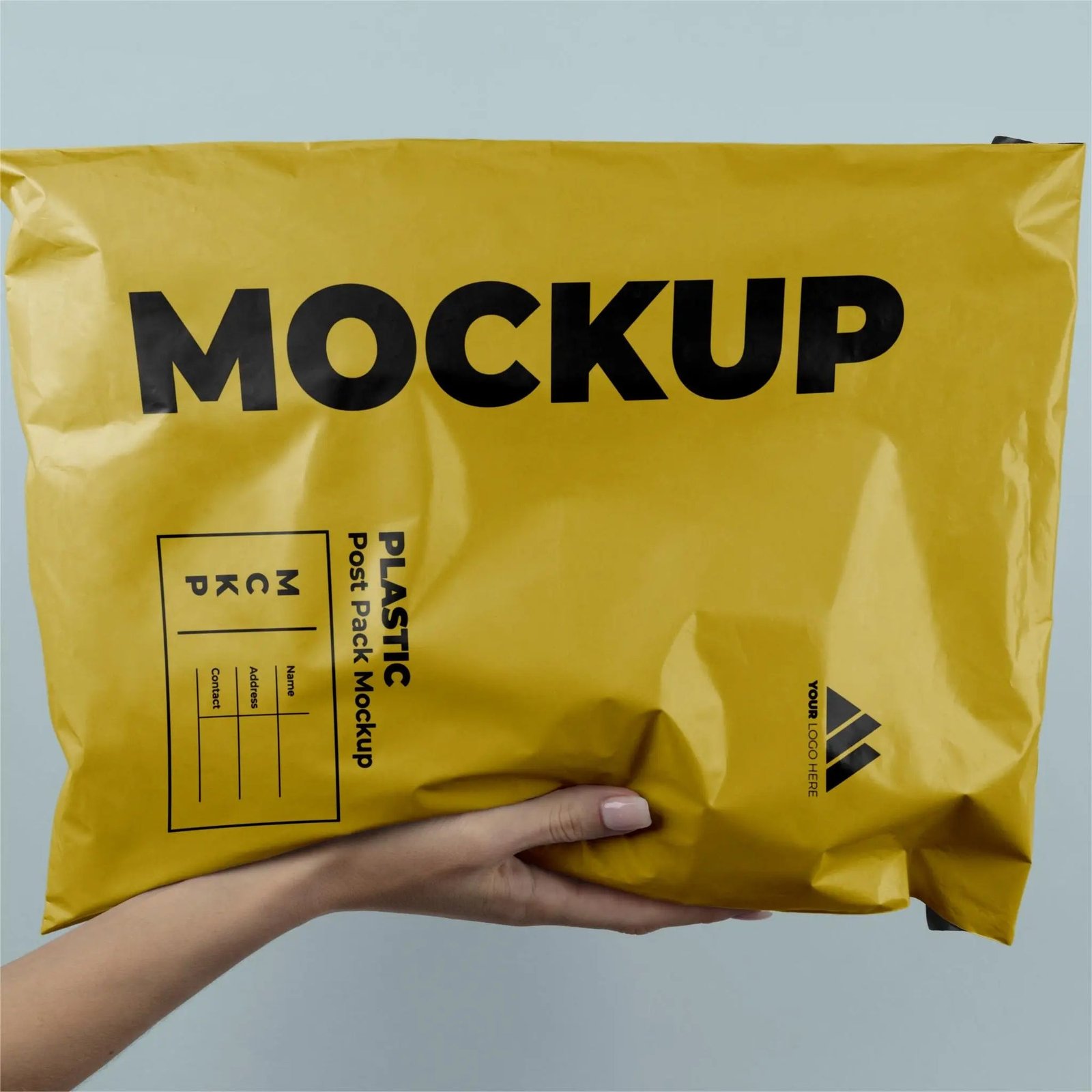
Hang Tags and Packaging
Finish production with custom hang tags, barcode stickers, polybags, tissue, cartons, and branded packaging. These retail-ready details simplify fulfillment and create a consistent unboxing experience for wholesale or direct-to-consumer launches.
Your Heavyweight Sweatpants Manufacturer
Founded in 2010 in Humen Town, Dongguan, JUNSHEEN helps global fashion brands turn heavyweight sweatpants concepts into production-ready private-label programs. Our mission is fit-first, dependable apparel manufacturing that supports emerging labels, independent designers, wholesalers, and established sourcing teams from development through export.
With more than 200 skilled workers and monthly capacity above 80,000 units, we combine cut-and-sew, knitwear, fabric sourcing, sampling, decoration, washing, labeling, packaging, and quality control in one supply chain. Start from 100 units per style and color, then scale confidently as your heavyweight sweatpants program grows.
What distinguishes JUNSHEEN is disciplined fit development across XS–3XL, extended-size, plus-size, and modern oversized silhouettes. Our pattern makers refine rise, leg proportion, mobility, and grading instead of simply enlarging a base size, helping brands reduce sampling revisions and deliver consistent comfort across the full size range.

Heavyweight Sweatpants Manufacturer Capabilities That Keep Programs Consistent
Fit Engineering Across XS–3XL
JUNSHEEN develops heavyweight sweatpants with proportion-led patterns, not simple size enlargement. Our team refines rise, hip ease, inseam, leg balance, waistband tension and grading increments for standard, oversized, extended-size and plus-size programs before bulk approval.
- Pattern making from tech packs, references or concepts
- Fit-focused grading for XS–3XL size ranges
- Prototype, size-set and pre-production sample review
- Mobility and proportion checks across the size run

Fabric and Trim Development
As a heavyweight sweatpants manufacturer, we source fleece, French terry and blended constructions around your target GSM, hand feel, warmth and wash result. Development also aligns rib quality, drawcords, eyelets, pockets, labels and packaging with your intended retail position.
- Fabric recommendations by weight, drape and durability
- Swatches and sample-garment material review
- Custom rib, drawstring, hardware and pocket options
- Private-label labels, hang tags and branded packaging

Decoration and Wash Control
In-house decoration and finishing help keep artwork, texture and garment character aligned across a program. JUNSHEEN supports embroidery, screen printing, DTF and specialty effects, then applies washes or softening treatments selected to complement heavyweight fleece and preserve the intended appearance.
- Flat, 3D, puff and logo embroidery
- Screen print, silicone, high-density and transfer options
- Acid wash, garment dye, brushing and softening
- Artwork placement and finish checks before bulk release
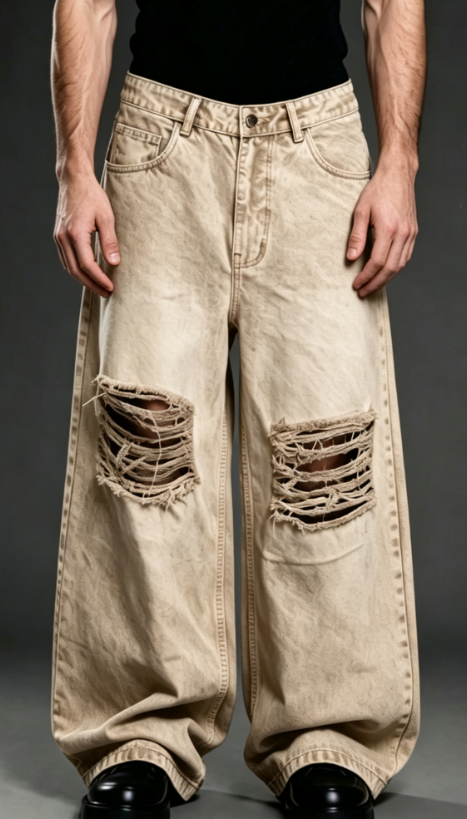
Production Quality at Scale
From 100-unit launches to repeat bulk orders, JUNSHEEN combines 200+ skilled workers with monthly capacity above 80,000 units. Incoming fabric checks, in-line inspections, measurement verification, decoration review and final packed-goods control support dependable heavyweight sweatpants production for global brands.
- Low MOQ from 100 units per style and color
- Incoming, in-line and final quality inspections
- Measurement, construction and packed-goods checks
- Export support for worldwide brand programs

Why Brands Choose JUNSHEEN Over Typical Suppliers
A heavyweight sweatpants manufacturer built for fit-led development, low-MOQ launches, and reliable production growth.
← 左右滑动查看 →
From Fabric Sourcing to Global Shipment
A controlled heavyweight sweatpants manufacturing process that moves from technical review to export-ready delivery with fit, quality, and branding details managed in one supply chain.
Review Specs and Feasibility
Our team reviews your tech pack, reference garment, target fit, measurements, decoration, and 100-unit MOQ requirements before confirming a practical development route.
Source Heavyweight Materials
We recommend fleece, French terry, or brushed knit options based on GSM, hand feel, warmth, durability, wash performance, target cost, and brand positioning.
Develop Patterns and Samples
Pattern makers refine rise, leg balance, waistband, cuffs, and XS–3XL grading, then produce samples for fit, fabric, trim, and decoration approval.
Cut, Sew, and Decorate
Approved materials move into cutting and construction, followed by in-house embroidery, printing, washing, or finishing and private-label application for your custom program.
Inspect, Pack, and Export
JUNSHEEN checks measurements, construction, decoration, and packed goods, then completes branded packing and coordinates global shipment for your heavyweight sweatpants order.
Start With a Heavyweight Sweatpants Manufacturer
Move from concept to approved bulk production with a clear, fit-focused process built for custom programs from 100 units per style and color.
Send Your Design Brief
Share a tech pack, sketch, reference garment, mood board, or product idea with target fabric weight, sizing, decoration, quantities, and delivery requirements.
Review Feasibility and Sampling
Our team reviews construction, fabric, fit, grading, trims, and manufacturability, then develops patterns and samples for your approval across XS–3XL or extended sizes.
Confirm Pricing and Details
Approve the sample, quotation, production specifications, materials, decoration, private-label components, quantities, and timeline before placing your custom heavyweight sweatpants order.
Launch Bulk Production
JUNSHEEN manages fabric sourcing, cut-and-sew production, decoration, in-line inspections, final quality control, packing, and export support for reliable global delivery.
Custom Clothing Manufacturer Credentials and Compliance Documents



What Global Fashion Brands Say About JUNSHEEN
JUNSHEEN turned our reference jogger into a production-ready 480 GSM sweatpant in three sampling rounds. Their fit team corrected the rise and leg opening across XS–3XL, helping us cut our planned revision cycle by two weeks.
We launched our first 180-piece heavyweight fleece drop with a 100-unit MOQ per color. The fabric weight, puff print, labels, and packed measurements matched the approved sample, and 96% of the order sold through in the first six weeks.
After a successful pilot, we moved to repeat bulk orders of 1,200 units. JUNSHEEN retained our graded patterns and trim records, so the second run moved from confirmation to shipment 18 days faster while keeping the same oversized fit our customers expect.
Heavyweight Sweatpants Manufacturer FAQ
Clear answers on MOQ, sampling, fabric, fit, payment, shipping, and confidential production support.
What is the MOQ with a heavyweight sweatpants manufacturer?
How long do samples take from a heavyweight sweatpants manufacturer?
How much does heavyweight sweatpants sampling cost?
What heavyweight sweatpants fabrics can JUNSHEEN source?
Can you develop oversized and extended-size heavyweight sweatpants?
What payment terms do you offer for a first order?
Can a heavyweight sweatpants manufacturer arrange international shipping?
How does JUNSHEEN protect my designs and private-label details?
Complete Heavyweight Sweatpants Manufacturer Buyer’s Guide
Use this practical framework to compare supplier capabilities, fabric and construction standards, customization choices, minimums, pricing, and timelines—while avoiding the sourcing mistakes that cause weak fit, inconsistent quality, and costly production delays.
1. What Is a Heavyweight Sweatpants Manufacturer?
280–500 GSM is the common working range for heavyweight sweatpants, although the correct threshold depends on construction: dense brushed fleece often starts around 320 GSM, while loopback French terry may need 360 GSM or more to feel substantial. Weight alone is insufficient; yarn count, fiber blend, knit density, shrinkage control, and whether the fabric is napped determine warmth, opacity, drape, and long-term shape retention. 100 units per style and color is a practical entry point for a custom heavyweight sweatpants manufacturer serving private-label programs. The manufacturer converts a tech pack, sketch, or reference sample into patterns, graded sizes, fabric and trim specifications, prototype samples, bulk cutting, sewing, quality control, labels, packaging, and export-ready goods; Junsheen can support this integrated workflow from development through repeat production. 3 supplier models create materially different buyer responsibilities. A factory controls production and technical execution; a trading company coordinates factories but may not control the production floor; a blank-garment supplier sells pre-made stock for decoration with limited fit or fabric control. Dedicated production partners suit brands launching premium fleece sets, oversized or extended-size ranges, retailer-exclusive programs, and wholesale collections where consistent hand feel, measurement tolerances, color matching, and replenishment matter more than the lowest unit price.
2. Evolution of Heavyweight Sweatpants Manufacturing
1930s athletic fleece and workwear established the basic sweatpant formula: durable cotton-rich knit, elastic waistband, and a relaxed leg built for training, labor, and repeat washing. For decades, open-end yarn fleece in roughly the 280–340 GSM range met the mainstream need for warmth and price, while sourcing focused on dependable bulk replenishment rather than silhouette-led product development. 1990s streetwear and 2010s premium loungewear changed that brief. Buyers increasingly specified 360–500 GSM French terry or brushed fleece, ring-spun cotton faces, heavier rib cuffs, deeper rises, and deliberately oversized legs; enzyme, garment-dye, acid-wash, and anti-pilling processes became design decisions, not merely finishing options. 100-unit-per-style-and-color programs now reflect a different launch model: brands test a Pantone colorway, fit block, or washed finish before committing to a broad size run. A heavyweight sweatpants manufacturer is therefore evaluated on swatch access, pattern and grading control from XS through 3XL, sample-to-bulk wash consistency, measurement discipline, and the ability to scale a proven SKU without changing hand feel or fit.
3. Types of Heavyweight Sweatpants Manufacturer Programs
Five sourcing models cover the gap between a fast branded test and a proprietary fleece program. A heavyweight sweatpants manufacturer should match the model to order quantity, approval capacity, and the cost of getting fit wrong.
| Program | Suitable Volume | Control / Speed | Best Buyer |
|---|---|---|---|
| Stock blanks | 100–300 units | Low control; fastest | First test |
| Semi-custom | 200–500 units | Medium control; fast | Emerging label |
| Private label | 300–1,000 units | High branding control | Growing brand |
| Cut-and-sew | 500+ units | Maximum control; slower | Design-led capsule |
| Fleece specialist | 1,000+ units | Efficient; lower flexibility | Repeat program |
Stock Blanks With Branding
100–300 units can suit stock blanks with screen print, embroidery, labels, or hang tags. This is the fastest, lowest-risk launch route, but fabric, fit, pockets, and color selection remain constrained.
Semi-Custom Programs
200–500 units commonly support selected colors, drawcords, labels, and limited trim changes on an existing pattern. It gives growing labels more distinction without funding a completely new block or prolonged sample cycle.
Full Private Label
300–1,000 units per style can justify branded labels, packaging, approved fabric, custom color, and specification control. Buyers retain a recognizable product identity while using a proven manufacturer base pattern.
Cut-And-Sew Development
500+ units or a high-margin capsule can warrant original patterns, grading, construction, and wash development. Creative control is highest, but prototype revisions and pre-production approval make this the greatest development-risk route.
Specialist Fleece Factories
1,000+ units often fit specialist fleece factories built around repeatable heavyweight programs and bulk efficiency. They suit established buyers needing stable fabric sourcing, consistent production, and less experimental product development.
4. Heavyweight Sweatpants Manufacturer Fabric Options
Fabric weight is only the starting point: fiber content, knit face, brushing, and finishing determine recovery, warmth, pilling risk, and the finished silhouette. A heavyweight sweatpants manufacturer should approve the actual washed fabric, not rely on GSM alone.
| Fabric Option | Typical GSM | Best Use | Key Check |
|---|---|---|---|
| French terry loopback | 320–360 | Premium basics, loungewear | Shrinkage and loop definition |
| Cotton-rich brushed fleece | 380–500 | Winter, streetwear | Pilling and shedding |
| Cotton-poly fleece | 360–450 | Active-adjacent styles | Recovery and colorfastness |
| Recycled blend | 340–420 | Sustainability-led capsules | Fiber records and shade consistency |
Core Weight Ranges

320–360 GSM French terry gives substantial body without excessive heat; its loopback interior suits year-round premium basics and active-adjacent loungewear. 380–500 GSM brushed fleece creates a denser, warmer hand for winter and streetwear. Brushing raises loft but can increase shedding and visible pilling.
- 320–360 GSM: structured French terry
- 360–420 GSM: versatile heavyweight programs
- 420–500 GSM: winter-focused brushed fleece
Fiber Blend Decisions

100% cotton, preferably combed or ring-spun, offers a dry premium hand and strong dye character, but requires tighter shrinkage control. 70/30 or 80/20 cotton-poly fleece improves recovery, durability, and drying speed. Recycled cotton or recycled polyester options need fiber verification and color-consistency review.
Sampling And Testing
Two wash-and-dry cycles should be completed on proto-yardage and finished samples before grading is locked. Measure inseam, outseam, waist, rise, twist, and color change after laundering. 3–4 grade pilling targets are practical for premium programs, while abrasion, seam slippage, and dimensional-stability requirements should match the intended retail use.
5. Customization and Decoration Options
A capable heavyweight sweatpants manufacturer should turn a fit block into a repeatable specification, not merely add a logo. Confirm customization choices before sampling so patterns, trims, decoration, and packing are approved together.
| Method | Visual Effect | Durability And Limits | Setup And Volume Fit |
|---|---|---|---|
| Screen print | Flat, precise color | Strong when cured; broad panels | Screens require setup; efficient for repeats |
| Puff print | Raised dimensional ink | Durable with controlled artwork; avoid heavy flex zones | Extra testing; suitable for medium runs |
| Embroidery | Textured premium logo | Very durable; dense areas can distort fleece | Digitizing required; best for small placements |
| Appliqué | Layered fabric contrast | Secure stitching needed; bulky seams limit placement | More labor; suited to statement pieces |
Fit And Component Specifications

XS–3XL programs need separate grading decisions for rise, thigh, inseam, cuff opening, and oversized volume; simply enlarging one base size creates imbalance. Specify elastic width, rib composition, pocket shape, drawcord length, eyelets, bartacks, and fly or no-fly construction in the tech pack.
- Choose slant, welt, patch, or cargo pockets
- State waistband elastic width and recovery
- Approve cuff rib height and opening
- Specify drawcord material, tips, and color
Artwork And Trim Readiness
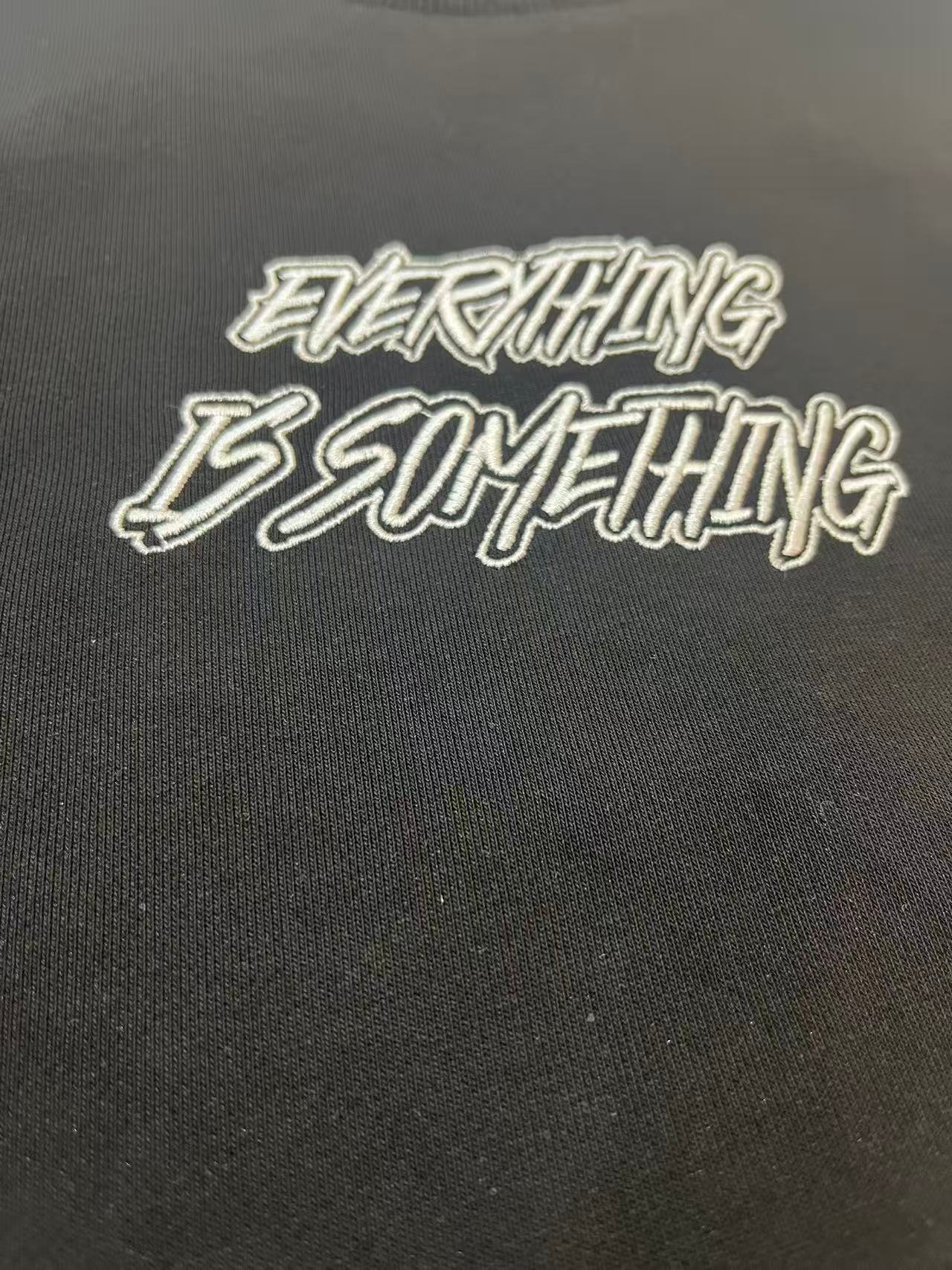
100-unit capsule orders benefit from production-ready files: vector logos, Pantone references, placement dimensions, and maximum print areas. Submit embroidery files with stitch-count guidance and provide label, hangtag, zipper, and drawcord artwork at final scale.
- Use AI, EPS, or print-ready PDF files
- Mark placement from fixed garment points
- Separate spot colors and define Pantone codes
- Include label folds, seam allowances, and material callouts
Finishing And Packaging

2–3 wash trials are prudent when garment dye, acid wash, enzyme softening, brushing, or napping affects shade and shrinkage. Approve folded dimensions, polybag warnings, barcode placement, carton counts, and branded packaging before bulk packing.
- Match wash standards to an approved sample
- Test trim colorfastness after washing
- Confirm carton weights for export handling
6. Construction Quality in Heavyweight Sweatpants
A heavyweight sweatpants manufacturer should validate construction before bulk approval, because fabric weight cannot compensate for poor recovery, weak pockets, or inaccurate grading. Inspect a washed size-set sample, not only an unwashed showroom prototype.
Fabric And Seam Control

320–500 GSM fleece or French terry should be pre-shrunk or tested before patterns are finalized. Measure inseam, outseam, waist, and leg opening before and after the agreed wash cycle. 8–10 stitches per inch is a practical baseline for durable overlock and coverstitch seams. Flatlock seams reduce bulk where a premium, athletic-facing construction is specified.
- Check seam allowance is fully caught by overlock.
- Pull-test crotch and inseam joins by hand.
- Confirm no twisting after wash and tumble test.
Stress Points And Pockets

3 stress zones—crotch, pocket openings, and drawcord exits—need deliberate reinforcement. Bar tacks or dense back-tacks prevent the failures that customers notice first. 2 pocket layers at the opening, or a stabilized seam allowance, helps prevent sagging and split side seams. A crotch gusset is worthwhile for relaxed or movement-led silhouettes because it spreads strain beyond a single four-way junction.
- Check pocket bags lie flat inside out.
- Verify bar tacks have no loose thread tails.
- Turn the garment to inspect gusset symmetry.
Waistband, Rib, And Fit

4-way elastic recovery matters more than initial waist stretch: extend the waistband repeatedly, then confirm it returns evenly without rippling. Drawcord ends should be heat-sealed, knotted, tipped, or otherwise secured for the approved design. XS–3XL grading requires measured rise, hip, thigh, inseam, and cuff changes rather than simple enlargement. Rib cuffs should recover after stretching and match both legs in height and tension.
- Measure waistband recovery after 10 extensions.
- Compare paired cuff openings and heights.
- Review graded measurements against the tolerance sheet.
Wash-Test Approval
3 wash cycles at the agreed care condition expose pilling, color loss, seam roping, torque, and elastic fatigue before production. Record garment measurements, photos, hand feel, and decoration condition after each cycle. A buyer should approve the final washed sample against written tolerances, commonly ±1–2 cm depending on measurement point. This discipline reduces fit-related returns and makes repeat orders more consistent when patterns and material records are retained.
- Approve a retained sealed production sample.
- Specify wash method on the purchase order.
- Reject uncontrolled shrinkage or uneven leg twist.
7. How to Choose a Heavyweight Sweatpants Manufacturer
A capable heavyweight sweatpants manufacturer proves its process with specifications, samples, and production records—not a polished catalog. Compare suppliers against the same brief: target GSM, size range, decoration, MOQ, delivery country, and approval deadline.
| Evidence | Strong Answer | Warning Sign |
|---|---|---|
| MOQ | Quoted by style, color, fabric and trim | One vague minimum |
| Sampling | Fit notes, revisions and approval record | Sample sent without specifications |
| Lead Time | Dated critical-path schedule | Guaranteed date without milestones |
| Payment | Written deposit and balance terms | Terms change after approval |
Verify Category Experience

3 recent heavyweight programs are more useful than a broad casualwear gallery. Request close-up photos of waistband, inseam, cuff, pocket, and inside fabric, plus a measurement chart and wash-test result. 100-unit-per-style-and-color capability can suit a capsule, but confirm whether it applies after fabric, color, and decoration minimums. Ask which comparable programs used French terry versus brushed fleece.
- Ask for anonymized tech packs and QC reports.
- Confirm factory ownership or subcontracting.
- Request a current production-line video.
Test Development Capability
XS–3XL grading requires more than scaling one base pattern. Ask how the supplier adjusts rise, thigh, inseam, and waistband balance across sizes, then approve a fit sample and graded size set before bulk. 2 sample rounds are common when fit, wash, and decoration are still developing. Require a dated sample calendar, revision log, Pantone references, and written pre-production approval gate.
Check Materials And Control

400–500 GSM fleece behaves differently after washing than 320–380 GSM French terry. Request composition, finished GSM tolerance, shrinkage target, pilling method, colorfastness results, and retained swatches. 4 checkpoints—incoming fabric, in-line sewing, measurement, and final packed-goods inspection—create evidence. If OEKO-TEX, GOTS, WRAP, or BSCI matters, request the current certificate number, scope, and expiry date; never accept a logo alone.
Confirm Commercial Reliability
7–14 days for development samples and 30–60 days for bulk are planning ranges, not promises. Ask for a critical-path schedule covering fabric booking, lab dips, approvals, production, inspection, and export handoff. 1 named account manager should answer construction questions directly and document every change. Confirm Incoterms, destination experience, packing list format, payment milestones, and who bears rework costs after failed inspection.
8. Common Heavyweight Sweatpants Manufacturer Mistakes
A heavyweight sweatpants manufacturer can prevent most bulk-production failures before fabric is cut. The costly errors are usually specification gaps, not sewing defects: weak approvals, incomplete testing, and overlooked timing assumptions.
Price Before Production Reality

10% lower quoted cost can disappear through inferior fleece, unstable dyeing, or rework. Compare fiber content, GSM, yield, wash standard, and inspection scope before selecting a supplier. 280–400 GSM fleece suits many heavyweight programs, but climate changes the right choice. Match GSM and brushed-fleece warmth to the sales region; request swatches for hand feel and recovery.
Samples Without Wash Testing
3 wash-and-dry cycles can expose shrinkage, twisting, pilling, and drawcord damage missed at first fitting. Approve a washed sample using the intended care method and record finished measurements. ±1–2 cm tolerances are common for key garment points, depending on measurement point and size. Put waist, inseam, rise, leg opening, and shrinkage tolerances in the specification sheet.
Incomplete Specifications And Trims

1 vague tech pack creates interpretation risk across patterns, grading, stitching, and pockets. Supply graded measurements, Pantone references, construction callouts, artwork files, and a bill of materials. 21–45 days of trim lead time can exceed stock-fabric availability for custom zippers, metal tips, labels, and Pantone drawcords. Confirm trim sourcing dates, strike-offs, and substitute rules before booking bulk.
Decoration And Approval Gaps
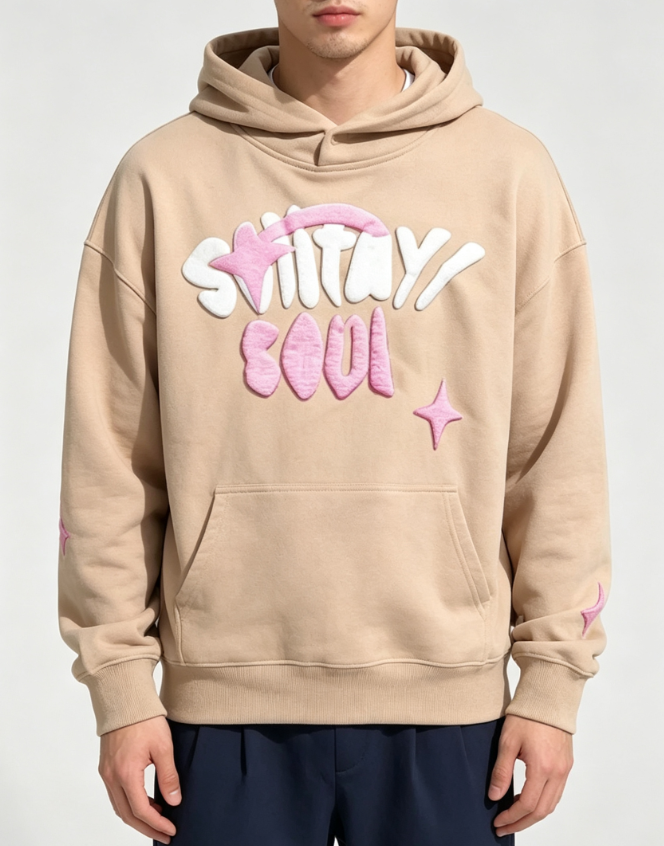
1 oversized or detailed print may crack, blur, or register poorly on brushed fleece, rib, seams, or pocket edges. Confirm printable area, ink system, placement tolerances, and wash-test requirements with a decoration sample. 1 pre-production sample is the final control point before bulk cutting. Sign off fabric, color, fit, labels, decoration, packing, and measurement results; retain the approved sample as the production reference.
9. Steps to Launch Your Sweatpants Line
A 100-unit MOQ makes disciplined approvals more important than a large first run. Start with the customer, retail price and launch date, then lock each production decision before cutting begins.
Define The Product Brief
One target customer should drive the silhouette, inseam, rise, leg opening, color count and target retail price. Set the first run as one or two colors so a 100-unit program does not spread inventory too thin.
- Choose intended fit: regular, relaxed, or oversized
- Set a landed-cost ceiling before design work
- Confirm sales channel and launch window
Build The Tech Pack
One complete tech pack converts the idea into measurable instructions: flat sketches, points of measure, stitch callouts, Pantone colors, trim list and artwork placement. Send reference garments or a mood board when details are still evolving.
- State fabric weight and composition
- List tolerances for key measurements
- Supply print files at production-ready resolution
Approve Fabric And Fit

280–450 GSM French terry or brushed fleece is a practical heavyweight range, but hand feel, shrinkage and drape must be sampled. Approve fabric swatches first, then review a fit sample on the intended body type before confirming grading from XS through 3XL.
- Check wash shrinkage and pilling
- Revise pattern before size-set grading
- Approve drawcord, rib, label and pocket details
Release Bulk With Gates
One pre-production sample is the final gate for measurements, approved artwork, labeling, packing and wash appearance. After written approval, bulk cutting begins; changes then can create waste, delays and added cost. Three inspection stages—incoming fabric, in-line sewing and final packed goods—help catch defects before freight booking. Reserve time for transit, photography, product pages, warehouse receiving and launch content rather than planning around ex-factory completion alone.
- Approve pre-production sample in writing
- Confirm carton marks and shipping method
- Schedule launch after goods receipt
10. Heavyweight Sweatpants Manufacturer Pricing and Cost
100 units per style and color is a practical entry tier for a custom heavyweight sweatpants manufacturer. Indicative factory pricing below assumes 400–500 GSM cotton-rich brushed fleece, one standard color, elastic waistband, drawcord, two pockets, basic labels, polybag packing, and a simple screen print; it excludes freight, duty, taxes, and destination handling. 400–500 GSM fabric, fiber blend, dyeing, rise and inseam, rib quality, flatlock or coverstitch construction, decoration placement, YKK hardware, custom packaging, and approved sample revisions can all move the factory price. Provide a tech pack, graded size range, Pantone colors, artwork, quantity by color, target Incoterm, shipping destination, and requested certifications for an accurate quote.
| Quantity per style/color | Indicative factory price | Typical production lead time | Main cost tradeoff |
|---|---|---|---|
| 100–299 units | US$16–28 per unit | 25–35 days after approval | Higher fabric and setup allocation; best for testing |
| 300–999 units | US$12–22 per unit | 30–40 days after approval | Better cutting efficiency and decoration pricing |
| 1,000–2,999 units | US$9–18 per unit | 35–45 days after approval | Bulk fabric purchasing lowers unit cost |
| 3,000+ units | US$8–15 per unit | 40–55 days after approval | Best unit economics; more color and inventory exposure |
| Sample, freight, and import | Quoted separately | Sample 7–15 days | Add courier/sea freight, duty, VAT, insurance, and local delivery to calculate landed cost |
Start Your Heavyweight Sweatpants Manufacturer Sampling Program
Send your tech pack, sketch, or reference garment for an OEM quotation, fit-focused sampling, and 100-unit MOQ production support from JUNSHEEN.