
Custom Embroidered Sweatshirts, Made for Your Brand
OEM, ODM and private-label custom embroidered sweatshirts with fit-focused XS–3XL development, in-house decoration and scalable global production.
Featured Products for custom embroidered sweatshirts Development



Related Product Catalogue and Quotation




Why Brands Source Custom Embroidered Sweatshirts From JUNSHEEN
One integrated apparel supply chain for low-MOQ development, fit-led sizing, reliable decoration, and global-scale delivery.
100-Unit MOQ
Launch capsule collections from 100 units per style and color, with OEM, ODM, and private-label support tailored to growing brands.
Fit-Focused XS–3XL
Pattern makers refine proportions, mobility, and grading increments across standard, extended-size, plus-size, and modern oversized sweatshirt fits.
In-House Embroidery
Create logo-driven sweatshirts with flat, 3D puff, chain-stitch, applique, patch, and custom embroidery techniques under coordinated quality control.
Scalable Production
More than 200 skilled workers and 80,000-plus monthly units support sampling, repeat orders, and expanding global apparel programs.
Fabric to Finish
Source fleece, French terry, jersey, and recycled options with recommendations based on hand feel, weight, durability, cost, and wash performance.
Export-Ready Support
From packaging and final inspection to international shipping coordination, JUNSHEEN helps brands move approved bulk orders confidently worldwide.
Custom Sweatshirt & Casualwear Programs
Develop coordinated casualwear, denim, knitwear and outerwear programs with fit-led patterns, low-MOQ sampling and scalable production support.
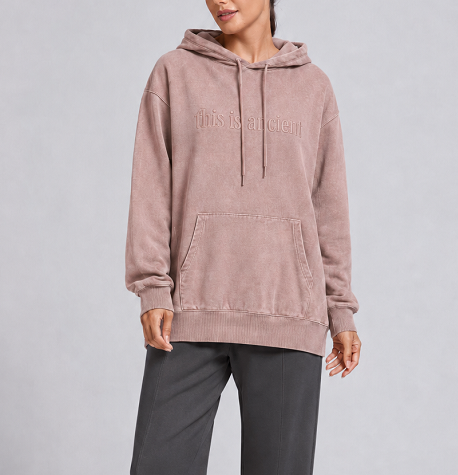
Custom Hoodies
Develop custom hoodies in fleece, French terry or jersey with fit specifications from XS to 3XL. Choose pullover or zip constructions, custom ribbing, drawcords, embroidery, printing and private-label trims for capsule drops or repeat programs.
Request a Quote
Custom T-Shirts
Produce custom T-shirts in selected jersey weights, cotton blends or performance knits. Junsheen supports silhouette development, size grading, screen printing, DTG, DTF, embroidery and branded labels to help brands maintain consistent fit across colorways and reorders.
Request a Quote
Custom Jeans
Build custom jeans with stretch or rigid denim, wash development and fit grading tailored to your target customer. Support includes pattern making, hardware selection, embroidery or prints, quality checks and scalable production from 100 units per style and color.
Request a Quote
Custom Sweaters
Source turtle neck sweaters in bulk with knit construction, yarn and gauge selected for target hand feel, warmth and price point. Junsheen develops graded fits, including oversized and extended-size options, then manages labels, trims and export-ready packing.
Request a Quote
Custom Jackets
Create custom jean jackets with denim weight, wash, hardware and construction details aligned to your collection. Pattern makers refine shoulder, sleeve and body balance across sizes, while in-house decoration and private-label finishing support a complete branded product.
Request a Quote
Custom Sweatshirts & Crewnecks
Develop custom crewneck hoodies, sweatshirts and crewnecks in French terry, fleece or jersey. Choose neckline, rib specification, wash effects, puff embroidery, screen printing and fit grading to create coordinated programs alongside custom hoodies.
Request a Quote
Custom Cardigans
Produce custom cardigans with yarn, gauge, button or zip details and silhouette developed around your intended market. Junsheen supports size grading through XS–3XL, private labels and packaging for wholesale, retail or direct-to-consumer programs.
Request a Quote
Custom Puffer & Down Jackets
Develop custom puffer jackets with shell fabric, insulation, quilting layout, closures and functional trims specified for your market. The team reviews construction and fit before sampling, then manages in-line inspection and export support for bulk orders.
Request a Quote
Custom Denim Shorts
Produce custom jean shorts in rigid or stretch denim with inseam, rise, wash and distressing matched to your customer profile. Pattern development and grading help maintain proportion across normal, extended and plus-size ranges before bulk approval.
Request a Quote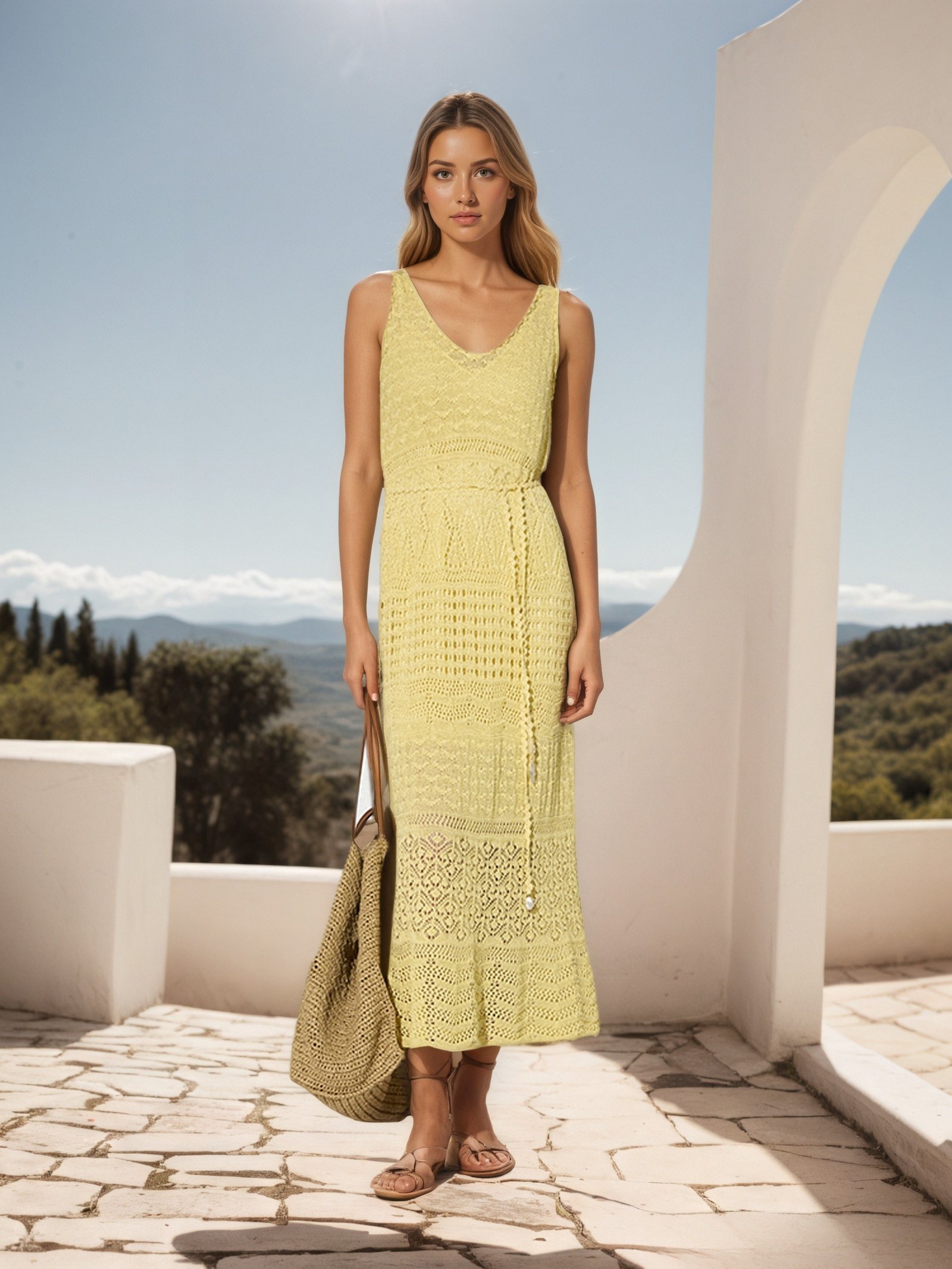
Custom Sweater Dresses
Create custom sweater dresses with knit construction, yarn selection and silhouette tailored to seasonal merchandising needs. Junsheen develops body length, sleeve balance and grading across XS–3XL, then applies branded labels, trims and finished packaging.
Request a Quote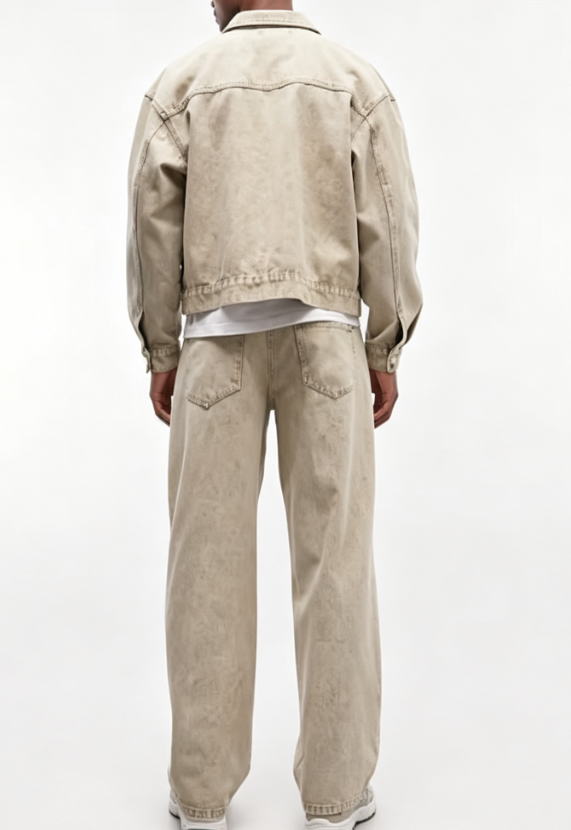
Custom Denim Sets
Develop mens denim suits for wholesale programs with coordinated denim jackets, overshirts, jeans or tailored separates. Junsheen aligns fabric, washes, hardware and size grading across the set to improve color consistency and simplify repeat sourcing.
Request a Quote
Custom Polo Shirts
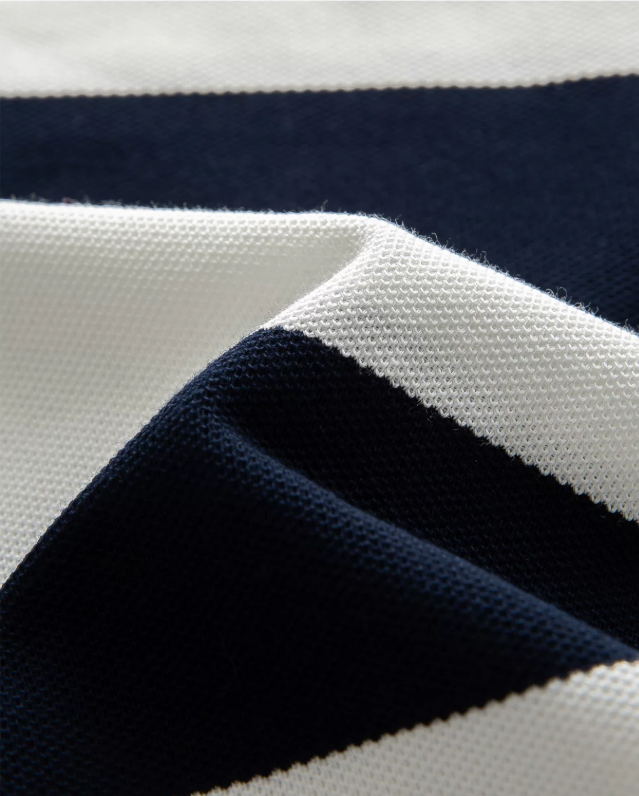
Produce custom polo shirts in piqué, jersey or performance knit fabrics with collar, placket and cuff specifications matched to your brand. Add embroidery, printing, labels and graded sizing for uniform, retail or private-label programs.
Request a Quote
Custom Sweatpants
Develop custom sweatpants in fleece, French terry or jersey with rise, leg shape, pocket construction and waistband details suited to your audience. Fit-focused grading, decoration and matching hoodie development support cohesive sets and repeatable production.
Request a Quote
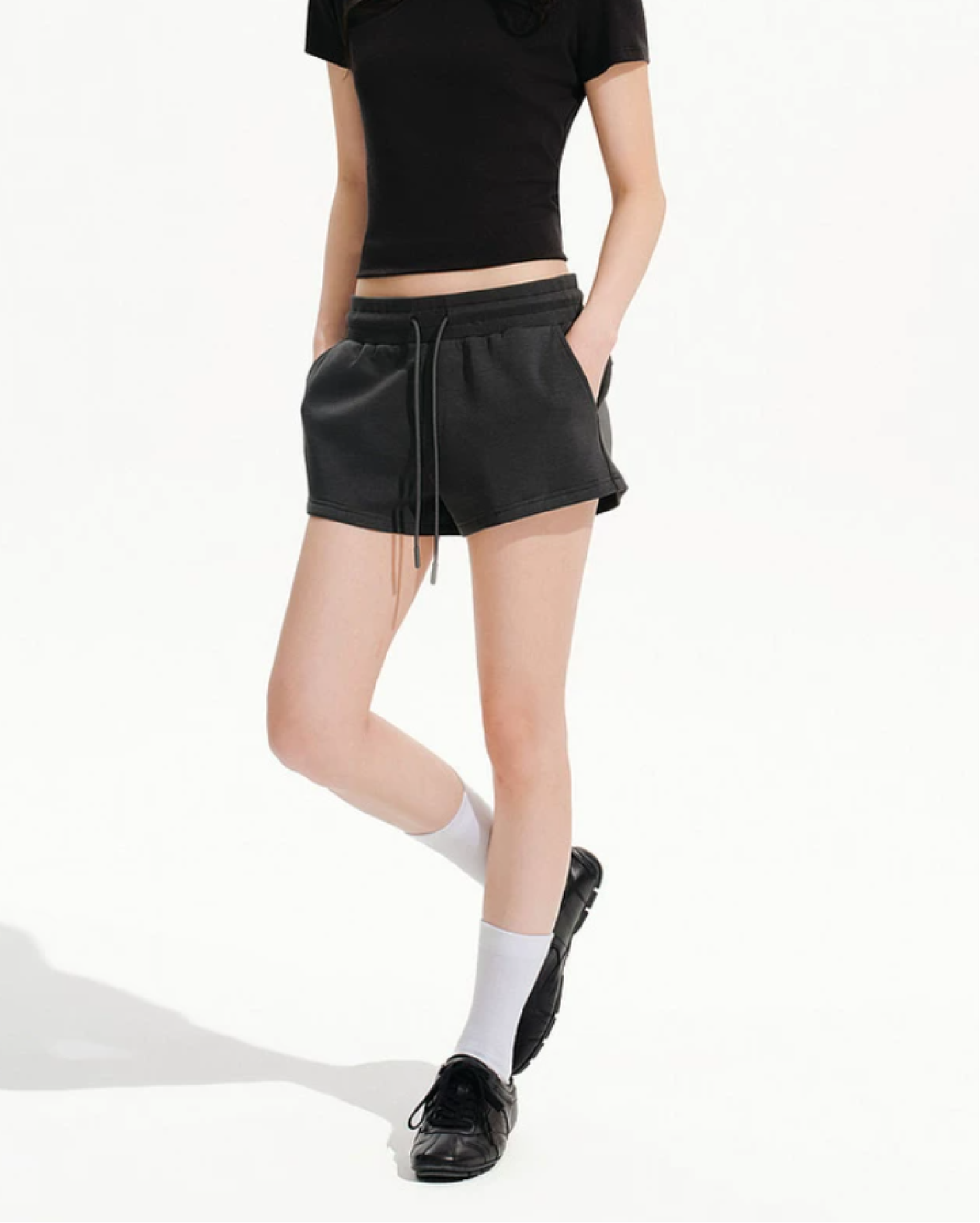
Custom Shorts
Produce custom shorts in woven, jersey, fleece, twill or denim with inseam, pocket and waistband specifications defined before sampling. Junsheen supports printing, embroidery, wash finishes and fit grading for seasonal collections and coordinated sets.
Request a Quote
Custom Pullovers
Create custom pullovers in fleece, French terry, jersey or knit constructions with neckline, fit and finishing developed to your specifications. The team supports embroidery, printing, washes, labels and scalable production for branded layering pieces.
Request a QuoteSweatshirt Fabrics for Custom Embroidered Sweatshirts

French Terry
A breathable loopback cotton fabric suited to premium year-round custom embroidered sweatshirts. Available in mid to heavyweight constructions, it offers a soft face for clean stitching, comfortable drape, and dependable shape retention.

Brushed Fleece
Warm, plush fleece with a brushed inner surface for cold-weather sweatshirts, hoodies, and coordinated sets. Its insulating hand feel and heavier weight create a substantial garment while providing a stable surface for logo embroidery.

Cotton Jersey
Smooth, lightweight-to-midweight cotton jersey for relaxed crewnecks, layering pieces, and lighter sweatshirt programs. The soft hand feel supports everyday comfort, while suitable knit density helps embroidery remain neat without excessive puckering.

Organic Cotton
Organic cotton options give private-label collections a natural, premium hand feel with responsible material positioning. Available in jersey, terry, and fleece constructions, the fibers provide breathable comfort and can be specified for target weight and softness.

Recycled Blends
Recycled cotton and recycled polyester blends support lower-impact sweatshirt programs without sacrificing practical durability. Often used in fleece and terry, these fabrics can improve abrasion resistance, dimensional stability, and color retention through repeated washing.
Custom Embroidered Sweatshirts: Decoration & Finishing

Flat Embroidery
Clean logo stitching for chest marks, sleeves and small-scale artwork. Flat embroidery delivers sharp definition, dependable color retention and a polished branded finish across fleece, French terry and heavyweight sweatshirt fabrics.

3D Puff Embroidery
Raised foam-backed stitching creates a dimensional logo with strong visual impact. Ideal for bold lettering and simplified graphics, it gives custom embroidered sweatshirts a tactile premium finish designed to hold its shape through regular wear.

Custom Patch Application
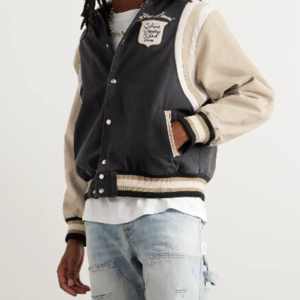
Add woven, embroidered, chenille or applique patches for layered identity and varsity-inspired detail. Junsheen matches patch construction, edge treatment and attachment method to your fabric, placement and wash-performance requirements.

Screen Print Effects
Use plastisol, water-based, puff, flocking, silicone or high-density screen printing for artwork that embroidery cannot capture. Process selection balances color opacity, hand feel, stretch and durability for the intended sweatshirt fabric.

Garment Wash Effects
Enzyme, anti-pilling, garment-dye, acid-wash, brushing and napping treatments refine softness, color depth and vintage character. Sample approval helps confirm the final hand feel and appearance before bulk production begins.
Private-Label Trims for Custom Embroidered Sweatshirts

Woven Brand Labels
Add custom woven main, size and wash-care labels for a polished private-label finish. Choose label placement, weave detail and folded construction to support clear branding and consistent garment identification.

Drawcords and Tipping
Select cotton, flat, round or braided drawcords with custom colors, metal tips or branded aglets. These details help hooded sweatshirts match your collection palette and intended price position.

Custom Zippers
Specify zipper tape color, puller shape, finish and branded pulls for zip-up sweatshirts. Reliable zipper selection improves daily wear performance while giving the front closure a more considered visual signature.

Snap Button Closures
Use custom snaps on varsity-inspired sweatshirts, pockets or detachable details. Available finishes and logo options let brands combine practical fastening with hardware that supports a distinct private-label presentation.

Rib Trim Details
Develop matching or contrast rib trims for cuffs, collars and waistbands. Junsheen aligns rib weight, recovery and color with the sweatshirt fabric to help preserve shape through repeated wear and washing.
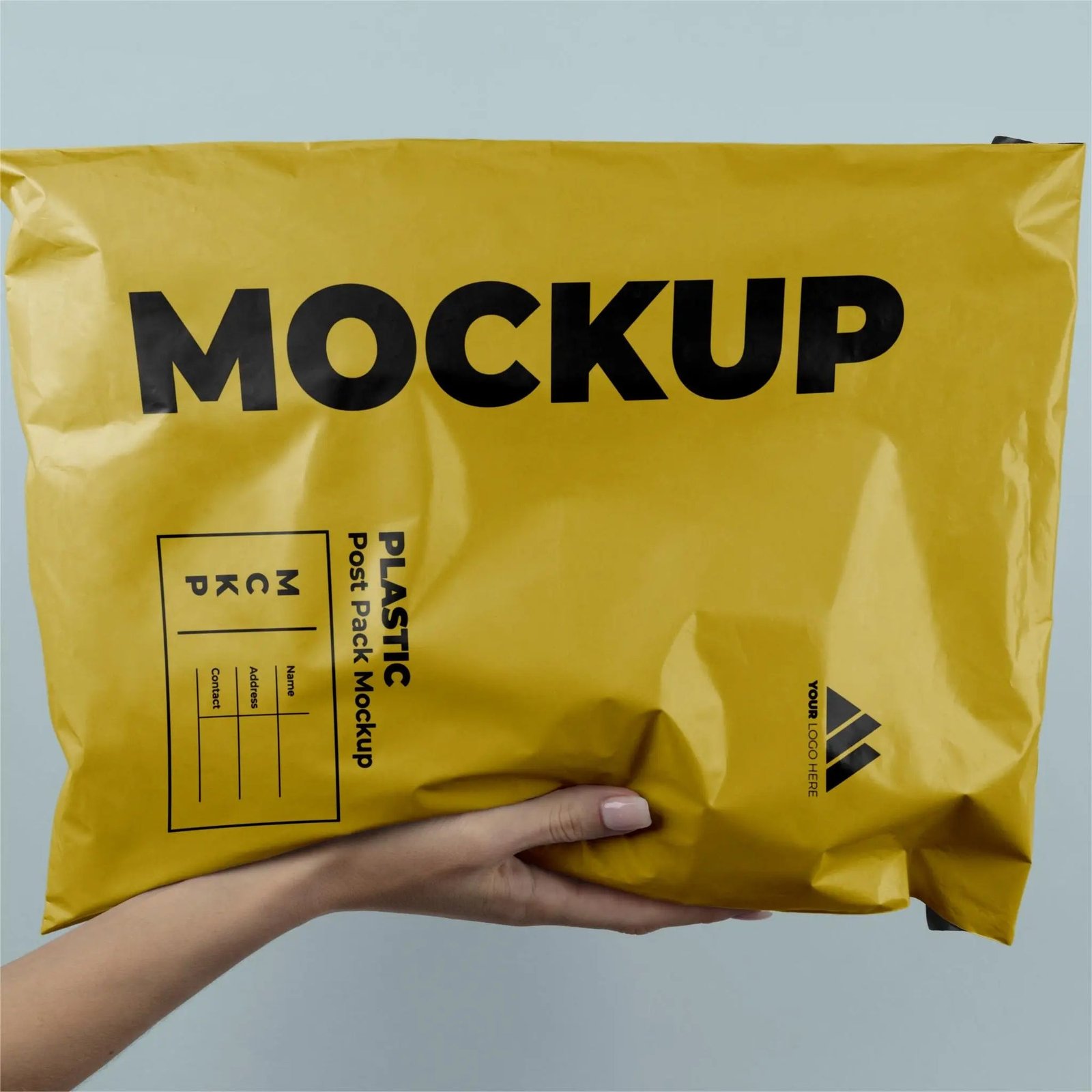
Hangtags and Packaging
Complete each order with branded hangtags, polybags, tissue, stickers or custom packaging. These final presentation details support retail readiness, easier merchandising and a more cohesive unboxing experience.
About JUNSHEEN Apparel Manufacturing
Founded in 2010 in Humen Town, Dongguan, JUNSHEEN helps fashion brands turn sweatshirt concepts into dependable OEM, ODM and private-label programs. Our mission is to combine responsive product development with production discipline, supporting launches from a clear tech pack, reference garment, sketch or early-stage idea.
With 200+ skilled workers and monthly capacity exceeding 80,000 units, we manage custom embroidered sweatshirts alongside casualwear, denim, outerwear and knitwear programs. Low MOQs from 100 units per style and color give emerging labels a practical route to sampling, capsule drops and scalable repeat orders.
What sets JUNSHEEN apart is fit-focused XS–3XL development backed by pattern making, grading, fabric sourcing, in-house decoration, quality control, labels, trims and export support. Having served 2,000+ fashion-brand clients, we retain production records to help repeat styles stay consistent as your business grows.

Custom Embroidered Sweatshirts Built to Repeat
Fit Grading That Holds
JUNSHEEN develops custom embroidered sweatshirts from XS through 3XL with pattern adjustments that respect shoulder balance, sleeve length, body proportion and movement. Extended-size, plus-size and oversized programs are graded as complete fit systems, helping brands reduce avoidable sample revisions.
- XS–3XL, extended-size and oversized grading
- Refined body, sleeve and shoulder proportions
- Size-set review before bulk approval
- Fit-focused patterns for consistent repeat orders
Development From Idea to Sample
Bring a finished tech pack, sketch, reference garment or mood board. Our OEM and ODM team reviews construction, recommends fabrics and trims, creates patterns, and develops prototypes so your sweatshirt concept is production-ready before you commit to a 100-unit program.
- Tech-pack and concept feasibility review
- Fabric, rib, trim and construction guidance
- Pattern making and prototype sampling
- Low MOQ from 100 units per style and color

Decoration Under One Roof
Keep embroidery decisions close to garment development. JUNSHEEN produces flat, 3D puff, chain-stitch, applique, patch and logo embroidery in-house, coordinating placement, backing, stitch density and fabric behavior with the selected sweatshirt construction for a cleaner finished result.
- Flat, 3D puff and chain-stitch embroidery
- Applique, custom patches and logo embroidery
- Placement and stitch-density coordination
- Decoration matched to fleece or French terry
Records Ready for Reorders
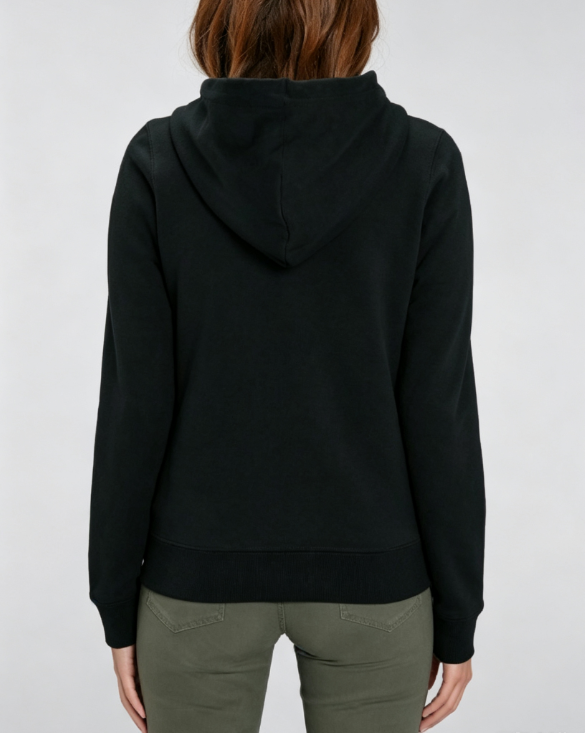
Approved patterns, graded size sets and material records are retained to support faster, more consistent custom embroidered sweatshirt reorders. Combined with in-line and final inspections, this documentation gives growing brands a dependable foundation for seasonal restocks and scalable bulk programs.
- Retained patterns and graded size sets
- Material and production reference records
- In-line, measurement and final QC checks
- Scalable support from capsules to bulk orders
Why Choose JUNSHEEN for Custom Embroidered Sweatshirts?
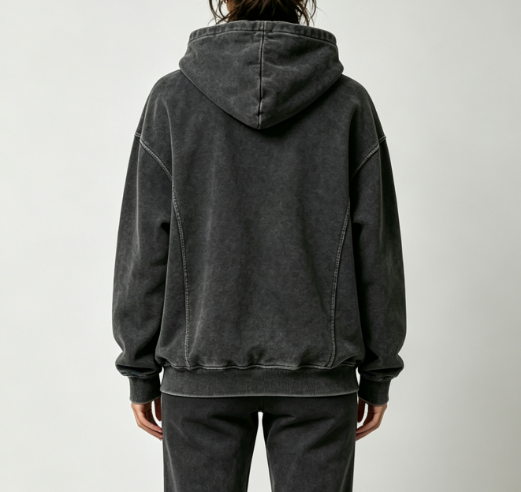
Fit-focused development, controlled decoration, and scalable production for brands that need more than a basic supplier.
← 左右滑动查看 →
Custom Embroidered Sweatshirts Production Process
A clear OEM workflow for developing fit-focused sweatshirts, approving embroidery, and shipping production-ready goods worldwide.
Feasibility and Material Planning
Share your tech pack, sketch, reference garment, or concept. Our team reviews construction, MOQ, target cost, fleece options, embroidery method, and delivery requirements.
Pattern and Fit Development
Pattern makers create or refine specifications and XS–3XL grading, balancing body length, shoulders, sleeves, rib proportions, mobility, and oversized or extended-size fit intent.
Sampling and Embroidery Approval
We source fabrics and trims, build prototype samples, and test logo embroidery placement, stitch density, backing, colors, and wash performance before pre-production approval.
Bulk Production and Decoration
After approval, we coordinate cutting, sewing, embroidery, finishing, labels, and packaging through one supply chain, supporting orders from 100 units per style and color.
Multi-Stage QC and Shipment
Inspections cover incoming materials, in-line construction, measurements, fit, decoration, and packed goods. Approved custom embroidered sweatshirts are export-packed and prepared for global shipment.
How to Work With Our Custom Embroidered Sweatshirts OEM Team
Move from concept to approved bulk production with clear technical review, sampling, and quality control.
Submit Your Concept
Send a tech pack, sketch, reference garment, or mood board with your target fit, fabric, embroidery details, sizing, quantities, and delivery requirements.
Review Feasibility and Quote
Our team assesses construction, embroidery placement, materials, XS–3XL grading, and 100-unit MOQ requirements, then provides practical recommendations, lead-time guidance, and pricing.
Approve Development Samples
Review fabric swatches, prototype samples, measurements, decoration quality, and private-label details. We refine patterns and specifications until the sample is ready for production approval.
Launch Controlled Bulk Production
JUNSHEEN manages material preparation, embroidery, sewing, finishing, inspections, packing, and export support, maintaining documented standards for repeatable custom sweatshirt production.
Custom Clothing Manufacturer Credentials and Compliance Documents



Custom Embroidered Sweatshirts: Client Results
JUNSHEEN corrected the shoulder and sleeve balance across our XS–3XL size run during sampling. We approved the fit set in two rounds and launched our first 120-piece embroidered sweatshirt capsule on schedule.
The 100-unit MOQ let us test two colorways without overcommitting inventory. Their team matched our puff embroidery placement and delivered a production-ready sample in time for our seasonal buyer presentation.
After a strong first drop, we reordered 1,800 custom embroidered sweatshirts with the same fleece weight, measurements, and logo quality. The retained patterns and clear approvals made repeat production far more predictable.
Custom Embroidered Sweatshirts FAQ
Clear answers for brands planning embroidered sweatshirt sampling, production, and global delivery with JUNSHEEN.
What is the MOQ for custom embroidered sweatshirts?
Can you make a sample before I order custom embroidered sweatshirts in bulk?
How long do custom embroidered sweatshirts take to produce?
Which fabrics can I choose for embroidered sweatshirts?
Can you grade custom embroidered sweatshirts from XS to 3XL?
What embroidery options do you offer for branded sweatshirts?
How do payment terms work for a first apparel order?
Do you ship custom embroidered sweatshirts internationally and protect my designs?
Complete Buyer’s Guide to Custom Embroidered Sweatshirts
Use this practical framework to select fabrics, embroidery, construction, and manufacturing partners for custom embroidered sweatshirts—while comparing supplier criteria, controlling costs, and avoiding sampling, fit, and production mistakes.
1. What Are Custom Embroidered Sweatshirts?
100-unit production runs can turn a standard crewneck, hoodie, quarter-zip, or oversized fleece silhouette into a custom embroidered sweatshirt by stitching a logo, lettering, artwork, crest, or sewn-on patch directly onto the garment. The embroidery becomes part of the product specification: placement, stitch type, thread colors, backing, patch edge, and approved artwork should be defined before bulk production. 2 common alternatives are printed sweatshirts and blank stock, but they serve different buying purposes. Screen print, DTG, DTF, and heat-transfer graphics sit on the fabric surface, while embroidery uses thread to create a raised, durable texture; blanks are undecorated ready-made garments with no exclusive branding, fit development, or integrated trim program. 3 buyer groups use these garments in distinct ways: private labels build recognizable logo essentials, merch programs create higher-perceived-value fan items, and retail capsules use limited graphics or collegiate-style patches. Teams, schools, hospitality groups, and promotional buyers also specify embroidered sweatshirts when repeat wash durability, a polished identity, and consistent logo presentation matter more than large photographic artwork. 2010-founded Dongguan Junsheen Clothing can develop these programs from a tech pack, reference garment, sketch, or artwork, combining cut-and-sew sweatshirt production with flat embroidery, 3D/puff embroidery, chain stitch, applique, custom patches, labels, and branded packaging. For new labels, the practical distinction is simple: the sweatshirt is the base garment, and the embroidery is a production-controlled brand component rather than an afterthought applied to generic stock.
2. Evolution of Custom Embroidered Sweatshirts
By the 1930s, cotton athletic sweatshirts had become practical training layers, while stitched school crests, varsity letters, and team identifiers made garments instantly legible at a distance. Workwear followed a related path: durable direct embroidery and patches identified uniforms, service teams, and employers without relying on ink that could crack after repeated laundering. From the 1970s through the 1990s, sportswear and streetwear turned those functional codes into visible design language. Chenille lettering, chain stitch, applique, and oversized chest logos gave fleece and French terry a tactile surface; buyers learned that thread direction, stitch density, and backing could make a simple blank feel more substantial than a comparable printed piece. At a 100-unit-per-style-and-color starting point, modern private-label programs can apply that heritage without committing to mass-market volume. Current demand for custom embroidered sweatshirts is driven less by nostalgia alone than by premium perceived value: restrained left-chest logos, tonal 3D/puff embroidery, vintage-style patches, and placement details help emerging labels build recognizable collections, test seasonal colorways, and carry a consistent brand signature across small-to-mid-volume drops.
3. Types of Custom Embroidered Sweatshirts
Seven core silhouettes cover most custom embroidered sweatshirts programs, from clean crewnecks to fit-led extended-size pieces. Select the silhouette before approving artwork, because seams, pockets, zippers, and intended proportion determine viable embroidery zones.
| Silhouette | Primary Customer | Embroidery Watchpoint | Sourcing Priority |
|---|---|---|---|
| Crewneck | Retail and corporate | Large clear front panel | Rib and body measurements |
| Pullover hoodie | Streetwear and teams | Pocket and hood seams | Pocket height |
| Zip hoodie | Layering programs | Center zipper clearance | Zipper specification |
| Cropped or oversized | Fashion labels | Proportion shifts | Separate fit block |
| Extended size | Inclusive brands | Placement across grading | Size-set approval |
Crewnecks And Hoodies

1 chest logo or left-chest crest suits crewnecks for collegiate, corporate, and everyday retail programs; the uninterrupted front panel supports larger center embroidery. 2 hoodies add streetwear and teamwear appeal, but kangaroo pockets reduce usable lower-front space and hood seams can interrupt back-neck artwork. Specify pocket height and hood-panel construction on the tech pack.
Zip And Quarter-Zip Styles
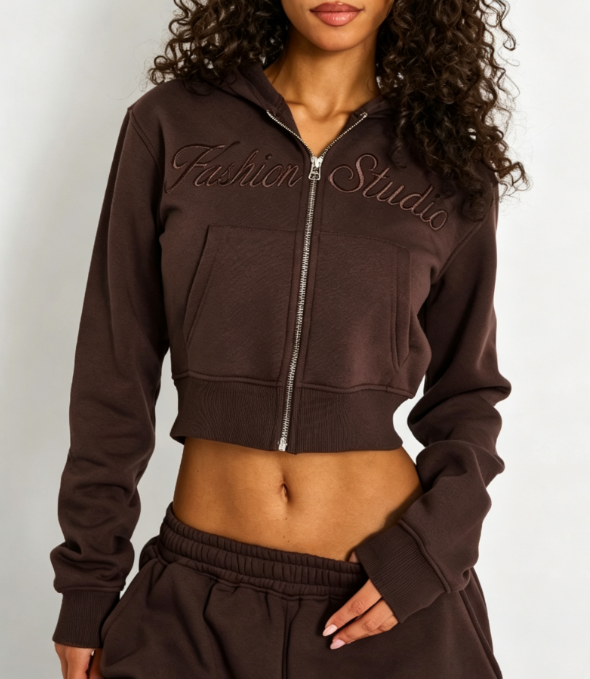
2 zipper-led silhouettes serve layering, golf, workwear, and premium casual capsules. Keep embroidery at least 25–35 mm from a center-front zipper; asymmetric left-chest placement avoids tape, teeth, and distortion. 1 quarter-zip needs a defined placket length before artwork is digitized. Confirm whether the collar is folded during wear, since that changes logo visibility.
Fashion And Extended Fits

3 fashion-driven options—oversized, cropped, and extended-size—require separate fit specifications rather than a scaled standard block. Oversized pieces need shoulder-drop, body-length, and sleeve-volume callouts; cropped styles need a fixed finished length to protect logo placement. XS through 3XL grading should refine shoulder balance, sleeve length, body proportion, and mobility. For larger sizes, recheck chest-logo distance from the center front and avoid placing dense embroidery across high-stretch areas.
4. Materials for Custom Embroidered Sweatshirts
Fabric selection determines how custom embroidered sweatshirts feel, hang, recover after washing, and support dense stitching. Specify fiber content, knit construction, GSM, finish, and expected shrinkage before approving the development sample.
| Use Case | Typical Specification | Hand And Performance | Embroidery Fit |
|---|---|---|---|
| Lightweight layering | 280–320 GSM French terry; cotton-rich | Breathable, structured, lower warmth | Good with stabilizer |
| Year-round retail | 320–360 GSM cotton-poly fleece | Soft, balanced warmth, low shrinkage | Reliable for logos |
| Premium streetwear | 400–500 GSM brushed cotton fleece | Dense, warm, substantial drape | Excellent stable base |
Fiber And Knit Behavior

100% ring-spun cotton gives a soft, natural hand and strong retail appeal, but can shrink unless compacted or pre-shrunk. Its stable face supports embroidery well, although heavyweight cotton costs more. French terry uses unbrushed loops for breathable, structured year-round weight; brushed fleece traps more air and feels warmer. Both accept embroidery reliably when backing, hooping, and stitch density suit the fabric.
- Cotton: soft hand, moderate warmth, possible shrinkage
- Polyester: durable, low shrinkage, less natural hand
- Cotton-poly fleece: balanced cost, warmth, and stability
Responsible Fiber Choices

20–50% recycled polyester can improve abrasion resistance and reduce virgin synthetic content, but verify shade consistency and fiber certification by lot. Recycled blends may need sample wash testing before bulk approval. 100% organic cotton or organic cotton blends can support a preferred material story, subject to valid GOTS documentation where claimed. Organic options typically carry a higher fabric cost and require the same shrinkage testing as conventional cotton.
GSM By Product Positioning
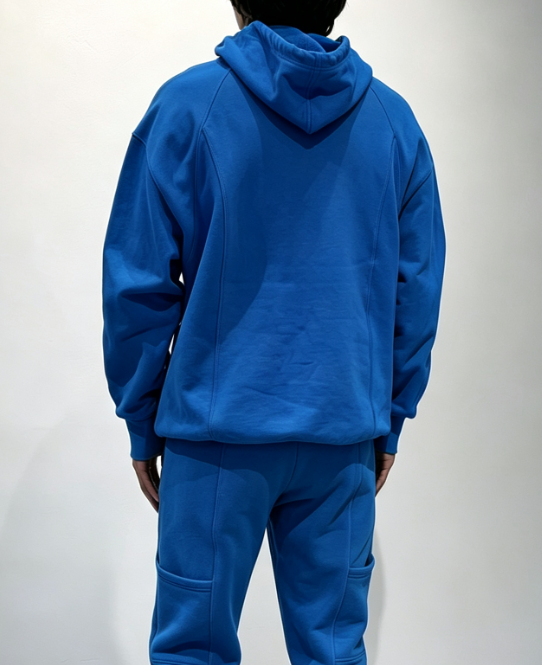
280–320 GSM suits lightweight layering, 320–360 GSM fits broad year-round retail, and 400–500 GSM creates a premium streetwear proposition. Higher GSM improves structure and warmth, but increases fabric consumption, freight weight, and embroidery handling requirements. 1 approved wash test should confirm dimensional change, pilling, colorfastness, and embroidery distortion before production. For large chest designs, use a firmer fleece face or suitable cutaway backing rather than compensating with excessive stitch density.
5. Customizing Custom Embroidered Sweatshirts
At a 100-unit starting program, decoration should be specified alongside fabric weight, rib construction, and intended retail price. Custom embroidered sweatshirts gain their character from scale, texture, color restraint, and deliberate logo placement.
| Technique | Best Aesthetic | Cost And Production Note |
|---|---|---|
| Flat embroidery | Refined logos and lettering | Versatile; cost rises with stitch count |
| 3D puff | Bold streetwear marks | Needs simplified shapes and foam setup |
| Appliqué or chenille | Varsity and heritage | Higher labor; strong tactile effect |
| Woven patch | Detailed small artwork | Efficient for fine lines and color detail |
Choose The Decoration Language
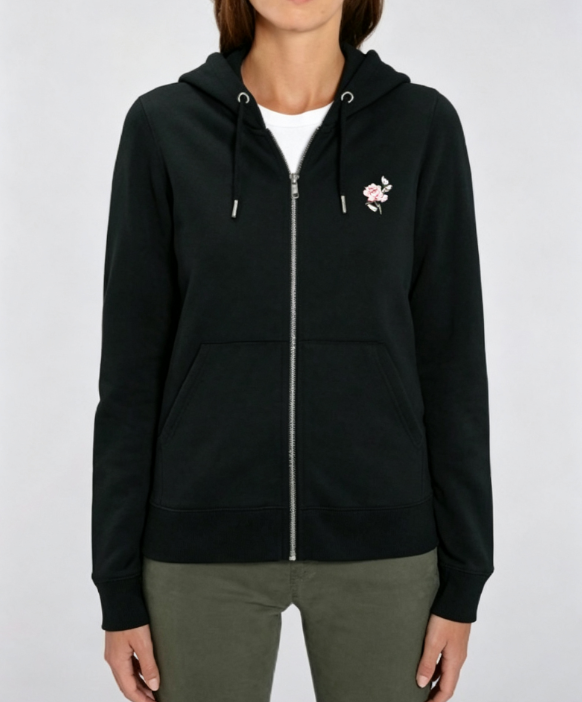
Flat embroidery suits clean logos, fine lettering, and tonal premium branding; 3D puff gives bold monograms and simplified shapes raised dimension. Appliqué and chenille create varsity texture, while woven patches suit intricate small artwork without excessive stitch buildup.
- Use tonal thread for understated branding.
- Reserve puff for broad, open shapes.
- Use chenille for collegiate graphics.
- Choose woven patches for tiny details.
Prepare Production-Ready Artwork

100% vector artwork in AI, PDF, or EPS format gives digitizers the cleanest starting point. Digitizing converts paths into stitch files, setting stitch direction, density, underlay, trims, and color sequence; approval should include a sewn sample, not only a screen preview.
- Specify Pantone or approved thread shades.
- Avoid hairline text below 5-6 mm.
- Simplify gradients into thread-color areas.
Control Bulk And Durability

2.5-4.0 mm is a common satin-stitch range, but density must match the fleece or French terry surface. Cut-away or tear-away backing stabilizes the embroidery; excessive density can pucker lightweight fabric, stiffen the chest, and increase unit cost.
- Match backing to fabric stretch.
- Use polyester thread for wash resistance.
- Limit large dense fills on lightweight fleece.
Plan Placement And Mixed Media

8-10 cm left-chest logos are dependable for everyday branding, while center chest, sleeve, hood, back neck, and oversized back placements create stronger visual hierarchy. Screen print can carry large multicolor artwork economically, with embroidery reserved for a logo; woven labels and custom neck labels complete private-label presentation.
- Check hoop access before approving placement.
- Keep embroidery clear of thick seams.
- Use print plus embroidery for complex artwork.
6. Construction Quality for Custom Embroidered Sweatshirts
Construction separates a wearable sample from retail-ready custom embroidered sweatshirts. Inspect the garment after washing, hanging, and wearing: recovery, seam stability, decoration balance, and graded measurements must remain controlled together.
Ribs And Core Seams

95/5 cotton-elastane rib usually recovers better than 100% cotton at cuffs, hem, and neck; stretch each opening, then check it returns evenly. 4-needle overlock seams should be uniform, with no skipped stitches, puckering, or exposed raw edges. Match side seams, sleeve seams, and rib joins at both underarms.
- Check neck rib lies flat after 10 stretches
- Confirm stitch density is consistent around curves
- Inspect seam allowances for loose thread tails
Shoulders, Neck, And Pockets
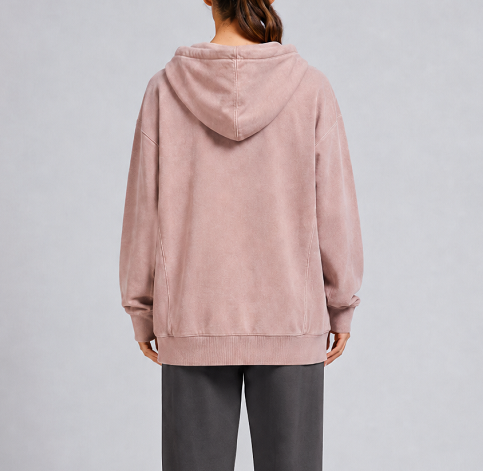
10–12 mm neck tape or a clean binding reinforces the back neck and conceals seam allowances. Shoulder seams need matching tape or stable construction so the neckline does not expand during wear. 1 cm pocket-placement drift is visible on a centered kangaroo pocket. Check pocket corners, bartacks, hand-opening symmetry, and the alignment of any center-front zipper.
- Zip sliders should run smoothly without tooth separation
- Verify zipper tape remains flat beside the front seam
- Compare left and right pocket openings
Fleece, Shrinkage, And Fit

280–400 GSM brushed fleece should show an even face, stable brushed interior, and no thin panels under light. Approve wash-tested swatches or garments before bulk fabric is locked. 3–5% residual shrinkage can alter body length and sleeve balance, so specify pre-shrinking and measure after the agreed wash method. Grade XS–3XL by proportional shoulder, chest, sleeve, and body-length increments rather than simply enlarging a base size.
- Measure post-wash chest, length, and sleeve tolerance
- Check fleece shedding and pilling after rubbing
- Review a full graded size set
Embroidery Stabilization Checks

75/11 to 90/14 needles and appropriate cut-away or tear-away backing help prevent distorted embroidery, but the final choice depends on fleece weight and stitch count. Dense logos need adequate stabilization without a stiff, bulky reverse side. 100% of pre-production samples should be inspected inside and out: confirm registration, thread tension, clean trims, and no hoop marks. During bulk QC, compare approved placement from neckline, center front, and pocket references.
- Check backing edges do not irritate the wearer
- Look for puckering around dense fills
- Pull-test appliqué edges and thread ends
7. Choosing a Custom Embroidered Sweatshirt Manufacturer
A 100-unit starting MOQ can suit a capsule, but it does not prove a factory can control fit, embroidery, and delivery. Evaluate the development path and operating discipline before comparing custom embroidered sweatshirts by unit price.
Confirm Development Readiness
One approved tech pack is not enough; ask who creates patterns, grades XS–3XL, and owns sample revisions. Request a prototype, size set, measurement tolerance sheet, and dated approval calendar before bulk booking.
- Ask whether MOQ applies per style, color, or total order
- Confirm sample cost, revision limit, and sample lead time
- Review embroidery artwork, stitch count, and backing recommendations
Audit Embroidery And Materials
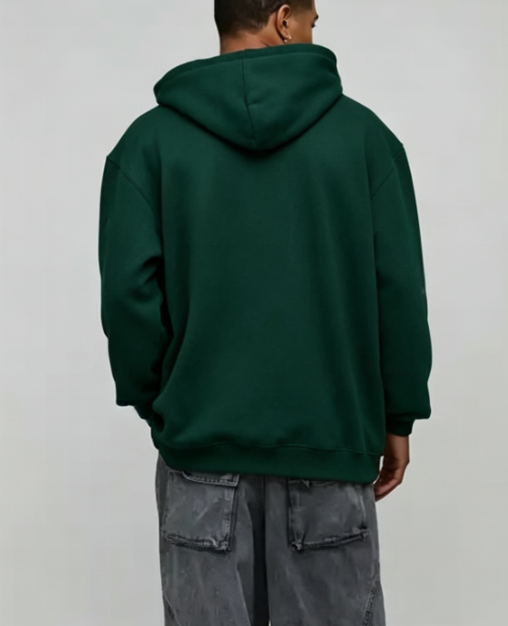
12- to 15-needle embroidery machines handle typical chest logos, while dense 3D puff or applique needs testing on the final fabric. Ask for stitch-out photos, thread references, hoop limits, and whether 280–400 GSM fleece or French terry is stocked or specially sourced.
- Confirm Pantone thread matching and logo placement tolerance
- Check fabric composition, shrinkage, pilling, and colorfastness reports
- Specify backing removal and inside-garment comfort standards
Verify Quality And Compliance
A written inspection plan should cover incoming fabric, in-line measurements, embroidery defects, final appearance, and packed-carton counts. Request applicable OEKO-TEX, GOTS, WRAP, or BSCI documentation rather than treating a logo on a quotation as proof.
- Define acceptable quality level and rework procedure
- Confirm needle-control, metal detection, and traceability records
- Ask for final inspection photos before balance payment
Compare The Operating Model
Two identical quotations can hide different risks in lead time, communication, freight coordination, and defect resolution. Compare named account ownership, production milestones, export documents, and experience shipping to your target market; a lower price rarely offsets a missed launch.
- Ask for bulk lead time after approval and delay escalation
- Confirm Incoterms, carton markings, and courier or freight support
- Request comparable client references where confidentiality permits
8. Common Buyer Mistakes to Avoid
Eight recurring approval gaps cause most avoidable delays in custom embroidered sweatshirts. At a 100-unit MOQ, one incorrect bulk decision can consume the margin intended for an entire capsule.
Lock Artwork And Stitch Counts

300-DPI artwork, Pantone references, placement measurements, and an approved embroidery file prevent interpretation errors. Request a digital proof and a sew-out; vague logos can produce poor edge definition, wrong colors, or distorted lettering. 12,000–15,000 stitches is a practical review point for a medium chest logo, not a universal allowance. Confirm stitch count, thread colors, backing, and whether puff, applique, or small text needs simplification before quoting.
Test Fabric, Fit, And Shrinkage

280–360 GSM fleece or French terry can react very differently under dense embroidery. Test the intended fabric and wash method first; unsuitable stabilizer or tension may cause puckering, hoop marks, or a stiff chest panel. XS–3XL needs a graded measurement specification, including chest, body length, sleeve length, tolerances, and shrinkage allowance. Wash-test samples before approval because cotton-rich garments can change dimensions after laundering.
Treat Samples And Compliance Seriously
1 pre-production sample should match approved fabric, trims, embroidery, measurements, wash, and packaging. Skipping it removes the last controlled check before bulk and makes corrections slower and costlier. 3 label areas commonly require review: main/size, wash-care, and country-of-origin labeling. Provide destination-market requirements, fiber content, care symbols, and branded packaging details before production; do not select solely on the lowest unit price, because missed QC, rework, and freight costs can erase the apparent saving.
9. Launching Custom Embroidered Sweatshirts
A 100-unit launch works best when the brand locks its retail target, margin and wearer before sampling. Junsheen can translate a tech pack, sketch or reference garment into production-ready specifications, but approval decisions remain with the brand.
Brief And Cost Gate
1 concept sheet should define silhouette, target FOB, fabric weight, Pantone colorways, logo placement and intended size range. The brand owns commercial direction; the factory flags construction, MOQ and decoration risks before quotation.
- Set retail price and target gross margin
- Specify 1–3 launch colorways
- Provide artwork in vector format
Materials And Digitizing

280–360 GSM brushed fleece or French terry is a common starting range for premium sweatshirts, subject to hand feel and climate. Junsheen sources swatches and prepares embroidery digitizing; the brand approves thread colors, stitch coverage and backing after a test-out.
- Confirm shrinkage and wash test
- Approve digitized embroidery file
- Match thread to Pantone reference
Sample To Bulk Approval

1 prototype checks fit, embroidery position and label layout before a revised sample or size set. Brand approval should cover XS–3XL grading where applicable, measurements, artwork, neck label, care label, hangtag and packaging before bulk release.
- Approve sealed sample and measurement chart
- Confirm folded packing method
- Freeze trims, colorways and artwork
Production And Delivery
In-line checks should verify fabric defects, seam quality, measurements and embroidery consistency before final packed-goods inspection. Junsheen manages production, QC and export support; the brand signs off pre-production details and settles the final balance before shipment.
- Inspect color and logo placement
- Review AQL expectations before order
- Confirm carton marks and shipping address
10. Custom Embroidered Sweatshirts Pricing and Costs
100 units per style and color is a practical starting tier for custom embroidered sweatshirts at Junsheen, but unit cost falls as fabric, embroidery setup, and production overhead are spread across more pieces. Request separate costing for shell fabric, embroidery, trims, labels, packaging, sampling, and freight so a low garment quote does not hide landed-cost exposure. 280–360 GSM cotton-rich fleece or French terry normally costs more than lighter open-end blends, while ring-spun yarn, organic cotton, recycled content, garment dye, and anti-pilling finishing add material or process cost. Oversized proportions, dropped shoulders, panel seams, lined hoods, custom rib, YKK zippers, and matched Pantone components each increase cutting, sewing, or sourcing inputs. 5,000–10,000 stitches is a useful embroidery budgeting benchmark for one chest placement; dense fills, 3D puff, applique, multiple locations, and frequent thread-color changes raise machine time. Approve a sew-out and pre-production sample before bulk release, then compare freight by carton volume, chargeable weight, destination, duty treatment, and delivery deadline.
| Order quantity | Main unit-price drivers | Typical planning lead time |
|---|---|---|
| 100–299 units | Fabric MOQ, sample setup, stitch count, custom trims | Sampling plus 3–5 weeks bulk |
| 300–999 units | Fabric weight, placements, labels, packaging | 3–5 weeks after approval |
| 1,000+ units | Material booking, repeat colors, freight consolidation | 4–6 weeks after approval |
Start Your Custom Embroidered Sweatshirts Sample
Send your tech pack, sketch or reference garment to JUNSHEEN for fit-focused development, 100-unit MOQ production and a tailored quote.