
Custom TShirt Print OEM Manufacturing From 100 Units
Launch custom tshirt print programs with fit-focused XS–3XL development, in-house decoration, private labeling, and scalable global production.
Featured Products for custom tshirt print Development






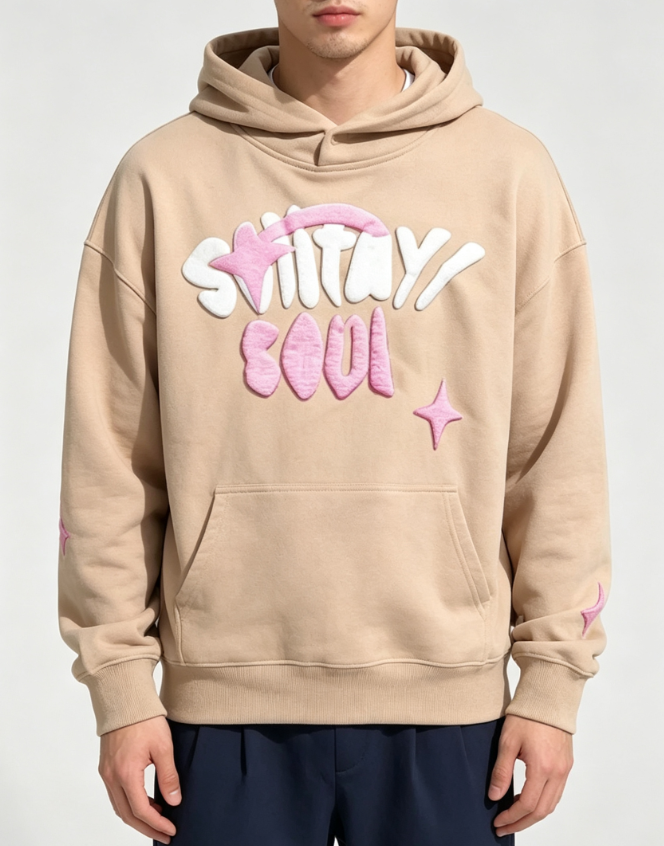
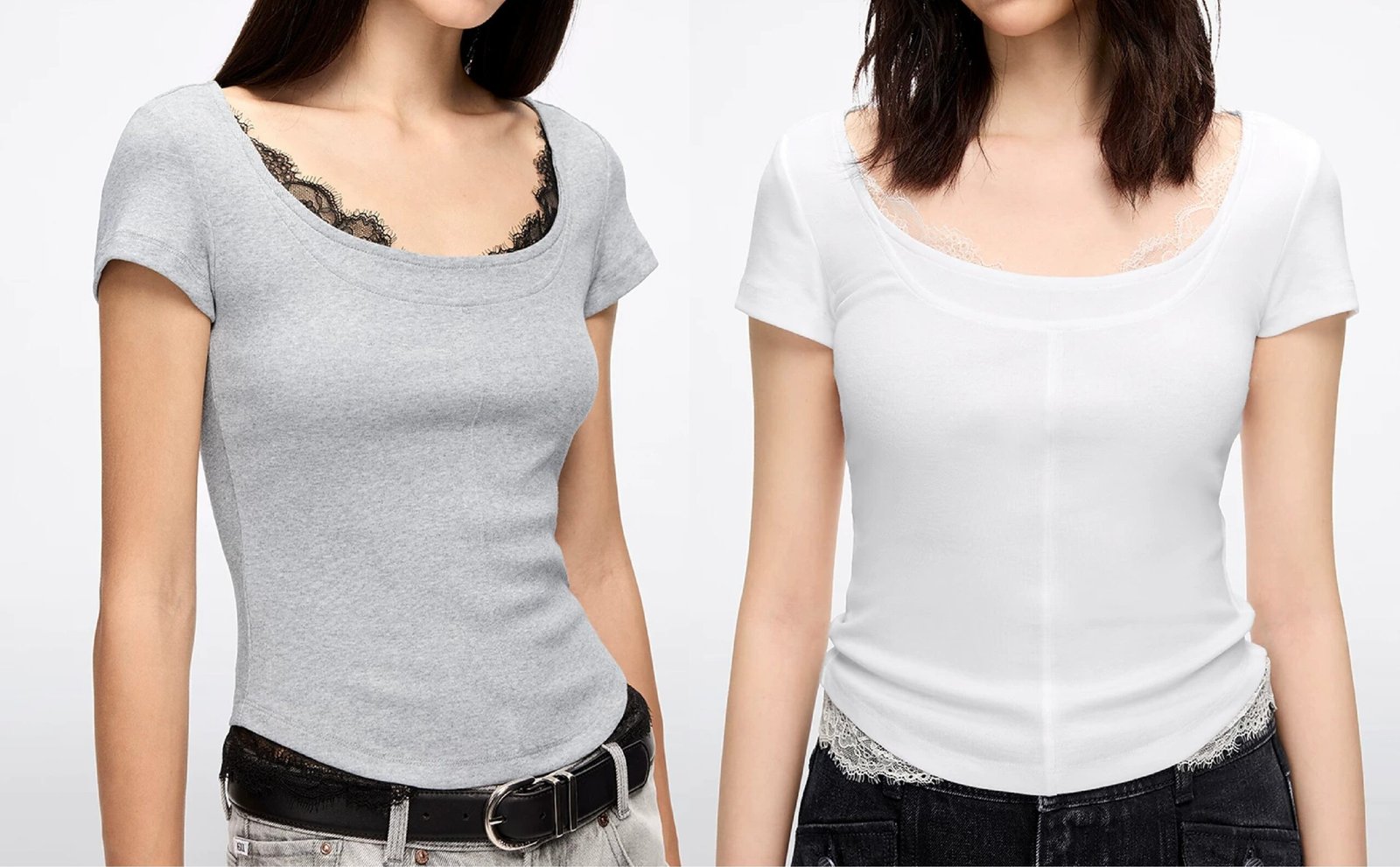


Related custom tshirt print Catalogue and Quotation




Why Brands Source Custom T-Shirts From JUNSHEEN
Custom tshirt print programs backed by fit-led development, integrated decoration, and production support built to scale.
100-Unit MOQ
Launch custom tshirt print capsules from 100 units per style and color, with practical support for emerging labels and tested retail concepts.
Fit-Focused XS–3XL
Pattern makers refine proportions, mobility, and grading increments across regular, extended-size, plus-size, and oversized T-shirt fits.
Integrated Decoration
Coordinate screen printing, DTG, DTF, puff effects, embroidery, washes, and finishing through one accountable apparel production team.
Scalable Factory Capacity
More than 200 skilled workers and 80,000-plus monthly units support both focused launches and repeat bulk custom T-shirt programs.
Private Label Ready
Complete your collection with custom labels, hang tags, trims, branded packaging, and production details matched to your brand standards.
Global Export Support
From quotation through quality control and shipment, JUNSHEEN helps international sourcing teams move approved goods reliably to global markets.
Custom Casualwear Manufacturing Categories
From first samples to scalable bulk orders, Junsheen develops fit-focused casualwear, denim, knitwear and outerwear from 100 units per style and color.

Custom Hoodies
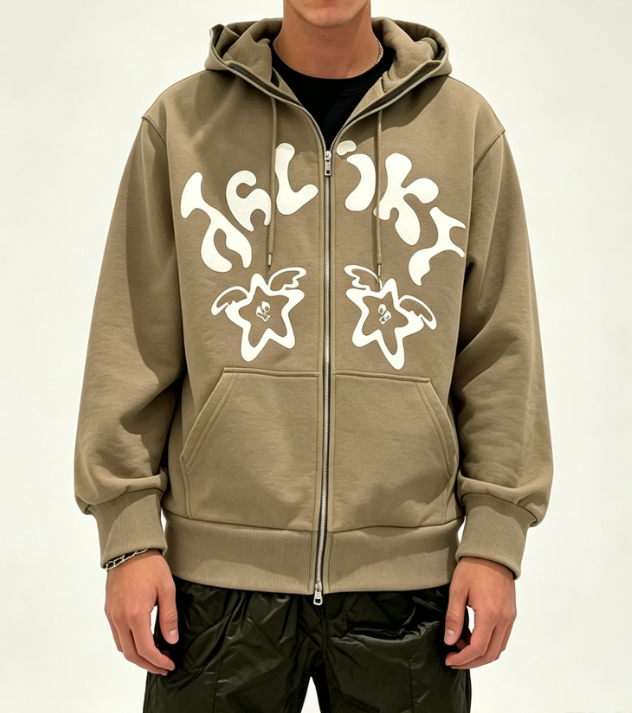
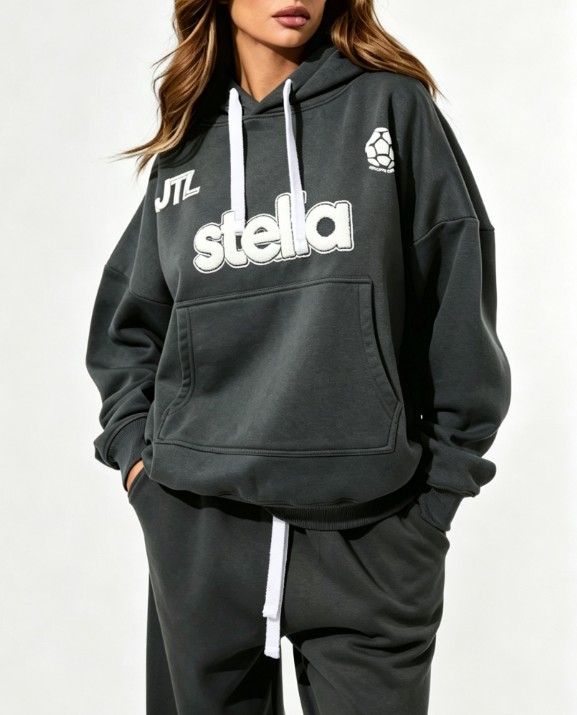
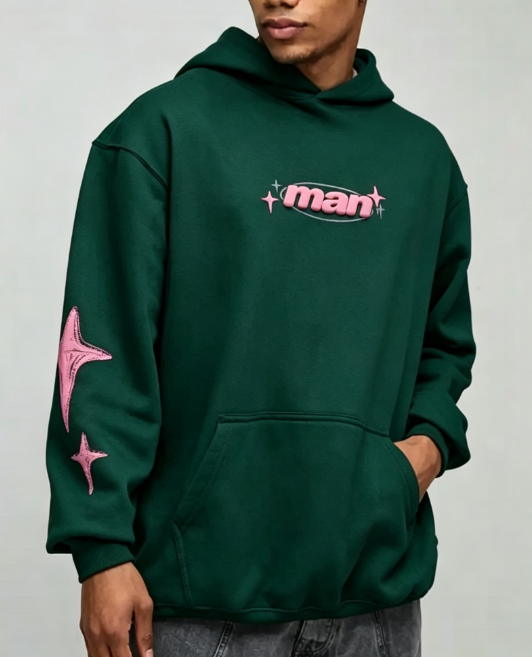
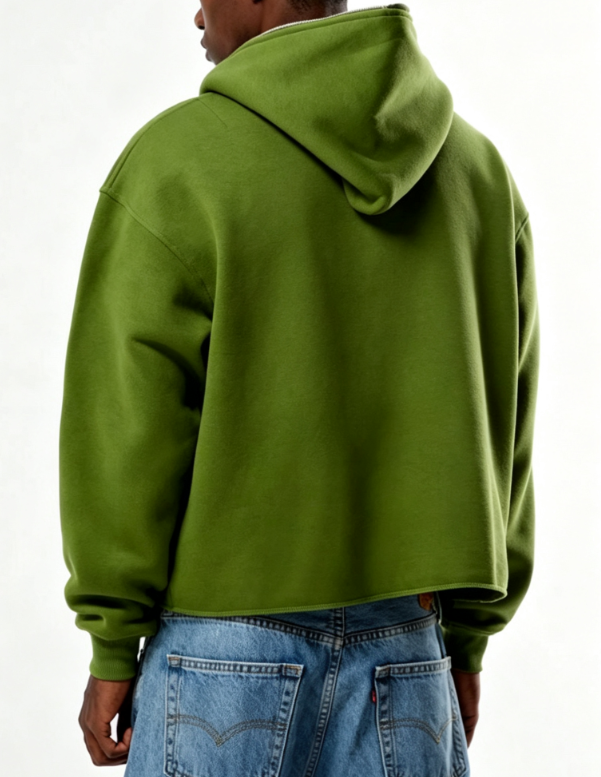
Develop custom hoodies in fleece, French terry or heavyweight jersey with refined fit grading from XS to 3XL. Choose pullover or zip styles, custom hoods, rib trims, pockets, embroidery, screen printing, washes, labels and branded packaging for launch-ready programs.
Request a Quote
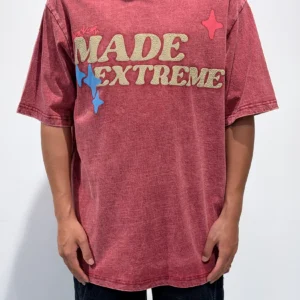
Custom T-Shirts
Junsheen manufactures custom T-shirts from lightweight jersey to premium combed cotton, Pima cotton and blended performance fabrics. Development covers silhouette, neck construction, sleeve proportion, grading, printing, embroidery, garment dye and private-label finishing for retail, wholesale and promotional collections.
Request a Quote
Custom Jeans
Produce custom jeans in rigid, stretch or recycled denim with support for fit blocks, rise, leg shape, pocket placement, hardware and wash development. Pattern makers grade proportions through XS–3XL, while in-house finishing supports stone wash, acid wash, enzyme treatments and branded trims.
Request a Quote
Custom Sweaters
Source turtle neck sweaters in bulk through Junsheen’s knitwear development capability. The team supports yarn selection, gauge, stitch structure, neckline construction, rib details, fit samples and graded size sets, helping brands move from a seasonal concept to consistent bulk production.
Request a Quote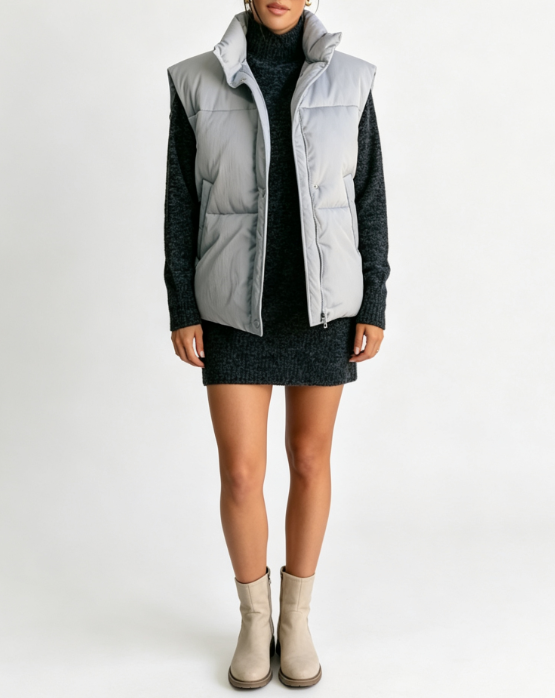
Custom Jackets
Develop custom jean jackets and other denim outerwear with controlled fit, panel construction, pocket details, branded buttons, labels and wash treatments. Junsheen supports prototype sampling, size grading and bulk production for classic, oversized and extended-size jacket programs.
Request a Quote
Custom Sweatshirts & Crewnecks
Create custom crewneck hoodies, sweatshirts and crewnecks in fleece, French terry or brushed jersey. Choose relaxed, oversized or standard fits, then add ribbing, embroidery, screen printing, patches, garment washes and private-label components suited to your collection.
Request a Quote
Custom Cardigans
Junsheen produces custom cardigans in knitted constructions tailored to your yarn, gauge and silhouette requirements. Development includes button or zip closures, plackets, rib trims, pockets, color blocking, size grading and labeling for contemporary, uniform and retail knitwear programs.
Request a Quote
Custom Puffer & Down Jackets
Develop custom puffer jackets with support for shell fabric, insulation, quilting layout, lining, zippers, pockets, hoods and reflective details. Junsheen samples the construction and fit before bulk production, including oversized and extended-size outerwear requirements.
Request a Quote
Custom Denim Shorts
Manufacture custom jean shorts in rigid or stretch denim with your preferred inseam, rise, leg opening, pocket treatment and hem finish. Wash development, distressing, hardware, labels and XS–3XL grading help create consistent denim shorts for seasonal assortments.
Request a Quote
Custom Sweater Dresses
Junsheen develops custom sweater dresses across knitted yarns, gauges and stitch structures. The team refines body length, shoulder balance, sleeve shape and grading, then supports neckline options, rib details, belts, buttons, labels and sample approval before production.
Request a Quote
Custom Denim Sets
Build men’s denim suits for wholesale programs with coordinated denim jackets and jeans, consistent wash matching and branded hardware. Junsheen supports fit blocks, panel details, size grading, private labeling and scalable production for retailers, distributors and fashion brands.
Request a Quote
Custom Polo Shirts
Manufacture custom polo shirts in piqué, jersey or performance knits with defined collar shape, placket construction, cuff details and fit grading. Add embroidered logos, contrast tipping, custom buttons, labels and packaging for uniforms, retail collections or private-label programs.
Request a Quote
Custom Sweatpants
Develop custom sweatpants in fleece, French terry or jersey with jogger, straight-leg, wide-leg or relaxed silhouettes. Junsheen supports waistband and pocket construction, drawcords, rib cuffs, printing, embroidery, washes and fit-focused grading from XS through 3XL.
Request a Quote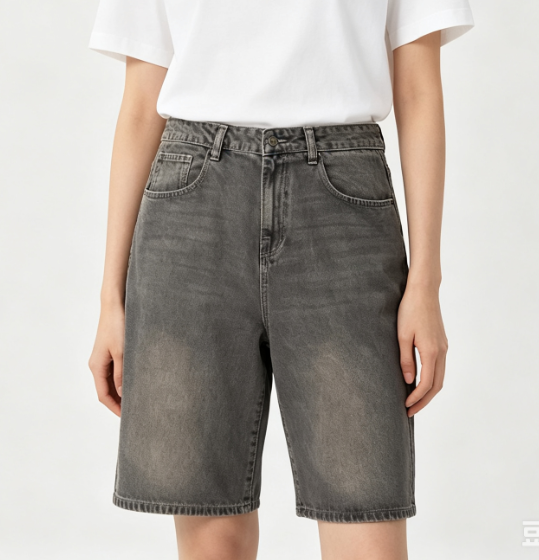
Custom Shorts
Produce custom shorts for casualwear, lounge, denim or performance collections. Choose fabric weight, inseam, waist construction, pockets, liners, trims and decoration, with development support for balanced fit, graded size sets, sampling and low-MOQ production from 100 units.
Request a Quote
Custom Pullovers
Create custom pullovers in knit, fleece, French terry or jersey constructions, including half-zip, quarter-zip and classic pullover styles. Junsheen manages fabric or yarn selection, collar details, fit development, embroidery, printing, labels and bulk-quality control.
Request a QuoteCustom T-Shirt Print Fabric Options

Combed Cotton Jersey
Soft, smooth and breathable, combed cotton jersey is a dependable choice for everyday graphic tees. Available across lightweight to heavyweight constructions, it delivers a clean print surface, stable shape and comfortable next-to-skin feel.

Pima Cotton Jersey
Pima cotton jersey offers a finer, silkier hand feel and elevated durability for premium custom T-shirt collections. Its longer fibers help reduce pilling while supporting crisp decoration, refined drape and repeat-wear comfort.

Organic Cotton Jersey
Organic cotton jersey gives brands a natural, breathable base for responsibly positioned T-shirts. We can source soft single jersey in varied weights, balancing a clean hand feel, reliable print results and everyday durability.

Cotton Blend Jersey
Cotton-polyester and cotton-spandex jerseys combine cotton comfort with added resilience, recovery or moisture management. These versatile blends suit active casualwear, fitted silhouettes and bulk programs requiring dependable wash performance and controlled stretch.

Performance Knit Fabric
Performance knits provide stretch, quick-dry comfort and a smooth technical hand for sport-inspired or travel-ready T-shirts. Fabric weight, fiber content and recovery can be specified to support movement, durability and the selected printing process.

Recycled Fiber Blends
Recycled cotton and recycled polyester blends help develop lower-impact T-shirt programs without sacrificing commercial practicality. We assess weight, hand feel, strength and decoration compatibility so the final fabric meets your quality and positioning targets.
Custom Tshirt Print, Embroidery and Garment-Finishing Options

Screen Printing
Plastisol and water-based screen printing deliver strong color coverage, crisp graphics and dependable wash durability. Choose puff, flocking, silicone, high-density, foil or discharge effects to give branded T-shirts added texture and visual depth.

DTG Printing
Direct-to-garment printing applies detailed, full-color artwork directly onto suitable cotton-rich T-shirts. It is ideal for photographic graphics, small runs and complex color transitions, producing a soft print feel with clear fine-line reproduction.

DTF Transfers
DTF transfers create vibrant, flexible graphics that can be applied across cotton, blends and selected performance fabrics. This process supports intricate logos and multicolor artwork while maintaining strong adhesion and reliable wash performance.

Dye Sublimation
Dye sublimation infuses full-color artwork into compatible polyester garments rather than laying ink on the surface. The result is lightweight, breathable and highly durable all-over color that will not crack, peel or add noticeable hand feel.

Logo Embroidery
Flat, 3D puff and chain-stitch embroidery add dimensional branding with a premium, long-lasting finish. Our team reviews placement, stitch density and backing requirements to preserve fabric stability and create clean logo definition.

Garment Washes
Enzyme, garment-dye, acid, stone and softening washes create worn-in color, softer hand feel and individual character. Anti-pilling, brushing and napping options can further refine comfort and surface texture for elevated casualwear programs.
Custom Tshirt Print Trims and Packaging

Woven Brand Labels
Add custom woven main labels, size labels, and wash-care labels to custom T-shirt, hoodie, denim, and knitwear programs. JUNSHEEN coordinates placement, material, color matching, and production-ready label specifications for a consistent private-label identity.

Branded Hang Tags
Custom hang tags give wholesale, retail, and direct-to-consumer garments a finished presentation. Choose branded artwork, paper stock, strings, barcodes, pricing details, and care messaging that support your collection’s retail requirements and launch-ready packaging.

Custom Drawcord Tipping
Match drawcords and tipped ends to your hoodie or sweatpants design for a more intentional finish. Options can include cotton cords, flat or round constructions, branded aglets, contrast colors, and trim selections suited to fabric weight and wear use.

Zippers And Snaps
Specify zippers, snap buttons, custom buttons, and pullers for jackets, outerwear, denim, polos, and layered casualwear. Our team helps align hardware finish, function, color, and logo details with your target cost and garment construction.

Custom Logo Patches
Build a recognizable branded accent with embroidered, woven, leather, silicone, or applique patches. These details work across custom T-shirt print collections, caps, denim, jackets, and bags while adding texture and a durable signature mark.
Reflective Brand Details
Integrate reflective piping, heat-transfer logos, trims, or labels where visibility and modern styling matter. Suitable for performance-inspired casualwear and outerwear, these details can be sampled to confirm placement, adhesion, wash performance, and visual impact.
About JUNSHEEN Apparel Manufacturing
Founded in 2010 in Humen Town, Dongguan, JUNSHEEN helps fashion brands turn concepts into production-ready casualwear. Our one-stop team supports custom tshirt print programs alongside product development, fabric sourcing, pattern making, sampling and private-label execution for emerging labels and established buyers.
With more than 200 skilled workers and monthly capacity exceeding 80,000 units, we scale from 100 units per style and color to repeat bulk programs. Cut-and-sew, knitwear, printing, embroidery, washing, trims, packaging and global export support are managed through one responsive manufacturing supply chain.
What distinguishes JUNSHEEN is a fit-first approach from XS through 3XL, including extended-size, plus-size and modern oversized grading. Having served more than 2,000 fashion-brand clients, we retain patterns and material records to help repeat orders move faster while maintaining dependable quality.

Core Capabilities Behind Reliable Custom T-Shirt Print Production
Fit-Led Technical Development
JUNSHEEN converts tech packs, sketches, reference garments, and product ideas into production-ready custom t-shirt print specifications. Our team reviews construction, measurements, fabric behavior, and print placement before sampling to reduce preventable revisions and support confident bulk approval.
- Pattern making and specification review
- XS–3XL, plus-size, and oversized grading
- Prototype, size-set, and pre-production samples
- Manufacturability guidance before bulk release

Fabric Sourcing With Purpose
Select jersey fabrics around the hand feel, weight, drape, durability, budget, and decoration method your collection requires. JUNSHEEN sources cotton, Pima cotton, organic cotton, combed blends, performance knits, and recycled options, with swatches and sample garments available for review.
- Cotton, organic, Pima, and blended jerseys
- Fabric weights matched to your silhouette
- Print compatibility and wash-performance checks
- Supplier-network sourcing for scalable programs

Decoration Managed In-House
Bring artwork, texture, and brand character together through coordinated custom tshirt print and embellishment production. JUNSHEEN manages screen printing, DTG, DTF, heat transfer, embroidery, patches, and specialty effects with placement controls that keep approved artwork consistent across every unit.
- Plastisol, water-based, puff, foil, and discharge prints
- DTG, DTF, heat transfer, and sublimation options
- Flat, 3D, puff, and chain-stitch embroidery
- Artwork placement and color approval controls

Quality Control at Every Stage
Reliable output depends on checks before, during, and after sewing—not final inspection alone. JUNSHEEN monitors incoming fabric, construction, measurements, fit, decoration, washing, and packed goods, while retaining pattern and material records to make reorders faster and more consistent.
- Incoming fabric and trim inspections
- In-line sewing and measurement checks
- Decoration, wash, and final appearance review
- Final packed-goods inspection before export

Why Choose JUNSHEEN for Custom TShirt Print
A fit-first, production-ready partner for low-MOQ launches and scalable global programs.
← 左右滑动查看 →
Custom T-Shirt Print Production Process
A clear OEM workflow that moves your custom T-shirt program from feasibility review to inspected, export-ready goods.
Review Project Feasibility
Share a tech pack, sketch, reference garment, or idea. Our team reviews construction, print requirements, fit targets, MOQ, timeline, and manufacturability.
Source Fabrics and Trims
We recommend jersey weight, fiber blend, color, labels, packaging, and decoration methods based on your target cost, hand feel, durability, and brand direction.
Build Patterns and Samples
Pattern makers develop XS–3XL grading and production details, then create prototype samples for fit, measurements, artwork placement, fabric, and wash-performance approval.
Confirm Quote and Order
After sample approval, we finalize specifications, quantities, colors, lead time, and quotation. Retained pattern and material records support consistent repeat production.
Produce and Inspect Goods
Our 200+ skilled workers manage cutting, sewing, custom tshirt print decoration, finishing, and in-line inspections for construction, measurements, appearance, and consistency.
Pack and Ship Globally
Approved goods receive branded labels, hang tags, and packaging before final inspection. We prepare export-ready orders and coordinate global shipping support for your destination.
How Custom TShirt Print Projects Move Forward
A clear path from your initial concept to quality-controlled bulk production and global shipment.
Send Your Concept
Share a tech pack, sketch, reference garment, mood board, or product idea. Our team reviews construction, print requirements, sizing, fabrics, and 100-unit MOQ feasibility.
Confirm Development Details
Align on fabric weight, colors, decoration methods, private-label trims, XS–3XL grading, target cost, and production timeline before pattern making and custom tshirt print sampling begin.
Approve Samples and Quotation
Review prototype samples, measurements, fit, print quality, and material selections. Once revisions are resolved, confirm the quotation, payment terms, final specifications, and bulk order details.
Monitor Bulk Production
JUNSHEEN manages fabric inspection, cutting, sewing, printing, finishing, measurement checks, and final packed-goods quality control, then coordinates export-ready shipping for your approved order.
Custom Clothing Manufacturer Credentials and Compliance Documents



Custom TShirt Print Results From Brand Partners
JUNSHEEN helped us turn a six-style graphic tee capsule into production-ready samples without losing the oversized fit. We launched with 120 units per color and reordered 1,800 pieces after the first eight weeks.
The team corrected our size grading from XS through 3XL before bulk production. Our sample revisions dropped from three rounds to one, and the finished tees measured consistently across every size in our 600-unit order.
We needed repeatable custom tshirt print quality for retail replenishment, not just a good first run. JUNSHEEN maintained the same print placement and hand feel across four orders totaling 4,200 units, with clear updates at every stage.
Custom TShirt Print FAQ for B2B Buyers
Clear answers on MOQ, sampling, production, payment, shipping, IP protection, and fit development with JUNSHEEN.
What is the MOQ for custom tshirt print orders?
Can I order a sample before starting a custom tshirt print bulk order?
How long does custom tshirt print production take?
Can JUNSHEEN develop fits from XS to 3XL?
What printing and branding options are available for custom tshirt print projects?
How do payment terms work for new apparel manufacturing customers?
Does JUNSHEEN ship custom T-shirts internationally?
How do you protect my designs and custom tshirt print artwork?
The Complete Buyer’s Guide to custom tshirt print
Use this practical framework to select print methods, fabrics, and production partners, compare supplier capabilities and costs, and avoid quality, compliance, sampling, and ordering mistakes before launching or scaling a custom apparel program.
1. What Is custom tshirt print?
100 units per style and color is a practical starting point for a custom tshirt print program at Junsheen. It means purchasing a made-to-order T-shirt with approved artwork applied to a defined garment—not simply buying blank wholesale tees or a fully engineered OEM style from scratch. 3 sourcing models separate the decision. Blank wholesale supplies finished, undecorated stock; a decorated program combines a chosen blank or agreed base specification with screen print, DTF, DTG, transfer, or specialty effects; full OEM also develops the pattern, fabric, fit, trims, and construction around the brand’s brief. 180–240 GSM jersey, a Pantone-matched print file, XS–3XL grading, neck labels, wash-care labels, hang tags, and branded packing can all sit in one purchase order. Buyers are therefore buying a controlled specification: garment measurements, fabric hand feel, color, print placement and durability, size breakdown, labeling, packing method, MOQ, and delivery requirements. 2 approval gates usually protect the bulk order: a prototype or decoration sample confirms appearance and placement, then a pre-production sample confirms final materials, measurements, labeling, and workmanship. Once approved, the supplier should retain the pattern, graded size set, artwork, and material records so repeats remain consistent.
2. Evolution of custom tshirt print
1950s promotional screen printing made T-shirts a high-volume advertising medium: setup-heavy screens rewarded large runs, limited spot colors, and repeatable artwork. That model still suits simple logos, but it does not match a fashion buyer who needs softer hand feel, placement precision, garment washes, and size-inclusive fits. 1990s digital decoration and 2000s e-commerce shifted demand toward short runs, rapid artwork changes, photo-quality DTG, DTF, heat transfer, and Pantone-managed screen-print programs. Buyers now expect a sample to confirm print scale, opacity, wash behavior, and color on the actual fabric—not merely an on-screen proof—and a 100-unit starting MOQ can make a capsule launch commercially testable. 2020s sourcing decisions increasingly combine speed with accountability: fabric origin, recycled-content claims, OEKO-TEX or GOTS documentation where applicable, production records, and export-ready packing matter alongside unit cost. For OEM programs, the practical standard is an integrated workflow covering pattern and fit approval, swatches, print strike-offs, labels, hang tags, custom packaging, inspection, and global shipment; this reduces handoffs while preserving the detail customers recognize as a branded product.
3. Types of custom tshirt print
Six buying formats account for most custom tshirt print programs, but their economics differ sharply by sales channel. Match the garment, decoration detail, and production model to the reorder risk you can carry.
| Format | Typical Volume | Artwork And Garment | Best Production Model |
|---|---|---|---|
| Promotional merchandise | 100–500 | 1–2 colors; 160–180 GSM | Bulk screen print |
| Retail graphic tees | 100–300 per color | 2–6 colors; 180–240 GSM | Custom cut-and-sew |
| Event uniforms | 500+ | Simple logo; standard blanks | Scheduled bulk run |
| Streetwear drops | 100–300 per color | Detailed effects; heavyweight cotton | Limited-run OEM |
| Private-label basics | 100+ per style/color | Minimal branding; consistent fabric | Repeat-order program |
| Print-on-demand | 1–50 per artwork | Variable full-color art; stocked blanks | DTG or DTF test run |
Promotional And Event Programs
100–500 units suits promotional merchandise and event uniforms, where one- or two-color artwork and dependable delivery matter most. Use 160–180 GSM cotton or poly-cotton blanks, screen print, and standardized size runs. 500+ units lowers unit cost for conferences, staff teams, and sponsor activations. Approve Pantone colors, placement, and wash-tested samples before bulk production; prioritize simple artwork over retail-level finishing.
Retail Graphics And Streetwear

100–300 units per style and color works for retail graphic tees and controlled streetwear drops. Choose 180–240 GSM ring-spun cotton, a custom pattern, neck label, and screen, puff, or high-density print. 2–6 ink colors are practical for a launch, while photo-real artwork may require DTG or DTF. Retail buyers should fund fit samples, print hand-feel checks, and accurate grading through 3XL.
Private Label And Print-On-Demand
100 units per style and color is a workable private-label basics entry point when the brand needs repeatable core tees. Use consistent fabric, graded patterns, woven labels, and retained material records for replenishment. 1–50 units per artwork fits print-on-demand testing, usually with DTG or DTF on stocked blanks. Treat it as demand validation; move proven designs into bulk screen-print runs when sales justify inventory.
4. Fabrics for custom tshirt print
150–180 GSM single jersey suits everyday custom tshirt print, while 220–280 GSM creates a structured premium blank. Confirm knit, shrinkage target, color standard, and intended decoration before approving fabric.
| Fabric | Typical GSM | Best Print Method | Best Use |
|---|---|---|---|
| Cotton jersey | 150–180 | Water-based, screen | Everyday tees |
| Organic cotton | 160–200 | Water-based, DTG | Sustainability-led lines |
| Combed ring-spun | 160–220 | DTG, screen | Premium soft-hand retail |
| Polyester | 140–180 | Dye sublimation | Sport and performance |
| Cotton-poly blend | 160–220 | Screen, DTF | Workwear and casual |
| Recycled blend | 160–220 | DTF, screen | Recycled programs |
| Heavyweight cotton jersey | 220–280 | Screen, high-density | Oversized premium tees |
Fiber And Knit Selection

100% cotton is breathable and accepts water-based, discharge, and screen inks well; open-end yarn feels drier, while combed ring-spun feels smoother. Organic cotton should carry valid transaction documentation when GOTS claims are required. 50/50 cotton-poly improves shape retention and drying speed, whereas polyester favors sublimation on light-colored goods. Recycled polyester and recycled cotton blends need fiber-content verification and shade approvals because lot variation can be more visible.
- Single jersey: standard T-shirt surface
- Interlock: denser, cleaner face
- Heavyweight jersey: firmer drape
- Polyester: best for sublimation
Shrinkage, Color, And Hand Feel

3–5% residual shrinkage is a practical approval threshold for many cotton jerseys, but test the finished garment after the specified wash cycle. Pre-shrunk or compacted fabric reduces measurement movement; it does not replace wash testing. Pantone references control target color, yet dye lots still require lab dips or bulk shade bands. Soft enzyme washes can improve hand feel, while repeated washing can expose cracking, dye migration, or surface pilling.
Match Fabric To End Use
180–200 GSM combed cotton is a dependable retail choice for soft hand and detailed prints. 240 GSM jersey better supports oversized silhouettes, dense graphics, and a more substantial unboxing feel. 100-unit style-and-color programs should approve fabric swatches, strike-offs, and a washed sample before bulk booking. JUNSHEEN can source jersey, blends, recycled options, and heavyweight constructions against cost, drape, durability, and print requirements.
5. custom tshirt print Decoration Options
At 100-unit MOQ, decoration choice determines more than artwork: it affects fabric compatibility, unit cost, hand feel, wash life, and production timing. Junsheen can match the process to a capsule’s visual target before bulk approval.
| Method | Setup | Color/artwork | Feel & durability | Best use |
|---|---|---|---|---|
| Screen/plastisol | Screens required | Spot colors; bold art | Medium hand; durable | 100+ repeat units |
| Water-based/discharge | Testing required | Simple to moderate art | Soft hand; wash dependent | Premium cotton graphics |
| DTG | Low setup | Photo-level detail | Soft; pretreatment sensitive | Samples and small runs |
| DTF/heat transfer | Low setup | Gradients and fine detail | Film hand; strong adhesion | Mixed fabrics or fast art |
| Embroidery/effects | Digitizing or special setup | Limited by stitch/detail | Textured; premium | Logos and fashion capsules |
Core Print Methods

Screen printing needs separated artwork and screens, so it becomes efficient on repeat runs; plastisol delivers opaque, durable color, while water-based ink gives a softer hand on light cotton. DTG suits detailed, multicolor art and small quantities but prefers smooth, high-cotton garments. DTF and heat transfer reproduce gradients on varied fabrics, though their film-like feel can be less breathable.
Fashion Effects And Texture
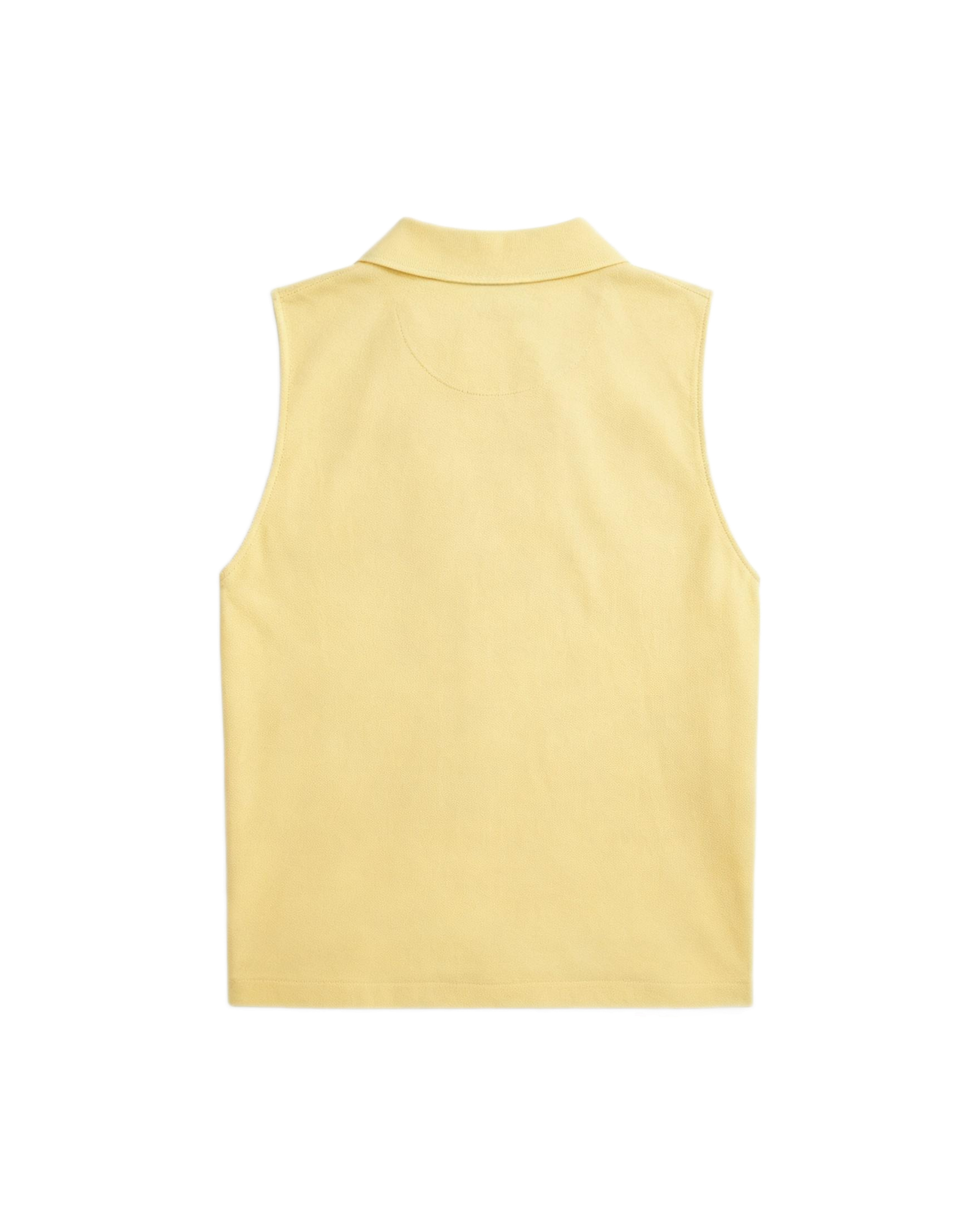
Discharge removes dye from suitable dark cotton, creating a soft, integrated print but requiring controlled fabric testing. Puff, high-density, silicone, foil, flocking, and specialty finishes add dimension and justify higher cost when texture is central to the collection identity. Embroidery, chain stitch, applique, patches, and sequins provide premium perceived value on logos and limited-placement graphics. Dense embroidery can distort lightweight jersey, so backing and stitch density need sampling.
Choose For The Run
Two to six Pantone spot colors on 100-plus identical pieces usually favor screen printing, especially for bold logos. A simpler plastisol or water-based print is more efficient when the graphic—not surface texture—is the product’s selling point. One approved wash test should check cracking, adhesion, color migration, and hand feel before production. Premium effects earn their cost when placement, fabric, and retail price support a deliberately tactile garment.
6. Construction and Print Quality Checks
A 180 GSM tee can look premium yet disappoint after one wash if construction and decoration controls are not documented. Approve measurable tolerances before bulk production, then inspect finished units against the same standard.
Pre-Production Sample Checks
180 GSM jersey should be weighed against the approved fabric specification; agree a practical GSM tolerance and test wash shrinkage before bulk cutting. 1×1 collar rib should recover after stretch, shoulder tape should lie flat, and side seams should not twist after laundering. Confirm seam strength, stitch density, and graded measurements from XS through 3XL.
- Check chest, body length, shoulder, sleeve, and neck opening
- Wash-test shrinkage, torque, pilling, and colorfastness
- Approve a sealed sample with fabric, trim, and print standard
Print Performance Controls
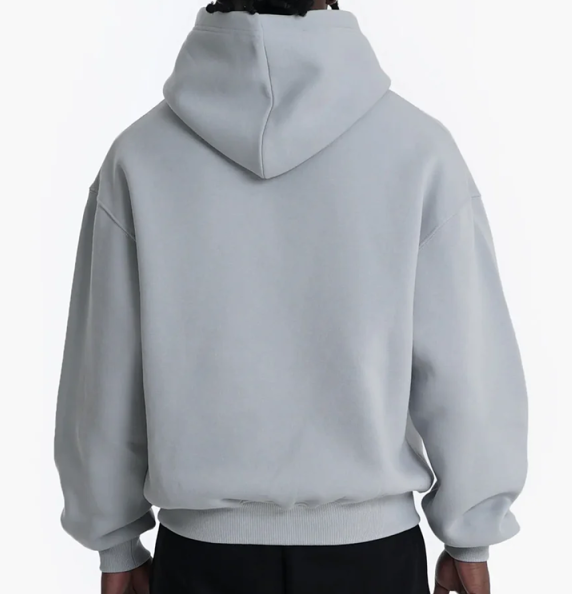
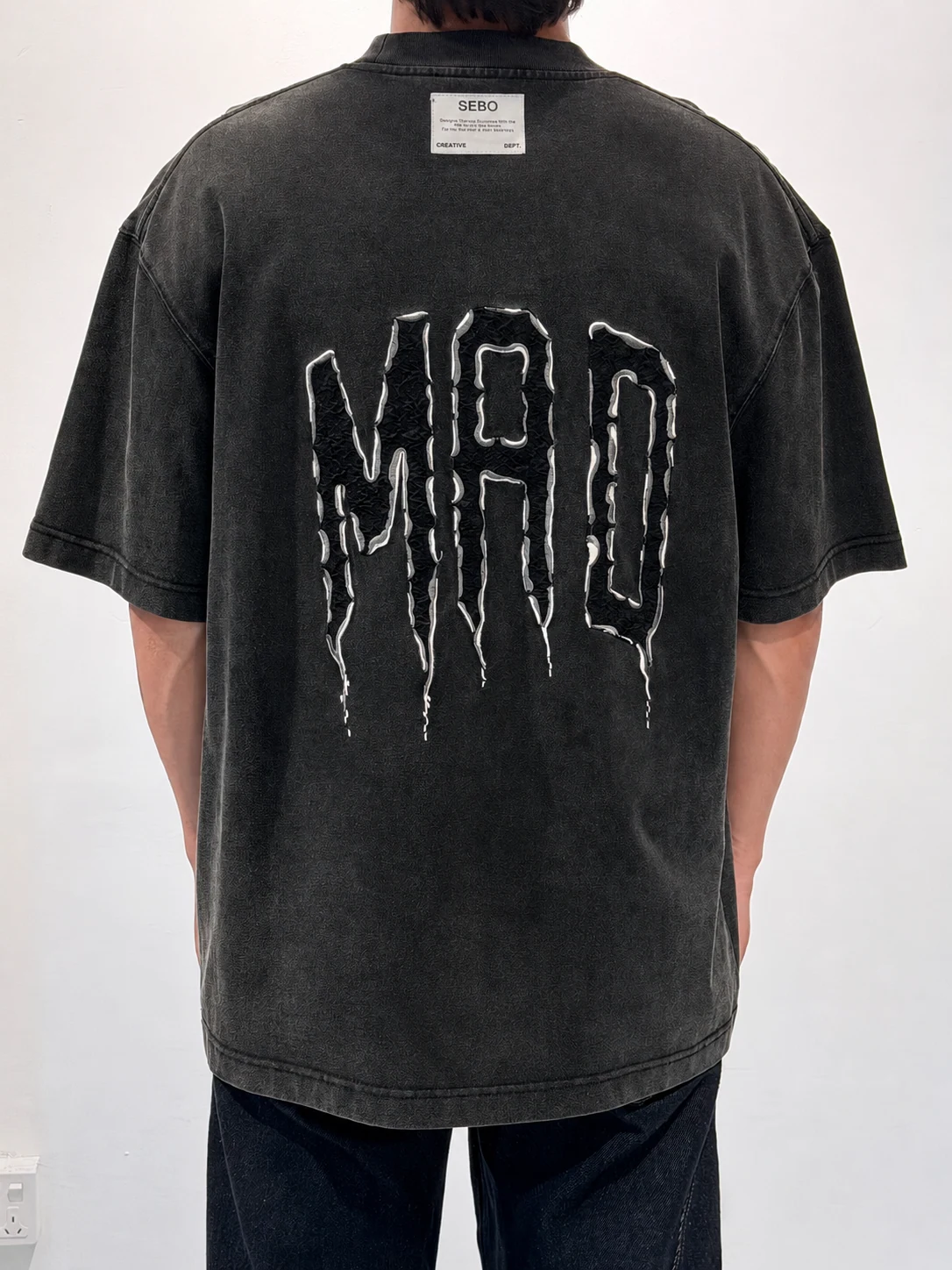
Pantone-matched artwork requires registration checks on every color separation, especially around fine type, halftones, and layered effects. 100% cotton dark garments need sufficient underbase opacity; cured plastisol or water-based prints should withstand stretch and wash testing without cracking, peeling, tackiness, or dye migration.
- Verify artwork scale and placement from fixed reference points
- Check opacity under normal viewing light
- Test cure through stretch and repeated laundering
Final Inspection Checklist
AQL-based final inspection should sample packed goods for measurements, construction, stains, holes, shade variation, and correct labels before shipment. 2 cm placement drift can be visible on a centered chest print, so compare print position to collar, center front, and approved measurement points. Retain the approved sample and grading sheet for repeat orders.
- Measure garments against approved tolerances
- Inspect collar recovery, seams, and side-seam alignment
- Confirm print registration, curing, placement, and packing
7. Choosing a custom tshirt print Manufacturer
100-unit MOQ is a practical entry point for testing a custom tshirt print program, but it does not prove technical capability. Compare suppliers against the same specification sheet, artwork, size range, delivery destination, and approval milestones.
Verify Production Ownership

1 factory visit, live video walk-through, or dated production video should confirm whether cutting, sewing, printing, and finishing are controlled on site. 2 direct questions matter: which print methods are in-house, which steps are subcontracted, and who owns final responsibility for outsourced work? Request an equipment list and recent comparable job photos.
- Ask for factory address and business registration
- Request screen-printing and curing equipment details
- Confirm production capacity by month and season
Review Development And Materials
1 approved pre-production sample should match bulk requirements for fabric weight, Pantone colors, print placement, and wash performance. Request the sample timeline, revision limit, and sample charge policy before paying. 160–220 GSM ring-spun jersey suits many premium tees; verify composition, shrinkage allowance, colorfastness, and available replenishment. Ask for fabric swatches, test reports, and trim specifications.
Audit Quality And Compliance
3 checkpoints—incoming fabric, in-line sewing, and final packed-goods inspection—should be documented with tolerances and defect handling. Request the AQL standard, measurement chart, wash-test approach, and rework procedure. OEKO-TEX, GOTS, WRAP, and BSCI claims require current certificates and scope verification; certification is not automatic proof that every fabric or process qualifies.
- Approved tech pack and graded measurement chart
- Pantone artwork and print placement file
- Inspection report and corrective-action process
Set Commercial Accountability
7–21 days for development and 25–45 days for bulk are common planning ranges after approvals, but confirm them in a dated critical path. Export experience should include Incoterms, carton marks, shipping documents, and destination-specific labeling. 100% prepayment may apply to a first order; Junsheen states that later cooperation can move through 70/30 and 50/50 structures, with final balance before shipment. Define claims deadlines, replacement or credit remedies, and the named post-shipment contact in writing.
8. Common custom tshirt print Buying Mistakes
A 100-unit launch can absorb a preventable error far less easily than a large replenishment order. In custom tshirt print sourcing, documented approvals convert assumptions about cost, color, fit, and timing into controllable production requirements.
Chasing The Lowest Quote
Three quotes can describe different fabric weights, print methods, and inspection levels even when the artwork looks identical. A low quote can produce substitutions, rework, or a missed launch; compare a line-item specification and confirm inclusions before awarding production.
Sending Production-Ready Artwork

300 DPI artwork at final print size, with vector logos where possible, prevents soft edges and unusable separations. Low-resolution files or unspecified ink colors delay prepress; supply AI, PDF, or EPS files plus Pantone references and approved placement dimensions.
Approving Fabric And Fit

5% shrinkage can change a 72 cm body length by more than 3 cm after laundering. Incompatible fabric and ink, vague size specs, or no tolerance agreement create claims; approve fabric swatches, a washed sample, graded measurements, and allowable tolerances before bulk cutting.
Protecting The Production Calendar

2 approval rounds can add weeks when the tech pack lacks construction, print, label, and packing details. Unrealistic lead times and skipped samples force rushed corrections; lock the critical path early and approve a decorated pre-production sample before bulk production.
9. Steps to Launch Your Brand
A 100-unit style-and-color run gives a new label a practical way to test a defined customer, price point, and sales channel. Convert that position into a measurable garment brief before requesting custom tshirt print development.
Define The Product Brief
Three decisions set the launch: target customer, retail price, and delivery window. Specify silhouette, fabric weight, color count, XS–3XL range, and whether extended sizes need independent fit adjustments. One reference garment or mood board can start development, but a tech pack reduces ambiguity. Include flat sketches, measurement chart, seam details, Pantone colors, fabric composition, and tolerance expectations.
Prepare Artwork And Branding
300-dpi artwork at final print size, preferably vector AI, PDF, or SVG, prevents avoidable redraws. Separate spot colors, define placements in centimeters, and select screen print, DTG, DTF, puff, or embroidery based on artwork and expected volume. Four brand components should be approved with the sample: neck label, size label, wash-care label, and hangtag. Confirm polybag, folding method, barcode placement, and carton marks before bulk.
Sample Before Bulk Approval
One prototype verifies construction, print placement, hand feel, and fit before a bulk commitment. Review measurements across the size set, wash-test decoration, record revisions, then approve a signed pre-production sample. Two quotation checks protect the margin: confirm MOQ by style and color, then separate sampling, decoration, labels, packaging, freight, and duties. Keep approved patterns and material records for repeatable replenishment.
Control Delivery And Reorders
Three inspection points—incoming fabric, in-line sewing, and final packed goods—catch shade, measurement, decoration, and packing errors. Set an acceptable quality level and shipping handoff date before production begins. 30 days after launch, compare sell-through by color and size rather than reordering only best-selling graphics. Replenish proven sizes first and use customer returns to refine grading, fabric choice, or artwork.
10. custom tshirt print Pricing and Costs
100 units per style and color is a practical Junsheen starting point for a capsule custom tshirt print order. A quote should separate blank-garment cost, decoration, development, packing and freight so the delivered cost is visible before approval. 140–180 GSM ring-spun jersey usually costs less to ship and print than 220–260 GSM heavyweight cotton, but fabric composition, combing, shrinkage control and wash standard can change the garment component materially. Screen-print cost rises with Pantone color count and print area; oversized fronts, sleeve prints, puff, foil, silicone and high-density effects add screens, labor or curing risk. 2–3 sample rounds can be less expensive than correcting bulk artwork, fit or placement after production begins. Include graded size mix, neck labels, wash-care labels, hang tags, individual bags, carton packing, inspection, destination freight, duties and local delivery when comparing landed-cost quotes. 7–21 production days is a planning range after materials, artwork and pre-production approval, while fabric development, specialty effects and custom trims may extend it. Supply the fabric weight, colorways, placement files, print dimensions, size ratio, packaging specification and delivery destination together to obtain comparable quotations.
| Order tier | Unit-cost direction | Setup and lead-time factors | Recommended method |
|---|---|---|---|
| 100–299 units | Highest per-unit allocation | Artwork separation and sampling spread across fewer pieces; allow 14–21 days | DTF or limited-color screen print |
| 300–999 units | Lower print and cutting allocation | Screens amortize better; standard fabric can shorten sourcing | Screen print for repeat artwork |
| 1,000+ units | Best scale efficiency | More colors, custom labels and carton optimization become viable; allow 7–21 days after approval | Screen print; specialty effects where tested |
Start Your Custom Tshirt Print Sampling Project
Send your tech pack, reference garment, sketch or mood board for fit-focused development and a clear production quotation from 100 units.