
Custom Tshirt With Photo Manufacturing for Brands
Launch custom tshirt with photo programs from 100 units with OEM, ODM and private-label support, fit-focused XS–3XL development, and scalable global production.
Featured Products for custom tshirt with photo Development
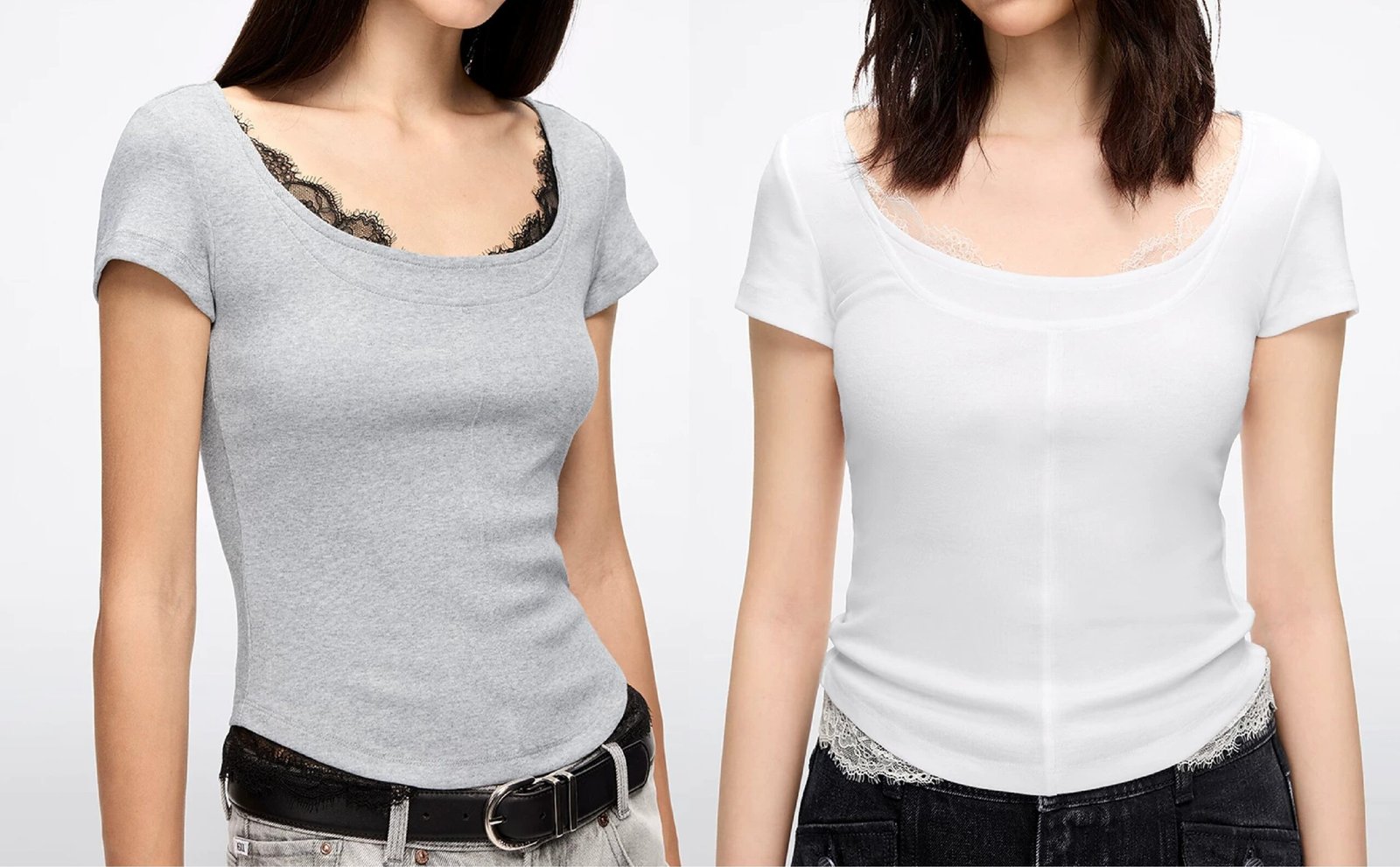


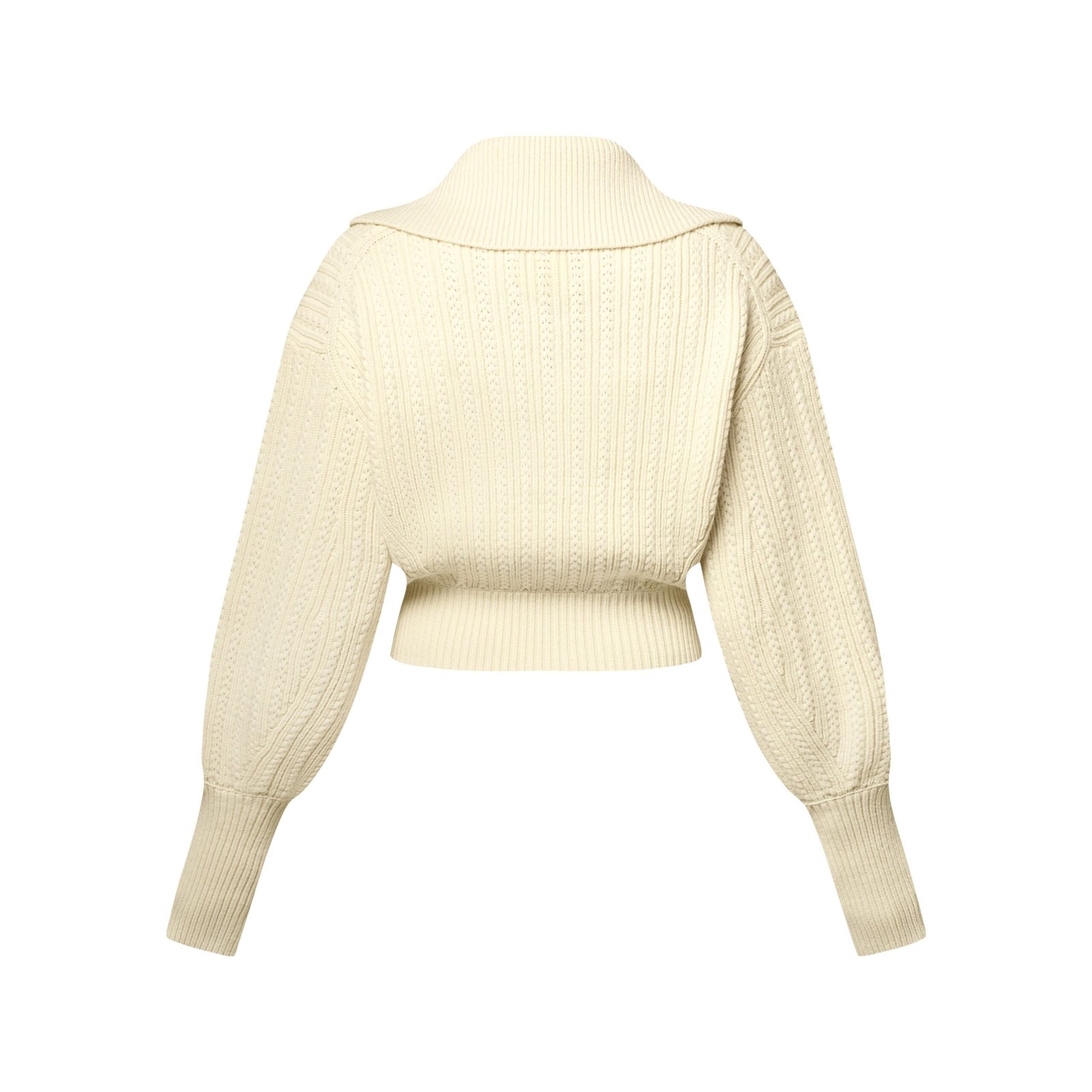


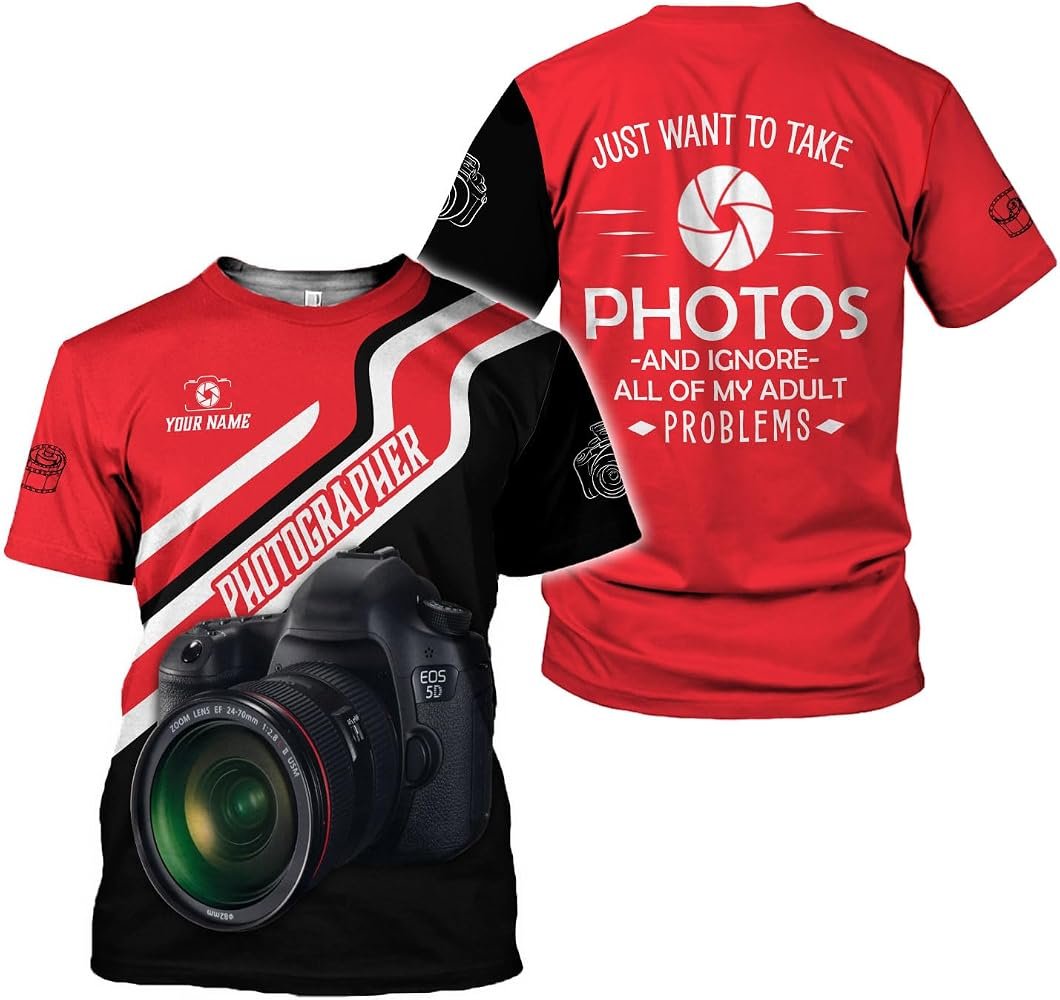
Related Product Catalogue and Quotation





Why Brands Source Custom Tshirt With Photo Programs from JUNSHEEN
Build photo-printed T-shirt collections with low-MOQ flexibility, fit-focused development, integrated decoration, and dependable global production support.
100-Unit MOQ
Launch photo T-shirt collections from 100 units per style and color, balancing early-market testing with production-ready quality.
Fit-Focused XS–3XL
Patterns are refined from XS through 3XL, with proportion-aware grading for standard, oversized, extended-size, and plus-size photo tees.
Integrated Decoration
Coordinate screen printing, DTG, DTF, heat transfer, embroidery, washing, labels, trims, and packaging through one accountable production team.
Scalable Production
Rely on 200+ skilled workers and 80,000+ monthly units to grow successful photo T-shirt programs without changing suppliers.
Export-Ready Support
From material approval to final inspection and export packing, our team supports global delivery with clear production communication.
Custom Photo T-Shirt OEM Programs
Build private-label graphic tees and coordinated casualwear with fit development, low-MOQ sampling, decoration, and scalable production support.
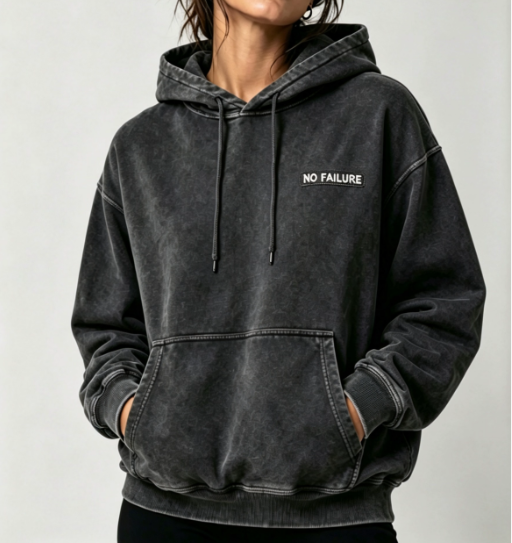
Custom Hoodies
Develop custom hoodies for photo-led collections using fleece, French terry, or heavyweight cotton. Match print placement, embroidery, washes, labels, and XS–3XL grading to create consistent fits from sampling through bulk production.
Request a Quote
Custom T-Shirts
Produce custom T-shirts with photo prints, DTG, DTF, screen printing, transfers, embroidery, and private labels. Junsheen reviews artwork, fabric weight, print method, and fit specifications to help brands avoid unclear image reproduction and inconsistent sizing.
Request a Quote
Custom Jeans
Manufacture custom jeans in rigid or stretch denim with tailored washes, hardware, patches, and branded trims. Pattern makers refine rise, leg shape, mobility, and grading so denim programs maintain fit consistency across standard, oversized, and extended sizes.
Request a Quote
Custom Sweaters
Source and produce turtle neck sweater bulk orders in knitted constructions selected for gauge, hand feel, warmth, and shape retention. Support custom yarn blends, neck proportions, branded labels, and graded sizing for wholesale and private-label programs.
Request a Quote
Custom Jackets
Create custom jean jackets with denim weights, wash treatments, embroidery, patches, print details, and custom hardware. Development support helps brands align silhouette, pocket construction, decoration placement, and bulk-ready specifications before production.
Request a Quote
Custom Sweatshirts & Crewnecks
Produce custom crewneck hoodie and sweatshirt programs in fleece, French terry, and jersey. Coordinate photo graphics, puff prints, embroidery, rib trims, and fit grading for collections that need reliable color, decoration, and measurement control.
Request a Quote
Custom Cardigans
Manufacture custom cardigans in knitted gauges and yarn blends suited to your target price, drape, and season. Develop buttons, plackets, rib details, labels, and size grading to support polished private-label knitwear programs.
Request a Quote
Custom Puffer & Down Jackets
Build custom puffer jackets with insulation options, shell fabrics, lining, quilting layouts, zippers, snaps, reflective details, and branded packaging. Technical review helps resolve warmth, bulk, mobility, and size-proportion requirements before bulk approval.
Request a Quote
Custom Denim Shorts
Produce custom jean shorts in rigid or stretch denim with wash development, raw hems, distressing, embroidery, pockets, and branded trims. Fit-focused grading addresses waist, rise, thigh room, and inseam proportions for a dependable size range.
Request a Quote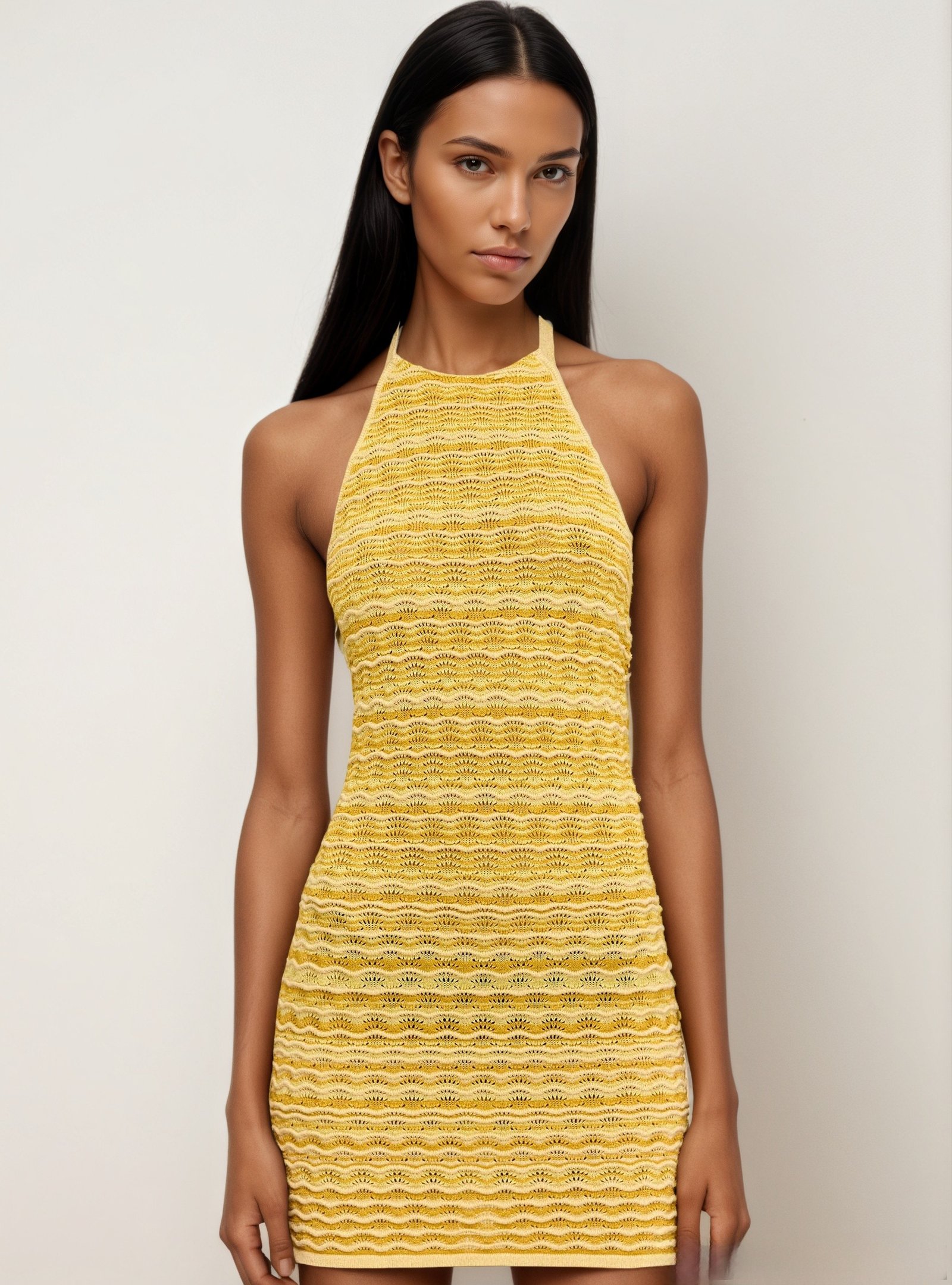
Custom Sweater Dresses
Develop custom sweater dresses with suitable knit structures, yarn blends, body length, neckline, and silhouette control. Junsheen supports prototype sampling and XS–3XL grading to help brands achieve consistent drape, coverage, and wearability.
Request a Quote
Custom Denim Sets
Manufacture mens denim suits wholesale programs with coordinated denim jackets and jeans, matched washes, hardware, and trims. Keep silhouettes and color treatments aligned across both pieces while scaling from 100 units per style and color.
Request a Quote
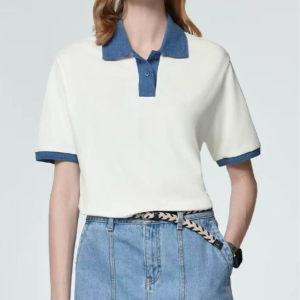
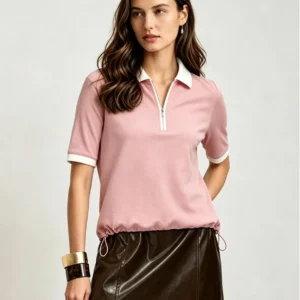
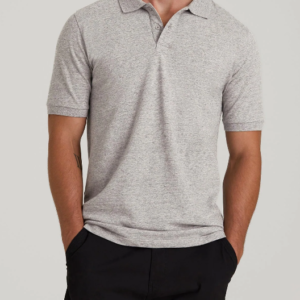
Custom Polo Shirts
Produce custom polo shirts in pique, jersey, or performance knits with embroidery, printed details, collars, plackets, buttons, and private labels. Fabric and construction choices are reviewed for comfort, wash performance, and repeat-order consistency.
Request a Quote
Custom Sweatpants
Develop custom sweatpants in fleece, French terry, and jersey with refined rises, leg shapes, cuffs, pockets, drawcords, and logo decoration. Fit development supports regular, oversized, plus-size, and extended-size casualwear collections.
Request a Quote
Custom Shorts
Manufacture custom shorts across fleece, jersey, twill, denim, and woven constructions. Define inseam, waistband, pocket layout, lining, washes, and branded trims early to achieve practical fit, clear specifications, and repeatable bulk production.
Request a Quote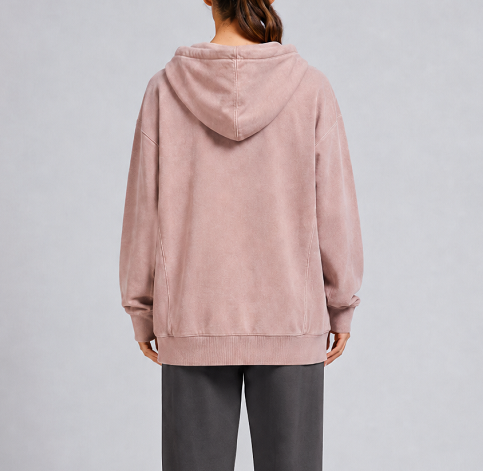
Custom Pullovers
Produce custom pullovers in knit, fleece, French terry, or jersey constructions with tailored necklines, cuffs, hems, prints, embroidery, and labels. Sampling verifies fabric hand feel, silhouette, and decoration before your order moves into scalable production.
Request a QuoteMaterials for Custom Tshirt With Photo Production

Combed Cotton Jersey
Smooth, breathable combed cotton jersey gives photo prints a clean, soft-looking surface for everyday fashion T-shirts. Available in versatile 180–220 gsm weights, it offers reliable comfort, shape retention, and print-ready consistency.

Pima Cotton Jersey
Premium Pima cotton jersey has a softer, silkier hand and finer, longer fibers for elevated photo T-shirts and retail collections. Its dense surface supports crisp artwork while maintaining durable color and comfort through repeated washing.

Cotton Modal Blend
Cotton-modal jersey creates an exceptionally soft, fluid hand for fitted, draped, or premium lifestyle photo T-shirts. The blend provides gentle stretch and improved moisture comfort, typically in lightweight 160–190 gsm constructions.

Cotton Spandex Jersey
Cotton-spandex jersey adds controlled recovery for slim-fit, baby tee, and body-conscious photo T-shirt programs. With 3–5% elastane, it holds its shape better than standard jersey while keeping a soft cotton-forward feel.

Poly Cotton Jersey
Poly-cotton jersey balances a smooth print surface with enhanced durability for promotional, active-casual, and high-volume photo T-shirts. The blended construction resists wrinkles and supports dependable wash performance in 160–200 gsm weights.

Heavyweight Cotton Jersey
Heavyweight cotton jersey delivers a substantial, structured feel for oversized streetwear and premium graphic photo T-shirts. At approximately 240–300 gsm, it provides stronger drape, improved durability, and a more elevated garment profile.
Custom Tshirt With Photo Printing and Decoration Techniques

DTG Printing
Direct-to-garment printing applies full-color photo artwork directly onto cotton-rich T-shirts, preserving gradients and fine detail with a soft hand feel. It is well suited to detailed graphics, controlled color placement, and sampled photo designs.

DTF Transfers
Direct-to-film transfers reproduce vivid photographic artwork, small text, and complex multi-color logos before heat application. The flexible print layer delivers reliable adhesion across cotton, blends, and darker garments, with strong color definition after repeated wear and washing.

Screen Printing
Screen printing builds durable color layers for bold photo treatments, brand graphics, and high-volume programs. Junsheen can recommend plastisol, water-based, high-density, puff, foil, or silicone effects to balance opacity, hand feel, visual impact, and target cost.

Heat Transfer
Heat transfer applies precisely prepared artwork to selected garment areas, making it effective for photo panels, event graphics, names, and short-run branding. It provides clean edges, consistent placement, and dependable durability when matched to the fabric and intended wash standard.

Sublimation Printing
Dye sublimation infuses artwork into compatible polyester-based fabrics for all-over photographic color, smooth gradients, and no raised print surface. The result is lightweight, breathable, and highly wash-resistant, especially for performance T-shirts and vivid full-coverage designs.

Embroidery Accents
Embroidery adds dimensional logo detail beside photo artwork through flat, 3D puff, chain stitch, applique, or custom patches. These durable accents elevate branded photo T-shirts with tactile contrast and a more premium private-label finish.
Custom Tshirt With Photo Accessories That Build a Retail-Ready Brand

Woven Neck Labels
Custom woven main labels, size labels, and wash-care labels give photo T-shirts a polished private-label identity. JUNSHEEN can match your logo, color palette, label placement, and required garment-care information.

Branded Hang Tags
Custom hang tags communicate collection names, sizing, fabric stories, QR codes, and retail information before the garment is worn. Choose paper stock, shape, finish, string, and attachment method to match your brand presentation.

Custom Drawcords
For layered photo T-shirt programs paired with hoodies or long-sleeve styles, custom drawcords add a recognizable finish. Select colors, tipped ends, printed logos, aglets, and cord weights that align with your collection.

Logo Zippers Snaps
Add branded zippers, snap buttons, or custom metal hardware when expanding a photo graphic into jackets, overshirts, or outerwear. JUNSHEEN coordinates finish, logo application, durability requirements, and placement during sampling.

Embroidered Custom Patches
Woven, embroidered, chenille, silicone, or printed patches create dimensional branding alongside a photo print. Use them on sleeves, hems, chest panels, or packaging for capsule collections requiring a stronger signature detail.
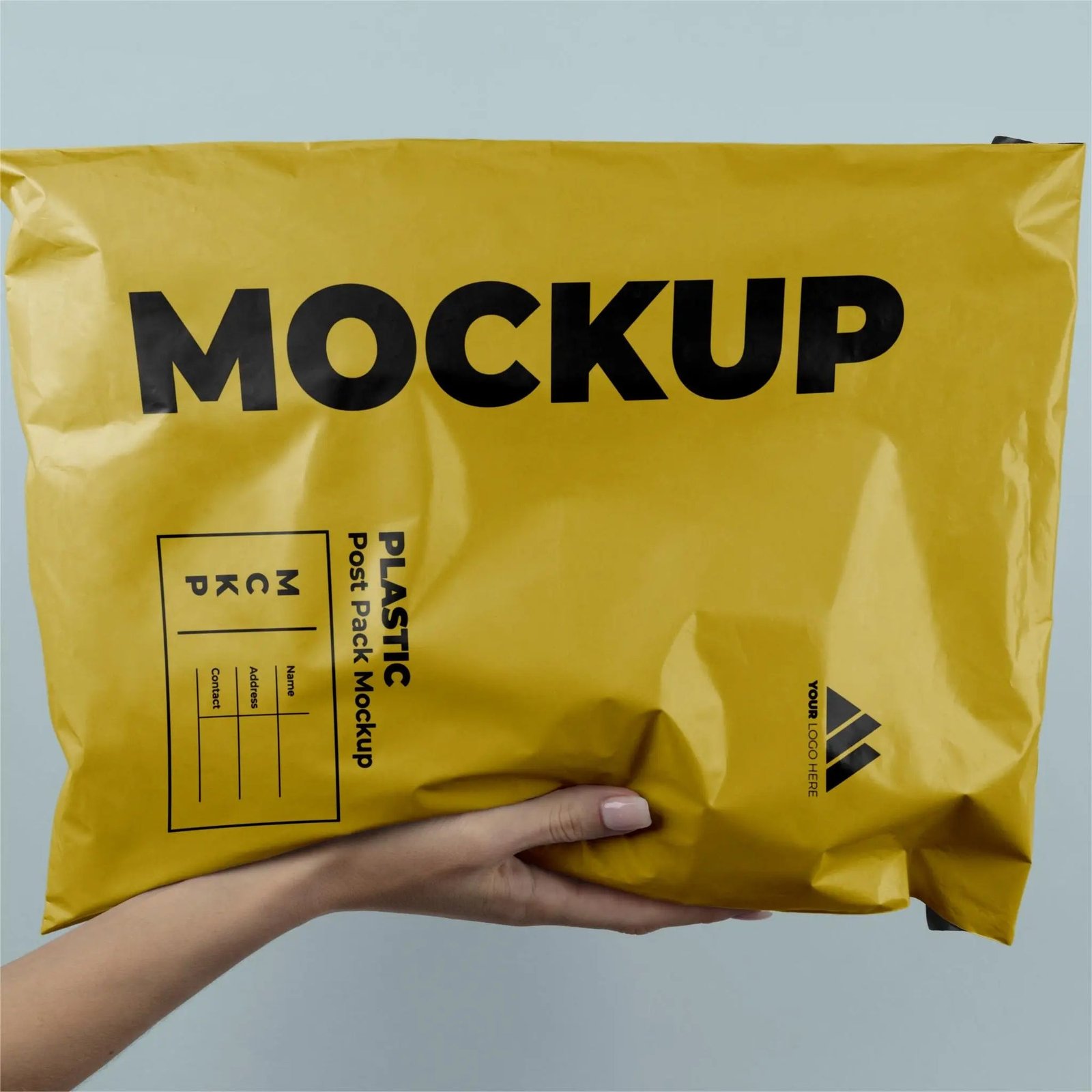
Branded Retail Packaging
Complete each order with custom polybags, tissue paper, stickers, mailers, cartons, and packing inserts. Branded packaging protects photo-printed garments in transit while giving wholesale and direct-to-consumer orders a consistent arrival experience.
About JUNSHEEN Apparel Manufacturing
Founded in 2010 in Humen, Dongguan, JUNSHEEN helps fashion brands turn custom tshirt with photo concepts into production-ready private-label collections. Our mission is straightforward: provide responsive OEM and ODM manufacturing that supports emerging labels and established sourcing teams from development through global delivery.
With 200+ skilled workers, 80,000+ units of monthly capacity and 2,000+ fashion-brand clients served, we scale from 100-unit style-and-color launches to ongoing bulk programs. Cut-and-sew, knitwear, fabric sourcing, photo-print decoration, washing, labels, trims, packaging and export support operate within one coordinated supply chain.
What distinguishes JUNSHEEN is fit-focused product development from XS to 3XL, including extended-size, plus-size and oversized grading. Our team refines patterns, materials and decoration details before bulk production, helping brands achieve consistent photo T-shirts and dependable repeat orders.

Custom Tshirt With Photo Capabilities Built for Consistency
Fit Engineering That Holds
Photo-led graphics deserve a T-shirt silhouette that wears as intended. Our pattern team develops and grades proportions from XS to 3XL, refining shoulders, body length, sleeves, and mobility instead of simply enlarging a base size.
- Fit-focused pattern development from XS to 3XL
- Extended-size, plus-size, and oversized grading
- Prototype and size-set review before bulk approval
- Measurement records retained for repeat programs

Artwork Ready for Production
JUNSHEEN turns supplied photos, artwork, references, or concepts into production-ready custom tshirt with photo specifications. We review print scale, placement, color behavior, fabric compatibility, and garment construction early, helping prevent avoidable sampling changes and unclear approvals.
- Artwork and placement feasibility review
- Fabric recommendations for print clarity and hand feel
- Sample approvals aligned to bulk specifications
- OEM, ODM, and private-label development support

Integrated Print and Finish
Keep decoration and garment development under one coordinated production workflow. From DTG and DTF to screen printing, puff effects, embroidery, washes, labels, and packaging, JUNSHEEN manages the details that make photo T-shirts feel like a complete branded product.
- DTG, DTF, screen print, transfer, and sublimation options
- Puff, high-density, foil, and water-based effects
- Custom labels, hang tags, patches, and branded packaging
- Garment washing and finishing when required
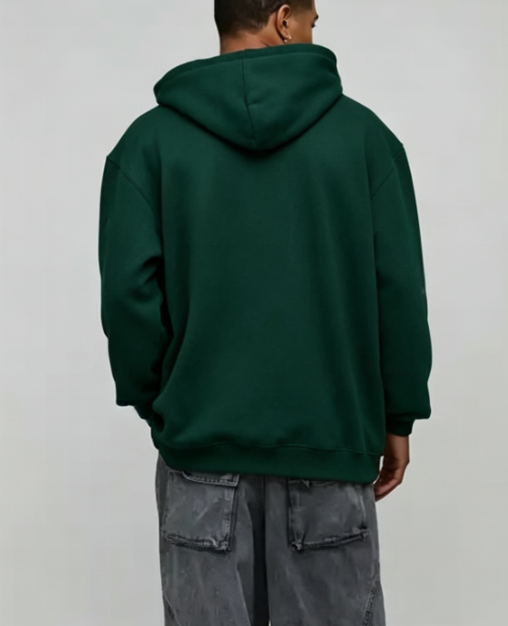
Reliable Repeat-Order Control
Consistent repeat production depends on documented decisions, not guesswork. JUNSHEEN retains approved patterns, graded size sets, materials, and production references, while quality teams inspect fabric, construction, measurements, decoration, and packed goods for scalable global programs.
- 100-unit MOQ per style and color
- 200+ skilled workers and 80,000+ monthly capacity
- In-line and final quality inspections
- Global export support for ongoing orders

Why Choose JUNSHEEN for Custom Tshirt With Photo Production
A fit-focused, production-ready partner for photo T-shirt programs from initial sampling through repeat bulk orders.
← 左右滑动查看 →
Custom Tshirt With Photo Production Process
From artwork review to export-ready delivery, JUNSHEEN coordinates each manufacturing stage for reliable private-label photo T-shirt production.
Artwork and Feasibility Review
Send artwork, references, sizing needs, and target quantity; our team confirms print method, placement, garment construction, and production-ready specifications.
Fabric and Trim Sourcing
We source suitable jersey, rib, labels, and packaging based on weight, hand feel, photo-print compatibility, target cost, and your brand requirements.
Sample and Approval
Pattern makers develop fit from XS to 3XL, then produce a sample for measurement, color, print clarity, and finishing approval before bulk production.
Cutting and Photo Printing
Approved fabrics are cut, printed, and sewn using the selected technique, with in-house coordination across decoration, construction, washes, and private-label details.
In-Line Quality Control
Quality teams inspect fabric, measurements, seams, print registration, and workmanship during production to catch issues early and maintain approved sample standards.
Packing and Global Shipping
Finished custom tshirt with photo orders receive final inspection, branded packing, export documentation, and shipping support for delivery to your selected destination.
How to Work with Our Custom Tshirt With Photo OEM Team
Move from concept to export-ready production with a fit-focused apparel partner built for 100-unit launches and scalable global programs.
Share Your Product Direction
Send a tech pack, sketch, reference garment, mood board, or photo artwork. Our team reviews feasibility, fit requirements, fabrics, printing, trims, and target quantities.
Confirm Quote and Sample
Review the recommended construction, MOQ, pricing, timeline, and material options. We create a prototype sample so you can assess photo detail, hand feel, measurements, and finish.
Approve Production Details
Approve the sample, graded size set, artwork placement, labels, packaging, and bulk materials. We lock production specifications to reduce revisions and maintain consistency from XS through 3XL.
Receive Inspected Export Orders
JUNSHEEN manages bulk production, in-line inspections, final measurement and decoration checks, packing, and export coordination for dependable delivery to your global destination.
Custom Clothing Manufacturer Credentials and Compliance Documents




Custom Tshirt With Photo Customer Results
JUNSHEEN corrected the shoulder and body grading across our XS–3XL photo tee launch. Our first bulk run of 1,200 units held measurements within tolerance, and we reduced fit-related returns by 18% in the first season.
The sample matched our approved photo print, wash hand feel, and private-label details closely enough to move into a 600-unit bulk order without another revision. Production stayed on schedule, helping us meet our retail delivery window.
We began with 100 units per color, then reordered 3,500 photo T-shirts after the launch sold through faster than planned. JUNSHEEN retained our patterns and material records, so the second run was consistent and much faster to approve.
Custom Tshirt With Photo FAQ
Clear answers for brands planning photo-printed T-shirt sampling and bulk production with JUNSHEEN.
What is the MOQ for a custom tshirt with photo?
Can I order a sample before producing custom tshirts with photo in bulk?
How long does custom tshirt with photo production take?
What artwork files do you need for a photo-printed T-shirt?
How do you protect my artwork and custom tshirt with photo designs?
What payment terms are available for first orders?
Do you ship custom photo T-shirts internationally?
Can you match sizing for XS through 3XL photo T-shirts?
Complete Buyer’s Guide to custom tshirt with photo
Use this practical framework to select photo-print styles, fabrics, decoration methods, and reliable suppliers while avoiding quality, artwork, pricing, and production mistakes that can weaken your custom t-shirt program.
1. What Is a custom tshirt with photo?
100 units per style and color is a practical starting point for a retail-ready custom tshirt with photo program, where an image becomes one controlled element of a branded garment specification. Unlike a one-off novelty transfer, buyers are sourcing repeatable artwork placement, approved color output, a selected blank or custom pattern, labels, packaging, and inspection standards that can be reordered. 300 dpi artwork at final print size is the usual baseline for customer photographs, original illustrations, campaign imagery, or brand graphics, but the brand must hold the rights and approve cropping, retouching, background treatment, and Pantone-sensitive colors. The manufacturer then translates that file into a production method and a print-ready placement specification rather than treating the image as a standalone upload. 180–240 GSM ring-spun cotton jersey, an oversized or regular fit, neck rib width, print dimensions, size grading, wash target, and private-label trims are collection decisions owned by the buyer. Photo customization fits capsules, artist collaborations, event merchandise, fan communities, and graphic-led seasonal drops when the image reinforces the label’s point of view and has enough demand to justify sampling and bulk control.
2. Evolution of custom tshirt with photo
1950s souvenir T-shirts and early photo programs commonly relied on screen-printed transfers: each color required a separate screen, setup time, and enough volume to absorb it. The method suited simple tourist graphics, but photographic tonal range, repeat color matching, and low-quantity personalization were costly or inconsistent. 1990s digital garment imaging and later print-on-demand systems changed the buying model by moving image data directly from an approved file to production. Factory-scale DTG prints water-based inks into cotton-rich garments, while DTF transfers can serve cotton, blends, and many synthetics; sublimation permanently dyes polyester but is not a substitute for full-color cotton decoration. 100-unit MOQ programs now combine digital decoration with cut-and-sew, sampling, and retained artwork or material records, so a custom tshirt with photo can start as a focused drop and reorder without rebuilding traditional screen setups. Buyers expect Pantone-informed color targets, test prints, scalable files, and controlled approvals because modern workflows lower inventory risk while allowing personalization, short runs, and later bulk production.
3. Types of custom tshirt with photo
A 100-unit program should separate photo formats by customer journey, not merely artwork. The right custom tshirt with photo format determines silhouette, print placement, variable-data workflow, and whether stock can be produced before orders arrive.
Full-Color Photo Tees

DTG and DTF suit full-color lifestyle images for direct-to-consumer brands; a 180–220 GSM ring-spun jersey crewneck gives a dependable canvas. Keep the image within a 28–32 cm chest print area and approve skin-tone test prints before bulk production.
Portrait And Memorial Tees

Portrait and memorial tees serve families, fan communities, and commemorative campaigns; black, white, or vintage-wash heavyweight crews are common choices. Center-chest placement needs clean background removal, while names and dates require legible type after wash testing.
Collage And Fashion Graphics

Three-to-six-image collages fit streetwear and artist merchandise, especially on boxy or oversized silhouettes. Build a single composited file with controlled overlap and halftones; separate small images can look busy and add registration risk in screen printing.
All-Over Photo Prints
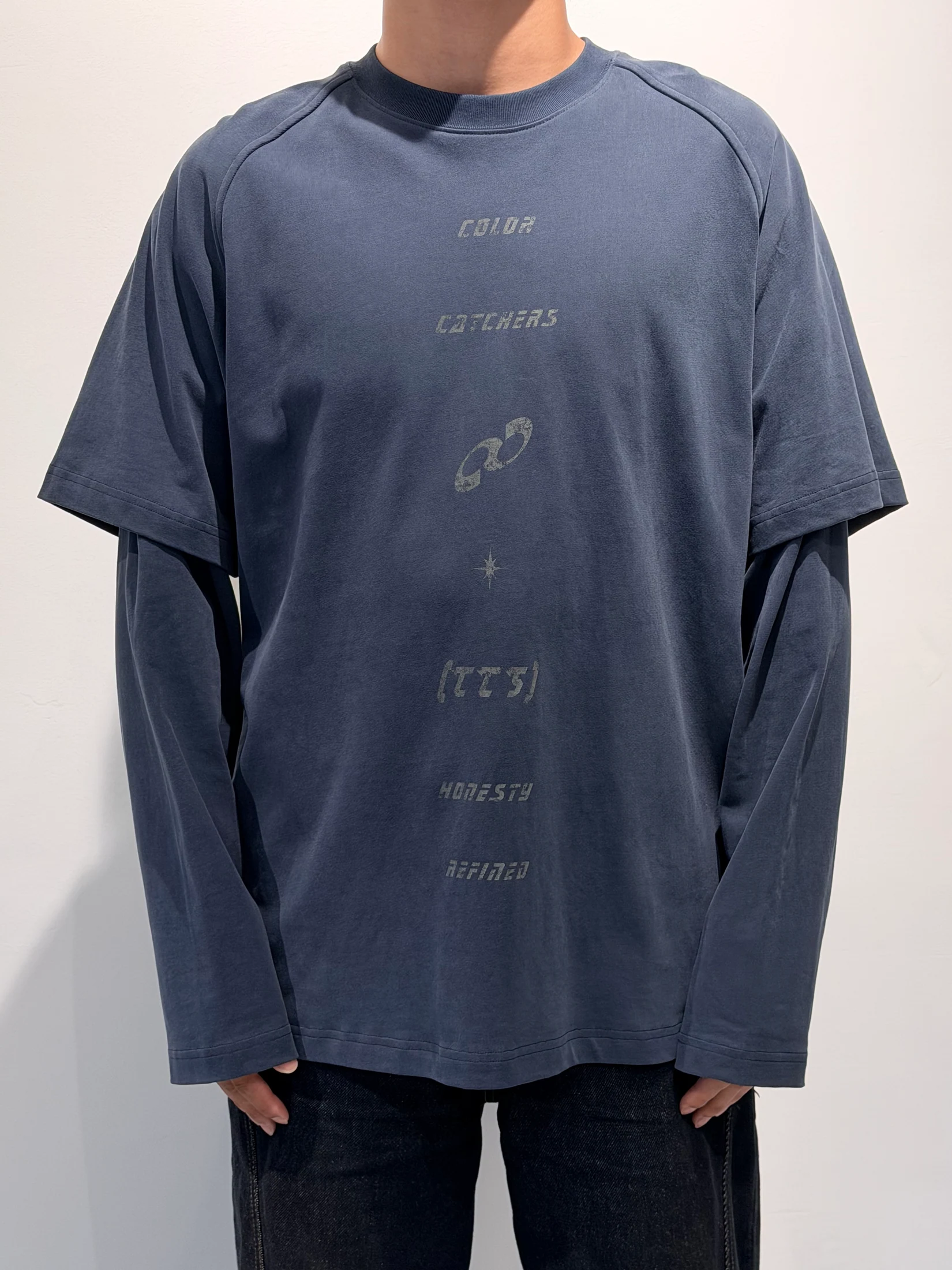
Dye sublimation enables edge-to-edge photo coverage on polyester-rich tees for resortwear, sports, and novelty markets. Cut panels must be printed before sewing, so seams interrupt imagery and an all-over design needs panel-aware artwork rather than a front print.
Personalized Name Programs

Variable-data DTF or DTG supports name-and-photo tees for gift stores, teams, and creator shops without stocking every variation. Reserve a fixed name zone below or above the image, and collect high-resolution uploads through the order form to reduce rework.
Event Merchandise

Event merchandise favors fast-selling front graphics for reunions, tours, fundraisers, and launches; standard unisex crews simplify size forecasting. Use a 1–2 color back logo or sponsor lockup when volume supports screen printing, but choose DTF for short-run date changes.
4. Fabrics for custom tshirt with photo
Fabric determines whether a custom tshirt with photo reads as crisp merchandise or a washed-out giveaway. Specify GSM, fiber content, color, and decoration method together before approving a sample.
| Fabric | Typical Weight | Photo-Print Fit | Best Positioning |
|---|---|---|---|
| Open-end cotton | 160–180 GSM | DTF, screen print | Value promotions |
| Combed ringspun cotton | 180–220 GSM | DTG, DTF | Premium retail |
| Cotton-poly blend | 160–200 GSM | DTF, screen print | Everyday programs |
| Polyester | 140–180 GSM | Sublimation | Sportswear, light colors |
| Recycled blend | 160–220 GSM | DTF, screen print | Sustainability-led lines |
| Heavyweight jersey | 220–280 GSM | DTG, DTF, screen print | Streetwear |
Choose The Base Fabric

160–180 GSM cotton is breathable and economical, but its uneven surface can soften fine photographic detail. 180–220 GSM combed ringspun cotton has a smoother face, softer hand, and stronger premium-retail appeal.
Match Fabric To Printing

100% polyester accepts dye sublimation only on light bases; the image becomes part of the fiber and stays vivid. 50/50 cotton-poly supports screen print, DTF, or transfer work, balancing reduced shrinkage with a less natural hand.
Control Color And Pretreatment

White garments reproduce the widest tonal range, while dark cotton needs white-underbase ink or DTF film beneath the image. 100% cotton DTG requires pretreatment to anchor white ink; uneven application can create dull areas or visible boxes.
5. Decorating a custom tshirt with photo
Six decoration routes can reproduce a photographic custom tshirt with photo, but fabric, artwork and order volume determine the sensible choice. Junsheen can review the intended garment and sample route before bulk approval.
| Method | Photo Detail | Garment Fit | Volume Practicality | Hand Feel |
|---|---|---|---|---|
| DTG | Excellent tonal detail | Cotton-rich, light or dark | Low to short runs | Soft |
| DTF | High saturation | Cotton, blends, darks | Low to mid runs | Film-like |
| Screen print | Strong with separations | Most cotton garments | Mid to high runs | Soft after curing |
| Transfer screen | High, repeatable | Most cotton garments | Mid to high runs | Moderate |
| Sublimation | Excellent on polyester | Light polyester only | Low to mid runs | No added hand |
| HTV | Limited photographic detail | Most fabrics | Samples or accents | Noticeable film |
Method Selection

DTG prints fine tonal detail directly onto cotton-rich garments with minimal setup, making it practical for samples and short runs. DTF carries saturated color onto cotton, blends and darker garments, though the film hand is more noticeable. Screen printing and transfer screen printing reward repeat volume because screens add setup cost but deliver consistent reorders. Sublimation requires light polyester, while heat transfer vinyl suits simple photo accents rather than full-color portraits.
Artwork Files And Rights
300 dpi artwork at final print size protects facial detail; an enlarged social-media image rarely does. Supply PNG or TIFF with a transparent background when the design has an irregular edge. CMYK-aware files and a stated Pantone reference reduce avoidable color surprises, although fabric and ink affect the final result. Confirm that your brand owns or licenses every photograph, model release, logo and artwork element before production.
- Use layered source files for edits.
- Remove unwanted background pixels.
- Approve a physical strike-off for critical color.
Budget And Reorder Planning

100-unit programs often benefit from DTF or DTG when designs vary, while screen routes become more economical as one artwork repeats across larger quantities. Lock the approved file, placement dimensions, fabric color and print specification for repeat-order consistency. 1 pre-production sample is the practical checkpoint for hand feel, wash behavior and photo clarity. Choose the lowest-cost method only after comparing the finished garment, not the transfer alone.
6. Quality Elements for custom tshirt with photo
100-unit programs still require production-level controls: a photo tee must retain its fit, surface, and image after repeated laundering. Approve measurable tolerances in the tech pack before bulk fabric is cut.
Base Garment Construction
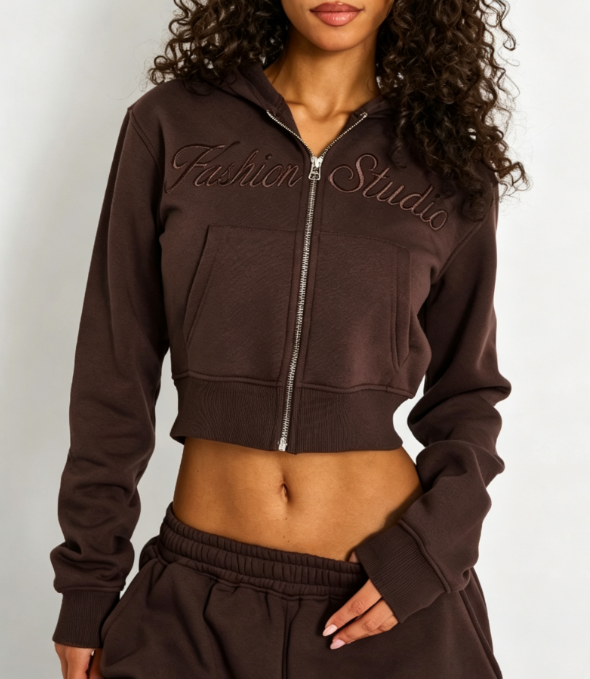
180–220 GSM ring-spun cotton jersey is a common commercial range for photo tees; verify actual GSM within the agreed tolerance, yarn cleanliness, and pilling performance. Open-end yarn can suit value programs but usually gives a rougher print surface. 1×1 collar rib should recover after stretching, while shoulder tape prevents neckline distortion. Inspect even side seams, secure labels, and consistent stitch density—typically about 8–12 stitches per inch for jersey seams.
- Check collar recovery after manual stretch
- Confirm shoulder tape is fully caught
- Measure chest, length, sleeve, and neck opening
Fit And Wash Approval
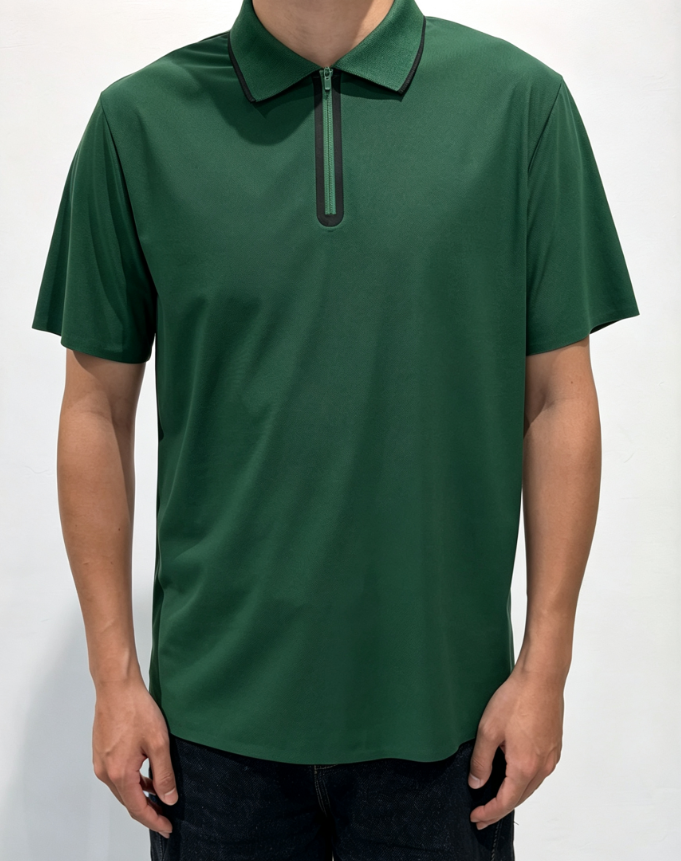
XS–3XL grading must be reviewed as a complete size set, not extrapolated from one approved sample. Check shoulder balance, body length, sleeve proportion, and grading increments against the measurement specification. 3–5 home-laundry cycles on the approved sample provide a practical pre-bulk screen for shrinkage, twisting, seam puckering, and collar waviness. Set acceptable wash shrinkage and measurement tolerances by fabric and fit rather than relying on a generic claim.
- Wash inside out using stated care method
- Re-measure after conditioning
- Compare against approved pre-wash sample
Photo Print Verification

2–5 mm placement tolerance is commonly specified for centered chest artwork, with tighter tolerances only where the design and factory process support them. Approve a production-representative strike-off on the exact garment color and fabric. 24-hour cured prints should be checked for adhesion, crack resistance, hand feel, color accuracy, and colorfastness after washing. Inspect fine facial detail, gradients, dark-tone blocking, and whether the print bridges seams or ribbing.
- Stretch the print without whitening or cracking
- Compare colors to approved artwork or Pantone target
- Reject pinholes, ghosting, and uneven ink coverage
7. How to Choose a Photo T-Shirt Manufacturer
A 100-unit MOQ is viable only when the supplier can control artwork, fabric, fit, and decoration without treating a small launch as an informal order. Select for documented repeatability, not merely a low quoted price.
Verify Print And Fabric Fit
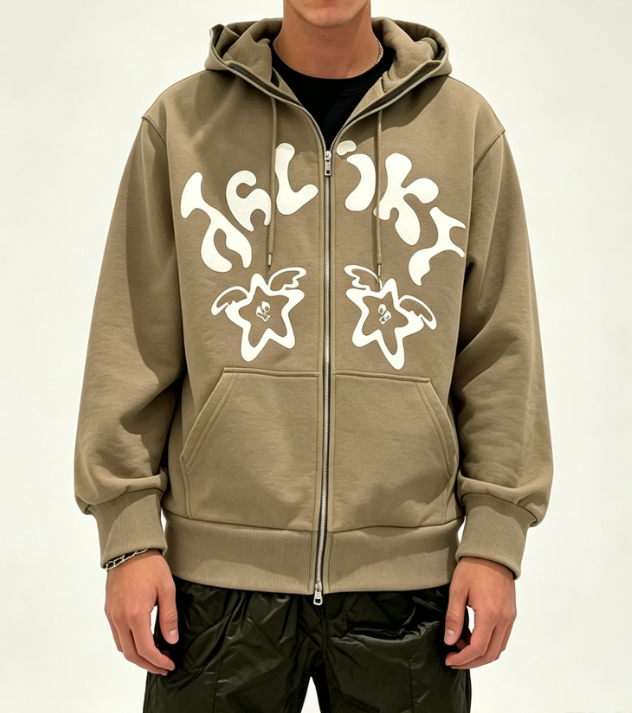
Request 3 to 5 production samples showing comparable photographic artwork on the intended jersey weight. Ask whether DTG, DTF, screen print, transfer, or sublimation best suits color count, placement, hand feel, and reorder consistency. Ask for swatches, fiber content, GSM, shrinkage results, and wash-test photos before approving fabric. A credible supplier explains how a 180 GSM ring-spun cotton jersey will differ from heavier 220 GSM stock in print appearance and drape.
Audit Sampling And Color Control

Require a pre-production sample with final artwork size, Pantone references where applicable, placement measurements, labels, and packaging. Confirm who checks raster resolution, transparent backgrounds, bleed, and color separations before printing. Request a written approval path for strike-offs, color proofs, size sets, and revision charges. Two approved records—artwork file and sealed sample—make later custom tshirt with photo reorders far less subjective.
Test Operational Reliability
Ask for the current lead-time breakdown from artwork approval through shipment, plus monthly capacity and the named contact responsible for updates. Request inspection checkpoints for incoming fabric, in-line measurements, decoration, and final packed goods. Request applicable compliance documentation rather than assuming certification: fabric test reports, restricted-substance declarations, and factory audit records if your channel requires them. Confirm export terms, carton specifications, courier or freight options, tracking, and who resolves transit damage.
- Can 100 units be split by size and color?
- What defect tolerance and rework procedure apply?
- Will patterns and approved materials be retained?
8. Common custom tshirt with photo Mistakes
Most photo-T-shirt claims begin before production: an unsuitable file, an unchecked color interaction, or an approval trail that cannot be repeated. A 100-unit custom tshirt with photo order needs the same controlled inputs as a larger program.
Control Artwork Rights And Resolution
At final print size, supply artwork at 300 dpi and confirm that every photograph is licensed for commercial garment use. Low-resolution or unlicensed files can create blurred output, takedowns, reprints, and delayed launches. Before sampling, send the original file, print dimensions, color profile, and written usage clearance. Keep the approved artwork version with the purchase order.
Match Print To Garment
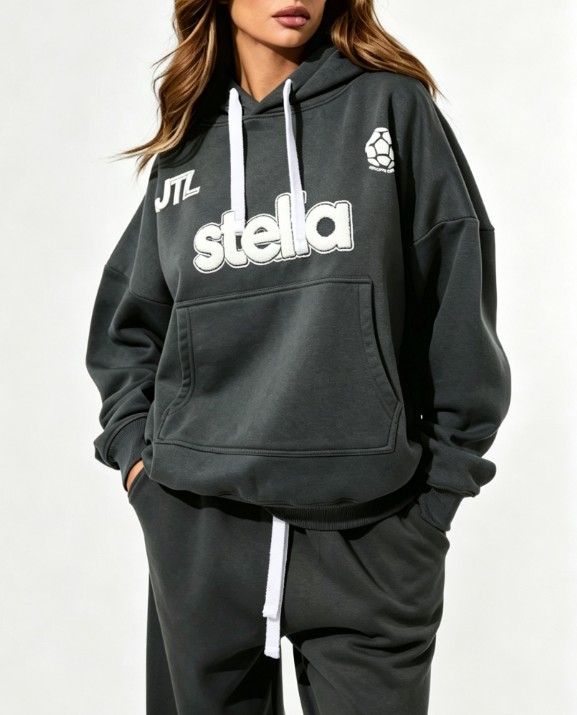
Dark cotton usually needs a white underbase for DTG or screen printing, while pale garments can preserve more photographic detail. Skipping this review can dull midtones, shift colors, or make a low-cost process fail after washing. For 100-unit runs, compare a physical strike-off in the chosen fabric and garment color before approval. Test wash performance after 5 washes and specify expected cracking, fading, and hand-feel limits.
Lock Fit Cost And Reorders
XS–3XL programs need a measurement chart with chest, body length, shoulder, sleeve, tolerances, and grading increments. Vague sizing produces fit claims and expensive size-set revisions. A unit-price-only comparison can omit fabric weight, underbase, testing, labels, packing, and defect allowance. Preserve the approved sample, Pantone references, print file, fabric lot, measurement spec, and packing record for consistent reorders.
9. Launching Your Photo T-Shirt Program
A 100-unit minimum per style and color makes a photo T-shirt launch manageable when the assortment is disciplined. Start with one audience, one collection story, and a selling calendar before approving art or blanks.
| Buyer Type | Initial Assortment | Reorder Trigger |
|---|---|---|
| Emerging label | 1 style, 1-2 colors | Validate sell-through before adding art |
| Retailer | 2-3 styles, full size curve | Replenish proven sizes weekly |
| Wholesaler | Core colors, repeatable specs | Hold approved records for programs |
Define The Commercial Brief
Three inputs should anchor the brief: target customer, retail price, and launch date. Set 1-3 hero photographs, intended colorways, and channel-specific demand before developing variants. Two inventory models change the buy: emerging labels can test one style at 100 units, while retailers need size-curve depth and wholesalers need repeatable core colors. Reserve a replenishment plan instead of treating the first purchase as a one-off.
- Audience and price ladder
- Hero artwork and color count
- Sales channel and delivery date
Build Production-Ready Artwork

300 dpi artwork at final print size is the practical starting point for a custom tshirt with photo. Supply layered source files, print dimensions, Pantone references, placement from neckline, and approved garment color. 1 tech pack should also specify fabric weight, fit block, measurements, neck rib, seam construction, labels, hang tags, and polybag or carton requirements. Identify whether the photo uses screen print, DTG, DTF, or transfer before sampling.
- Front, back, and sleeve placements
- Maximum print width and height
- Care-label and packaging copy
Approve Samples And Scale
2 approvals—fit and wash—should precede bulk cutting. Review chest, body length, shoulder slope, shrinkage, print cracking, color migration, and hand feel against the approved reference. 4-8 weeks is a sensible production-planning window after materials and pre-production details are confirmed, subject to fabric, decoration, and shipping route. Retain graded patterns, approved swatches, print files, and final measurements for faster reorders.
- Approve a size set when offering XS-3XL
- Lock carton packs by sales channel
- Track sell-through by size and color
10. custom tshirt with photo Pricing and Costs
100 units is JUNSHEEN’s practical starting point per style and color, so a custom tshirt with photo quote should separate blank garment, decoration, trims, packing, sampling and freight rather than present one delivered figure. A 180–220 GSM ring-spun cotton tee, one front photo print and standard labels generally costs less than a 240–280 GSM premium blank, oversized back print, individual names and custom mailers. 500 units usually lowers unit cost because fabric allocation, screen setup, pattern administration and packing preparation are spread across more garments; it does not make extra colors or larger print areas free. DTG and DTF suit variable images or names, while screen printing is normally more economical for one stable design at volume; request Pantone references, print dimensions and print locations in writing. 10–20 working days is a sensible planning allowance after sample approval for many straightforward programs, with sampling, special fabric development, garment dye or sea freight adding time. Compare suppliers on identical Incoterms, carton assumptions, inspection standard and landed-cost components, then retain the approved sample, measurement chart and artwork version for repeat-order consistency.
| Cost driver | 100-unit program | 500+ units / lead-time effect |
|---|---|---|
| Fabric and weight | 180–220 GSM cotton is a baseline; heavier, organic or Pima options increase cost | Bulk sourcing can improve cost; approved fabric must be reserved early |
| Print method and area | Large full-color front/back prints raise decoration cost; personalization adds handling | Screen printing benefits from repeat volume; DTG/DTF remains useful for variable data |
| Labels, packaging, sample, freight | Custom labels, hang tags, mailers, sample revisions and freight are separate budget lines | Setup is spread across units; compare the same Incoterm and carton plan |
Start Your Custom Tshirt With Photo Project
Send your tech pack, artwork, reference garment, or product idea to JUNSHEEN for a fit-focused OEM production quote from 100 units.