
Customize Tshirts From 100 Units
Customize tshirts with fit-focused XS–3XL development, private labeling, in-house decoration, and scalable global OEM production.
Featured Products for customize tshirts Development


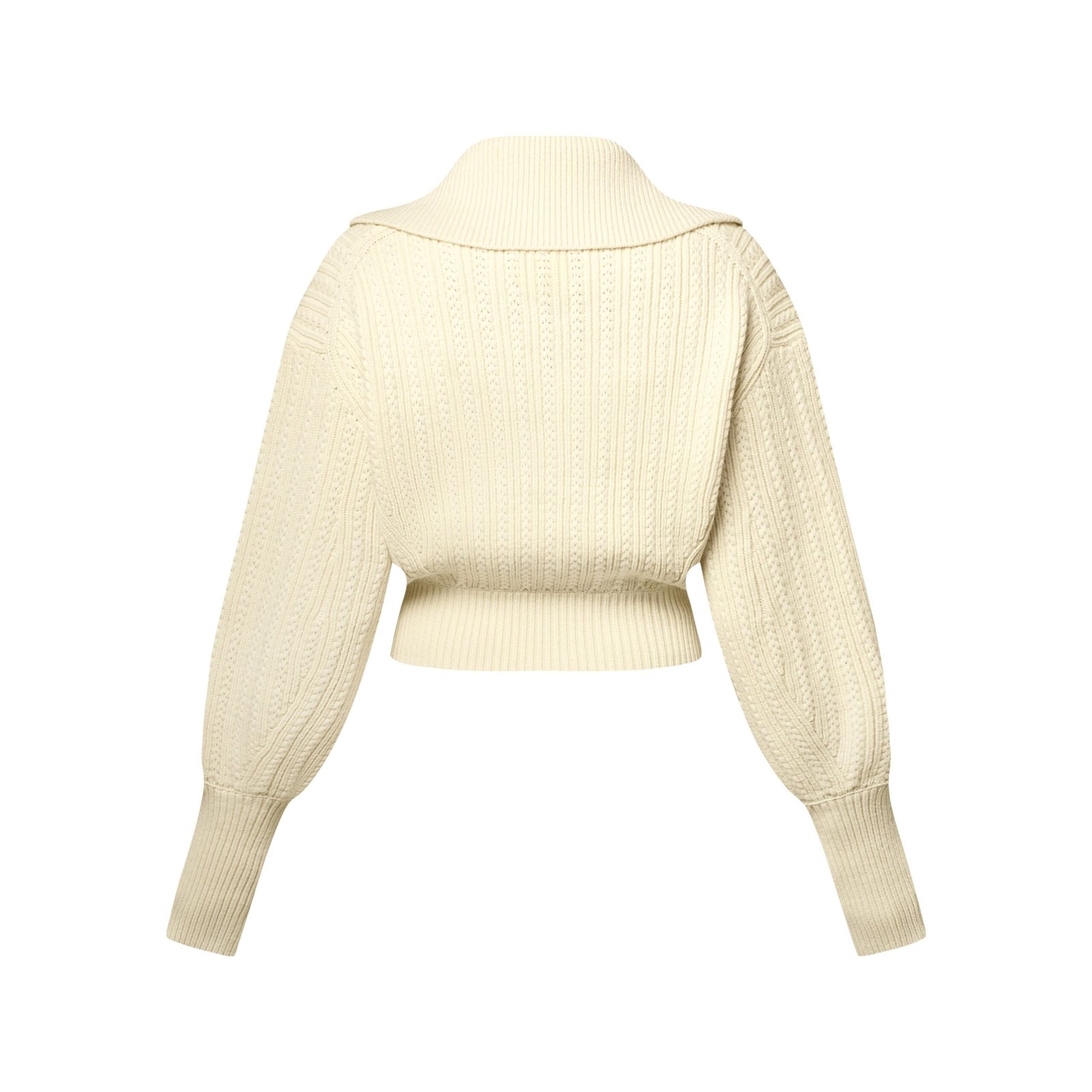


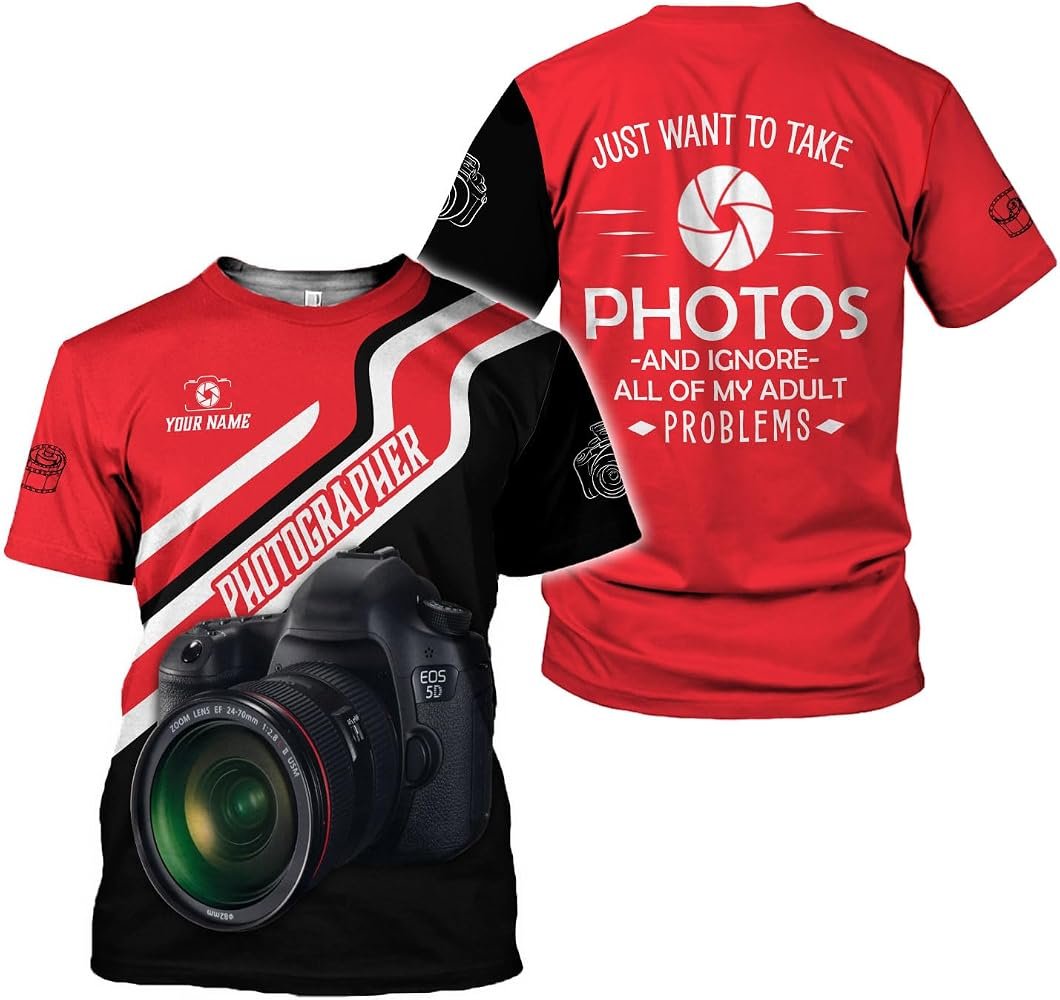
Related Product Catalogue and Quotation



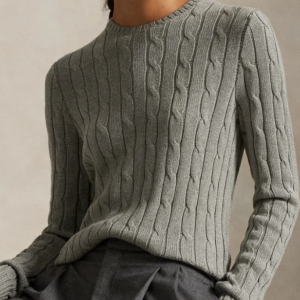
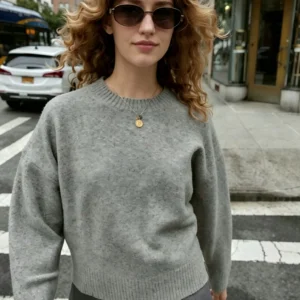


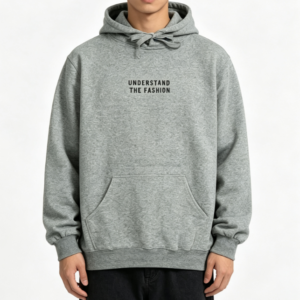
Customize Tshirts With Brand-Ready Production
Built to take your T-shirt program from a low-MOQ launch to dependable global scale.
100-Unit MOQ
Launch each style and color from 100 units, giving new labels a practical path to test designs before larger commitments.
XS–3XL Fit Grading
Pattern makers refine proportion, mobility, sleeve balance, and grading increments for normal, oversized, extended-size, and plus-size T-shirts.
Integrated Decoration
Bring logos and graphics in-house with screen printing, DTG, DTF, embroidery, puff effects, patches, washes, labels, and branded packaging.
Fabric-Led Development
Select jersey, Pima cotton, organic cotton, blends, and performance knits with recommendations aligned to hand feel, weight, cost, and durability.
Scalable Export Production
Rely on 200+ skilled workers, 80,000+ monthly units, quality inspections, and global shipping support as your T-shirt orders grow.
OEM to Private Label
Start from a tech pack, sketch, reference garment, or idea, then receive development, sampling, sourcing, and production support in one workflow.
Build Your Complete Casualwear Range
From custom tees to coordinated denim, knitwear and outerwear, Junsheen develops production-ready collections with fit-focused sizing from XS to 3XL.
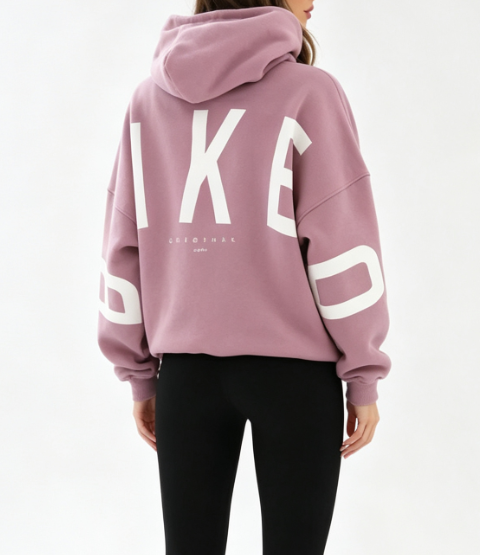
Custom Hoodies
Develop custom hoodies in fleece, French terry or brushed jersey, with options for oversized silhouettes, graded XS–3XL fits, custom ribbing, drawstrings, pockets, embroidery, screen printing and private-label trims. Low MOQs start at 100 units per style and color.
Request a Quote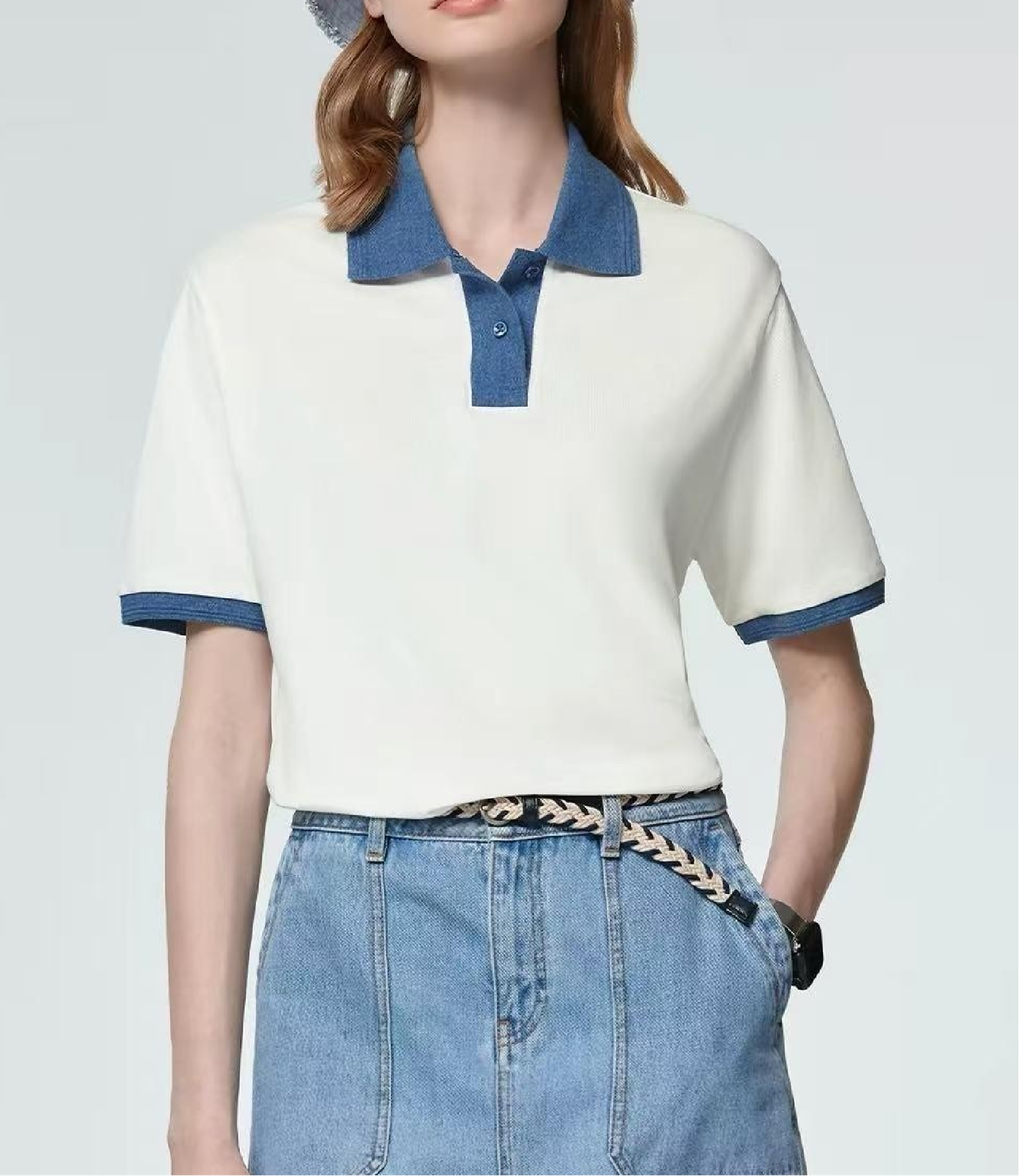
Custom T-Shirts
Produce custom T-shirts from supplied tech packs, sketches or reference garments. Choose jersey weights, cotton blends, relaxed or fitted blocks, extended-size grading, screen print or embroidery decoration, washes, neck labels, hang tags and branded packaging.
Request a Quote
Custom Jeans
Develop custom jeans in rigid, stretch or recycled denim with fit-specific pattern making. Junsheen supports washes, distressing, hardware, pocket construction, embroidery, size grading and bulk production for men’s, women’s, oversized and extended-size denim programs.
Request a Quote
Custom Sweaters
Source turtle neck sweaters in bulk through an integrated knitwear development process. Select yarn blends, gauges, stitch structures, rib finishes and color options, then refine body length, neck height, sleeves and graded sizing before approving production.
Request a Quote
Custom Jackets
Create custom jean jackets in denim weights and washes aligned with your collection. Development includes silhouette refinement, seams, pockets, collars, buttons, branded hardware, patches, embroidery, print effects and coordinated fit grading from XS to 3XL.
Request a Quote
Custom Sweatshirts & Crewnecks
Develop custom crewneck hoodies, sweatshirts and crewnecks in fleece or French terry. Choose neckline, rib construction, garment weight, oversized proportion, embroidery or print placement, washes and private-label components for capsule launches or repeat programs.
Request a Quote
Custom Cardigans
Manufacture custom cardigans with knit gauge, yarn, button, placket and stitch details matched to your brand direction. Pattern and grading work addresses shoulder balance, body proportion and sleeve length across standard, extended and oversized size ranges.
Request a Quote
Custom Puffer & Down Jackets
Produce custom puffer jackets with shell, insulation, lining, quilting, zippers, pockets and branded trims selected for target performance and cost. Junsheen supports sampling, fit review, size grading and scalable bulk production for outerwear collections.
Request a Quote
Custom Denim Shorts
Develop custom jean shorts in rigid or stretch denim with inseams, rises and leg openings tailored to your target customer. Add washes, distressing, raw hems, embroidery, patches, branded hardware and fit-focused grading for reliable repeat production.
Request a Quote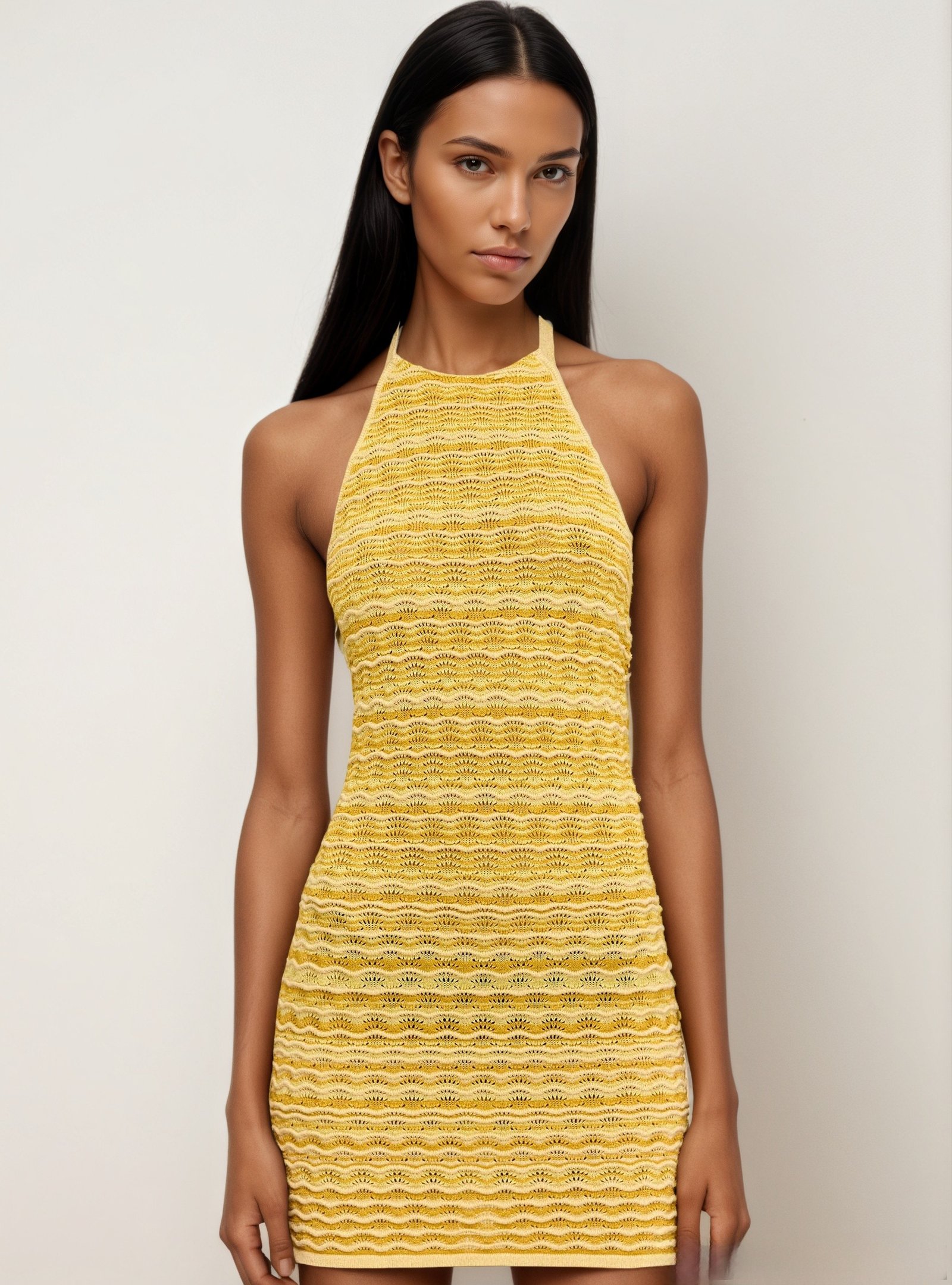
Custom Sweater Dresses
Create custom sweater dresses with yarn, knit gauge, stitch structure and silhouette developed around your collection. Junsheen refines length, waist placement, sleeve proportion and grading to support fitted, relaxed, oversized and extended-size dress programs.
Request a Quote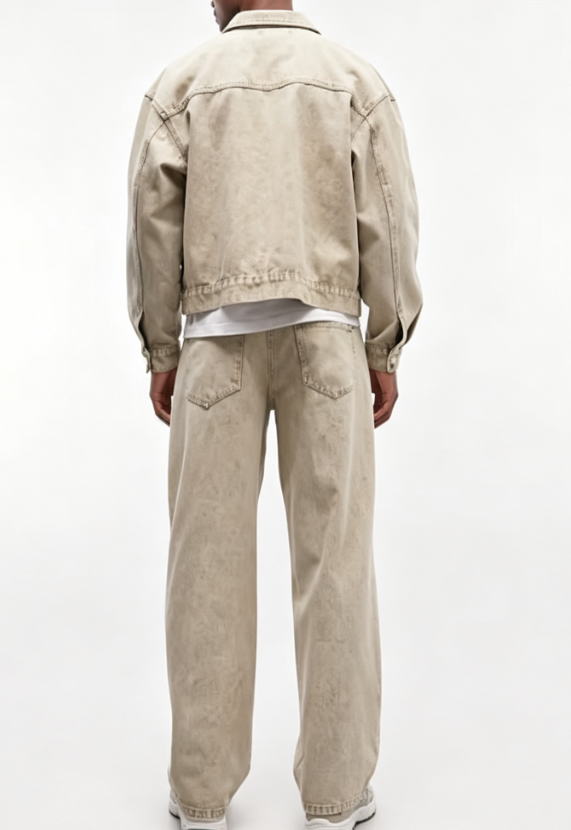
Custom Denim Sets
Manufacture men’s denim suits for wholesale programs, including matched denim jackets and jeans with consistent wash, color and fit. Coordinate fabric, hardware, seams, trims and graded size sets for retail-ready denim separates or complete sets.
Request a Quote
Custom Polo Shirts
Produce custom polo shirts in pique, jersey or performance knits with collar construction, plackets, buttons and logo decoration tailored to your brand. Fit development supports regular, relaxed and extended-size blocks, plus labels, packaging and bulk export.
Request a Quote
Custom Sweatpants
Develop custom sweatpants in fleece, French terry or performance knits with tailored rises, cuffs, pockets, waistbands and drawstrings. Coordinate colors and fabric weights with hoodies or crewnecks, then add printing, embroidery and branded trims.
Request a Quote
Custom Shorts
Manufacture custom shorts for casualwear, active-inspired or coordinated set programs. Choose woven, jersey, fleece, twill or denim fabrics, then specify inseam, pockets, waistband, closures, decoration and size grading for target-market fit.
Request a Quote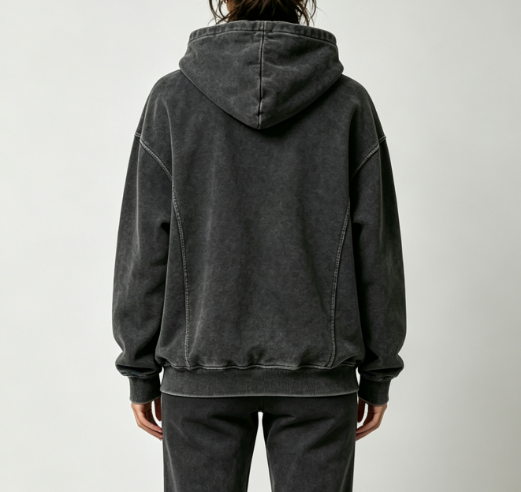
Custom Pullovers
Create custom pullovers in knit, fleece, French terry or woven constructions, from quarter-zips to lightweight layering styles. Junsheen supports fabric selection, pattern development, embroidery, prints, trims, sizing and low-MOQ production from 100 units per style and color.
Request a QuoteMaterials for Customize Tshirts and Casualwear

Combed Cotton Jersey
Smooth, breathable, and soft against the skin, combed cotton jersey is a dependable choice for premium everyday tees. Available in varied weights, it delivers clean print results and a refined hand feel.

Heavyweight Cotton Jersey
Dense heavyweight jersey gives customize tshirts a substantial structure and elevated streetwear feel. Its durable construction supports oversized silhouettes, embroidery, and high-density prints while maintaining shape through repeated wear.

Cotton Spandex Jersey
Cotton spandex jersey combines a soft natural hand with controlled stretch and recovery. It suits fitted tees, ribbed-inspired essentials, and body-conscious styles that require mobility without losing their intended silhouette.

Cotton Polyester Blend
Cotton polyester blends balance familiar softness with added durability, color retention, and faster drying performance. A practical option for promotional programs, uniforms, and high-volume casualwear requiring reliable wash stability.

Organic Cotton Jersey
Organic cotton jersey offers a natural, comfortable hand for brands developing responsible premium basics. Fabric weight and finish can be specified for lightweight layers or substantial tees, with swatches available before bulk confirmation.

Pima Cotton Jersey
Pima cotton jersey has a notably smooth, luxurious hand and strong fiber quality for elevated branded T-shirts. Its soft drape and clean surface make it well suited to premium retail collections and refined logo applications.
Customize Tshirts With Brand-Defining Finishes

Logo Embroidery
Flat, 3D puff, chain-stitch, and applique embroidery create dimensional branding with strong stitch definition. Ideal for chest logos, sleeve details, and premium patches that retain their appearance through repeated wear and washing.

Screen Printing
Plastisol, water-based, puff, flocking, silicone, high-density, foil, and discharge screen prints deliver vivid color and durable coverage. Junsheen matches ink systems to fabric weight, artwork detail, and the desired hand feel.

DTG DTF Printing
DTG and DTF printing reproduce full-color artwork, gradients, and intricate details with efficient setup for selected runs. They are suited to graphic-led customize tshirts requiring crisp imagery and reliable wash performance.

Heat Transfer
Heat-transfer decoration applies precise logos, numbers, specialty films, and small-batch graphics with clean edges. It offers flexible placement on jersey and performance fabrics while supporting consistent branding across coordinated apparel programs.

Wash Effects
Garment dye, acid wash, tie-dye, enzyme wash, stone wash, softening, brushing, and napping create lived-in color, texture, or softness. Each finish is sampled to confirm the intended vintage character, shrinkage, and final hand feel.
Customize Tshirts With Private-Label Trims

Woven Brand Labels
Custom woven main labels, size labels, and wash-care labels establish a consistent brand identity inside custom T-shirts, hoodies, denim, and knitwear while giving buyers essential product and care information.

Custom Hang Tags
Branded hang tags communicate your collection story, sizing, pricing, and product details at retail. Select custom shapes, stocks, finishes, strings, and barcode-ready layouts for launch-ready private-label garments.

Logo Zipper Pulls
Custom zippers and logo pulls add functional distinction to jackets, hoodies, outerwear, and zip sweatshirts. Choose suitable zipper types, finishes, and puller details to match garment weight, use, and brand direction.

Branded Snap Buttons
Custom snaps, buttons, and rivets provide durable closures for denim, jackets, overshirts, and fashion tops. Branded finishes help reinforce a premium private-label look at high-visibility garment touchpoints.

Drawcord and Tipping
Customize drawcord thickness, aglets, tipping, colors, and logo details for hoodies, sweatpants, and shorts. These small components sharpen collection coordination while supporting the intended fit, function, and hand feel.
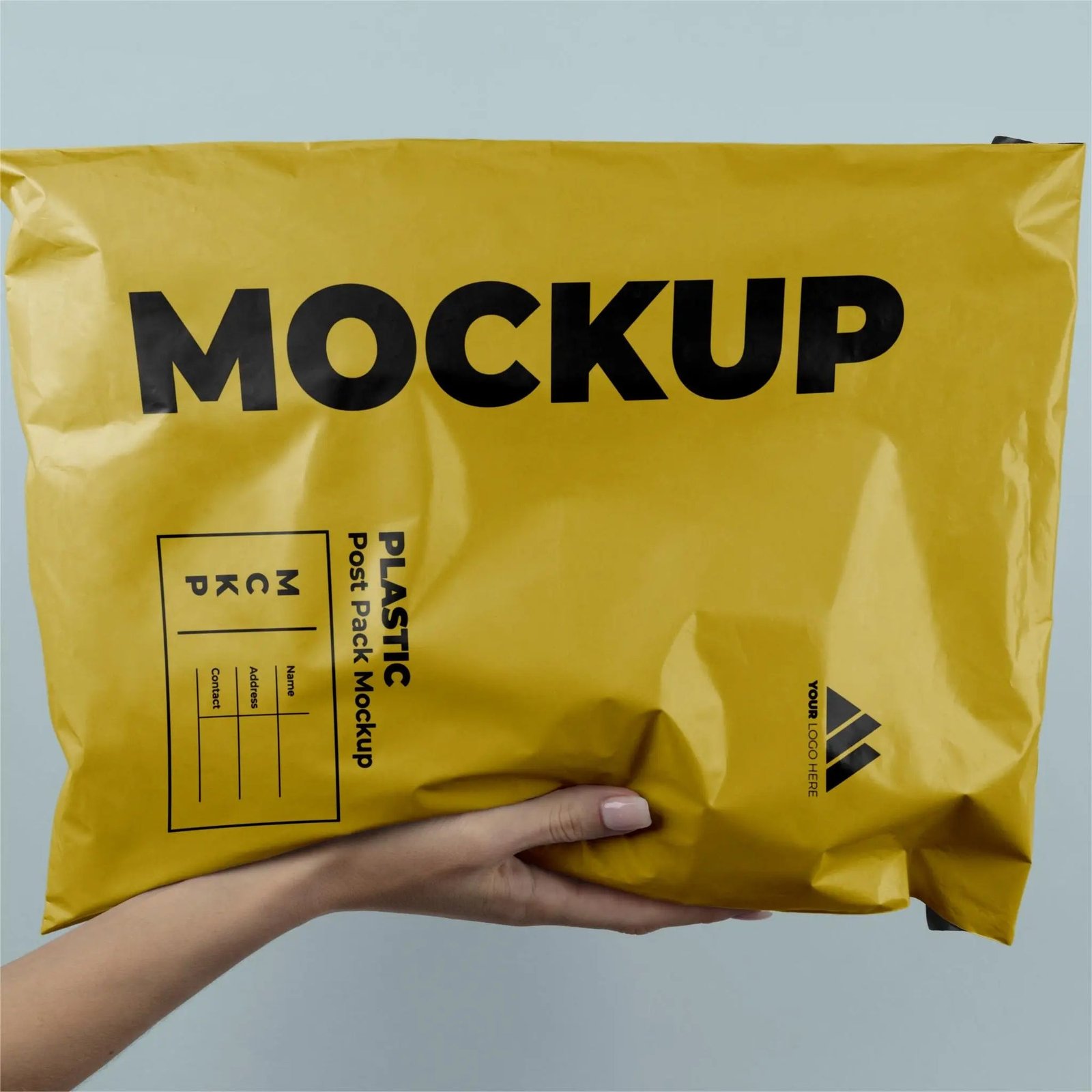
Branded Packaging Sets
Complete each order with custom polybags, tissue, stickers, inserts, cartons, and shipping marks. Packaging options help protect finished garments and create a more consistent unboxing experience for wholesale or direct retail.
About JUNSHEEN: Customize Tshirts Partner
Founded in 2010 in Humen Town, Dongguan, JUNSHEEN helps fashion brands customize tshirts and build complete casualwear collections through one dependable OEM, ODM and private-label supply chain. We turn tech packs, sketches and reference garments into production-ready styles for global labels at every stage of growth.
Our 200+ skilled workers support monthly production above 80,000 units, from 100-unit capsule orders per style and color to scalable bulk programs. Cut-and-sew, knitting, fabric sourcing, sampling, printing, embroidery, washing, labels, packaging and export coordination are managed with clear production control.
What differentiates JUNSHEEN is fit-focused development from XS through 3XL. Our team refines patterns and grading for normal, extended, plus-size and oversized fits rather than simply enlarging a base size. With more than 2,000 fashion-brand clients served, we bring responsive technical support to repeatable global production.

Customize Tshirts With Fit-First Integrated Production
XS–3XL Fit Engineering
Customize tshirts with patterns developed for the full intended size range, from XS through 3XL. Our team refines proportions, shoulder balance, sleeve length, mobility and grading increments instead of simply scaling one base pattern.
- Normal, extended-size, plus-size and oversized fits
- Pattern making, grading and size-set review
- Fit adjustments before bulk approval
- Consistent measurements across repeat runs

From Idea to Sample
Bring a tech pack, sketch, reference garment or mood board, and JUNSHEEN turns it into a production-ready T-shirt program. Development support connects specification review, material selection, pattern work and prototype sampling in one workflow.
- OEM, ODM and private-label development
- Fabric, trim and construction recommendations
- Prototype and pre-production sampling
- Low MOQ from 100 units per style and color

Decoration Under One Roof
Build distinctive custom T-shirts without splitting decoration across multiple suppliers. In-house coordination covers screen printing, DTG, DTF, embroidery, specialty effects, garment washes, labels, trims and branded packaging for clearer execution from sample to shipment.
- Screen print, DTG, DTF and heat transfer
- Puff, silicone, foil and high-density effects
- Flat, 3D and logo embroidery
- Custom labels, hang tags and packaging

Controlled Repeat Production
JUNSHEEN retains approved patterns, graded size sets and material records to help customize tshirts consistently as your program grows. Incoming, in-line and final inspections protect measurements, construction, decoration and packed-goods quality across repeat orders.
- 200+ skilled workers and 80,000+ monthly capacity
- Material and specification record retention
- Multi-stage quality control inspections
- Scalable production with global export support

Why Brands Customize Tshirts With JUNSHEEN
Fit-focused development, integrated production, and export-ready support built for brands scaling from capsule launches to repeat bulk programs.
← 左右滑动查看 →
Customize Tshirts From Sourcing to Global Delivery
A clear, fit-focused workflow that carries your approved T-shirt program from feasibility review through export-ready delivery.
Review Project Feasibility
We assess your tech pack, sketch, reference garment, target fit, decoration, quantities, and cost goals to confirm a practical production route.
Source Fabrics and Trims
Our team recommends jersey weights, cotton blends, labels, packaging, and logo applications based on hand feel, durability, wash performance, and budget.
Develop Patterns and Samples
Pattern makers build and grade XS–3XL fits, then produce prototype samples for measurement, construction, fabric, color, and decoration approval.
Confirm Bulk Production
After sample and quotation approval, we secure materials, finalize specifications, and schedule cut-and-sew production from 100 units per style and color.
Inspect, Pack, and Export
Quality checks cover fabric, construction, measurements, fit, printing, embroidery, and packed goods before branded packaging and coordinated global shipment.
How to Customize Tshirts With JUNSHEEN
Move from concept to approved bulk production with a clear, fit-focused OEM process built for brands ordering from 100 units per style and color.
Send Your Design Brief
Share a tech pack, sketch, reference garment, mood board, or product idea with target quantities, sizing needs, fabric preferences, and decoration requirements.
Review Feasibility Together
Our development team evaluates construction, materials, fit grading, embellishments, and target cost, then recommends practical adjustments for reliable sampling and production.
Approve Samples and Quote
Review prototype samples, swatches, measurements, and decoration details before confirming revisions, final specifications, production pricing, lead times, and your order terms.
Launch Bulk Production
After pre-production approval, we source materials, manufacture, inspect, label, pack, and prepare your custom T-shirts for coordinated global shipment.
Custom Clothing Manufacturer Credentials and Compliance Documents



Brand Results From Customize Tshirts Production
JUNSHEEN turned our reference tee into a production-ready fit across XS–3XL in two sample rounds. The grading notes were clear, and our first 600-unit launch had fewer than 2% size-related returns.
For our customize tshirts capsule, we started at the 100-unit MOQ and added custom neck labels, puff print, and branded packaging. The team kept the development schedule moving, and we reordered three colorways within four months.
We needed a supplier that could scale without changing the hand feel or fit. JUNSHEEN delivered 2,400 tees across four countries with consistent measurements and on-time export documentation, making our wholesale rollout much smoother.
Customize Tshirts FAQ for OEM Buyers
Clear answers on MOQ, sampling, fit development, production, payment and delivery for private-label T-shirt programs.
What is the minimum order to customize tshirts with JUNSHEEN?
Can I customize tshirts from a sketch, reference sample, or tech pack?
How long does it take to customize tshirts from sample to bulk delivery?
Do you offer XS–3XL, plus-size, and oversized T-shirt grading?
Can JUNSHEEN provide custom printing, embroidery, labels, and packaging?
What payment terms apply to a first custom T-shirt order?
Do you ship custom T-shirts internationally?
How do you protect my T-shirt designs and private-label details?
The Complete Buyer’s Guide to customize tshirts
Use this decision framework to select fabrics, decoration methods, construction standards, and an OEM supplier for branded T-shirts—while avoiding costly sampling, pricing, compliance, and production mistakes.
1. What Are customize tshirts?
100-unit production is where customize tshirts move beyond putting artwork on a stocked blank. For B2B buyers, the term can mean either blank-shirt personalization—selecting an existing tee and adding a print or embroidery—or OEM/private-label development, where the garment itself is specified for the brand. 6 core variables define an OEM T-shirt: silhouette, fabric, color, sizing, branding, and finish. A tech pack can set a boxy or fitted body, 160–280 GSM ring-spun cotton or blend, Pantone color, XS–3XL grading, neck labels, wash-care labels, hang tags, custom bags, and screen print, DTG, DTF, or embroidery placement. 1-off to low-volume drops usually fit a print-on-demand vendor: the supplier holds blanks, prints after an order, and ships directly, but garment measurements, fabric, and trim choices remain limited. 100 units per style and color is a practical starting point for a cut-and-sew manufacturer such as JUNSHEEN, where pattern making, fabric sourcing, sample approval, grading, labels, packaging, and repeatable bulk quality can be managed together. 2010 is the year Dongguan Junsheen Clothing Co., Ltd. began serving apparel programs from Humen, Dongguan. Its 100-unit MOQ supports capsule launches while giving brands enough volume to justify custom materials, production specifications, and private-label identity.
2. Evolution of customize tshirts
1913 made the T-shirt a recognized U.S. Navy undershirt; its plain knit construction then moved from workwear into everyday dress as film, music, sport, and youth culture turned a basic garment into a visible identity surface. By the late 20th century, branded tees also became practical promotional inventory, giving retailers, events, and organizations a wearable format for logos, messages, and limited releases. 1960s screen printing made repeatable multi-color graphics commercially accessible, while plastisol, water-based inks, discharge, puff, foil, and high-density effects widened the design language. Later DTG, DTF, and heat-transfer workflows reduced setup barriers for artwork with fine detail or variable data, so customize tshirts could be tested in smaller runs instead of relying solely on high-volume print commitments. 100 units per style and color is now a workable starting point for many capsule programs, changing the buyer’s role from placing generic blanks to managing a product specification. Private labels, custom neck labels, Pantone-aligned color development, and retained patterns let a launch look proprietary while supporting faster repeats. XS through 3XL is increasingly a development requirement, not an afterthought: responsible buyers expect proportionate grading rather than simple enlargement, plus traceable material choices such as organic cotton or recycled blends where applicable. Global sourcing teams also expect one manufacturing partner to coordinate fabric, sampling, decoration, inspection, packaging, and export documentation across a faster, more controlled supply chain.
3. Types of customize tshirts
Seven product directions cover most customize tshirts assortments, but each needs its own block, fabric, and margin logic. Choose a deliberate opening-price, statement, performance, or fit-inclusive role before approving a blank.
| Direction | Target And Fit | Suitable Weight | Merchandising Role |
|---|---|---|---|
| Classic crewneck | Broad customer; regular fit | 160–200 GSM | Core logo and replenishment |
| Oversized streetwear | Fashion customer; dropped shoulder | 200–260 GSM | Statement silhouette |
| Fitted | Body-conscious customer; closer torso | 150–180 GSM | Layering and women’s fit |
| Heavyweight | Premium casual customer; structured boxy fit | 220–280 GSM | Higher-ticket graphic tee |
| Performance | Active customer; mobile fit | 140–180 GSM | Training or technical capsule |
| Long sleeve | Transitional customer; regular or oversized | 180–240 GSM | Seasonal depth |
| Extended size | Inclusive customer; separately graded fit | 160–240 GSM | Size-range credibility |
Core Crewnecks
160–200 GSM ring-spun jersey suits everyday crewnecks for broad retail customers and repeat-logo programs. Keep a regular shoulder and moderate body length; stable neck rib and shrinkage control matter more than novelty.
Streetwear And Heavyweight

220–280 GSM cotton supports oversized and heavyweight tees aimed at streetwear customers seeking structure and drop-shoulder volume. Specify body width, sleeve opening, neck-rib recovery, and garment-wash allowance before sampling.
Fitted And Performance
150–180 GSM stretch jersey suits fitted tees, while 140–180 GSM performance knits suit active customers. Test recovery, opacity, seam comfort, and print compatibility because close fits expose measurement and fabric variation.
Long Sleeves And Inclusive Fits
180–240 GSM long sleeves add transitional-season depth; extended-size programs require independent grading from XS through 3XL. Rebalance shoulder, sleeve, body, and armhole proportions instead of scaling one standard block.
4. Fabrics for customize tshirts
Fabric choice determines how customize tshirts feel, print, wash, and fit after repeat wear. For production, specify fiber content, knit construction, target GSM, color, shrinkage tolerance, and approved sample handfeel before bulk fabric is booked.
| Material | Typical GSM | Ideal Use | Advantages | Limitations | Decoration Compatibility |
|---|---|---|---|---|---|
| Cotton | 160–220 | Core retail tees | Breathable; absorbent | Can shrink | Screen print; DTG |
| Organic cotton | 160–220 | Certified lines | Natural handfeel | Higher cost | Screen print; DTG |
| Combed cotton | 180–240 | Premium basics | Smooth; durable | Higher yarn cost | DTG; embroidery |
| Ringspun cotton | 160–220 | Soft fashion tees | Soft; refined print | Less rugged than OE | Screen print; DTG |
| Recycled blends | 180–260 | Responsible capsules | Lower virgin fiber | Variable handfeel | Screen print; transfers |
| Polyester | 140–200 | Sportswear | Durable; quick dry | Lower breathability | Sublimation; transfer |
| Cotton-poly | 160–240 | Uniforms; casualwear | Stable; lower shrinkage | Less natural feel | Screen print; transfer |
Weight, Handfeel, And Opacity
140–160 GSM jersey suits lightweight promotional or warm-climate tees, but light colors may need opacity checks. A 180–220 GSM single jersey gives a more substantial handfeel and stronger retail presentation. 5% or less dimensional change after the agreed wash test is a practical approval target. Combed and ringspun yarns feel smoother than open-end cotton, while higher GSM generally improves opacity and durability.
Performance And Blend Selection
100% cotton is breathable and absorbent, making it dependable for premium basics and water-based prints. Polyester improves abrasion resistance, color retention, and moisture management, but can feel less natural and may retain odor. 50/50 and 60/40 cotton-poly blends balance softness, strength, and lower shrinkage for uniforms, active casualwear, and repeat programs. Recycled blends require clear fiber percentages because recycled polyester and recycled cotton affect handfeel and consistency differently.
Certification And Test Requests
GOTS applies to qualifying organic textile supply chains, while OEKO-TEX STANDARD 100 addresses harmful-substance testing in the certified article. Request current transaction or scope documents rather than relying on a logo claim. AATCC or ISO wash, colorfastness, pilling, spirality, and shrinkage tests should match the garment’s end use. Approve a washed fabric swatch and a decorated sample, especially for dark shades, pigment dye, and recycled blends.
- Confirm fiber-content tolerances and certification scope.
- Set wash method, temperature, and shrinkage limits.
- Test print adhesion after agreed wash cycles.
5. customize tshirts Decoration Options
For 100-unit customize tshirts runs, decoration choice should follow fabric fiber, artwork detail and planned retail price. Junsheen can assess print placement, Pantone targets and sample wash performance before bulk approval.
| Method | Best Fabric | Artwork And Setup | Volume / Handfeel |
|---|---|---|---|
| Screen print | Cotton, blends | Spot colors; screen per color | 100+ units; durable, moderate hand |
| DTG | Light cotton | Photos; minimal setup | Short runs; soft hand |
| DTF | Cotton, blends | Fine multicolor; film transfer | Small runs; noticeable hand |
| Embroidery | Midweight knit, fleece | Logos; digitizing required | Premium; textured, durable |
| Heat transfer | Stable knits | Names, numbers; transfer setup | Small runs; film-like hand |
| Sublimation | Light polyester | Full color; no white ink | Polyester only; nearly weightless |
| Puff / discharge | Dark cotton | Bold art; curing or discharge test | Specialty; texture or soft hand |
Print Method Comparison

One-color-to-six-color screen printing suits cotton jersey and repeat orders; each color needs a separate screen and setup. DTG handles photographic art on light cotton, while DTF carries fine multicolor artwork onto cotton blends and dark garments.
Match Method To Garment
100% polyester supports dye sublimation only where a pale, polyester-rich ground is acceptable; it performs poorly on cotton. Discharge produces a soft hand on dischargeable dark cotton but cannot reliably match every Pantone shade.
- Screen print: lowest unit cost at volume
- DTG: detailed, short-run cotton artwork
- DTF: versatile small runs; film handfeel
- Sublimation: all-over polyester graphics
- Discharge: soft vintage cotton effect
6. Construction Quality for customize tshirts
A retail-ready tee is defined by repeatable recovery, clean seam geometry, and controlled dimensions after washing—not merely fabric weight. For customize tshirts, specify these requirements before sampling so a factory can inspect against measurable standards.
Collar And Shoulder Stability
1×1 or 2×1 rib should be specified by composition, finished height, and neck-opening measurement; rib with elastane generally recovers better than loose all-cotton rib. Shoulder-to-shoulder tape must lie flat, cover the join cleanly, and prevent stretching without pulling the neckline.
- State rib width and finished collar height
- Approve neck recovery after a gentle stretch test
- Confirm tape color, width, and attachment method
Seams, Side Shape, And Hems
8–10 stitches per inch is a practical baseline for durable jersey seams, while hem and sleeve coverstitching should be even, untwisted, and free of skipped stitches. Side-seamed tees provide more reliable grading and side-label placement; tubular bodies can reduce side seams but require careful alignment of front graphics and grain.
- Match underarm seams at both sides
- Check hem depth and coverstitch consistency
- Inspect shoulder seams for puckering
Shrinkage And Measurement Control
3% or less residual shrinkage is a common target when the intended fabric and wash process permit it; require the test method, wash temperature, and tumble-dry condition in the report. Tech packs should list point-of-measure diagrams and tolerances, while the pre-production sample and final QC report should record actual measurements by size.
- Set chest, body length, sleeve, and neck tolerances
- Review fabric shrinkage before bulk cutting
- Compare graded sizes with the approved size set
7. Choosing a customize tshirts Manufacturer
Choose a customize tshirts supplier on proven development control, not the lowest unit quote. A factory should connect sampling, material approvals, inspection records, export handling, and realistic capacity before it accepts a bulk order.
Match Product Capability
100-unit MOQs can suit capsule launches, but confirm the MOQ applies per style, color, fabric, and decoration. Ask for comparable jersey weights, print methods, and size-range examples—not generic factory photos.
- Which T-shirt constructions run in-house?
- Can patterns grade from XS through 3XL?
- What is the repeat-order MOQ?
Audit Development And Materials
1 approved pre-production sample should lock measurements, Pantone references, artwork placement, labels, and packing. Request a quotation breakdown, fabric composition and GSM, shrinkage test results, and a dated critical-path schedule. 2 fabric options should be compared for hand feel, wash performance, lead time, and replenishment risk. A capable partner can source swatches and flag substitutions before cutting.
Verify Scale And Controls
80,000-plus monthly units may indicate capacity, but ask how many lines, operators, and active orders share it. Request inline and final inspection procedures, measurement tolerances, defect reports, and certification copies where claimed. 3 warning signs are vague sample dates, changing contacts, unexplained fabric substitutions, or refusal to provide production records. Check destination-market export experience and who owns booking, documents, and customs coordination.
- Ask for QC checklist and AQL standard
- Confirm weekly production-status reporting
- Verify payment milestones before deposit
Set Commercial Terms
100% prepayment can be normal for a first low-volume order, while established programs may move to staged deposits. Put sample charges, revision limits, balance timing, incoterms, and ownership of patterns and artwork in writing. 2 named contacts—commercial and production—reduce handoff errors across time zones. JUNSHEEN supports T/T, PayPal, and major credit cards, with terms reviewed as stable cooperation develops.
8. Common Buyer Mistakes to Avoid
At a 100-unit MOQ, one unchecked assumption can be repeated across every garment and erase margin. Treat the approved sample, specification pack, and production calendar as bulk-release controls—not informal references.
Specify Fabric Beyond Photos
180–220 GSM jersey can look similar online yet differ sharply in opacity, twist, and recovery. Buying from photos alone can cause returns; approve swatches, composition, GSM, and wash-tested hand feel. 3–5% shrinkage is common in cotton jersey after washing. Ignoring it changes finished measurements; require a shrinkage allowance and post-wash measurement report before grading.
Lock Fit And Sample Approval
XS–3XL grading cannot safely be inferred from a single medium sample. Under-specified shoulder, body, sleeve, and tolerance measurements create inconsistent fits; approve a graded spec and size set. 48 hours is often too short for a meaningful sample review. Rushed approval can lock in construction errors; wash, wear, measure, and photograph the sample against the tech pack.
Prepare Production-Ready Artwork

1 mm lines and small negative spaces may plug during screen printing. Unsuitable artwork produces muddy logos; submit vector files, Pantone references, print dimensions, and a strike-off approval. 3D puff, silicone, and high-density inks change hand feel and stretch. Skipping compatibility tests can crack decoration; test the selected ink on the actual fabric after laundering.
Control Commercial Details
1 missing wash-care label can block retail receiving or trigger relabeling costs. Overlooking packaging rules causes delays; approve label text, country-of-origin requirements, barcode placement, folds, and carton marks. 10–15% schedule buffer protects launches from fabric, sample, and freight variation. Chasing the lowest quote or booking no buffer invites quality compromises and missed drops; compare like-for-like specifications and reserve contingency time.
9. Steps to Launch customize tshirts
Launch customize tshirts through documented gates, not verbal assumptions. Assign a brand owner for commercial decisions and a factory development owner for technical feasibility before any bulk commitment.
Define The Customer And Brief
1 target customer, price point, channel, and wear occasion should define silhouette, fit, color count, and target cost. The brand owner signs the product brief before development begins.
- Record target retail price and margin
- Specify regular, oversized, or extended-size fit
- Limit the first drop to controllable colorways
Build Production-Ready Specifications
1 tech pack should state measurements, construction, Pantone references, BOM, label placement, packaging, and tolerance rules. Supply print artwork as vector AI, PDF, or EPS with final dimensions and color separations. 100-unit programs still need a written quotation covering MOQ by style and color, sample charges, lead time, shipping terms, and payment milestones. The factory owner flags risks before sampling.
Approve Samples And Size Sets
1 prototype verifies proportions, fabric hand feel, print scale, and sewing method; it is not bulk authorization. Log every revision in dated comments, then approve a sealed sample or equivalent signed reference. XS–3XL grading requires measurement review at each critical size, especially chest, body length, shoulder, and sleeve balance. The brand owner approves fit; the factory owner confirms grading and repeatability.
Clear Bulk Release Gates
4 records should be complete before cutting: approved sample, final PO, bulk fabric and trim approval, and artwork/color confirmation. Require applicable compliance documents—such as OEKO-TEX, GOTS, WRAP, or BSCI—where the customer or market requires them. 1 pre-production meeting aligns cutting, decoration, measurements, packing, and inspection criteria. Changes after this point need written cost and timing approval.
Inspect And Deliver
3 inspection stages—incoming materials, in-line production, and final packed goods—should check shade, measurements, construction, decoration, labels, and carton counts. Release the balance and delivery only after the final report matches the approved standard.
10. customize tshirts Pricing and Costs
100 units per style and color is a practical starting point for customize tshirts at JUNSHEEN, but the factory quote should be treated as an ex-works production estimate until packaging and freight are defined. A 180–220 GSM ring-spun cotton jersey, one-color screen print, standard neck label, and one colorway costs less than heavyweight fabric, multiple placements, special washes, or several Pantone colors. 2–4 weeks is a typical sampling window when fabric, artwork, and measurements are approved promptly; bulk timing starts after sample approval and material confirmation. Screen-print setup is normally spread across the order, so the per-unit effect falls sharply at higher quantities, while DTG or DTF can suit short runs with variable artwork. 3 landed-cost checks prevent misleading comparisons: separate garment price, decoration and setup, packing, and transport; confirm whether duties are included; then calculate cost per sellable unit after expected rejects. Freight changes with carton volume, destination, shipping method, and incoterms, so compare supplier quotes on the same delivery basis.
| Order situation | Quantity tier | Main unit-price drivers | Typical lead time |
|---|---|---|---|
| Capsule validation | 100–299 units | Fabric GSM, size range, print setup allocation | Sample 2–4 weeks; bulk 3–5 weeks |
| Focused launch | 300–999 units | Colorways, print locations, trims, packing | Bulk 4–6 weeks |
| Repeat or wholesale | 1,000+ units | Fabric booking, efficient cutting, consolidated decoration | Bulk 5–8 weeks |
| Sampling | Prototype or size set | Pattern work, fabric swatches, revisions | 2–4 weeks |
| Print setup | Per artwork/color | Screen count, placement, ink effect | Added before bulk |
| Labels and packaging | Per garment | Woven labels, hang tags, polybags, cartons | Added to unit cost |
| Freight | Per shipment | Carton volume, destination, air or sea | Quoted separately |
Ready to Customize Tshirts for Your Brand?
Send JUNSHEEN your tech pack, reference garment, mood board, or product idea for fit-focused development and a production quote.