
Custom Henley Shirts From 100 Units
Develop fit-focused custom henley shirts in XS–3XL with OEM, ODM, and private-label support for global fashion brands.
Featured Products for custom henley shirts Development





Related Product Catalogue and Quotation




Why Brands Source Custom Henley Shirts From JUNSHEEN
One manufacturing partner for fit-led development, low-MOQ launches, branded finishes, and dependable global scale.
100-Unit MOQ
Launch custom henley shirts from 100 units per style and color, giving emerging labels a practical entry point for capsule collections.
Fit-Led XS–3XL Grading
Pattern makers refine proportions, sleeve balance, mobility, and grading increments for normal, extended-size, plus-size, and oversized Henley fits.
One-Stop Development
Move from sketch, reference, or tech pack through fabric sourcing, pattern making, sampling, labels, trims, and production with one team.
Scalable Production Capacity
Supported by 200+ skilled workers and 80,000+ monthly units, JUNSHEEN can scale approved Henley programs from launches to repeat orders.
Branded Decoration Options
Add logo embroidery, screen printing, patches, garment washes, custom buttons, labels, and packaging to create a distinct private-label Henley program.
Global Export Support
Coordinate quality control, final packing, and export support through a manufacturer experienced in serving fashion brands across global markets.
Custom Casualwear Programs, Built to Scale
Develop coordinated casualwear, denim, knitwear and outerwear programs from approved specifications through fit-focused sampling, production and export.
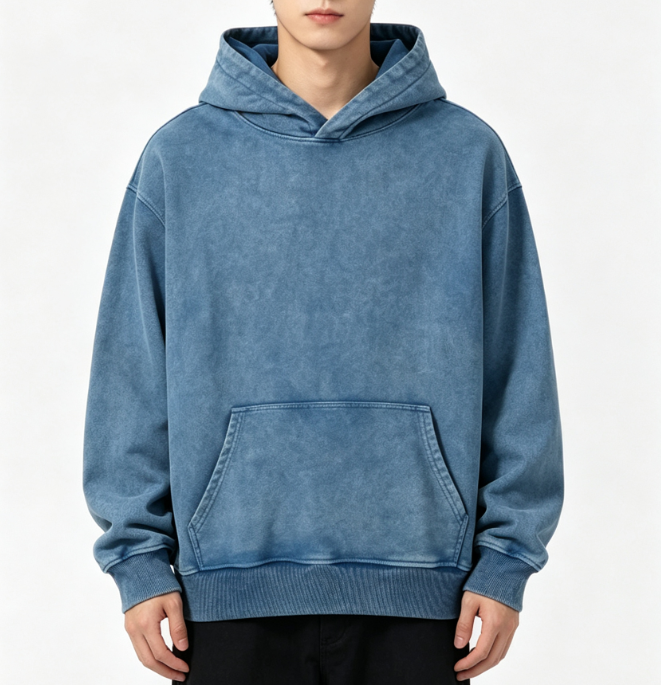
Custom Hoodies
Develop custom hoodies with the right fleece or French terry weight, hood shape, pocket construction and rib balance. Junsheen supports XS–3XL grading, embroidery, screen printing, washes, private labels and low-MOQ capsule production from 100 units per style and color.
Request a Quote
Custom T-Shirts
Build a custom tshirt program around fabric weight, neckline recovery, silhouette and decoration requirements. From fitted jersey basics to oversized graphic tees, Junsheen develops patterns, sources materials, produces samples and applies screen print, DTG, DTF, embroidery or branded trims.
Request a Quote
Custom Jeans
Produce custom jeans with controlled rises, leg shapes, stretch levels and wash performance. Junsheen supports denim sourcing, pattern development, XS–3XL grading, pocket and hardware specifications, garment washing, abrasion effects, labels and repeatable bulk production.
Request a Quote
Custom Sweaters
Source turtle neck sweater bulk programs with defined yarn blends, gauge, collar height and knit structure. Junsheen develops sweaters for fitted, relaxed and oversized collections, coordinating size grading, color approval, labels, packaging and scalable production for wholesale or retail delivery.
Request a Quote
Custom Jackets
Create a custom jean jacket with the intended denim weight, fit, seam placement and hardware package. Junsheen manages pattern development, size grading, trims, embroidery or patches, garment washes, finishing and private-label presentation from sample through bulk.
Request a Quote
Custom Sweatshirts & Crewnecks
Develop custom crewneck hoodie and sweatshirt styles with consistent body proportion, neckline shape, rib specification and fleece weight. Junsheen supports standard and oversized fits, XS–3XL grading, custom graphics, embroidery, washes, labels and controlled production runs.
Request a Quote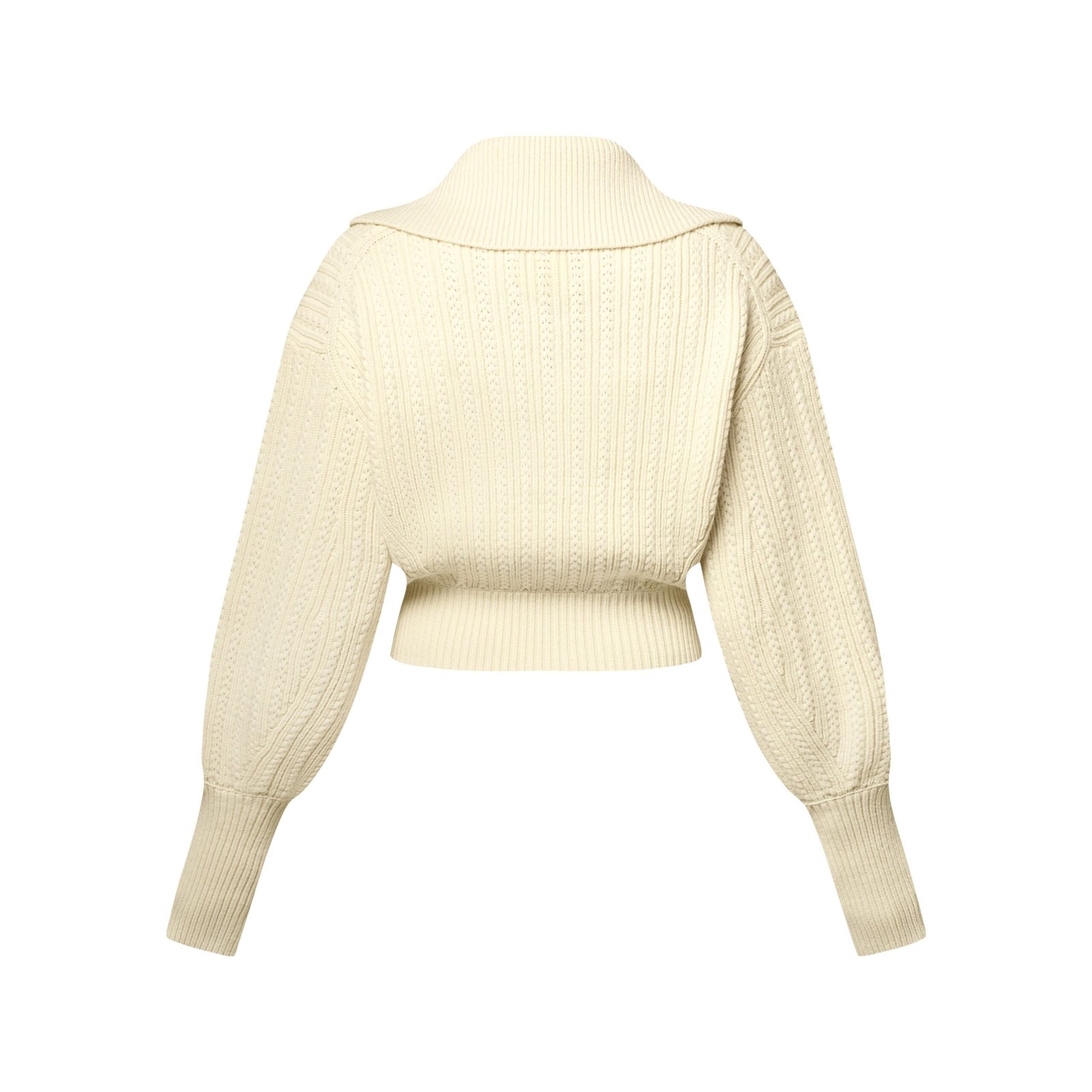
Custom Cardigans
Produce a custom cardigan program with the right yarn hand feel, gauge, button placement and silhouette. Junsheen develops cropped, relaxed, fitted and extended-size options, coordinating knit sampling, grading, branded buttons, labels, packaging and bulk quality checks.
Request a Quote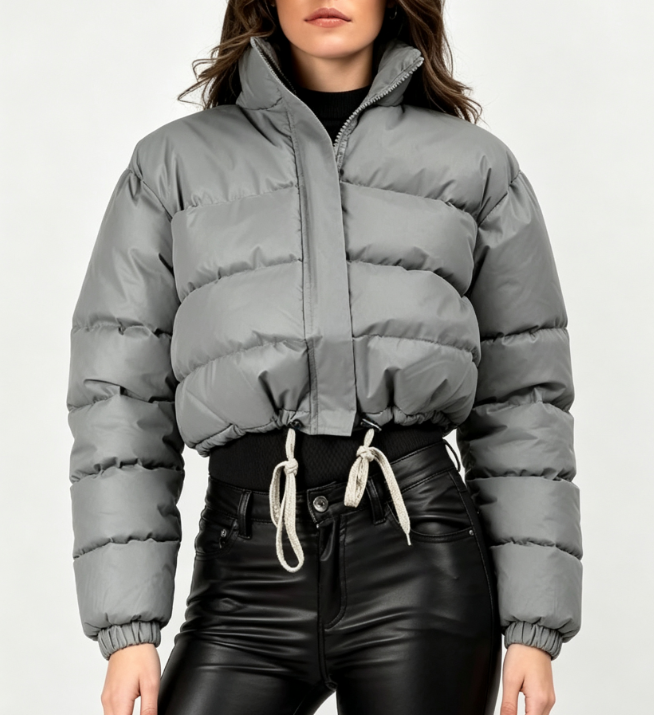
Custom Puffer & Down Jackets
Build a custom puffer jacket around insulation, shell fabric, quilting layout, fit and hardware requirements. Junsheen supports outerwear development, prototypes, size sets, zippers, snaps, reflective details, labels and inspection controls for market-ready bulk production.
Request a Quote
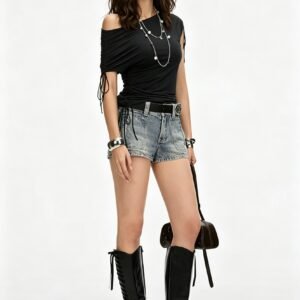
Custom Denim Shorts
Develop custom jean shorts with defined rise, inseam, leg opening and wash character. Junsheen refines fit across XS–3XL, sources stretch or rigid denim, manages pockets and hardware, and applies abrasion, stone wash, garment dye or branded finishing details.
Request a Quote
Custom Sweater Dresses
Produce custom sweater dresses with planned yarn weight, gauge, length, stretch and shape retention. Junsheen develops fitted, relaxed and oversized silhouettes, grades them for extended sizes, and coordinates knit sampling, trims, labels, packaging and production approval.
Request a Quote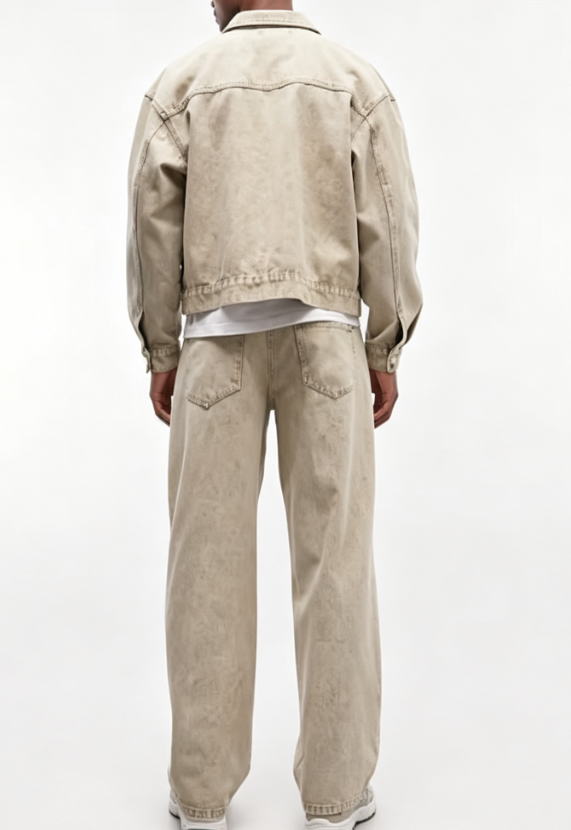
Custom Denim Sets
Build mens denim suits wholesale programs with matched denim quality, jacket-and-trouser fit, hardware and wash consistency. Junsheen develops coordinated sets, manages size grading and bulk color control, and supports low-MOQ launches through ongoing wholesale replenishment.
Request a Quote
Custom Polo Shirts
Develop custom polo shirts with selected pique or jersey fabric, collar construction, placket depth and logo placement. Junsheen supports fitted and relaxed silhouettes, XS–3XL grading, embroidery, printing, custom buttons, labels and private-label packaging.
Request a Quote
Custom Sweatpants
Produce custom sweatpants with balanced rise, inseam, cuff treatment, pocket construction and fabric weight. Junsheen develops coordinated sets or standalone bottoms in fleece, French terry and performance knits, with fit-focused grading, decoration and branded trims.
Request a Quote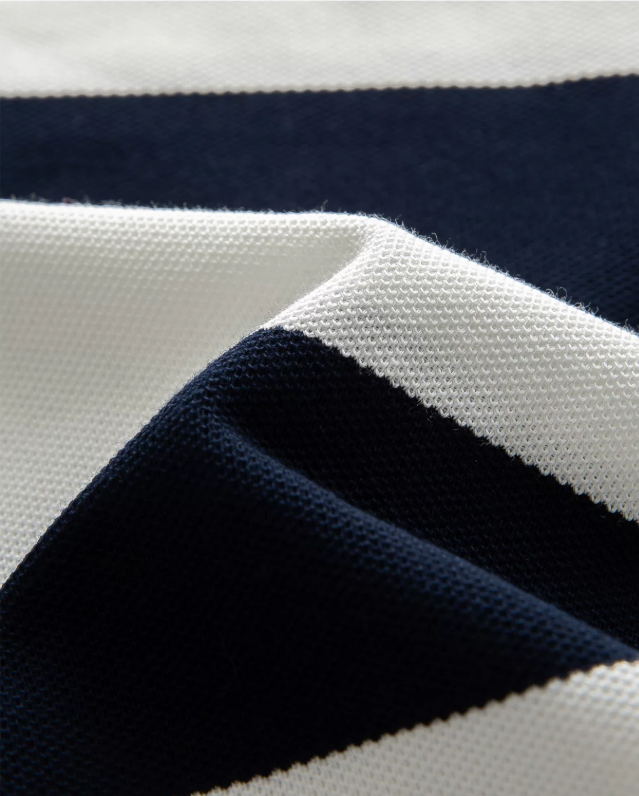
Custom Shorts
Build custom shorts for jersey, fleece, woven, twill or denim programs with the intended inseam, waistband, pocket layout and movement. Junsheen supports size grading, drawstrings, printing, embroidery, washing, labels and low-MOQ product launches.
Request a Quote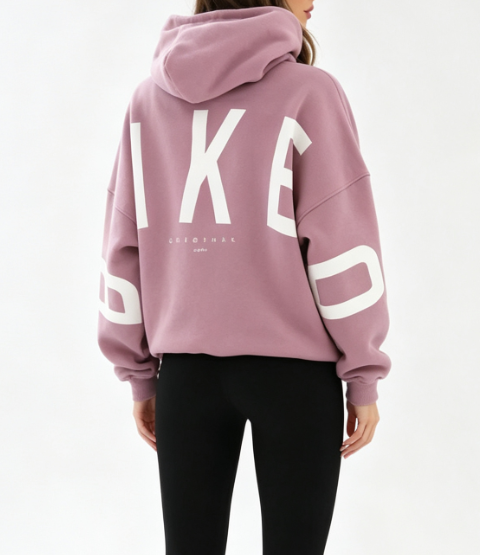
Custom Pullovers
Develop custom pullovers with defined fabric, neckline, silhouette and finishing requirements. Whether the collection calls for knit, fleece or jersey construction, Junsheen manages pattern development, XS–3XL grading, sample approval, decoration, private labels and scalable bulk production.
Request a QuoteMaterials for Comfortable, Durable Custom Henley Shirts

Cotton Jersey
A soft, breathable everyday knit for classic custom henley shirts, ideal for casual basics and layering styles. Available in lightweight to midweight constructions, with a smooth hand feel and dependable wash performance.

Pima Cotton
Premium long-staple cotton with a noticeably smoother, softer hand and refined appearance. Well suited to elevated henleys where comfort, reduced surface fuzz and durable color retention support a higher-value retail position.

Organic Cotton
A breathable natural option for responsible casualwear programs and clean-label collections. Organic cotton jersey can be developed in varied weights, delivering a comfortable hand feel while supporting traceable material conversations with customers.

Blended Knit Jersey
Cotton blends with polyester, modal or elastane balance softness, durability and shape retention. A practical choice for fitted or active everyday henleys, with controlled stretch and recovery that helps maintain the intended silhouette.

Performance Knits
Moisture-managing synthetic or blended knits designed for active, travel and technical casualwear. These fabrics can offer four-way stretch, quick-dry performance and a smooth lightweight feel for modern performance-led henley programs.

Rib Knit Materials
Stretch rib constructions bring flexible recovery to cuffs, collars, plackets and body panels. Available in cotton-rich or blended qualities, rib materials add texture, close-to-body comfort and resilient shape retention after repeated wear.
Custom Henley Shirts: Decoration & Finishing Options

Logo Embroidery
Flat, 3D puff and chain-stitch embroidery add textured, premium logo definition to custom henley shirts. Carefully selected backing, stitch density and placement help maintain a clean appearance and dependable wear through repeated laundering.

Screen Printing
Plastisol, water-based, puff, high-density and silicone screen prints create bold chest graphics, sleeve details or back artwork. JUNSHEEN matches ink systems to fabric type for strong color coverage, flexibility and wash durability.

Heat Transfers
DTF, heat transfer and specialty film applications reproduce detailed logos, small runs and multicolor artwork with crisp edges. They are well suited to branded henley panels, event programs and designs requiring controlled placement.

Garment Dyeing
Garment dyeing gives finished henleys rich, lived-in color and subtle tonal variation. This process supports collection-specific shades while preserving the relaxed character expected from premium casualwear, subject to approved fabric and trim compatibility.

Wash Finishes
Enzyme, softening, anti-pilling, stone-wash and brushed finishes refine hand feel, surface character and visual depth. Sampling confirms the right finish level so custom henley shirts retain comfortable wear and consistent presentation in bulk.
Custom Trims & Accessories for Custom Henley Shirts

Custom Placket Buttons
Specify corozo, metal, shell-look, horn-look, or custom-logo buttons for the henley placket. Junsheen matches size, color, finish, and attachment method to your fabric weight, wash treatment, and target price point.

Branded Snap Fasteners
Use branded snaps for modern henley plackets, cuffs, or utility-inspired styles. We can source finishes such as matte, antique, painted, or engraved metal, then test secure application through sampling and production quality control.

Woven Brand Labels
Add woven main labels, size labels, and wash-care labels to create a complete private-label garment. Placement, fold style, yarn color, and label construction are reviewed alongside your henley neckline and internal finish.

Custom Embroidered Patches
Create embroidered, woven, leather-look, or applique patches for chest branding, sleeves, or hem details. Patches give custom henley shirts a distinct identity while supporting heritage, workwear, sport, and premium casual collections.

Hangtags and Packaging
Finish retail-ready orders with custom hangtags, barcode stickers, polybags, tissue, folding cards, and branded cartons. Junsheen coordinates artwork, materials, and packing requirements to help your henley shirts arrive ready for distribution.
Drawcords and Zippers
For hooded or layered henley variations, select custom drawcords, tipped ends, zipper pulls, and branded zipper tape. These trims can be color-matched to your fabric and integrated into OEM or private-label development samples.
About JUNSHEEN Apparel Manufacturing
Founded in 2010 in Humen Town, Dongguan, JUNSHEEN helps fashion brands turn apparel concepts into production-ready collections. Our mission is straightforward: provide dependable OEM, ODM and private-label manufacturing with clear development support, responsive communication and low MOQs from 100 units per style and color.
With more than 200 skilled workers and monthly capacity above 80,000 units, we support capsule launches as confidently as ongoing bulk programs. Our integrated team manages fabric sourcing, pattern making, XS–3XL grading, sampling, cut-and-sew, knitting, decoration, quality control, packaging and global export coordination.
More than 2,000 fashion-brand clients have chosen JUNSHEEN for fit-focused development and repeatable production. For custom henley shirts, we refine proportions, plackets, sleeves and grading across the size range, then retain production records to help repeat orders move faster while maintaining consistent quality.

Custom Henley Shirts Built for Fit and Repeatability
Fit-Focused XS–3XL Grading
JUNSHEEN develops custom henley shirts with proportion-led grading from XS through 3XL, including extended-size, plus-size and oversized programs. Our pattern team refines shoulder balance, sleeve length, chest ease and body proportions instead of simply enlarging a base pattern.
- Normal, extended-size and oversized fit development
- Size grading tailored to your target customer
- Size-set review before bulk approval
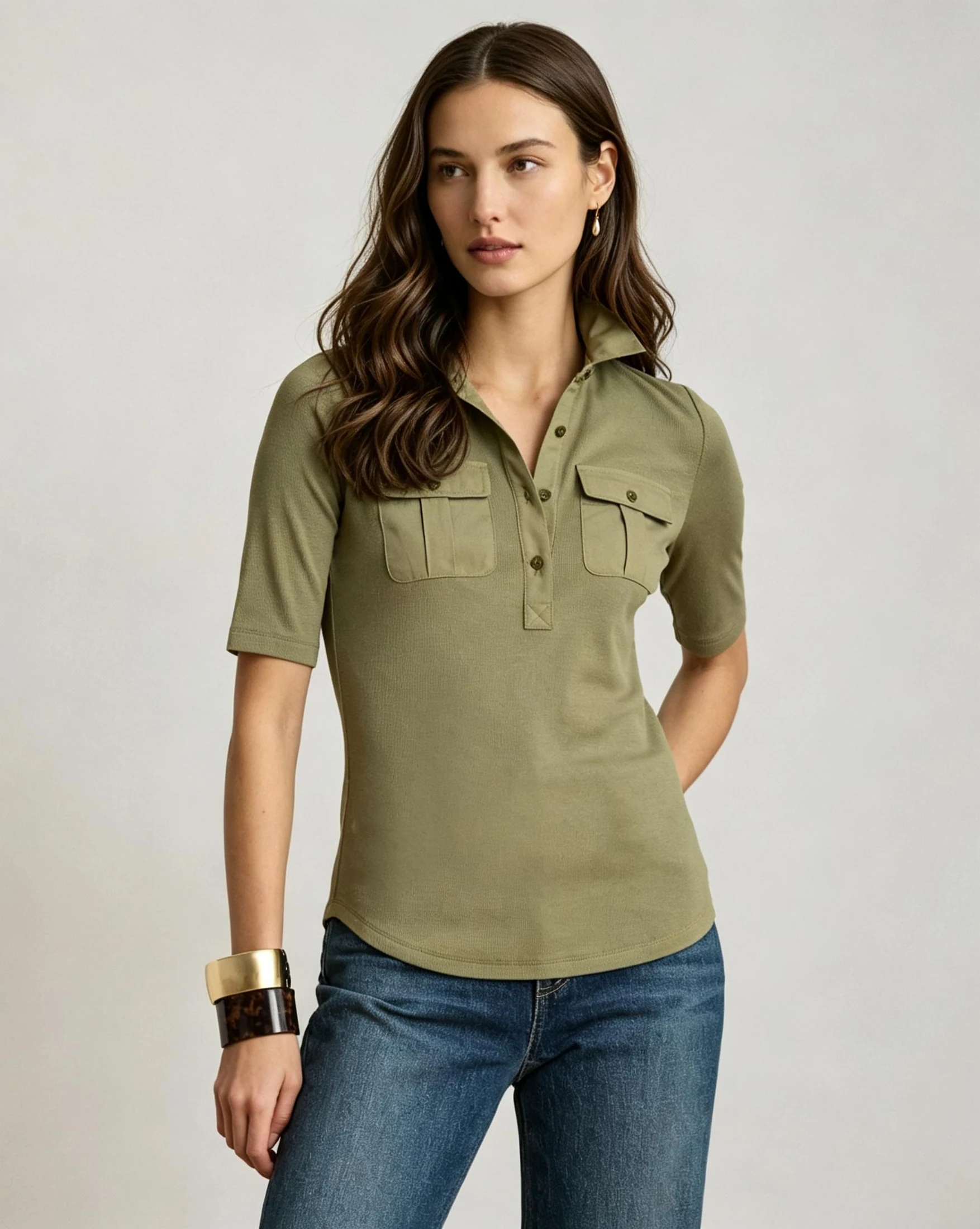
Technical Development Support
Bring a finished tech pack, sketch, reference garment or early concept. Our development team reviews construction, recommends fabrics and trims, creates patterns and prototypes, and resolves manufacturability details so your Henley program moves confidently from idea to production.
- Pattern making and specification review
- Fabric, placket, collar and trim recommendations
- Prototype and pre-production sampling

Integrated Branding and Decoration
Keep decoration, finishing and private-label details coordinated within one production workflow. JUNSHEEN supports embroidery, screen printing, transfers, washes, labels, branded buttons and packaging, helping each Henley shirt deliver the intended hand feel, visual identity and retail-ready presentation.
- Embroidery, printing and custom patch options
- Garment washing and finishing treatments
- Labels, buttons, hang tags and branded packaging

Records for Reliable Reorders
Retained patterns, graded size sets and material records make repeat custom henley shirts easier to manage as your orders grow. Combined with in-line and final quality checks, this documented approach supports consistent fit, approved components and clearer production continuity across future colorways and programs.
- Retained patterns and grading records
- Material and trim specifications for repeat orders
- Incoming, in-line and final inspection checks

Why Choose JUNSHEEN for Custom Henley Shirts
Compare a fit-first, production-ready Henley partner with a typical supplier.
← 左右滑动查看 →
Custom Henley Shirts Production Process
A clear, fit-focused workflow for taking your Henley program from feasibility review to export-ready delivery.
Review Project Feasibility
Share a tech pack, sketch, reference garment, or idea. Our team reviews construction, target pricing, MOQ, sizing, and production requirements.
Source Materials and Trims
We recommend jersey, rib, buttons, labels, and finishes based on hand feel, weight, durability, stretch, wash performance, and target market.
Develop Patterns and Samples
Pattern makers build and grade fit-focused XS–3XL Henley patterns, then produce prototypes and size sets for approval before bulk release.
Confirm Production Details
Approve samples, bulk materials, decoration, private-label trims, packaging, and order specifications. We retain production records to support consistent repeat orders.
Produce and Inspect Bulk
Our 200+ skilled workers manage cut-and-sew production, printing or embroidery, finishing, and multi-stage checks for fabric, measurements, construction, and decoration.
Pack and Ship Globally
Final approved custom Henley shirts are packed to your requirements, balances are settled before shipment, and export support helps coordinate delivery worldwide.
How to Start Your Custom Henley Shirts Project
Move from concept to approved bulk production with clear development support, fit review and scalable manufacturing.
Submit Your Design
Send a tech pack, sketch, reference garment or mood board. Our team reviews construction, fit goals, fabrics, trims and decoration requirements.
Review Quote and Materials
Confirm recommended fabrics, button plackets, labels, sizing and pricing. We align specifications with your target cost, 100-unit MOQ and delivery needs.
Approve Your Sample
Receive a development sample for fit, measurements, workmanship and branding review. Refine patterns from XS to 3XL before confirming production details.
Launch Bulk Production
Approve the pre-production sample and place your order. JUNSHEEN manages cutting, sewing, decoration, quality control, packing and global export support.
Custom Clothing Manufacturer Credentials and Compliance Documents




What Fashion Brands Say About Our Custom Henley Shirts
JUNSHEEN corrected the shoulder balance and sleeve grading across XS–3XL during sampling. Our first size set was approved after two rounds, and the finished henleys gave our extended-size customers a far more consistent fit.
We launched a three-color custom henley shirts capsule at the 100-unit MOQ without compromising our private-label details. Samples, woven labels, and packaging were coordinated quickly, helping us move from concept approval to launch in 7 weeks.
After our first order, Junsheen retained the patterns and material records, so the repeat program stayed consistent. They produced 2,400 units across two deliveries and handled export documentation cleanly for our UK distribution partner.
Custom Henley Shirts FAQ
Clear answers on MOQ, sampling, fit, private labeling, production, payment, and global delivery.
What is the MOQ for custom henley shirts?
Can you make a sample before producing custom henley shirts in bulk?
How long does custom henley shirt production take?
Can you develop XS–3XL and plus-size Henley shirt grading?
Do you offer private labeling for custom henley shirts?
What payment terms do you offer for a first apparel order?
Do you ship custom Henley shirts internationally?
How do you protect my Henley shirt design and product information?
The Complete Buyer’s Guide to custom henley shirts
Use this decision framework to specify custom henley shirts, compare supplier capabilities, control costs and quality, and avoid the production mistakes that delay launches or weaken your brand’s product positioning.
1. What Are Custom Henley Shirts?
Three defining elements make a Henley: a collarless neckline, a pullover body, and a short buttoned placket that typically uses two to five buttons. Custom henley shirts adapt that foundation to a brand’s intended silhouette, from regular and athletic fits to modern oversized or extended-size grading, while specifying fabric, Pantone color, placket length, buttons, labels, and decoration. Two nearby categories are often confused with the Henley. A T-shirt has no functioning placket, a polo adds a structured collar, and a thermal top usually relies on waffle knit for insulation; a Henley can use jersey, rib, waffle, French terry, or other suitable knit constructions depending on the program. 100 units per style and color can be enough to make a Henley program practical for capsule labels, merch collections, workwear-inspired assortments, premium basics, and retailers testing a transitional layer. It is especially useful where buyers want more visual structure than a tee without the formality or collar requirements of a polo. Six specification areas separate a genuinely custom Henley from blank-stock merchandise: pattern and graded measurements, selected fabric weight and composition, approved trim package, proprietary color, branded labeling and packaging, and controlled placement of embroidery or print. A manufacturer should develop and approve those choices through samples and retain the pattern, size set, and material records for repeat production.
2. The Evolution of Henley Shirts
1839 marks the founding of the Henley Royal Regatta in England, the rowing event most closely associated with the collarless, button-placket jersey that became known as the Henley. Its practical formula—a pull-on knit body, short front placket, and close neckline—gave athletes more ventilation than a crew neck without the bulk of a woven collar. By the early 20th century, similar knitted undershirts and work layers made those details commercially durable: ribbed necklines and cuffs helped recovery after wear, while sturdy cotton knits tolerated laundering and physical use. For custom henley shirts, that heritage translates into product choices such as a reinforced placket, stable rib specification, bar tacks at the placket base, and buttons selected for repeated wash performance. Three-button and four-button versions now sit between a tee and a polo, making the Henley useful for premium-casual assortments without requiring formal shirting construction. A 160–220 GSM jersey supports a light year-round layer, while heavier waffle or thermal knits create fall and winter depth; the same silhouette can be graded for women’s, men’s, unisex, oversized, and extended-size fits. For brands, that adaptability supports coordinated collections, reliable repeat colors, and a product with stronger perceived value than a basic T-shirt.
3. Types of Custom Henley Shirts
Eight Henley formats cover warm-weather basics through cold-weather layering, so sleeve length and fabric weight should be locked before costing. A focused two- to four-style opening range gives buyers clearer merchandising and fit control.
| Format | Best Season | Retail Position | Key Production Check |
|---|---|---|---|
| Short sleeve | Spring/summer | Accessible core basic | Neck and placket recovery |
| Long sleeve | Autumn/transitional | Layering essential | Cuff and sleeve grading |
| Thermal | Fall/winter | Premium functional layer | Waffle shrinkage |
| Heavyweight | Cool weather | Workwear or streetwear | Fabric shrinkage and drape |
Core Sleeve Formats
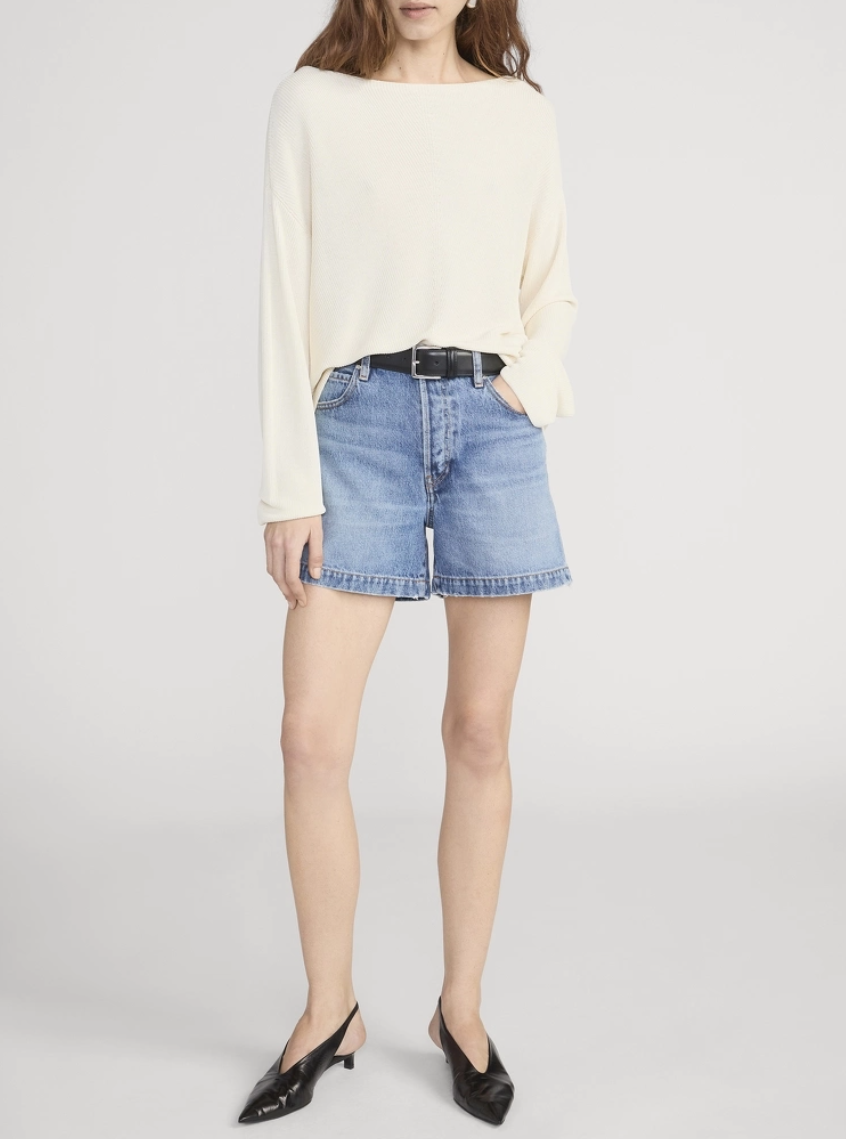
Short-sleeve Henleys suit spring/summer casual assortments and value-driven retail; 160–200 GSM jersey keeps them breathable. Long-sleeve versions serve transitional weather and layering, but require stable cuff recovery and sleeve-length grading. Raglan sleeves add a sport-inspired position and easier shoulder mobility. Confirm seam placement before screen printing or striped fabric matching.
- Short sleeve: entry-price casual basic
- Long sleeve: core autumn layering piece
- Raglan: athletic or heritage capsule
Weight And Thermal Options

Lightweight Henleys at 140–170 GSM fit resort, summer and under-layer programs, where combed ring-spun cotton improves hand feel. Heavyweight 220–280 GSM jersey supports premium workwear or streetwear positioning and needs shrinkage testing before grading. Thermal Henleys use waffle knit for fall/winter customers seeking warmth without bulk. Specify wash testing because waffle structures can relax unevenly.
Detail And Fit Variations

Pocket Henleys create a utility or heritage look, especially in menswear and unisex ranges. Match pocket placement, placket length, button count and stripe direction on an approved sample. Extended-size Henleys from XS through 3XL need proportion-led grading rather than simple enlargement. Refine shoulder width, body length, sleeve opening and placket lay for a dependable inclusive fit.
4. Fabrics for Custom Henley Shirts
Fabric choice determines whether custom henley shirts read as a lightweight base layer, a polished polo alternative, or a cold-weather staple. Specify fiber percentage, finished GSM, target shrinkage, and stretch recovery before sampling.
| Material / GSM | Climate | Positioning | Recommended Henley |
|---|---|---|---|
| Cotton jersey, 150–190 | Hot to mild | Core casual | Short sleeve, 2–3 button |
| Cotton-elastane, 170–210 | Mild | Fitted premium | Slim long sleeve |
| Waffle thermal, 220–300 | Cool | Heritage utility | Long sleeve, 3-button |
| Slub knit, 160–200 | Warm | Vintage casual | Relaxed short sleeve |
| Pique, 200–240 | Mild | Smart casual | Collared Henley |
| Interlock, 180–240 | Mild to cool | Premium essential | Clean long sleeve |
| Cotton-modal, 160–200 | Warm | Elevated softwear | Draped fitted Henley |
| Recycled blend, 180–240 | Variable | Responsible program | Core jersey Henley |
Core Knit Choices

100% ring-spun cotton jersey at 150–190 GSM is breathable, soft, and suited to warm-weather short-sleeve Henleys; allow controlled shrinkage testing. 95/5 cotton-elastane blends add recovery for fitted bodies, while 100% interlock at 180–240 GSM delivers a smoother, more durable premium face.
Texture And Seasonality

220–300 GSM cotton waffle thermal traps air and suits long-sleeve fall or winter Henleys, but requires wash tests because its texture can shrink noticeably. 160–200 GSM slub knit gives vintage irregularity and airy drape; 200–240 GSM pique offers a firmer, abrasion-resistant smart-casual option.
Build A Defensible Brief

50/50 cotton-modal at 160–200 GSM creates a fluid, cool hand for elevated layers, although it is less abrasion-resistant than compact cotton. 30–100% recycled fiber options need traceable composition and pilling, colorfastness, and shrinkage approvals; recycled cotton often benefits from virgin-fiber blending.
5. Custom Henley Shirts Decoration Options
At a 100-unit per style-and-color starting point, decoration must be selected with the knit’s stretch, recovery, and hand feel in mind. Custom henley shirts usually look most resolved when branding is concentrated at the chest, placket, neck, or hem.
| Method | Typical Placement | Durability | Knit Suitability |
|---|---|---|---|
| Embroidery | Chest, sleeve | High | Best on midweight stable knits |
| Screen Print | Chest, back | High | Good with stretch-aware ink |
| DTG | Chest, back | Medium-high | Best on smooth cotton jersey |
| Heat Transfer | Chest, sleeve | Medium-high | Use stretch film on ribbed knits |
| Woven Patch | Hem, chest | High | Avoid highly stretchy zones |
| Silicone Badge | Chest, sleeve | High | Best on stable knit panels |
Choose The Marking Method

Embroidery gives a dimensional, durable chest or sleeve mark, but dense stitches can stiffen lightweight jersey. Screen print suits larger artwork on stable knit panels; DTG suits multicolor short-run artwork, while heat transfer needs stretch testing before approval.
Compare Decoration Tradeoffs
Three production variables determine consistency: artwork size, knit weight, and placement over seams or placket edges. Pantone-approved strike-offs and wash testing should precede bulk approval, particularly for garment-dyed or washed programs.
Build Brand Details In

Two contrast details—placket facing and branded buttons—can create identity without adding a large chest graphic. Woven neck and hem labels, care labels, hang tags, and branded packaging should be specified together so artwork, fiber content, and size information remain aligned.
- Use woven patches on stable chest or hem zones.
- Use silicone badges for a clean raised technical look.
- Confirm wash effects after all trims are selected.
6. Construction Details That Signal Quality
A premium Henley earns its price through repeatable construction, not a heavier label. For custom henley shirts, specify the sewing standard before sampling so fit, wash performance, and return risk can be evaluated objectively.
Placket And Button Security
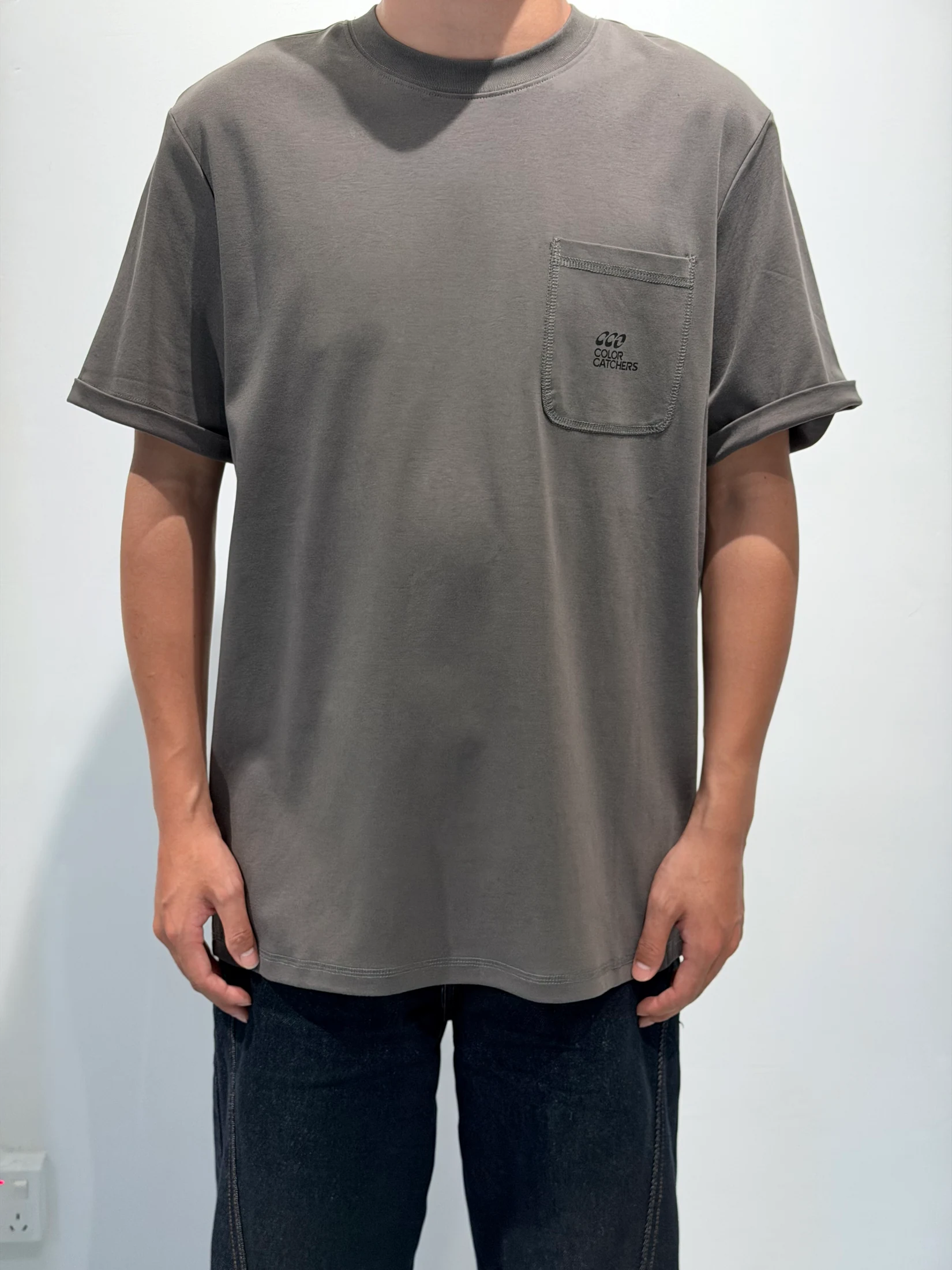
Three- to five-button plackets should lie flat without twisting, with a clean point or squared base and bartack reinforcement where the opening ends. Four-hole buttons need cross-lock stitching or a shank stitch, plus adequate stitch wraps for the button size. Check that the facing, button spacing, and buttonholes remain aligned after washing.
- Specify placket length and finished width
- Call out bartack location and thread color
- Test button pull and buttonhole opening
Seams, Binding, And Sleeve Finish
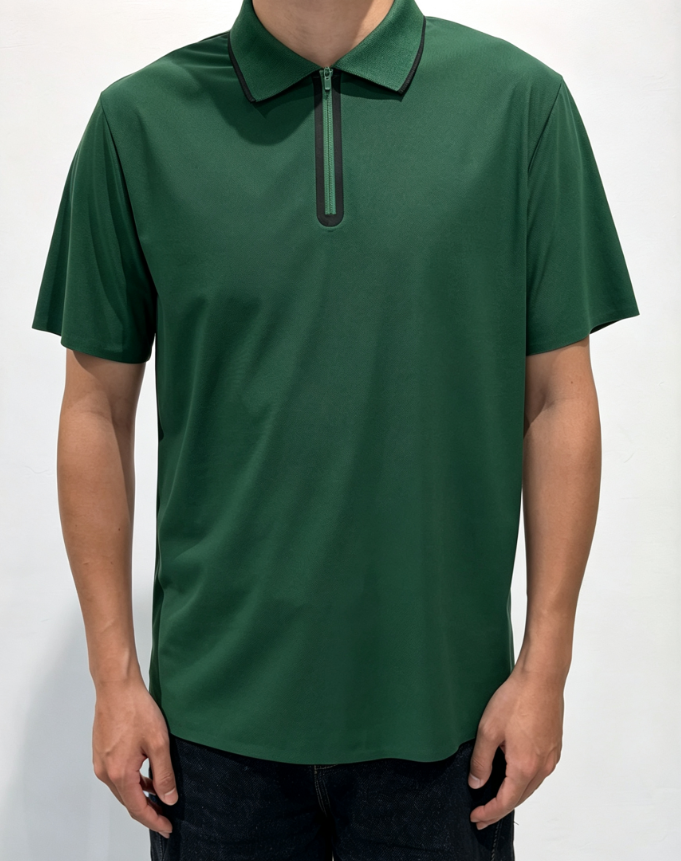
1/4-inch neck binding should cover the seam evenly and recover without rippling; rib must return after moderate stretch. Shoulder seams need balanced seam allowance, while tape can stabilize heavier jersey. Six to eight stitches per inch is common for durable knit seaming, subject to fabric weight and stitch type. Inspect sleeve hems and side seams for roping, skipped stitches, puckering, and uneven coverstitch.
- Record stitch type and SPI
- Approve neck-stretch recovery
- Check shoulder seam matching
Wash Tests And Measurement Control
3% to 5% wash shrinkage can materially change a Henley’s body length and placket position, so test the approved fabric and trim combination before bulk cutting. A tech pack should list point-of-measure diagrams, graded specifications, wash method, and tolerances—often ±0.5 inch for key garment measurements. During samples and bulk inspection, measure relaxed garments, compare against the approved reference, and confirm results after laundering.
- Include chest, length, sleeve, and placket points
- State tolerance by measurement point
- Retain sealed sample and wash report
7. Choosing a Custom Henley Shirts Manufacturer
A capable manufacturer makes custom henley shirts repeatable, not merely sample-ready. Evaluate its knitwear process, technical response time, and controls before paying for development.
Verify Relevant Knitwear Experience

2 reference samples should reveal placket construction, collar recovery, button attachment, and wash behavior. Ask for comparable jersey or interlock Henleys, not generic T-shirt photos.
- Which placket and neck finishes have you produced?
- Can you show measurement and wash-test records?
- Who approves the production pattern?
Match Support To Your Inputs
1 finished tech pack suits OEM; a sketch or reference garment needs ODM development. Confirm whether pattern making, fabric swatches, grading, and a fit sample are itemized before sampling begins.
- Request a development timeline and revision limit
- Confirm ownership of approved patterns and specs
- Approve Pantone, buttons, labels, and wash standard
Test Bulk Production Readiness
100 units per style and color can suit a capsule, but verify fabric minimums and color availability separately. Require measurement tolerances, in-line inspections, final AQL terms, and written export documentation capability. 3 questions expose execution depth: What changes after sample approval? How are XS–3XL grading increments validated? What lead time applies from material approval to ex-factory shipment?
- Ask for compliance certificates relevant to your market
- Confirm sample, bulk, and shipping lead times
- Name one bilingual production contact
8. Common Custom Henley Shirts Sourcing Mistakes
A 100-unit launch can fail for reasons that never appear on an approved design sketch. Build verification into fabric, fit, trim, costing, and sample sign-off before custom henley shirts enter bulk production.
Validate Fabric Beyond Swatches

One 10 x 10 cm swatch cannot reveal torque, pilling, color loss, or post-wash shrinkage. Require a washed prototype and record length and width shrinkage before setting finished measurements. Three home-laundering cycles expose whether a 160–220 GSM jersey twists the placket or changes hand feel. Approve bulk fabric against a retained, washed control sample rather than an untested swatch.
Specify Plackets And Decoration

Two missing details—button size and placket interfacing—can create uneven spacing, gaping, or a curled opening. State button material, diameter, hole count, stitch color, placket length, reinforcement, and tolerance in the tech pack. High-density print or heavy embroidery on lightweight jersey can distort the chest and reduce comfort. Match decoration to fabric weight, request a strike-off, and inspect it after washing and stretching.
Test Fit Across The Grade
XS through 3XL cannot be approved from one base-size sample. Review a graded measurement chart, size-set samples, and tolerance rules so shoulder balance, sleeve length, chest, and body proportion remain intentional. Eight hours of wear testing can reveal button pull, neckline recovery, seam irritation, and placket roll that a fitting session misses. Test representative sizes after laundering, then return consolidated production-ready comments.
Lock Down Commercial Approval
One vague quotation can conceal freight, development, labels, testing, wash treatment, or packing costs. Compare unit price, MOQ by color, sample charges, payment milestones, lead time, and Incoterms line by line. Final approval without dated comments, revised measurements, Pantone references, and an approved trim list invites factory interpretation. Issue one signed pre-production pack and retain the approved sample for bulk inspection.
9. Steps to Launch Your Henley Program
A 100-unit-per-style-and-color starting point lets a Henley capsule move from a market hypothesis to controlled production. Lock the target customer, retail window, price target, and size range before requesting development.
Define The Product Brief
Week 1 should produce a one-page brief covering customer, fit intent, colors, target FOB cost, and delivery date. Supply reference photos, competitor links, logo files, and the planned XS–3XL size range. Two decisions prevent late changes: knit versus woven placket construction and standard versus oversized proportions. Specify whether the program needs normal-size, extended-size, or plus-size grading.
- Target retail price and margin
- Color and size ratio forecast
- Reference garment measurements
Build The Technical Package

A complete tech pack converts the concept into measurable instructions. Include a flat sketch, point-of-measure chart, construction callouts, Pantone colors, artwork placement, label copy, and packaging requirements. Three trim choices need approval early: button material, placket interfacing, and neck-label method. Identify any nominated fabrics, testing requirements, or compliance documents before sampling.
Sample And Refine Fit
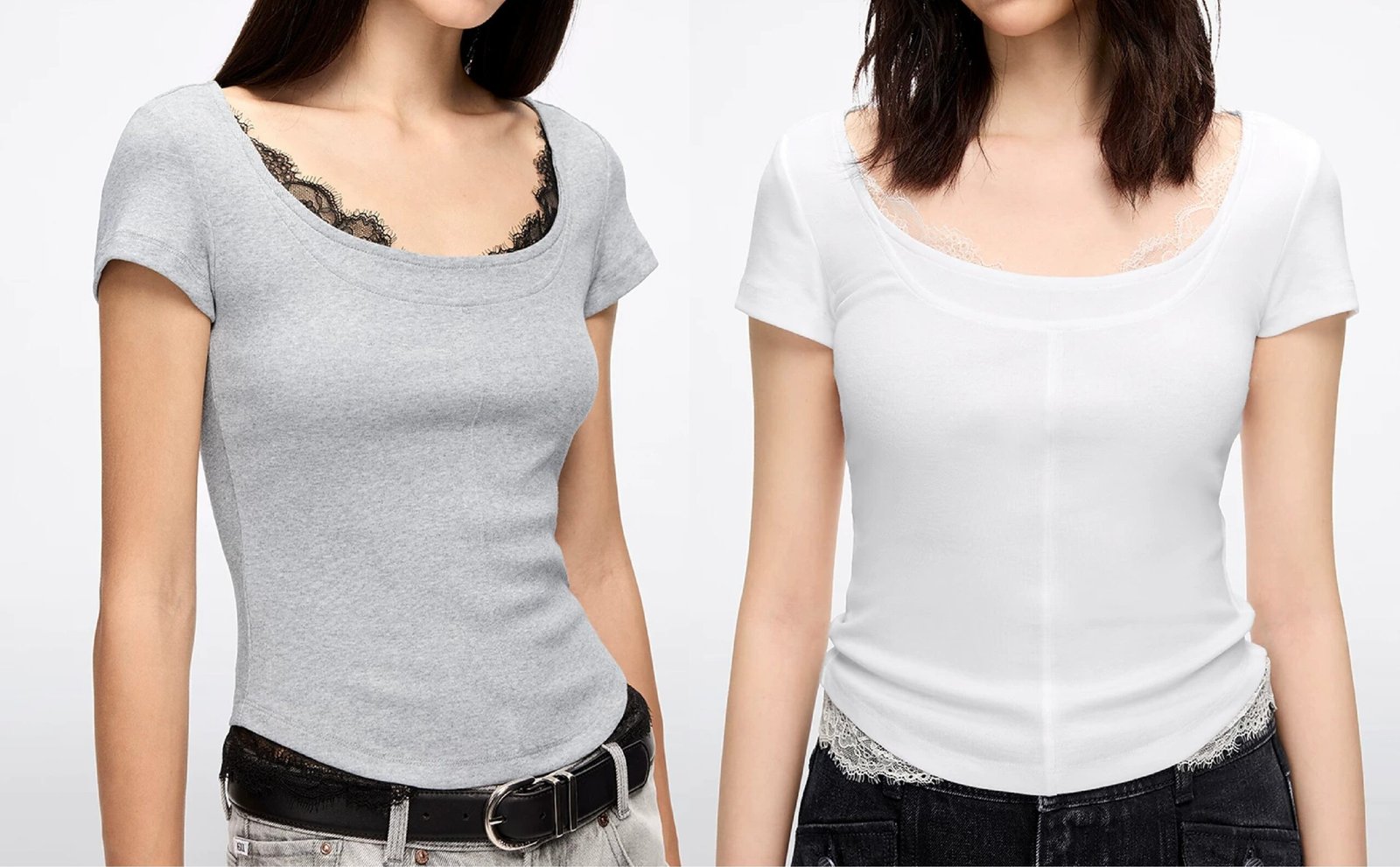
The prototype verifies fabric hand, placket behavior, stitching, and decoration feasibility before fit approval. Review photos and physical samples against the measurement chart, then record every revision in one dated comment sheet. A fit sample should be tried on the intended body type, not assessed only on a mannequin. Confirm body length, shoulder balance, sleeve opening, button spacing, shrinkage allowance, and wash result.
Approve Production Controls
A graded size set confirms measurement increments across the approved range before bulk cutting. Approve the pre-production sample only after fabric, trims, artwork, labels, packing, and workmanship standard match the purchase order. In-line and final inspections should check measurements, seams, plackets, decoration, shade consistency, and packed quantities. Release shipment only after the final balance, carton marks, and export documents are confirmed.
- Approved PP sample
- Signed measurement tolerance
- Carton packing specification
- Shipping contact and destination
10. Custom Henley Shirts Pricing and Costs
100 units per style and color is JUNSHEEN’s practical capsule-launch threshold, but a unit figure is only comparable when every specification is fixed. Treat any supplier price as quote-dependent guidance: it should identify Incoterm, currency, fabric composition, GSM, color count, size range, decoration, packaging and destination. 180–260 GSM ring-spun cotton jersey generally costs less to cut and sew than heavyweight interlock, Pima cotton or specialty knit blends, while Pantone dyeing, enzyme washes and multi-part plackets add material, labor and approval risk. A two- or three-button placket with reinforced tape, branded buttons, woven labels, embroidery, print placement and retail-ready packaging should be itemized rather than bundled into an unexplained price. 7–15 days is a typical development-sample window after materials and specifications are confirmed; sample charges or embroidery/screen setup fees may apply and are often reviewed against a confirmed bulk order. Request one quotation template for every supplier, then compare landed cost separately from ex-factory cost: production price, packing, inspection, freight, duties and destination handling can move the final cost materially.
| Order quantity | Indicative cost position | Typical production lead time |
|---|---|---|
| 100–299 units | Highest unit cost; consolidates fabric and trim minimums | 25–35 days |
| 300–999 units | Better fabric and trim purchasing efficiency | 30–40 days |
| 1,000+ units | Lowest unit cost when specifications stay stable | 35–50 days |
Start Your Custom Henley Shirts Sample
Send your tech pack, reference, or product idea to receive a quote and begin fit-focused development from 100 units.