
Custom Kids Tshirt Manufacturing From 100 Units
Develop fit-focused custom kids tshirt programs with OEM, ODM and private-label support, from sampling through scalable global production.
Featured Products for custom kids tshirt Development




Related Product Catalogue and Quotation



Why Brands Source Custom Kids Tshirts From Junsheen
From first sample to export-ready bulk orders, JUNSHEEN combines flexible production, fit expertise, branding details, and dependable manufacturing control.
100-Unit MOQ
Launch custom kids tshirt styles from 100 units per style and color, giving new labels practical flexibility for capsule collections.
Kid-Focused Fit Grading
Pattern makers refine proportions, mobility, sleeve lengths, and grading across sizes to support comfortable, consistent kidswear fits.
Integrated Development
Move from a tech pack, sketch, reference garment, or idea through fabric sourcing, patterns, sampling, and production review.
Decoration That Lasts
Choose screen printing, DTG, DTF, embroidery, patches, puff effects, and washes matched to your artwork, fabric, and target cost.
Complete Private Labeling
Build a branded retail-ready program with woven labels, care labels, hang tags, custom trims, and protective packaging.
Export-Ready Production
Rely on in-line inspections, final quality control, retained production records, and global shipping support for repeatable bulk orders.
Custom Kids’ T-Shirt Programs for Every Collection
From capsule launches and schoolwear to retail and private-label programs, Junsheen develops production-ready casualwear with flexible 100-unit minimums.
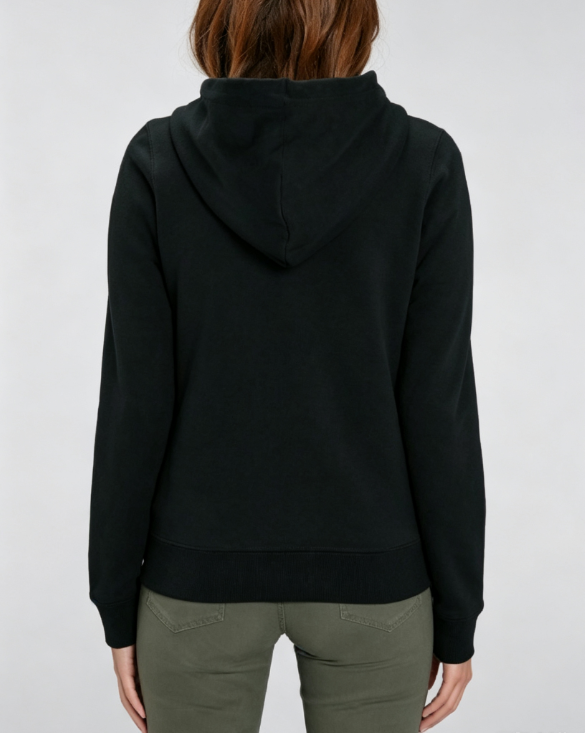
Custom Hoodies
Develop custom hoodies in fleece, French terry, or jersey with fit development, embroidery, screen printing, custom labels, and branded packaging. Suitable for kidswear capsules, school programs, retail assortments, and private-label collections from 100 units per style and color.
Request a Quote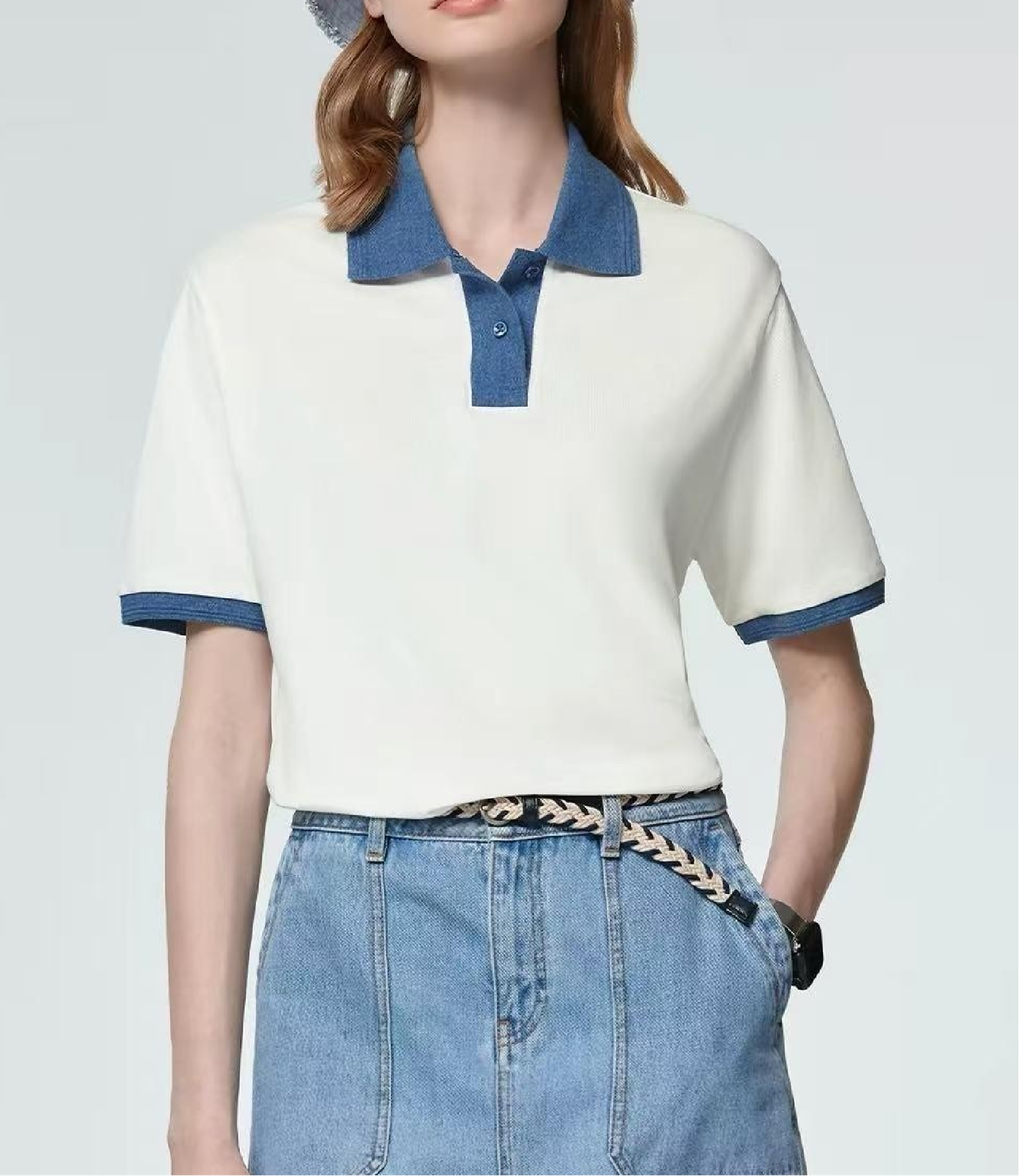
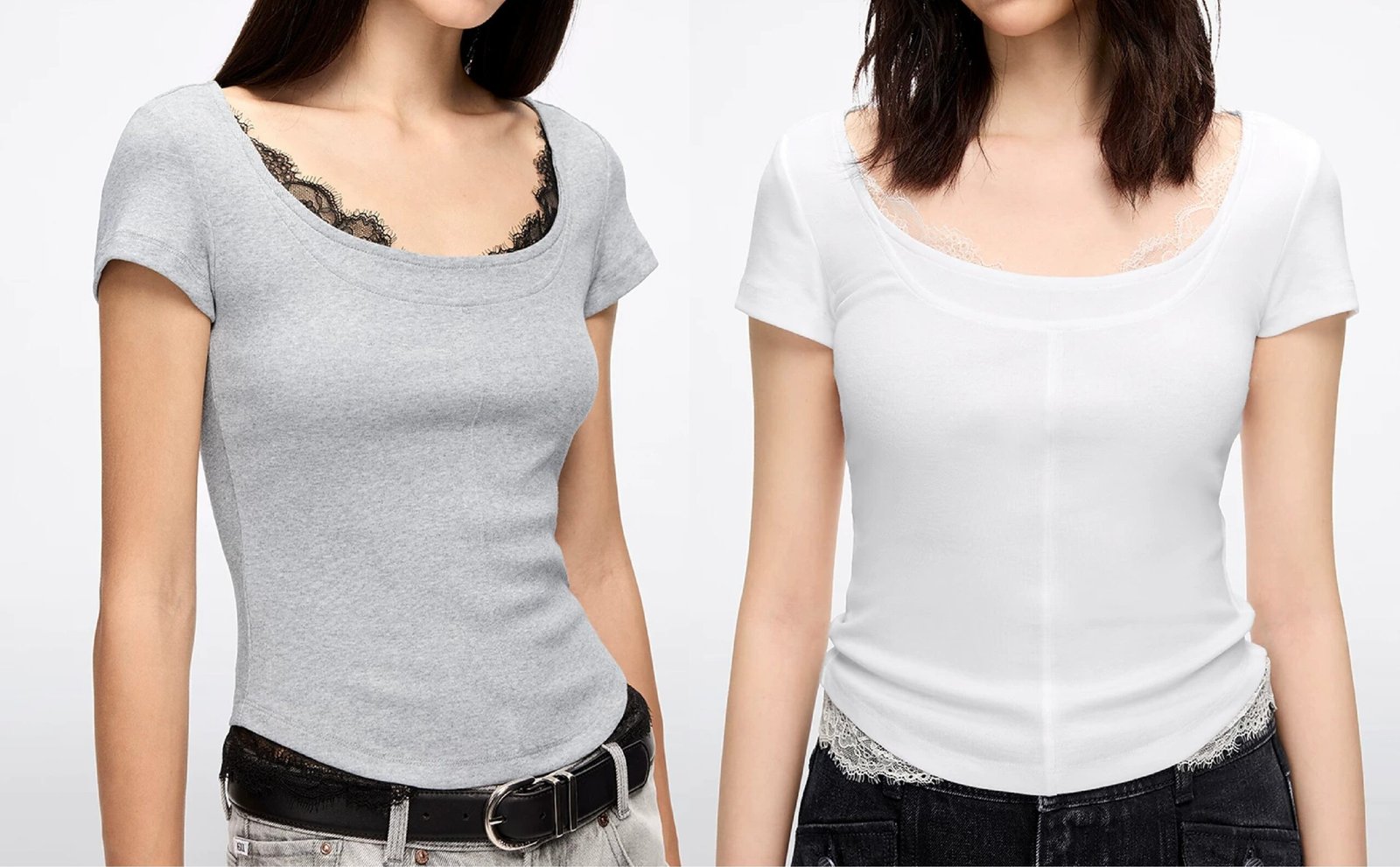
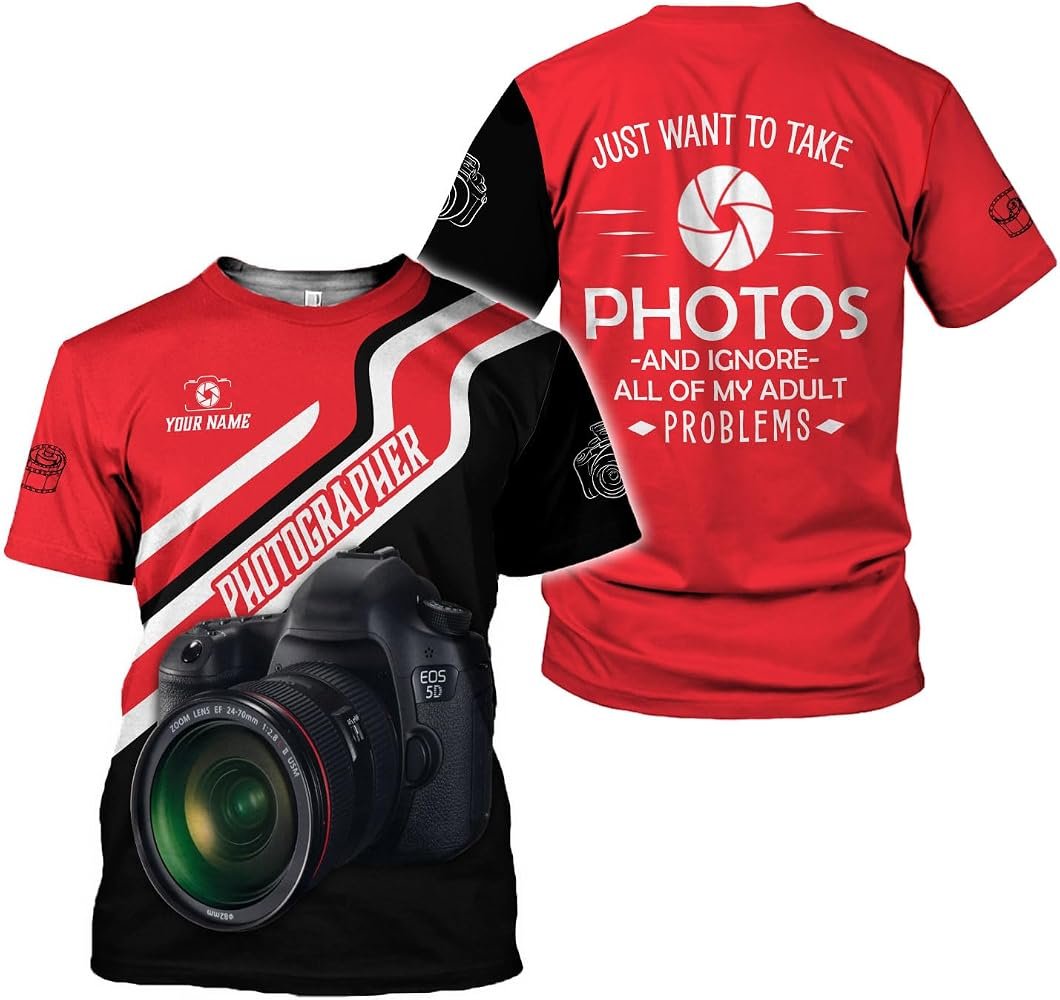
Custom T-Shirts
Junsheen produces custom T-shirts for kidswear collections, promotional programs, schoolwear, and retail basics. Choose jersey weight, neck construction, size grading, DTG or screen-print finishes, labels, and packaging, then approve samples before bulk production.
Request a Quote
Custom Jeans
Develop custom jeans with denim sourcing, pattern making, size grading, washes, hardware, labels, and fit approvals. Junsheen supports children’s denim programs, coordinated retail ranges, and private-label collections with repeatable specifications for ongoing bulk orders.
Request a Quote
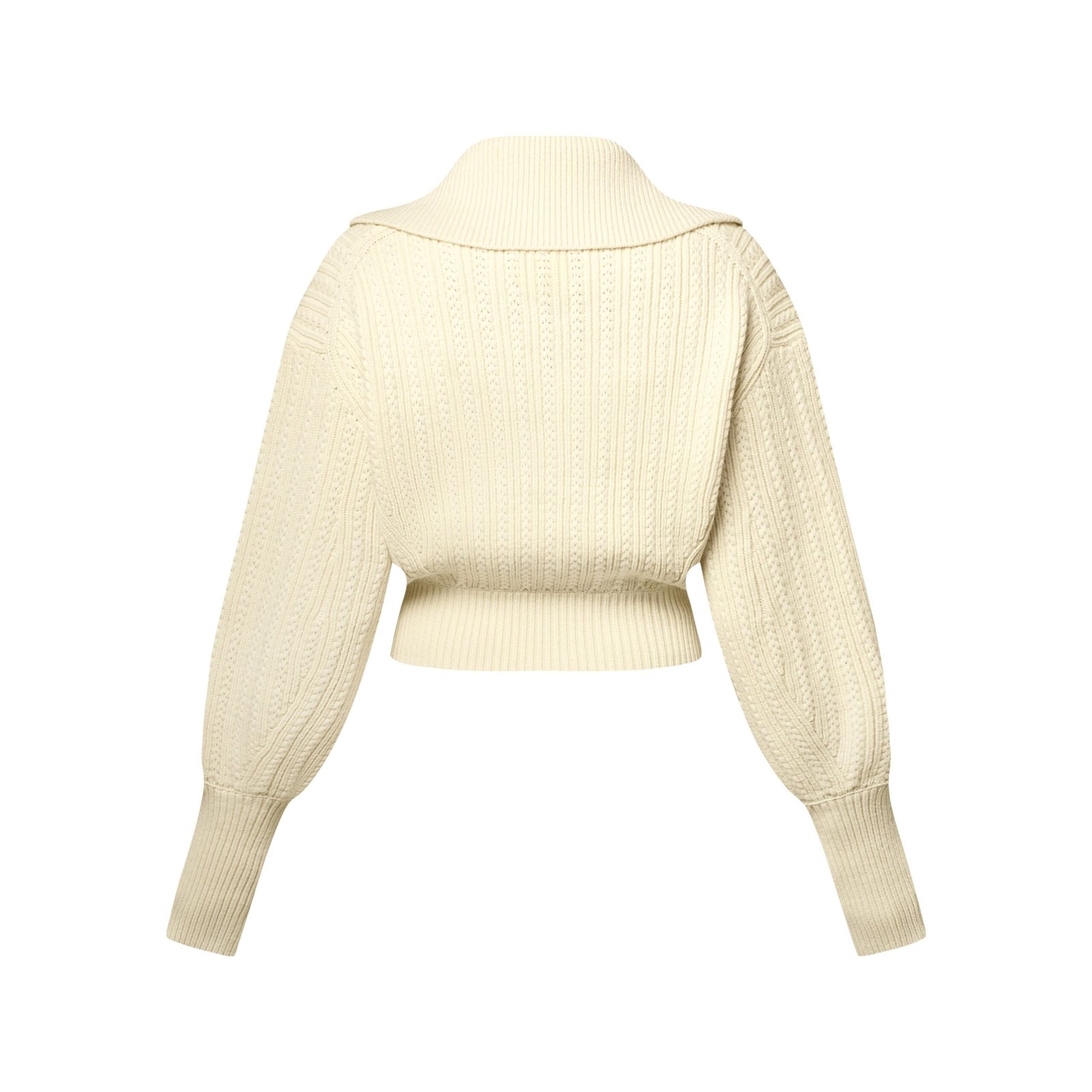
Custom Sweaters
Source turtleneck sweaters in bulk with knit construction, yarn selection, gauge planning, and graded sizing suited to your target customer. Junsheen develops kidswear and family-range sweaters with custom labels, colors, trims, and sample approval before production.
Request a Quote
Custom Jackets
Produce custom jean jackets with denim weights, washes, embroidery, patches, branded buttons, and private-label trims. Development includes pattern work and grading for children’s collections, seasonal denim layers, schoolwear-style outerwear, and coordinated retail programs.
Request a Quote
Custom Sweatshirts & Crewnecks
Build custom crewneck hoodies, sweatshirts, and fleece layers with rib specifications, brushed or loopback interiors, printing, embroidery, and private labeling. Junsheen supports coordinated kidswear capsules and repeat retail essentials from low minimum order quantities.
Request a Quote
Custom Cardigans
Create custom cardigans through knitwear development, including yarn selection, gauge, button specifications, rib trims, and size grading. Suitable for schoolwear, layering pieces, seasonal collections, and private-label programs requiring consistent fit across the size range.
Request a Quote
Custom Puffer & Down Jackets
Develop custom puffer jackets with shell fabric, insulation, lining, quilting, zippers, snaps, reflective details, and branded labels. Junsheen supports practical children’s outerwear and retail winter programs with prototype sampling and production quality checks.
Request a Quote
Custom Denim Shorts
Produce custom jean shorts with denim sourcing, stretch options, washes, pocket details, hardware, labels, and fit grading. Built for children’s summer capsules, denim assortments, and private-label retail programs with matched production specifications.
Request a Quote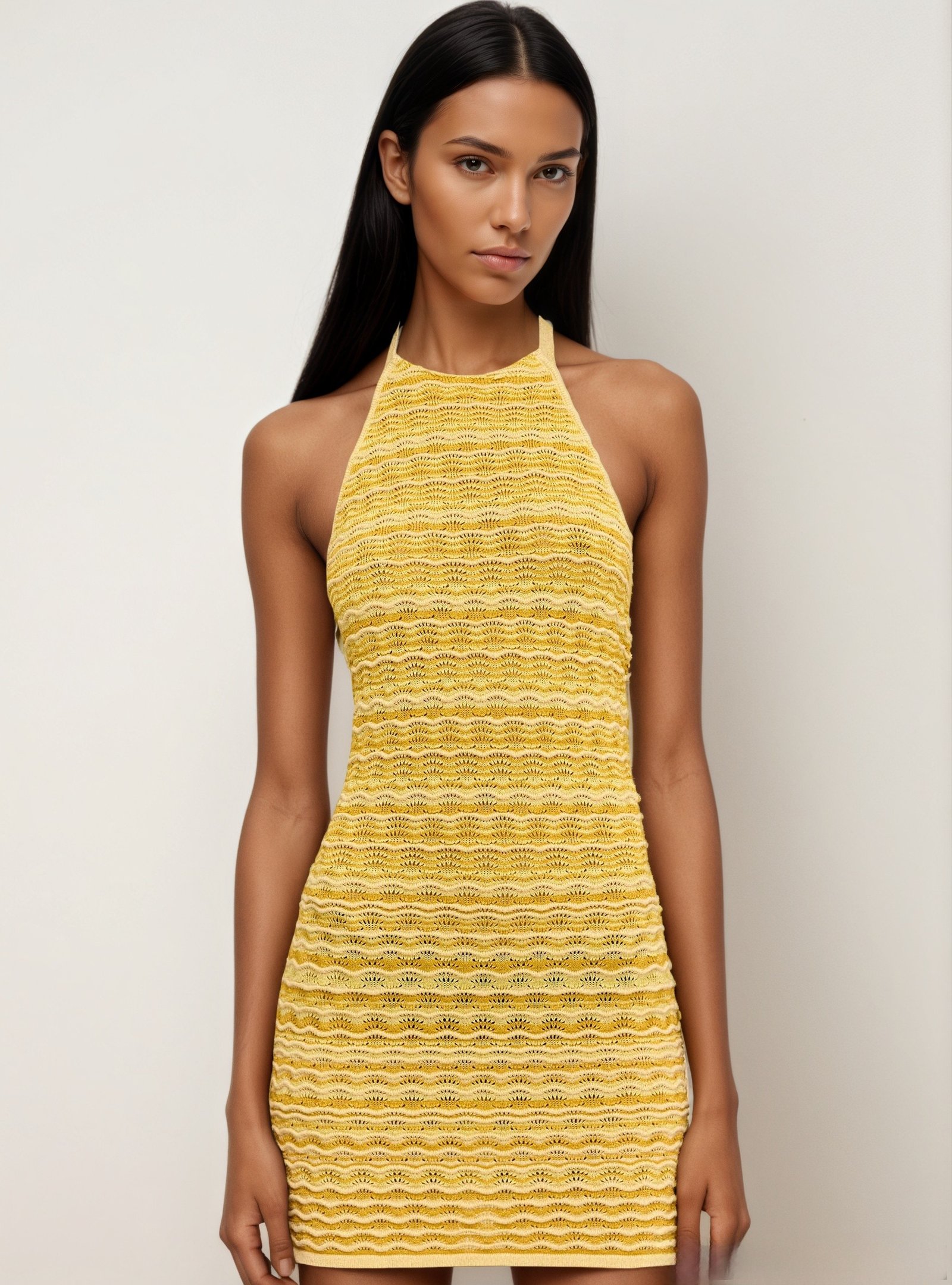
Custom Sweater Dresses
Develop custom sweater dresses with knitted or sweater-knit constructions, yarn selection, body proportion, sleeve balance, and graded sizes. Junsheen supports seasonal kidswear collections with custom colors, trims, labels, and sample-led bulk production.
Request a Quote
Custom Denim Sets
Create coordinated denim sets for wholesale and retail programs, including matching jackets, jeans, skirts, or shorts. Junsheen aligns fabric, wash, hardware, fit, and labels across pieces, supporting men’s denim suit wholesale assortments and branded collections.
Request a Quote
Custom Polo Shirts
Produce custom polo shirts in piqué, jersey, or performance-knit fabrics with collar construction, plackets, embroidery, printing, and graded sizing. Suitable for schoolwear, uniforms, resortwear, retail basics, and private-label programs requiring repeatable color standards.
Request a Quote
Custom Sweatpants
Develop custom sweatpants in fleece, French terry, or jersey with elastic waists, drawcords, pockets, cuff options, printing, embroidery, and labels. Junsheen supports kidswear sets, school programs, athleisure capsules, and scalable retail replenishment.
Request a Quote
Custom Shorts
Produce custom shorts in jersey, fleece, twill, woven, or performance-knit fabrics with target inseams, waistband details, pockets, decoration, and private-label trims. Suitable for summer kidswear, uniforms, coordinated sets, and retail assortment programs.
Request a Quote
Custom Pullovers
Develop custom pullovers in knit, fleece, French terry, or jersey constructions with neckline, rib, pocket, and decoration options. Junsheen handles pattern development, fit grading, labels, packaging, and sampling for kidswear and private-label collection launches.
Request a QuoteCustom Kids Tshirt Materials for Comfort and Durability

Combed Cotton Jersey
Soft, breathable combed cotton jersey is a dependable choice for everyday custom kids tshirt programs. Its smooth hand feel supports bright prints, while medium-weight construction provides comfortable coverage and reliable wash durability.

Organic Cotton Jersey
Organic cotton jersey delivers a naturally soft, breathable hand for premium children’s basics and conscious collections. Available in lightweight to midweight qualities, it offers gentle next-to-skin comfort and dependable decoration compatibility.

Cotton Spandex Jersey
Cotton spandex jersey combines the familiar softness of cotton with controlled stretch for active kids’ T-shirts. Its flexible recovery helps maintain shape through play and laundering, making it well suited to fitted or movement-focused silhouettes.

Cotton Polyester Blend
Cotton polyester jersey offers a practical balance of soft comfort, color retention and quick-drying performance. The blended construction improves durability and reduces shrinkage, supporting schoolwear, promotional tees and high-repeat bulk programs.

Pima Cotton Jersey
Pima cotton jersey has a smoother, more refined hand feel for elevated children’s T-shirt collections. Its longer fibers contribute to softness and surface clarity, helping premium prints and embroidery details present cleanly after washing.
Custom Kids Tshirt Decoration and Finishing Options

Screen Print
Apply bold logos, character artwork and color-block graphics with plastisol or water-based screen printing. Junsheen matches ink systems to fabric and artwork for vivid coverage, flexible hand feel and dependable wash durability.

DTF Transfers
DTF transfers reproduce detailed multicolor artwork, small text and gradient designs without complex screen setup. Heat-applied graphics create clean edges and reliable adhesion, making them practical for limited runs and varied custom kids tshirt designs.

Logo Embroidery
Flat, 3D puff and applique embroidery add dimensional branding to chest placements, sleeves and pockets. Our team adjusts backing, stitch density and placement for a polished finish that holds its shape through repeated wear.

Custom Patchwork
Woven, embroidered and chenille patches create tactile brand details for kidswear collections. Junsheen can develop custom shapes, borders and application methods that give logos a premium, durable identity without compromising garment comfort.

Garment Washing
Enzyme washing, garment dye, tie-dye and softening treatments refine color, texture and hand feel. These finishing options can create a lived-in look while helping custom kids tshirt programs feel comfortable from the first wear.
Custom Kids Tshirt Trims and Accessories

Woven Neck Labels
Custom woven main, size and wash-care labels give every custom kids tshirt a polished retail identity while providing clear size, fiber and care information for parents and retailers.

Branded Hang Tags
Attach custom hang tags to launch-ready kids’ T-shirts with your logo, collection story, barcode, pricing or care messaging. Choose card stock, shape, finish and string details to match your brand.

Custom Logo Patches
Embroidered, woven or printed patches create a durable signature detail for chest, sleeve or hem placement. They work well for playful branding, schoolwear programs and limited-edition children’s collections.

Snap Button Closures
Add branded snaps where a kidswear design needs easier dressing, secure openings or adjustable styling. Junsheen can source suitable colors, finishes and placement options during product development.

Drawcord and Tipping
For age-appropriate styles such as matching shorts or outer layers, custom drawcords, tipped cords and branded aglets reinforce collection identity while supporting practical adjustability and coordinated color stories.
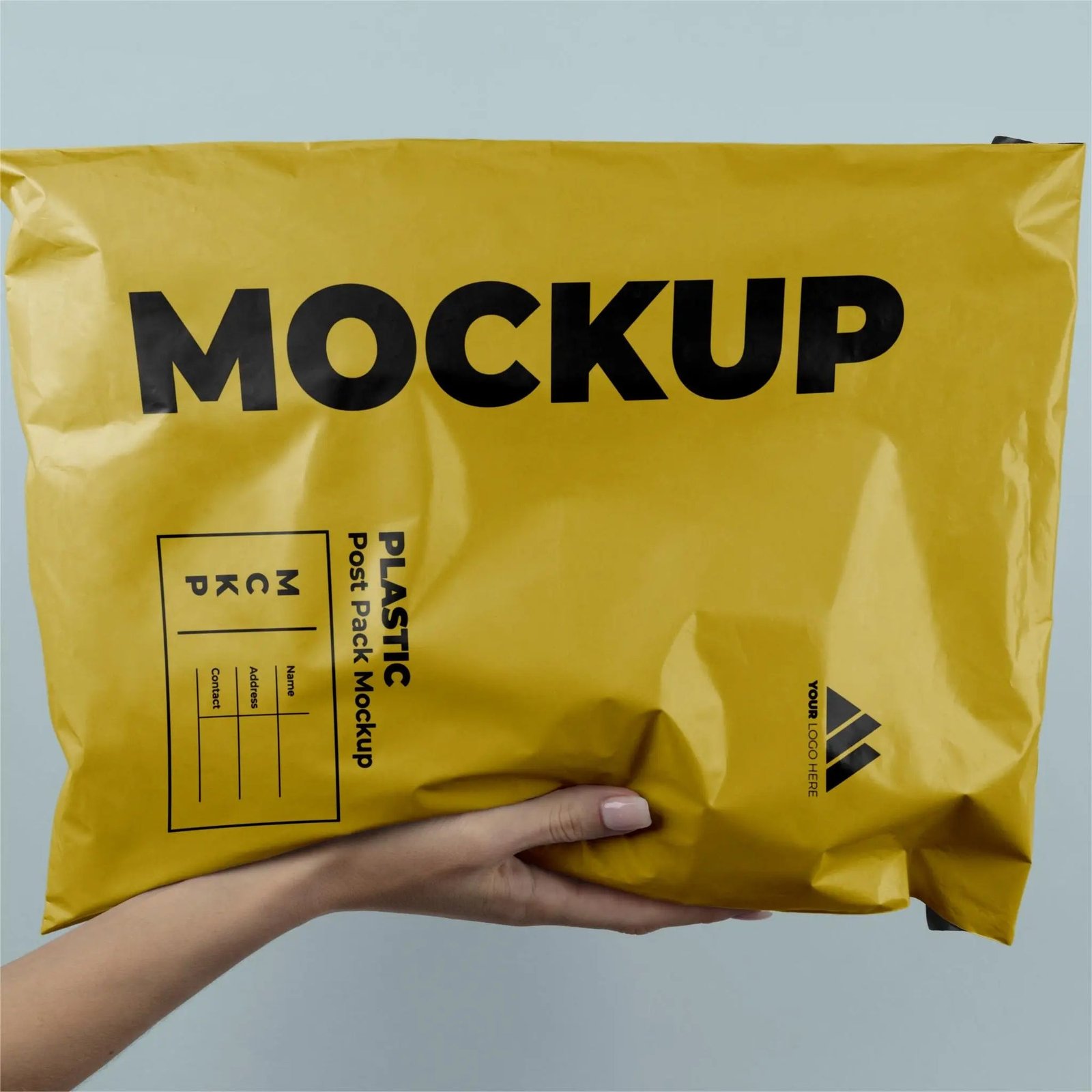
Branded Packaging
Complete your private-label program with custom polybags, tissue, sticker seals, cartons and inserts. Packaging protects finished garments in export while creating a consistent unboxing experience for retail or direct sales.
Custom Kids Tshirt Manufacturing
Founded in 2010 in Humen Town, Dongguan, JUNSHEEN helps global brands turn custom kids tshirt ideas into production-ready collections. Our one-stop OEM, ODM and private-label team combines product development, fabric sourcing, sampling, cut-and-sew manufacturing, decoration and export support under one accountable supply chain.
With more than 200 skilled workers and monthly capacity exceeding 80,000 units, we support launches from 100 units per style and color through scalable repeat programs. We serve emerging labels, retailers, wholesalers and established fashion brands across major international markets with clear production coordination and dependable quality control.
What differentiates JUNSHEEN is development depth: practical specification review, fit-focused pattern work, material guidance, in-house prints, embroidery, finishing, labels and packaging. For kidswear programs, our team helps brands balance comfort, durability, decoration performance and consistent sizing before bulk production begins.

Custom Kids Tshirt Development Capabilities
Fit Engineering That Grows
JUNSHEEN develops custom kids tshirt size ranges with proportion-aware patterns, reviewing body length, shoulder balance, sleeve shape and mobility at each grade. Our team can support XS–3XL programs, extended sizing and modern oversized silhouettes without relying on simple pattern enlargement.
- Pattern making from tech packs, sketches or reference garments
- Size grading reviewed across the complete approved range
- Fit samples and size sets before bulk approval
- Manufacturability feedback to reduce avoidable revisions

From Idea to Production
Turn an early concept into a production-ready kidswear style through integrated OEM, ODM and private-label development. From fabric weight and hand feel to construction details, labels and packaging, Junsheen coordinates the technical decisions needed for a clear custom kids tshirt quotation.
- Fabric, trim and construction recommendations
- Prototype sampling and specification refinement
- Low MOQ from 100 units per style and color
- Cut-and-sew and knitting support in one supply chain

Decoration Under One Roof
Keep artwork execution closer to production with in-house embroidery, printing, washing and finishing capabilities. We help brands match decoration methods to fabric, placement, durability and target cost, creating custom kids tshirt programs with more controlled visual consistency from sample to bulk order.
- Screen print, DTG, DTF and heat-transfer options
- Flat, 3D puff, chain-stitch and patch embroidery
- Softening, enzyme wash and garment-dye finishes
- Private labels, hang tags and branded packaging

Repeat Orders Stay Consistent
JUNSHEEN retains approved patterns, graded size sets and material records to support faster, more consistent reorders. With 200+ skilled workers and monthly capacity above 80,000 units, we can help brands move from a first custom kids tshirt capsule to scalable ongoing programs.
- Documented approvals for repeatable production
- Incoming, in-line and final packed-goods inspections
- Scalable support for wholesale and retail programs
- Global export coordination for established partners

Why Choose JUNSHEEN for Custom Kids Tshirt Production?
A fit-focused, integrated manufacturing partner for low-MOQ launches and scalable kidswear programs.
← 左右滑动查看 →
Custom Kids Tshirt Production Process
A clear, fit-focused workflow from feasibility review through export-ready delivery.
Review Design Feasibility
Our team reviews your tech pack, sketch or reference sample, confirming construction, sizing, decoration requirements, target MOQ and production feasibility.
Source Fabrics and Trims
We recommend child-appropriate fabrics, colors, labels and trims based on hand feel, durability, wash performance, compliance needs and target cost.
Develop Patterns and Samples
Pattern makers build size specifications and graded fits, then produce prototype samples for measurement, construction, print placement and approval review.
Confirm Details and Production
After sample approval, we finalize materials, artwork, size ratios, packaging and production specifications before scheduling your 100-unit MOQ or larger order.
Inspect, Pack and Ship
We conduct in-line and final checks for measurements, workmanship, decoration and packed goods, then coordinate export-ready packing and global shipping support.
How to Work With Our Custom Kids Tshirt OEM Team
Move from concept to approved bulk production with a clear, fit-focused development process.
Send Your Design Brief
Share a tech pack, sketch, reference garment, logo files, target sizing, quantity, and preferred fabric or decoration details for an initial feasibility review.
Confirm Specifications and Quote
Our team reviews construction, XS–3XL grading needs, materials, trims, decoration, and packaging, then provides practical recommendations, lead times, and a production quotation.
Approve Your Sample
We develop a prototype custom kids tshirt for fit, measurements, fabric hand feel, print or embroidery, and workmanship review before bulk materials are finalized.
Launch Bulk Production
After sample approval and order confirmation, we manage fabric inspection, cutting, sewing, decoration, finishing, quality control, packing, and global export coordination.
Custom Clothing Manufacturer Credentials and Compliance Documents



Custom Kids Tshirt Sourcing Stories From Growing Brands
Junsheen turned our artwork and reference samples into a production-ready kids’ tee range in six weeks. The first 300-unit drop sold through in 19 days, and the approved size specs made our reorder much smoother.
Their team flagged sleeve and neck-opening issues before sampling, then refined the graded set for ages 2–12. We cut sample revisions from four rounds to two and launched our back-to-school collection on schedule.
Our repeat order matched the original hand feel, print placement, and measurements across 1,200 pieces. Clear pre-production approvals and responsive updates gave our sourcing team confidence to expand the program into new colors.
Custom Kids Tshirt FAQ for OEM Buyers
Clear answers on minimums, development, quality control, payment and global delivery for private-label kidswear programs.
What is the MOQ for a custom kids tshirt order?
Can I order a custom kids tshirt sample before bulk production?
How long does custom kids tshirt production take?
Can you help with kidswear sizing and fit development?
What payment terms do you offer for OEM kidswear orders?
How do you protect my custom kids tshirt design and brand information?
What quality control checks are completed before shipping?
Can JUNSHEEN ship custom kids tshirt orders internationally?
The Complete Buyer’s Guide to custom kids tshirt
Use this decision framework to define product requirements, compare fabrics and decoration methods, evaluate OEM suppliers, control costs, and avoid the sourcing mistakes that derail custom children’s apparel launches.
1. What Is a custom kids tshirt?
100 units per style and color is a practical starting point for a custom kids tshirt program, but the term covers three different buying models. Blank personalization adds a name, team graphic, or event print to stocked tees; private-label OEM develops the garment and brand components from a buyer’s specification; a retail-ready program combines approved fit, decoration, labels, packaging, and repeatable replenishment. 3 buyer groups commonly use these models differently: fashion labels build seasonal capsules, schools and events order identity merchandise, and wholesalers assemble coordinated age, color, and size assortments. Licensed programs add another control layer because artwork approval, color matching, placement rules, and traceable records must be settled before production. 6 core fields should appear in a quotation brief: target age range and size chart, fabric composition and weight, silhouette and measurements, color standard, decoration method and placement, and quantity by size and color. Add label and packaging requirements, delivery destination, testing or certification requirements such as OEKO-TEX or GOTS when applicable, and the sample approval deadline so factories can quote comparable scopes.
2. Evolution of Custom Children’s Tees
1910s utility undershirts evolved into everyday children’s tees as knit cotton became affordable, washable, and easy to replace. What began as a practical basic now carries a brand’s fit, color, character licensing, school-event, and merchandise requirements. 1950s youth culture made the T-shirt a visible fashion surface, and screen printing turned simple jersey into a vehicle for graphics and identity. For a modern custom kids tshirt, that legacy means specifying artwork early: print hand, opacity, stretch, wash durability, and safe placement all affect whether a graphic remains appealing after repeated laundering. 140–180 GSM cotton jersey is common for lightweight children’s tees, while 180–220 GSM can support a more substantial retail hand feel. Buyers now expect ring-spun or combed yarn options, stable neck ribs, size grading that preserves mobility, and decoration methods such as water-based screen print, DTG, DTF, or heat transfer selected for the fabric and order volume. OEKO-TEX and GOTS have also shifted sourcing discussions from appearance alone toward chemical inputs, traceability, and fiber choices. Private-label programs should therefore combine age-appropriate fit, clear wash-care labeling, secure trims, tested decorations, and responsible-material documentation with a supplier’s ability to repeat approved standards at bulk scale.
3. Types of custom kids tshirt
Six base styles cover most custom kids tshirt programs, but the right choice depends on age, channel, and decoration plan. Start with the silhouette buyers will reorder, then specify weight, trims, and print area before sampling.
| Base Style | Best Commercial Use | Key Sourcing Point |
|---|---|---|
| Crewneck | Core retail and promotions | 160–180 GSM; rib neck |
| Oversized | Tween fashion capsules | 180–220 GSM; graded drop shoulder |
| Polo | Uniforms and clubs | Collar, placket, buttons |
| Raglan | Sports and events | Contrast panels add labor |
| Boutique casualwear | Align pocket and artwork | |
| Performance | PE and camps | Polyester; sublimation-ready |
Crewneck And Oversized Tees

160–180 GSM ring-spun cotton crewnecks suit ages 2–12, school promotions, value packs, and broad unisex size runs. A rib neckband and shoulder tape support repeated washing; screen print, DTF, and embroidery all work well. 180–220 GSM oversized tees target older children and tween fashion capsules. Drop shoulders need deliberate grading and a wider neck rib; use larger back prints or puff ink rather than small chest artwork.
Polo And Raglan Styles
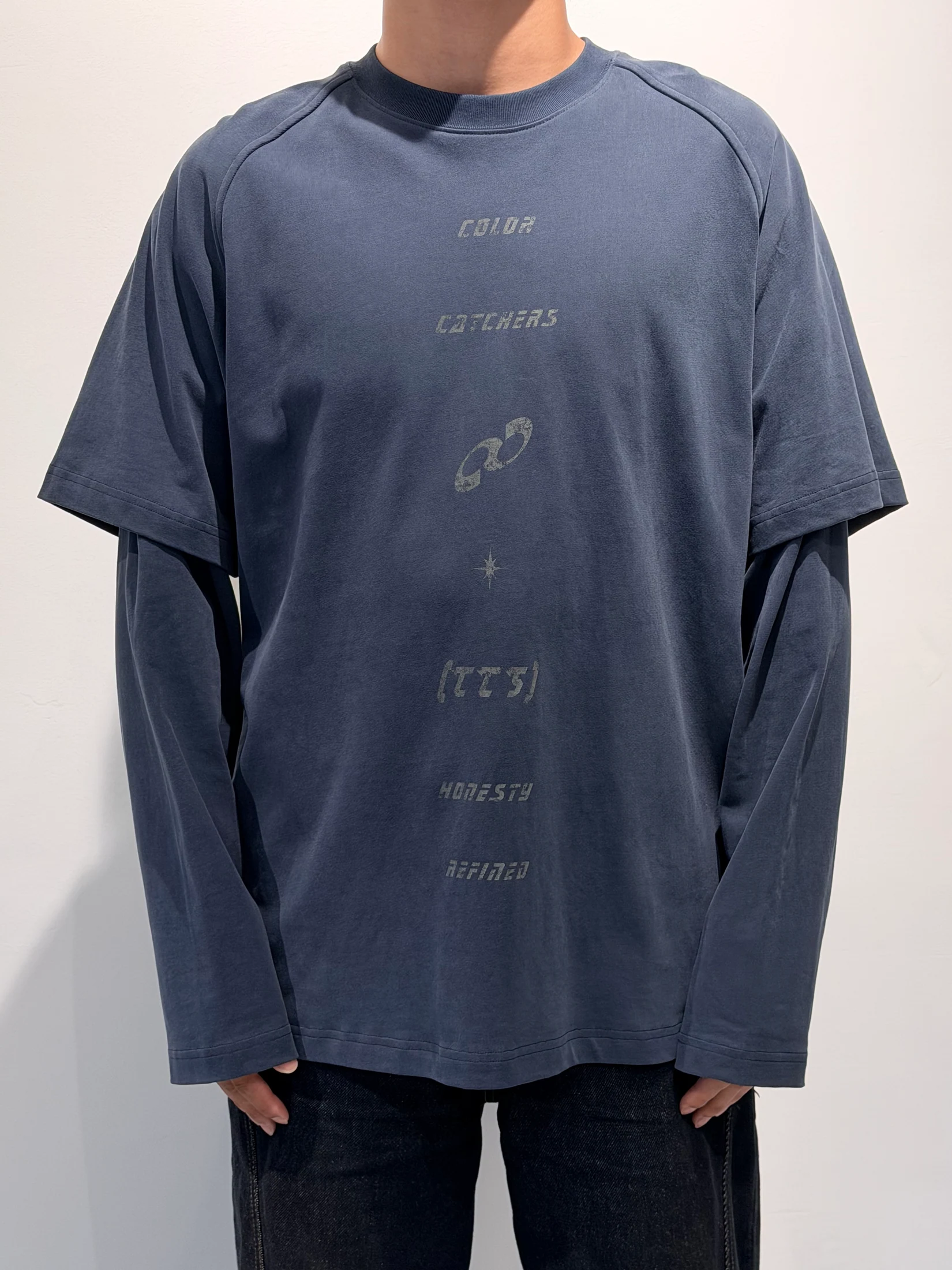
Polo-style tees suit uniforms, clubs, and smart-casual retail for ages 5–14. Budget for collar rib or flat knit, placket, buttons, and reinforced side vents; logo embroidery is usually more durable than a large print. Raglan tees give active kids freer shoulder movement and a color-blocked sports look. Their diagonal seams add cutting and sewing steps, while contrast sleeves create a natural team-color or event-merchandise program.
Pocket And Performance Options

Pocket tees add a small woven or jersey pocket for boutique assortments, usually for ages 4–12. Match pocket grain and stripe direction, and keep chest decoration clear of the pocket seam. 140–160 GSM polyester or polyester-spandex performance tees fit PE, camps, and schoolwear. Specify moisture management, colorfast sublimation, and flatlock seams where abrasion control matters.
4. Fabrics for custom kids tshirt
160–180 GSM jersey is a practical starting point for everyday custom kids tshirt programs because it balances coverage, softness, and airflow. Fiber choice changes shrinkage control, decoration results, wash life, and the price position a label can credibly claim.
| Fabric | Typical GSM | Hand And Breathability | Shrinkage And Printing | Durability / Best Use | Cost And Positioning |
|---|---|---|---|---|---|
| Combed cotton | 160–220 | Soft; high airflow | Moderate; excellent screen print | Good; everyday premium tees | Mid; natural comfort |
| Organic cotton | 160–220 | Soft; high airflow | Moderate; excellent print | Good; certified ranges | Higher; responsible premium |
| Cotton blend | 160–200 | Balanced; medium-high | Lower; versatile printing | Better; value basics | Low-mid; accessible |
| CVC | 160–200 | Cotton-forward; breathable | Lower; screen and transfer | Better; schoolwear | Mid; reliable basics |
| Recycled polyester blend | 150–190 | Smooth; lower airflow | Low; transfer friendly | High; activewear | Mid; sustainability story |
| Performance synthetic | 140–180 | Wicking; quick dry | Low; best for sublimation | High; sports tees | Mid-high; technical |
Comfort And Skin Sensitivity

100% combed ring-spun cotton gives a soft, breathable hand and suits sensitive-skin ranges when dyes, finishes, and trims are also reviewed. Request low-irritation seams, wash testing, and relevant OEKO-TEX or GOTS documentation where the product claim requires it.
- Choose combed yarn over coarser open-end cotton
- Avoid scratchy neck labels and stiff transfers
- Approve washed samples before bulk fabric confirmation
Fabric Comparison Matrix
145–165 GSM works for lightweight summer tees, while 180–220 GSM creates a more substantial premium or streetwear hand. Confirm composition and finished GSM on the bulk purchase order; fabric weight can vary after dyeing and finishing.
Match Fabric To The Program

60/40 CVC and other cotton-rich blends reduce cost and improve shape retention, but cotton percentage still drives breathability and shrinkage behavior. Recycled polyester blends and performance synthetics fit activewear, school uniforms, and sublimation-led programs, provided the brand accepts their less-natural hand.
- Cotton: premium comfort and water-based print appeal
- CVC: dependable everyday retail basics
- Recycled polyester: durability-focused active programs
5. custom kids tshirt Decoration Options
A 100-unit custom kids tshirt order needs decoration selected before sampling, because artwork, fabric and wash testing interact. Prioritize soft hand, repeatable placement and trims that cannot irritate or detach during active wear.
| Technique | Best Artwork | Volume And Setup | Feel And Durability |
|---|---|---|---|
| Screen print | Flat spot-color graphics | 100+ units; screen setup | Soft when controlled; durable |
| DTG | Photos and fine gradients | Small runs; minimal setup | Soft on cotton; wash-test |
| DTF or heat transfer | Detailed multicolor logos | Low quantities; quick setup | Flexible film; avoid large coverage |
| Embroidery or appliqué | Simple logos and patches | Higher labor per piece | Premium texture; use soft backing |
| Puff or specialty ink | Bold accent artwork | Screen setup; extra cost | Raised finish; limit stretch areas |
Print Method Selection

Screen printing suits bold vector art and 1–6 Pantone colors; its setup cost falls across repeat runs. DTG captures photographic gradients on cotton-rich light garments, while DTF and heat transfer handle small runs, detailed logos and mixed-fiber tees.
Texture And Specialty Effects

Puff, silicone, foil and high-density inks add dimension but should stay off high-flex areas such as rib necks. Embroidery and appliqué suit simple crests and varsity graphics; use a soft backing or cover stitch so the reverse does not scratch skin.
Branding And Safety Details
Woven labels, neck prints and hangtags should be approved with the size set, not added after production. For childwear, specify securely attached labels, smooth edges, low-odor inks and wash testing; avoid small detachable decorative parts and bulky embroidery behind the chest.
6. Construction Quality for Kids’ Tees
A dependable custom kids tshirt is judged after wear and washing, not only on a flat sample. Construction specifications should turn every visible detail into a measurable approval and inspection checkpoint.
Neckline And Shoulder Stability

1×1 cotton rib should recover cleanly after repeated stretching; specify rib width, finished neck opening, stitch type, and whether neck tape is required. A loose collar or uneven coverstitch is a rejectable appearance defect. 10–12 stitches per inch is a practical starting range for lightweight jersey seams, subject to fabric and machine testing. Require shoulder seams to lie flat, with tape or clear elastic only where the design and recovery test justify it.
- Record neck opening and rib width in the tech pack
- Approve stretch-and-recovery on the pre-production sample
- Check shoulder seams for puckering and skipped stitches
Seams, Hems, And Labels
6 mm side-seam allowance and balanced overlock tension help a tee hang straight without roping or twisting. Confirm side seams align from underarm to hem after laundering. 12 mm twin-needle hems are common for clean jersey finishing; specify finished hem depth and allowable waviness. Place main, size, and care labels where they do not scratch the neck or distort the collar.
- Define hem depth and side-seam alignment
- Specify label material, fold, and attachment method
- Reject exposed thread tails and inconsistent stitch spacing
Tolerances And Wash Testing
±1 cm is a workable measurement tolerance for many children’s tee points, but neck opening, body length, and chest width need point-by-point limits. Grade rules must be approved across the full size range, not inferred from one base size. 3 wash cycles should be run on the approved sample using the intended care method. Measure shrinkage, torque, color change, seam integrity, neckline recovery, and decoration condition before bulk release.
- Attach a graded measurement chart to the tech pack
- Approve a sealed pre-production sample before cutting
- Use final inspection against measurements and workmanship defects
7. Choosing a custom kids tshirt Manufacturer
A 100-unit MOQ can suit a capsule, but it does not prove children’s-apparel competence. Evaluate the supplier’s evidence across development, safety controls, production ownership, and export execution before issuing an OEM purchase order.
Verify Children’s Development
Ask for 2-3 relevant sample references, measurement charts, and graded size sets before approving a factory. Confirm who creates patterns, how neck openings and mobility are tested, and whether 100 units per style/color remains feasible after fabric and decoration choices.
- Request a pre-production sample and size set
- Review shrinkage and wash-test results
- Compare grading increments across the size range
Audit Materials And Decoration

Request fiber-content specifications, GSM, color standards, and supplier test reports for every proposed fabric. Ask whether screen printing, embroidery, transfers, and finishing are in-house or subcontracted; outsourced steps need named facilities, strike-offs, and documented quality responsibility.
- OEKO-TEX or GOTS documentation when claimed
- Pantone-approved lab dips or fabric swatches
- Decoration strike-off before bulk approval
Check Quality And Compliance
Require an inspection plan covering incoming fabric, in-line sewing, measurements, decoration, and packed goods. Ask for current compliance documentation relevant to the selling market, including restricted-substance testing, care-label review, traceability records, and corrective-action examples; never assume a certificate covers every material.
- Factory audit report and validity date
- Final inspection report template
- Test reports tied to exact fabric and color
Prove Production Readiness
Confirm monthly capacity, critical-path dates, communication cadence, and named export responsibilities in writing. Before deposit, verify the factory through a video walkthrough or third-party audit, approve the sample and packaging, then release bulk only after a signed pre-production checklist.
- Factory address and production-floor verification
- Written sampling and bulk lead times
- Shipping terms, carton marks, and export documents
8. Common Custom Kids Tshirt Buying Mistakes
A 100-unit custom kids tshirt order can become costly when assumptions are approved instead of tested. Build measurable checkpoints into development before fabric, artwork, trims, and bulk production are released.
Buying Fabric On Price

160 GSM open-end cotton may meet a target cost yet feel thin, twist after washing, or print poorly. Approve a swatch and washed sample against the required hand feel, weight, shrinkage tolerance, and intended decoration.
Approving Untested Artwork
1 digital mockup cannot predict puff height, ink migration, registration, or cracking on a stretchy knit. Require a strike-off on the selected fabric, then approve Pantone color, placement, size, and wash-test result in writing.
Leaving Fit And Care Vague
2 cm of uncontrolled chest or body-length variation can create returns across a children’s size run. Provide a graded measurement chart, tolerance limits, wash instructions, shrinkage target, and colorfastness requirement before sampling.
Treating Trims As An Afterthought
1 missing size label, care label, barcode, or polybag warning can delay retail receipt or force expensive rework. Add a trim and packaging checklist to the purchase order, including label artwork, placement, folding method, and carton marks.
Skipping Pre-Production Approval
1 low quote can hide weaker inspection, substitution risk, or incomplete production control. Compare suppliers on samples, communication, records, and QC; approve a sealed pre-production sample before cutting bulk fabric.
9. Launching a Kids’ T-Shirt Collection
A 100-unit MOQ lets a custom kids tshirt launch validate a focused concept before inventory expands. Lock commercial decisions at defined approval gates, because late changes to patterns, artwork, or packaging can trigger new samples and delivery delays.
Set The Product Brief
Start with one customer age band, retail price, and channel; specify whether the offer serves toddlers, kids, or youth. Build a size run such as 2T–7T or 6–14, then select 3–5 coordinated colorways and a clear merchandising story. Approve the brief before development begins. Record silhouette, target GSM, fit ease, seams, labels, hang tags, and required care information in a single product checklist.
- Define customer age and selling channel
- Choose size range and grading approach
- Limit opening colorways to proven demand
Develop And Approve Samples

Create a measured tech pack with front and back flats, bill of materials, Pantone references, placement dimensions, and tolerance limits. Supply print-ready vector artwork; separate spot colors and identify ink effects before quoting. Review one prototype for construction, then approve a graded size set and washed print sample. Test shrinkage, twist, color change, seam durability, and decoration adhesion before releasing bulk materials.
- Confirm fabric hand feel and weight
- Check artwork scale across sizes
- Sign off on wash-test results
Control Bulk Production
Issue the purchase order only after the approved sample, final quantity breakdown, delivery terms, and branded packaging specification match. Junsheen can retain patterns, graded size sets, and material records to support repeat programs. Track fabric arrival, cutting, decoration, sewing, and final packing against a production calendar. Inspect measurements, workmanship, print placement, labels, assortment ratios, and carton marks before final balance and shipment.
- Approve pre-production sample before cutting
- Use in-line checks for repeat defects
- Verify cartons against packing list
10. custom kids tshirt Pricing and Costs
100 units per style and color is a practical starting point for a custom kids tshirt program; below that, pattern setup, fabric allocation, and print preparation are spread across fewer garments. Compare quotations on the same Incoterm, size breakdown, fabric specification, decoration placement, labels, packaging, testing, and destination freight—not only the ex-factory unit figure. 3 cost levers usually move the price fastest: a heavier 180–220 GSM ring-spun cotton jersey costs more than a 150–170 GSM open-end base; each additional screen-print color adds setup and running cost; and woven labels, hang tags, polybags, cartons, and individual folding add per-unit labor. Complex multicolor artwork, puff or high-density ink, all-over prints, and small runs can outweigh the savings from a lower garment base price. 15–35 days is a common bulk-production window after sample and material approval, while freight, customs duty, and destination handling determine the landed cost. OEKO-TEX, GOTS, WRAP, or BSCI-related requirements may require documented materials, audits, or testing; sample, size-set, and lab costs should be quoted separately or stated as creditable against bulk orders.
| Order quantity | Indicative ex-factory unit price (USD) | Typical bulk lead time | Best fit |
|---|---|---|---|
| 100–299 units | $4.50–$9.50 | 20–35 days | Launch capsules; simpler 1–2 color prints |
| 300–999 units | $3.40–$7.50 | 18–30 days | Core styles with custom labels and packaging |
| 1,000+ units | $2.70–$6.20 | 15–25 days | Repeat programs; setup costs spread further |
Start Your Custom Kids Tshirt Sampling Project
Send your tech pack, reference garment, sketch, or product idea to JUNSHEEN’s OEM team for a clear, production-ready quotation.